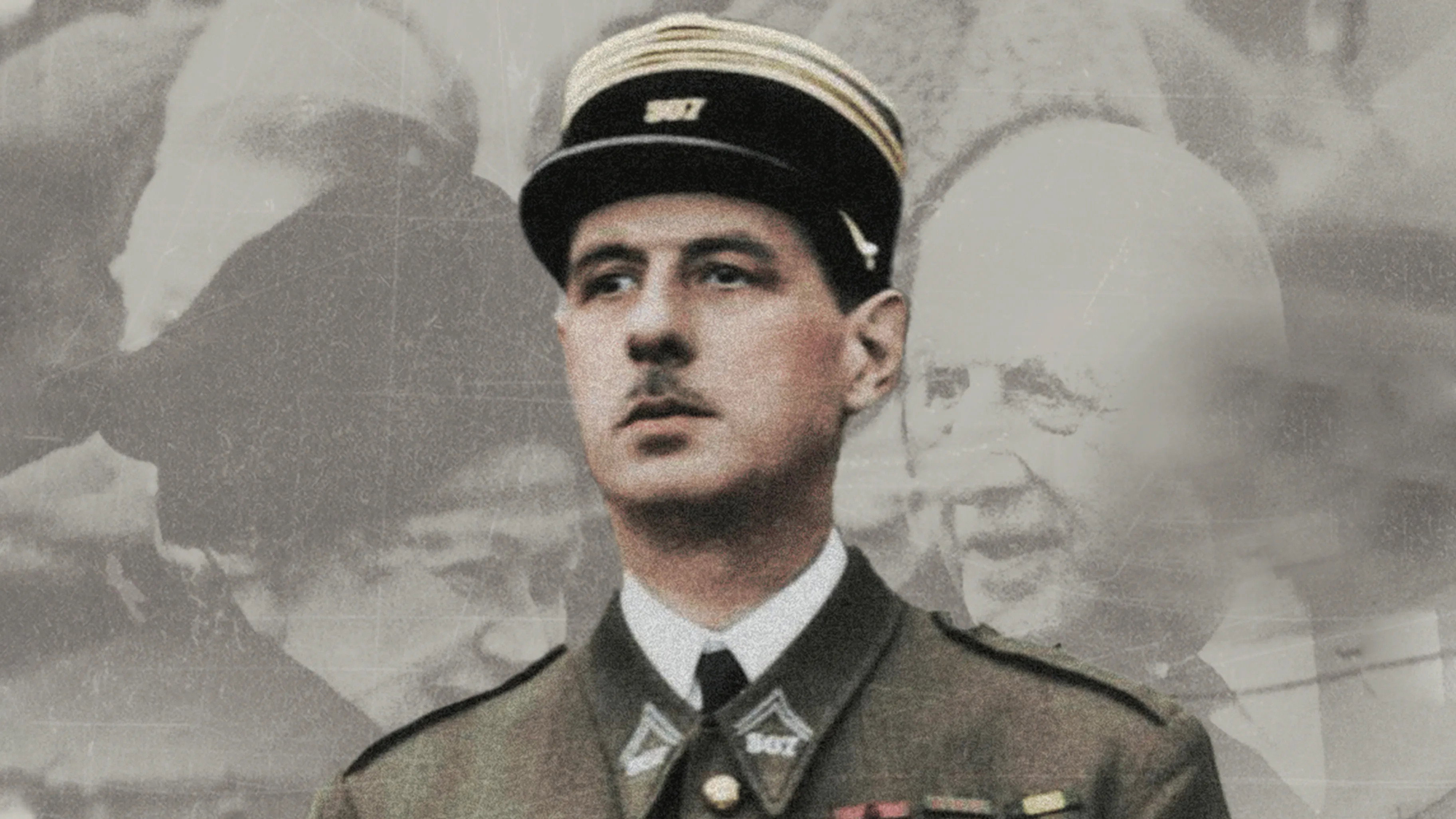
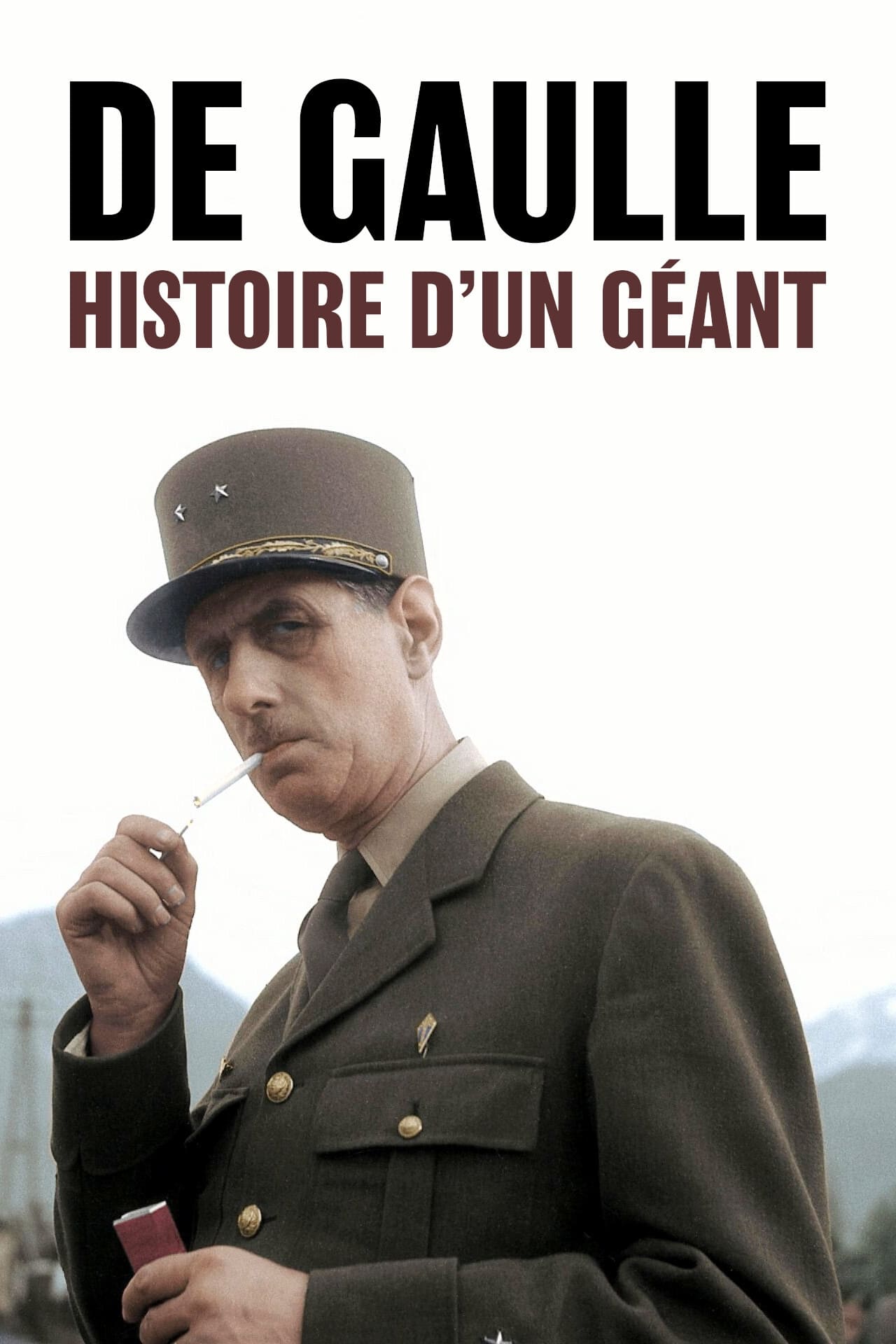
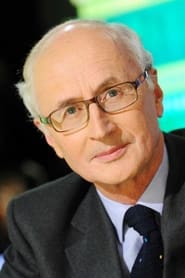
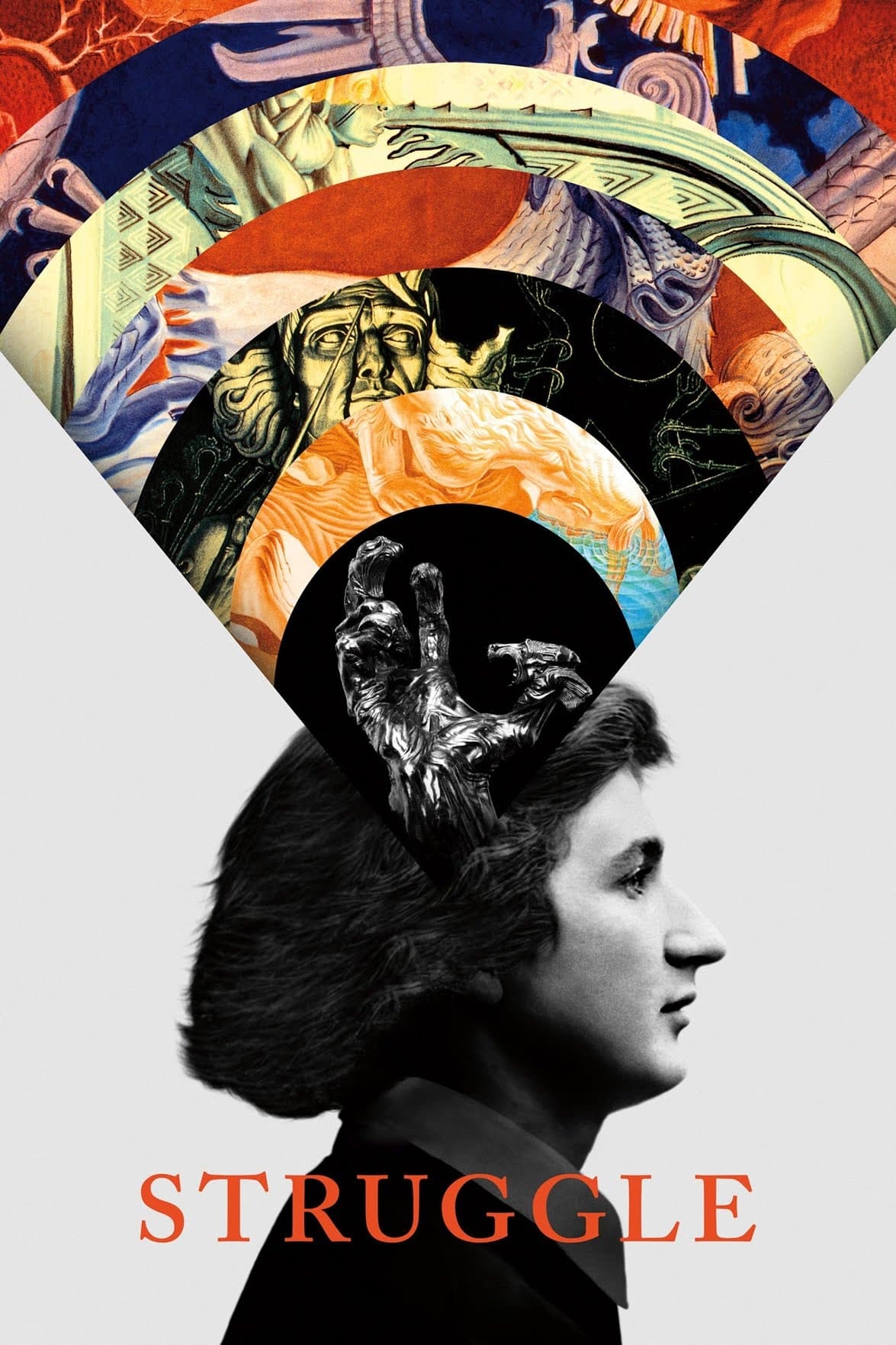
50 years after the death of General De Gaulle, this film retraces his life, from his birth in 1890 to his burial at Colombey-Les-Deux-Eglises in 1970.
Social & External
The people behind it
Bernard Farcy
Charles de Gaulle
Denis Podalydès
(voice)
The personal stories lived by the Uncle, the Father and the Son, respectively, form a tragic experience that is drawn along a line in time. This line is comparable to a crease in the pages of the family album, but also to a crack in the walls of the paternal house. It resembles the open wound created when drilling into a mountain, but also a scar in the collective imaginary of a society, where the idea of salvation finds its tragic destiny in the political struggle. What is at the end of that line? Will old war songs be enough to circumvent that destiny?
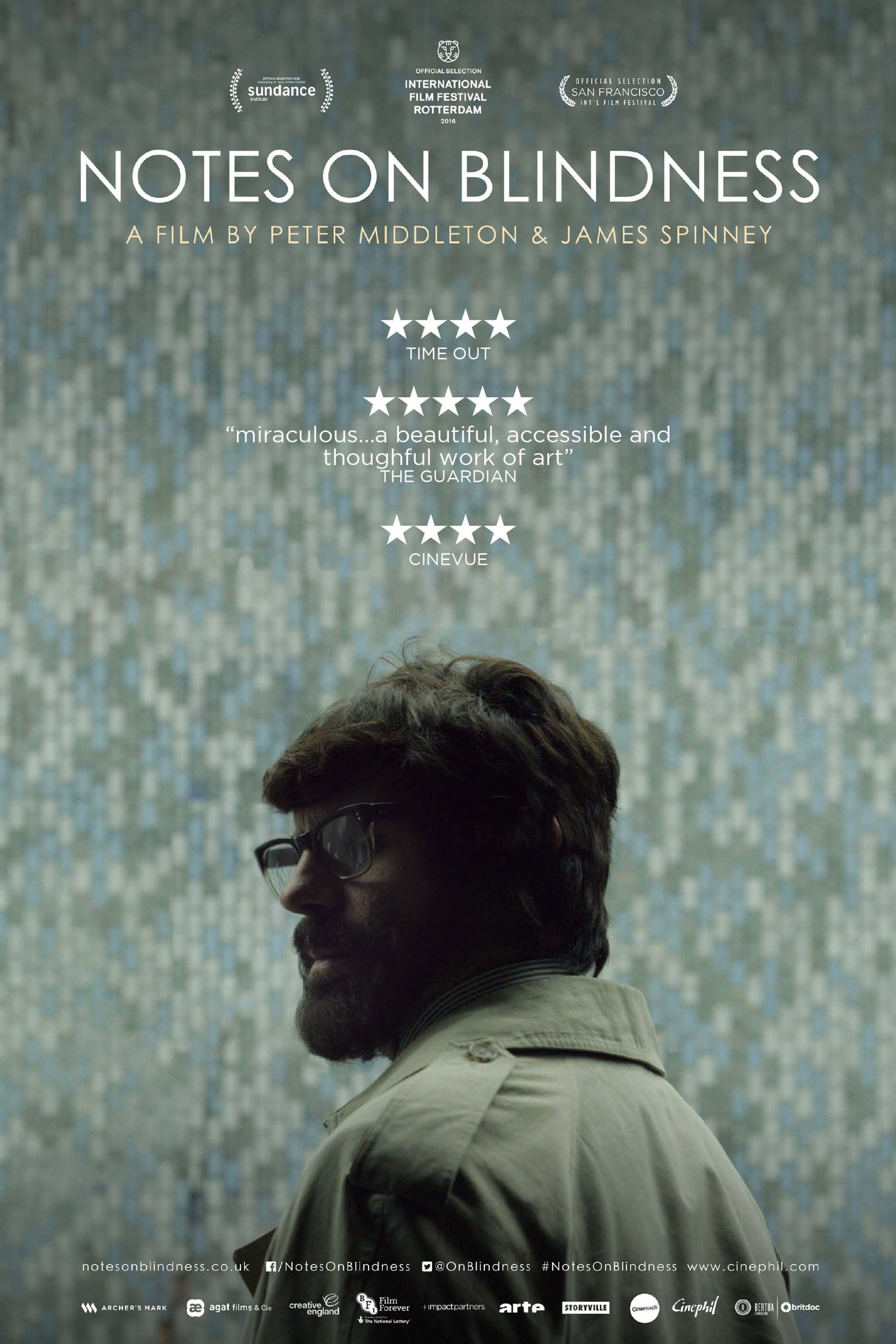
After losing sight in 1983, John Hull began keeping an audio diary, a unique testimony of loss, rebirth and renewal, excavating the interior world of blindness. Following on from the Emmy Award-winning short film of the same name, Notes on Blindness is an ambitious and groundbreaking work, both affecting and innovative.
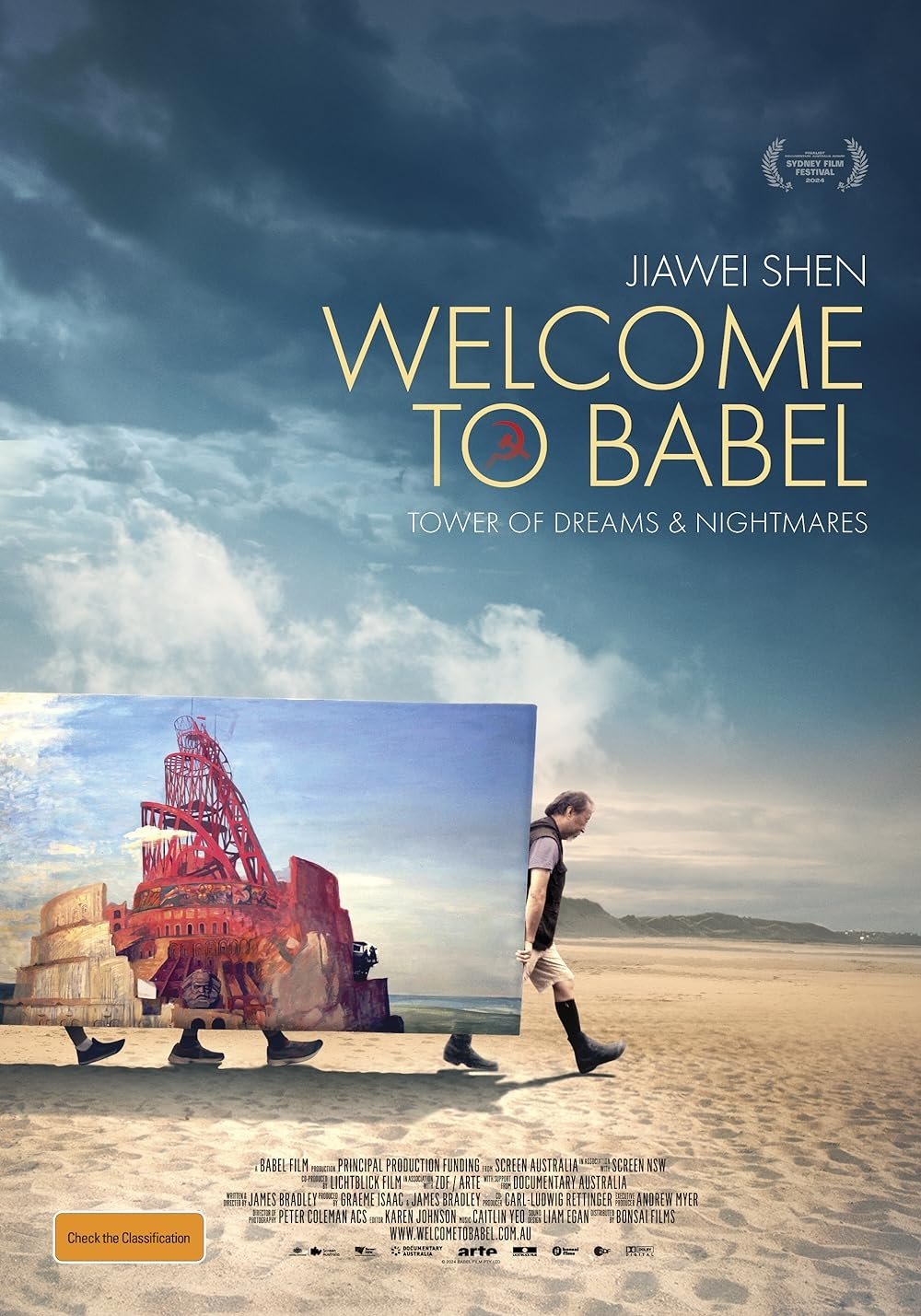
Chinese-Australian artist Jiawei Shen's plans to create an epic work depicting his homeland's tumultuous recent history.
Artists in LA discover the work of forgotten Polish sculptor Stanislav Szukalski, a mad genius whose true story unfolds chapter by astounding chapter.
The re-creation of events leading up to Margaret Thatcher's defeat as party leader and Britain's Prime Minister.
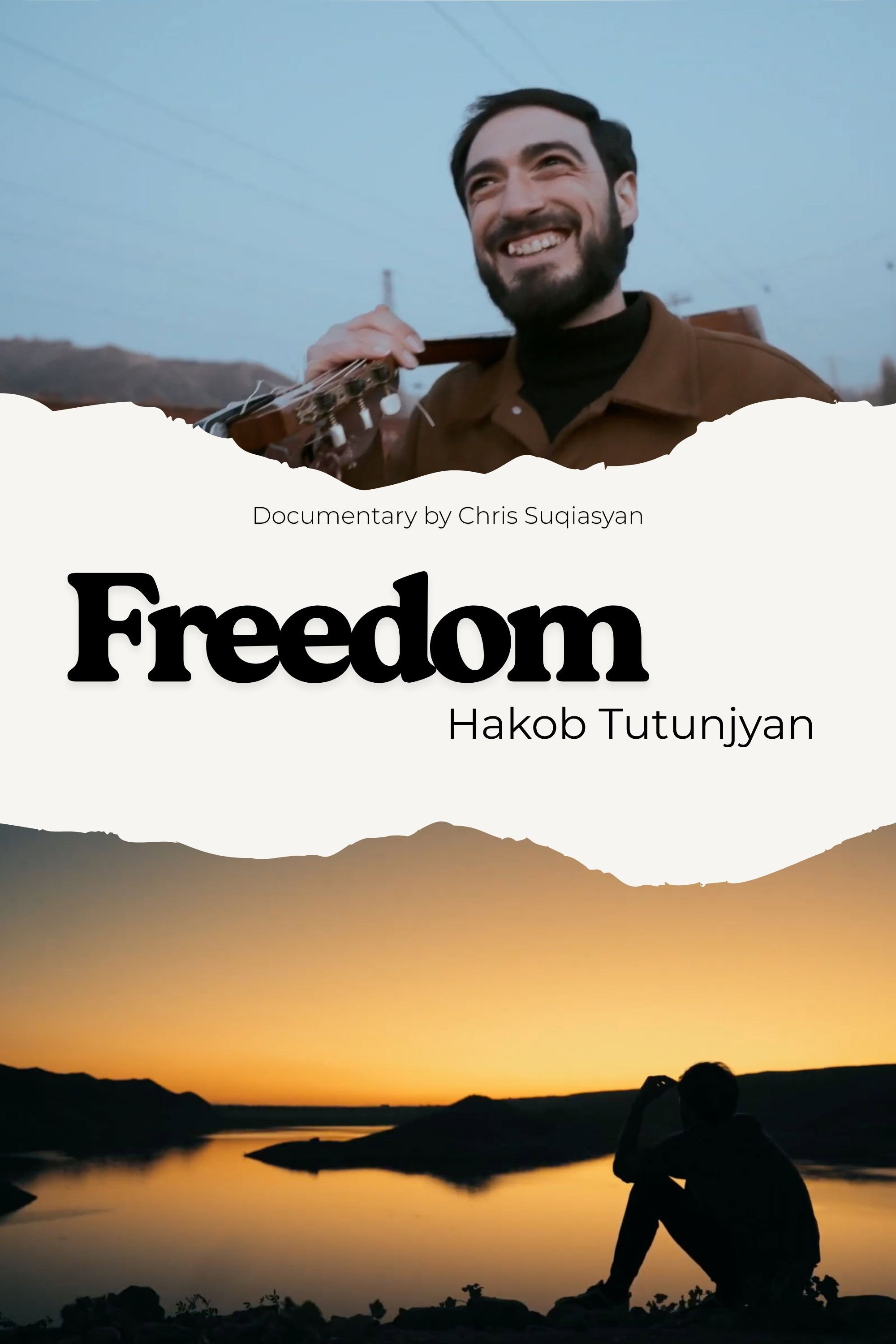
The film tells the story of young musician Hakob Tutunjyan, who discovers what freedom truly means to him.
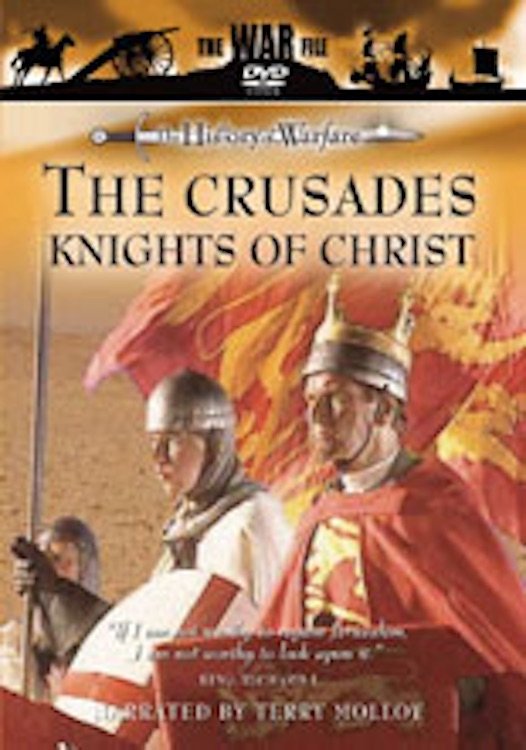
For nearly two centuries, generations of knights from England and western Europe marched to do battle with the Saracen hordes who occupied the Holy Land.
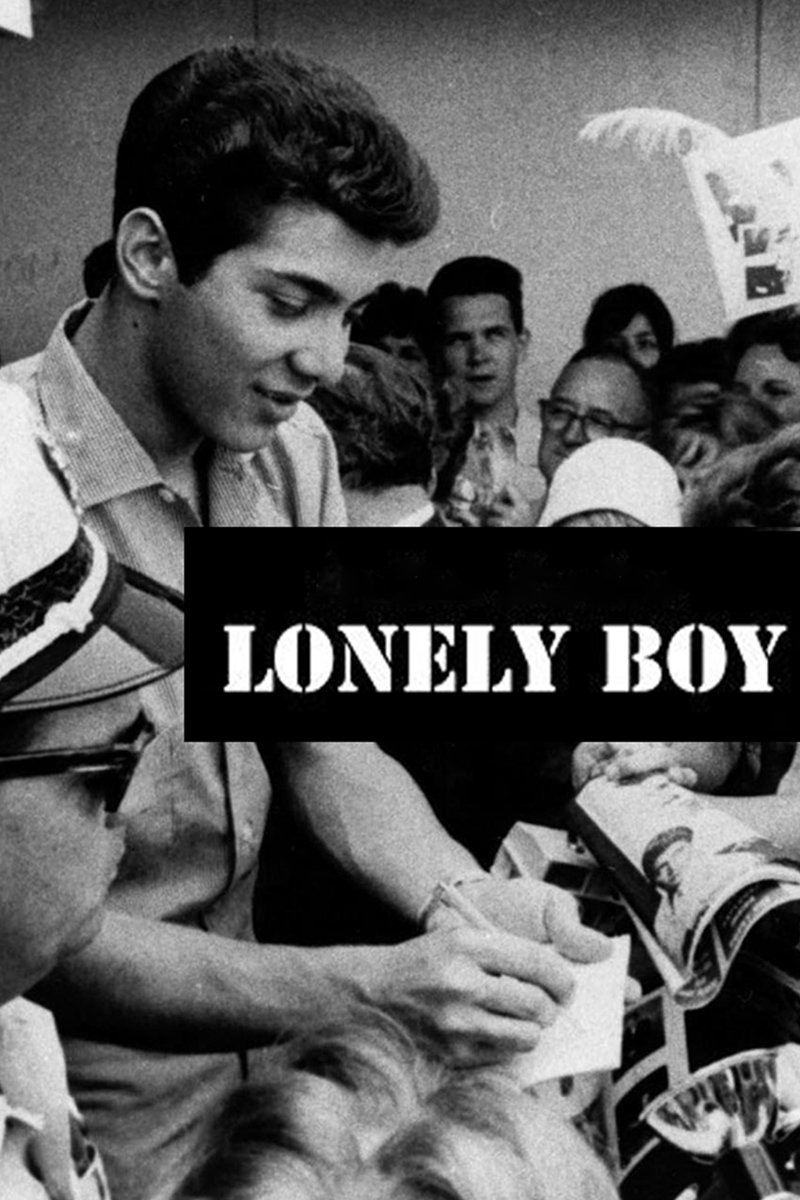
This short film portrays the story of singer Paul Anka, who rose from obscurity to become the idol of millions of adolescent fans around the world. Taking a candid look at both sides of the footlights, this film examines the marketing machine behind a generation of pop singers. Interviews with Anka and his manager reveal their perspective on the industry.
Scenes from the life of composer Zdeněk Fibich accompanied by excerpts from his work in a poetic documentary... The story of the Czech artist is embodied in a single day in the life of his collaborator and lover Anežka Schulzová (Iveta Rálková). Between waking up in the morning and falling asleep at night, she brings fragments of her beloved man's life experiences to life in her memories. It is a drama of emotions that draws her into its trap. Fibich left the safe haven of his family for her love, seeking inspiration in passion and eroticism. This clearly tense human situation is complicated by Anežka's rival and Fibich's wife Betty.
One of Hollywood's brightest stars is eclipsed by drink, drugs and self-doubt.
The mysteries and drama behind the tournament that saw the hosts triumph, but also the disappearance of over 30,000 political opponents. Interviews, exclusive documents, a long and in-depth investigation into a World Cup that—40 years later—still searches for the final truth.
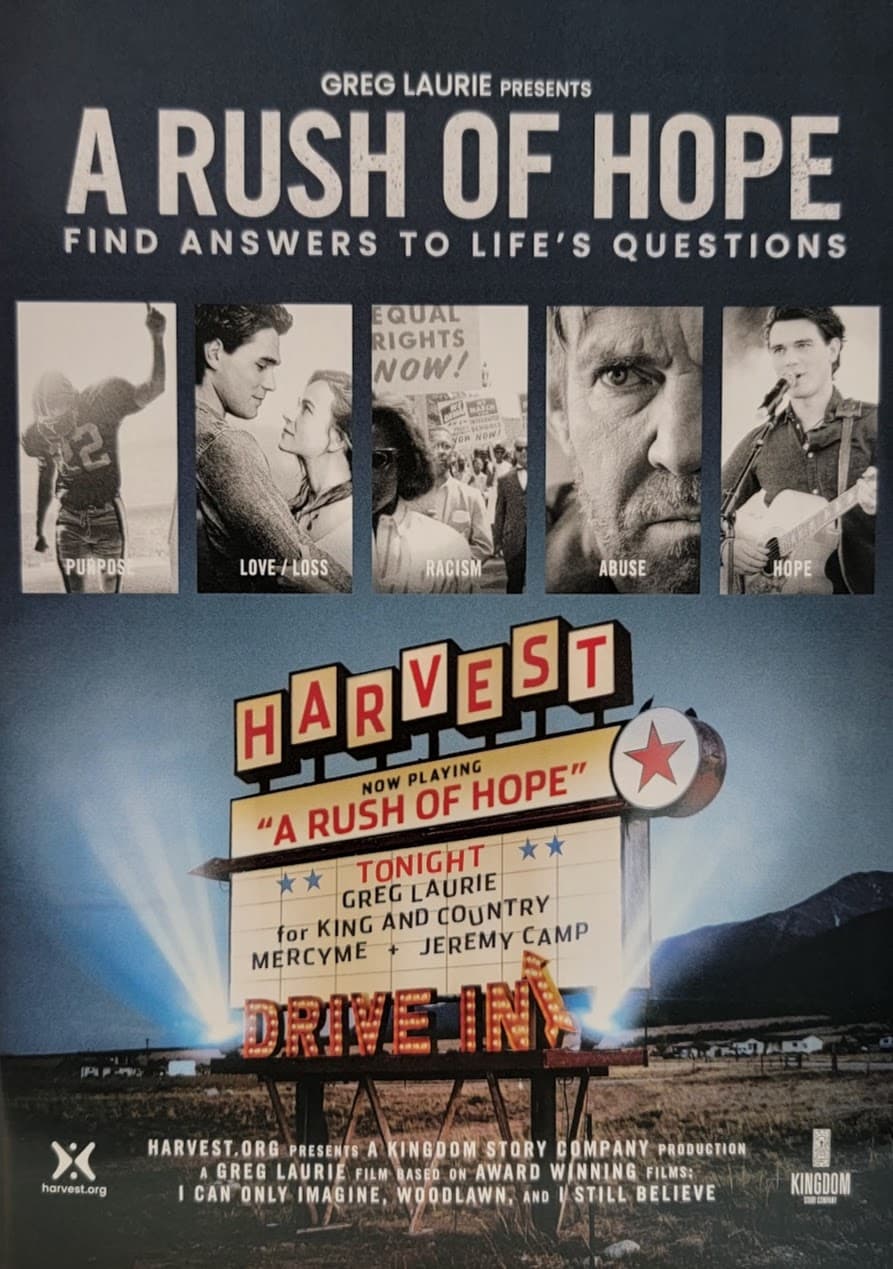
Our life is like a movie. It has a beginning, middle, and end. We all have questions about this movie that we are in. Is this movie a tragedy? Is it a love story? Or is it a comedy? Do we win in the end? What is the meaning of my life?
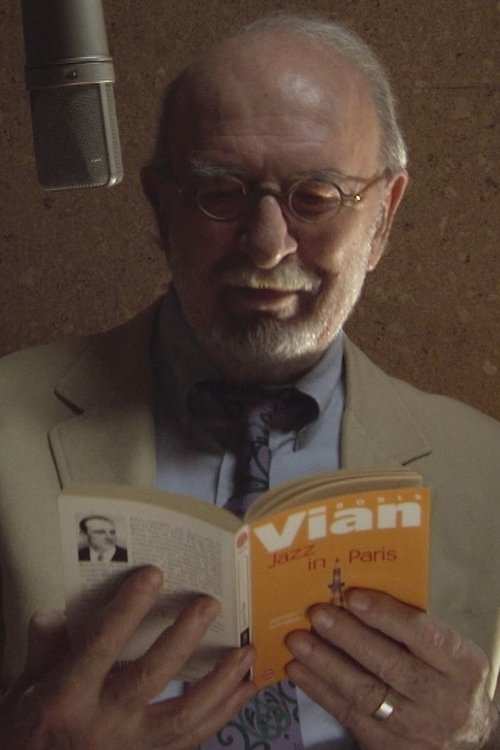
"Vian Bubbles" - On June 23, 2009, fifty years to the day after the death of Boris Vian, a supernatural phenomenon crosses all of France: in the streets, one sings everywhere his songs and one expresses oneself only in the language of the poet. In Paris, Antoine de Caunes wakes up to discover the strange "vianic" epidemic, which also affects radio waves and the small screen. A boss of channel proposes to him to organize, for the same evening, a show dedicated to the songs of Boris Vian. Jean-Pierre Marielle tells us the story of this phenomenon, as supernatural as inexplicable. A tribute in songs to the glowing cast.
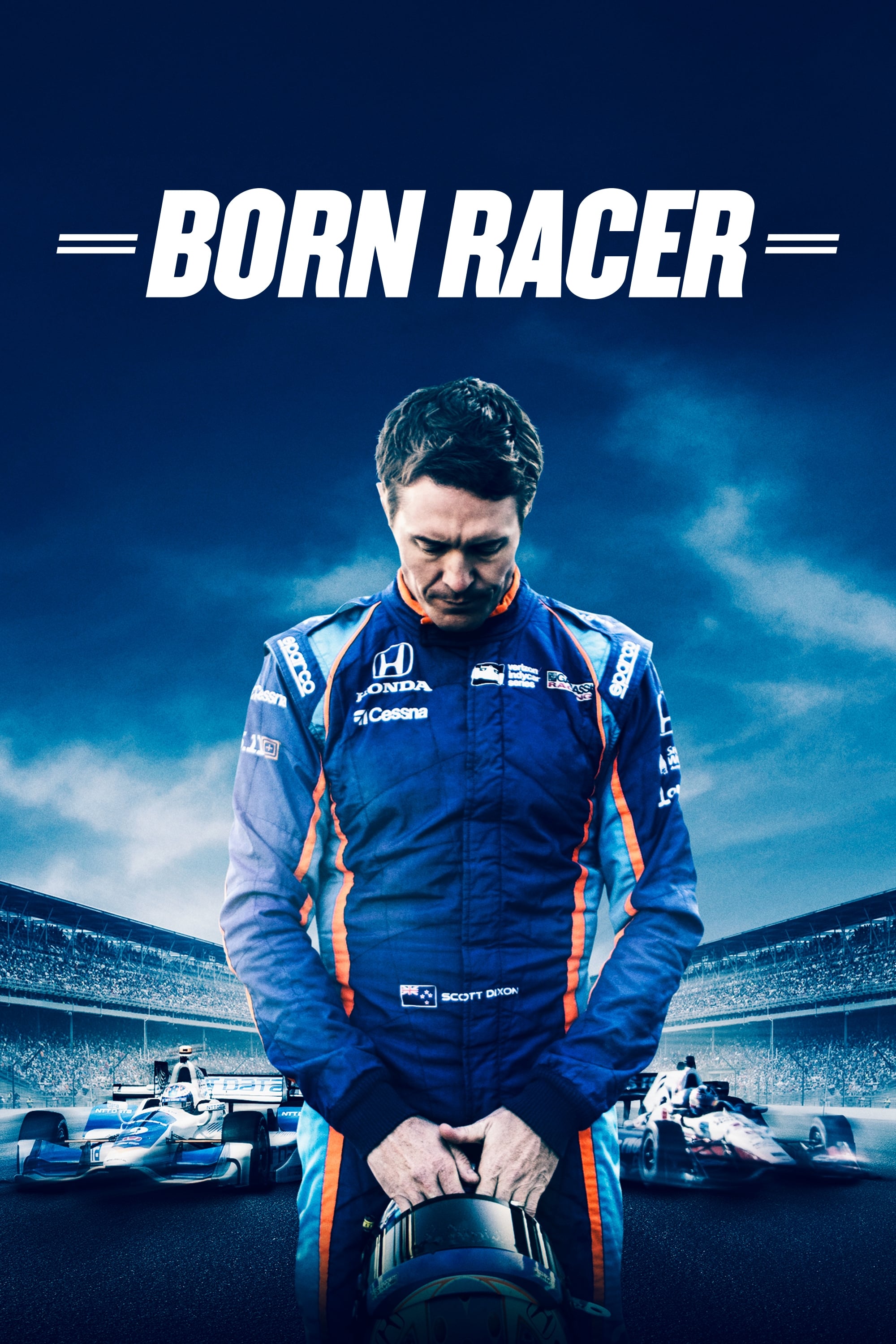
A powerful and inspirational story of dedication, danger, fear, and the rare ‘will’ some of us have to defy all personal limitations. Experience the fastest motorsport on earth through the eyes of five-time champion Scott Dixon and the Chip Ganassi Racing team. Filmed with an access all areas lens, ‘Born Racer’ follows the people who are passionate about the world of auto racing and asks why some individuals feel compelled to face danger and risk their lives in order to win. Both action-packed and highly-intimate, it features an intense blend of up close and personal filming with never-before-seen spectacular, cutting-edge racing footage to explore a sport that defines the very people who inhabit it, and pushes them to the edge in their desire for success.
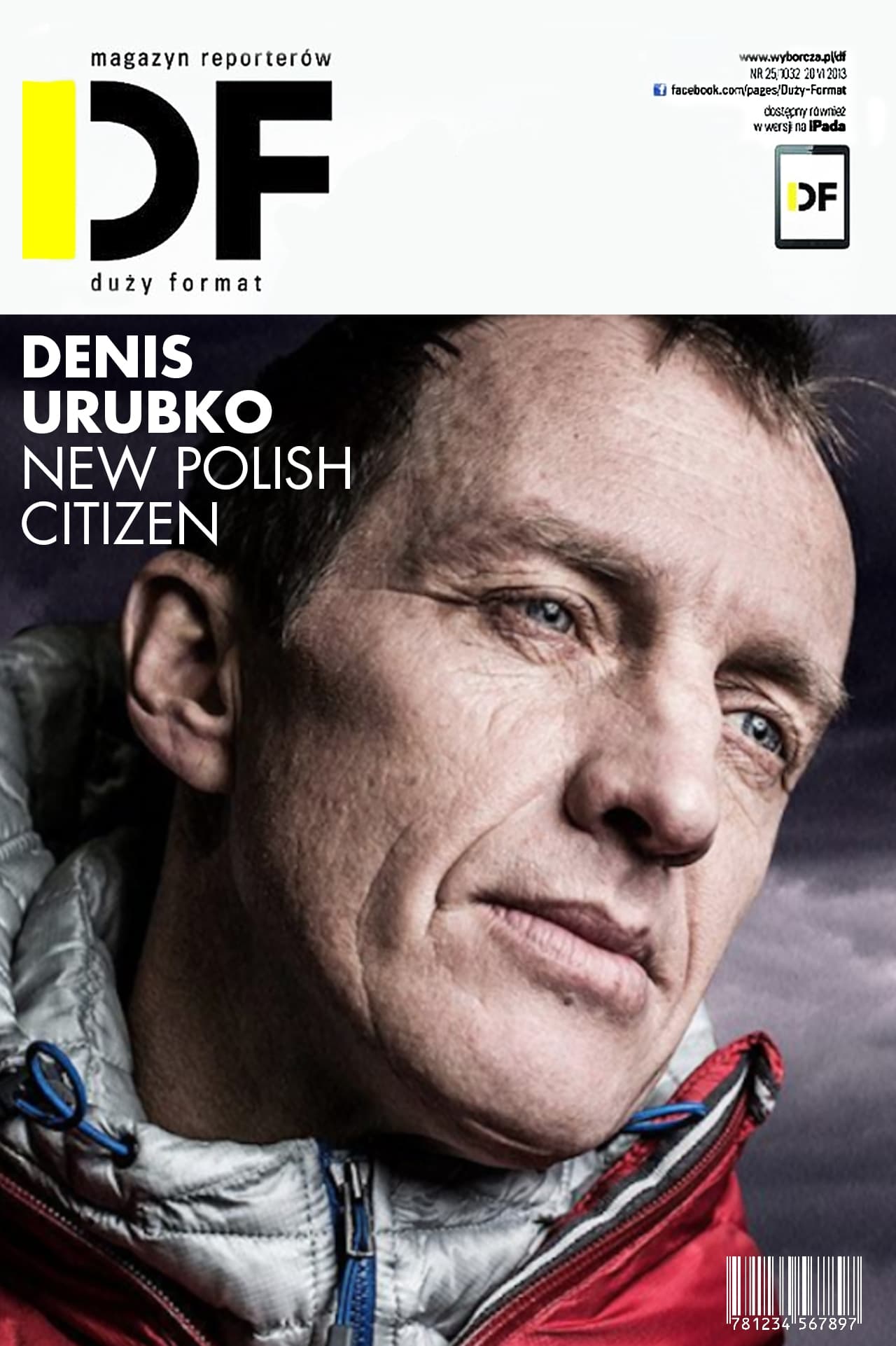
Mountaineering legend Denis Urubko shares his thoughts on what mountaineering is (or isn't). "It's important to get up from the table before you're full at mealtime. Sometimes people try to enjoy life to the fullest. And I'm afraid of it," he says in this interview given to Dominik Szczepański and produced by Jarek Tokarski for Duży Format.
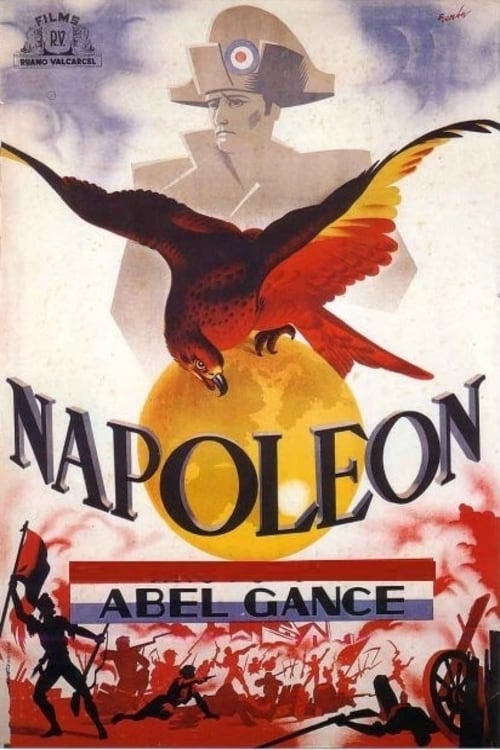
A second version of Gance's Napoléon, with sound.
The conflict between Dole Food Company and Swedish filmmaker Fredrik Gertten unfolds dramatically in the documentary "BIG BOYS GONE BANANAS!" as the corporation attempts to suppress Gertten's earlier film, "BANANAS!"—chronicling Nicaraguan workers' lawsuit against Dole. Initially selected for the 2009 Los Angeles Film Festival, "BANANAS!" was abruptly removed from competition, followed by a negative article in the Los Angeles Business Journal and legal threats from Dole's attorneys. Gertten captures this saga of corporate intimidation, media manipulation, and legal challenges in his documentary, showcasing the struggles documentary filmmakers face and highlighting the threat to freedom of speech posed by powerful corporations protecting their reputations.
Directors Jonathan Alter, John Block and Steve McCarthy bring New York columnists Jimmy Breslin and Pete Hamill’s courageous writing to life, celebrating the acclaimed journalists and the city they loved.
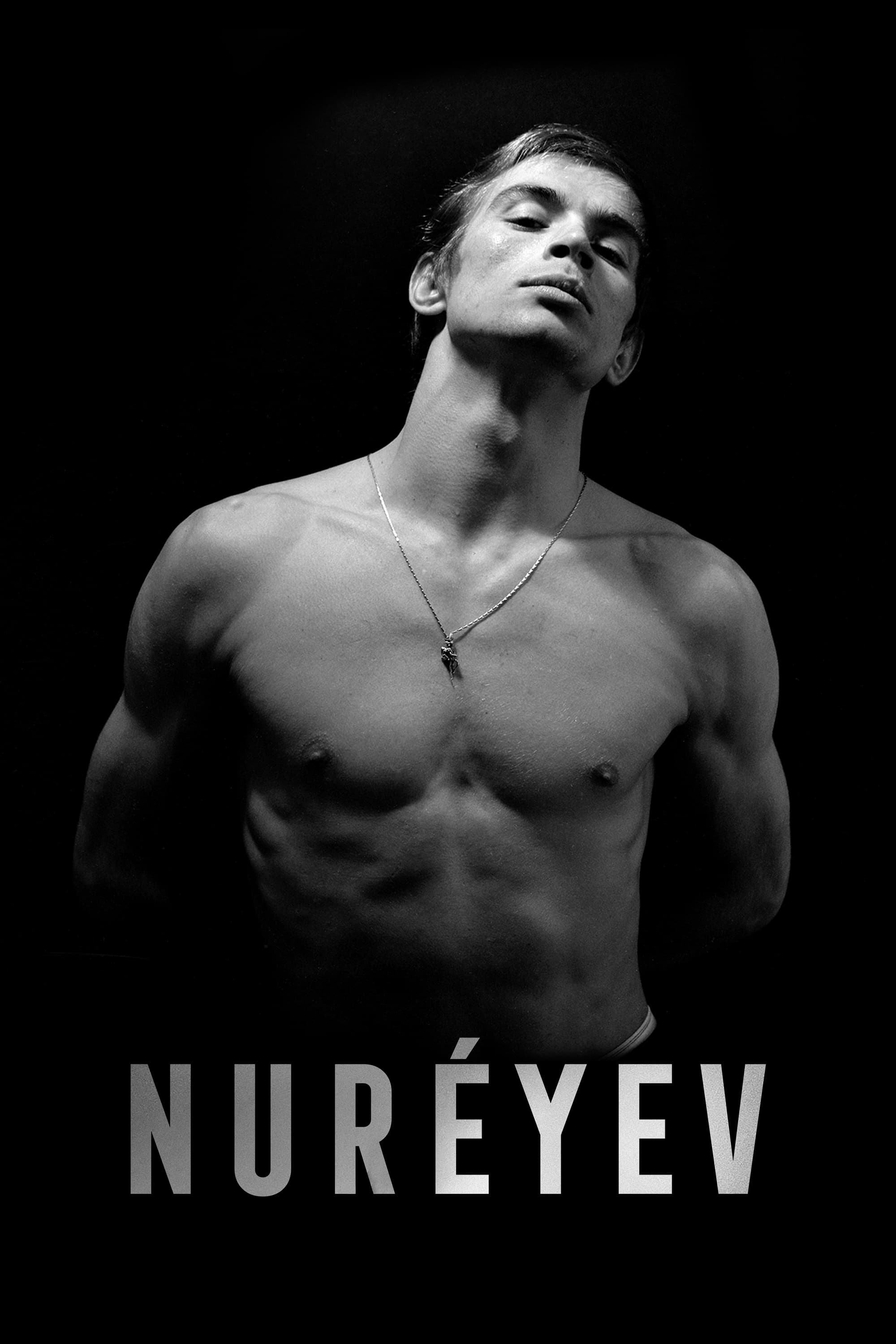
An insight into the life of the world's most famous male dancer, Rudolf Nureyev.
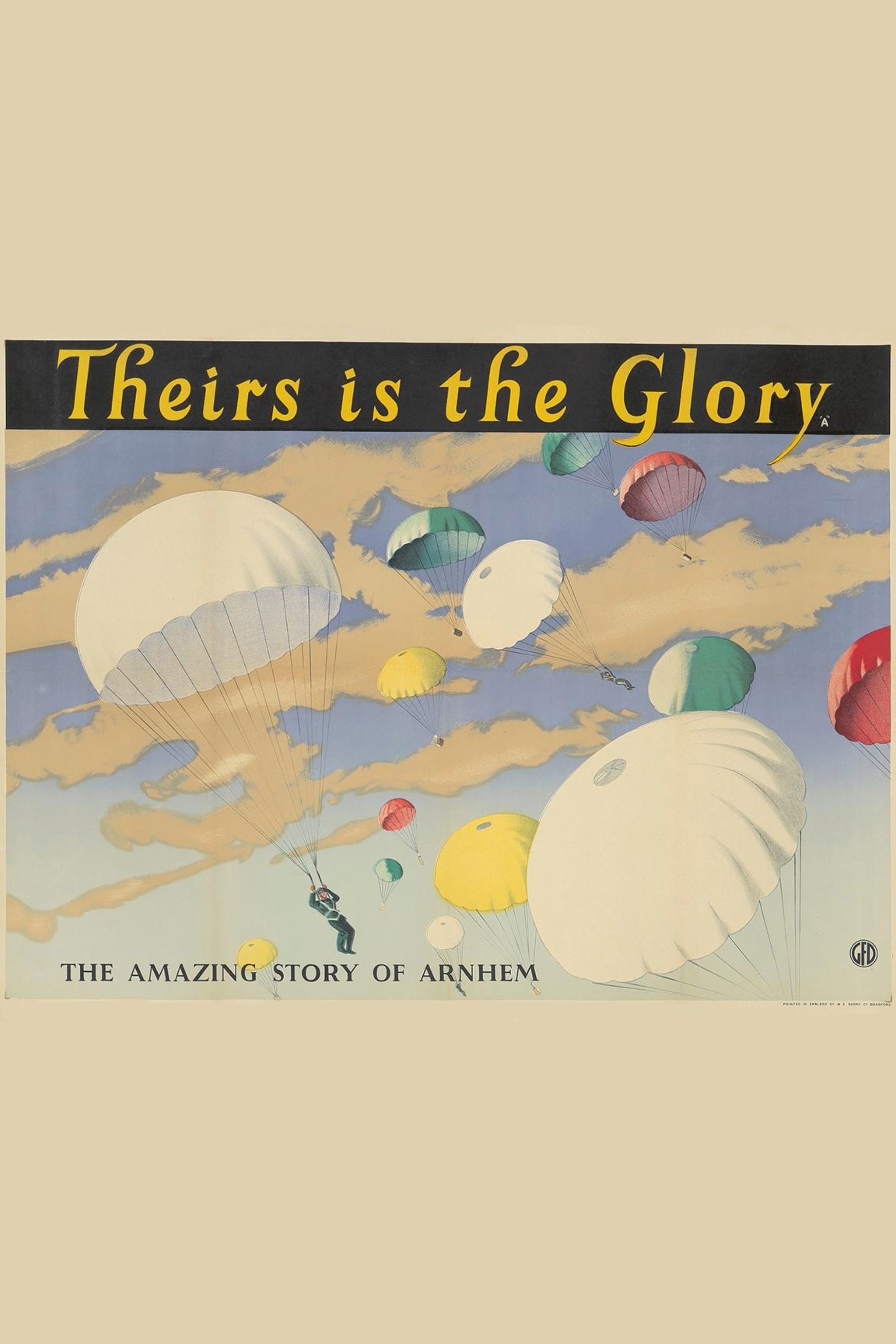
Re-enactment of World War 2 Battle of Arnhem using the survivors from the battle.
Director Claude Lanzmann spent 11 years on this sprawling documentary about the Holocaust, conducting his own interviews and refusing to use a single frame of archival footage. Dividing Holocaust witnesses into three categories – survivors, bystanders, and perpetrators – Lanzmann presents testimonies from survivors of the Chelmno concentration camp, an Auschwitz escapee, and witnesses of the Warsaw Ghetto Uprising, as well as a chilling report of gas chambers from an SS officer at Treblinka.
This revealing documentary honors the legendary Sidney Poitier—iconic actor, filmmaker, and civil rights activist. Featuring interviews with Denzel Washington, Spike Lee, Halle Berry, and more.
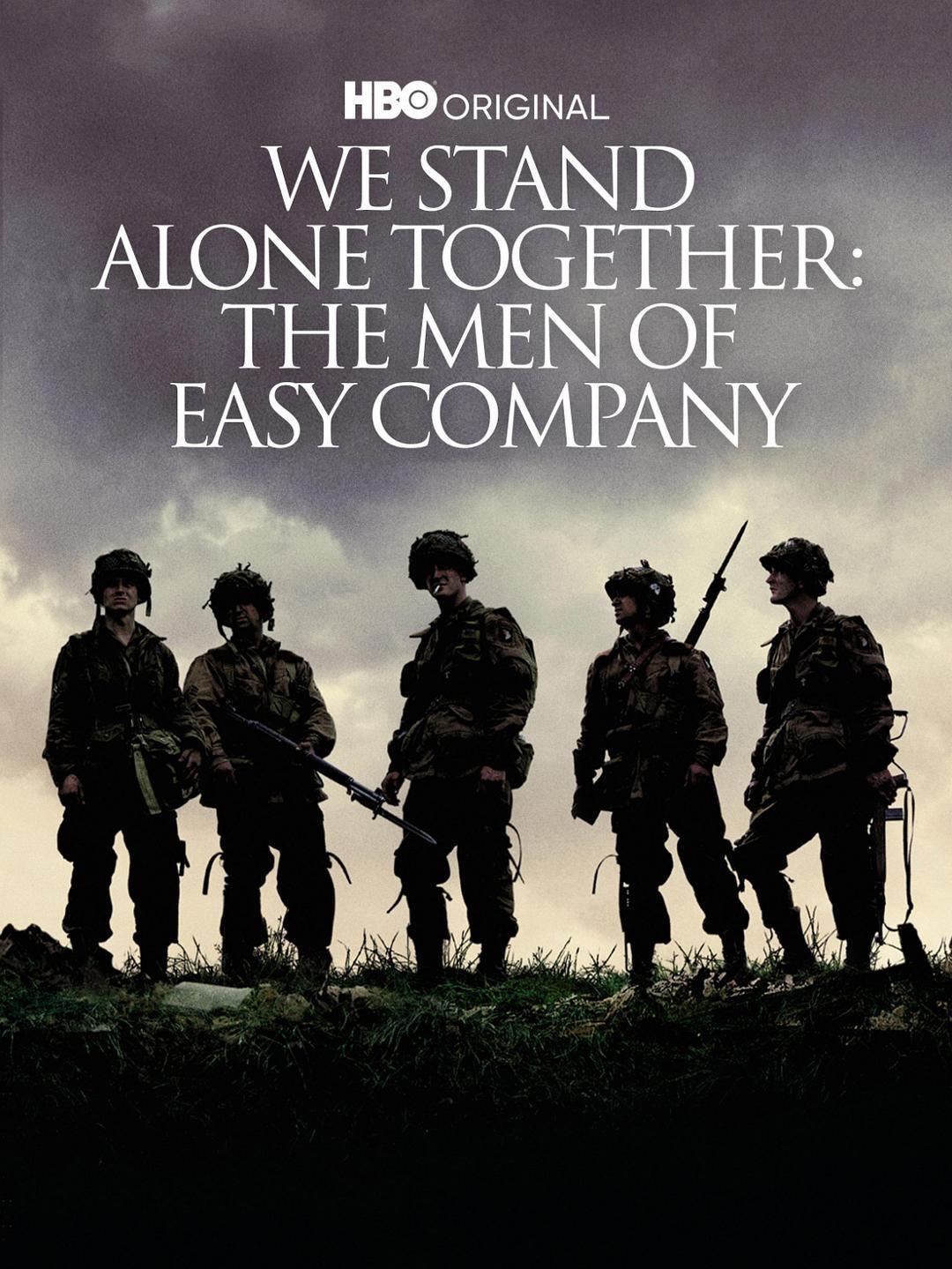
Over a period of two years, Mark Cowen and his crew travelled to thirty U.S. states and ten European cities, to interview the veterans of Easy Company. The stories told by the veterans themselves, create a history of the Second World War from the point of view of this heroic company of men, made famous in the mini-series Band of Brothers.
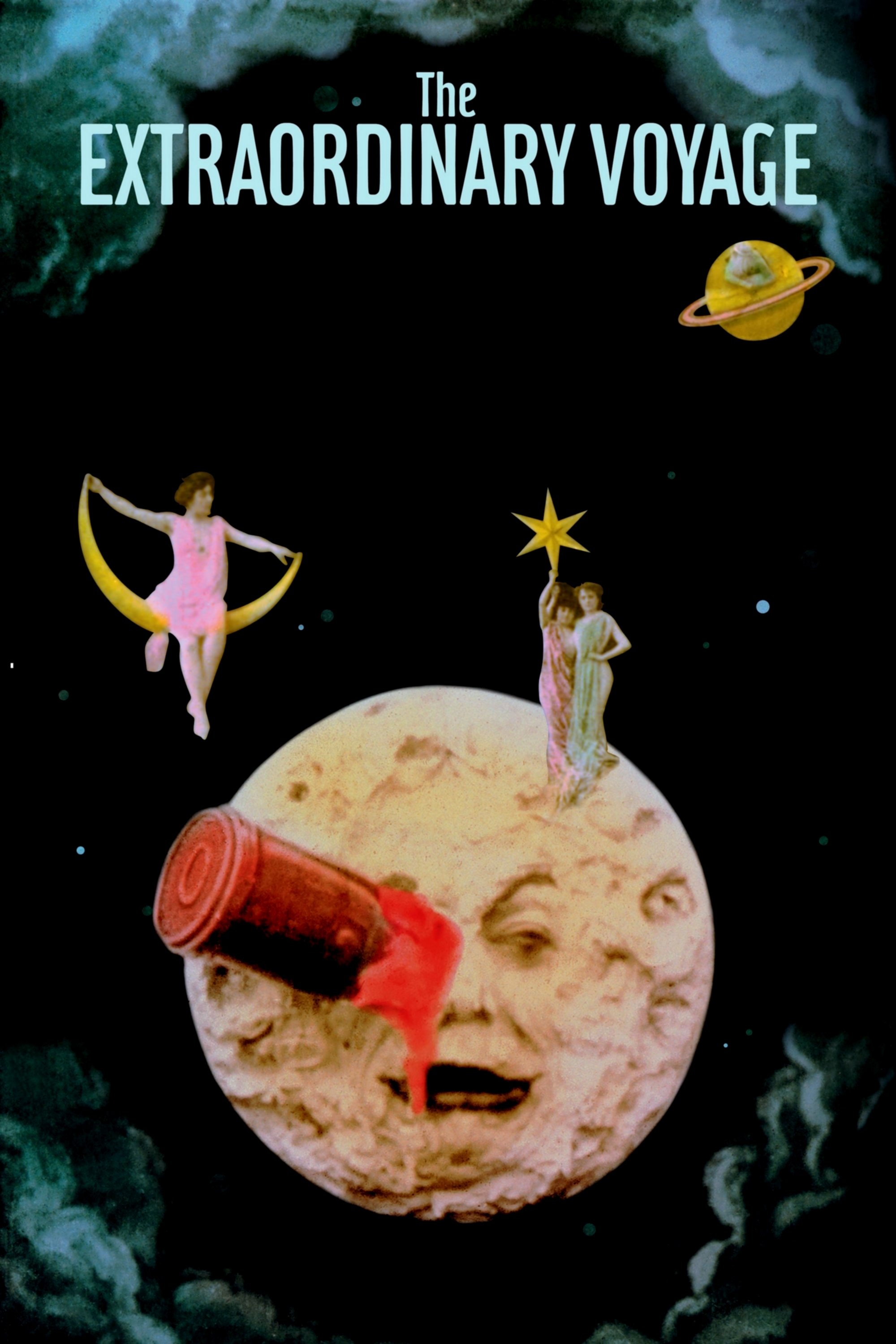
An account of the extraordinary life of film pioneer Georges Méliès (1861-1938) and the amazing story of the copy in color of his masterpiece A Trip to the Moon (1902), unexpectedly found in Spain and restored thanks to the heroic efforts of a group of true cinema lovers.
The history of cinematic sound, told by legendary sound designers and visionary filmmakers.
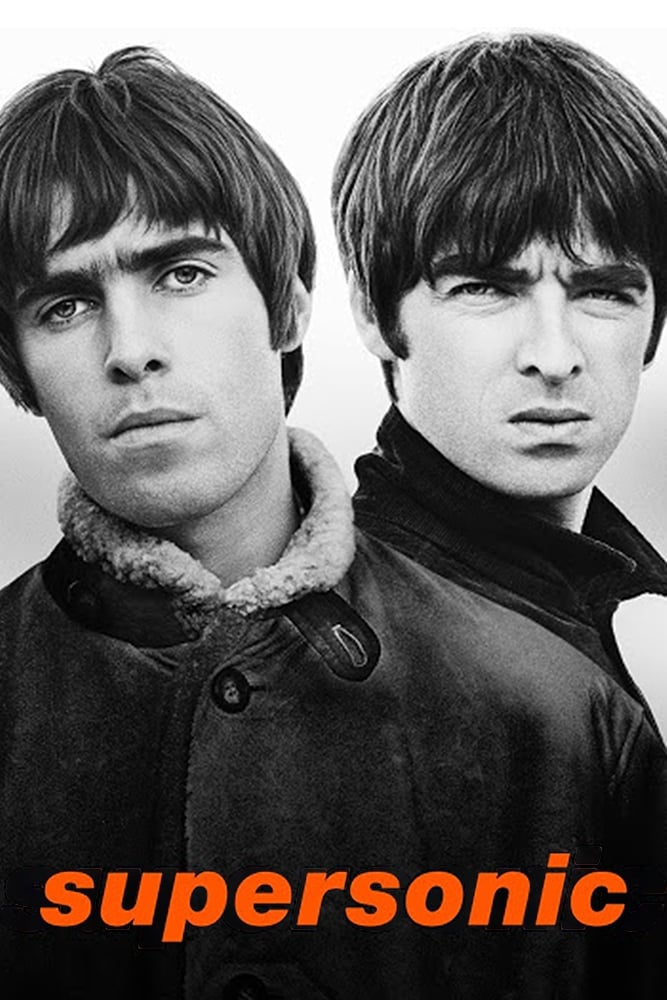
Supersonic charts the meteoric rise of Oasis from the council estates of Manchester to some of the biggest concerts of all time in just three short years. This palpable, raw and moving film shines a light on one of the most genre and generation-defining British bands that has ever existed and features candid new interviews with Noel and Liam Gallagher, their mother, and members of the band and road crew.
The life and career of an actor, artist, and icon. His own journey through his own camera.
The film follows adventurer Jeff Johnson as he retraces the epic 1968 journey of his heroes Yvon Chouinard and Doug Tompkins to Patagonia.
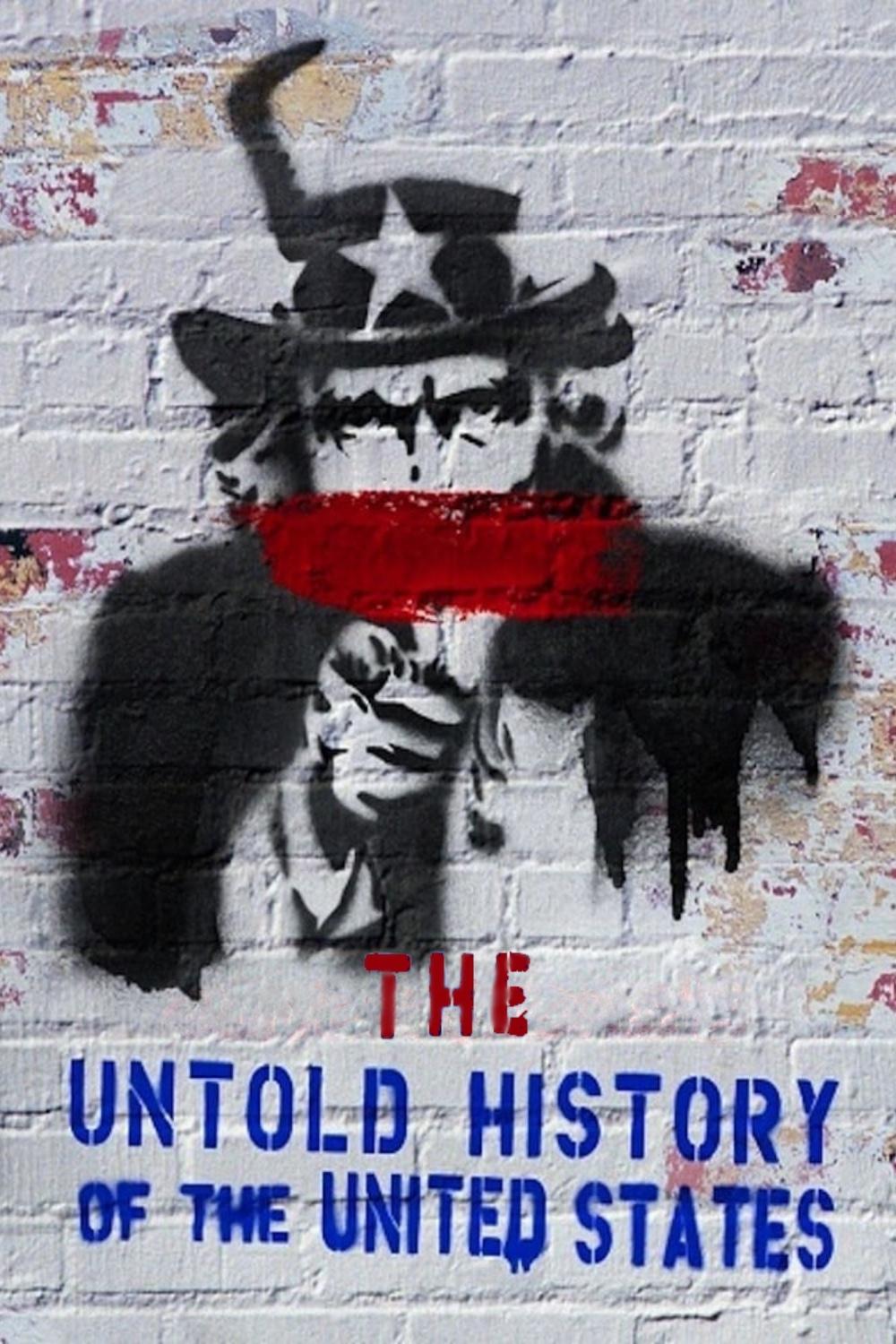
Oliver Stone charts the history of the United States from the Second World War to the present.
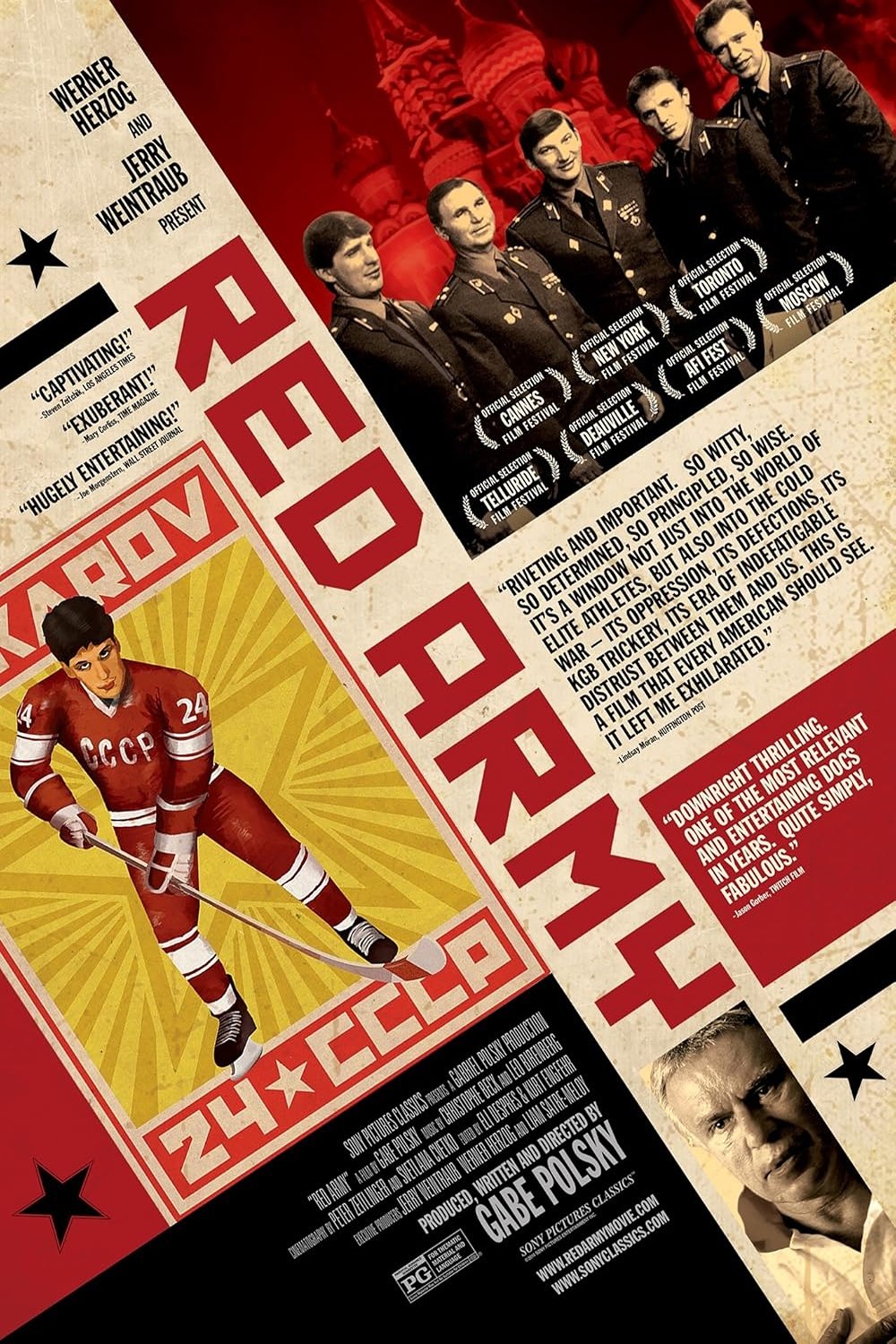
A documentary highlighting the Soviet Union's legendary and enigmatic hockey training culture and world-dominating team through the eyes of the team's Captain Slava Fetisov, following his shift from hockey star and celebrated national hero to political enemy.
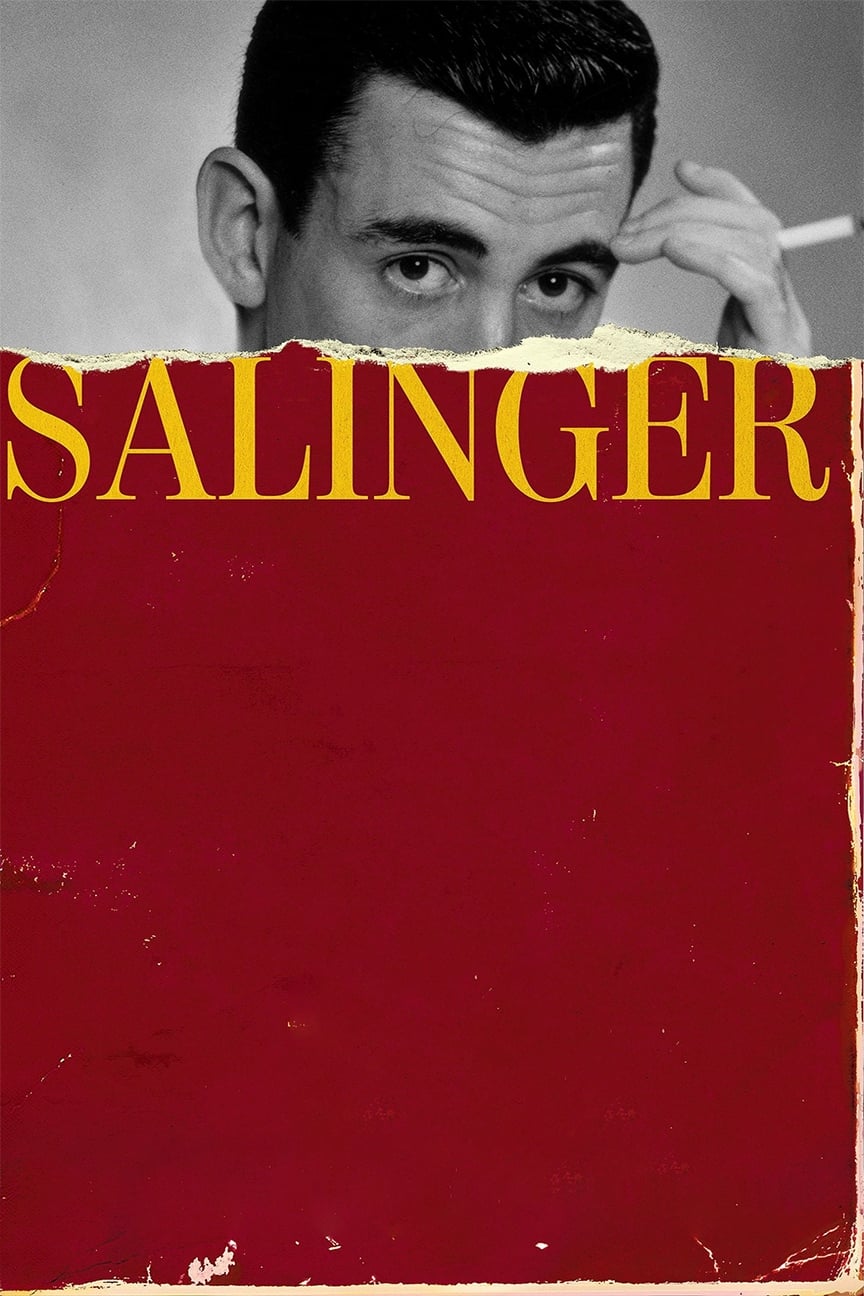
An in-depth investigation into the private world of the American writer J. D. Salinger (1919-2010), who lived most of his life behind the impenetrable wall of a self-imposed seclusion: how his dramatic experiences during World War II influenced his life and work, his relationships with very young women, his obsessive writing methods, his many literary secrets.
Meet the real-life airmen who inspired Masters of the Air as they share the harrowing and transformative events of the 100th Bomb Group.
National Geographic's riveting effort recounts all 12 crewed missions using only archival footage, photos and audio.
A collection of restored prints from the Lumière Brothers.
Celebrate the legacy of Stan Lee as the co-creator of such legendary characters as Fantastic Four, Iron Man, the X-Men, The Avengers, and hundreds more.
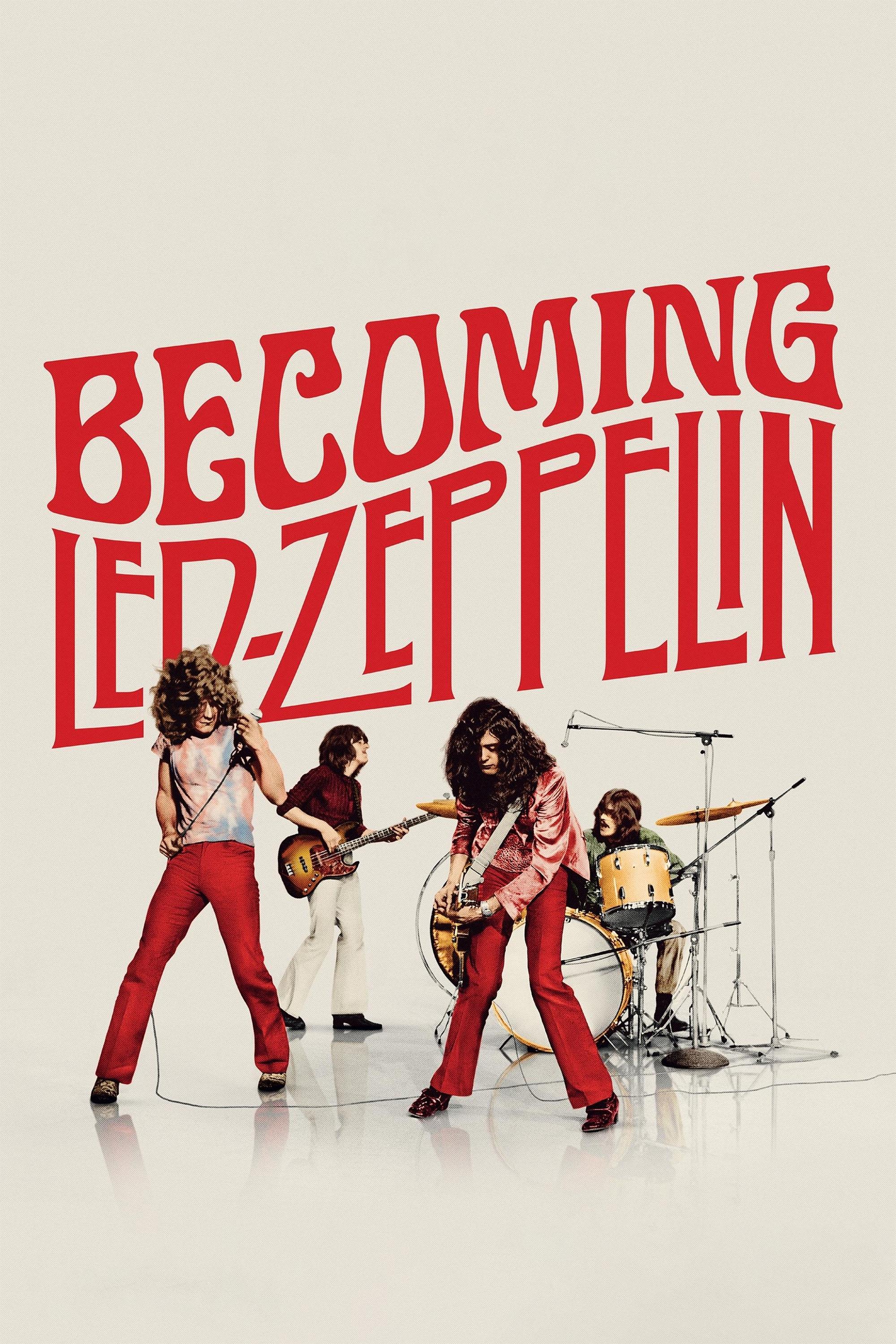
The individual journeys of the four members of the band, as they move through the music scene of the 1960s, playing small clubs throughout Britain and performing some of the biggest hits of the era, until their meeting in the summer of 1968 for a rehearsal that changes their lives forever.
A raw and emotionally revealing look at one of the most iconic artists of our time during a transformational period in her life as she learns to embrace her role not only as a songwriter and performer, but as a woman harnessing the full power of her voice.
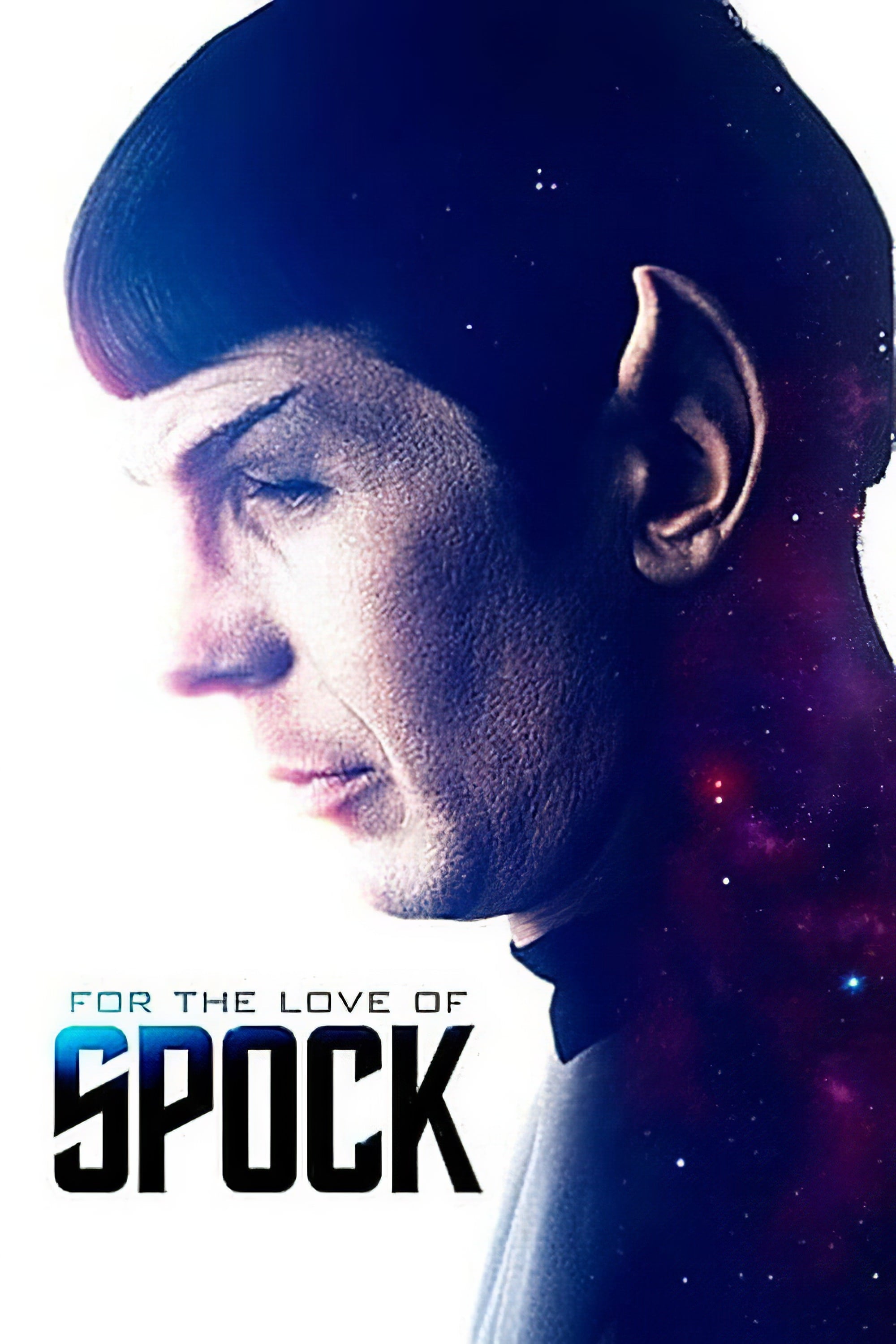
The life of Mr. Spock, as well as that of Leonard Nimoy, the actor who played him for almost fifty years, written and directed by his son: Adam.
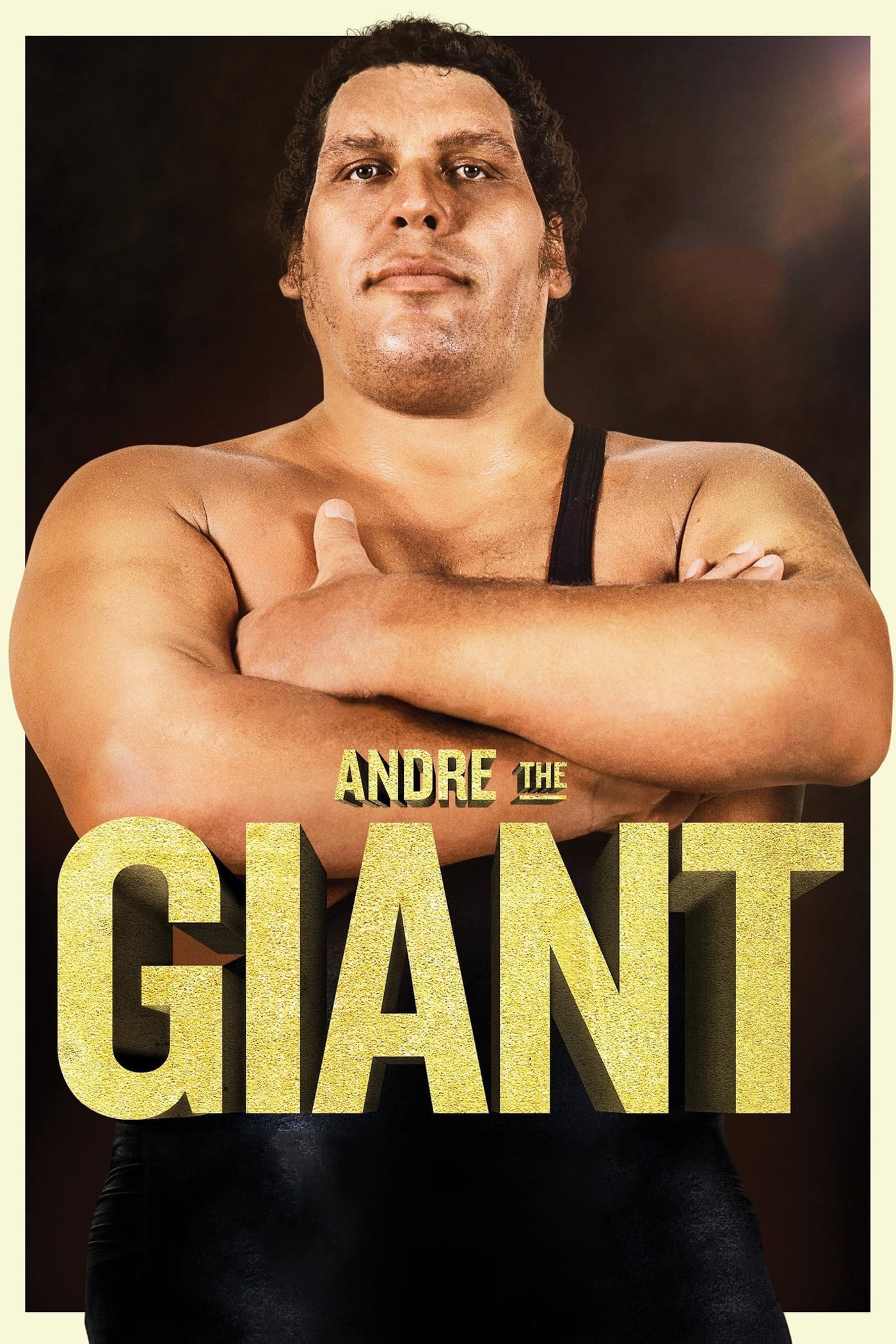
An ambitious and wide-ranging documentary exploring Andre’s upbringing in France, his celebrated career in WWE, and his forays in the entertainment world.
The remarkable coming-of-age story of Stephen Curry—one of the most influential, dynamic, and unexpected players in basketball history—and his rise from an undersized college player to a four-time NBA champion.