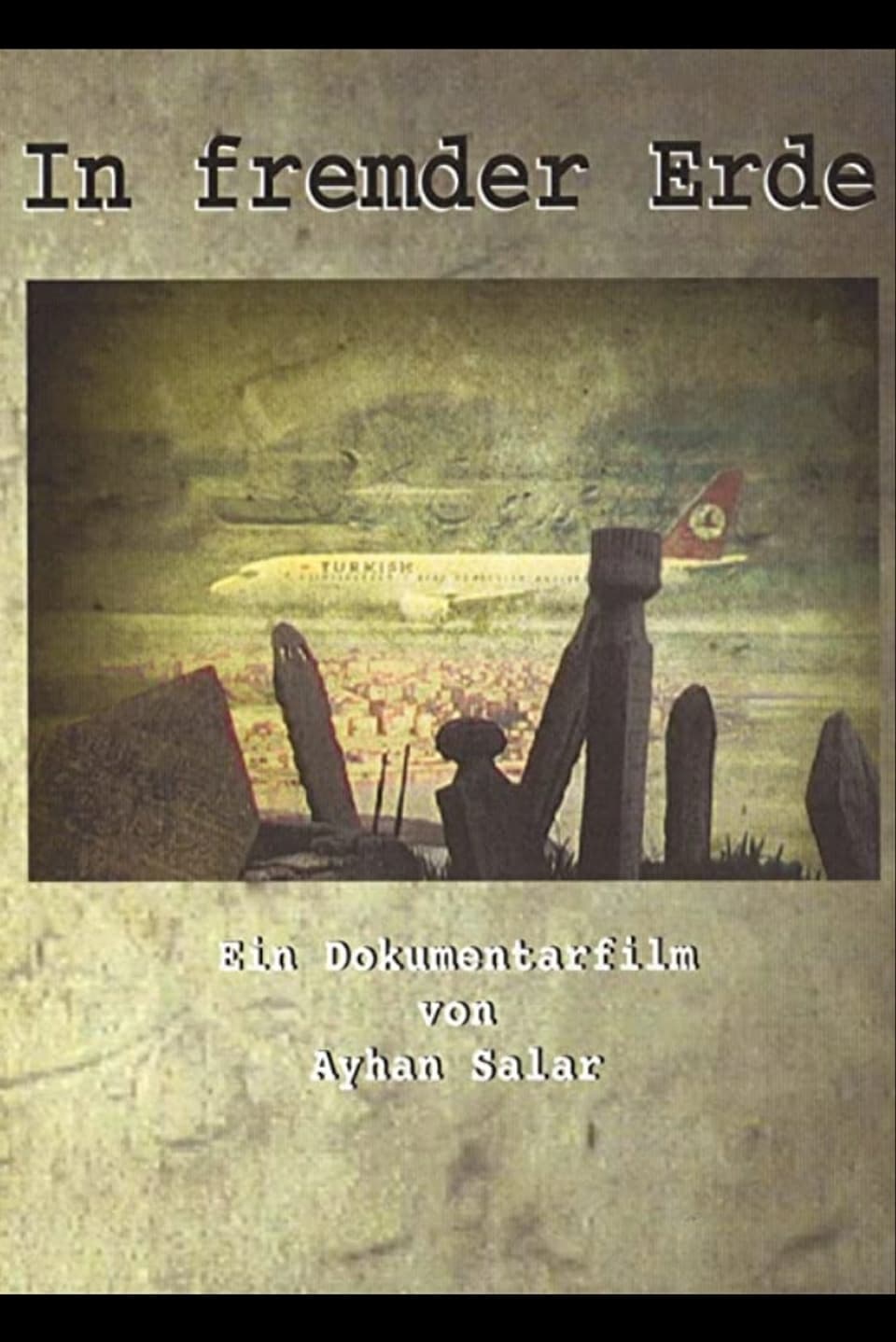
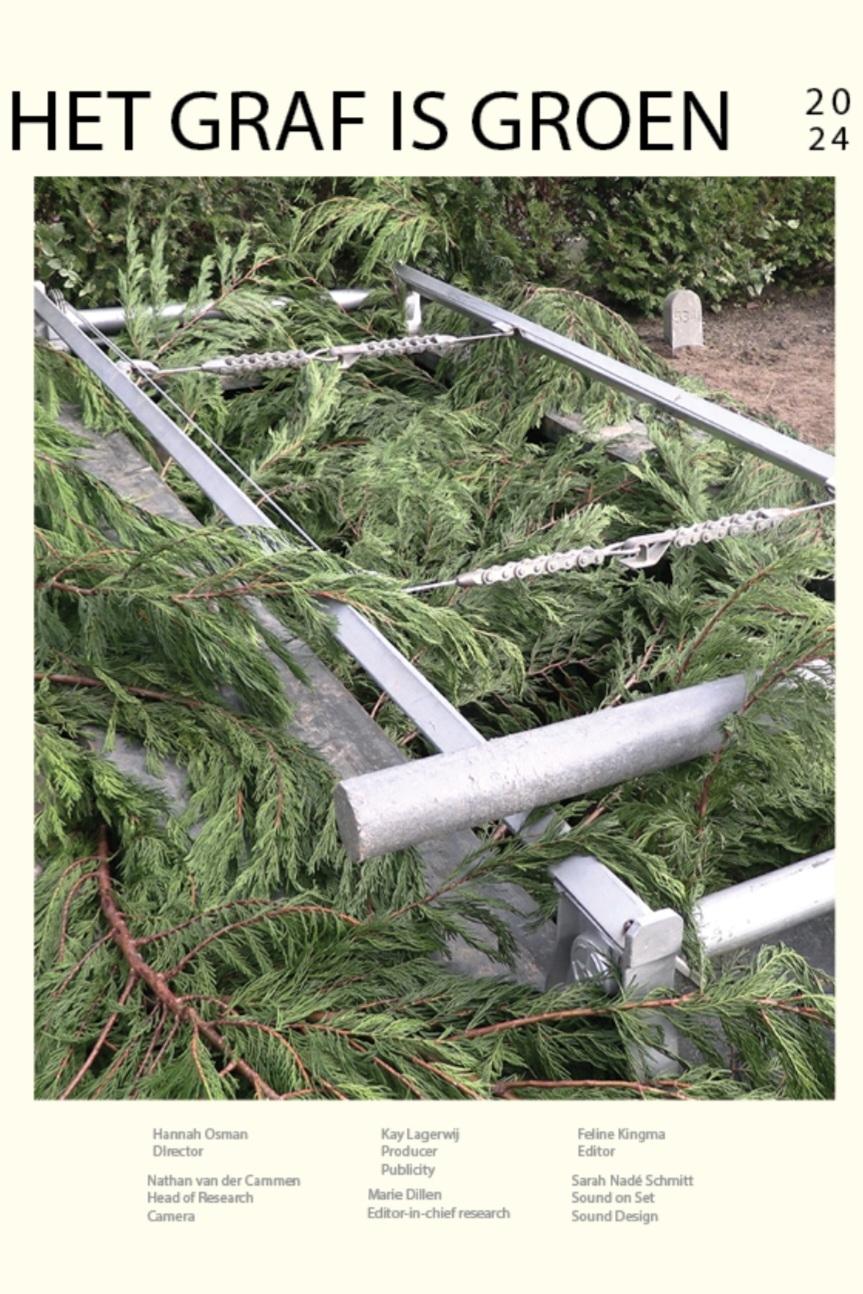
In fremder Erde (In Foreign Soil) documents the Muslim traditions of burial in Turkey and Germany, but above all, the paths the dead take to return to Anatolian soil.
Social & External
Self
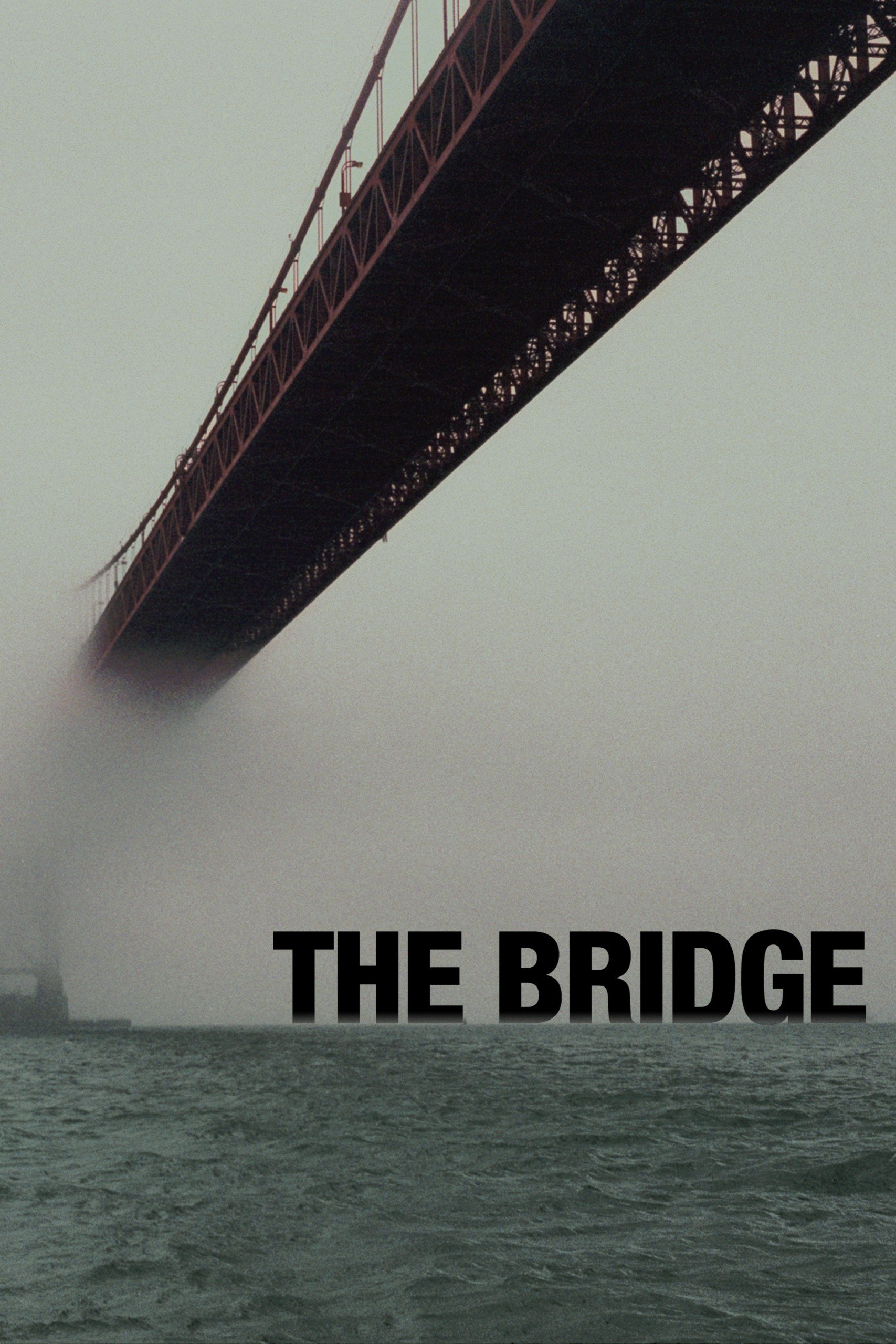
The Bridge is a controversial documentary that shows people jumping to their death from the Golden Gate Bridge in San Francisco - the world's most popular suicide destination. Interviews with the victims' loved ones describe their lives and mental health.
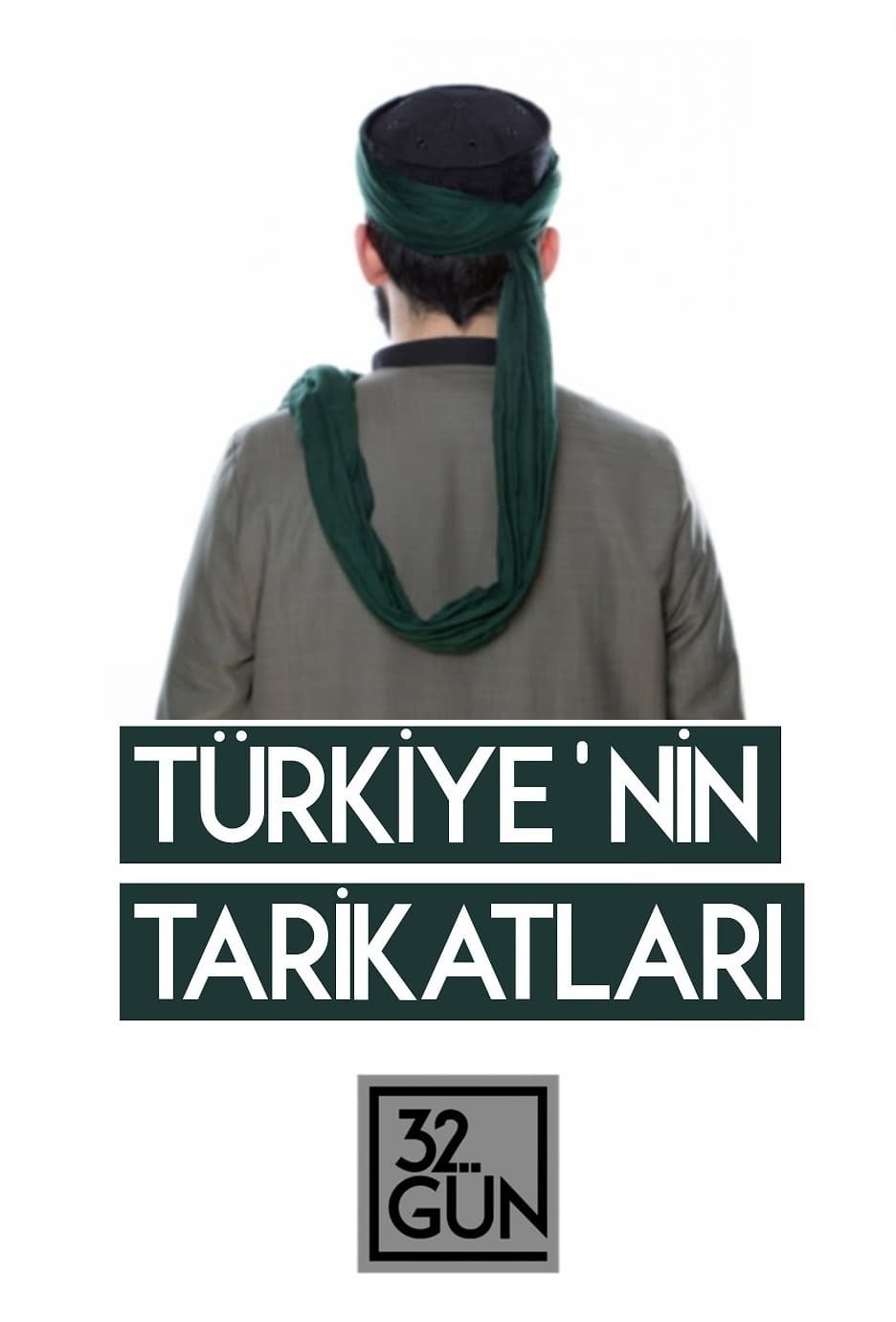
We feel as if we are discovering Turkey for the first time. All of a sudden, we came across a Türkiye with imam marriage and congregations. Actually, that Türkiye has always existed, but we seem to be ignoring it. Especially the iftar dinner given by Prime Minister Erbakan to the leaders of the sect suddenly increased the discussions even more. Sects are a danger to the Republic for some of us, and star people for peace in the country according to others. Regardless, the truth of sects is now a part of our lives. Tonight we will open a 2-part sects file. How many sects are there in Turkey? Who participates, how and why? How do they enter and what do they do? What are the advantages of being a cult member? How many members do sects have? Is Türkiye about to surrender to the sects? Here you will find answers to hundreds of more questions like these. Rıdvan Akar joined various sects. He studied the positive and negative aspects of the sects world. A beautiful file has emerged...
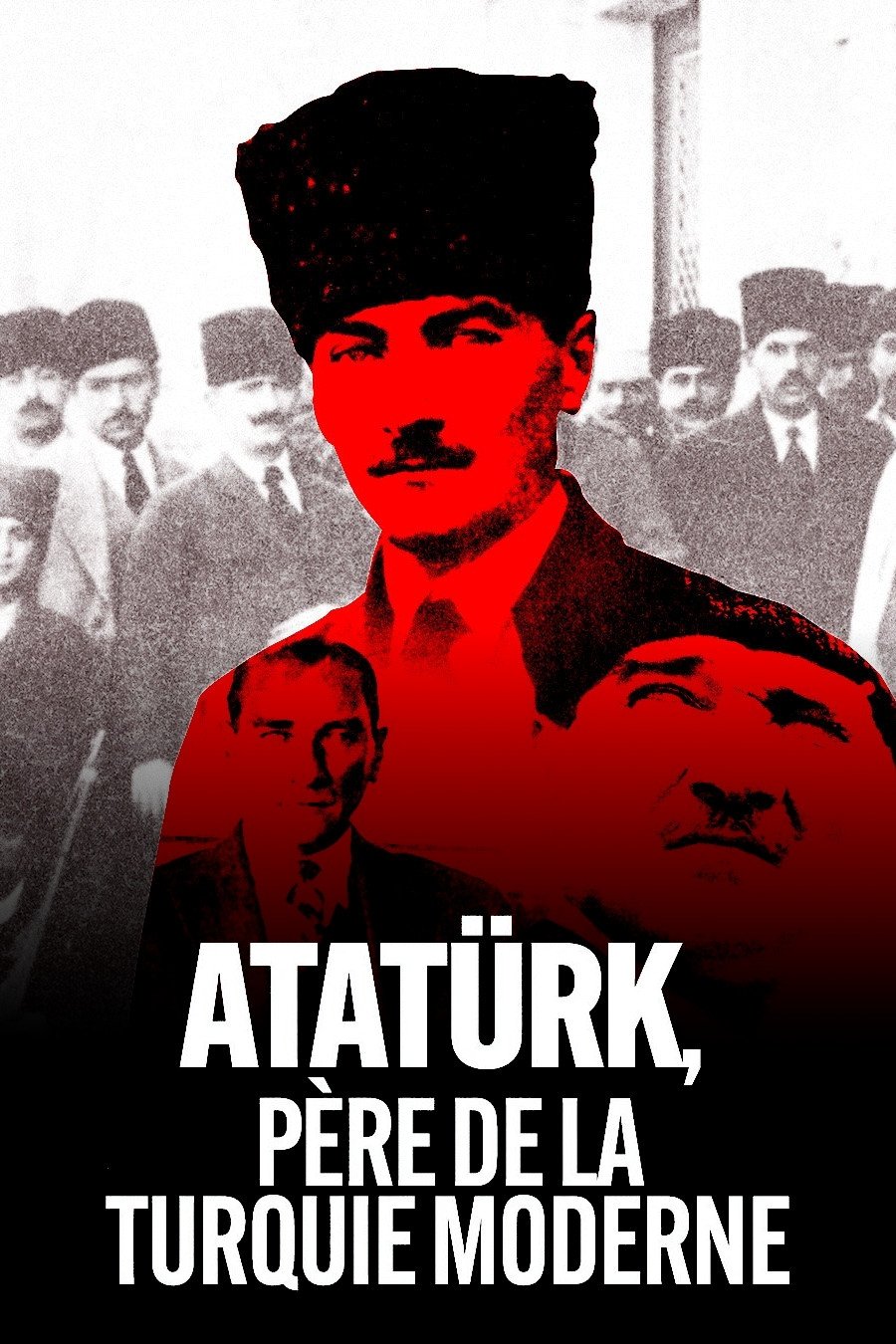
Mustafa Kemal Atatürk (1881-1938) was a Turkish field marshal, revolutionary statesman, author, and the founding father of the Republic of Turkey, serving as its first president from 1923 until his death in 1938.
Most of us think of death as something clear-cut, and that medical science has it neatly figured out. This feature documentary explodes such assumptions through its exploration of a phenomenon that blurs life and death to an unprecedented degree. In what Tibetan Buddhists call tukdam, advanced meditators die in a consciously controlled manner. Though dead according to our biomedical standards, they often stay sitting upright in meditation; remarkably, their bodies remain fresh and lifelike, without signs of decay for days, sometimes weeks after clinical death. Following ground-breaking scientific research into tukdam and taking us into intimate death stories of Tibetan meditators, the film juxtaposes scientific and Tibetan perspectives as it tries to unravel the mystery of tukdam.
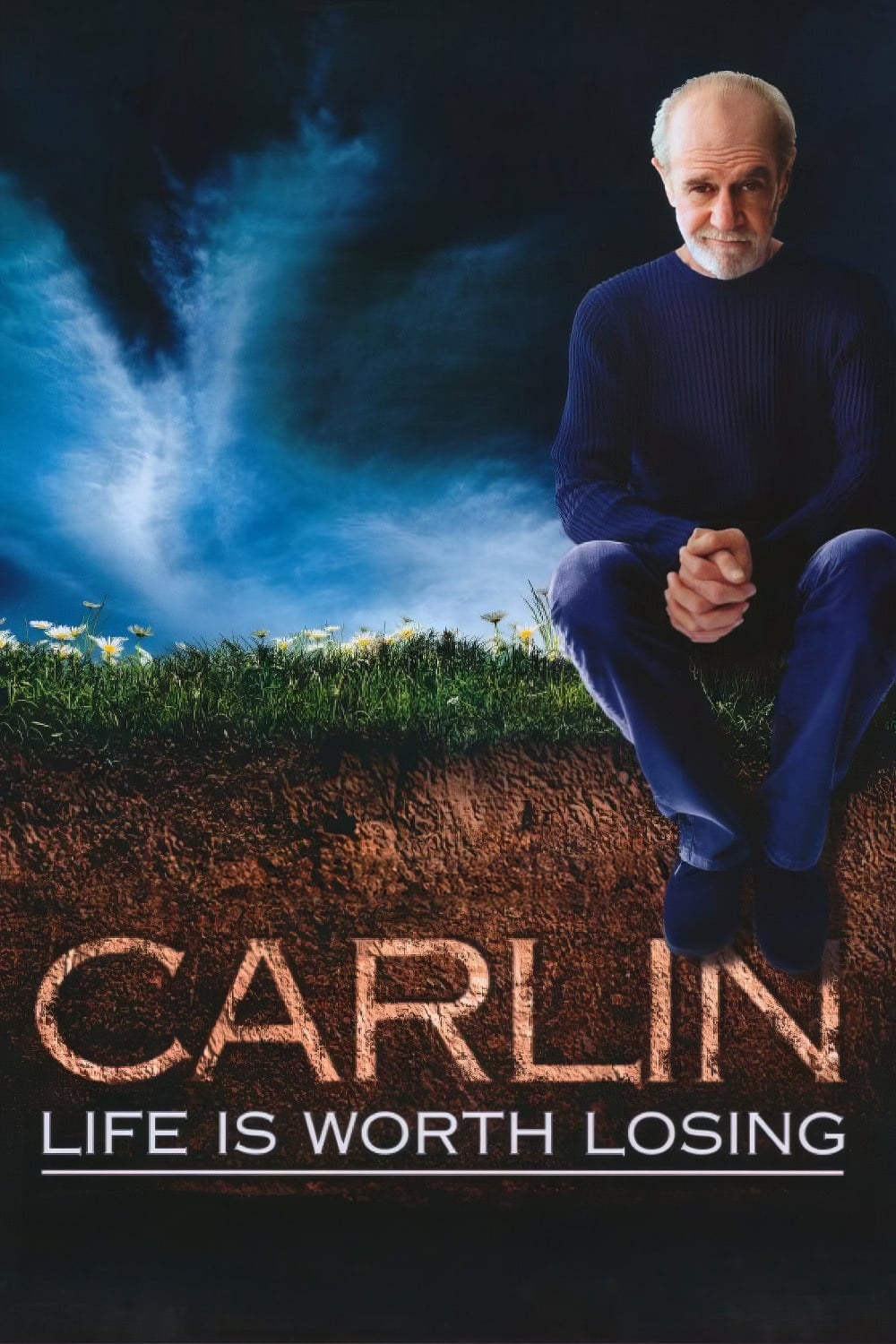
Carlin returns to the stage in his 13th live comedy stand-up special, performed at the Beacon Theatre in New York City for HBO®. His spot-on observations on the deterioration of human behavior include Americans’ obsession with their two favorite addictions - shopping and eating; his creative idea for The All-Suicide Channel, a new reality TV network; and the glorious rebirth of the planet to its original pristine condition - once the fires and floods destroy life as we know it.
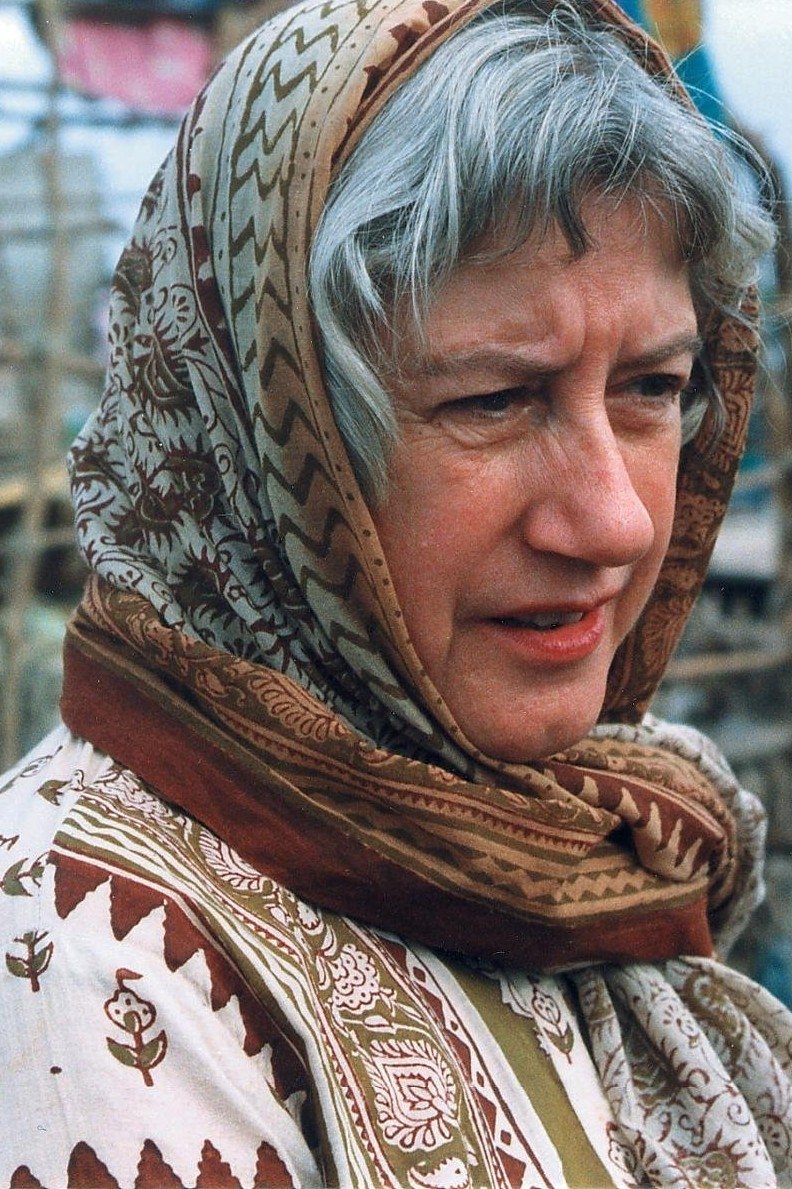
A Calling to Care is the inspiring story of 55 year-old Grace Stanley, a Canadian nurse who left her home and prestigious career behind to answer a calling halfway around the world in Karachi, Pakistan. Teaching nursing to local women in a strict Muslim culture that forbids them to even to touch men is a formidable task. However, Grace challenges her own values and belief systems to find common ground with her students, helping them to excel and feel respect for themselves in a culture that doesn't respect them. Whether it is getting her hands painted with henna, swimming fully-clothed in the ocean, or marching bravely with them on International Women's Day, Grace bonds with her students in a very special way, and ultimately discovers how the West can learn a lot more from the Third World than she ever thought.
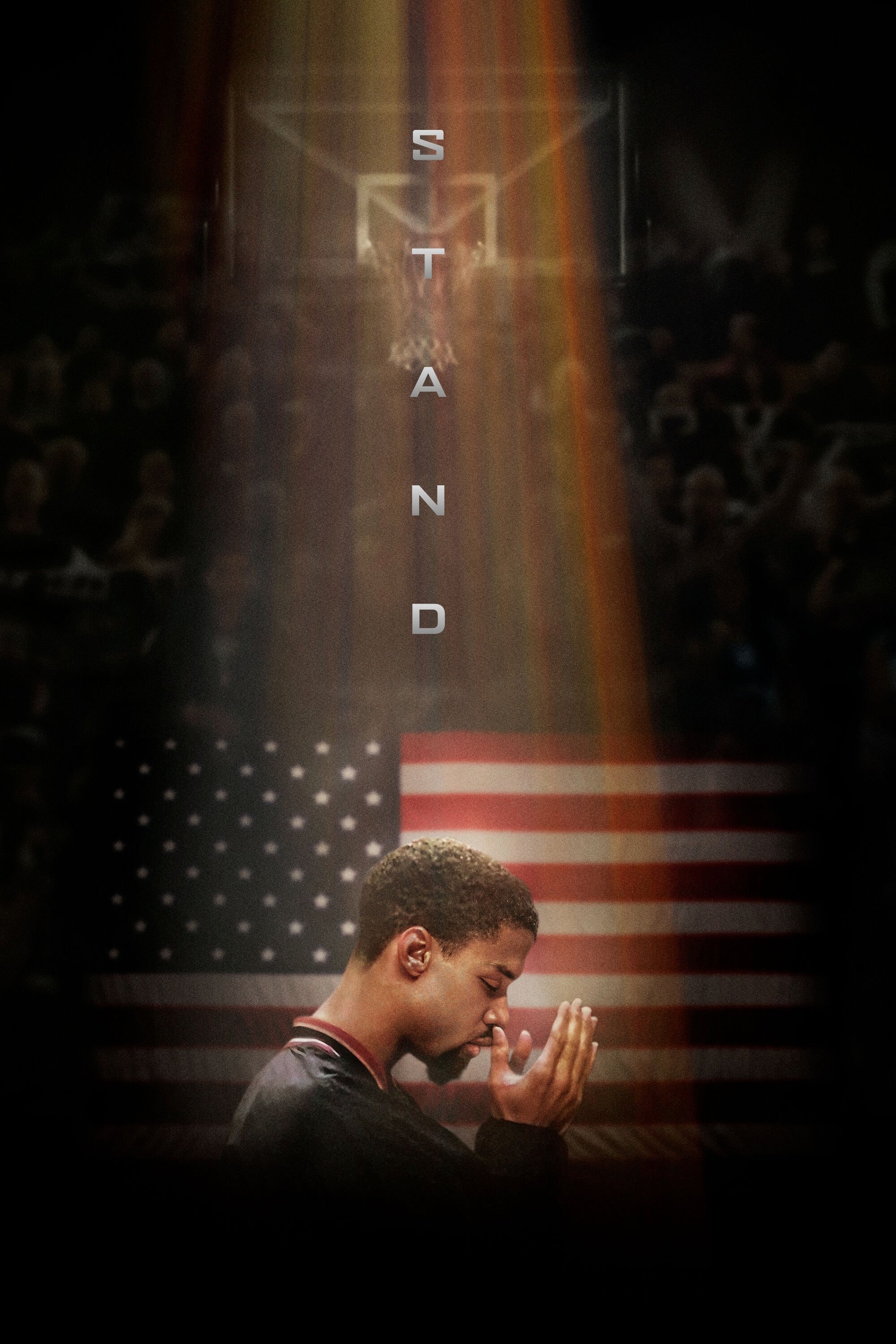
Raw and unflinching examination of the courageous life of basketball star and social justice activist Mahmoud Abdul-Rauf. Born Chris Jackson, he overcame tremendous adversity to reach the NBA and found his true calling when he converted to Islam. His decision not to stand for the national anthem, however, turned him from prodigy to pariah. Told candidly by Abdul-Rauf himself more than 20 years later it’s the remarkable story of one man who kept the faith and paved the way for a social justice movement.
A documentary on gay, lesbian, and transgender Muslims across the Muslim and Western worlds.
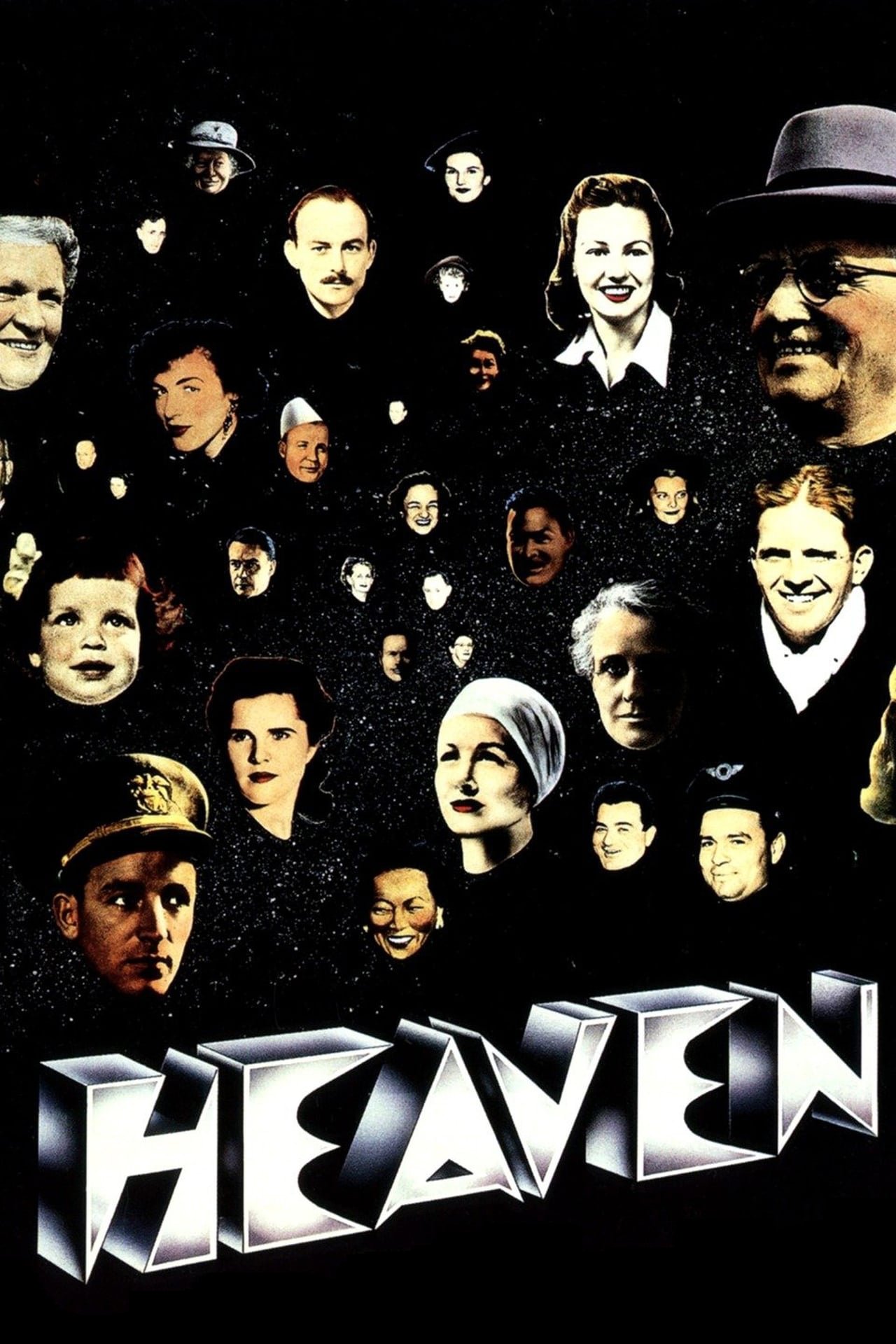
A series of interviews are conducted concerning people's beliefs towards the possibility of an afterlife. The interviews are filmed against a set of strange backdrops, and are intercut with clips from classic films and a variety of stock footage.
Kingdom of Granada, al-Andalus, 14th century. After recognizing that his land, always under siege, is hopelessly doomed to be conquered, Sultan Yusuf I undertakes the construction of a magnificent fortress with the purpose of turning it into the landmark of his civilization and his history, a glorious monument that will survive the oblivion of the coming centuries: the Alhambra.
A documentary about a funeral director and her views on life and death.
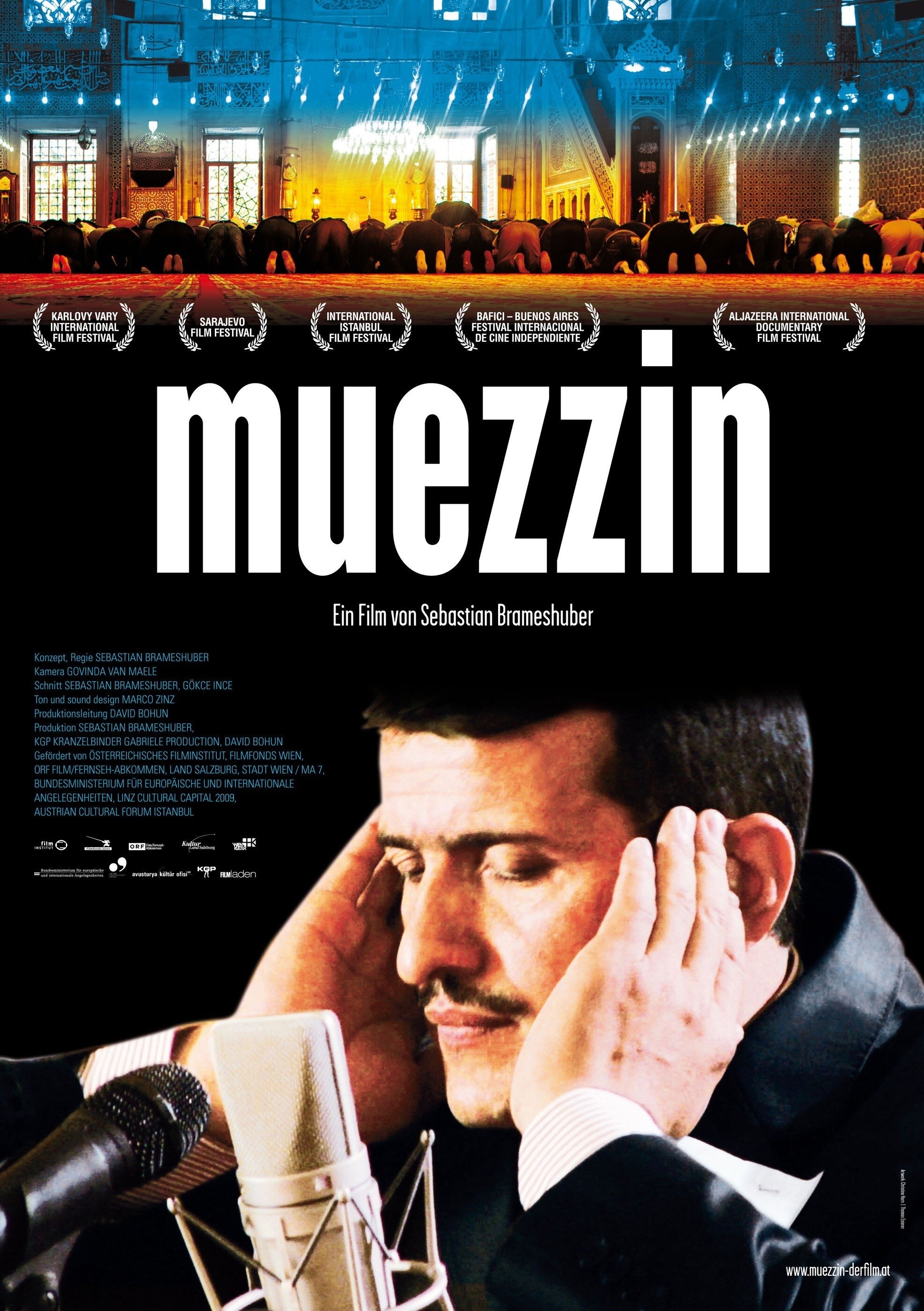
Documentary about a comptetition in Turkey for the best muezzin.
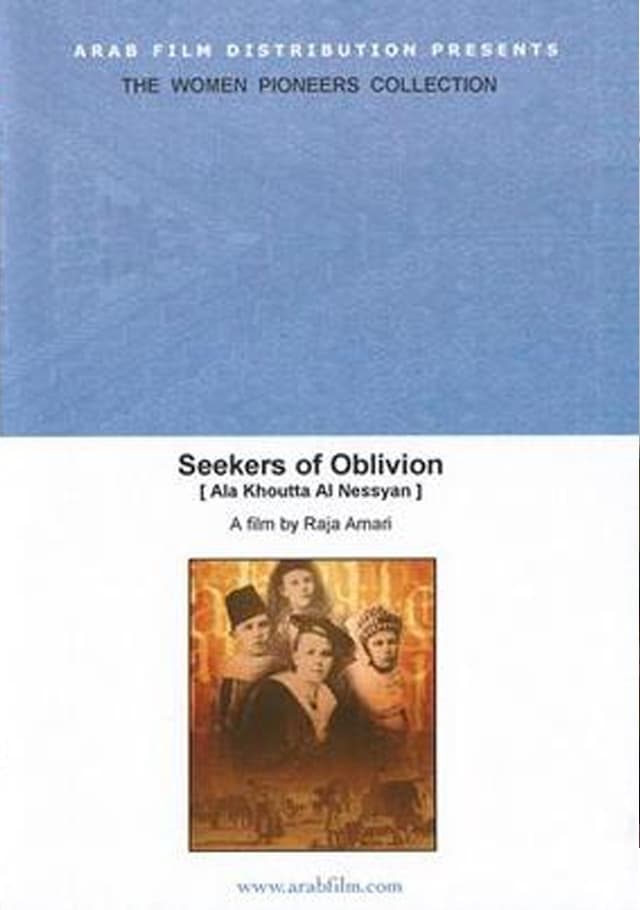
Seekers of Oblivion explores the exciting life and adventures of Isabelle Eberhardt. Born in Geneva, Switzerland in 1877, Isabelle left Europe for North Africa at a young age. While there, she consorted with tramps, prostitutes, soldiers, murderers and thieves, at times masquerading as a man in orde.
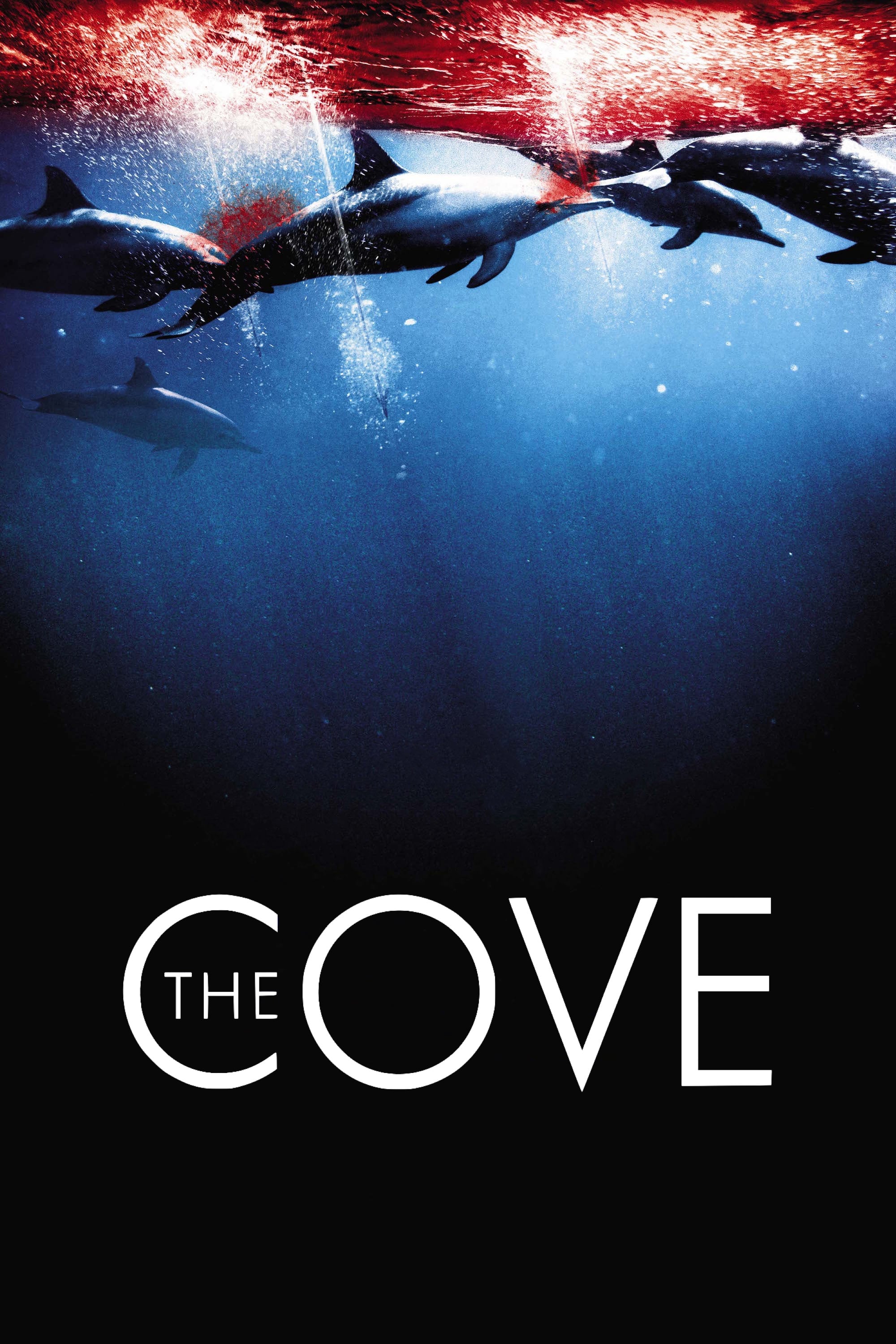
The Cove tells the amazing true story of how an elite team of individuals, films makers and free divers embarked on a covert mission to penetrate the hidden cove in Japan, shining light on a dark and deadly secret. The shocking discoveries were only the tip of the iceberg.
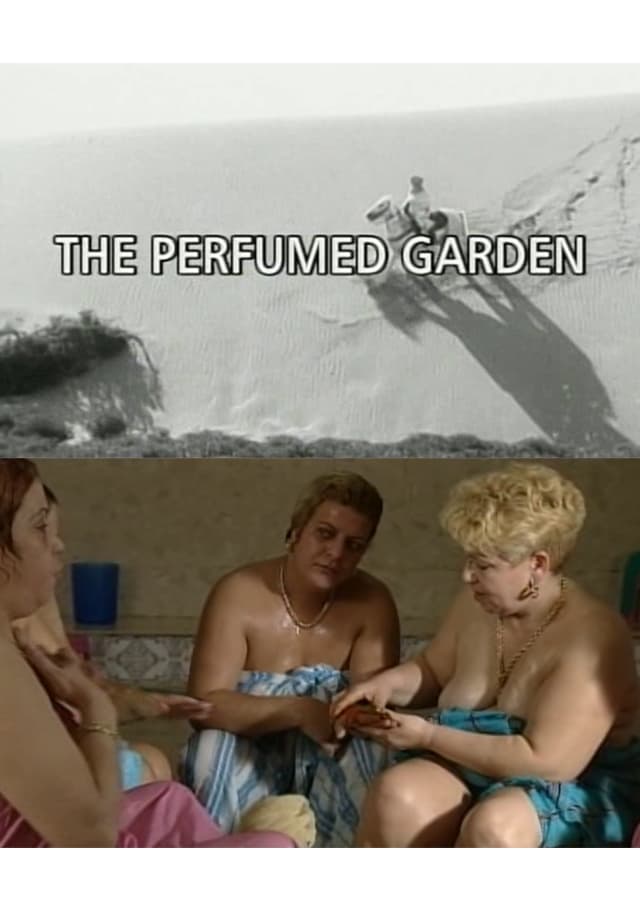
THE PERFUMED GARDEN is an exploration of the myths and realities of sensuality and sexuality in Arab society, a world of taboos and of erotic literature. Through interviews with men and women of all ages, classes, and sexual orientation, the film lifts a corner of the veil that usually shrouds discussion of this subject in the Arab world. Made by an Algerian-French woman director, the film begins by looking at the record of a more permissive history, and ends with the experiences of contemporary lovers from mixed backgrounds. It examines the personal issues raised by the desire for pleasure, amidst societal pressures for chastity and virginity. The film discusses pre-marital sex, courtship and marriage, familial pressures, private vs. public spaces, social taboos (and the desire to break them), and issues of language.
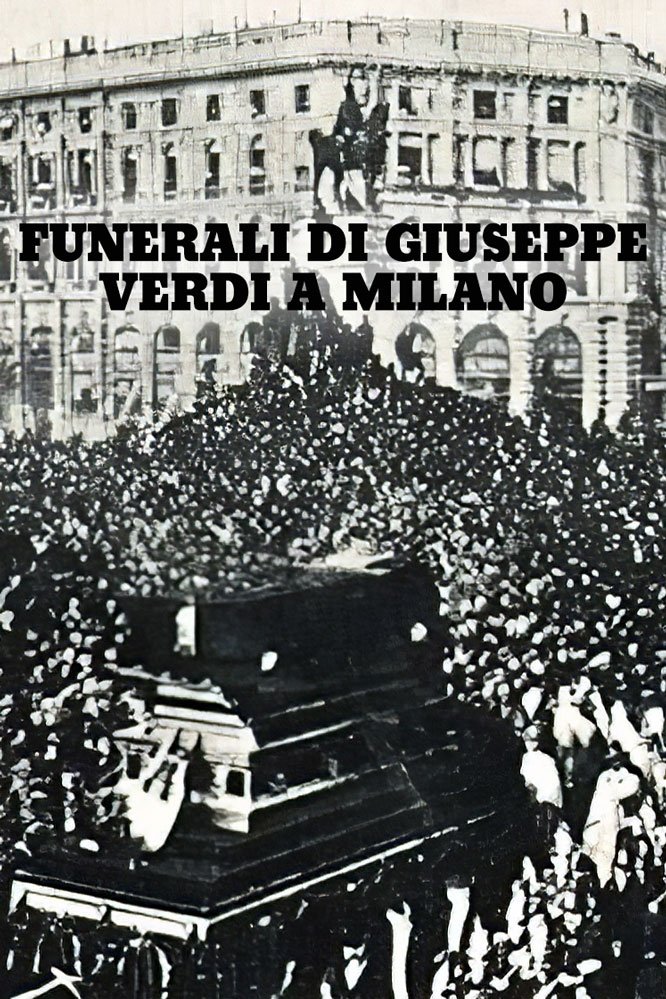
On 28 January 1901 the great musician Giuseppe Verdi died from the consequences of a stroke that had struck him six days earlier. These very rare images, captured in Milan on 27 February 1901 by the operator and pioneer of Milanese cinema Italo Pacchioni, document the transfer of the Maestro's body from the Monumental Cemetery of Milan to the famous retirement home for musicians which he himself founded.
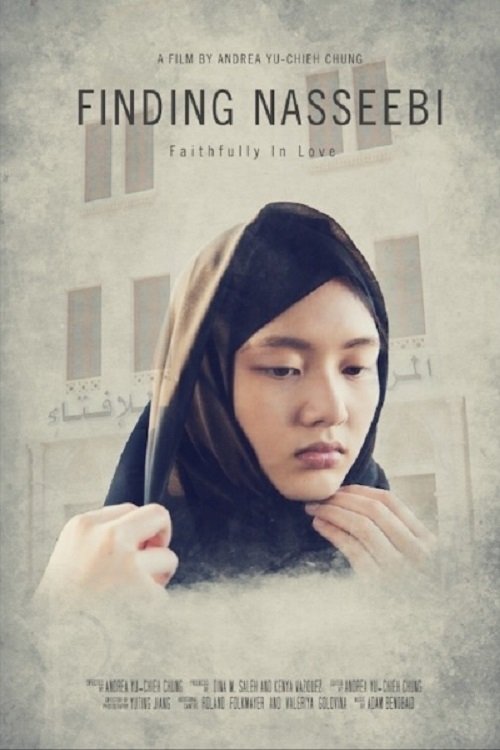
A soul-searching filmmaker sets out to make a documentary about the United Arab Emirates' Islamic hotline center, where scholars answer questions and guide people towards the right path according to the Quran. As a friendship blossoms with one of the scholars, the filmmaker's relationship with a Muslim boyfriend makes her question her beliefs and the integrity of her film. This self-reflexive documentary follows one woman's journey to understand Islam and to love, regardless of differences in faith.
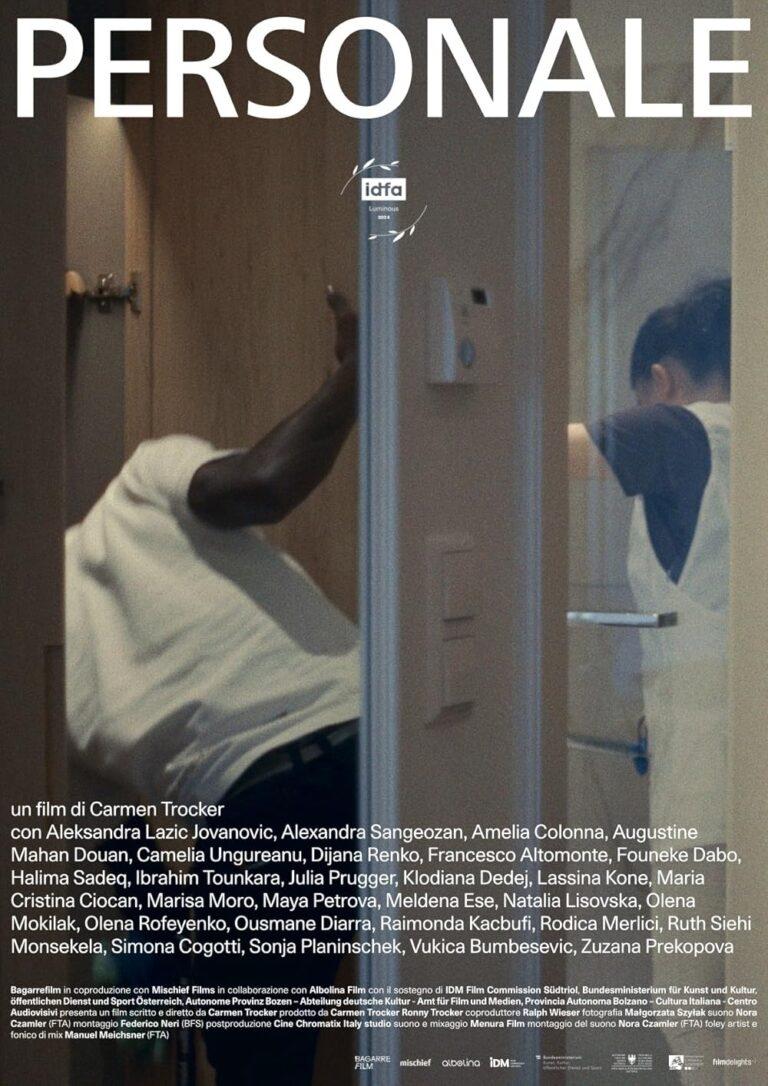
Folding towels, straightening out sheets, taking bathrobes out of the dryer, stripping beds, cleaning up vomit. Fluffing pillows—making a dent for elegantly turned-up corners—and endless scrubbing, cleaning and clearing up messes. Behind the scenes of a hotel in the Italian Dolomites, the staff do everything they can to serve the guests and prevent complaints. The hotel has four stars, and a fifth is in sight.
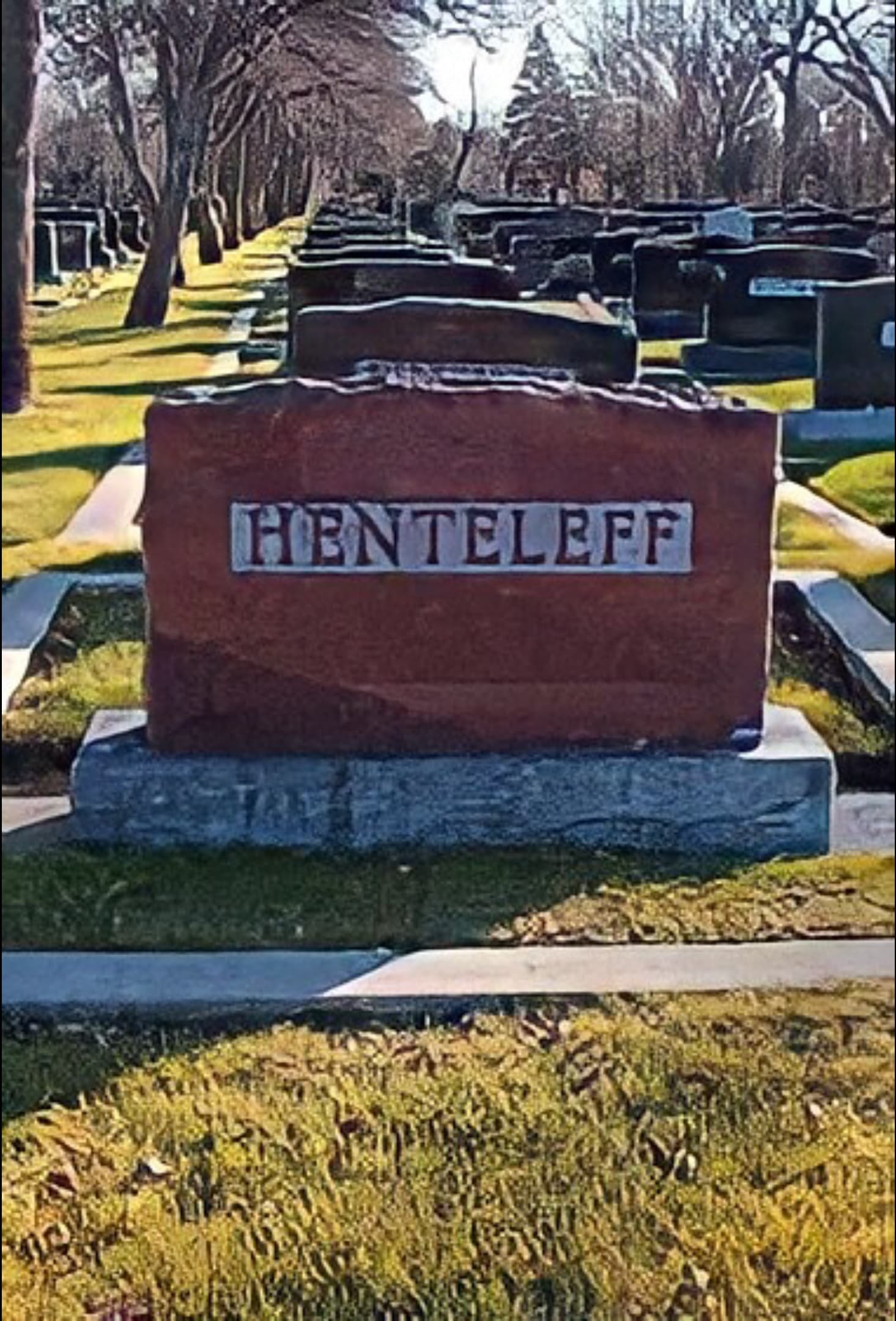
In 2004 Sheldon Oberman, a Jewish storyteller from Winnipeg, passed away. At his funeral the presiding Rabbi said that Sheldon’s spirit was with the congregants in the sanctuary. For filmmaker Saul Henteleff this was a revelation that began a personal and spiritual journey into the meaning of Jewish death. My Jewish Death is the result of this journey.
This character-driven film considers the evolving sex trafficking landscape as seen by the main players: the exploited, the pimps, the johns that fuel the business, and the cops who fight to stop it.
Lyrical and powerfully personal essay film that reflects on the deaths of her husband Lou Reed, her mother, her beloved dog, and such diverse subjects as family memories, surveillance, and Buddhist teachings.
SEDUCED AND ABANDONED combines acting legend Alec Baldwin with director James Toback as they lead us on a troublesome and often hilarious journey of raising financing for their next feature film. Moving from director to financier to star actor, the two players provide us with a unique look behind the curtain at the world's biggest and most glamourous film festival, shining a light on the bitter-sweet relationship filmmakers have with Cannes and the film business. Featuring insights from directors Martin Scorsese, 'Bernando Bertolucci' and Roman Polanski; actors Ryan Gosling and Jessica Chastain and a host of film distribution luminaries.
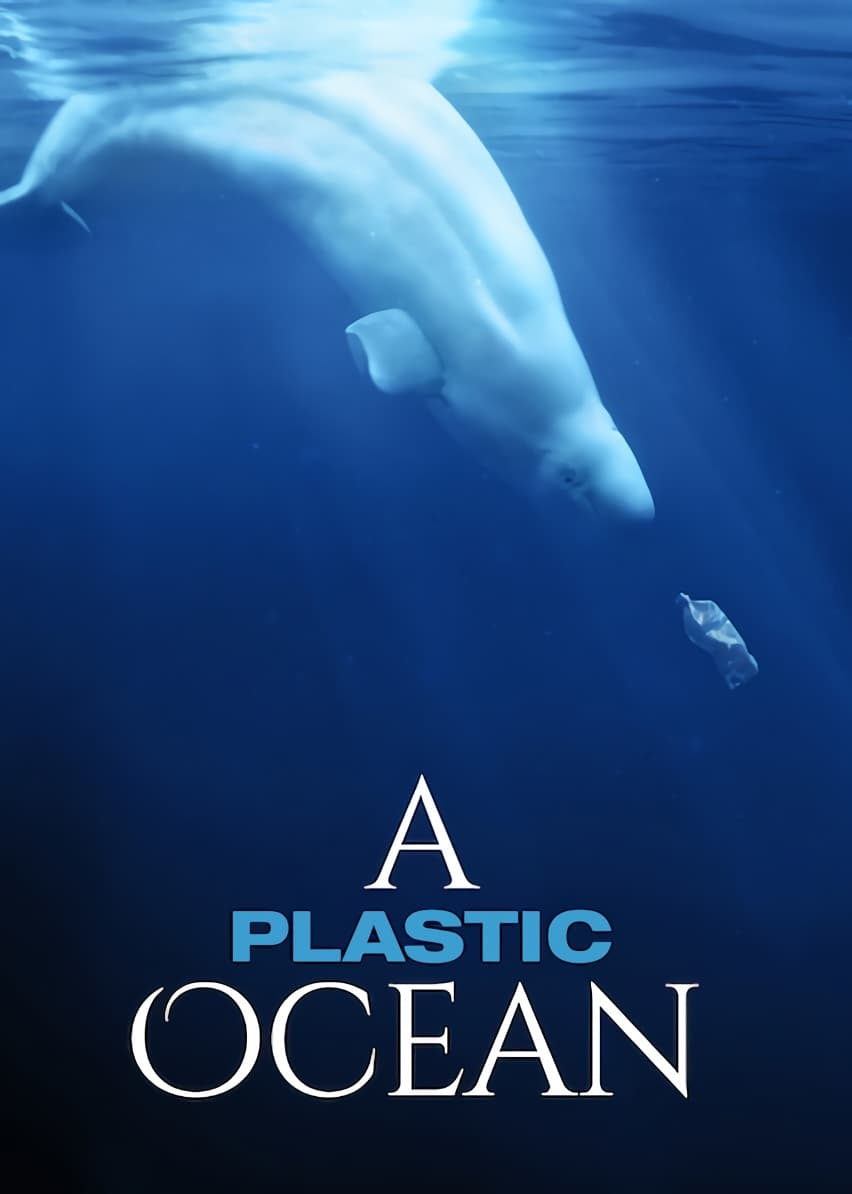
A documentary focused on plastic pollution in the world's oceans.
A detailing of the rise to prominence and global sporting superstardom of six supremely talented young Manchester United football players (David Beckham, Nicky Butt, Ryan Giggs, Paul Scholes, Phil and Gary Neville). The film covers the period 1992-1999, culminating in Manchester United's European Cup triumph.
From the heights of her modeling fame to her tragic death, this documentary reveals Anna Nicole Smith through the eyes of the people closest to her.
An inside look at one of the most anticipated movie sequels ever with James Cameron and cast.
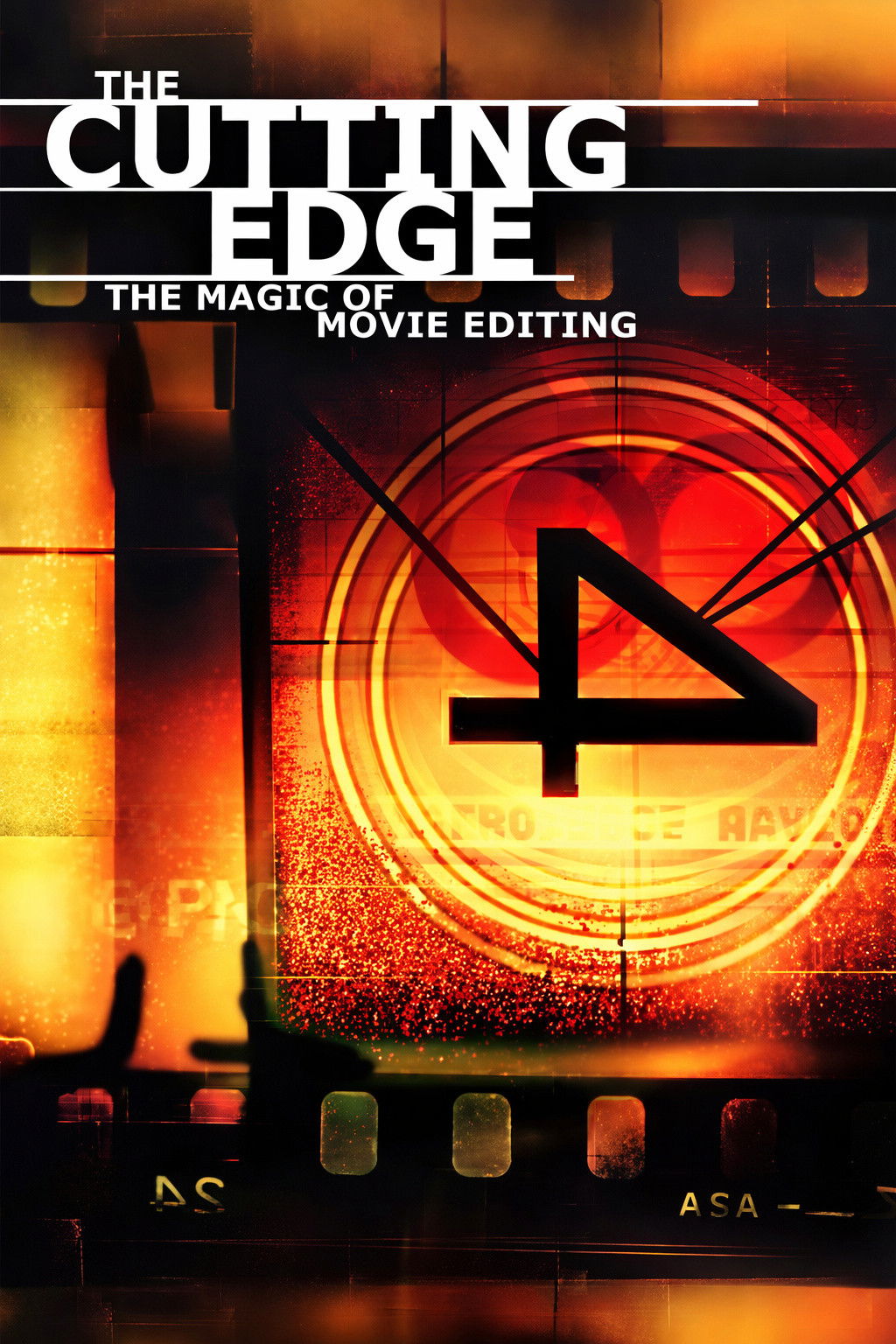
Documentary about the art of film editing. Clips are shown from many groundbreaking films with innovative editing styles.
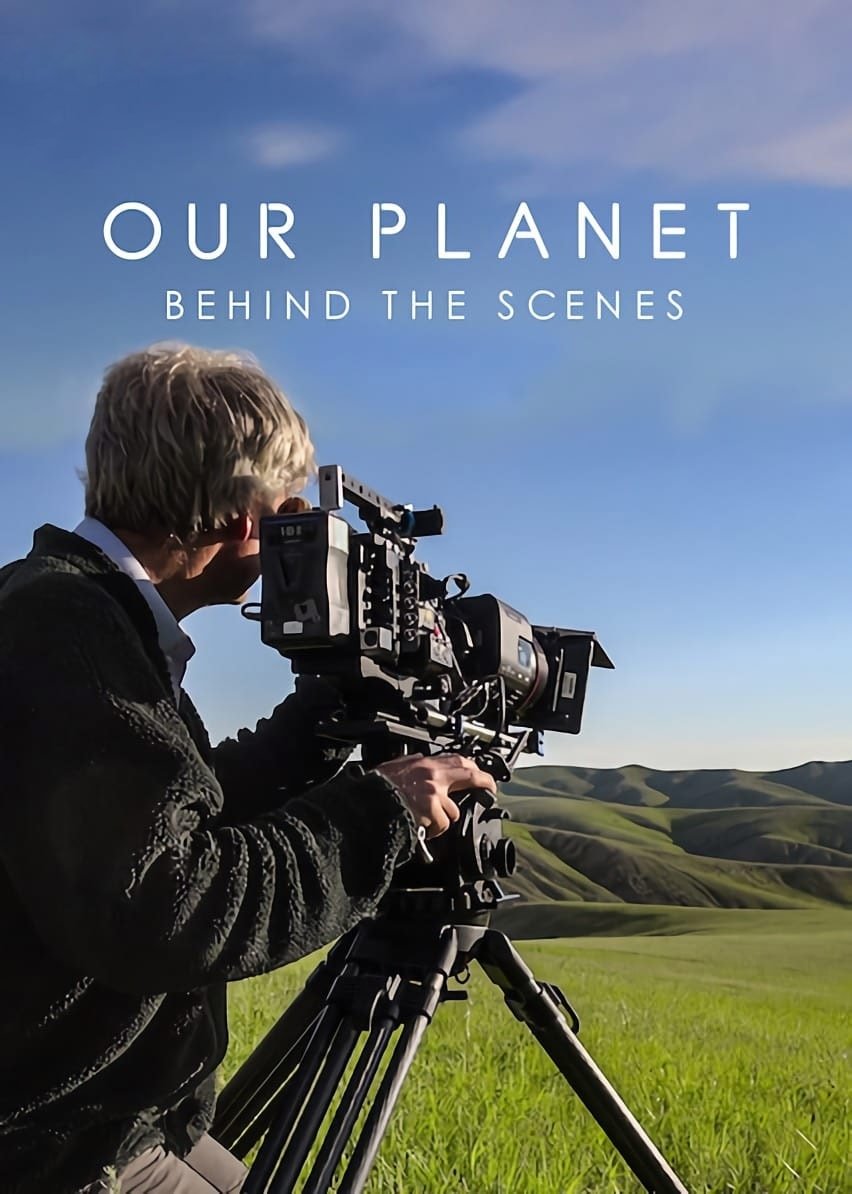
Years spent recording footage of creatures from every corner of the globe is bound to produce a bit of drama. Here's a behind-the-scenes look.
JB Smoove and Martin Starr host a celebration of 20 years of "Spider-Man" movies, from the Sam Raimi trilogy to Marc Webb's movies and the trio from Jon Watts.
A documentary on the expletive's origin, why it offends some people so deeply, and what can be gained from its use.
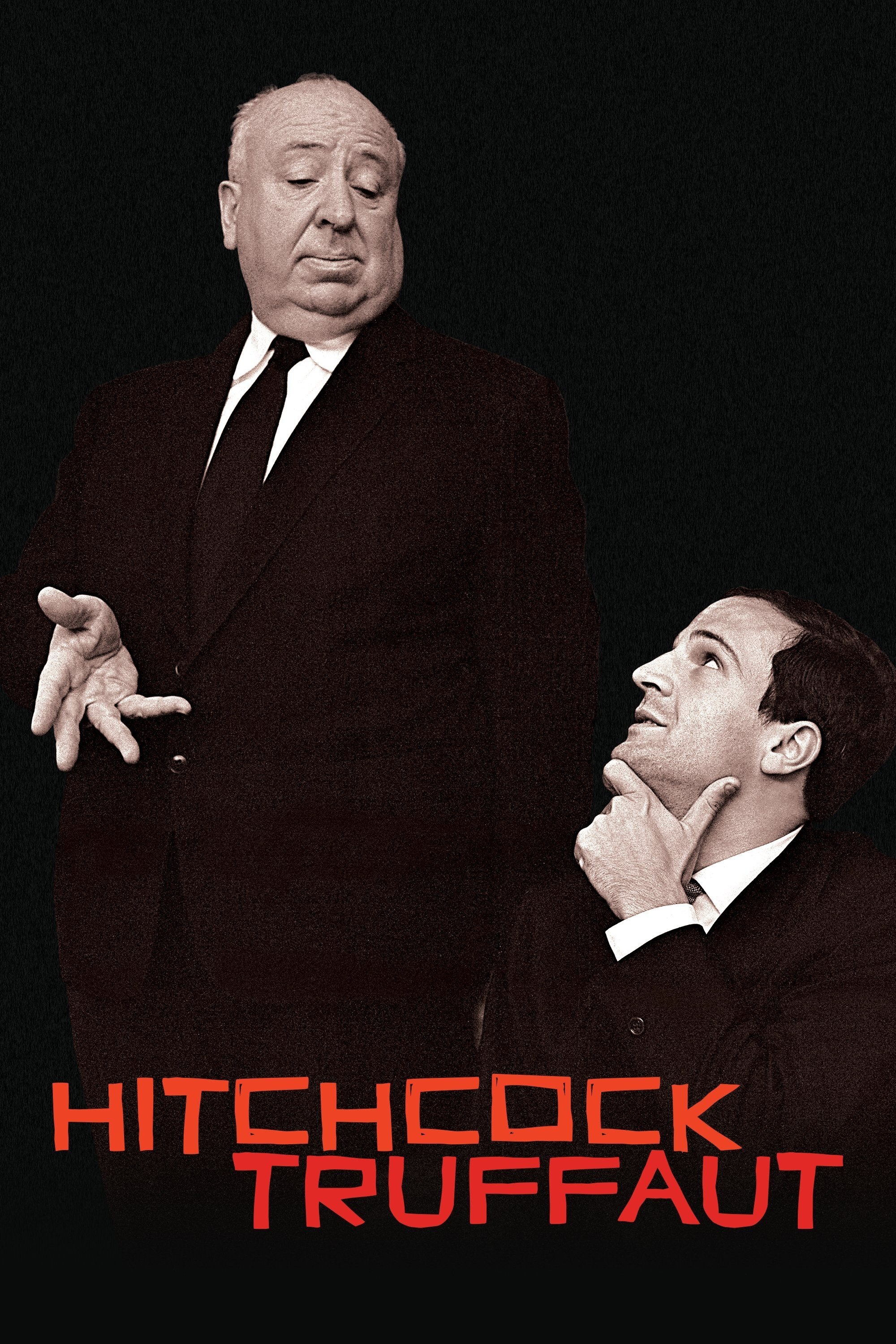
Filmmakers discuss the legacy of Alfred Hitchcock and the book “Hitchcock/Truffaut” (“Le cinéma selon Hitchcock”), written by François Truffaut and published in 1966.
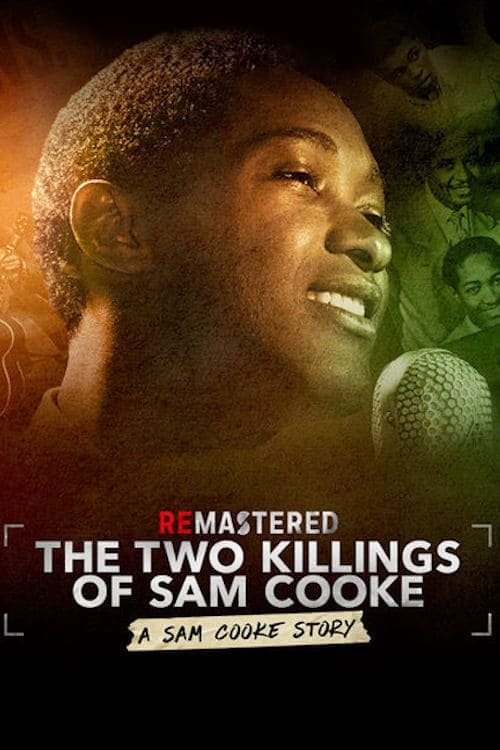
This investigation examines the mysterious shooting of soul icon Sam Cooke, whose death silenced one of the most vital voices in the civil rights movement.
Al Pacino's deeply-felt rumination on Shakespeare's significance and relevance to the modern world through interviews and an in-depth analysis of "Richard III."
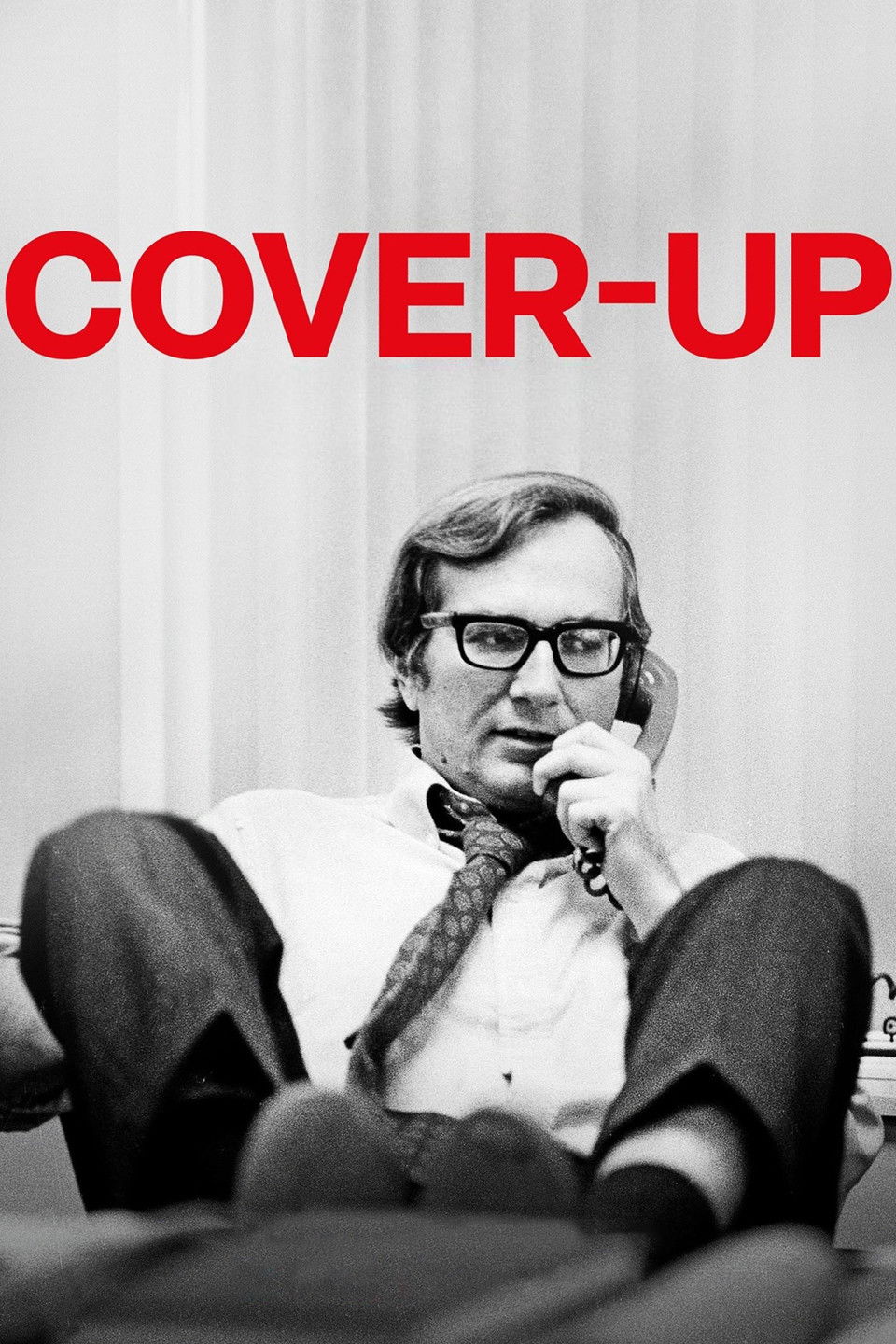
He's devoted his career to uncovering stories the powerful want buried. From My Lai to Abu Ghraib, dig into the life's work of journalist Seymour Hersh.
Police pull over a woman who claims she just gave birth. But the baby — and the blood — aren't hers. Twisted lies unravel in this true-crime documentary.
Through deeply personal interviews with her siblings and an examination of the photographs, letters, and belongings left behind, Mariska assembles a new portrait of her mother Jayne Mansfield, an extraordinary and complex woman.
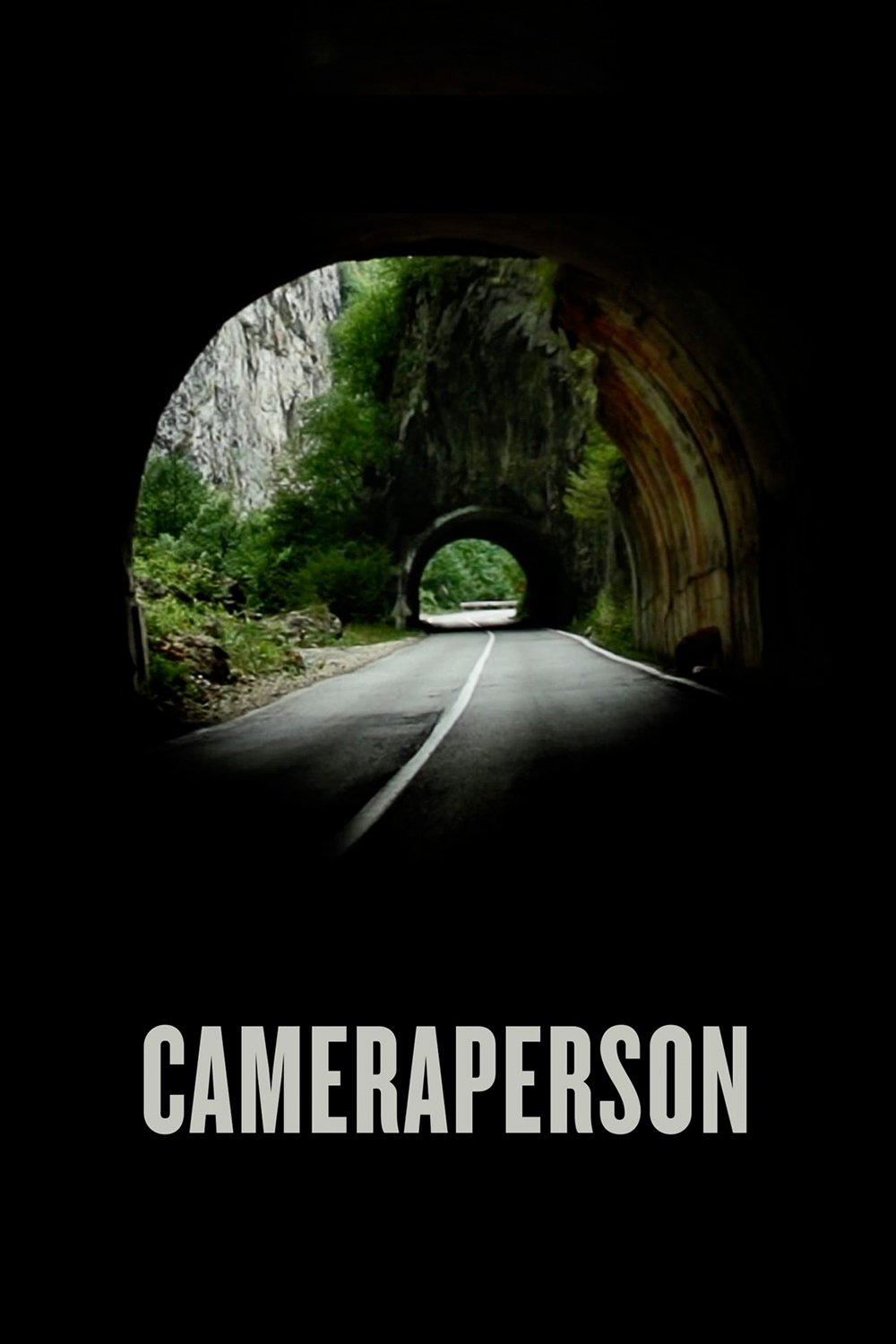
As a visually radical memoir, CAMERAPERSON draws on the remarkable footage that filmmaker Kirsten Johnson has shot and reframes it in ways that illuminate moments and situations that have personally affected her. What emerges is an elegant meditation on the relationship between truth and the camera frame, as Johnson transforms scenes that have been presented on Festival screens as one kind of truth into another kind of story—one about personal journey, craft, and direct human connection.
A visual montage portrait of our contemporary world dominated by globalized technology and violence.
A look at the origins, history and conspiracies behind the "Majestic 12", a clandestine group of military and corporate figureheads charged with reverse-engineering extraterrestrial technology.