Social & External
The people behind it
Dominique Forget
Gaétan Martineau
Jacques Lamontagne
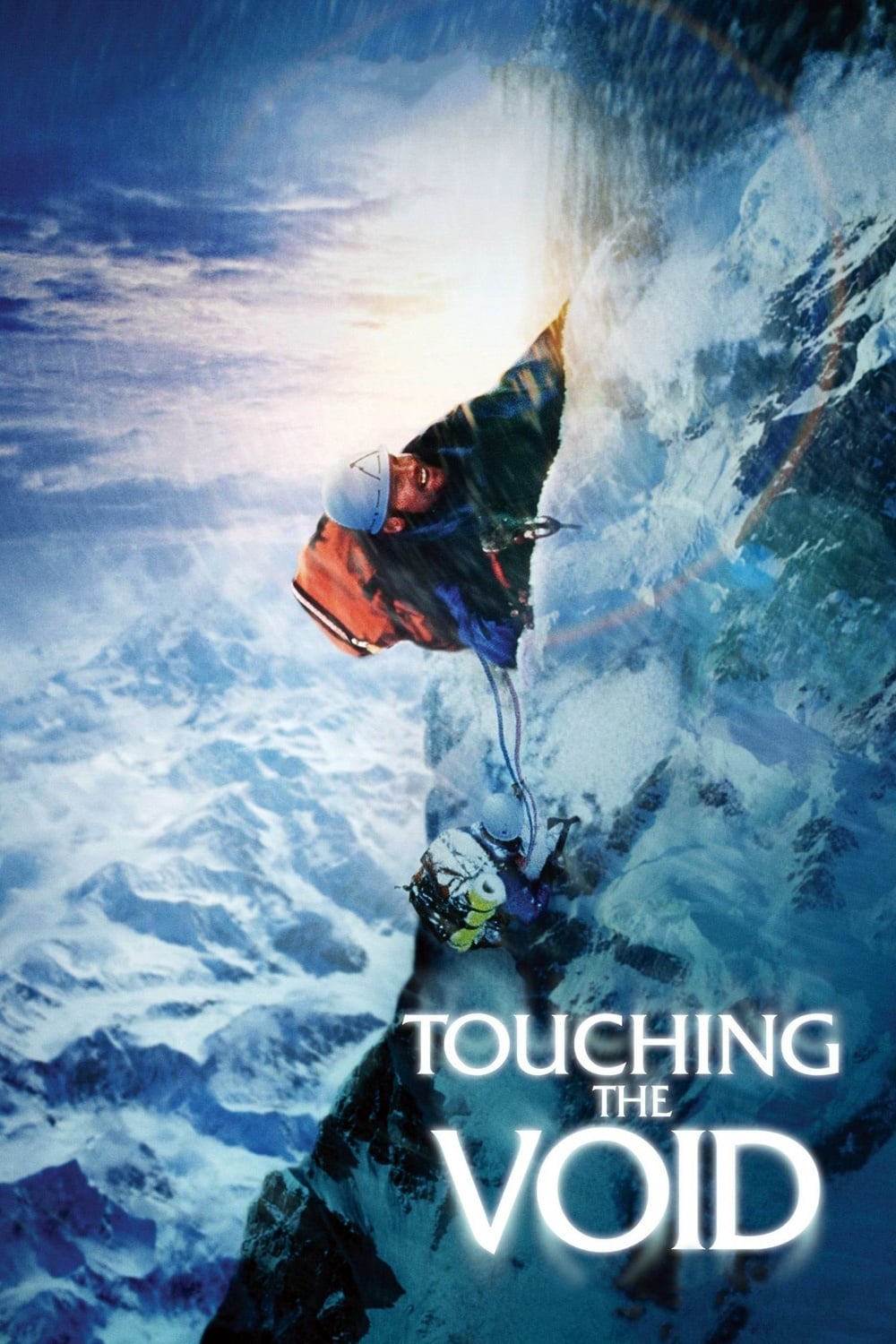
The true story of Joe Simpson and Simon Yates' disastrous and nearly-fatal mountain climb of 6,344m Siula Grande in the Cordillera Huayhuash in the Peruvian Andes in 1985.
Alex Txikon, internationally renowned mountaineer, is launching a new winter expedition in 2021 to Manaslu (Nepal). It is the first non-polluting ascent, powered by solar panels. With this sustainable system, which reduces the energy footprint in accordance with the Paris Agreements, the EKI Foundation is beginning its work of solidarity. Alex is going to learn about the work developed by the Foundation in Sierra Leone, where they provide solar energy systems that enable energy autonomy in schools and hospitals. Txikon proposes to replicate this idea in a very special school in the Diamer Valley in Pakistan, the Günter Mountain School, uniting two different but at the same time equal cultures.
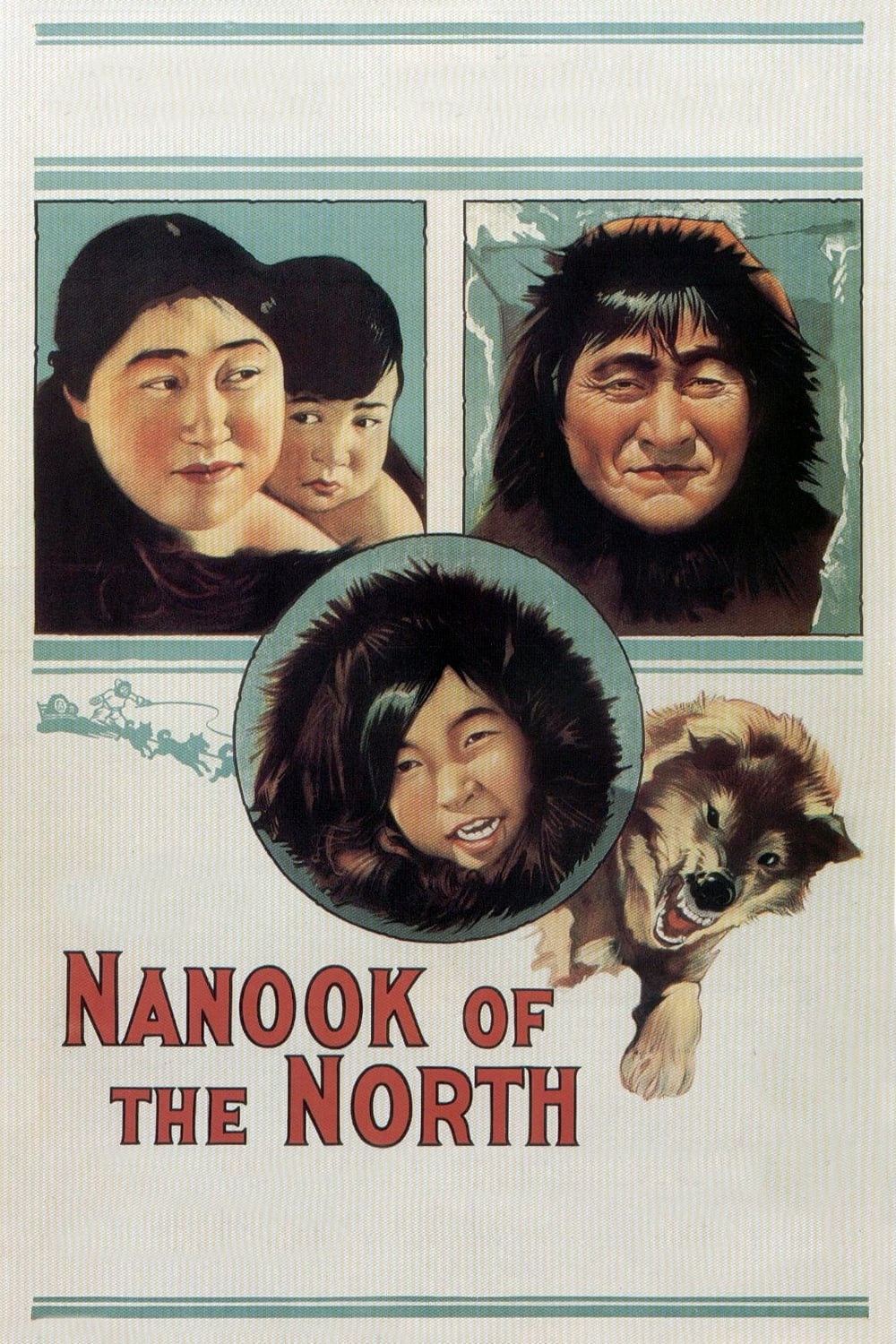
This pioneering documentary film depicts the lives of the indigenous Inuit people of Canada's northern Quebec region. Although the production contains some fictional elements, it vividly shows how its resourceful subjects survive in such a harsh climate, revealing how they construct their igloo homes and find food by hunting and fishing. The film also captures the beautiful, if unforgiving, frozen landscape of the Great White North, far removed from conventional civilization.
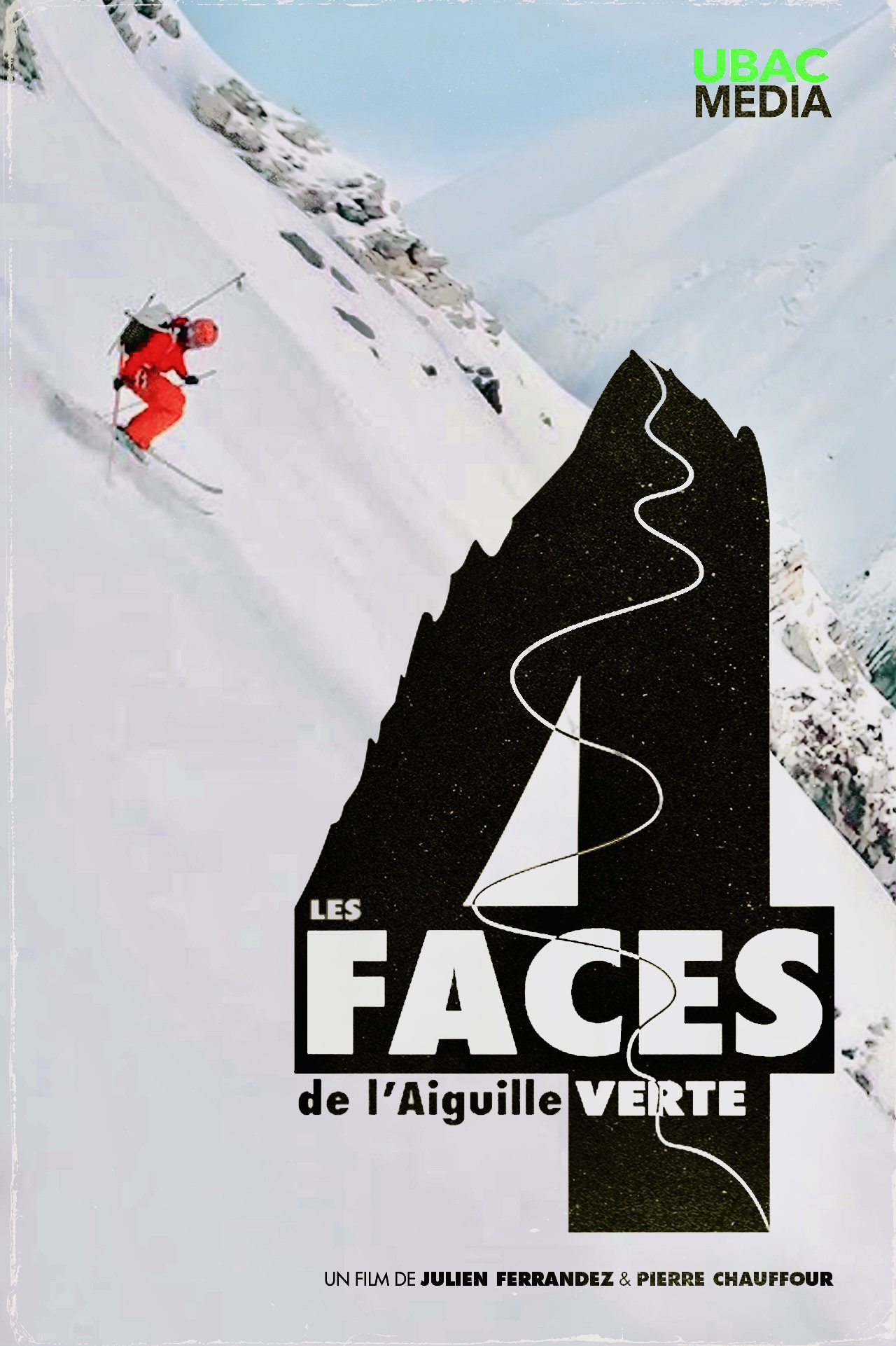
An adventure of extreme skiing in the Mont Blanc area
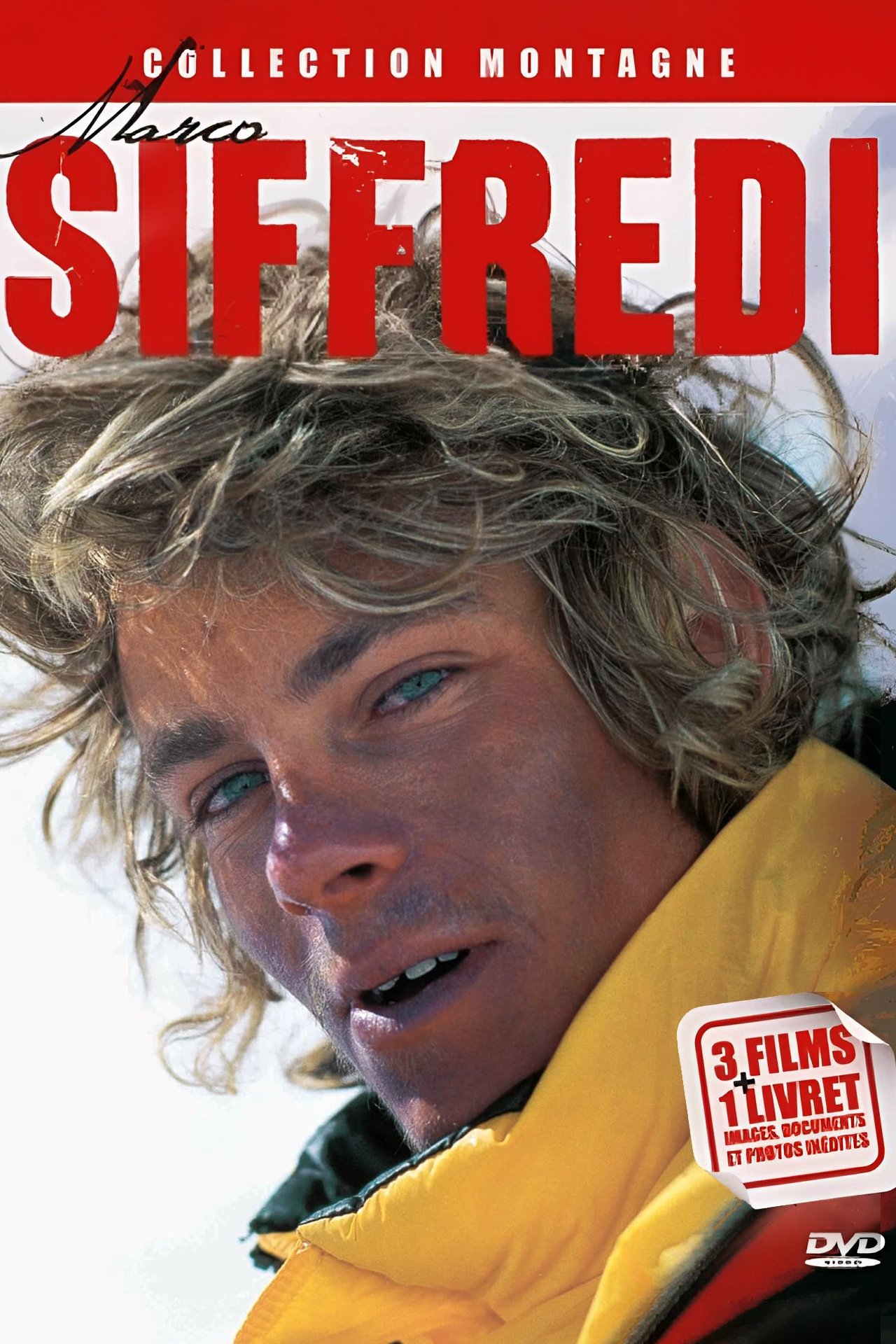
Avid for steep slopes, Marco Siffredi (1979-2002) obeys only one rule: not to fall. This gifted kid with hair sometimes blond peroxidized, green or blue clashed in his valley: Chamonix, mecca of mountaineering. His thing was to go up and down on a snowboard. . 90 minutes September 8, 2002, altitude 8848 meters, rare oxygen, his head already brushing the sky and his snowboard running, Marco Siffredi, 23, rushes from the summit of Everest in the Horbein corridor and its slopes at 50 degrees . A year earlier, he had already made the first descent of the mountain on a snowboard. But there remains another corridor… more direct. It's not a challenge, just a reason to be... However, that day, at the top of the roof of the world, his trace is lost...
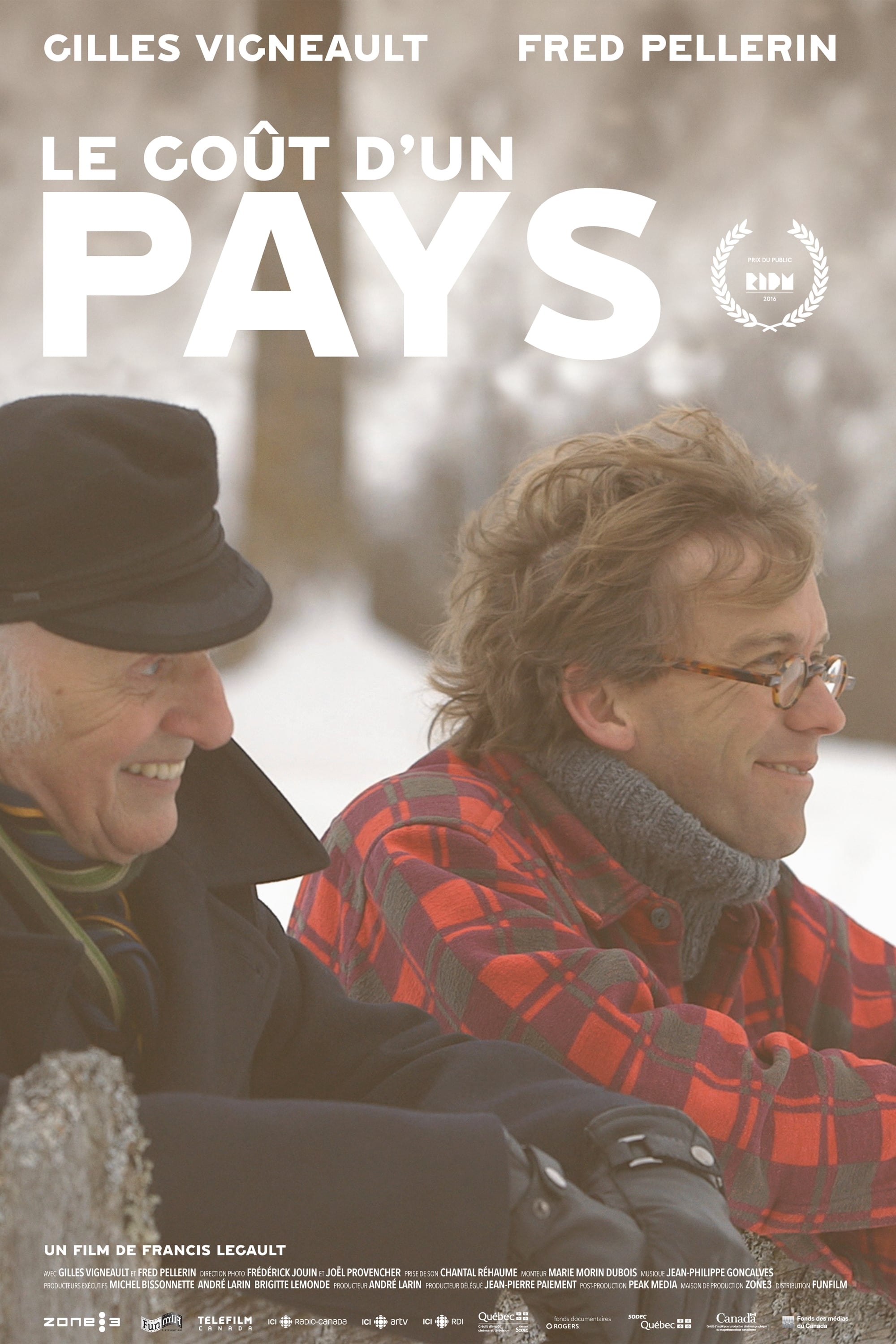
Focused on an inspiring and touching dialogue between Gilles Vigneault and Fred Pellerin, the documentary tells the story of Quebec by digging deep into an ancestral tradition etched into our cultural DNA: the production of maple syrup.
A century after a village and its paper mill were abandoned, a group of actors is tasked with recreating the fantasized daily life of its inhabitants.
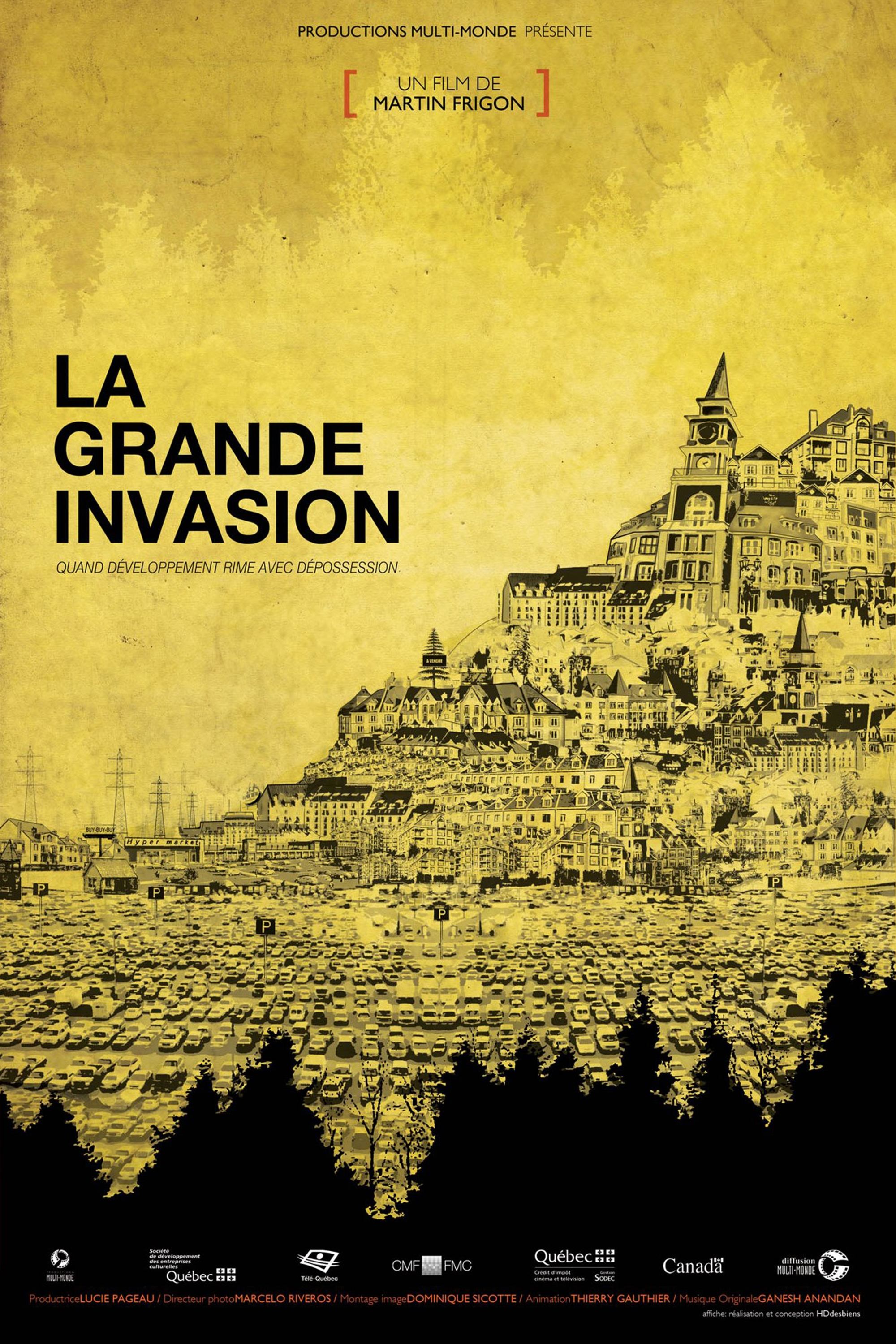
The film looks at the impact of over-development in historic towns in Quebec’s picturesque Laurentian mountains. As big box stores and large retailers drive local merchants out of business, and foreign developers buy up huge tracts of land for resorts, local residents’ property taxes are skyrocketing. While the locals organize against expropriation by taxation, an internationally-known artist, René Derouin, adds his creative energy to protect the heritage of “Les pays d’en haut” from The Great Invasion.
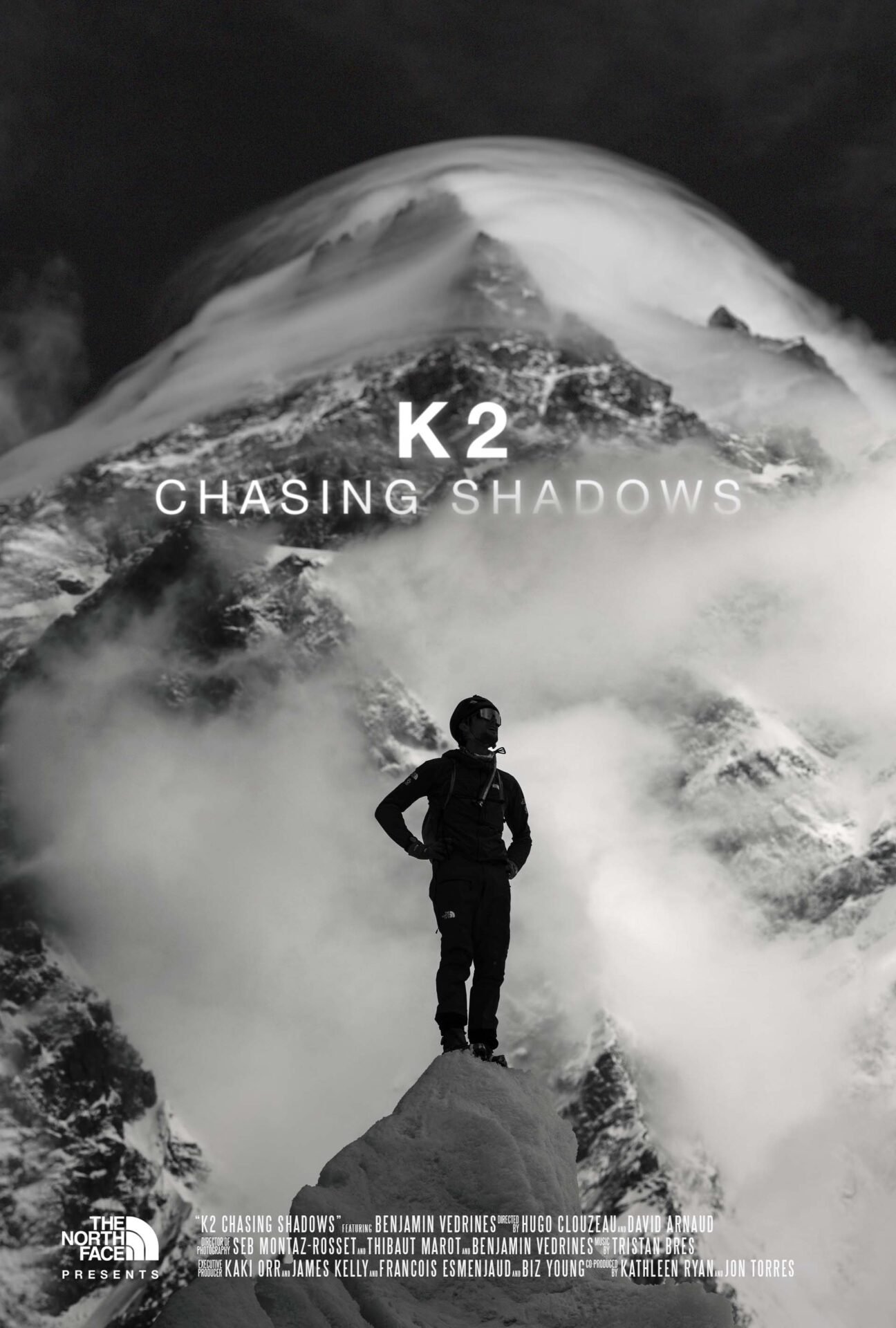
K2 Chasing Shadows chronicles Benjamin Védrines' record-breaking 2024 ascent of K2 (8,611m) in 10 hours, 59 minutes, and 59 seconds, without supplemental oxygen: a story that unfolds as much in the mind as on the mountain. In human exploration, each boundary pushed awakens a new thirst. Each feat paves the way for a deeper quest. It is this tension between extreme performance and inner aspiration that drives K2 Chasing Shadows. For Benjamin Védrines, it is a journey of humility, resilience, and a search for meaning amidst the raw beauty of the Pakistani Karakoram. The film exposes the physical demands of a formidable summit, while also exploring fear, loss, and the perilous nature of dreams that demand total commitment. Between unforeseen obstacles, forced retreats and new attempts, Védrines faces the most trying and exhilarating aspects of mountaineering, constantly questioning where true accomplishment lies.
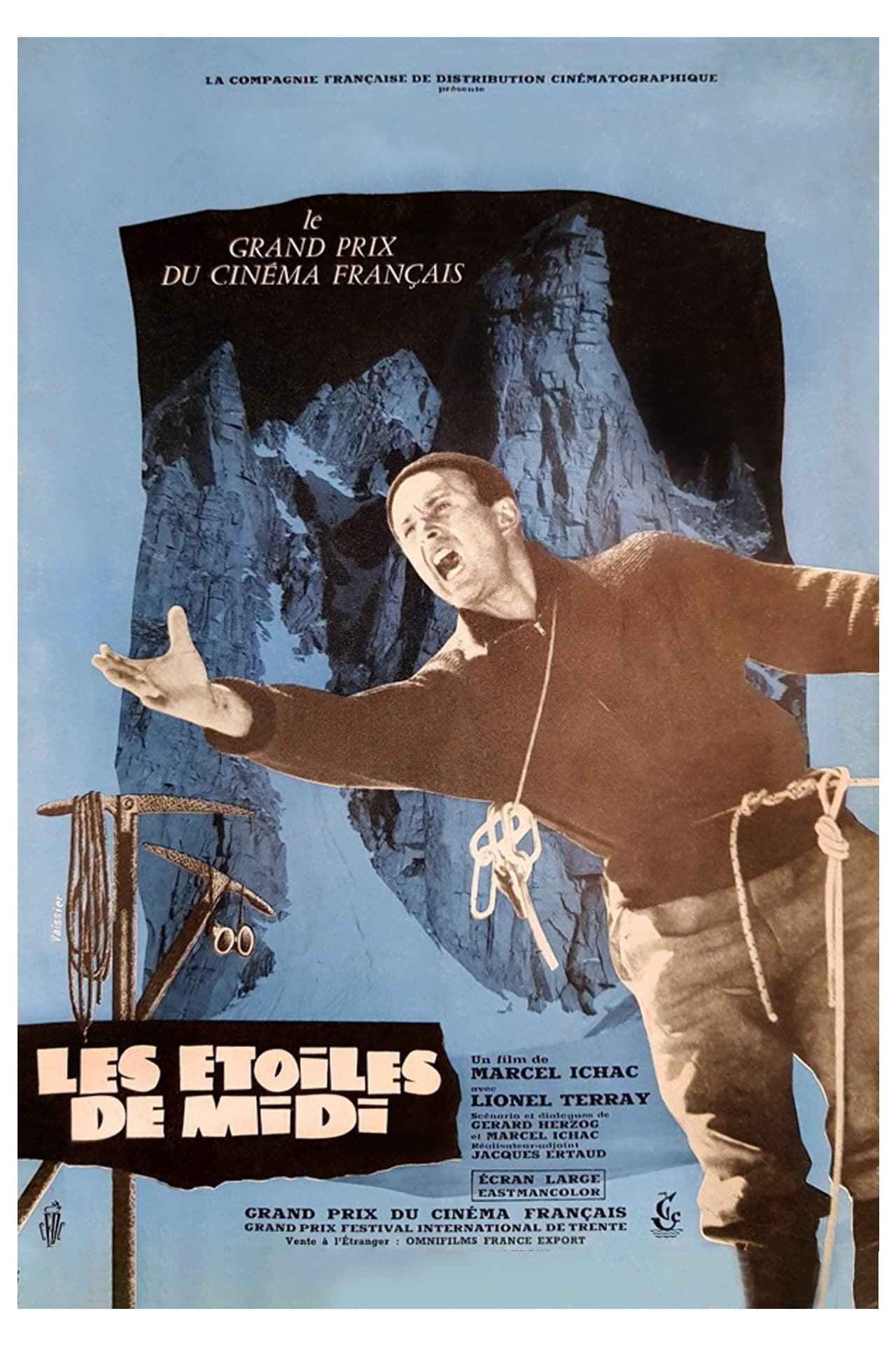
Les Etoiles de Midi is an engaging docudrama about some of the more spectacular exploits of French mountain climbers over the last several decades. In one re-enacted story, there is a wartime escape through the mountains, and in another, a daring rescue of a pair of climbers who had been missing. The actors themselves are adept at the sport of climbing, and they give the scenes an immediacy and real daring that brings the stories alive. A combination of their acrobatics and skill and the outstanding episodes in the history of French climbing creates a winning 78 minutes.
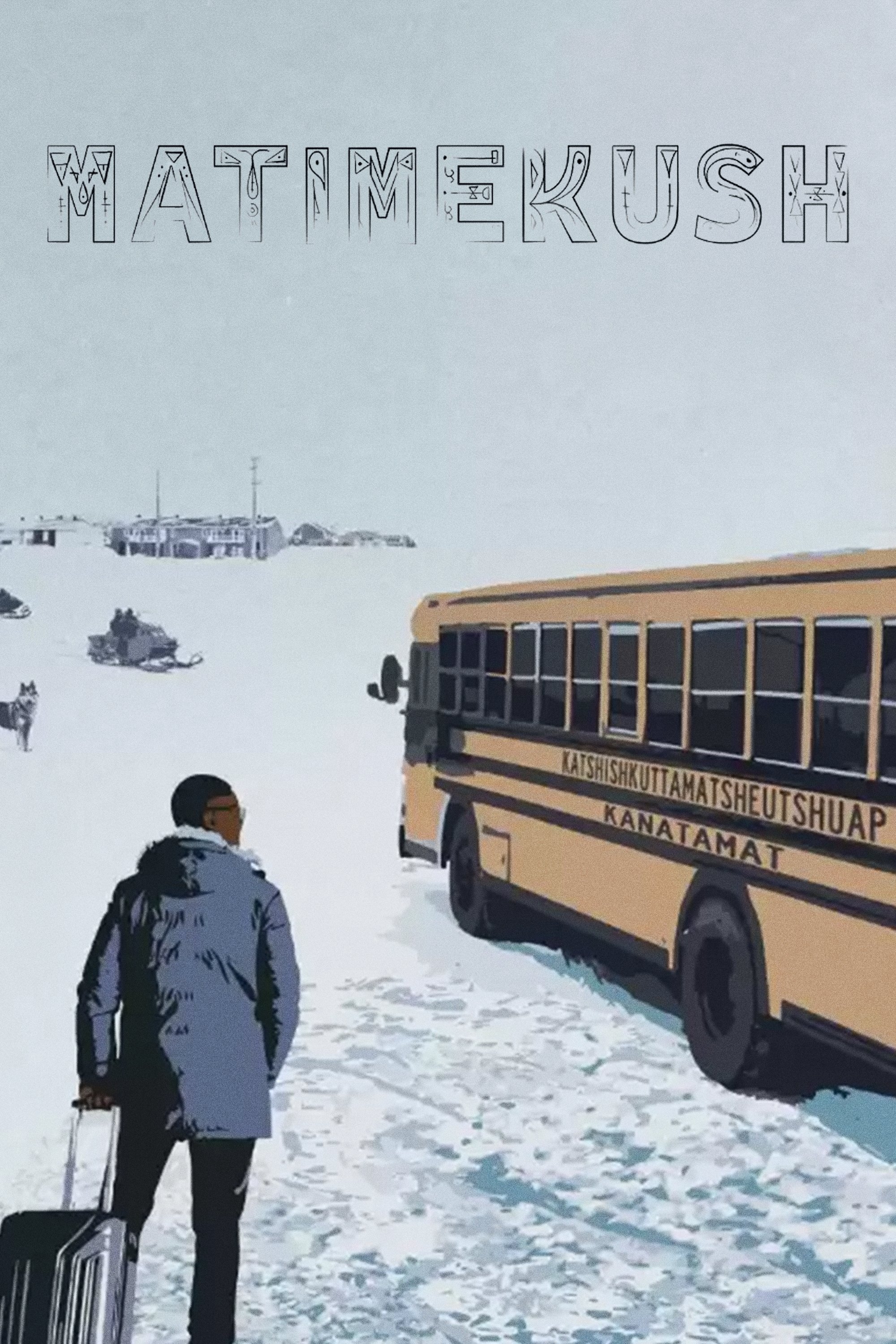
Matimekush is landlocked in the former mining town of Schefferville, 700 km north of Sept-Îles. It was founded in the 1950s, when the Canadian government and Iron Or forced the Innu to settle down. In Canada’s Far North, there is a dire labour shortage. At Kanatamat School, the heart of the community, most of the high school teachers are from Africa.
Resilience is dedicated to those whose lives have been fragmented by intergenerational trauma, but who wish to break the cycle.
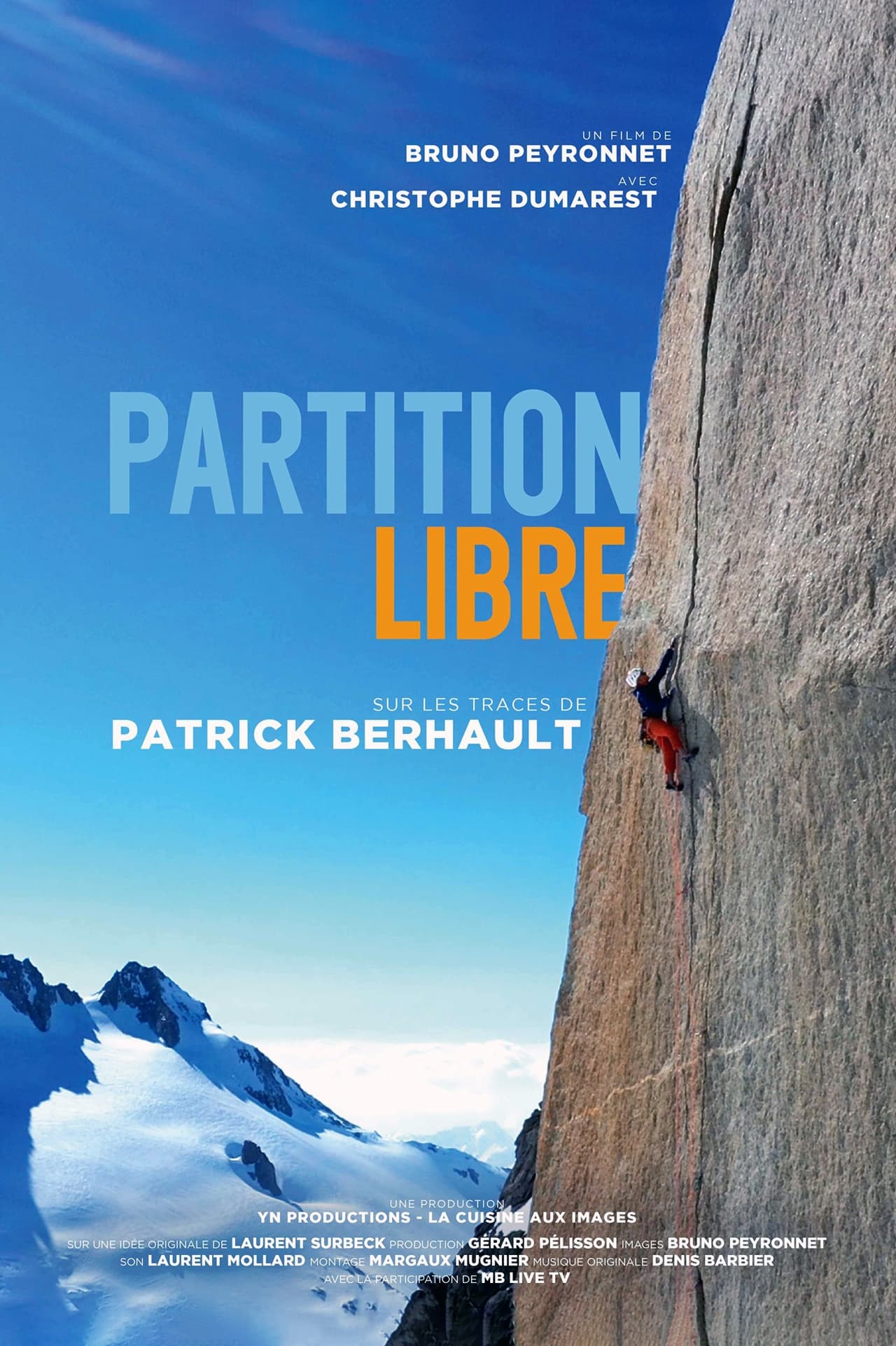
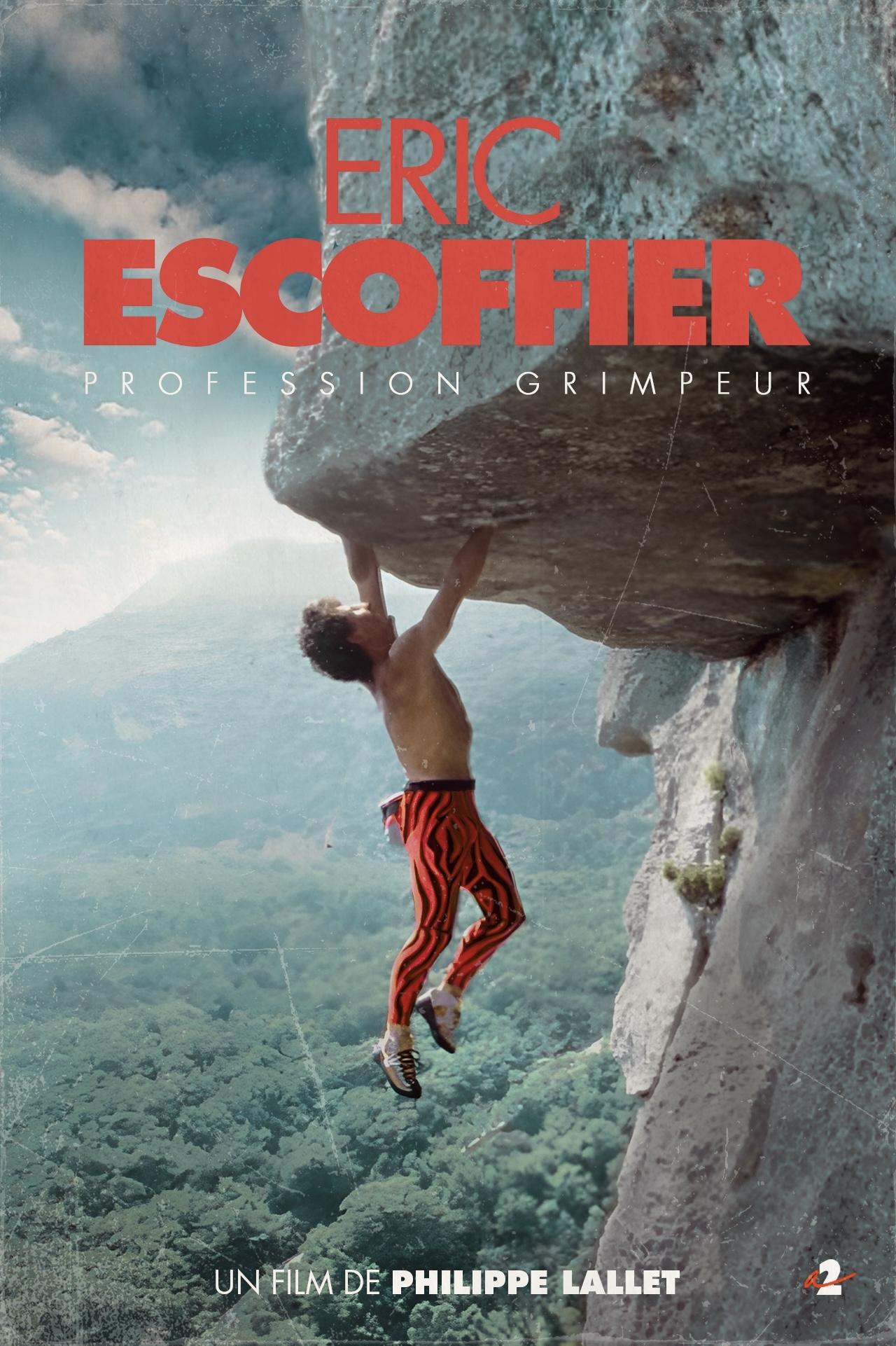
A documentary portrait of the legend Eric Escoffier at the height of his mountaineering career. A true athlete, Escoffier has comprehensive, cutting-edge preparation in three different climbing disciplines: rock climbing, ice climbing and solo free climbing, without any safety devices. Philippe Lallet's camera follows Eric in his performances and in his preparation for one of the first La Sportroccia climbing competitions, in 1985 in Bardonecchia in Italy.
This quirky little short by Gilles Carle was filmed on the pierced rock that stands near Quebec’s Gaspé peninsula. It is perhaps the most photographed natural phenomenon on Canada’s East Coast. Shot in the 1960s, the film has a very psychedelic feel to it, with animation, special effects, and a trio of women to guide us through.
The film follows adventurer Jeff Johnson as he retraces the epic 1968 journey of his heroes Yvon Chouinard and Doug Tompkins to Patagonia.
In an intimate and joyful story of love in the face of loss, celebrated poets Andrea Gibson and Megan Falley find strength—and unexpected hilarity—in what might be their final year together.
In 2019, Nepalese mountain climber Nirmal “Nims” Purja set out to do the unthinkable by climbing the world’s fourteen highest summits in less than seven months. (The previous record was eight years). He called the effort “Project Possible 14/7” and saw it as a way to inspire others to strive for greater heights in any pursuit. The film follows his team as they seek to defy naysayers and push the limits of human endurance.
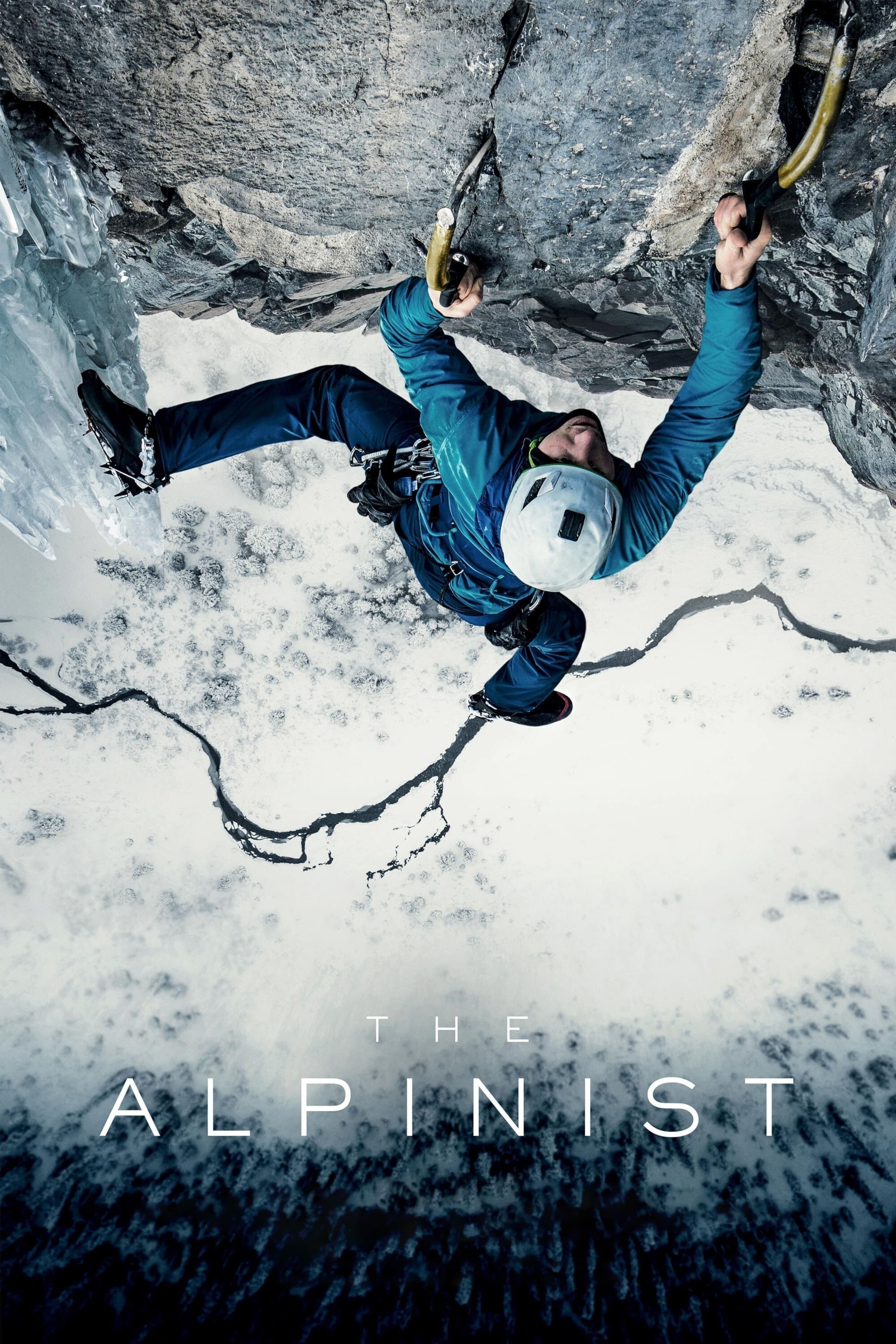
The life of Canadian mountain climber Marc-André Leclerc as he pushes the boundaries of climbing while on an expedition to Patagonia.
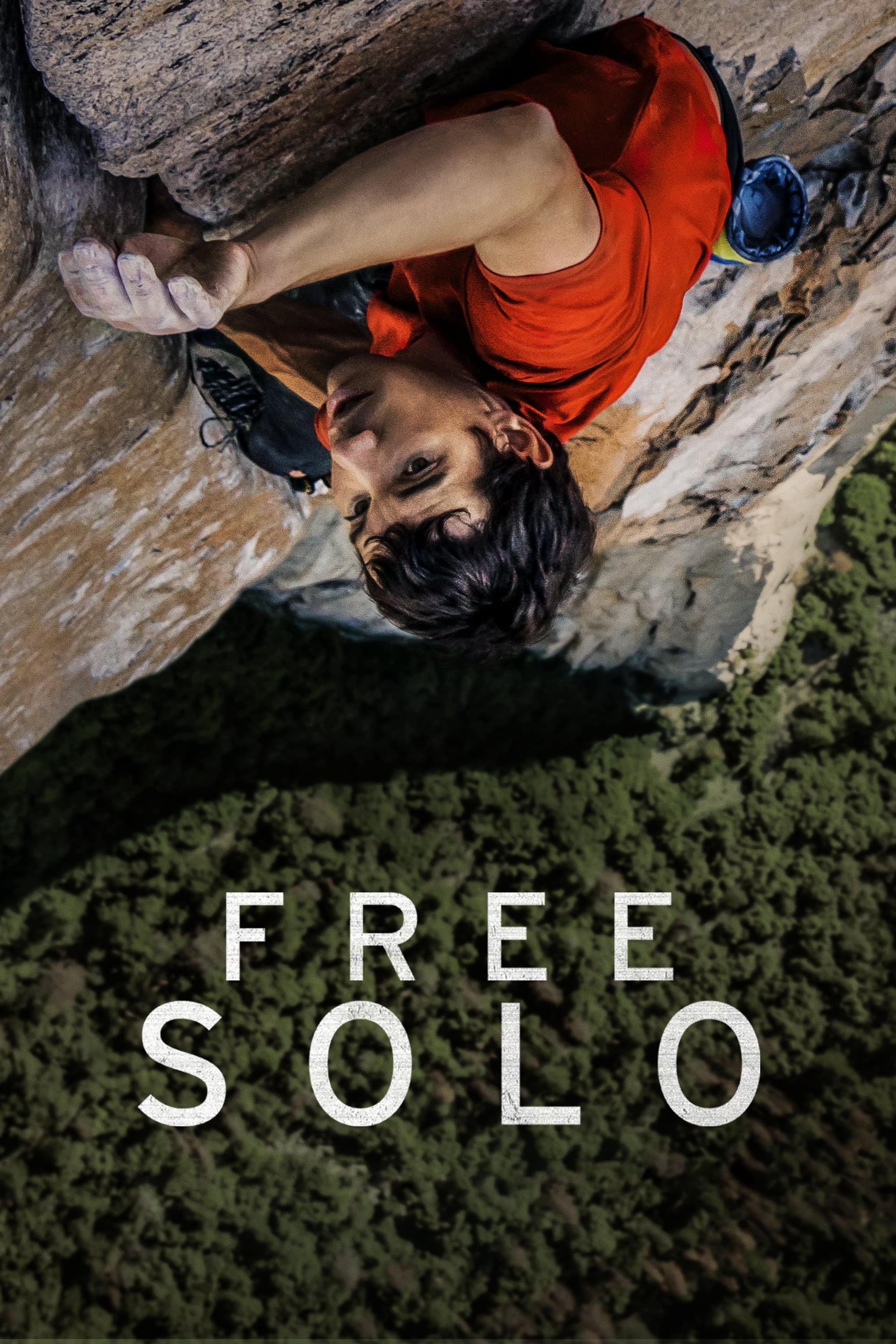
Follow Alex Honnold as he attempts to become the first person to ever free solo climb Yosemite's 3,000 foot high El Capitan wall. With no ropes or safety gear, this would arguably be the greatest feat in rock climbing history.
A string of threatening emails escalates into a revenge plot involving a newly married US marshal and his ex-girlfriend.
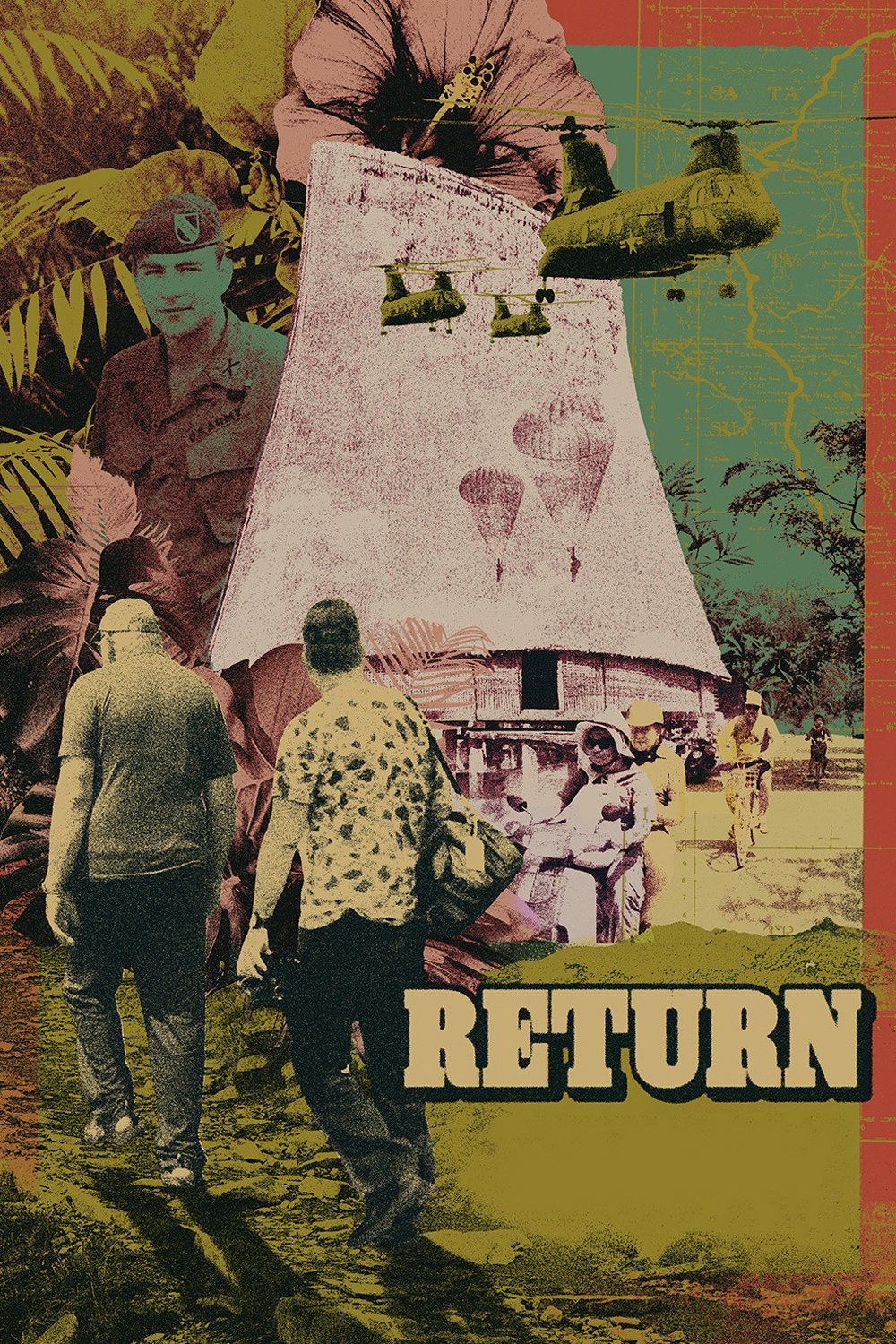
RETURN tells the story of a retired Green Beret who embarks on a healing journey from Montana to Vietnam. There he retraces his steps, shares his wartime experiences with his son, treats his Post-Traumatic Stress Disorder, and seeks out the mountain tribespeople he once lived with and fought alongside as a Special Forces officer.
Through deeply personal interviews with her siblings and an examination of the photographs, letters, and belongings left behind, Mariska assembles a new portrait of her mother Jayne Mansfield, an extraordinary and complex woman.
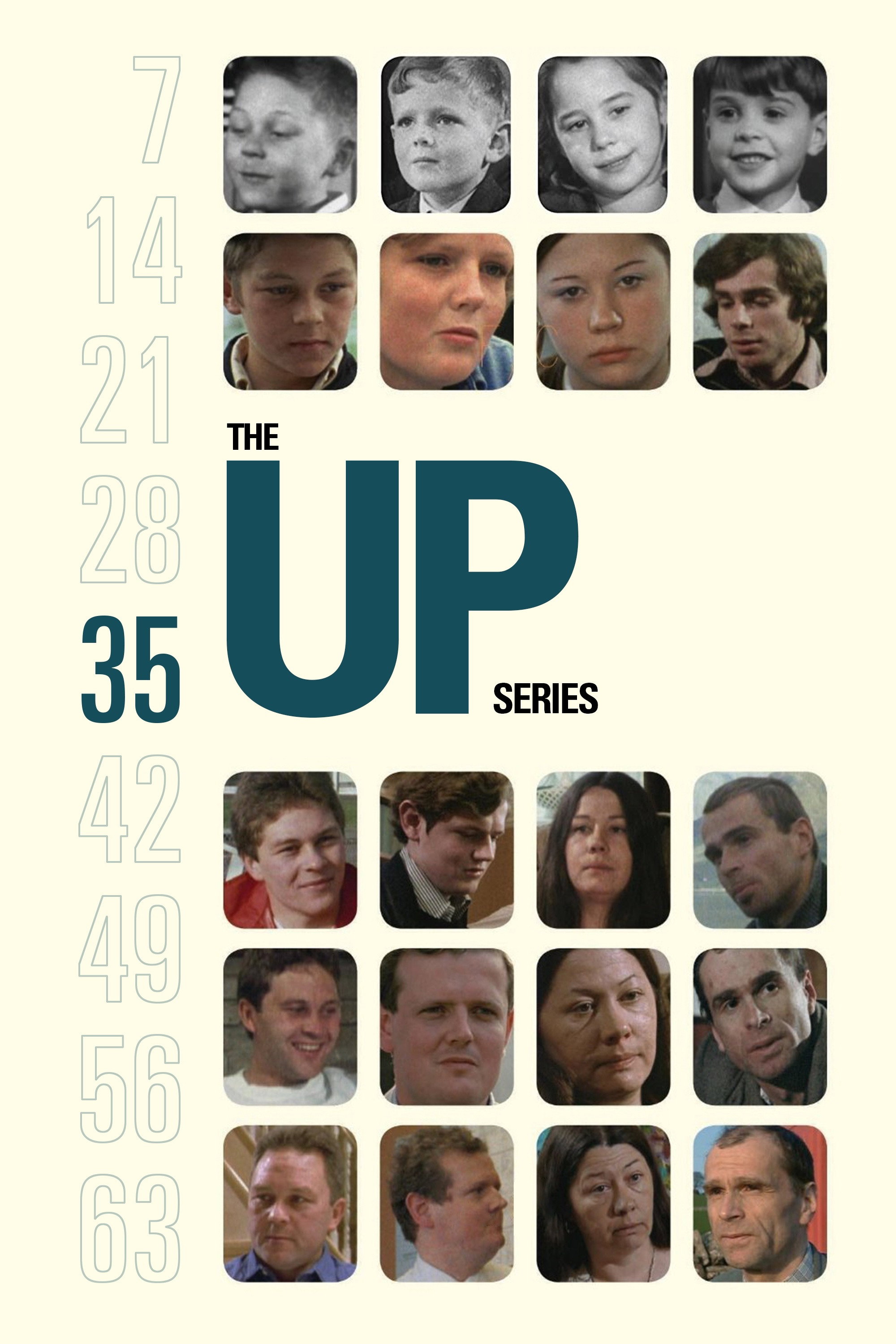
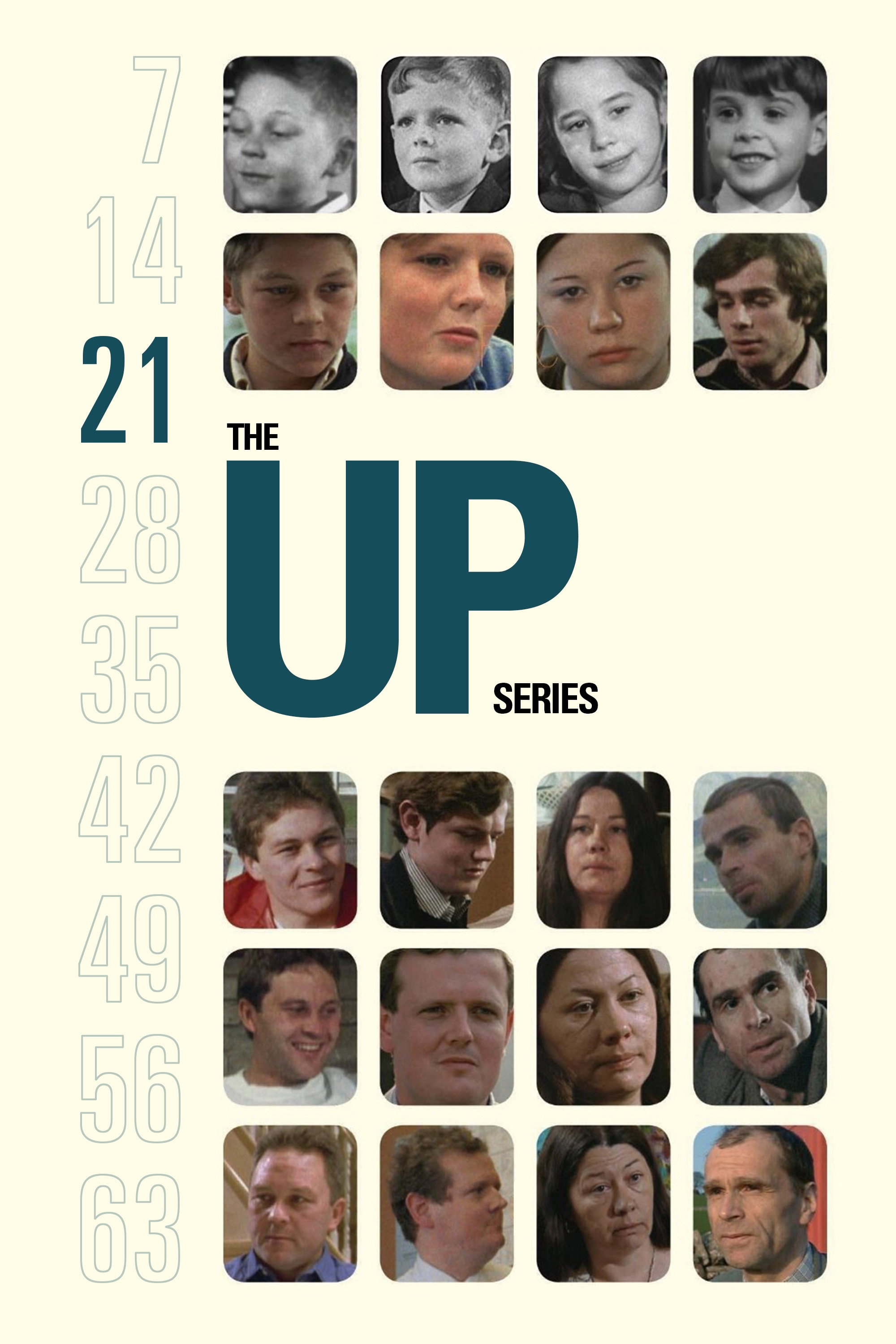
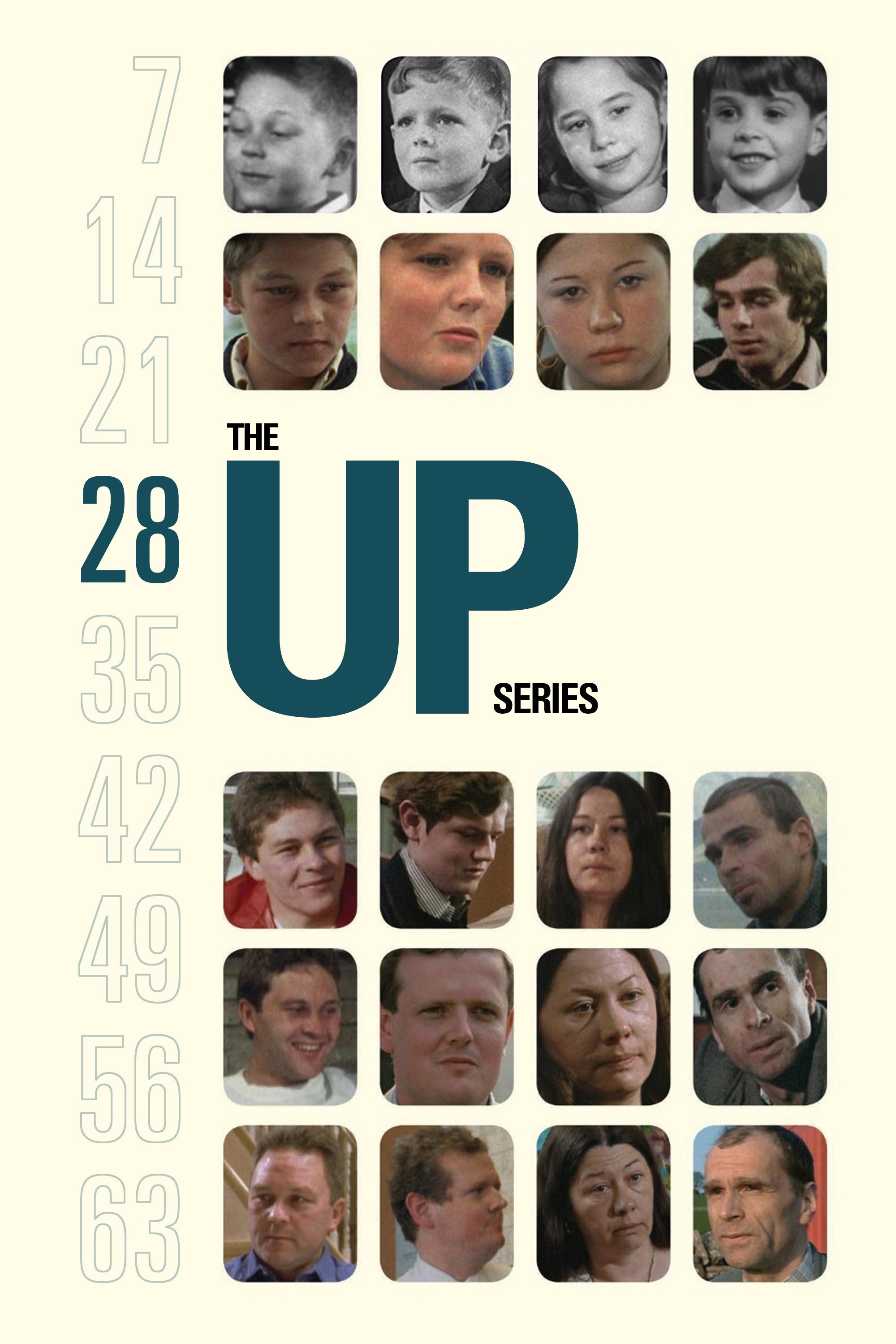
Director Michael Apted revisits the same group of British-born adults after a 7 year wait. The subjects are interviewed as to the changes that have occurred in their lives during the last seven years.
This revealing documentary honors the legendary Sidney Poitier—iconic actor, filmmaker, and civil rights activist. Featuring interviews with Denzel Washington, Spike Lee, Halle Berry, and more.
After another 7 year wait, director Michael Apted revisits the same group of British-born children from Seven Up! and 7 Plus Seven. The subjects are interviewed as to the changes that have occurred in their lives during the last seven years.
Just two years away from turning 30, participants in Michael Apted's documentary series are facing serious questions of identity and purpose, wondering whether they've found their place in the world.
An inside look at one of the most anticipated movie sequels ever with James Cameron and cast.
From the heights of her modeling fame to her tragic death, this documentary reveals Anna Nicole Smith through the eyes of the people closest to her.
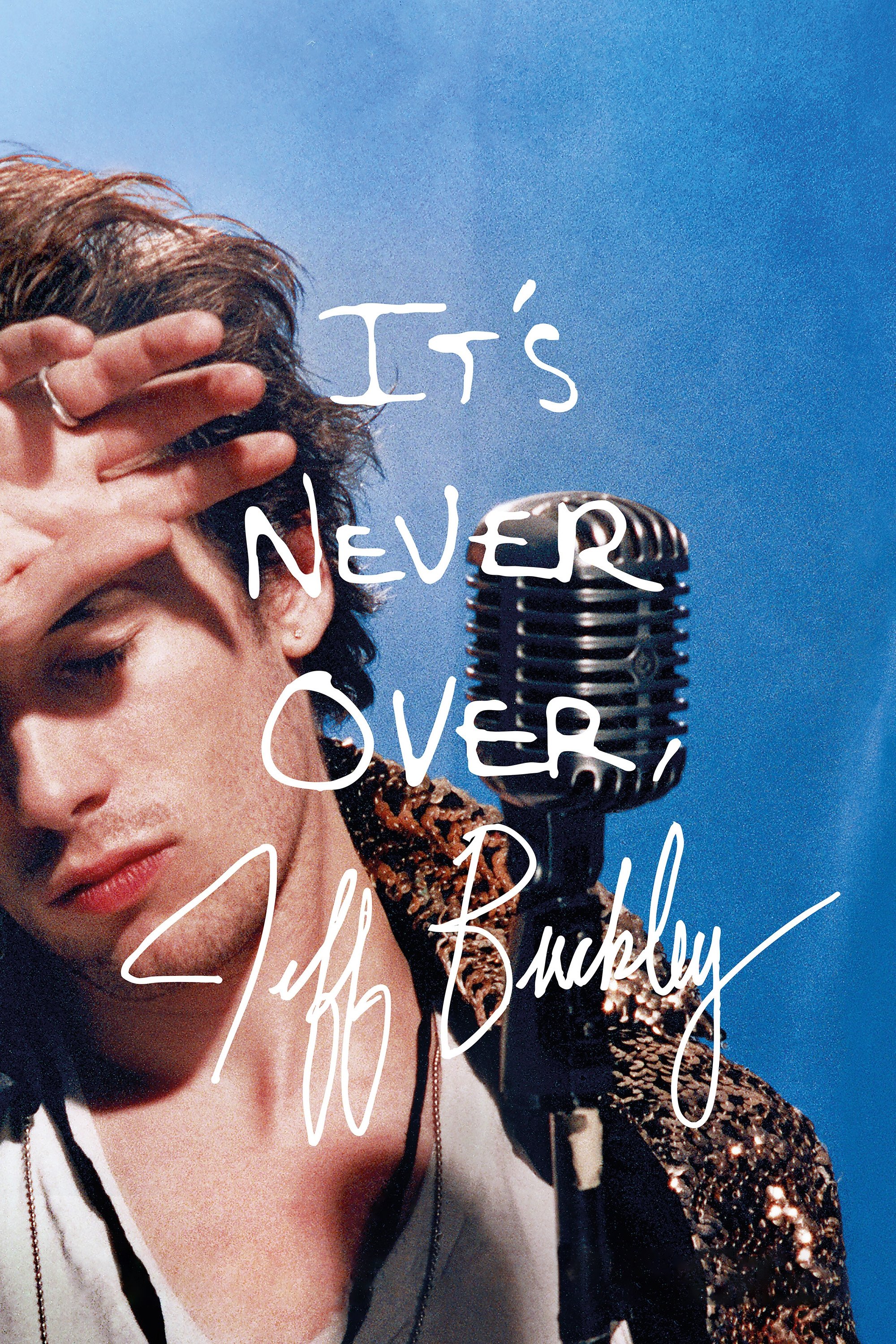
Rising musician Jeff Buckley had only released one album when he died suddenly in 1997. Now, never-before-seen footage, exclusive voice messages, and accounts from those closest to him offer a portrait of the captivating singer.
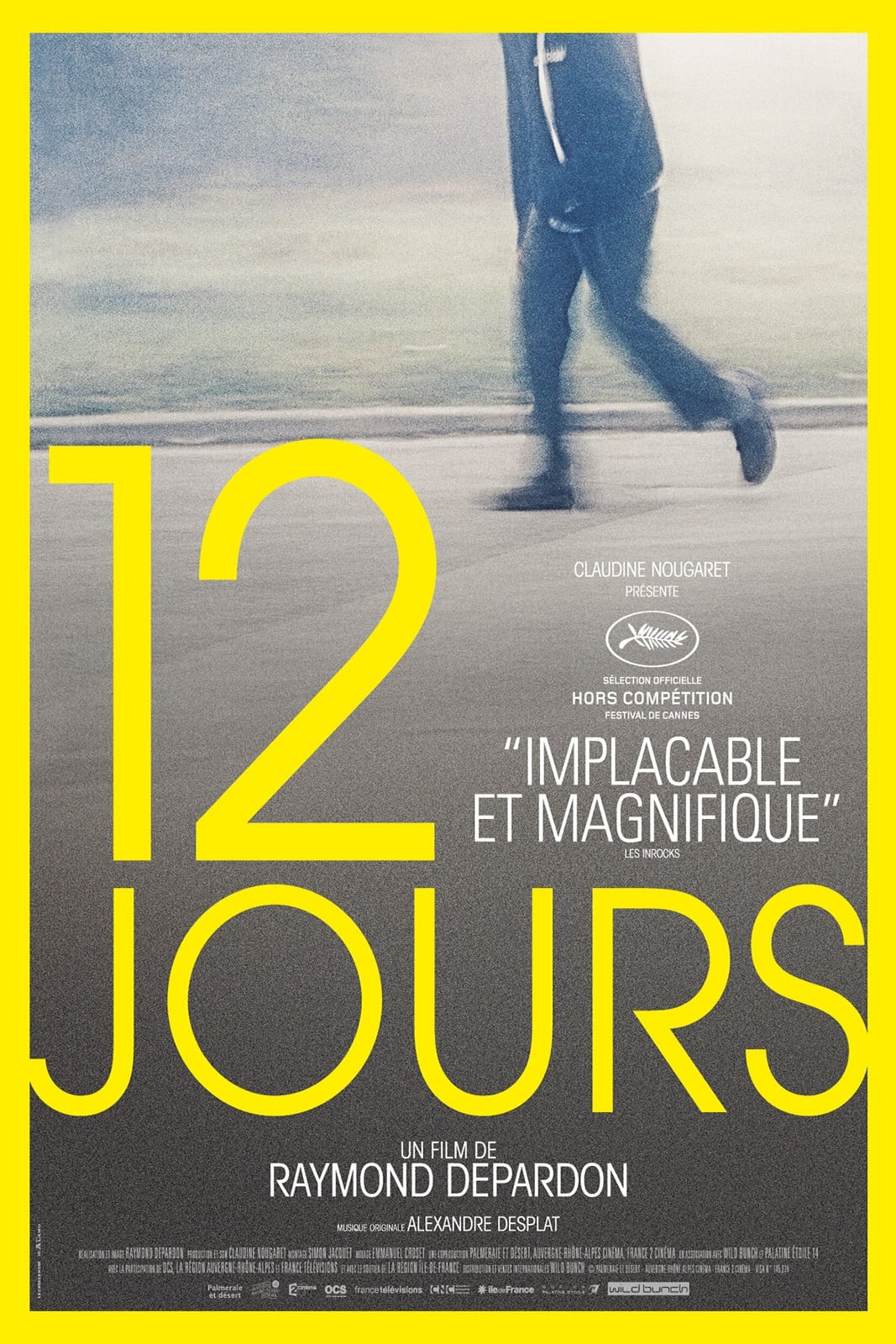
A new documentary by filmmaker-photographer Raymond Depardon – where justice and psychiatry meet.
Filmed at the end of Taylor Swift's record-breaking Eras Tour in Vancouver, B.C., this complete, in-depth 45-song concert includes the complete 'The Tortured Poets Department' set and special mashups.
While in San Francisco for the promotion of her last film in October 1967, Agnès Varda, tipped by her friend Tom Luddy, gets to know a relative she had never heard of before, Jean Varda, nicknamed "Yanco". This hitherto unknown uncle lives on a boat in Sausalito, is a painter, has adopted a hippie lifestyle and loves life. The meeting is a very happy one.
14-year-old Laura Dekker sets out on a two-year voyage in pursuit of her dream to become the youngest person ever to sail around the world alone.
Over 35 years after Bob Lazar's revelations, this documentary exposes secrets of a facility the government still denies. Featuring Lazar's testimony, recreations, and new evidence, it reopens a case that continues to spark global curiosity