Social & External
The people behind it
Jules Champagne
Denis Duteau
Gerard Noel
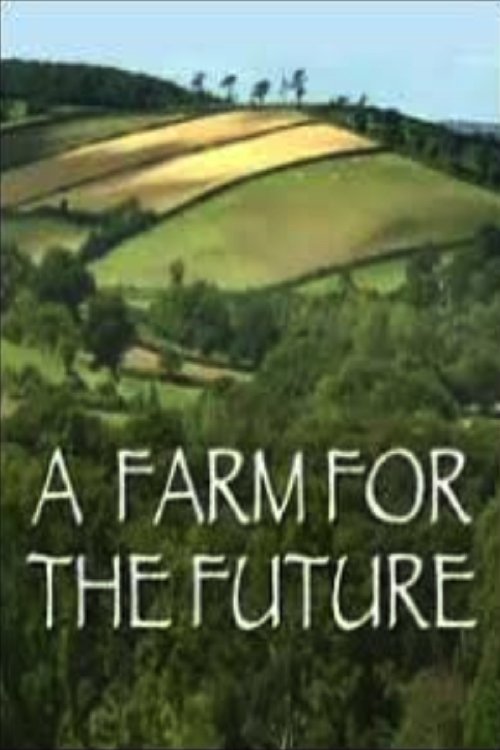
Wildlife film maker Rebecca Hosking investigates how to transform her family's farm in Devon into a low energy farm for the future, and discovers that nature holds the key. With her father close to retirement, Rebecca returns to her family's wildlife-friendly farm in Devon, to become the next generation to farm the land. But last year's high fuel prices were a wake-up call for Rebecca. Realising that all food production in the UK is completely dependent on abundant cheap fossil fuel, particularly oil, she sets out to discover just how secure this oil supply is. Alarmed by the answers, she explores ways of farming without using fossil fuel. With the help of pioneering farmers and growers, Rebecca learns that it is actually nature that holds the key to farming in a low-energy future.
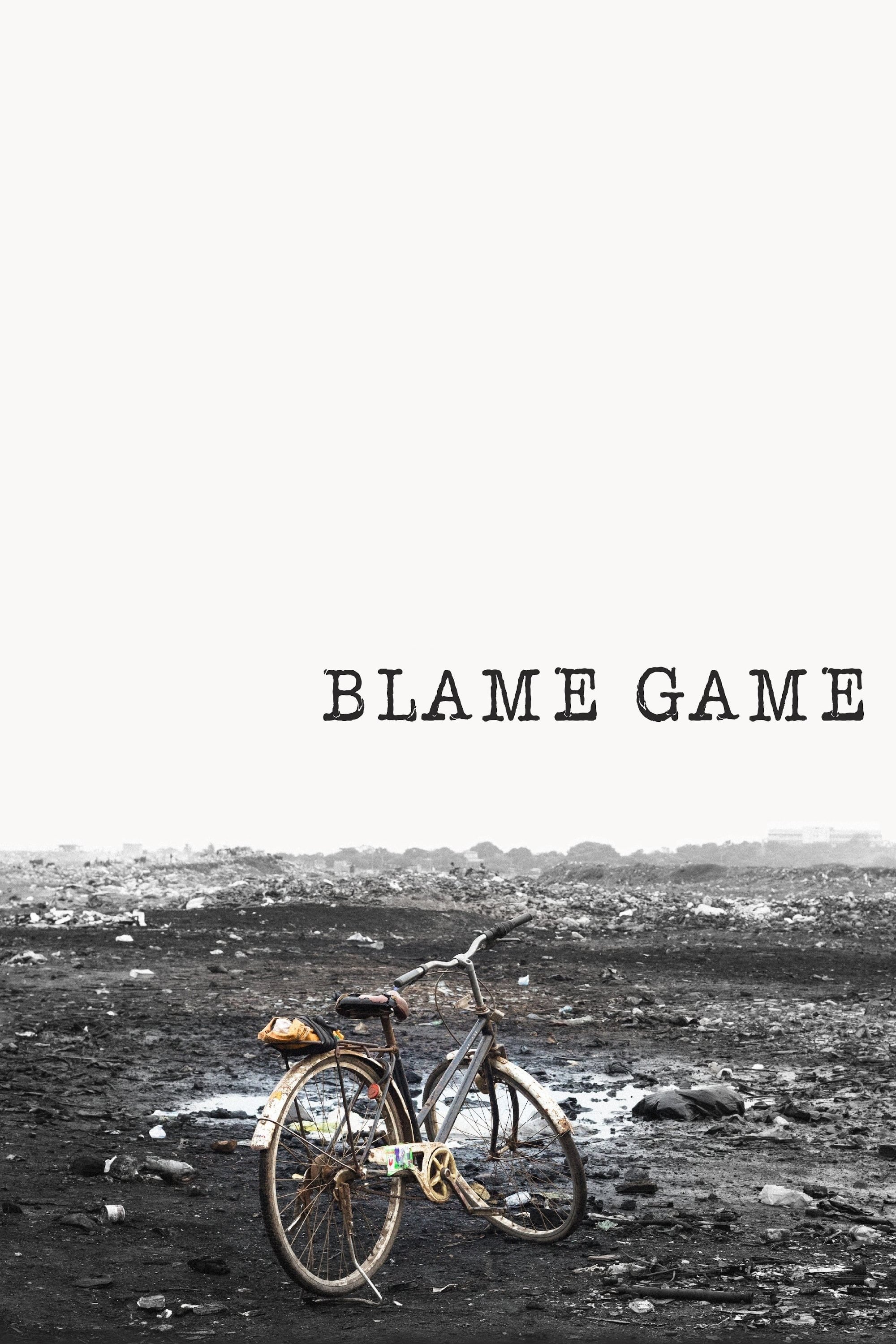
As more and more of us use and replace electronic devices, manufacturers have failed to offer solutions for how to deal with the resulting waste. Much of it is exported to a toxic dump in Ghana, where scavengers do their best to salvage what they can.
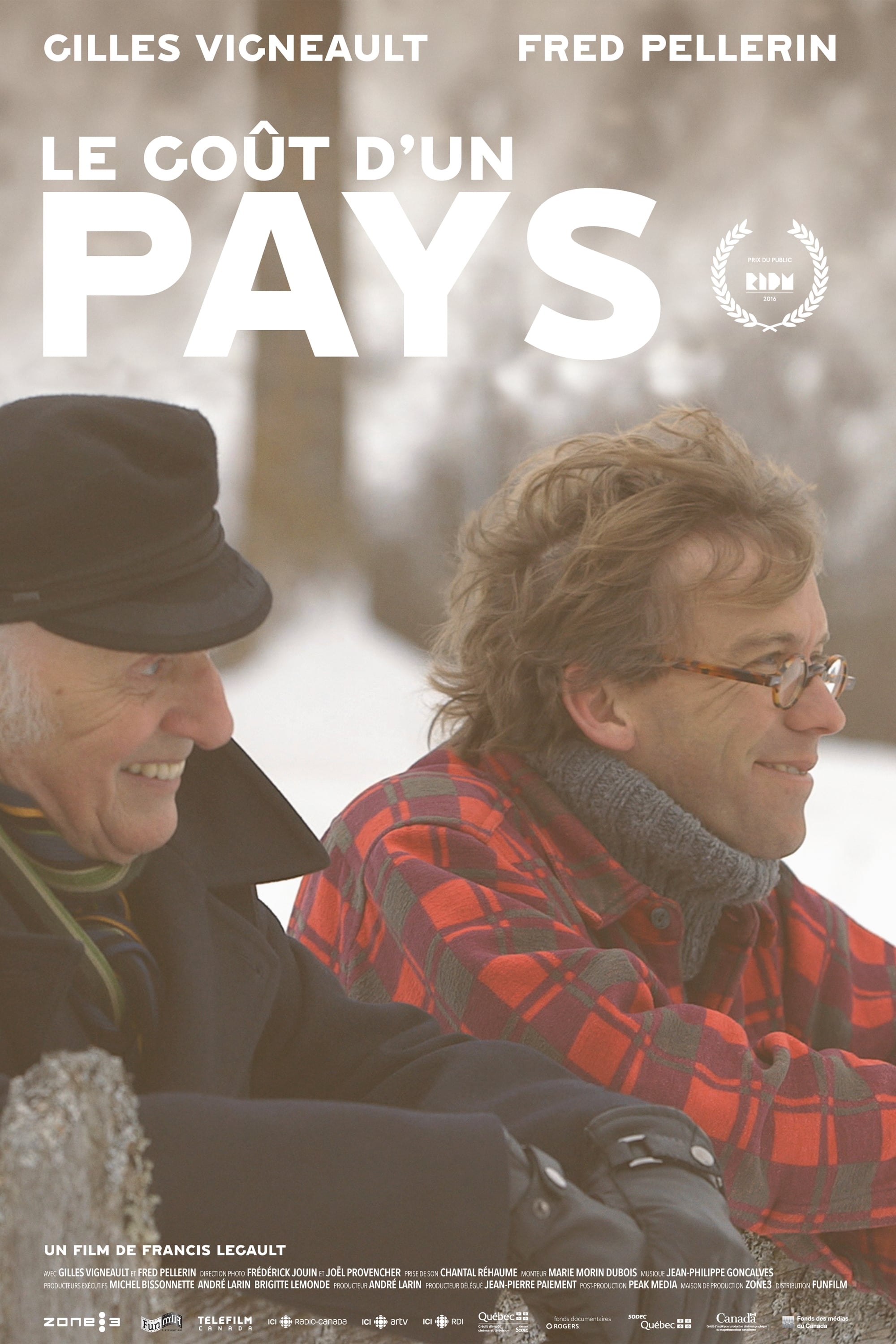
Focused on an inspiring and touching dialogue between Gilles Vigneault and Fred Pellerin, the documentary tells the story of Quebec by digging deep into an ancestral tradition etched into our cultural DNA: the production of maple syrup.
Filmed in Victoriaville, the film uses images from various sources to paint a cynical portrait of the violent boredom that reigns in rural areas. Quiet sequences of people sharing joints by the river are followed by a lone car speeding along wooded roads, as if seeking speed on the brink of accident. Thuya abandons technical mastery in favor of intimate and spontaneous filming, composing a raw self-documentation of daily stagnation. Filmed mainly in a single day of improvisation, based on chance encounters and found footage.
Basil Gelpke and Ray McCormack's nonfiction treatise Crude Awakening joins Maxed Out, An Inconvenient Truth, and other recent documentaries devoted to unearthing and exploring forces that are untying the connective threads of contemporary society. The subject at hand is crude oil - specifically, the depletion of petroleum from the Earth, in an era when consumption threatens to exceed supply.
In 2001, the government of Quebec announced a new program to issue permits for the construction of private hydroelectric dams at specific sites. Upset, the population took things into their own hands and decided to act. Citizens formed collectives to protect their waterways, among the most beautiful in the province. This documentary follows several artist and citizen groups who led a crusade to force the Québec government to abandon private hydro-electrical production. It is a thorough inquiry on the environmental impact and other repercussions of such projects.
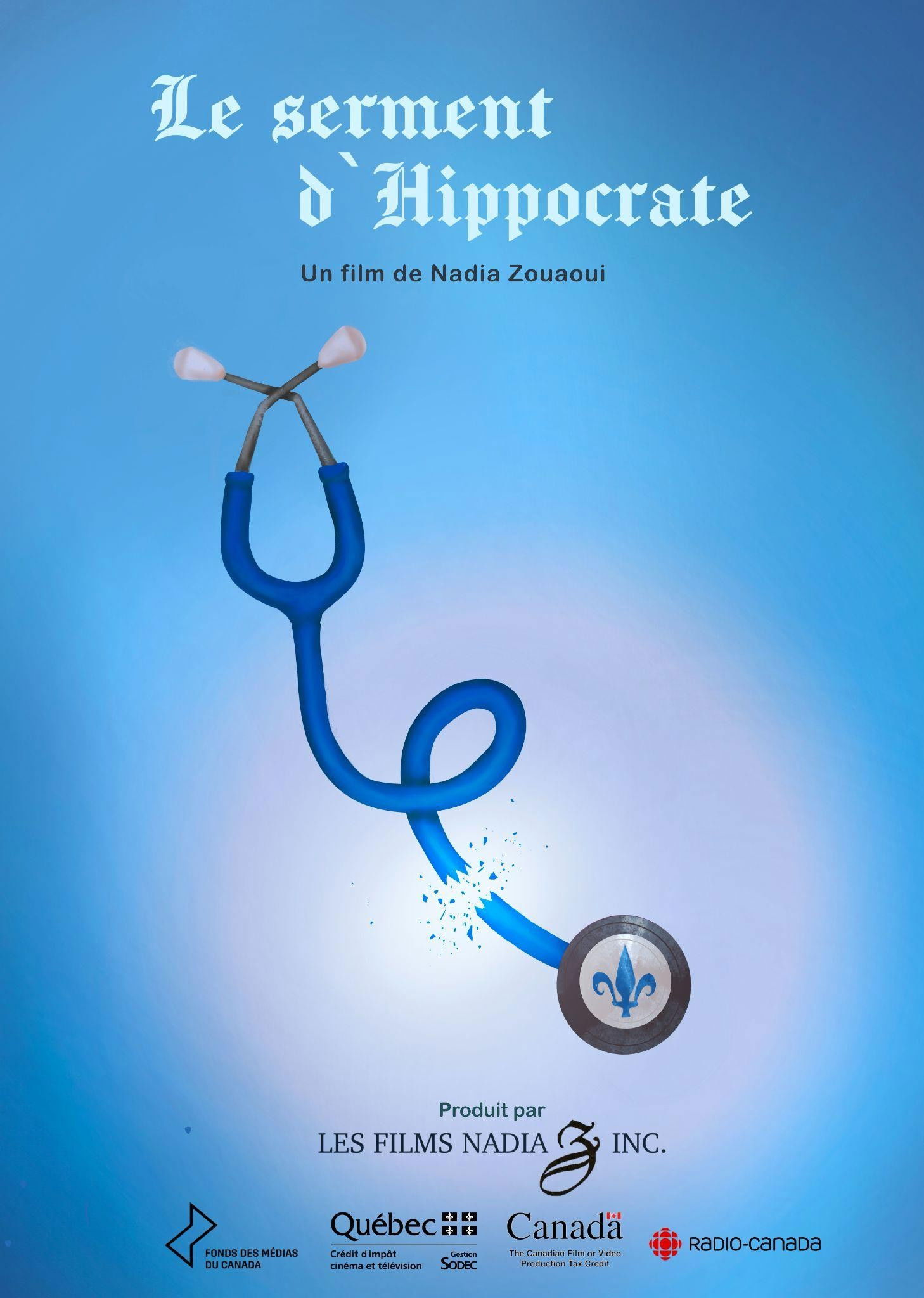
Le serment d’Hippocrate follows the struggle of four immigrant doctors trying to find their place in the Quebec healthcare system. This film puts faces to the lives, journeys, and struggles of these unsung heroes who, nevertheless, had also taken the august Hippocratic Oath in their distant countries.
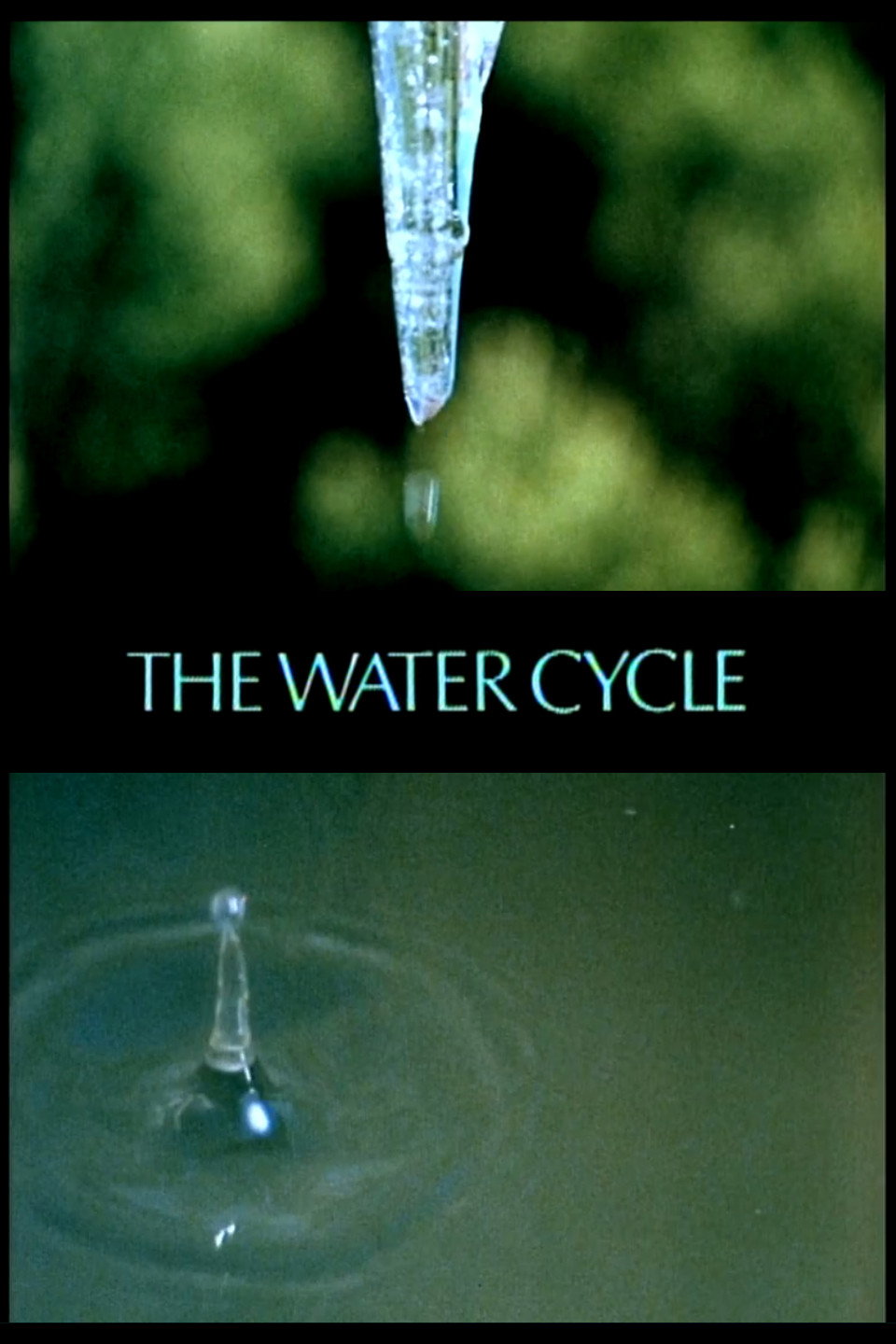
An award-winning short exploring man-made impacts on New Zealand’s water cycle.
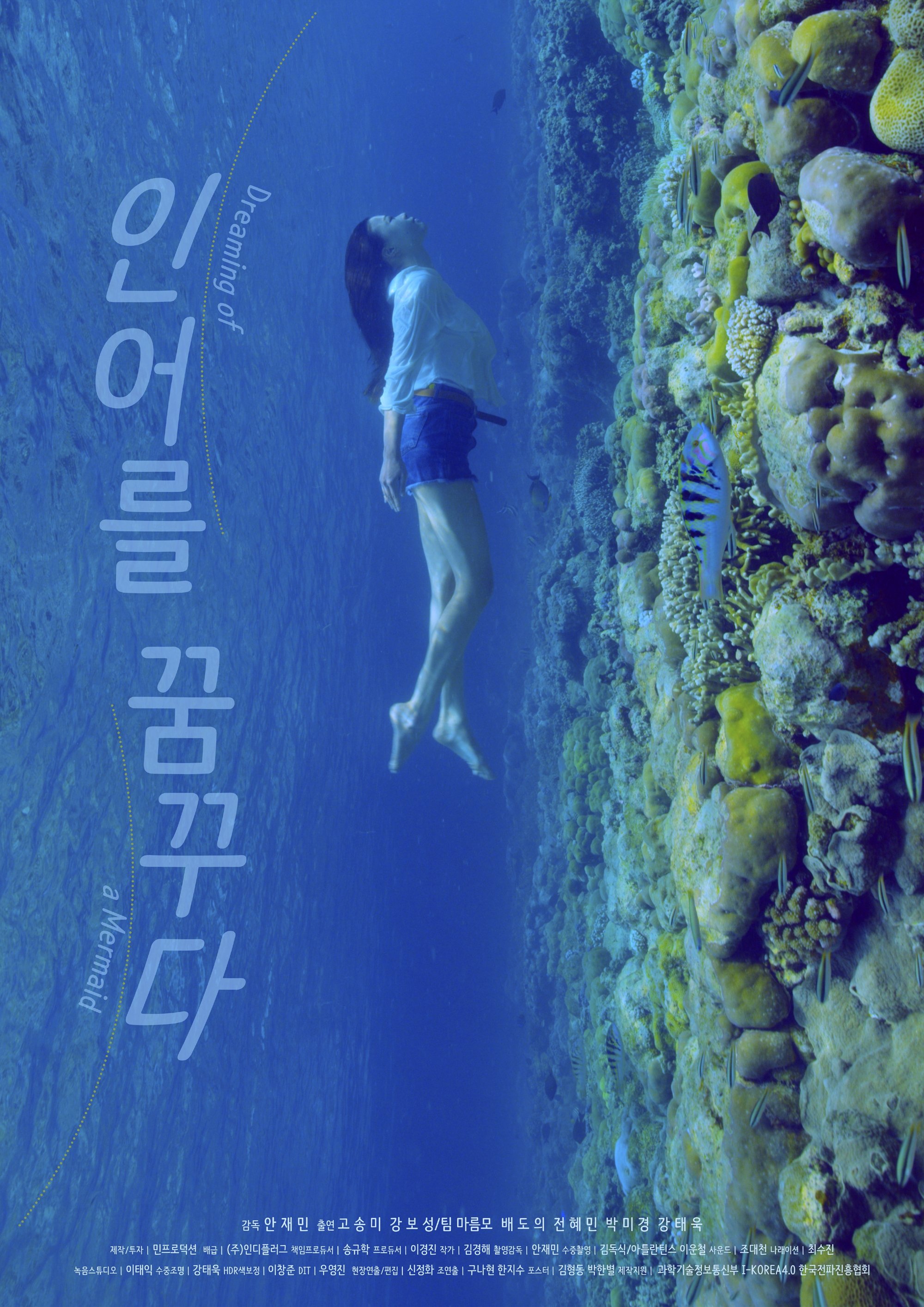
Working as a designer for a clothing company, Song-mi, feeling skeptical about her heavy workload and repetitive daily life, decides to quit her job and become a freediving underwater performer. As she went deeper into her sea, Songmi felt that her body and mind, which had been weary of her, were healed. In order to return this 'gift of healing' she received from her sea, she challenges a special underwater performance with installation artist Boseong and aqua aerobics instructor Doui. Youth campaigns in Jeju, Palau and Cebu. The silent cry of a mermaid trapped in a plastic forest in the middle of the Pacific Ocean now throws a strong warning to our oceans.
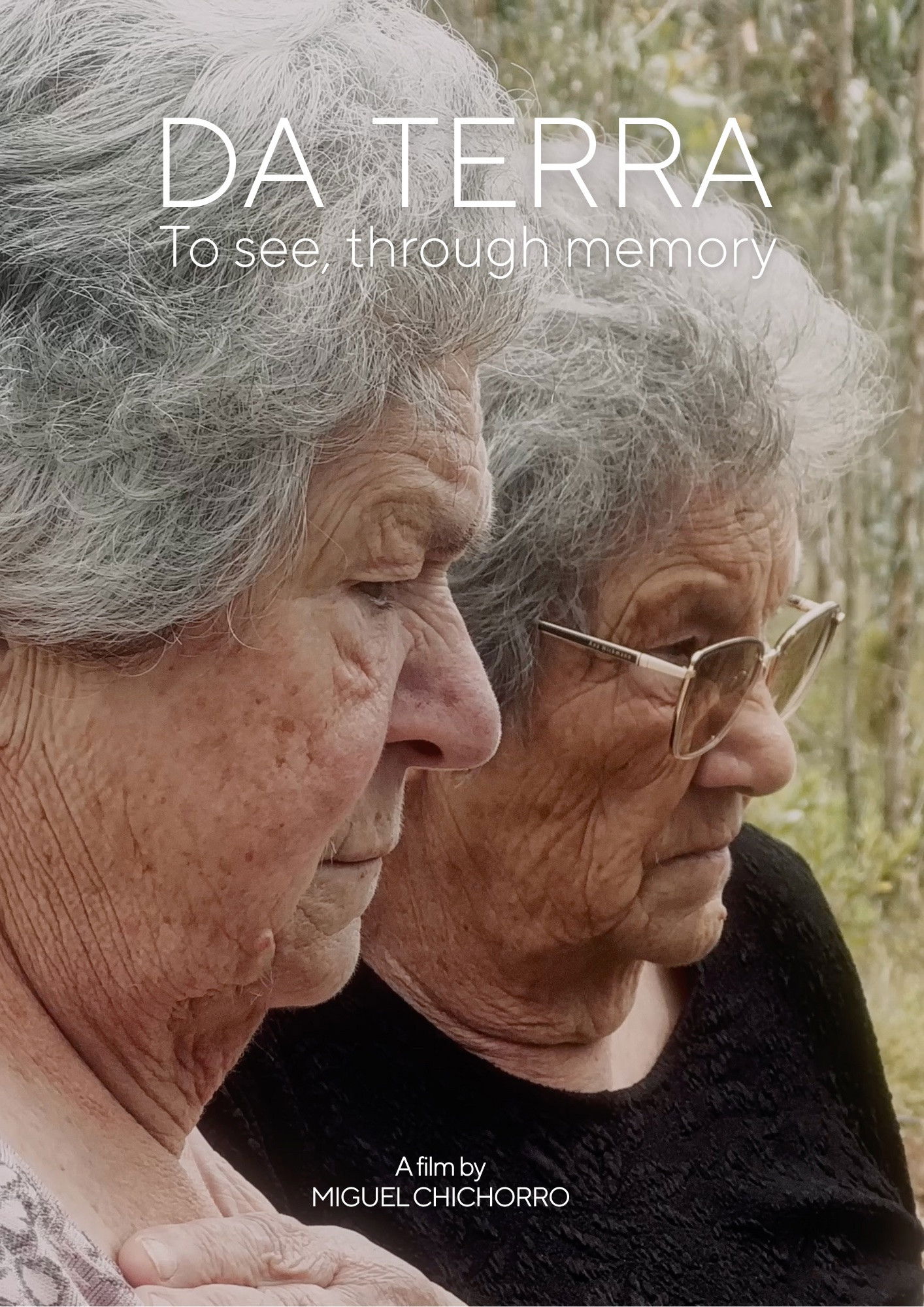
Emília Pedro e Fernanda Jorge revisit childhood memories to identify over 70 land parcels inherited from their father. As physical traces fade, memory and oral tradition become the only way to 'see' what is no longer visible.
Navigating the wilderness of subarctic Quebec, a motley crew discovers something ineffable.
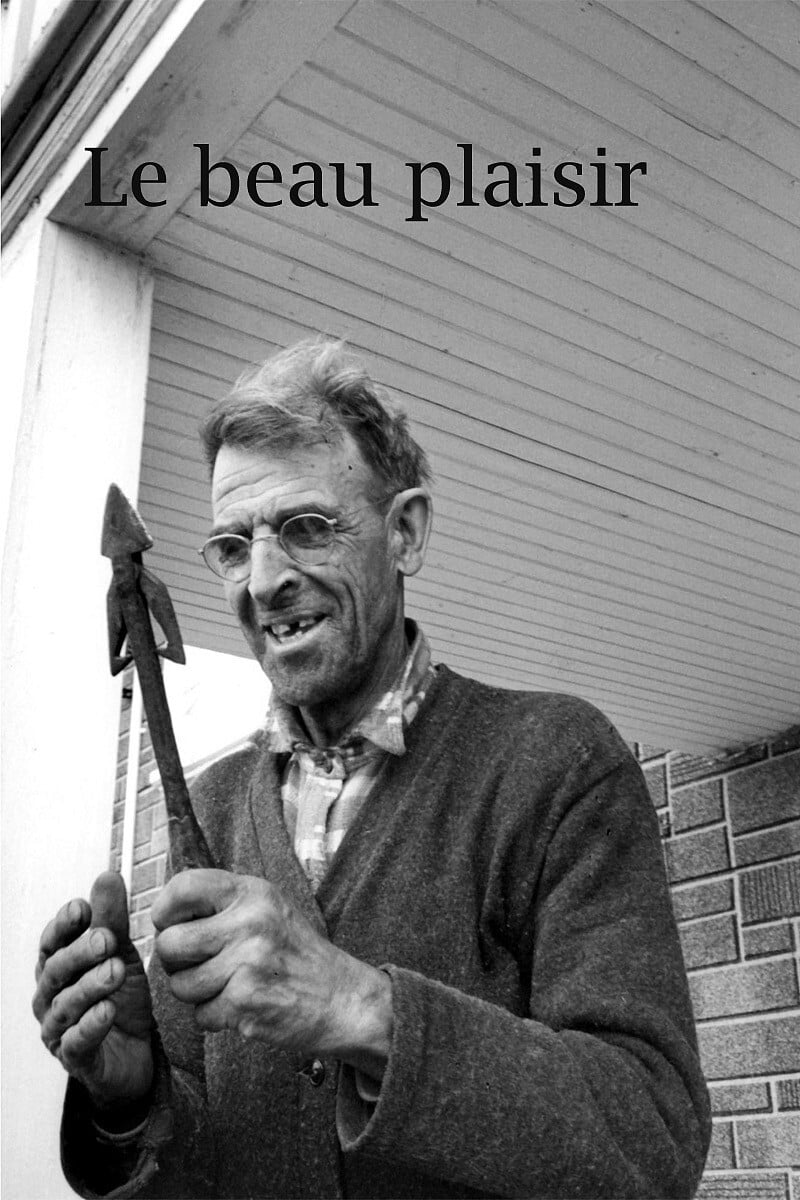
From the lower St. Lawrence, a picture of whale hunting that looks more like a round-up, with a corral, whale-boys and all. In 1534, when he stopped at the island he named l'Île-aux-Coudres, Jacques Cartier saw how the Indians captured the little white beluga whales by setting a fence of saplings into off-shore mud. In the film, the islanders show that the old method still works, thanks to the trusting 'sea-pigs,' the same old tide, and a little magic.
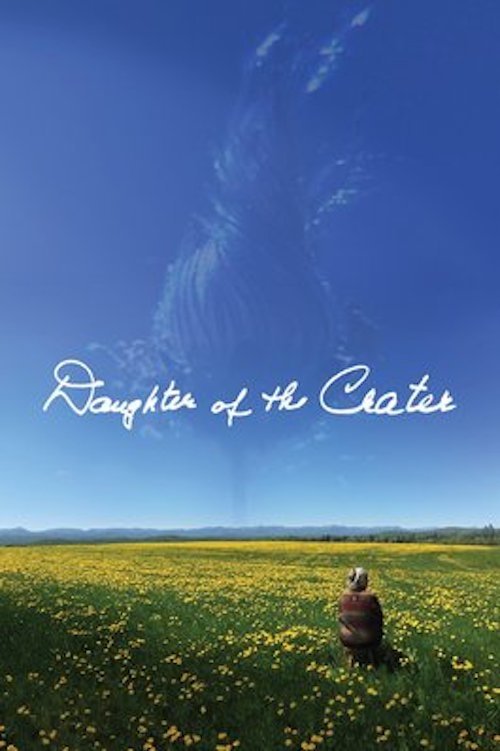
A woman with a deep love of the land, Yolande Simard Perrault sees her life as having been shaped by a planetary upheaval in Charlevoix, Quebec, millions of years ago. As enduring as the Canadian Shield, she’s a woman of strength and spirit, a child of the crater left by the meteor’s impact. This documentary portrays a determined woman who’s the reflection of a land created on an immense scale. She was the creative and life partner of filmmaker Pierre Perrault, who gave up everything to be by her side. The film charts the influence of her unquenchable dreams and her contribution to the building of a people’s collective memory. In a stream of images and words, Simard Perrault recounts the splendours of the landscape and the people who shaped it. Generous and boundless, she embarks on a quest for identity that nurtures and perpetuates the oeuvre of the man who breathed new life into Quebec cinema.
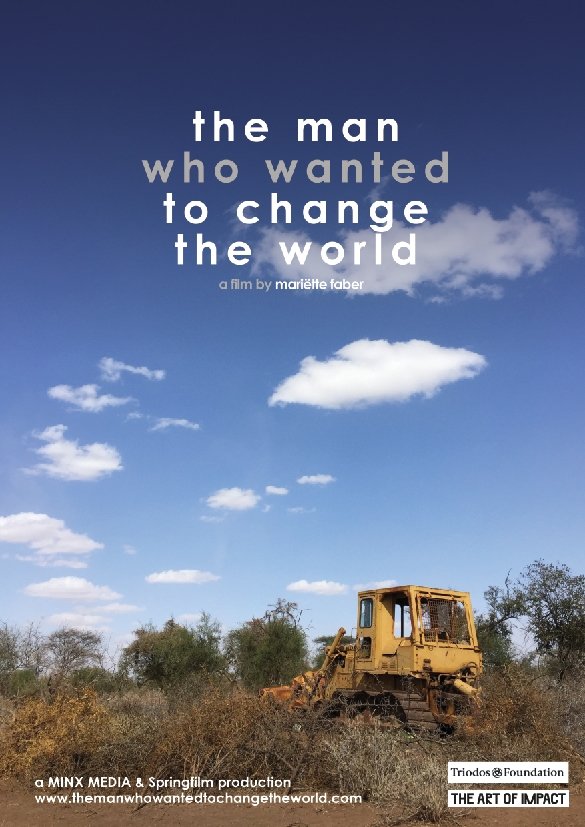
Peter Westerveld, artist and visionary, doesn’t want institutions to resolve the problems linked to earth’s problems. Growing up in Africa, he witnessed the advance of the desert and dedicated himself to finding solutions for the ongoing erosion and desertification of the land. The film follows Peter and the NGO working with him to realise his project; to build contour trenches that capture and store rain water under the surface and replenish the desert land.
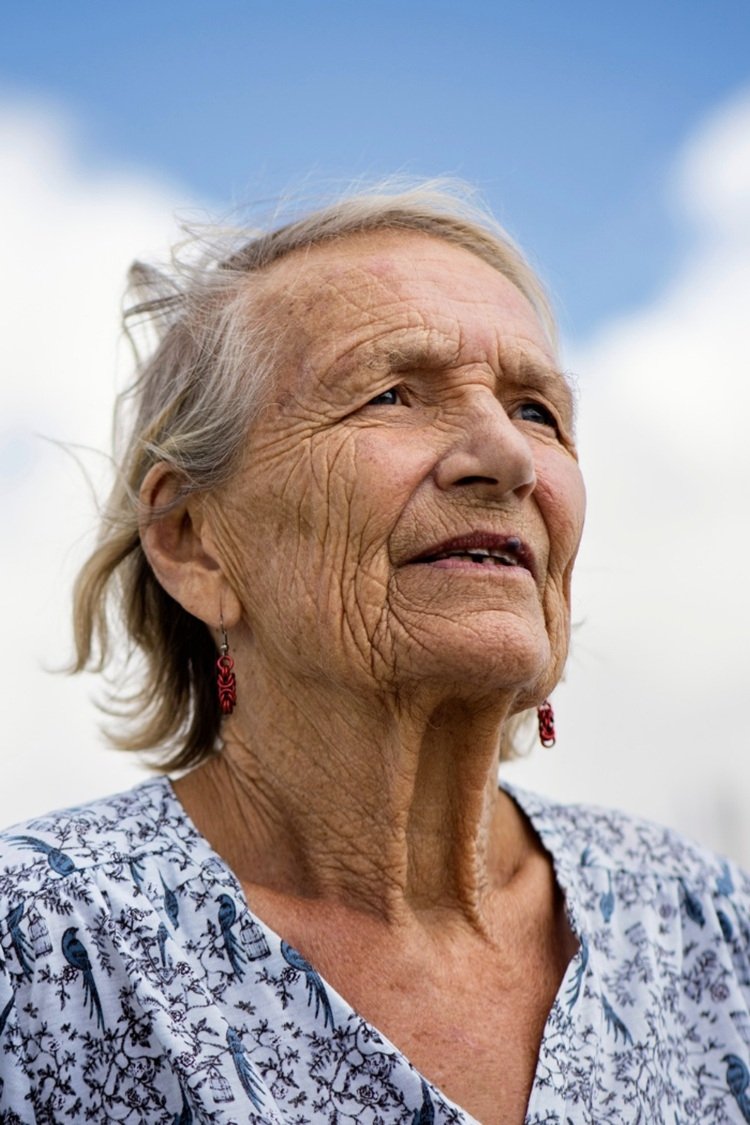
Lesley, in her 80s, and teenager Jay deliver spoken word poetry expressing their sense of belonging, home, and their vision for the future of the area where they live. One in a series of short films made in collaboration with residents of Ebbsfleet and its surrounding areas.
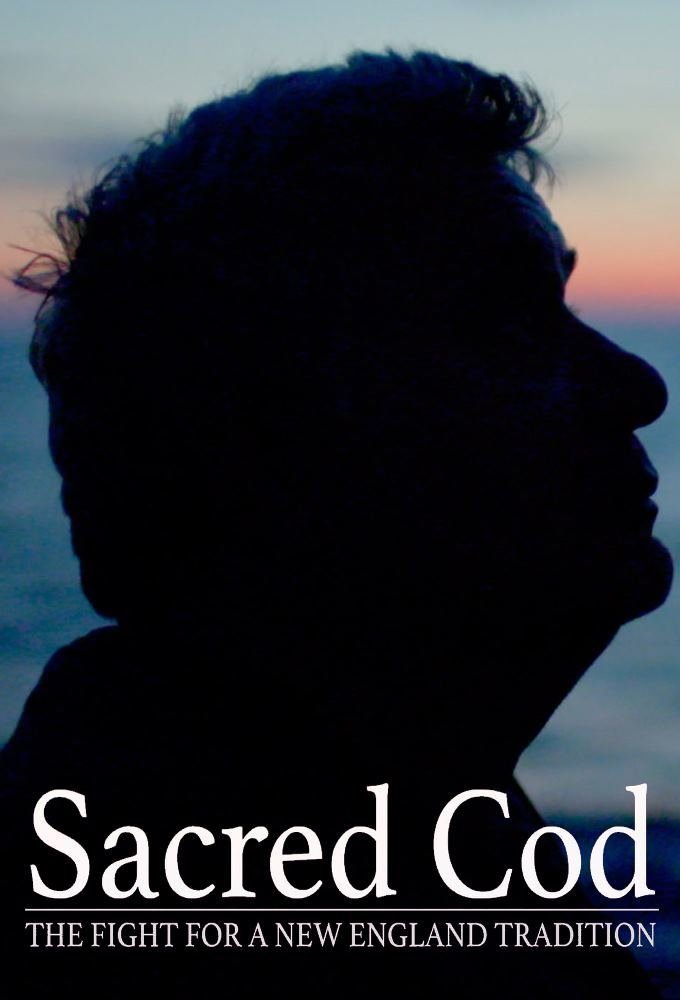
A documentary following the sharp decline of the cod fishing industry in New England. Included is an in-depth look at the potential causes and the resounding effects upon the lives of the fishermen themselves.
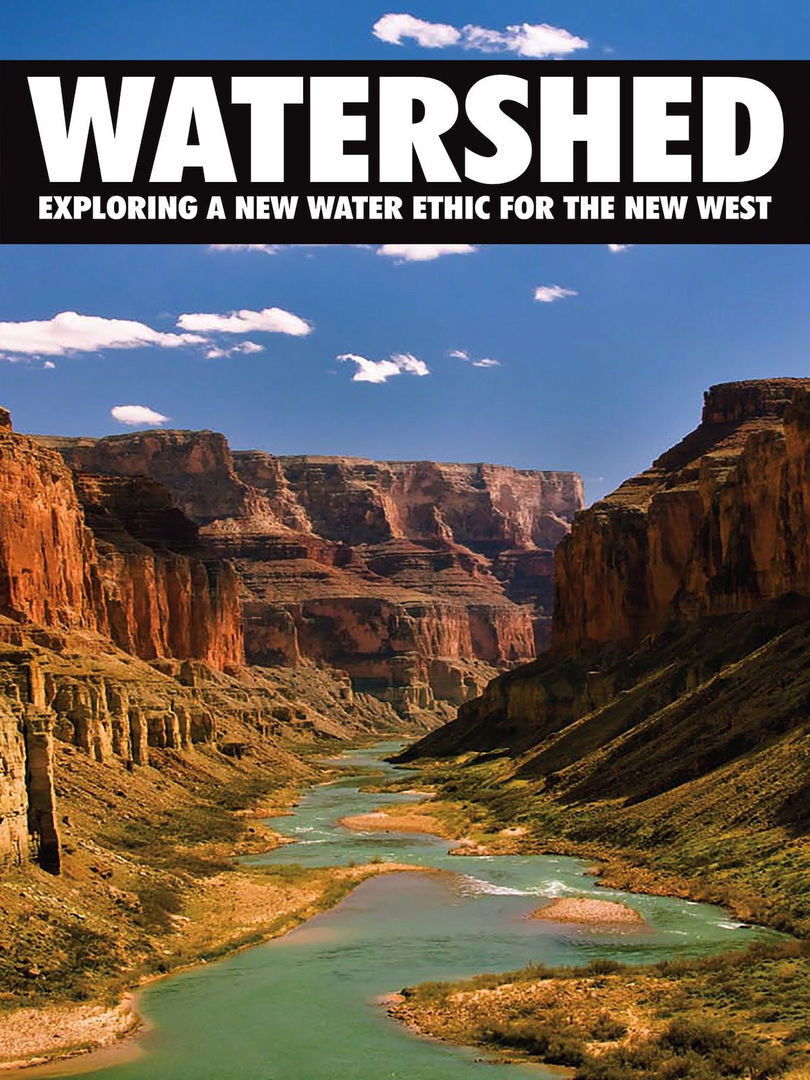
As the most dammed, dibbed, and diverted river in the world struggles to support thirty million people and the peace-keeping agreement known as the Colorado River Pact reaches its limits, WATERSHED introduces hope. Can we meet the needs of a growing population in the face of rising temperatures and lower rainfall in an already arid land? Can we find harmony amongst the competing interests of cities, agriculture, industry, recreation, wildlife, and indigenous communities with rights to the water? Sweeping through seven U.S. and two Mexican states, the Colorado River is a lifeline to expanding populations and booming urban centers that demand water for drinking, sanitation and energy generation. And with 70% of the rivers’ water supporting agriculture, the river already runs dry before it reaches its natural end at the Gulf of California. Unless action is taken, the river will continue its retreat – a potentially catastrophic scenario for the millions who depend on it.
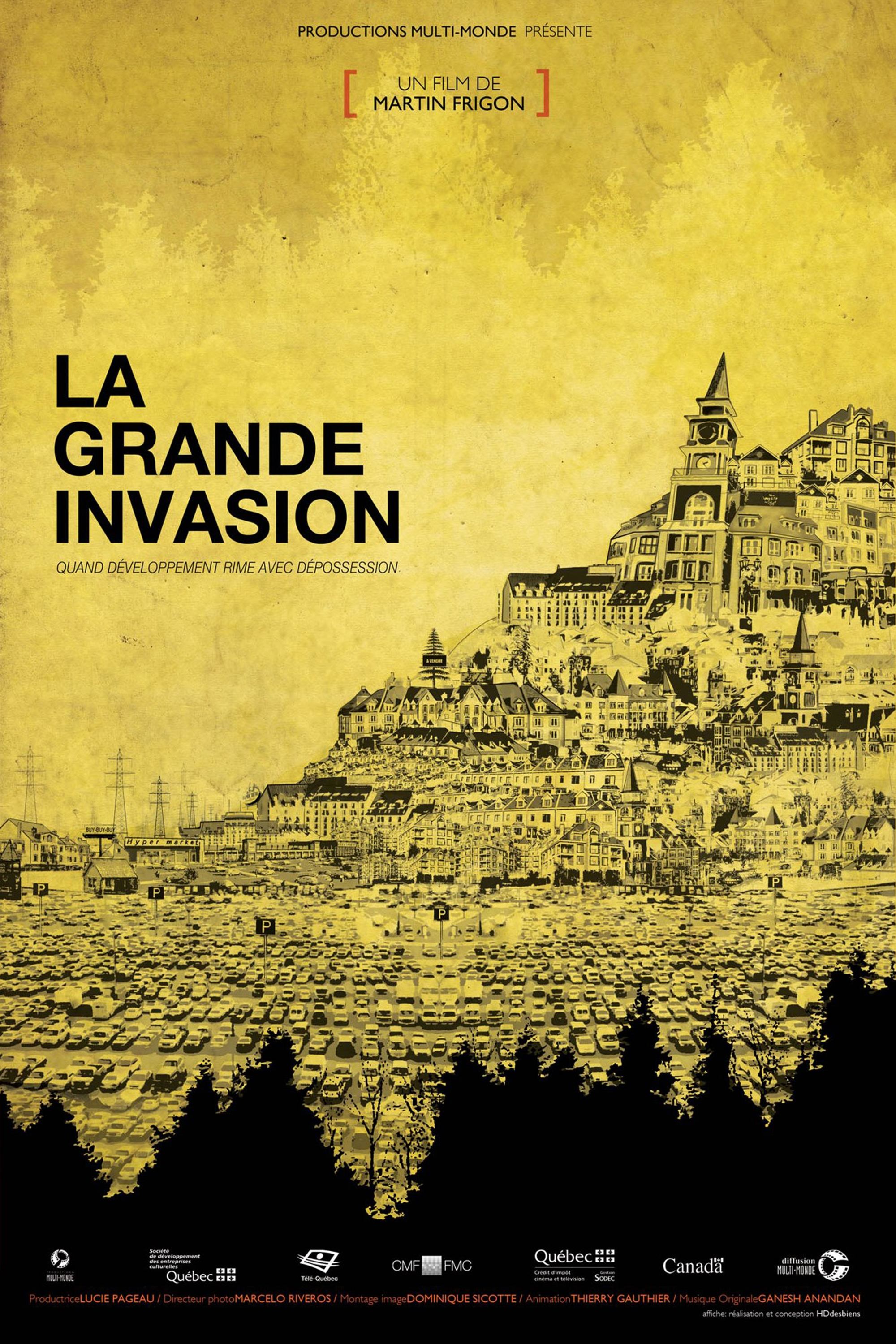
The film looks at the impact of over-development in historic towns in Quebec’s picturesque Laurentian mountains. As big box stores and large retailers drive local merchants out of business, and foreign developers buy up huge tracts of land for resorts, local residents’ property taxes are skyrocketing. While the locals organize against expropriation by taxation, an internationally-known artist, René Derouin, adds his creative energy to protect the heritage of “Les pays d’en haut” from The Great Invasion.
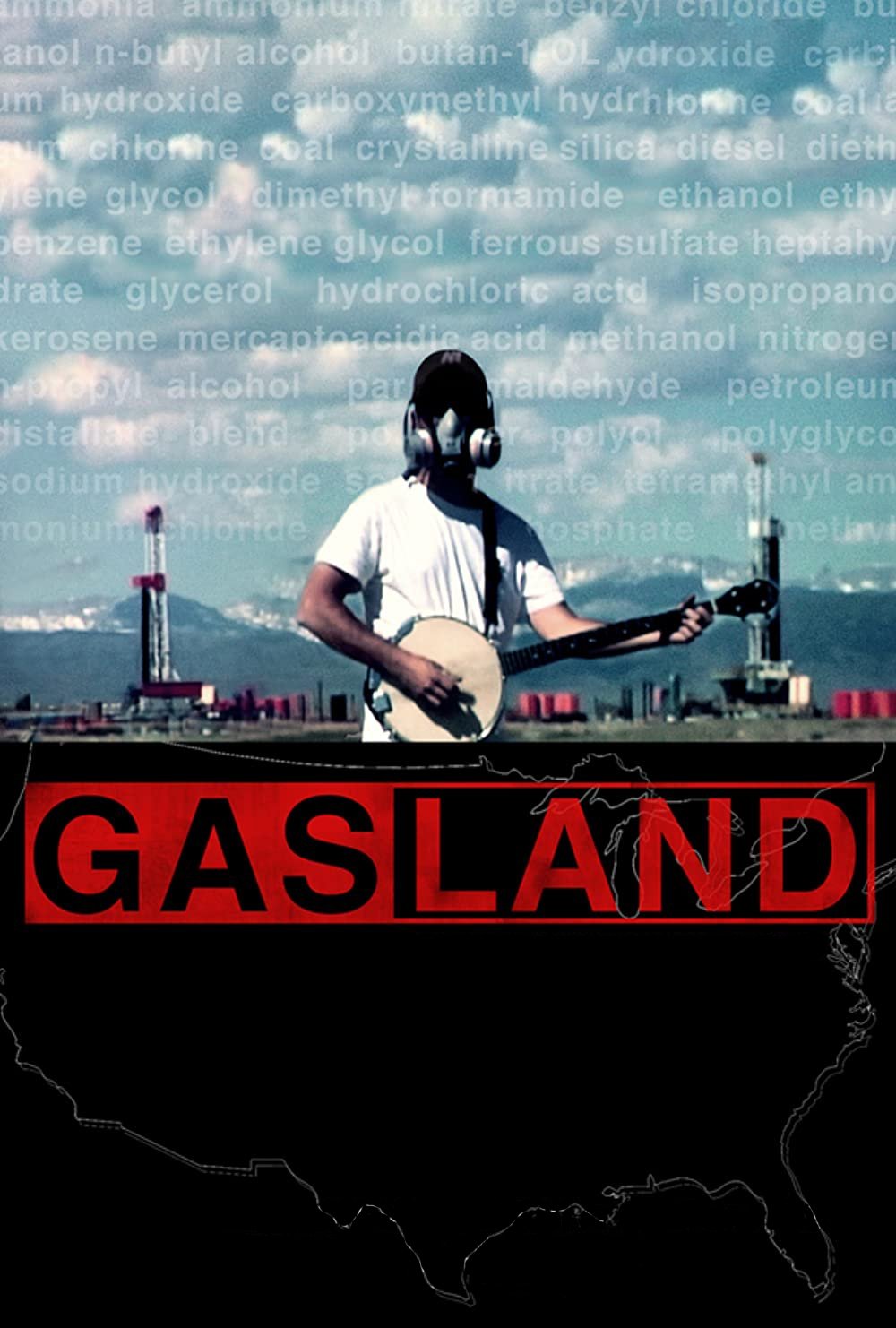
It is happening all across America-rural landowners wake up one day to find a lucrative offer from an energy company wanting to lease their property. Reason? The company hopes to tap into a reservoir dubbed the "Saudi Arabia of natural gas." Halliburton developed a way to get the gas out of the ground-a hydraulic drilling process called "fracking"-and suddenly America finds itself on the precipice of becoming an energy superpower.
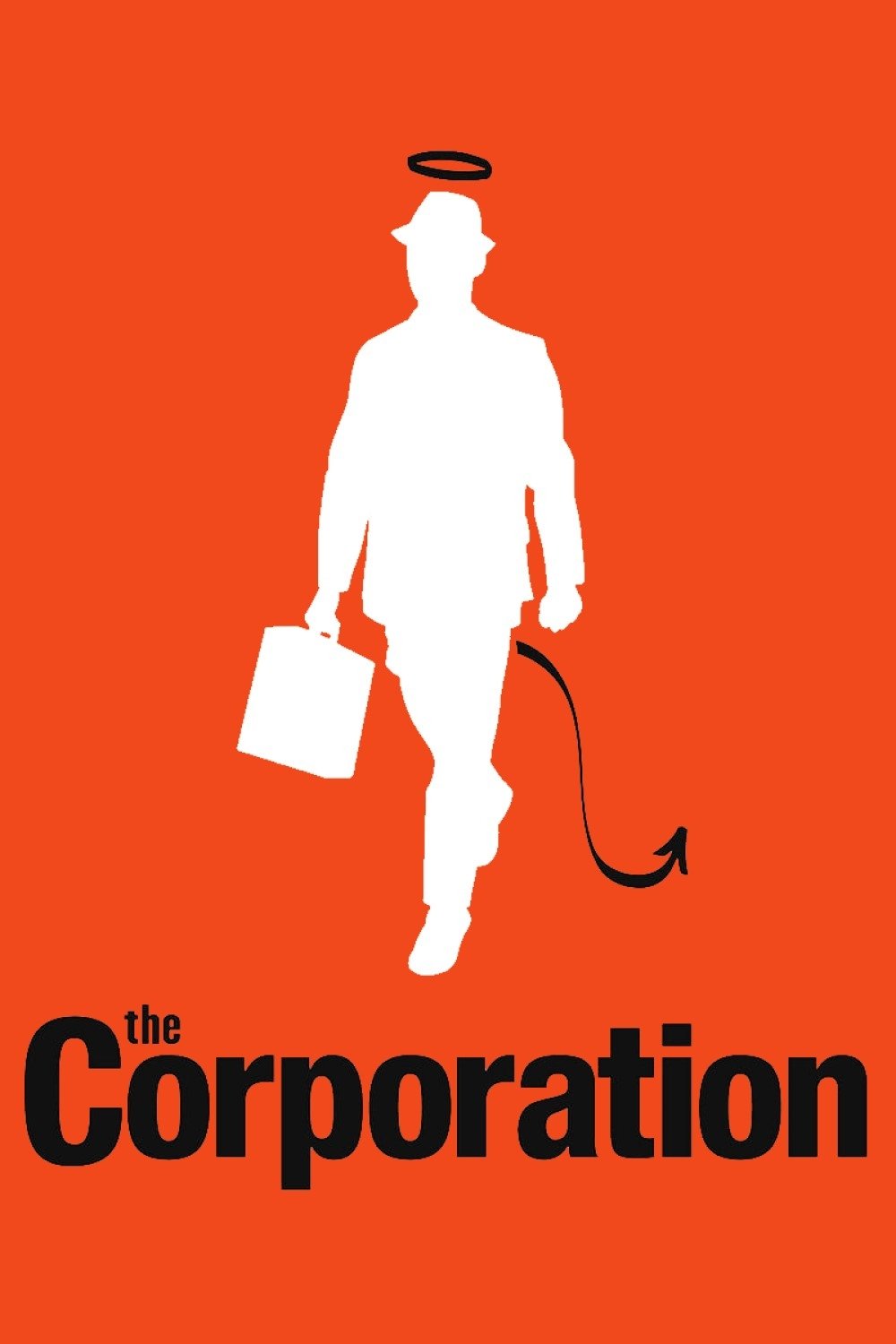
Since the late 18th century American legal decision that the business corporation organizational model is legally a person, it has become a dominant economic, political and social force around the globe. This film takes an in-depth psychological examination of the organization model through various case studies. What the study illustrates is that in the its behaviour, this type of "person" typically acts like a dangerously destructive psychopath without conscience. Furthermore, we see the profound threat this psychopath has for our world and our future, but also how the people with courage, intelligence and determination can do to stop it.
In an intimate and joyful story of love in the face of loss, celebrated poets Andrea Gibson and Megan Falley find strength—and unexpected hilarity—in what might be their final year together.
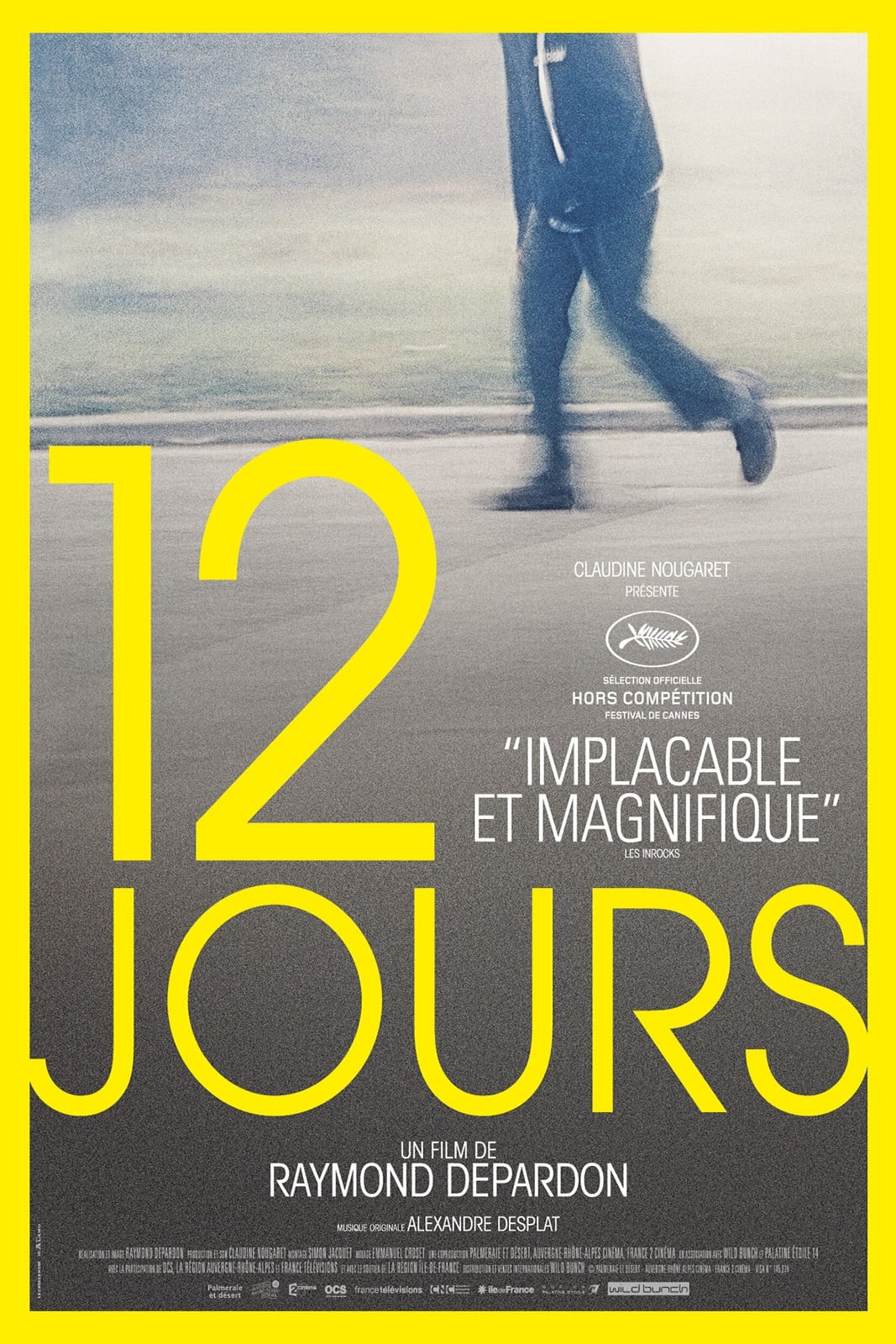
A new documentary by filmmaker-photographer Raymond Depardon – where justice and psychiatry meet.
Behind-the-scenes documentary revealing what goes on inside the colourful, privileged, and sometimes stressful Christian Dior fashion house.
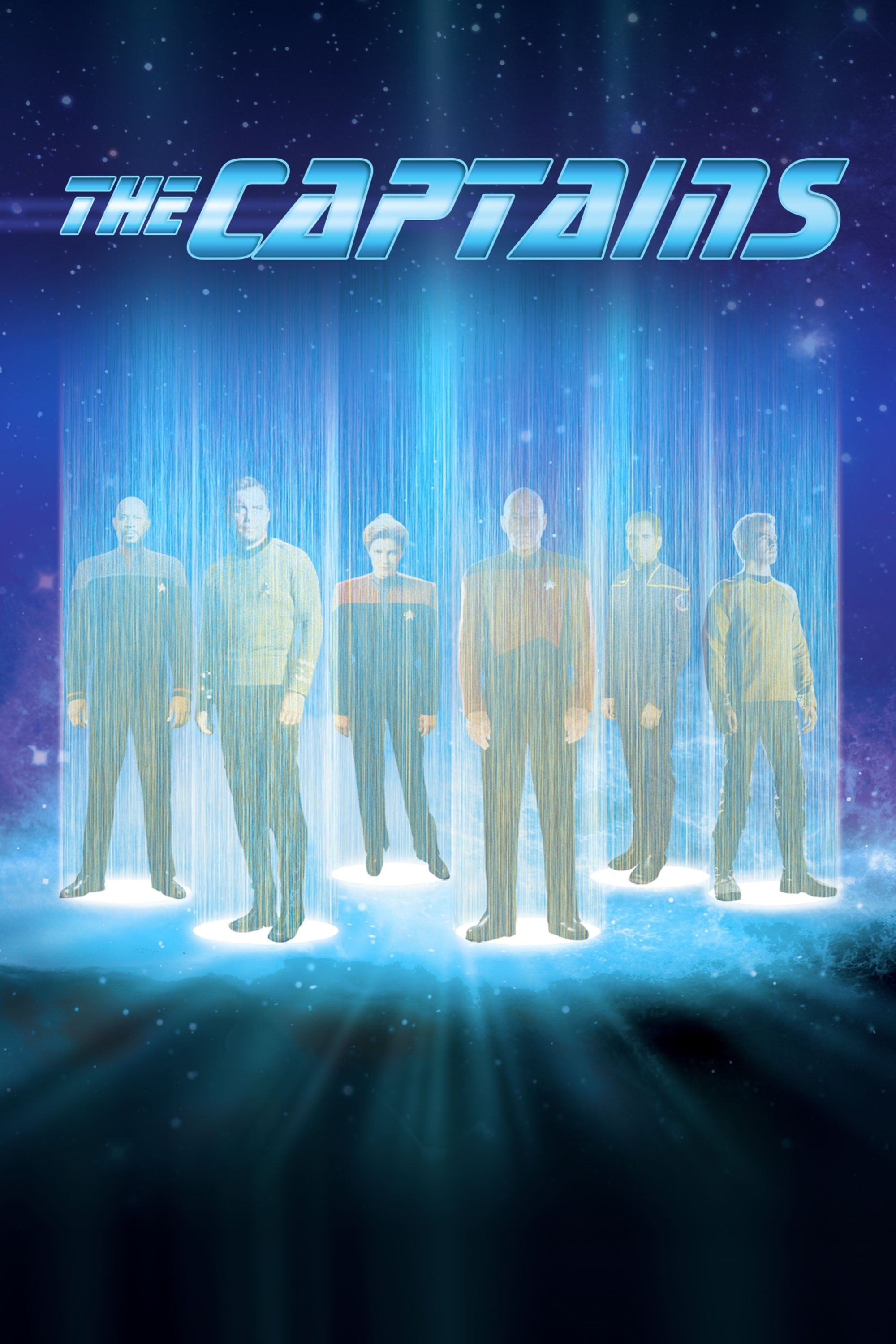
The Captains is a feature-length documentary film written and directed by William Shatner. The film follows Shatner as he interviews the other actors who have portrayed starship captains in the Star Trek franchise.
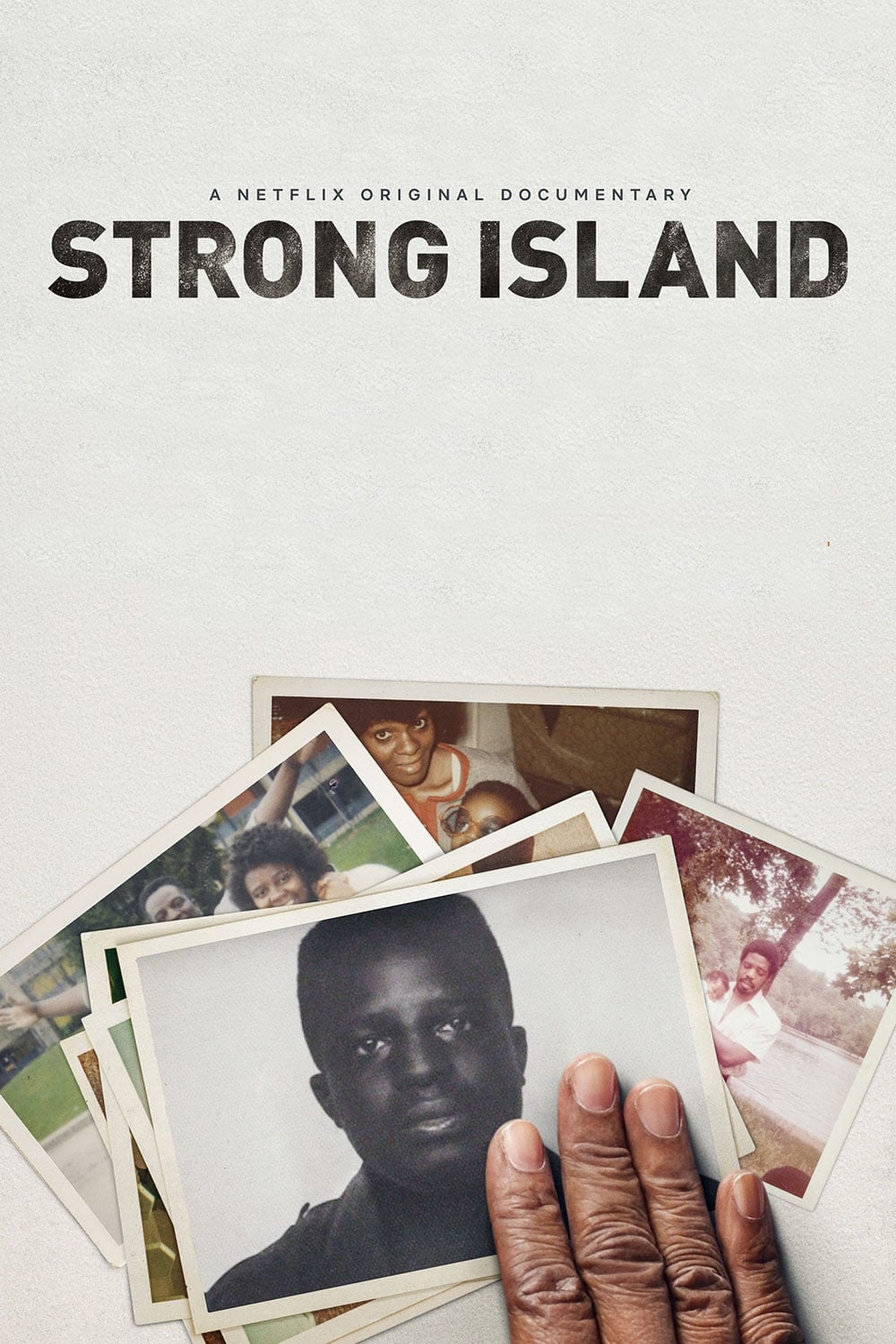
Examining the violent death of the filmmaker’s brother and the judicial system that allowed his killer to go free, this documentary interrogates murderous fear and racialized perception, and re-imagines the wreckage in catastrophe’s wake, challenging us to change.
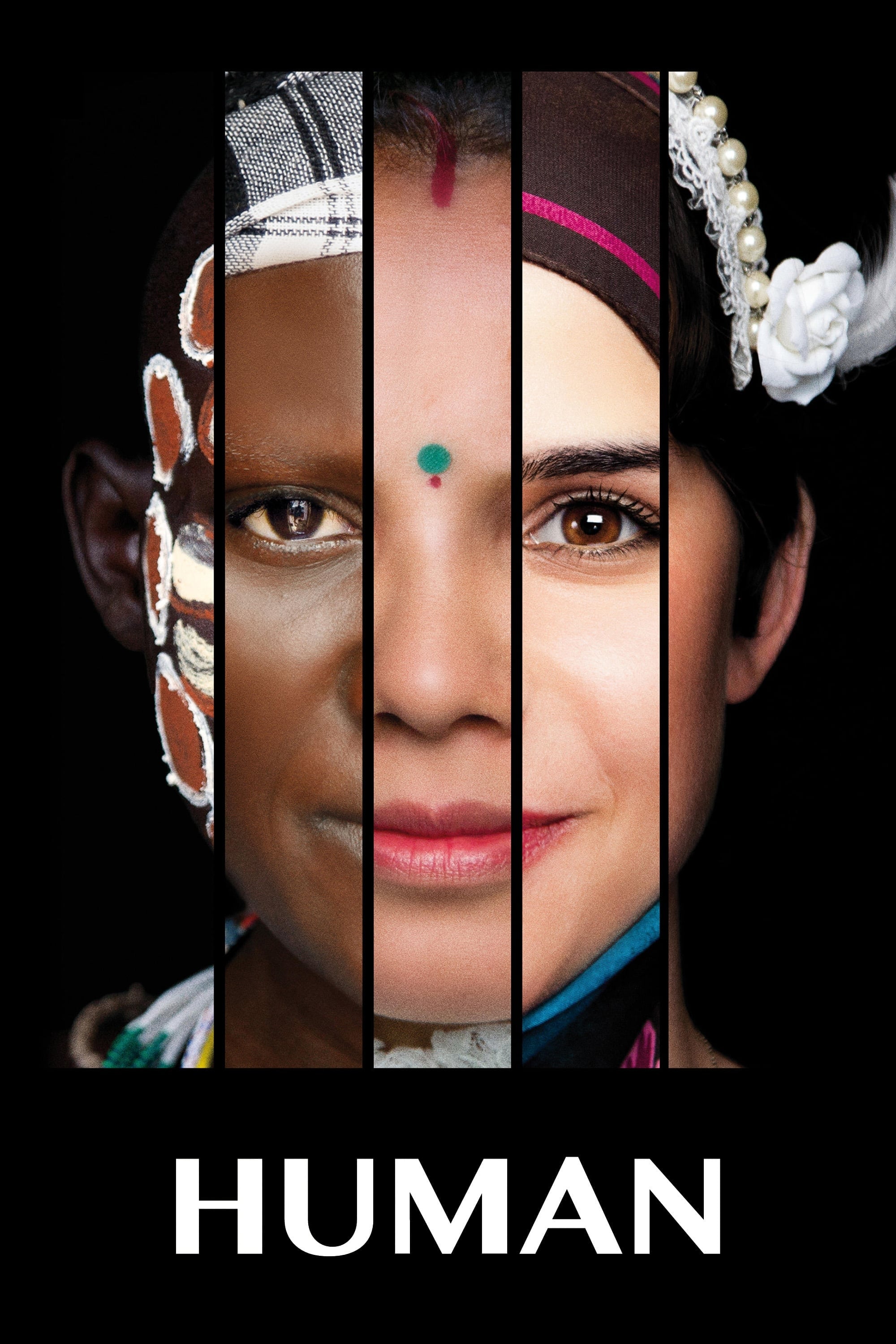
A collection of stories about and images of our world, offering an immersion to the core of what it means to be human. Through these stories full of love and happiness, as well as hatred and violence, it brings us face to face with the Other, making us reflect on our lives. From stories of everyday experiences to accounts of the most unbelievable lives, these poignant encounters share a rare sincerity and underline who we are – our darker side, but also what is most noble in us, and what is universal. Our Earth is shown at its most sublime through never-before-seen aerial images accompanied by soaring music, resulting in an ode to the beauty of the world, providing a moment to draw breath and for introspection. This film is a politically engaged work which allows us to embrace the human condition and to reflect on the meaning of our existence.
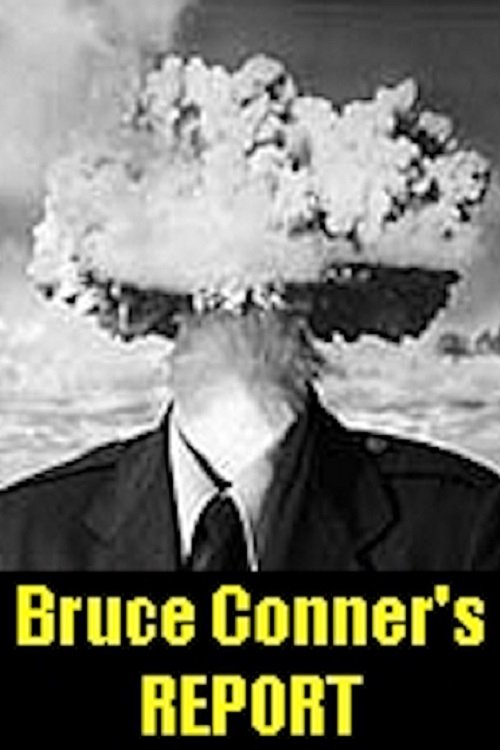
Bruce Conner’s most celebrated film for a reason: it takes historical moments that were replayed over and over on television—chilling repetition of Kennedy assassination coverage—and repurposes them into a meditation on how the media tries to exert authority and apply a sense of order to the anarchic. And though it may sound perverse to say so, the film is also—not incidentally—a thrill to watch. -- The A.V. Club
A string of threatening emails escalates into a revenge plot involving a newly married US marshal and his ex-girlfriend.
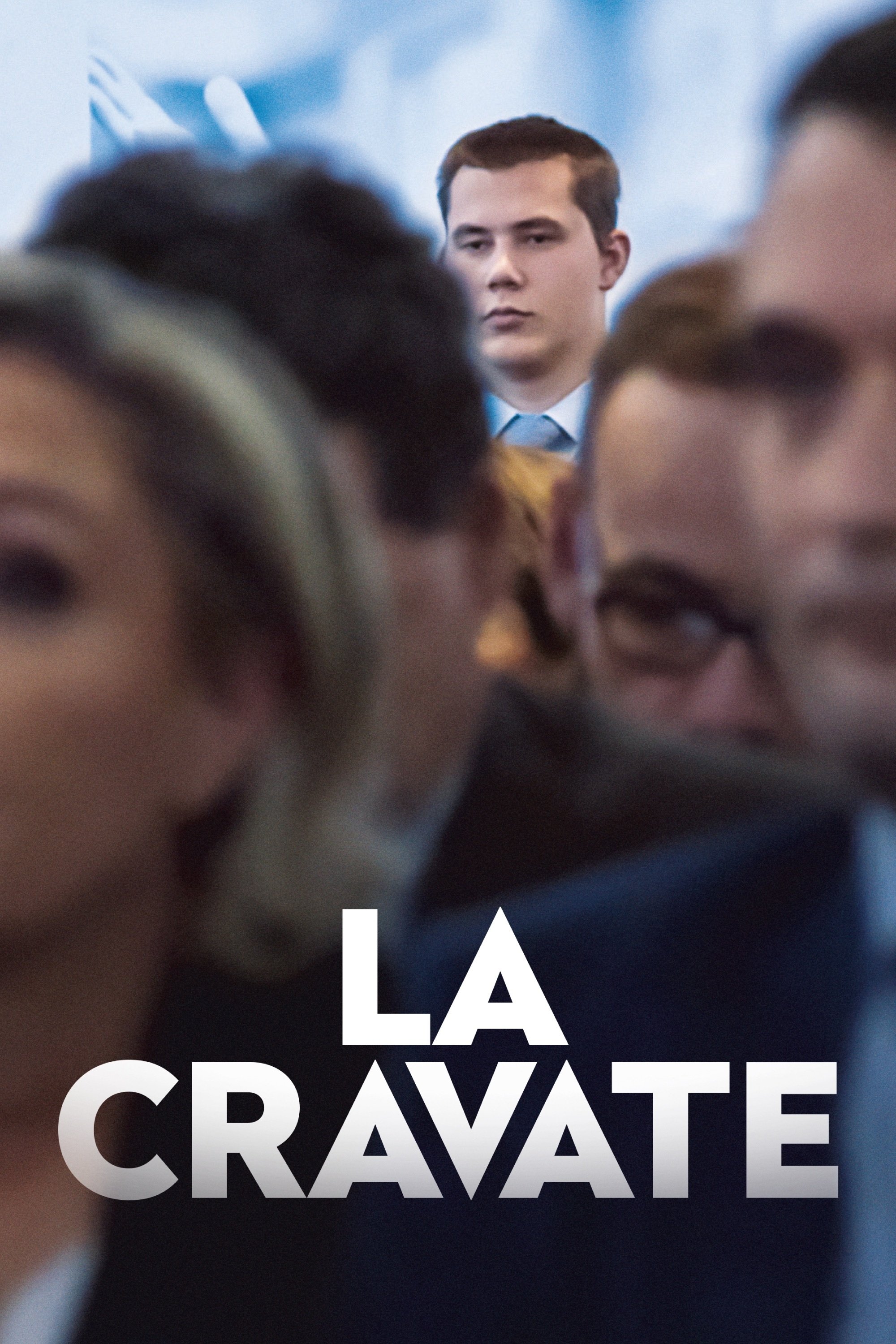
Bastien is twenty years old and has been an activist for five years in the main extreme right party. When the presidential campaign begins, he's invited by his superior to commit even further. Initiated into the art of decking himself out like a politician, he starts to dream of a career, but old demons surge forth...
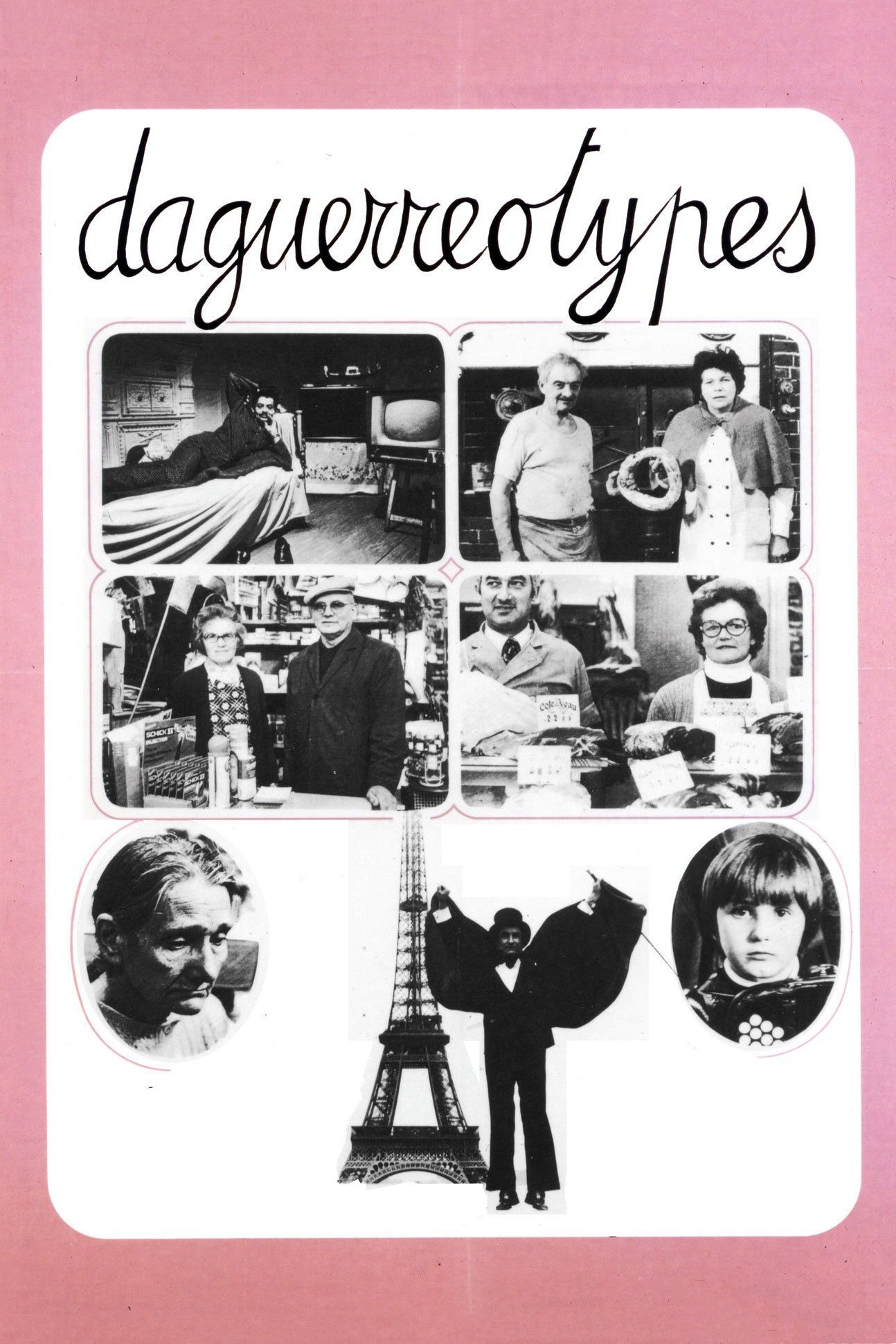
An intimate portrait of the small shops and shopkeepers of the Rue Daguerre in Paris, a picturesque street that has been the filmmaker’s home for more than 50 years.
This revealing documentary honors the legendary Sidney Poitier—iconic actor, filmmaker, and civil rights activist. Featuring interviews with Denzel Washington, Spike Lee, Halle Berry, and more.
Daniel Craig candidly reflects on his 15 year adventure as James Bond. Including never-before-seen archival footage from Casino Royale to the upcoming 25th film No Time To Die, Craig shares his personal memories in conversation with 007 producers, Michael G Wilson and Barbara Broccoli.
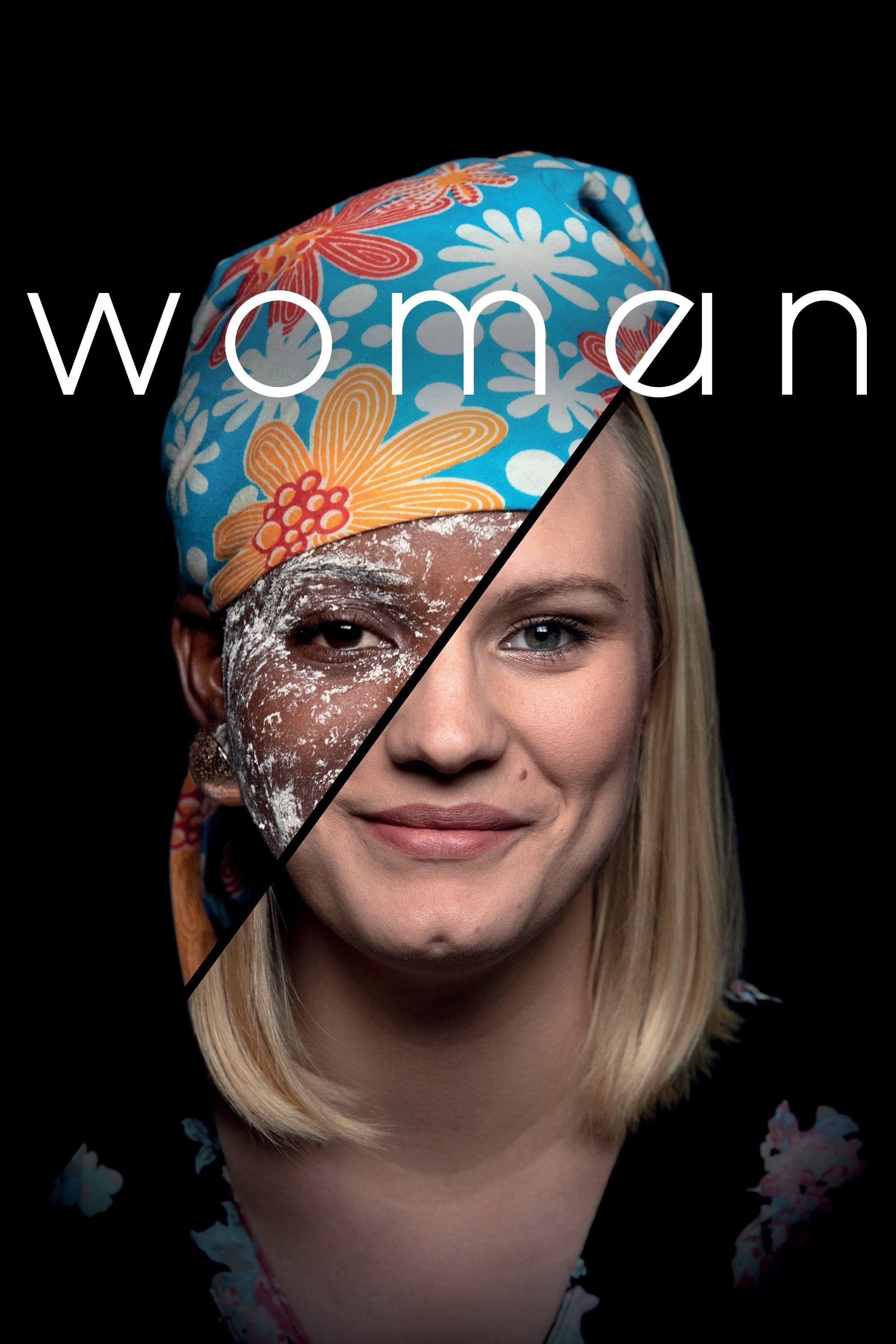
The film is based on interviews with 2,000 women from 50 countries, and covers the status of women all over the world. The topics covered include forced marriages, sexual assault, female genital mutilation, acid attacks, motherhood, sexuality, menstruation, education and the professional success of women.
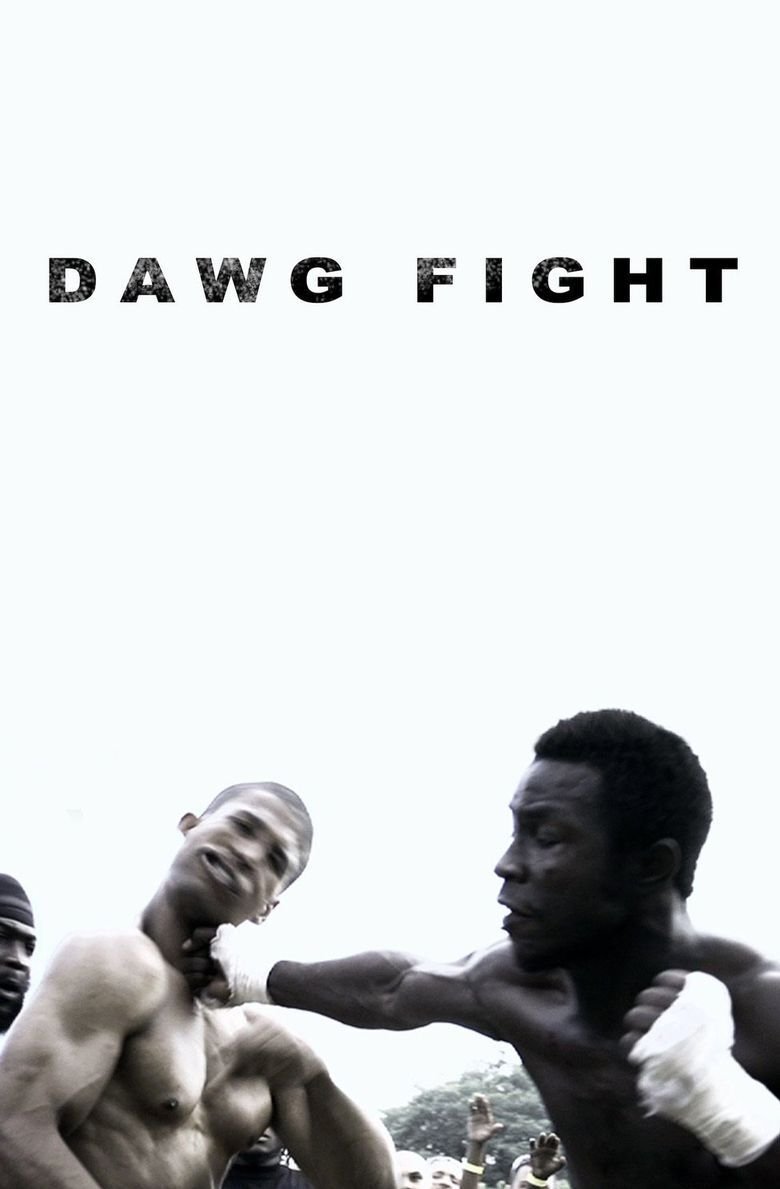
In a crime-plagued neighborhood near Miami, brutal, bare-knuckled backyard fights give young men a chance to earn money -- and self-respect.
Interviews with leading authors, philosophers and scientists, with an in-depth discussion of the Law of Attraction. The audience is shown how they can learn and use 'The Secret' in their everyday lives.
Through deeply personal interviews with her siblings and an examination of the photographs, letters, and belongings left behind, Mariska assembles a new portrait of her mother Jayne Mansfield, an extraordinary and complex woman.
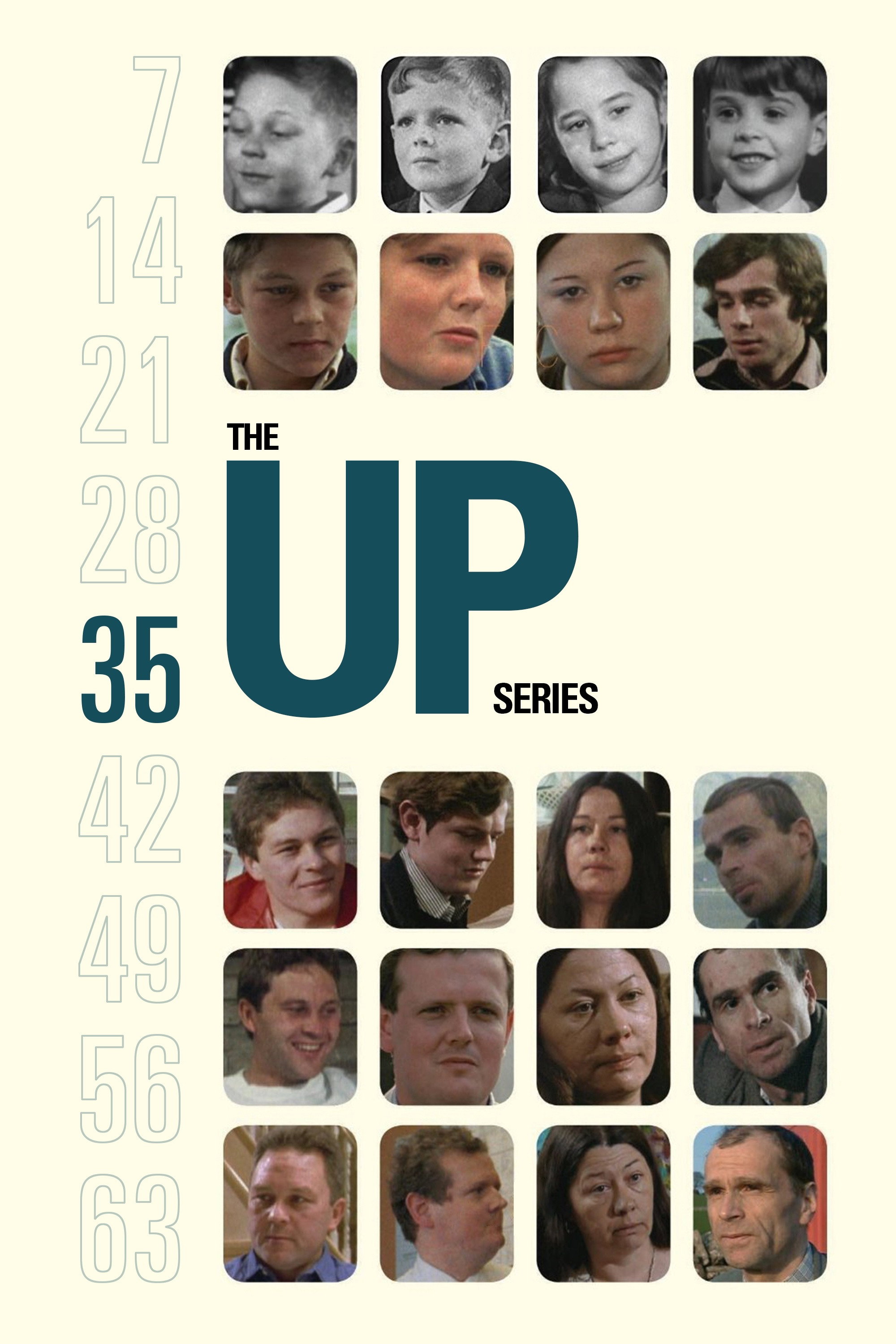
Director Michael Apted revisits the same group of British-born adults after a 7 year wait. The subjects are interviewed as to the changes that have occurred in their lives during the last seven years.
From executive producer Zach Braff and director Jeremy Snead, "Video Games: The Movie" is an epic feature length documentary chronicling the meteoric rise of video games from nerd niche to multi-billion dollar industry. Narrated by Sean Astin and featuring in-depth interviews with the godfathers who started it all, the icons of game design, and the geek gurus who are leading us into the future, "Video Games: The Movie" is a celebration of gaming from Atari to Xbox and an eye-opening look at what lies ahead.