Social & External
The people behind it
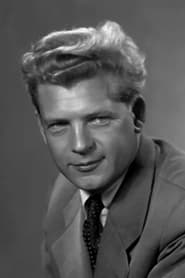
Jiří Hanzelka
Self
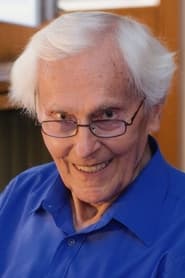
Miroslav Zikmund
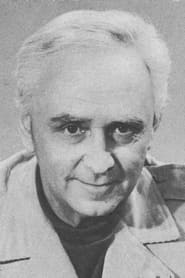
Karel Pech
(voice)
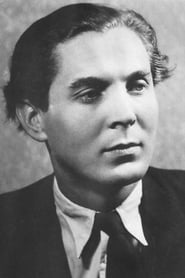
Jaromír Spal
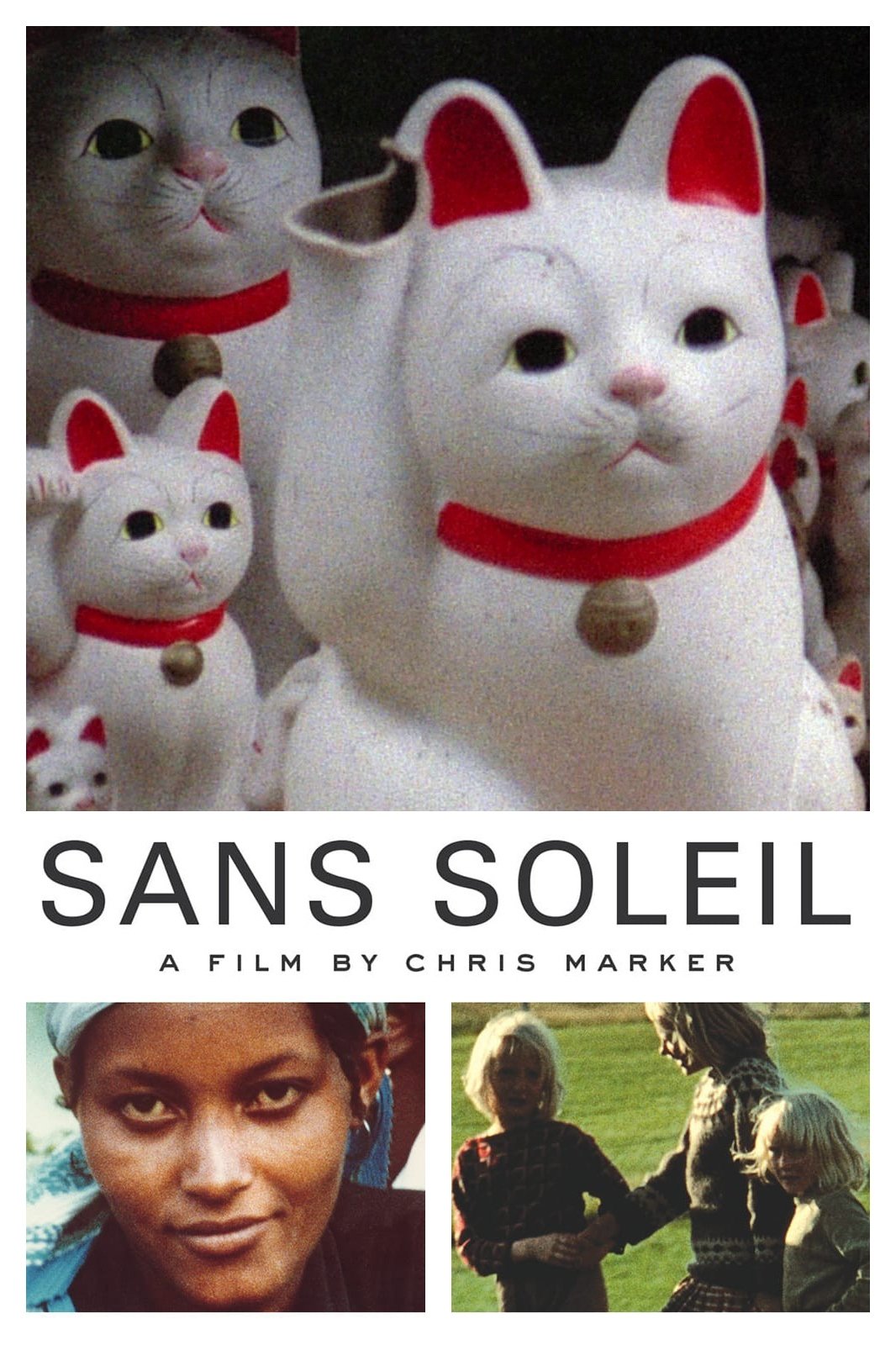
A woman narrates the thoughts of a world traveler, meditations on time and memory expressed in words and images from places as far-flung as Japan, Guinea-Bissau, Iceland, and San Francisco.
A feature documentary about the journey of mankind to discover our true force and who we truly are. It is a quest through science and consciousness, individual and planetary, exploring our relationships with ourselves, the world around us and the universe as a whole.
In this innovative blend of documentary and fiction, Rosa and Paloma, two trans Latina sex workers in Queens, New York, fight transphobic violence, persecution from the police, and defend their cases of trafficking in an increasingly anti-migration political environment in the U.S.
Shot in Venezuela over a 30-year period, this documentary depicts the life and work of José Maria Korta, the controversial Jesuit Missionary with the Ye'kwana people of the Amazon.
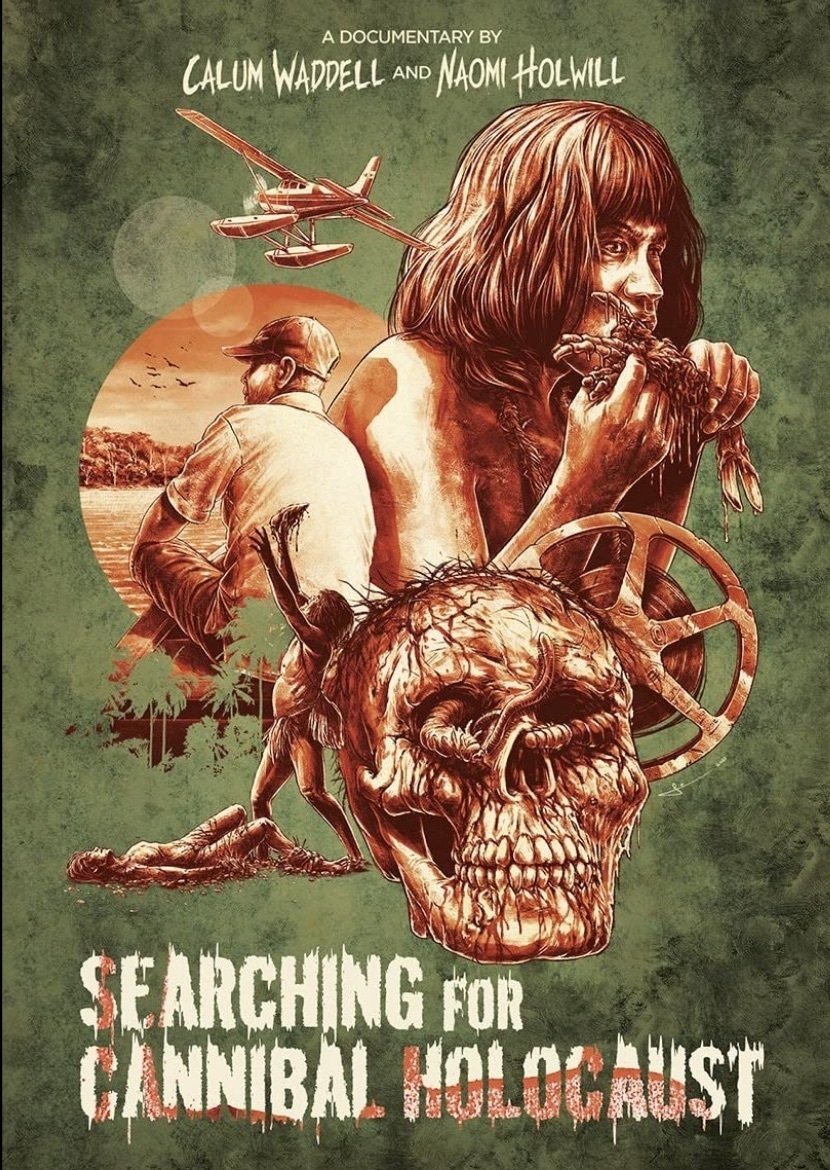
Italian horror fan and academic Calum Waddell speaks with some of the original makers of the controversial horror classic "Cannibal Holocaust" before venturing into the Amazon jungle and surrounding city port, Leticia, to uncover some of the local stories behind the making of the motion picture. What is uncovered, however, leads to a wider and unexpected "true crime" story.
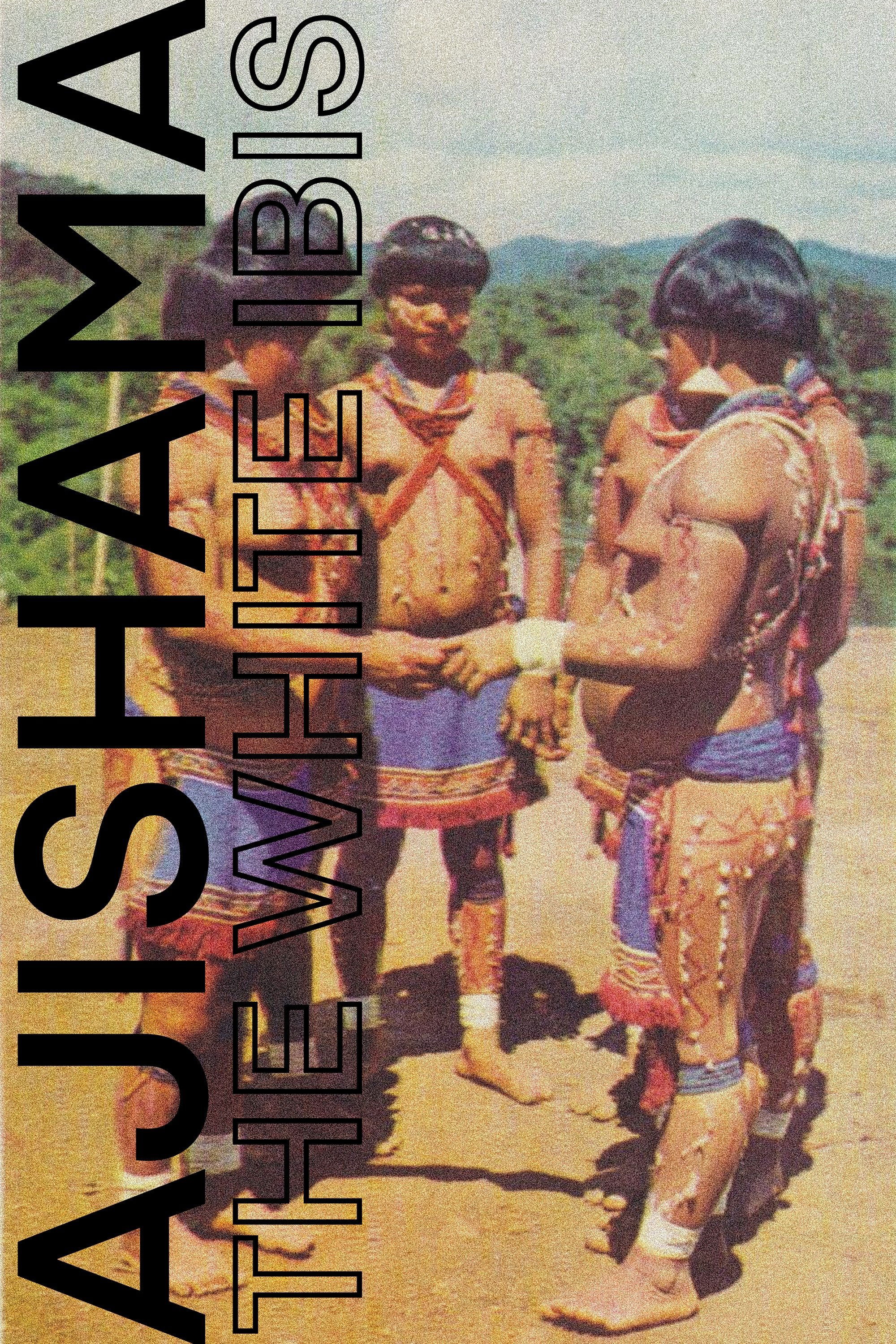
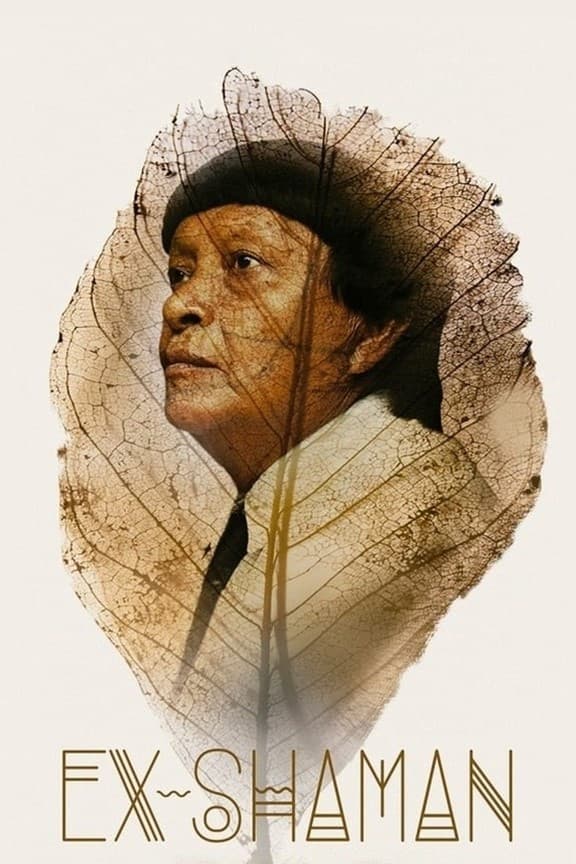
Ever since their first contact with the Western world in 1969 the Paiter Suruí, an indigenous people living in the Amazon basin, have been exposed to sweeping social changes. Smartphones, gas, electricity, medicines, weapons and social media have now replaced their traditional way of life. Illness is a risk for a community increasingly unable to isolate itself from the modernization brought by white people or the power of the church. Ethnocide threatens to destroy their soul. With dogged persistence, Perpera, a former shaman, is searching for a way to restore the old vitality to his village.
This film is a portrait of unique cultural space for Spirits, Gods and People. While permanent theatres are commonly built in most cosmopolitan modern cities, Hong Kong preserves a unique theatrical architecture, a Chinese tradition that has lasted more than a century - Bamboo Theatre.
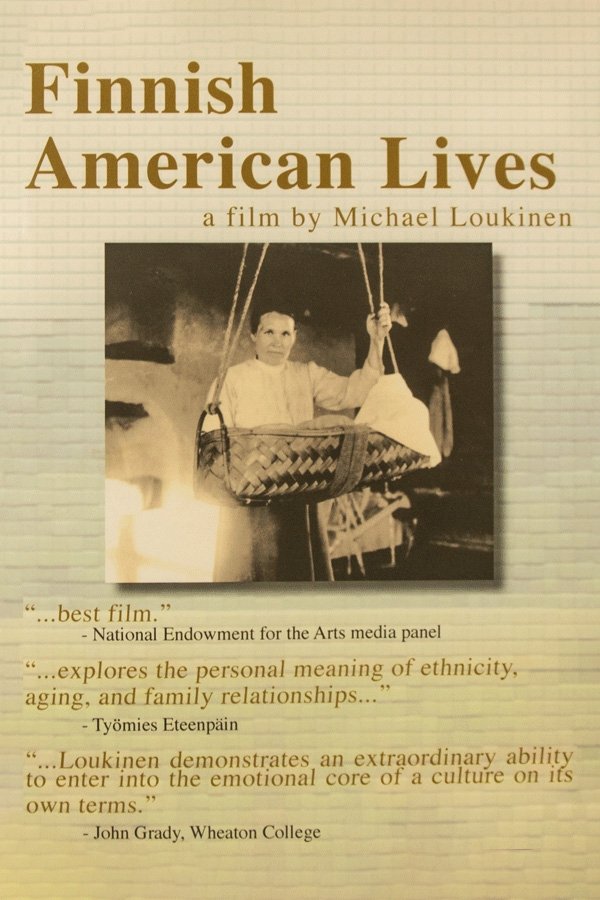
A moving portrait of traditional Finnish American culture in the Upper Peninsula of Michigan, highlighting that fragile community of memory connecting ourselves with parents and grandparents. It uses the “biographical model” of folklore filmmaking to tell the story of Erikki Vourenmaa, a 92-year-old Finnish immigrant, and his family living near Ironwood, Michigan. This three-generation farm family works, celebrates, reflects, and grieves together. The film explores the meaning of family, ethnic history, aging and intergenerational bonds. It contrasts between the immigrant elder, his American-born son and the partially assimilated grandchildren to illustrate change and continuity in the "sauna belt" of the Lake Superior Region. As Dr. Sharon Sherman concluded, “Loukinen’s focus on the bonds between generations will strike emotional chords about family relationships and ethnic identity for numerous cultural groups.”
“Shellmound” is the story of how one location was transformed from a sacred center of pre-historic cultures to a commercial mecca for modern people. What began as a Native American burial ground three thousand years ago, was transformed first into an amusement park, and later an industrial age paint factory. Now, the tainted ancient soil sits beneath the glittering lights of Banana Republic, Victoria’s Secret, and the AMC movie theaters. “Shellmound” examines the decisions made during the recent toxic cleanup, excavation, and construction of the Bay Street mall through the eyes of the city of Emeryville, the developer, the archaeologists, and the native Californians who worked on the site.
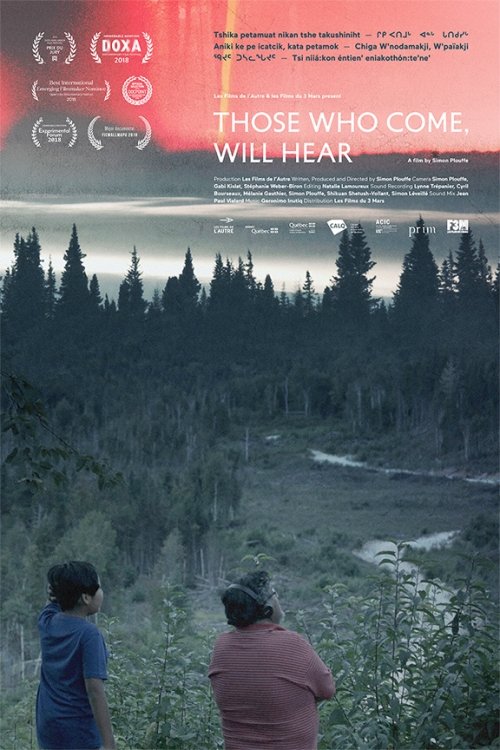
The documentary proposes a unique meeting with the speakers of several indigenous and inuit languages of Quebec – all threatened with extinction. The film starts with the discovery of these unsung tongues through listening to the daily life of those who still speak them today. Buttressed by an exploration and creation of archives, the film allows us to better understand the musicality of these languages and reveals the cultural and human importance of these venerable oral traditions by nourishing a collective reflection on the consequences of their disappearance.
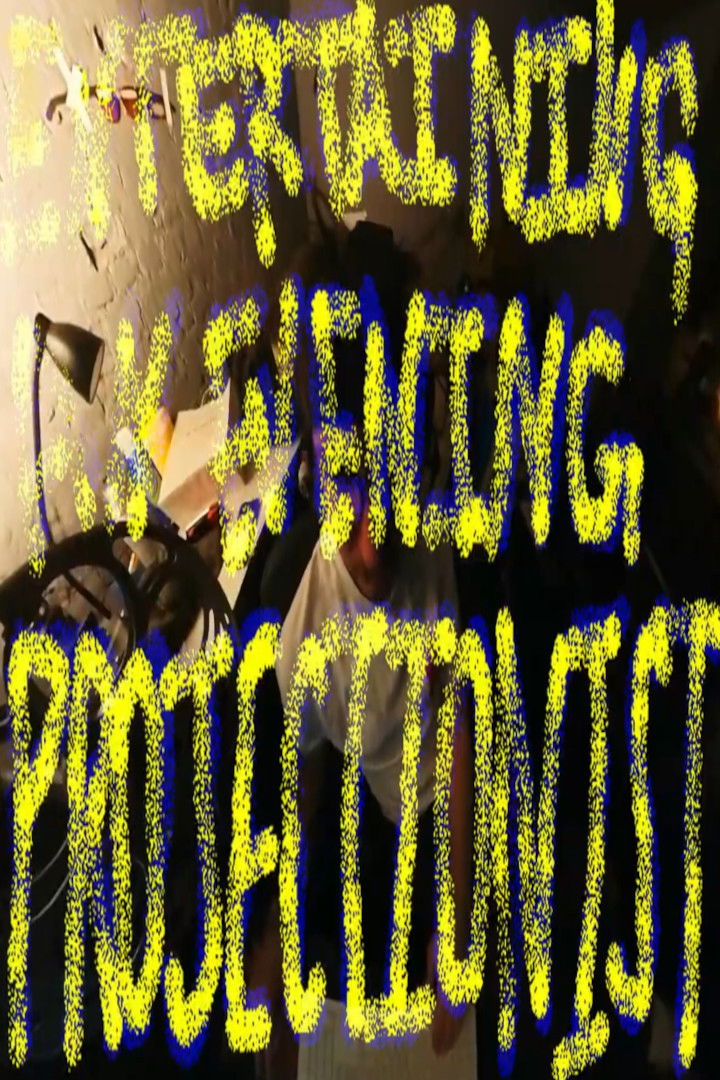
How do you entertain yourself while entertaining others? A short documentary about a nighttime projectionist passing the time.
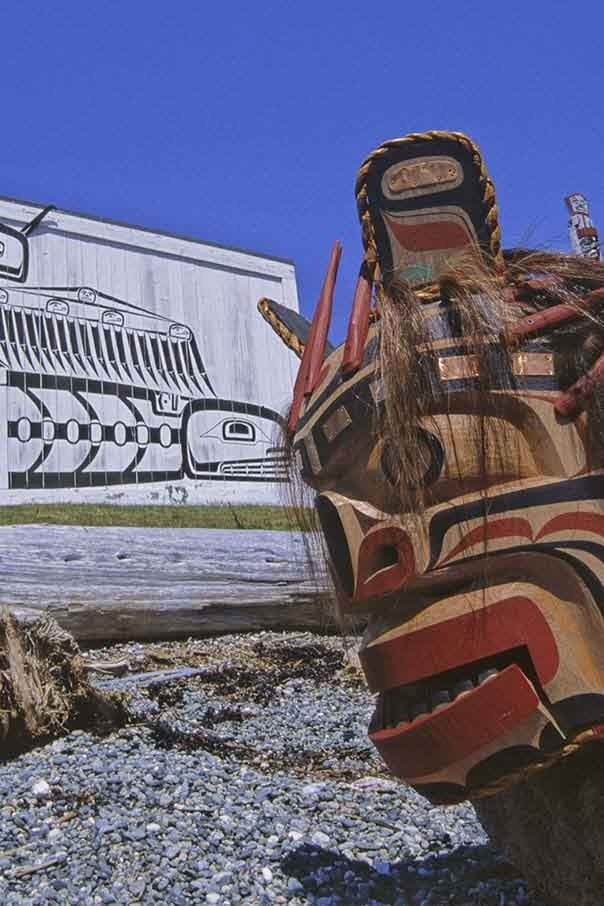
In 1921 the Kwakiut'l people of Alert Bay, British Columbia, held their last secret potlatch. In 1980 at Alert Bay, the U'mista Cultural Centre (U'mista means "something of great value that has come back") opened its doors to receive and house the cultural treasures which were seized decades earlier and only then returned to the people. The center also took up activities such as recording stories told by elders so that some part of the past would always be alive and teaching children about their heritage in order to make them feel connected to their ancestors. This film documents the cultural significance of these events for today's Kwakiut'l people. It is an eloquent testimony to the persistence and complexity of Kwakiut'l society and to the struggle for redefining cultural identity for them.
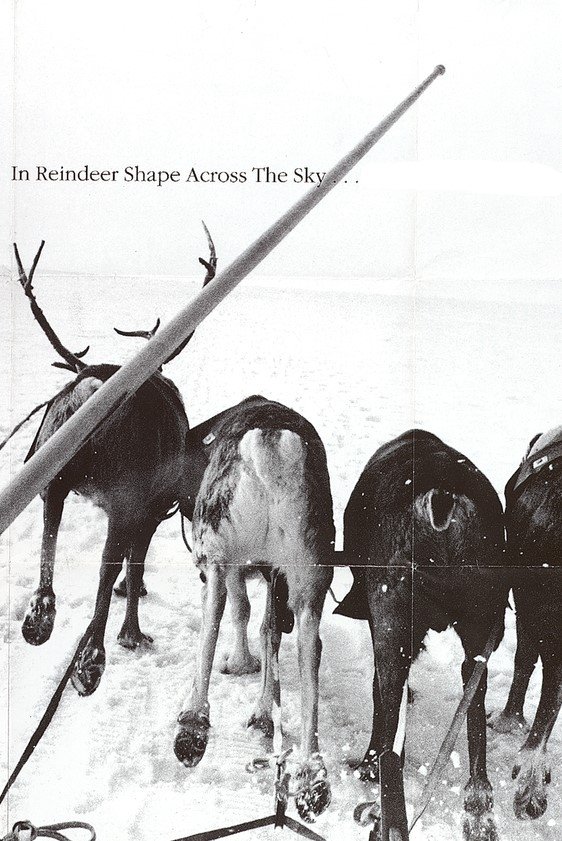
This Finnish documentary film directed, written, produced and shot by Markku Lehmuskallio is the first part of a documentary trilogy about the Nenets people. It's a folkloric documentary describing the traditional nomadic life of the Nenets on the Yamal Peninsula. It includes Nenets songs sung by Anastasia Lapsui and her mother Maria Lapsui. The film was the first film collaboration of Markku Lehmuskallio and Anastasia Lapsui.
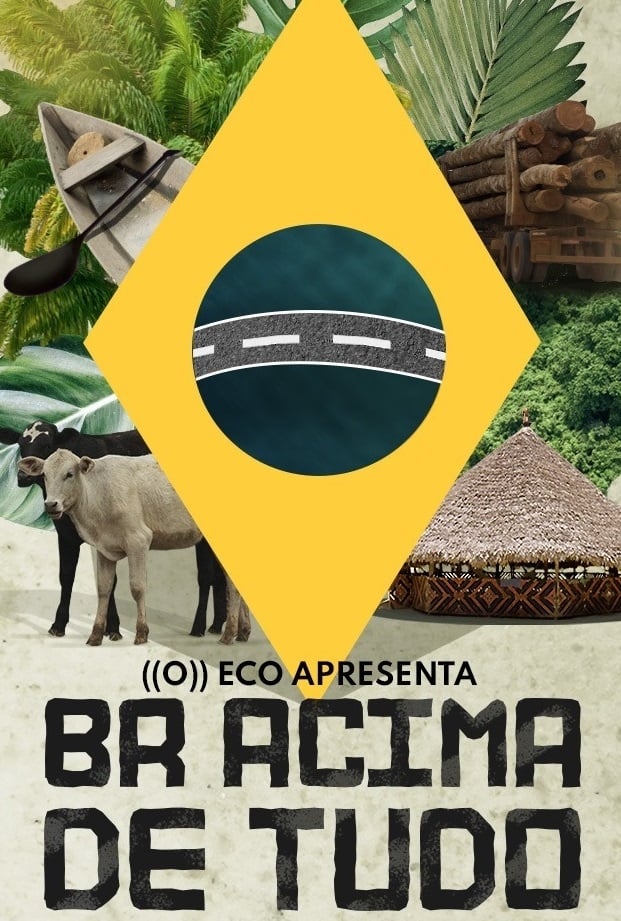
In the north of the state of Pará is the largest block of protected forests in the world; an area of Amazon rainforest the size of the UK and home to a multitude of stories. Indigenous people, ranchers, squatters, quilombolas, businessmen and politicians reflect in their own way the impacts of the possible expansion of the BR-163 into the forest, as far as the border with Suriname. The highway project was created at the time of the military dictatorship, and until today as a shadow over the region. But this is not a movie about a road. It is a film about the abysses that separate those who share the same land.
An ethnographic documentary about the Mangbetu tribe of the Belgian Congo (now the Democratic Republic of the Congo). The film features a discussion of various rites including the Mangbetu practice of head binding, as well as various examples of traditional music and dance.
A documentary about how a dominant cultural and demographic institution both sustains their traditional activities and adapts to the digital revolution.
A visual montage portrait of our contemporary world dominated by globalized technology and violence.
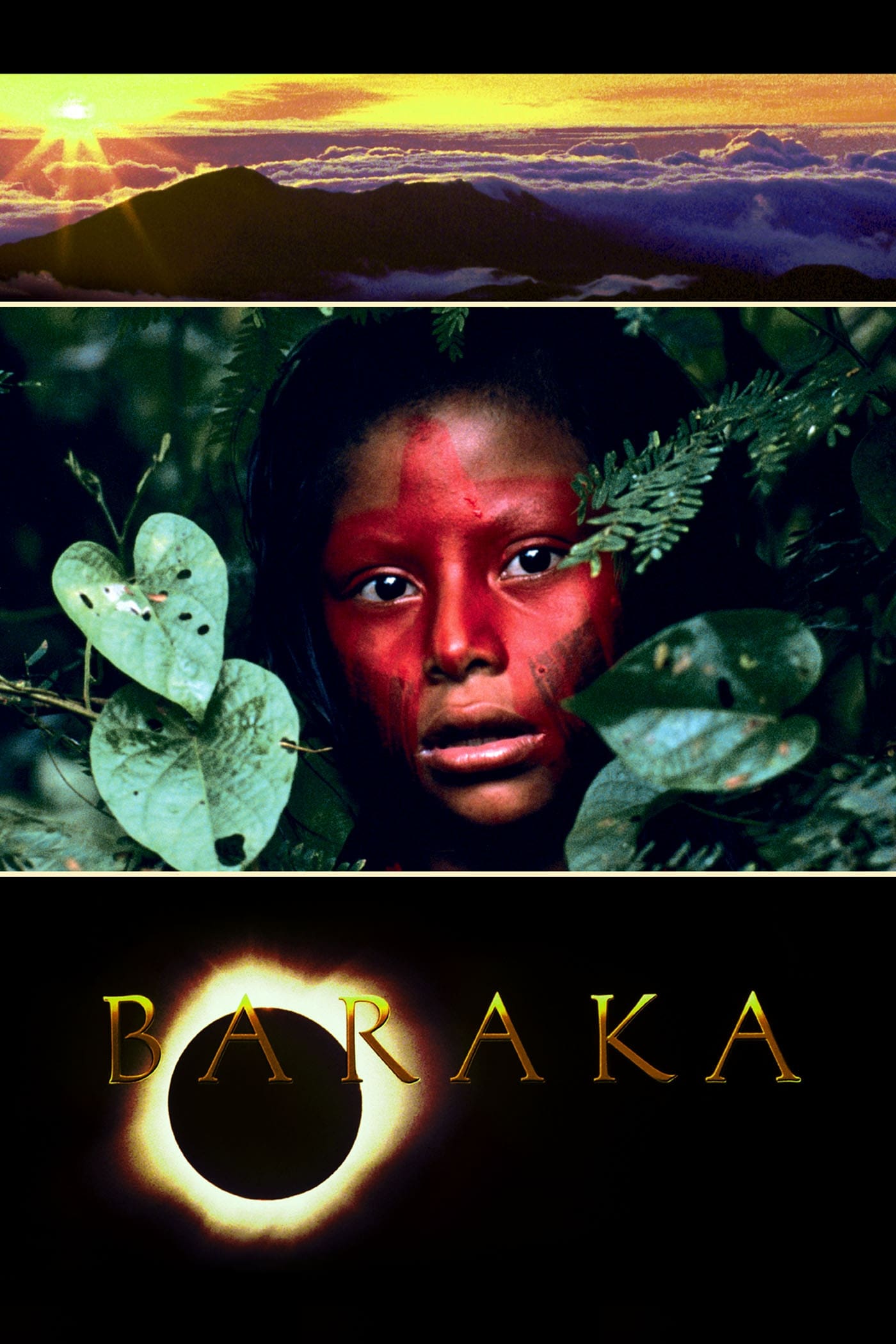
A paralysingly beautiful documentary with a global vision—an odyssey through landscape and time—that attempts to capture the essence of life.
Over 35 years after Bob Lazar's revelations, this documentary exposes secrets of a facility the government still denies. Featuring Lazar's testimony, recreations, and new evidence, it reopens a case that continues to spark global curiosity
Ranjit, a farmer in India, takes on the fight of his life when he demands justice for his 13-year-old daughter, the victim of a brutal gang rape. His decision to support his daughter is virtually unheard of, and his journey unprecedented.
Through deeply personal interviews with her siblings and an examination of the photographs, letters, and belongings left behind, Mariska assembles a new portrait of her mother Jayne Mansfield, an extraordinary and complex woman.
A string of threatening emails escalates into a revenge plot involving a newly married US marshal and his ex-girlfriend.
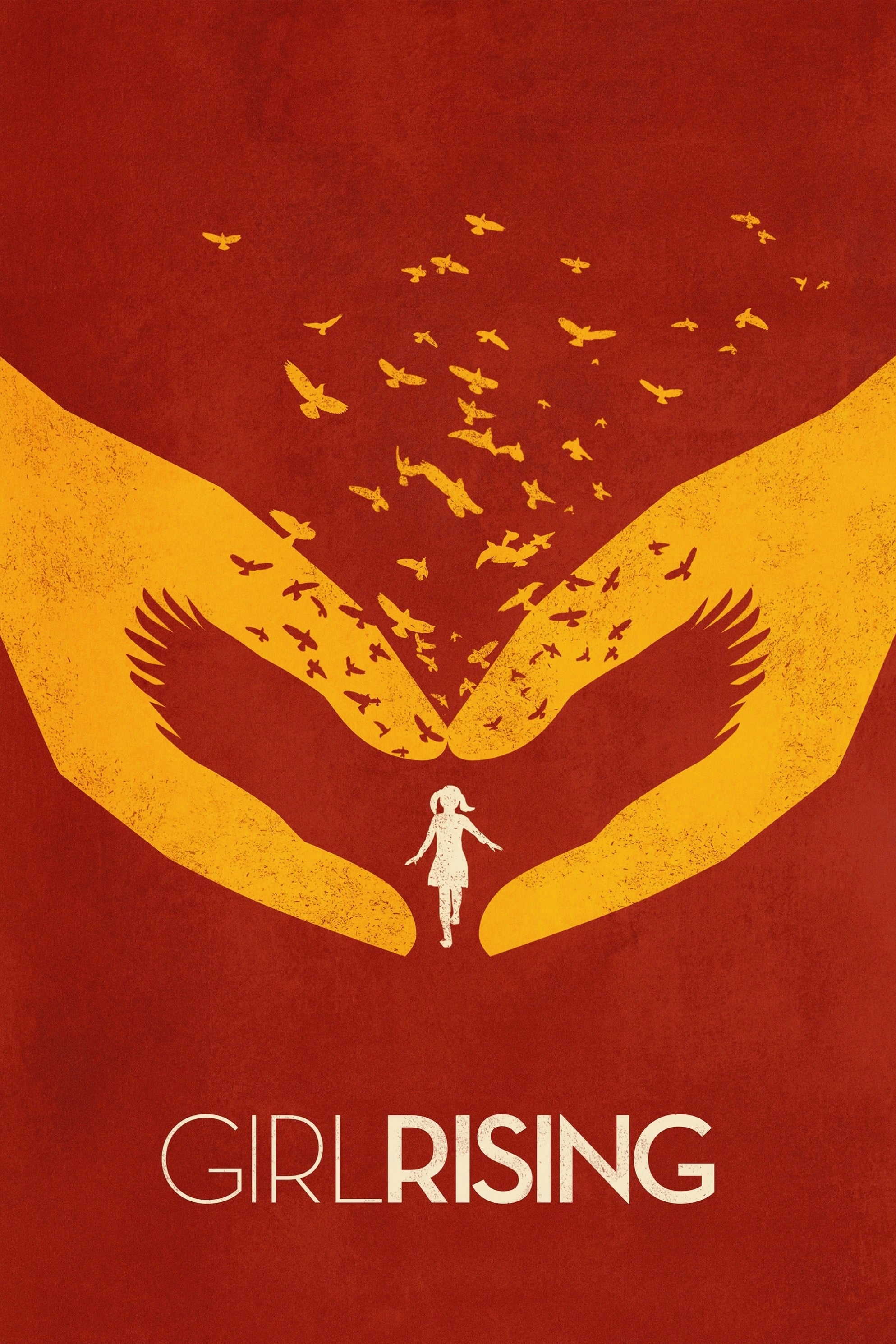
Nine filmmakers each profile a young girl from a different part of the world to weave a global tapestry of youth in the 21st century.
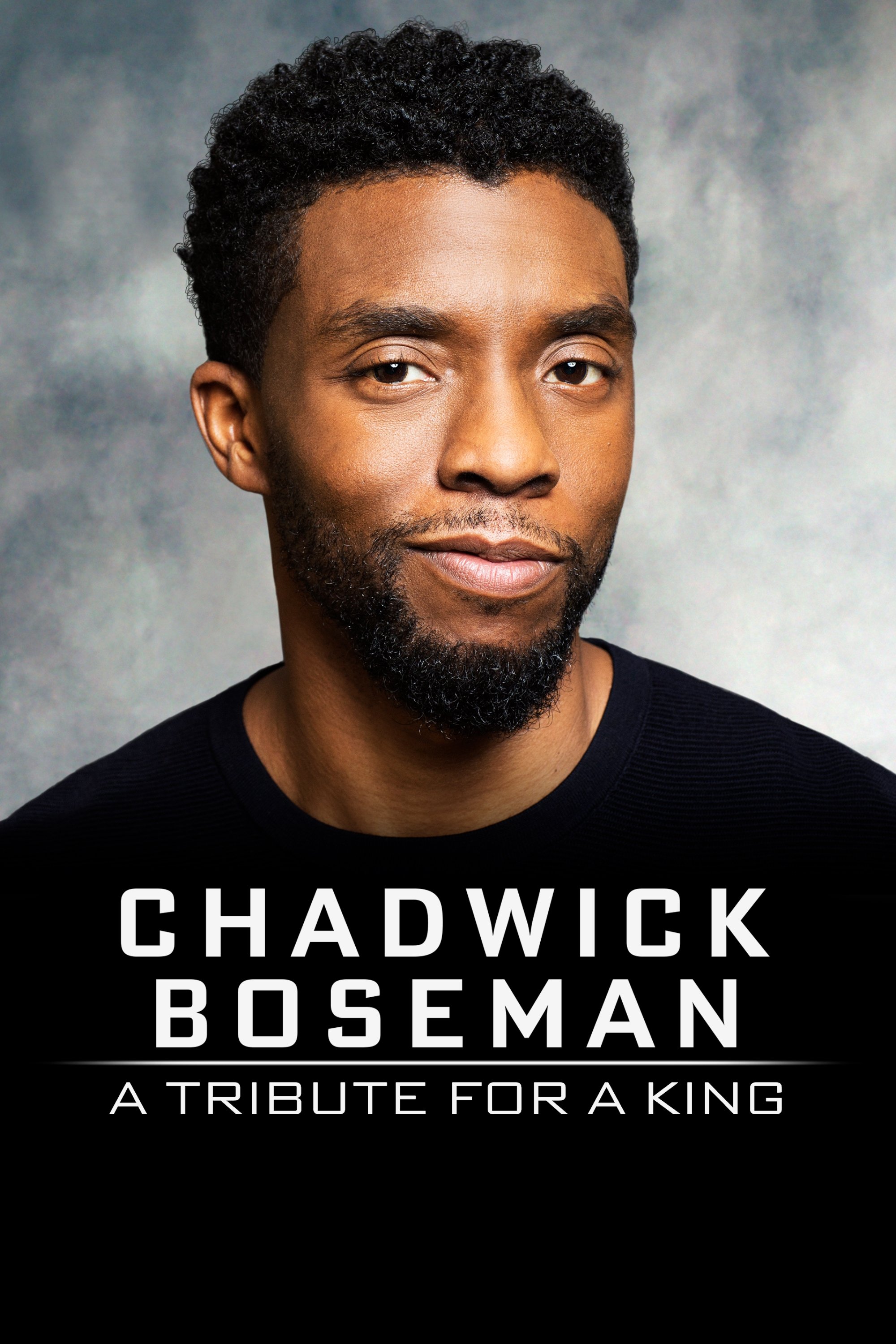
A tribute to Chadwick Boseman, celebrating his life and legacy.
Brilliant, long in-the-works story of the life and art of the world's greatest comedian and the cinema's first genius, Charlie Chaplin. Produced, written and directed by renowned film critic Richard Schickel.
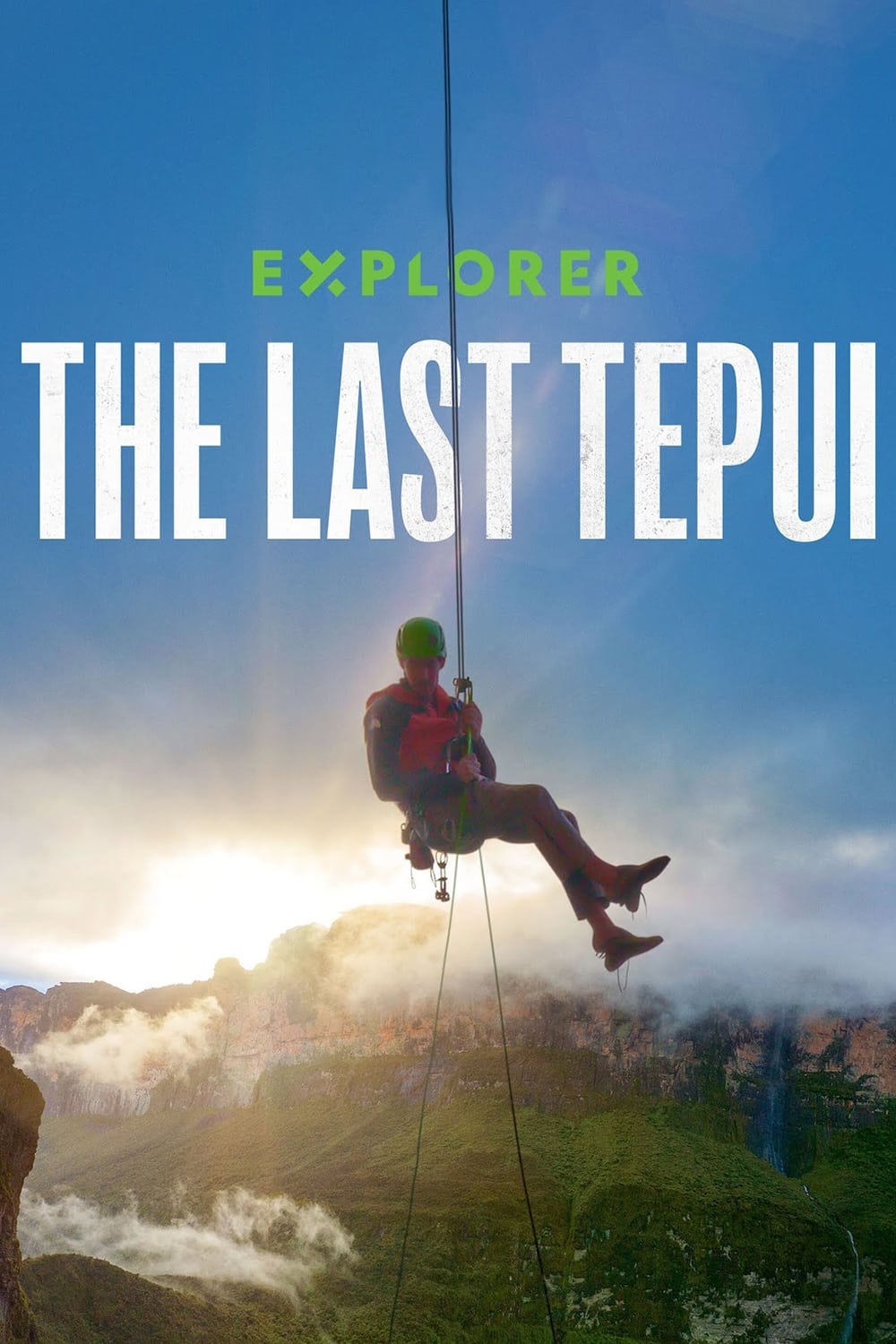
This documentary starring climber Alex Honnold and famous biologist Bruce Means document their expedition to the South American sky islands in search of new species and discoveries. Follows elite climber Alex Honnold and a world-class climbing team led by National Geographic Explorer and climber Mark Synnott on a grueling mission deep in the Amazon jungle as they attempt a first-ascent climb up a 1000 foot sheer cliff.
A detailing of the rise to prominence and global sporting superstardom of six supremely talented young Manchester United football players (David Beckham, Nicky Butt, Ryan Giggs, Paul Scholes, Phil and Gary Neville). The film covers the period 1992-1999, culminating in Manchester United's European Cup triumph.
A purely observational non-fiction film that takes viewers into the ethically murky world of end-of-life decision making in a public hospital.
This documentary focuses on the actors and their journey over two summers to create the remake to the original IT, by Stephen King. The documentary originally released as bonus material, bundled with IT: Chapter Two.
A documentary about the life and films of director John Ford.
A documentary on the expletive's origin, why it offends some people so deeply, and what can be gained from its use.
Alexander McQueen's rags-to-riches story is a modern-day fairy tale, laced with the gothic. Mirroring the savage beauty, boldness and vivacity of his design, this documentary is an intimate revelation of McQueen's own world, both tortured and inspired, which celebrates a radical and mesmerizing genius of profound influence.
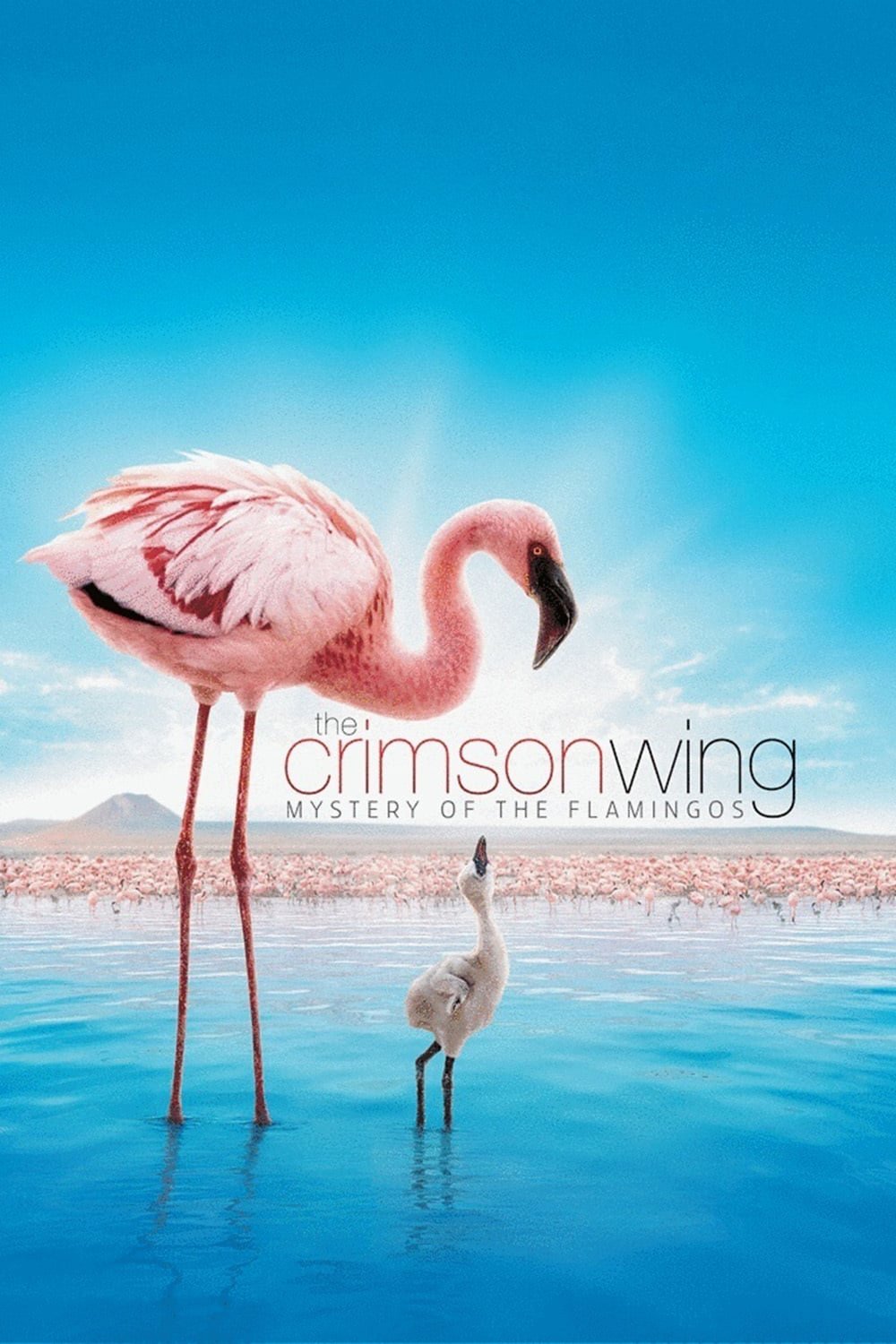
In the remote and forgotten wilderness of Lake Natron, in northern Tanzania, one of nature's last great mysteries unfolds: the birth, life and death of a million crimson-winged flamingos.
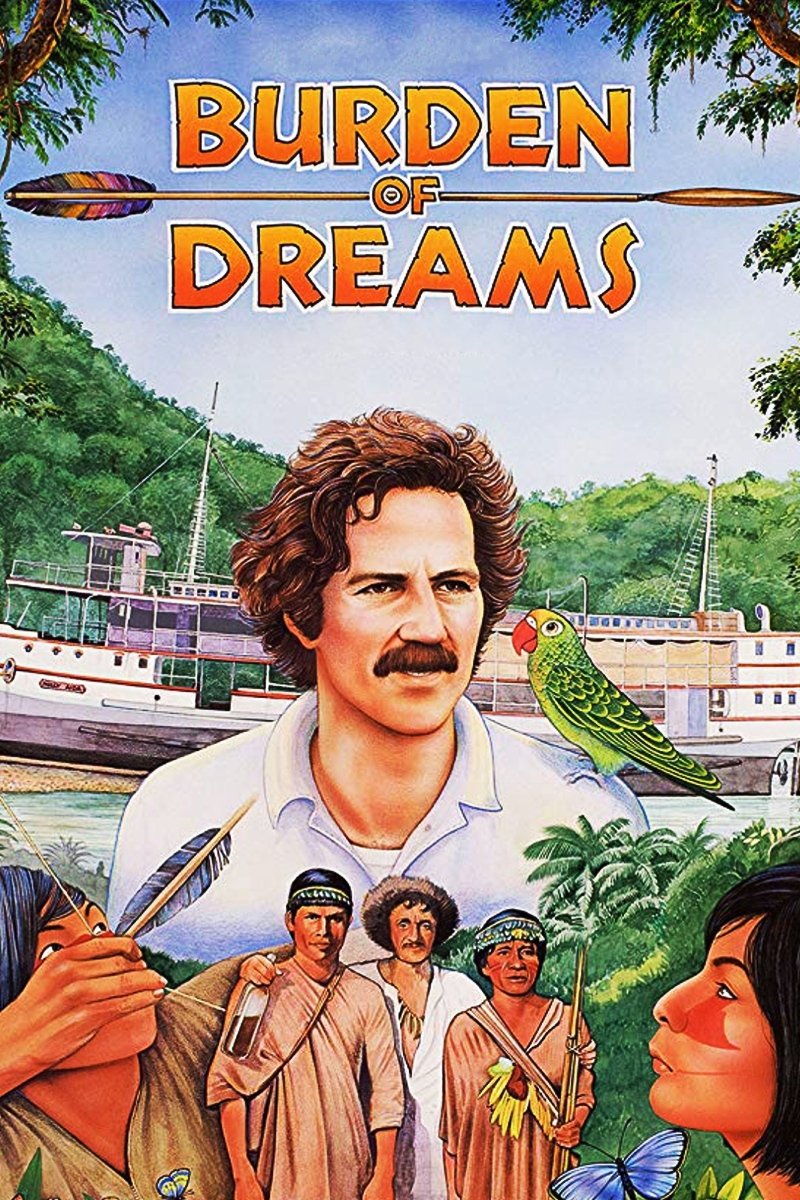
The Amazon rain forest, 1979. The crew of Fitzcarraldo (1982), a film directed by German director Werner Herzog, soon finds itself with problems related to casting, tribal struggles and accidents, among many other setbacks; but nothing compared to dragging a huge steamboat up a mountain, while Herzog embraces the path of a certain madness to make his vision come true.
Those who knew iconic funnyman John Candy best share his story, in their own words, through never-before-seen archival footage, imagery, and interviews.