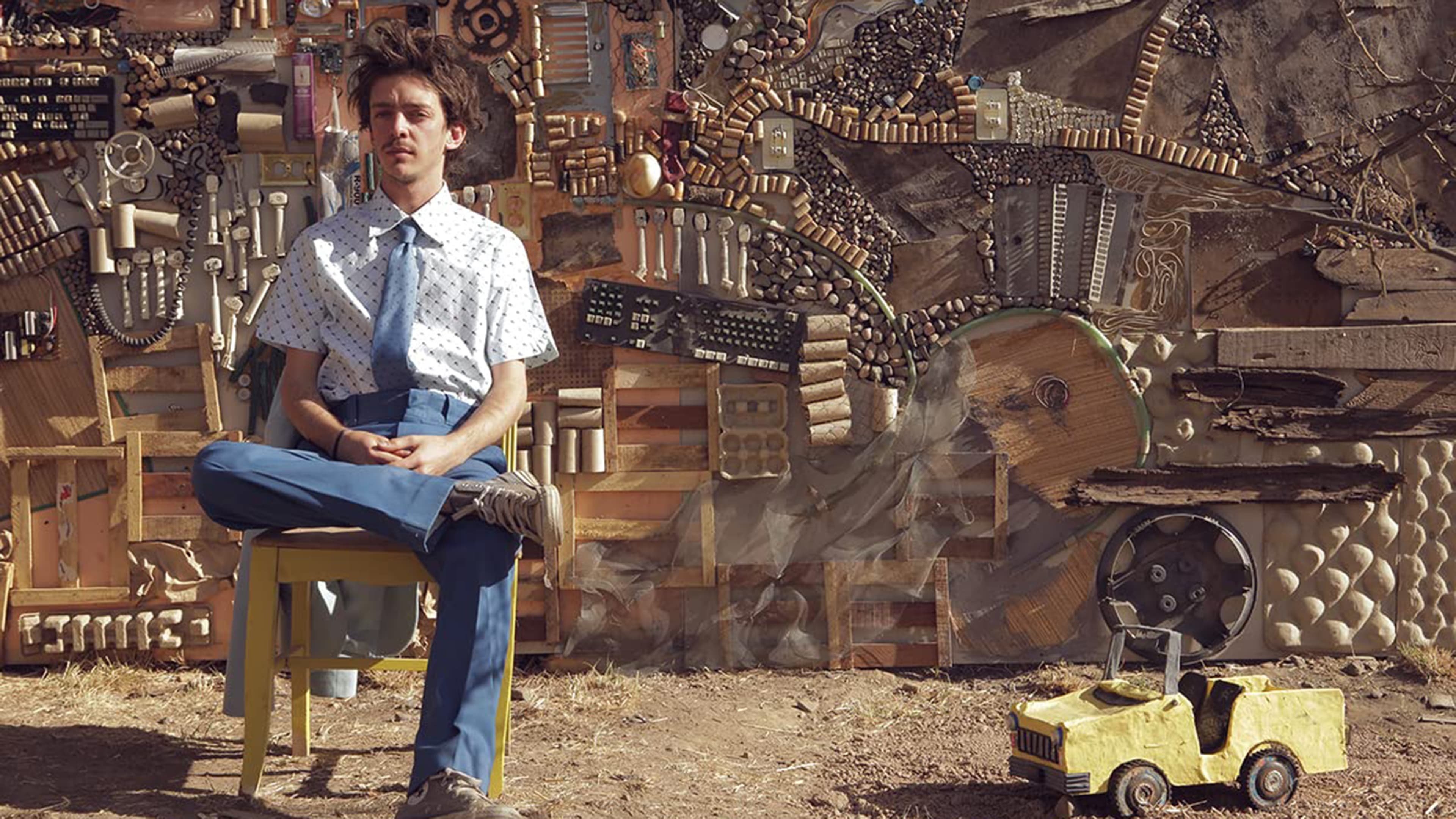
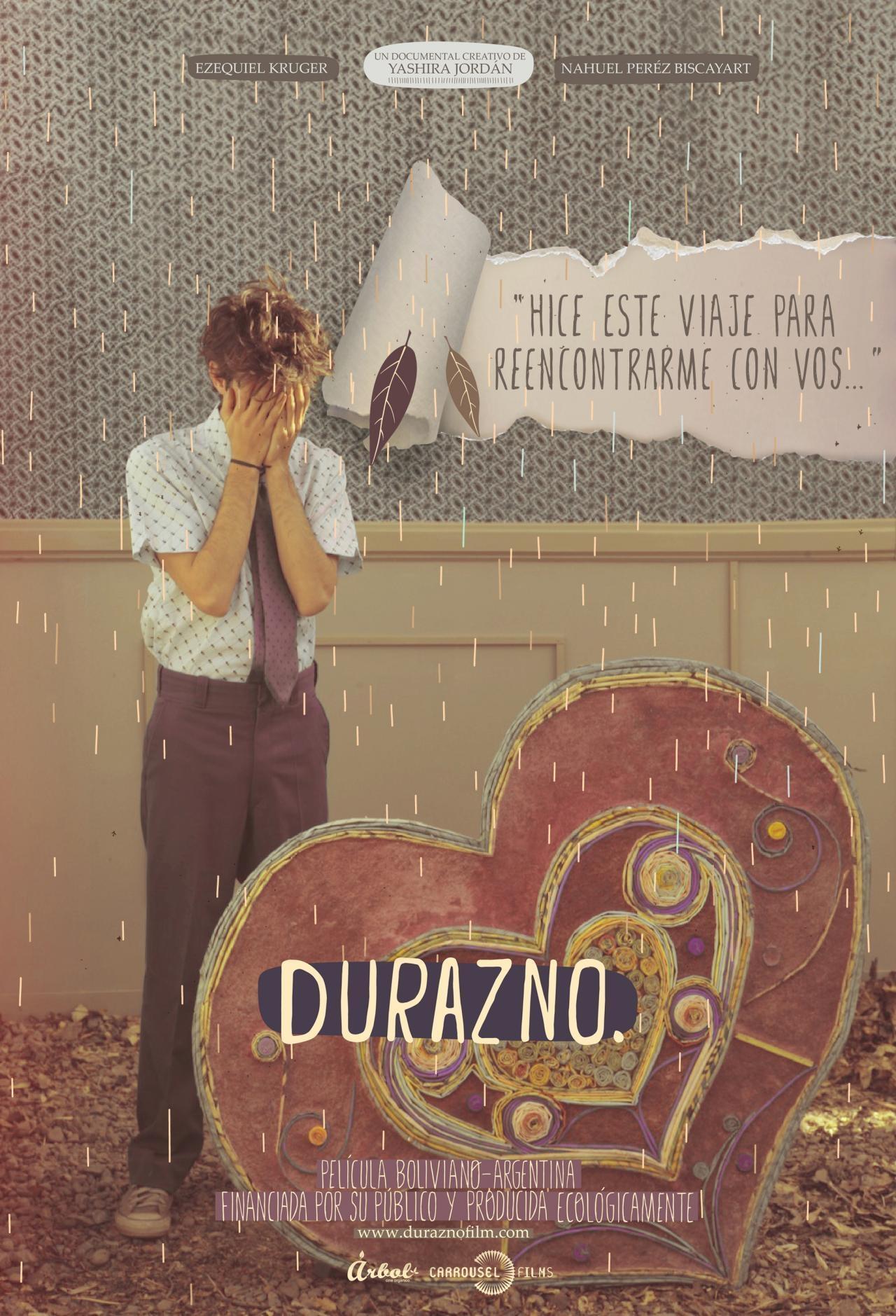
"I made this trip to meet you again."
How are biographies charted? How is identity constructed? Can we relive our past, reinvent it, rearrange or recycle it? Can we really know who we are if we ignore where do we come from?
Social & External
Ezequiel
Himself
The story of three Turkish men. They all grew up in Switzerland and all got deported after various criminal offenses.
Spontaneous portrait of an endearing and cheerful teenager living in balance between traditionalism and modernity. She presents her regalia to us and we share her pride in being Innu.
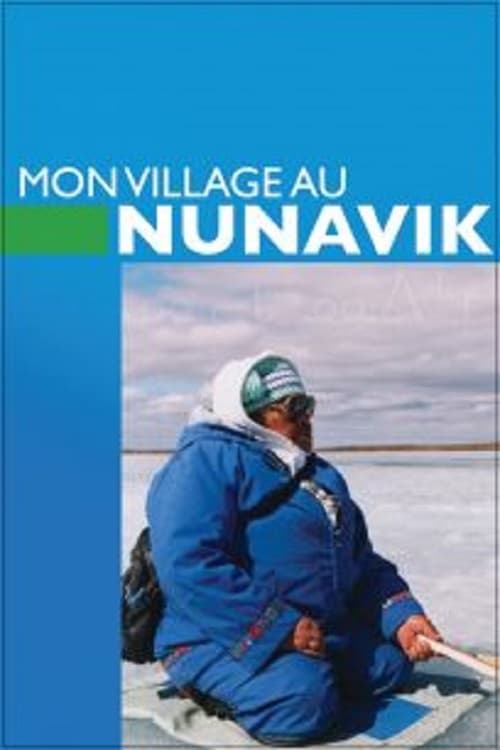
Shot during three seasons, Kenuajuak's documentary tenderly portrays village life and the elements that forge the character of his people: their history, the great open spaces and their unflagging humour. Though Kenuajuak appreciates the amenities of southern civilization that have made their way north, he remains attached to the traditional way of life and the land: its vast tundra, the sea teeming with Arctic char, the sky full of Canada geese. My Village in Nunavik is an unsentimental film by a young Inuk who is open to the outside world but clearly loves his village. With subtitles.
A verité legal drama about Judge Kholoud Al-Faqih, the first woman appointed to a Shari'a court in the Middle East, whose career provides rare insights into both Islamic law and gendered justice.
"Africa Light" - as white local citizens call Namibia. The name suggests romance, the beauty of nature and promises a life without any problems in a country where the difference between rich and poor could hardly be greater. Namibia does not give that impression of it. If you look at its surface it seems like Africa in its most innocent and civilized form. It is a country that is so inviting to dream by its spectacular landscape, stunning scenery and fascinating wildlife. It has a very strong tourism structure and the government gets a lot of money with its magical attraction. But despite its grandiose splendor it is an endless gray zone as well. It oscillates between tradition and modernity, between the cattle in the country and the slums in the city. It shuttles from colonial times, land property reform to minimum wage for everyone. It fluctuates between socialism and cold calculated market economy.
While millions of birds migrate freely in the skies above, Fadia, a Palestinian refugee stranded in Lebanon, yearns for the ancestral homeland she is denied. When a chance meeting introduces her to the director, Sarah, she challenges her to find an ancient mulberry tree that once grew next to her grandfather’s house in historic Palestine, a tree that stands witness to her family’s existence.
Marcela, Anabella and Estrella are three trans women who have defied the lifespan expected for a trans person. Through their recollections, one explores the memory’s strength, resistance and love for life of these three women.
7-year-old Sasha has always known that she is a girl. Sasha’s family has recently accepted her gender identity, embracing their daughter for who she truly is while working to confront outdated norms and find affirmation in a small community of rural France.
What kind of power is accessible through the discovery of a voice? Morgan Quaintance interlinks two anti-racist and anti-authoritarian liberation movements in South London and Chicago’s South Side with his own biography to explore what happens when speech is ignored, and the voice fades.

A Local Iowa documentary about the history of trophy to the Cy-Hawk games.
The documentary proposes a unique meeting with the speakers of several indigenous and inuit languages of Quebec – all threatened with extinction. The film starts with the discovery of these unsung tongues through listening to the daily life of those who still speak them today. Buttressed by an exploration and creation of archives, the film allows us to better understand the musicality of these languages and reveals the cultural and human importance of these venerable oral traditions by nourishing a collective reflection on the consequences of their disappearance.
I was about seven years old the first time someone called me \"black\" on the street. I turned around to see who they were talking to, until I realized they were talking to me.
Documentary tracing the extreme life of outlaw writer, performance artist and punk icon, Kathy Acker. Through animation, archival footage, interviews and dramatic reenactments, director Barbara Caspar explores Acker's colorful history, from her well-heeled upbringing to her role as the scribe of society's fringe.
After his father's death, Mario finds some letters written in Yiddish. They are letters his father received from relatives in Warsaw. Mario decides to search for these people his father never mentioned.
Director Michèle Stephenson’s new documentary follows families of those affected by the 2013 legislation stripping citizenship from Dominicans of Haitian descent, uncovering the complex history and present-day politics of Haiti and the Dominican Republic through the grassroots electoral campaign of a young attorney named Rosa Iris.
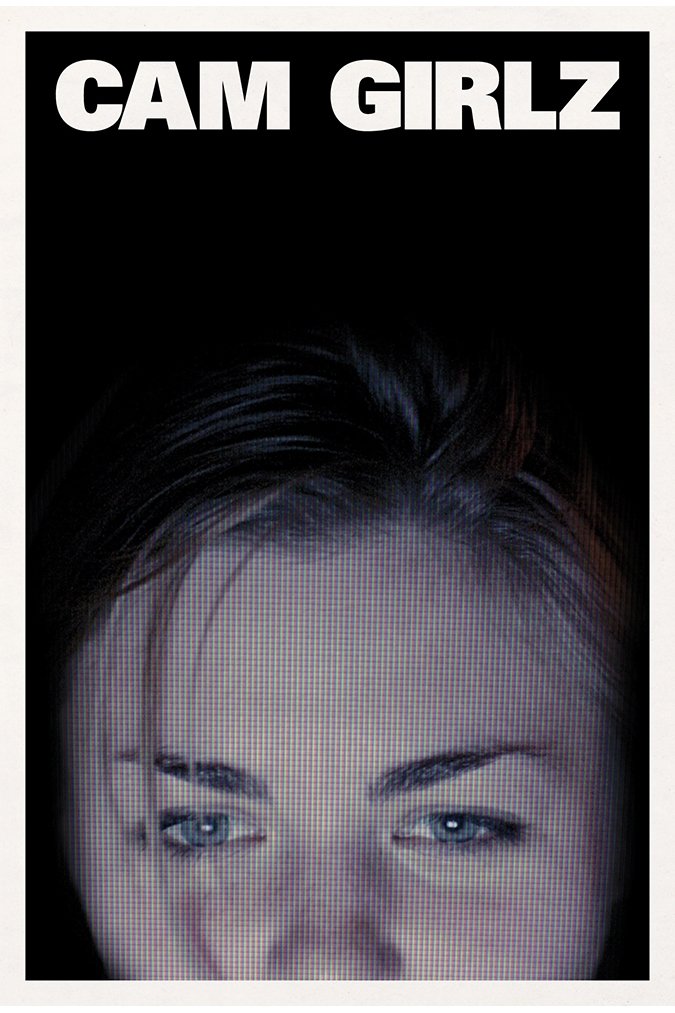
A look at the world of webcam workers who find economic freedom, empowerment, intimacy and creative self expression from the comfort of their own homes.
The Halari Oshwals are a small community dispersed around the world yet held together by a history of sacrifices. But times have changed. This globalization has led to many problems within the community, and their numbers are dwindling. An Oshwal woman from Canada worries about the preservation and survival of her heritage in the hands of generations to come. She sets out on a pilgrimage to visit Oshwal communities in Kenya, where she was born; the UK, where she lived for a while; and India, where her parents originated. She discovers a shared concern for the future of the community and its traditions in the face of globalization and geographical disconnect, and explores what this means for the younger generation and their Oshwal identity.
Shelley is a timid elderly lady who is competing in the Miss Senior USA pageant. Immersion in an extravagant world that also touches on the universal need for visibility, beauty and being included.
Filmmaker Sophie Dros enters into a dialogue with strong women in a powerfull document about being a woman in the Netherlands today. Inspired by Simone de Beauvoir's essay The second sex, filmmaker Sophie Dros (winner of the NFF Debut Competition 2017) talks to four women and a group of young girls. Together they go in search of universal stories; about dealing with expectations, empathy and connection, desires, fear, need for confirmation and losing control.