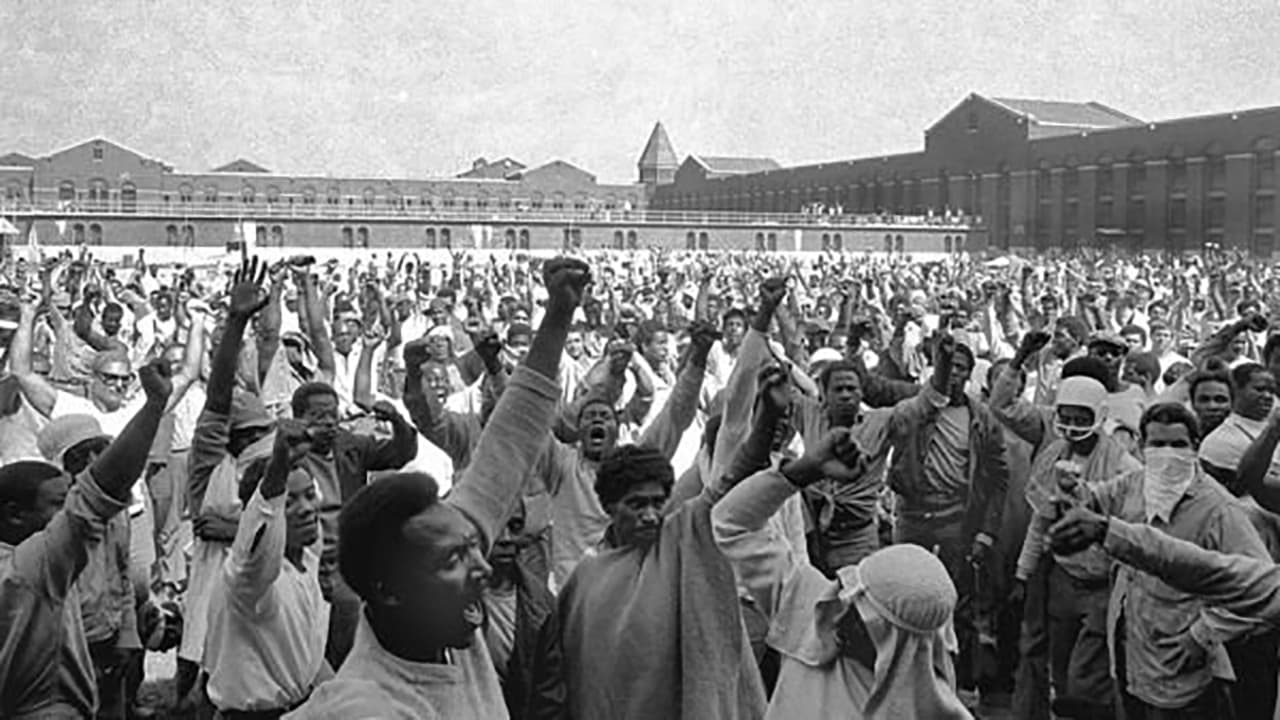
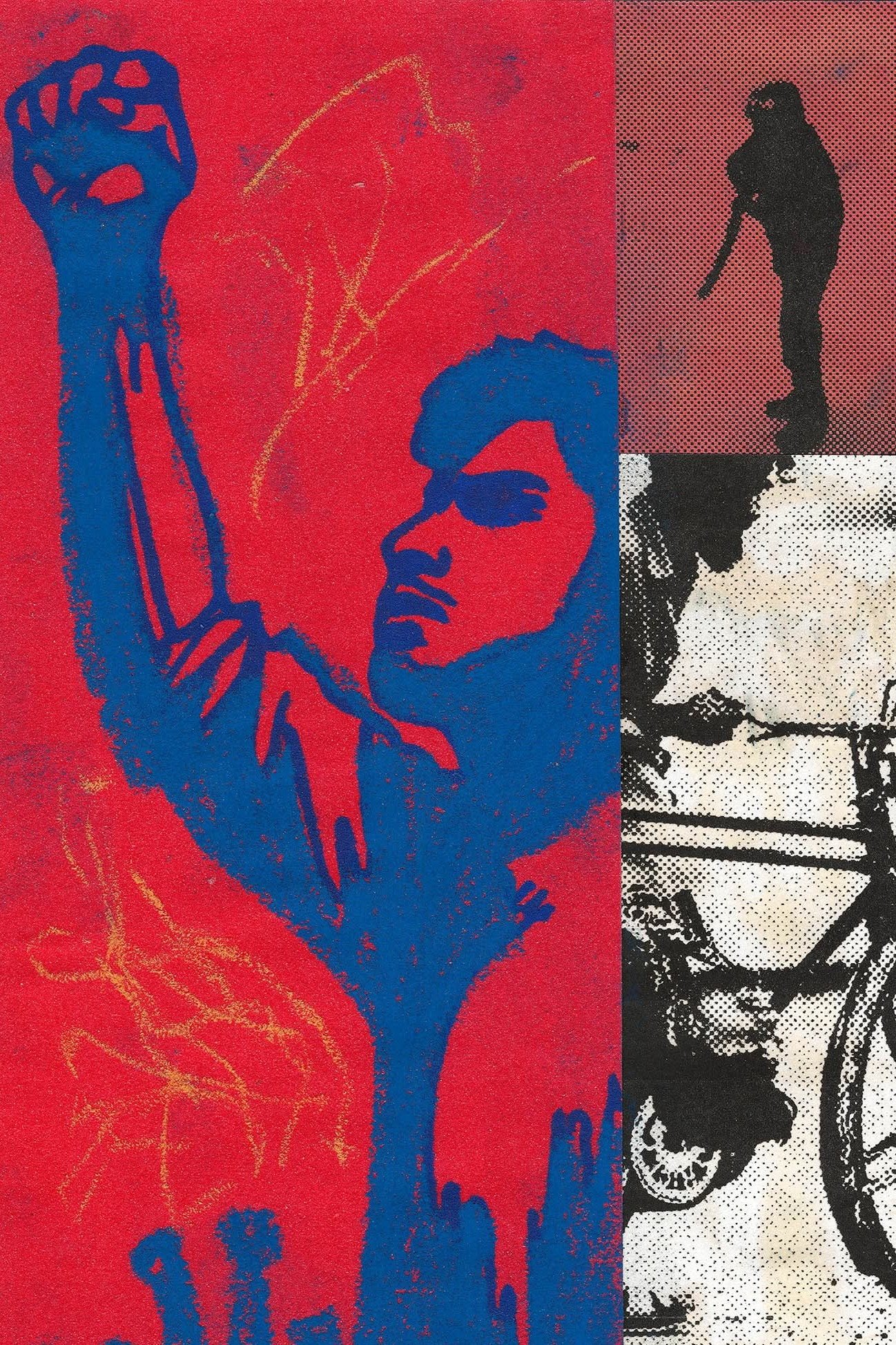
Follows the largest prison uprising in US history, conducting dozens of new interviews with inmates, journalists, and other witnesses.
Social & External
The people behind it
Clarence Jones
Self
John Johnson
Herman Schwartz
Elizabeth Gaynes
James Asbury
Nelson Rockefeller
Self (archive footage)
Richard Nixon
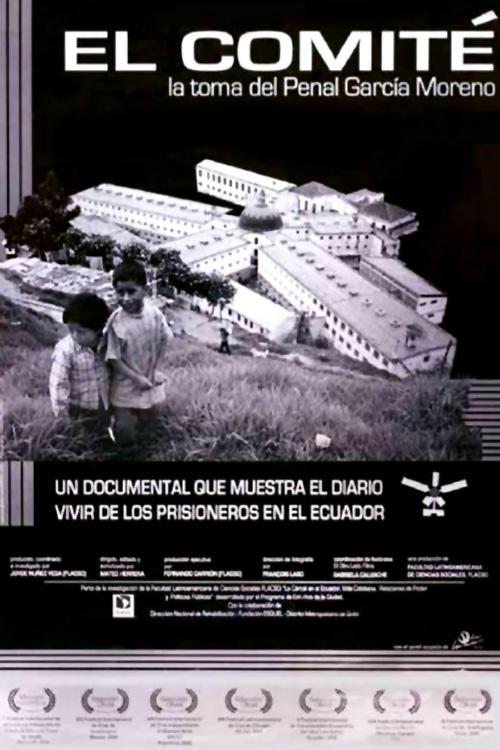
A documentary chronicle of the prisoners’ takeover of the Garcia Moreno Penitentiary in Quito, Ecuador. The prisoners find they suddenly have a voice after they take 360 people hostage, and a pattern of abuse and corruption by the guards toward the prisoners becomes clear after lengthy negotiations.
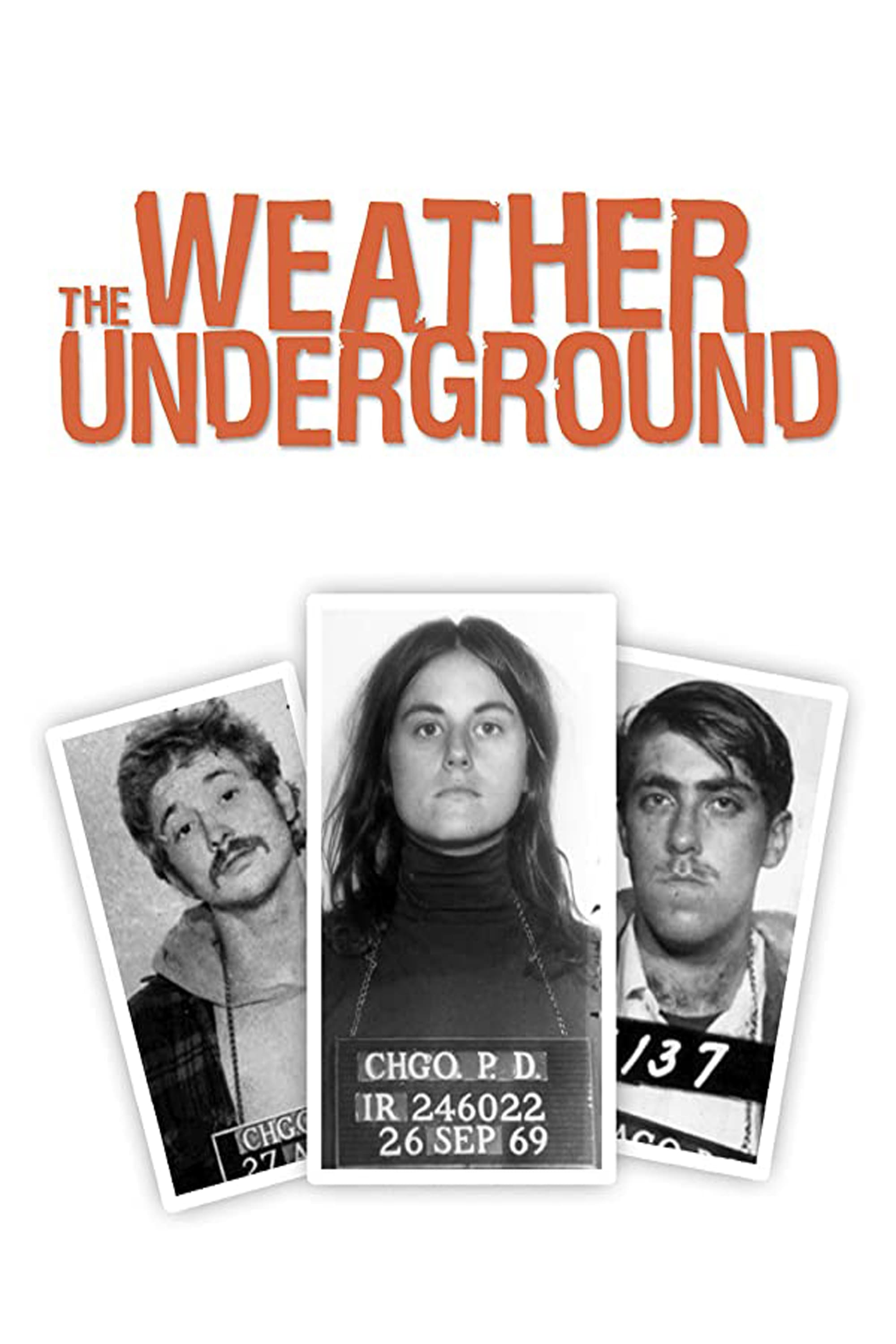
The remarkable story of The Weather Underground, radical activists of the 1970s, and of radical politics at its best and most disastrous.
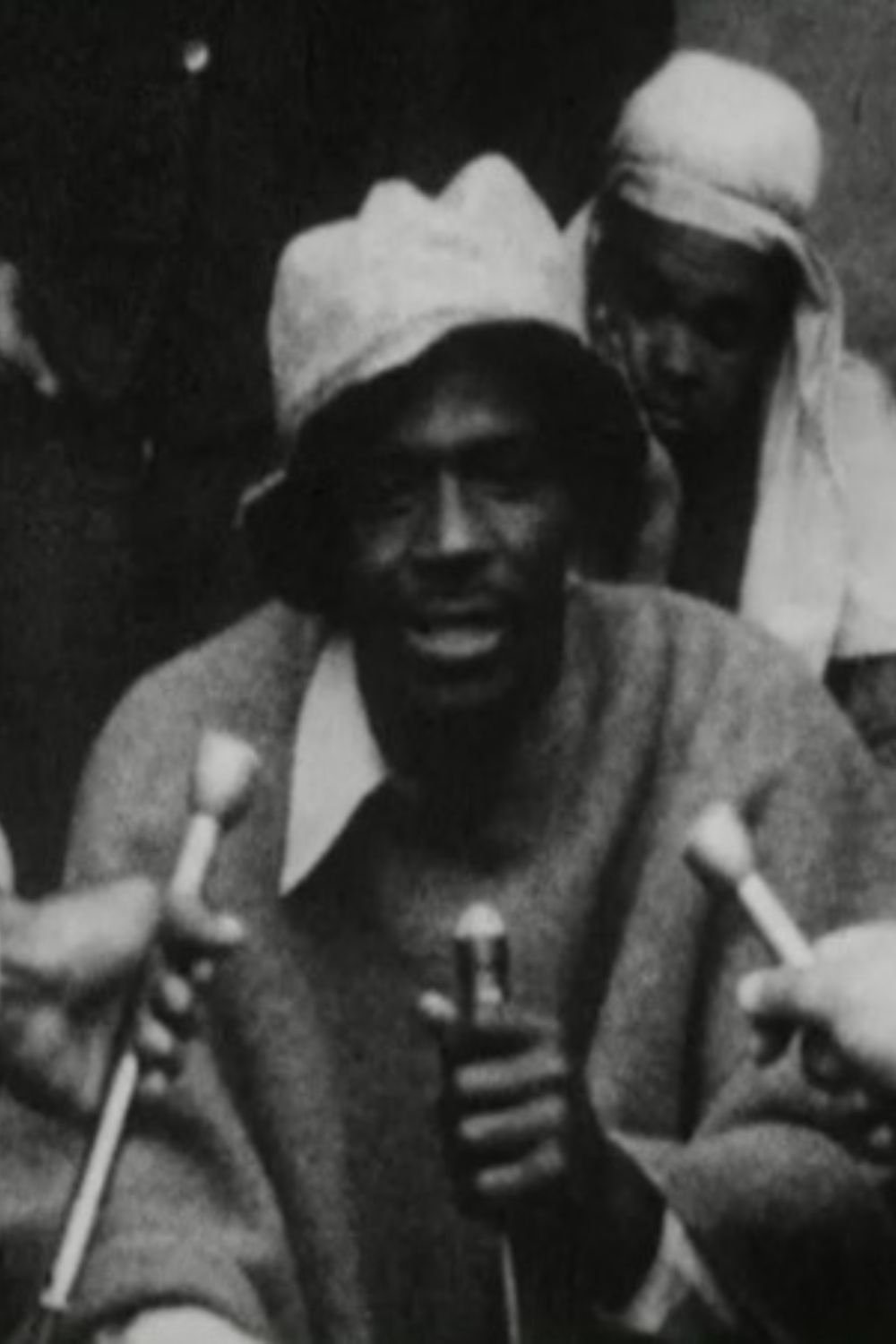
This film focuses on the historic 1971 Attica prison rebellion in upstate New York. It targets the conditions that caused prisoners to take drastic steps toward securing their basic rights. The film questions the reactions of prison warden Oswald, New York governor Nelson Rockefeller and President Nixon, as well as the death of 31 inmates and prison guards from bullets fired by the National Guard. Through on-site footage taken during and following the rebellion, and follow-up interviews with inmates, this film relates a powerful message concerning prisoner's rights and provides an important historical document. A Third World Newsreel production about the 1971 rebellion at Attica State Prison.
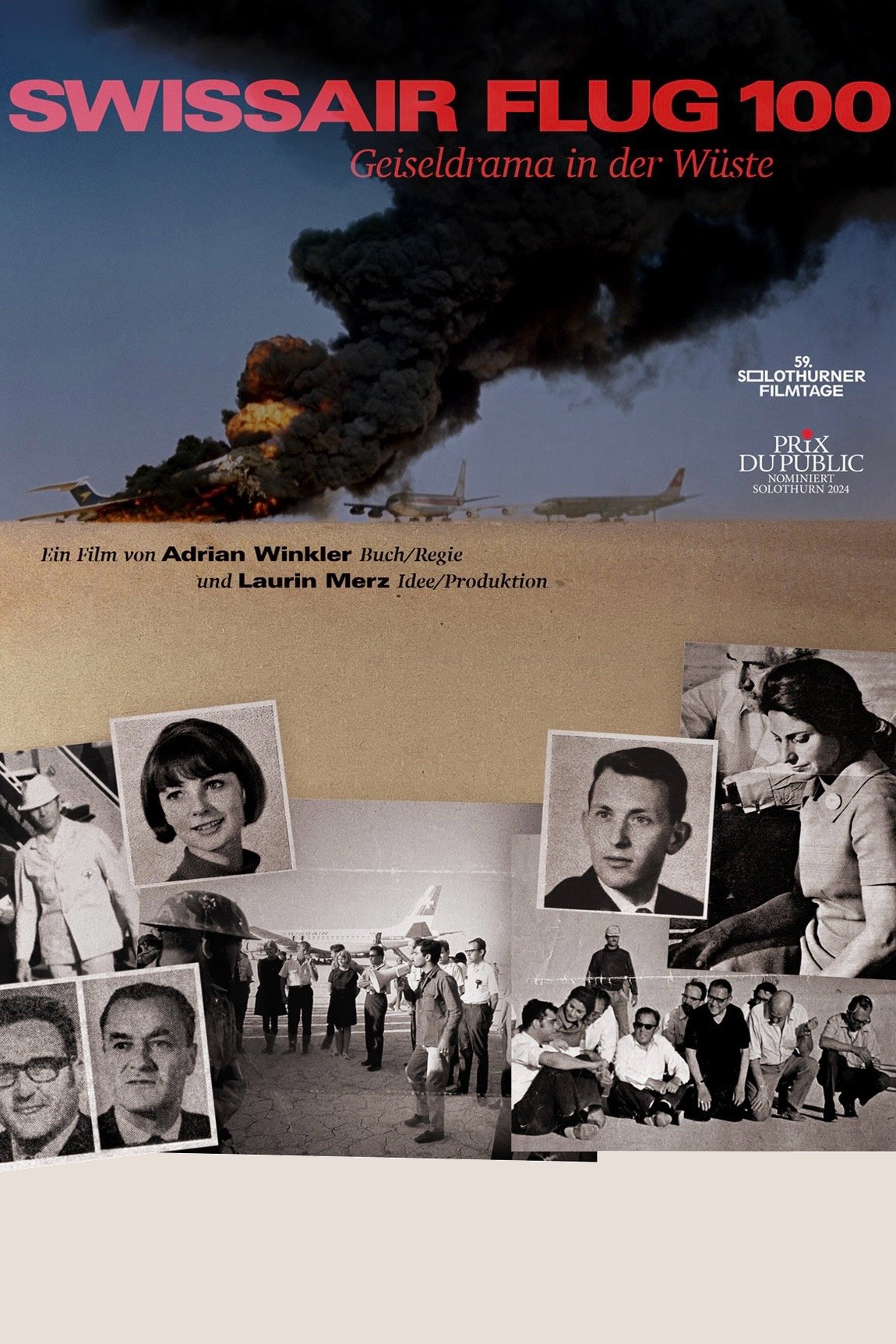
On September 6, 1970, militant Palestinians hijack a fully occupied Swissair plane. After weeks of negotiations, the Federal Council capitulates, gives in to the terrorists' demands and releases three Palestinians imprisoned in Switzerland.
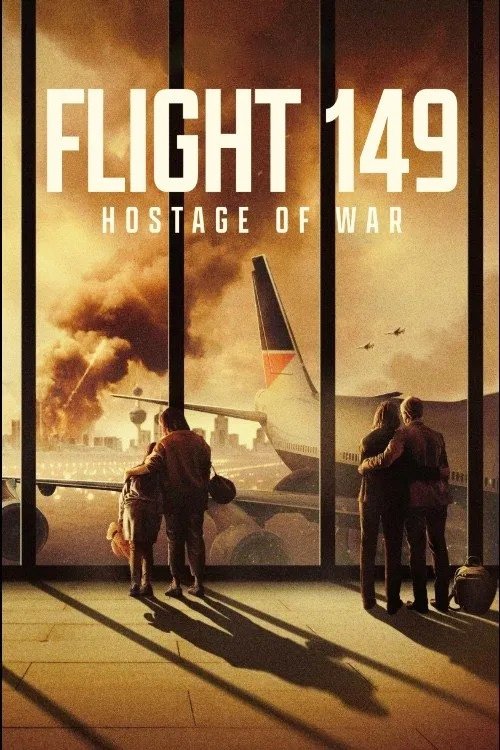
When BA Flight 149 unwittingly landed in a warzone, its passengers and crew were taken hostage. Did the UK government allow it? And who were the mercenaries on board?
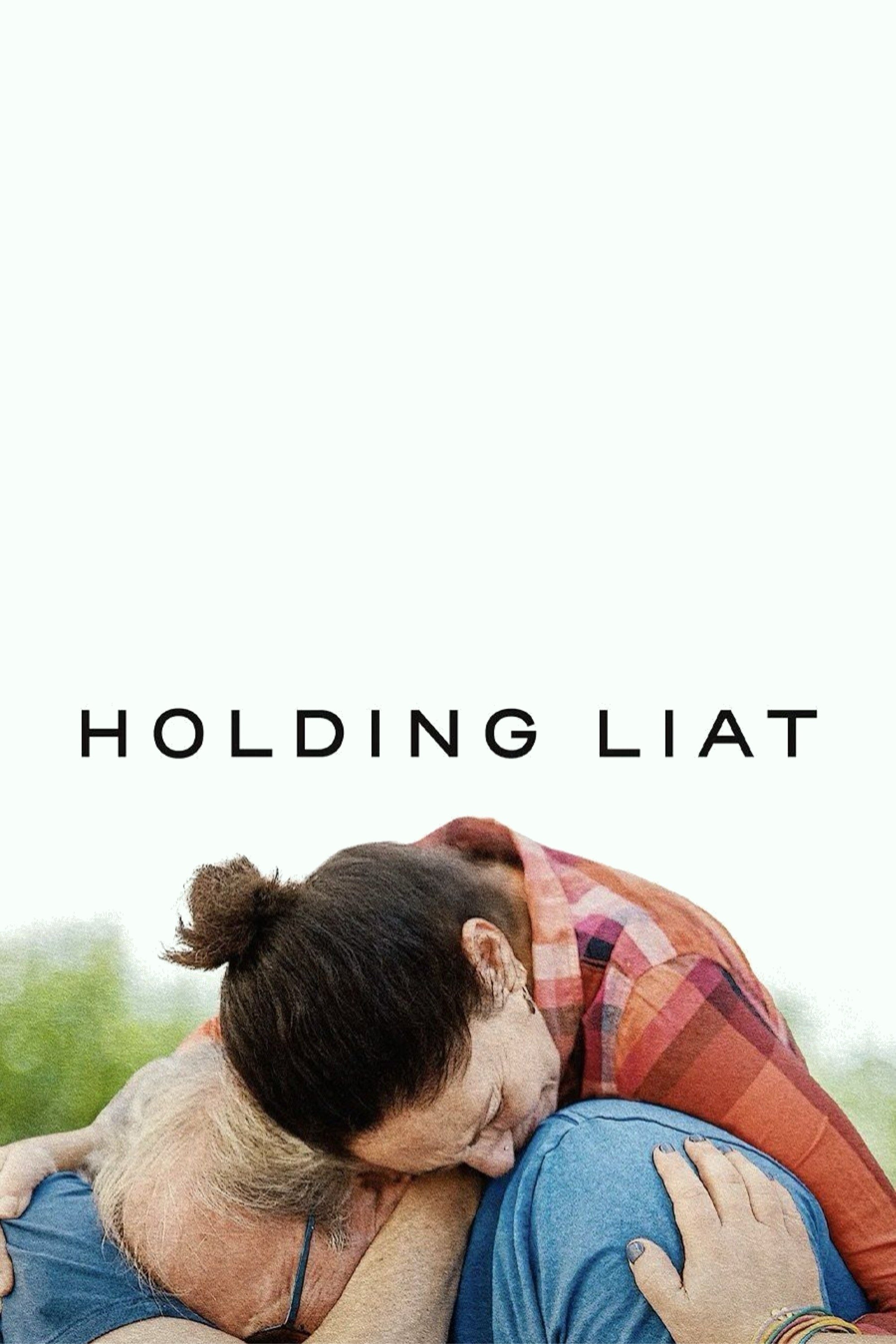
Liat Atzili was kidnapped from her kibbutz on October 7. What begins as a chronicle of her parents, sister, and children's efforts to secure her return, becomes a portrait of conflicting impulses towards anger, indifference, and compassion straining the bonds of one grieving family.
Equal parts film, conversation, and social experiment, this interactive documentary uses footage shot by activists in the crowd of the Maribor uprisings, a 2012 to 2013 Slovenian protest, to pull you into the fray, where you must collectively decide what happens next.
Forty years after the bloodiest one-day encounter between Americans since the Civil War, the dead remain buried along with the truth. Until now. Based on interviews with eyewitnesses who just now are telling their stories, as well as access to newly discovered documents, the film sheds new light on exactly what happened at Attica between September 9-13, 1971. Criminal Injustice raises compelling new questions about the 39 deaths at Attica, White House involvement, and the corrupting influence of Nelson Rockefeller’s political aspirations before, during, and long after the deadly retaking of the prison. Former hostage Michael Smith said that “the cover up started as soon as the shooting stopped.” This film reveals that the truth actually may have been concealed long before that.
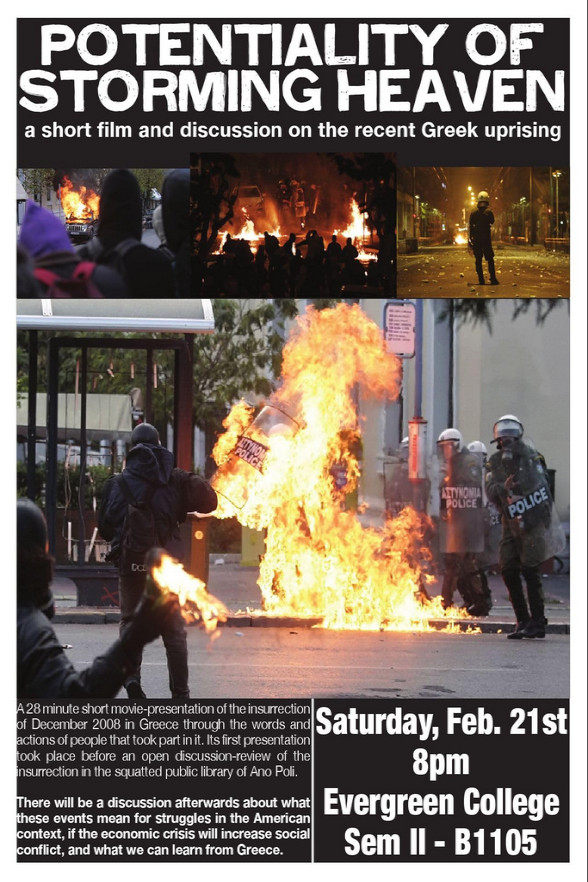
6 December 2008, few minutes after 9 pm - Time Zero of the December Revolt. Two policemen shoot against a group of youngsters hanging out on a Saturday night, at the heart of the Exarcheia district of central Athens, an area with a long history of insurrection against authority and riots for socio economic and political grounds, inhabited mainly by anarchists, anti-authoritarians and liberals. The police bullet finds in the heart and kills 15 year old Alexandros Grigoropoulos. As soon as the news of Alexis' murder spreads mainly through the internet, hundreds of people from the rest of Athens gather at Exarchia, which is circled by hundreds of riot policemen and that in turns infuriated people and the neighborhood quickly goes "on fire" with flaming barricades and stone attacks against the police, that lasted all throughout the night.
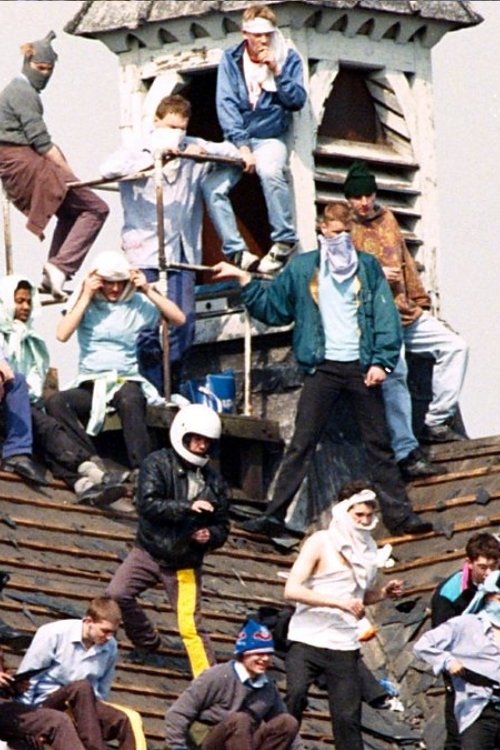
Twenty-five years after the biggest riot in British penal history, this film brings together the ringleaders of the trouble with the prison guards they battled with over three weeks of anarchy that brought Strangeways to its knees. For the first time, these events are told through unparalleled access to the people at the heart of the riot - ex-inmates, prison officers and the governor himself - createing a compelling story of the struggle for power between the authorities and the hardcore prisoners who ultimately took their protest onto the prison roof. The stand-off that followed is documented until the final moments, when the siege was ended in a dramatic takedown in front of rolling news cameras.
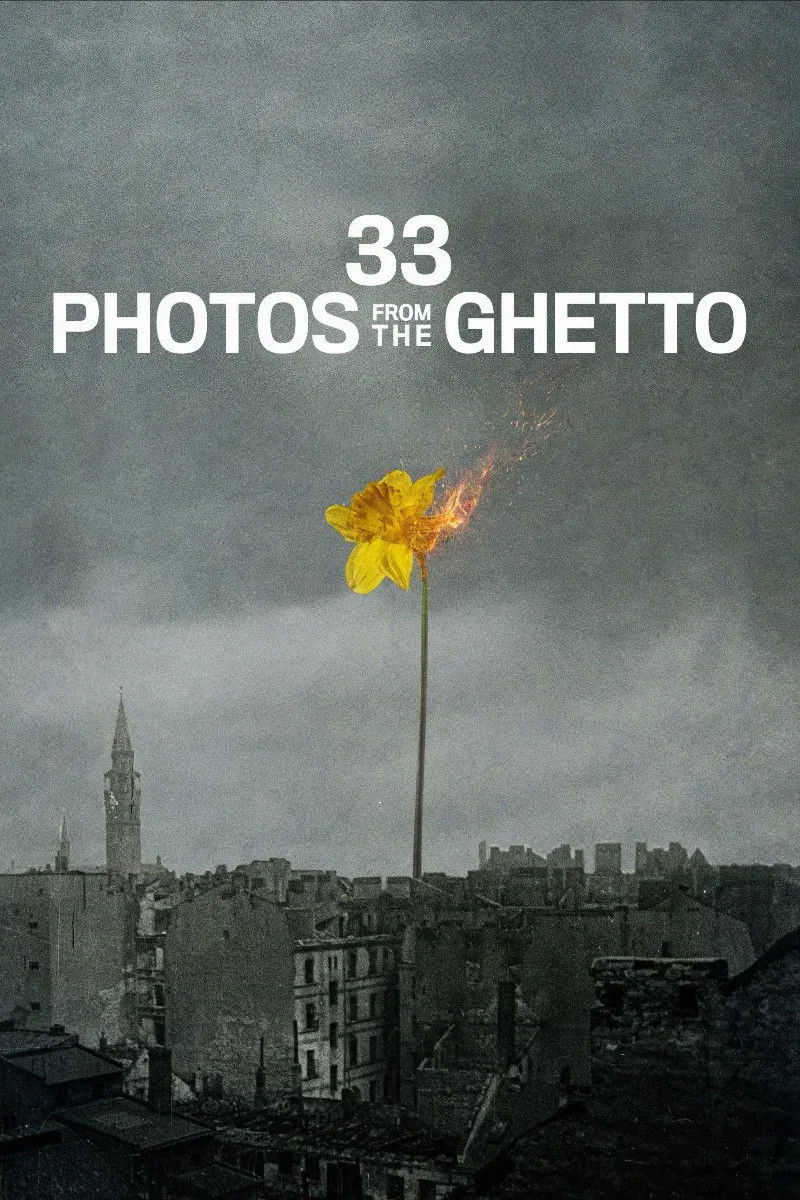
The film traces two families, one of which is Jewish, who preserved the images for decades but hadn’t brought them to light. 80 years after their creation, the son of the photographer finds the forgotten negatives and launches an investigation. With a team of researchers, archivists, and animators who use near-forensic precision to reconstruct locations and contexts, they trace the circumstances of those tragic days and the lives captured in each frame.
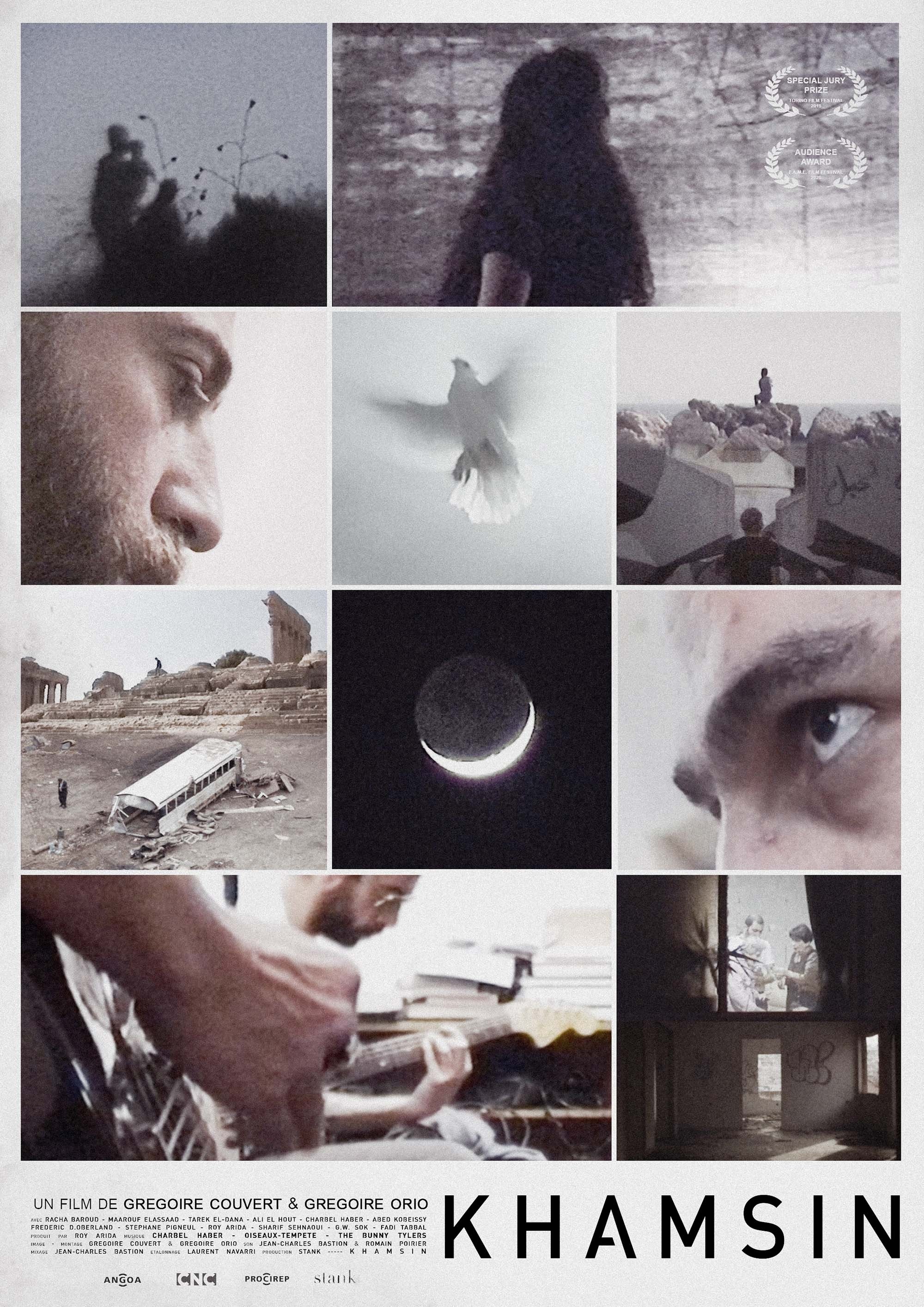
Lebanon today. The traces of the civil war are all too tangible as government corruption becomes unbearable. In a country where conflict and peace are caught in an endless cycle, musicians from different backgrounds pool their talents to create an underground music scene. Each evokes his or her representation of Lebanon: its shifting geographical, political, historical and social borders, its painful passage through conflict and instability. A touching portrait of a young generation trying to build an oasis in a hostile environment where the forces of destruction continue to wreak havoc.
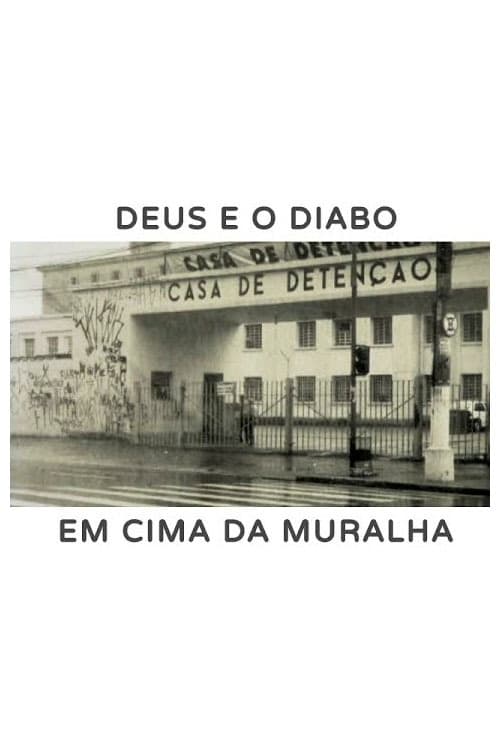
Imagine a prison with some ten thousand prisoners, many of them dangerous and, to control them, only a few unarmed employees. Small in number, these employees work in shifts. They are almost prisoners themselves, in a routine of tension, but also of humor and emotion. This prison was all too real. While it was in existence, the Carandiru was the largest prison in Latin America, administered by a reduced number of employees. The documentary shows, from the point of view of these few employees, holding the keys, how the prison operated: the delicate balance in the relationship with the prisoners, affinity among employees, moments of tension and, even, of happiness. These are stories told by former employees, among them, Dr. Dráuzio Varella, author of the book Estação Carandiru. These are the secrets of a place that no longer exists.
Documentary about Attica prison riot and lawsuits to get compensation for the victims of these events.
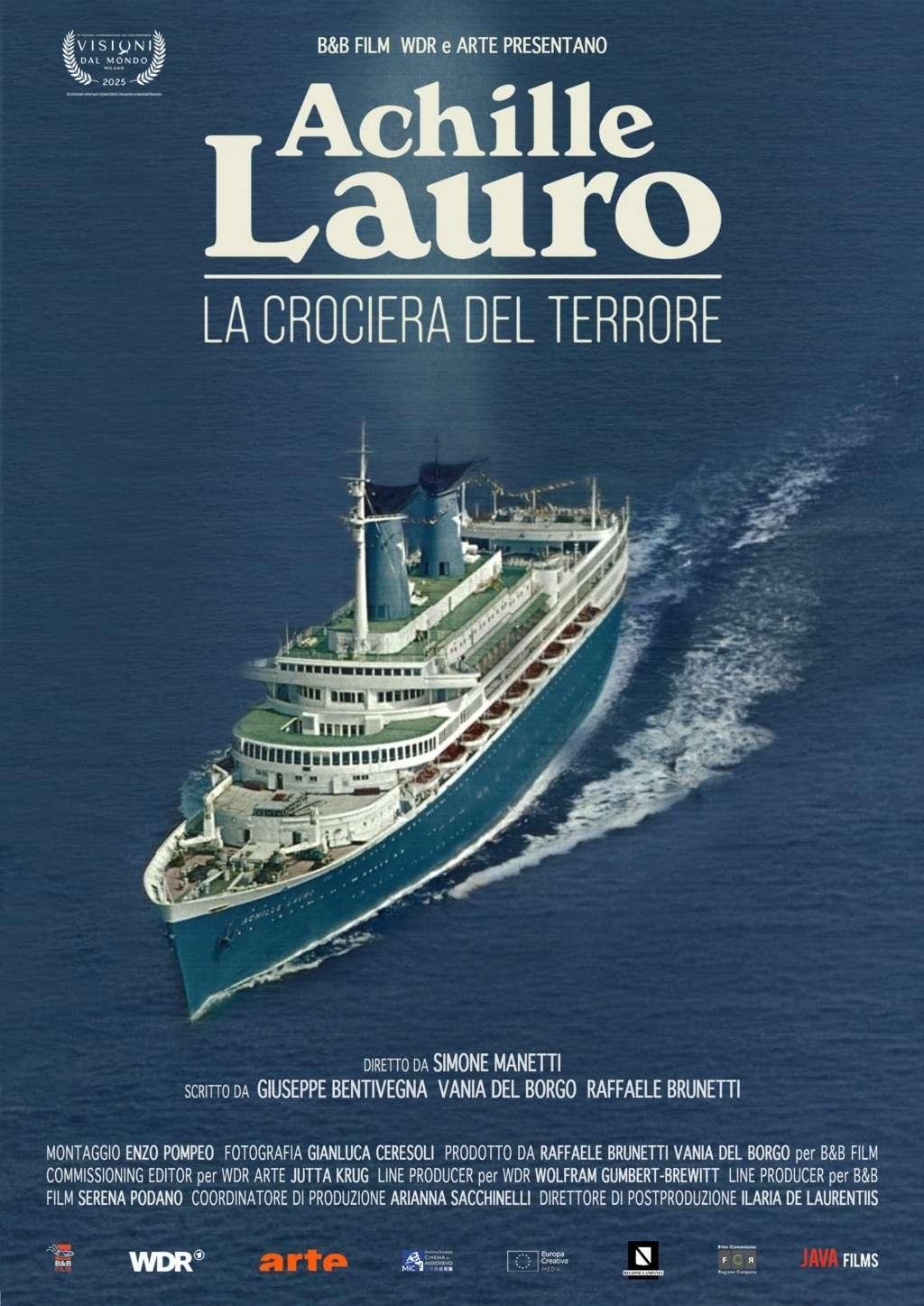
An Italian cruise ship carrying passengers from all over the world is hijacked off the coast of Egypt by a Palestinian commando unit. It is the beginning of a three-day ordeal in 1985 that culminates in the murder of an American hostage and an armed clash between two NATO allies to capture his killers.
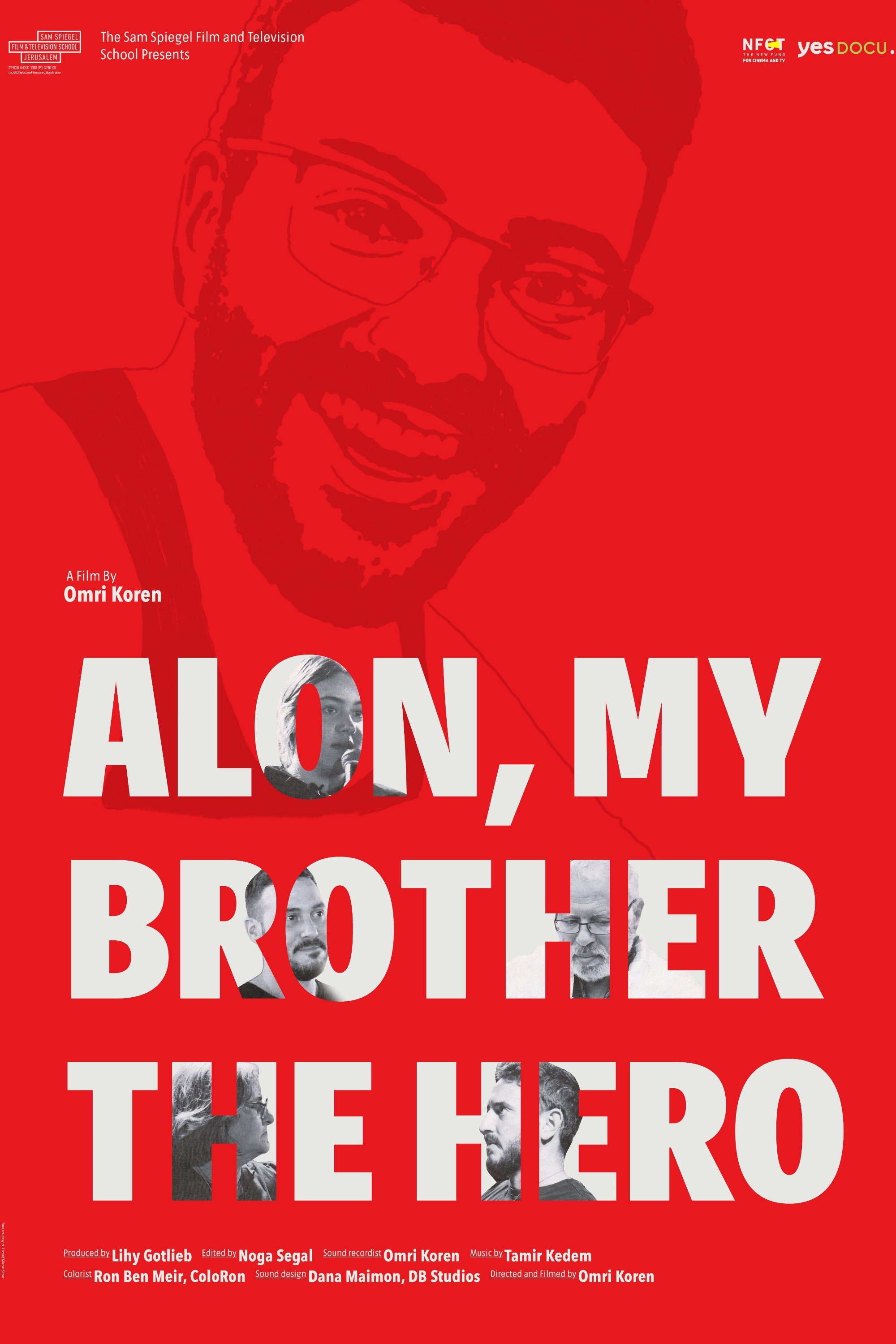
After Alon is kidnapped, his family embarks on a relentless mission to bring their brother home. Both in Israel and abroad- before tragedy strikes and after-the Shamriz family fights for the one thing truly worth fighting for: life itself.
Documentary about the 1980 New Mexico State Penitentiary Riots in which 33 inmates were killed.
In the winter of 2002-'03, as the US was building its case to attack Iraq, people around the world responded with a series fo the largest peace protests in history. Shutdown: The Rise and Fall of Direct Action to Stop the War, is an action-packed documentary chronicling how DASW successfully organized to shut down a major US city and how they failed to effectively maintain the organization to fight the war machine and end the occupation of Iraq. Created by organizers involved with DASW, Shutdown combines detailed information on organizing for a mass action, critical interviews on organizing pitfalls, and the wisdom of hindsight. It is a must-see film for those engaged in the continuous struggle toward social justice.
Al Jazeera’s I‑Unit exposes covert recordings and leaked documents revealing former PM Sheikh Hasina’s order to deploy lethal force and even helicopters against student protesters during Bangladesh’s 2024 uprising. As 1,500 died and 25,000 were injured, the film uncovers a regime’s cover‑up, manipulated autopsies, and an internet blackout to bury the truth.
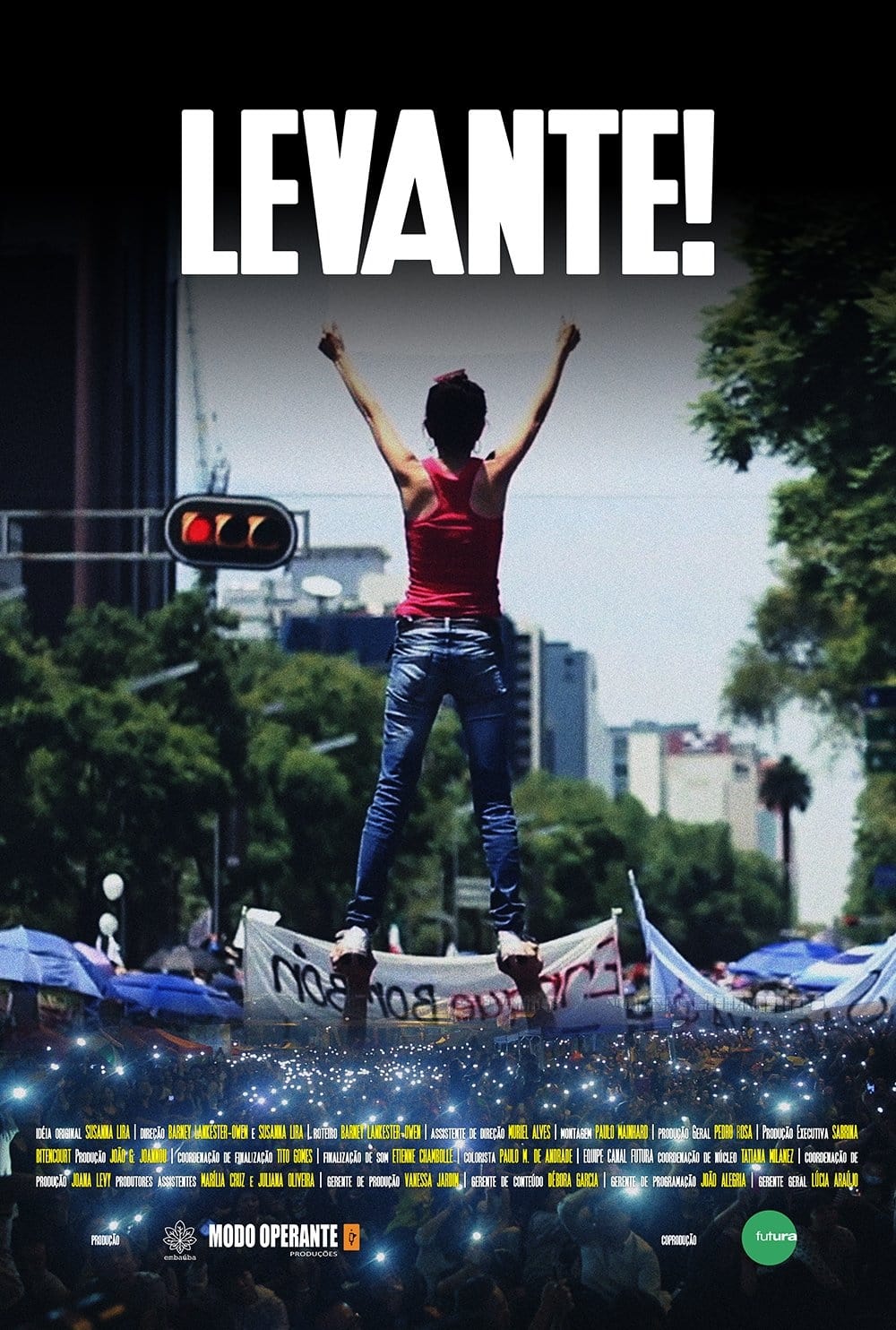
"Levante" won Canal Futura's annual documentary competition in 2014 and was filmed in Brazil, Mexico, Japan, Gaza and Hong Kong. It first aired at 22pm on the 25th June on Canal Futura. The film is about inspiring people around the world who use technology to speak out against injustice such as Filipe Peçanha from Midia Ninja who used the Japanese Twitcasting app to broadcast the Brazilian protests of 2013 from his smartphone, Noor Harazeen from Palestine who created the first English-speaking youtube news channel in Gaza, and Howard Kong from the Apple Daily newspaper in Hong Kong who used a drone to film the conflicts between police and protesters in 2014.
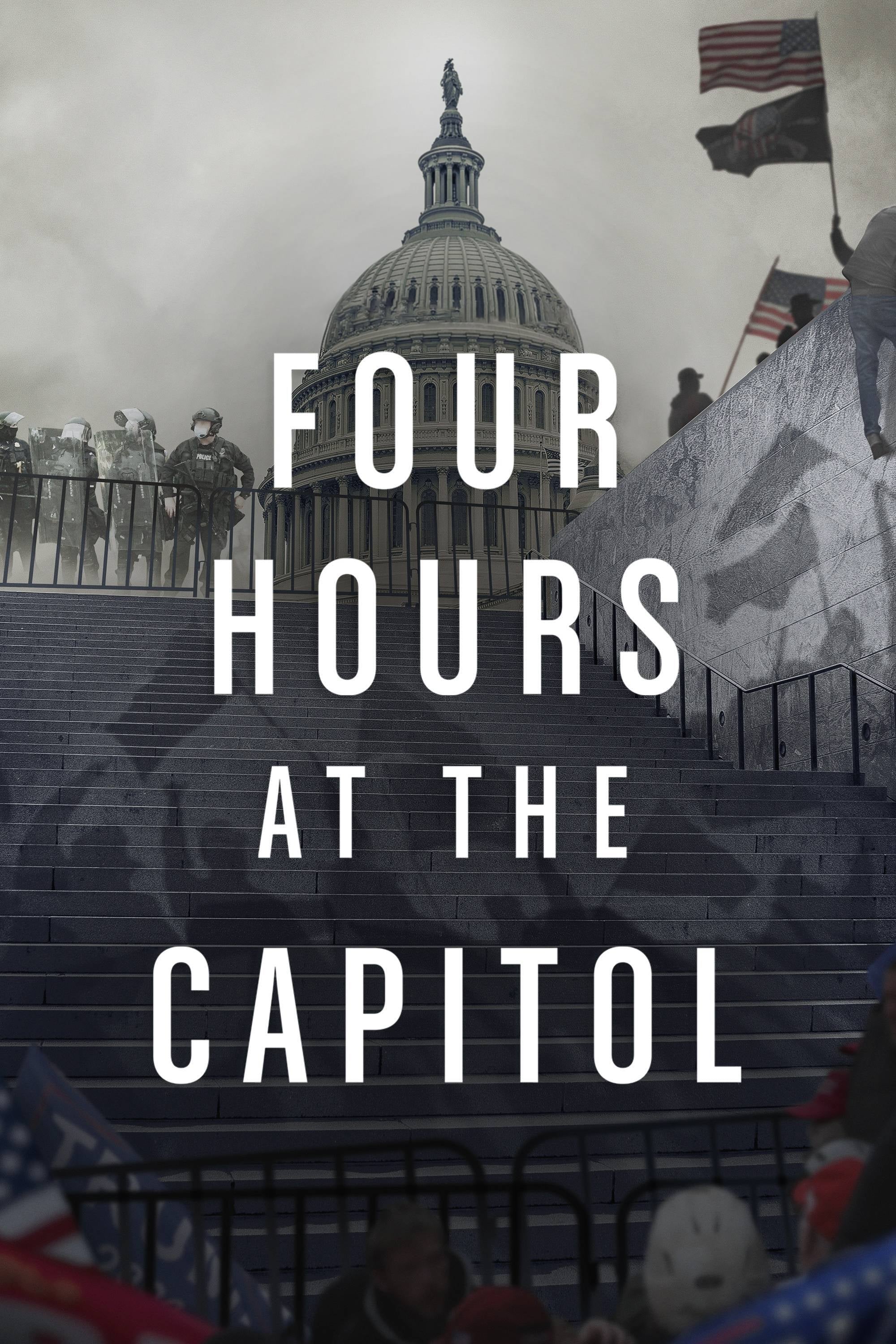
The documentary is an immersive chronicle of the insurrection at the U.S. Capitol on January 6, 2021, when thousands of American citizens from across the country gathered in Washington D.C. to protest the results of the 2020 presidential election, many with the intent of disrupting the certification of Joe Biden's presidency.
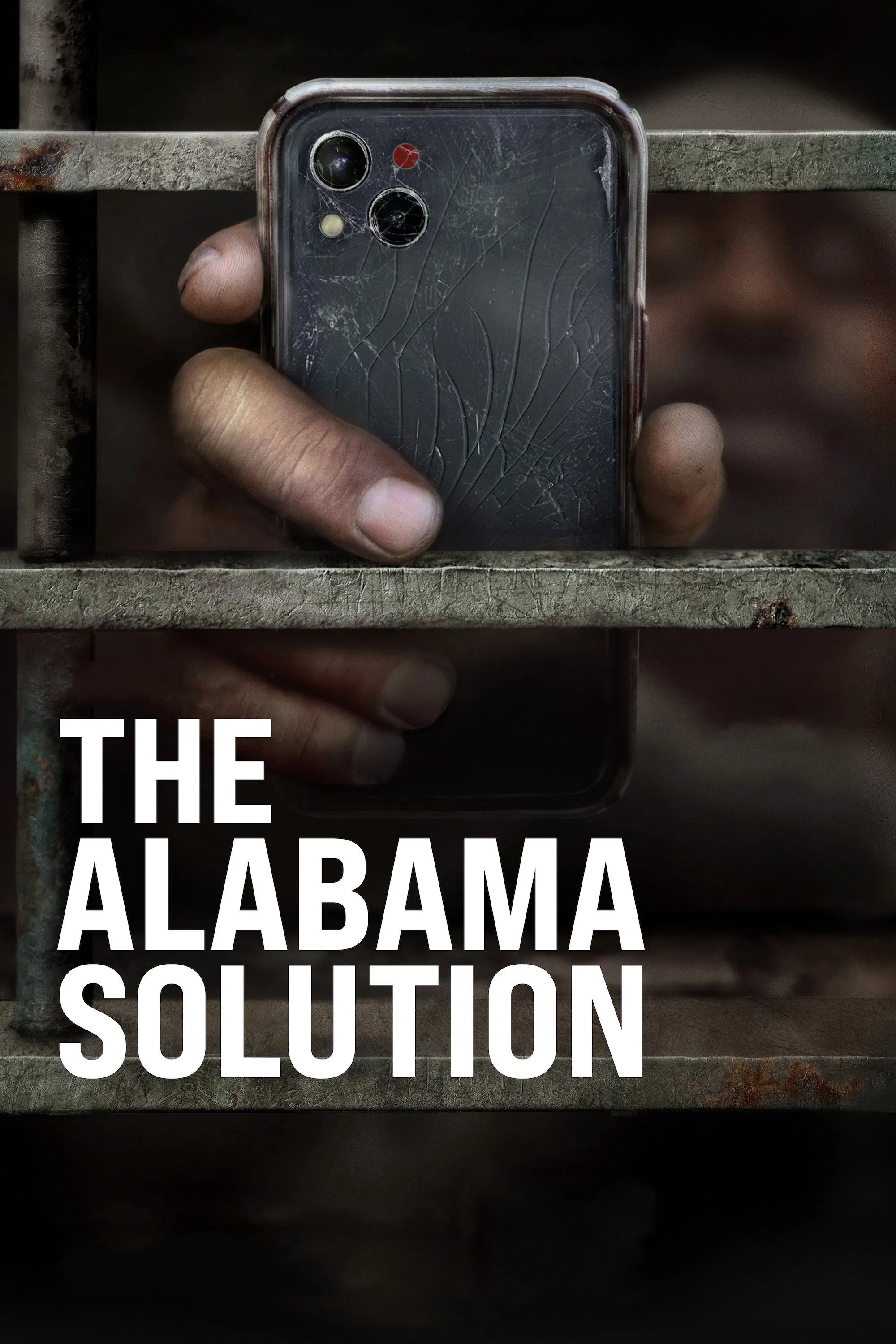
Incarcerated men defy the odds to expose a cover-up in one of America’s deadliest prison systems.
A string of threatening emails escalates into a revenge plot involving a newly married US marshal and his ex-girlfriend.
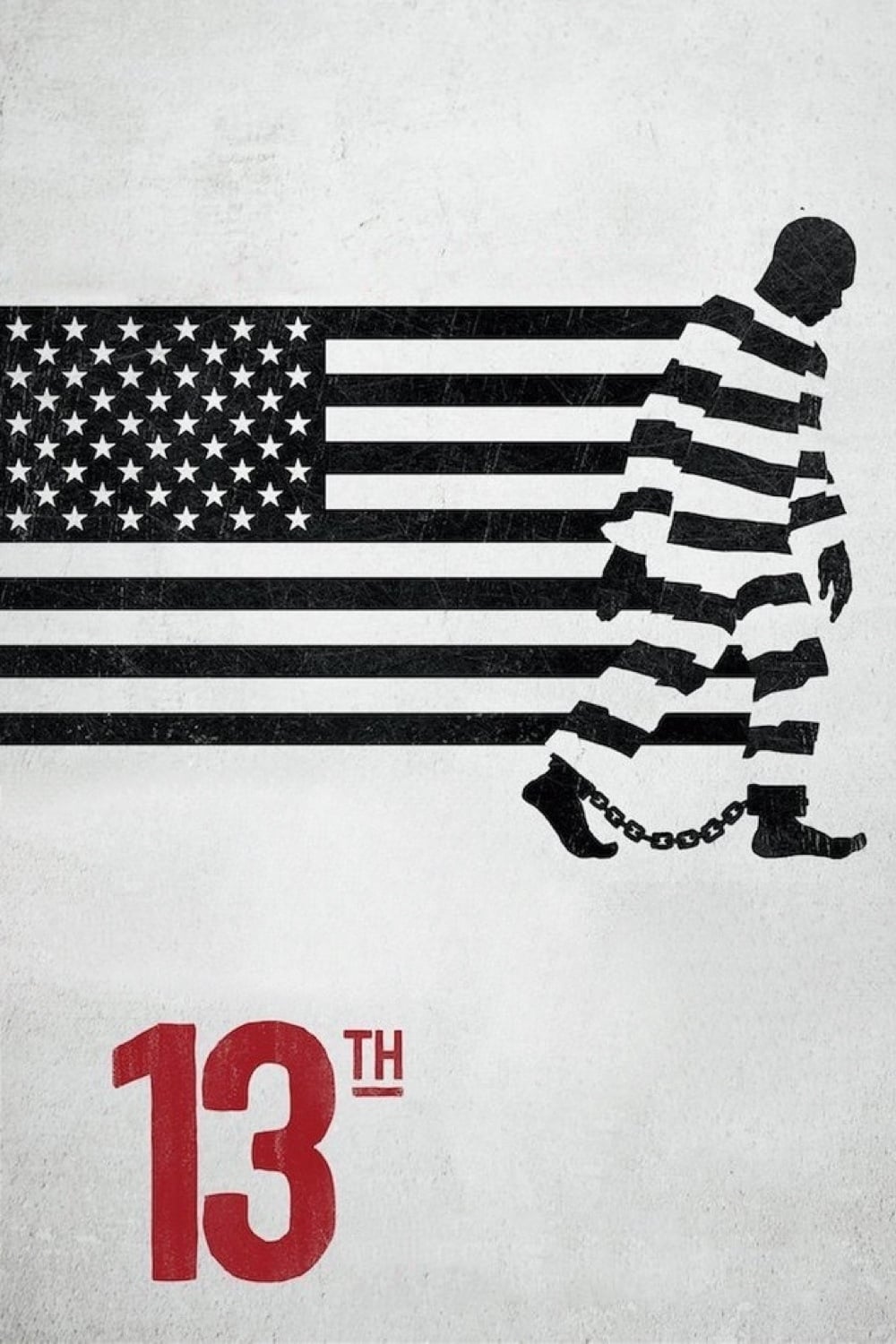
An in-depth look at the prison system in the United States and how it reveals the nation's history of racial inequality.
The Big One is an investigative documentary from director Michael Moore who goes around the country asking why big American corporations produce their product abroad where labor is cheaper while so many Americans are unemployed, losing their jobs, and would happily be hired by such companies as Nike.
This raucous journey into the heart of democracy captures an unusual rite of passage: 1,100 teenage boys from across Texas coming together to build a representative government from the ground up.
Over 35 years after Bob Lazar's revelations, this documentary exposes secrets of a facility the government still denies. Featuring Lazar's testimony, recreations, and new evidence, it reopens a case that continues to spark global curiosity
Unravel the case of Utah therapist Jodi Hildebrandt, whose child abuse arrest with parenting YouTuber Ruby Franke exposed a twisted tale of manipulation.
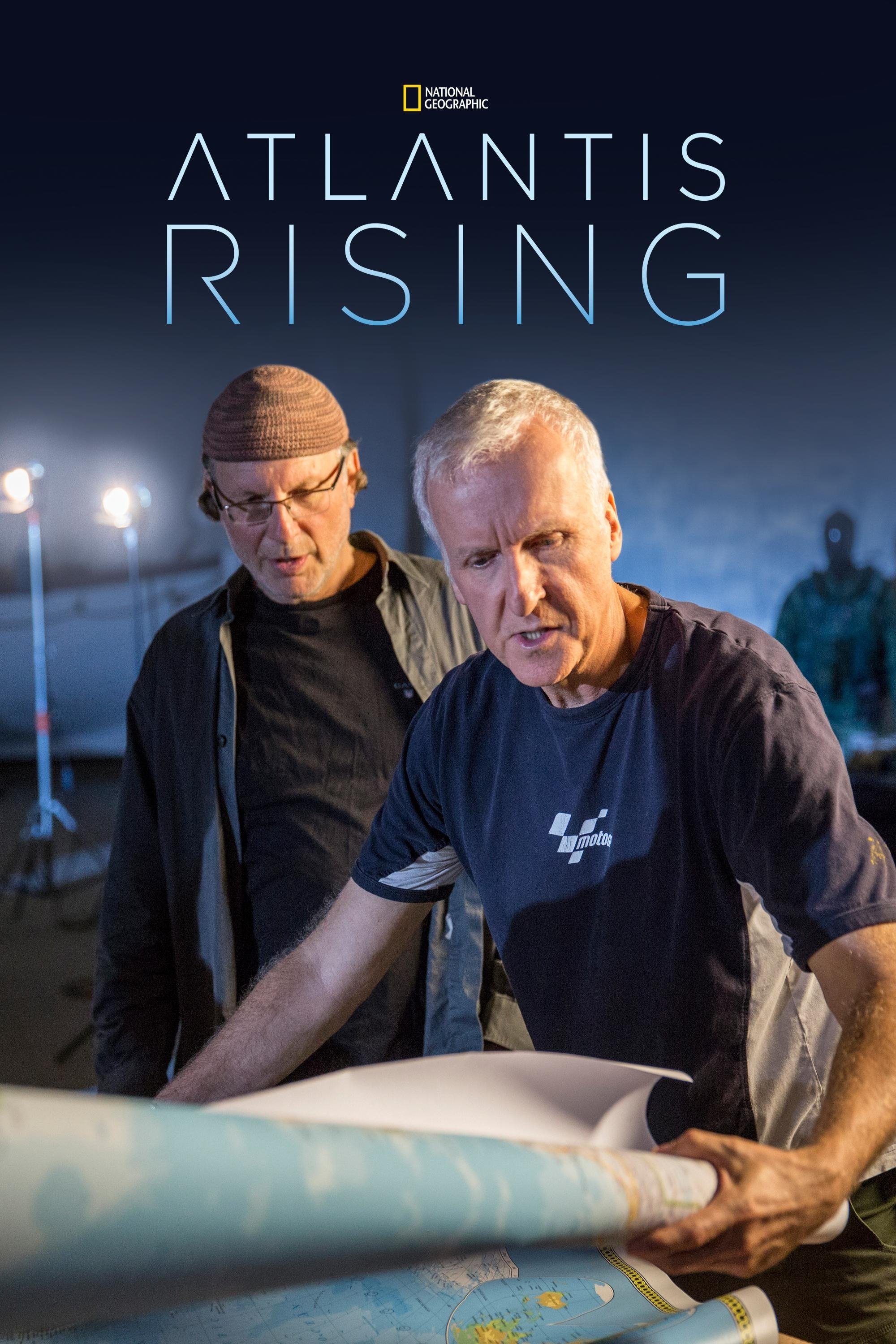
James Cameron and Simcha Jacobovici go on an adventure to find the lost city of Atlantis by using Greek philosopher Plato as a virtual treasure map.
A documentary on the expletive's origin, why it offends some people so deeply, and what can be gained from its use.
A documentary about the making of season five of the acclaimed AMC series Breaking Bad.
Ranjit, a farmer in India, takes on the fight of his life when he demands justice for his 13-year-old daughter, the victim of a brutal gang rape. His decision to support his daughter is virtually unheard of, and his journey unprecedented.
In an intimate and joyful story of love in the face of loss, celebrated poets Andrea Gibson and Megan Falley find strength—and unexpected hilarity—in what might be their final year together.
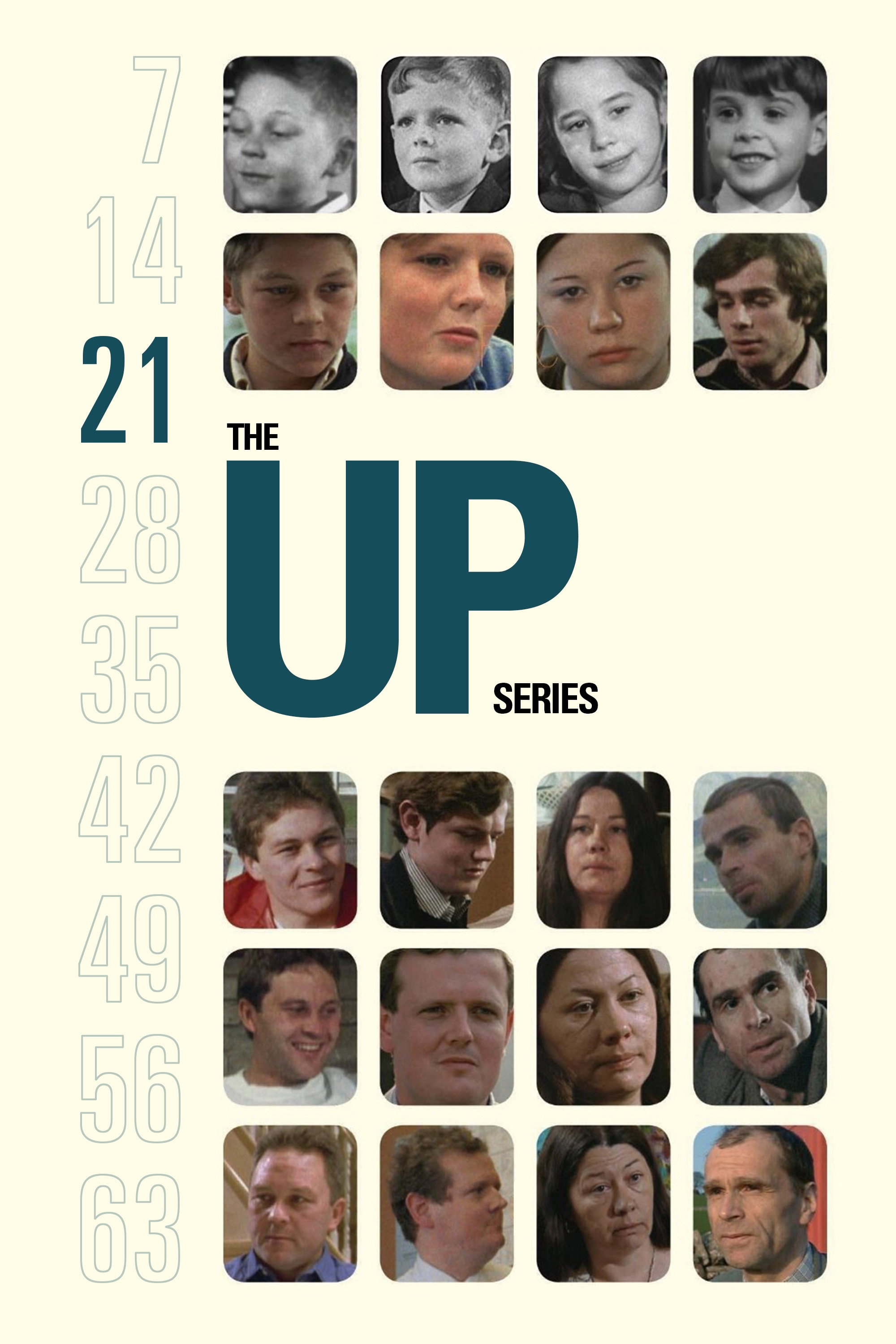
Director Michael Apted revisits the same group of British-born adults after a 7 year wait. The subjects are interviewed as to the changes that have occurred in their lives during the last seven years.
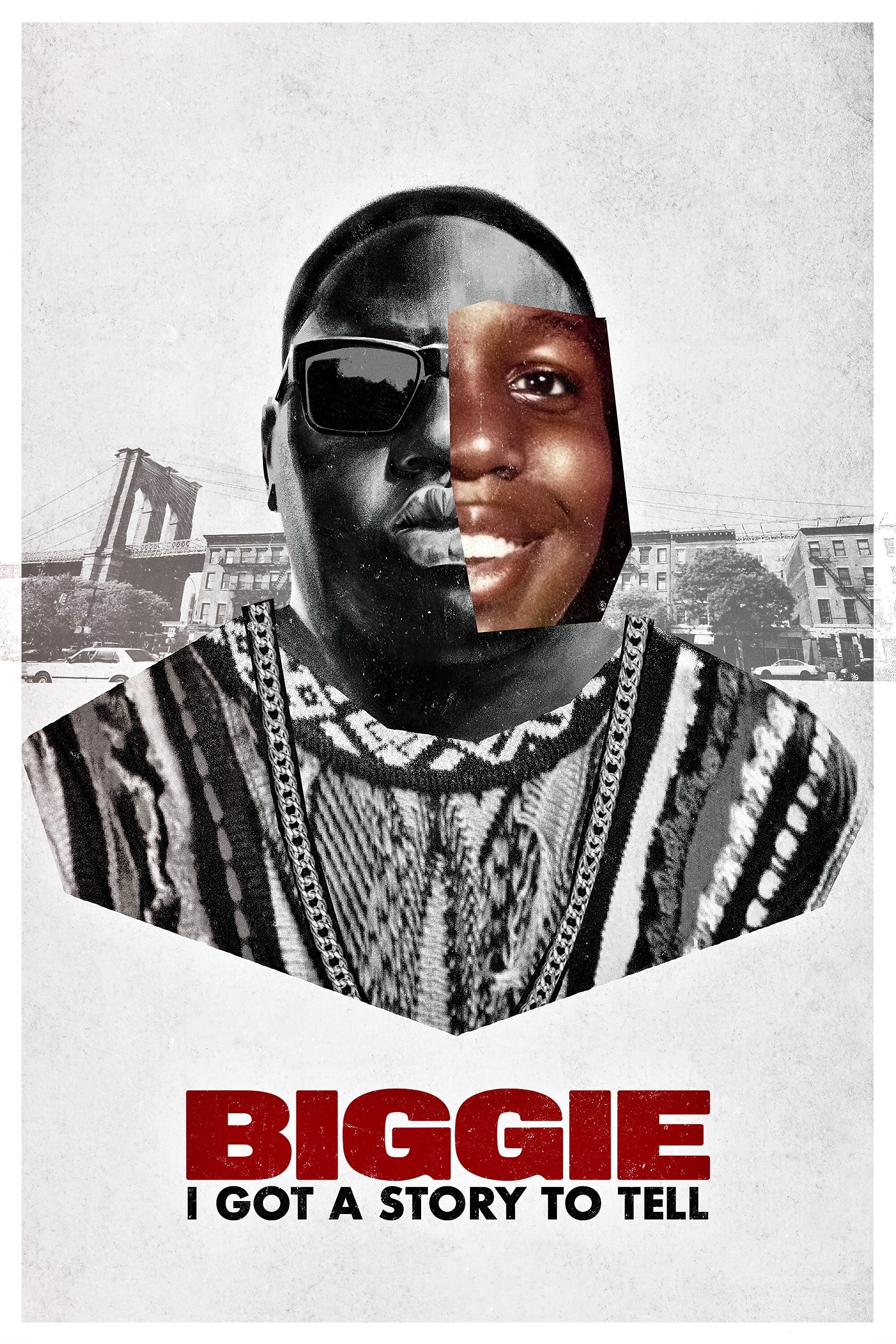
Christopher Wallace, AKA The Notorious B.I.G., remains one of Hip-Hop’s icons, renowned for his distinctive flow and autobiographical lyrics. This documentary celebrates his life via rare behind-the-scenes footage and the testimonies of his closest friends and family.
After another 7 year wait, director Michael Apted revisits the same group of British-born children from Seven Up! and 7 Plus Seven. The subjects are interviewed as to the changes that have occurred in their lives during the last seven years.
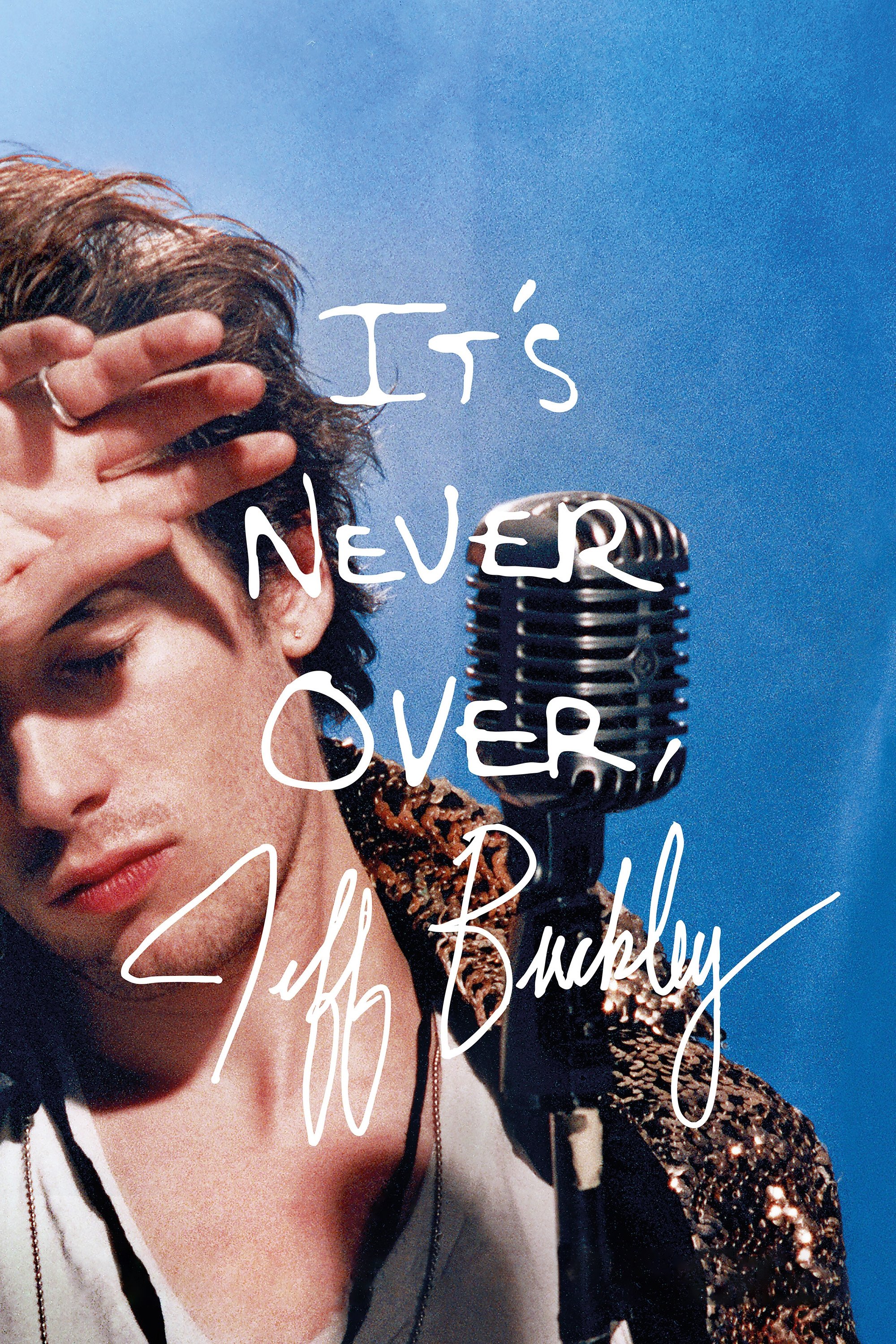
Rising musician Jeff Buckley had only released one album when he died suddenly in 1997. Now, never-before-seen footage, exclusive voice messages, and accounts from those closest to him offer a portrait of the captivating singer.
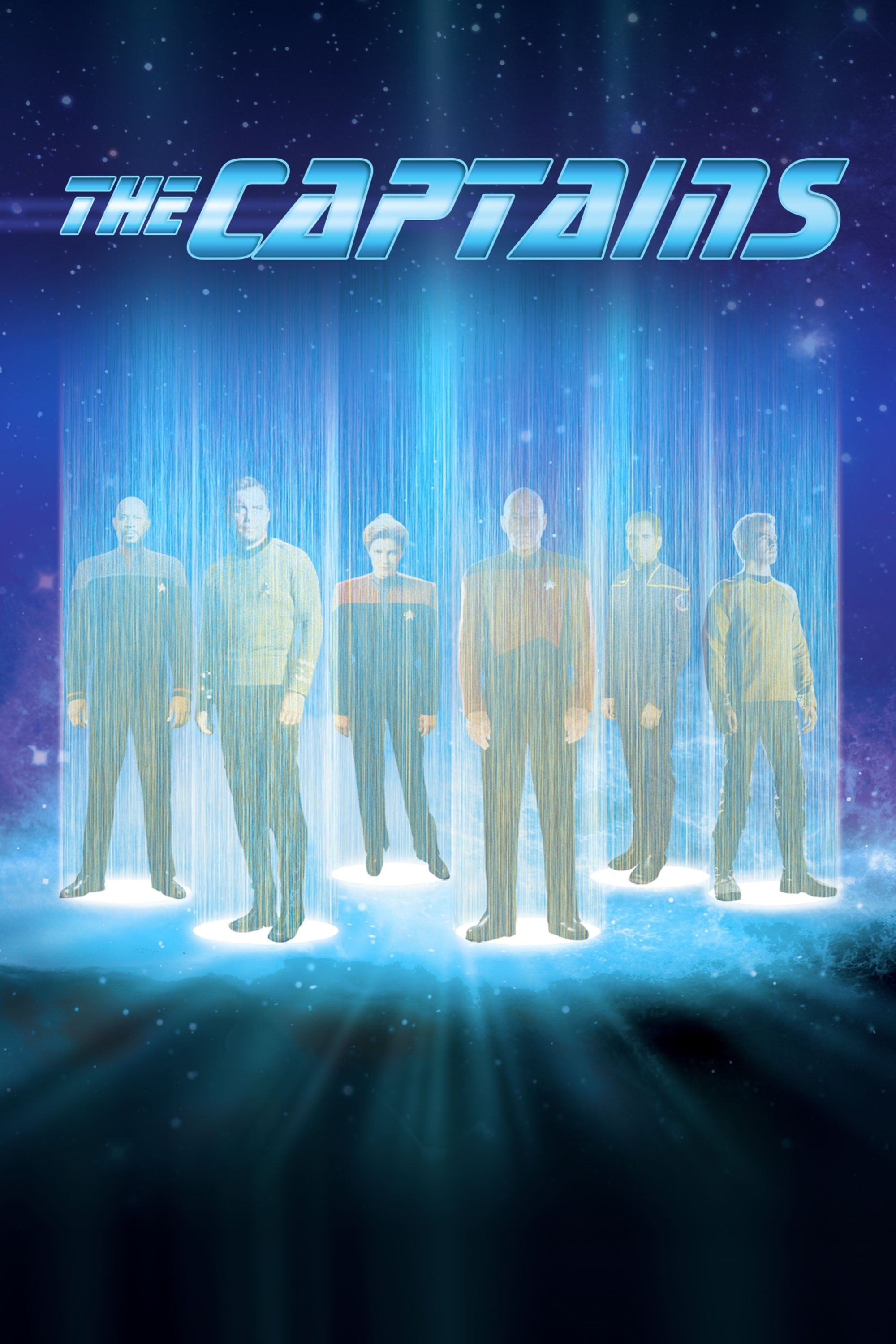
The Captains is a feature-length documentary film written and directed by William Shatner. The film follows Shatner as he interviews the other actors who have portrayed starship captains in the Star Trek franchise.
Alexander McQueen's rags-to-riches story is a modern-day fairy tale, laced with the gothic. Mirroring the savage beauty, boldness and vivacity of his design, this documentary is an intimate revelation of McQueen's own world, both tortured and inspired, which celebrates a radical and mesmerizing genius of profound influence.
Through deeply personal interviews with her siblings and an examination of the photographs, letters, and belongings left behind, Mariska assembles a new portrait of her mother Jayne Mansfield, an extraordinary and complex woman.