Social & External
The people behind it
A utopia about Finland in the year 2000, when man is finally the master of himself and his world. In the imaginary year 2000, a historical documentary series is created to provide a look at the irrational history of man in the 20th century, with all the wars and all that. The setting is an ascetic futuristic home, outside of which people move around in personal helicopters. The optimism about the future culminates in a school presentation shown simultaneously on giant screens in living rooms across the country, in which rational thinking is shown to have finally reached its fulfillment. On the other hand, faith in the development of humanity and a peaceful future is reflected in this post-war, escapist and dogmatic vision of the future.
The end of World War II brings Europe a new political system, reshapes national and personal identities. Three women from Milan, Paris and Berlin report on the days of liberation in their diaries. Their personal stories expand the historical picture and make LIBERATION DIARIES a chronicle of female self-empowerment, resistance and resilience.
Docudrama telling the story of a building with a breath taking career that began in the empire, flourished in the Weimar Republic, perished in the Nazi dictatorship, and was rebuilt after its partial destruction.
Reveals an alternate history of the post-war world. This is a version of history where, in contrast to what we are all told, fascist ideology prevailed. The story of Klaus Barbie, Nazi torturer, American spy, tool of repressive right-wing regimes, is symbolic of the real relationship that the "Western" governments had with fascism and makes us see the world as it is today - and the politicians that inhabit it - in a different way.
Lithuania, 1941, during World War II. Hundreds of thousands of texts on Jewish culture, stolen by the Germans, are gathered in Vilnius to be classified, either to be stored or to be destroyed. A group of Jewish scholars and writers, commissioned by the invaders to carry out the sorting operations, but reluctant to collaborate and determined to save their legacy, hide many books in the ghetto where they are confined. This is the epic story of the Paper Brigade.
Untold stories from the frontlines of the 'Deterring Aggression' battle. This documentary chronicles the ten decisive days preceding the operation, casting light on a political milestone that catalyzed the liberation of Syrian lands and signaled the dawn of a new era of hope.
How could a German Wehrmacht soldier become a celebrated soccer idol of the Britons in the post-war period? The documentary by Radio Bremen shows the moving life story of the soccer star of the 1950s in a torn Europe and how an enemy became a friend. With his legendary appearance in the English Cup Final 1956, in which he played until the end despite a broken neck, Bert Trautmann set up a memorial for himself in the history of sport. Already in the same year, he is chosen as England’s footballer of the year, and by his club Manchester City even as best player of all times. Bernhard “Bert” Trautmann is one of the most popular and best-known soccer players in England.
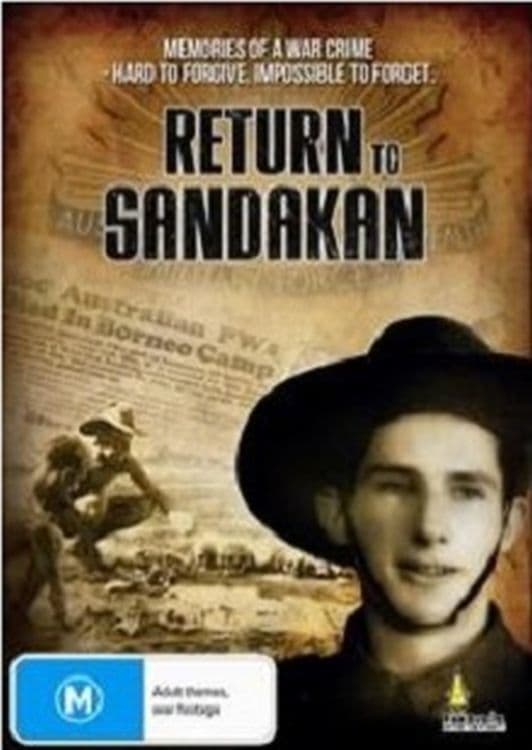
During World War II there were nearly 2,500 Allied prisoners held in Sandakan POW camp in British North Borneo. Along with the ravages of war and the struggle to survive abject conditions, only six of these POW's were found alive when the war finally ended. In the years that followed, the horror stories of human depravity and the atrocities committed by the Japanese at Sandakan POW camp would come to light, considered by many as one of the most devastating chapters of the Pacific War.
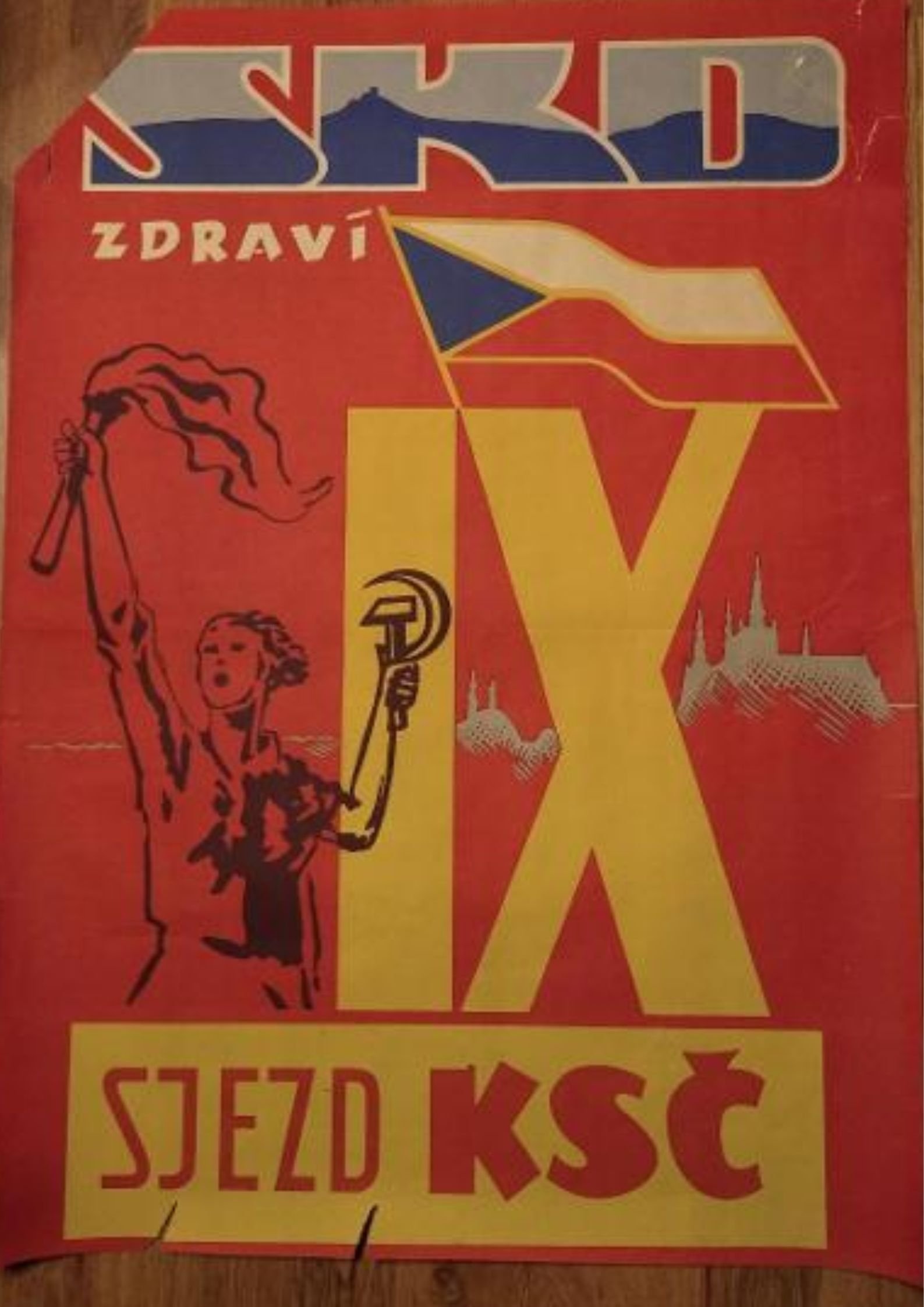
Based on an agreement with the USSR from July 1946 on the mutual resettlement of citizens, around 40,000 Volhynian Czechs moved to Czechoslovakia in 1947. The large-scale repatriation operation was not without complications. The short film also addresses these, but they remain overshadowed by the post-war optimism, with which the resettlers were sent to the depopulated borderlands.
The future Edward VIII visits Malakand, Kapurthala and opens the Royal Military College at Dehra Dun
Al Pacino's deeply-felt rumination on Shakespeare's significance and relevance to the modern world through interviews and an in-depth analysis of "Richard III."
A string of threatening emails escalates into a revenge plot involving a newly married US marshal and his ex-girlfriend.
Director Michael Apted revisits the same group of British-born adults after a 7 year wait. The subjects are interviewed as to the changes that have occurred in their lives during the last seven years.
Those who knew iconic funnyman John Candy best share his story, in their own words, through never-before-seen archival footage, imagery, and interviews.
A documentary about the life and films of director John Ford.
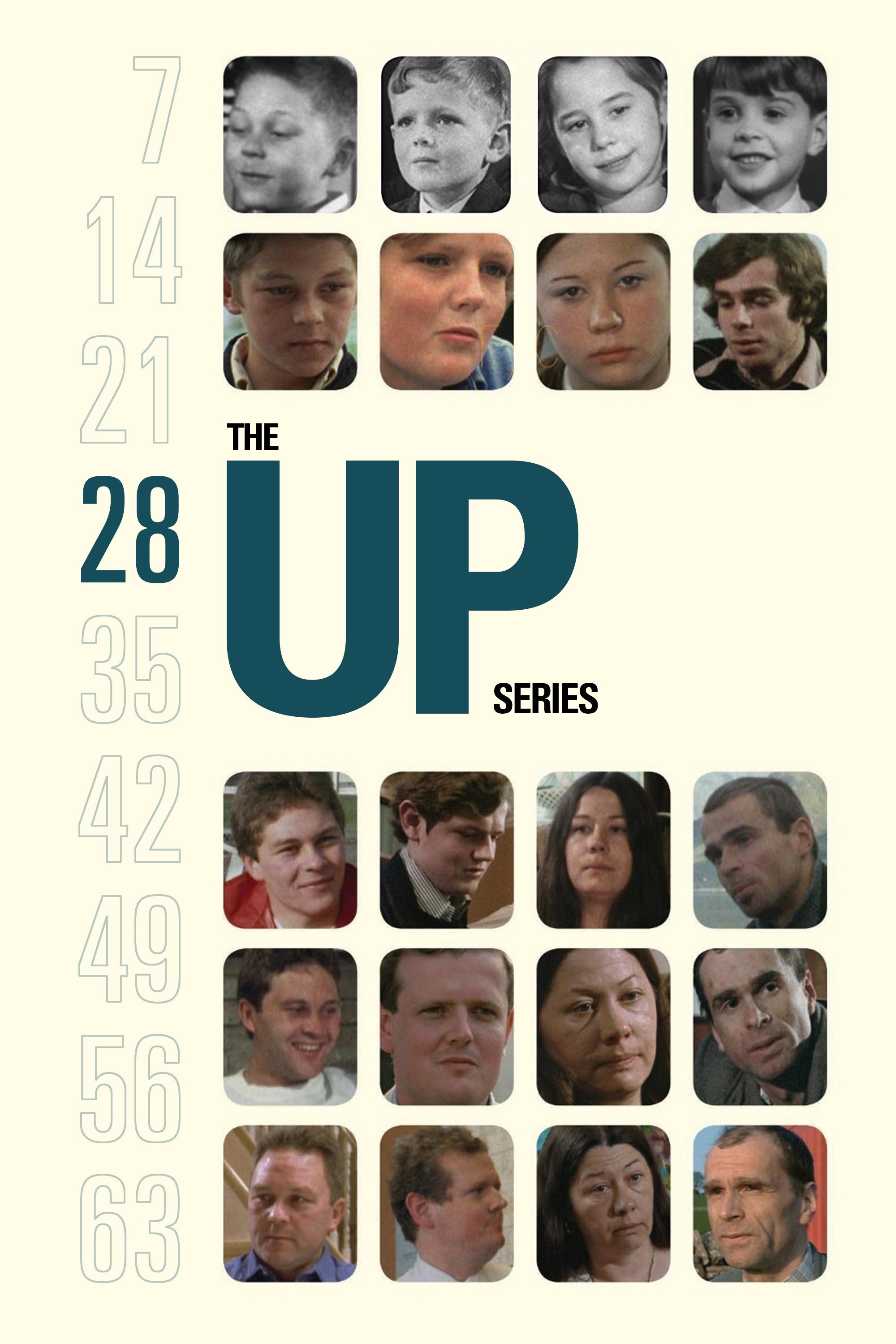
Just two years away from turning 30, participants in Michael Apted's documentary series are facing serious questions of identity and purpose, wondering whether they've found their place in the world.
SEDUCED AND ABANDONED combines acting legend Alec Baldwin with director James Toback as they lead us on a troublesome and often hilarious journey of raising financing for their next feature film. Moving from director to financier to star actor, the two players provide us with a unique look behind the curtain at the world's biggest and most glamourous film festival, shining a light on the bitter-sweet relationship filmmakers have with Cannes and the film business. Featuring insights from directors Martin Scorsese, 'Bernando Bertolucci' and Roman Polanski; actors Ryan Gosling and Jessica Chastain and a host of film distribution luminaries.
The life and career of one of comedy's most inimitable modern voices, Mr. Gilbert Gottfried.
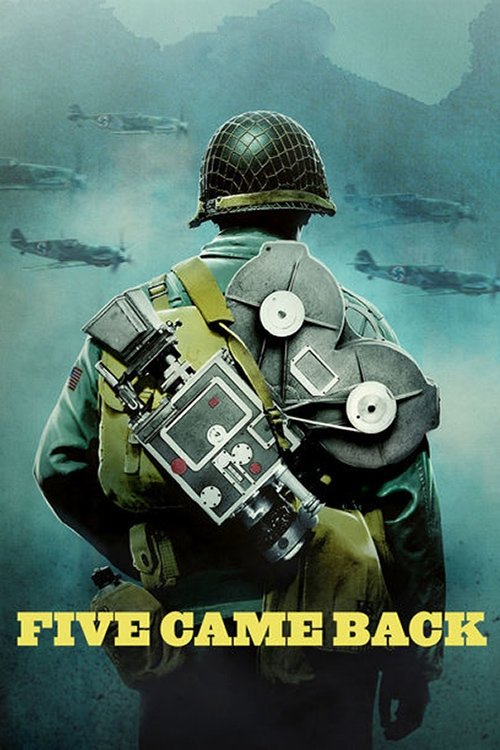
The extraordinary story of how Hollywood changed World War II – and how World War II changed Hollywood, through the interwoven experiences of five legendary filmmakers who went to war to serve their country and bring the truth to the American people: John Ford, William Wyler, John Huston, Frank Capra, and George Stevens. Based on Mark Harris’ best-selling book, “Five Came Back: A Story of Hollywood and the Second World War.”
Through deeply personal interviews with her siblings and an examination of the photographs, letters, and belongings left behind, Mariska assembles a new portrait of her mother Jayne Mansfield, an extraordinary and complex woman.
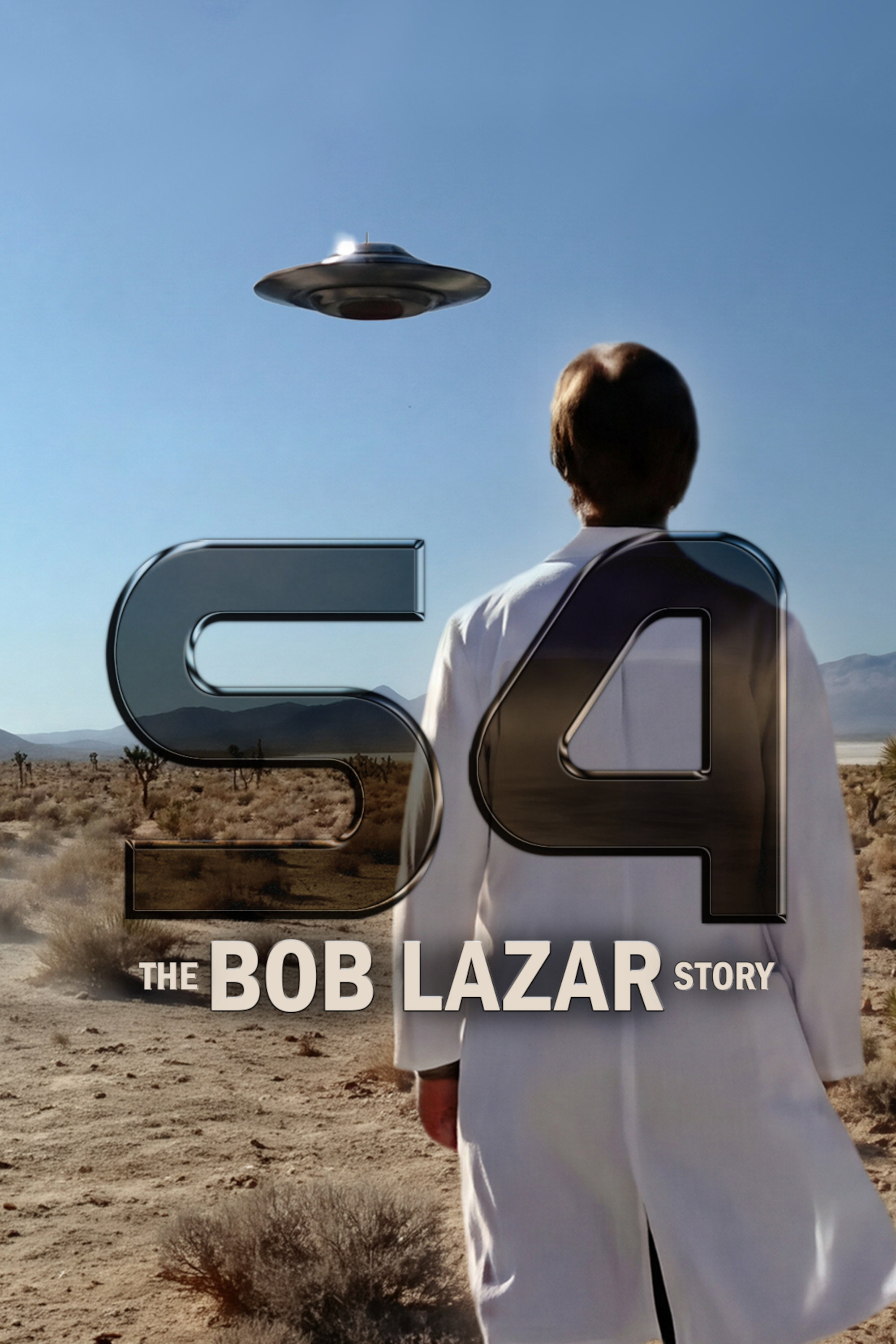
Over 35 years after Bob Lazar's revelations, this documentary exposes secrets of a facility the government still denies. Featuring Lazar's testimony, recreations, and new evidence, it reopens a case that continues to spark global curiosity
The life and career of an actor, artist, and icon. His own journey through his own camera.
The film follows adventurer Jeff Johnson as he retraces the epic 1968 journey of his heroes Yvon Chouinard and Doug Tompkins to Patagonia.
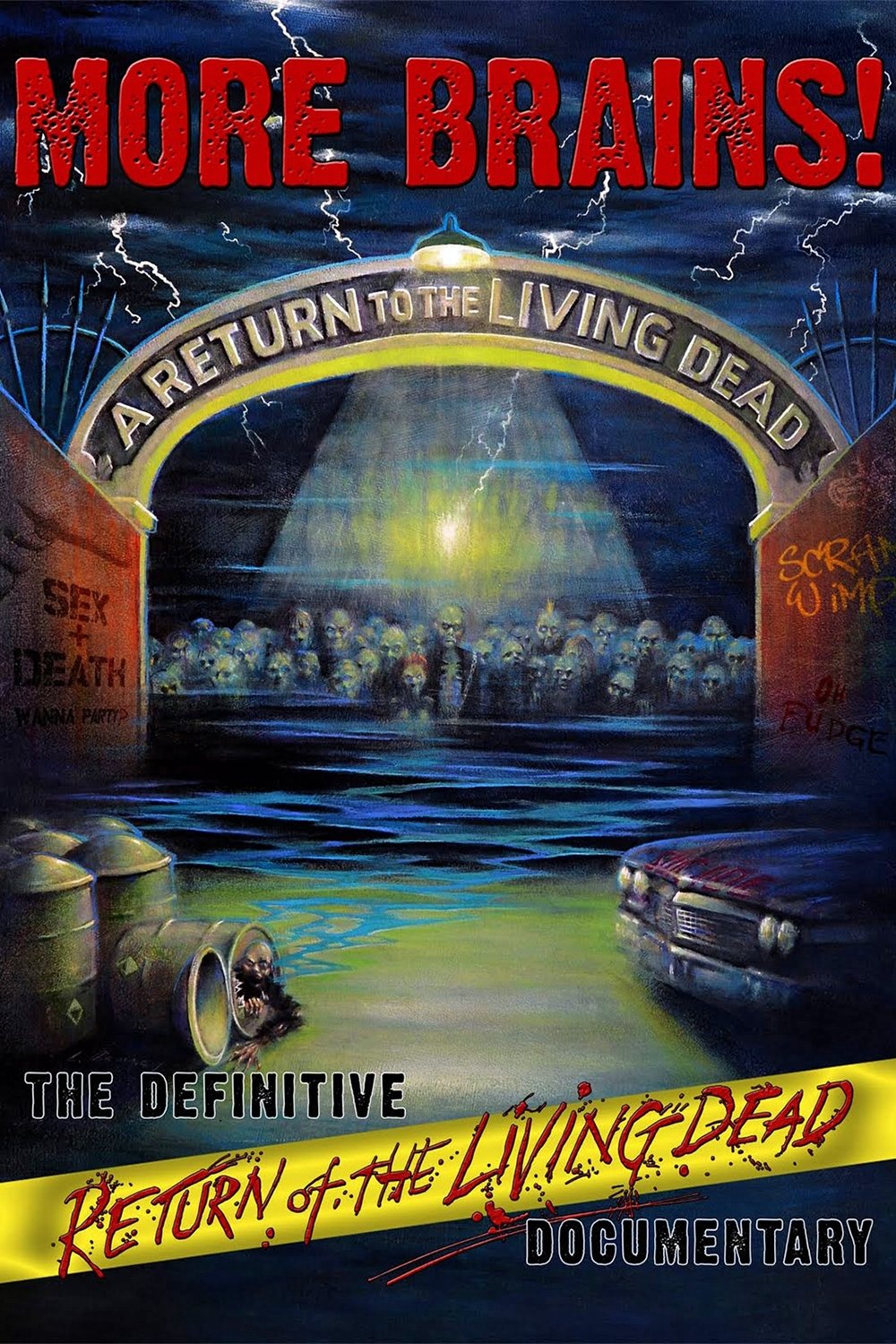
Retrospective documentary about the making of the horror cult classic "The Return of the Living Dead."
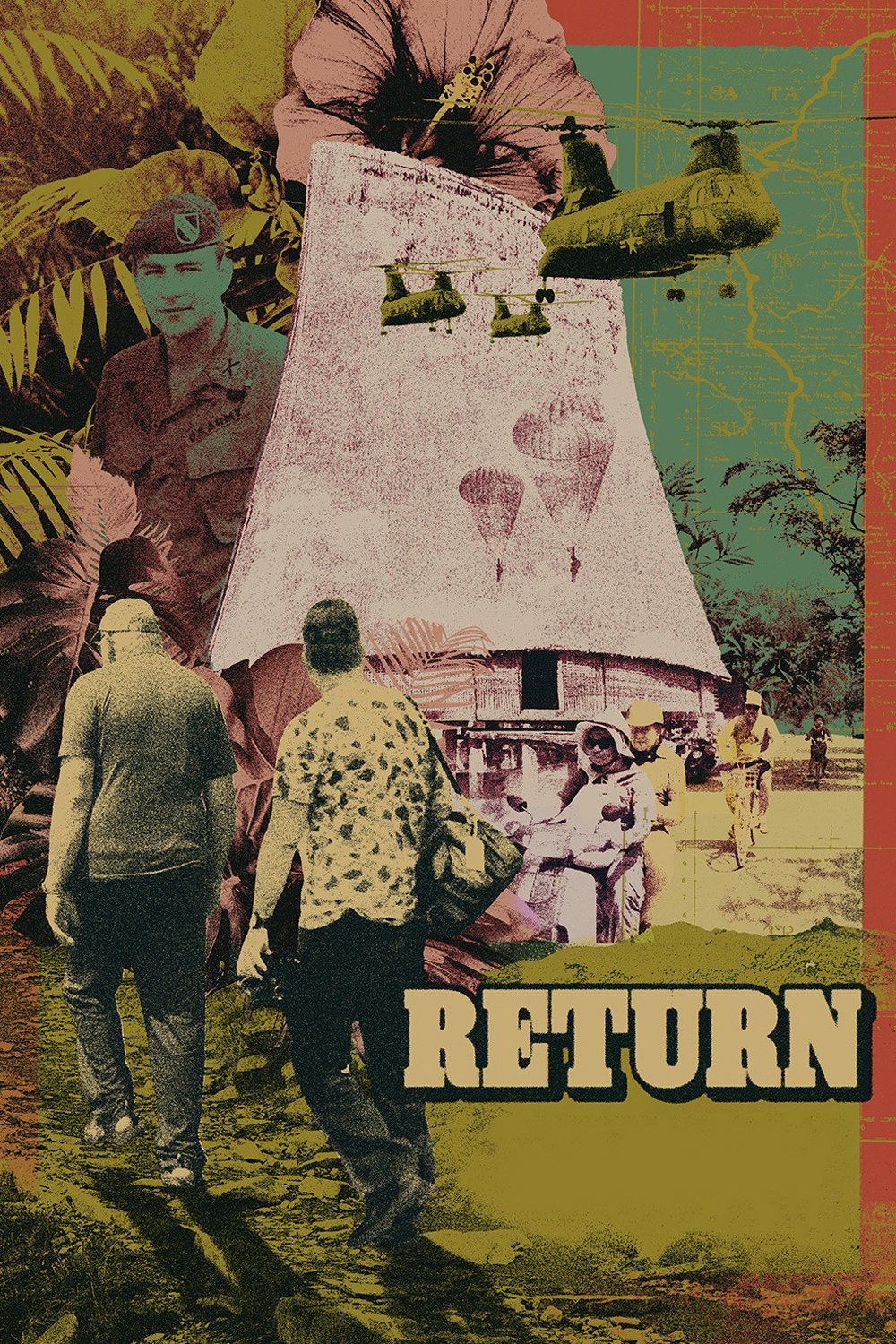
RETURN tells the story of a retired Green Beret who embarks on a healing journey from Montana to Vietnam. There he retraces his steps, shares his wartime experiences with his son, treats his Post-Traumatic Stress Disorder, and seeks out the mountain tribespeople he once lived with and fought alongside as a Special Forces officer.
Brilliant, long in-the-works story of the life and art of the world's greatest comedian and the cinema's first genius, Charlie Chaplin. Produced, written and directed by renowned film critic Richard Schickel.
Alexander McQueen's rags-to-riches story is a modern-day fairy tale, laced with the gothic. Mirroring the savage beauty, boldness and vivacity of his design, this documentary is an intimate revelation of McQueen's own world, both tortured and inspired, which celebrates a radical and mesmerizing genius of profound influence.
Behind the scenes look at fight choreography and action training.
The elite pilots of the Air Force Thunderbirds display exceptional skill, trust and courage during a high-stakes training season.