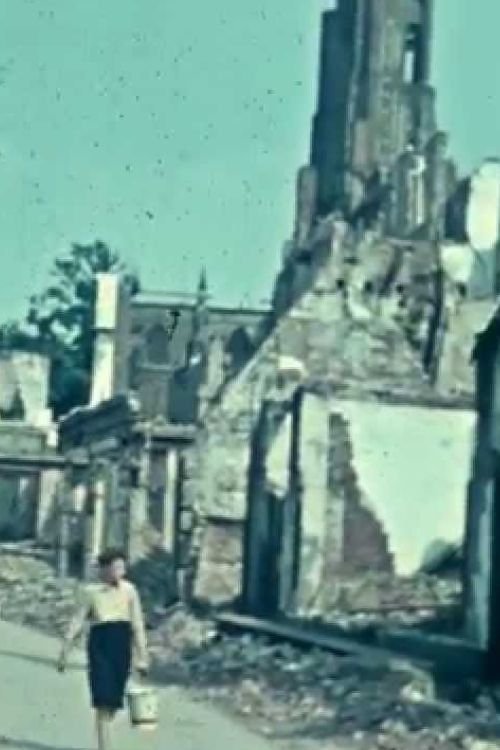
A film about Dresden - before, during, and after the war.
Social & External
The people behind it
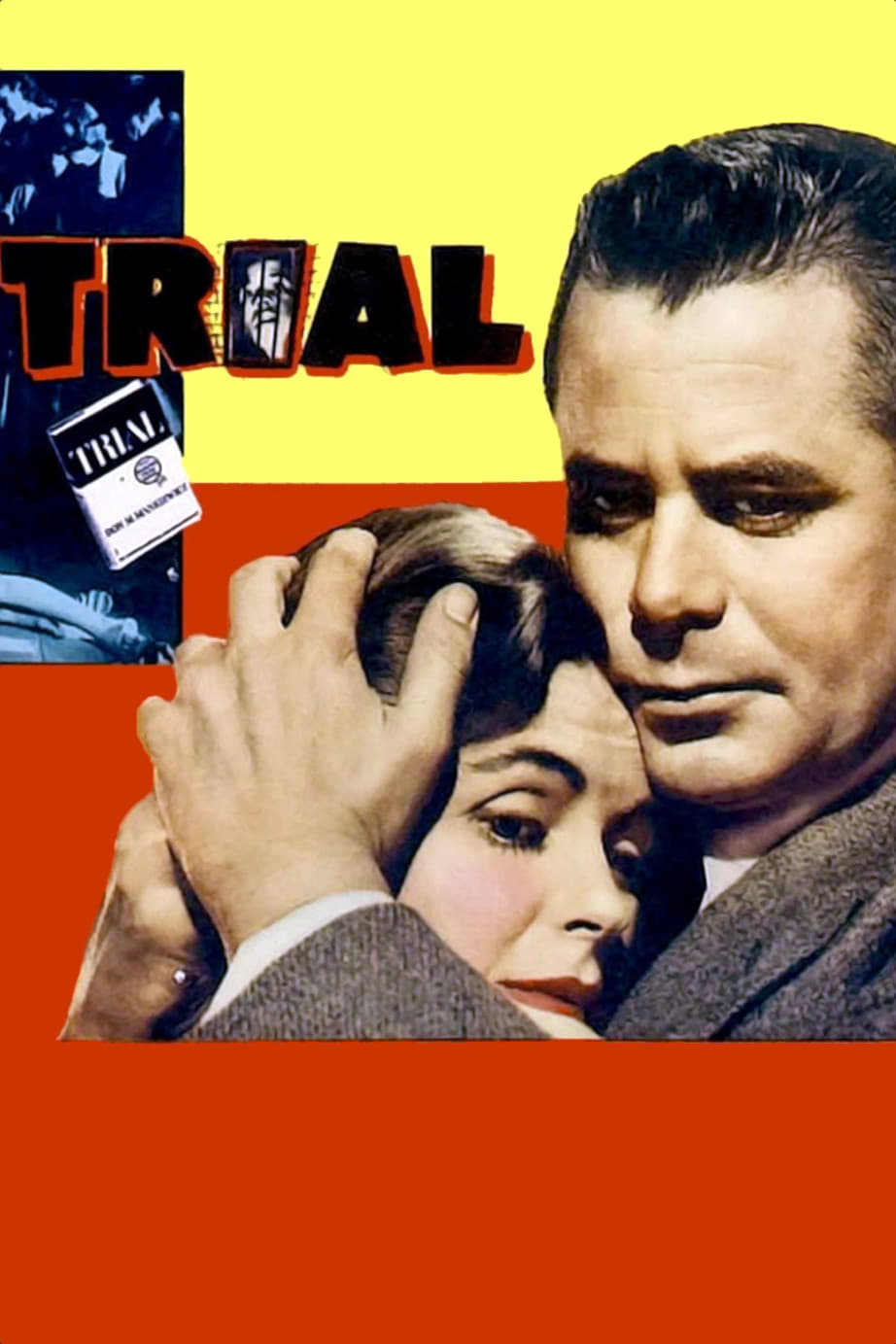
A Mexican boy accused of rape and murder becomes a pawn for Communists and red-baiters. A courtroom drama set in 1947 and underlying post-WW2 acute problems facing the USA such as stormy race relations and the growing threat of local communism.
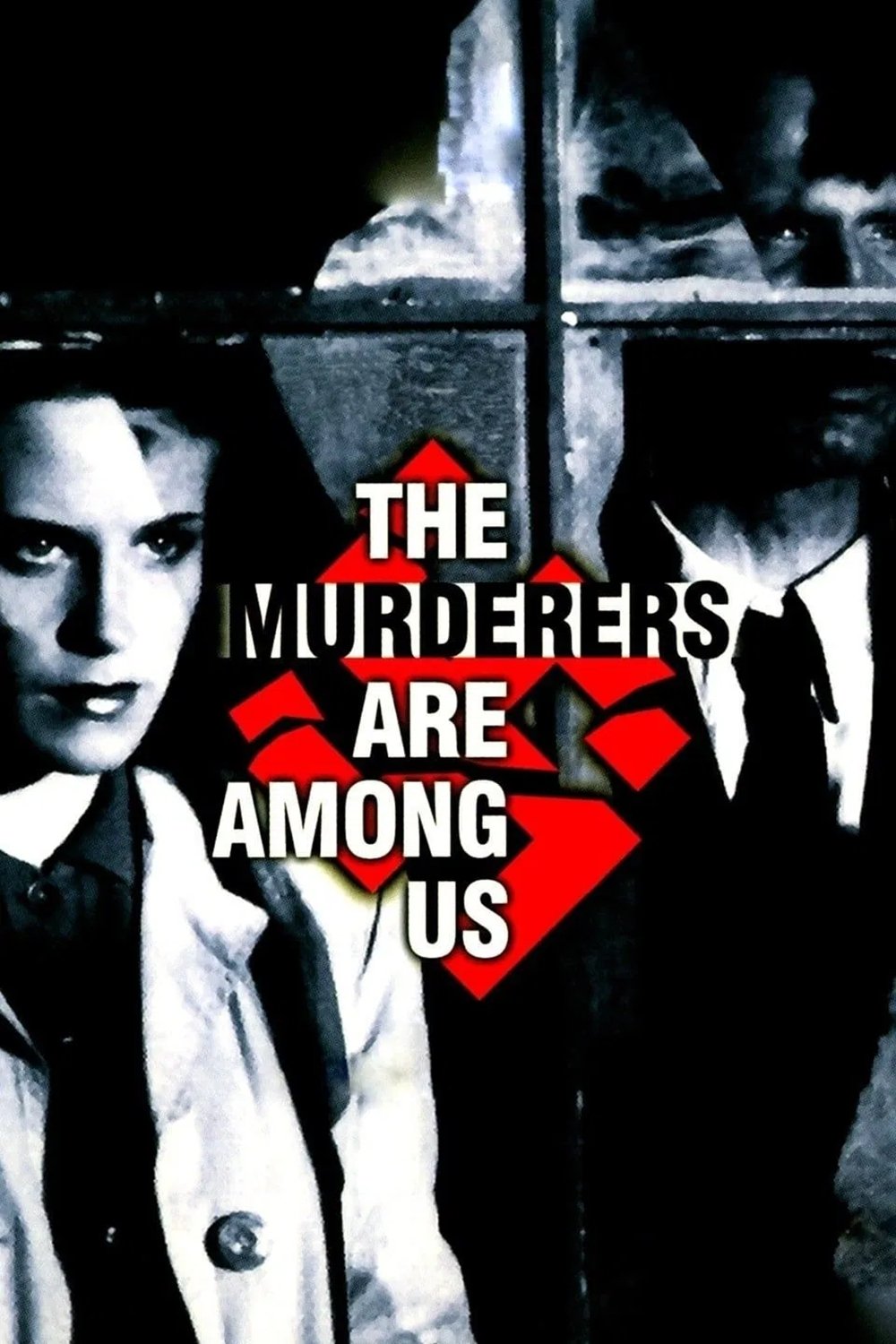
After returning from a concentration camp, Susanne finds a traumatized ex-soldier living in her apartment in bombed out Berlin. Together the two try to move past their experiences during WWII.
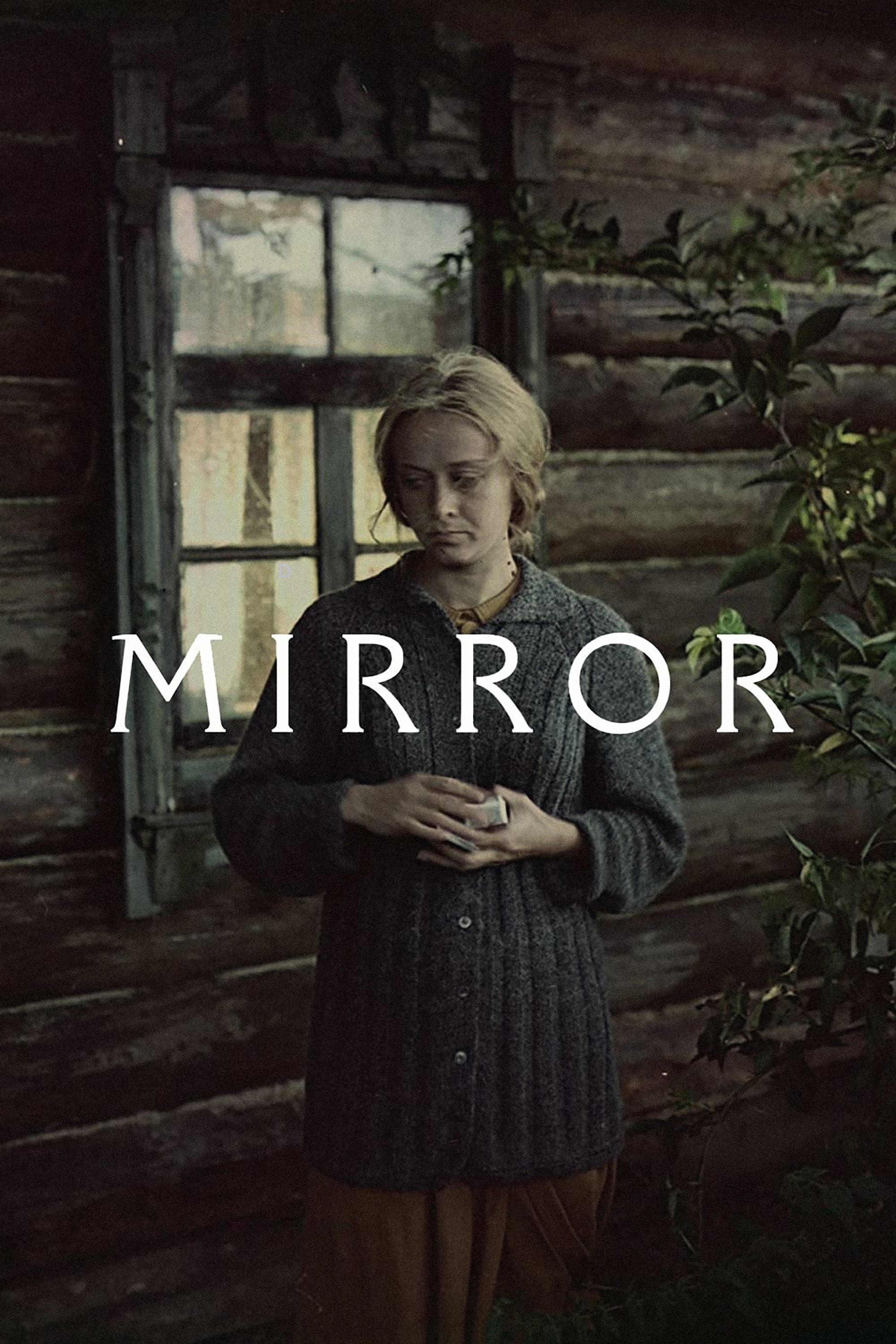
A dying man in his forties recalls his childhood, his mother, the war and personal moments that tell of and juxtapose pivotal moments in Soviet history with daily life.
Tensions rise when a U.S. military base is built in a small village in post-war Germany.
In 1945 a group of victorious American officers discover a stash of German jewels and try to fence them in New York.
The security forces, loyal to the people, uncover the conspiracy. At the center of the intrigue is an average actor who suddenly becomes dizzy from unexpected praise. It takes the young man a long time to wake up from his dreams, to understand how he has been abused.
Documentary about the liberation of Maastricht.
The silent film To Regain by Work is a remarkable filmed colour portrait of the Netherlands just after World War II. Immediately after the liberation of Deventer in April 1945, Alex Roosdorp and his wife Marie Roosdorp-van den Berg began filming the devastation around them: wrecked towns, destroyed infrastructure and flooded landscapes. Roosdorp and his wife travelled hundreds of kilometres by bike to record everything. They filmed extensively in the region around Deventer, but the film also includes footage of Arnhem, Scheveningen, Walcheren and the Wieringermeer polder. The couple had an eye for the small ways in which everyday life continued in the liberated Netherlands.
One journalist described it as a chance "to see justice catch up with evil." On November 20, 1945, the twenty-two surviving representatives of the Nazi elite stood before an international military tribunal at the Palace of Justice in Nuremberg, Germany; they were charged with the systematic murder of millions of people. The ensuing trial pitted U.S. chief prosecutor and Supreme Court judge Robert Jackson against Hermann Göring, the former head of the Nazi air force, whom Adolf Hitler had once named to be his successor. Jackson hoped that the trial would make a statement that crimes against humanity would never again go unpunished. Proving the guilt of the defendants, however, was more difficult than Jackson anticipated. This American Experience production draws upon rare archival material and eyewitness accounts to recreate the dramatic tribunal that defines trial procedure for state criminals to this day.
During World War II there were nearly 2,500 Allied prisoners held in Sandakan POW camp in British North Borneo. Along with the ravages of war and the struggle to survive abject conditions, only six of these POW's were found alive when the war finally ended. In the years that followed, the horror stories of human depravity and the atrocities committed by the Japanese at Sandakan POW camp would come to light, considered by many as one of the most devastating chapters of the Pacific War.
In 1945 Germany, following the end of World War II, Leopold Kessler, an American of German descent, is hired by his uncle as a sleeping car conductor on the Zentropa train line. Leopold's wish is to be neutral to the ongoing purges of loyalists by Allied forces and do what he can to help a hurting country, but ultimately finds himself being used by both sides.
Documentary short about the rebuilding of Berlin in 1946 from a Soviet perspective, showcasing the social changes that have taken place since the fall of Hitler and of Jews working side-by-side with non-Jewish counterparts.
Based on an agreement with the USSR from July 1946 on the mutual resettlement of citizens, around 40,000 Volhynian Czechs moved to Czechoslovakia in 1947. The large-scale repatriation operation was not without complications. The short film also addresses these, but they remain overshadowed by the post-war optimism, with which the resettlers were sent to the depopulated borderlands.
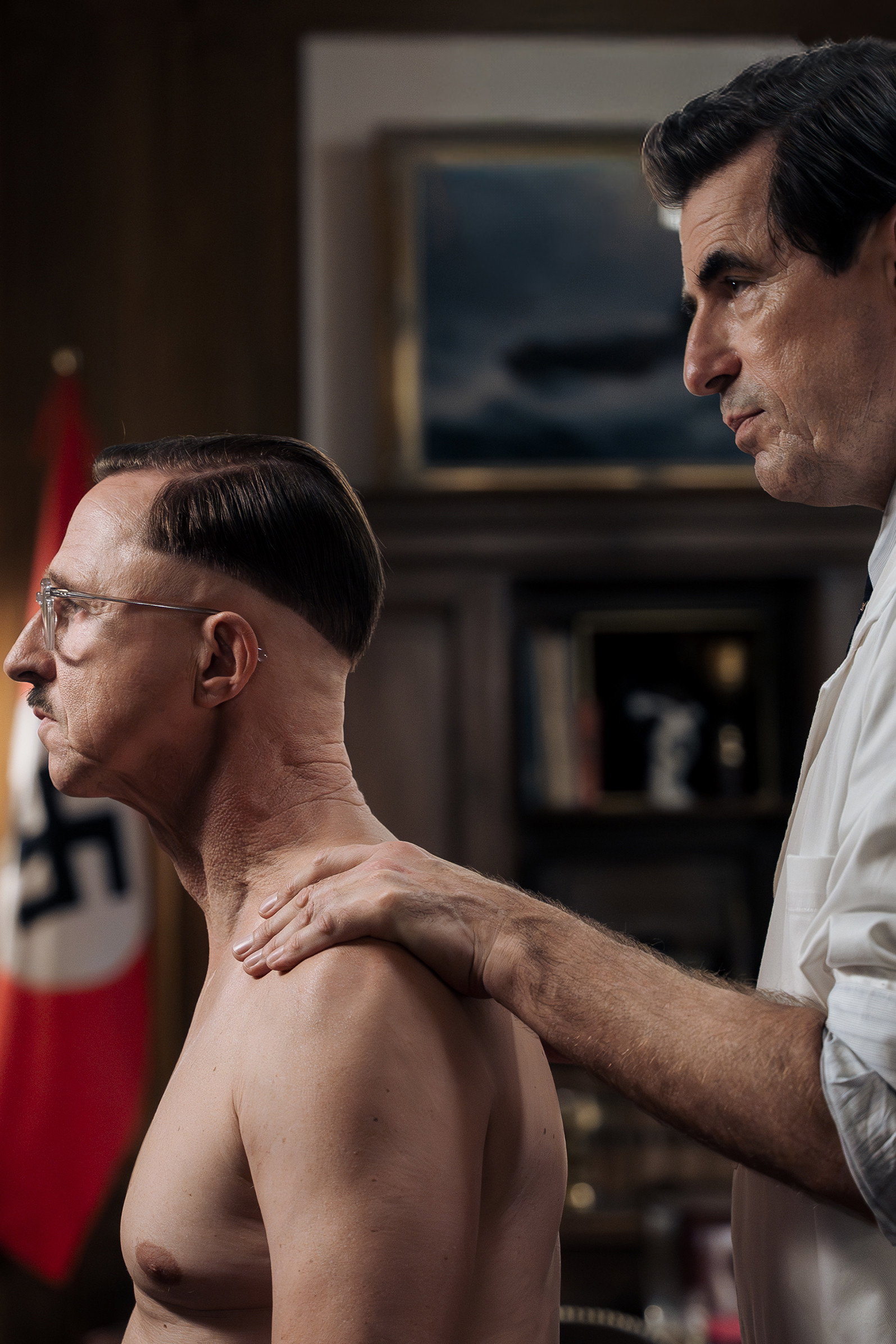
Autumn 1952: Committed journalist Hedda and her husband Winfried ambush Felix Kersten, former massage therapist to SS Reich Leader Himmler, on a train to Oslo. Kersten is said to have helped thousands of concentration camp prisoners to freedom during the Nazi era—at least according to his own account. But Hedda has her doubts. She considers Kersten a mythmaker who is using fabricated heroic deeds to put himself in the running for the Nobel Peace Prize. What begins as an interview develops into a tense, psychological cat-and-mouse game: Kersten, rhetorically brilliant and armed with alleged evidence, encounters a stubborn opponent who relentlessly confronts him with contradictions. As the conversation comes to a head, the announcement of the Nobel Peace Prize winner draws ever closer....
How could a German Wehrmacht soldier become a celebrated soccer idol of the Britons in the post-war period? The documentary by Radio Bremen shows the moving life story of the soccer star of the 1950s in a torn Europe and how an enemy became a friend. With his legendary appearance in the English Cup Final 1956, in which he played until the end despite a broken neck, Bert Trautmann set up a memorial for himself in the history of sport. Already in the same year, he is chosen as England’s footballer of the year, and by his club Manchester City even as best player of all times. Bernhard “Bert” Trautmann is one of the most popular and best-known soccer players in England.
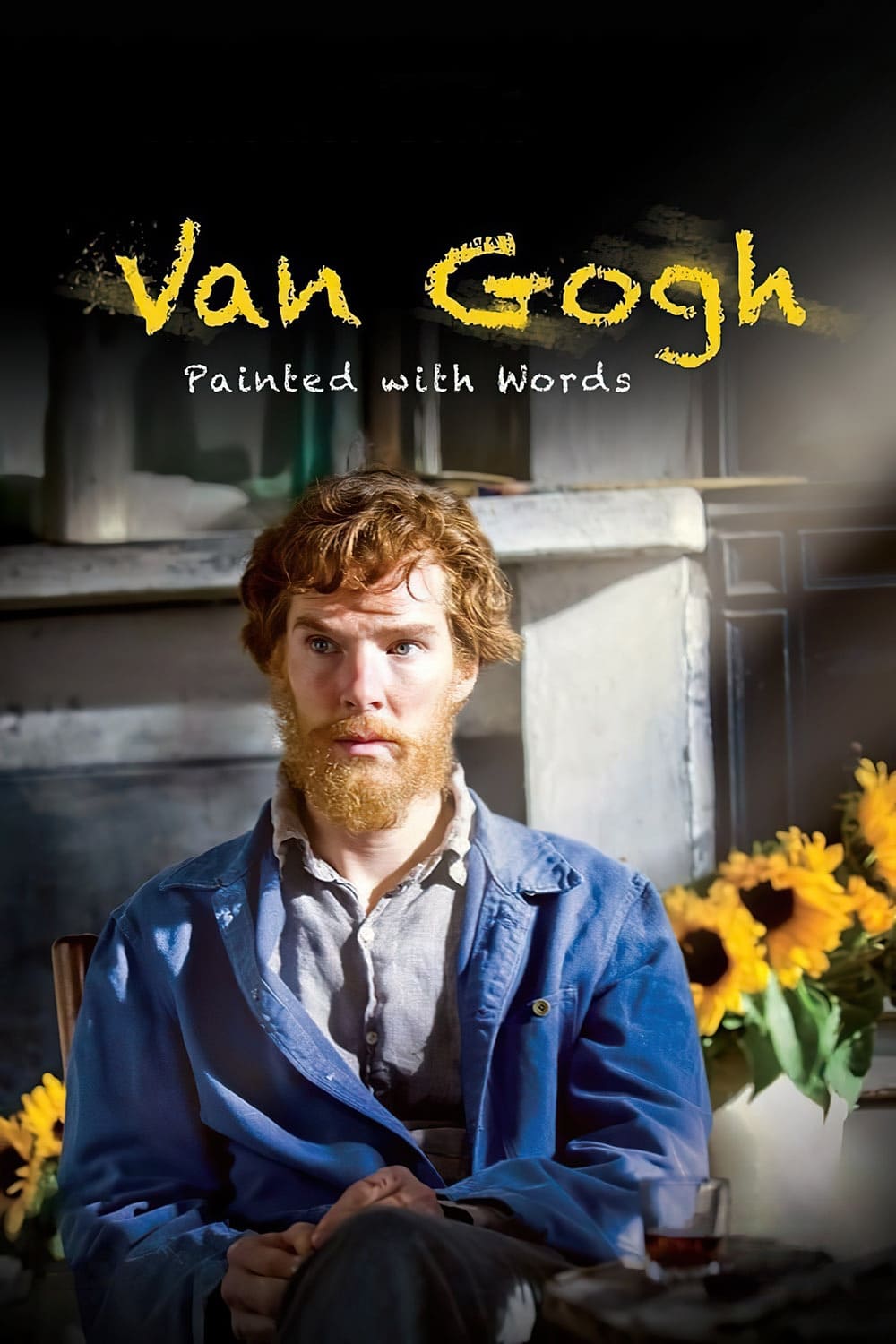
A drama-documentary presented by Alan Yentob, with Benedict Cumberbatch in the lead role. Every word spoken by the actors in this film is sourced from the letters that Van Gogh sent to his younger brother Theo, and of those around him. What emerges is a complex portrait of a sophisticated, civilised and yet tormented man.
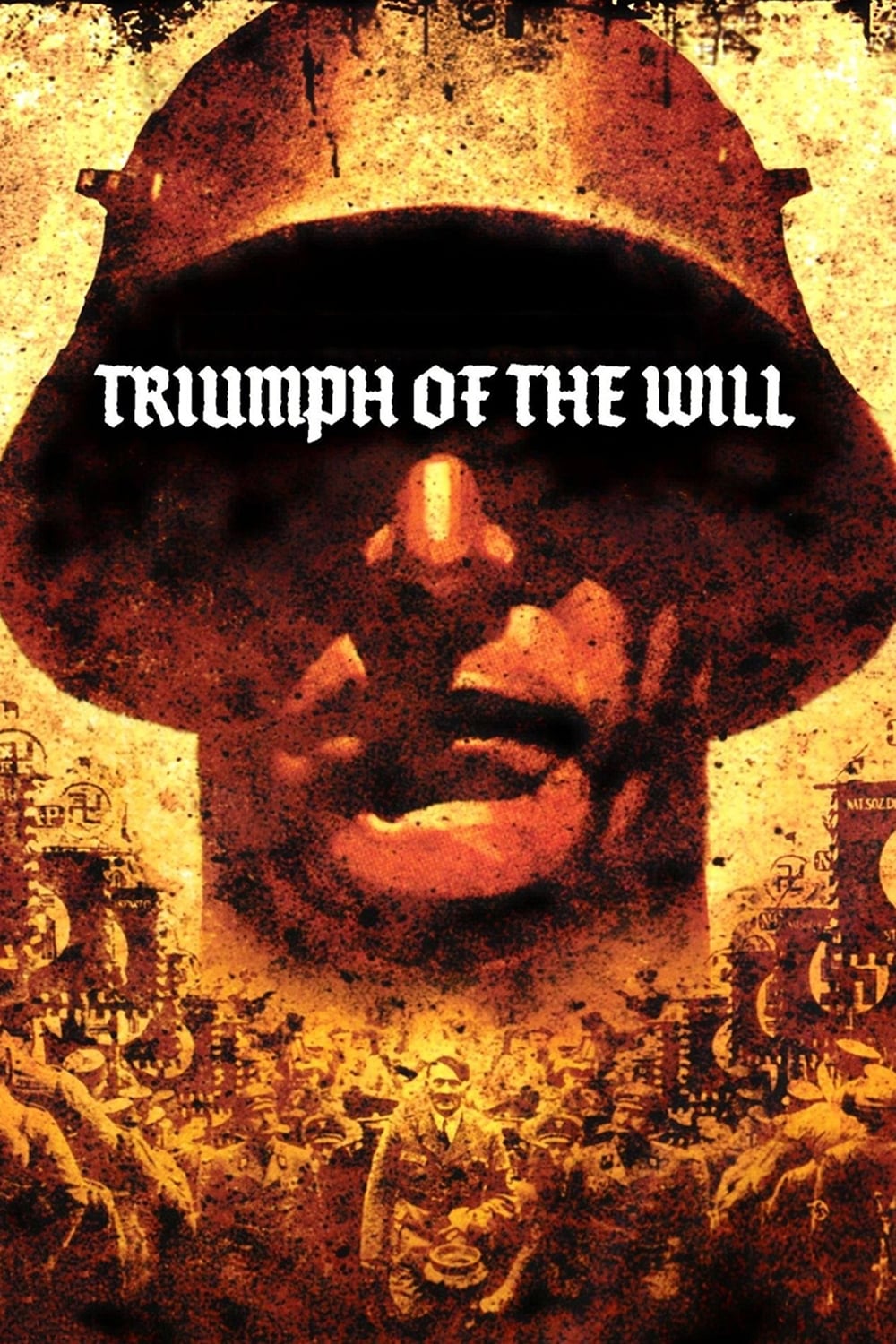
A showcase of German chancellor and Nazi Party leader Adolf Hitler at the 1934 Nuremberg Rally.
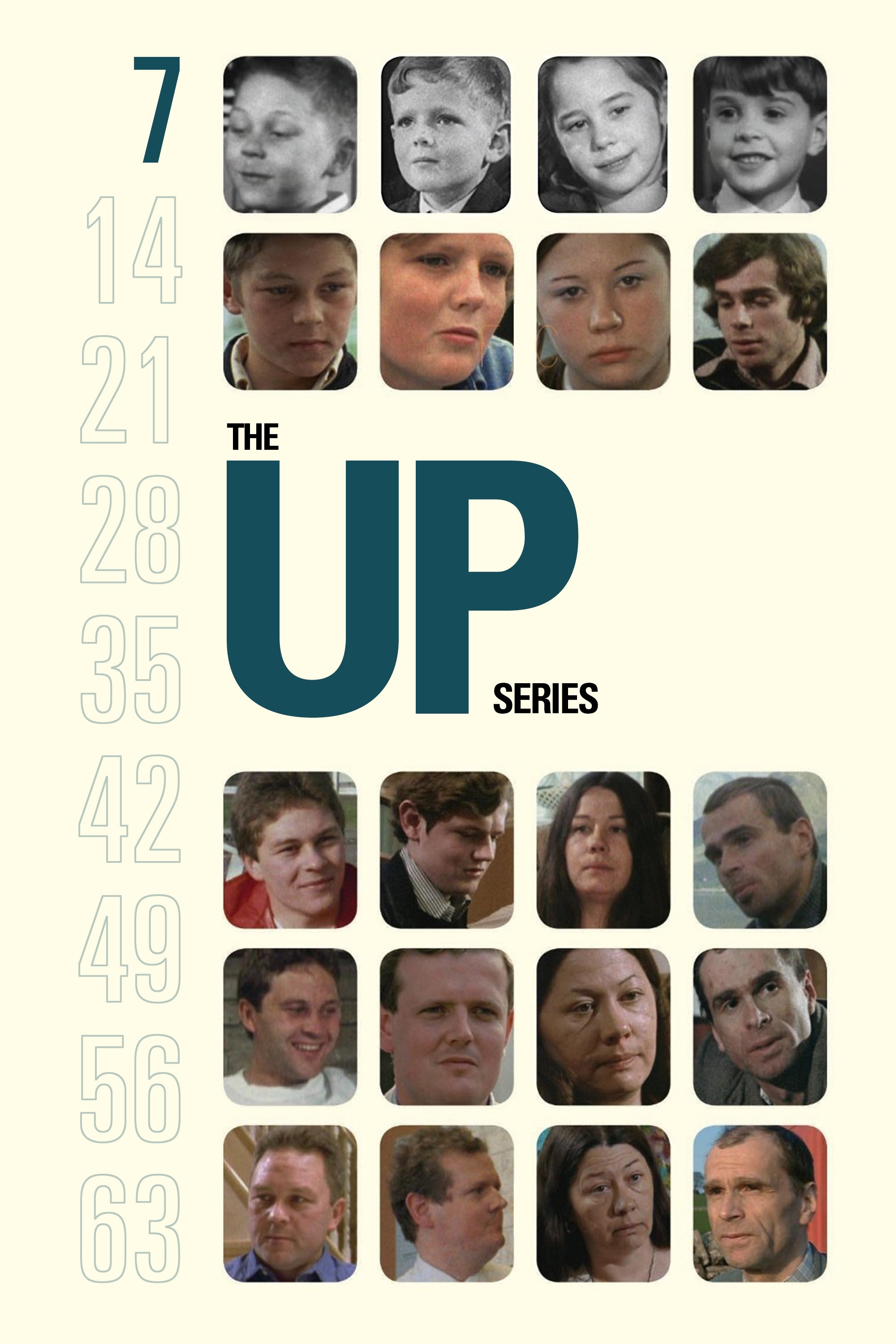
Director Michael Apted revisits the same group of British-born adults after a 7 year wait. The subjects are interviewed as to the changes that have occurred in their lives during the last seven years.
Against the darkening backdrop of New Delhi's apocalyptic air and escalating violence, two brothers devote their lives to protecting one casualty of the turbulent times: the bird known as the black kite.
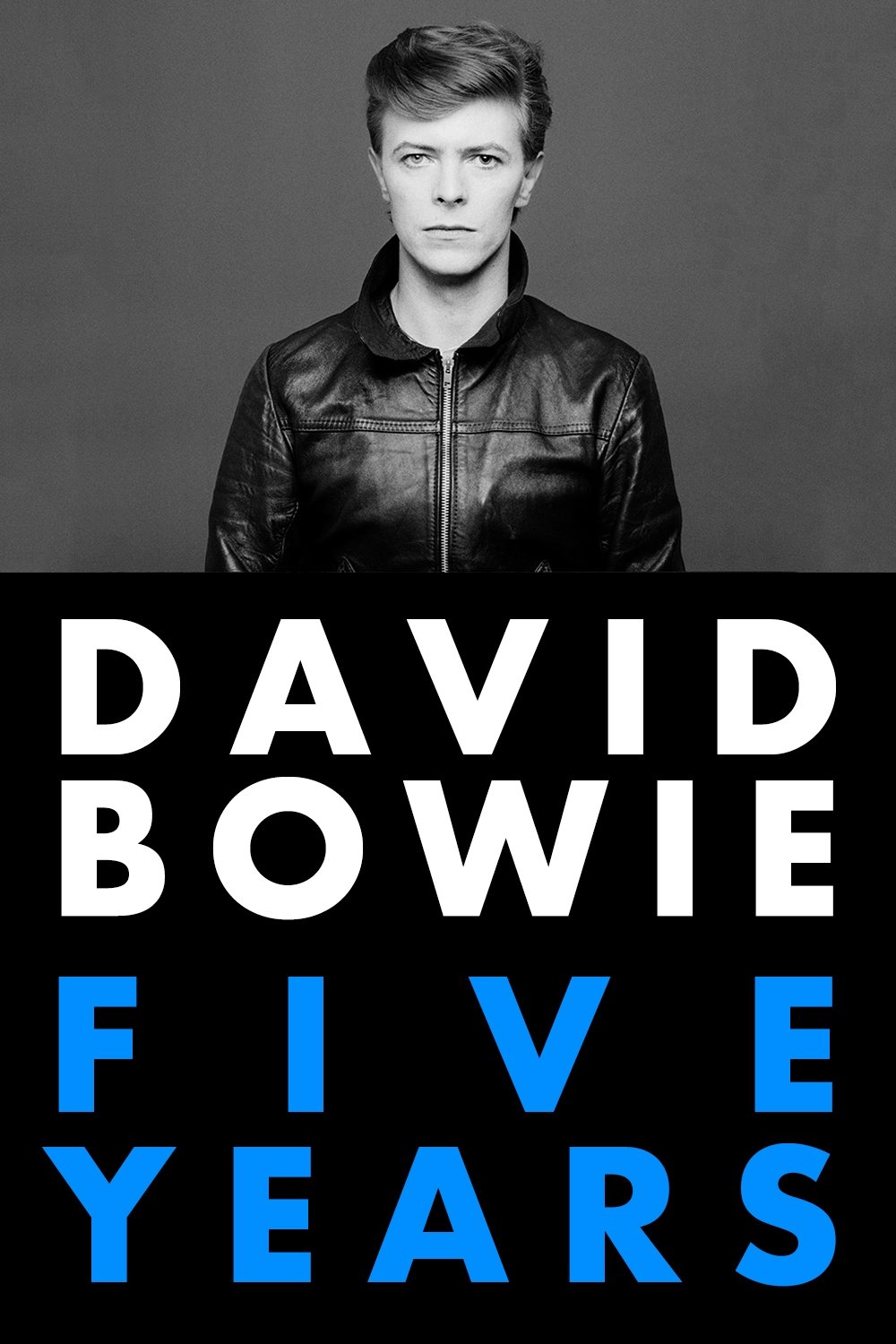
Featuring a wealth of previously unseen archive, this film looks at how Bowie continually evolved: from Ziggy Stardust to the Soul Star of Young Americans, to the ‘Thin White Duke’. It explores his regeneration in Berlin with the critically acclaimed album Heroes, his triumph with Scary Monsters and his global success with Let’s Dance. With interviews with all his closest collaborators, David Bowie - Five Years presents a unique account of why Bowie has become an ‘icon of our times’.
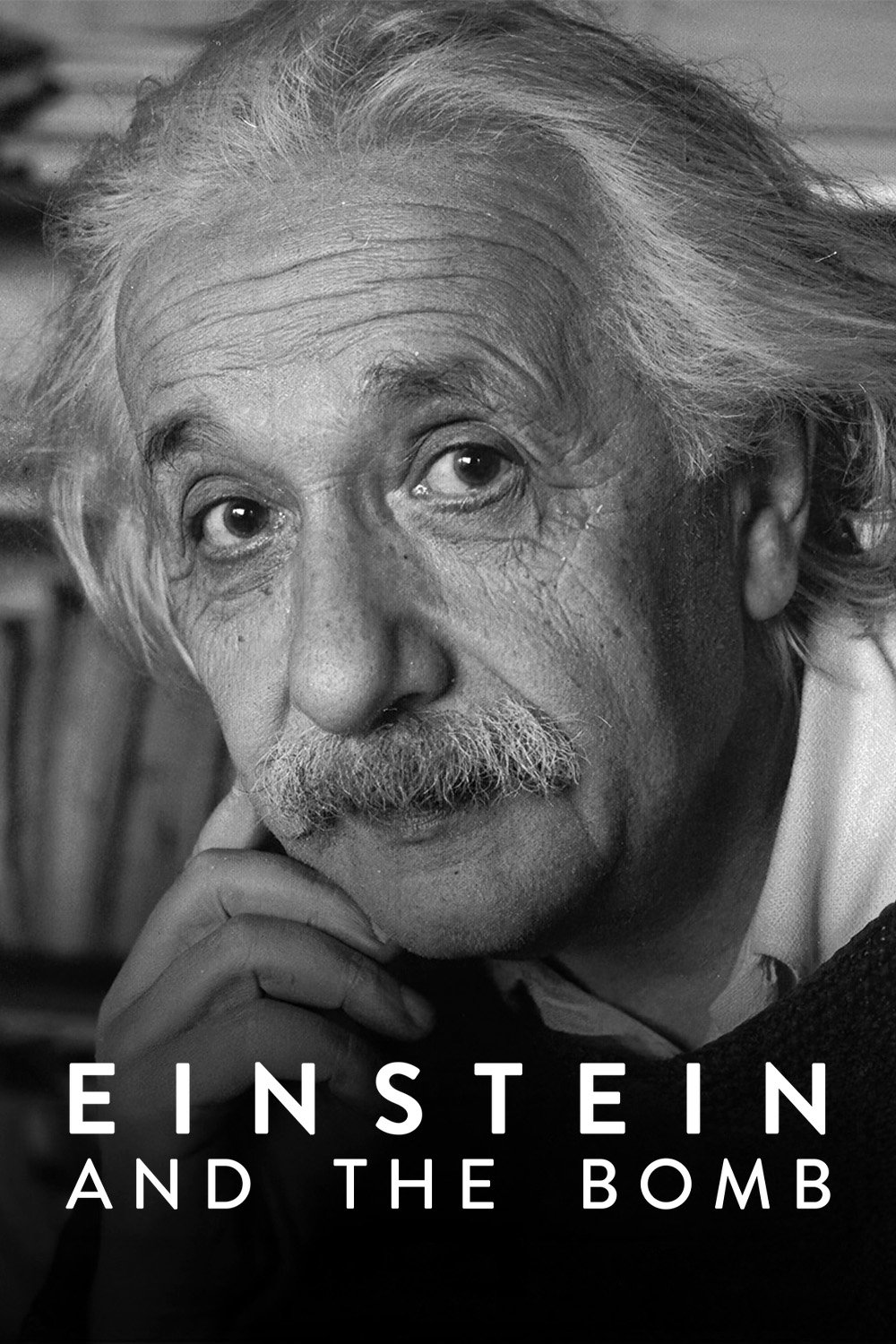
What happened after Einstein fled Nazi Germany? Using archival footage and his own words, this docudrama dives into the mind of a tortured genius.
14-year-old Laura Dekker sets out on a two-year voyage in pursuit of her dream to become the youngest person ever to sail around the world alone.
Through deeply personal interviews with her siblings and an examination of the photographs, letters, and belongings left behind, Mariska assembles a new portrait of her mother Jayne Mansfield, an extraordinary and complex woman.
Ten Minutes Older is a 2002 film project consisting of two compilation feature films entitled The Trumpet and The Cello. The project was conceived by the producer Nicolas McClintock as a reflection on the theme of time at the turn of the Millennium. Fifteen celebrated film-makers were invited to create their own vision of what time means in ten minutes of film.
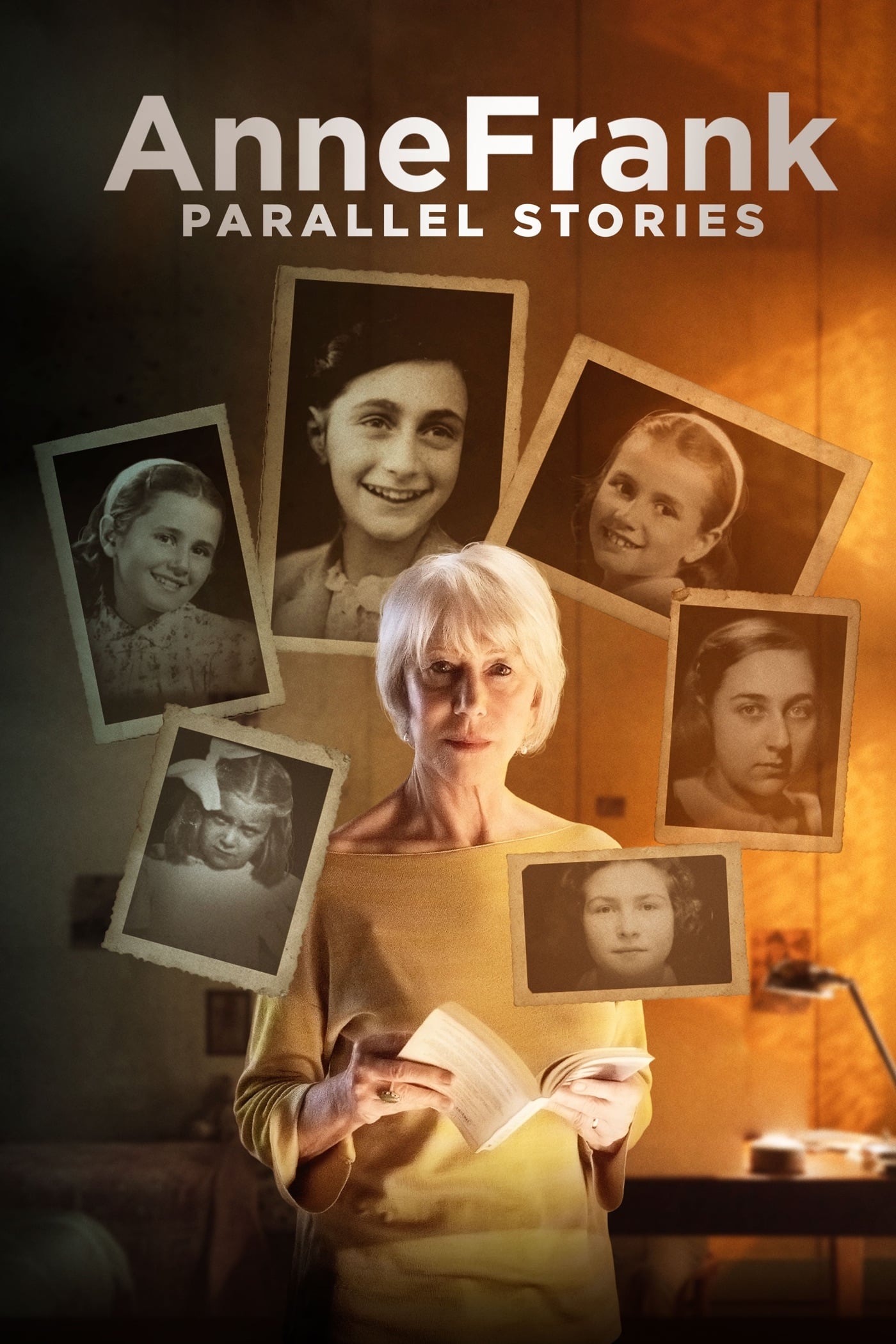
One single Anne Frank moves us more than the countless others who suffered just as she did but whose faces have remained in the shadows-Primo Levi. The Oscar®-winning Helen Mirren will introduce audiences to Anne Frank's story through the words in her diary. The set will be her room in the secret refuge in Amsterdam, reconstructed in every detail by set designers from the Piccolo Theatre in Milan. Anne Frank this year would have been 90 years old. Anne's story is intertwined with that of five Holocaust survivors, teenage girls just like her, with the same ideals, the same desire to live: Arianna Szörenyi, Sarah Lichtsztejn-Montard, Helga Weiss and sisters Andra and Tatiana Bucci. Their testimonies alternate with those of their children and grandchildren.
Christopher Reeve portrayed the Man of Steel in four Superman films and played dozens of other roles that displayed his talent and range as an actor, before being injured in a near-fatal horse-riding accident in 1995 that left him paralyzed from the neck down. After becoming a quadriplegic, he became a charismatic leader and activist in the quest to find a cure for spinal cord injuries, as well as a passionate advocate for disability rights and care.
Fearless alpine climbers Ueli Steck and Dani Arnold enter into a death-defying rivalry to set speed records on the Swiss Alps' great north faces.
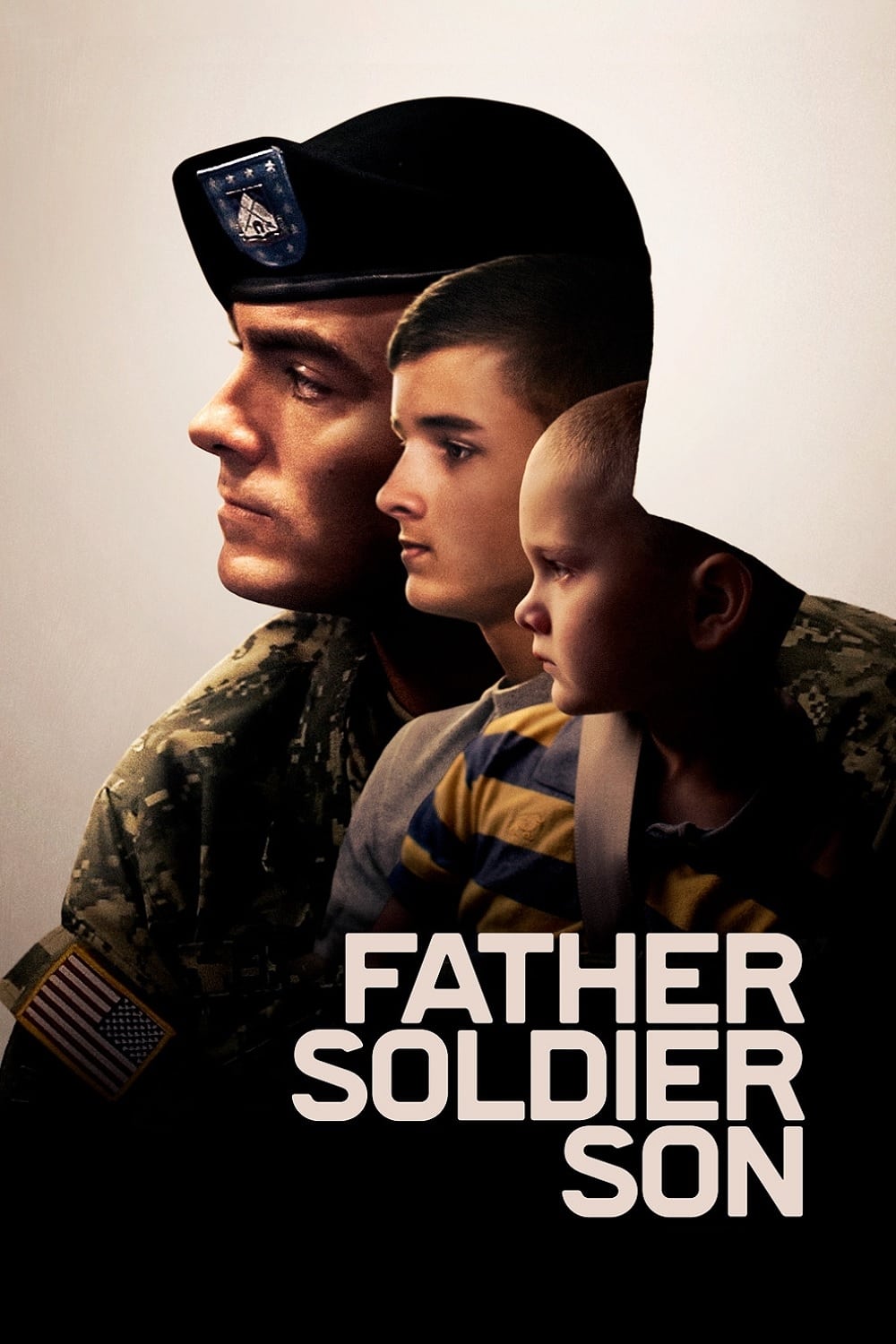
When Sgt. First Class Brian Eisch is critically wounded in Afghanistan, it sets him and his sons on a journey of love, loss, redemption and legacy.
In an intimate and joyful story of love in the face of loss, celebrated poets Andrea Gibson and Megan Falley find strength—and unexpected hilarity—in what might be their final year together.
A global television broadcast of the event in which former Pink Floyd leader singer and composer Roger Waters led an all-star cast in a mammoth benefit performance of his acclaimed concept album, The Wall. Set in Berlin, Germany less than a year after the destruction of the hated Berlin Wall, Waters was accompanied by disparate talents such as Cyndi Lauper, James Galway, Joni Mitchell and Albert Finney in the classic dark musical tale of a rock star's descent into madness and back.
A group of British children aged 7 from widely ranging backgrounds are interviewed about a range of subjects. The filmmakers plan to re-interview them at 7 year intervals to track how their lives and attitudes change as they age.
SEDUCED AND ABANDONED combines acting legend Alec Baldwin with director James Toback as they lead us on a troublesome and often hilarious journey of raising financing for their next feature film. Moving from director to financier to star actor, the two players provide us with a unique look behind the curtain at the world's biggest and most glamourous film festival, shining a light on the bitter-sweet relationship filmmakers have with Cannes and the film business. Featuring insights from directors Martin Scorsese, 'Bernando Bertolucci' and Roman Polanski; actors Ryan Gosling and Jessica Chastain and a host of film distribution luminaries.
Long before his big stage breakthrough in 1973 in Hamburg, and 4.4 million records sold, the rock musician Udo Lindenberg from the Westphalian province, the man with the long hair and the hat, had many adventures. Before it all started, he moved from the remoteness of Gronau to Hamburg, where he met Paula, who was not his great love, but was quite a hottie. When the team of three was complete with Steffi Stephan, the idea of founding a band developed. But the road to get there was a long one: he drummed as a jazz drummer in bands, had a highly dangerous performance in a US military base in the middle of the Libyan desert and always believed in making it to the very top.
The life and career of one of comedy's most inimitable modern voices, Mr. Gilbert Gottfried.
On September 15, 1963, a bomb destroyed a black church in Birmingham, Alabama, killing four young girls who were there for Sunday school. It was a crime that shocked the nation--and a defining moment in the history of the civil-rights movement. Spike Lee re-examines the full story of the bombing, including a revealing interview with former Alabama Governor George Wallace.