Argentinian short film which shows local fauna and hunting.
Social & External
The people behind it
Ernesto Bianco
Silvia Schwartz
Desiderio Monzón
Hugo Vivani
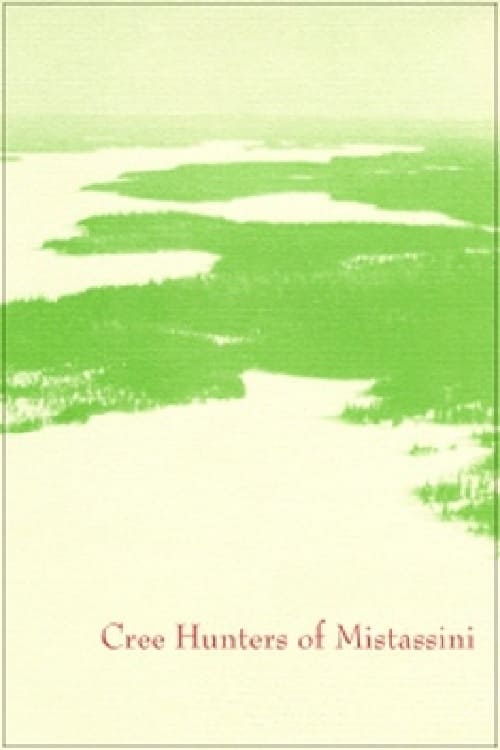
An NFB crew filmed a group of three families, Cree hunters from Mistassini. Since times predating agriculture, this First Nations people have gone to the bush of the James Bay and Ungava Bay area to hunt. We see the building of the winter camp, the hunting and the rhythms of Cree family life.
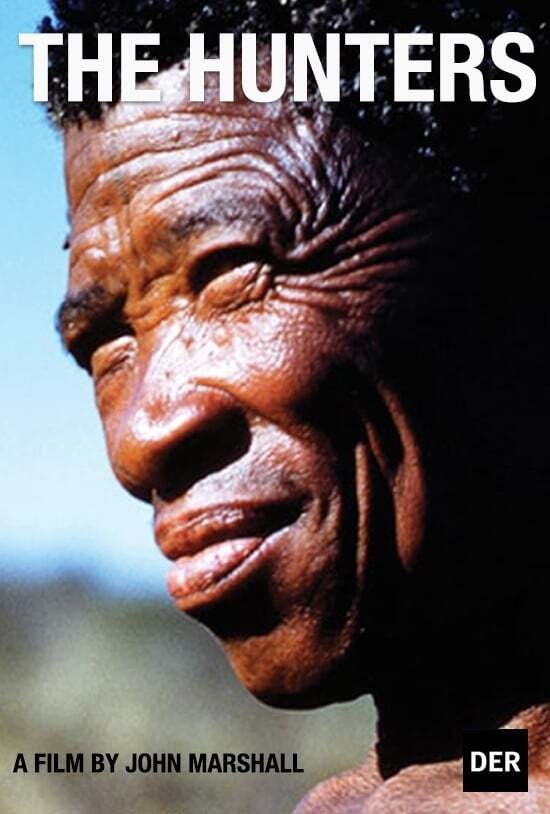
An ethnographic documentary following four Ju/’hoansi (!Kung) men during a multi-day giraffe hunt in the Kalahari Desert, filmed during the Smithsonian–Harvard Peabody expedition of 1952–53.
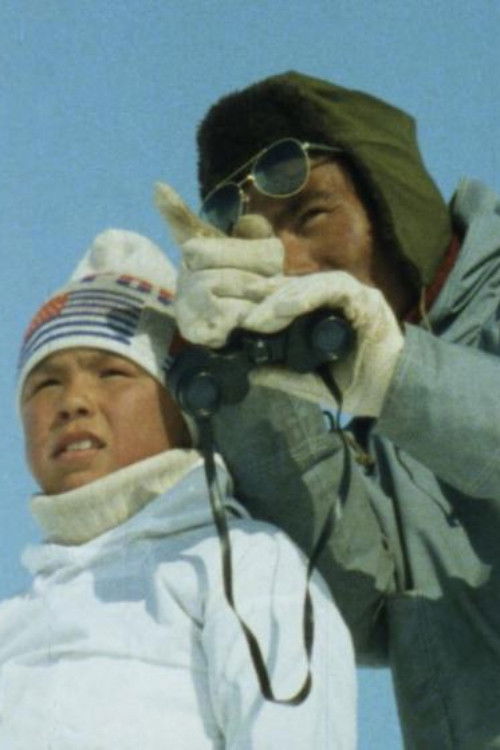
One day in the lives of an average Greenlandic family, which happens to be of great importance for 8-year old Kali - he's about to catch his first prey with the harpoon. The whole family is looking forward for the huge step in boy's maturation.
The Duke rides an elephant as he ventures on safari in Bengal.
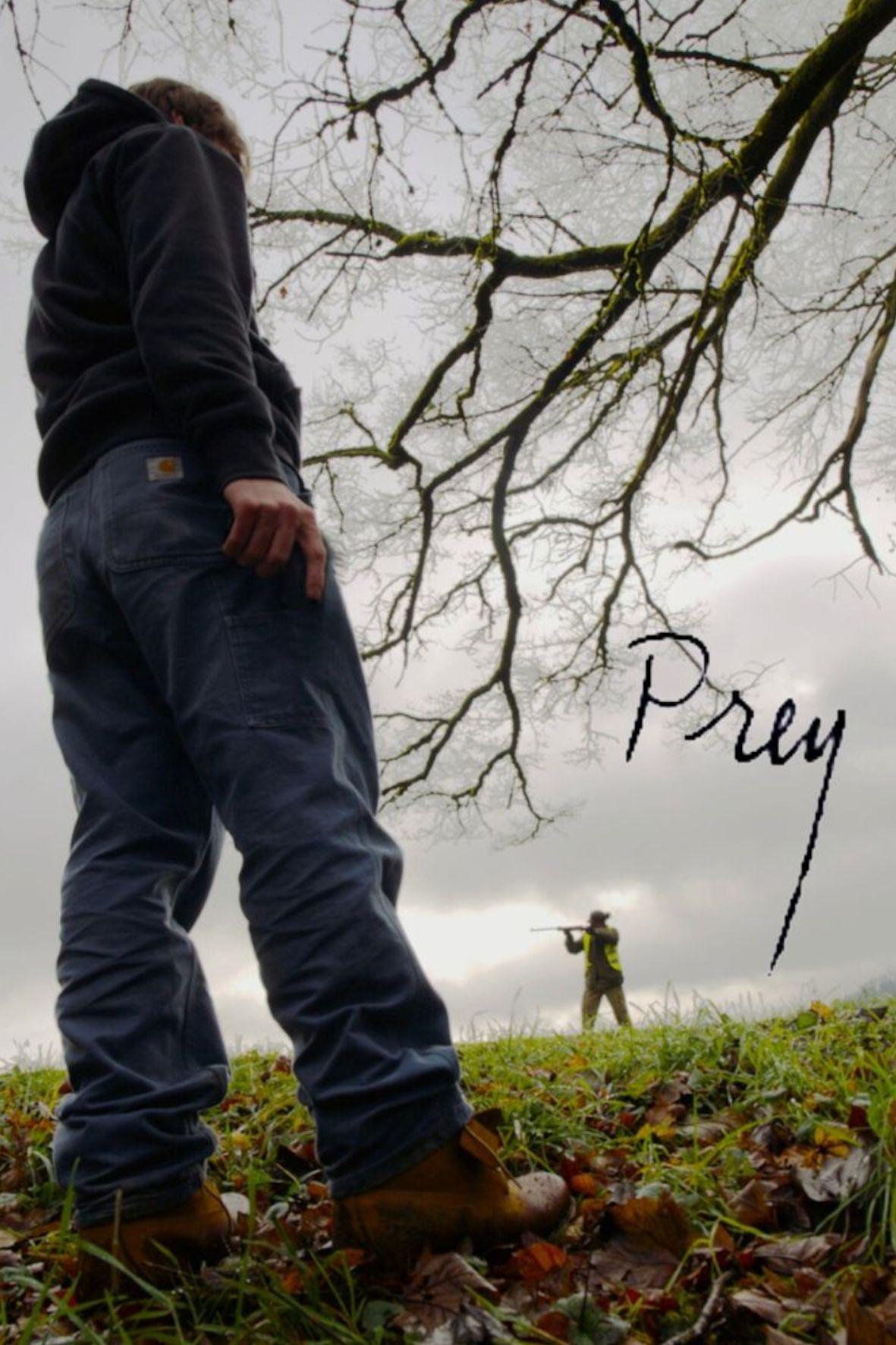
Young ecologist demonstraters travel to the countryside to confront hunters. But one of them is willing to do anything to stop them.
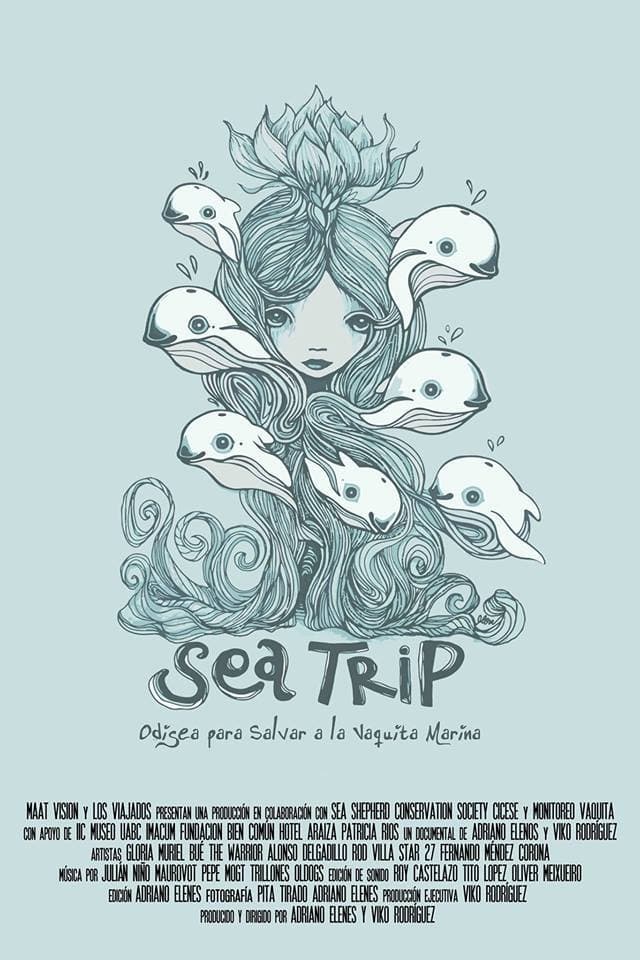
The imminent extinction of the vaquita porpoise and the totoaba, two species endemic to Baja California and sought after by the mafia for their swim bladders, which are highly prized in the East; victims of illegal fishing nets and in danger of extinction.
Semi-documentary exposé of scandalous hunting practices in the Sologne, a wooded area south of Orléans where he shared a house at the time. The film, part tribute to Jean Renoir's The Rules of the Game (1939) and its celebrated hunting scene, is notable for its cinematography by Polish director Walerian Borowczyk.
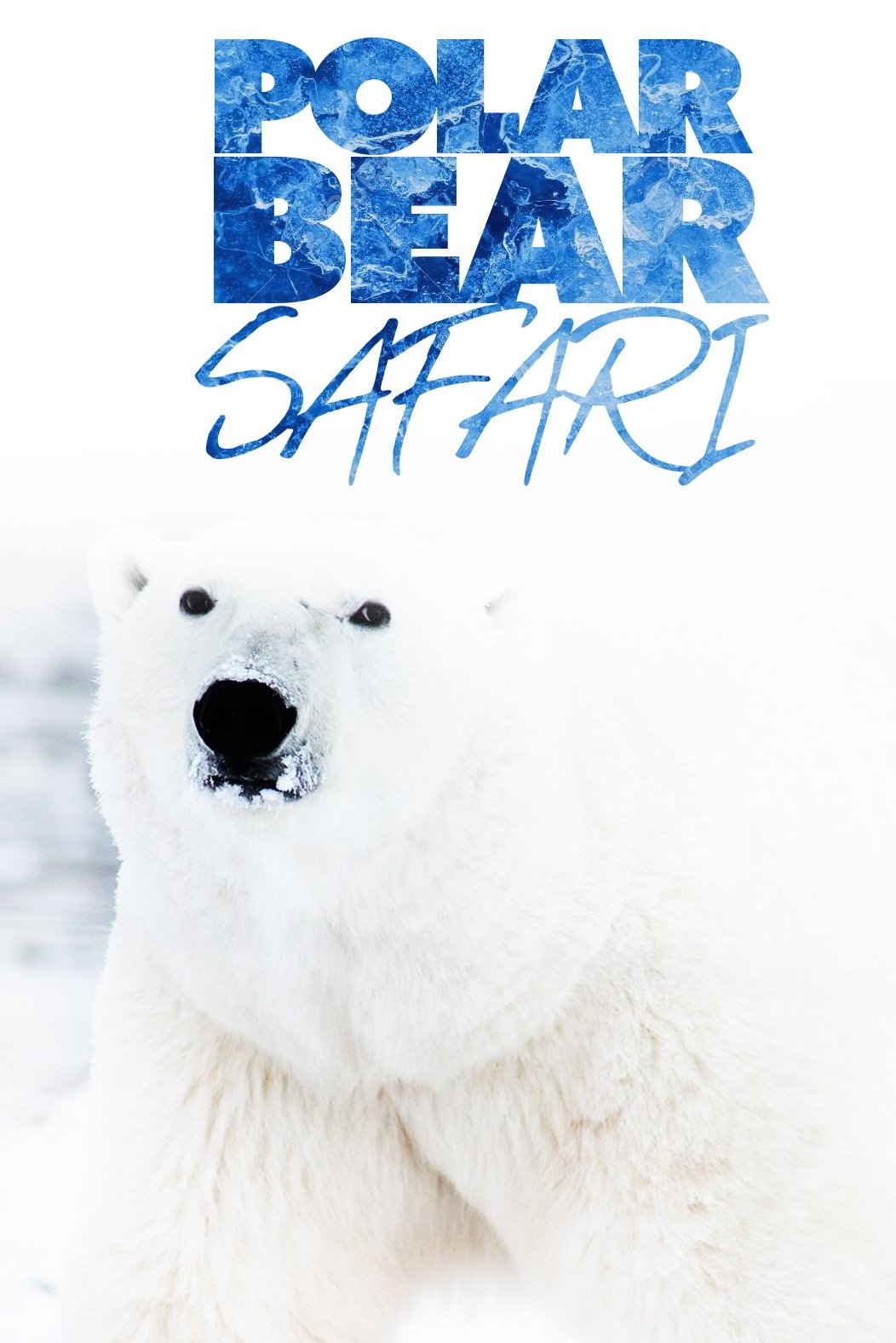
Polar Bear Safari follows Randy, a wealthy trophy hunter on a 15-day hunting expedition in search of a polar bear and discusses the reliance of the Inuit on guiding these hunting trips to keep the community living in Resolute Bay in the Canadian Arctic where unemployment is high. The local Inuits selling their bear hunting licenses to wealthy hunters to help combat their financial woes.
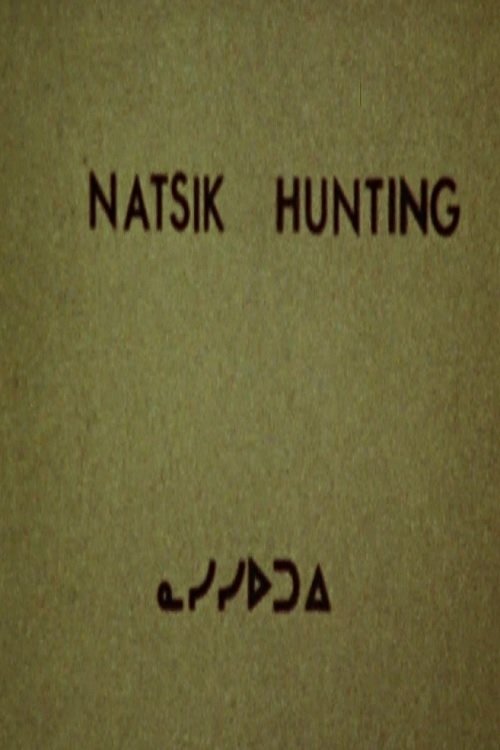
Mosha Michael made an assured directorial debut with this seven-minute short, a relaxed, narration-free depiction of an Inuk seal hunt. Having participated in a 1974 Super 8 workshop in Frobisher Bay, Michael shot and edited the film himself. His voice can be heard on the appealing guitar-based soundtrack…. Natsik Hunting is believed to be Canada’s first Inuk-directed film. – NFB
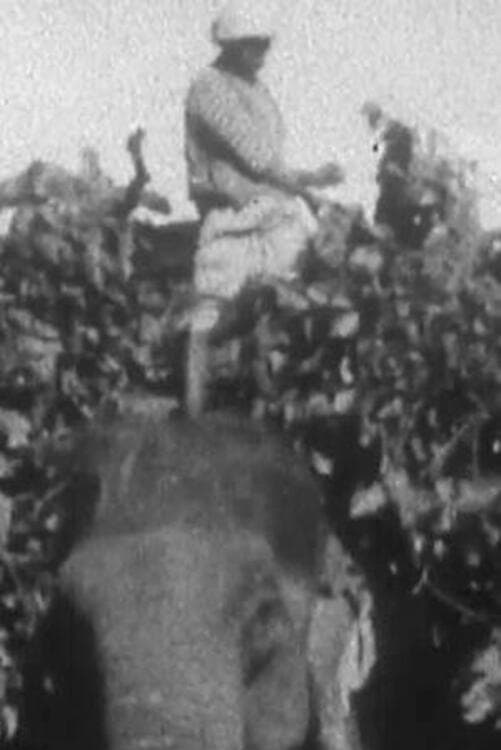
Indian elephants in action as working animals and in hunting.
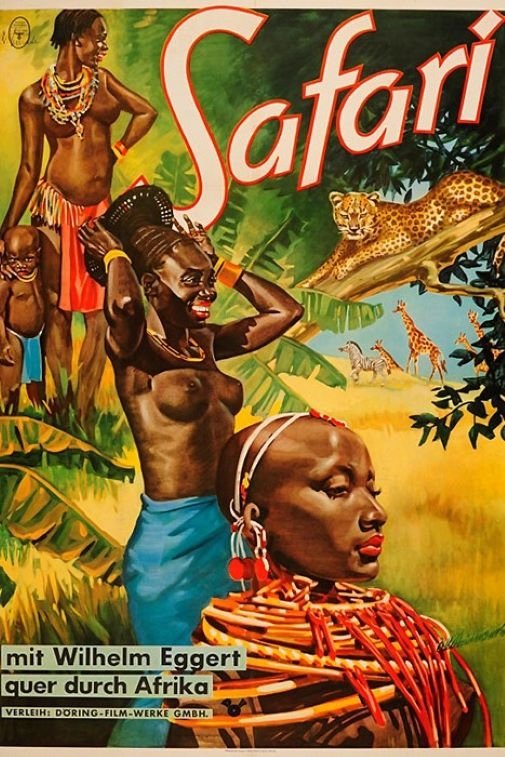
Between 1933 and 1935, the painter Wilhelm Eggert and his wife Dora Kuster traveled the African continent. Their expedition took them from Mediterranean Algiers through the Sahara and parts of the African west coast to the Congo and Kenya. Not only did the couple explore vast stretches of land that were almost completely unknown, at least to private travelers at the time, they also captured this journey on film. A screenable documentary film was compiled from the original 12,000m of film material. In cinemas and film clubs, European audiences were presented with a film that was evidently able to satisfy an interest in foreign, 'wild' cultures and exotic landscapes, albeit one that was always Eurocentric. The spectacular shots of African lifestyles and nature, which in many respects were new to European viewers who were almost completely unfamiliar with Africa, were praised and appreciated precisely because of their supposed authenticity.
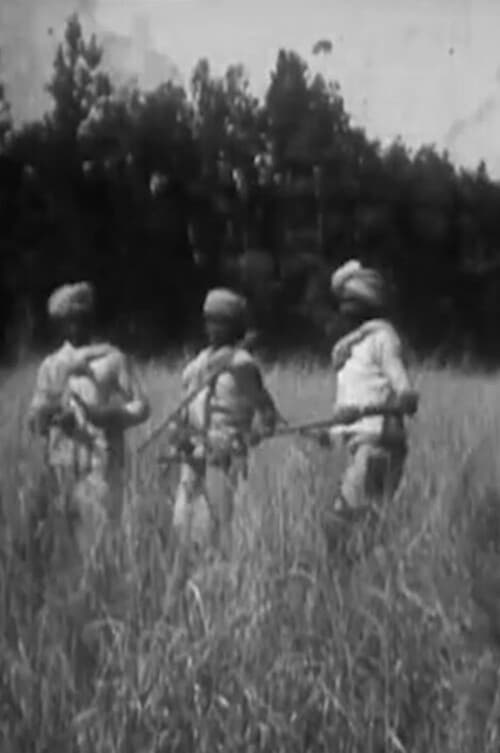
Amateur film of fishing and geese-shooting trips by a British party in India.
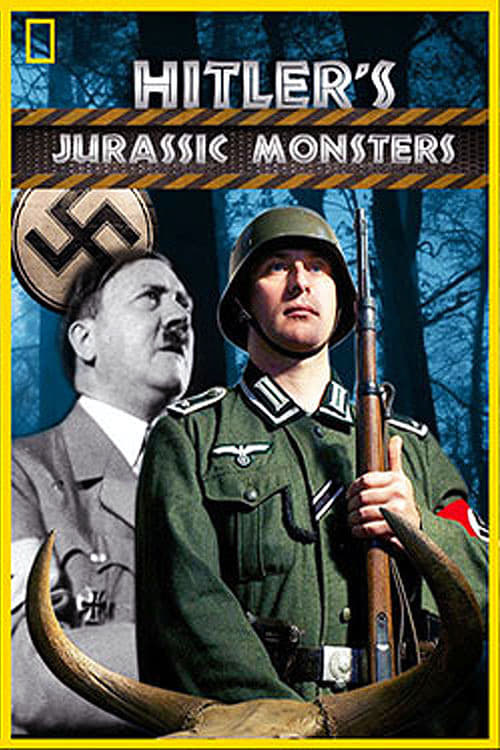
This is the untold story of a Nazi vision, that went far beyond the military conquest of European countries. As part of their crazed dream to create a thousand-year Reich they developed detailed blueprints for Aryan settlements and vast hunting parks for ‘Aryan’ animals. Goering and Himmler employed Germany’s best scientists to launch a hugely ambitious programme of genetic manipulation to change the course of nature itself, both in the wild and for domestic use. In a fascinating blend of politics and biology, Hitler's Jurassic Monsters is the true and asthonishing story of how the Nazis tried to take control of nature and change the course of evolution.
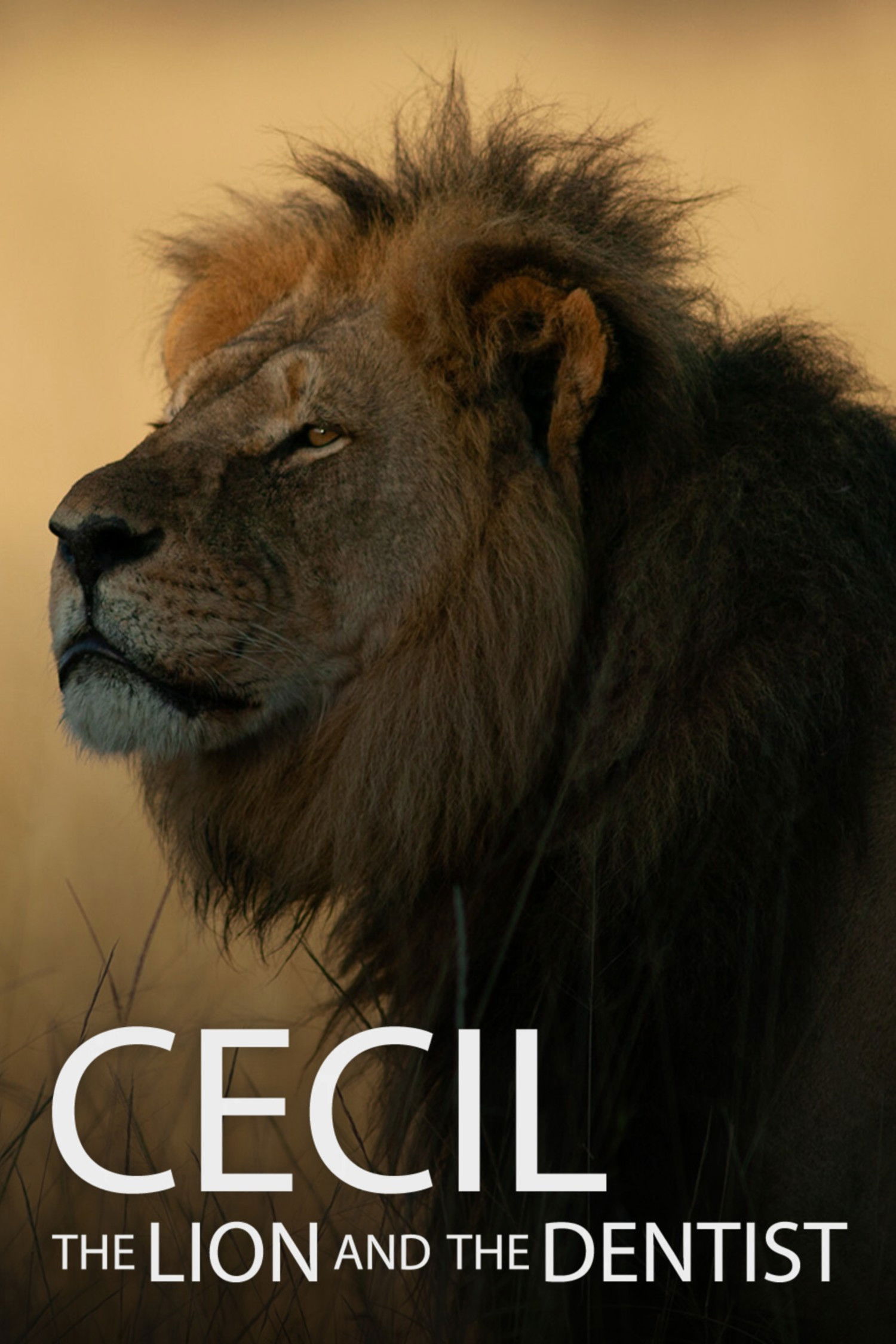
In 2015 a lion in Zimbabwe named Cecil was killed by Walter Palmer, an American dentist, provoking a global outcry. The story of Cecil’s death turns the gaze back on to us and our behaviour. The simplicity of the outrage is a stark contrast to the complexity of the reality.
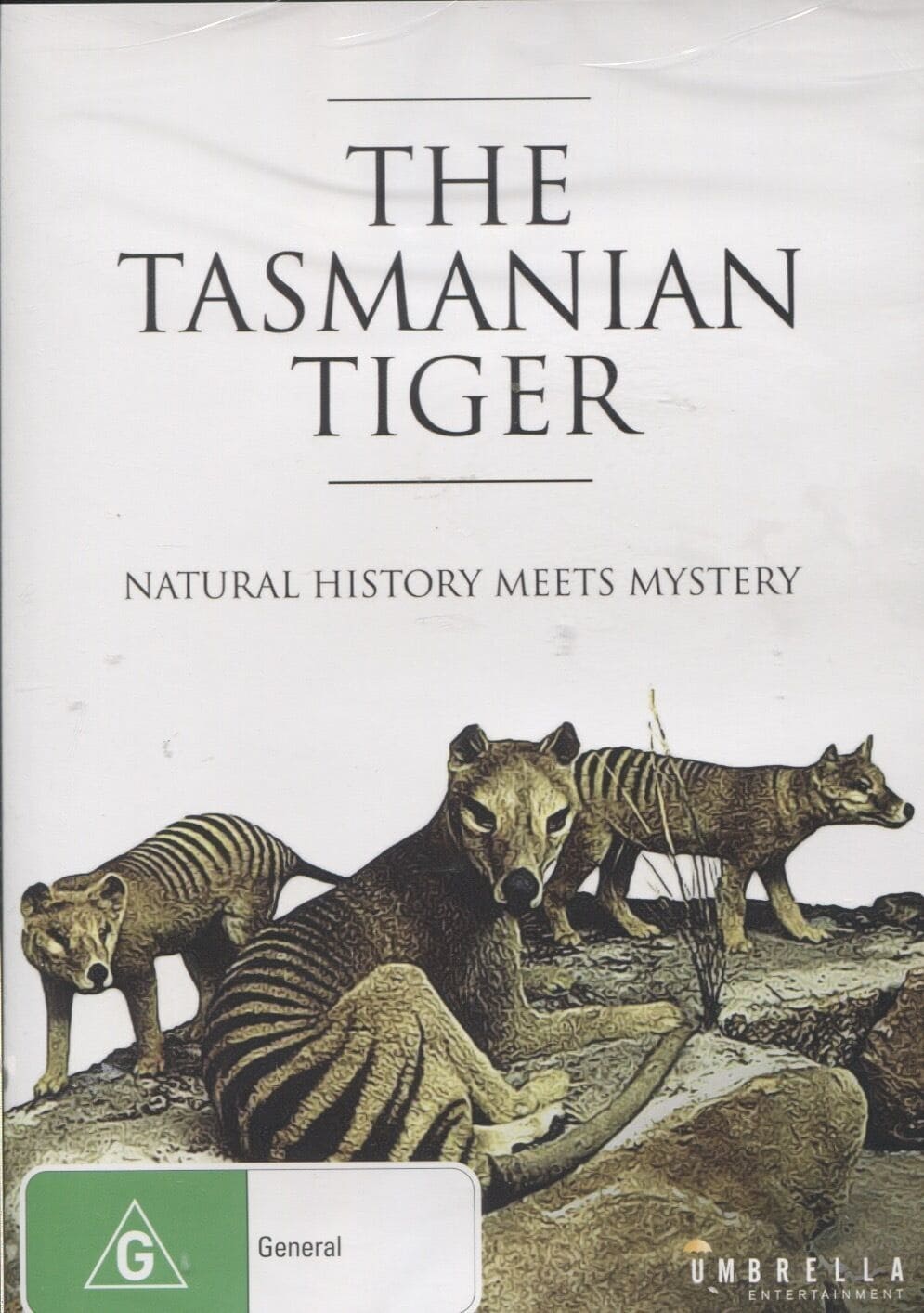
Recorded by pioneers as far back as 1805, the Tasmanian tiger has become an intensely mystifying Australian icon, whose entire existence has become the stuff of both fable and legend. This program investigates a chequered past and puts the speculation into perspective, taking into account the tragic culling and ‘bounty era’ where the carnivorous creatures were thought to be solely responsible for a considerable loss of farmers’ livestock. Balancing the facts with personal reflections from Tasmanian locals, scientists and other informed practitioners, The Tasmanian Tiger is a thought-provoking and revealing look at the extraordinary life and death of one of Australia’s most mysterious marsupials.
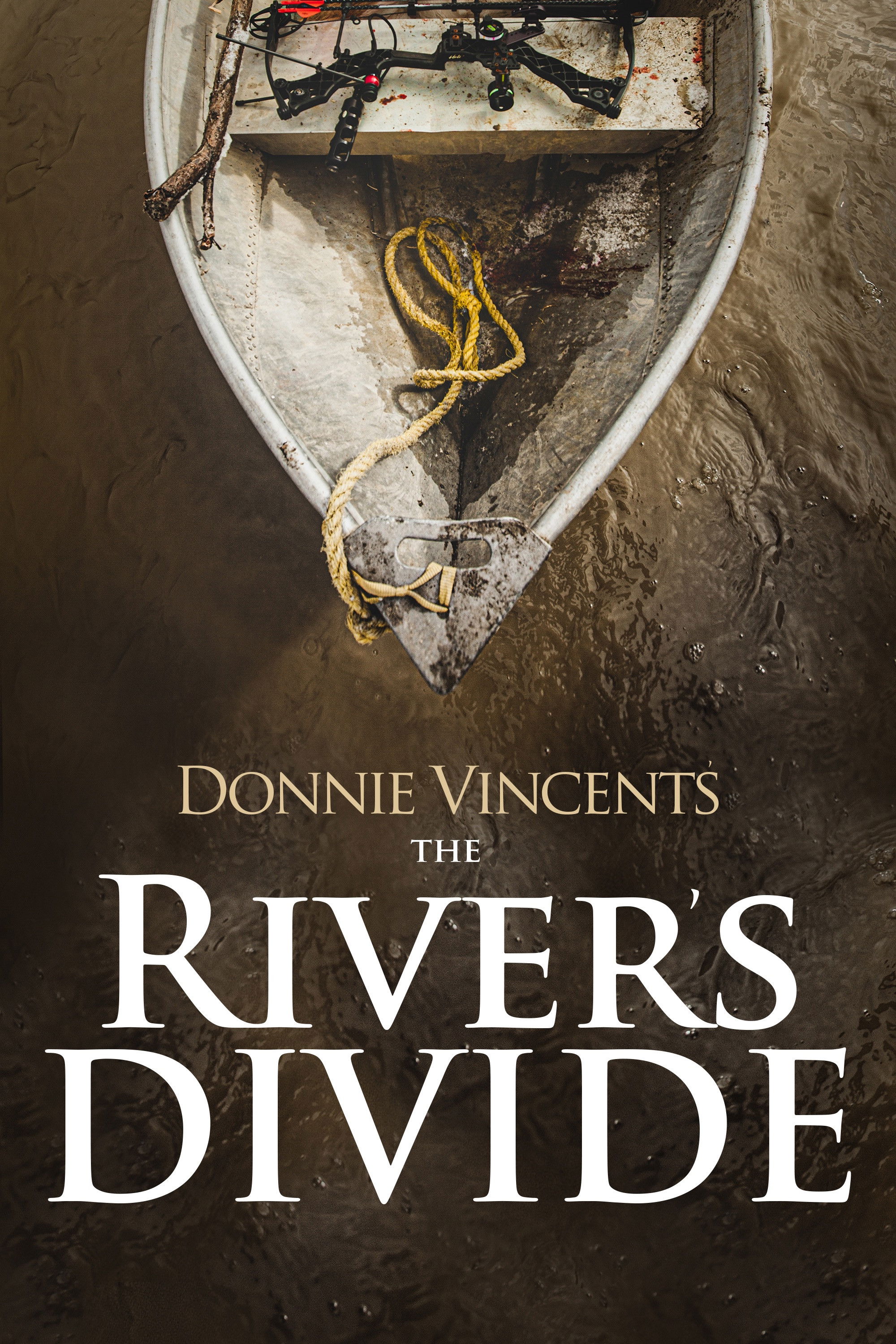
Donnie Vincent's The River's Divide is a full-length documentary film featuring Donnie Vincent's bowhunting journey into the Badlands of North Dakota, chasing a whitetail deer known as Steve.
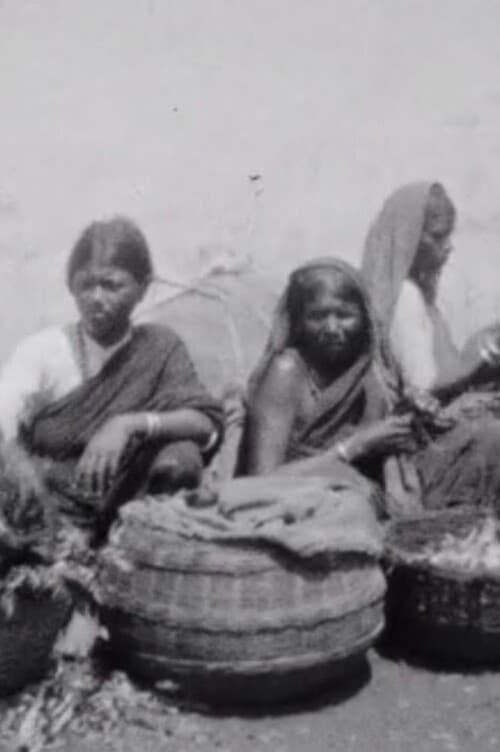
Snapshots of colonial life around Tamil Nadu, plus a visit to the Toda tribe.
This official travelogue of a royal tour follows the Prince on a series of regimental displays and a tiger hunt.
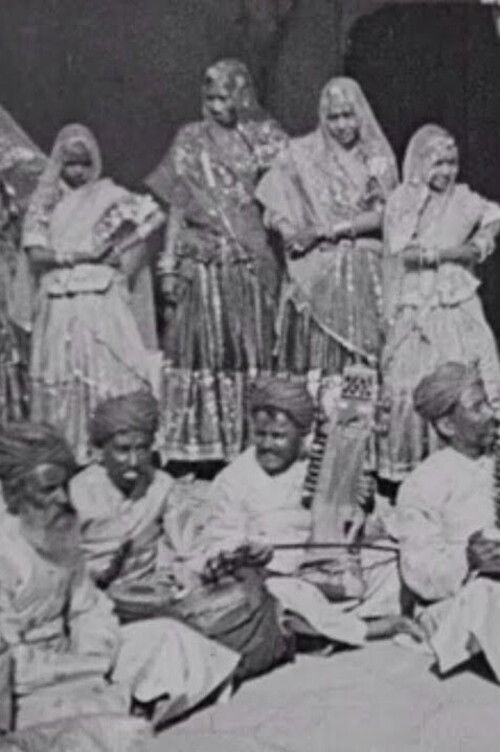
Richly detailed record of the Prince of Wales' Indian tour.
One Life captures unprecedented and beautiful sequences of animal behaviour guaranteed to bring you closer to nature than ever before, as well as a second disc packed full of never before seen extras including an exclusive making of featurette narrated by Daniel Craig.
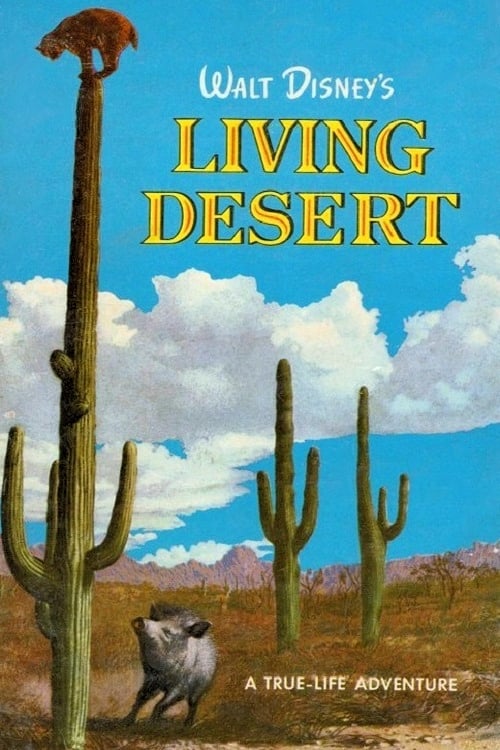
Although first glance reveals little more than stones and sand, the desert is alive. Witness moving rocks, spitting mud pots, gorgeous flowers and the never-ending battle for survival between desert creatures of every shape, size and description.
An inside look at one of the most anticipated movie sequels ever with James Cameron and cast.
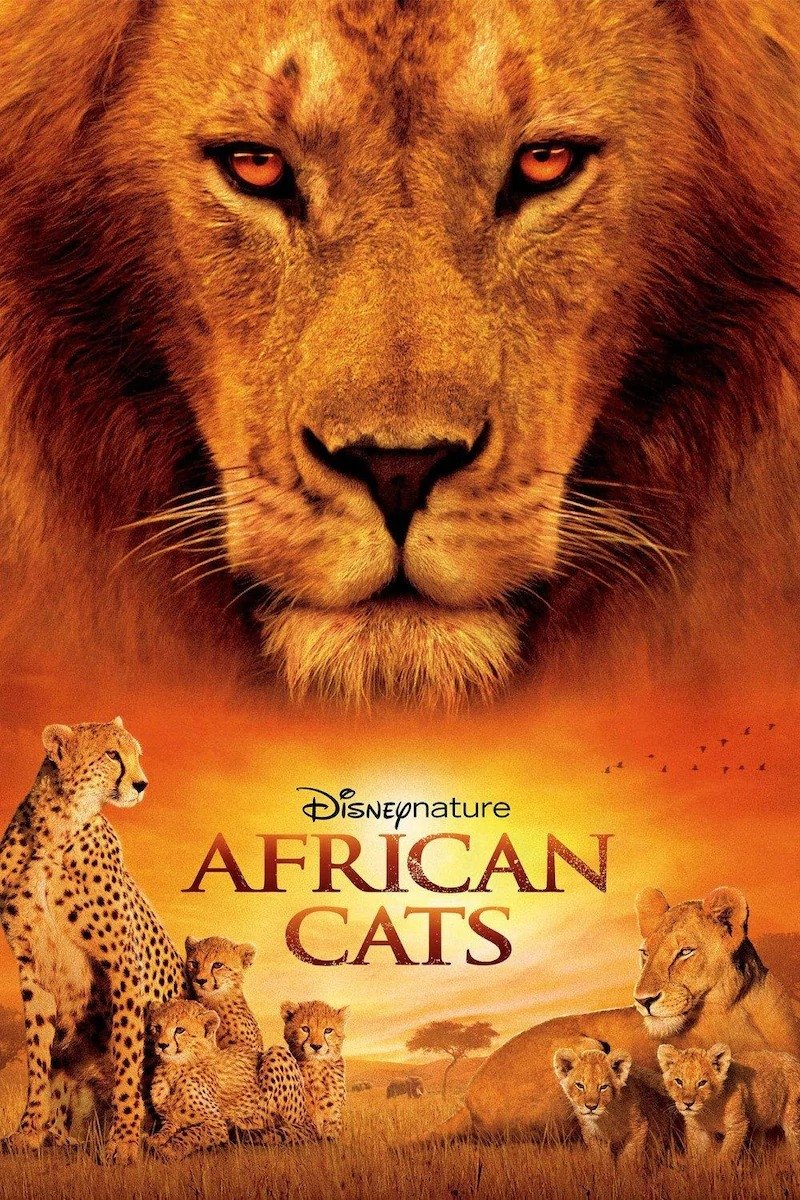
African Cats captures the real-life love, humor and determination of the majestic kings of the savanna. The story features Mara, an endearing lion cub who strives to grow up with her mother’s strength, spirit and wisdom; Sita, a fearless cheetah and single mother of five mischievous newborns; and Fang, a proud leader of the pride who must defend his family from a once banished lion.
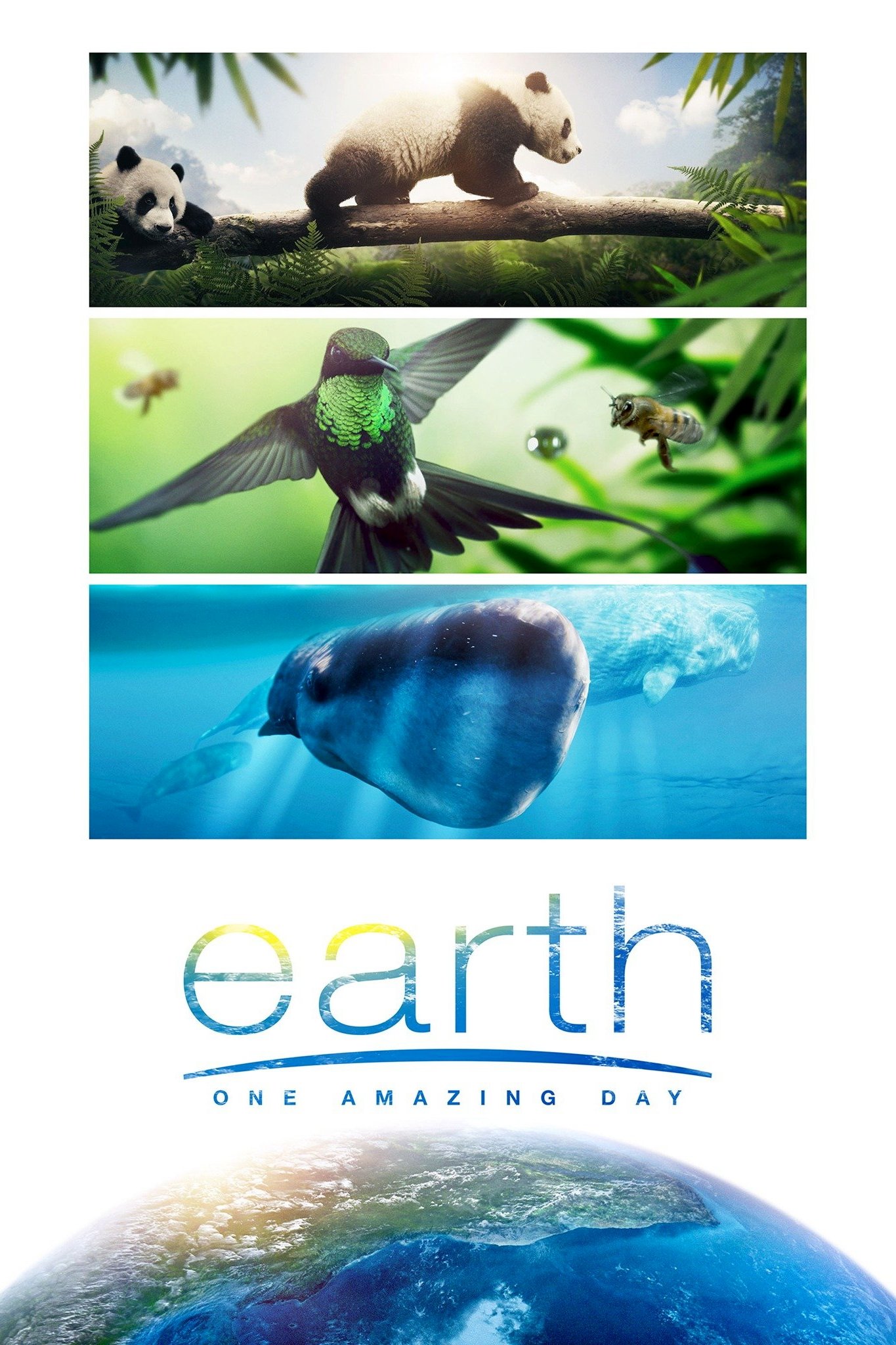
An astonishing journey revealing the awesome power of the natural world. Over the course of one single day, we track the sun from the highest mountains to the remotest islands to exotic jungles.
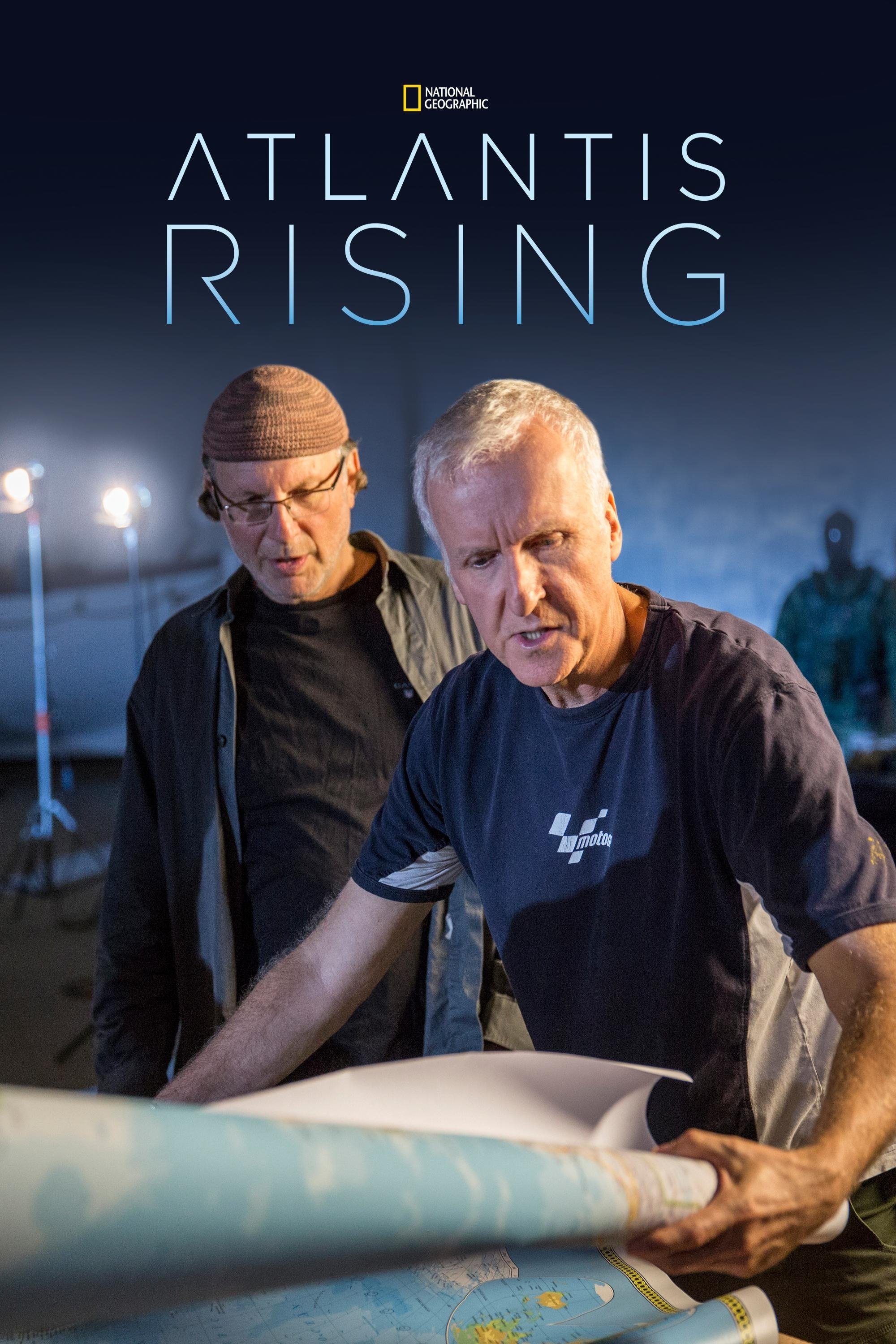
James Cameron and Simcha Jacobovici go on an adventure to find the lost city of Atlantis by using Greek philosopher Plato as a virtual treasure map.
Through deeply personal interviews with her siblings and an examination of the photographs, letters, and belongings left behind, Mariska assembles a new portrait of her mother Jayne Mansfield, an extraordinary and complex woman.
A visual montage portrait of our contemporary world dominated by globalized technology and violence.
It narrates the epic title obtained by the Argentine National Team in the World Cup Qatar 2022 with testimonies of the protagonists, told from the intimacy and in first person.
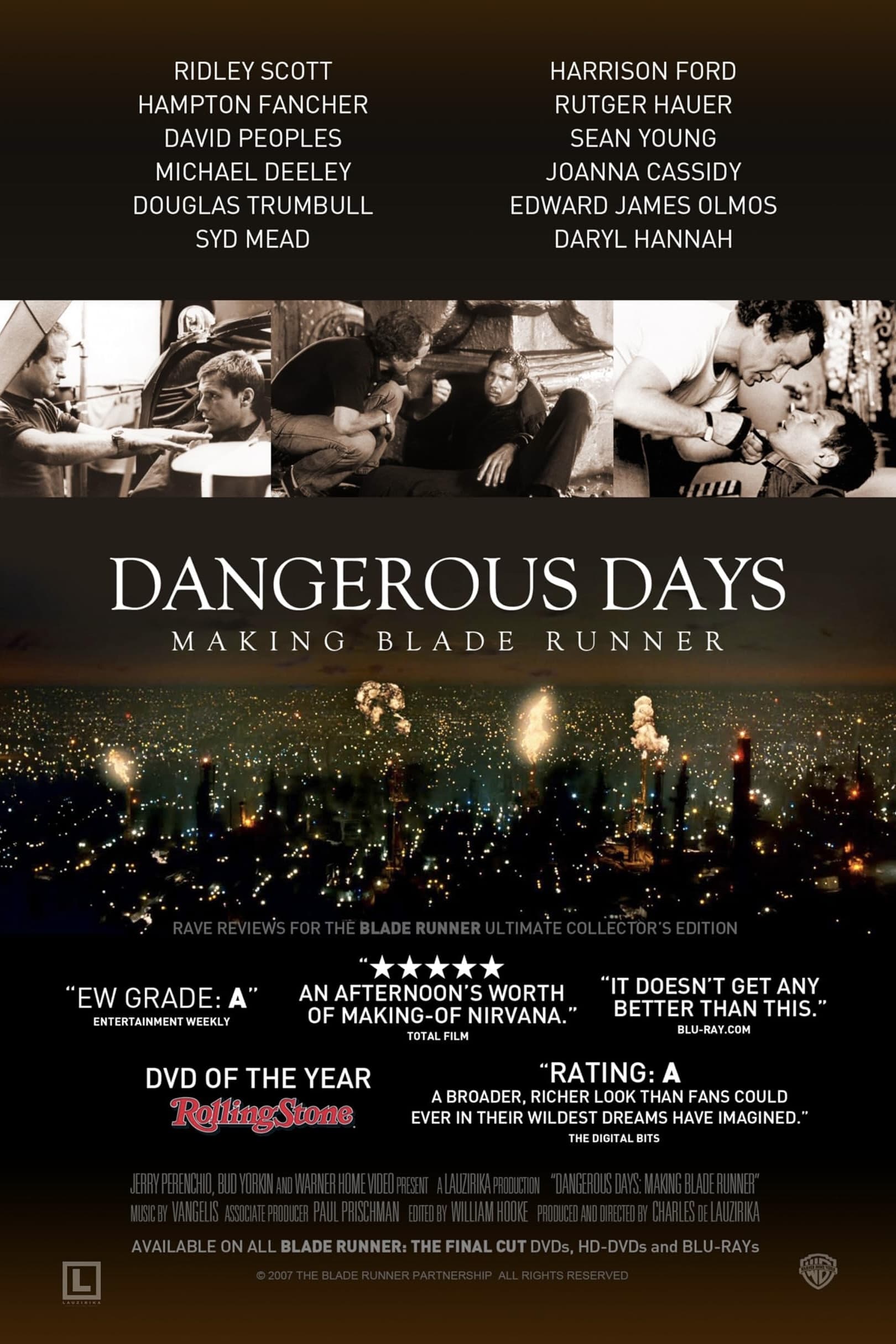
The definitive 3½-hour documentary about the troubled creation and enduring legacy of the science fiction classic 'Blade Runner', culled from 80 interviews and hours of never-before-seen outtakes and lost footage.
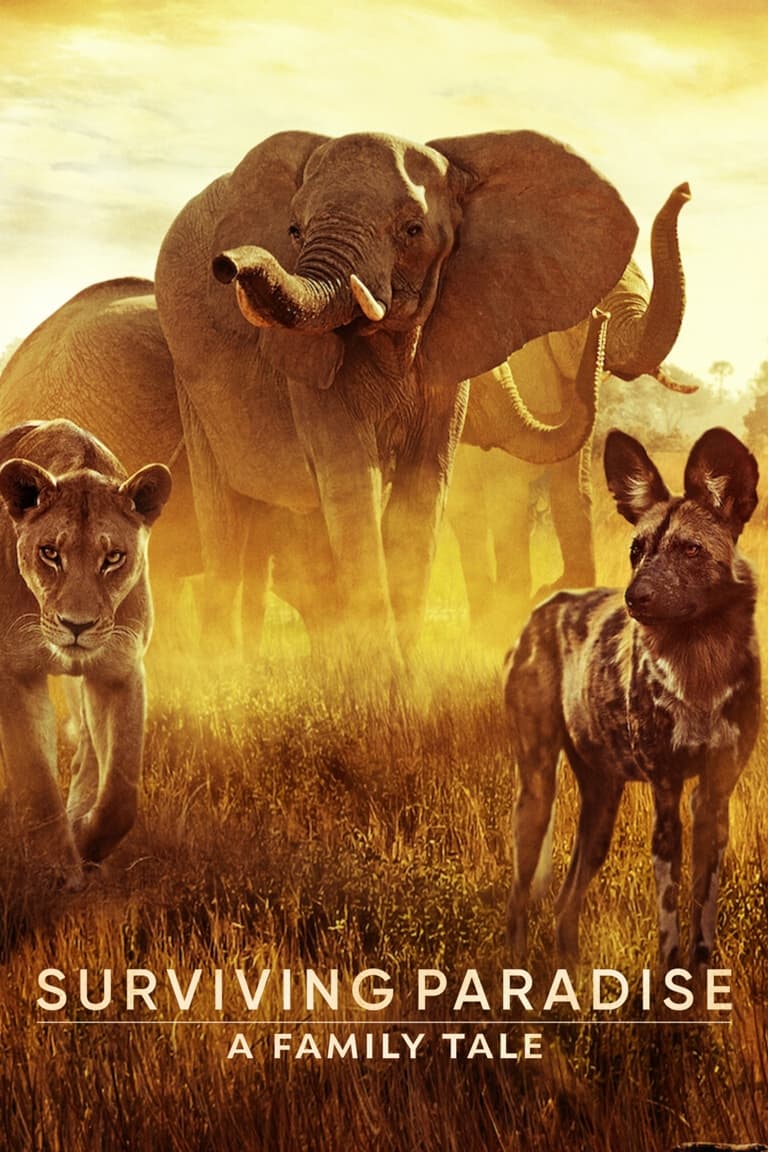
In this wildlife drama, a worsening dry season in the Kalahari Desert leaves prides, packs and herds to rely on the power of family to survive.
Amber Heard and Nicole Kidman discuss their characters Mera and Atlanna.
The film follows adventurer Jeff Johnson as he retraces the epic 1968 journey of his heroes Yvon Chouinard and Doug Tompkins to Patagonia.
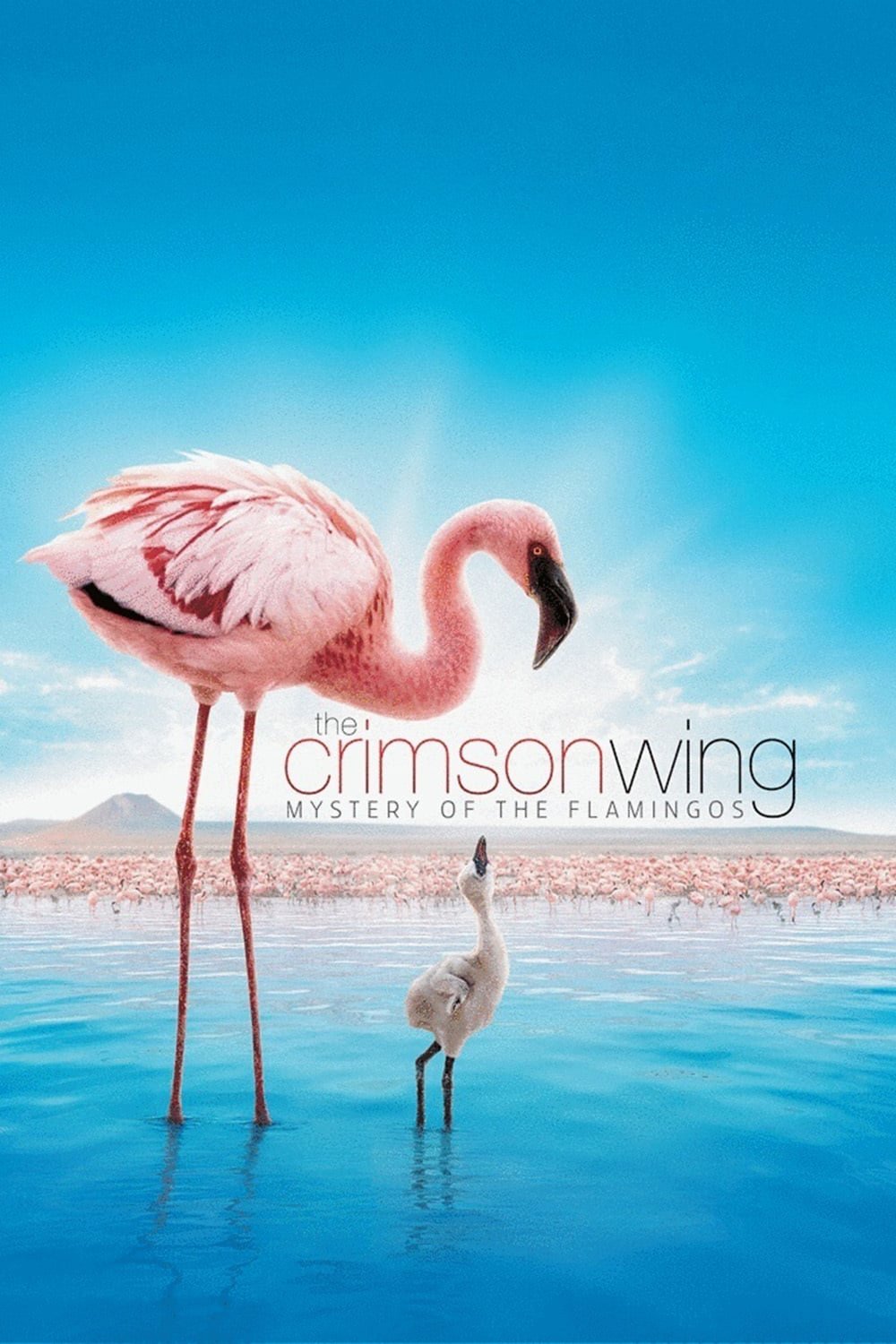
In the remote and forgotten wilderness of Lake Natron, in northern Tanzania, one of nature's last great mysteries unfolds: the birth, life and death of a million crimson-winged flamingos.
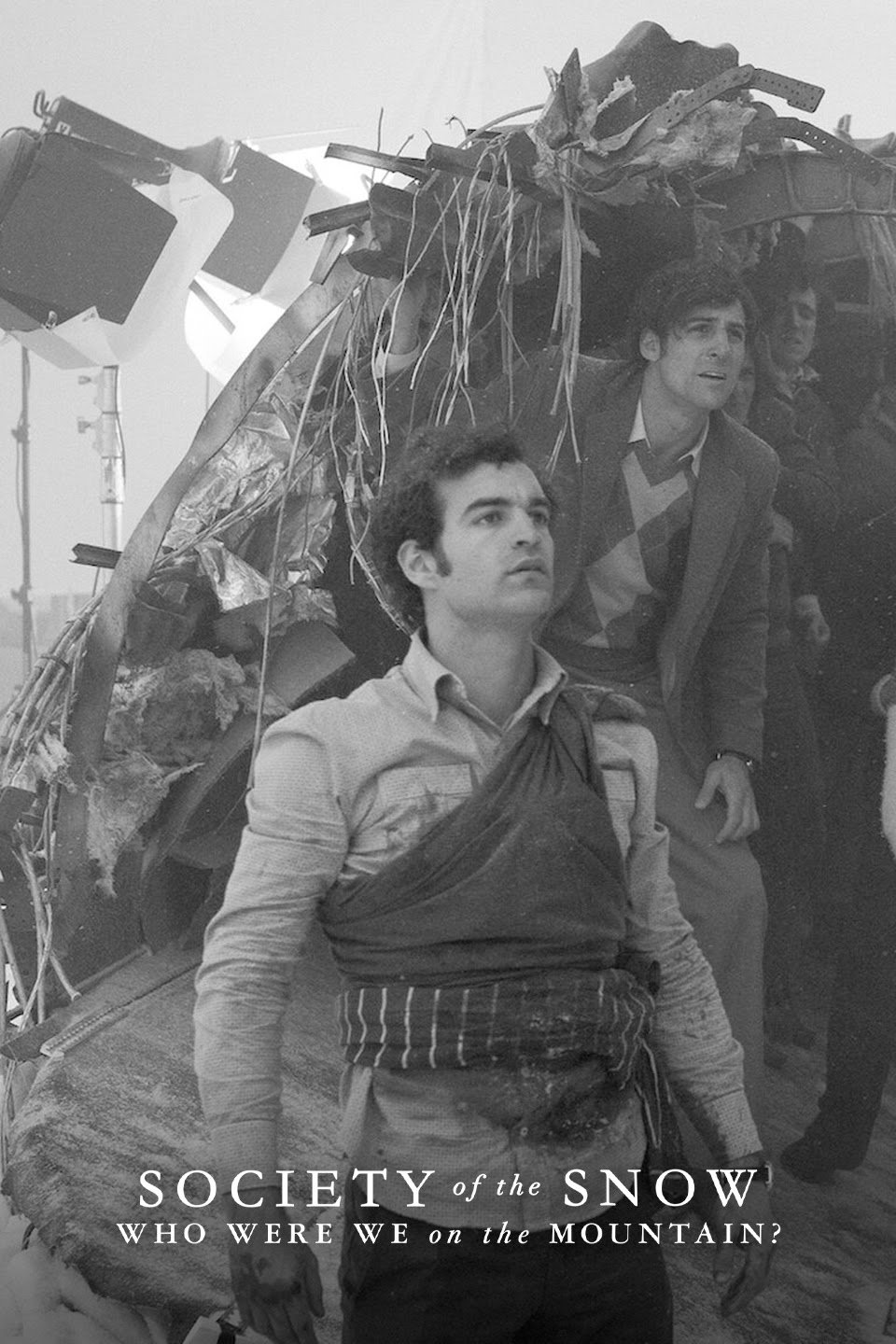
An in-depth look at the creative process behind "Society of the Snow," featuring cast, crew, director J.A. Bayona and even real-life survivors.
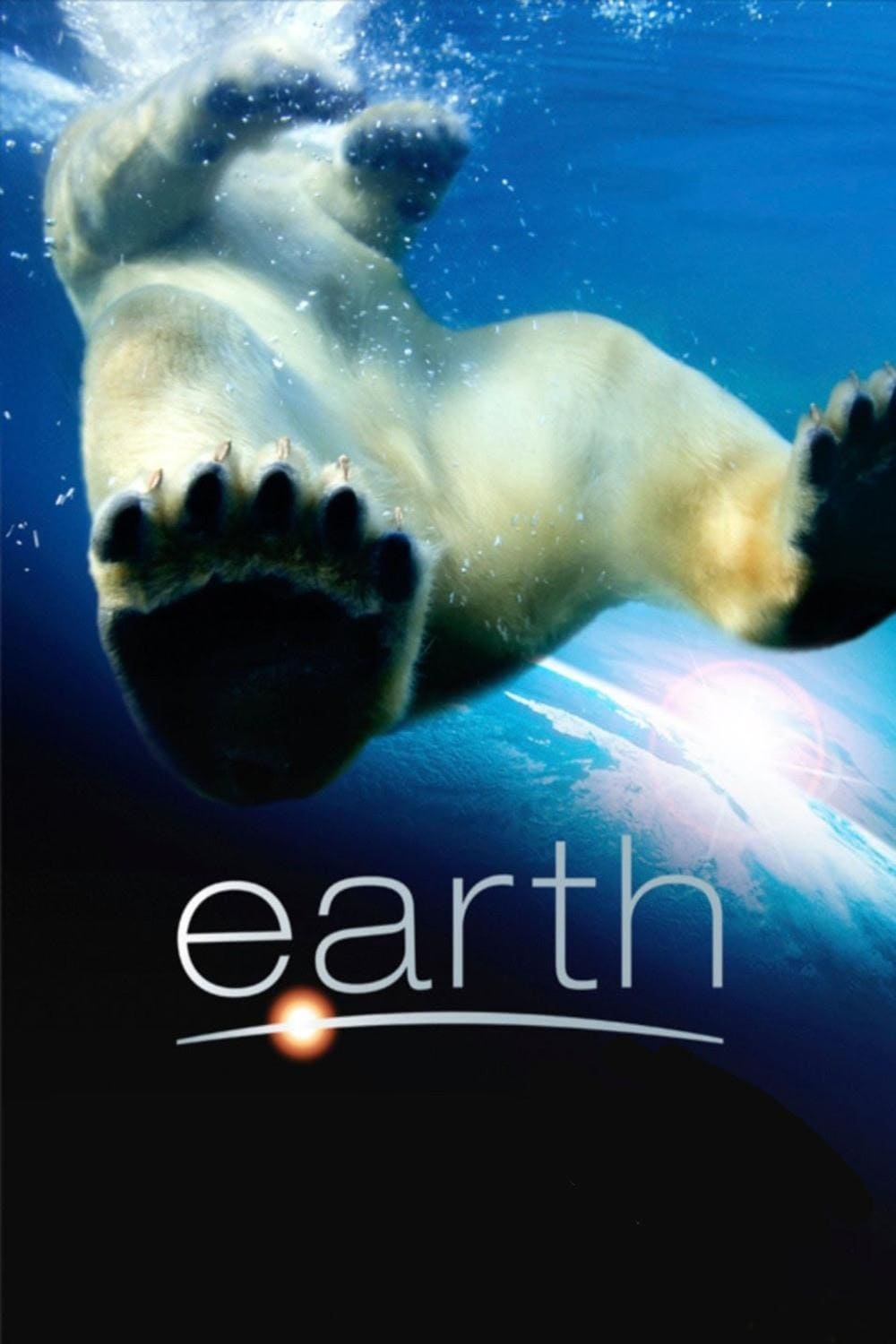
An epic story of adventure, starring some of the most magnificent and courageous creatures alive, awaits you in EARTH. Disneynature brings you a remarkable story of three animal families on a journey across our planet – polar bears, elephants and humpback whales.
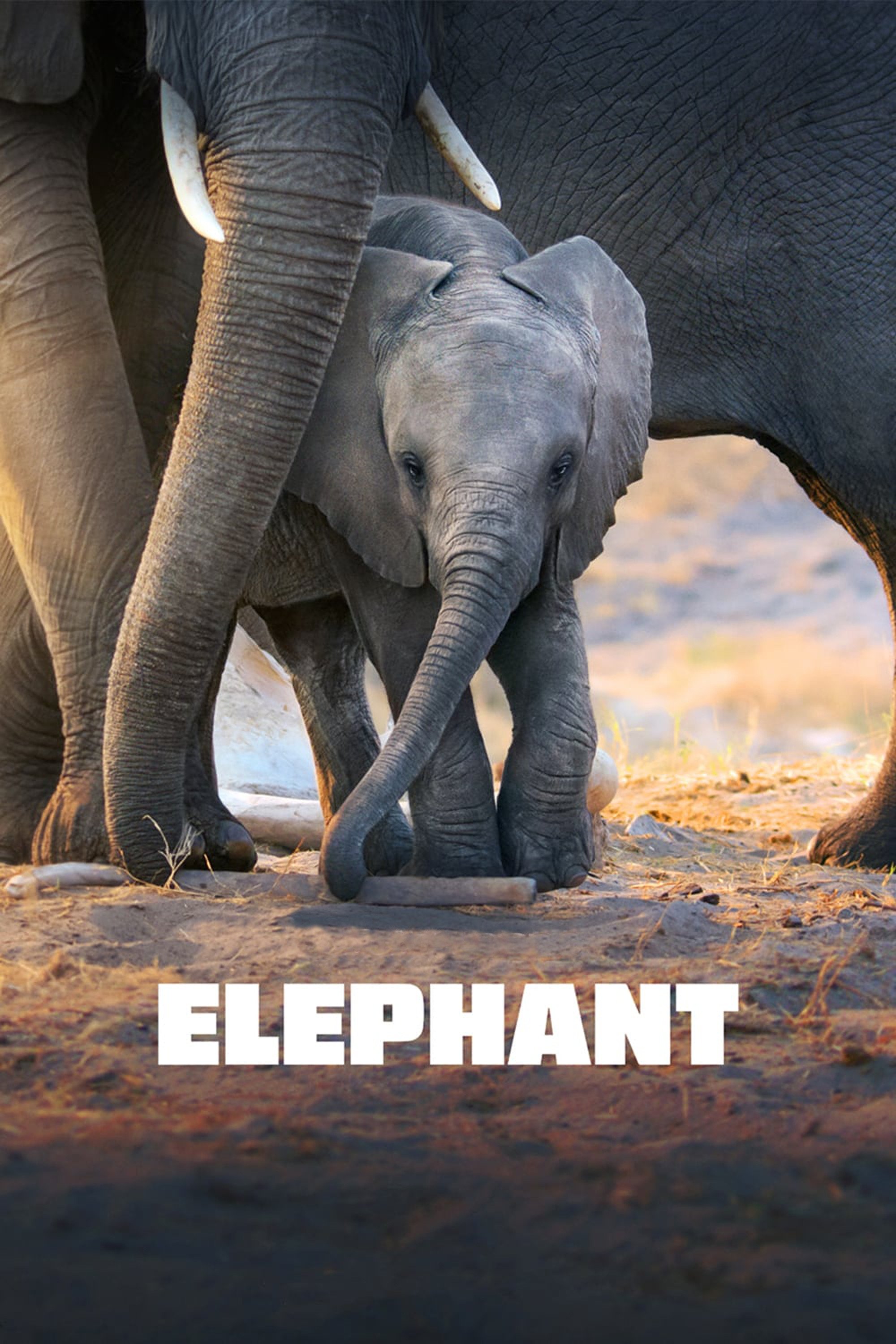
Disneynature’s Elephant follows African elephant Shani and her spirited son Jomo as their herd make an epic journey hundreds of miles across the vast Kalahari Desert. Led by their great matriarch, Gaia, the family faces brutal heat, dwindling resources and persistent predators, as they follow in their ancestors’ footsteps on a quest to reach a lush, green paradise.
A documentary on why 'Money Heist' sparked a wave of enthusiasm around the world for a lovable group of thieves and their professor.
Director Michael Apted revisits the same group of British-born adults after a 7 year wait. The subjects are interviewed as to the changes that have occurred in their lives during the last seven years.
Go behind the scenes and witness how the "Squid Game"-inspired reality show transformed from a scripted drama to a cutthroat, nail-biting competition.