Social & External
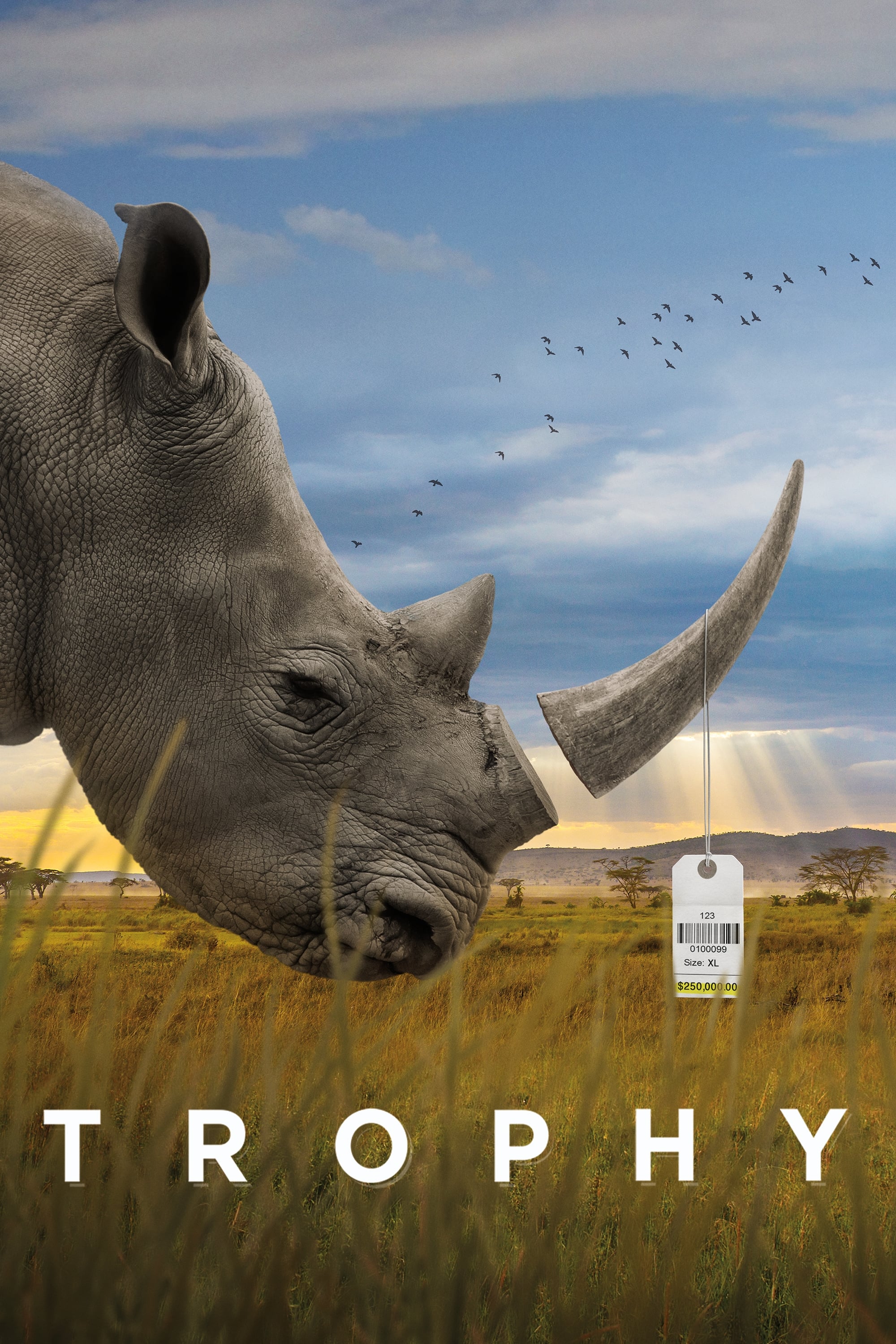
This in-depth look into the powerhouse industries of big-game hunting, breeding and wildlife conservation in the U.S. and Africa unravels the complex consequences of treating animals as commodities.
Semi-documentary exposé of scandalous hunting practices in the Sologne, a wooded area south of Orléans where he shared a house at the time. The film, part tribute to Jean Renoir's The Rules of the Game (1939) and its celebrated hunting scene, is notable for its cinematography by Polish director Walerian Borowczyk.
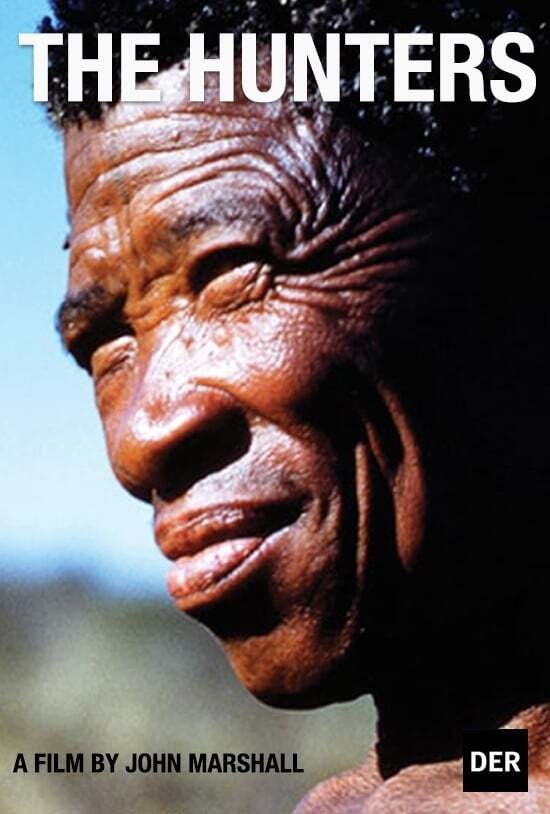
An ethnographic documentary following four Ju/’hoansi (!Kung) men during a multi-day giraffe hunt in the Kalahari Desert, filmed during the Smithsonian–Harvard Peabody expedition of 1952–53.
One day in the lives of an average Greenlandic family, which happens to be of great importance for 8-year old Kali - he's about to catch his first prey with the harpoon. The whole family is looking forward for the huge step in boy's maturation.
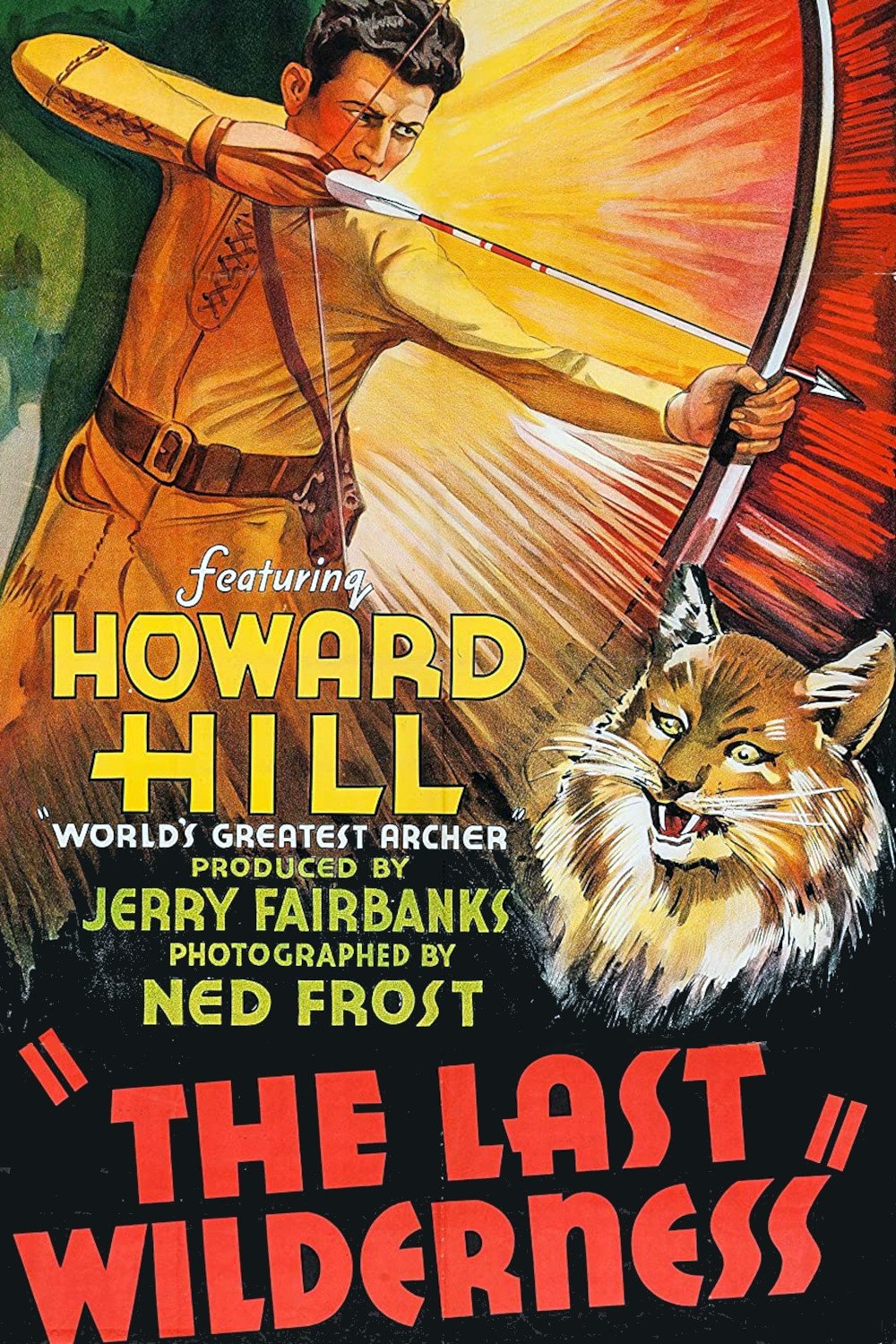
Archery expert Howard Hill and a cameraman go to Wyoming to film this wild-animal three-reel short. Besides the scenery, the scenes include a buffalo killed by an arrow shot by Hill (for food); a wildcat and a coyote in a battle, and a fight-to-the-death between a mother bear protecting her cubs against a killer male bear.
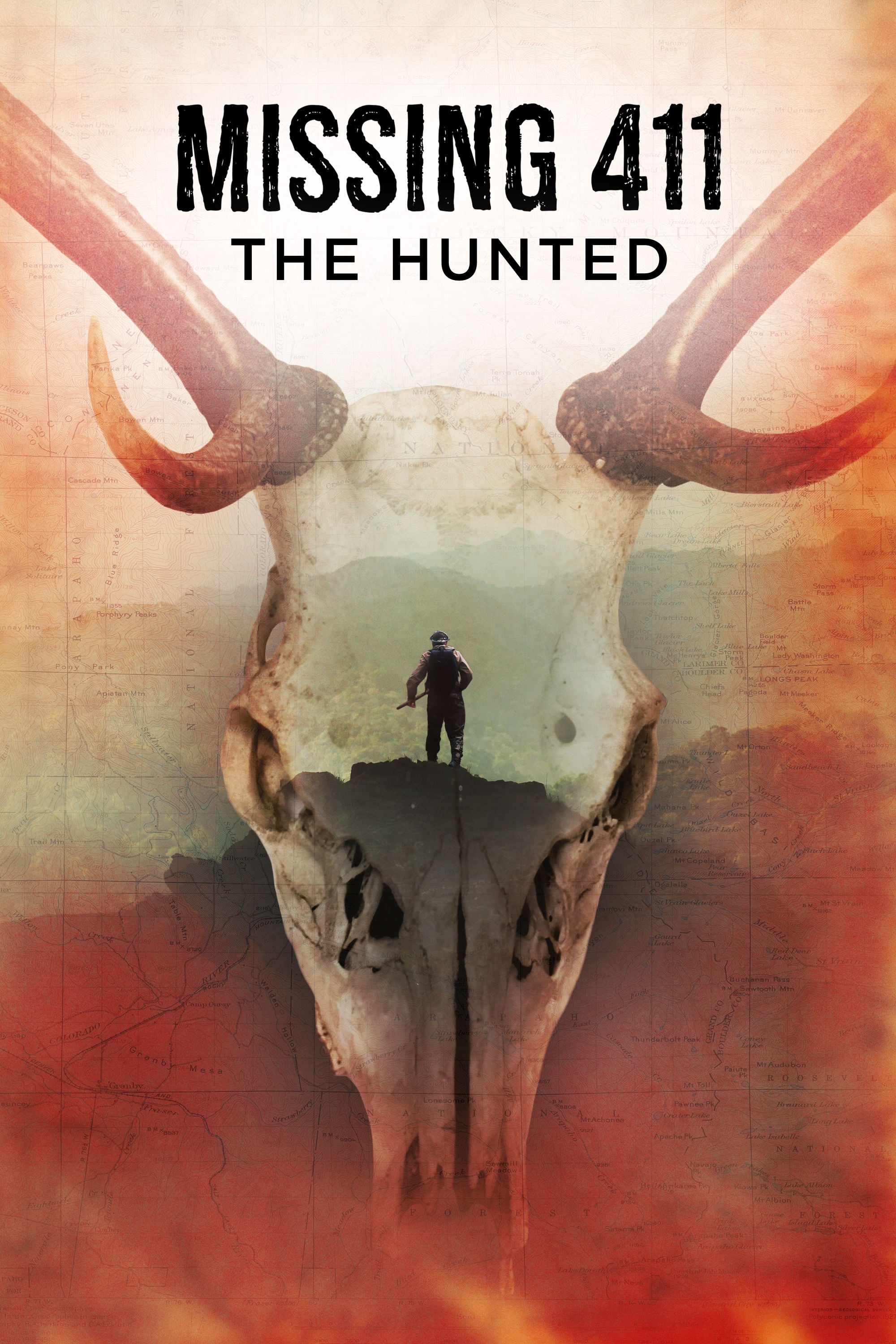
Hunters have disappeared from wildlands without a trace for hundreds of years. David Paulides presents the haunting true stories of hunters experiencing the unexplainable in the woods of North America.
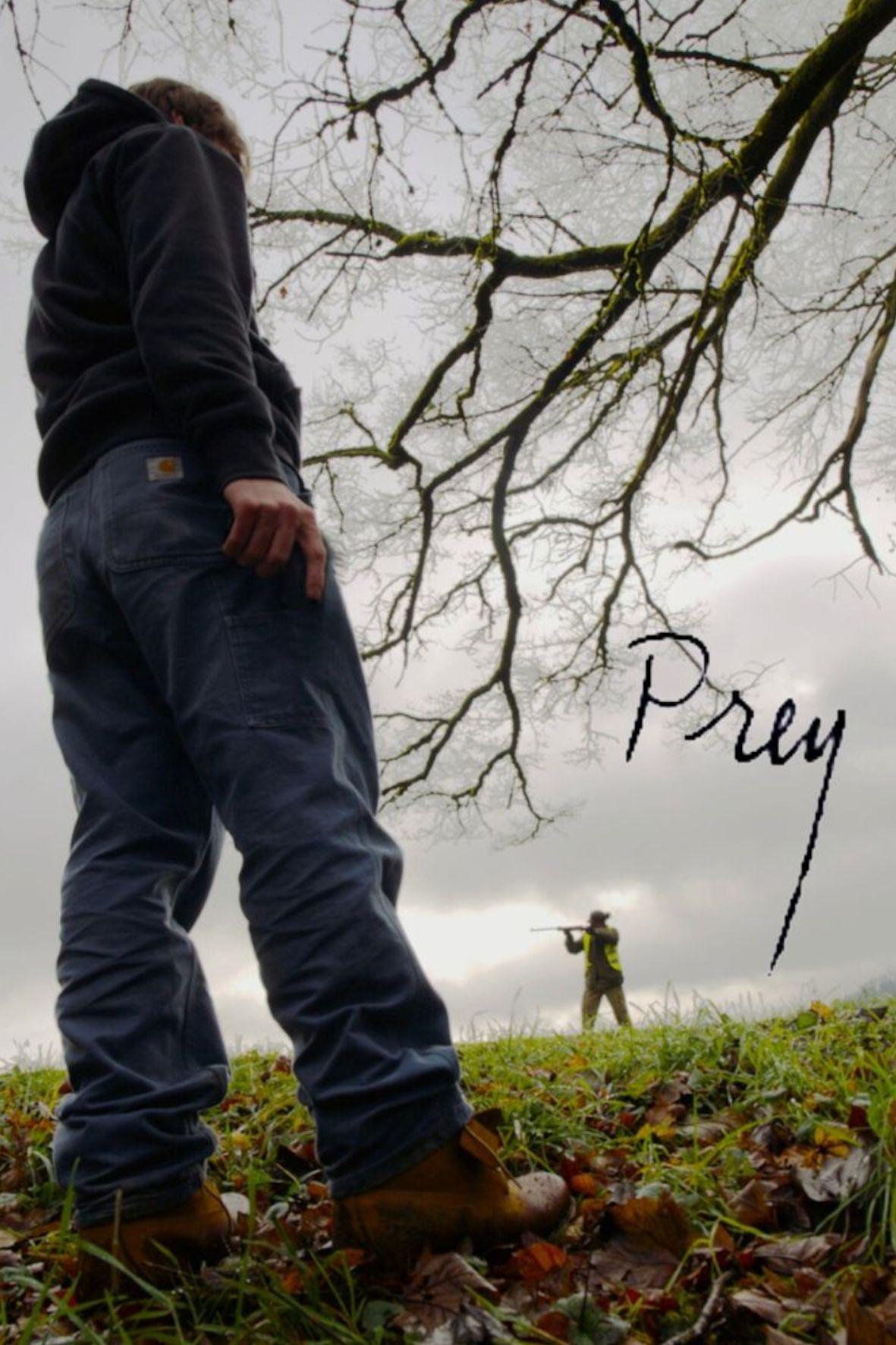
Young ecologist demonstraters travel to the countryside to confront hunters. But one of them is willing to do anything to stop them.
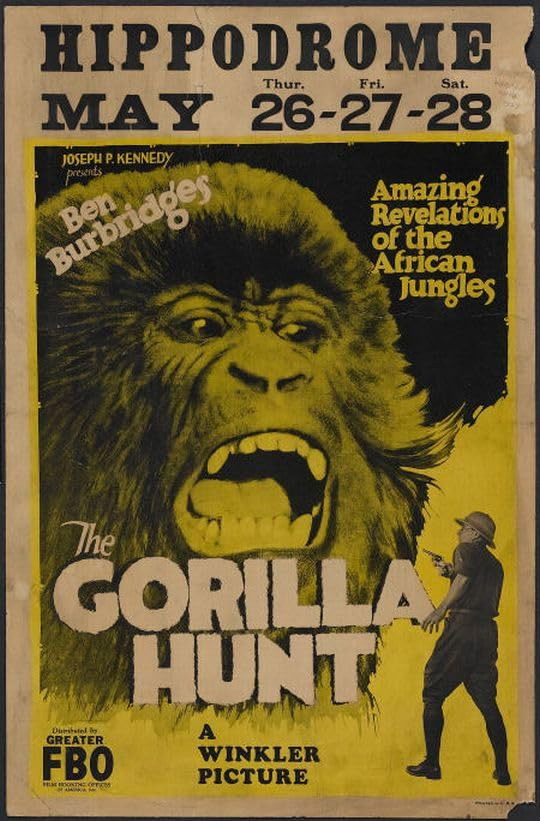
Mr. Burbridge's party slew three giant gorillas, one weighing something like 450 pounds. Two of these were sent to the Belgian Government and one to the Smithsonian Institution. The explorer also brought away with him three young gorillas, one of which weighed 125 pounds and put up a good battle before he surrendered. Mr. Burbridge shows some amusing scenes with these animals, one of them being that of a young gorilla who insists on getting tangled up in a drum of film. (cont. http://www.nytimes.com/movie/review?res=9B04E5D7143CEE3ABC4C52DFB467838D639EDE)
Two hunters set out on safari with their African guide. They observe zebras, an ostrich, and a hippopotamus, capture a monkey, and camp for the night. After a lion kills their goat and horse, they shoot it by the water’s edge and later kill a second. The animals are skinned, and the hunters relax with cigarettes beside their trophies. (Note: Produced by Nordisk Film in 1907, Løvejagten gained notoriety because founder Ole Olsen purchased lions from Copenhagen Zoo, released them on an island, and filmed their killing. Supplemented with zoo footage to simulate Africa, the film caused public outrage yet drew huge audiences, establishing Nordisk’s reputation worldwide.)
This grisly documentary presents horrifying journalistic footage of suicides, assassinations, bombings, mob hits, decapitations, and more in bloody detail. Not for the faint of heart.
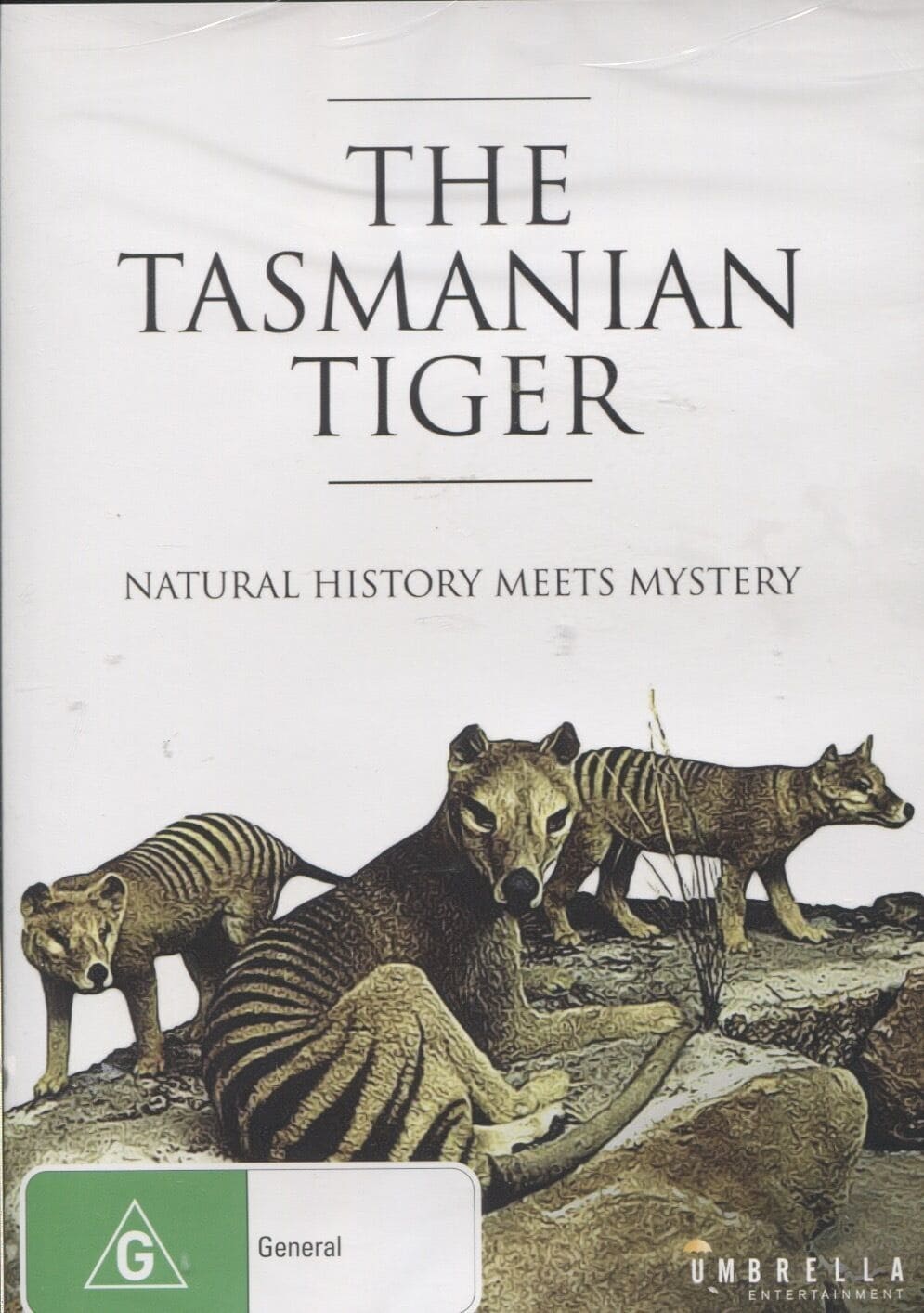
Recorded by pioneers as far back as 1805, the Tasmanian tiger has become an intensely mystifying Australian icon, whose entire existence has become the stuff of both fable and legend. This program investigates a chequered past and puts the speculation into perspective, taking into account the tragic culling and ‘bounty era’ where the carnivorous creatures were thought to be solely responsible for a considerable loss of farmers’ livestock. Balancing the facts with personal reflections from Tasmanian locals, scientists and other informed practitioners, The Tasmanian Tiger is a thought-provoking and revealing look at the extraordinary life and death of one of Australia’s most mysterious marsupials.
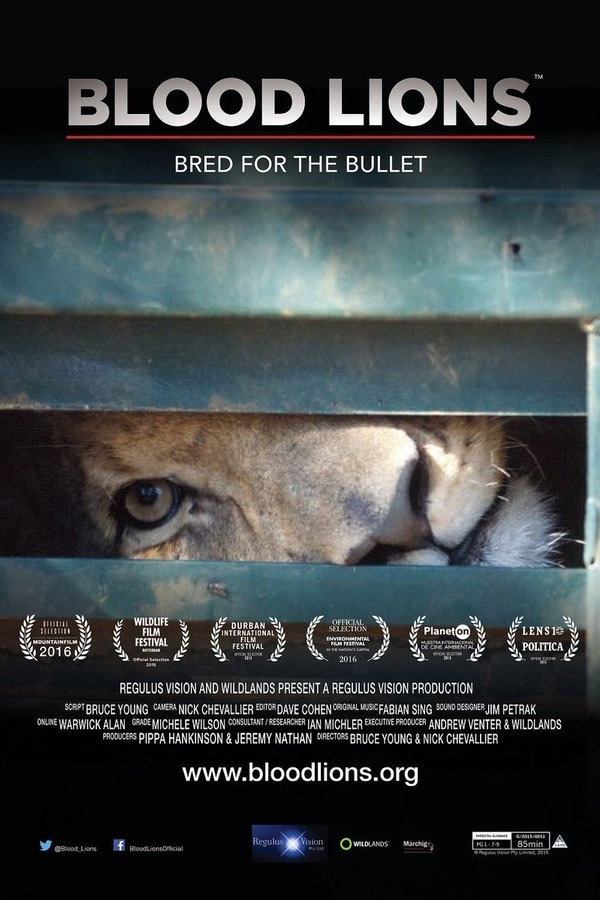
Every single day in South Africa at least two to three captive bred or tame lions are being killed in canned hunts. And hundreds more are slaughtered annually for the lion bone trade. The Blood Lions story is a compelling call to action to have these practices stopped.
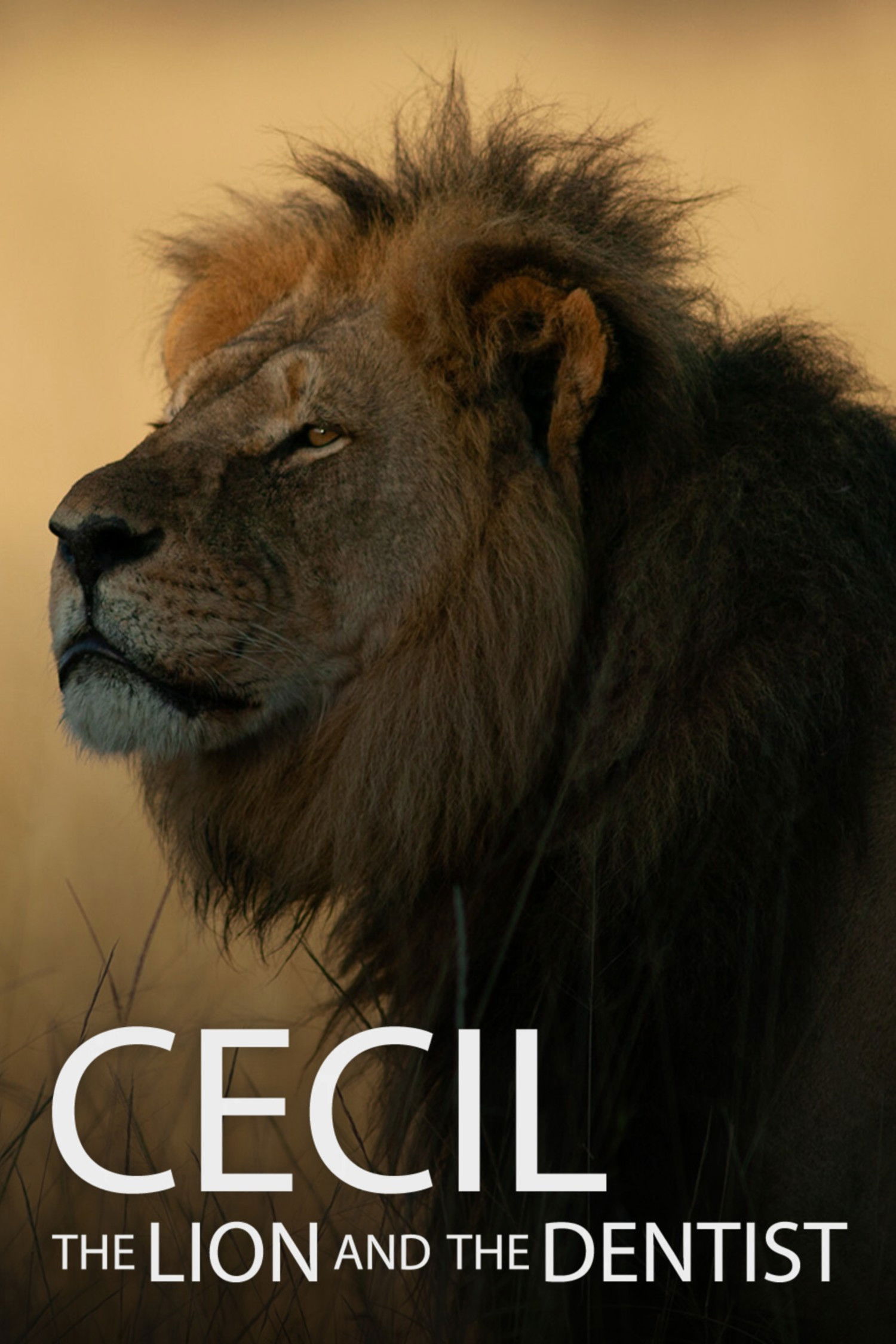
In 2015 a lion in Zimbabwe named Cecil was killed by Walter Palmer, an American dentist, provoking a global outcry. The story of Cecil’s death turns the gaze back on to us and our behaviour. The simplicity of the outrage is a stark contrast to the complexity of the reality.
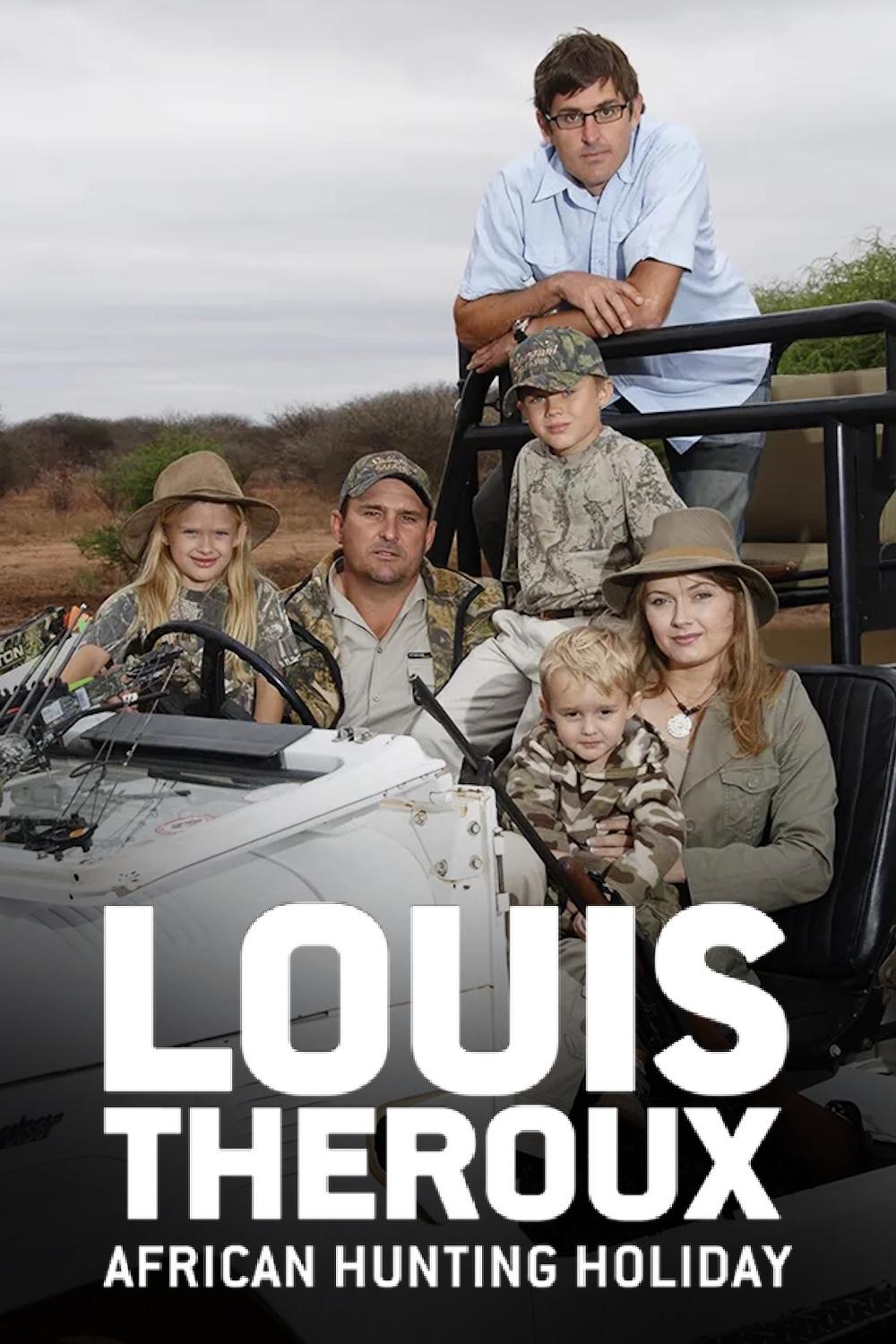
Louis goes to South Africa where American tourists pay to hunt wild animals in privately owned reserves.
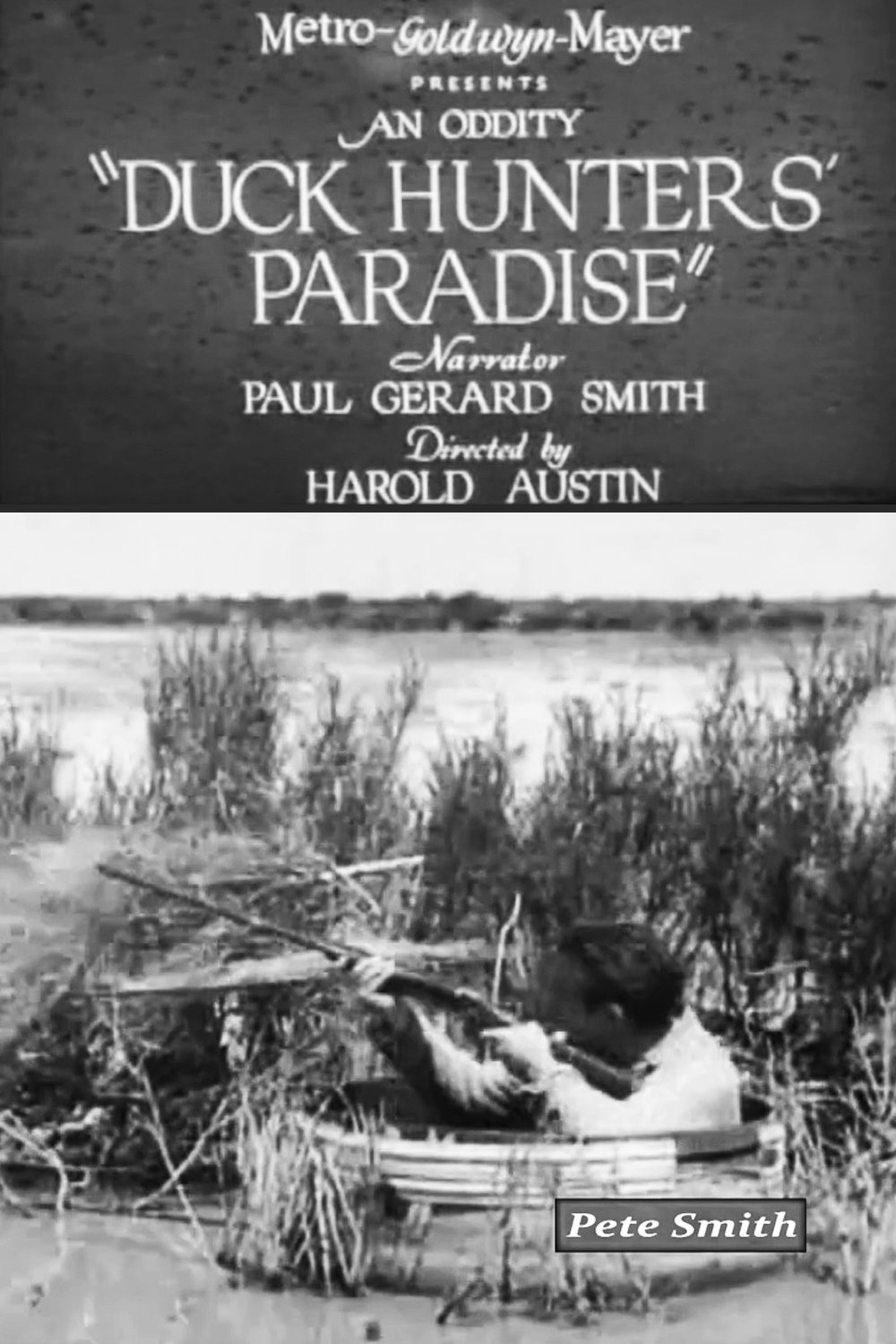
This short follows two duck hunters in the Sacramento River Valley.
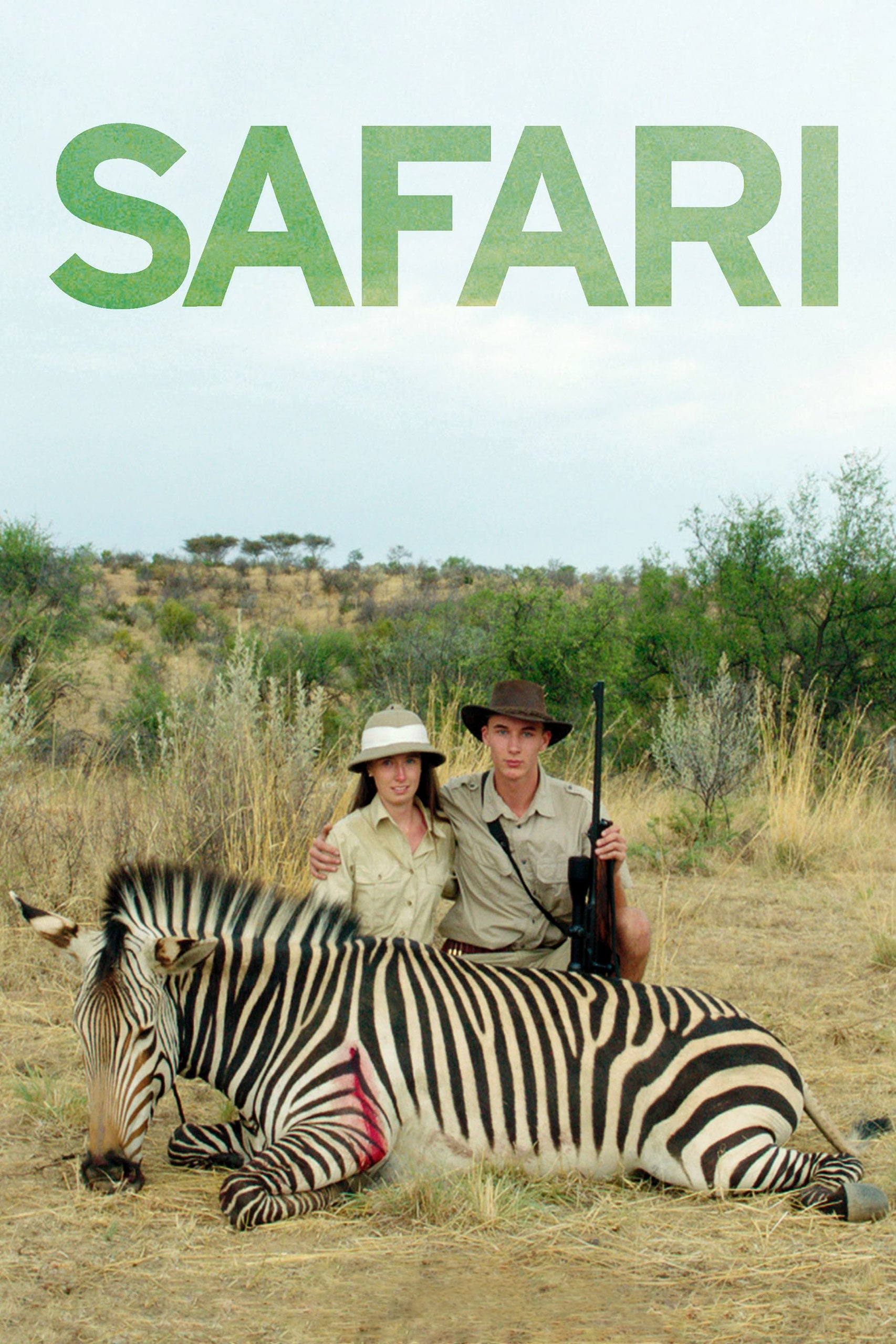
Africa. In the wild expanses, where bush-bucks, impalas, zebras, gnus and other creatures graze by the thousands, they are on holiday. German and Austrian hunting tourists drive through the bush, lie in wait, stalk their prey. They shoot, sob with excitement and pose before the animals they have bagged. A vacation movie about killing, a movie about human nature.
MARLUKU WIRLINYI is a tale of kangaroo hunting that weaves its way through Dreamtime, to the present and back again. A group of old Warlpiri men transport us back to a time of rarely heard history and we follow their journey into the present. Songs, stories and dance relate the importances of the past to the present.
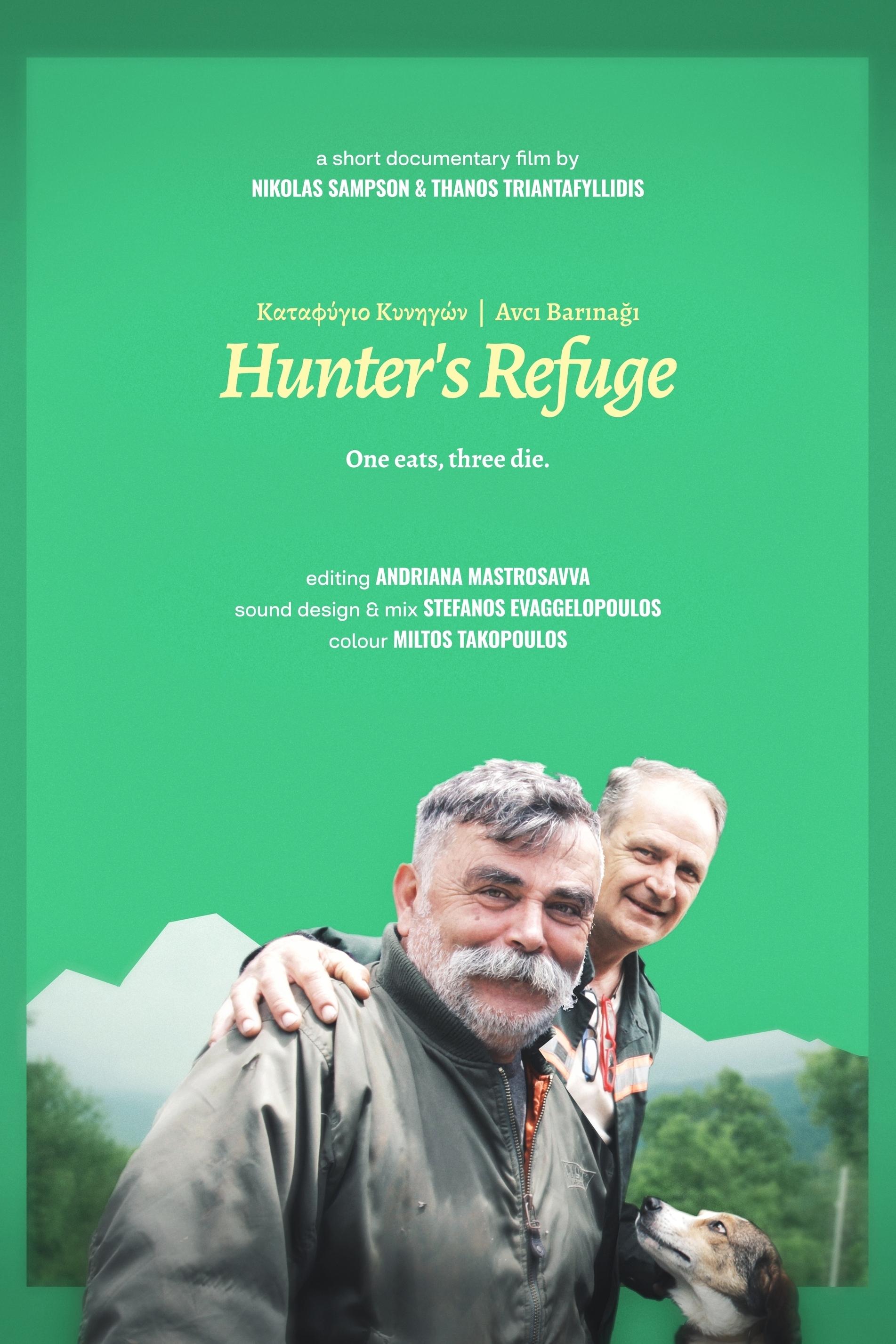
Fast on his feet with a fat mustache, short stature, and investigative gaze. For a couple of days in the mountain, in his native land, we approach a man, strange and loud but nevertheless genuine and sensitive, a hunter. In his own way, Mr. Sotiris shines light on our bond with nature, history and man.
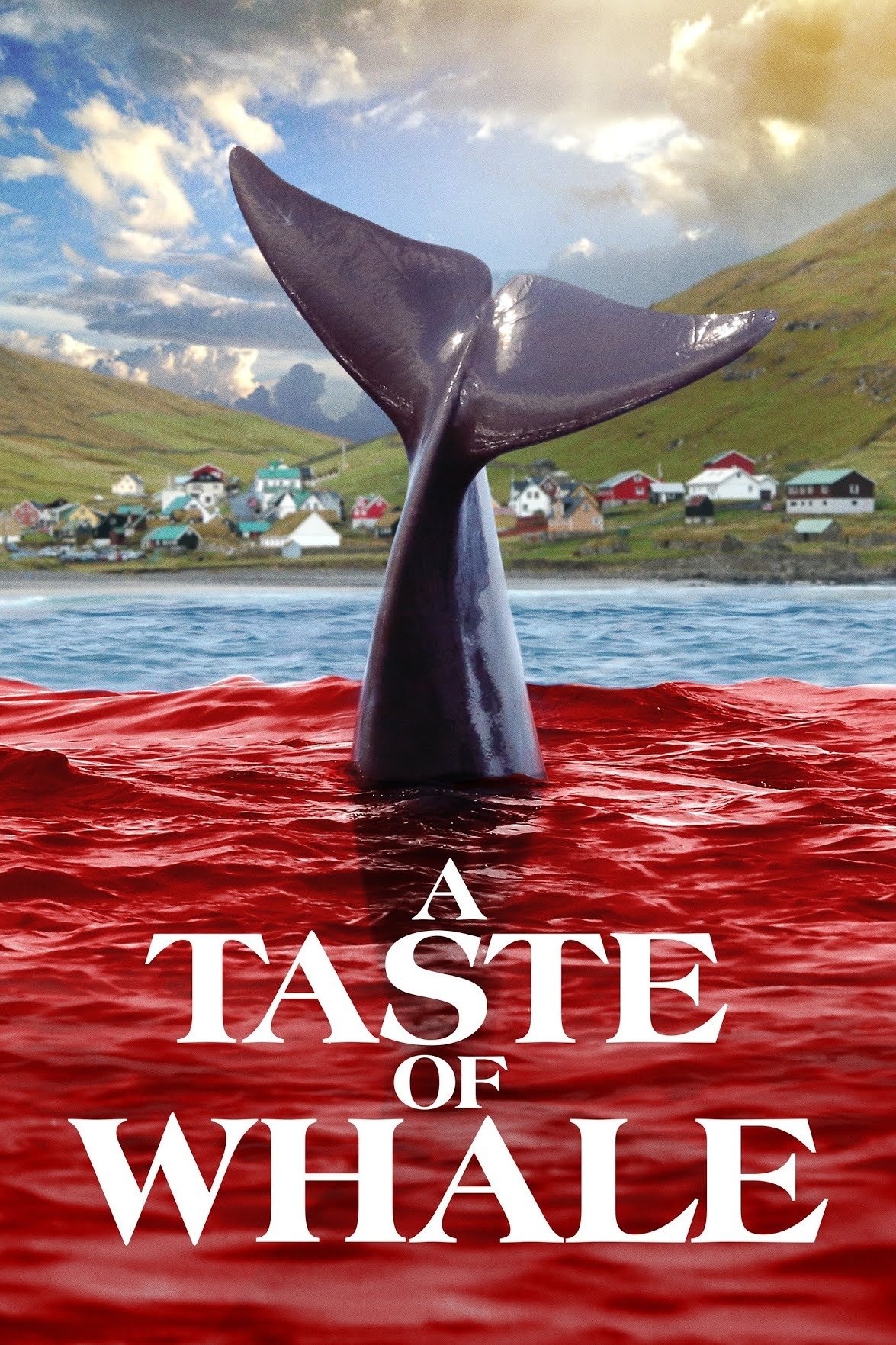
In the Faroe Islands, hundreds of pilot whales are slaughtered each year in a hunt known as the “Grind.” This gruesome tradition has drawn outrage from activists, most notably the international conservation group Sea Shepherd, who routinely sail to the islands to try to block whaling boats. Yet the Faroese are equally determined to maintain their tradition, defending the practice as more sustainable and less cruel than getting meat from slaughterhouses. Director Vincent Kelner spends time with both Faroese hunters and Sea Shepherd crusaders, building to a nuanced look at a disturbing event with much larger implications for the way humans relate to other creatures.
A detailing of the rise to prominence and global sporting superstardom of six supremely talented young Manchester United football players (David Beckham, Nicky Butt, Ryan Giggs, Paul Scholes, Phil and Gary Neville). The film covers the period 1992-1999, culminating in Manchester United's European Cup triumph.
JB Smoove and Martin Starr host a celebration of 20 years of "Spider-Man" movies, from the Sam Raimi trilogy to Marc Webb's movies and the trio from Jon Watts.
Behind the scenes look at fight choreography and action training.
An inside look at one of the most anticipated movie sequels ever with James Cameron and cast.
A documentary about how a dominant cultural and demographic institution both sustains their traditional activities and adapts to the digital revolution.
SEDUCED AND ABANDONED combines acting legend Alec Baldwin with director James Toback as they lead us on a troublesome and often hilarious journey of raising financing for their next feature film. Moving from director to financier to star actor, the two players provide us with a unique look behind the curtain at the world's biggest and most glamourous film festival, shining a light on the bitter-sweet relationship filmmakers have with Cannes and the film business. Featuring insights from directors Martin Scorsese, 'Bernando Bertolucci' and Roman Polanski; actors Ryan Gosling and Jessica Chastain and a host of film distribution luminaries.
The Making-of James Cameron's Avatar. It shows interesting parts of the work on the set.
Join the likes of Jeremy Renner, Hailee Steinfeld, Florence Pugh, and Vincent D’Onofrio as they reveal how Marvel Studios’ “Hawkeye” was conceived and created. Witness firsthand what it took to pull off the show’s pulse-pounding action set pieces, and discover how iconic characters from the pages of Marvel Comics such as Kate Bishop were adapted and brought to life for the six-episode series.
An astonishing journey revealing the awesome power of the natural world. Over the course of one single day, we track the sun from the highest mountains to the remotest islands to exotic jungles.
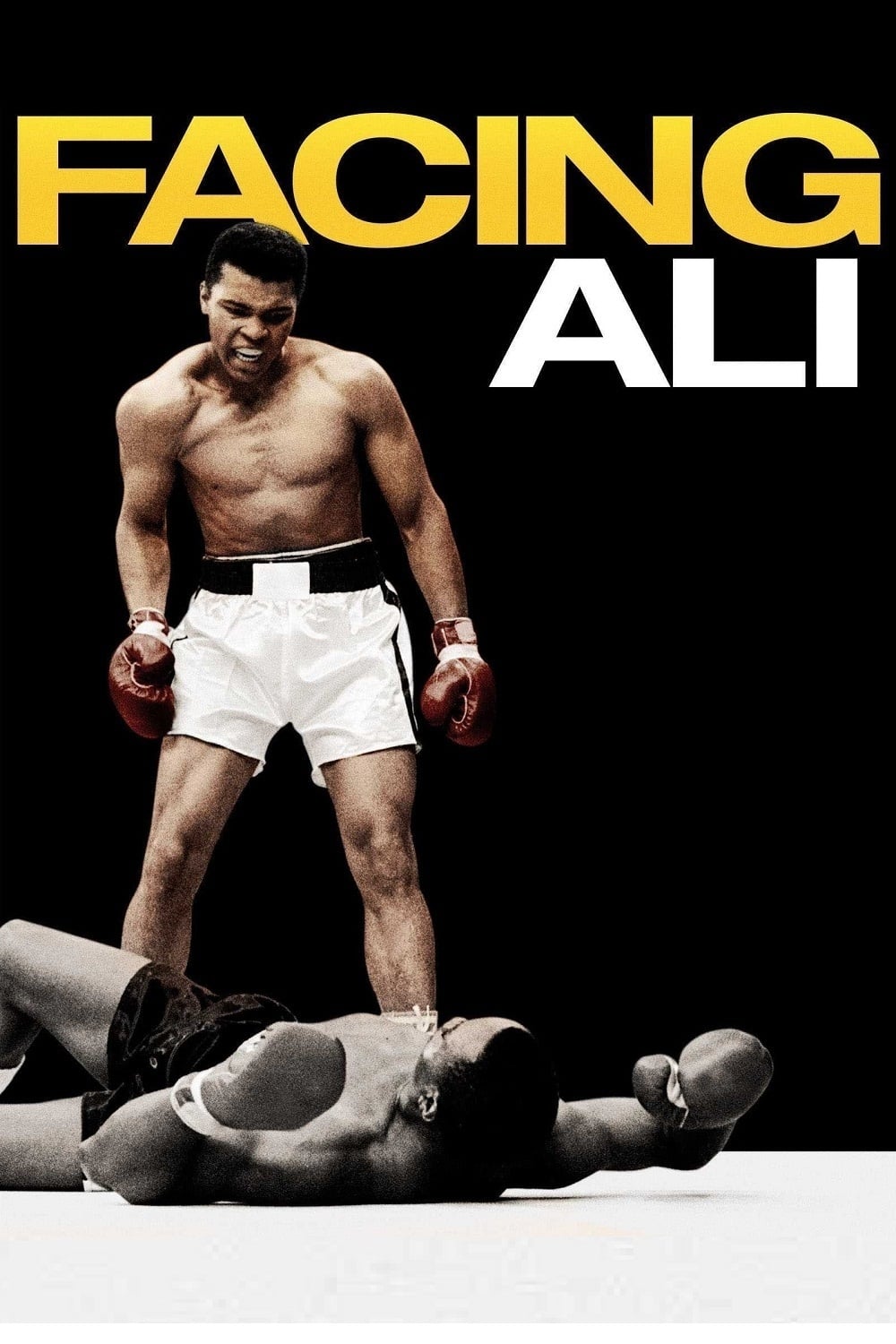
Ten of Muhammad Ali's former rivals pay tribute to the three-time world heavyweight champion.
A documentary detailing the epic Rogues' Gallery of DC Comics from The Joker and Lex Luthor, Sinestro, Darkseid and more, this documentary will explore the Super Villains of DC Comics.
“Showrunners” is the first ever feature length documentary film to explore the fascinating world of US television showrunners and the creative forces aligned around them. These are the people responsible for creating, writing and overseeing every element of production on one of the United State’s biggest exports – television drama and comedy series. Often described as the most complex job in the entertainment business, a showrunner is the chief writer / producer on a TV series and, in most instances, the show’s creator. Battling daily between art and commerce, showrunners manage every aspect of a TV show’s development and production: creative, financial and logistical.
One Life captures unprecedented and beautiful sequences of animal behaviour guaranteed to bring you closer to nature than ever before, as well as a second disc packed full of never before seen extras including an exclusive making of featurette narrated by Daniel Craig.
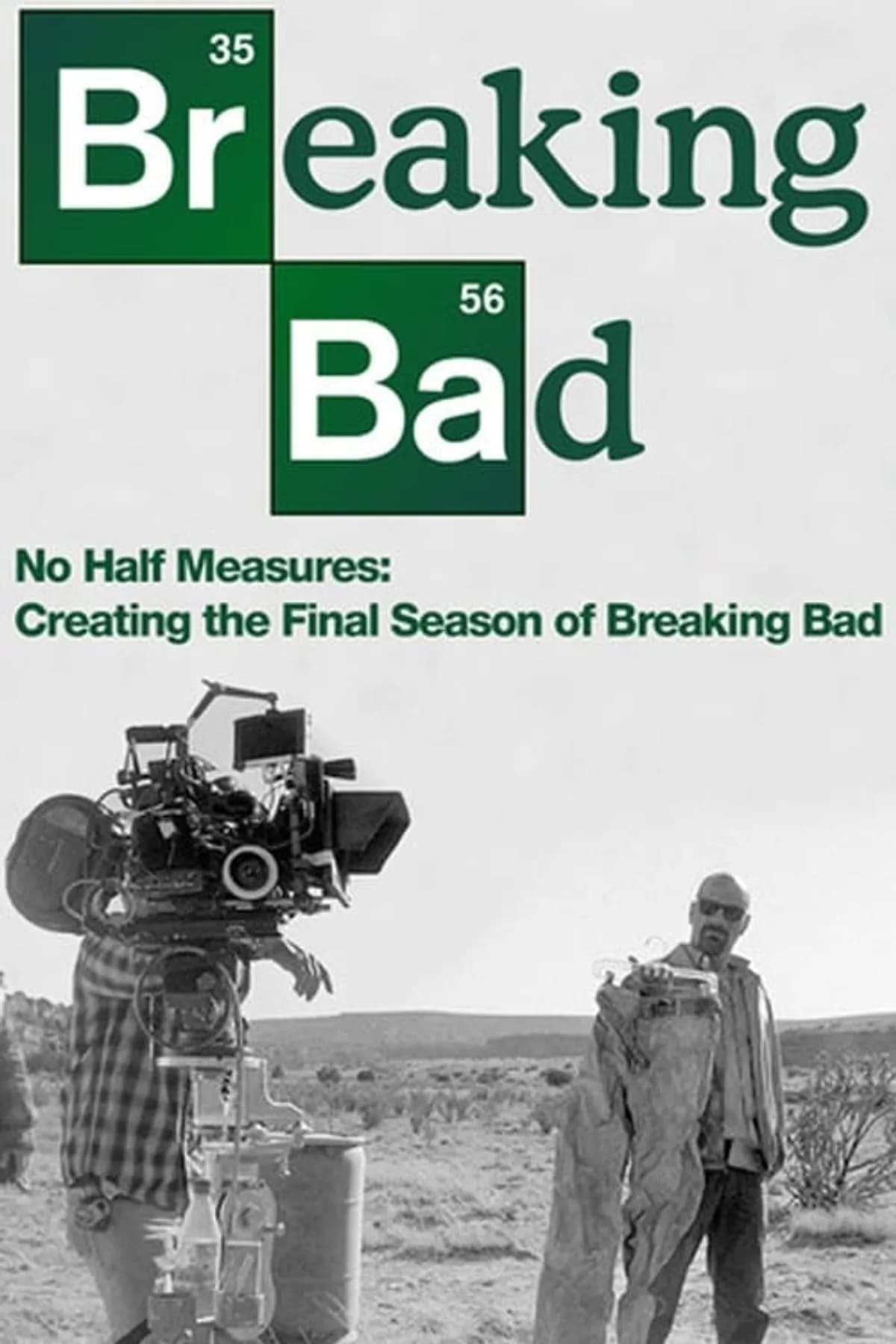
A documentary about the making of season five of the acclaimed AMC series Breaking Bad.
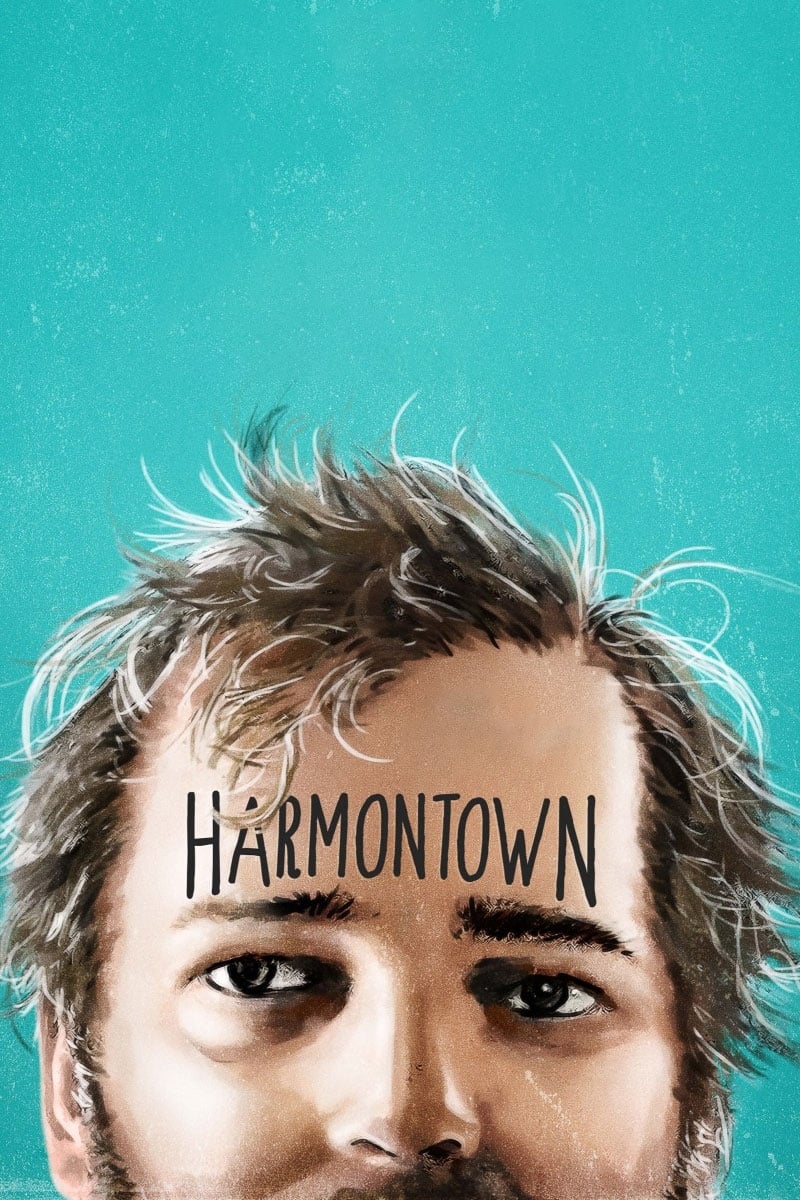
A comedic, brutally honest documentary following self-destructive TV writer Dan Harmon as he takes his live podcast on a national tour.
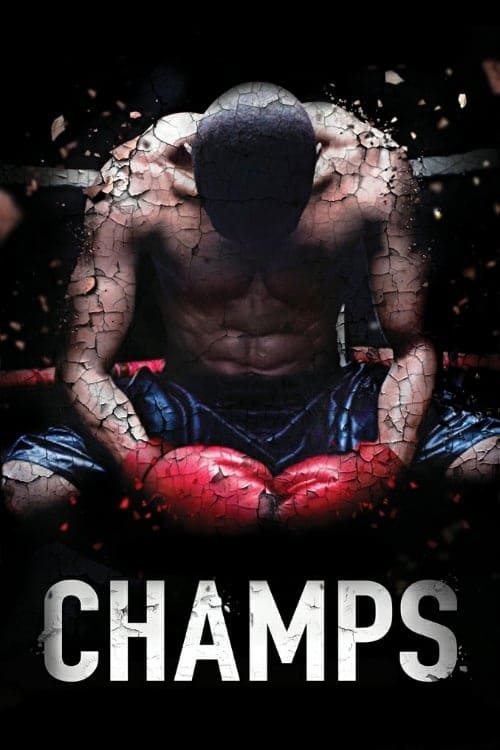
A documentary about the sport of boxing, as seen through the eyes of champions Mike Tyson, Evander Holyfield and Bernard Hopkins.
A documentary that explores the downloading revolution; the kids that created it, the bands and the businesses that were affected by it, and its impact on the world at large.
Through deeply personal interviews with her siblings and an examination of the photographs, letters, and belongings left behind, Mariska assembles a new portrait of her mother Jayne Mansfield, an extraordinary and complex woman.
From the heights of her modeling fame to her tragic death, this documentary reveals Anna Nicole Smith through the eyes of the people closest to her.
A documentary examining the decade of the 1970s as a turning point in American cinema. Some of today's best filmmakers interview the influential directors of that time.