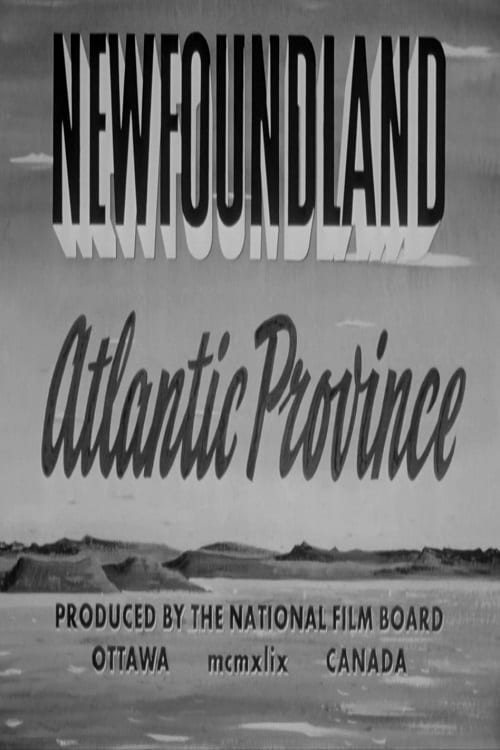
Short doc/essay film exploring Newfoundland's relationship to film before and after confederation.
Social & External
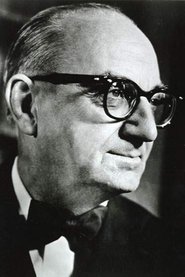
Himself (Archive Footage)
An instructional film profiling the dragnet fishing technique as practiced by Danish sailors.
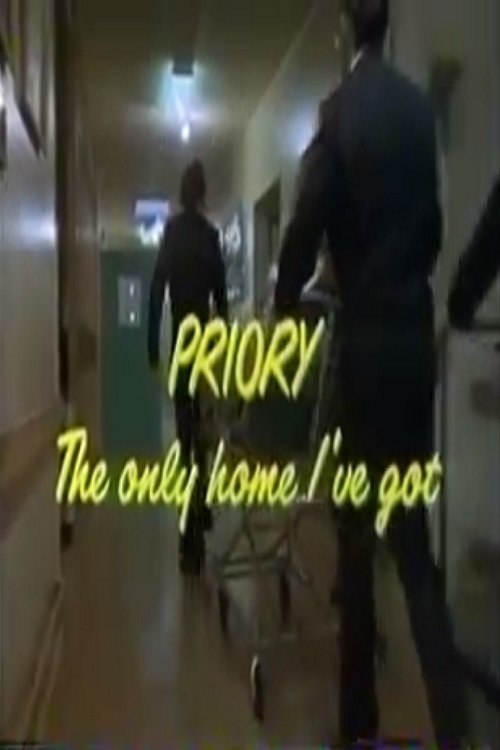
The Priory is a public extended-care hospital in Victoria, British Columbia, for people suffering from chronic geriatric illnesses. Treatment is innovative. It is based on the theory that even the ordinary activities of a patient's life contain elements of therapy. The film shows us how patients are encouraged to do as much as they can for themselves despite their confinement to wheelchairs.
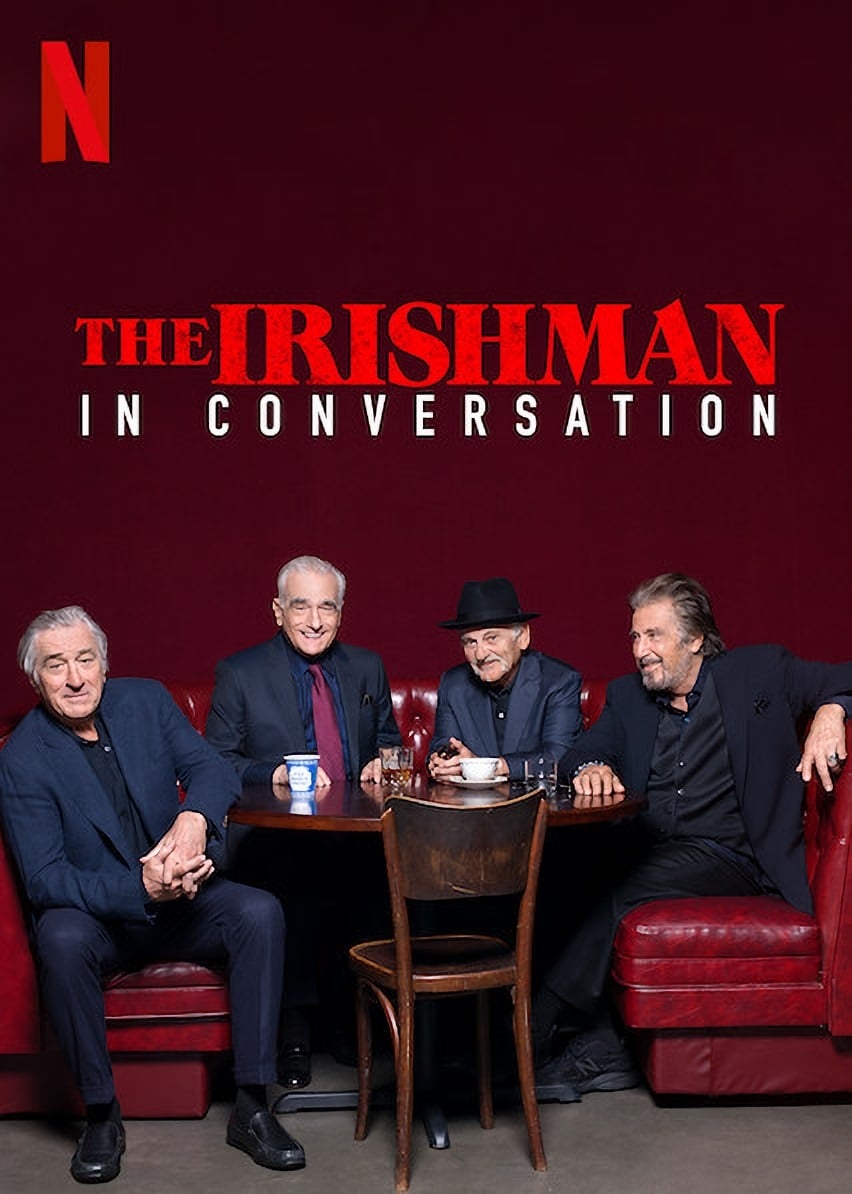
Ben Power interviews his father, Darrell Power of Great Big Sea, and asks what it was like on the road, being away from his family, and how being in one of the most memorable Newfoundland bands shaped his life.
A documentary about Nain, a Labrador Inuit community located near the world's largest nickel and copper deposits. As commercial mining interests prepare to exploit the resources, local residents consider the potential environmental and cultural impact. Meanwhile longstanding Aboriginal land claims are unsettled.
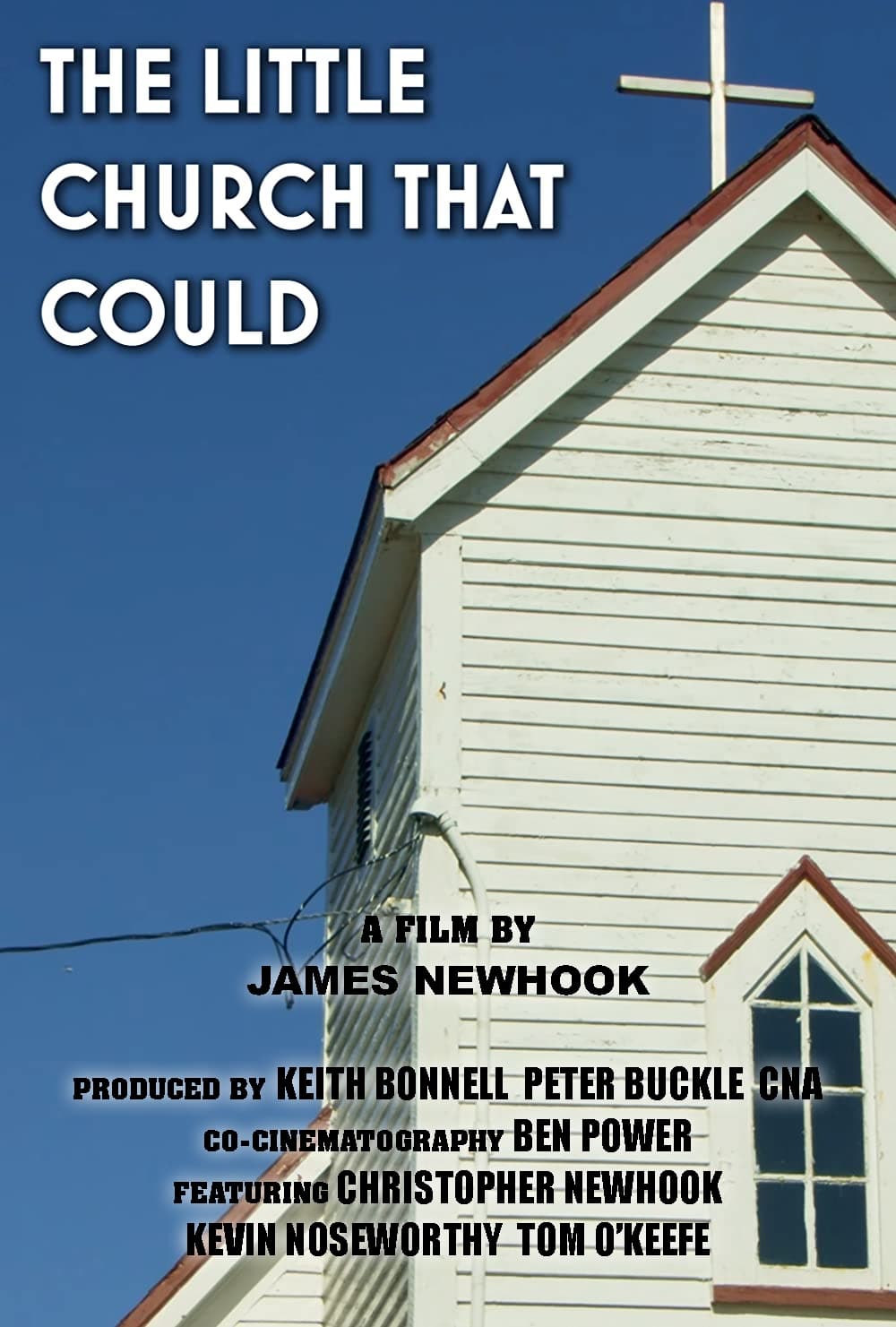
A portrait film of Little Bay Islands, Newfoundland and Labrador's latest resettlement project.
A film on the "SAPPHIRE", the oldest identified wreck in Canadian waters. Parks Canada's underwater archaeology team is responsible for the excavation of the three-hundred-year-old frigate.
William Wells defends the viability of Fogo Island and expresses his apprehension about the exodus of young people.
Combining archival photos with new and found footage, this short film presents a personal, impressionistic rendering of what it's like growing up Mi'kmaq in Newfoundland, while living in a culture of denial. Vistas is a series of 13 short films on nationhood from 13 Indigenous filmmakers from Halifax to Vancouver. It was a collaborative project between the NFB and APTN to bring Indigenous perspectives and stories to an international audience.
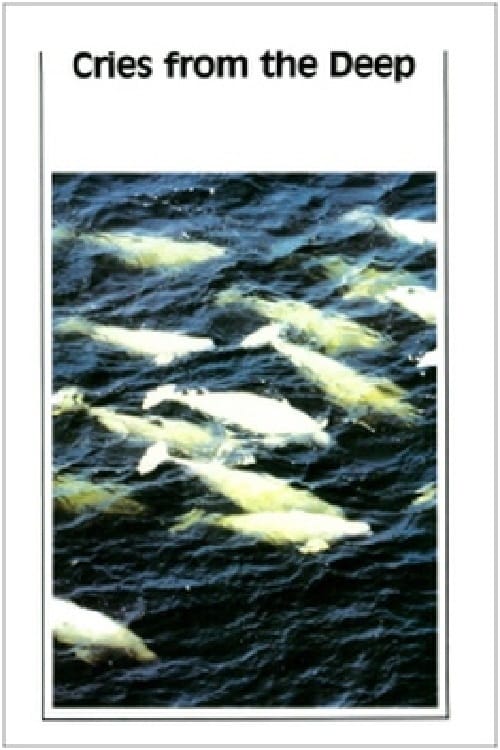
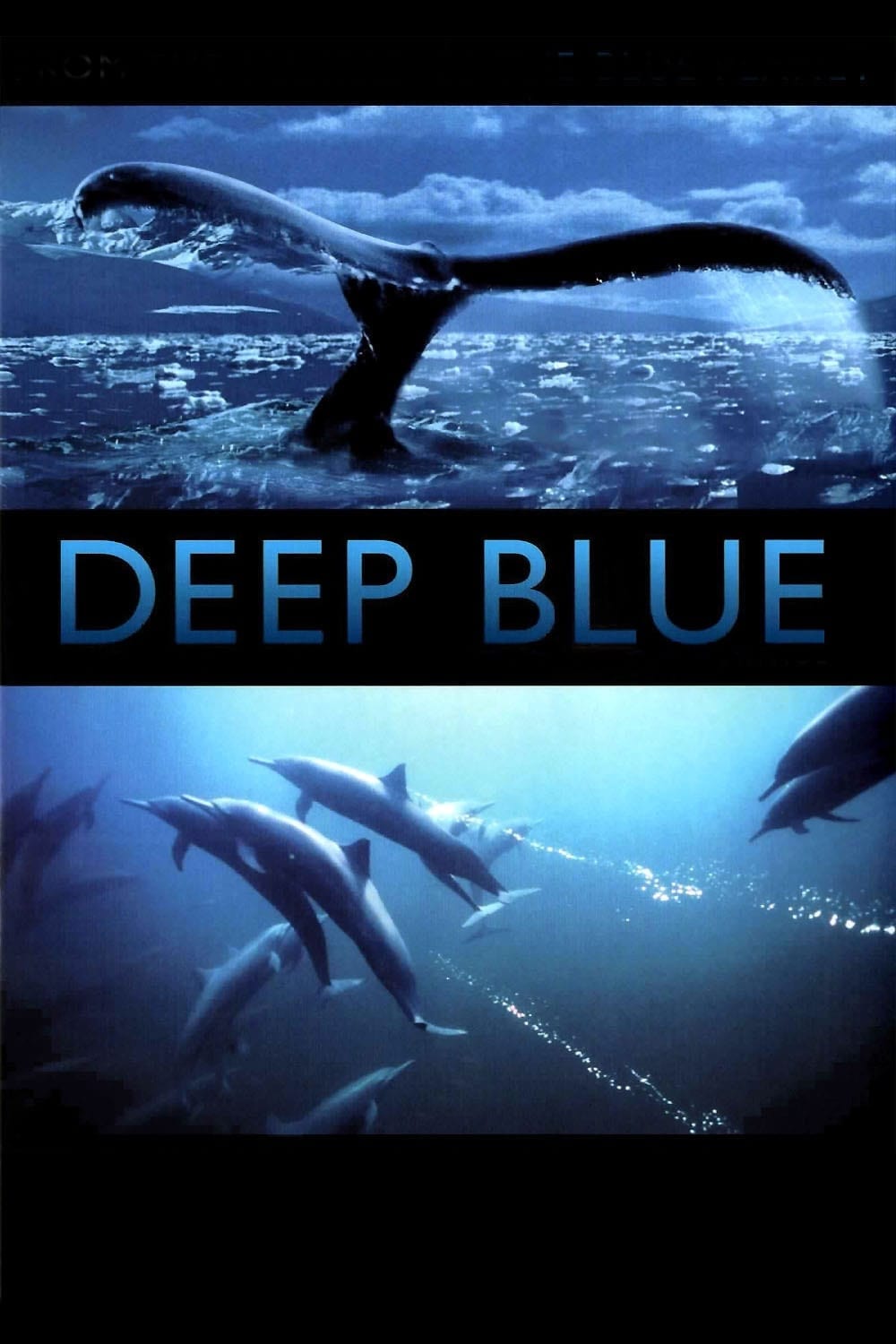
This documentary records the journey undertaken by Jacques Cousteau, his 24-member team, and an NFB film crew to explore the Grand Banks of Newfoundland, one of the world's richest fishing areas. They discover shipwrecks, film icebergs and observe beluga whales, humpback whales and harp seals. The film also includes a fascinating sequence showing Calypso divers freeing a calf whale entrapped in a fishing net.
If you want to find world-class artisans, the small northern Labrador community of Hopedale offers you some of the best. Created through the St. John's International Women's Film Festival's FRAMED film education series, in partnership with the Nunatsiavut government, this film focuses on three prominent local craftspeople- two carvers and one traditional sewist.
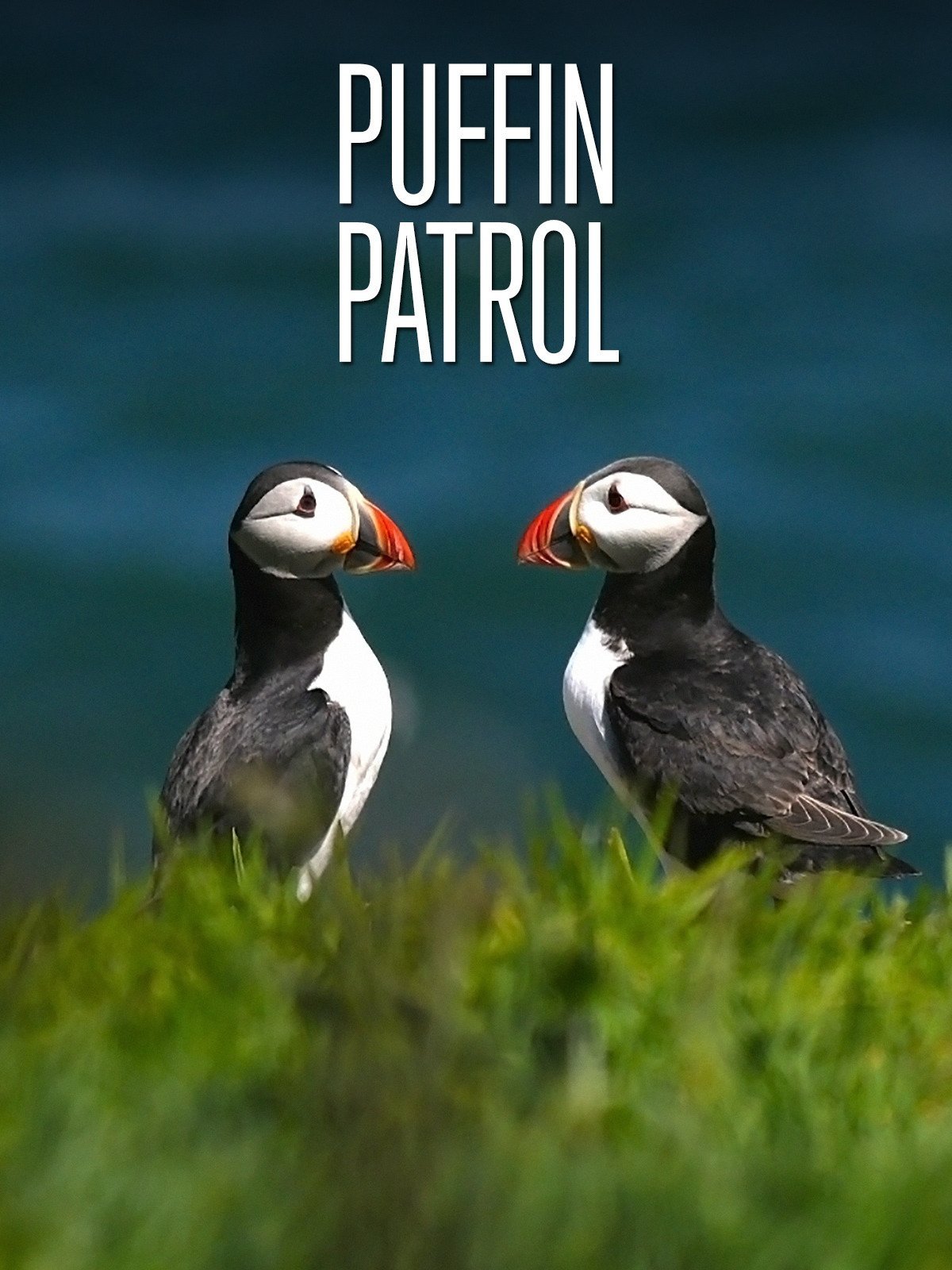
“Puffin Patrol” takes viewers into the world of the Atlantic puffin. Travel to remote locations where the puffin’s unique migration patterns and feeding habits are being studied. See where puffin populations are at risk and meet the biologists who study the bird’s greatest stressors. Follow the people of Witless Bay, Newfoundland as they rescue lost and confused pufflings from the roadside and see how this simple task teaches us about environment.
CBC News Newfoundland Labrador's documentary entitled “Trail of the Caribou” traces the journey of the brave men of the Newfoundland Regiment. Created to mark the 100th anniversary of the Battle of Beaumont-Hamel, the movie gives a detailed account of the role the Regiment played in the First World War, putting faces to the story. Since the War, Caribou statutes were constructed in Europe to memorialize the significant places the Newfoundland Regiment fought. Trail of the Caribou transports the viewers to these places to trace the footsteps of the Newfoundland soldiers.
In 1938 an airfield was built at the northeastern-most end of America, the descent went slowly but incessantly through the Cold War. This is the story of how its inhabitants gradually moved away from the great world stage and had to reinvent themselves as well as their home town.
Stan Hill Jr. is a Haudenosaunee artist living in Miawpukek First Nation Reserve, Conne River, Newfoundland. In “The Bear Inside a Whale,” he and his family discuss racism, identity, religion, creation and art, along with the cultural extinction of the Beothuk of Newfoundland. Throughout the film, we follow Stan carving a bear out of a whale vertebra. And we visit The Rooms (museum) in St. John’s, Newfoundland, where Stan talks about viewing and reclaiming Indigenous artefacts.
The film explores how the three British colonies of New Brunswick, Nova Scotia and Prince Edward Island became provinces of Canada and charts the subsequent decline of their economies after Confederation. Photographs, archival drawings, cartoons and interviews with Maritime historians are used to document the case.
The cod fishery off the east coast of Newfoundland was a way of life, the backbone of society -- until it collapsed. A review of the history leading up to the crisis and the subsequent call for a moratorium of the northwest Atlantic cod fishery.
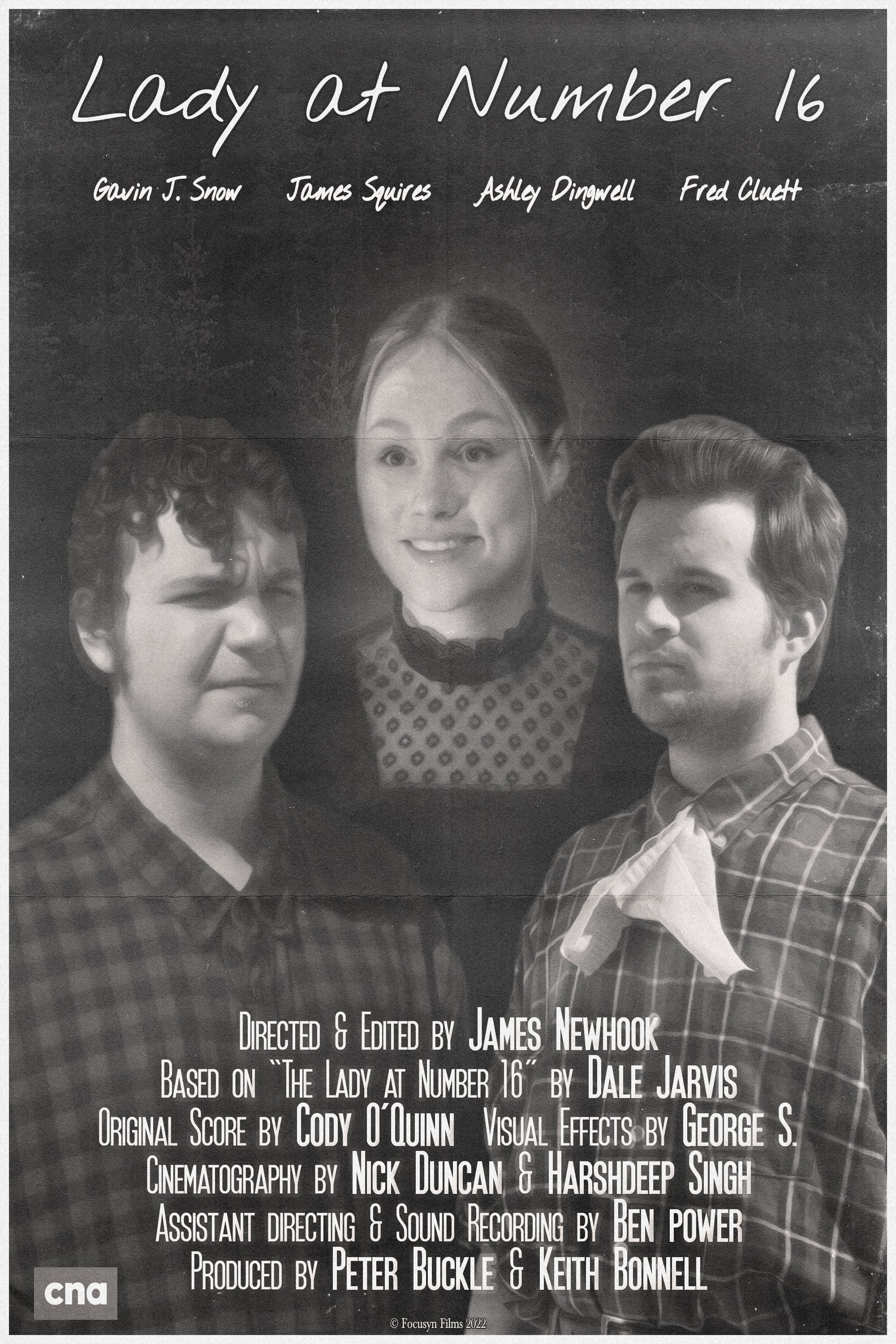
Based on the tale by Dale Jarvis, "Lady at Number 16" tells the story of two sailors in the 1800s that help a young lady back into her mansion. They return a few hours later to realize that their night was not all that it had seemed, and it may have had a more sinister twist than expected.
Gerry Rogers, a filmmaker in Newfoundland, documents her personal battle with breast cancer. With her partner Peggy and lots of support from family and friends, she makes her way to recovery.
Gerald S. Doyle was one of the first collectors of Newfoundland folk songs. He was also an avid cinematographer who left a collection of 12 hours of colour film, shot in outport Newfoundland and Labrador in the 1930's, 40's, and 50's.
A portrait of Newfoundland that records a way of life that has all but disappeared.