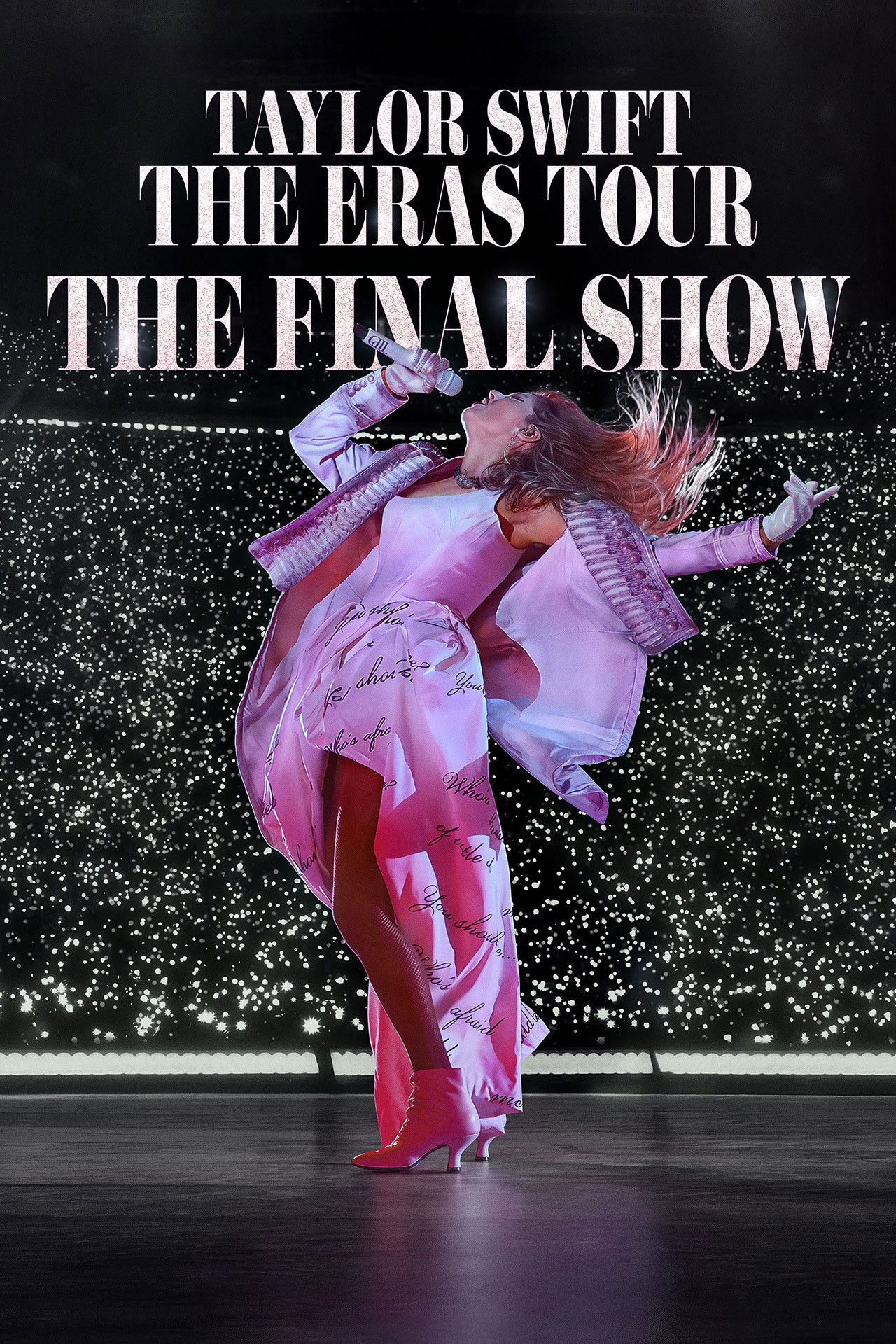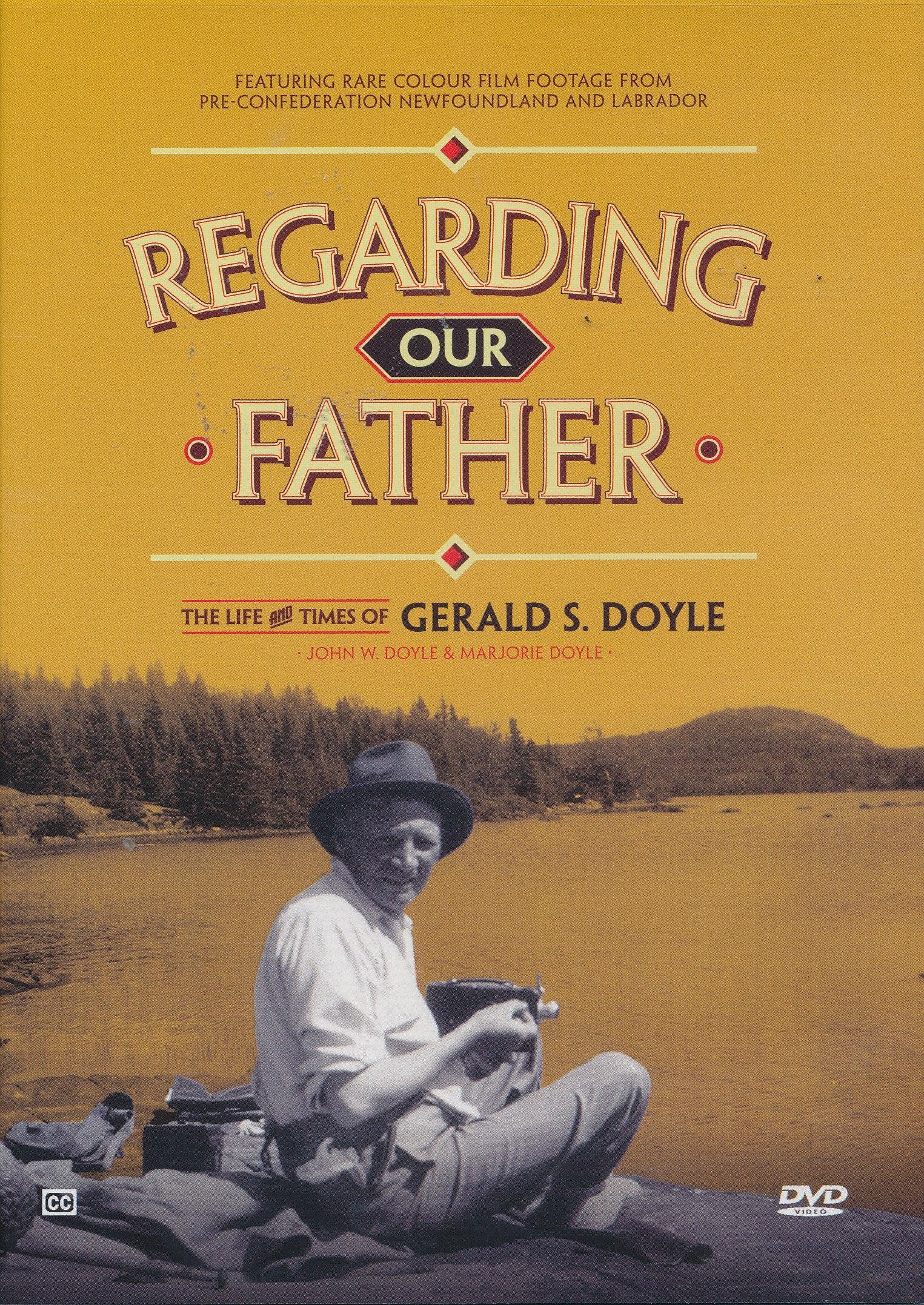
Gerald S. Doyle was one of the first collectors of Newfoundland folk songs. He was also an avid cinematographer who left a collection of 12 hours of colour film, shot in outport Newfoundland and Labrador in the 1930's, 40's, and 50's.
Social & External
Self
He found fame in his teens with images of his native New York, then lost it again.
Julius Shulman: Desert Modern focuses on Shulman's remarkable 70-year documentation of the renowned Mid-Century Modern architecture of the Palm Springs area/ Shulman, at the age of 97, describes with humor and insight his artistic intentions and the back-story to some of his most legendary photographs. He is joined by noted architectural historian Alan Hess and Michael Stern, co-authors of the book, "Julius Shulman: Palm Springs". Stern is also curator of the "Julius Shulman: Palm Springs" exhibition which originated at the Palm Springs Art Museum in February 2008. The flm showcases Shulman's inspired photography of the architecture of Richard Neutra, Albert Frey, John Lautner, E. Stewart Williams, Palmer and Krisel and William Cody, among others. E. Stewart Williams' Frank Sinatra House is featured, as well as Richard Neutra's Kaufmann House, one of the most famous homes in America, largely due to Shulman's iconic 1947 photograph.
The best known, "Weegee's New York" (1948), presents a surprisingly lyrical view of the city without a hint of crime or murder. Already this film gives evidence, here very restrained, of Weegee's interest in technical tricks: blur, speeded up or slowed-down film, a lens that makes the city's streets curve as if cars are driving over a rainbow. - The New York Times
The Bokelberg photographic collection brings to life the Paris of the Belle Époque (1871-1914), an exhibition of workshops and stores with extremely beautiful shop windows before which the owners and their employees proudly pose, hiding behind their eyes the secret history of a great era.
A heartwarming exploration of a community art project by photographer Tawfik Elgazzar providing free portraits for locals and passers-by in Sydney, Australia's Inner West. The film explores the nature of individuality, cultural diversity and the positive joy for the photographer of seeing his subjects smile.
In 1970s New York, photographer Martha Cooper captured some of the first images of graffiti at a time when the city had declared war on it. Decades later, Cooper has become an influential godmother to a global movement of street artists.
A portrait of Newfoundland that records a way of life that has all but disappeared.
In the Bernese Alps, the Agassizhorn peak memorialises Louis Agassiz – a controversial 19th-century scientist, who not only named the mountain after himself, but who claimed he had discovered the Ice Age and went on to become one of the century's most virulent, most influential racists.
Errol Morris examines the incidents of abuse and torture of suspected terrorists at the hands of U.S. forces at the Abu Ghraib prison.
Following the 1884–85 Berlin Conference resolution on the partition of Africa, the Portuguese army uses a talented ensign to register the effective occupation of the territory belonging to the Cuamato people, conquered in 1907, in the south of Angola. A STORY FROM AFRICA enlivens a rarely seen photographic archive through the tragic tale of Calipalula, the Cuamato nobleman essential to the unfolding of events in this Portuguese pacification campaign.
Gerry Rogers, a filmmaker in Newfoundland, documents her personal battle with breast cancer. With her partner Peggy and lots of support from family and friends, she makes her way to recovery.
Hundreds of boxes left by the famous uruguayan musician and political activist Alfredo Zitarrosa (1936-1989) who run away the dictatorship in the 70s, have not been touched since his death 27 years ago. Now his wife and daughters are trying to save the memories, tapes, music and sound recordings that the boxes contain to the posterity.
This documentary follows 200 days in the life of contemporary artist Hiroshi Sugimoto— a leading presence in the world of modern art. He is the winner of many prestigious awards and his photographs are sold for millions of yen at overseas auctions. The film shows the sites of the Architecture series shot in southern France, the huge installation art work at 17th Biennale of Sydney, his new work Mathematics at Provence, his art studio while working on Lightning Fields, and more. It thoroughly pursues the question Sugimoto's works pose - "living in modern times, what are these works trying to tell us?" A thrilling look into the world of Hiroshi Sugimoto.
The documentary follows Polish artists on the first sailing expedition to Antarctica, their struggles, the first ever concert by Polish artists there, the first wet plate photography session & rare underwater encounters with leopard seals & other wildlife.
The film explores the role of photography, since its rudimentary beginnings in the 1840s, in shaping the identity, aspirations, and social emergence of African Americans from slavery to the present. The dramatic arch is developed as a visual narrative that flows through the past 160 years to reveal black photography as an instrument for social change, an African American point-of-view on American history, and a particularized aesthetic vision.
John Baumhackl recalls the early days of the Vietnam War when more and more troops were being sent into combat every month. In 1968, John's number came up and he was drafted into the conflict. Buying a camera at his company store before shipping off, he captured many battles while in a helicopter. John was near the front lines when President Nixon made the controversial decision to push into Cambodia. In John's view, this saved American lives.
Traces the life and mental illness of New York artist and photographer Ruth Litoff, and her sister's struggle to come to terms with her tragic suicide.
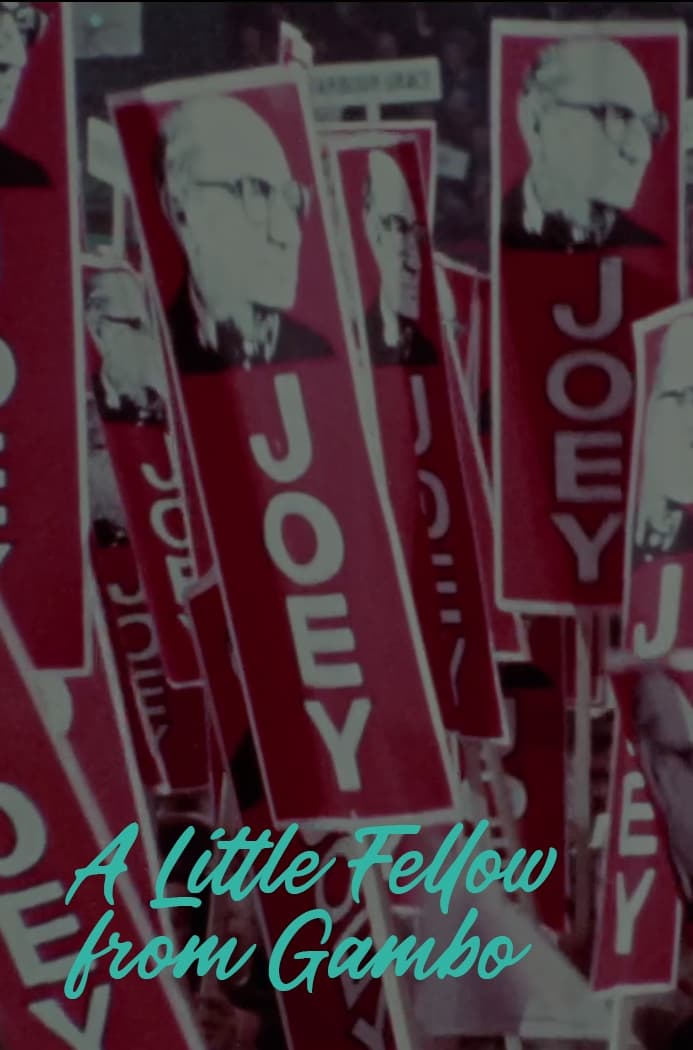
This feature-length documentary paints a lively portrait of Father of Confederation and first premier of Newfoundland Joseph Roberts Smallwood, or "Joey," as he is known to most Canadians. Following one of Canada’s most colourful political figures during a two-and-a-half-month period that included a stormy Liberal leadership convention, the film reveals a man misunderstood even by his close associates.
With simple ceremony on Parliament Hill, Ottawa, Newfoundlanders are welcomed as fellow-Canadians. Prime Minister St. Laurent starting off the carving of Newfoundland's coat of arms in the tenth and formerly blank shield over the entrance to the Parliament Buildings, writing in stone another chapter of Confederation. So begins this survey of Canada's tenth province, Newfoundland, its resources and how its people live. The film takes us to St. John's, Corner Brook, Bell Island, and includes a visit to Labrador where we see the giant airport at Gander.
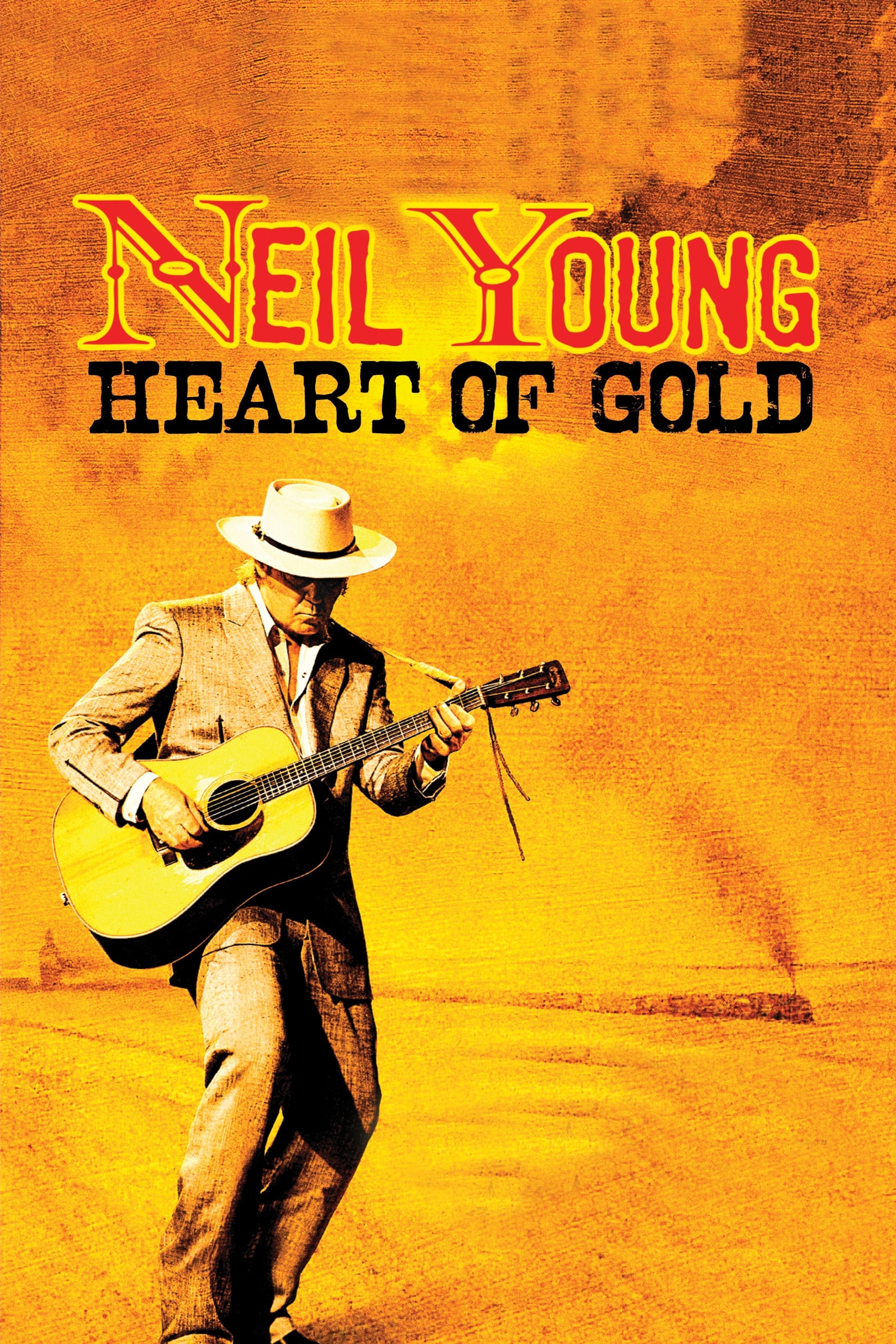
In March 2005, Neil Young was diagnosed with a brain aneurysm. Four days before he was scheduled for a lifesaving operation, he headed to Nashville, where he wrote and recorded the country folk album Prairie Wind with old friends and family members. After the successful operation and recovery period, he returned to Nashville that August to play at the famed Ryman Auditorium, once again gathering together friends and family for this special performance.
Carefully picked scenes of nature and civilization are viewed at high speed using time-lapse cinematography in an effort to demonstrate the history of various regions.
A visual montage portrait of our contemporary world dominated by globalized technology and violence.
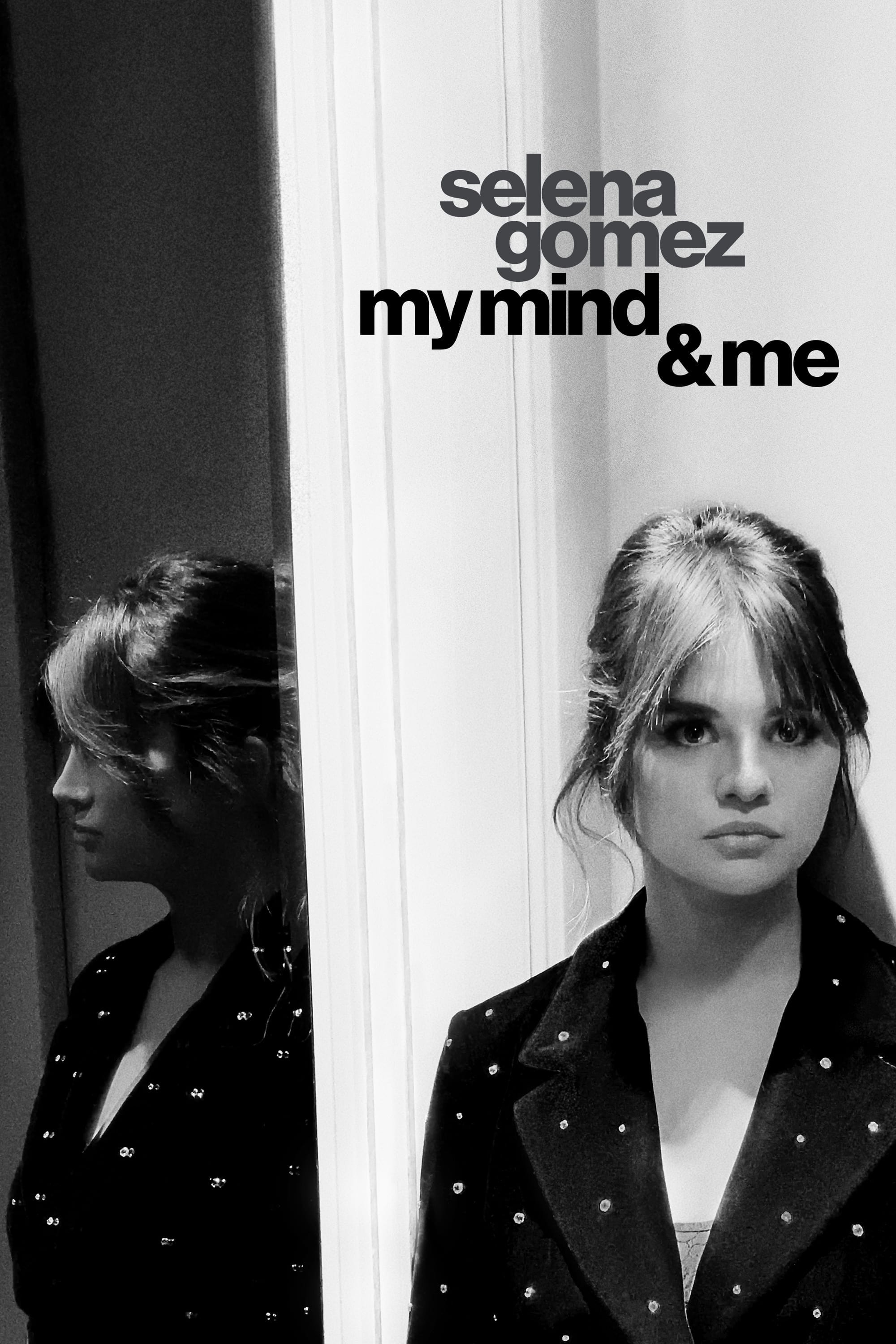
After years in the limelight, Selena Gomez achieves unimaginable stardom. But just as she reaches a new peak, an unexpected turn pulls her into darkness. This uniquely raw and intimate documentary spans her six-year journey into a new light.
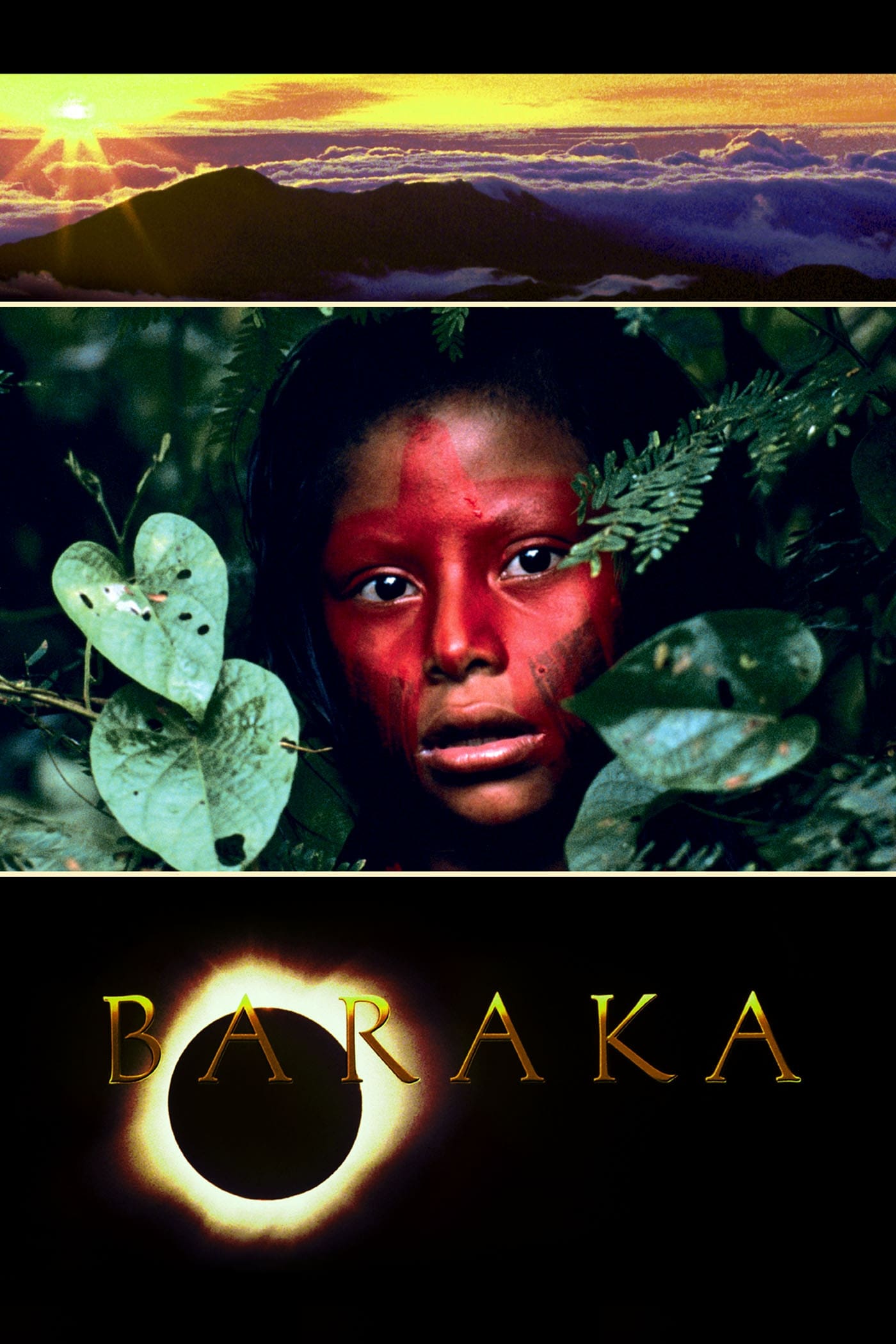
A paralysingly beautiful documentary with a global vision—an odyssey through landscape and time—that attempts to capture the essence of life.
Years spent recording footage of creatures from every corner of the globe is bound to produce a bit of drama. Here's a behind-the-scenes look.
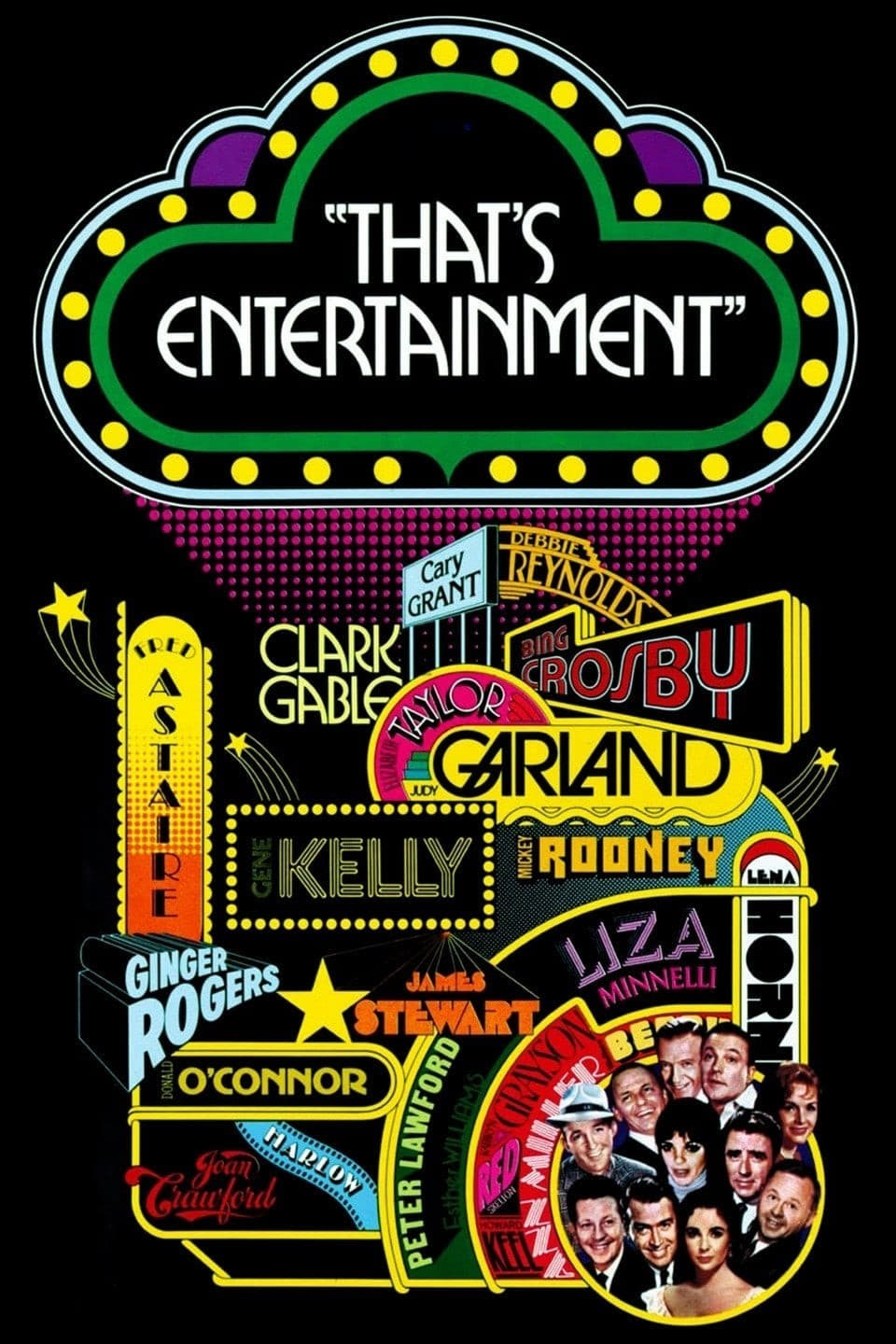
Various MGM stars from yesterday present their favorite musical moments from the studio's 50 year history.
This pioneering documentary film depicts the lives of the indigenous Inuit people of Canada's northern Quebec region. Although the production contains some fictional elements, it vividly shows how its resourceful subjects survive in such a harsh climate, revealing how they construct their igloo homes and find food by hunting and fishing. The film also captures the beautiful, if unforgiving, frozen landscape of the Great White North, far removed from conventional civilization.
The geographical dead center of North America and the beloved birthplace of Guy Maddin, Winnipeg, is the frosty and mysterious star of Maddin’s film. Fact, fantasy and memory are woven seamlessly together in this work, conjuring a city as delightful as it is fearsome.
BBC Arena's documentary on the Dames of British Theatre and film featuring Maggie Smith, Eileen Atkins, Judi Dench and Joan Plowright on screen together for the first time as they reminisce over a long summer weekend in a house Joan once shared with Sir Laurence Olivier.
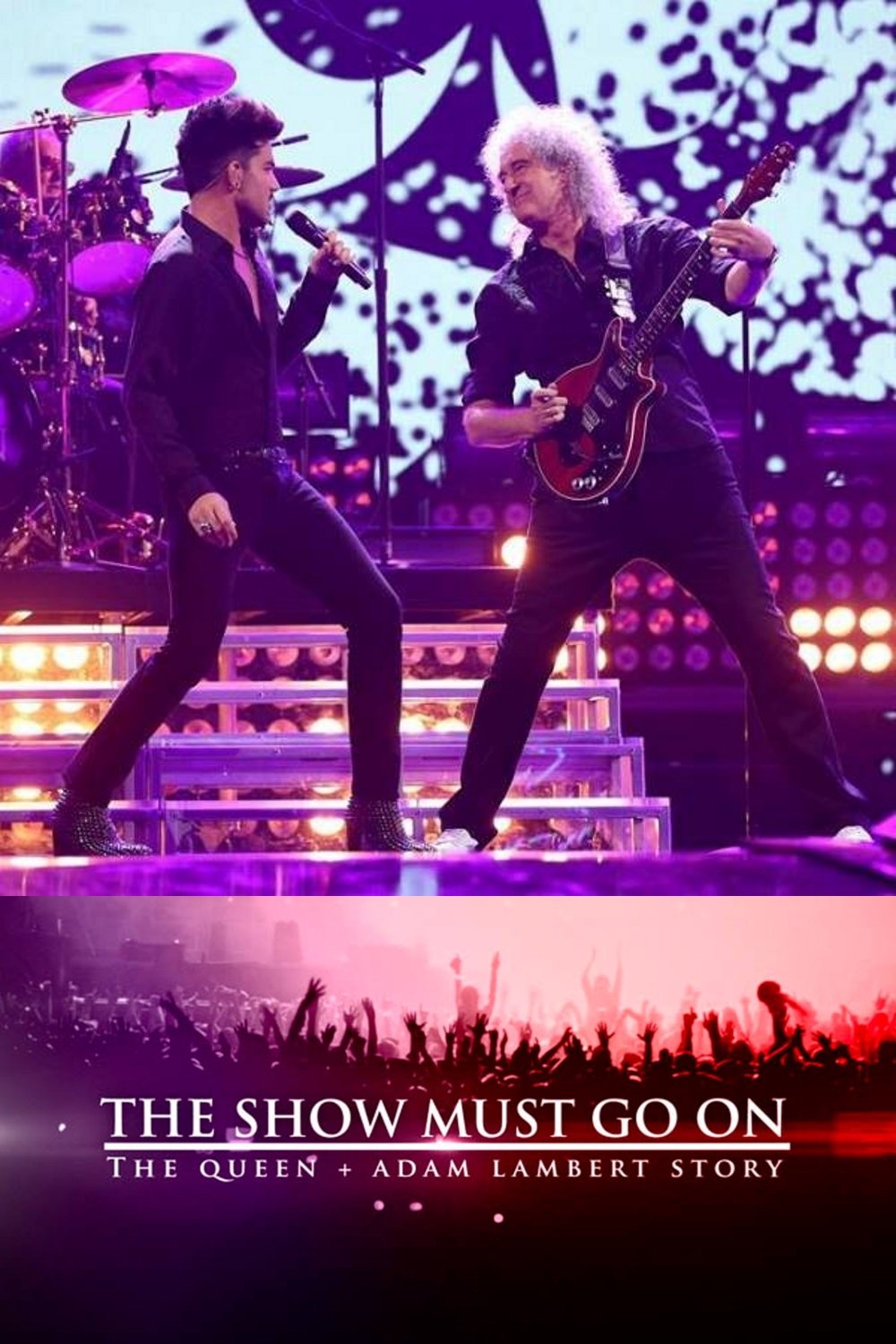
A documentary chronicling Queen and Lambert's incredible journey since they first shared the stage together on "American Idol" in 2009.
Bob Marley's universal appeal, impact on music history and role as a social and political prophet is both unique and unparalleled. Directed by Academy Award-winning director Kevin Macdonald (The Last King of Scotland), MARLEY is the definitive life story of the musician, revolutionary, and legend, from his early days to his rise to international superstardom. Made with the support of the Marley family, the film features rare footage, incredible performances and revelatory interviews with the people that knew him best.
Martin Scorsese's documentary intertwines footage from The Band's incredible farewell tour with probing backstage interviews and featured performances by Eric Clapton, Bob Dylan, Joni Mitchell, Van Morrison, and other rock legends.
Takes us to locations all around the US and shows us the heavy toll that modern technology is having on humans and the earth. The visual tone poem contains neither dialogue nor a vocalized narration: its tone is set by the juxtaposition of images and the exceptional music by Philip Glass.
50 years after the legendary fest, Barak Goodman’s electric retelling of Woodstock, from the point of view of those who were on the ground, evokes the freedom, passion, community, and joy the three-day music festival created.
An intimate look at the Woodstock Music & Art Festival held in Bethel, NY in 1969, from preparation through cleanup, with historic access to insiders, blistering concert footage, and portraits of the concertgoers; negative and positive aspects are shown, from drug use by performers to naked fans sliding in the mud, from the collapse of the fences by the unexpected hordes to the surreal arrival of National Guard helicopters with food and medical assistance for the impromptu city of 500,000.
Canadian actress and filmmaker Sarah Polley investigates certain secrets related to her mother, interviewing a group of family members and friends whose reliability varies depending of their implication in the events, which are remembered in different ways; so a trail of questions remains to be answered, because memory is always changing and the discovery of truth often depends on who is telling the tale.
A look behind the lens of Christopher Nolan's space epic.
A tribute to Chadwick Boseman, celebrating his life and legacy.
An experimental portrait of the North American commercial fishing industry through the lens of GoPro cameras placed on a fishing vessel off the coast of New England.