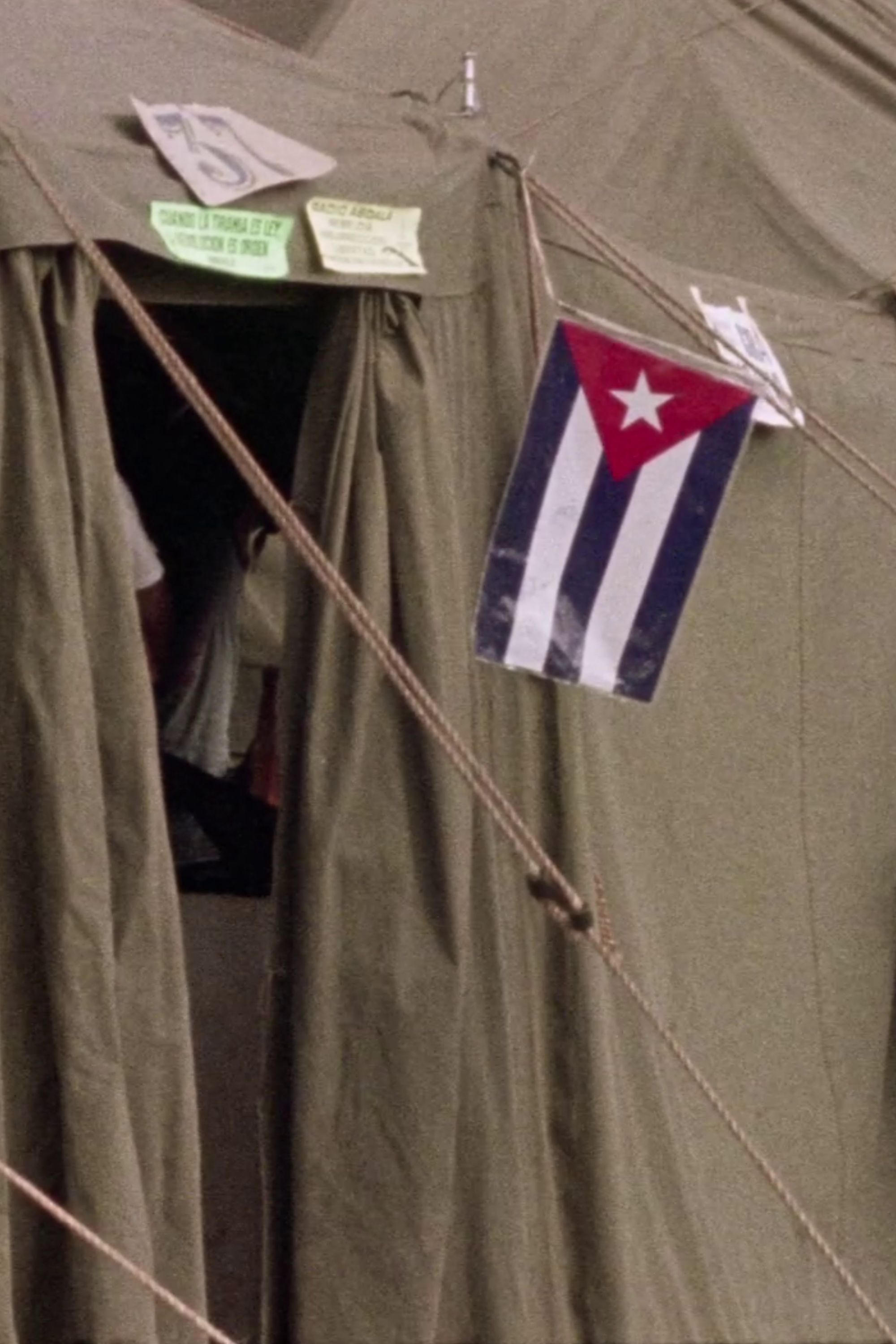
Short documentary on the solidarity of the Cuban people with Vietnam during the war against the United States.
Social & External
The Payret Operation orchestrated in 1979 by State Security against citizen Daniel Faz is hardly known. However, its repercussions continue to this day. For this reason and because of the number of people related to this event (directly or indirectly), we decided to make a film.
Half blind and half deaf, ostraziced Cuban writer Rafael Alcides tries to finish his unpublished novels to discover that after several decades, the home made ink from the typewriter he used to write them has faded. The Cuban revolution as a love story and eventual deception is seen through the eyes of a man who is living an inner exile.
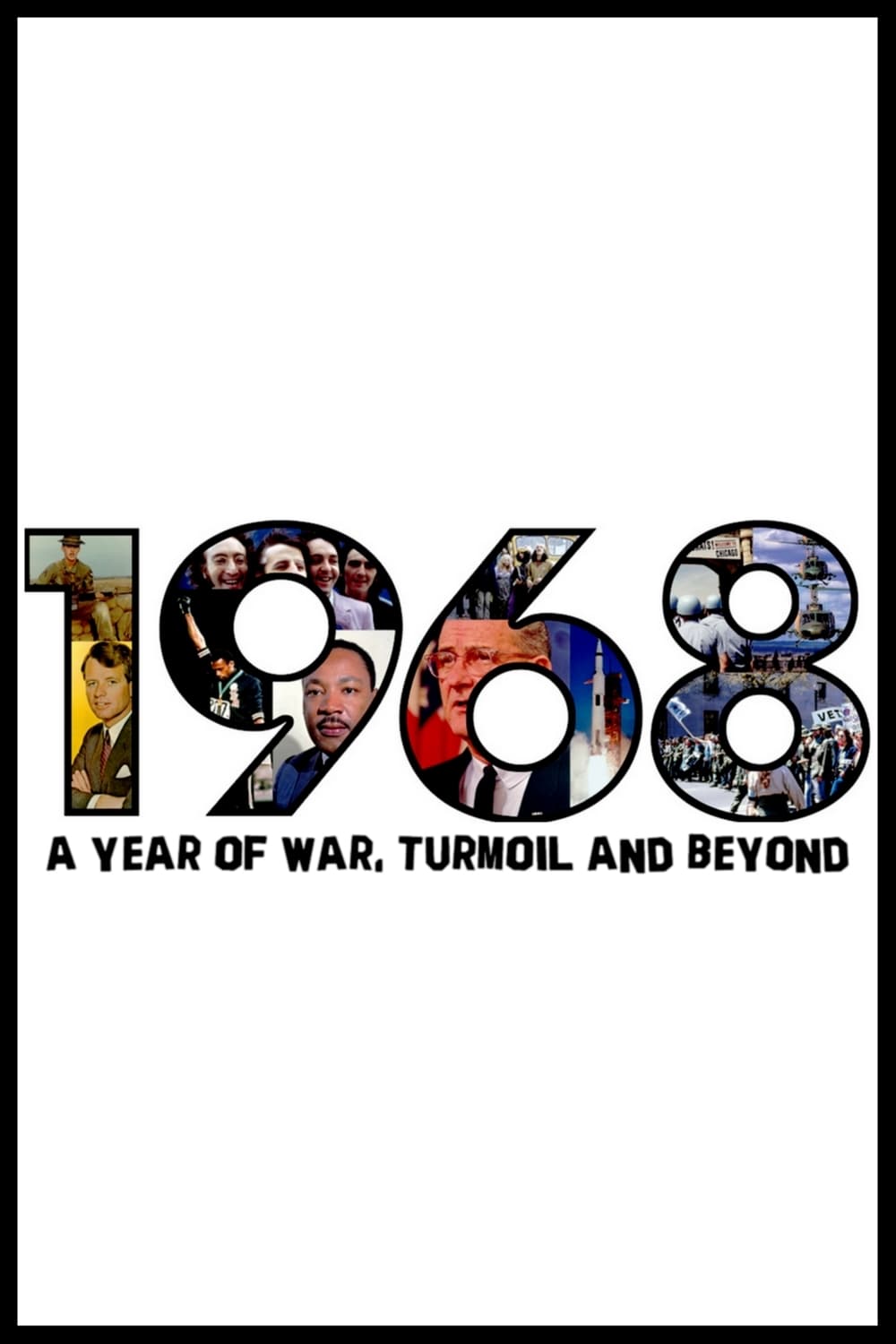
The Tet Offensive during the Vietnam War, the Civil Rights Movement, the May events in France, the assassinations of Martin Luther King and Robert F. Kennedy, the Prague Spring, the Chicago riots, the Mexico Summer Olympics, the presidential election of Richard Nixon, the Apollo 8 space mission, the hippies and the Yippies, Bullitt and the living dead. Once upon a time the year 1968.
On May 8, 1970, construction workers violently clashed with students demonstrating against the Vietnam War in lower Manhattan. The workmen, who came to be known as “hardhats,” were at the cutting edge of a new kind of class war. With the war in Vietnam raging on, it was the sons of the working class who were doing most of the fighting. Workmen saw the protesting students as privileged “draft dodgers” disparaging the country and those who fought for it. On the other side, many student activists saw the workers as pawns, unwilling to see the changes that America needed. Hard Hat Riot tells the story of a struggling metropolis, a flailing president, a divided people, and a bloody juncture when the nation violently diverged ― culminating in a new political and cultural landscape that radically redefined American politics and foreshadowed the future.
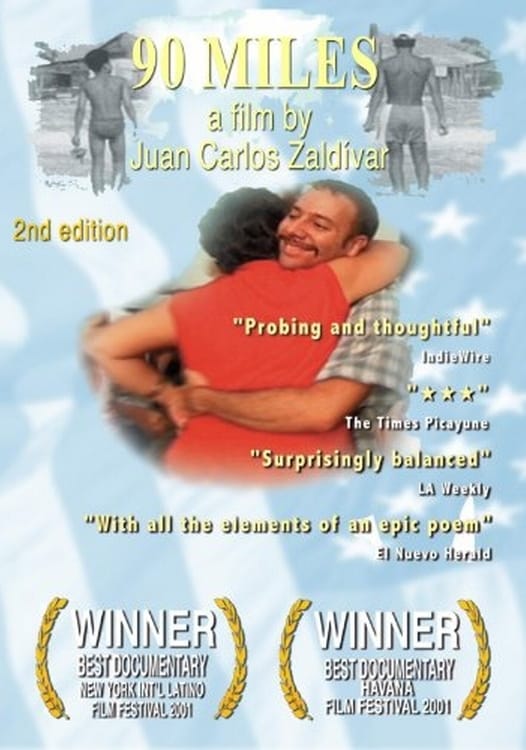
Having grown up within the Cuban Revolution, in 1980, Juan Carlos Zaldívar was a 13-year-old "pioneer" jeering in the streets at the thousands of "Marielitos" leaving the island by boat for the United States. Within weeks, he was a Marielito himself, headed with the rest of his family for a new life in Miami. Now a U.S.-based filmmaker, Zaldívar recounts the strange twist of fate that took him across one of the world's most treacherous stretches of water in 90 Miles, a new documentary having its broadcast premiere on PBS's acclaimed P.O.V. series in the summer of 2003. As related by Zaldívar in the intensely personal and evocative 90 Miles, arrival in South Florida is only the beginning of the family's struggles to comprehend the full meaning of their passage into exile. What follows is an intimate and uneasy accounting of the historical forces that have split the Cuban national family in two, and which shape the passage of values from one generation to the next.
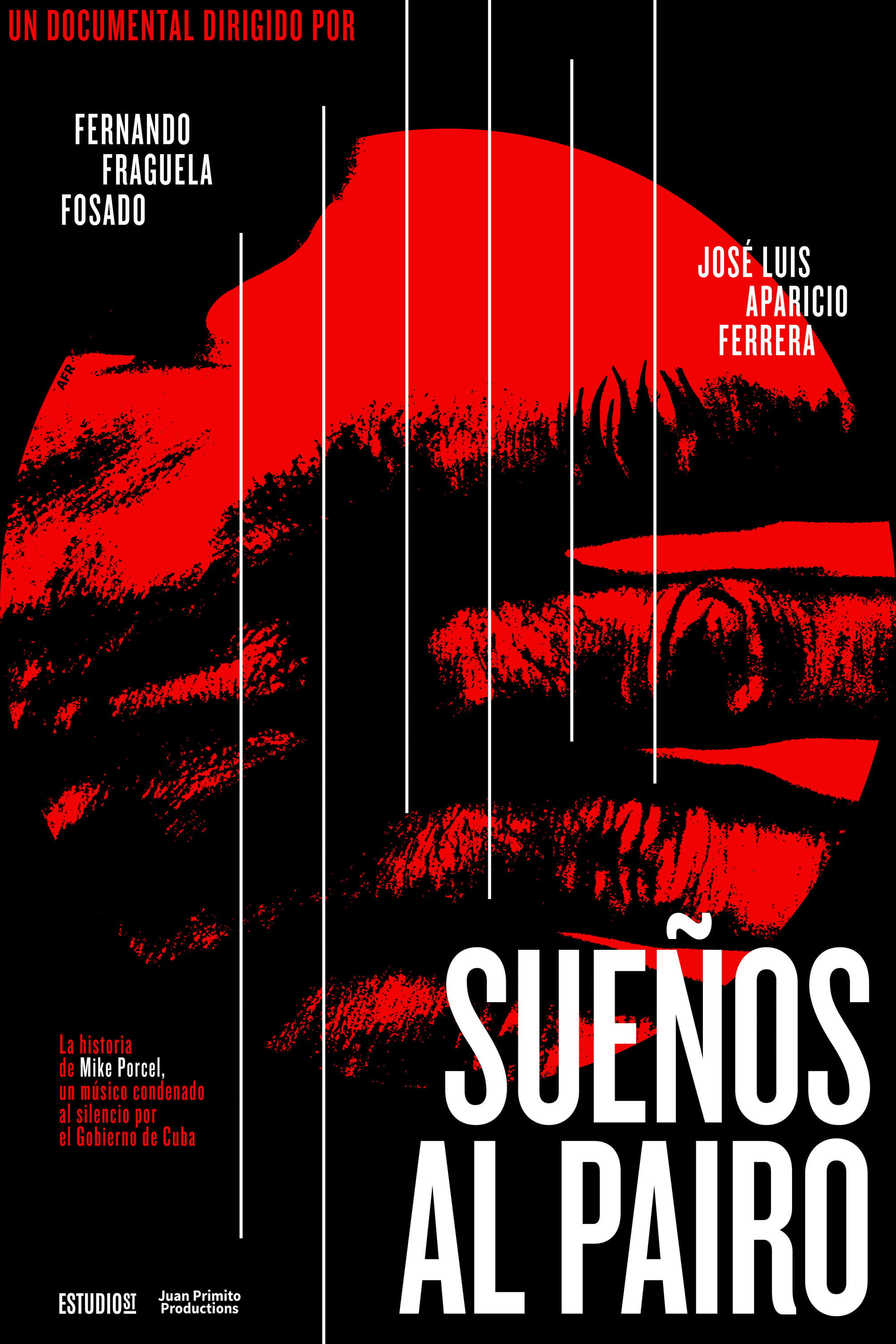
Mike Porcel is the lost member of the Cuban Nueva Trova musical movement. His lack of “revolutionary spirit” condemned him to the scorn of his peers and made him a pariah for a decade, until he managed to go into exile. Without resentment, but without forgetting, the film reconstructs his story and revives a forgotten brilliance.
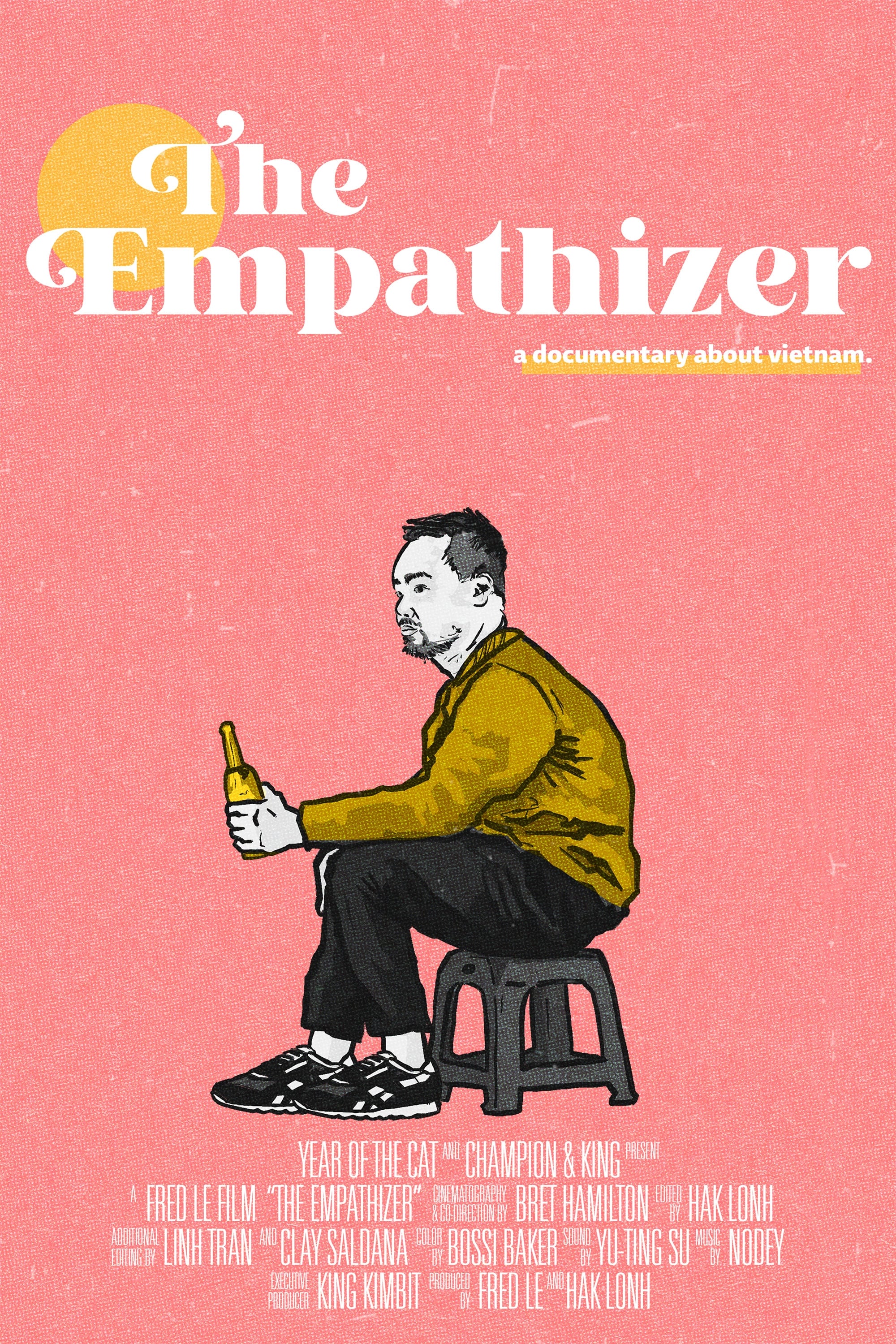
Standup comedian Fred Le hears the stories of a diverse range of young overseas-born Vietnamese who made their way back to the land that their parents left following the end of the Vietnam War. The Empathizer explores identity and the impact of trauma among Việt Kiều who grew up a generation removed from tragic events of the past.
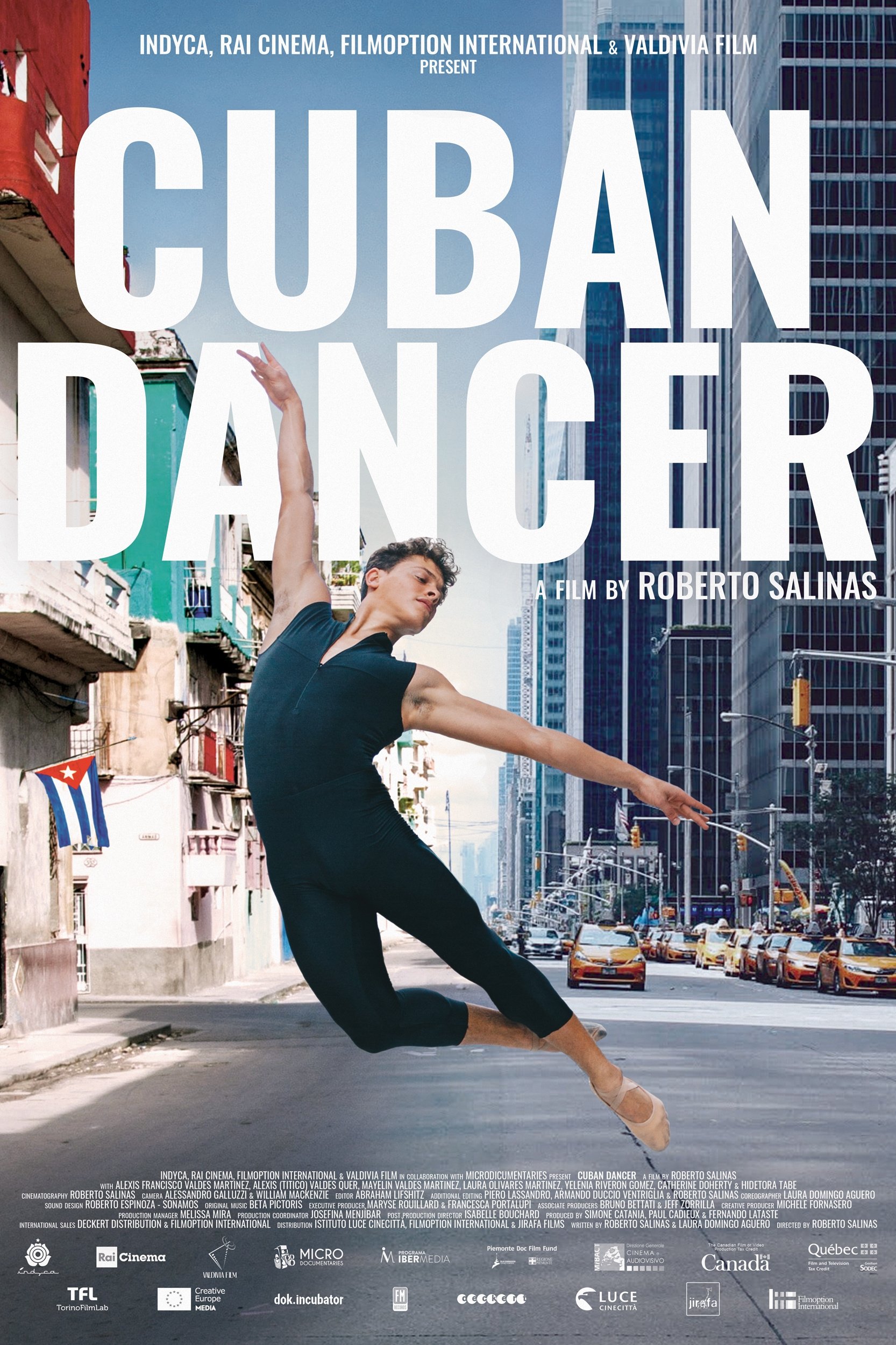
Alexis, a talented and proud student of the National Ballet School of Cuba, spends his life practicing chassé and entrechats with his girlfriend and dance partner Yelenia. However, when his family moves to Florida to be reunited with his sister, he must adjust his expectations and dreams to a radically new environment. Alexis, facing rejection and homesick for his native Cuba, feels lost and alone. He must find his way in the world of American ballet while remaining faithful to his roots.
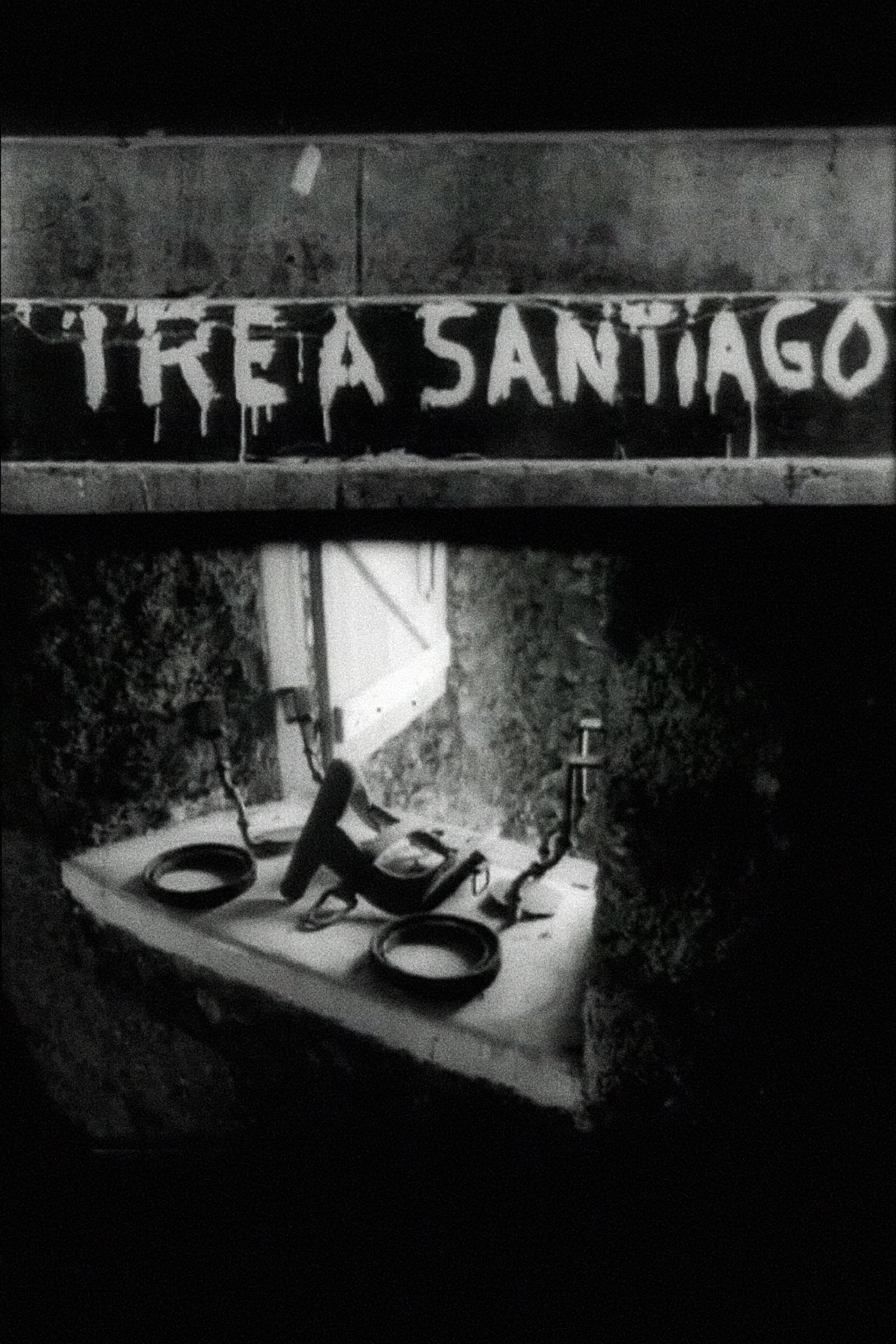
This black-and-white film is a loving portrait of Santiago de Cuba and its people. It provides a view of Cuba as a picturesque country, the product of an earthy mix of black and criollo cultures. The film uses historical images which portray the end of the eighteenth century when Haitian slave owners fled with their slaves to Cuba after the Haitian Revolution.
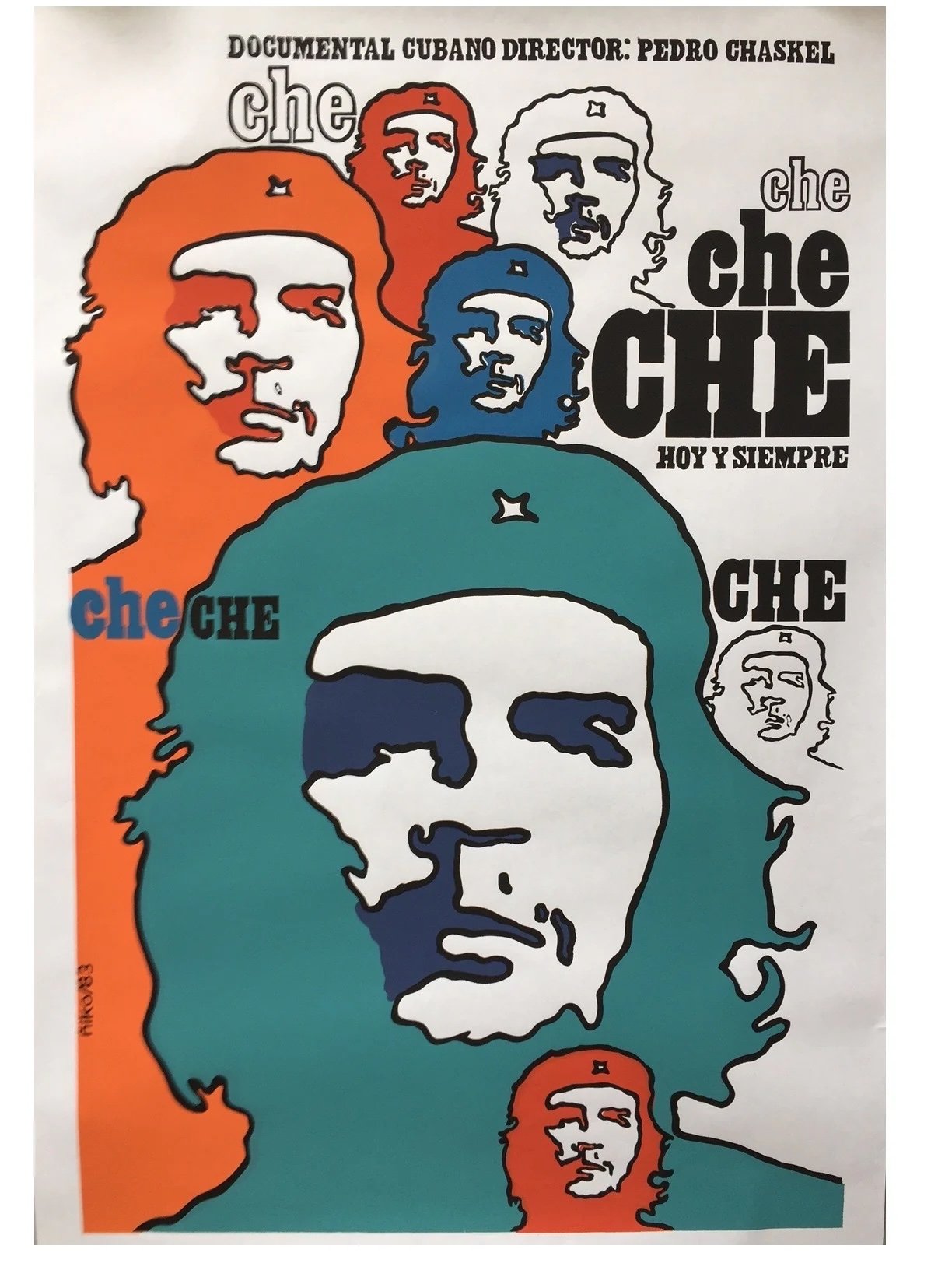
A sound system plays Commander Ernesto Guevara's speech, delivered on October 20, 1962, during the Second Anniversary of the Young Communist League, along with a series of archival images of the revolutionary leader visiting factories and meeting with workers.
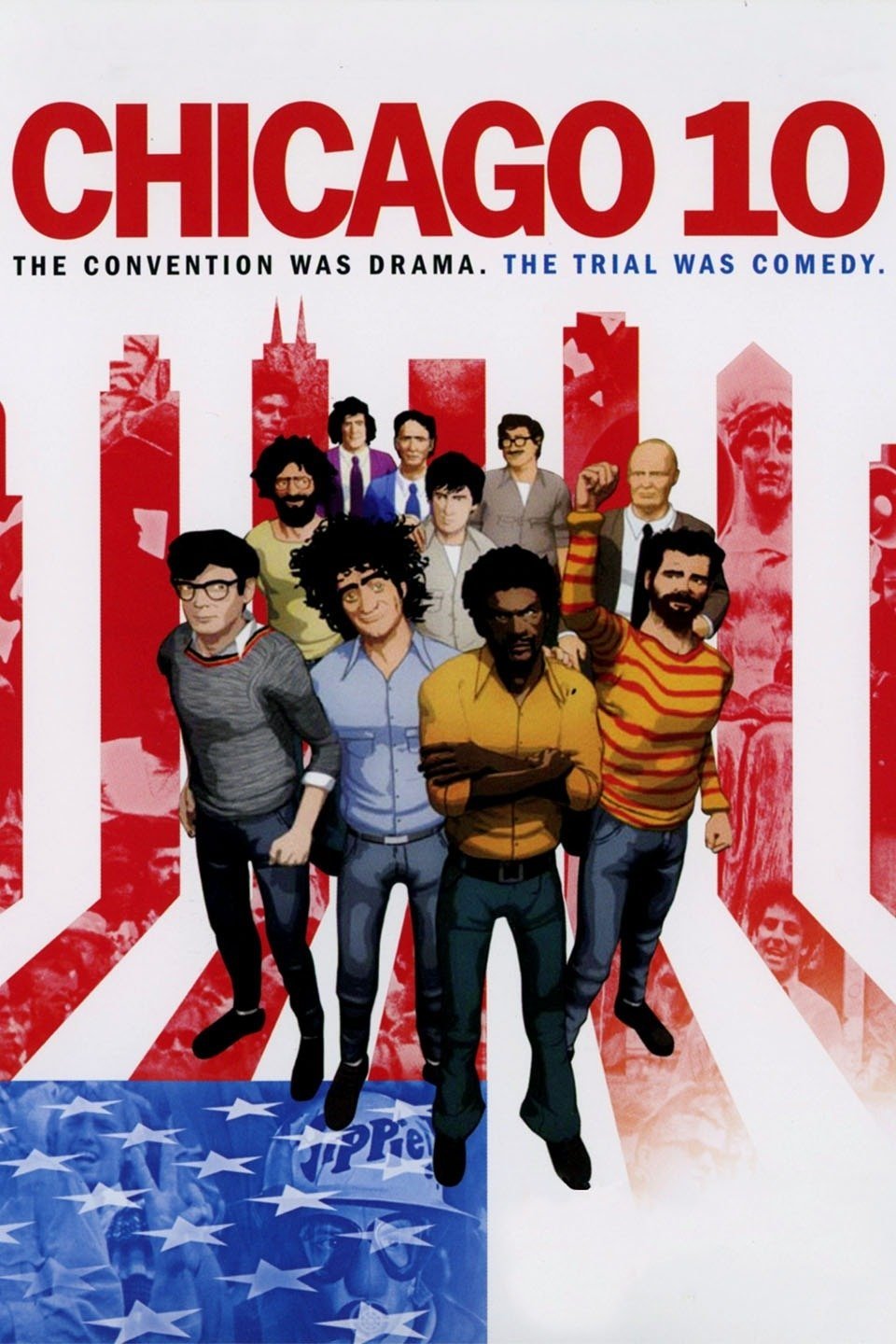
Archival footage, animation and music are used to look back at the eight anti-war protesters who were put on trial following the 1968 Democratic National Convention.
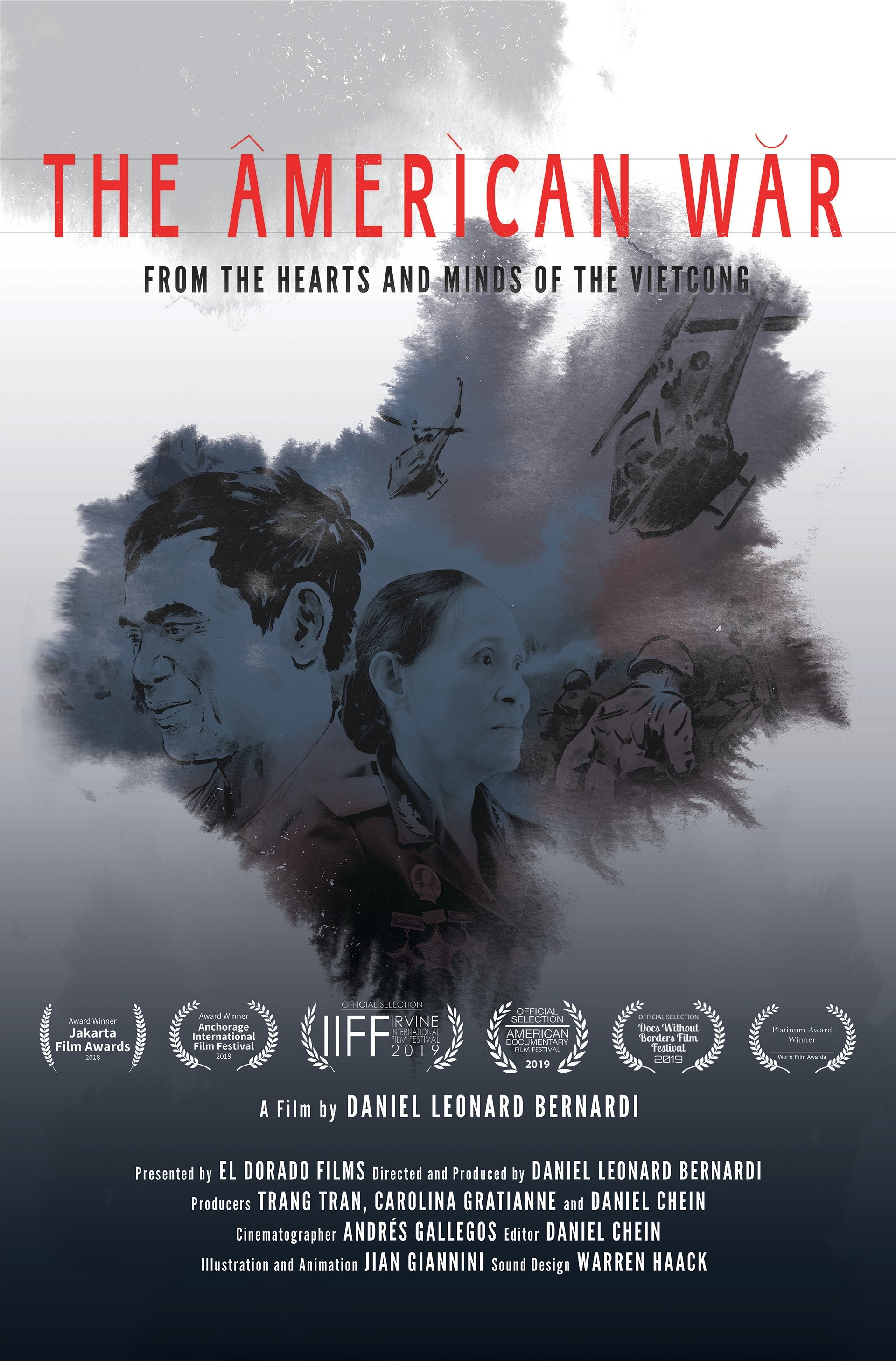
Using obscure archival footage, animated illustrations and interviews, this film tells the story of the Vietnam War from the perspective of five Vietcong veterans: a soldier, an officer, an informant, a guerilla, a My Lai survivor, and the leader of the Long Hair army.
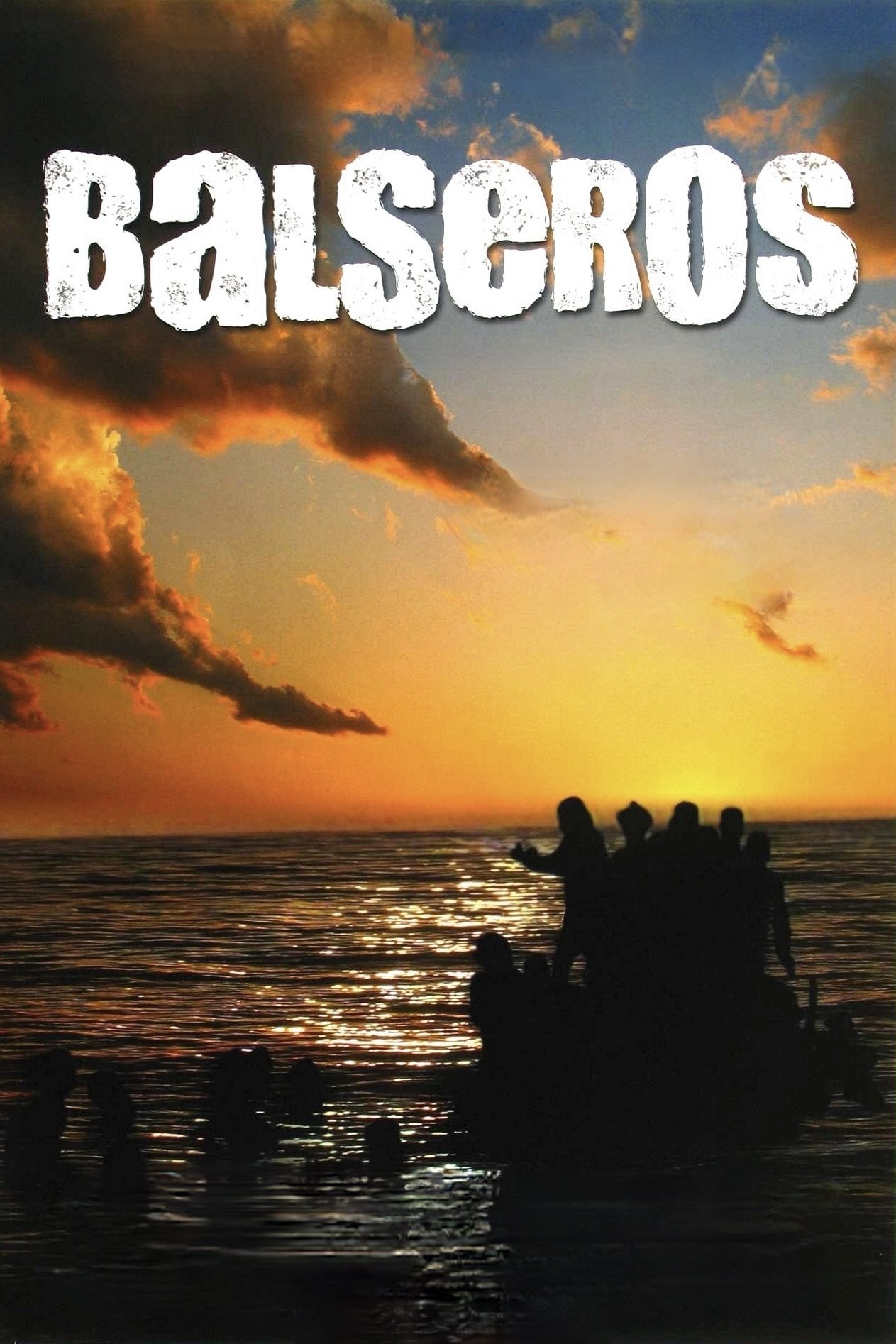
In the summer of 1994, a team of public television reporters filmed and interviewed seven Cubans a few days before their risky venture of setting out to sea in homemade rafts to reach the coast of the United States. Six made it far enough to be picked up at sea by the U.S. Coast Guard. When these balseros (rafters) were finally allowed to go to the United States, the film crew went with them to a string of several cities. Seven years later, the film crew visits them again, to discover that their destiny has been in the United States. Theirs is a true story about some of the authentic survivors of our times, the human adventure of people who are shipwrecked between two worlds.
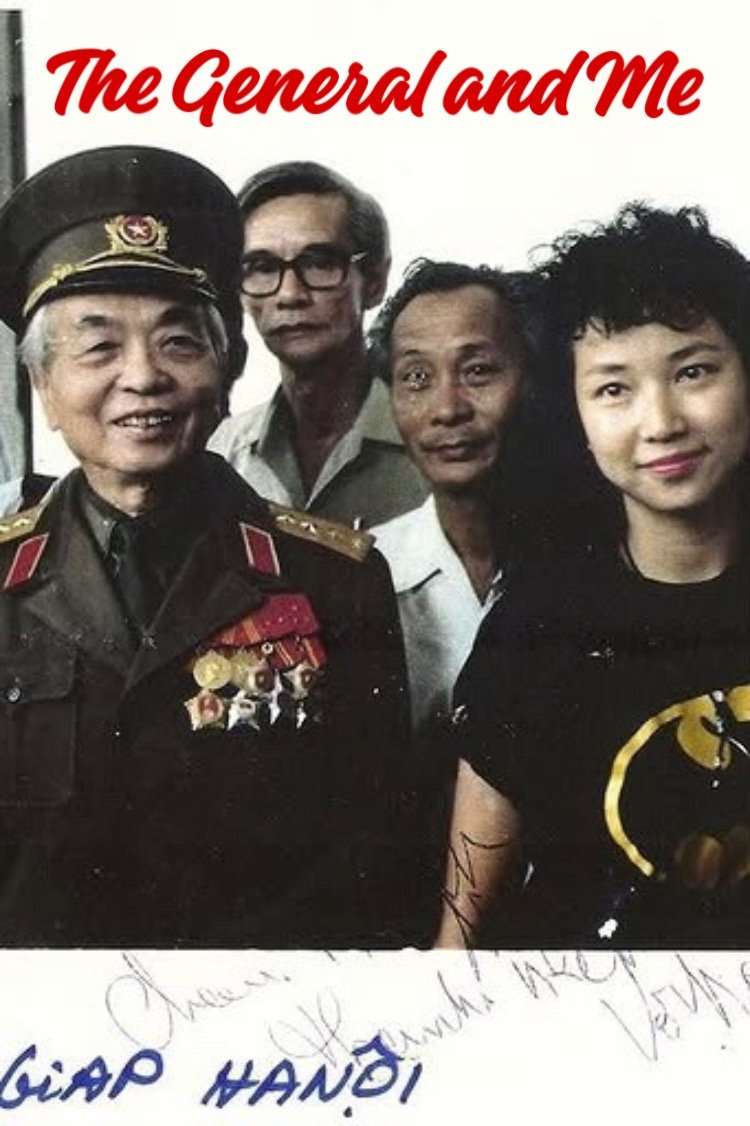
Over the period of 25 years the director met General Võ Nguyên Giáp, a legendary hero of Vietnam’s independence wars, a number of times. She was the first American who entered the home of the “Red Napoleon”. The fruit of this friendship is a film, personal and politically involved at the same time. Travelling across the country and talking to important figures as well as ordinary people, the director finds out more about her roots and offers the audience a unique perspective on Vietnam’s present and past.
The story of a group of Cubans who arrived in Miami during the Mariel Boatlift and were housed in an improvised camp in the heart of the city. Everyone lived together —men and women, homosexuals and heterosexuals, separated only by cloth curtains that hung from ropes suspended between the beds, like floating walls.
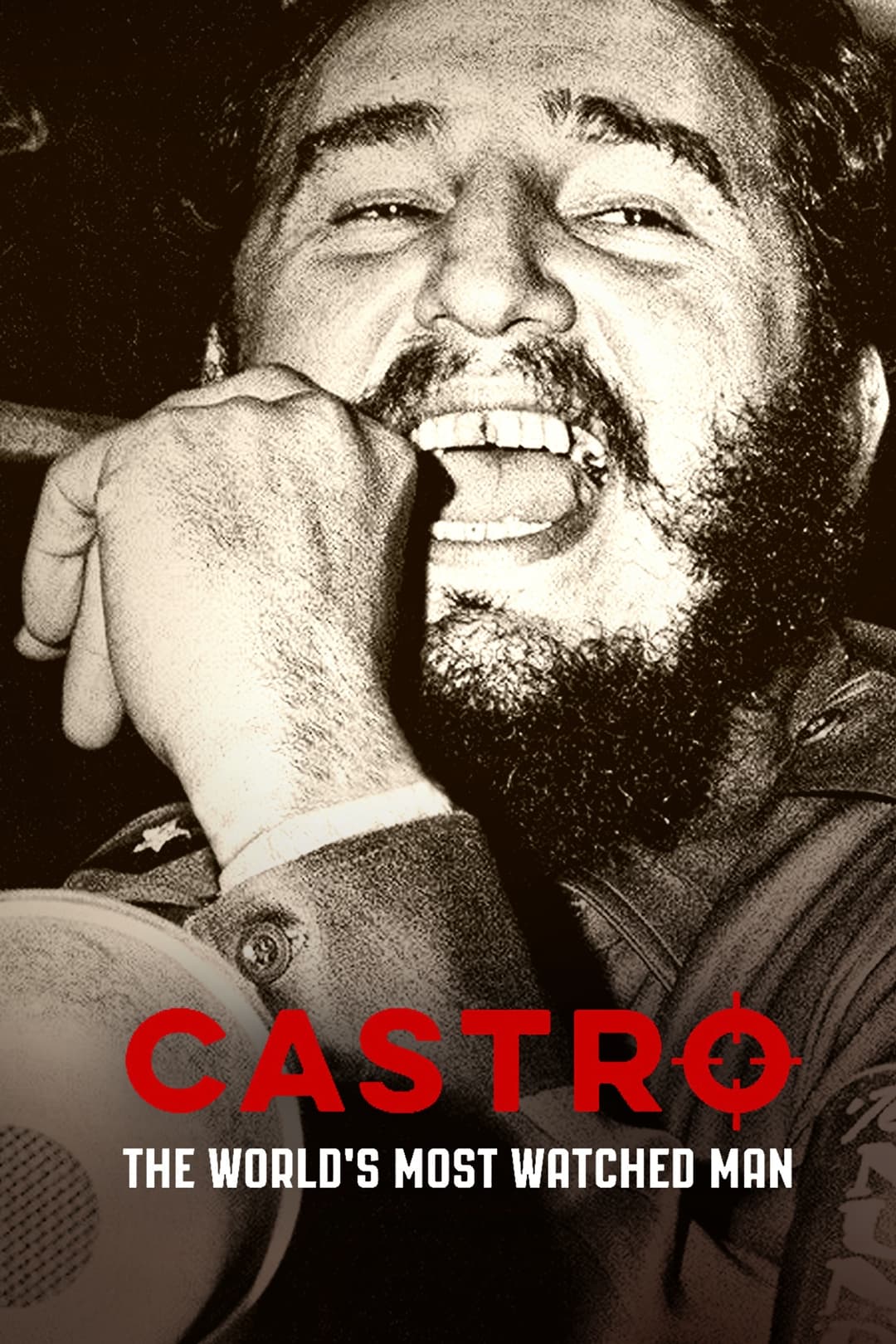
Fidel Castro employed a vast spy network that helped him remain in power.
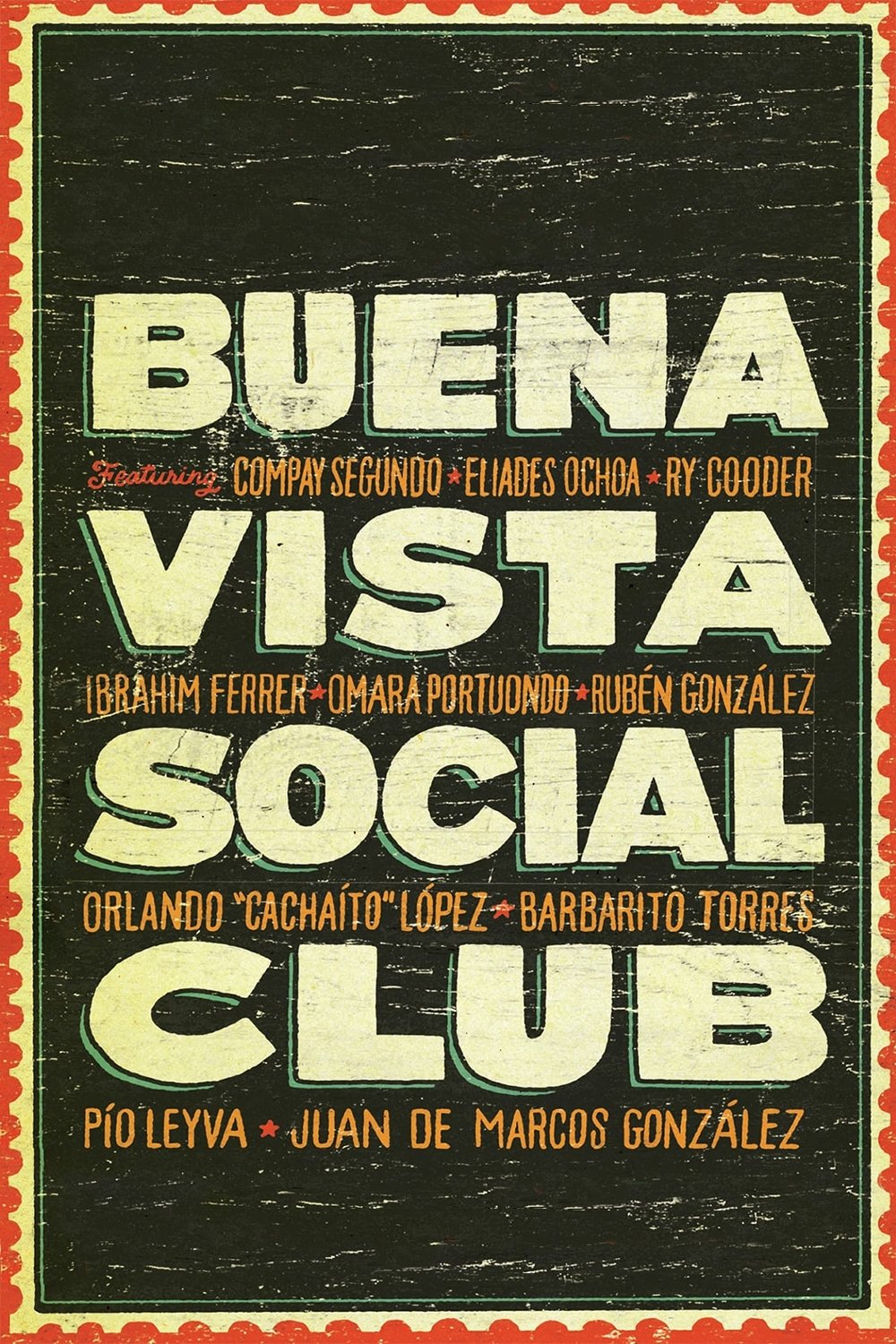
In this fascinating Oscar-nominated documentary, American guitarist Ry Cooder brings together a group of legendary Cuban folk musicians (some in their 90s) to record a Grammy-winning CD in their native city of Havana. The result is a spectacular compilation of concert footage from the group's gigs in Amsterdam and New York City's famed Carnegie Hall, with director Wim Wenders capturing not only the music -- but also the musicians' life stories.
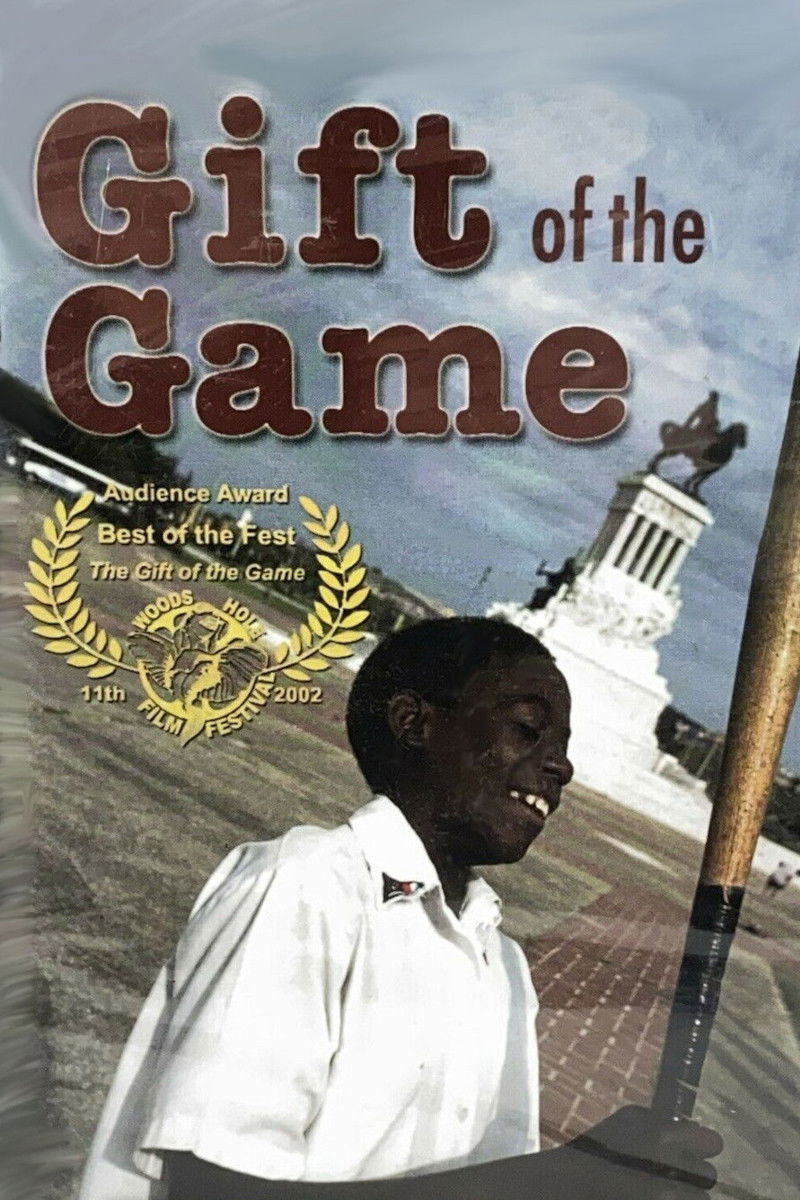
Acclaimed Florida novelist Randy Wayne White travels to Cuba with former pitchers Bill "Spaceman" Lee (Boston Red Sox) and Jon Warden (Detroit Tigers), and a band of baseball enthusiasts to find and revive the children's baseball league founded by American writer Ernest Hemingway in the days before Fidel Castro came to power.
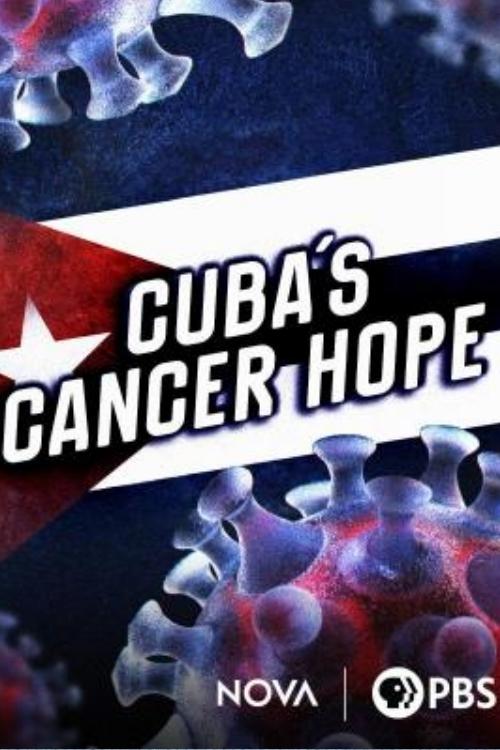
When the U.S. trade embargo left Cuba isolated from medical resources, Cuban scientists were forced to get creative. Now they've developed lung cancer vaccines that show so much promise, some Americans are defying the embargo and traveling to Cuba for treatment. In an unprecedented move, Cuban researchers are working with U.S. partners to make the medicines more widely available.
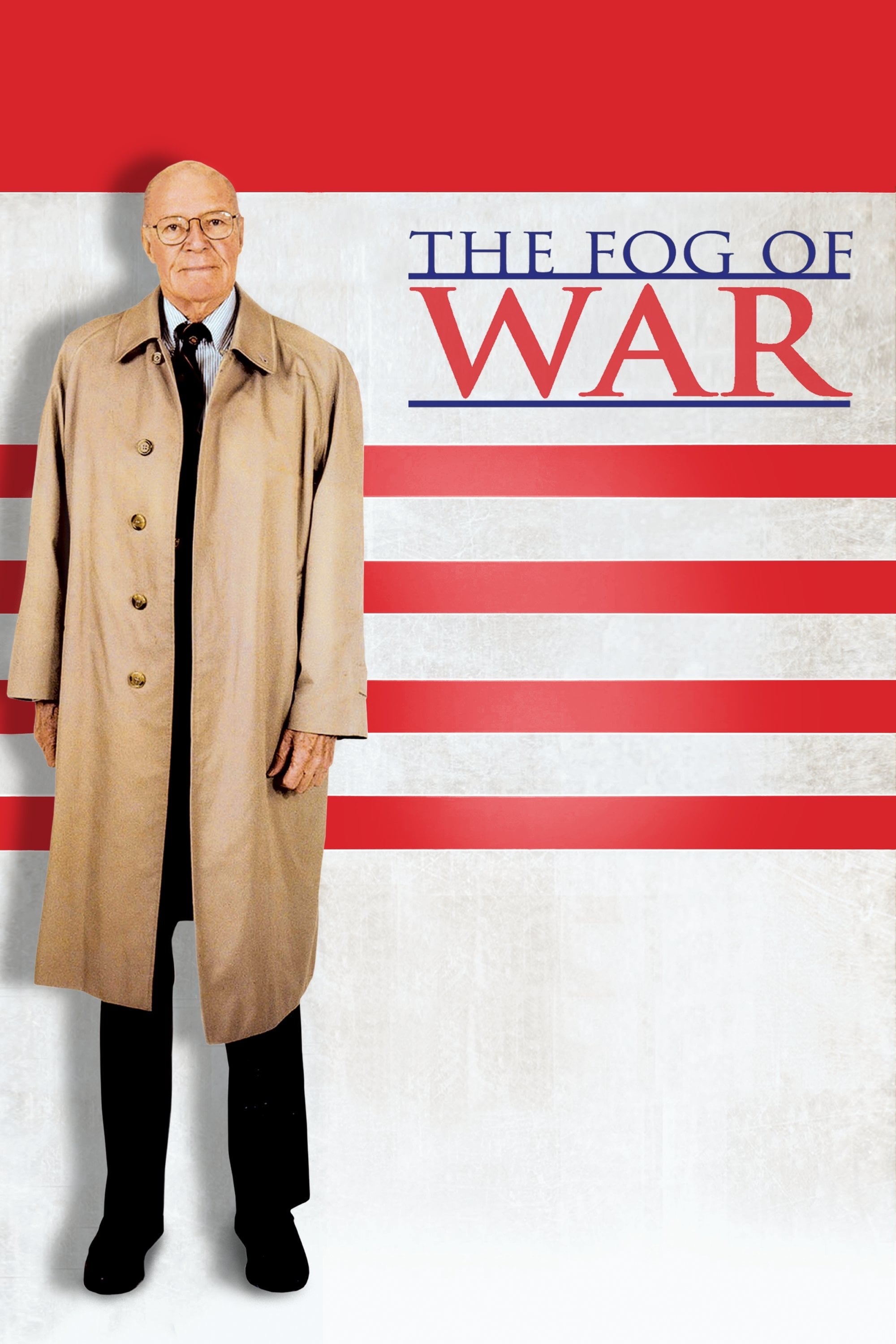
Using archival footage, cabinet conversation recordings, and an interview of the 85-year-old Robert McNamara, The Fog of War depicts his life, from working as a WWII whiz-kid military officer, to being the Ford Motor Company's president, to managing the Vietnam War as defense secretary for presidents Kennedy and Johnson.
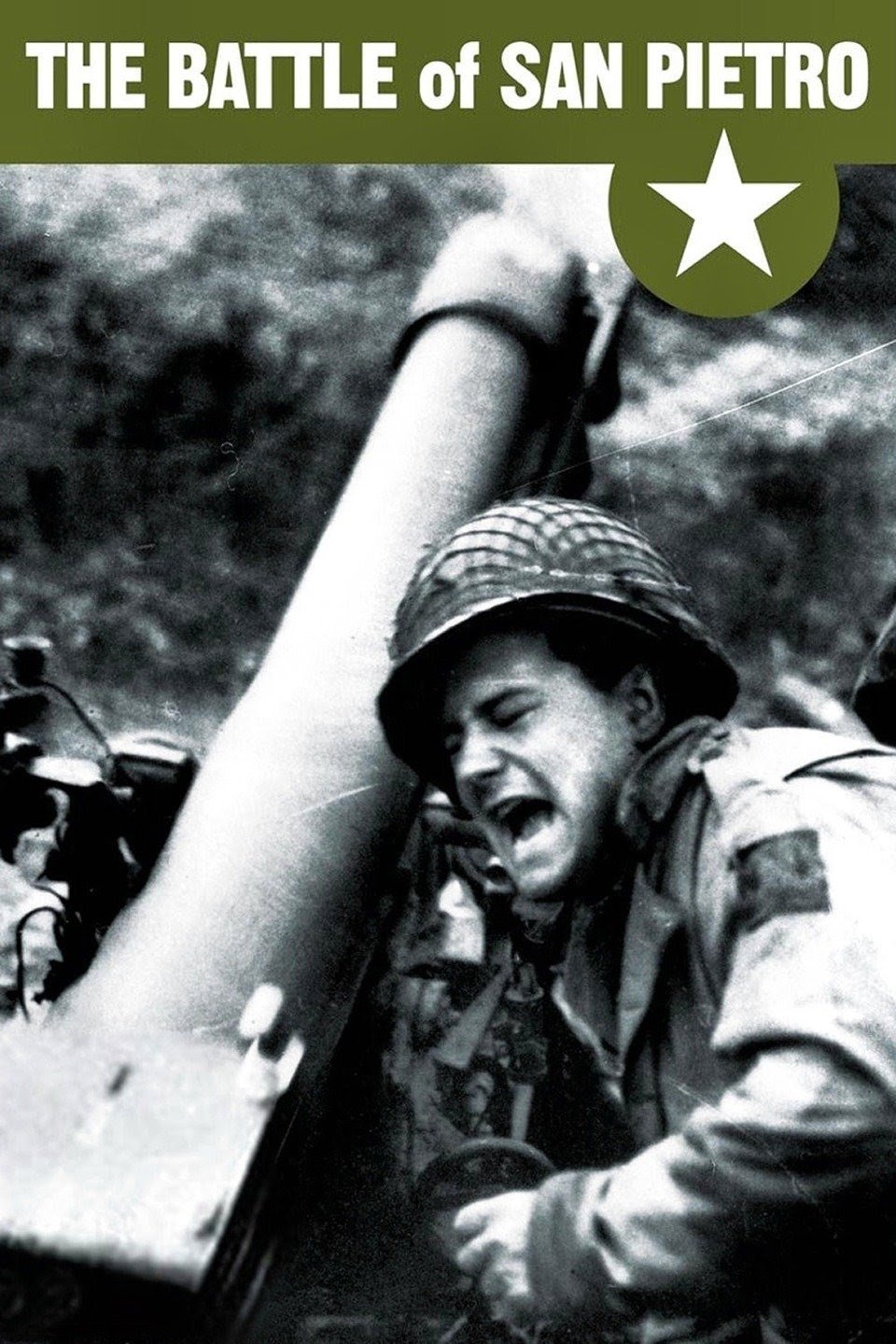
This documentary movie is about the battle of San Pietro, a small village in Italy. Over 1,100 US soldiers were killed while trying to take this location, that blocked the way for the Allied forces from the Germans. Preserved by the Academy Film Archive in 2005.
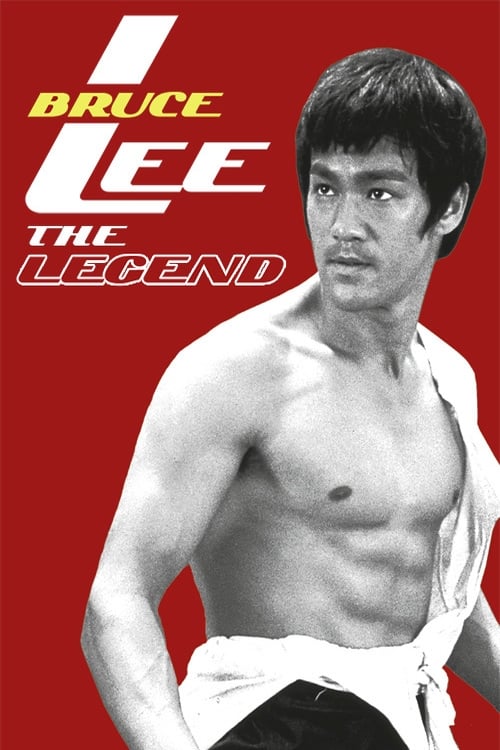
The Official Golden Harvest tribute to the Master of the Martial Arts Film, Bruce Lee.
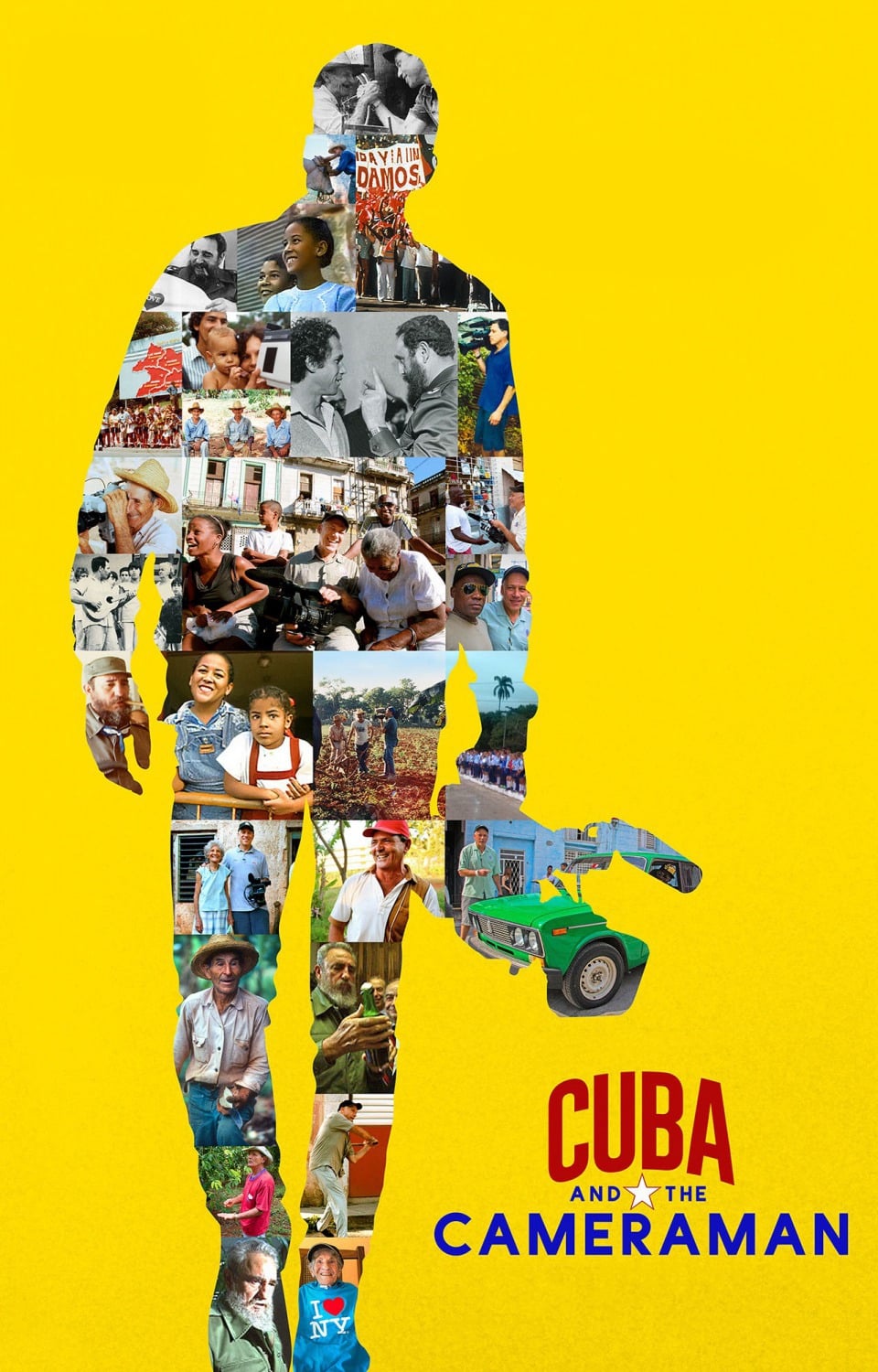
This revealing portrait of Cuba follows the lives of Fidel Castro and three Cuban families affected by his policies over the last four decades.
A documentary on the expletive's origin, why it offends some people so deeply, and what can be gained from its use.
When Allied forces liberated the Nazi concentration camps in 1944-45, their terrible discoveries were recorded by army and newsreel cameramen, revealing for the first time the full horror of what had happened. Making use of British, Soviet and American footage, the Ministry of Information’s Sidney Bernstein (later founder of Granada Television) aimed to create a documentary that would provide lasting, undeniable evidence of the Nazis’ unspeakable crimes. He commissioned a wealth of British talent, including editor Stewart McAllister, writer and future cabinet minister Richard Crossman – and, as treatment advisor, his friend Alfred Hitchcock. Yet, despite initial support from the British and US Governments, the film was shelved, and only now, 70 years on, has it been restored and completed by Imperial War Museums under its original title "German Concentration Camps Factual Survey".
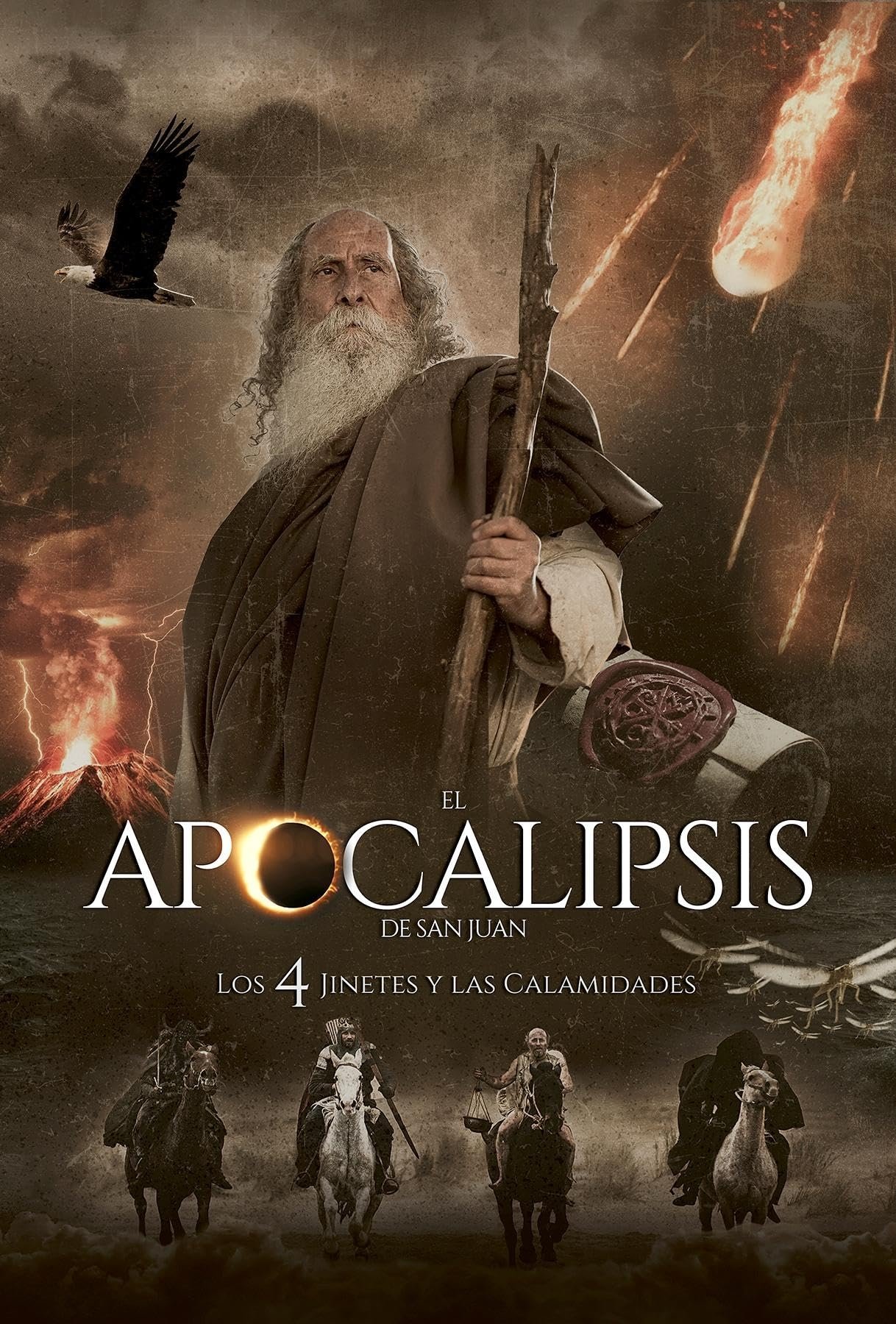
Embark on an epic journey through time and faith with 'The Apocalypse of Saint John.' Join the Apostle John in a stunning visual narrative that unravels the visions of the End Times. Experience each vision like never before, with striking visual effects and epic scenes that immerse you in the apocalyptic narrative.
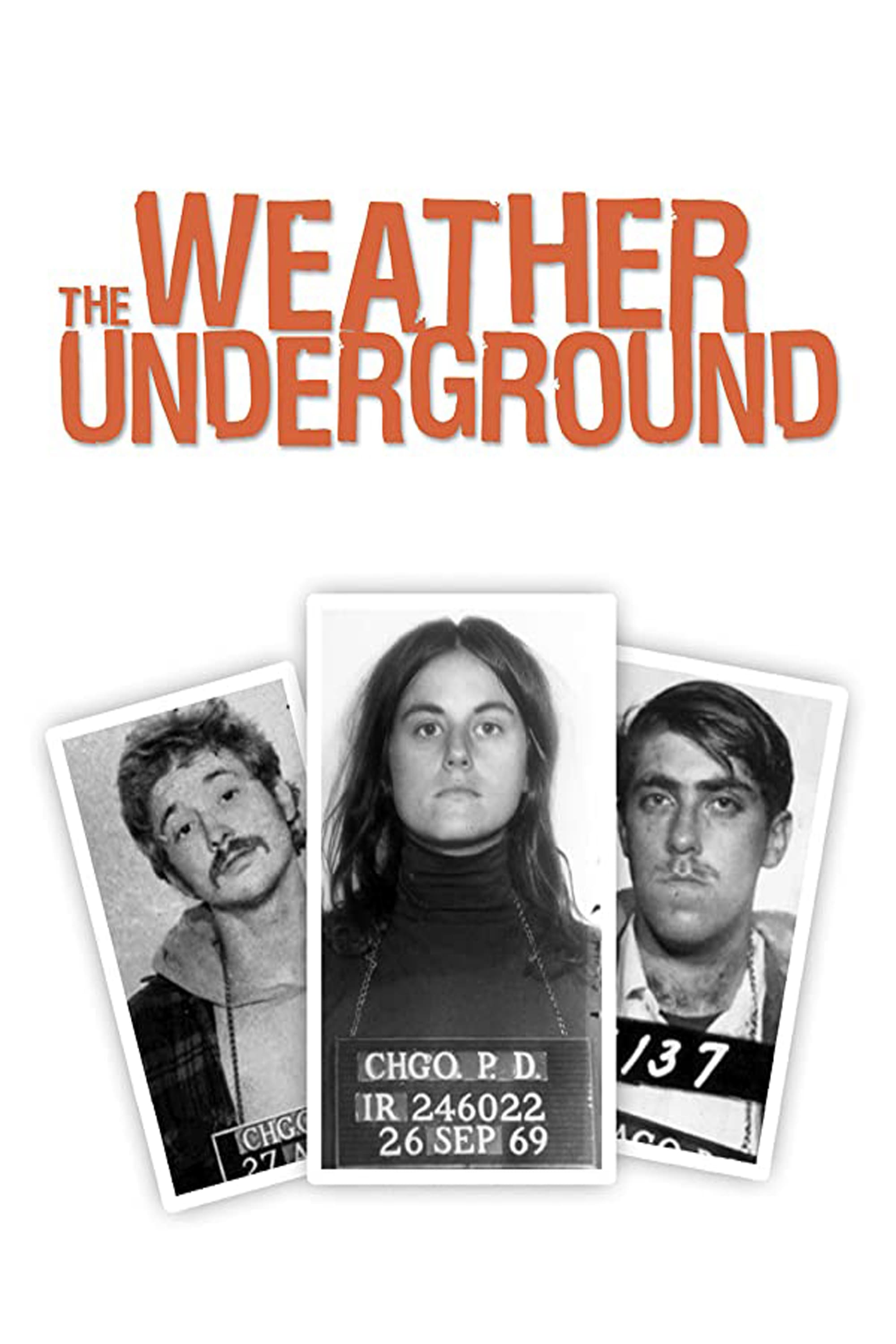
The remarkable story of The Weather Underground, radical activists of the 1970s, and of radical politics at its best and most disastrous.
“The Soviet Story” is a story of an Allied power, which helped the Nazis to fight Jews and which slaughtered its own people on an industrial scale. Assisted by the West, this power triumphed on May 9th, 1945. Its crimes were made taboo, and the complete story of Europe’s most murderous regime has never been told. Until now...
Lyrical and powerfully personal essay film that reflects on the deaths of her husband Lou Reed, her mother, her beloved dog, and such diverse subjects as family memories, surveillance, and Buddhist teachings.
A documentary about how a dominant cultural and demographic institution both sustains their traditional activities and adapts to the digital revolution.
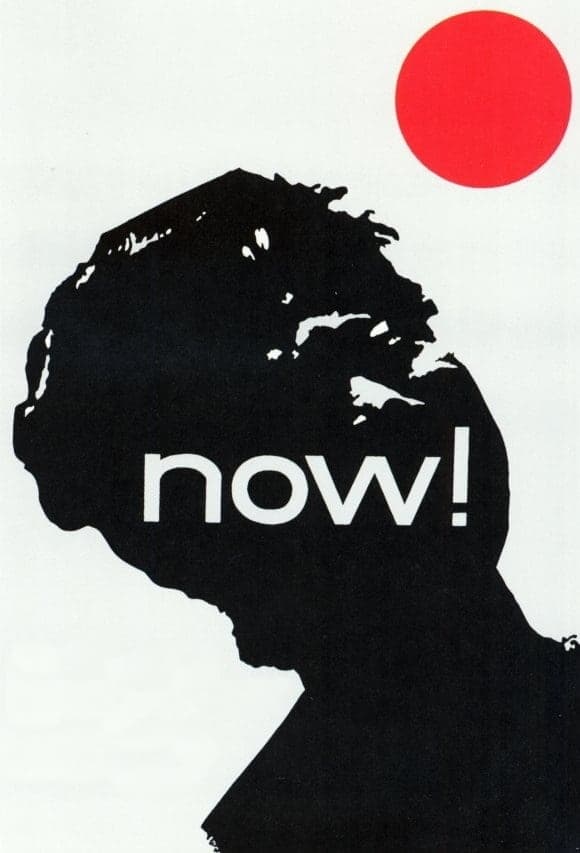
Using morgue photos, newsreel footage, and a recording by Lena Horne, Cuban filmmaker Santiago Alvarez fired off 'Now!', one of the most powerful bursts of propaganda rendered in the 1960s.
Prelude to War was the first film of Frank Capra's Why We Fight propaganda film series, commissioned by the Pentagon and George C. Marshall. It was made to convince American troops of the necessity of combating the Axis Powers during World War II. This film examines the differences between democratic and fascist states.
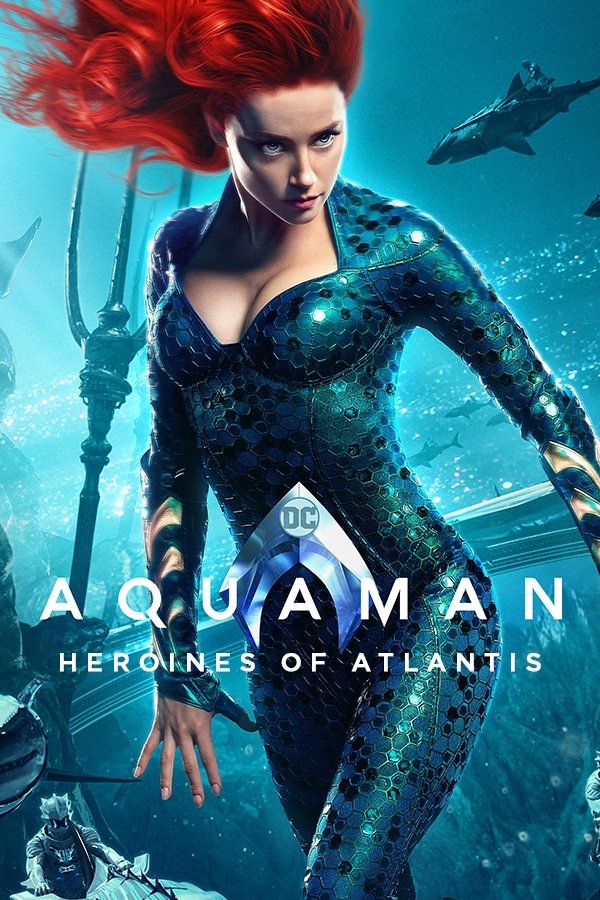
Amber Heard and Nicole Kidman discuss their characters Mera and Atlanna.
Al Pacino's deeply-felt rumination on Shakespeare's significance and relevance to the modern world through interviews and an in-depth analysis of "Richard III."
A detailing of the rise to prominence and global sporting superstardom of six supremely talented young Manchester United football players (David Beckham, Nicky Butt, Ryan Giggs, Paul Scholes, Phil and Gary Neville). The film covers the period 1992-1999, culminating in Manchester United's European Cup triumph.
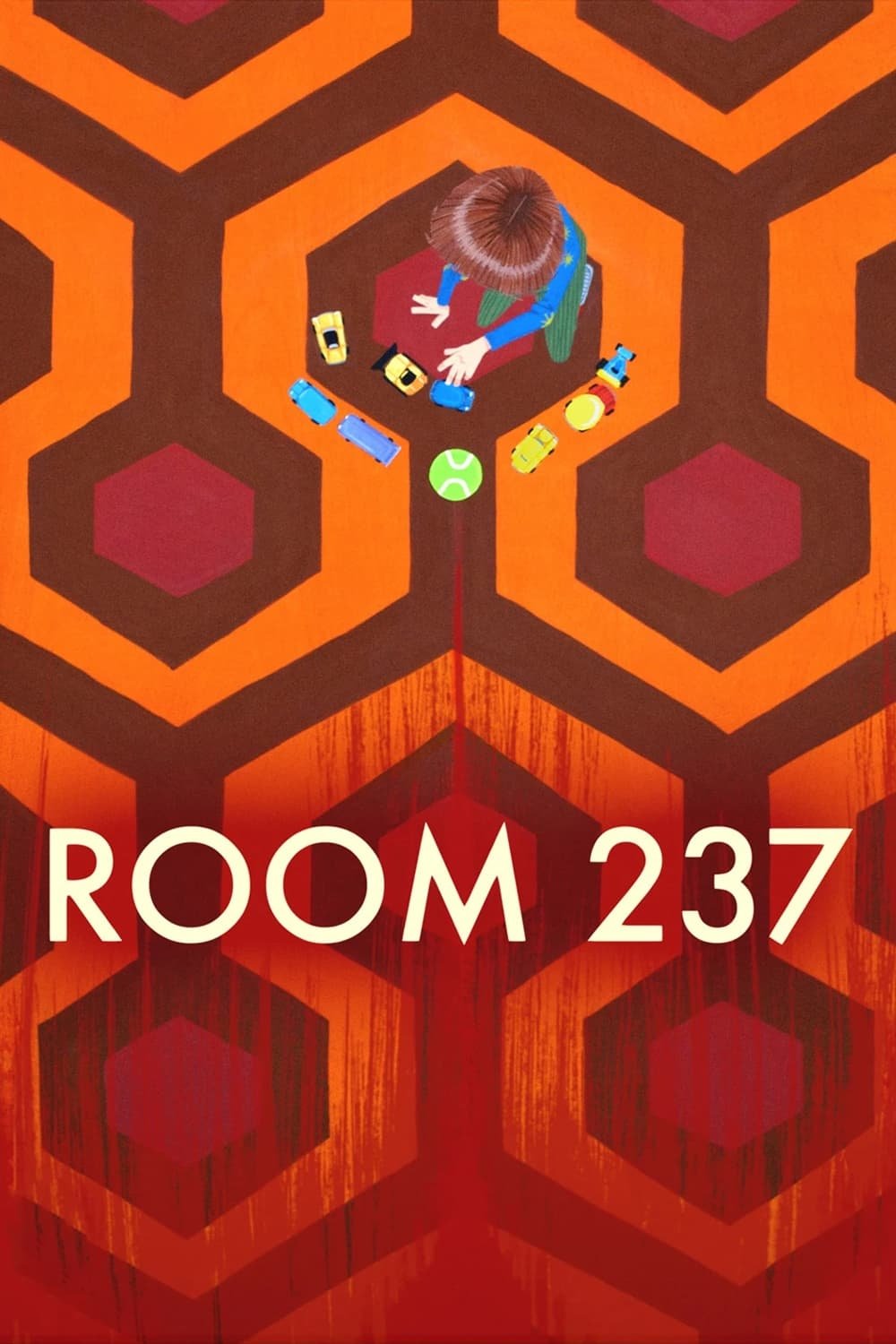
A subjective documentary that explores various theories about hidden meanings in Stanley Kubrick's classic film The Shining. Five very different points of view are illuminated through voice over, film clips, animation and dramatic reenactments.
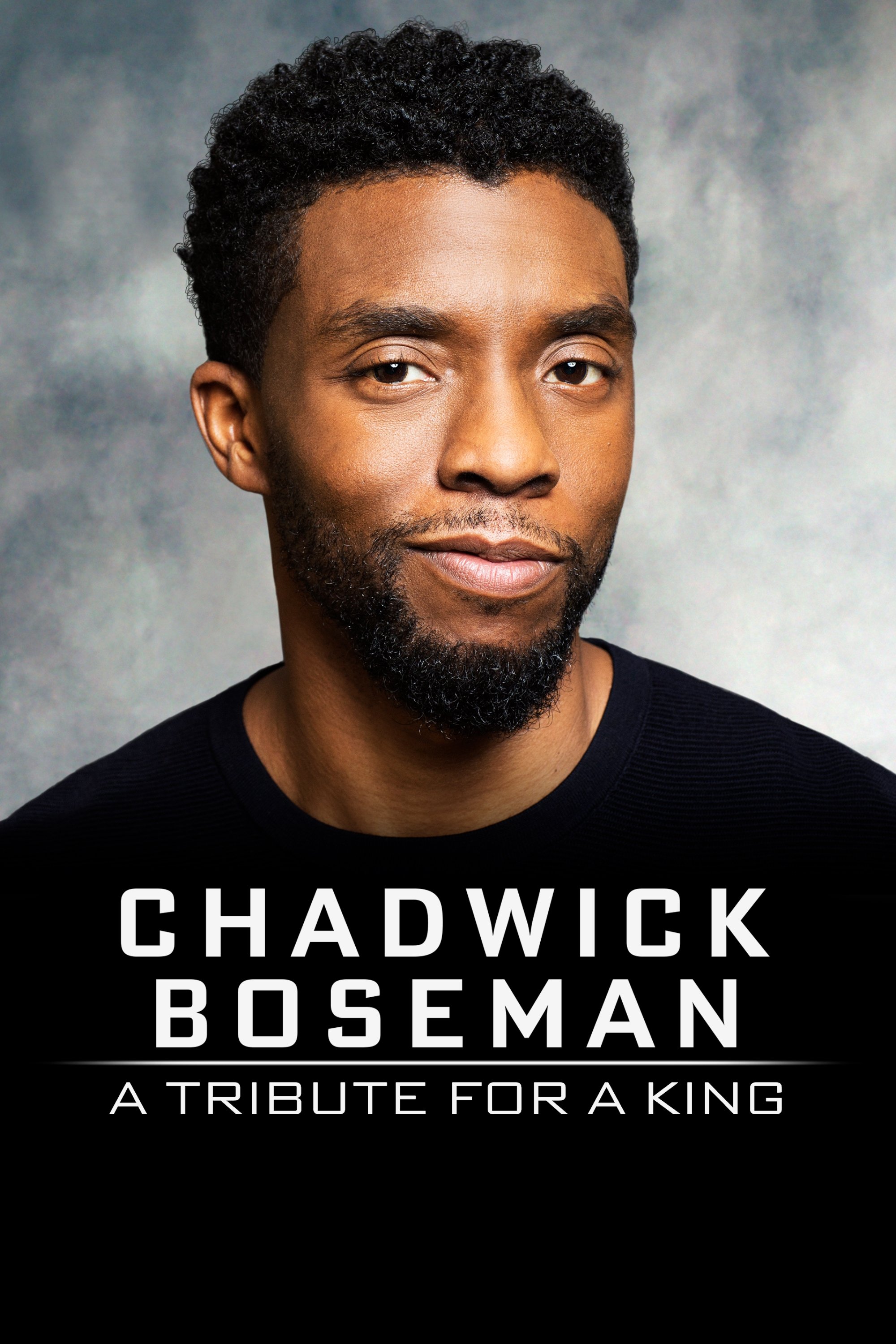
A tribute to Chadwick Boseman, celebrating his life and legacy.
Through deeply personal interviews with her siblings and an examination of the photographs, letters, and belongings left behind, Mariska assembles a new portrait of her mother Jayne Mansfield, an extraordinary and complex woman.