Social & External
The people behind it
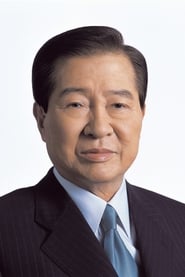
Kim Dae-jung
Self (archive footage)
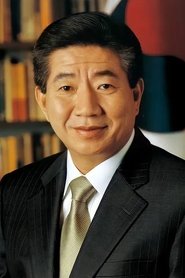
Roh Moo-hyun
A documentary about the hearings of President Nixon's Commission on Obscenity, featuring adult-film producer David F. Friedman (one of the producers of this film) testifying before Congress, and involved in the production of one of his films, "Trader Hornee."
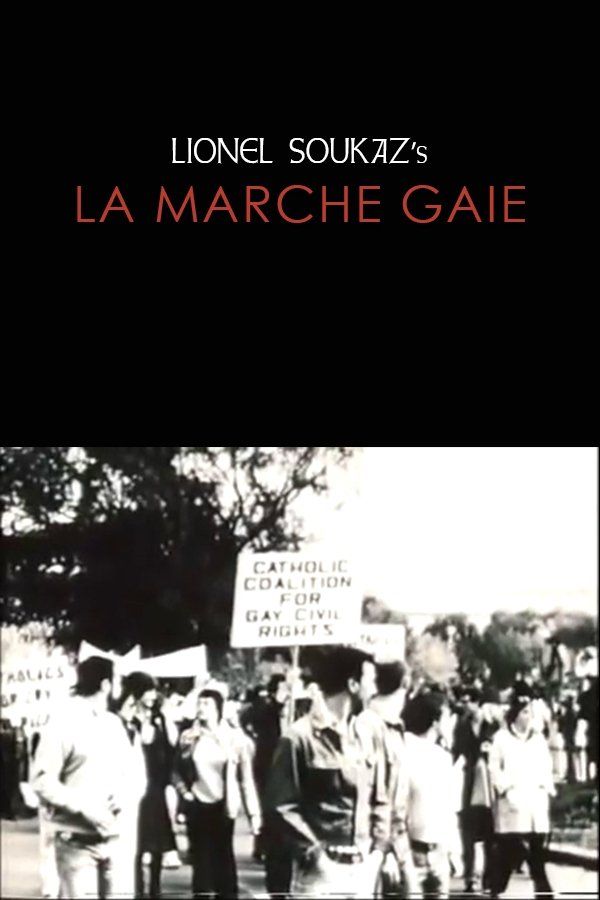
A short documentary about the October 14 1979 March For Lesbian And Gay Rights in Washington D.C.
A green lawn like an unused carpet, encircled by a neat forest edge, in the background the steaming cooling towers of a coal power station – impressionistic camera images from Lusatia. They summarise in one pan how a used-up utilitarian landscape is trying to recultivate itself. Can ancient identity and language be re-discovered amid this strange artificiality? The director travelled through this region in search of her origins. She was born here, in Lusatia. This is her home and that of the smallest of all Slavic peoples: the Sorbs.
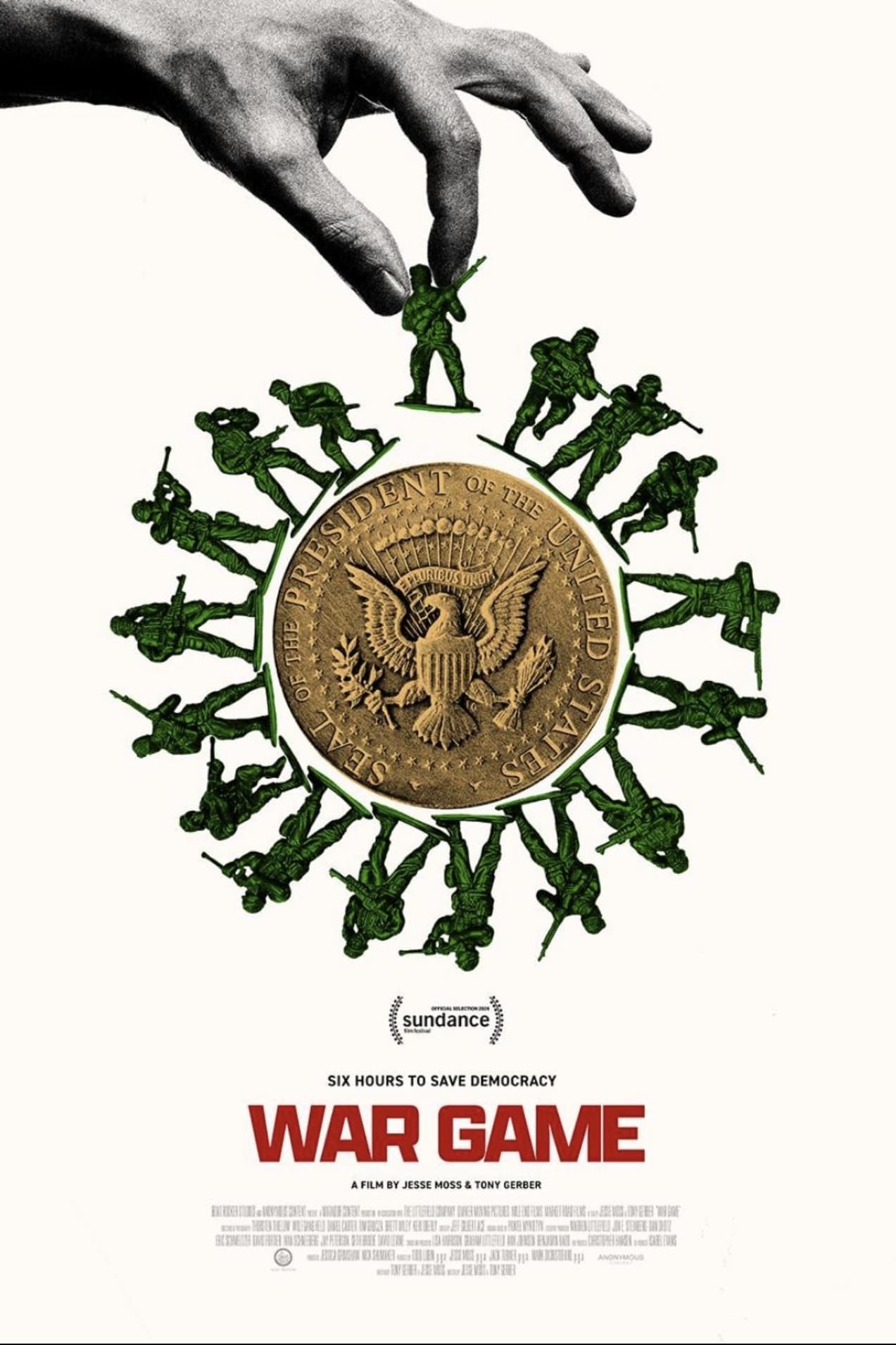
A bipartisan group of U.S. defense, intelligence, and elected policymakers spanning five presidential administrations participate in an unscripted role-play exercise in which they confront a political coup backed by rogue members of the U.S. military, in the wake of a contested presidential election.
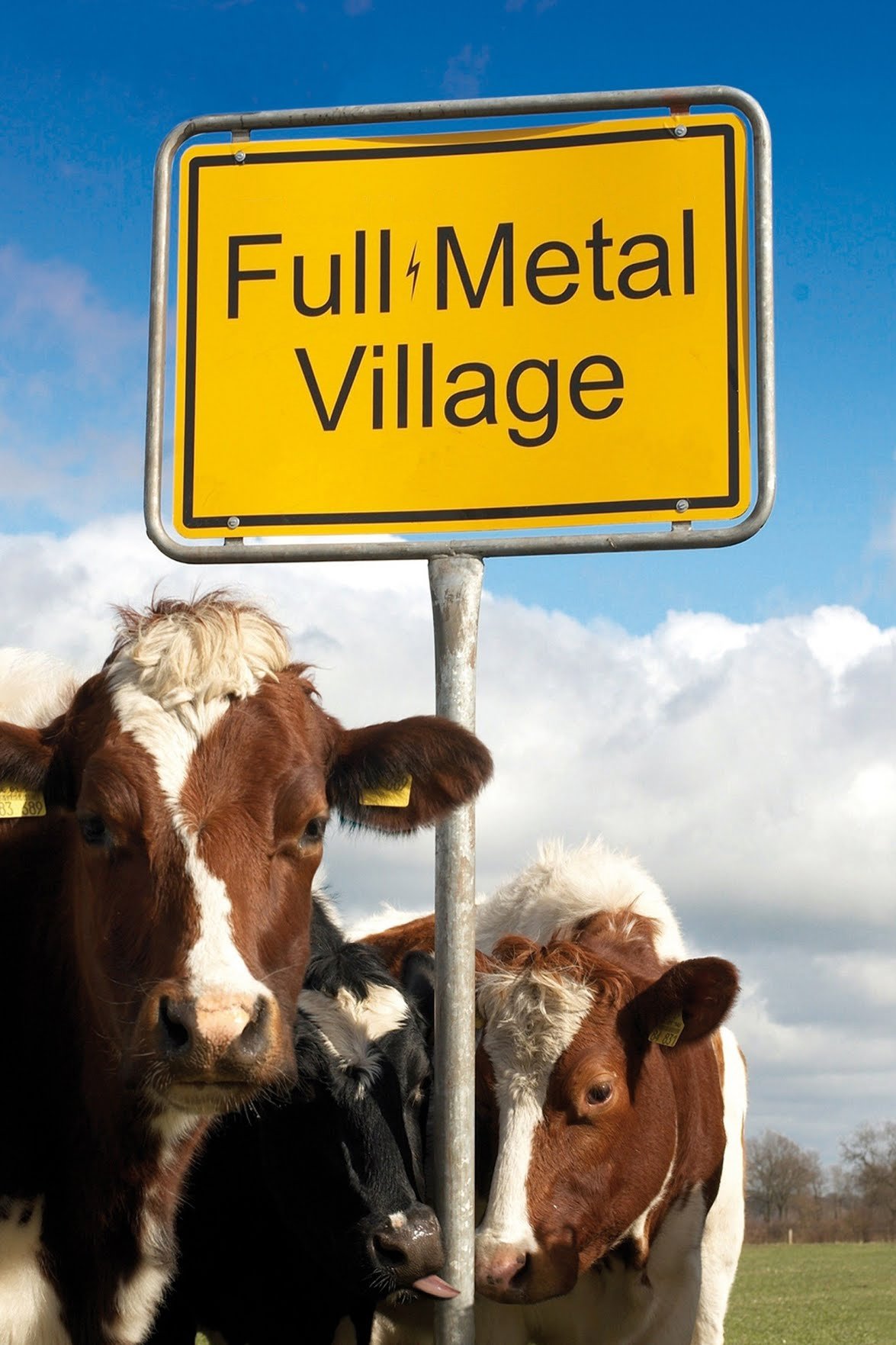
The film describes the microcosmos of the small village Wacken and shows the clash of the cultures, before and during the biggest heavy metal festival in Europe.
As the first part of our investigation, the CORONA.FILM prologue will delve into the science behind the pandemic. Starting at the very beginning, we shine a light on the responses. The aim is not to point the finger; our aim is to tell the whole story in all its complexity, as we believe that justice cannot prevail if only one side of the story is told.
Tracking missing socks in the European Union.
Wissam Charaf traces the recent history and identity of Lebanon through its political campaigns, PR imagery and pop videos.
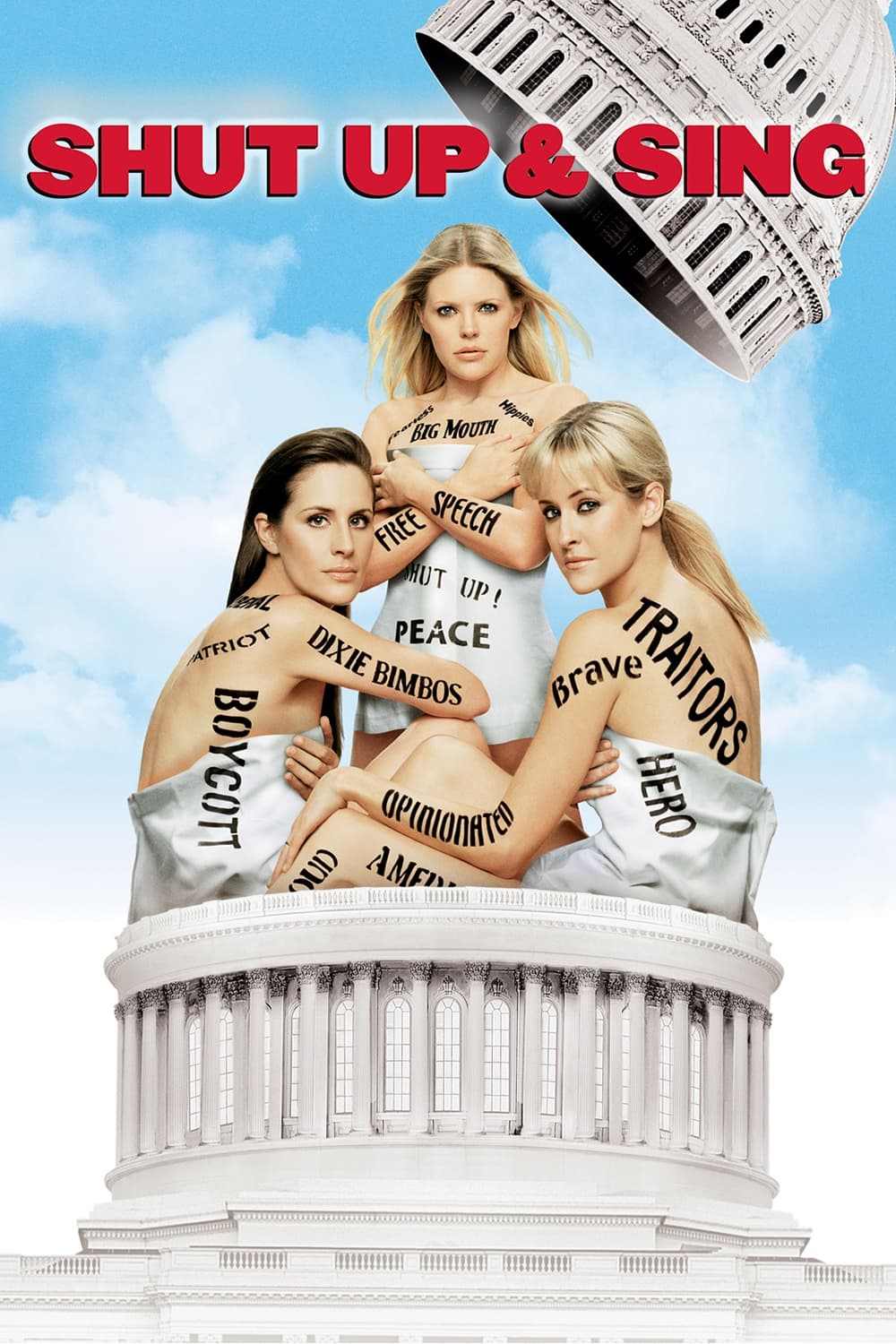
Shut Up and Sing is a documentary about the country band from Texas called the Dixie Chicks and how one tiny comment against President Bush dropped their number one hit off the charts and caused fans to hate them, destroy their CD’s, and protest at their concerts. A film about freedom of speech gone out of control and the three girls lives that were forever changed by a small anti-Bush comment
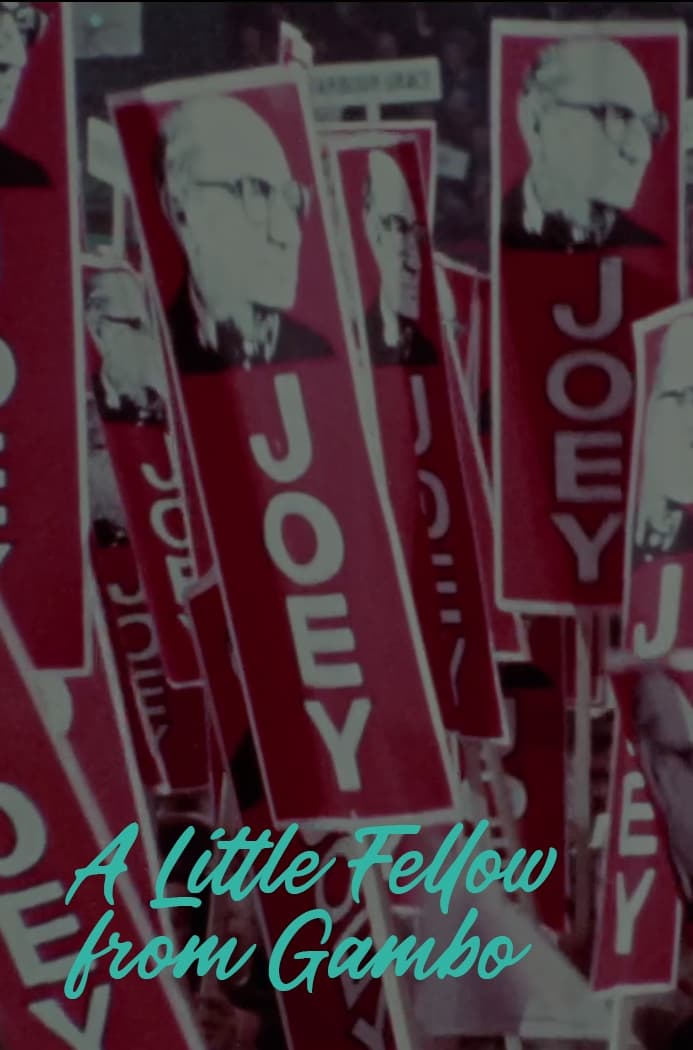
This feature-length documentary paints a lively portrait of Father of Confederation and first premier of Newfoundland Joseph Roberts Smallwood, or "Joey," as he is known to most Canadians. Following one of Canada’s most colourful political figures during a two-and-a-half-month period that included a stormy Liberal leadership convention, the film reveals a man misunderstood even by his close associates.
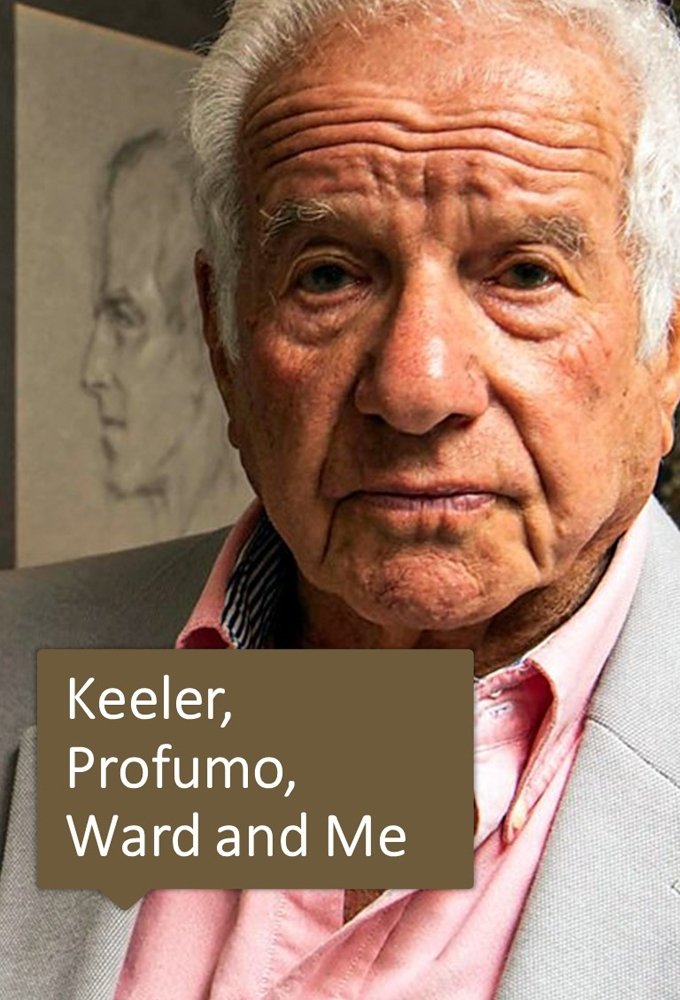
Tom Mangold's inside story of the scandal that rocked Britain, showing what it was really like to live with Stephen Ward as he became the scapegoat for the Profumo affair.
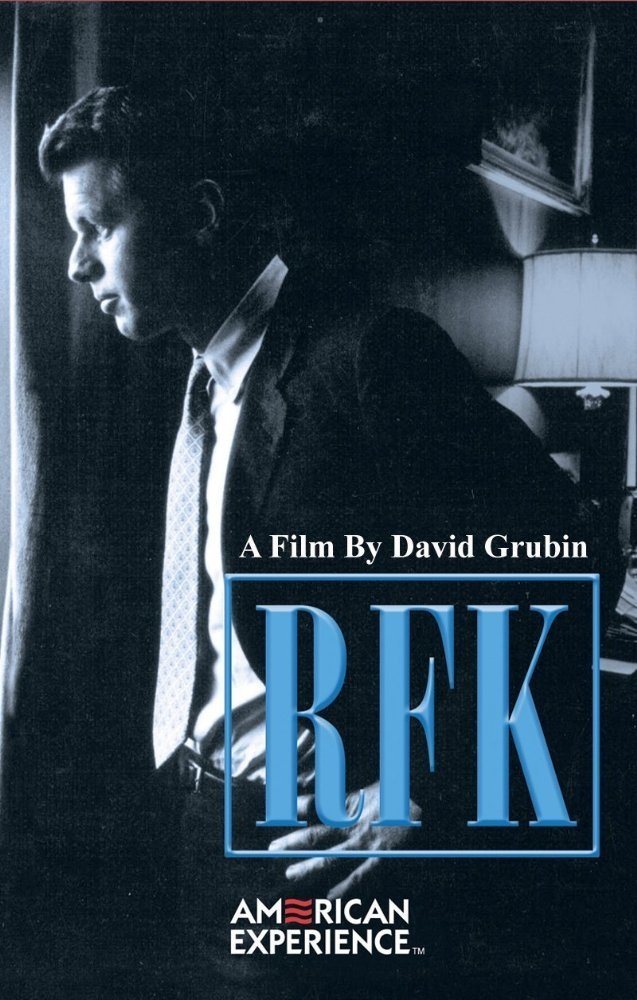
David Grubin's probing and perceptive biography reassesses the remarkable and tragic life of Bobby Kennedy, whose early life was spent in the shadow of his elder brother John. After JFK's assassination, he discovered his own identity in the forefront of American politics before his career was also tragically curtailed by an assassin's bullet.
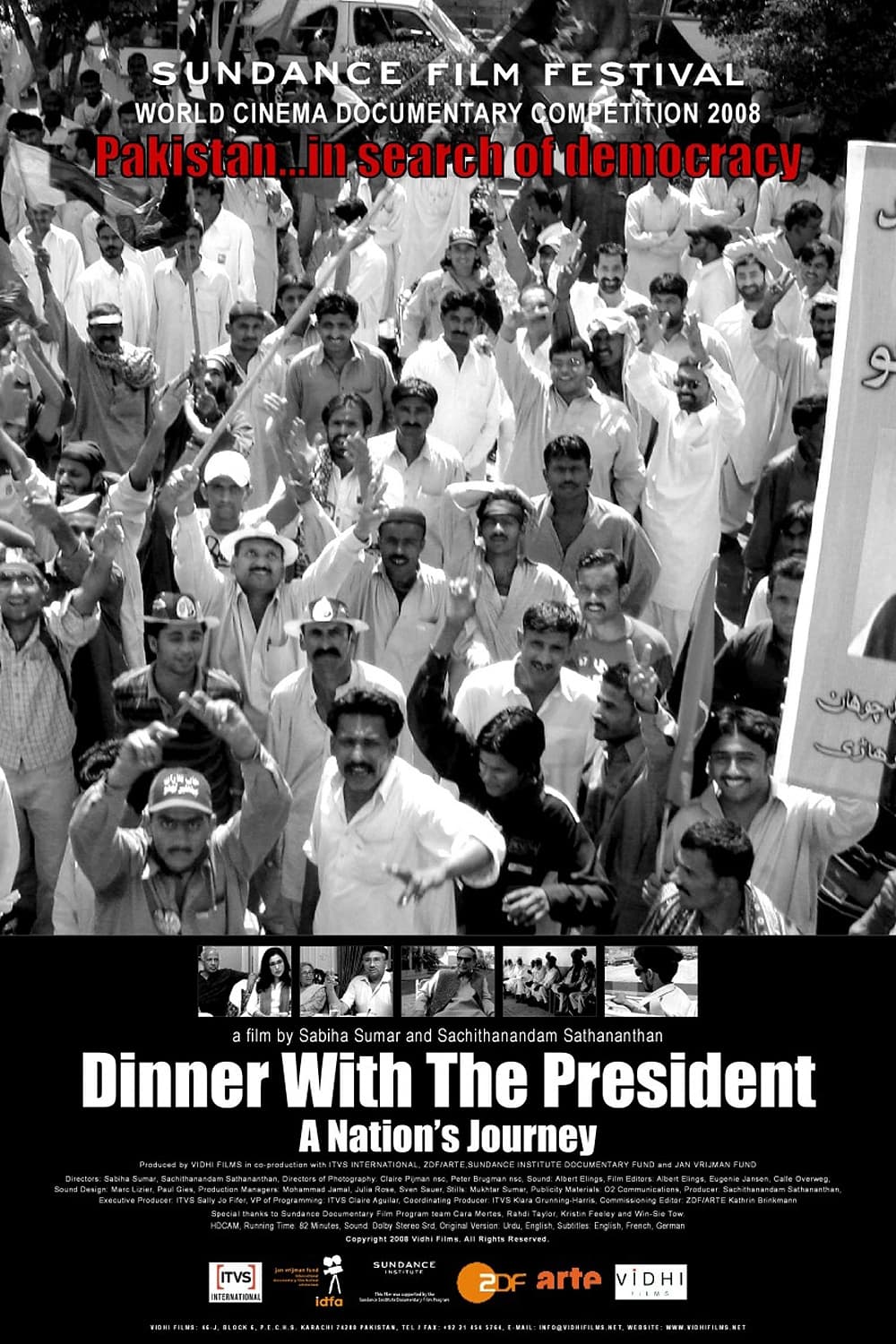
Documentary in which President Musharraf explores the different worlds and influences on political life in Pakistan at a dinner in his official residence, the Army House. Labourers and intellectuals, journalists and industrialists add to the debate, as the role that a military leader can play in guiding a state towards modern democracy is questioned. (Storyville)
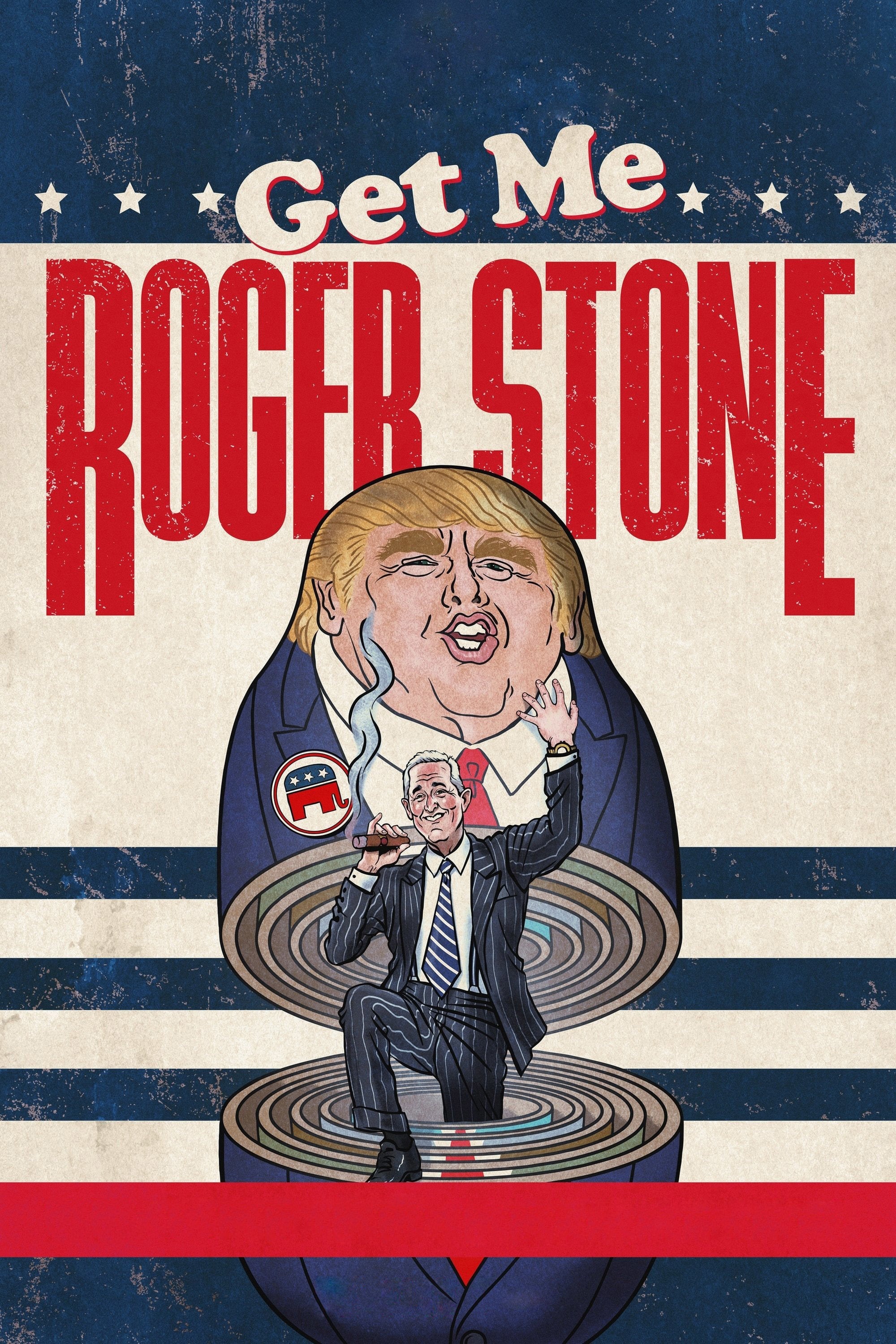
From his days of testifying at the Watergate hearings to advising recent presidential candidate Donald Trump, Roger Stone has long offended people on both sides of the political fence as a force in conservative America. Outspoken author, pundit, ahead of his time election strategist, this is his story.
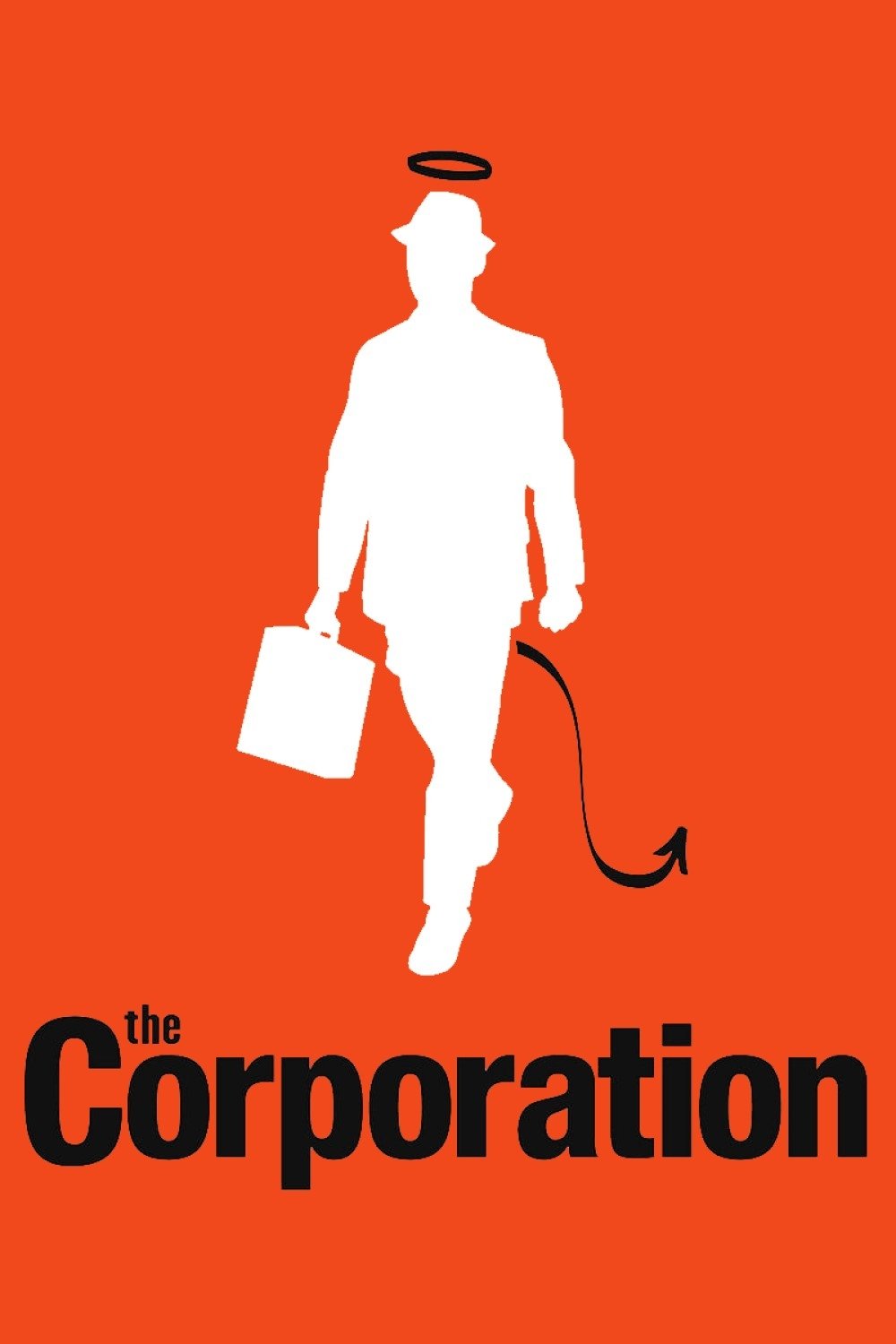
Since the late 18th century American legal decision that the business corporation organizational model is legally a person, it has become a dominant economic, political and social force around the globe. This film takes an in-depth psychological examination of the organization model through various case studies. What the study illustrates is that in the its behaviour, this type of "person" typically acts like a dangerously destructive psychopath without conscience. Furthermore, we see the profound threat this psychopath has for our world and our future, but also how the people with courage, intelligence and determination can do to stop it.
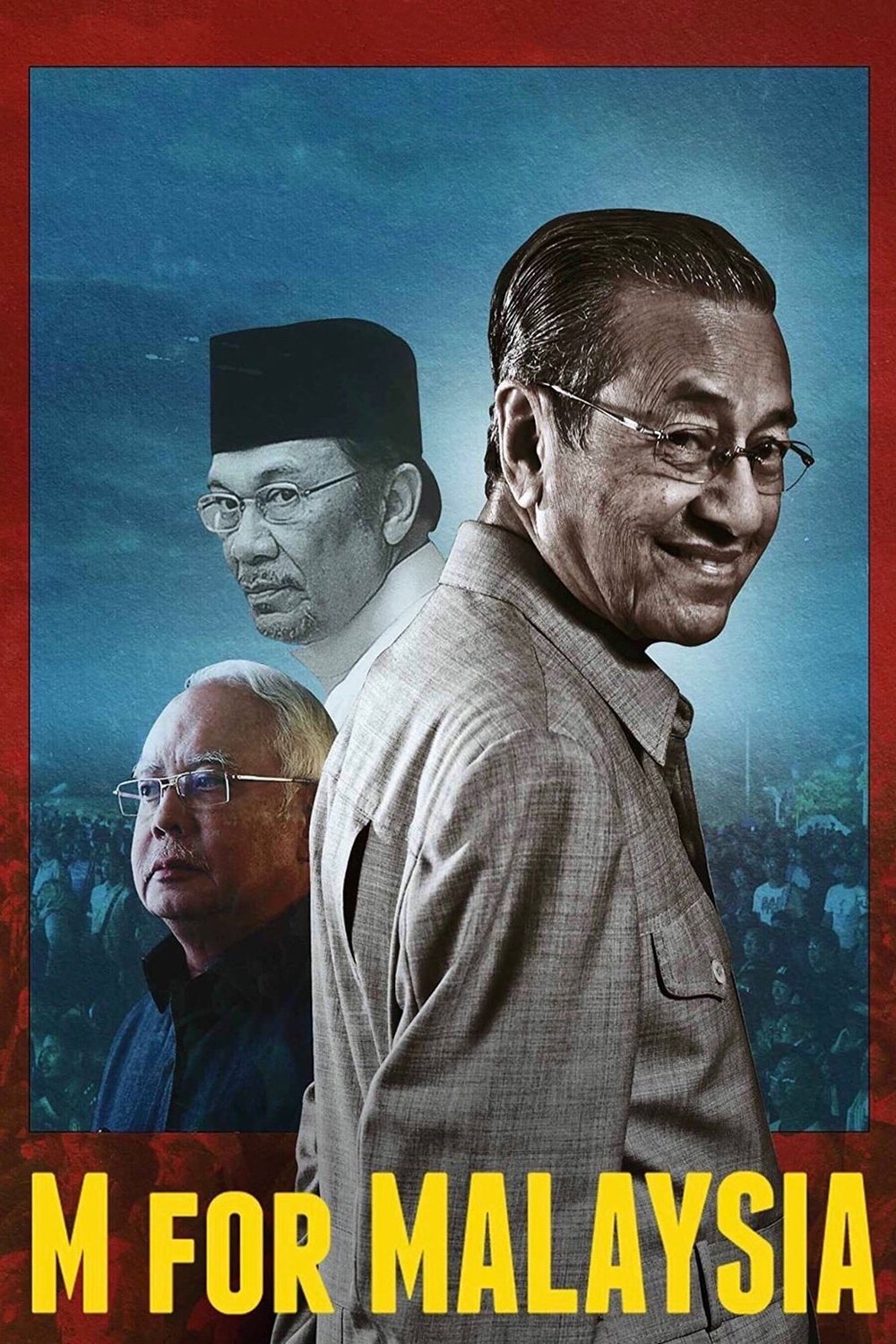
M for Malaysia documents the 2018 Malaysian General Elections when the people of Malaysia, led by a 92 year-old former Prime Minister, overthrew one of the longest ruling governments in the world. Despite endless barriers thrown at them, the tense campaign pushed on with the most surprising result in the country’s history.
Following the 2002 HBO documentary "Journeys with George," Pelosi's irreverent account of George W. Bush on the campaign trail, she set out on the road again with a handful of distinguished men competing to see who could eat the most pies, raise the most money and get the most votes to become the Democratic Party nominee.
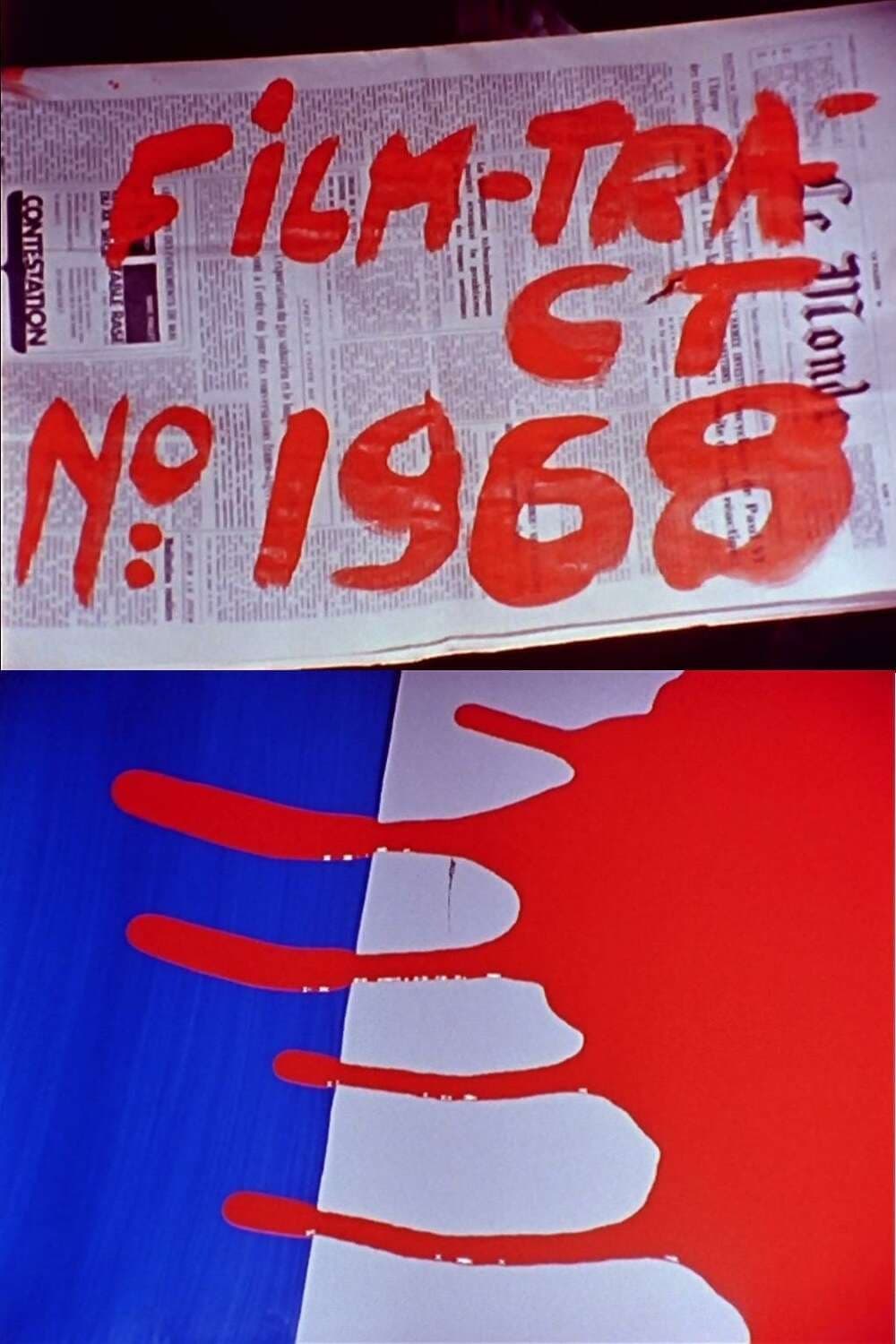
In the 1968 movement in Paris, Jean-Luc Godard made a 16mm, 3-minute long film, Film-tract No.1968, Le Rouge, in collaboration with French artist Gérard Fromanger. Starting with the shot identifying its title written in red paint on the Le Monde for 31 July 1968, the film shows the process of making Fromanger’s poster image, which is thick red paint flows over a tri-color French flag. —Hye Young Min
A glimpse into K-pop group BTS’ world away from the stage, featuring intimate group discussions alongside spectacular concert performances from their world tour.
Burn the Stage: the Movie is the first movie from BTS, going behind-the-scenes of the BTS WINGS TOUR to reveal the full story of the band’s meteoric rise to fame. This unmissable film provides an intimate look at what happens when the most successful global boy band of all time breaks down barriers and invades the mainstream music scene. Exclusive tour footage and brand-new one-on-one interviews with BTS members give fans an unprecedented glimpse into their lives and an opportunity for everyone to celebrate together worldwide.
A teen slams her car into a building, killing her boyfriend and his friend. What seems like a tragic accident becomes a murder case.
In a crime-plagued neighborhood near Miami, brutal, bare-knuckled backyard fights give young men a chance to earn money -- and self-respect.
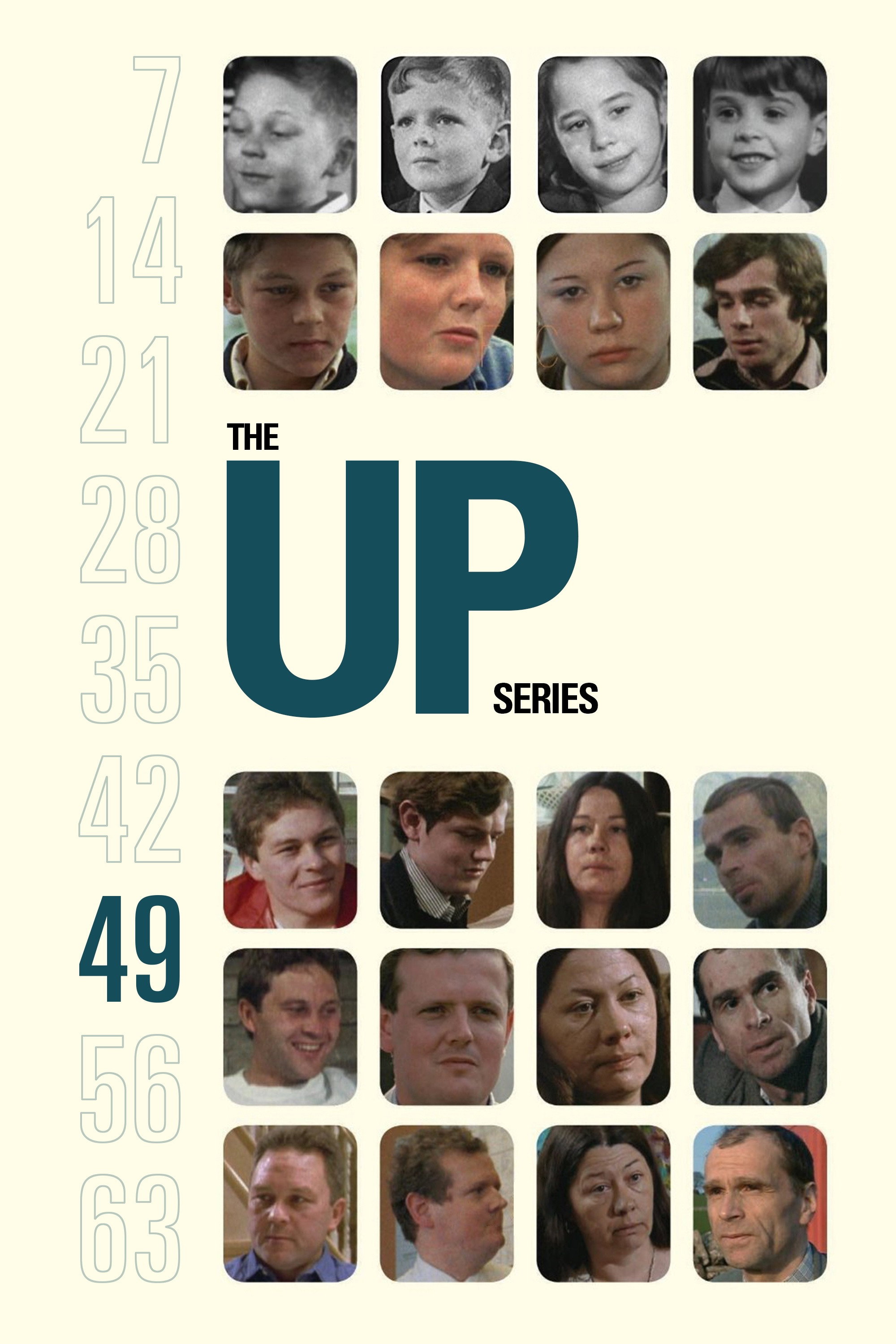
49 Up is the seventh film in a series of landmark documentaries that began 42 years ago when UK-based Granada's World in Action team, inspired by the Jesuit maxim "Give me the child until he is seven and I will give you the man," interviewed a diverse group of seven-year-old children from all over England, asking them about their lives and their dreams for the future. Michael Apted, a researcher for the original film, has returned to interview the "children" every seven years since, at ages 14, 21, 28, 35, 42 and now again at age 49.In this latest chapter, more life-changing decisions are revealed, more shocking announcements made and more of the original group take part than ever before, speaking out on a variety of subjects including love, marriage, career, class and prejudice.
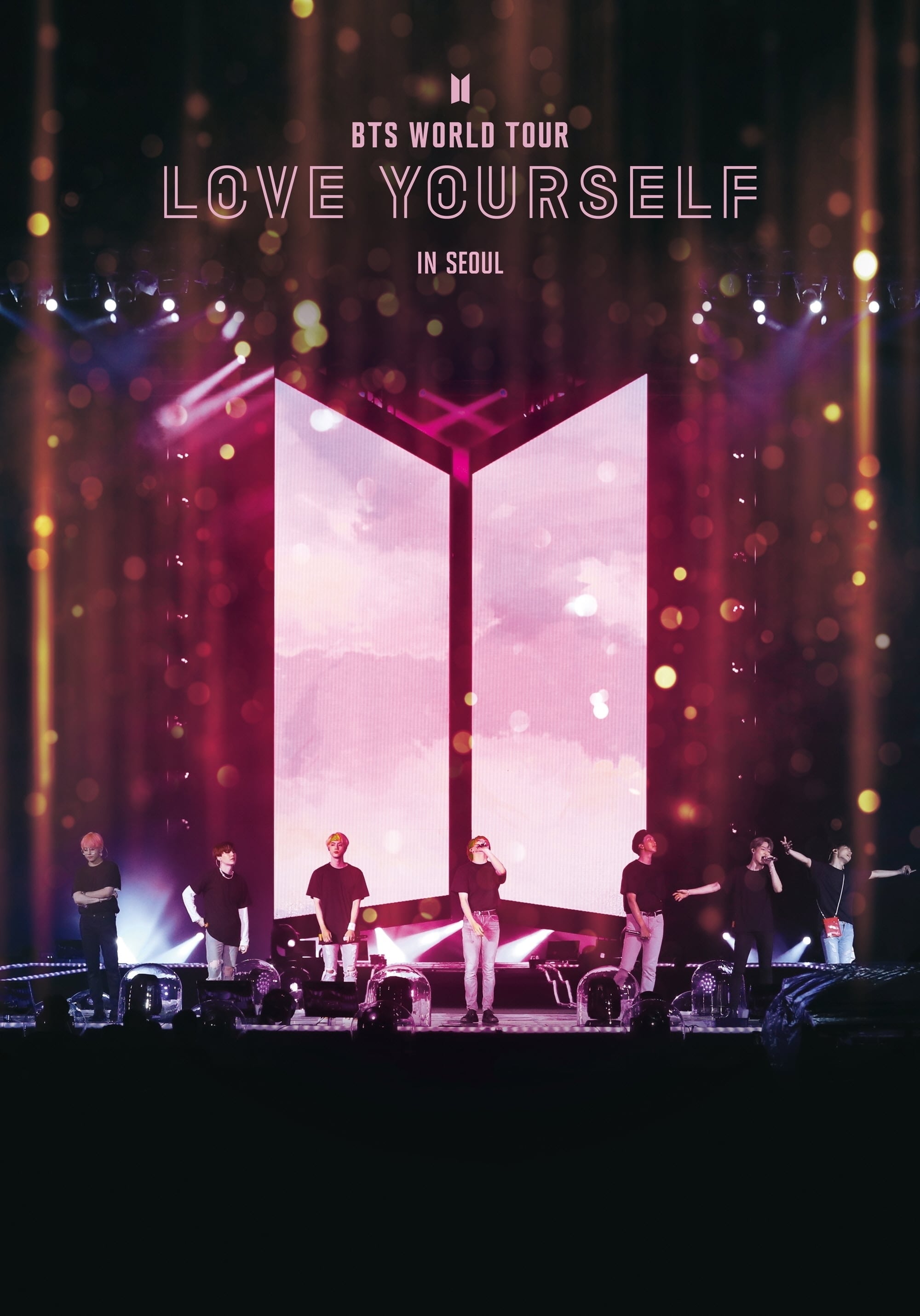
Shot at the Olympic Stadium in Seoul during the BTS World Tour ‘Love Yourself’ to celebrate the seven members of the global boyband and their unprecedented international phenomenon.
Al Pacino's deeply-felt rumination on Shakespeare's significance and relevance to the modern world through interviews and an in-depth analysis of "Richard III."
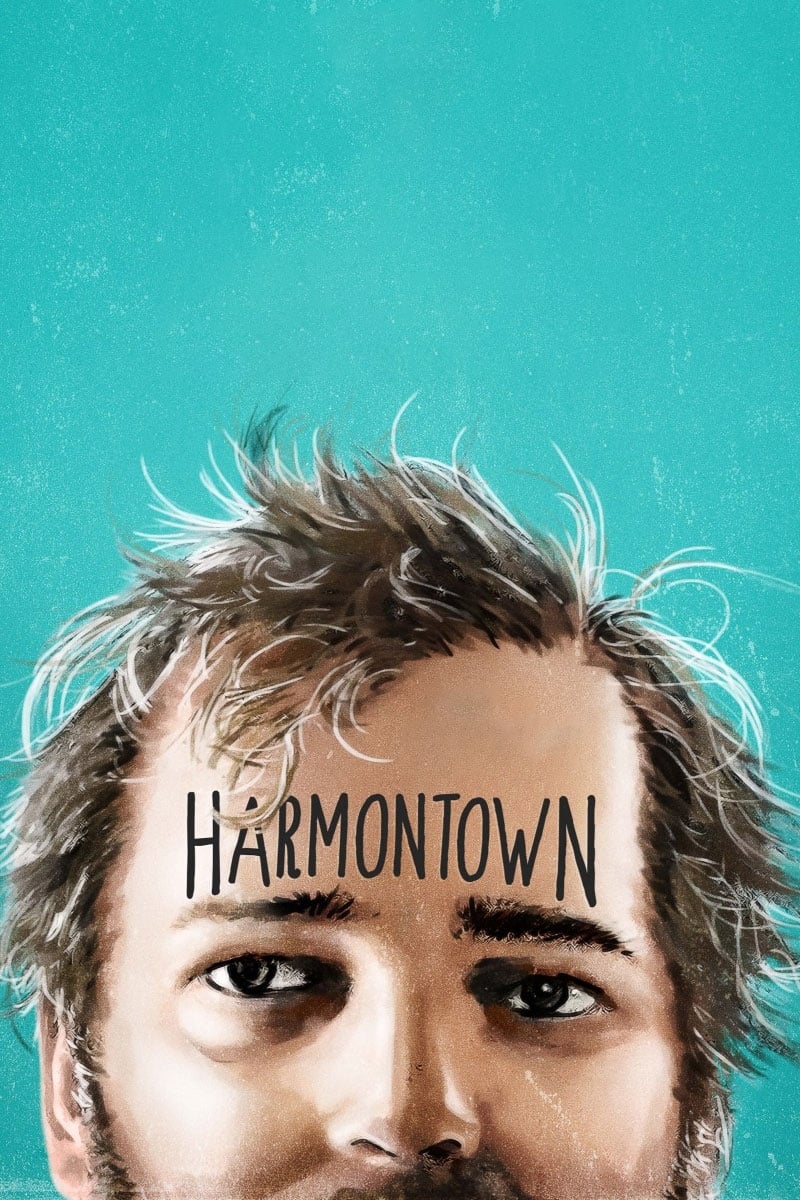
A comedic, brutally honest documentary following self-destructive TV writer Dan Harmon as he takes his live podcast on a national tour.
A documentary on kids who attend a summer camp hoping to become the next Billy Graham.
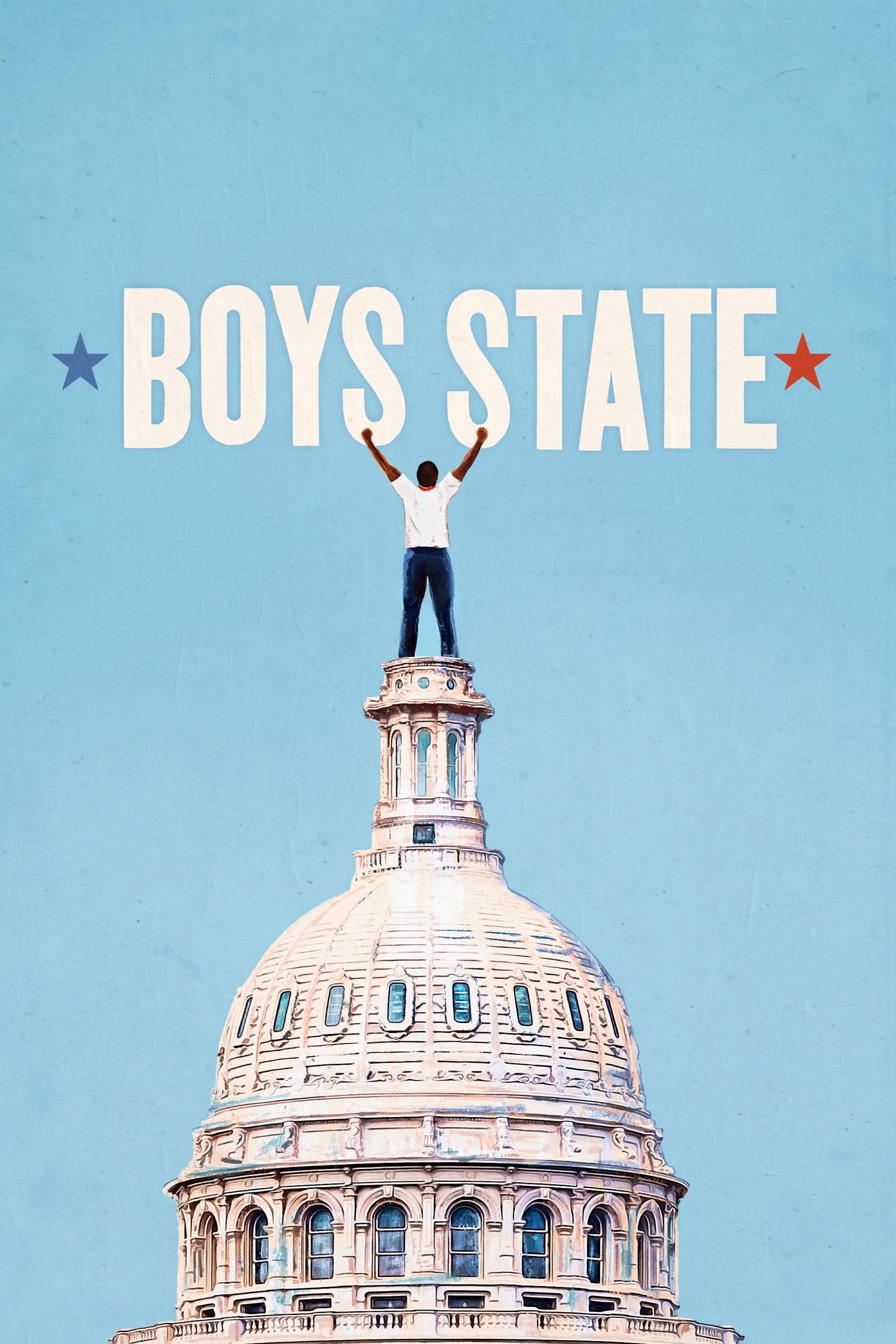
This raucous journey into the heart of democracy captures an unusual rite of passage: 1,100 teenage boys from across Texas coming together to build a representative government from the ground up.
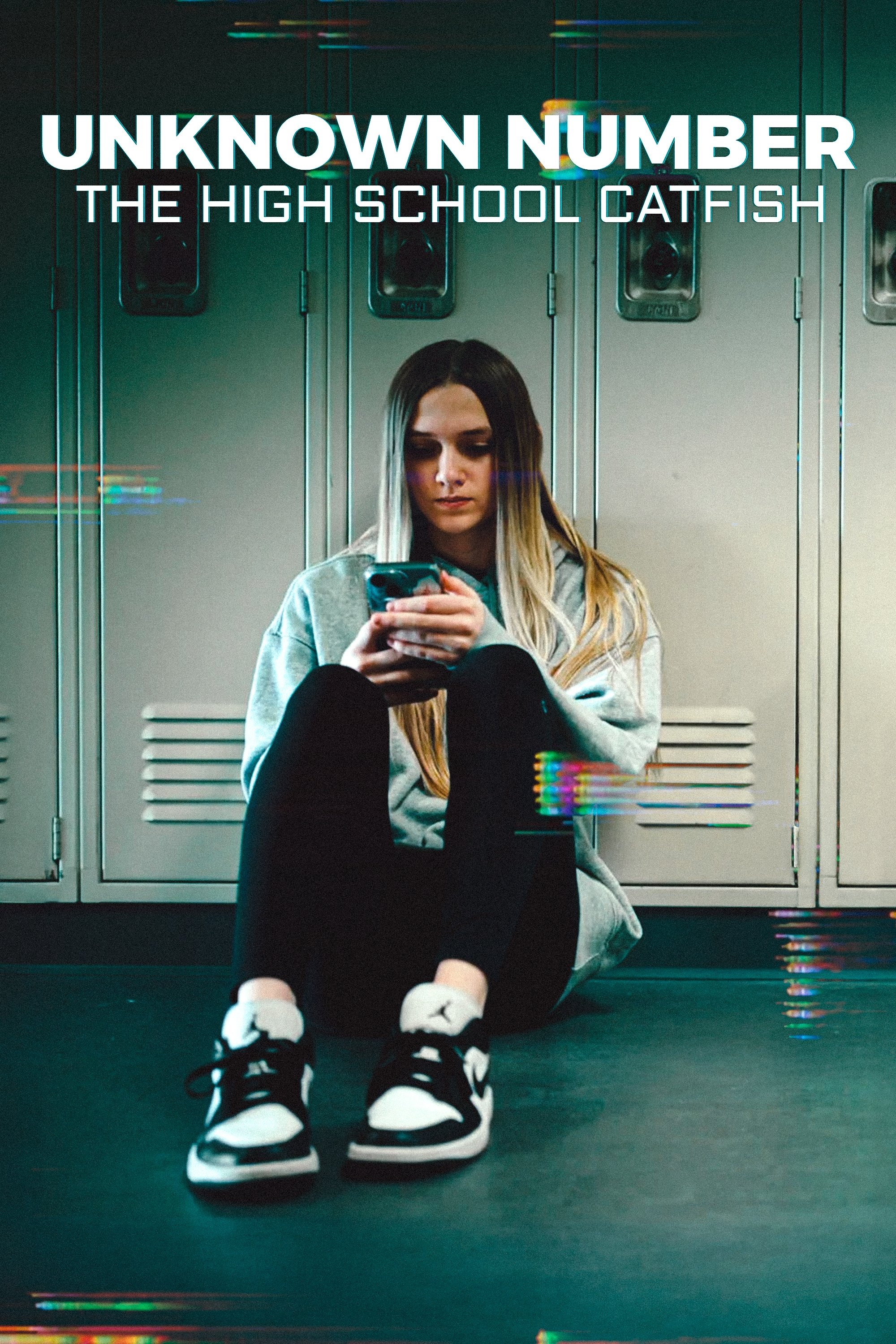
Vulgar, taunting texts blow up the phones of a teen and her boyfriend. Who's sending them — and why? This twisty documentary reveals the shocking answer.
The troubled fraternal relationship between songwriters Robert B. Sherman and Richard M. Sherman, the Oscar and Grammy-winning Sherman Brothers, famous for the iconic hits they wrote for Disney.
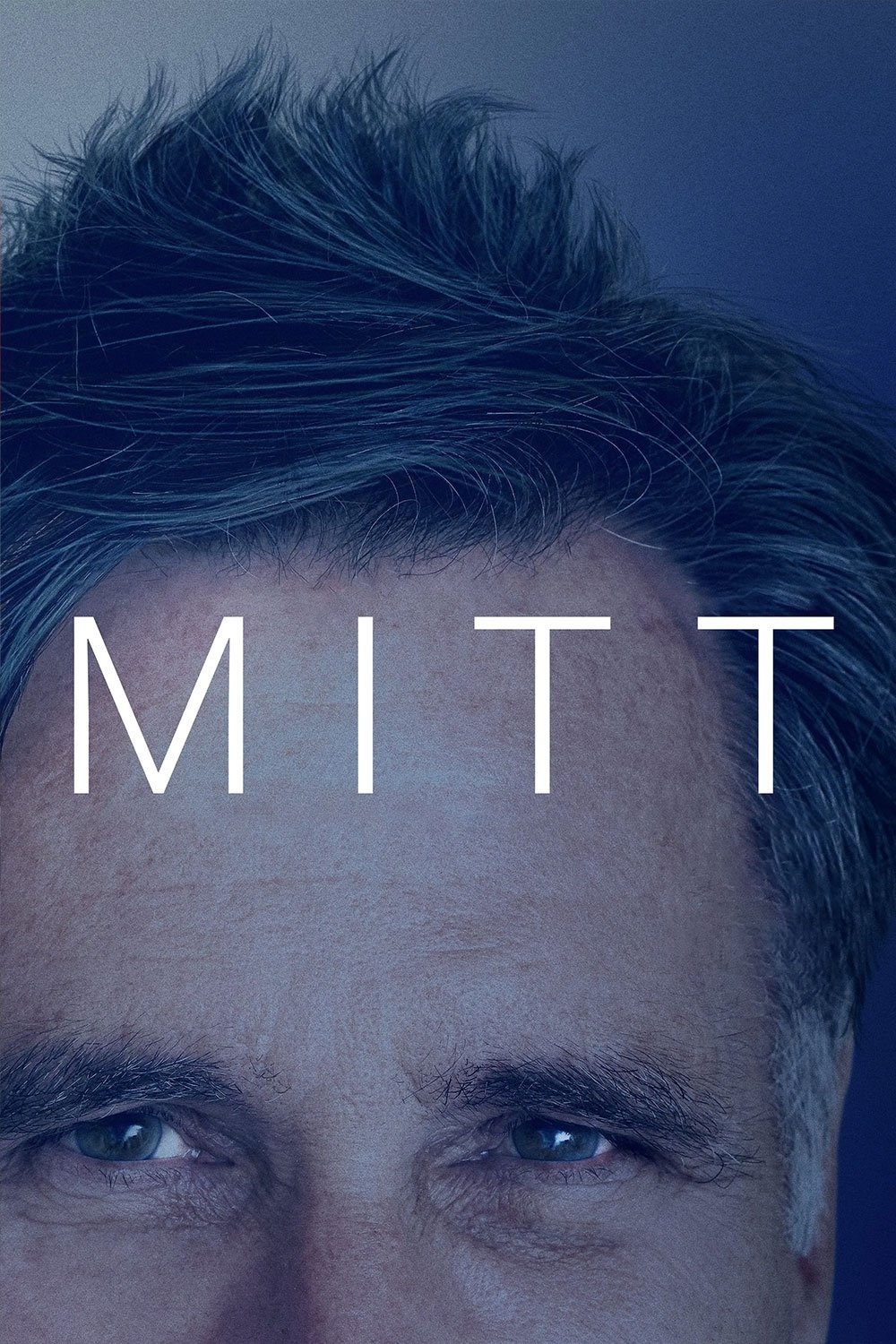
A filmmaker is granted unprecedented access to a political candidate and his family as he runs for President.
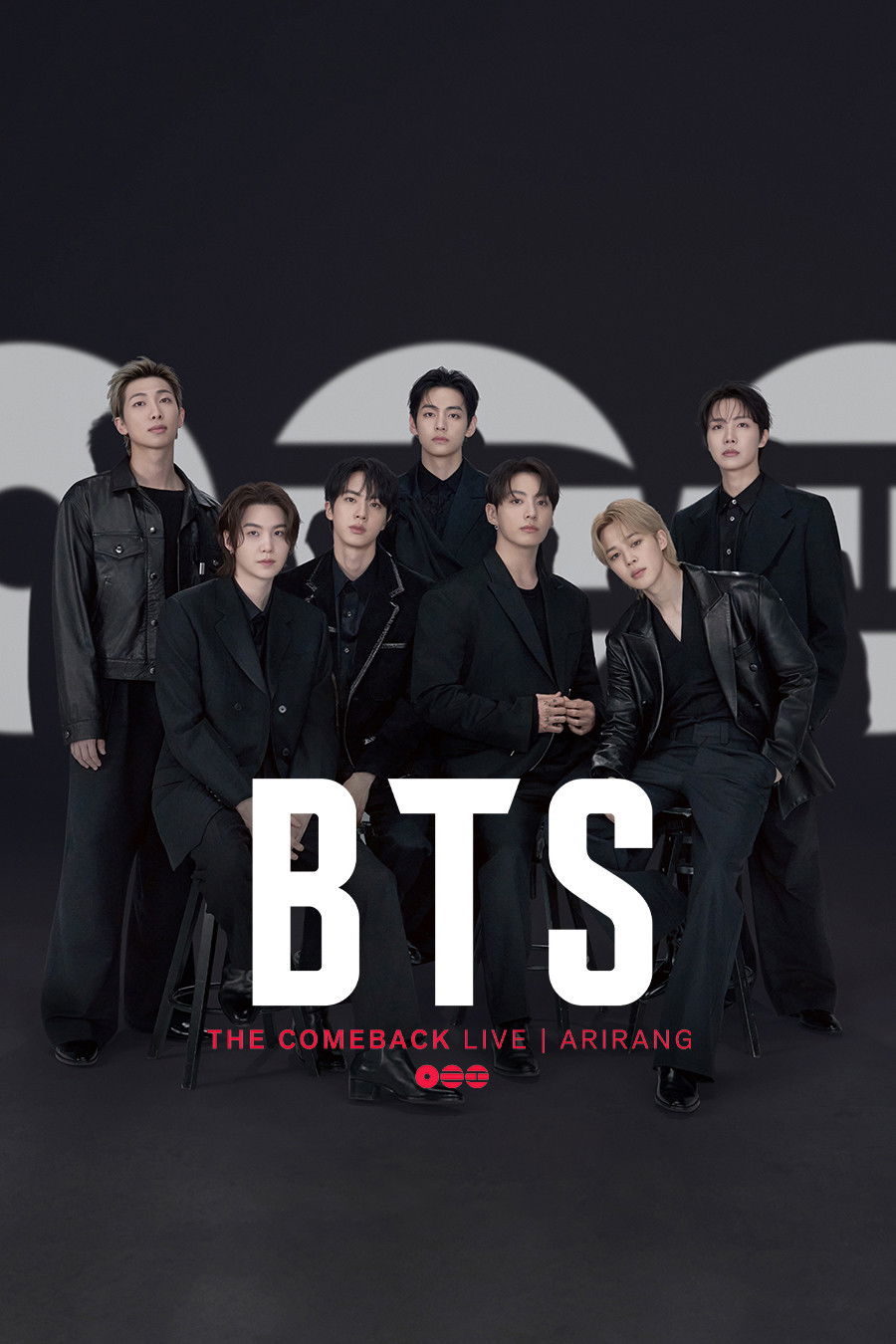
BTS is back. The iconic group returns to the stage for a live reunion concert to perform legendary hits and unveil brand-new tracks.
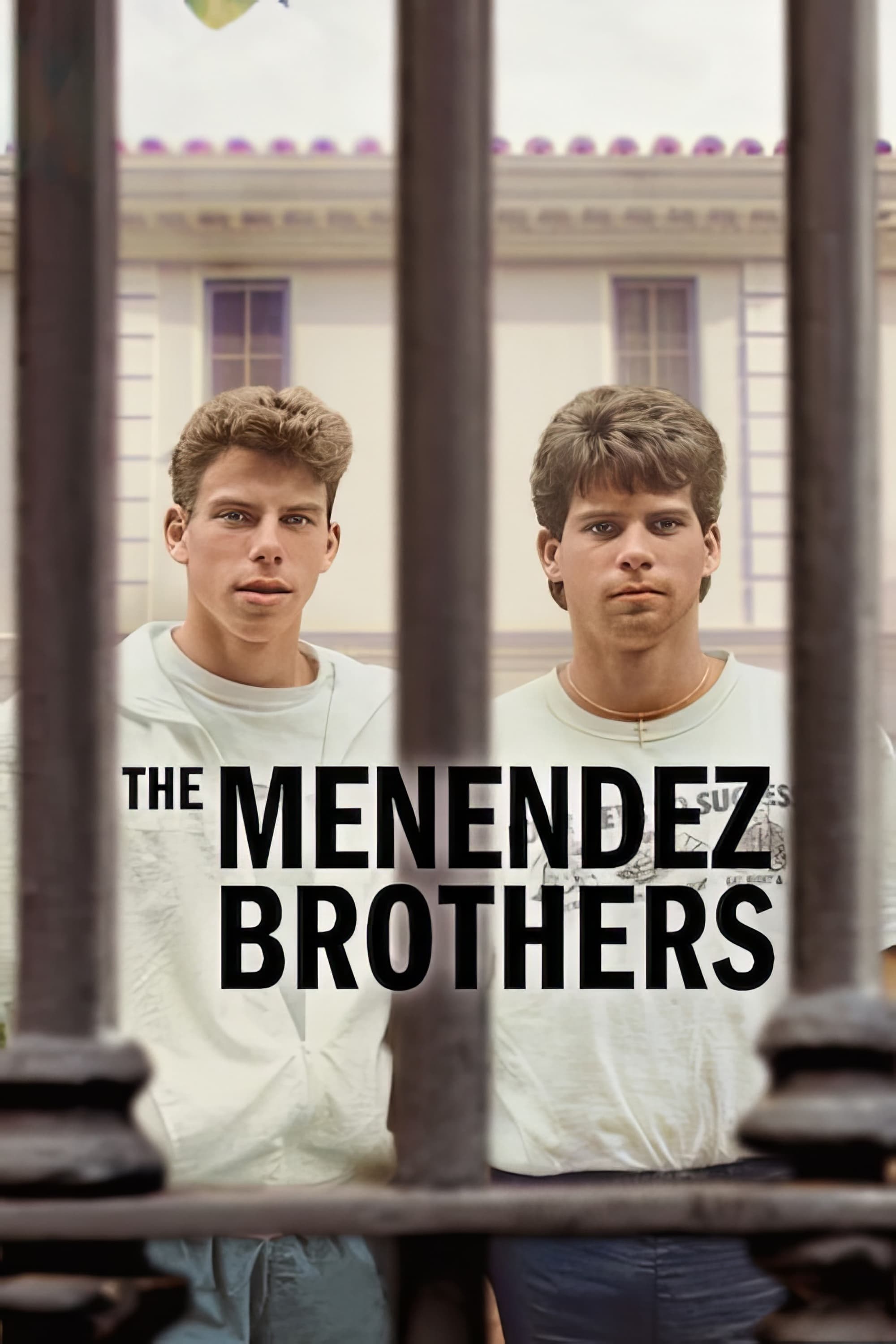
Serving life in prison for murdering their parents, Lyle and Erik Menendez speak out in this documentary explaining the shocking crime and ensuing trials.
An inside look at one of the most anticipated movie sequels ever with James Cameron and cast.
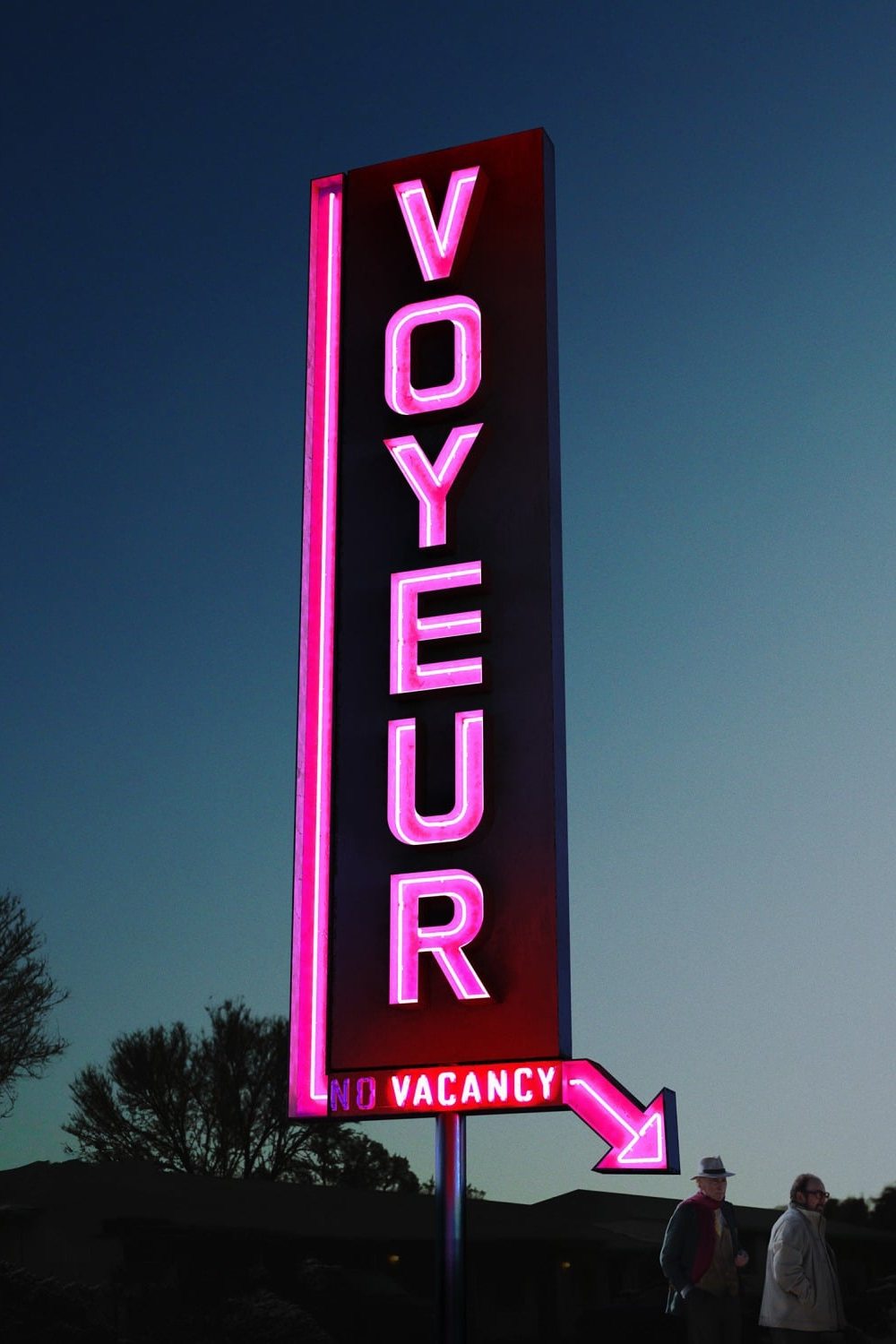
Legendary journalist Gay Talese unmasks a motel owner who spied on his guests for decades. But his bombshell story soon becomes a scandal of its own.
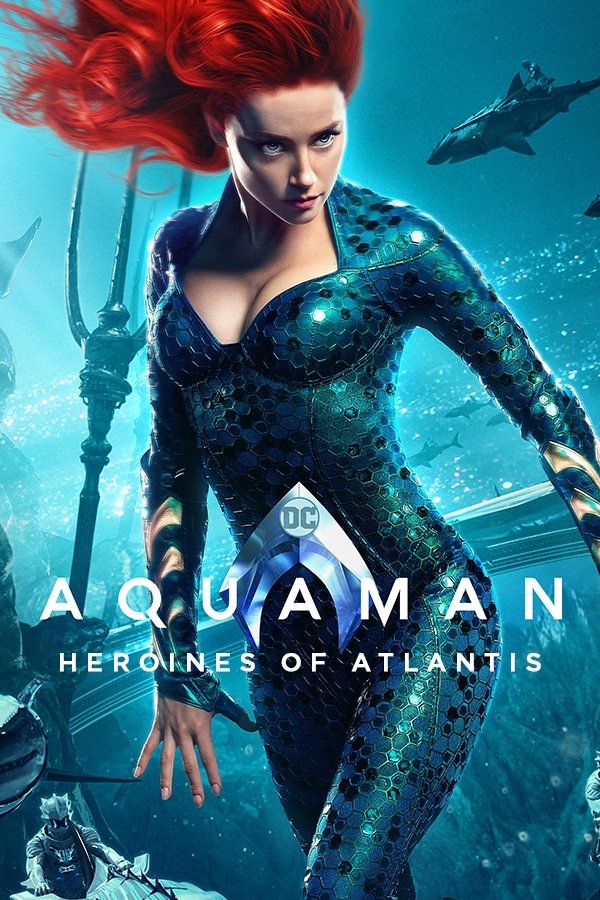
Amber Heard and Nicole Kidman discuss their characters Mera and Atlanna.
In the Realms of the Unreal is a documentary about the reclusive Chicago-based artist Henry Darger. Henry Darger was so reclusive that when he died his neighbors were surprised to find a 15,145-page manuscript along with hundreds of paintings depicting The Story of the Vivian Girls, in What is Known as the Realms of the Unreal, of the Glodeco-Angelinnian War Storm, Cased by the Child Slave Rebellion.
Never-before-seen footage and survivor accounts trace the 2012 shipwreck of a luxury cruise and the disaster that ensued, in this immersive documentary.