The conflict over forestry operations on Lyell Island in 1985 was a major milestone in the history of the re-emergence of the Haida Nation. It was a turning point for the Haida and management of their natural resources.

Social & External
BURNING MAN: BEYOND BLACK ROCK goes behind the scenes of a social revolution to explore the philosophy that fuels it, the social contract that drives it, and the transcendent experience that makes it a worldwide cultural force. Granted unprecedented access to the inner workings of the Burning Man organization, the filmmakers spent 18 months with the founders, organizers, artists and participants to document the full complexity and diversity of the Burning Man community. But, true to its title, the film goes beyond the city they raise in the desert - revealing the Burning Man's plans to bring its unique culture to the rest of the world. BEYOND BLACK ROCK tells, for the first time ever, the real story of Burning Man - from the inside out.
In the present work, the artists appears lying on his back, his eyes mostly closed, dreamingly listening to a walkman that plays, a recording of 'The Best of Lou Reed and the Velvet Underground'. The artist can hear the music through his earphones, but as viewers we are only privy to the sound of his voice that whispers the melody. As we listen to the hypnotic interpretion of the familiar songs - as emblematic for pop music history as 'Psycho' is for film - we are forced to mentally 'reconstruct' the remaining orchestration, instrumentation and vocals. We must attempt to reassemble something we already know to be a fact by negotiating the sticky mess of interpretation, meaning, and memory.
Commissioned by the journal Présence Africaine, this short documentary examines how African art is devalued and alienated through colonial and museum contexts. Beginning with the question of why African works are confined to ethnographic displays while Greek or Egyptian art is celebrated, the film became a landmark of anti-colonial cinema and was banned in France for eight years.
Among the millions of victims of the Nazi madness during the Second World War, Pierre Seel was charged with homosexuality and imprisoned in the Schirmeck concentration camp. He survived this terrifying experience of torture and humiliation, and after the war he married, had three children, and tried to live a normal life. In 1982, however, he came to terms with his past and his true nature and decided to publicly reveal what he and thousands of other homosexuals branded with the Pink Triangle had undergone during the Nazi regime. Il Rosa Nudo (Naked Rose), inspired by the true story of Pierre Seel, depicts in a theatrical and evocative way the Homocaust, focusing on the scientific theories of SS Physician Carl Peter Værnet for the treatment of homosexuality, which paved the way for the Nazi persecution of gay men.
The title of this video, taken from the texts of the architect Kengo Kuma, suggests a way of looking at everything as “interconnected and intertwined” - such as the historical and the present and the tool and the artifact. Images and representations of two structures in the Portland Metropolitan Area that have direct and complicated connections to the Chinookan people who inhabit(ed) the land are woven with audio tapes of one of the last speakers of chinuk wawa, the Chinookan creole. These localities of matter resist their reduction into objects, and call anew for space and time given to wandering as a deliberate act, and the empowerment of shared utility.
Joža Čop, an illiterate man of the people, earned great respect from his fellow compatriots. He once famously said: "I’ve never climbed for fame and newspapers, so that people could wipe their asses with me." The film is also a story of the cradle of Slovenia's intellectual and sporting elite, Slovenian vitality, confidence and national pride.
Narrated by Uncle Jack Charles and seen through the eyes of Indigenous prisoners at Victoria’s Fulham Correctional Centre, this documentary explores how art and culture can empower Australia's First Nations people to transcend their unjust cycles of imprisonment.
A journey into the hearts, minds and eyes of Georgia O’Keeffe, Emily Carr and Frida Kahlo - three of the 20th century’s most remarkable artists.
Wrapped Walk Ways, in Jacob Loose Memorial Park, Kansas City, Missouri, consisted of the installation of 136,268 square feet (12,540 square meters) of saffron-colored nylon fabric covering 2.7 miles (4.4 kilometers) of formal garden walkways and jogging paths.
The true historical account of the Illuminati, exposing the actual rituals of the secret society, and answering the age-old question of whether or not the order still exists.
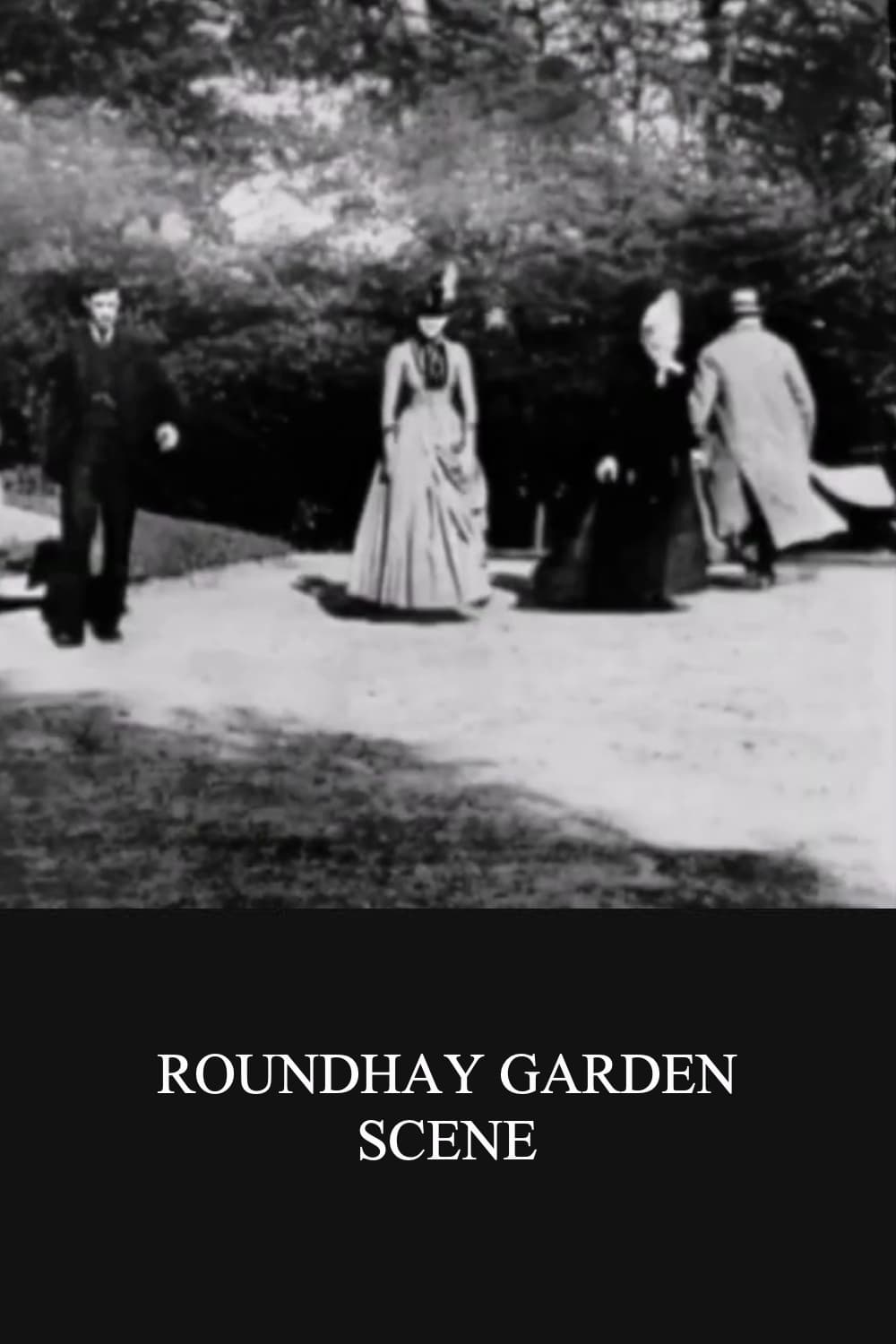
Working men and women leave through the main gate of the Lumière factory in Lyon, France. Filmed on 22 March 1895, it is often referred to as the first real motion picture ever made, although Louis Le Prince's 1888 Roundhay Garden Scene pre-dated it by seven years. Three separate versions of this film exist, which differ from one another in numerous ways. The first version features a carriage drawn by one horse, while in the second version the carriage is drawn by two horses, and there is no carriage at all in the third version. The clothing style is also different between the three versions, demonstrating the different seasons in which each was filmed. This film was made in the 35 mm format with an aspect ratio of 1.33:1, and at a speed of 16 frames per second. At that rate, the 17 meters of film length provided a duration of 46 seconds, holding a total of 800 frames.
A personal, scientific, mystical exploration of Amazonian curanderismo, focus on Ayahuasca and Master Plants, their healing and visionary properties and risks, along with the Shipibo people and their songs.
Narrated by Sir Derek Jacobi - star of the landmark television series "I, Claudius" - this documentary explores art and culture around the Bay of Naples before Mount Vesuvius erupted in AD 79. The bay was then the most fashionable destination for vacationing Romans. Julius Caesar, emperors, and senators were among those who owned sumptuous villas along its shores. Artists flocked to the region to create frescoes, sculpture, and luxurious objects in gold, silver, and glass for villa owners as well as residents of Pompeii and other towns in the shadow of Vesuvius. The film concludes with the story of the discovery of Pompeii and Herculaneum from the 18th century onward.
The film follows Postcommodity, an interdisciplinary arts collective comprised of Raven Chacon, Cristóbal Martinez and Kade L. Twist, who put land art in a tribal context. The group bring together a community to construct the Repellent Fence, a two-mile long ephemeral monument “stitching” together the US and Mexico.
The video revolution of the 1970s offered unprecedented access to the moving image for artists and performers. This Is Not a Dream explores the legacies of this revolution and its continued impact on contemporary art and performance. Charting a path across four decades of avant-garde experiment and radical escapism, This Is Not a Dream traces the influences of Andy Warhol, John Waters and Jack Smith to the perverted frontiers of YouTube and Chatroulette, taking in subverted talk shows and soap operas, streetwalker fashions and glittery magic penises along the way.
A contemplation of art and adventure in the southern wilds of New Zealand by both a landscape photographer and an adventure filmmaker. This film is the unexpected result of their two unique perspectives.
The Victorian era is often cited for its lack of sexuality, but as this documentary reveals, the period's artists created a strong tradition surrounding the classical nude figure, which spread from the fine arts to more common forms of expression. The film explains how 19th-century artists were inspired by ancient Greek and Roman works to highlight the naked form, and how that was reflected in the evolving cultural attitudes toward sex.
Janina Ramirez explores the BBC archives to create a TV history of Leonardo Da Vinci, discovering what lies beneath the Mona Lisa and even how he acquired his anatomical knowledge.
Lino Tagliapietra, considered by most as the greatest glassblower in history, is a mentor, motivator, and visionary. Bridging the divide between Italian and American glassblowing, Lino's career has transcended continents and inspired a new generation of glassblowers. Now 85, Lino continues to push the boundaries of the medium, testing the limits to see what both the material and the man can do.
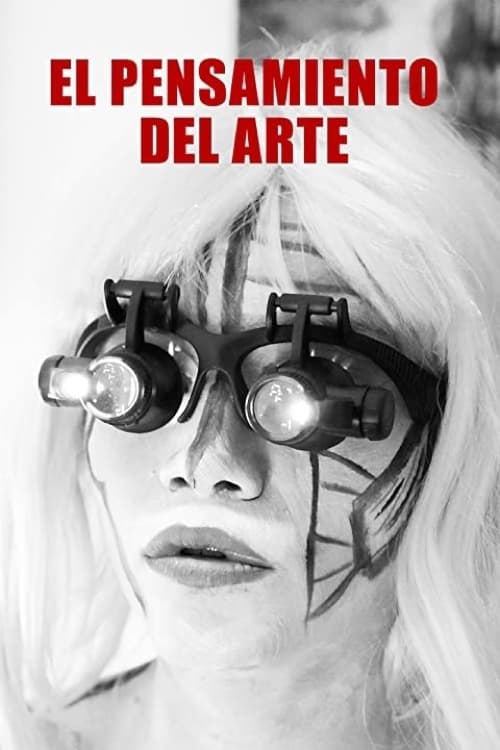
Experimental research and dissemination documentary about current contemporary art that compiles the opinions, experiences and anecdotes of artists, gallery owners, curators, museum directors and experts.
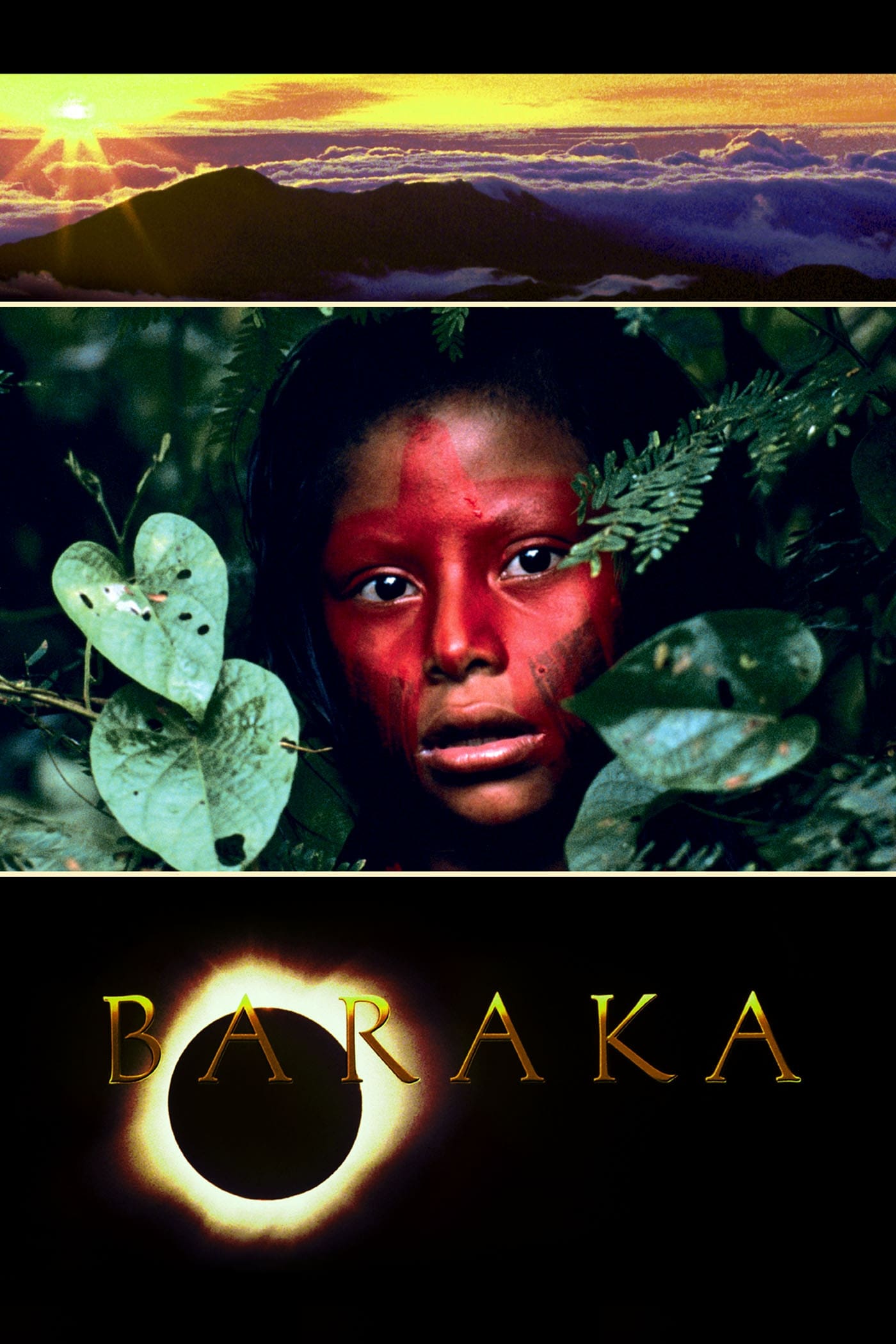
A paralysingly beautiful documentary with a global vision—an odyssey through landscape and time—that attempts to capture the essence of life.
A visual montage portrait of our contemporary world dominated by globalized technology and violence.
In order to flee from powerful enemies, young Mayan king Balam leads his people north across the Gulf of Mexico to the coast of what will become the United States. They build a home in the new land but come into conflict with a tribe of Native Americans led by their chief, Black Eagle, while both Balam and Black Eagle fall in love the beautiful Mayan princess Ixchel.
A boy and his dog, White Fang, must try to save the noble Haida tribe from evil white men in turn-of-the-century Alaska.
The epic tale of the development of the American West from the 1830s through the Civil War to the end of the century, as seen through the eyes of one pioneer family.
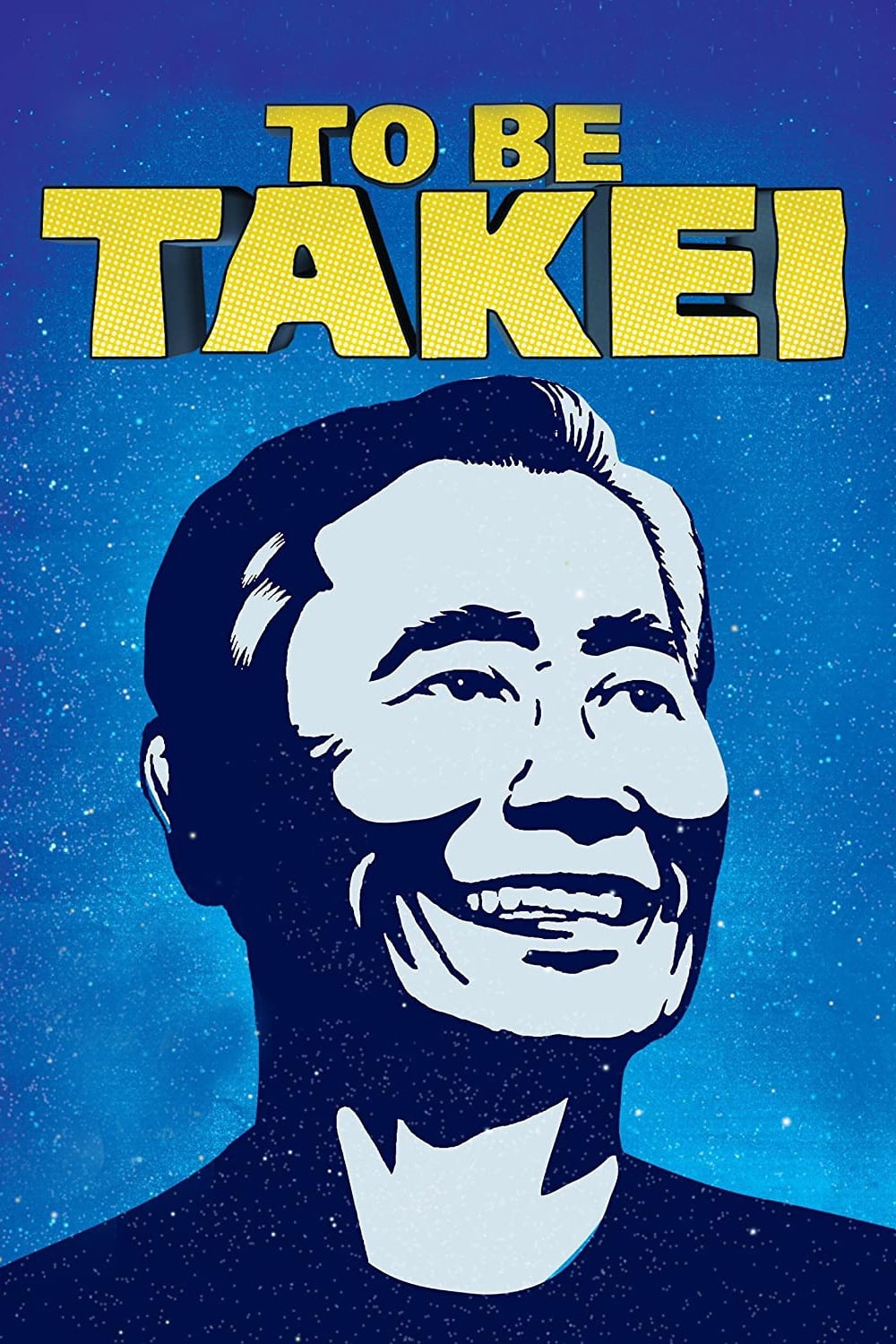
Over seven decades, actor and activist George Takei journeyed from a World War II internment camp to the helm of the Starship Enterprise, and then to the daily news feeds of five million Facebook fans. Join George and his husband, Brad, on a wacky and profound trek for life, liberty, and love.
Inspired by the isolated beauty of tropical islands and the explosive allure of ocean volcanoes, Lava is a musical love story that takes place over millions of years.
For the 20th anniversary of "Titanic," James Cameron reopens the file on the disaster.
An unprecedented and intimate look at the life, work and enduring legacy of British actress Audrey Hepburn (1929-1993).
In this fascinating Oscar-nominated documentary, American guitarist Ry Cooder brings together a group of legendary Cuban folk musicians (some in their 90s) to record a Grammy-winning CD in their native city of Havana. The result is a spectacular compilation of concert footage from the group's gigs in Amsterdam and New York City's famed Carnegie Hall, with director Wim Wenders capturing not only the music -- but also the musicians' life stories.
Lucky and her friends venture into town on Christmas Eve in an attempt to fulfill their holiday plans. But when distractions lead to delays, they must figure out how to get home in time for Christmas in the middle of a serious snowstorm!
Filmed at the end of the tour in Vancouver, B.C., with the entire Tortured Poets Department set.
Uncle Remus draws upon his tales of Br'er Rabbit to help little Johnny deal with his confusion over his parents' separation as well as his new life on the plantation.
A white man trades with the Comanche for the release of a female stranger and the pair cross paths with three outlaws who have their eyes on the handsome reward for bringing her home and Comanche on the warpath.
A documentary on the life of John Lennon, with a focus on the time in his life when he transformed from a musician into an antiwar activist.
A frontiersman and his son fight to build a new home in Texas.
Stick Man lives in the family tree with his Stick Lady Love and their stick children three, and he's heading on an epic adventure across the seasons. Will he get back to his family in time for Christmas?
Through deeply personal interviews with her siblings and an examination of the photographs, letters, and belongings left behind, Mariska assembles a new portrait of her mother Jayne Mansfield, an extraordinary and complex woman.
Using the book 'Fragments', which collects Marilyn Monroe's poems, notes and letters, and with participation from the Arthur Miller and Truman Capote estates who have contributed more material, each of the actresses will embody the legend at various stages in her life.
Takes us to locations all around the US and shows us the heavy toll that modern technology is having on humans and the earth. The visual tone poem contains neither dialogue nor a vocalized narration: its tone is set by the juxtaposition of images and the exceptional music by Philip Glass.