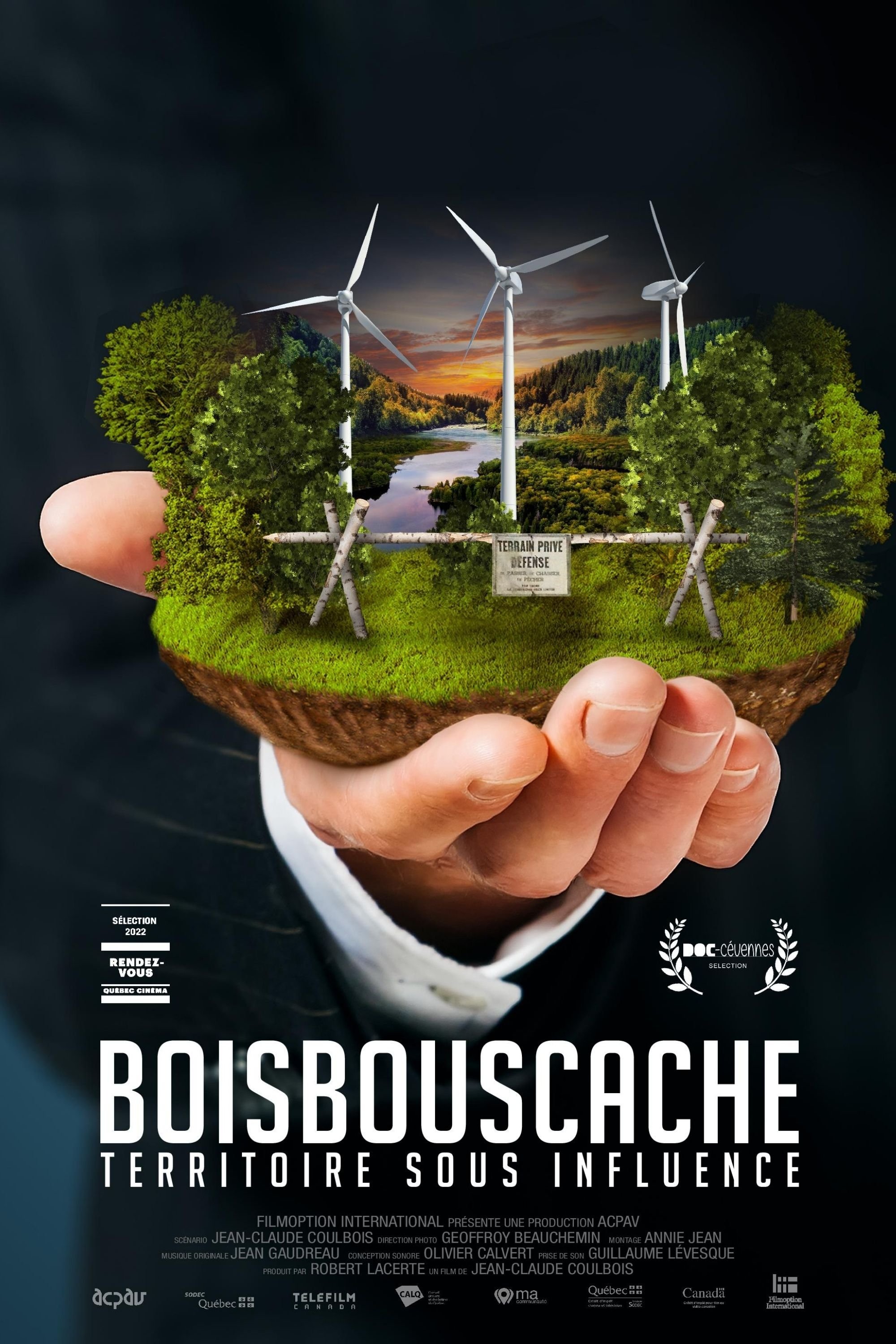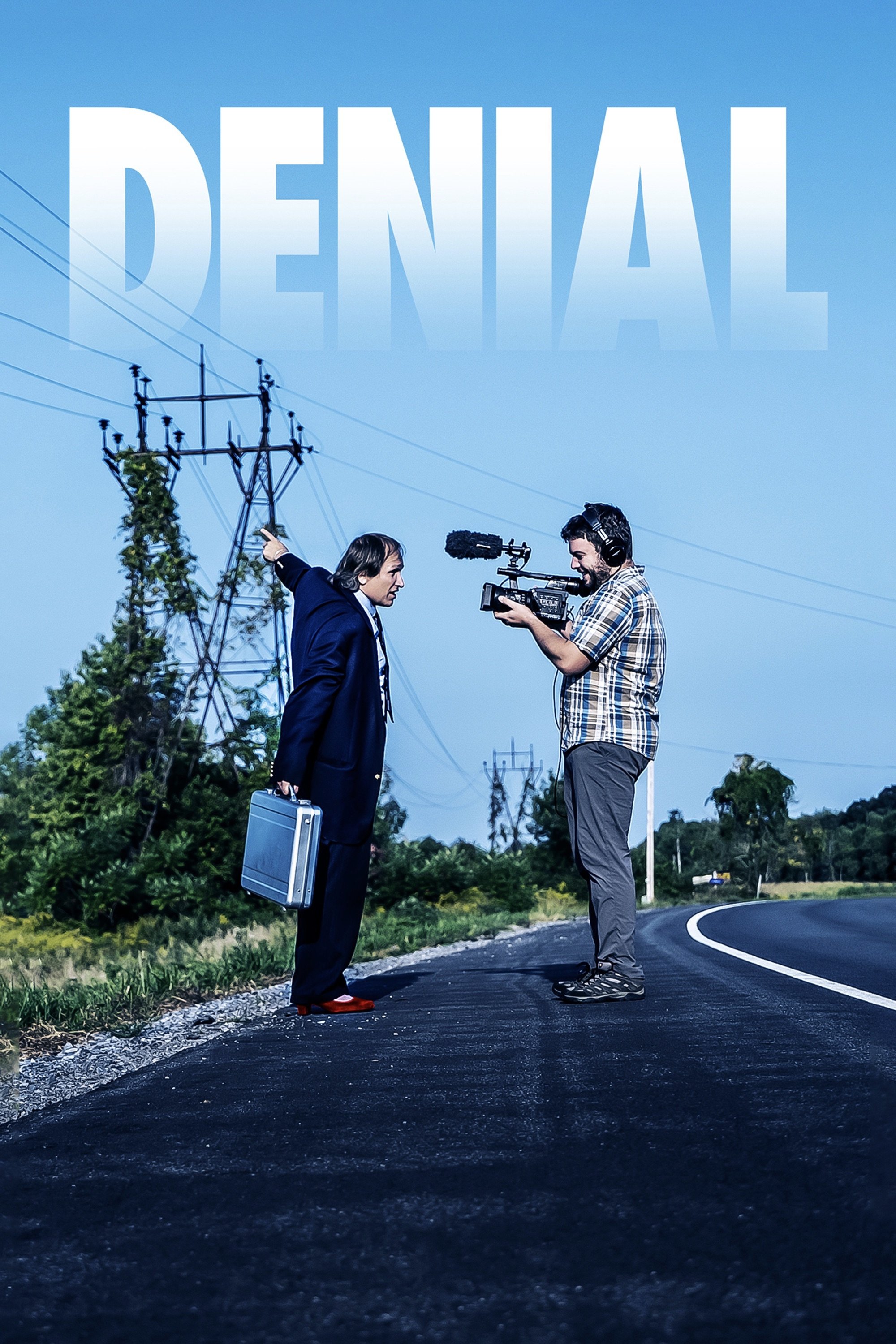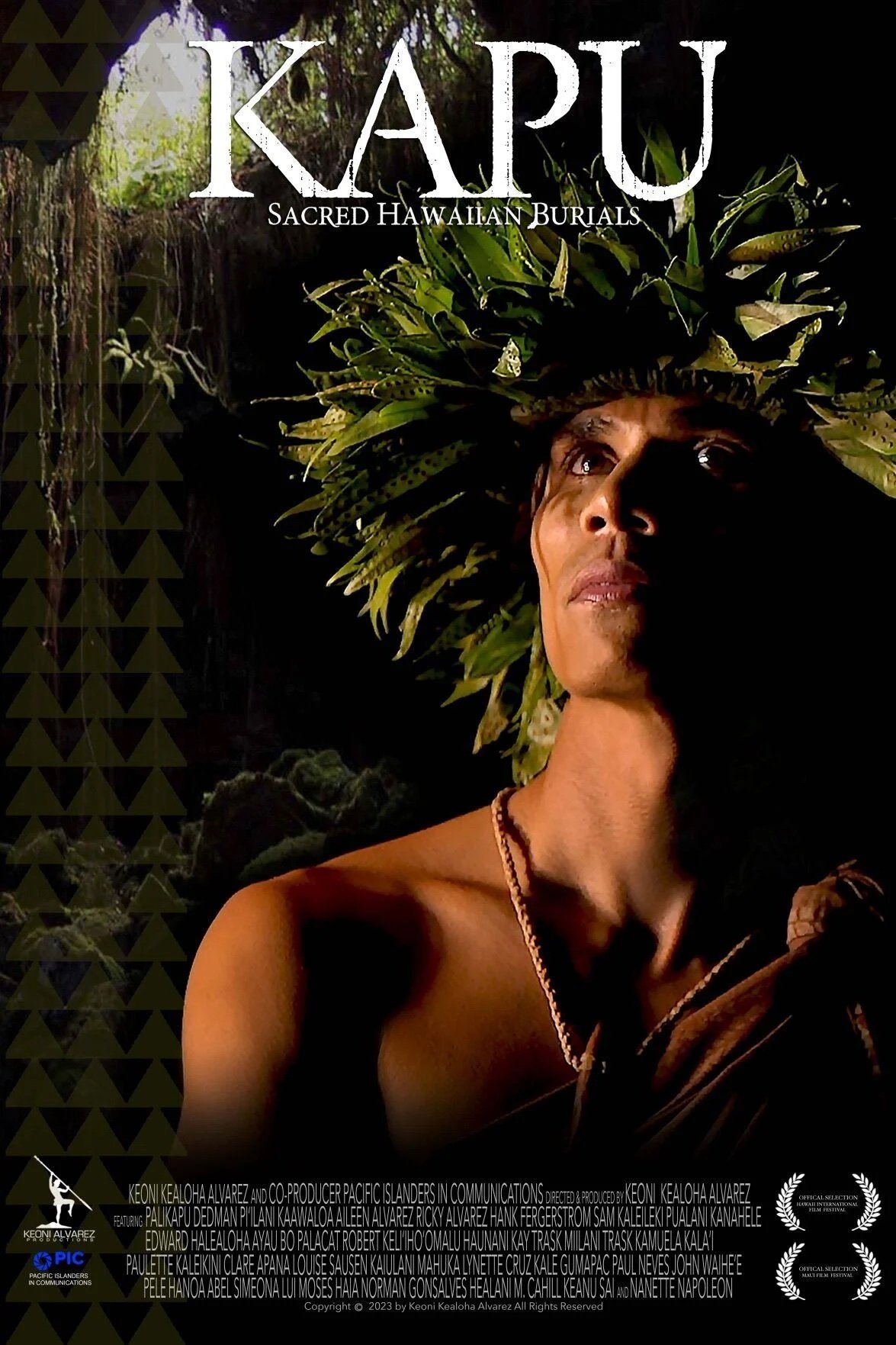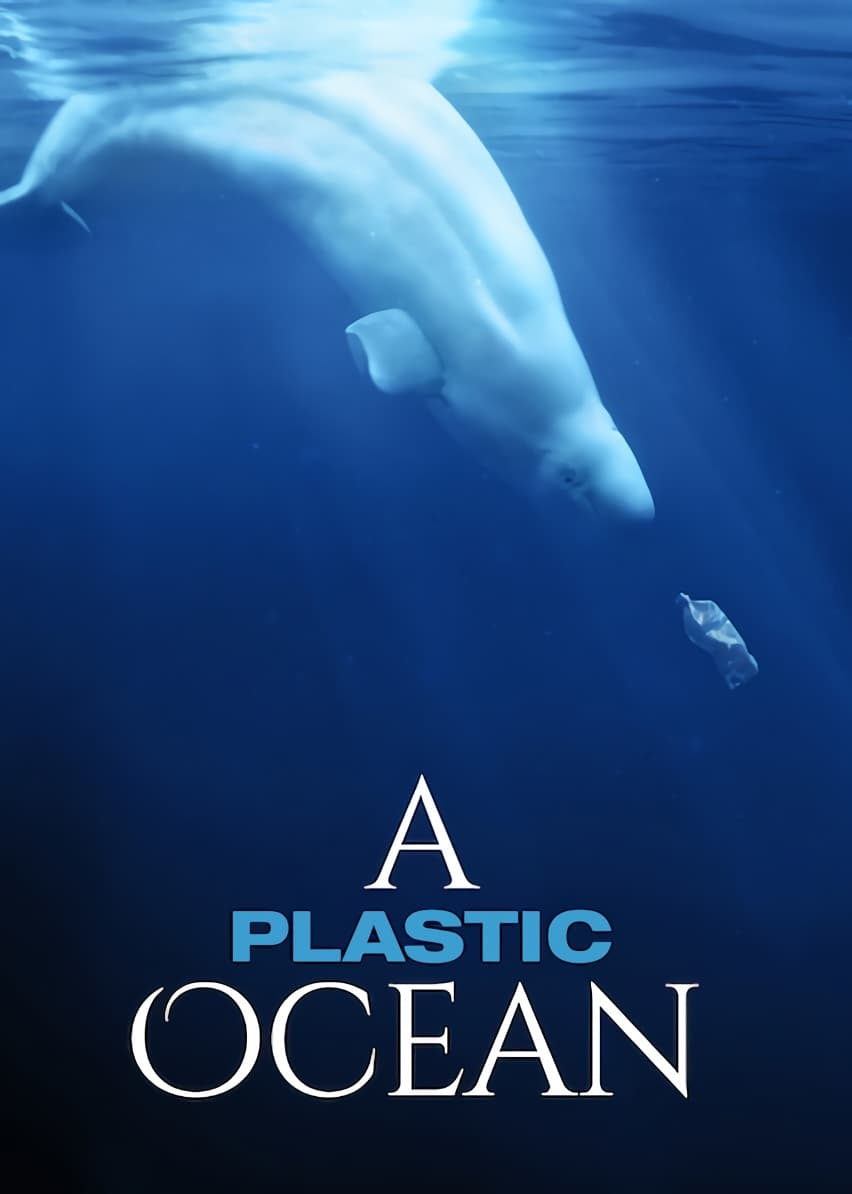
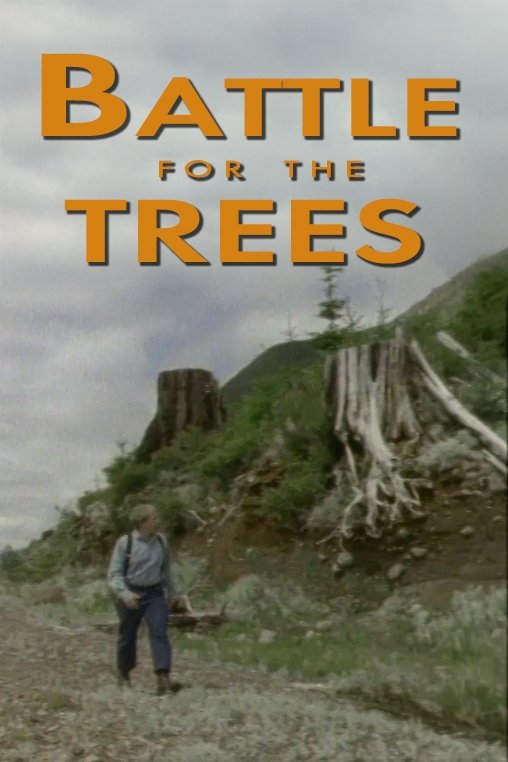
This documentary examines the battle strategies of citizens, scientists, loggers, environmentalists and First Nations people who are fighting over the liquidation of public forests and, with it, a way of life.

Social & External
Self - Narrator (voice)
In this compelling film, David Suzuki investigates the frightening phenomenon of forest dieback caused by acid rain and proposes some solutions.
Healing the Nation follows community members of the Toronto-based Aboriginal Healing Program as they rediscover their culture to heal from unresolved trauma. This empowering documentary dares us to think beyond mainstream medicine and embrace Indigenous ways for overcoming mental health and addiction issues.
Yirrkala is an Aboriginal township on the Gove Peninsula in Northeast Arnhem Land. It was established as a Methodist mission in 1935 and over the years Yolngu from many different clans moved there. Conversations With Dundiwuy Wanambi is a personal film which reveals something of the struggles and thoughts of one elder in the face of enormous change. In the early years Dundiwuy was a heavy drinker. In a disturbing interview in a pub, Dundiwuy explains his reasons for drinking. Then, through a dream, Dundiwuy realizes he must begin to protect his family and clan. He establishes his Marrakulu clan homeland center at Gurka'wuy, south of Yirrkala. He will hold a great ceremony there. Years later Dundiwuy returns to Yirrkala. His clan is small and he did not receive the necessary support from his sons. But Dundiwuy endures, continues his struggle, and we learn in the post-script of how he has become a successful and sought-after artist.
Two years ago, Josh Fox introduced us to hydraulic fracturing with his Oscar®-nominated exposé Gasland. Now this once-touted energy source has become a widely discussed, contentious topic. In his follow-up, Fox reveals the extreme circumstances facing those affected by fracking, from earthquakes to the use of federal anti-terror psychological operations tactics. Gasland Part II is the definitive proof that issues raised by fracking cannot be ignored for long.
This short documentary is a moving tribute to Richard Cardinal, a Métis adolescent who committed suicide in 1984. Taken from his home at the age of 4 due to family problems, he spent the rest of his 17 short years moving in and out of 28 foster homes, group homes and shelters in Alberta. A sensitive, articulate young man, Richard Cardinal left behind a diary upon which this film is based.
This film explores how iconic Nevada Senator Harry Reid set the foundations for a green new deal.
Filmmaker Jennifer Abbott explores the emotional and psychological dimensions of the climate crisis and the relationship between grief and hope in times of personal and planetary change.
Climate is changing. Instead of showing all the worst that can happen, this documentary focuses on the people suggesting solutions and their actions.
In the frigid waters off of Russia’s Bering Strait, Inuit and Chukchi hunters today still seek out the giant sea mammals that have provided their people with food since time immemorial. It is known, that the whale hunting today is controversial and subject to international criticism and regulations. But the Inuit and Chukchi hunt is permitted by international law because of the whaling is the foundation of their culture and their life. The contemporary story of elders Aleksandr and Aleksei blends seamlessly with that of “the woman who gave birth to a whale” and other ancient myths, told here in vivid animation, in this ongoing struggle for survival and preservation of a traditional lifestyle in one of the most remote places on earth.
It has been described as a once in a generation piece of environmental legislation and is key to the government’s commitment to be the first generation to leave the environment in a better state than that in which we found it. The Environment Act passed into law on 9 November 2021 – more than 1,000 days and three Parliaments since its first draft was published in 2018. Its journey was tumultuous, and its fate, at times uncertain. In this documentary, ENDS Report speaks to politicians and environmental policy experts to get the inside story on how this landmark piece of legislation was created – and finds out what the act’s architects think of it now.
With dazzling nature photography, Academy Award®–nominated director Markus Imhoof (The Boat Is Full) takes a global examination of endangered honeybees — spanning California, Switzerland, China and Australia — more ambitious than any previous work on the topic.
Listen to the sound of the waves, the turtles, all these lamps; many personal emotions and sensations.
This documentary digs into the stories of Indigenous women and families to reclaim their Indian Status through their fight for the elimination of sex-discrimination in the Indian Act. It highlights the impacts of the law on individuals, families and communities. Since the passing of Bill S-3 and its amendments, thousands of Indigenous people are now eligible for Indian Status.
Two years after the phenomenal success of the documentary Demain, Cyril Dion looks back at the projects the film inspired. He is accompanied by Laure Noualhat, a renowned investigator and sceptic of the ability of micro-initiatives to have any real impact in the face of climate change. Their humorous confrontation pushes them to their limits: what works, what fails? What if all this forces us to invent a new narrative for humanity?
Angolan director and screenwriter Pocas Pascoal reminds us that it’s time for a change, proposing through this film a look at colonialism, capitalism, and their impact on global biodiversity. We observe that the destruction of the ecosystem goes back a long way and is already underway through land exploitation, big game hunting, and the exploitation of man by man.
The first (native) First Nations girl to come forward as HIV-positive in the early 90's. The film chronicles her travels across Canada delivering heart-felt messages and warnings to young people in aboriginal communities.
We follow a team of scientists on a gruelling expedition into a remote rainforest in Mozambique. They're hoping to prove that Mount Mabu's animals and insects are unique and in need of official protection.
The story of Ayahuasca, from its emergence in the Amazonian Forest, to its popularity with the Santo Daime religion, and on to its arrival in urban centres. Combining scientific, religious and anthropological perspectives on the use of Ayahuasca in modern society, and in parallel with the director own healing process, for the first time, a holistic, yet balanced view of this controversial subject.
In war-torn northern Syria, WHO LOVES THE SUN delves into the world of makeshift oil refineries and the stark realities of life within this post-apocalyptic landscape. Mahmood is a prominent figure in these operations, navigating harsh working conditions and complex local dynamics.