Social & External
The people behind it
Safecracker Eddie Chapman is languishing in prison on the island of Jersey when the Nazis arrive. An adept manipulator of situations, Chapman convinces the Germans to use him to spy on the British. And when the would-be traitor arrives home, he convinces the English to use him as a double agent -- in exchange for a full pardon.
In response to political pressure from Senator Lillian DeHaven, the U.S. Navy begins a program that would allow for the eventual integration of women into its combat services. The program begins with a single trial candidate, Lieutenant Jordan O'Neil, who is chosen specifically for her femininity. O'Neil enters the grueling Navy SEAL training program under the command of Master Chief John James Urgayle, who unfairly pushes O'Neil until her determination wins his respect.
April 1945, amidst the Battle of Berlin, the final days of World War II begin. Young German soldiers fight desperately in the city's ruins. Between bombs, battles, and the stalemate, they question why they must continue fighting. This historical short film depicts the emotional and psychological collapse of a failing regime—intense, powerful, and relentlessly realistic.
WWII is entering its last phase: Germany is in ruins, but does not yield. The US army lacks crucial knowledge about the German units operating on the opposite side of the Rhine, and decides to send two German prisoners to gather information. The scheme is risky: the Gestapo retains a terribly efficient network to identify and capture spies and deserters. Moreover, it is not clear that "Tiger", who does not mind any dirty work as long as the price is right, and war-weary "Happy", who might be easily betrayed by his feelings, are dependable agents. After Tiger and another American agent are successfully infiltrated, Happy is parachuted in Bavaria. His duty: find out the whereabouts of a powerful German armored unit moving towards the western front.
A study of the Group Theatre, a company that changed the face of American drama. The Group was founded in 1931 by Cheryl Crawford, Harold Clurman and Lee Strasberg, who were strongly influenced by the naturalistic acting of Konstantin Stanislavski’s Moscow Art Theatre.
Animals shock us with the most bizarre appearances - some even look like they've been dressing up. But the weird and wonderful shapes and colours of nature are vital to the animals' lives. Sometimes they're disguised to help blend in, other times they are designed to stand out and show off. But whether it's a monkey in make-up or a salamander's toxic stripes.
Three stories told simultaneously in ninety minutes of real time: a Republican Senator who's a presidential hopeful gives an hour-long interview to a skeptical television reporter, detailing a strategy for victory in Afghanistan; two special forces ambushed on an Afghani ridge await rescue as Taliban forces close in; a poli-sci professor at a California college invites a student to re-engage.
Here is the hair raising, seat-of-the-pants tale of men who dared to fly their planes, unescorted, to the heart of enemy held Romania to blast the source of German oil. It's also the story of long, low level flights over water, searching for the tell tale sliver of a U-boat periscope. It's a tribute to an underdog that became the most versatile, widely used bomber of World War II. This is THE B-24 LIBERATOR! Aviation A.V. Library brings you this battling classic in a hell-raising video adventure that we call "THE FIGHTING LIBERATOR." From the Bismark Sea to dirt airstrips in China to the exhilaration of the great push on D-Day the Liberator was there, fighting her way over, around and through the Axis ranks.
A history of the French Revolution beginning from the decision of the king to convene the Etats-Generaux in 1789 in order to deal with France's debt problem. Part one spans the event until August 10, 1792 (when the King Louis XVI lost all authority and was imprisoned). Part two carries the story through the end of the terror in 1794.
With exclusive behind-the-scenes access into Herzog’s everyday life, rare archive material and in-depth interviews with celebrated collaborators – including Christian Bale, Nicole Kidman, and Robert Pattinson, we are given an exciting glimpse into the work and personal life of the iconic artist.
A documentary about the decisions parents made in evacuating their children out of harm's way (the Nazis), and being forced to stay behind, the parents realize that this may possibly be the last time they will see their loved ones.
In the German-occupied Paris, Helene is torn between the love for her boyfriend Jean, working for the resistance and the German administrator Bergmann, who will do anything to gain her affection.
During the Battle of Sutjeska, partisan troops must endure 24 hours of big and heavy attacks on German units Ljubino grave, to the main Partisan units, with the wounded and the Supreme Headquarters, pulled out the ring that is tightened around them.
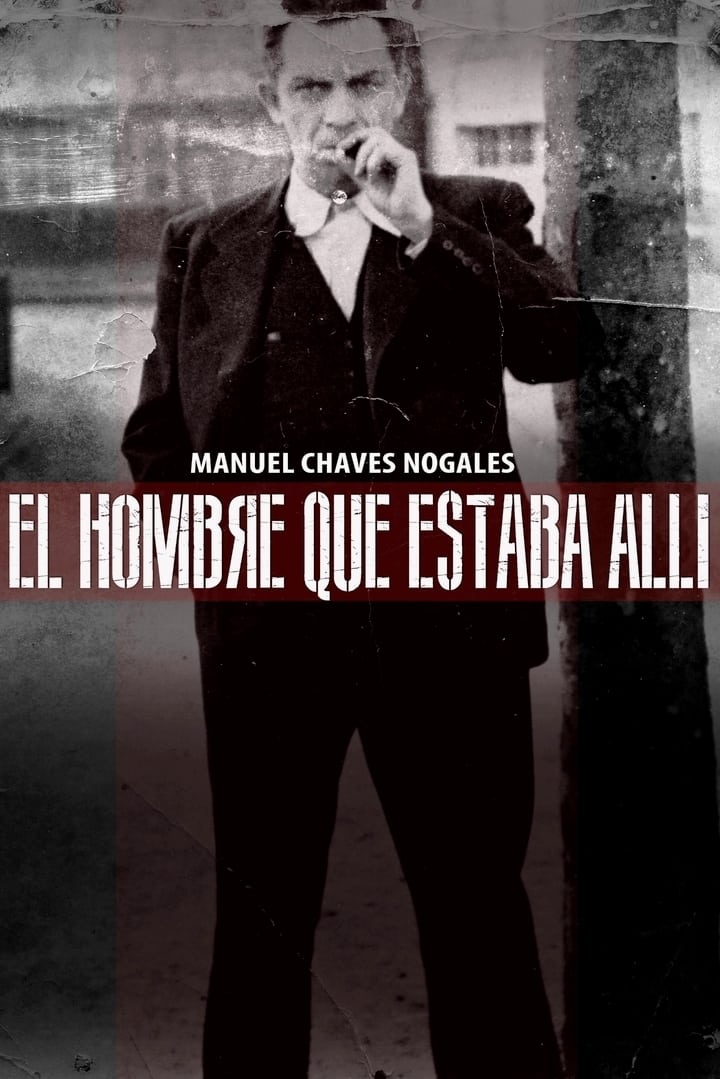
The Spanish journalist Manuel Chaves Nogales (1897-1944) was always there where the news broke out: in the fratricidal Spain of 1936, in Bolshevik Russia, in Fascist Italy, in Nazi Germany, in occupied Paris or in the bombed London of World War II; because his job was to walk, see and tell stories, and thus fight against tyrants, at a time when it was necessary to take sides in order not to be left alone; but he, a man of integrity to the bitter end, never did so.
A U.S. military troop takes command of a band of Burmese guerillas during World War II.
A look at the state of the global environment including visionary and practical solutions for restoring the planet's ecosystems. Featuring ongoing dialogues of experts from all over the world, including former Soviet Prime Minister Mikhail Gorbachev, renowned scientist Stephen Hawking, former head of the CIA R. James Woolse
The creative self of the Master Adoor Gopalakrishnan gets explored through self-reflections, memories and conceptual interventions.
Poignant postwar appeal for Britain’s Jewry to support orphaned Jewish children rescued from Europe.
Documentary detailing the successful Operation Mincemeat in 1943, which led to the Allies successfully invading Sicily and the war turning in their favour.
“The Soviet Story” is a story of an Allied power, which helped the Nazis to fight Jews and which slaughtered its own people on an industrial scale. Assisted by the West, this power triumphed on May 9th, 1945. Its crimes were made taboo, and the complete story of Europe’s most murderous regime has never been told. Until now...
Filmmaker Alain Resnais documents the atrocities behind the walls of Hitler's concentration camps.
Amid the failing counteroffensive, a journalist follows a Ukrainian platoon on their mission to traverse one mile of heavily fortified forest and liberate a strategic village from Russian occupation. But the farther they advance through their destroyed homeland, the more they realize that this war may never end.
Prelude to War was the first film of Frank Capra's Why We Fight propaganda film series, commissioned by the Pentagon and George C. Marshall. It was made to convince American troops of the necessity of combating the Axis Powers during World War II. This film examines the differences between democratic and fascist states.
Meet the real-life airmen who inspired Masters of the Air as they share the harrowing and transformative events of the 100th Bomb Group.
A documentary about World War I with never-before-seen footage to commemorate the centennial of Armistice Day, and the end of the war.
A love letter from a young mother to her daughter, the film tells the story of Waad al-Kateab’s life through five years of the uprising in Aleppo, Syria as she falls in love, gets married and gives birth to Sama, all while cataclysmic conflict rises around her. Her camera captures incredible stories of loss, laughter and survival as Waad wrestles with an impossible choice– whether or not to flee the city to protect her daughter’s life, when leaving means abandoning the struggle for freedom for which she has already sacrificed so much.
Director Claude Lanzmann spent 11 years on this sprawling documentary about the Holocaust, conducting his own interviews and refusing to use a single frame of archival footage. Dividing Holocaust witnesses into three categories – survivors, bystanders, and perpetrators – Lanzmann presents testimonies from survivors of the Chelmno concentration camp, an Auschwitz escapee, and witnesses of the Warsaw Ghetto Uprising, as well as a chilling report of gas chambers from an SS officer at Treblinka.
"Trinity and Beyond" is an unsettling yet visually fascinating documentary presenting the history of nuclear weapons development and testing between 1945-1963. Narrated by William Shatner and featuring an original score performed by the Moscow Symphony Orchestra, this award-winning documentary reveals previously unreleased and classified government footage from several countries.
Pete Postlethwaite stars as a man living alone in the devastated future world of 2055, looking at old footage from 2008 and asking: why didn’t we stop climate change when we had the chance?
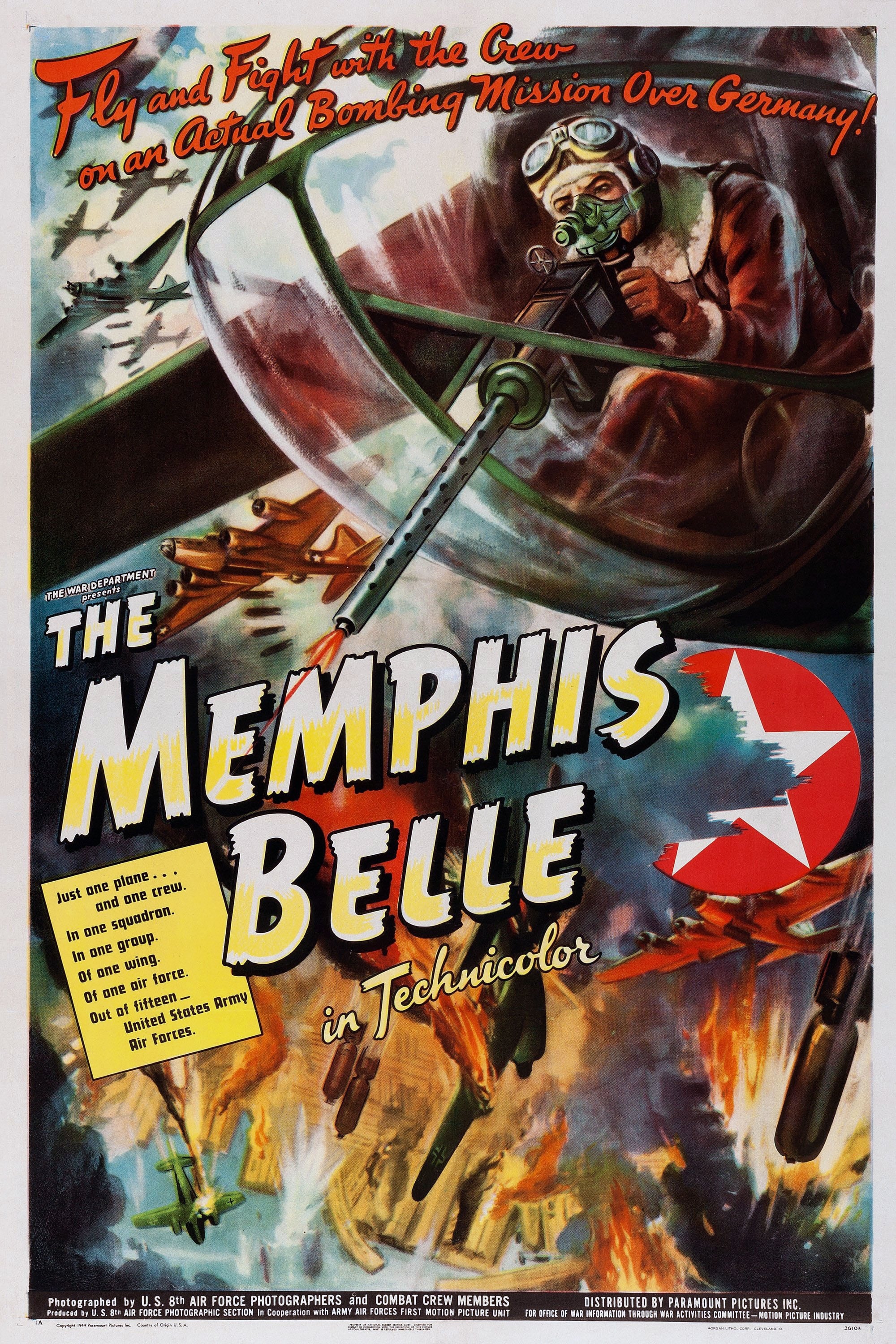
This WW2 documentary centers on the crew of the American B-17 Flying Fortress Memphis Belle as it prepares to execute a strategic bombing raid on Nazi submarine pens in Wilhelmshaven, Germany.
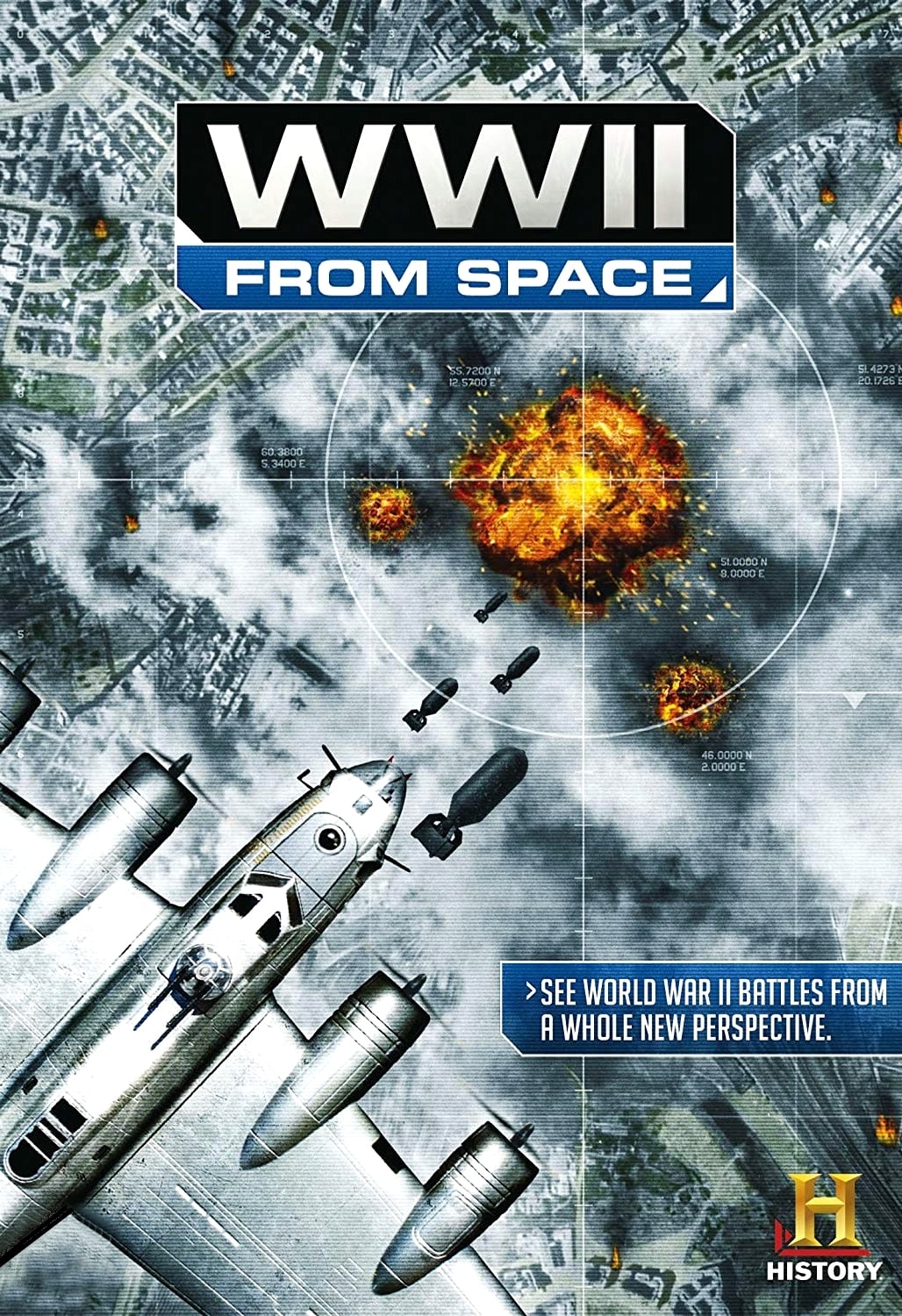
WWII from Space delivers World War II in a way you've never experienced it before. This HISTORY special uses an all-seeing CGI eye that offers a satellite view of the conflict, allowing you to experience it in a way that puts key events and tipping points in a global perspective. By re-creating groundbreaking moments that could never have been captured on camera, and by illustrating the importance of simultaneity and the hidden effects of crucial incidents, HISTORY presents the war's monumental moments in a never-before-seen context. And with new information brought to the forefront, you'll better understand how a nation ranked 19th in the world's militaries in 1939 emerged six years later as the planet's only atomic superpower.
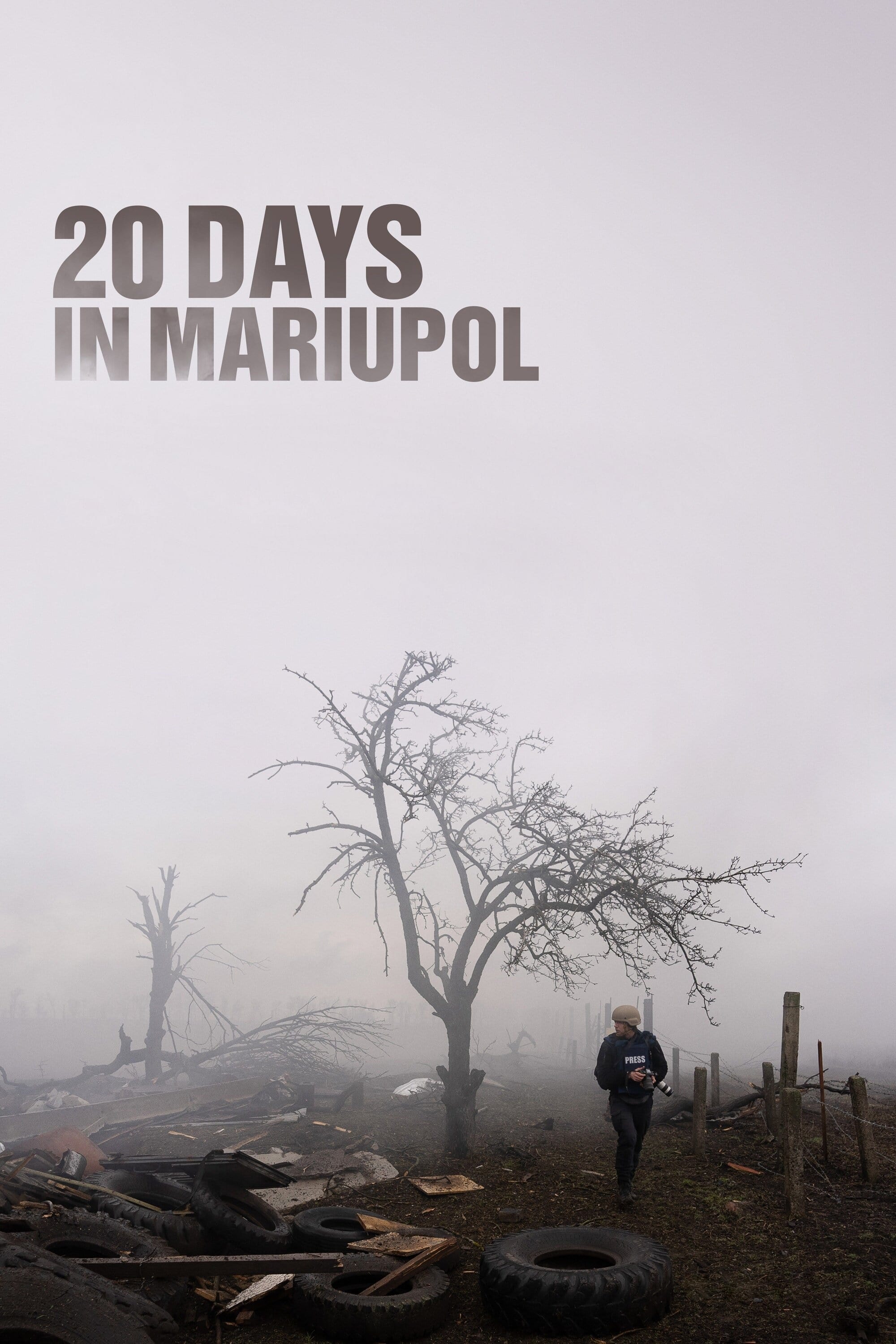
As the Russian invasion begins, a team of Ukrainian journalists trapped in the besieged city of Mariupol struggle to continue their work documenting the war's atrocities.
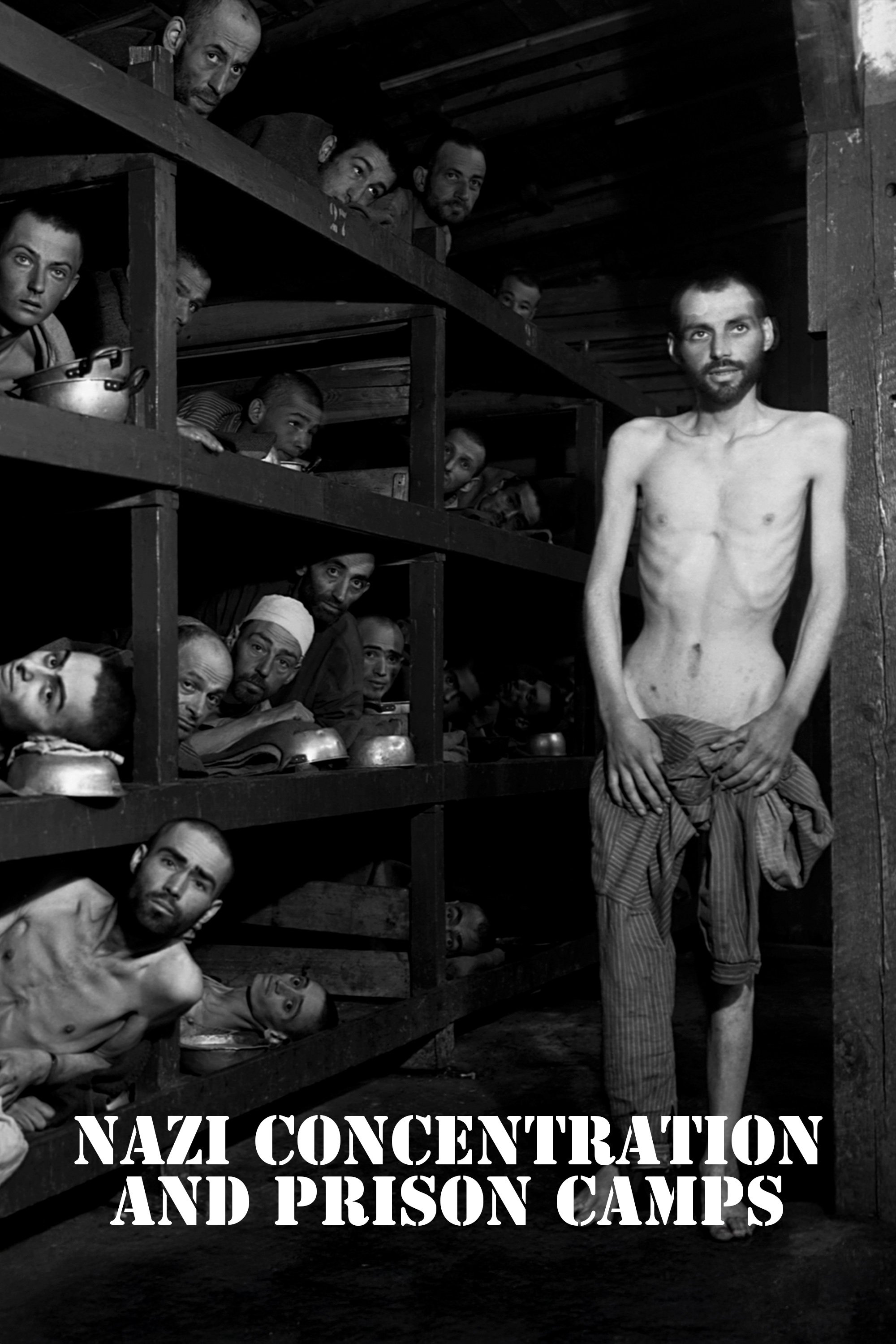
Produced and presented as evidence at the Nuremberg war crimes trial of Hermann Göring and twenty other Nazi leaders, this film consists primarily of dead and surviving prisoners and of facilities used to kill and torture during the World War II.
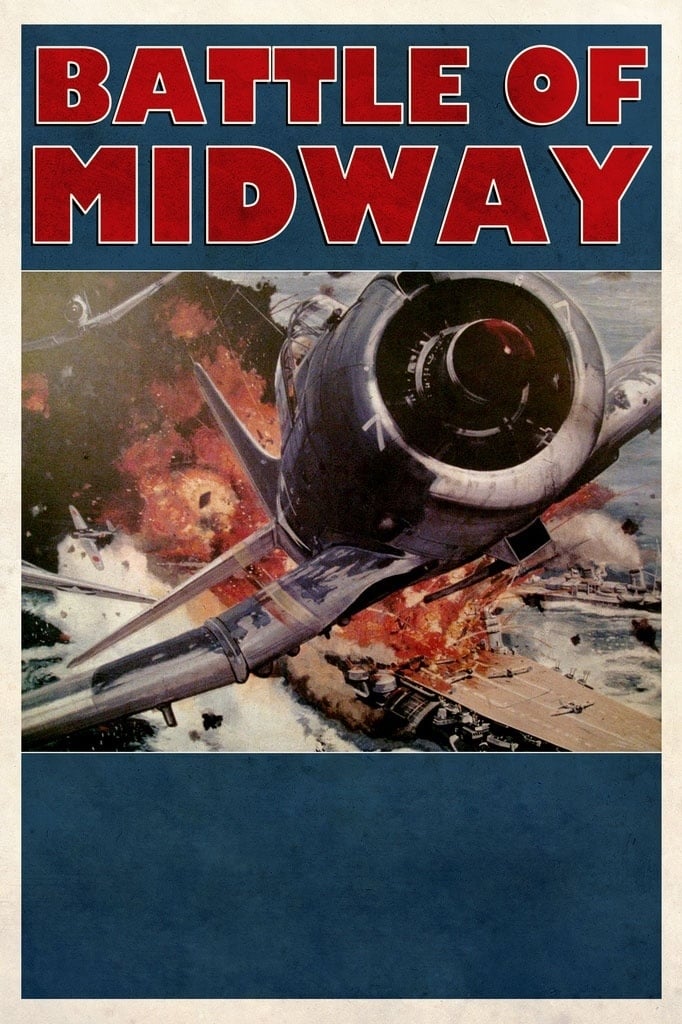
The Japanese attack on Midway in June 1942, filmed as it happened. Preserved by the Academy Film Archive, in partnership with Twentieth Century Fox Film Corporation, in 2006.
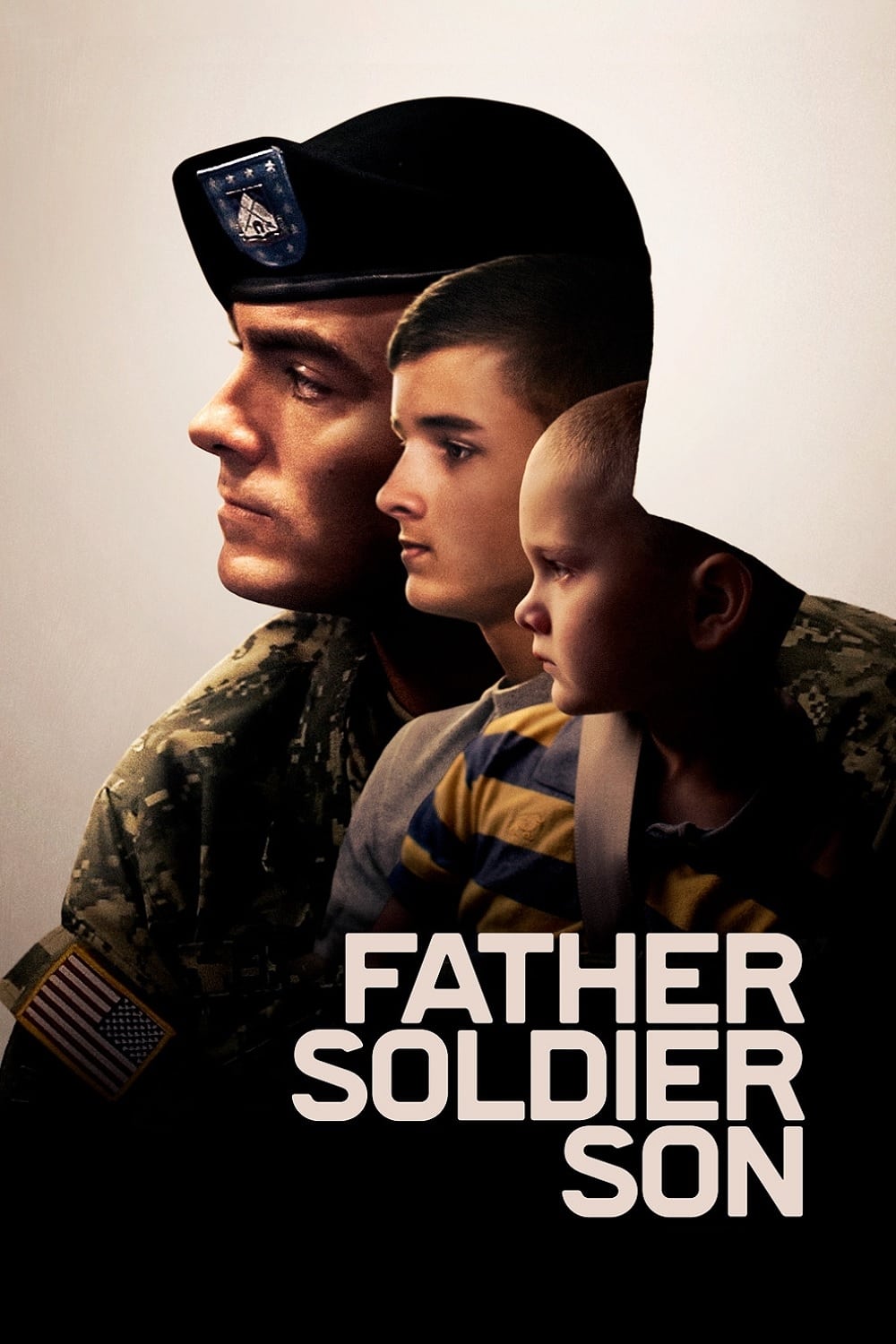
When Sgt. First Class Brian Eisch is critically wounded in Afghanistan, it sets him and his sons on a journey of love, loss, redemption and legacy.
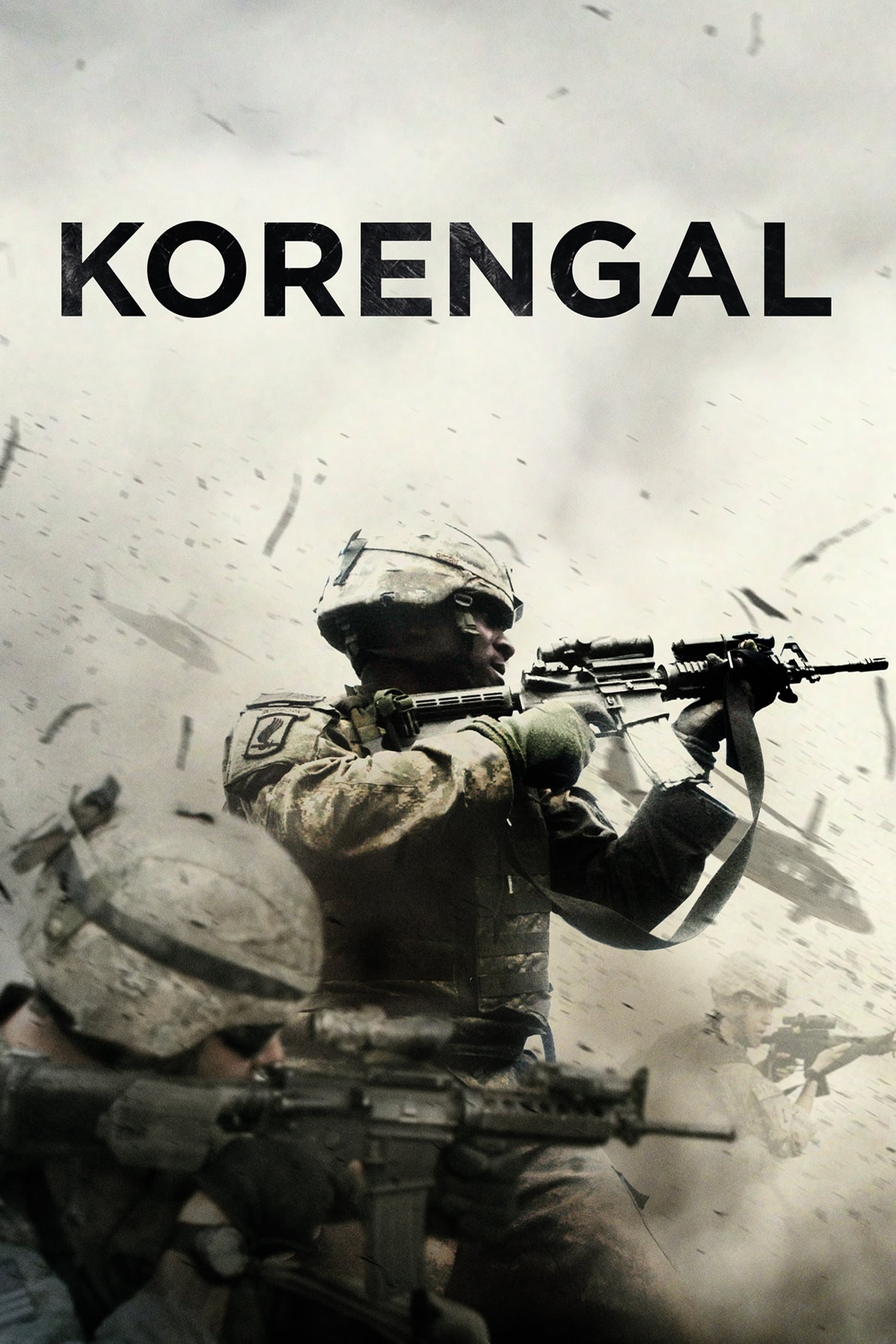
Korengal picks up where Restrepo left off; the same men, the same valley, the same commanders, but a very different look at the experience of war.
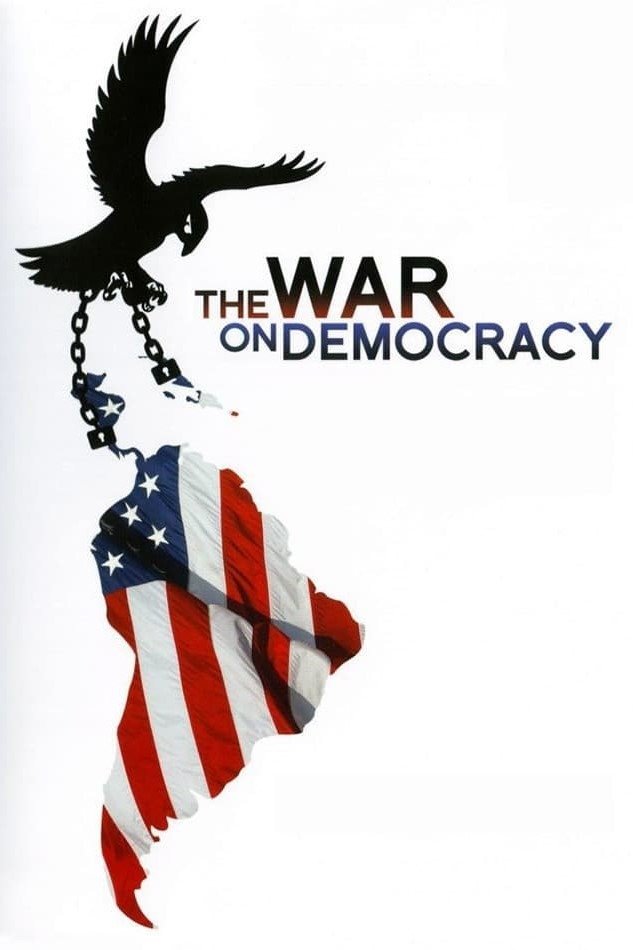
Set both in Latin America and the United States, the film explores the historic and current relationship of Washington with countries such as Venezuela, Bolivia and Chile. Pilger says that the film "...tells a universal story... analysing and revealing, through vivid testimony, the story of great power behind its venerable myths. It allows us to understand the true nature of the so-called "war on terror". According to Pilger, the film’s message is that the greed and power of empire is not invincible and that people power is always the "seed beneath the snow".
This documentary movie is about the battle of San Pietro, a small village in Italy. Over 1,100 US soldiers were killed while trying to take this location, that blocked the way for the Allied forces from the Germans. Preserved by the Academy Film Archive in 2005.
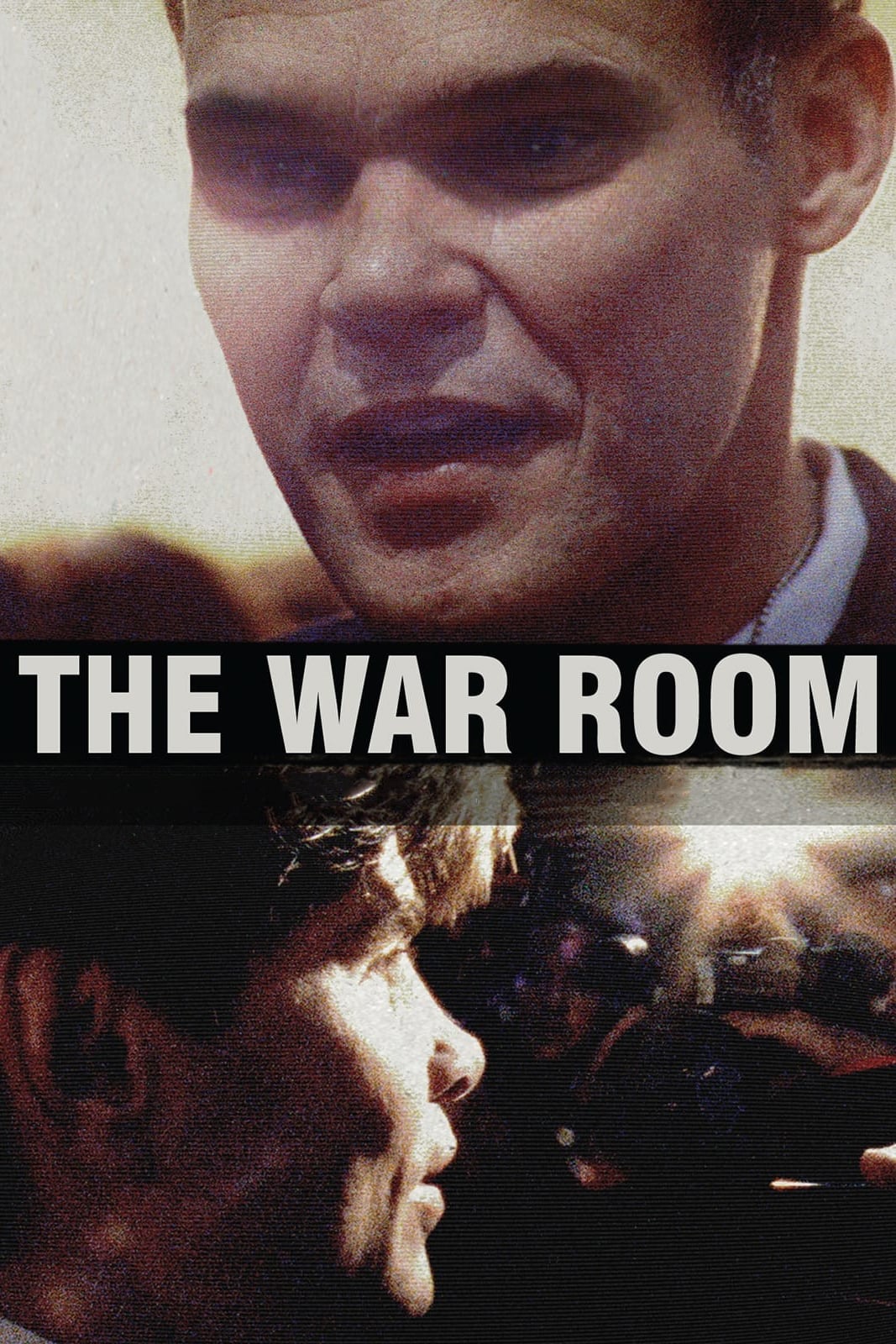
A behind-the-scenes documentary about the Clinton for President campaign, focusing on the adventures of spin doctors James Carville and George Stephanopoulos.