Between the arrival and departure of the train.
Social & External
An exploration of the Cultural Revolution that depicts both its chaotic later years – through the story of a squad of Red Army guards running amok in the countryside – and its continuing legacy in today’s China.
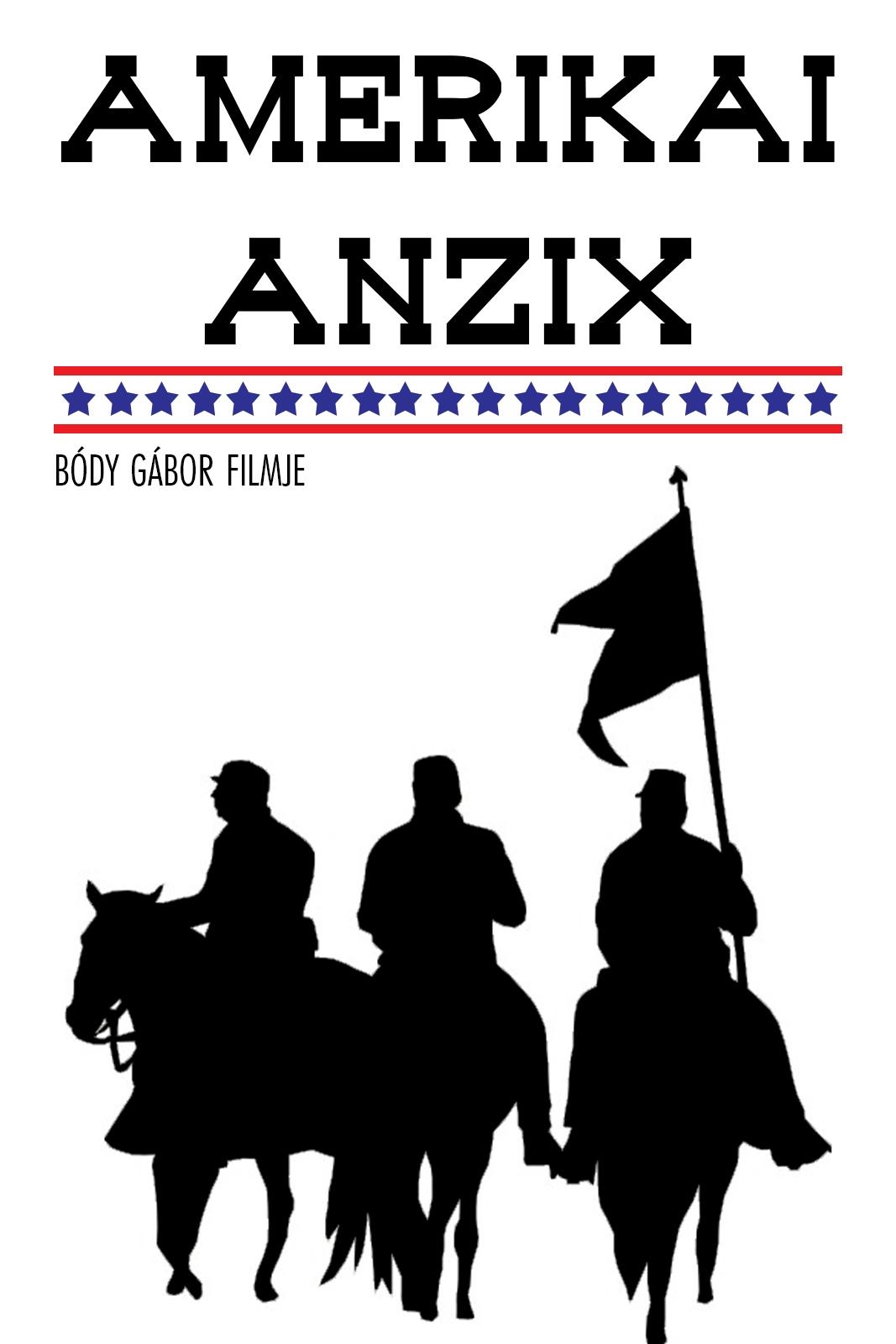
In the final days of the American Civil War, an emigre Hungarian military officer attempts to map the situation of the enemy. Many veterans of the 1848 War of Independence in Hungary fought on the northern side. Experienced Fiala, Boldogh who struggles with homesickness and the reckless Vereczky all experience their enforced emigration in different ways and news of impending peace elicits different reactions from them all.
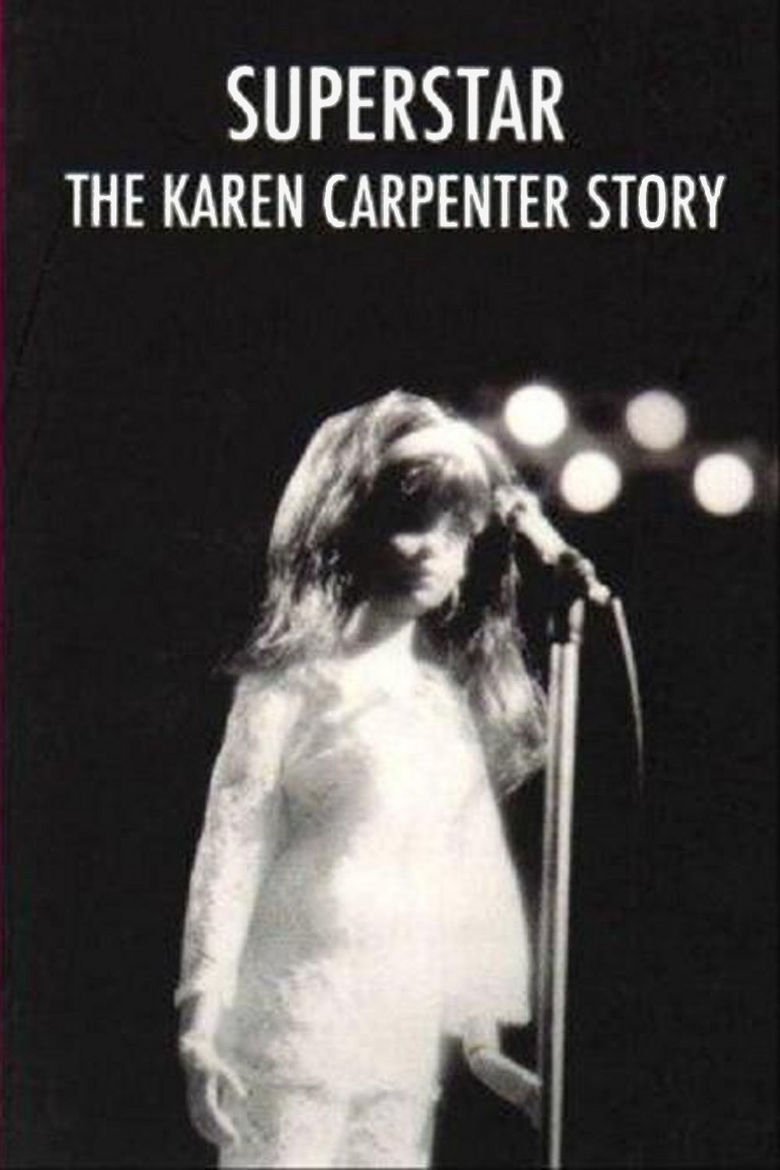
The final 17 years of American singer and musician Karen Carpenter, performed almost entirely by modified Barbie dolls.
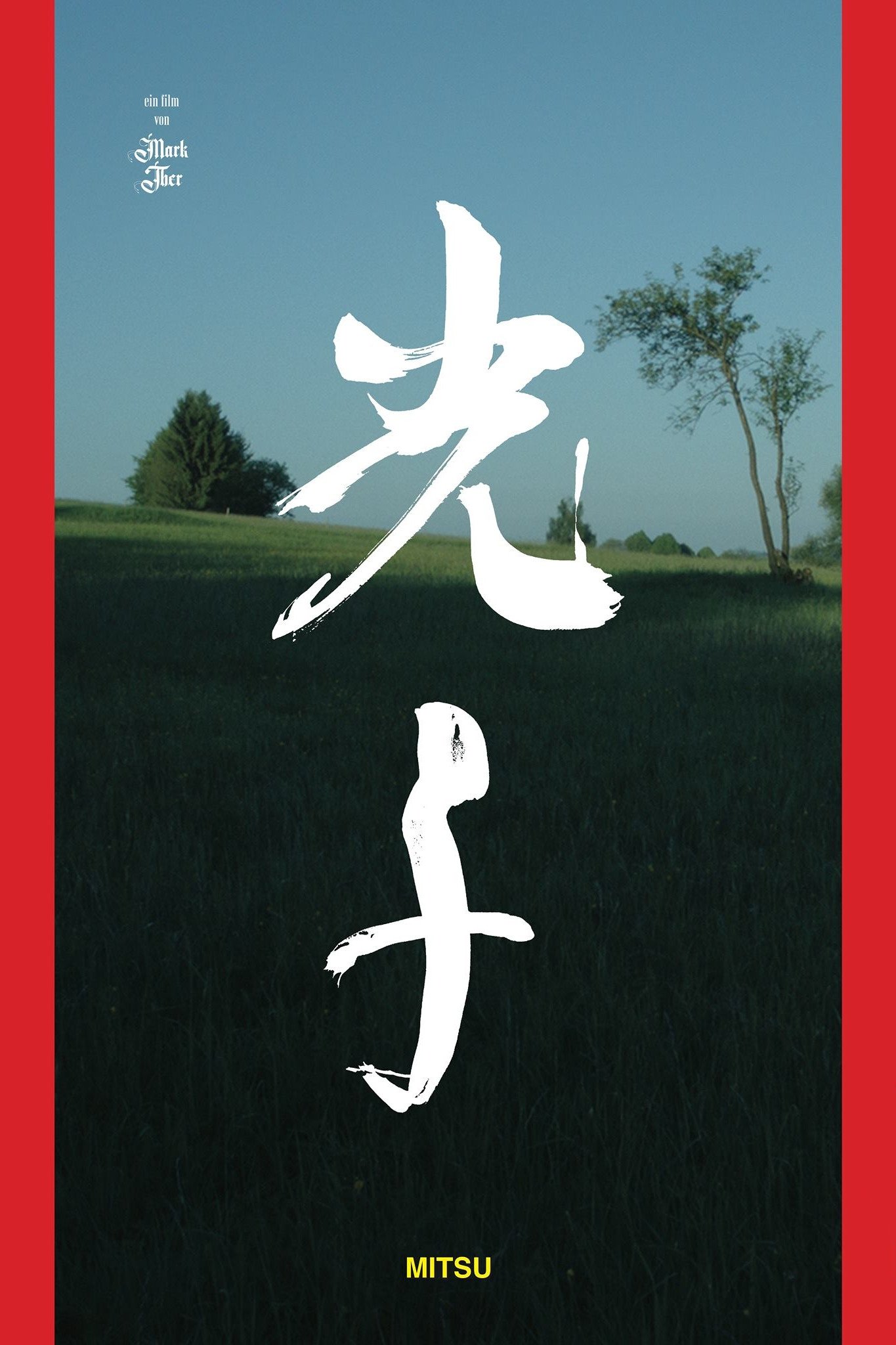
A film about the mysterious lady of the castle, Countess Mitsuko Maria Thekla Coudenhove-Kalergi, who was the first Japanese woman to come to Europe at the turn of the 19th century. She lived mainly in the border region near the Bavarian border and managed the castle in Poběžovice, the property of her late husband, Count Heinrich Coudenhove-Kalergi. She was a strong and educated woman, but she never lost her longing for her native country.
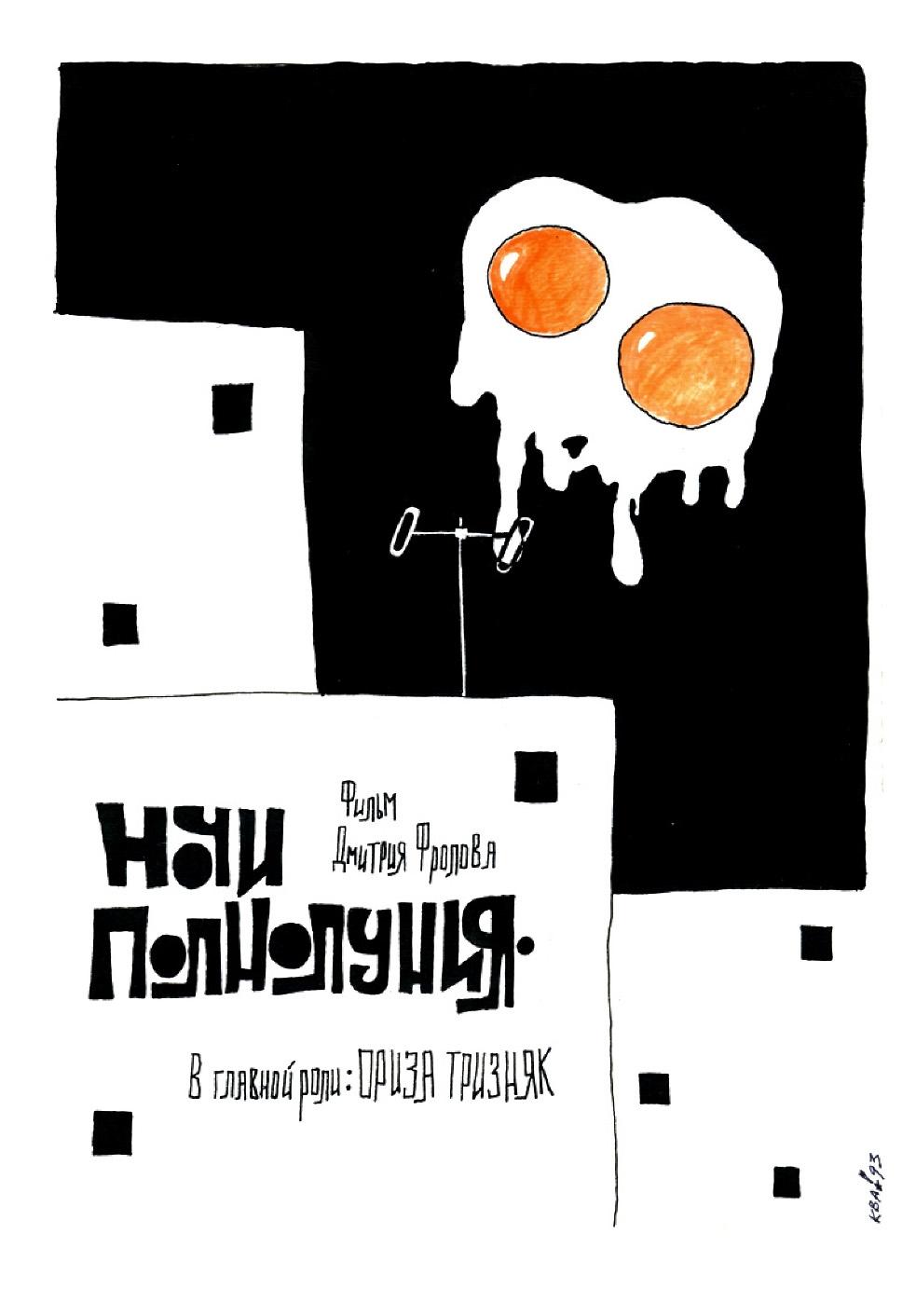
The film "Nights full moon" shows the tendency of moral decay in society. The main character is torn apart by internal contradictions, leading him to the path of Evil. Bans on self-identification - philosophical, existential, sexual, and then permissiveness spawn a monster that is not aware of its true nature and genuine desires. Throughout the film-trilogy, the protagonist goes through a series of temptations that ruin his soul and lead, after all, to a madhouse. In a general sense, the film allegorically shows the tragic path of the Russian lumpen intellectual, lost between the past and the present, not finding the strength to accept and comprehend the unexpected changes that happened in our country twenty years ago. In the global sense - the tragic circle of Russian history.
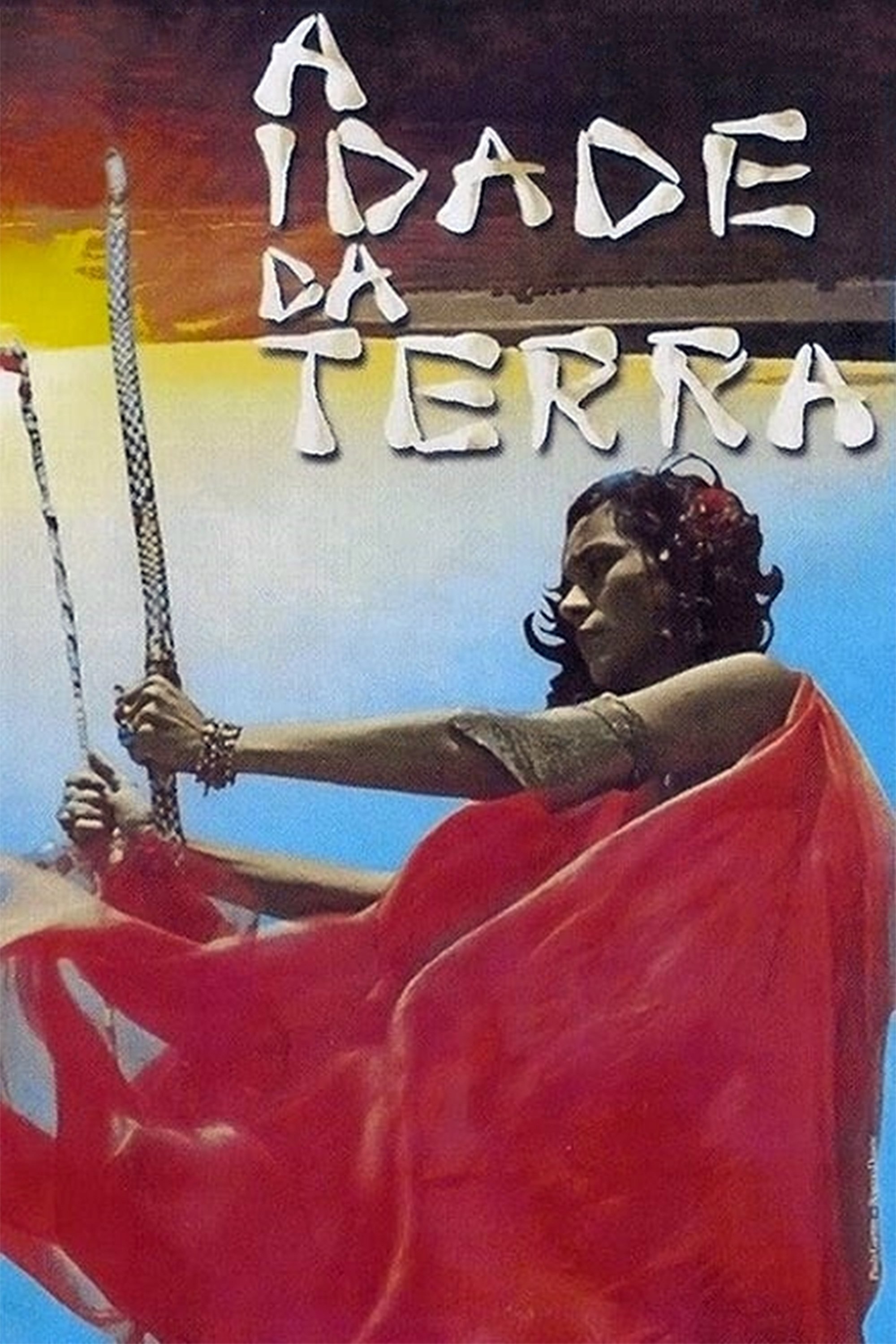
Drawing inspiration from a poem penned by Castro Alves, this film vividly captures the political, cultural, and intellectual climate of Brazil during the late 1970s. At its core, the story revolves around four distinctive embodiments of Christ's image: a black man, a soldier, an Indian, and a guerrilla fighter. These courageous individuals, hailed as the harbingers of doom in the tupiniquim lands, valiantly combat the insatiable avarice and oppressive "civilizing" brutality propagated by the formidable John Brahms—a foreign exploiter devoid of morals.
Andy Warhol's experimental reconstruction of the assassination of the President of the United States, John F. Kennedy, which serves as his critical commentary on the way the media presented the tragic event.
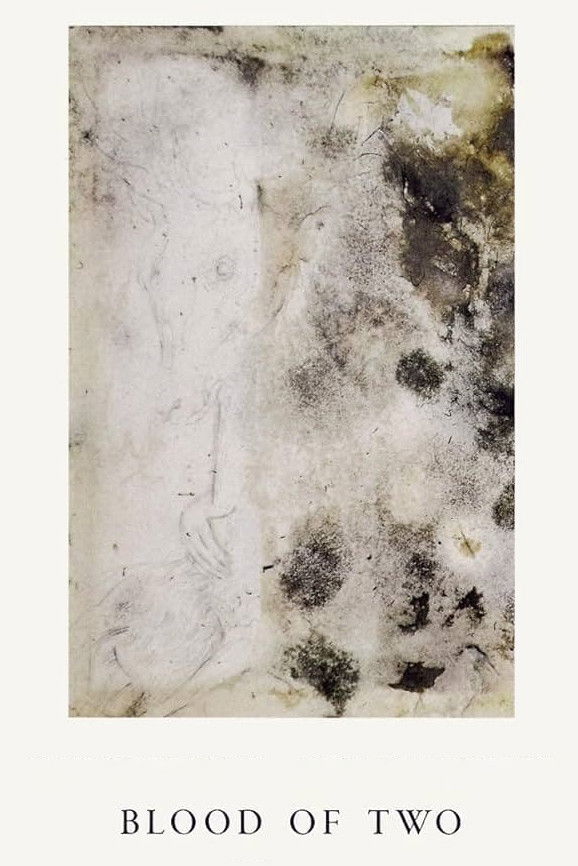
The first collaboration between Matthew Barney & Elizabeth Peyton, Blood of Two is a unique, site-specific work that draws its references from Hydra itself – the surrounding environment, animals, humans, and local traditions are all part of the project in equal measure. Blood of Two centers on the former function of the Slaughterhouse and the customs of Hydra to establish connections between paganism and religion, ancient and modern, the ritualistic and familiar. As much as its conflicted terms strive for balance and fusion, it is Blood of Two’s greater resistance to these impulses, its failure to surrender unconditionally to them that ultimately counts, as a network of overlaps and crisscrosses.
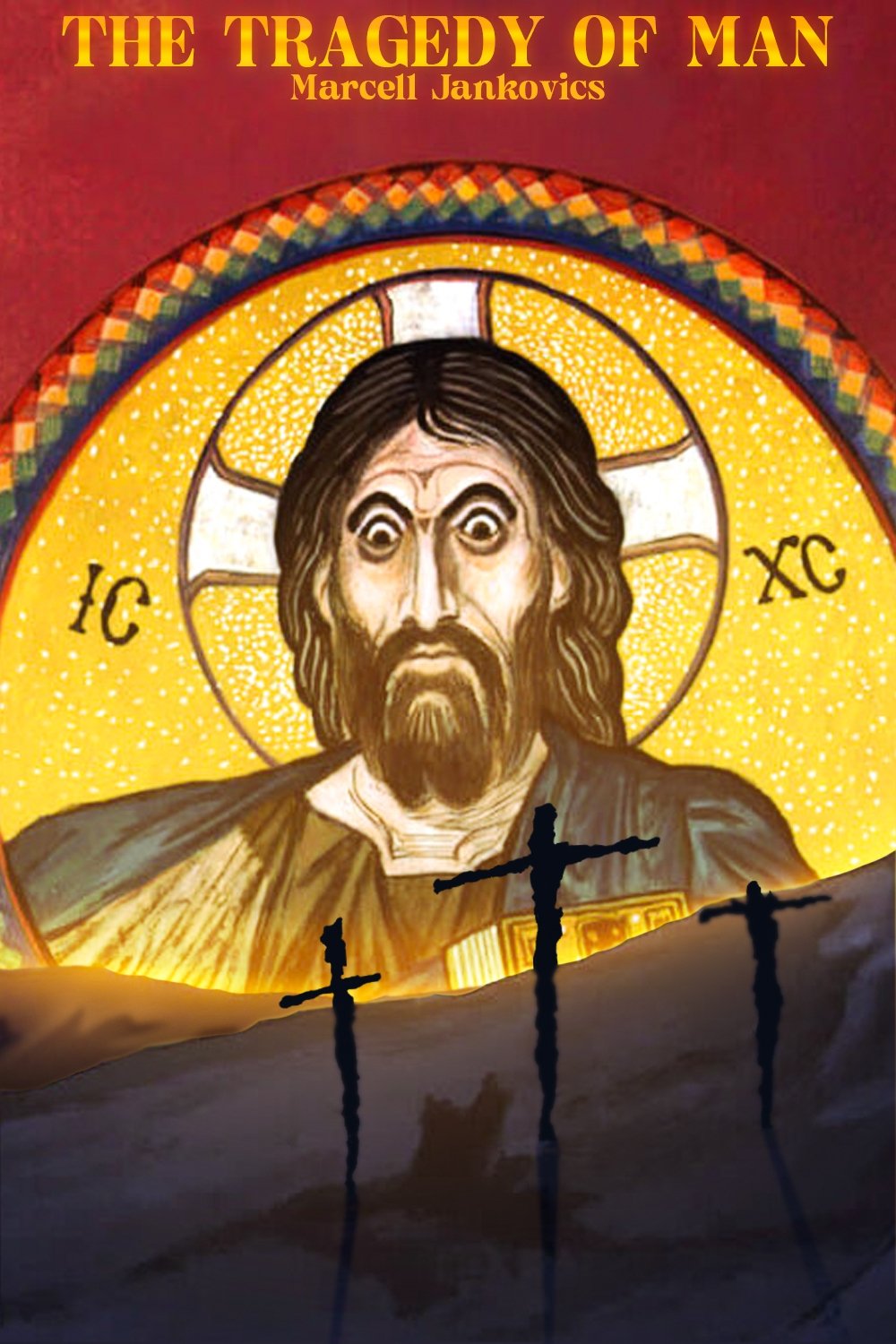
Jankovics's adaptation of the eponymous play is divided into multiple parts, and depicts the creation and fall of Man throughout history.
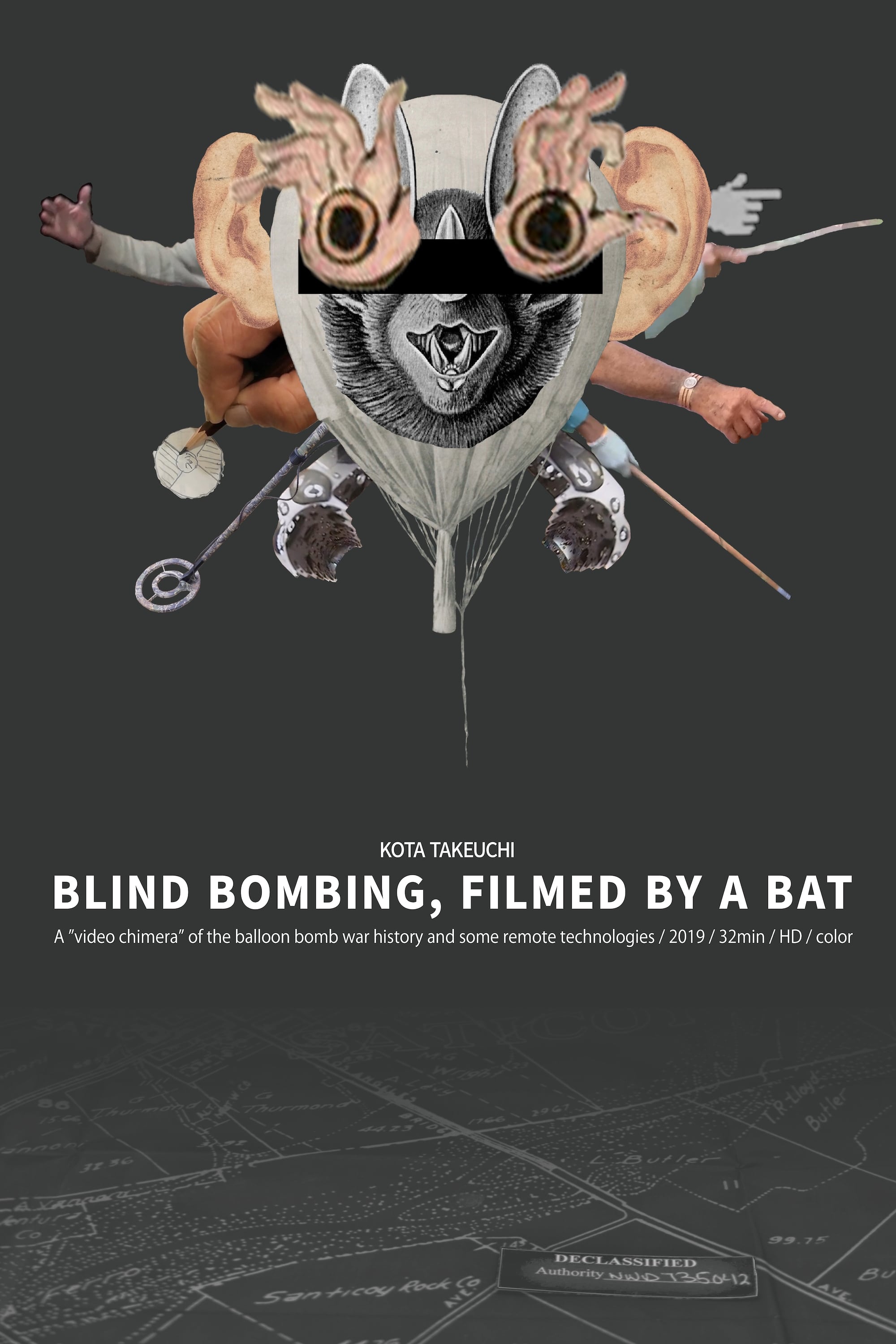
During WWII, the Japanese army developed experimental balloons able to cross the Pacific Ocean and reach the West Coast of North America in 3-6 days. Armed with explosives, they were given the code name fu-go, or fusen bakudan (“fire balloons,” or balloon bombs) in an attempt to instill a culture of fear like that caused by the far more deadly American firebombing of Japanese cities. The U.S. responded by enacting a censorship campaign, requesting newspapers avoid reports of fu-go landings or sightings. Living near the remains of a fu-go launch site in Fukushima Prefecture, Takeuchi mimics their flight take-off using a drone camera, and, traveling to North America, follows their arrival across the shoreline and rural landscapes, using a bat’s echolocation as narrative device to place fu-go and Fukushima as echos across history.
Several fragments of one day in Leningrad in the autumn of 1989, refracted in the imagination of the artist.
Experimental short uses Ray Charles' “What'd I Say” as accompaniment to constantly shifting collage of female nude, cartoons, and newsreels of atomic bomb explosions.
The film was made in the days of the August 1991 coup in Leningrad, USSR . Respecting the manner of a proprietary parallel cinema with the use of hand-held camera . Subsequently, Lars von Trier in his " Dogma " went on the same way , using a handheld camera without a tripod or placing special light. The soundtrack of the film is the soundtrack Emergency Committee appeal for the All-Union Radio August 19, 1991 . The film captured the moment of change red tricolor flag on the roof of the Mariinsky Palace on August 20, 1991.
Part documentary, part personal essay, this experimental film combines archive imagery with the striking wintry landscapes of Alaska to tell the story of immigrant experience coming into the UK from 1960 onwards.
From resting trees, to violent waters, to blood splattered in the dirt. A wanderer searches for tranquility in 13th century Japan during the Mongol invasion or a collection of 48 moving images captured entirely within the virtual world of Ghost of Tsushima.
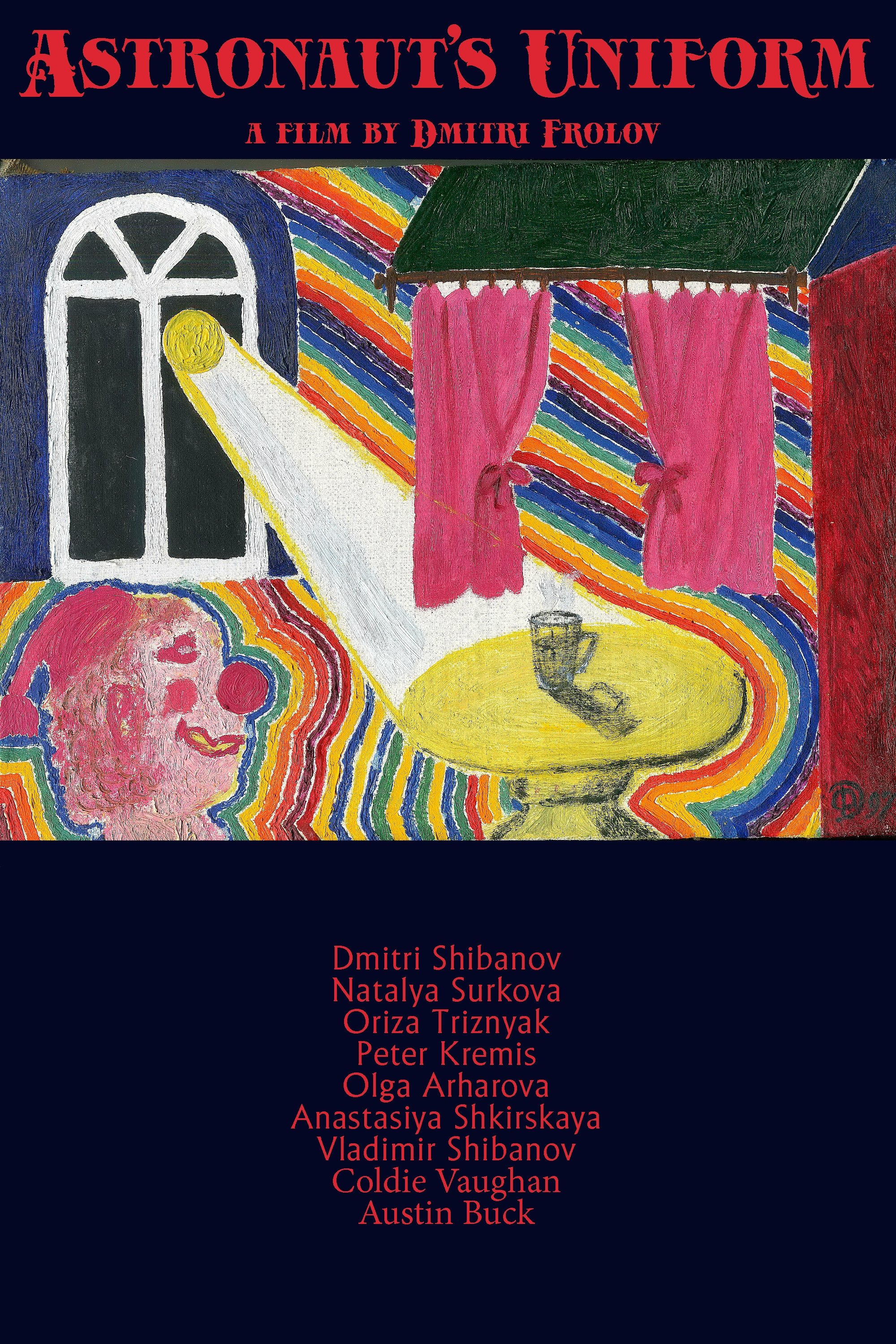
Mockumentary experimental film, which shows one day in the life of a young man. The action takes place on the Day of Soviet Cosmonautics, April 12, one of the last years of the USSR. Outside the window, it is gradually getting warmer, the onset of spring is felt, promising hope for the possibility of changes in the country. The hero of the film is fond of space. The young man, who idolizes Gagarin, is engaged in reconstruction, making the uniform in which the cosmonaut walked in the prime of his glory. Our hero is also a film enthusiast. He makes films with stories of space flights and shows them to his friends. The film is stylized as amateur films of the 1980s and was shot on a 16-mm color film made by the company" Svema", made in the Soviet Union. The quality of this film allows the viewer to fully immerse themselves in the atmosphere of the time of the film, which is dedicated to Soviet cosmonautics and Edward D. Wood Jr.
This documentary interweaves films and voice recordings by Maya Deren with interviews featuring colleagues and contemporaries who worked with or knew her firsthand. Drawing on archival material and commentary from figures such as Jean Rouch and Jonas Mekas, the film traces Deren’s work and influence across experimental cinema and ethnographic thought.
Originally edited in two versions. Version I, 70 minutes; version II, 90 minutes. (The only known existing version is not Markopoulos’s edit and contains additional titles, music and voice-over added later than 1961. 65 minutes.) Filmed in Mytilene and Annavysos, Greece, 1958. Existing copy on video, J. and M. Paris Films, Athens.
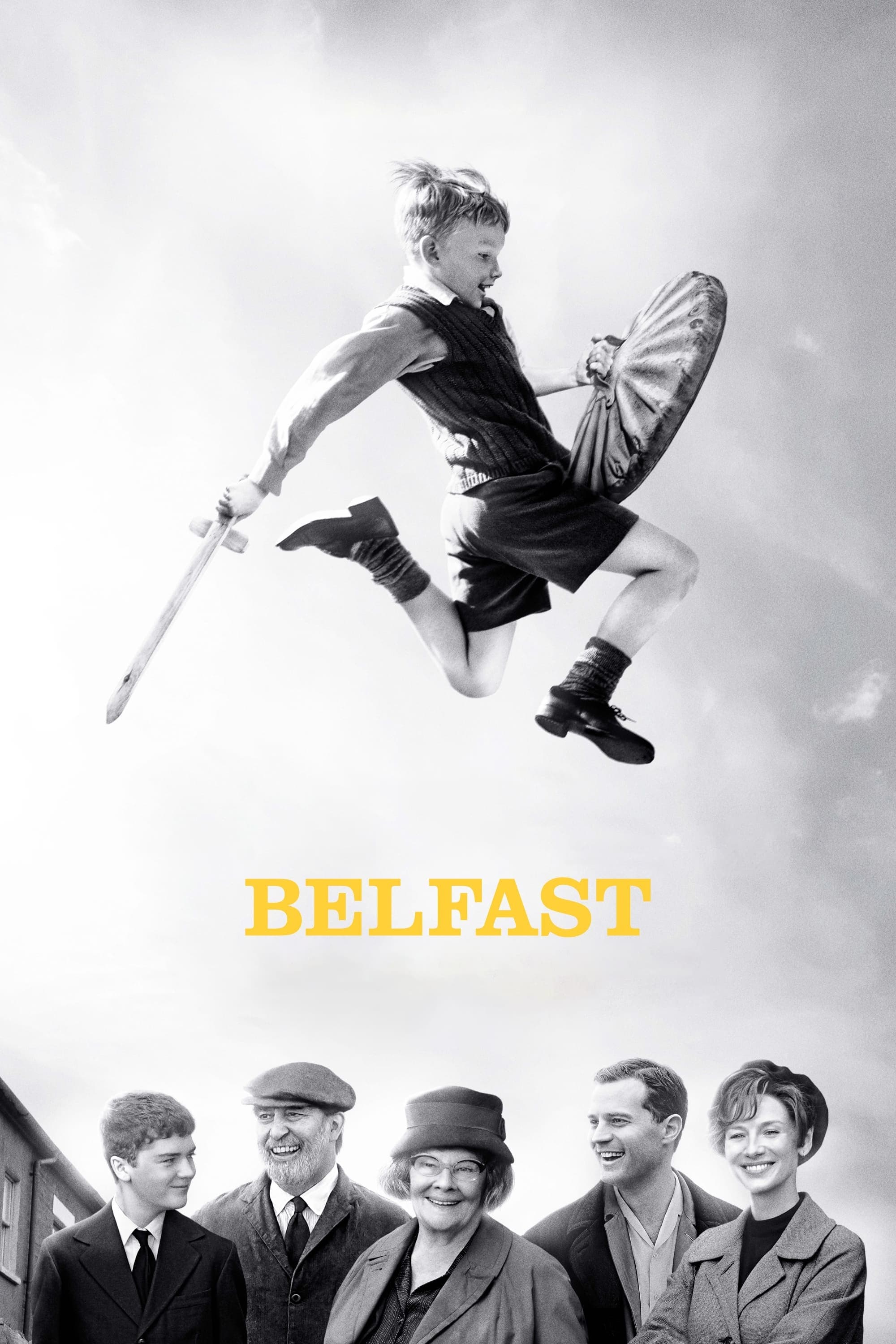
Buddy is a young boy on the cusp of adolescence, whose life is filled with familial love, childhood hijinks, and a blossoming romance. Yet, with his beloved hometown caught up in increasing turmoil, his family faces a momentous choice: hope the conflict will pass or leave everything they know behind for a new life.
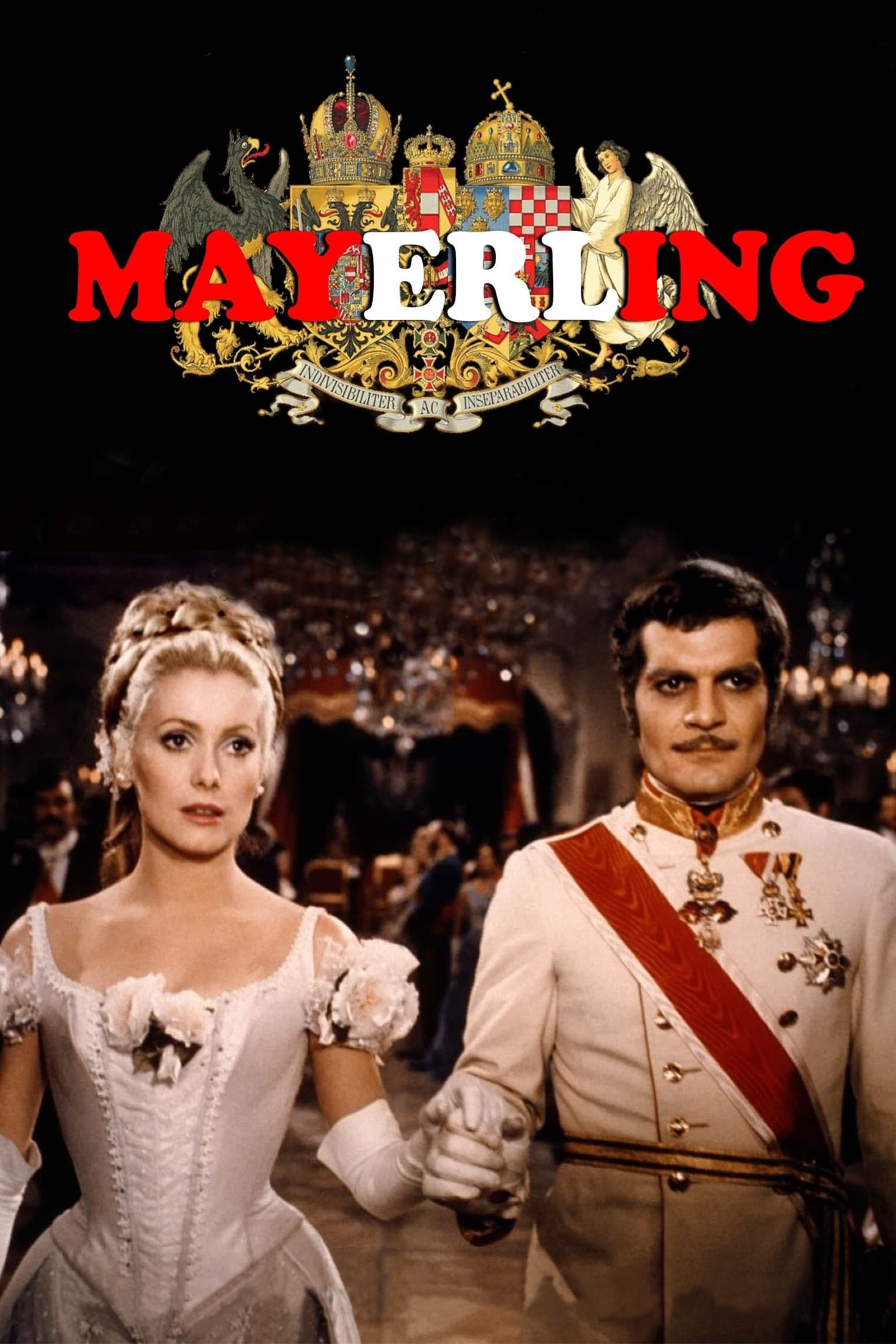
Crown Prince Rudolf of Austria clashes with his father, Emperor Franz Joseph I of Austria, over implementing progressive policies for their country. Rudolf soon feels he is a man born at the wrong time in a country that doesn't realize the need for social reform. The Prince of Wales, later to become Britain's King Edward VII, provides comic relief. Rudolf finds refuge from a loveless marriage with Princess Stéphanie by taking a mistress, Baroness Maria Vetsera. Their untimely demise at Mayerling, the imperial family's hunting lodge, is cloaked in mystery.
Eccentric British painter J.M.W. Turner lives his last 25 years with gusto and secretly becomes involved with a seaside landlady, while his faithful housekeeper bears an unrequited love for him.
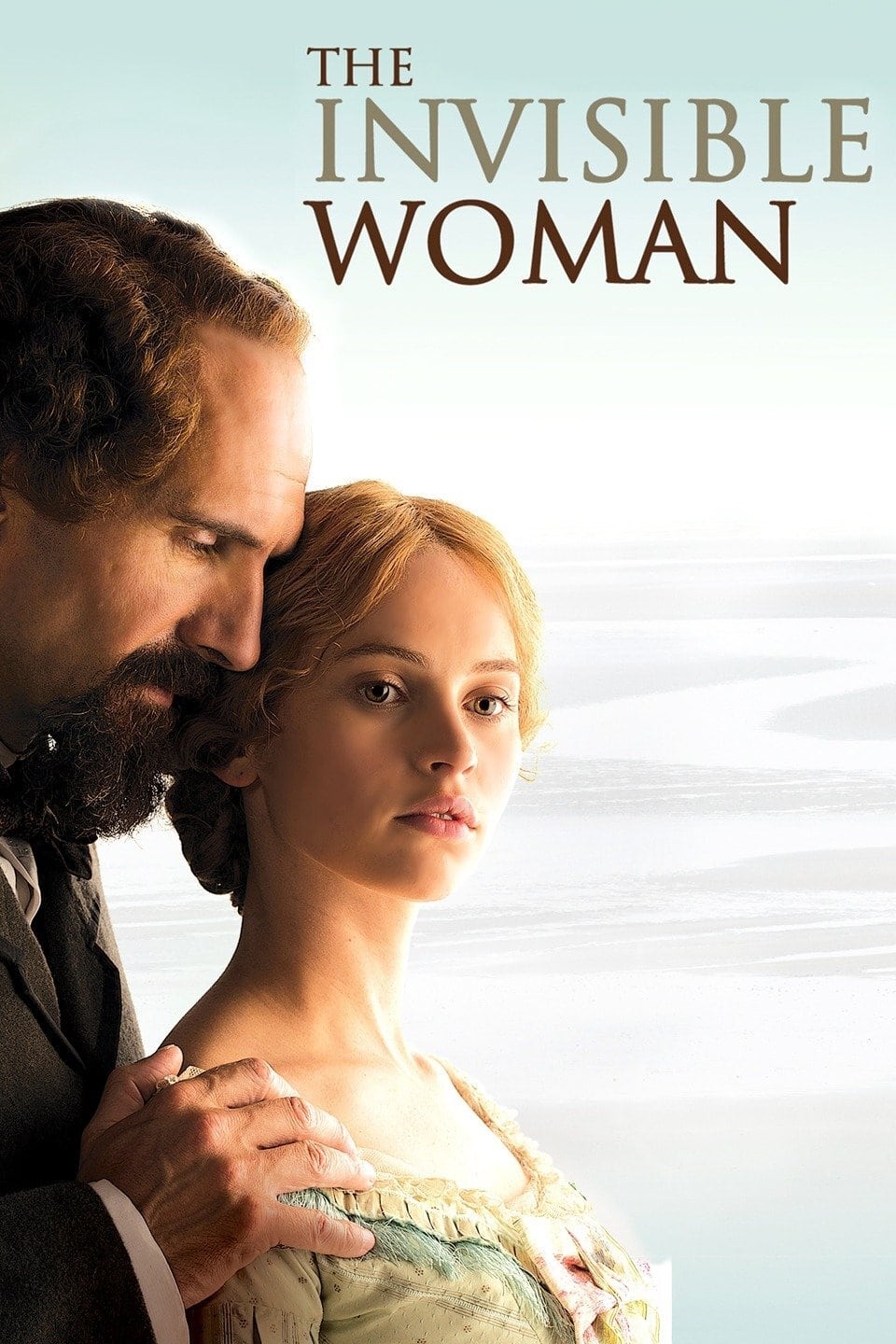
In 1857, at the height of his fame and fortune, novelist and social critic Charles Dickens meets and falls in love with teenage stage actress Nelly Ternan. As she becomes the focus of his heart and mind, as well as his muse, painful secrecy is the price both must pay.
All Eyez on Me chronicles the life and legacy of Tupac Shakur, including his rise to superstardom as a hip-hop artist, actor, poet and activist, as well as his imprisonment and prolific, controversial time at Death Row Records. Against insurmountable odds, Tupac rose to become a cultural icon whose career and persona both continue to grow long after his passing.
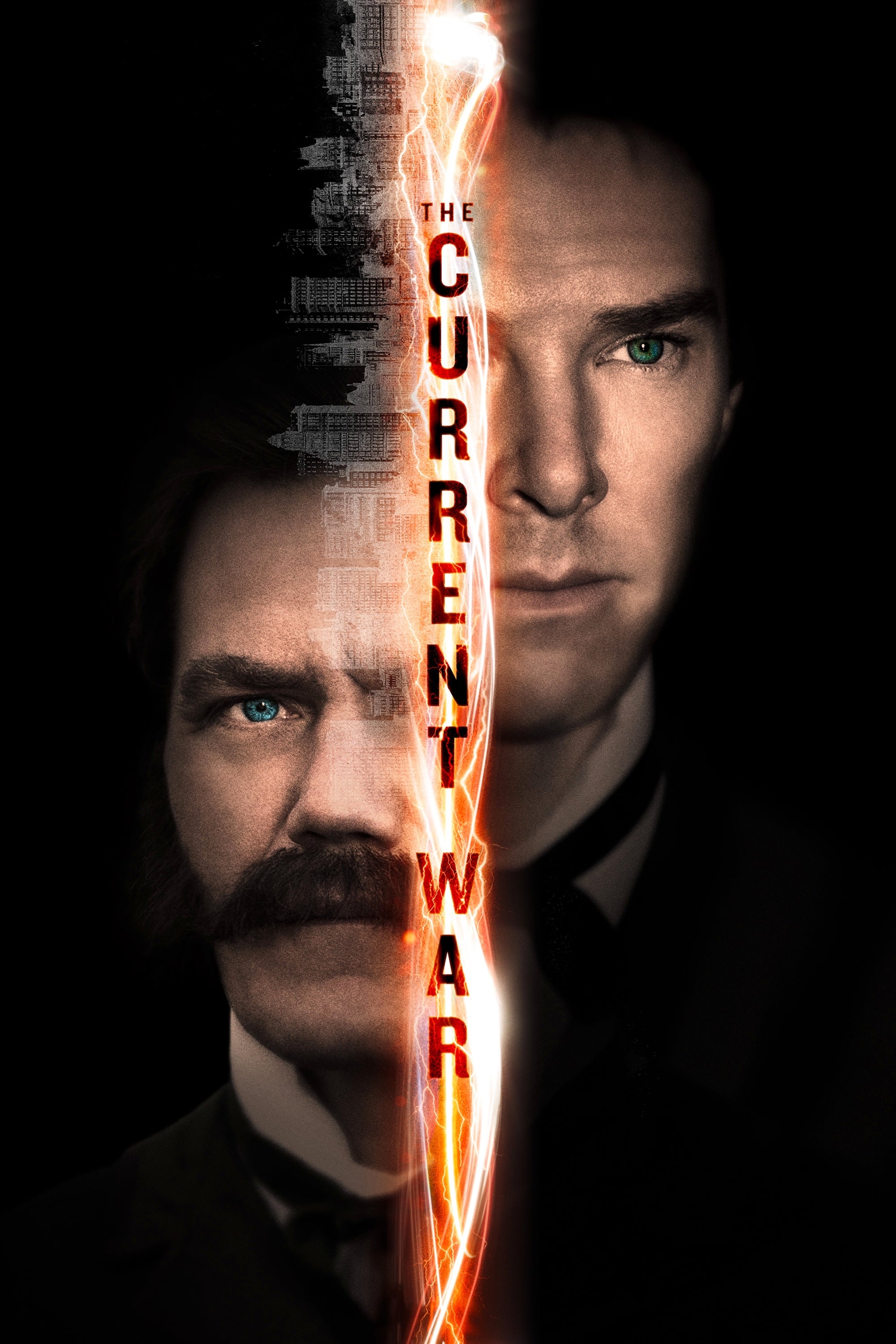
Electricity titans Thomas Edison and George Westinghouse compete to create a sustainable system and market it to the American people.
The history of cinematic sound, told by legendary sound designers and visionary filmmakers.
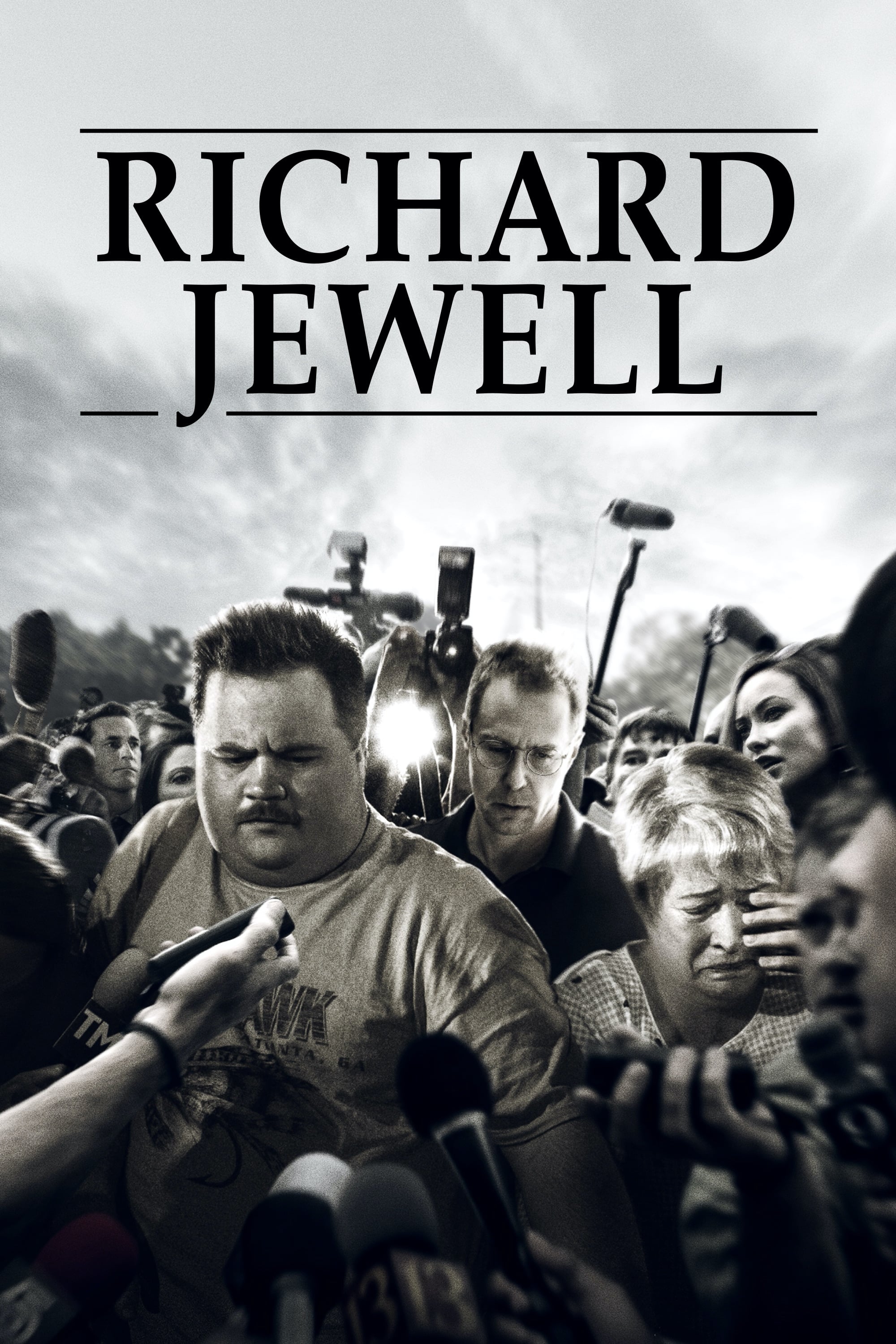
Richard Jewell thinks quick, works fast, and saves hundreds, perhaps thousands, of lives after a domestic terrorist plants several pipe bombs and they explode during a concert, only to be falsely suspected of the crime by sloppy FBI work and sensational media coverage.
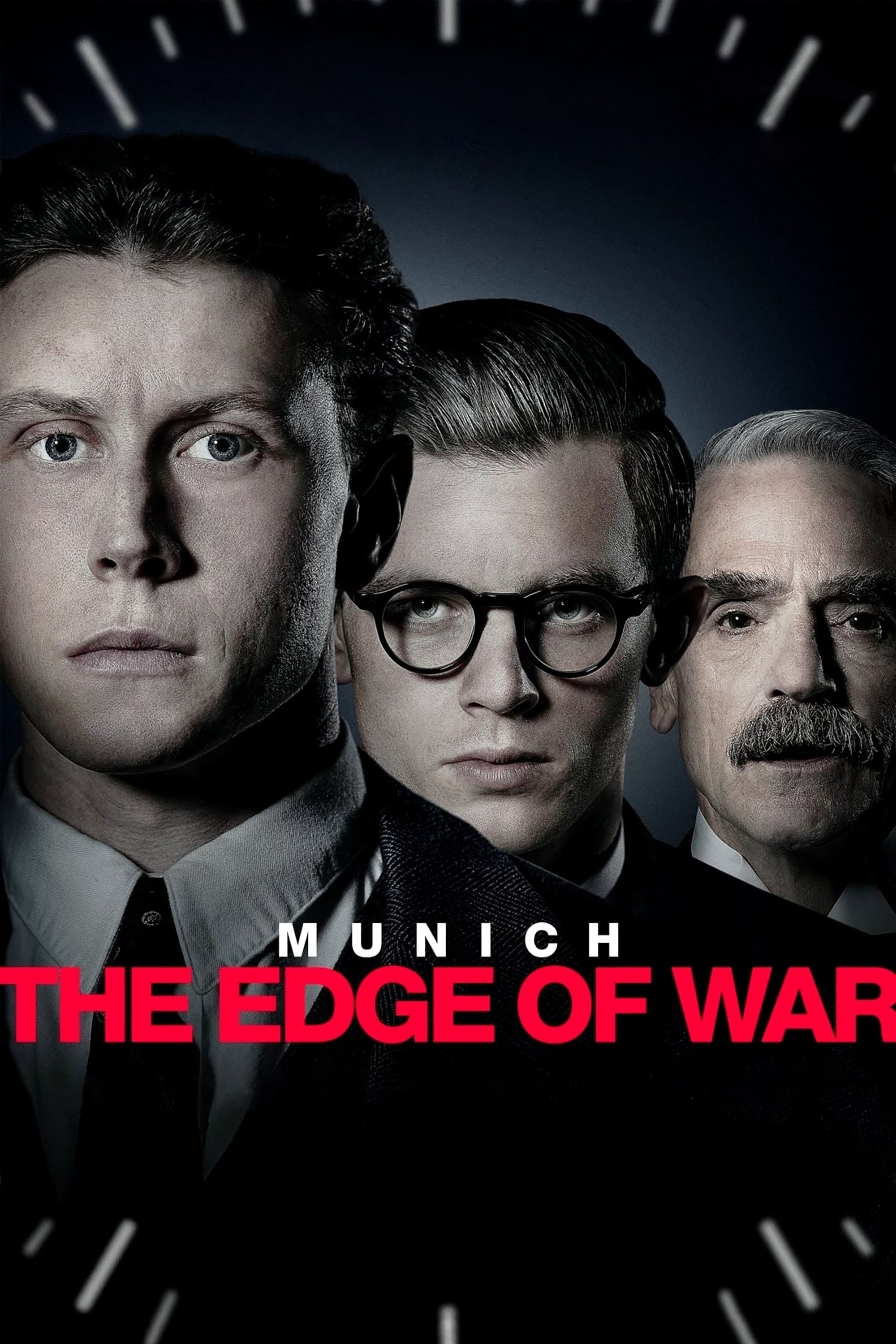
At the tense 1938 Munich Conference, former friends who now work for opposing governments become reluctant spies racing to expose a Nazi secret.
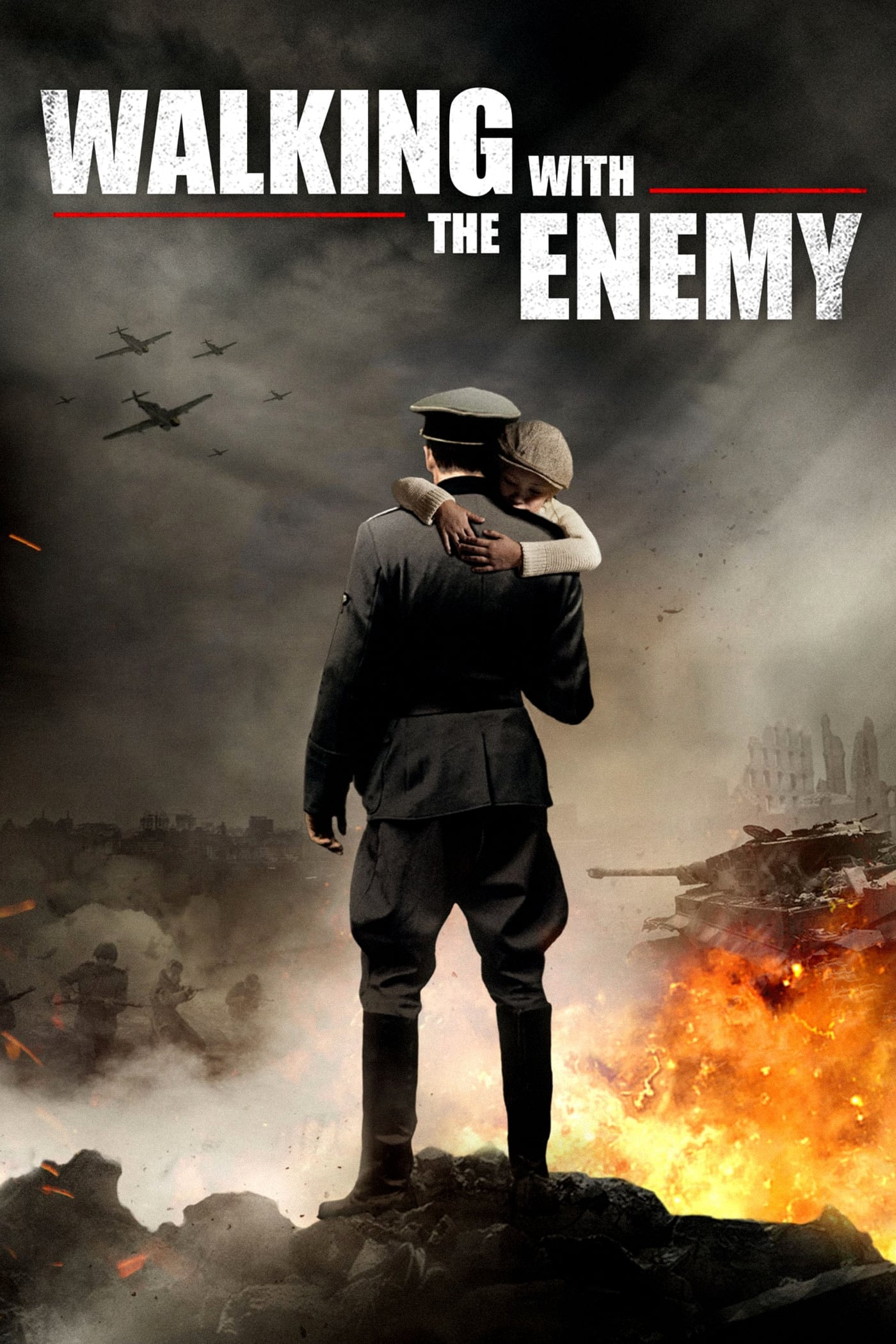
Regent Horthy is the leader of Hungary and a German ally, but his favorable standing with Hitler changes as the war comes to an end. Forced to cede Hungary’s power or else witness the execution of his son, Regent Horthy gives up control of his country to the Nazis, who quickly move Hungarians to ghettos and death camps, with no hope in sight. But the despair changes when a young man named Elek emerges. Separated from his family during the relocations and aided by the woman he loves , Elek defies the enemy by becoming one of them. In a race against time, disguised as a Nazi Officer he embarks on a mission to save his family and thousands of his countrymen.
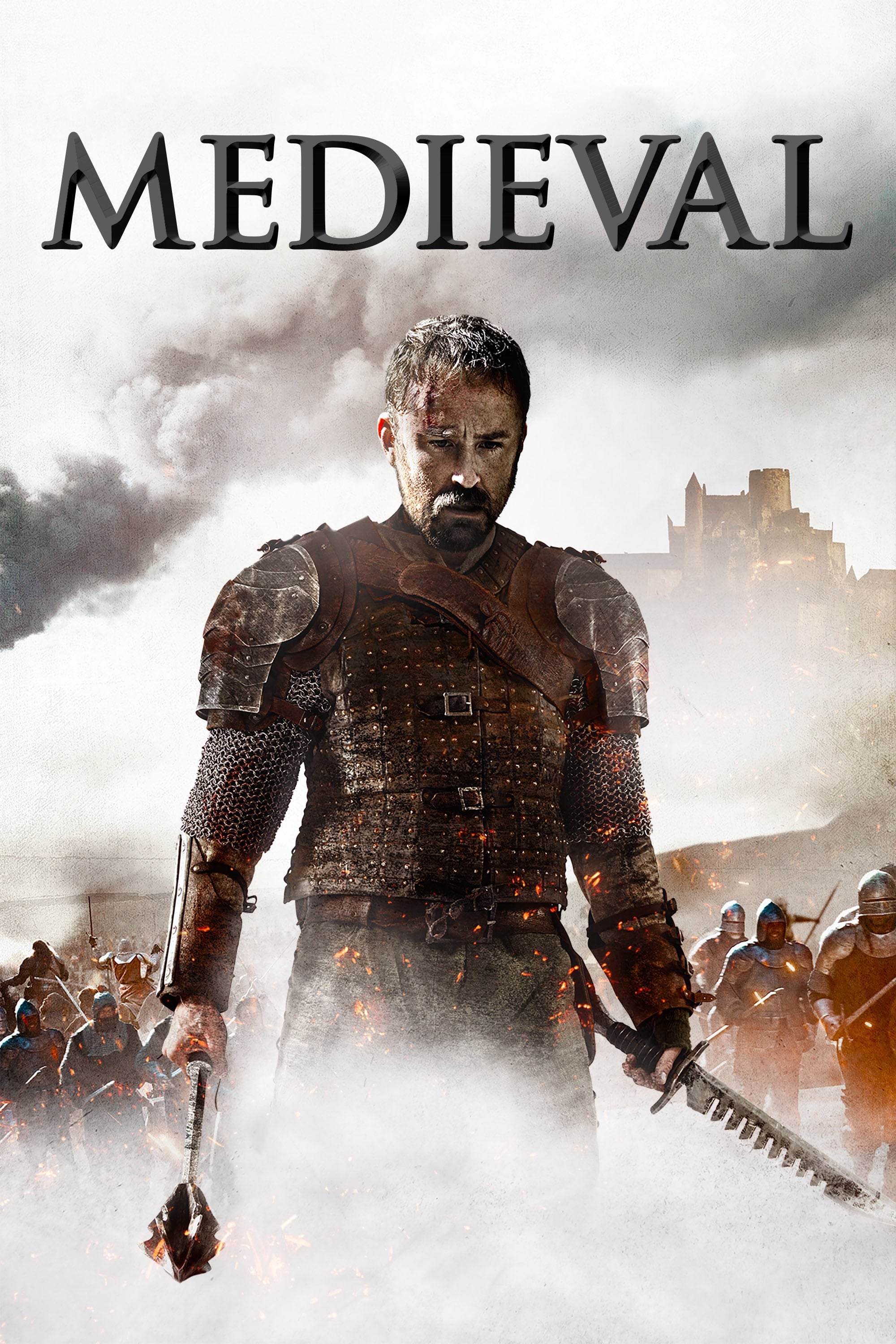
The story of fifteenth century Czech icon and warlord, Jan Zizka, who defeated armies of the Teutonic Order and the Holy Roman Empire.
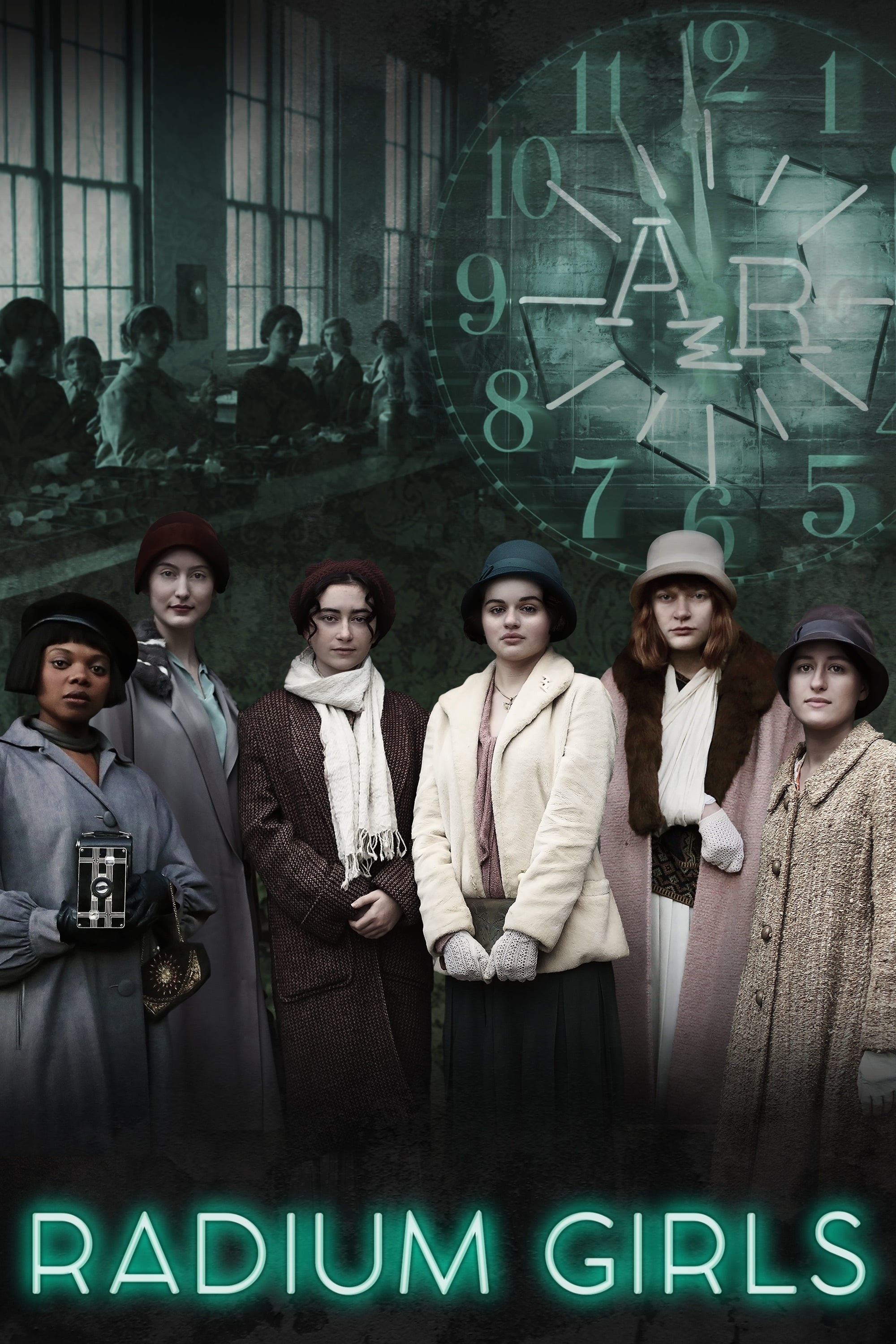
Young women toiling in a factory are exposed to hazardous material which takes a disastrous toll on their health.
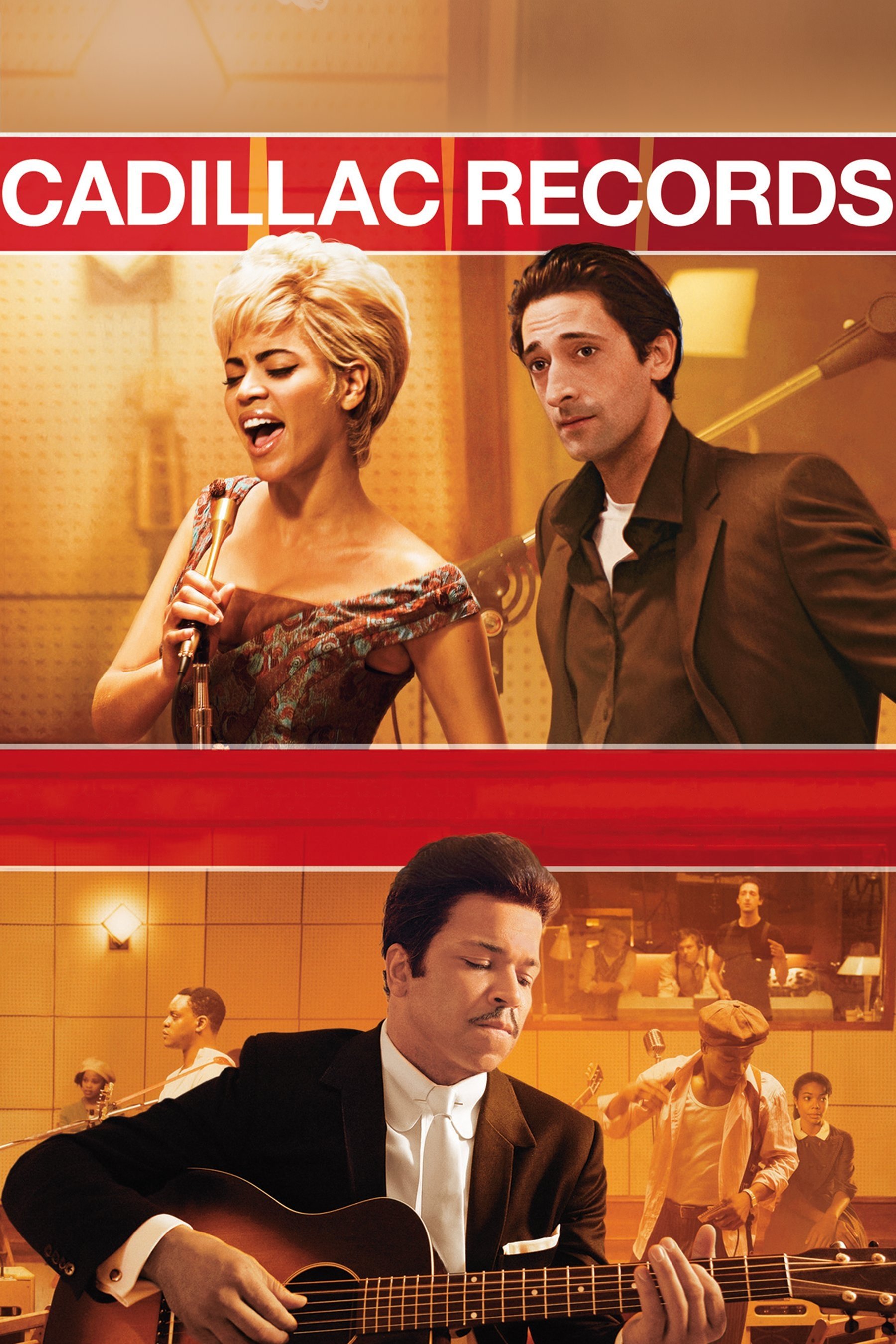
The story of sex, violence, race and rock and roll in 1950s Chicago, and the exciting but turbulent lives of some of America's musical legends, including Muddy Waters, Leonard Chess, Little Walter, Howlin' Wolf, Etta James and Chuck Berry.
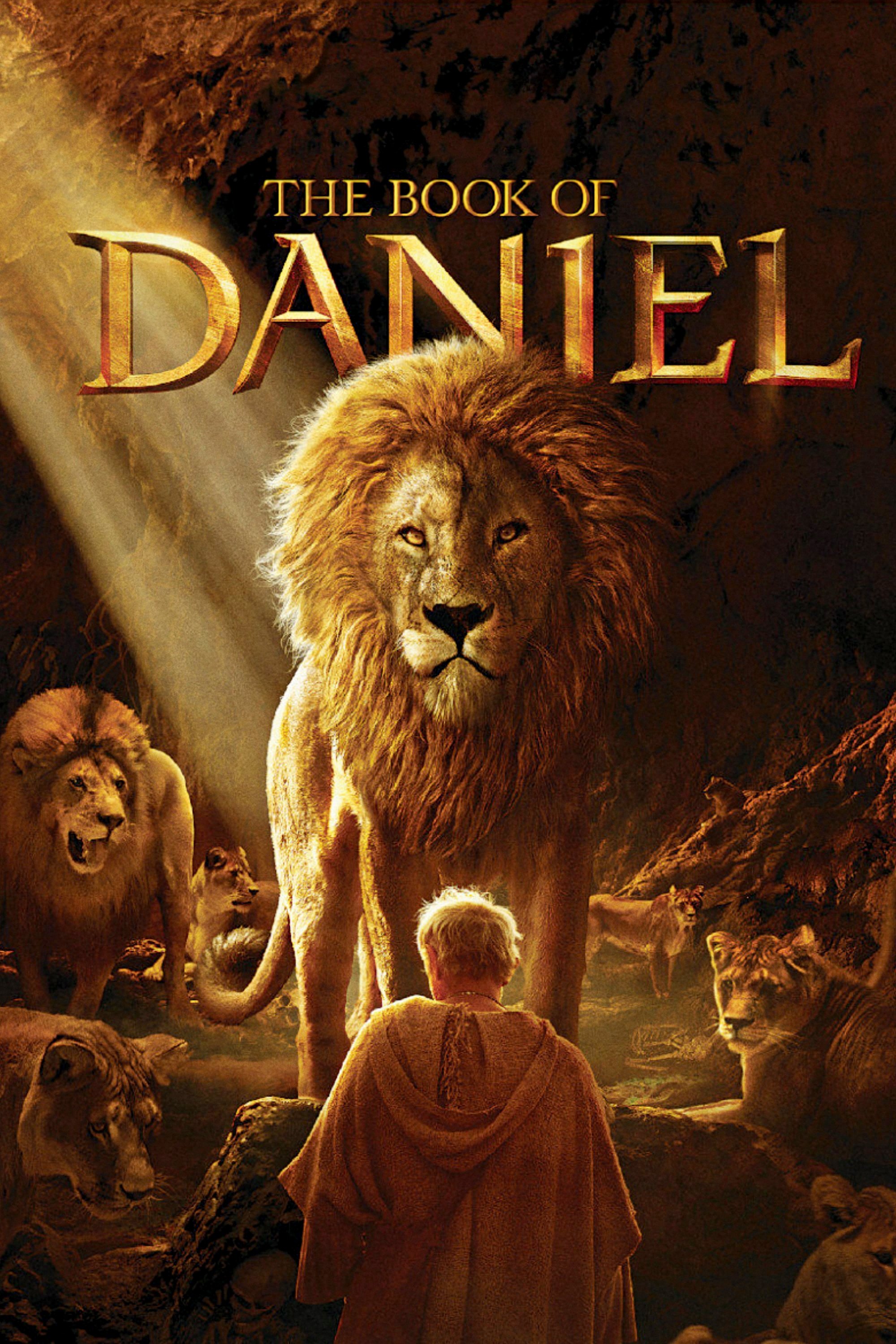
Taken into slavery after the fall of Jerusalem in 605 B.C., Daniel is forced to serve the most powerful king in the world, King Nebuchadnezzar. Faced with imminent death, Daniel proves himself a trusted Advisor and is placed among the king's wise men. Threatened by death at every turn Daniel never ceases to serve the king until he is forced to choose between serving the king or honoring God. With his life at stake, Daniel has nothing but his faith to stand between him and the lions' den.
Delving into our collective nightmares, this horror-documentary investigates the origins of our most terrifying urban legends and the true stories that may have inspired them.
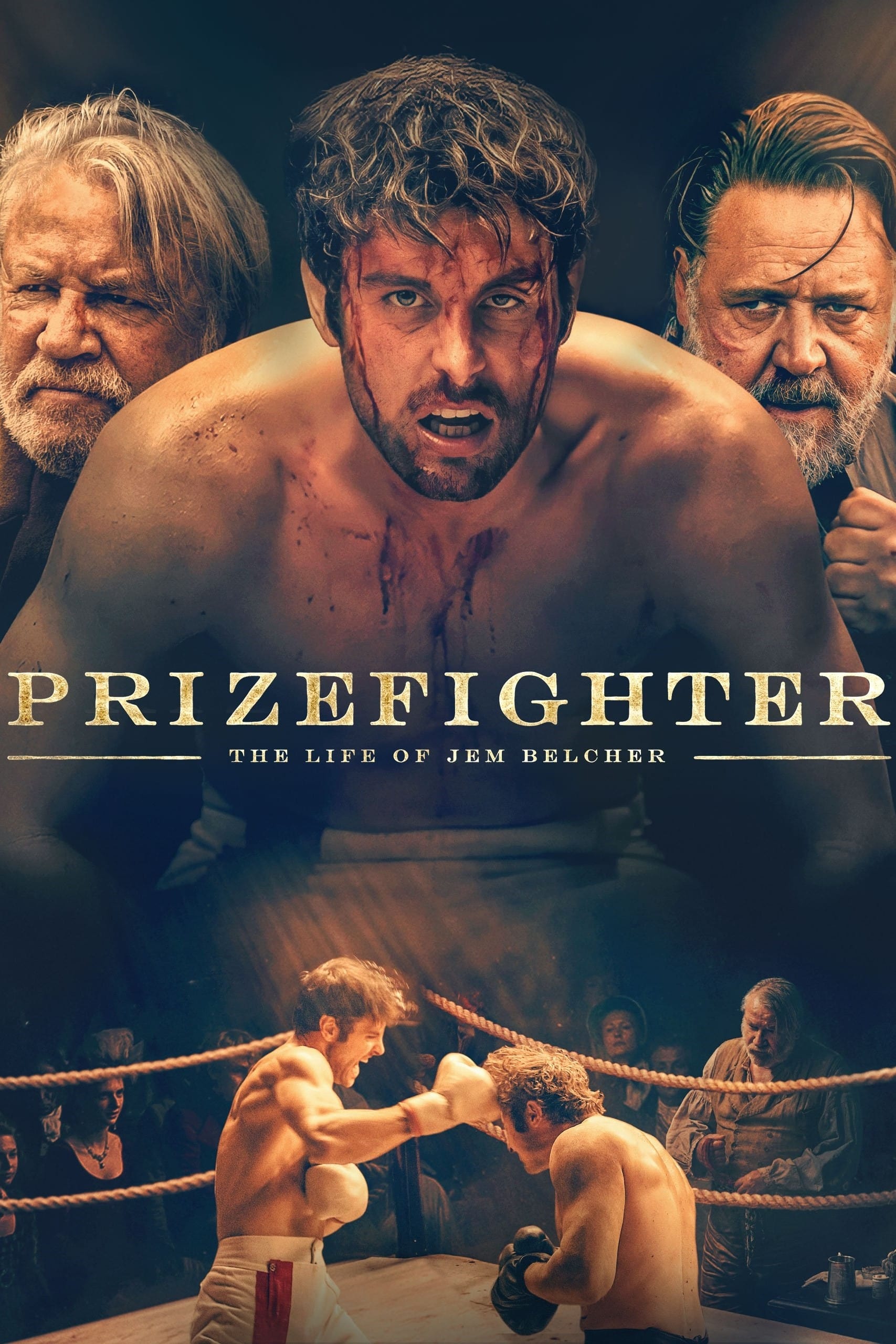
At the turn of the 19th century, Pugilism was the sport of kings and a gifted young boxer fought his way to becoming champion of England.
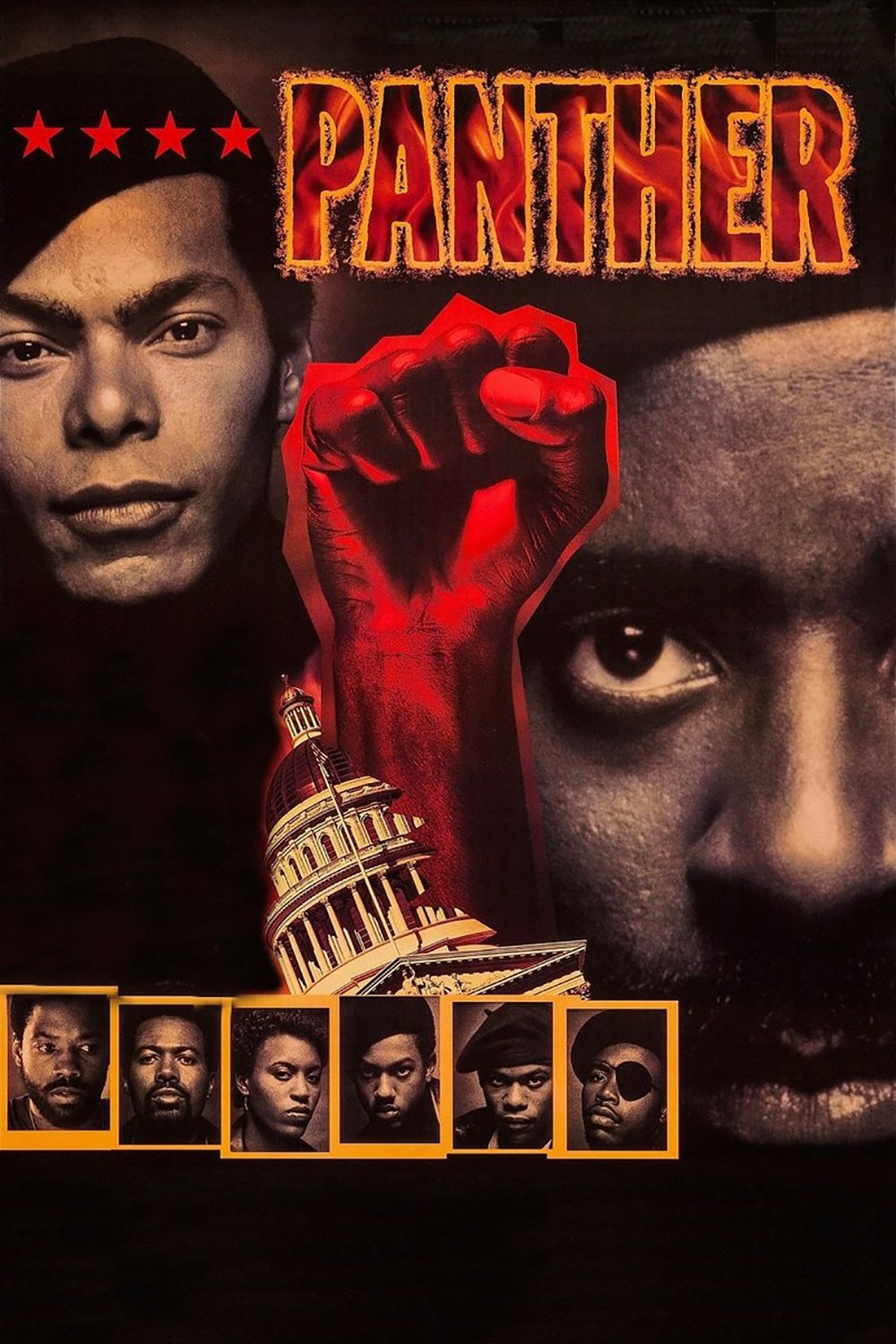
In this sprawling, fictionalized history of the Black Panthers, 1960s Oakland becomes a war zone as the Panthers battle for the right to exist.
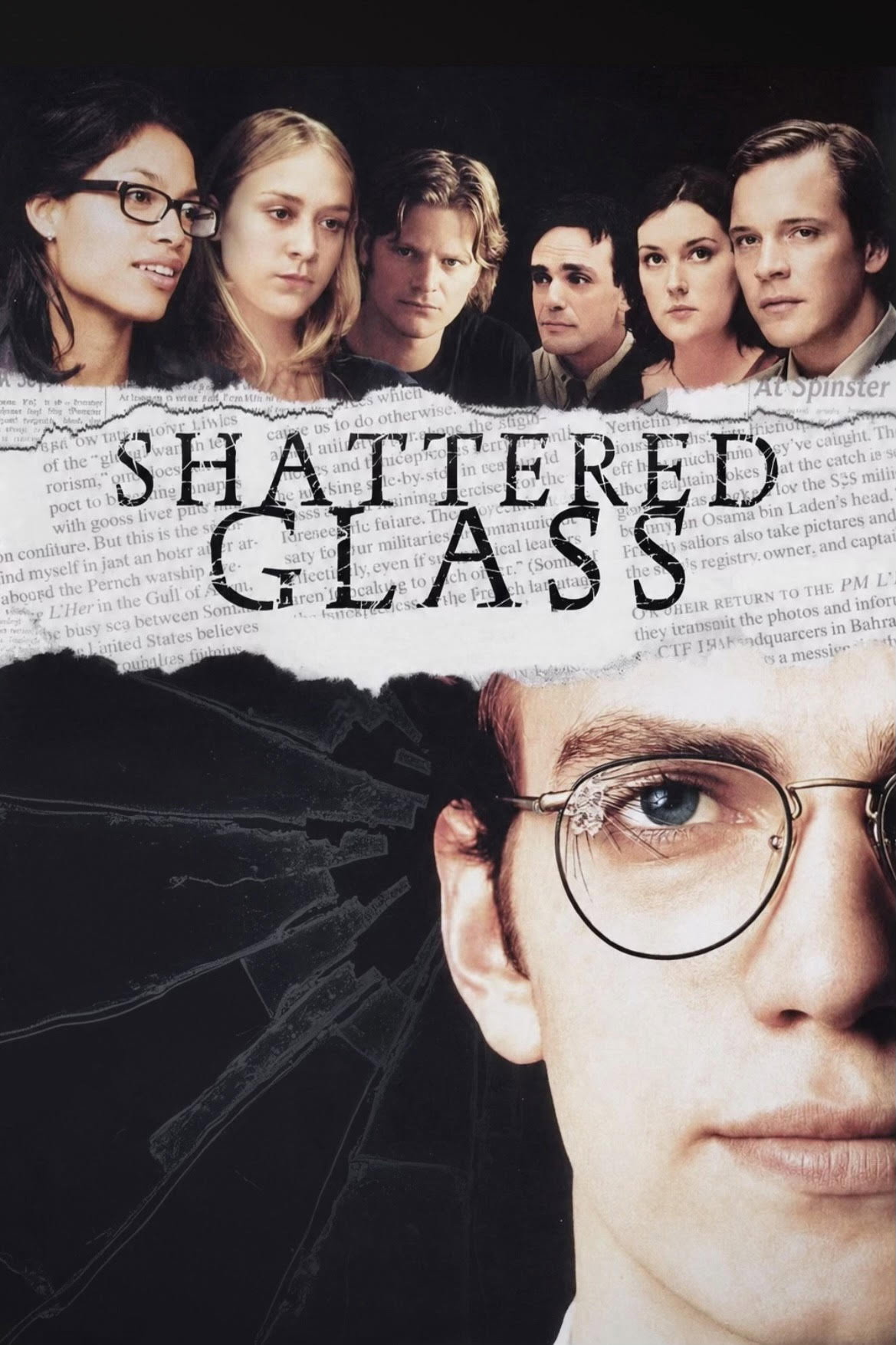
Stephen Glass is a staff writer for the respected current events and policy magazine The New Republic and a freelance feature writer for publications such as Rolling Stone, Harper's and George. By the mid-90s, Glass' articles had turned him into one of the most sought-after young journalists in Washington, but a bizarre chain of events - chronicled in Buzz Bissinger's September 1998 Vanity Fair article - suddenly stopped his career in its tracks.
The true story of Vera Brandes, teenage patron saint of the 1970s Cologne music scene, who risked everything to organize the greatest solo concert in music history: Keith Jarrett’s legendary Köln Concert.
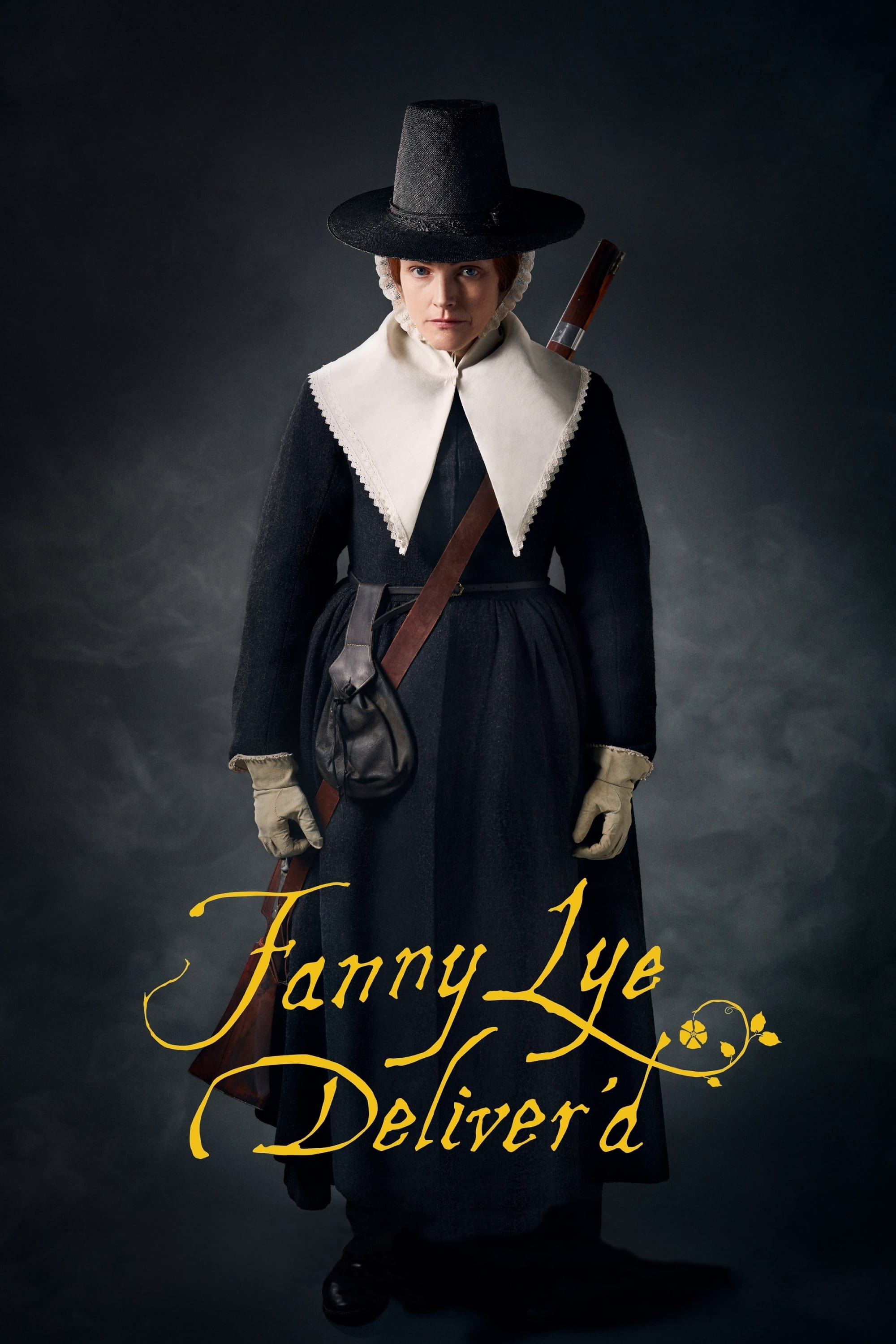
On an isolated English farm in 1657, Fanny lives a quiet life with her oppressive husband John and their young son. One day their life is rocked with the arrival of young couple Thomas and Rebecca who claim to have been robbed and need a place to stay. But are these strangers really who they say they are?