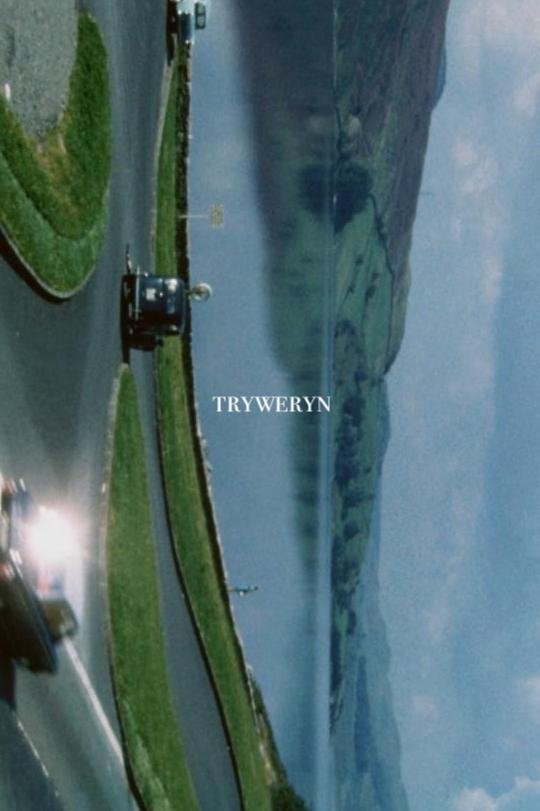
"The Devastation of a Welsh community"
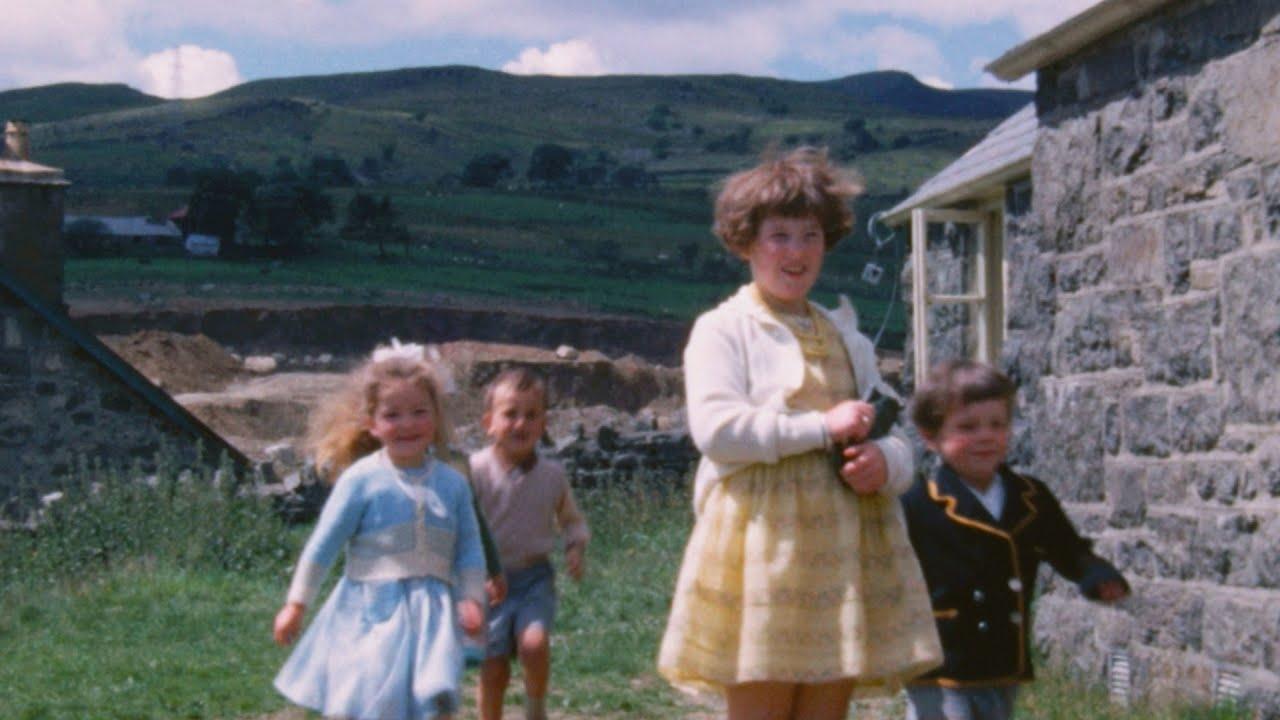
Devastation of a Welsh-speaking community: Capel Celyn village and farms of the Tryweryn Valley disappear beneath the waters of a reservoir so Liverpool’s thirst may be slaked.
Social & External
A film about the importance of beet brigades. It shows the preparation of beet seed and the course of the growing season of the sugar beet, especially the moments when farmers cannot do without the help of part-time workers.
From filmmaker Alun Hughes, Upside Down Wales is a window into the world of 3D and upside down climbing guru George Smith and his obsession with climbing overhanging rock in North Wales. A film with plenty of character that doesn't take itself too seriously. Features interviews with Welsh climbing legends Joe Brown and John Redhead, and younger climbers like Pete Robins and Dave Noden.
After a devastating fire ravages a milking parlor, a family and its community rally together. This short documentary showcases a journey of resilience, as a family farm rises from the ashes into a new era of cutting-edge robotic technology. The film explores the innovation in modern agriculture, shedding light on the strength of farming communities and the power of perseverance in the face of adversity.

Iconic Welsh rock musician Mike Peters' rise to fame, battle with cancer and inspiring return, featuring one-of-a-kind performances from other legendary musicians.

The first mountains that the Amsterdam-based Colombian artist and filmmaker Ana Bravo Pérez saw in the Netherlands were black. In this experimental work, she follows the stench of the coal in the port of Amsterdam back to its origin: an open wound in northern Colombia. The mine is located in the territory of the Wayuu and has a huge impact on the indigenous people.

A poetic journey through the paths and places of old Castile that were traveled and visited by the melancholic knight Don Quixote of La Mancha and his judicious squire Sancho Panza, the immortal characters of Miguel de Cervantes, which offers a candid depiction of rural life in Spain in the early 1930s and illustrates the first sentence of the first article of the Spanish Constitution of 1931, which proclaims that Spain is a democratic republic of workers of all kind.
Speed - the obsession of the modern world - is determining what people should eat and how. Traditional foods are at risk of disappearing forever. An international eco-gastronomic movement known as Slow Food champions the protection of traditional culture, the environment and biodiversity while encouraging regional production, food education and pleasure. For these passionate and dedicated food lovers, sustainability, community and lifestyle are as important as seasonality, quality and taste.
In a remote area of northern Spain, the wind has a name: Tramuntana. Tramuntana takes what it wants—clothes, trees, boats, and the people of the landscape who live with the endless threat of being carried away by its force. This film is a lyrical portrait of this furious wind, woven from the stories passed down by local villagers.
"Adrift" is shot on the arctic island of Spitzbergen and in Norway. It combines time-lapse photography with stop-motion animation of the landscape. Through camera-angles and framing the film gradually dislocates the viewer from a stable base where one loses the sense of scale and grounding.
A picture of the ceremonial opening of the new school year.
Documentary filmmaker Robert Kenner examines how mammoth corporations have taken over all aspects of the food chain in the United States, from the farms where our food is grown to the chain restaurants and supermarkets where it's sold. Narrated by author and activist Eric Schlosser, the film features interviews with average Americans about their dietary habits, commentary from food experts like Michael Pollan and unsettling footage shot inside large-scale animal processing plants.
Farm families in Lestock, Saskatchewan, have pooled their resources so that rising operating costs will not drive them off their land. By pooling their land, their equipment, their livestock, and farming as a cooperative, they are able to live as they choose, to maintain their standard of living, and even to have some spare time left over to enjoy. An engaging look at a novel approach to big-scale farming.
Railroad of Hope consists of interviews and footage collected over three days by Ning Ying of migrant agricultural workers traveling from Sichuan in China's interior, to the Xinjiang Autonomous Region, China's northwest frontier.[1] Through informal interviews aboard the cramped rail cars, Ning Ying explores the hopes and dreams of the workers, many of whom have never left their homes before.