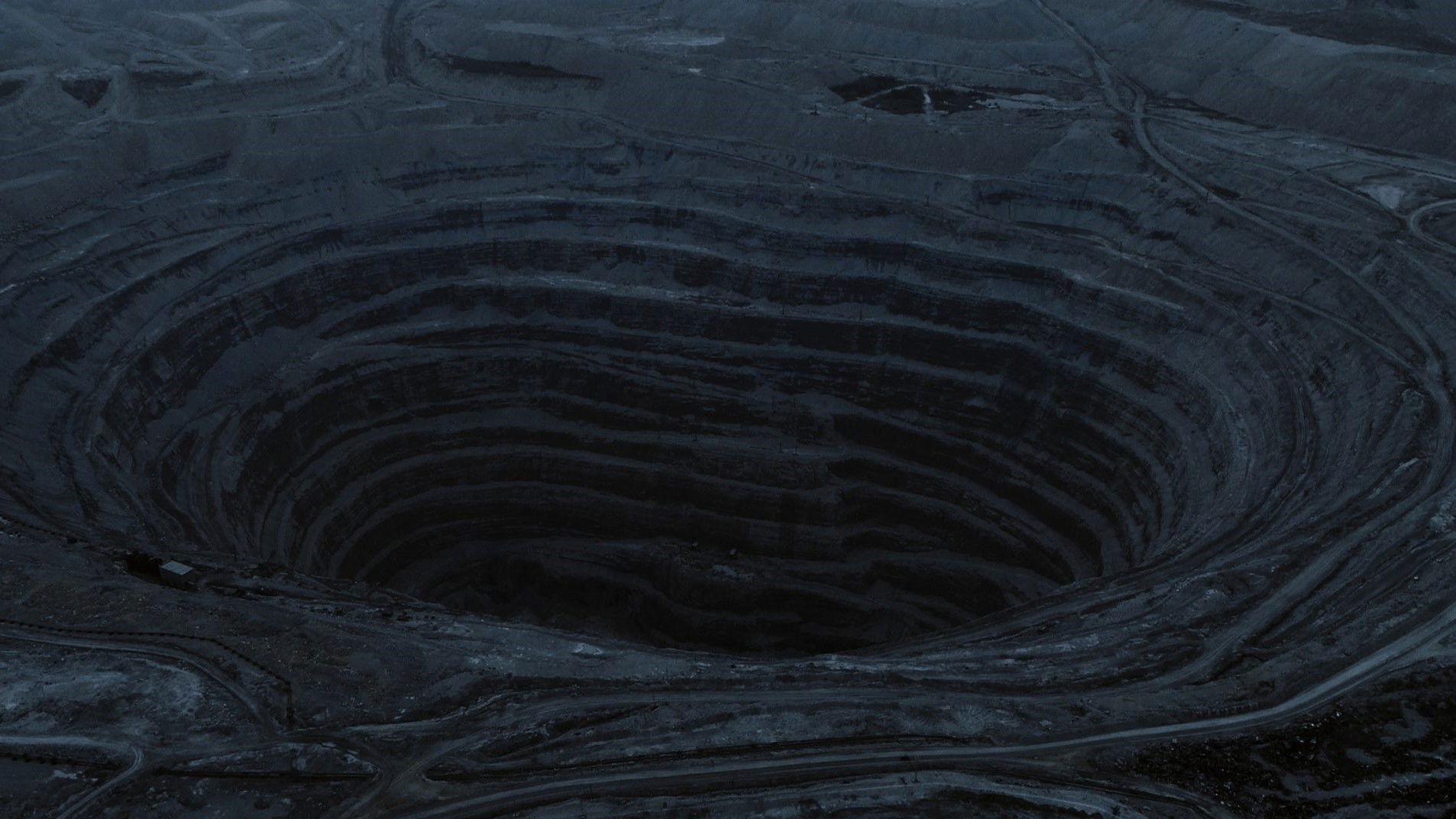
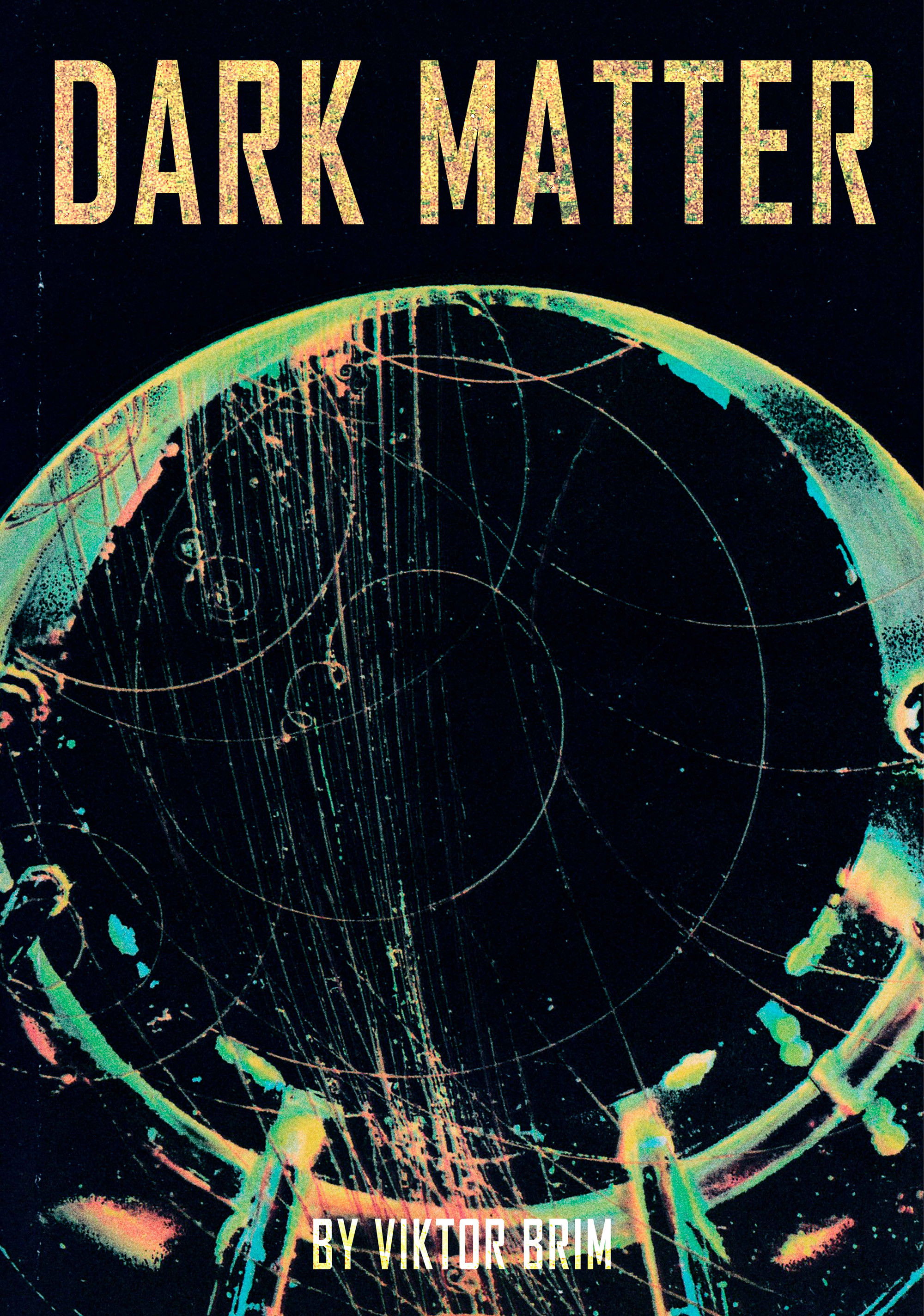
The technological and ideological traces of humans have transformed the earth from dark matter to a dark affair which despite everything brings forth new forms.
Social & External
In the midst of the frenzy night a man finds himself lost in the crevasse of time. It was not the grotesque beings nor the monsters, but it was he who “was here, but wasn't here”. He was the phantom. Buried under memories full of inhibition and promises that never kept – words washed up on the shore – time keeps him at a distance from the “place”. And he hears poems coming on the waves from the other side rhyming and lapping against the shore. A 360° scope video Installation commissioned by Nagano Art Museum.
Arrancar los ojos is a project that proposes a constellation of works around the gaze and its political dimension. A reflection on the concepts of institutional violence, repression and collective trauma, focusing on the pattern of eye attacks by state security forces.
CREMASTER 3 (2002) is set in New York City and narrates the construction of the Chrysler Building, which is in itself a character - host to inner, antagonistic forces at play for access to the process of (spiritual) transcendence. These factions find form in the struggle between Hiram Abiff or the Architect ...
An exploration of how the U.S. military employs video game technology to train troops for war. Three Dead depicts a military exercise within a mock Iraqi town built on the outskirts of Twentynine Palms, California, blurring the line between computer simulation and reality.
An exploration of how the U.S. military employs video game technology to train troops for war. In Immersion, Farocki presents footage of a role-playing exercise in which military psychologists demonstrate how to use the PTSD program on their colleagues, who describe traumatic wartime experiences. On a second channel, their descriptions play out as virtual renderings.
An exploration of how the U.S. military employs video game technology to train troops for war. In A Sun With No Shadow, Farocki calls attention to the subtle differences between the simulations for combat training and PTSD. With the former, the sun can be programmed to cast shadows in the virtual combat zones, while the latter, less expensive technology does not offer this feature.
A multi-channel video installation about movement and bodies.
The title may evoke images of gleeful, destructive anarchism, but "smashing" here signals a relationship between people and official city statues that is friendly, jovial, even a little melancholic.
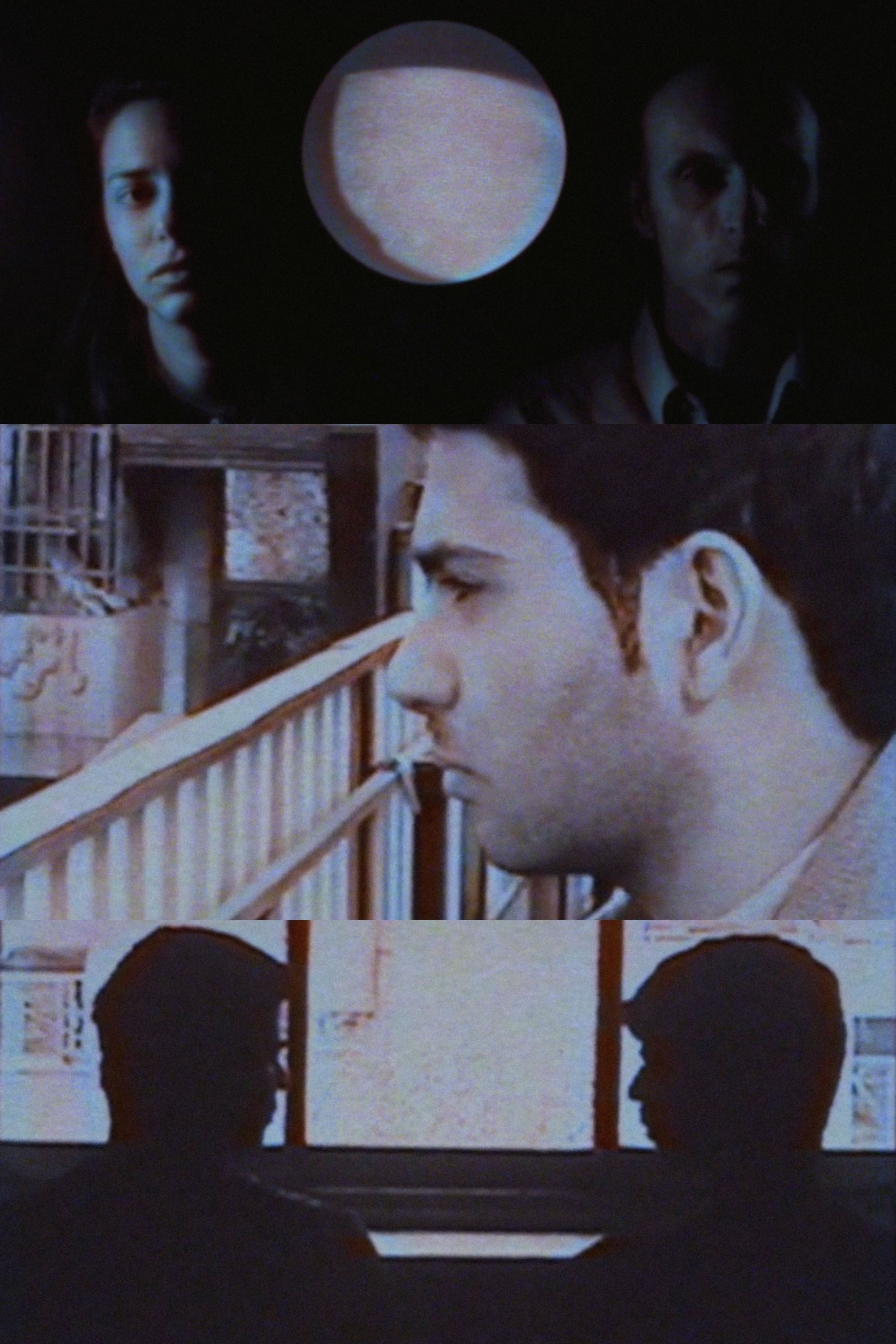
The Other Side is a double-screen video installation commissioned as part of Breakwell’s residency at the De La Warr Pavilion in Bexhill-on-Sea, East Sussex during the summer and autumn of 2000. The film was shot on the Pavilion’s upper landing, the camera positioned looking out through the curved windows of the stairwell across the exterior balcony to a view of the sea and the horizon. It comprises two alternating sequences projected onto either side of a free standing wall. Footage of elderly couples ballroom dancing on the balcony outside has been slowed down to the rhythm of the accompanying soundtrack, an extract from Franz Schubert’s Nocturne in E-flat Major (Op.148) overlaid by the sounds of breaking waves and seagulls. In the alternating scene, played to the same sound, panoramic vistas of the view out of the building towards the sea and horizon beyond are empty of human presence.
2 Small Channel Video Installation, featuring a monologue excerpted from an untitled novel by Alissa Bennett
A film as part of the Spellbound installation at the Hayward Gallery in 1996 by Peter Greenaway.
These 131 video monitors stacked in a grid present simultaneous, continuous footage of the German artist during the last year of his life. In this filmed diary-project that Dieter Roth executed while convalescing in Reykjavik and Basel, we see him not only working in his studio but also while he sleeps, bathes, and uses the bathroom. It is nearly impossible to pay attention to only one video without becoming distracted by an unexpected sound or movement coming from one of the many other screens. Each monitor broadcasts a different point in the artist's daily routine, while the gridlike arrangement of monitors reinforces a sense of order and chronology.
The chasm through which light bleeds , bleeds out of proportion with bright spectral flickers flaming the trees abrading out the tissues with excruciating vigour gaining momentum
Animated film installation for exhibition “Opera as the World”
"Three Women, is an ambitious work designed to be shown on multiple screens in a movie theater. Moving a step forward from the use of multiple screens as an expansion of cinema as exemplified by Abel Gance’s Napoléon (1927), it presents what is literally a conceptual expansion of cinema in the form of a filmic work experienced in a theater in which the 15-channel, surround-sound audio constructed by Araki Masamitsu and Ito’s visuals organically intertwine."
An installation containing video files of the artist's persona, alongside a karaoke piece of her as she watches her viewership fall and two mirrors side by side of messages she received, from two different users online.
superposition is a project about the way we understand the reality of nature on an atomic scale and is inspired by the mathematical notions of quantum mechanics. Performers will appear in Ikeda’s work for the first time, performing as operator/conductor/observer/examiners. All the components on stage will be in a state of superposition; sound, visuals, physical phenomena, mathematical concepts, human behaviour and randomness – these will be constantly orchestrated and de-orchestrated simultaneously in a single performance piece.
An experimental media installation of three windows exploring fragments of liminality. Three unique re-constructions of experiential instances volumising the cataclysms of thresholds. Experience the absence of definition, the absence of boundaries set and the absence of rationale. A myth is not to be understood, a myth is passed on, like a game of Chinese whispers, it takes its course and ages with time, suiting the demography and tale, it warps and distorts
A short film essay on Blue Velvet (1986) and The Man Who Fell to Earth (1976). The fact that Blue Velvet was almost shot in black and white is explored in comparison with the original scenes, as the choices of different directors (within a ten-year interval) when choosing Roy Orbison's music for their films.
This video installation explores the representation of Black bodies in the French cultural and media landscape. Jérémie Danon and Kiddy Smile bring together personalities from diverse backgrounds in cars, allowing them to share common reflections and personal experiences.