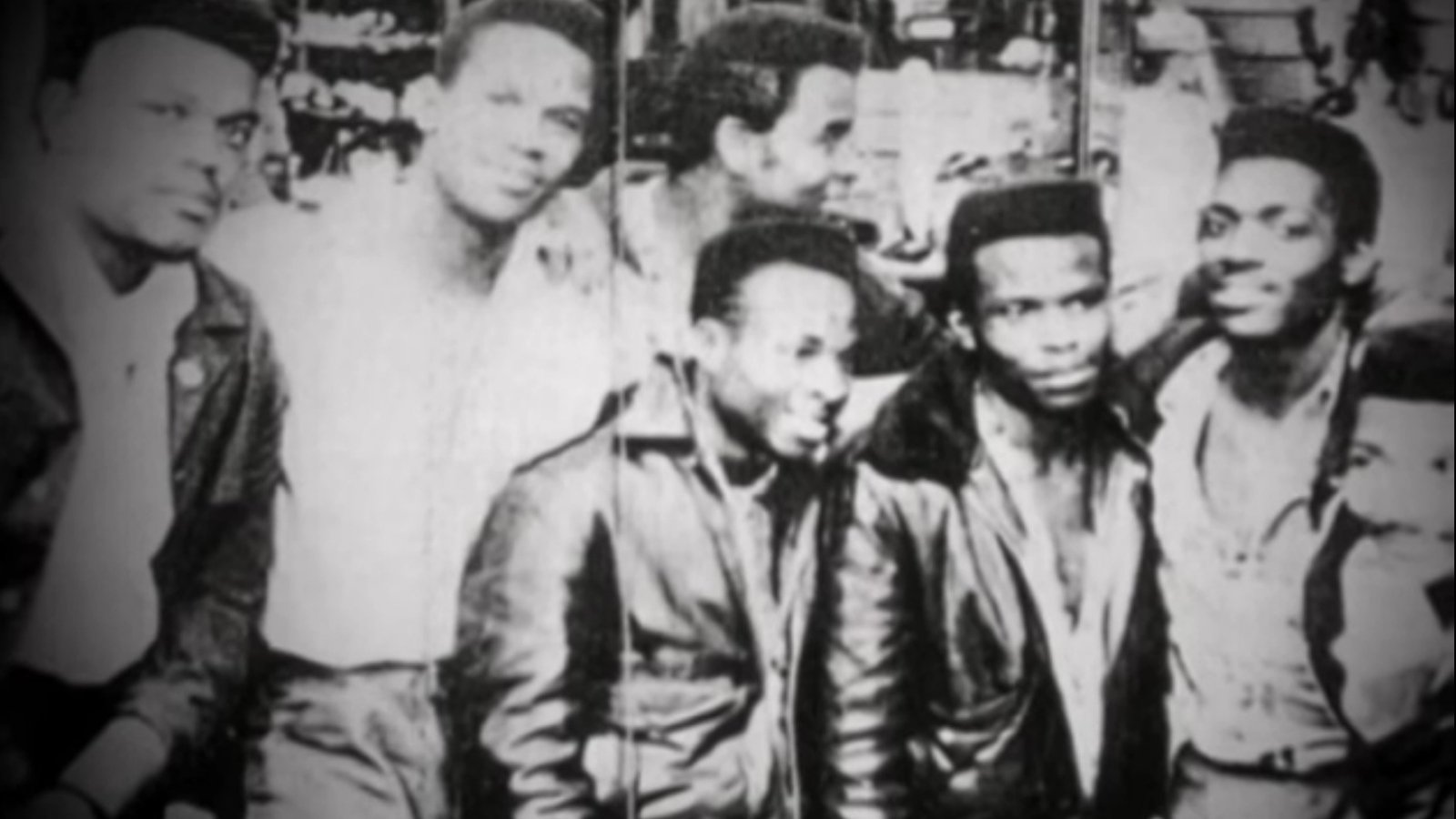
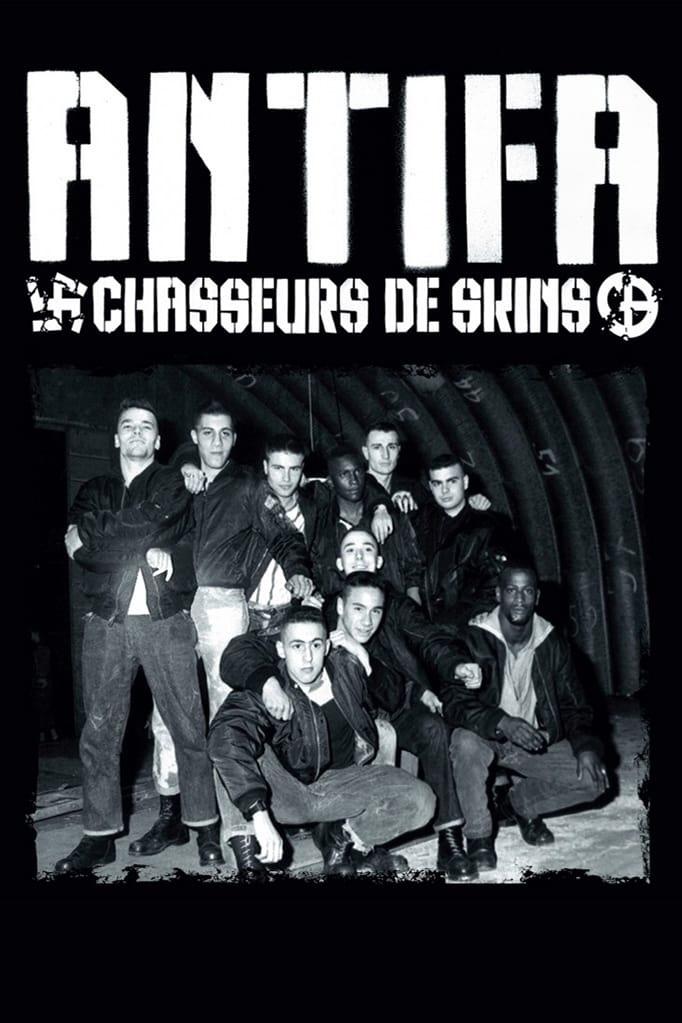
A French documentary on how groups of youth in Paris generated a backlash against the NeoNazi skinhead subculture, and by doing so earned themselves the nickname Chasseurs de Skins or 'Skinhead Hunters'.
Social & External
It is the evocation of a life as brief as it is dense. An encounter with a dazzling thought, that of Frantz Fanon, a psychiatrist of West Indian origin, who will reflect on the alienation of black people. It is the evocation of a man of reflection who refuses to close his eyes, of the man of action who devoted himself body and soul to the liberation struggle of the Algerian people and who will become, through his political commitment, his fight, and his writings, one of the figures of the anti-colonialist struggle. Before being killed at the age of 36 by leukemia, on December 6, 1961. His body was buried by Chadli Bendjedid, who later became Algerian president, in Algeria, at the Chouhadas cemetery (cemetery of war martyrs ). With him, three of his works are buried: “Black Skin, White Masks”, “L’An V De La Révolution Algérien” and “The Wretched of the Earth”.
Pilot JP Schulze and filmmaker Louis Cole set off to circumnavigate the world in a single-engine, 1974 Cessna T210L airplane named Balloo. They had 90 days to complete the journey, and as they traveled they met people from many different cultures and asked them - is what divides us greater than what brings us together?
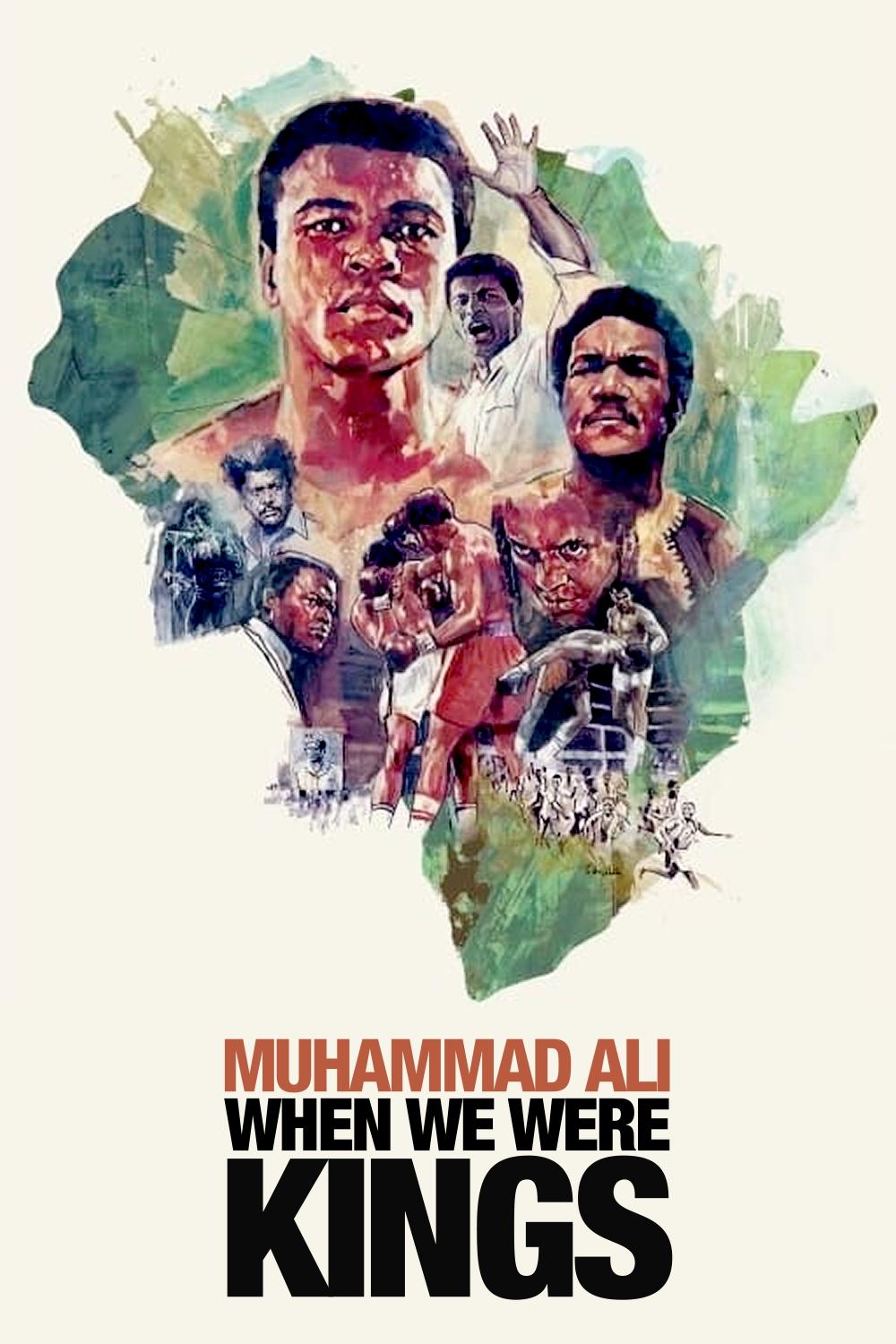
It's 1974. Muhammad Ali is 32 and thought by many to be past his prime. George Foreman is ten years younger and the heavyweight champion of the world. Promoter Don King wants to make a name for himself and offers both fighters five million dollars apiece to fight one another, and when they accept, King has only to come up with the money. He finds a willing backer in Mobutu Sese Suko, the dictator of Zaire, and the "Rumble in the Jungle" is set, including a musical festival featuring some of America's top black performers, like James Brown and B.B. King.
This exceptional documentary gives a voice to those who knew Jean Moulin, his friends and comrades-in-arms and fellow resistance fighters. The valuable testimonies of Lucie and Raymond Aubrac, Claude Bourdet, Jean-Pierre Lévy, and Daniel Cordier, among others, bring to life this young prefect steeped in republican values, recounting his difficult but decisive task of unifying the resistance movements, his actions and role within Free France, until his arrest on June 21, 1943.
This documentary re-examines the story of the Red Orchestra: the most important resistance network in Nazi Germany, whose operations extended from Berlin and Brussels to Paris.
Propaganda short film depicting the rise of Nazism in Germany and how political propaganda is similarly used in the United States. The film was made to make the case for the desegregation of the United States armed forces.
They were going to become heroes, but they didn't know it. Most of them were not yet twenty years old in June 1940, when France found itself on the ground. They were starting careers, studies, had families, friends. None had heard General de Gaulle's call on June 18, but all listened to Marshal Pétain's speech on the 17th, asking to stop fighting. They immediately rebelled and joined London or the Resistance. Through the testimonies of seven of the last Companions of the Liberation (made in 2013), this film tells us about their unwavering commitment and takes us in their footsteps until the Liberation.
An animated short documentary about Ernst Berliner, a Jewish track cycling manager from Cologne and his quest to launch a post-war criminal investigation into the death of his friend Albert Richter, a former amateur track cycling world champion who was killed by the Gestapo in 1940.
In the war zones of Mosul and Raqqa, then in Paris during the Yellow Vests uprising, filmmaker Florent Marcie confronts Sota, an AI robot, with the tragedy of mankind. As the story unfolds, the relationship that develops between man and machine questions our human condition and our future.
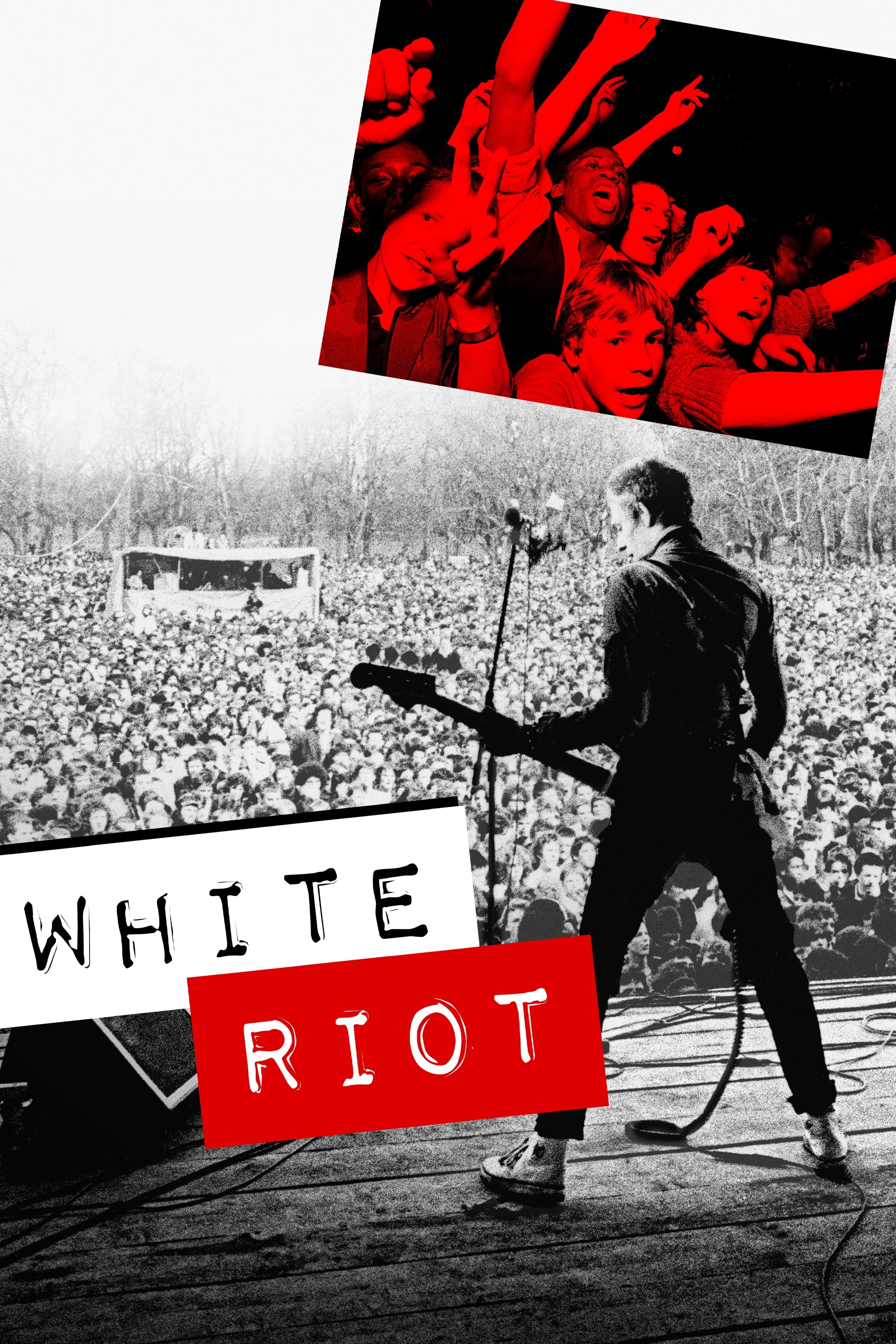
Exploring how punk influenced politics in late-1970s Britain, when a group of artists united to take on the National Front, armed only with a fanzine and a love of music.
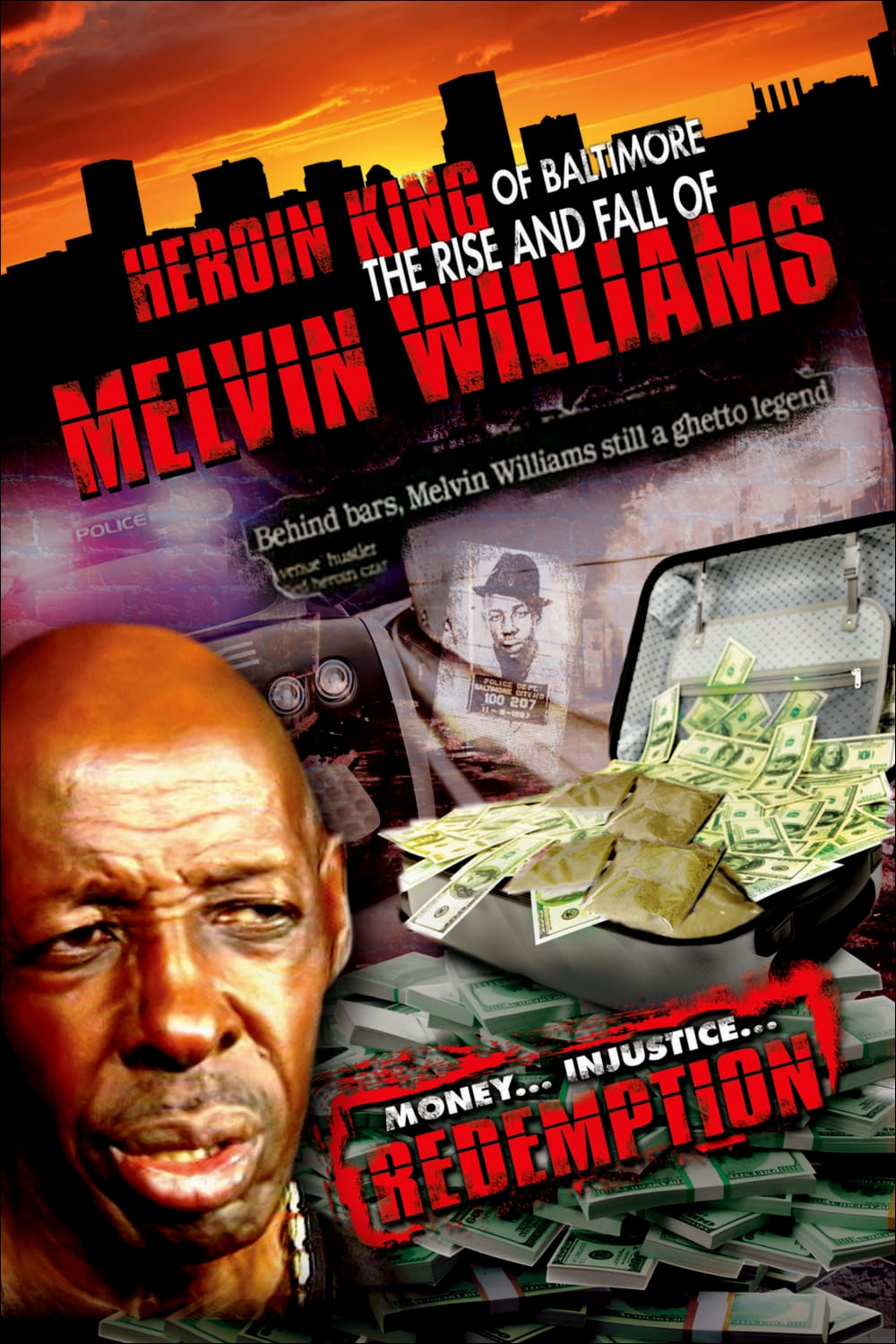
Baltimore City officials asked drug kingpin Melvin Williams to stop the riots happened following Martin Luther King's assassination. After helping the authorities out, Williams was then labeled a threat, framed and incarcerated by a hypocritical society.
The story of the 2019 Hong Kong protests, told through a series of demonstrations by local protestors that escalate into conflict when highly armed police appear on the scene.
In 1992 – 500 years after the beginning of Spain's global empire with the discovery of America – Spain proudly presented itself to the international community as a modern, developed, dynamic country through the Olympic Games in Barcelona and the Expo in Seville. But for filmmaker Luis López Carrasco (1981, Murcia), 1992 was also the year in which the regional parliament building in Cartagena was razed during furious protests against the threatened closure of various local industries. El año del descubrimiento revives this almost forgotten history in a typical Spanish bar in Cartagena, where different generations come together to drink, eat, smoke and talk. Stories from witnesses, demonstrators and strikers from back then and discussions among younger café visitors on themes such as class consciousness, the economic crisis and the role of unions percolate to the surface amidst talk of other life issues.
In THE COLOR OF FEAR, eight American men participated in emotionally charged discussions of racism. In this sequel, we hear and see more from those discussions, in which the men talk about about how racism has affected their lives in the United States. We also learn more about the relationships between them, and about their reactions during some of the most intense moments of that discussion.
Deng Xiaoping's economic and political opening in China. Margaret Thatcher's extreme economic measures in the United Kingdom. Ayatollah Khomeini's Islamic Revolution in Iran. Pope John Paul II's visit to Poland. Saddam Hussein's rise to power in Iraq. The Soviet invasion of Afghanistan. The nuclear accident at the Harrisburg power plant and the birth of ecological activism. The year 1979, the beginning of the future.
This 1964 training film, “Mob and Riot Control,” was produced by Charles Cahill and Associates, Inc and presented by Federal Laboratories, Inc. illustrating police tactics and techniques for controlling civil disturbances. The film opens with unruly mobs shouting and overturning a car.
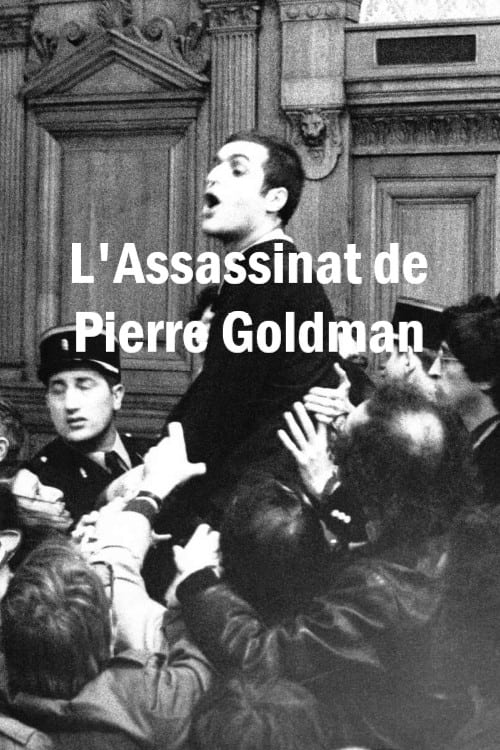
This film attempts to reveal the reasons behind the death of Pierre Goldman and the identities of his murderers. Reviewing each of the unexplained elements surrounding the murder, the director questions friends and witnesses, travels to Venezuela, Guadeloupe, and Poland and uncovers certain rare archives. In so doing, he illuminates the many shadow zones of an unusual personality, symbol of a generation who thought to change to world. 30 years later, will this film disentangle the complex web of an unsolved mystery?
A low-intensity war is being fought on the streets of Europe and the aim is on fascism. This critically acclaimed documentary takes us behind the masks of the militants called antifascists. In 2013 a group of armed nazis attacks a peaceful demonstration in Stockholm where several people are injured. In Greece the neo-nazi party Golden Dawn becomes the third largest in the election and in Malmö the activist Showan Shattak and his friends are attacked by a group of nazis with knives and he ends up in a coma. In this portrait of the antifascists in Greece and Sweden we get to meet key figures that explain their view on their radical politics but also to question the level their own violence and militancy.
When Allied forces liberated the Nazi concentration camps in 1944-45, their terrible discoveries were recorded by army and newsreel cameramen, revealing for the first time the full horror of what had happened. Making use of British, Soviet and American footage, the Ministry of Information’s Sidney Bernstein (later founder of Granada Television) aimed to create a documentary that would provide lasting, undeniable evidence of the Nazis’ unspeakable crimes. He commissioned a wealth of British talent, including editor Stewart McAllister, writer and future cabinet minister Richard Crossman – and, as treatment advisor, his friend Alfred Hitchcock. Yet, despite initial support from the British and US Governments, the film was shelved, and only now, 70 years on, has it been restored and completed by Imperial War Museums under its original title "German Concentration Camps Factual Survey".
A documentary on the expletive's origin, why it offends some people so deeply, and what can be gained from its use.
A documentary that explores the downloading revolution; the kids that created it, the bands and the businesses that were affected by it, and its impact on the world at large.
The life and career of one of comedy's most inimitable modern voices, Mr. Gilbert Gottfried.
Alexander McQueen's rags-to-riches story is a modern-day fairy tale, laced with the gothic. Mirroring the savage beauty, boldness and vivacity of his design, this documentary is an intimate revelation of McQueen's own world, both tortured and inspired, which celebrates a radical and mesmerizing genius of profound influence.
A visual montage portrait of our contemporary world dominated by globalized technology and violence.
Prelude to War was the first film of Frank Capra's Why We Fight propaganda film series, commissioned by the Pentagon and George C. Marshall. It was made to convince American troops of the necessity of combating the Axis Powers during World War II. This film examines the differences between democratic and fascist states.
Diaries, audiotapes, videotapes and testimonials from friends and colleagues offer insight into the life and career of Gilda Radner -- the beloved comic and actress who became an icon on Saturday Night Live.
Those who knew iconic funnyman John Candy best share his story, in their own words, through never-before-seen archival footage, imagery, and interviews.
Alex Gibney explores the charged issue of pedophilia in the Catholic Church, following a trail from the first known protest against clerical sexual abuse in the United States and all way to the Vatican.
A journey inside the world of real life caped crusaders. From all over America, these self-proclaimed crime fighters, don masks, homemade costumes and elaborate utility belts in an attempt to bring justice to evildoers everywhere.
Artists in LA discover the work of forgotten Polish sculptor Stanislav Szukalski, a mad genius whose true story unfolds chapter by astounding chapter.
A documentary about the making of season five of the acclaimed AMC series Breaking Bad.
Louis Theroux travels to California to meet the man dubbed "the most dangerous racist in America"; Tom Metzger. Louis meets him, his family and his publicity manager as well as following him to skinhead rallies and on a visit to Mexico.
Using the book 'Fragments', which collects Marilyn Monroe's poems, notes and letters, and with participation from the Arthur Miller and Truman Capote estates who have contributed more material, each of the actresses will embody the legend at various stages in her life.
An impressionistic portrait of the iconic actor Harry Dean Stanton comprised of intimate moments, film clips from some of his 250 films and his renditions of American folk songs.
A documentary detailing the epic Rogues' Gallery of DC Comics from The Joker and Lex Luthor, Sinestro, Darkseid and more, this documentary will explore the Super Villains of DC Comics.
Filmmaker Alain Resnais documents the atrocities behind the walls of Hitler's concentration camps.
The life of Mr. Spock, as well as that of Leonard Nimoy, the actor who played him for almost fifty years, written and directed by his son: Adam.
A chronological account of the influential late 1970s English rock band.