Social & External
The people behind it
Baptiste Masseline
Philippe Torreton
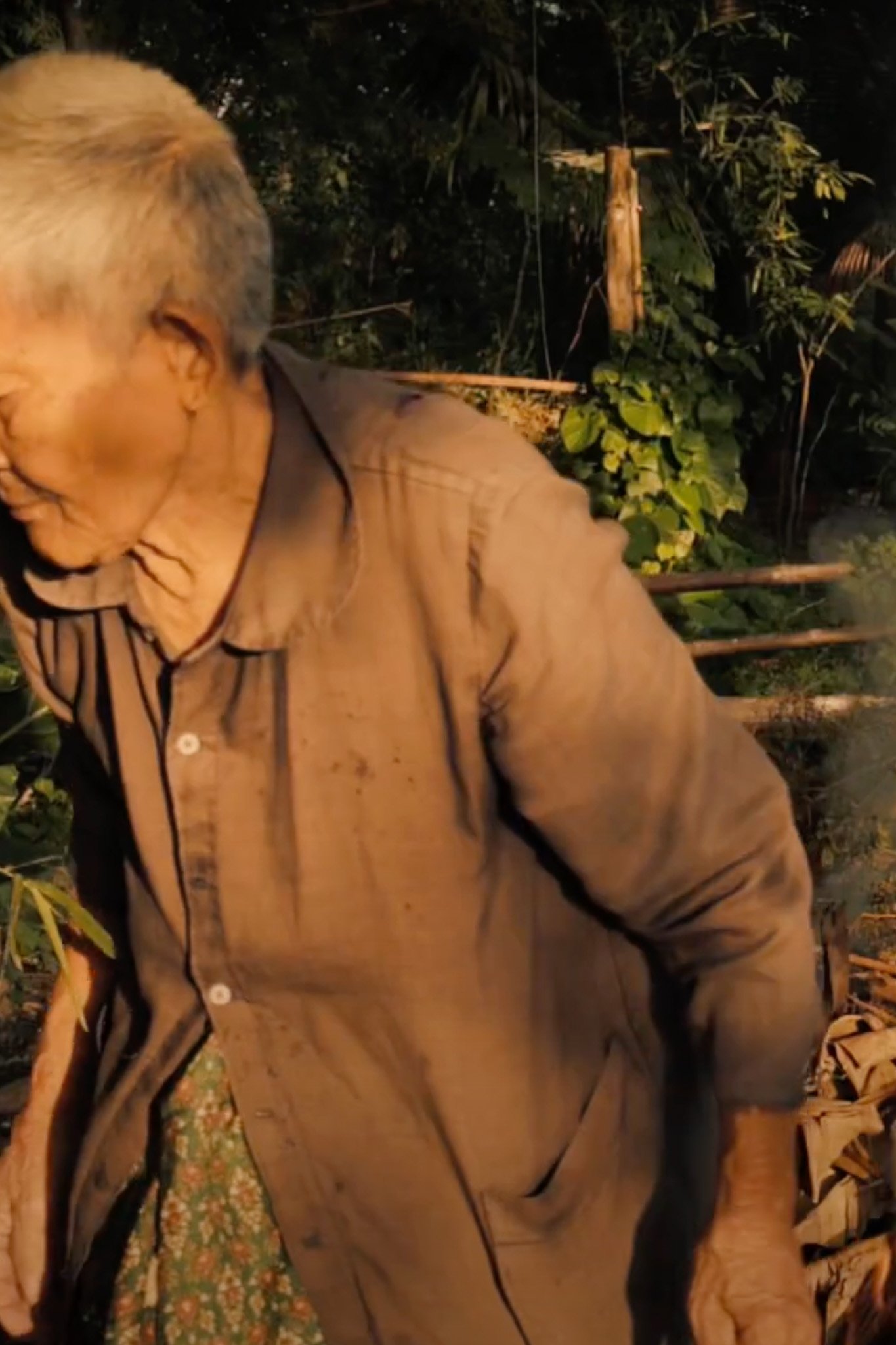
Grandma Kham, an 87 year-old-woman, lives lone and is still strong enough to burn charcoal and weed out grass. But what does she have to go through along the way? And how will she prepare for her own final moment?
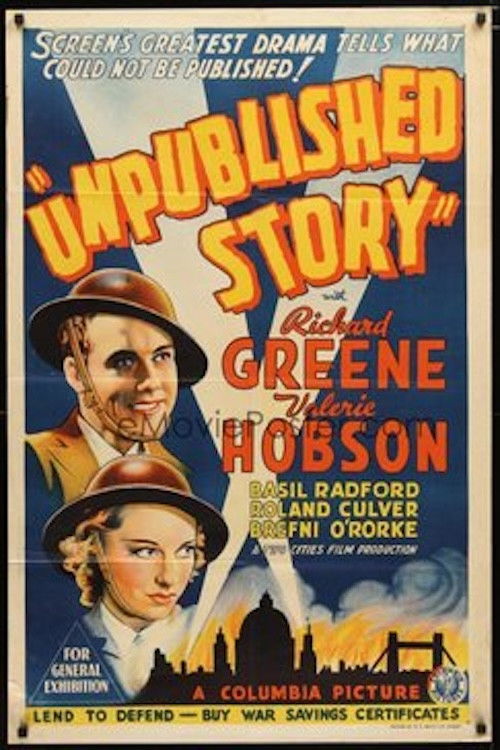
Morale-boosting story released in the middle of World War II. A journalist uncovers a peace organisation at the centre of disreputable dealings.
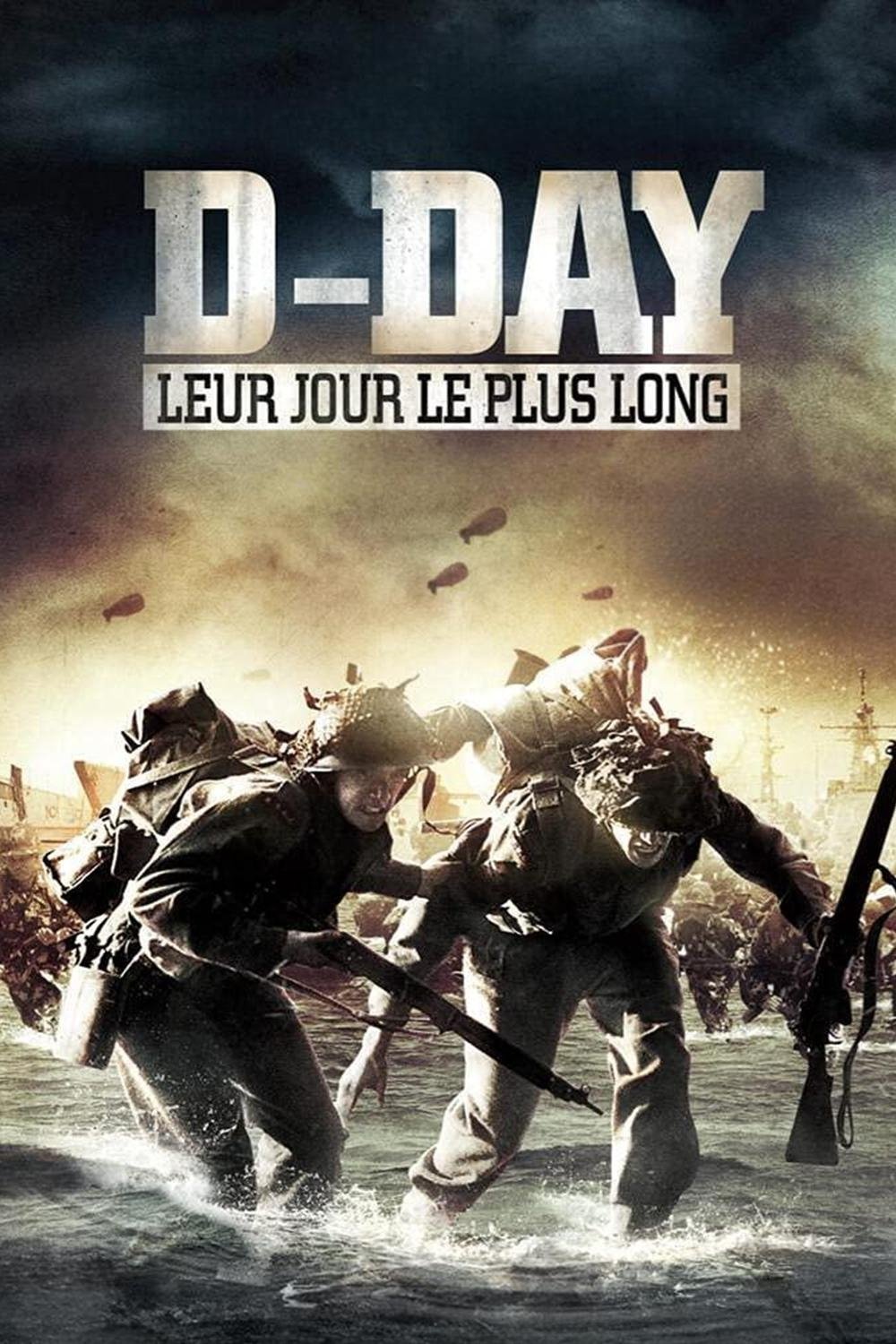
On June 6th, 1944 the largest military invasion and defence the world has ever seen occurred. D-Day tells the epic story of the preparation and execution of the Allied invasion of Normandy. It tells the story of the defence of the Western Front by the forces of the German Empire, and of the complex and deadly secret war fought by the men and women of France and mainland Europe. D-Day brings to life the dramatic and astounding tales of courage and sacrifice, joy and despair, love and betrayal. The planning for the Allied invasion on June 6th 1944 took two years and cost thousands of lives. It involved a deception of breathtaking audacity. Both the preparation leading up to and the actions and events on the day itself relied on the absolute discretion of many and the genius and nerve of a few. D-Day examines the intricate jigsaw from both sides - presenting events through the eyes of the men and women who were there, telling their extraordinary stories.
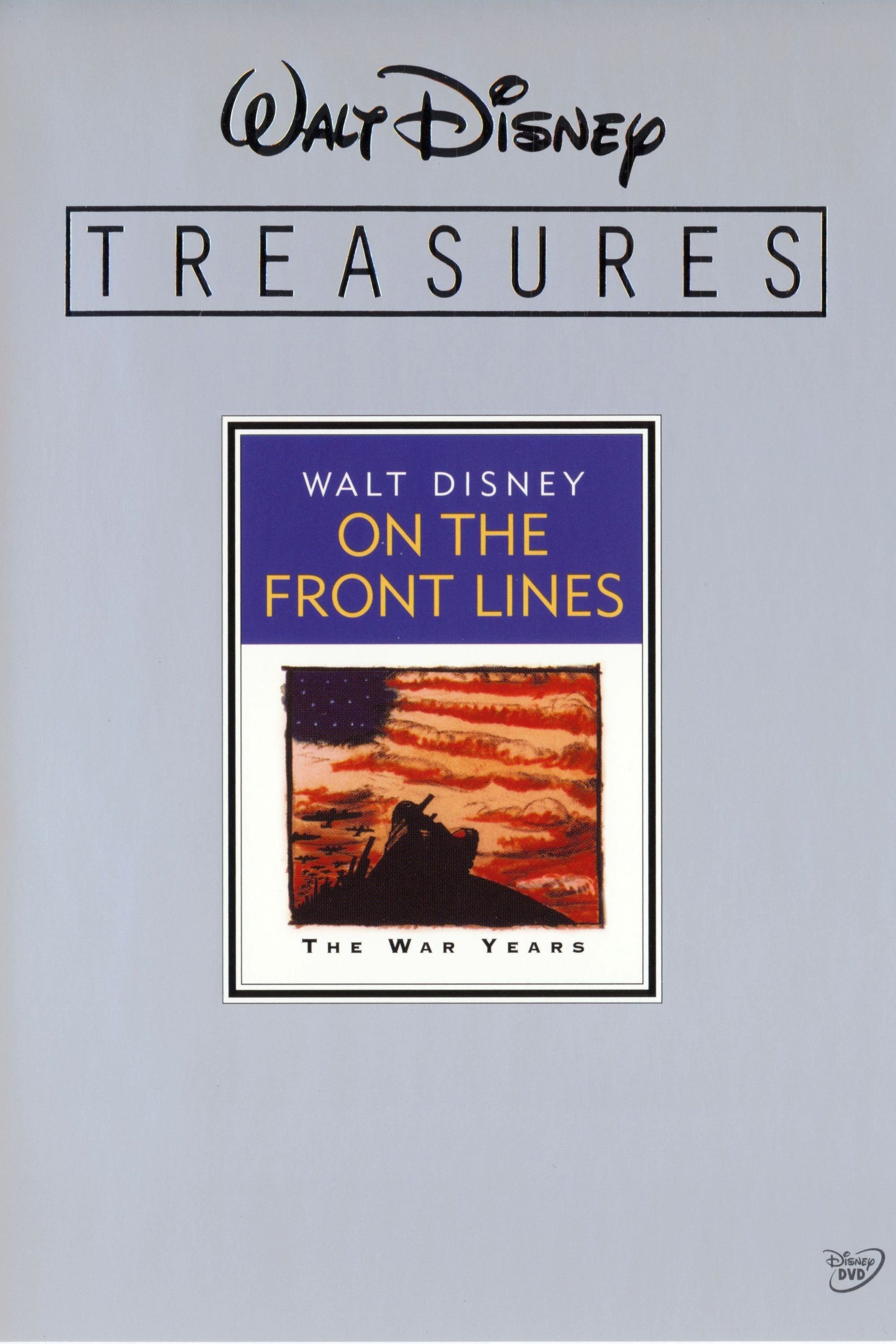
On December 8, 1941, the Disney Studio was taken over by the military as part of the war effort. Making the most of the talent that hadn't shipped out yet, Walt Disney spent the next four years creating and producing training, propaganda and educational films for the Armed Forces.
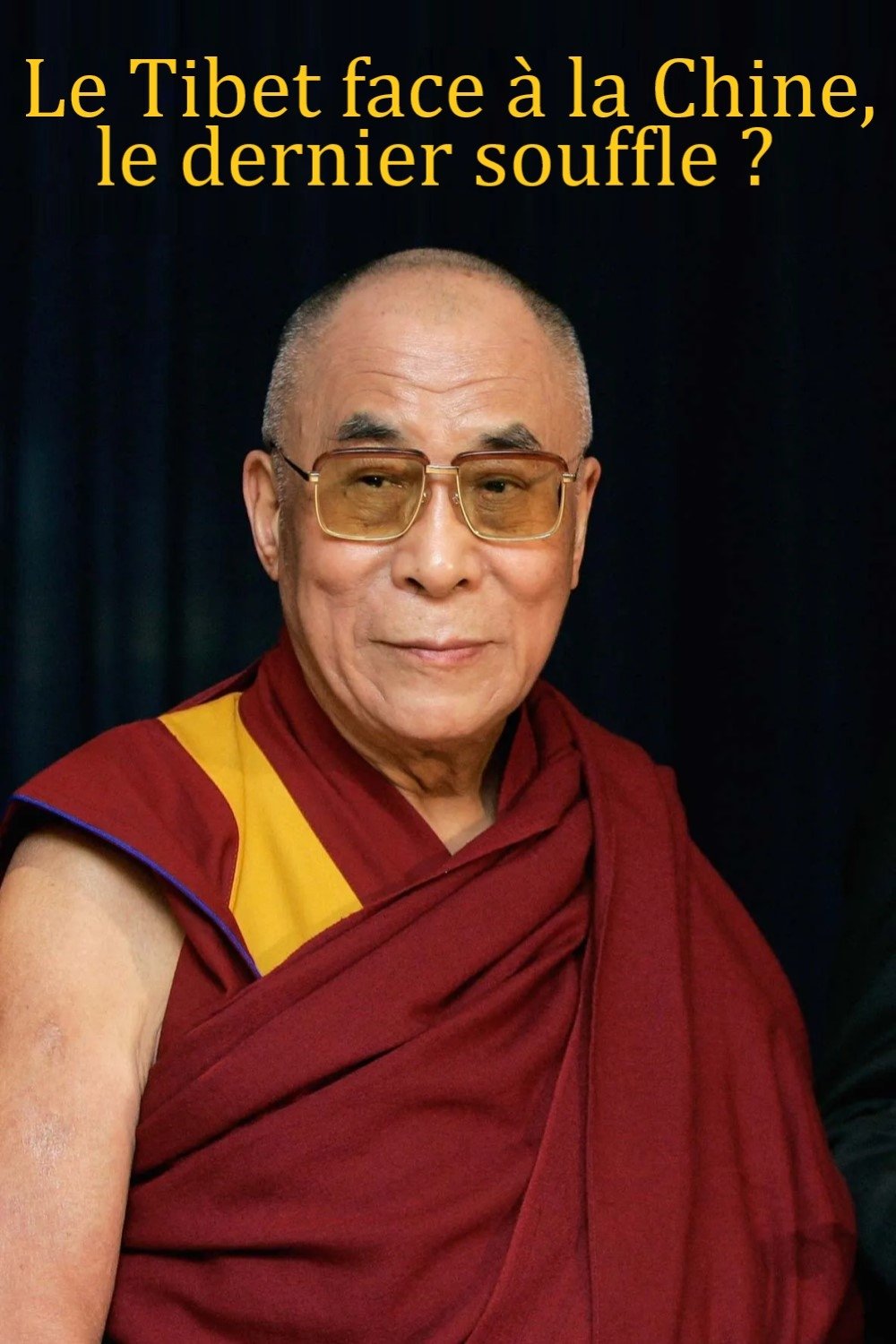
As the crucial question arises of the future succession of the Dalai Lama, we take a look back at the tormented history of the "Land of Snows" which lives under Chinese domination and which remains a geopolitical issue of the first order. A valuable documentary that gives voice to a people that China is trying to permanently silence.
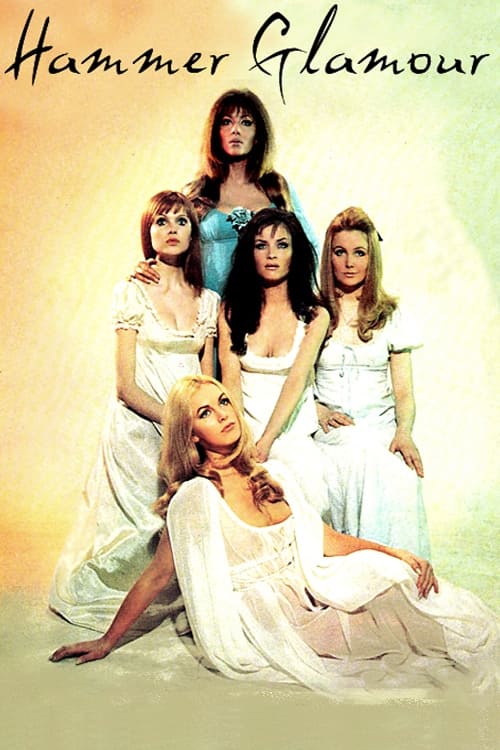
This documentary features interviews with several leading ladies from Hammer's peak period, who share illuminating and amusing anecdotes about the various films they worked on.
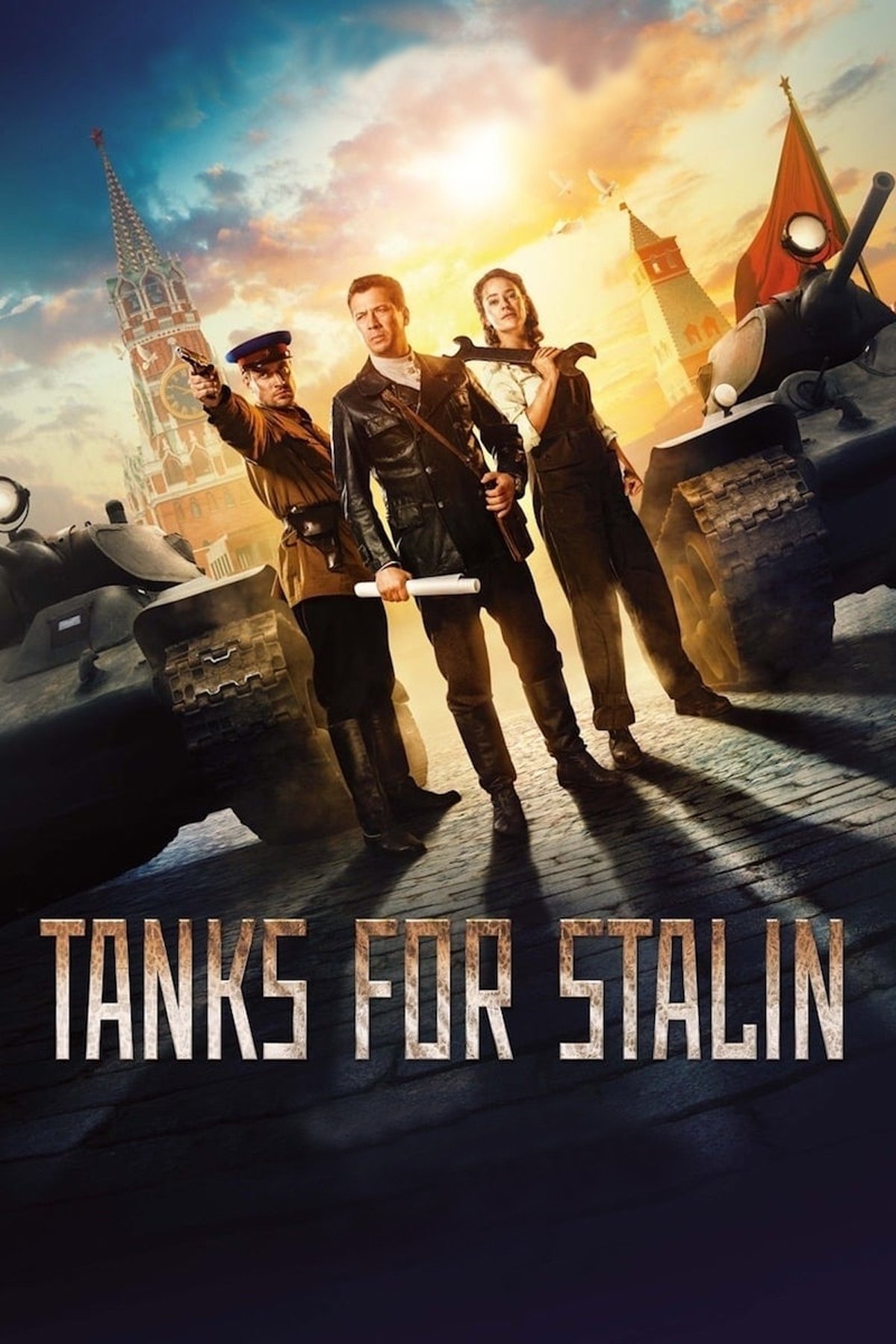
A prototype of a new cutting edge tank is being taken on a secret mission to Moscow, to Comrade Stalin. Soon the cross-country run turns into a ruthless race. Followed by Nazis, the tanks' team defeats their pursuers and proves the great ability and vast superiority of the machine that is about to become a legendary T-34.
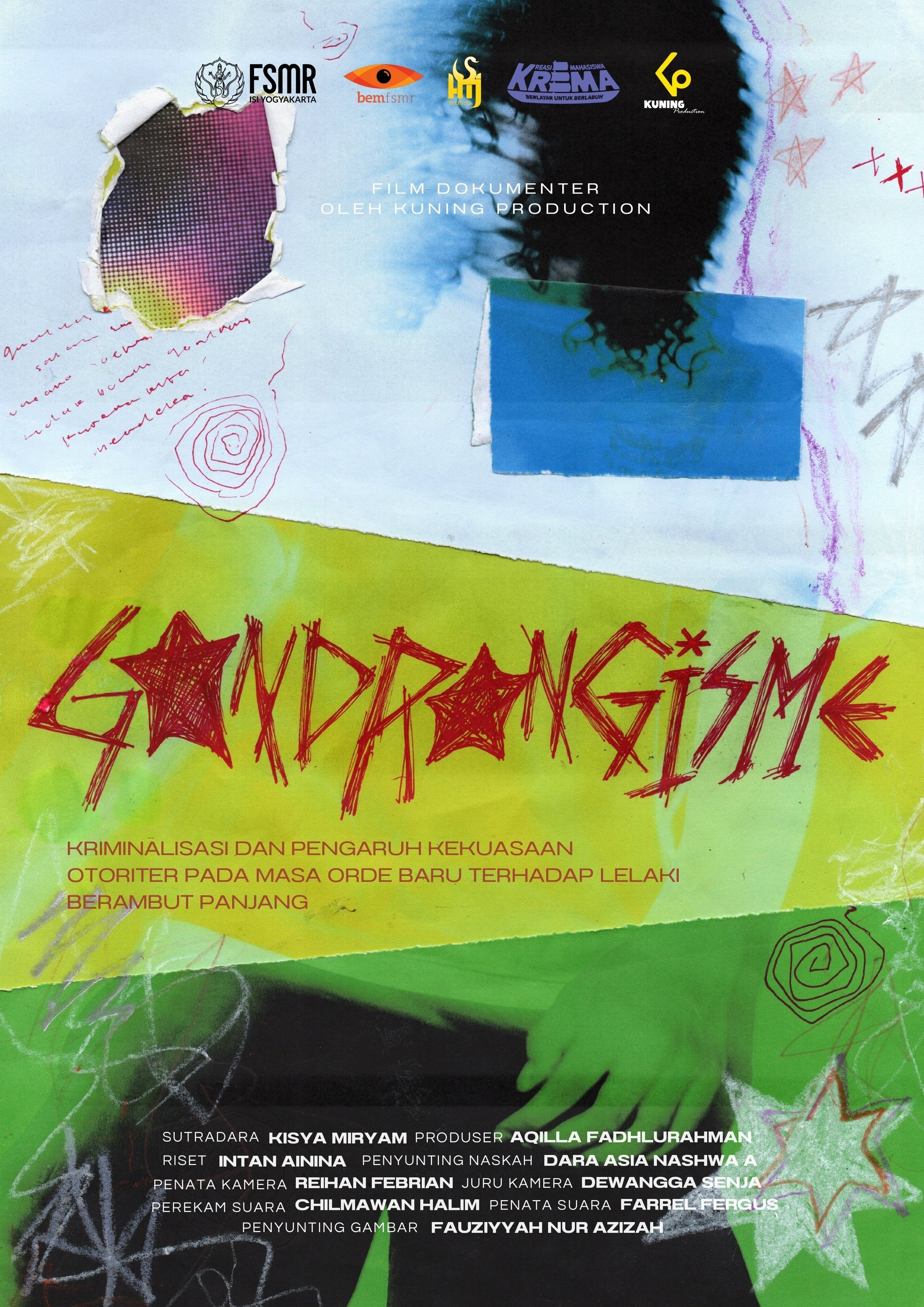
A movement to criminalize men with long hair, commonly referred to as "gondrong". during Indonesia’s New Order era gave rise to various negative stereotypes that continue to be attached to long-haired men to this day. However, this criminalization stemmed from motivations far deeper than mere concerns over hairstyle and was closely tied to the authoritarian leadership of the period. These underlying factors are explored in a short documentary titled “Gondrongisme.”
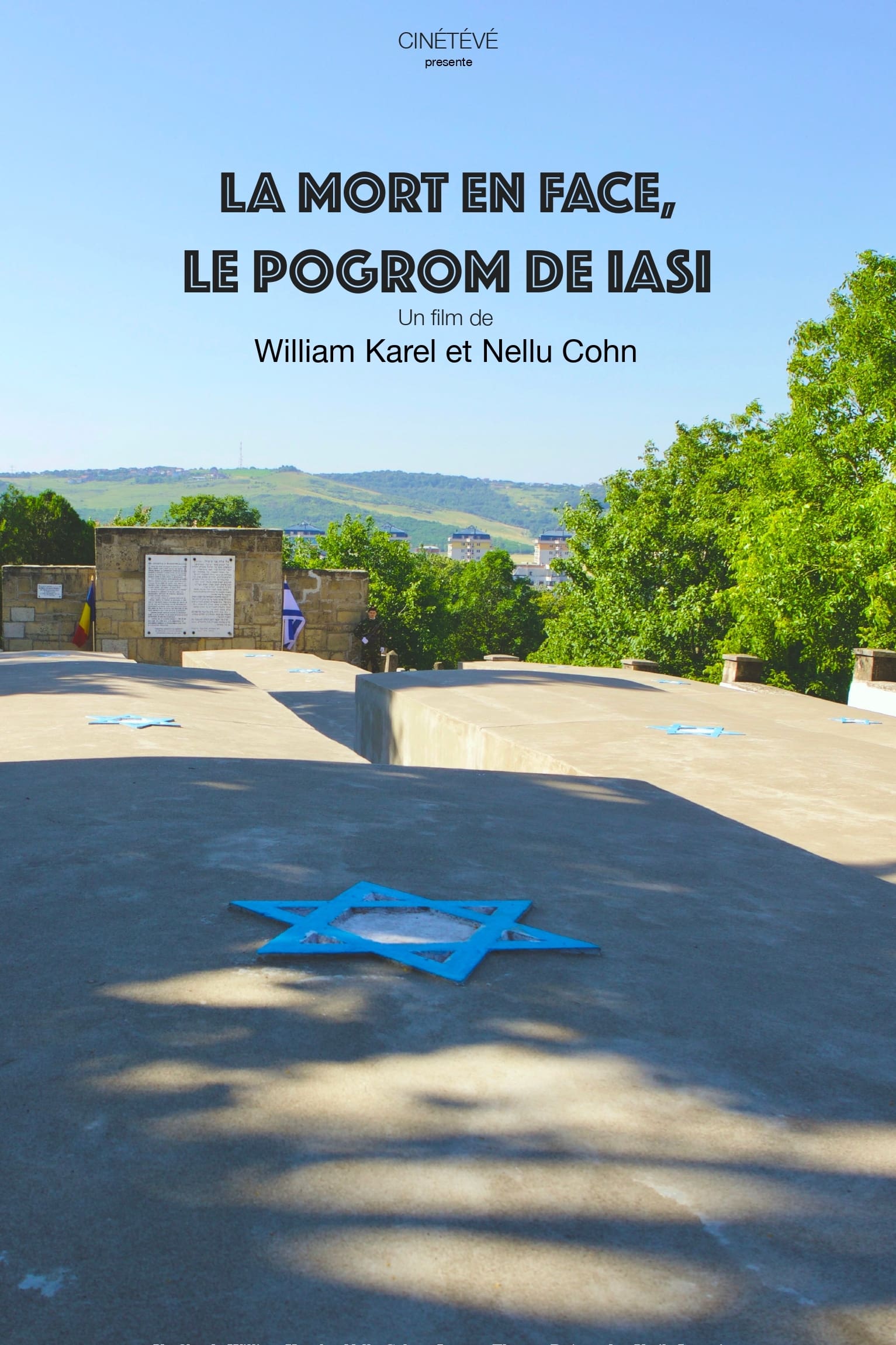
In Iasi, Romania, from June 28 to July 6, 1941, nearly 15 000 Jews were murdered in the course of a horrifying pogrom. At the time, the programmed extermination of European Jews had not yet began. After the war, the successive communist governments did all they could to ensure the Iasi pogrom would be forgotten. It was not until November of 2004 that Romania recognized for the first time its direct responsibility in the pogrom. All that remains of this massacre are about a hundred photographs taken as souvenirs by german and romanian soldiers, and a few remaining survivors.
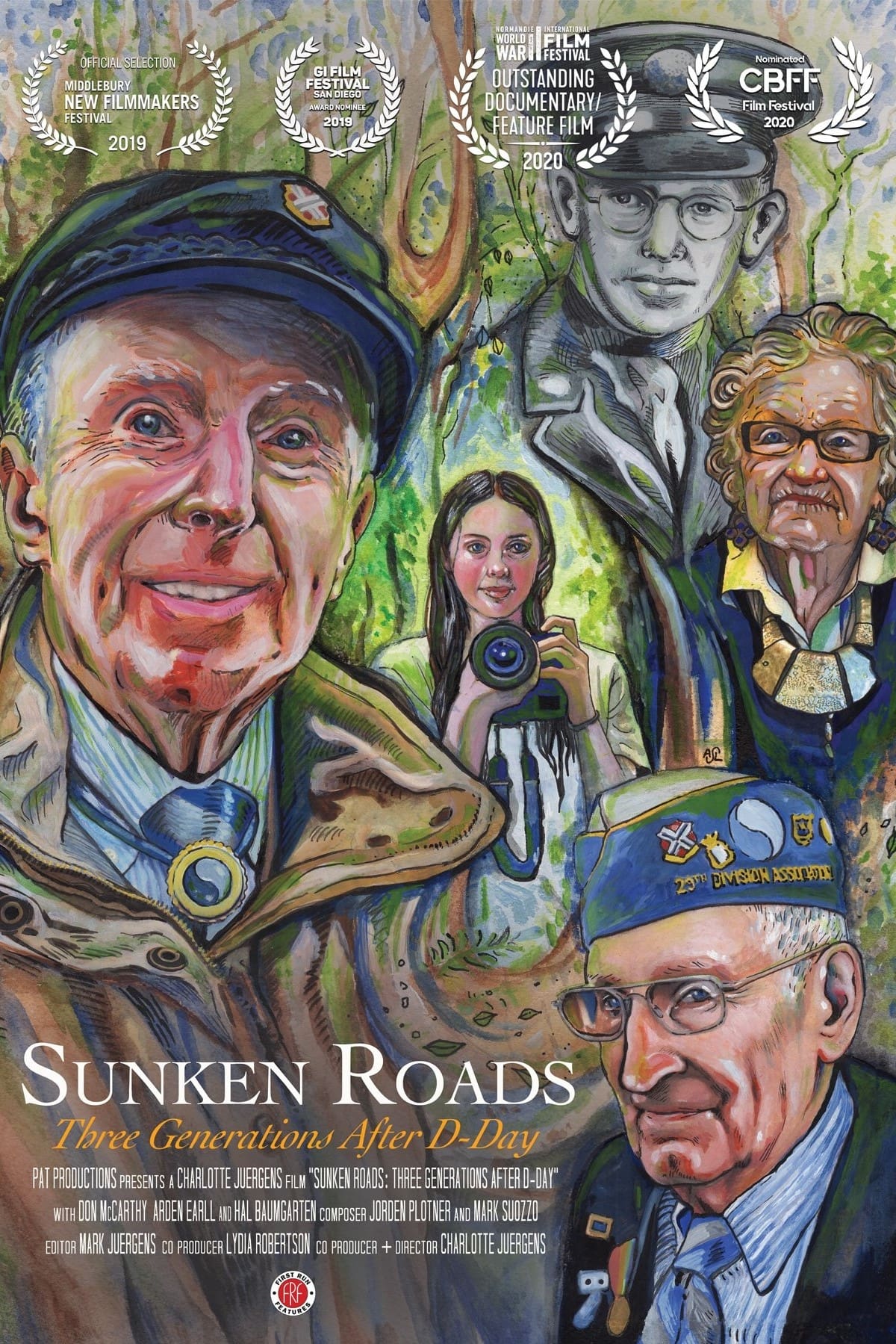
A young filmmaker joins a tour of WWII veterans from the 29th Infantry through celebrations surrounding the 70th anniversary of D-Day in a quest to better know her late grandfather.
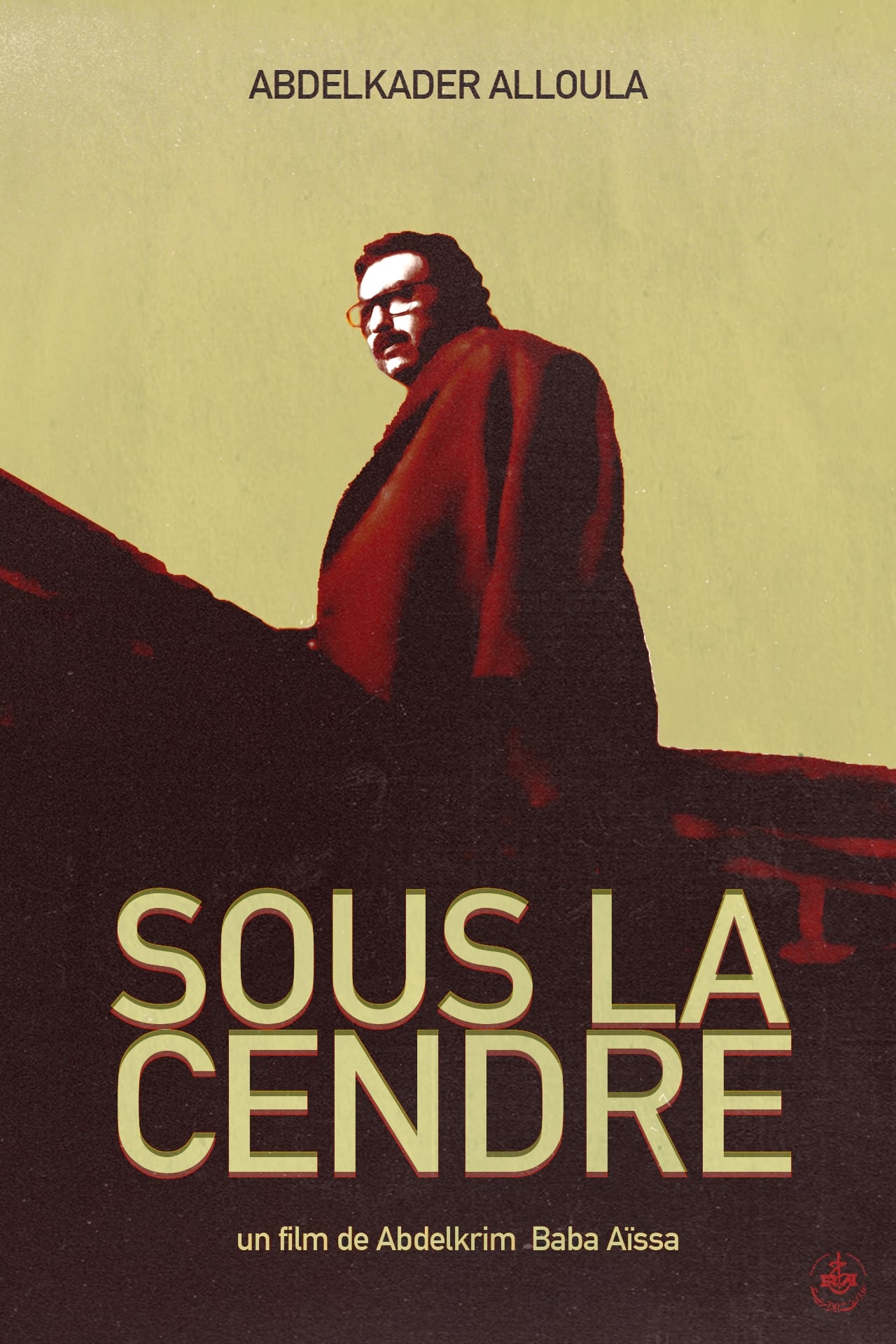
The Second World War. French authorities ban political parties and unions. In Algeria, the leaders of political and trade union organizations were arrested and interned in "surveillance" camps with more than 2,000 French and foreigners: communist activists, trade unionists, brigadists, Spanish republicans and other opponents of the Vichy regime. The Djenien Bourezg camp is one of these camps, located in southern Algeria and is one of the most formidable. An old activist for the Algerian national cause returns to the scene. He blows away the ashes that cover this part of history. And through it, we discover the hard fight of the camp inmates for respect and human dignity, under a fascist command.
A night with the boisterous, Norwich based post-punk band "The Aide." Love them or hate them, they have a movie now.
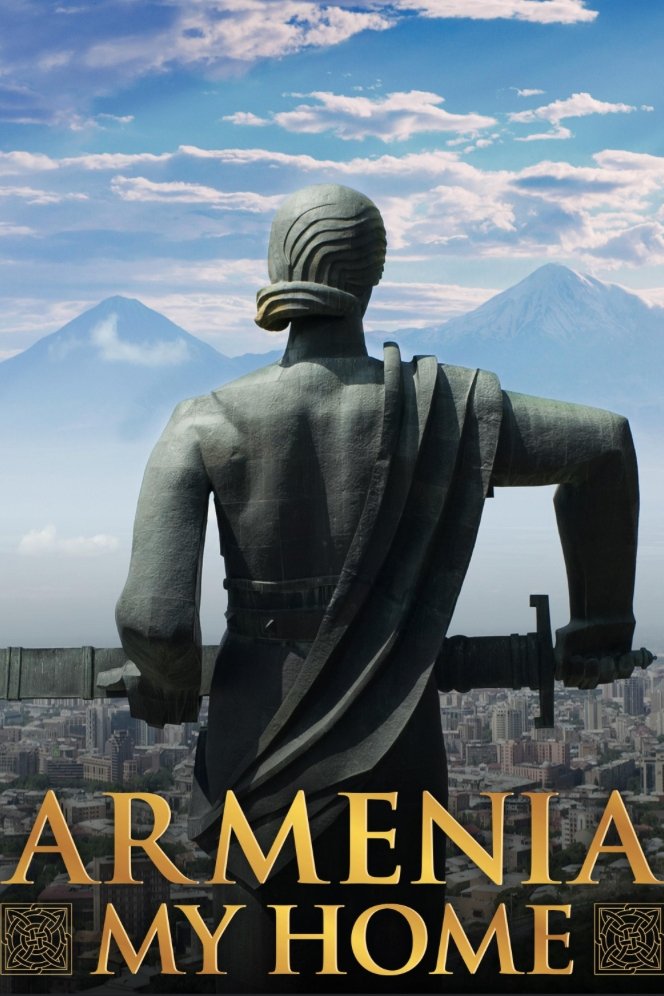
Experience spectacular aerial and ground views and cultural revelations of a country like no other in a virtual tour of Mount Ararat, Khor Virap, Yerevan, the Genocide memorial, and more. Narrated by Andrea Martin, the documentary features prominent voices from the Armenian diaspora including Eric Bogosian, Chris Bohjalian, Peter Balakian, Michael Aram, and others.
From the flickering screens of Hollywood horror, to the haunted cane fields of colonial Haiti, Black Zombie unearths the buried origins of the zombie, reclaiming it as a symbol of survival and spiritual resistance.
Amber Galloway, a trailblazer in ASL interpretation, takes us on a journey into the deep bond between the Deaf world and music. We follow her as she teaches struggling recruits who she hopes will have what it takes to join her at ACL music festival.
Struggling with fear, tension, and anxiety amid the early stages of the COVID-19 pandemic, a high school student reflects upon what really matters.
Personal experiences of Northwest Ohio residents during the January 1978 blizzard that disrupted daily activities. Stories include the helicopter rescue of an expectant mother, effects on emergency services, and methods people used to survive without electricity and heat.
Meet the real-life airmen who inspired Masters of the Air as they share the harrowing and transformative events of the 100th Bomb Group.
“The Soviet Story” is a story of an Allied power, which helped the Nazis to fight Jews and which slaughtered its own people on an industrial scale. Assisted by the West, this power triumphed on May 9th, 1945. Its crimes were made taboo, and the complete story of Europe’s most murderous regime has never been told. Until now...
Amid the failing counteroffensive, a journalist follows a Ukrainian platoon on their mission to traverse one mile of heavily fortified forest and liberate a strategic village from Russian occupation. But the farther they advance through their destroyed homeland, the more they realize that this war may never end.
Prelude to War was the first film of Frank Capra's Why We Fight propaganda film series, commissioned by the Pentagon and George C. Marshall. It was made to convince American troops of the necessity of combating the Axis Powers during World War II. This film examines the differences between democratic and fascist states.
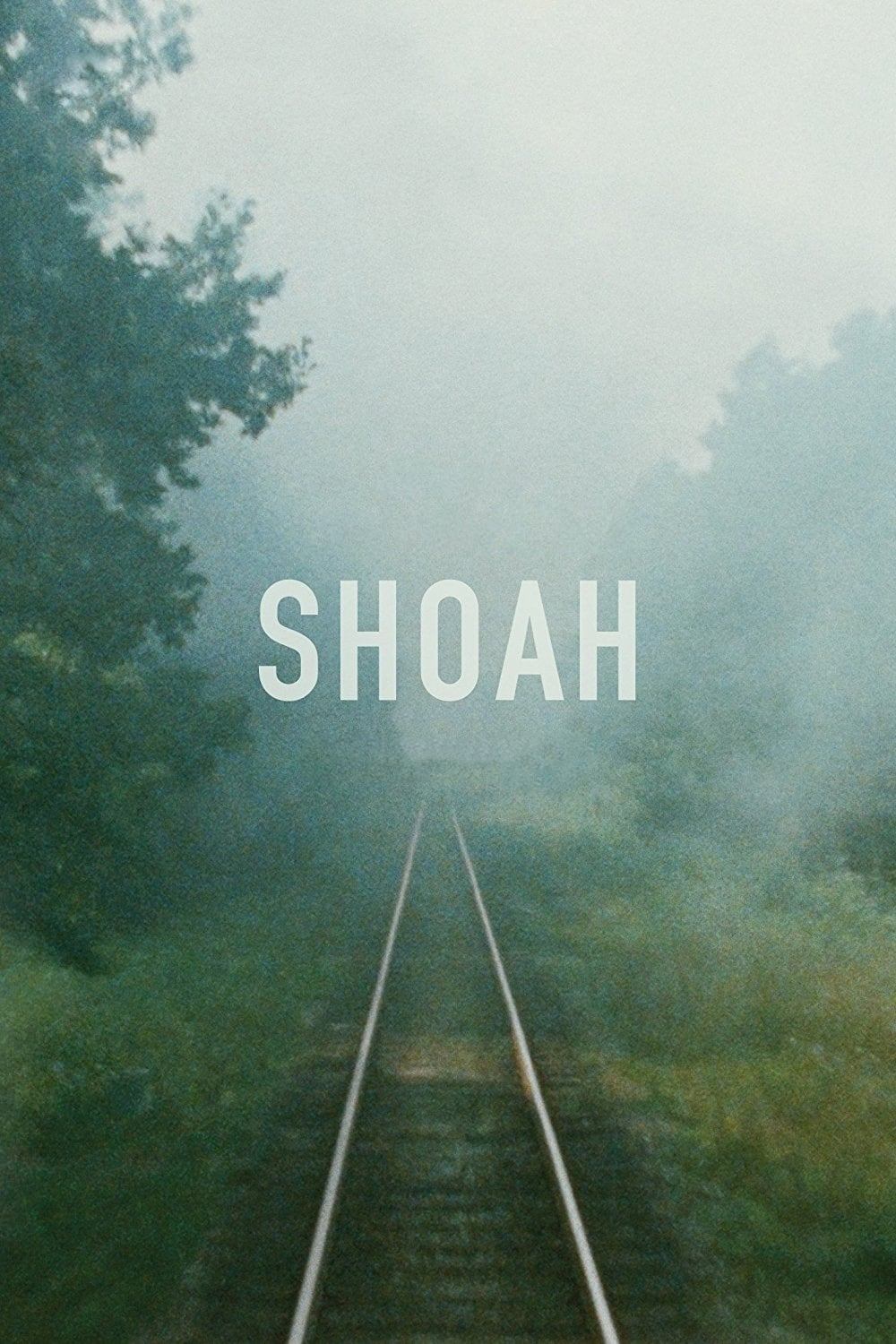
Director Claude Lanzmann spent 11 years on this sprawling documentary about the Holocaust, conducting his own interviews and refusing to use a single frame of archival footage. Dividing Holocaust witnesses into three categories – survivors, bystanders, and perpetrators – Lanzmann presents testimonies from survivors of the Chelmno concentration camp, an Auschwitz escapee, and witnesses of the Warsaw Ghetto Uprising, as well as a chilling report of gas chambers from an SS officer at Treblinka.
A documentary about World War I with never-before-seen footage to commemorate the centennial of Armistice Day, and the end of the war.
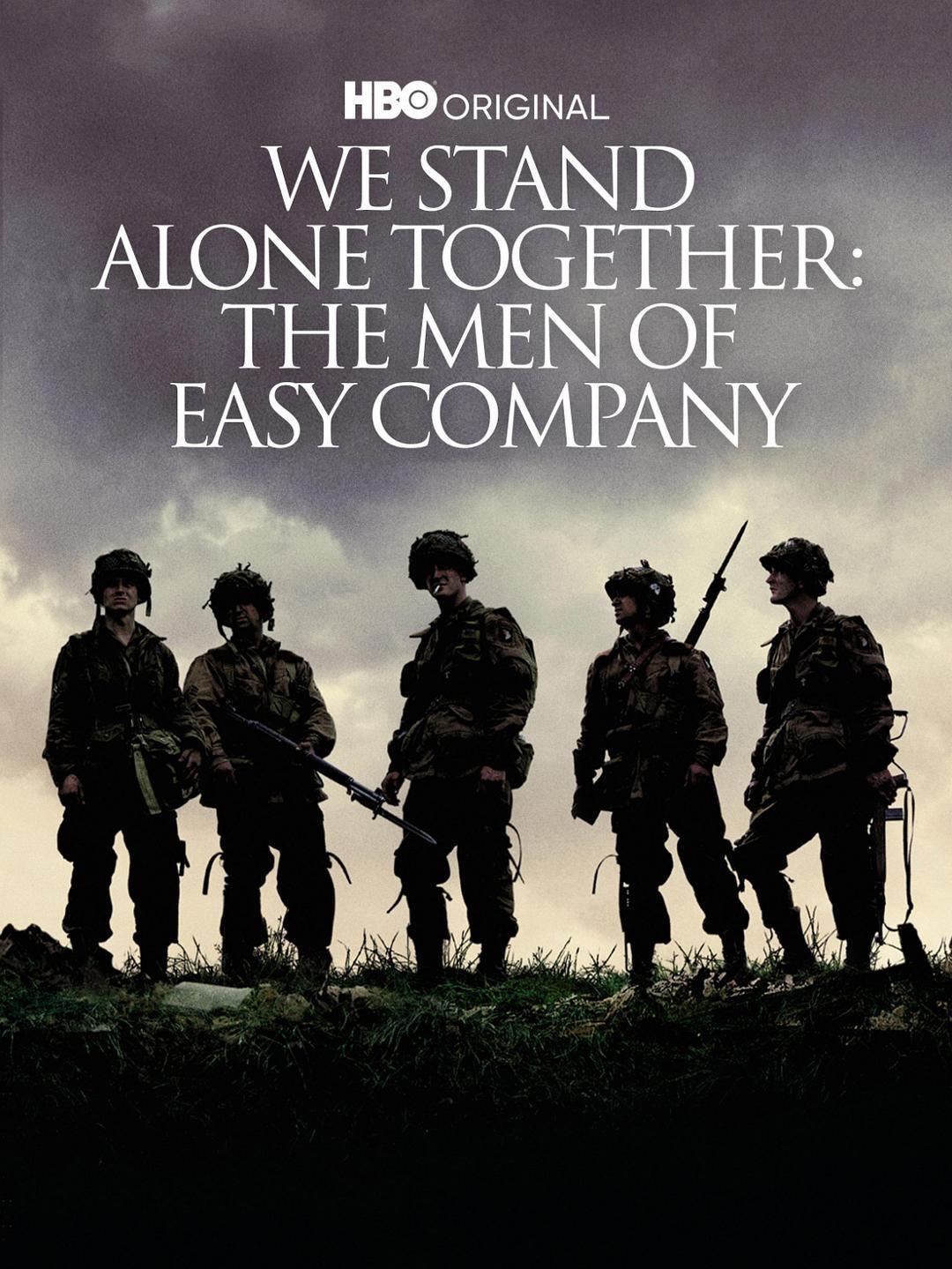
Over a period of two years, Mark Cowen and his crew travelled to thirty U.S. states and ten European cities, to interview the veterans of Easy Company. The stories told by the veterans themselves, create a history of the Second World War from the point of view of this heroic company of men, made famous in the mini-series Band of Brothers.
This documentary movie is about the battle of San Pietro, a small village in Italy. Over 1,100 US soldiers were killed while trying to take this location, that blocked the way for the Allied forces from the Germans. Preserved by the Academy Film Archive in 2005.
Filmmaker Alain Resnais documents the atrocities behind the walls of Hitler's concentration camps.
A love letter from a young mother to her daughter, the film tells the story of Waad al-Kateab’s life through five years of the uprising in Aleppo, Syria as she falls in love, gets married and gives birth to Sama, all while cataclysmic conflict rises around her. Her camera captures incredible stories of loss, laughter and survival as Waad wrestles with an impossible choice– whether or not to flee the city to protect her daughter’s life, when leaving means abandoning the struggle for freedom for which she has already sacrificed so much.
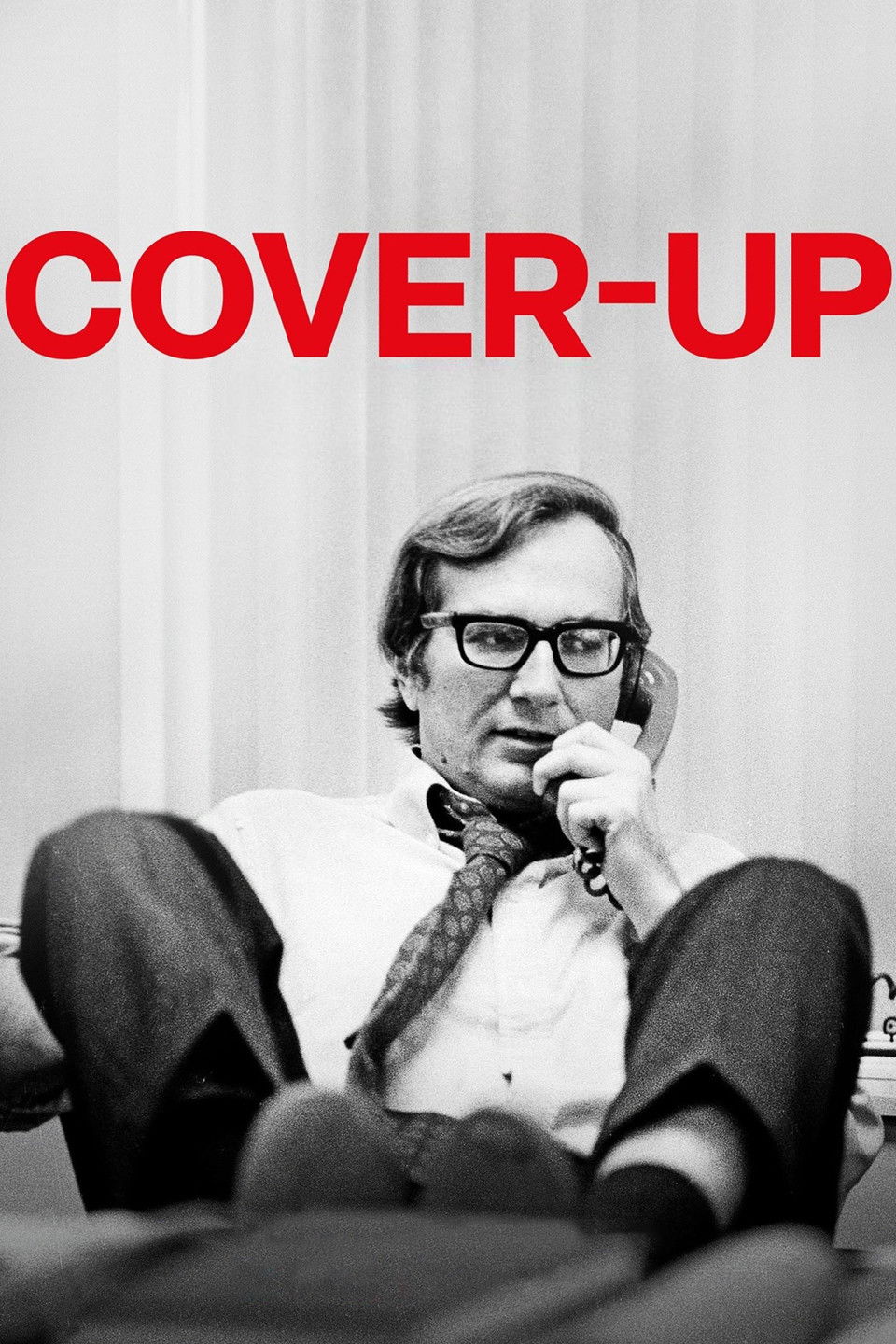
He's devoted his career to uncovering stories the powerful want buried. From My Lai to Abu Ghraib, dig into the life's work of journalist Seymour Hersh.
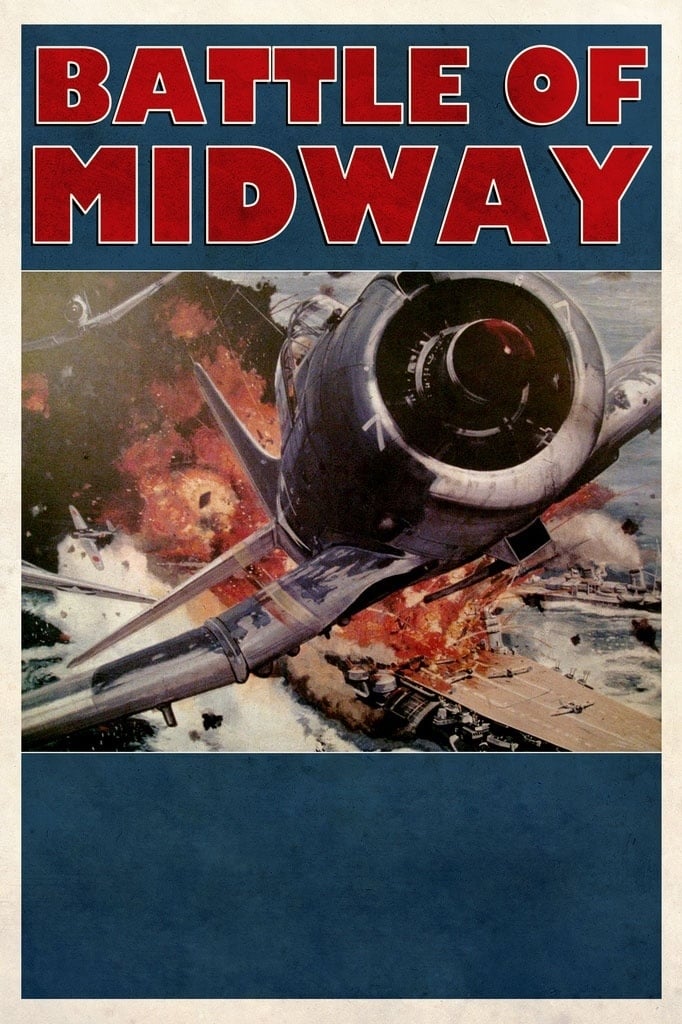
The Japanese attack on Midway in June 1942, filmed as it happened. Preserved by the Academy Film Archive, in partnership with Twentieth Century Fox Film Corporation, in 2006.
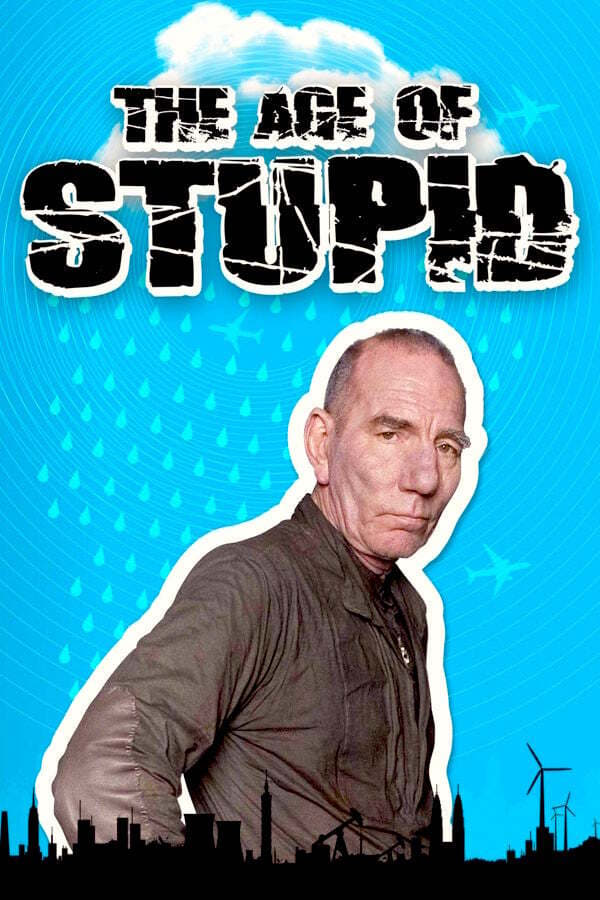
Pete Postlethwaite stars as a man living alone in the devastated future world of 2055, looking at old footage from 2008 and asking: why didn’t we stop climate change when we had the chance?
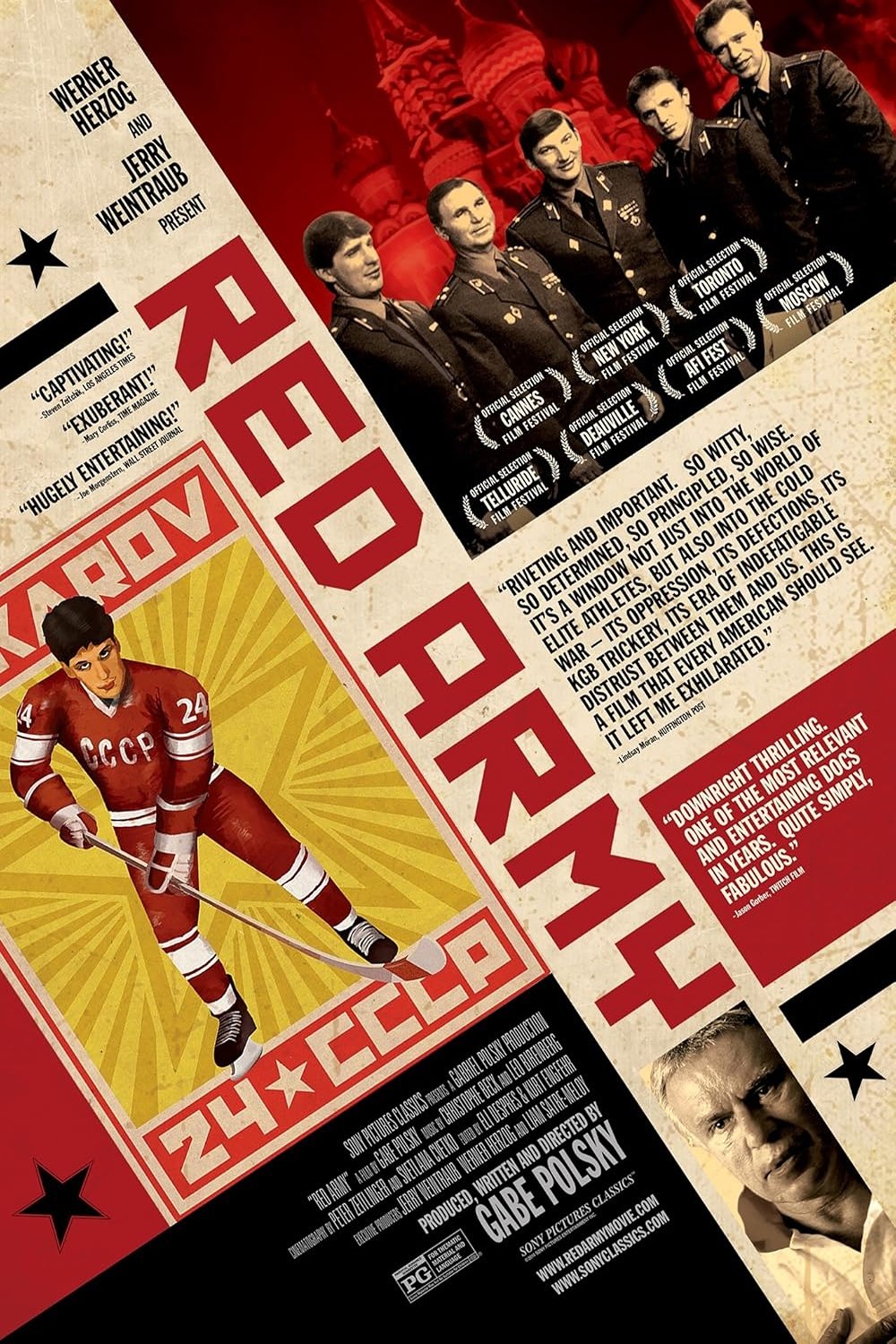
A documentary highlighting the Soviet Union's legendary and enigmatic hockey training culture and world-dominating team through the eyes of the team's Captain Slava Fetisov, following his shift from hockey star and celebrated national hero to political enemy.
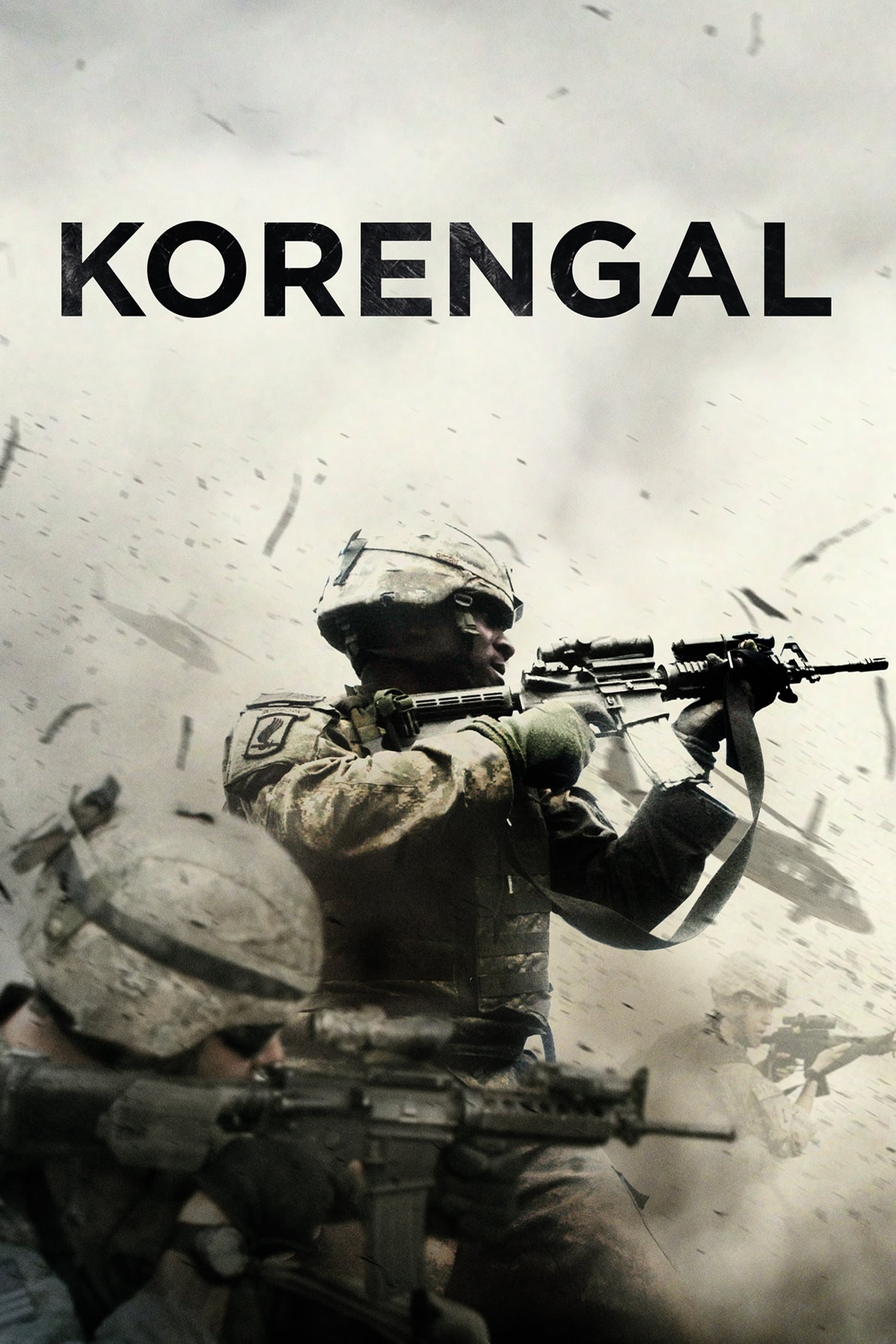
Korengal picks up where Restrepo left off; the same men, the same valley, the same commanders, but a very different look at the experience of war.
With unprecedented access, this documentary follows the extraordinary journey of “Raqqa is Being Slaughtered Silently”—a group of anonymous citizen journalists who banded together after their homeland was overtaken by ISIS—as they risk their lives to stand up against one of the greatest evils in the world today.
Filmed over 14 months with unprecedented access into the inner circle of the man and the sport, this is the first official and fully authorised film of one of the most celebrated figures in football. For the first time ever, the world gets vividly candid and un-paralleled, behind-closed-doors access to the footballer, father, family-man and friend in this moving & fascinating documentary. Through in-depth conversations, state of the art football footage and never before seen archival footage, the film gives an astonishing insight into the sporting and personal life of triple Ballon D'Or winner Cristiano Ronaldo at the peak of his career. From the makers of ‘Senna’ and ‘Amy’, Ronaldo takes audiences on an intimate and revealing journey of what it’s like to live as an iconic athlete in the eye of the storm.
As the Russian invasion begins, a team of Ukrainian journalists trapped in the besieged city of Mariupol struggle to continue their work documenting the war's atrocities.
The epic life story of Alice Guy-Blaché (1873–1968), a French screenwriter, director and producer, true pioneer of cinema, the first person who made a narrative fiction film; author of hundreds of movies, but banished from history books. Ignored and forgotten. At last remembered.
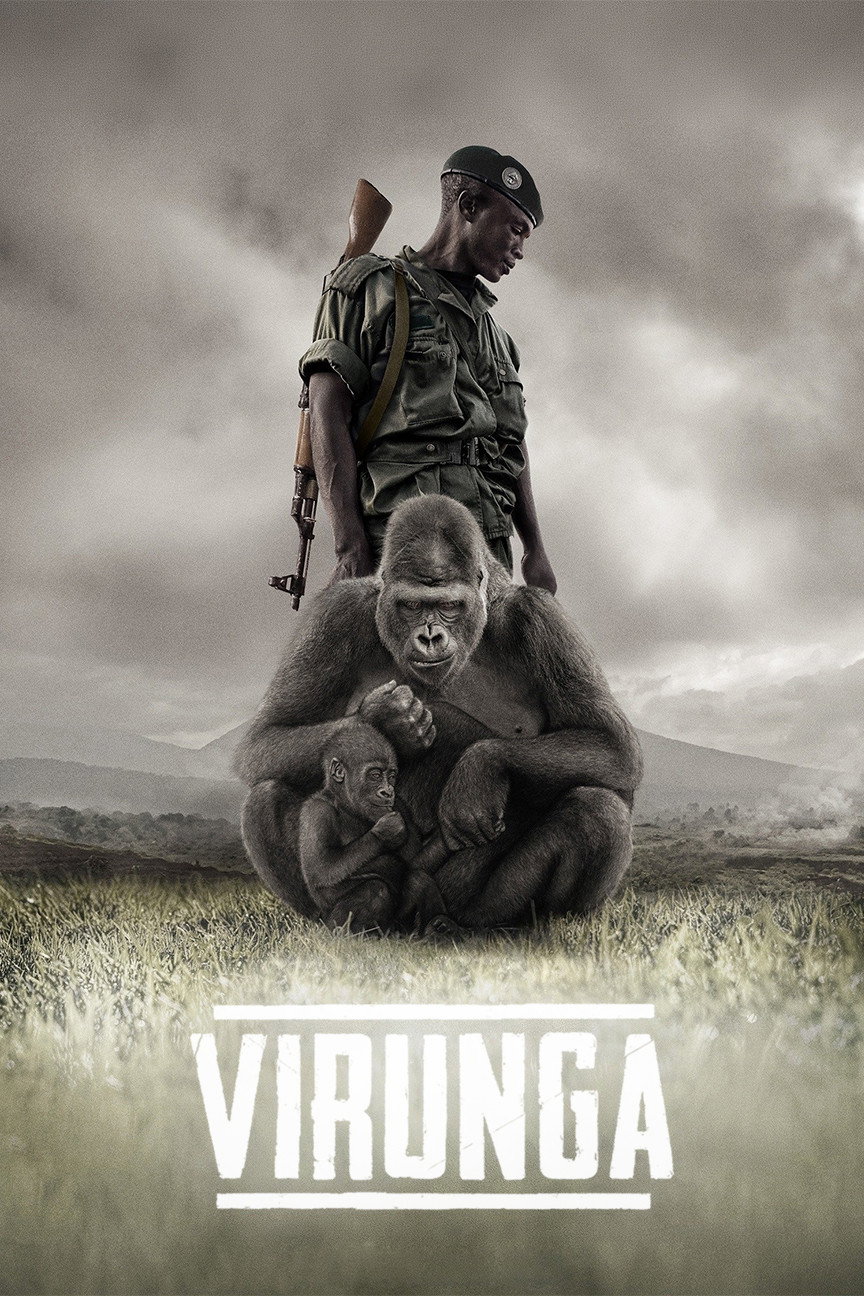
Virunga in the Democratic Republic of the Congo is Africa’s oldest national park, a UNESCO world heritage site, and a contested ground among insurgencies seeking to topple the government that see untold profits in the land. Among this ongoing power struggle, Virunga also happens to be the last natural habitat for the critically endangered mountain gorilla. The only thing standing in the way of the forces closing in around the gorillas: a handful of passionate park rangers and journalists fighting to secure the park’s borders and expose the corruption of its enemies. Filled with shocking footage, and anchored by the surprisingly deep and gentle characters of the gorillas themselves, Virunga is a galvanizing call to action around an ongoing political and environmental crisis in the Congo.