Social & External
The people behind it
Korengal picks up where Restrepo left off; the same men, the same valley, the same commanders, but a very different look at the experience of war.
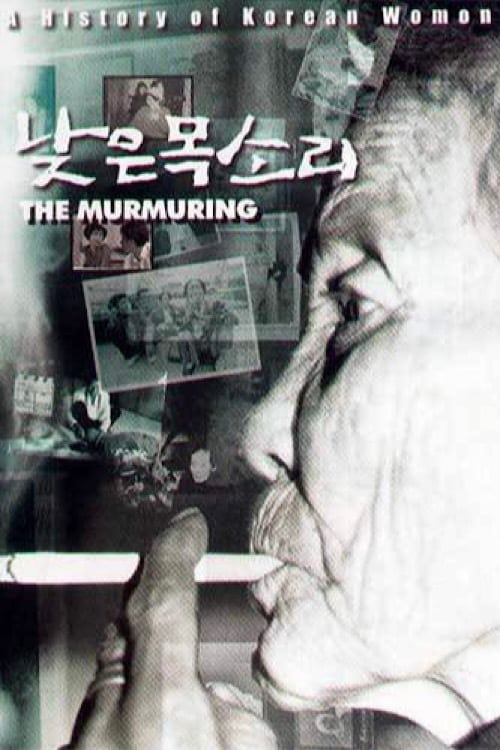
Meet Aunt Yang-hee, who has lived as a woman in a camp village. Several voices are heard around the base village, which is serving as a warehouse for American men by the ROK-U.S. alliance. But buried in those voices, it was difficult to hear the voices of the women in the camp village.
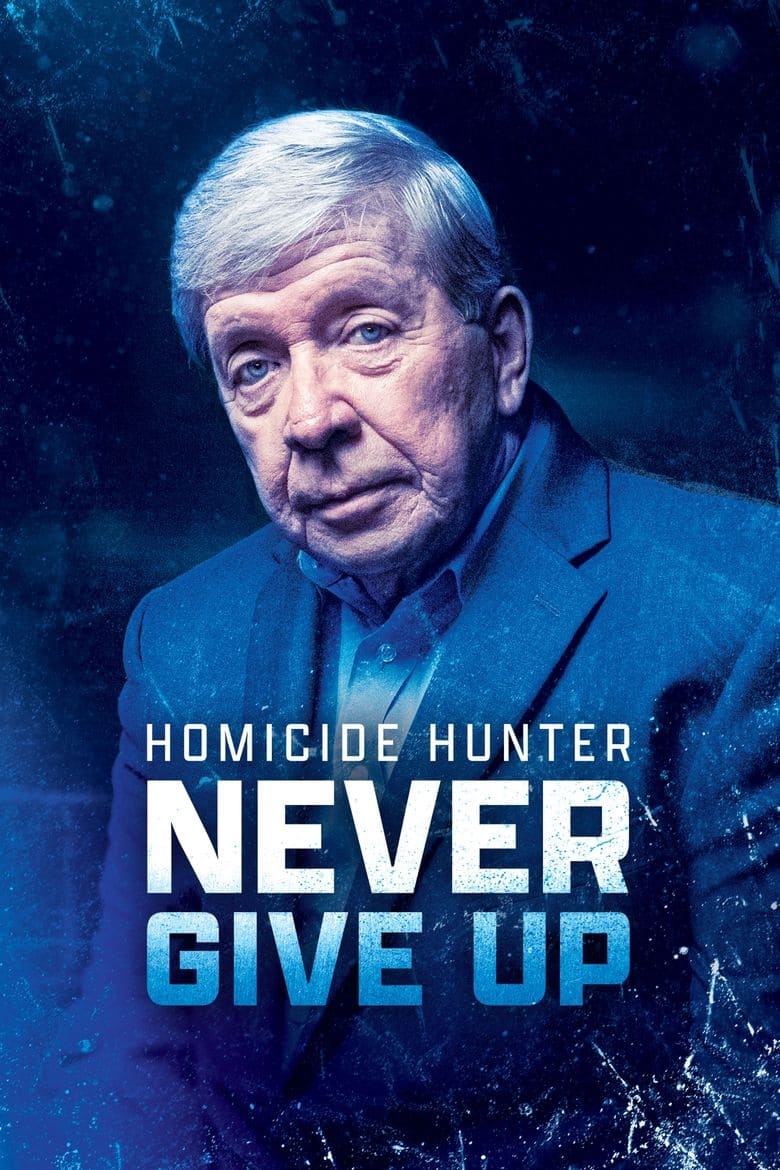
The unsolved rape, mutilation and murder of young G.I. Darlene Krashoc has haunted Joe Kenda in the years since he turned in his gun and badge. Until a crack team of cold case cops uses Kenda’s groundwork to set a trap for a monster hiding in plain sight.
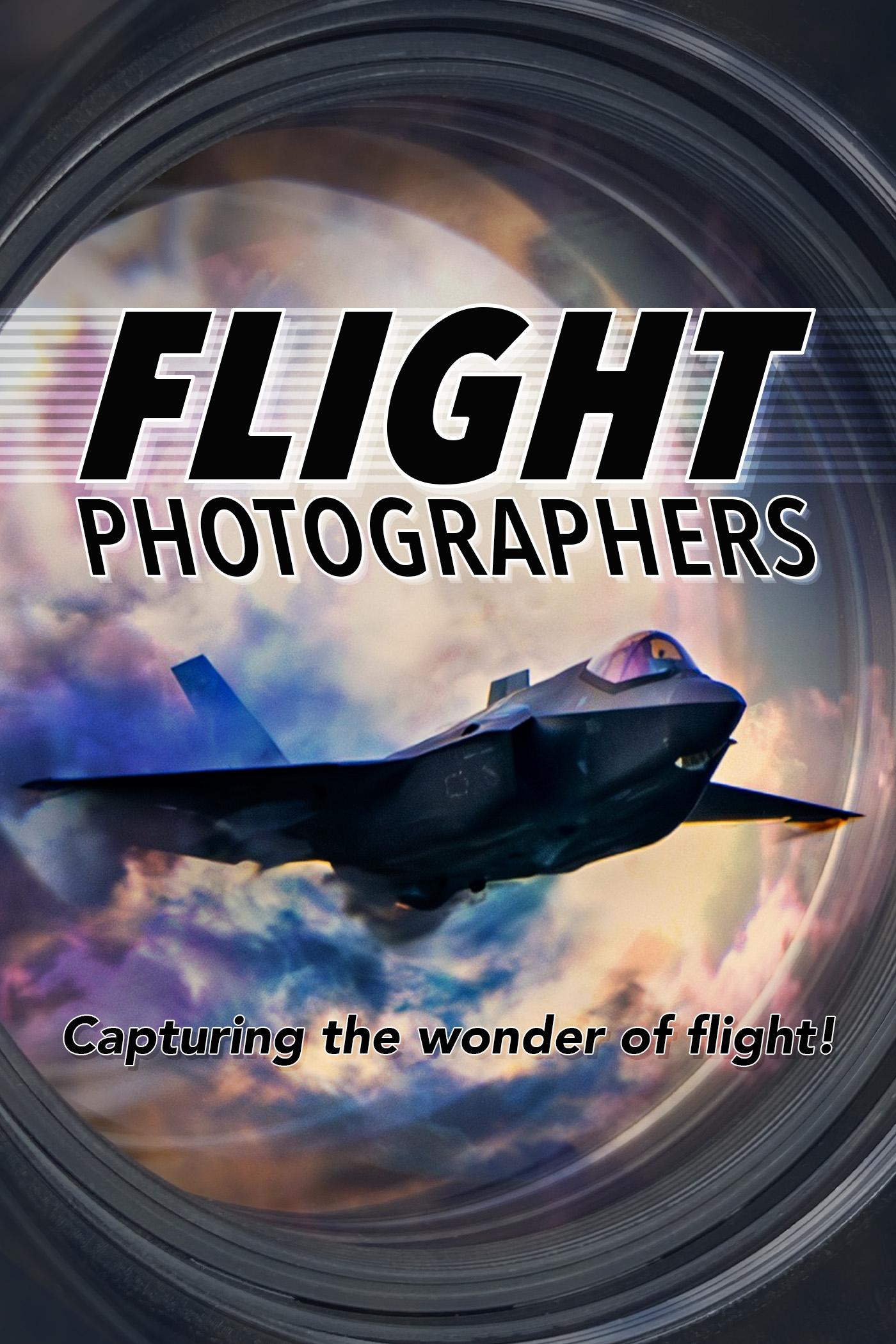
"Flight Photographers" is an engaging look at the dynamic world of aviation photography, showcasing the passion and skill of both enthusiasts and professionals. Exciting stories and breathtaking images, highlight the art and adventure of capturing the beauty of flight.
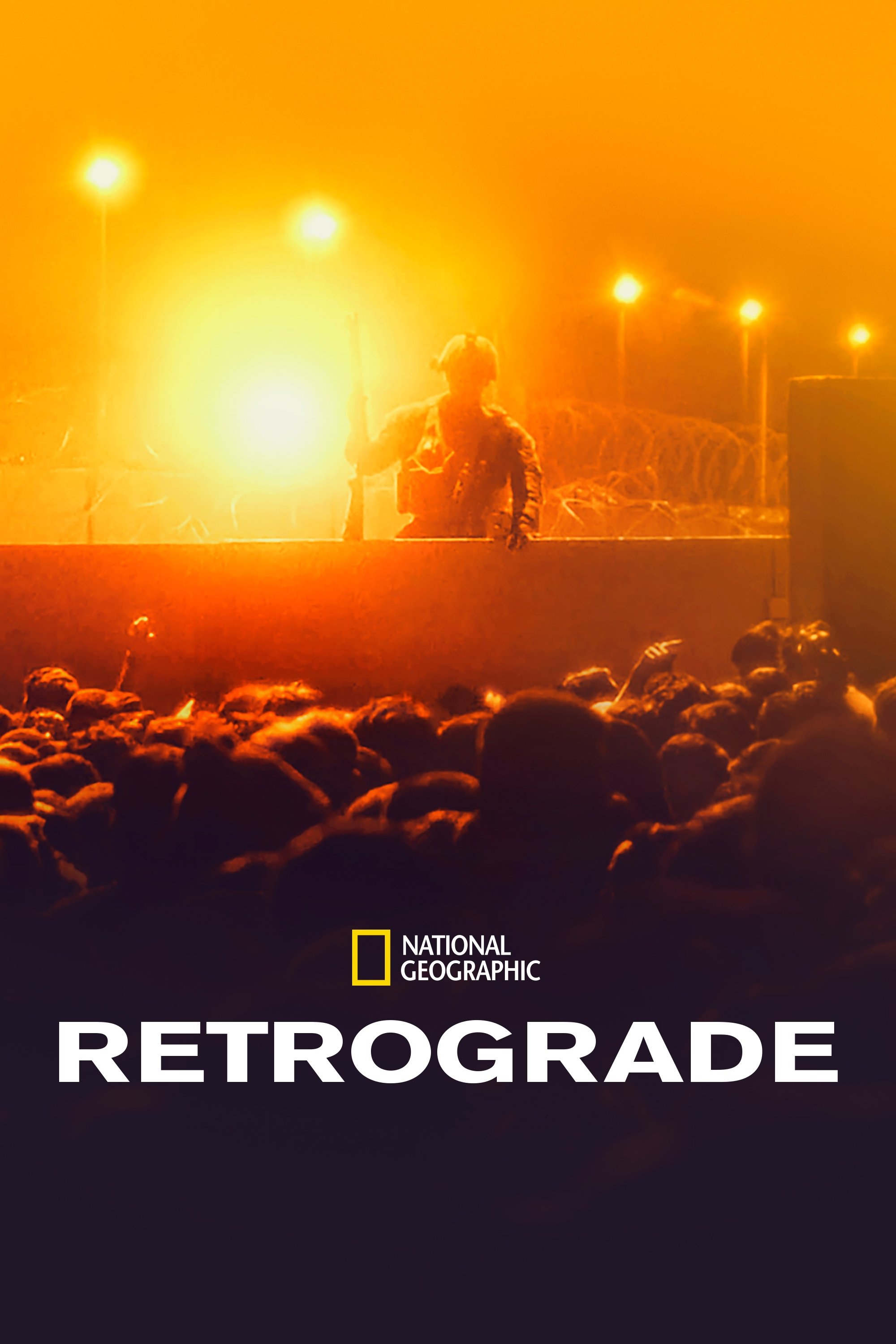
The story of the last months of the 20-year war in Afghanistan through the intimate relationship between American Green Berets and the Afghan officers they trained.
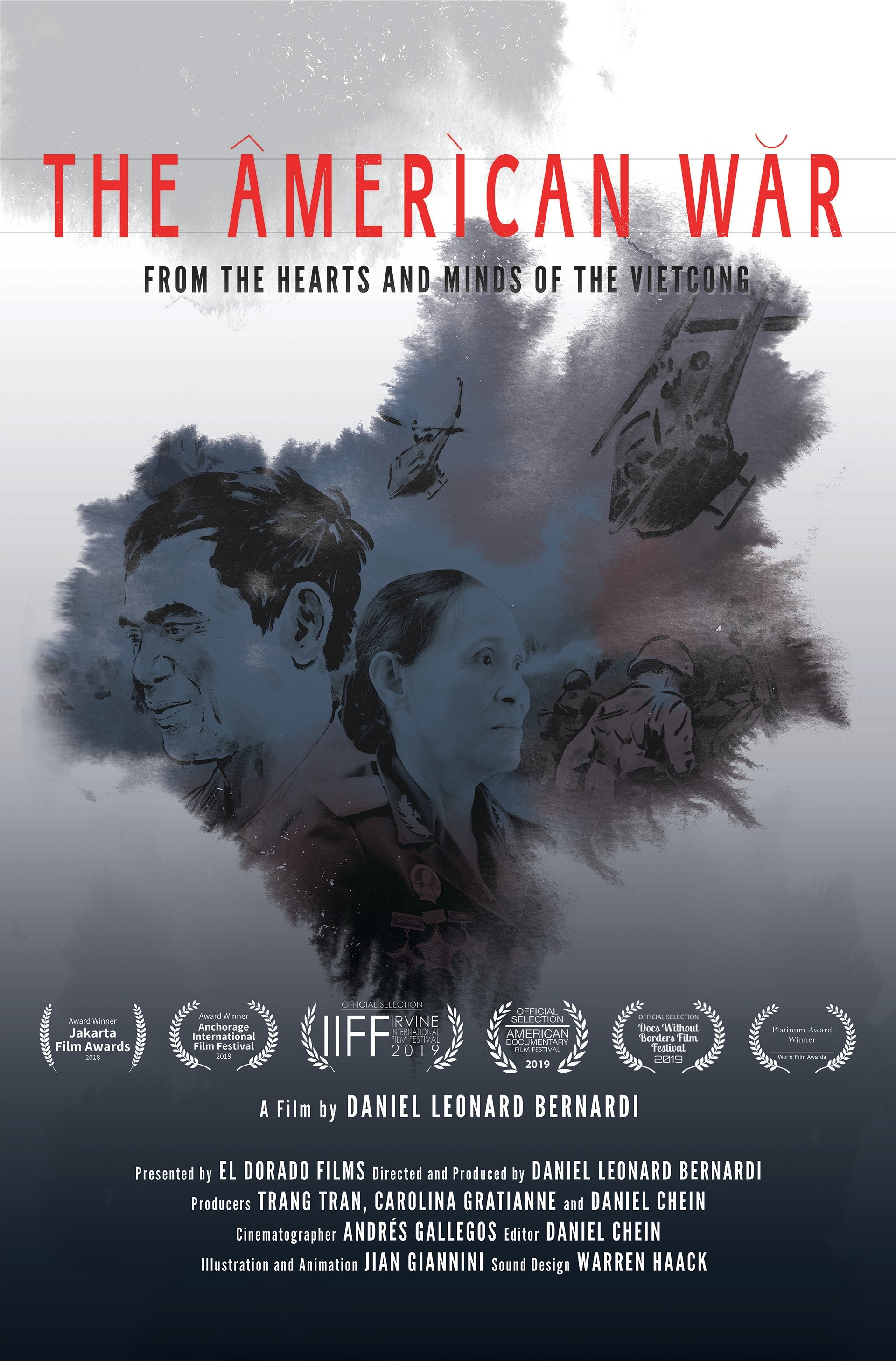
Using obscure archival footage, animated illustrations and interviews, this film tells the story of the Vietnam War from the perspective of five Vietcong veterans: a soldier, an officer, an informant, a guerilla, a My Lai survivor, and the leader of the Long Hair army.
Every Wednesday at noon, women who were kidnapped for sexual purpose by the Japanese army during its imperialism and their supporters demonstrate against Japanese government to request official apology and indemnity for their crimes. This documentary portrays sexually abused old women's suppressed story of overcoming of their shame and forced silence.
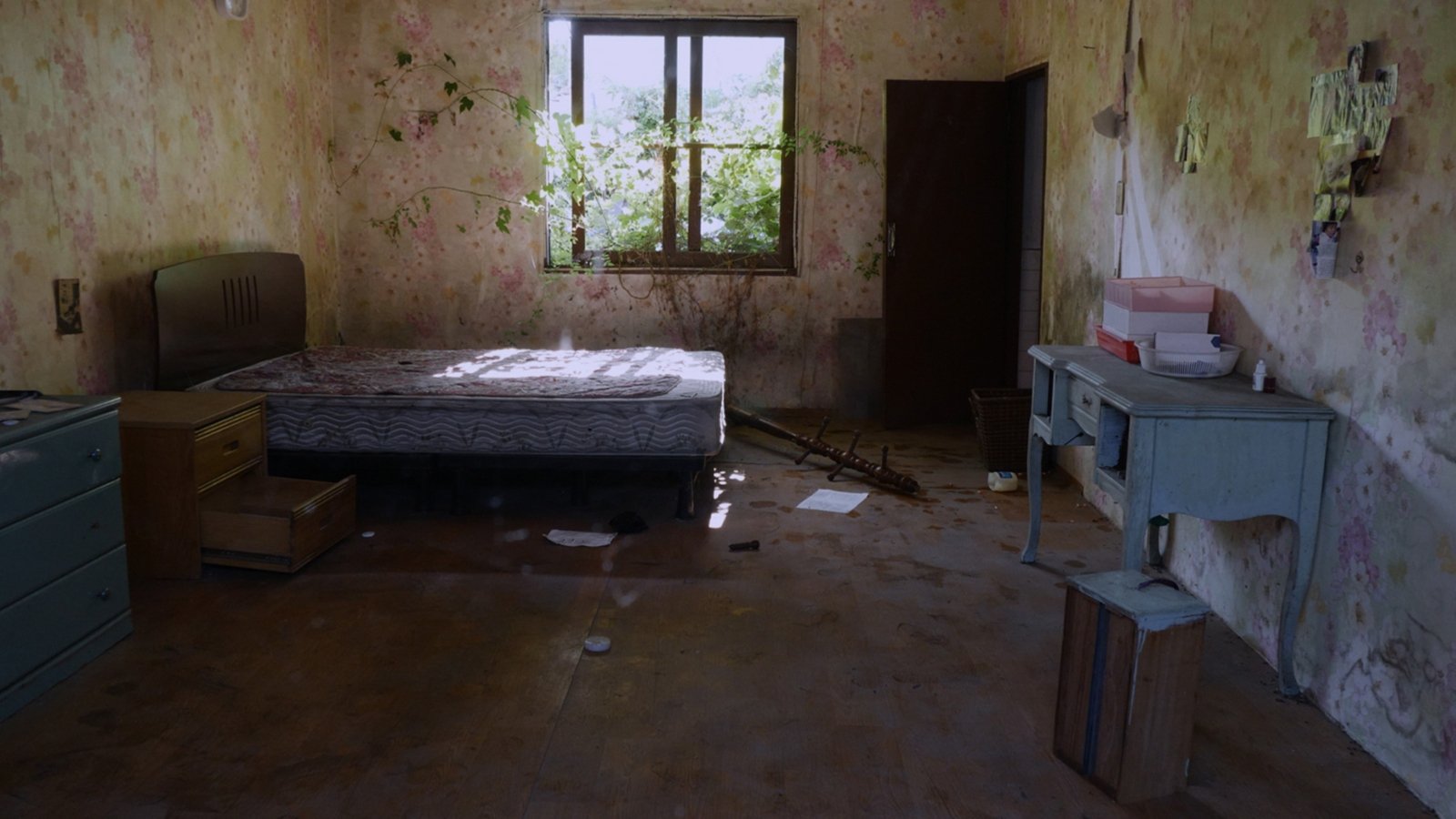
The movie, which seemed likely to be a video study by a local researcher on comfort women in the military camp town, is becoming an increasingly fictional world, including visits by the dead, resulting in historical, fantastic and allegorical results.
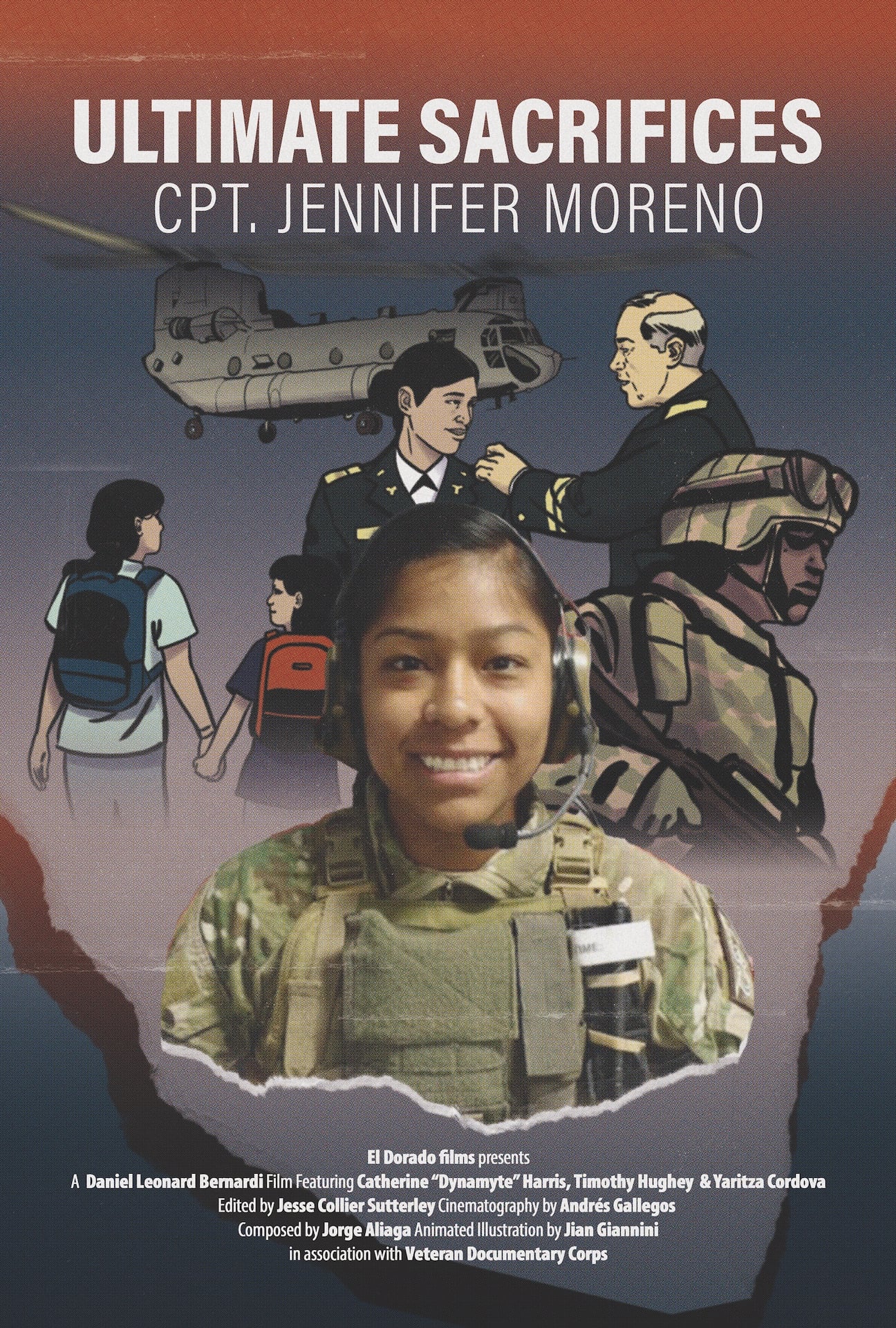
"Ultimate Sacrifices" tells the inspiring and tragic story of Captain Jennifer Moreno, a U.S. Army nurse and member of the elite Cultural Support Team in Afghanistan. A top marksman and leader in San Diego High School's JROTC program, Moreno rose to prominence as a warrior, bridging cultural divides during dangerous combat missions. Her bravery and sacrifice during a 2013 raid, where she lost her life while aiding a fallen Army Ranger, highlight her extraordinary courage and dedication to service. This film honors her life, from her humble beginnings to her enduring legacy, showcasing the valor of Mexican immigrants.
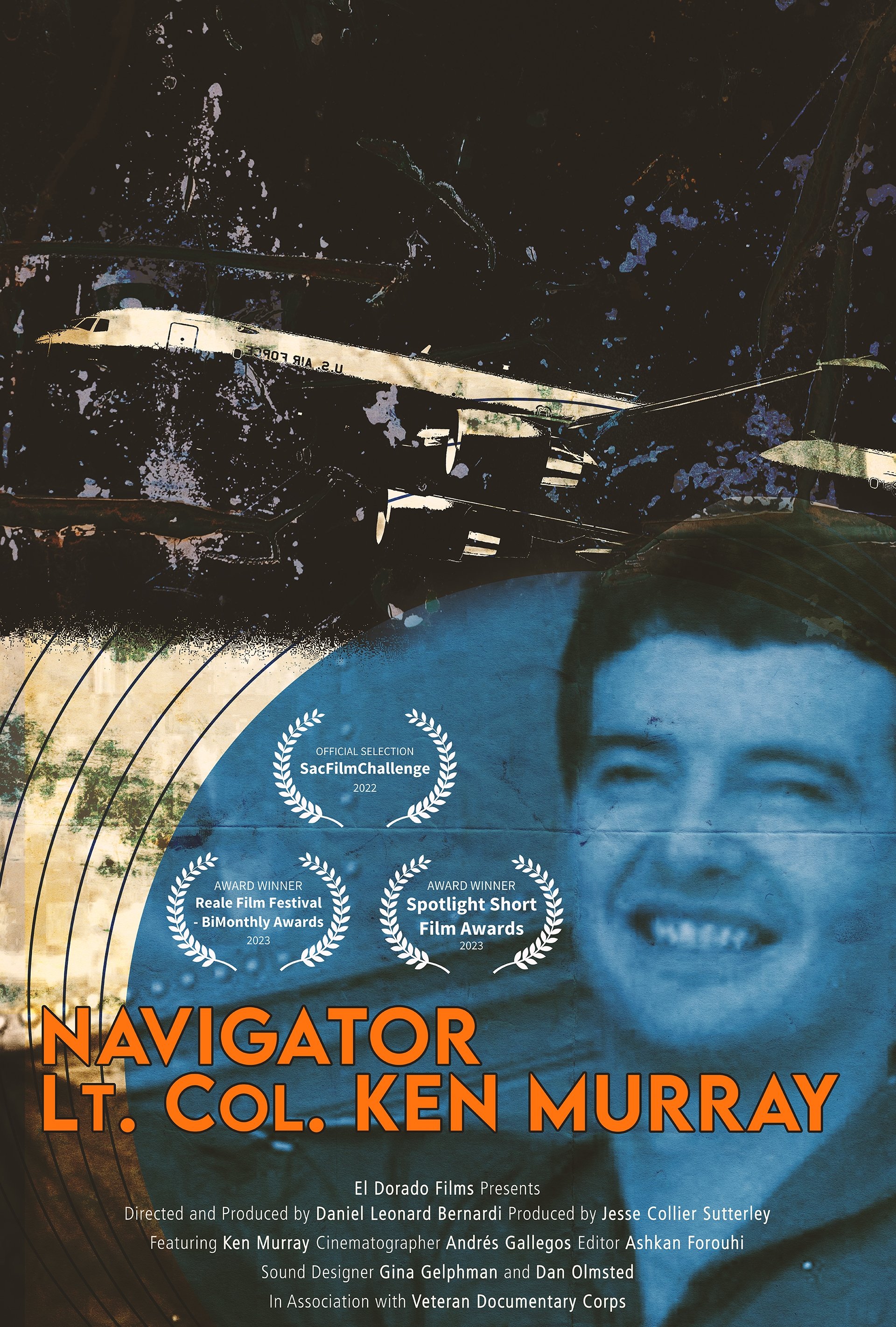
A former U.S. Air Force air tanker navigator, Lt. Col. Ken Murray’s career takes us from the horrific accident that killed 70 people at an airshow demonstration to Operation Just Cause in Panama and to the Iraq War. Through it all, we experience air operations, post-deployment divorce, a new career as a famed sports photographer and new loves.
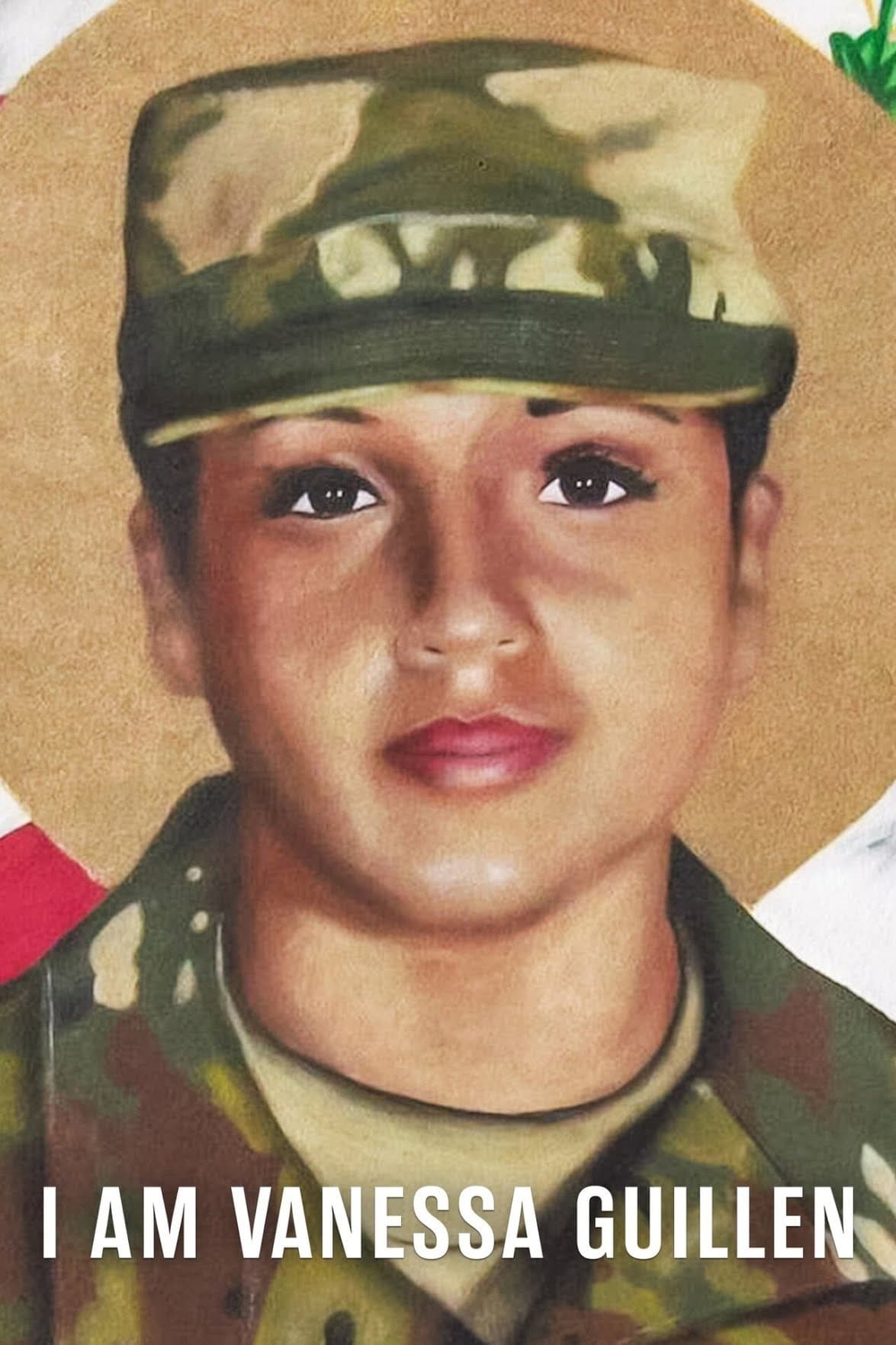
Vanessa Guillen was 20 years old when she was found murdered at a US Army base. Rather than submit to silence, her family fought for justice and change.
Senso Daughters focuses on the legacy of the Japanese occupation of Papua New Guinea during the Second World War. It is a legacy that arises from rape, starvation and terror. Sekiguchi's documentary lets the residents of Papua New Guinea, especially the women, tell the story of their three years under Japanese Army rule.
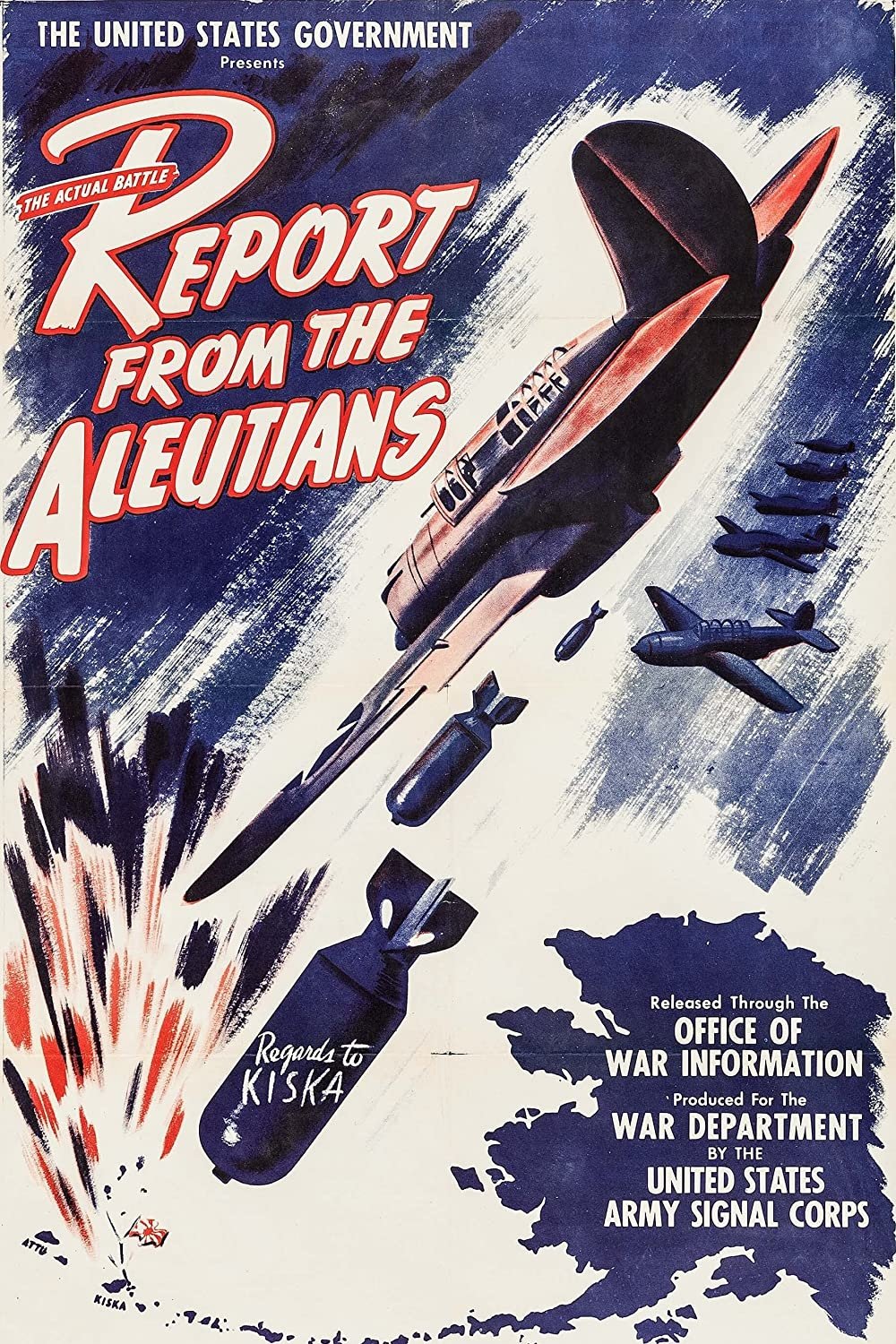
A documentary propaganda film produced by the U.S. Army Signal Corps about the Aleutian Islands Campaign during World War II. The film opens with a map showing the strategic importance of the island, and the thrust of the 1942 Japanese offensive into Midway and Dutch Harbor. Nominated for the Academy Award for Best Documentary Feature.
A variety of scientific subjects, including the laboratory of a plastic surgeon in London, and his method for applying permanent makeup; a new school for kiddies employing finger paint so they can express their urge to put things on paper; Army aviation, showing the latest development in blind landing. Produced in Cinecolor.
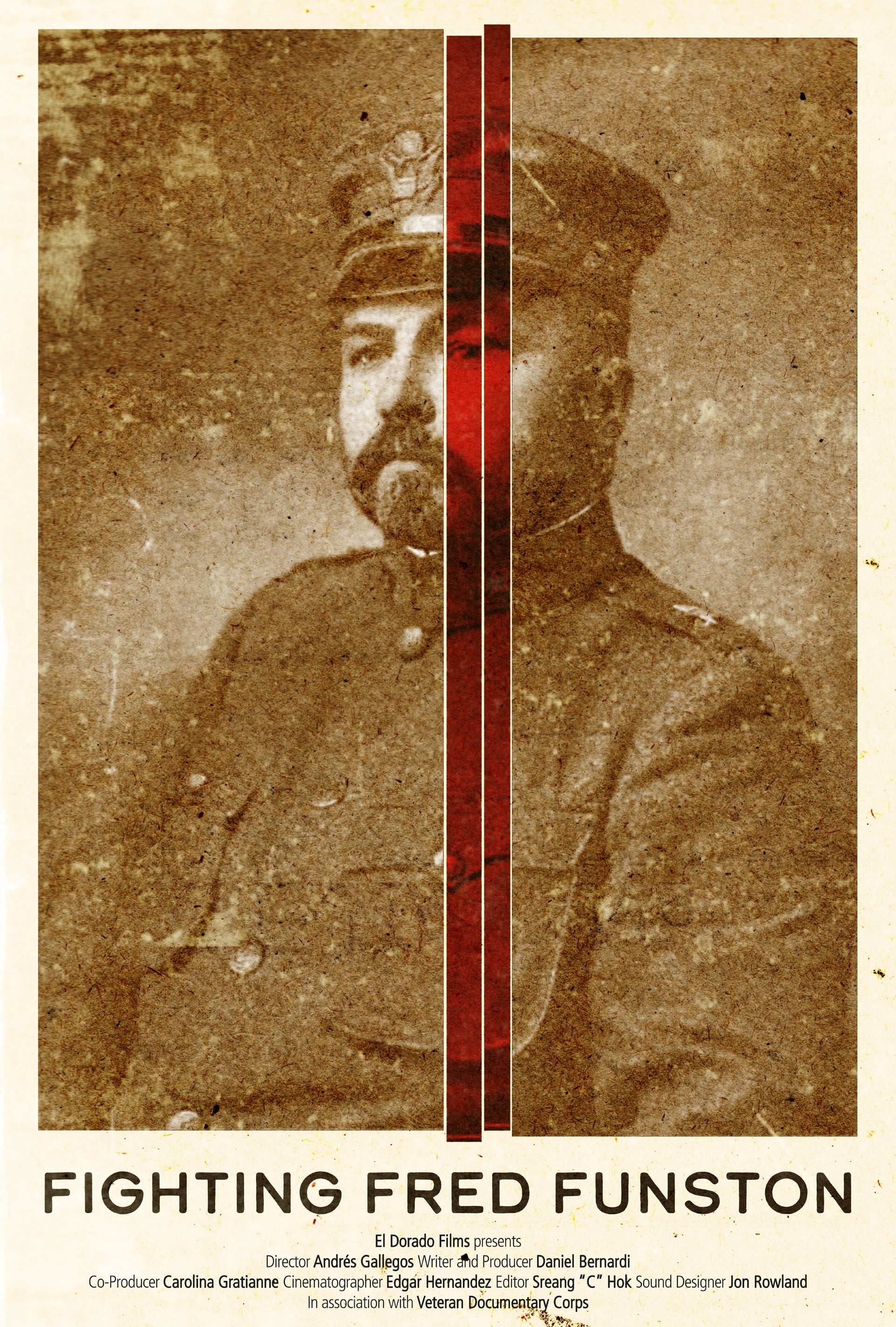
On April 18th, 1906, San Francisco witnessed its most devastating natural disaster – an earthquake that initiated a city-wide fire. The commanding officer of the U.S. Army base at the Presidio, Fred Funston, gathered citizens to fight the fire, patrol the streets, and rebuild the city – all without authorization.
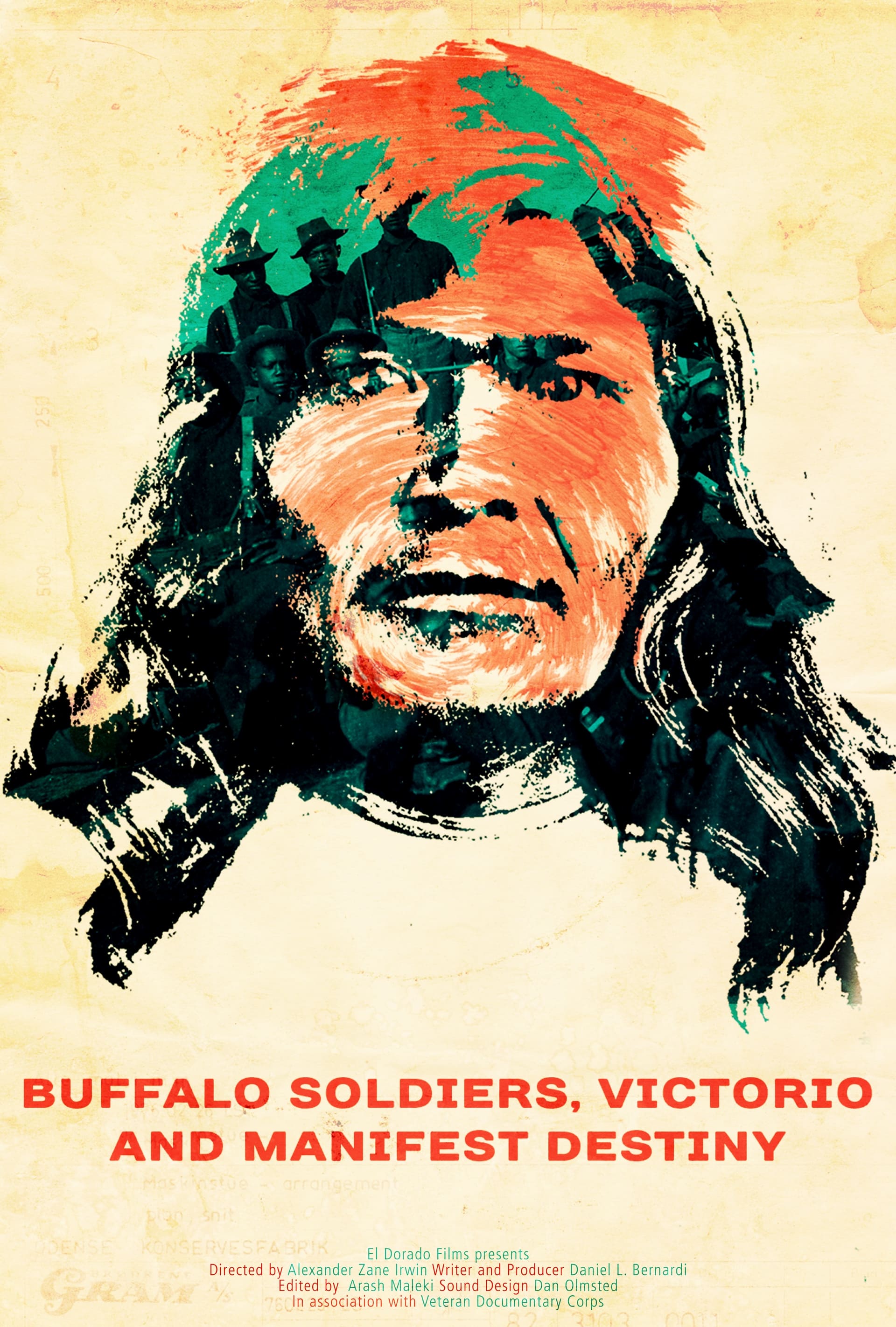
A look into the 19th century American-Indian Wars, Manifest Destiny, and the conflicts between Apache tribes and the African-American Buffalo soldier regiments.
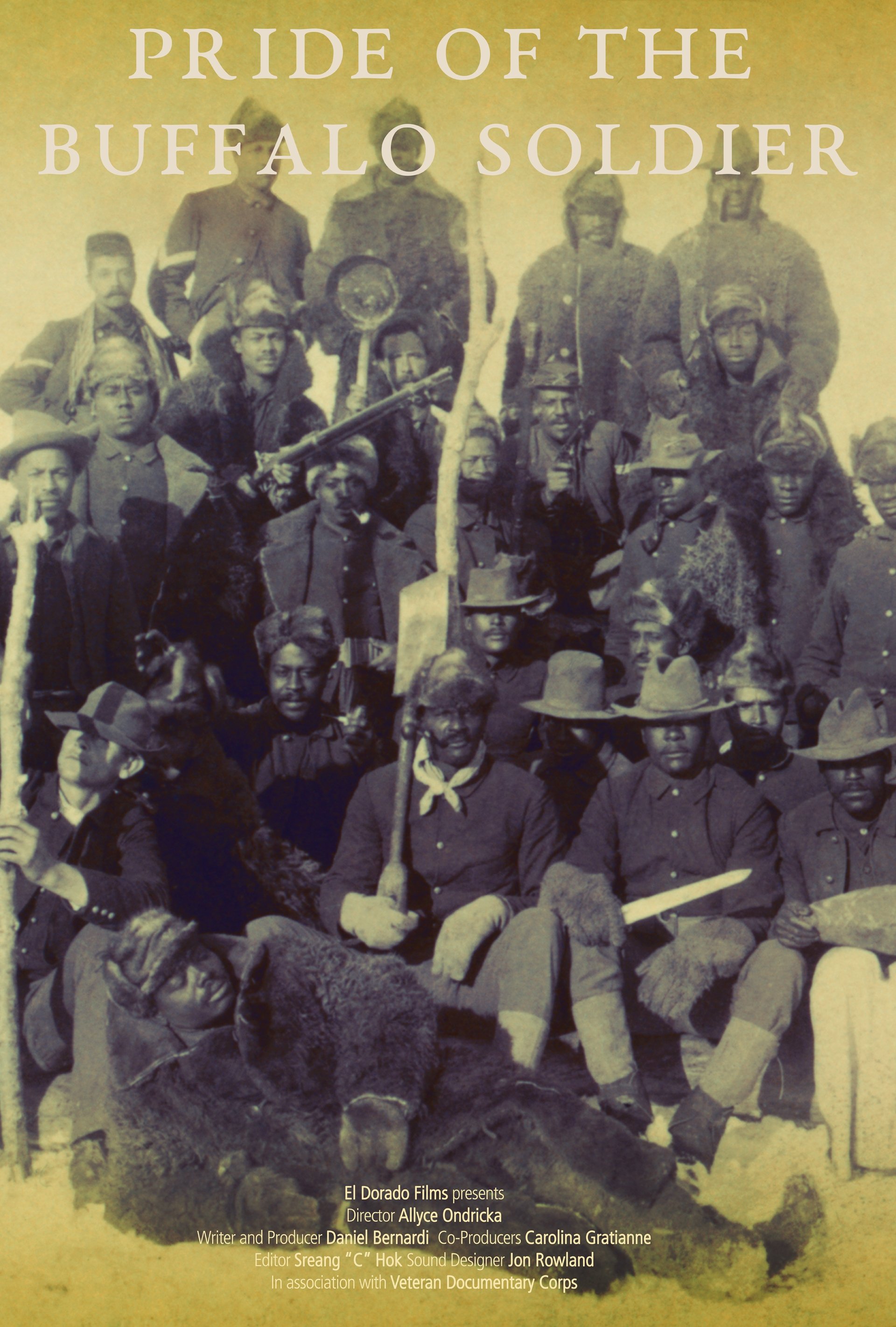
African American soldiers throughout the 19th and 20th Centuries faced discrimination and segregation, yet many still chose to fight for their country.
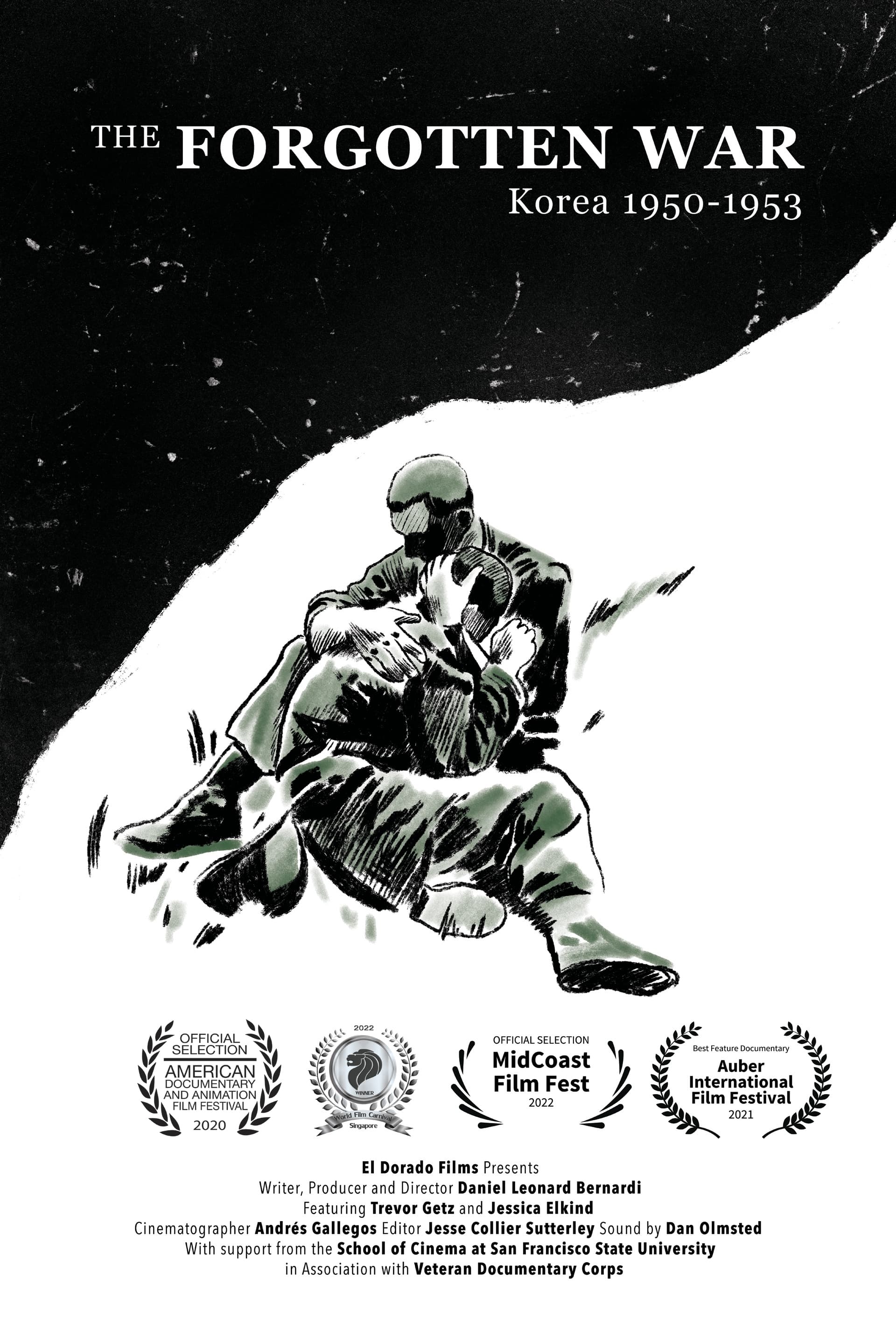
The Korean War saw three years of heavy combat take place on the small Korean peninsula, ending in a stalemate that remains contested to this day. This documentary tells the story of the Forgotten War from the point of view of the veterans that were sent to fight it.
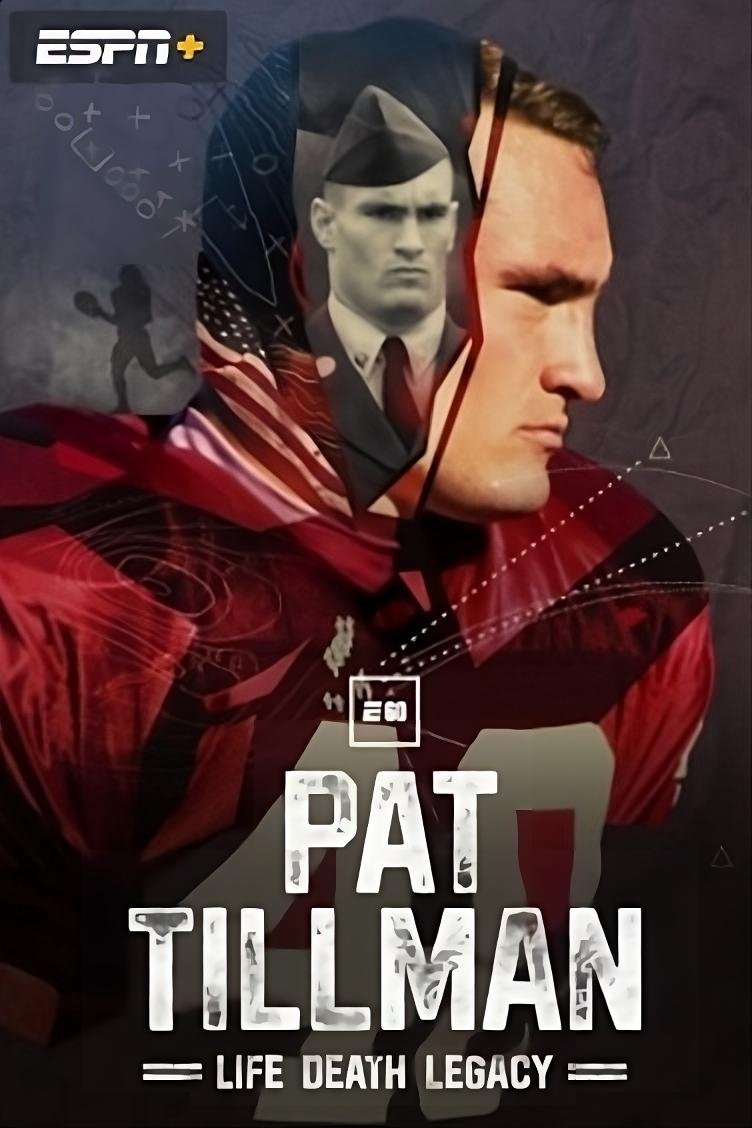
Twenty years after Pat Tillman died from friendly fire in Afghanistan, E60 presents new reporting and interviews that shed light on the captivating story of one of the most famous soldiers in U.S. history, whose decision to turn down a multimillion-dollar football contract and enlist in the military drew major national news coverage during the War on Terror.
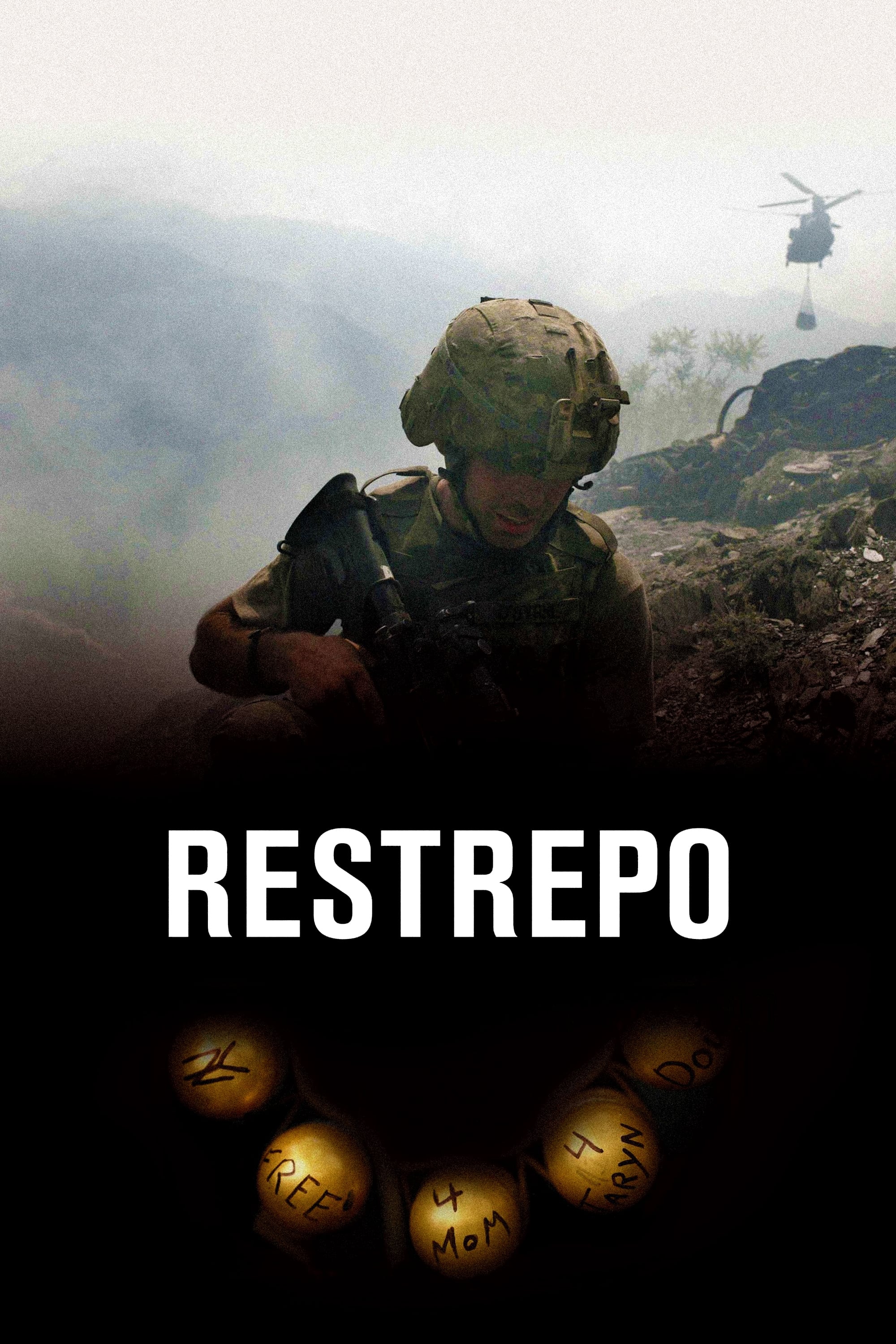
Directors Hetherington and Junger spend a year with the 2nd Battalion of the United States Army located in one of Afghanistan's most dangerous valleys. The documentary provides insight and empathy on how to win the battle through hard work, deadly gunfights and mutual friendships while the unit must push back the Taliban.
A string of threatening emails escalates into a revenge plot involving a newly married US marshal and his ex-girlfriend.
In an intimate and joyful story of love in the face of loss, celebrated poets Andrea Gibson and Megan Falley find strength—and unexpected hilarity—in what might be their final year together.
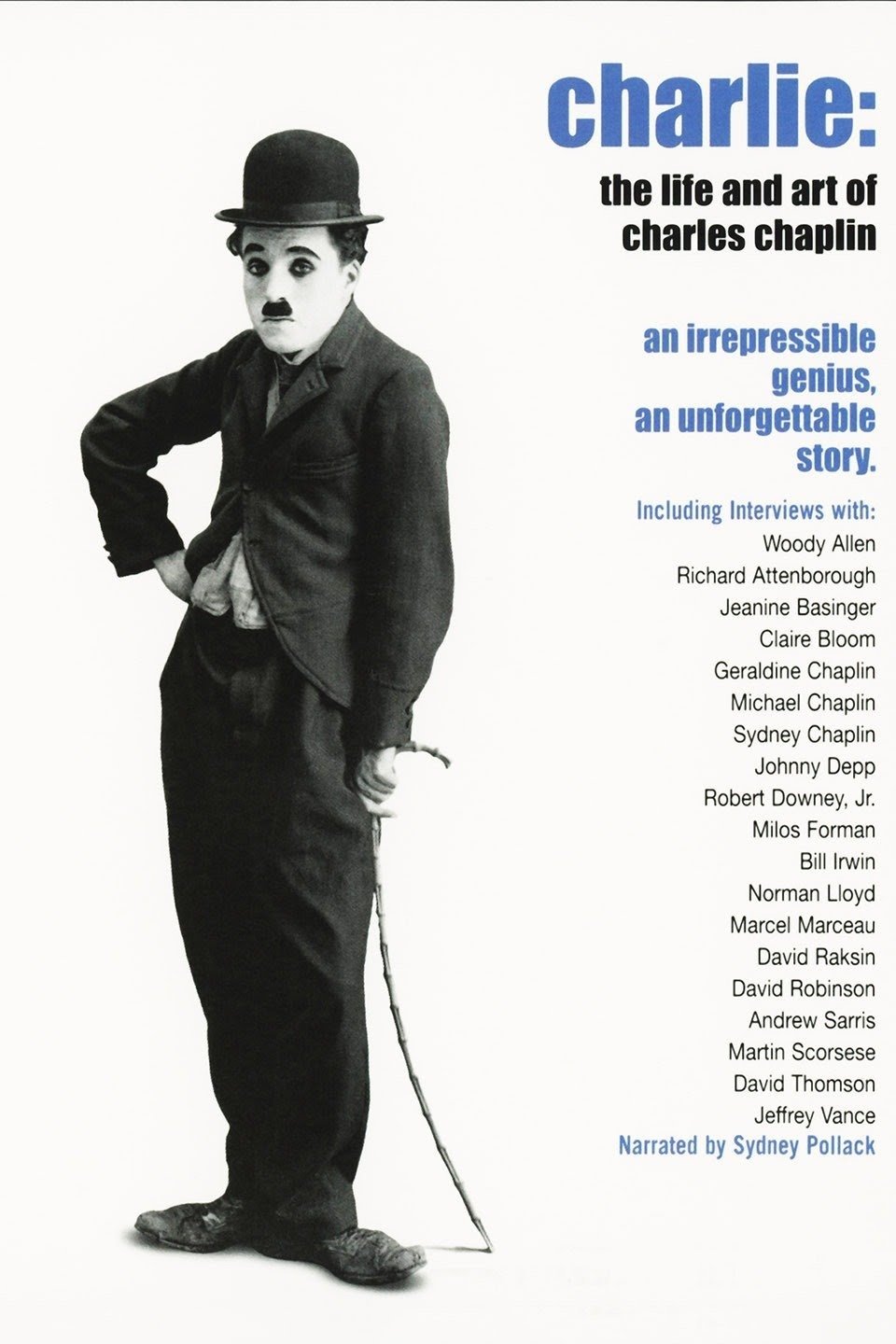
Brilliant, long in-the-works story of the life and art of the world's greatest comedian and the cinema's first genius, Charlie Chaplin. Produced, written and directed by renowned film critic Richard Schickel.
Over 35 years after Bob Lazar's revelations, this documentary exposes secrets of a facility the government still denies. Featuring Lazar's testimony, recreations, and new evidence, it reopens a case that continues to spark global curiosity
Through deeply personal interviews with her siblings and an examination of the photographs, letters, and belongings left behind, Mariska assembles a new portrait of her mother Jayne Mansfield, an extraordinary and complex woman.
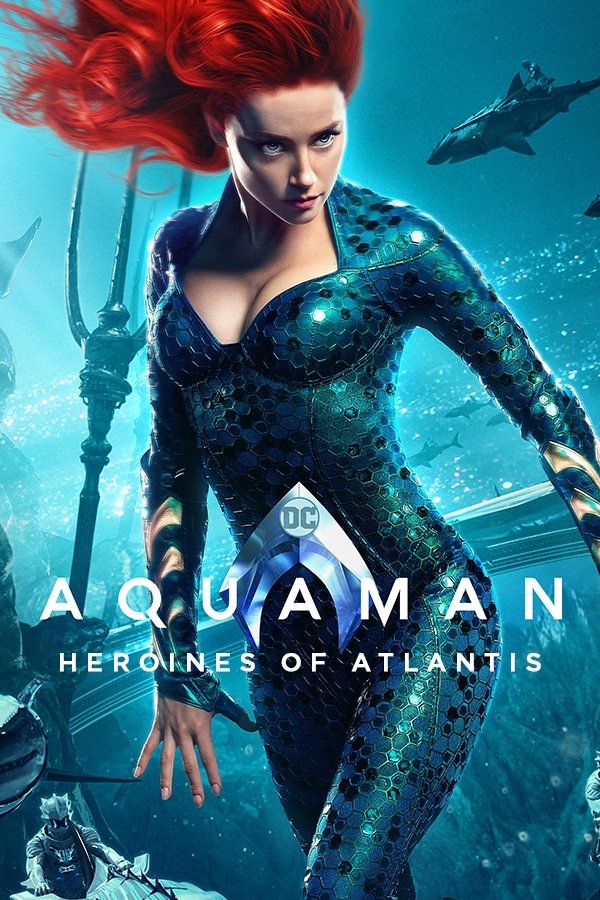
Amber Heard and Nicole Kidman discuss their characters Mera and Atlanna.
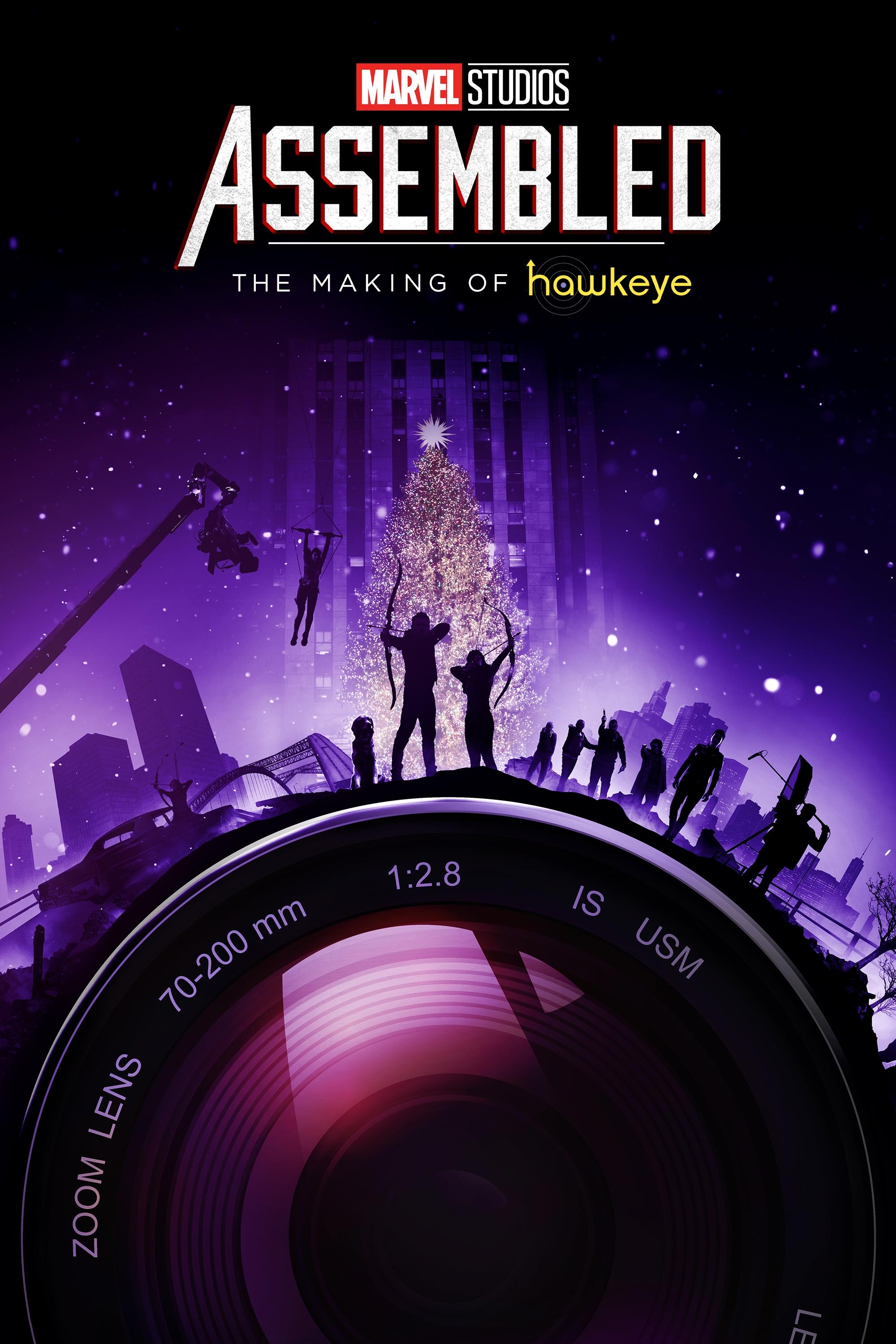
Join the likes of Jeremy Renner, Hailee Steinfeld, Florence Pugh, and Vincent D’Onofrio as they reveal how Marvel Studios’ “Hawkeye” was conceived and created. Witness firsthand what it took to pull off the show’s pulse-pounding action set pieces, and discover how iconic characters from the pages of Marvel Comics such as Kate Bishop were adapted and brought to life for the six-episode series.
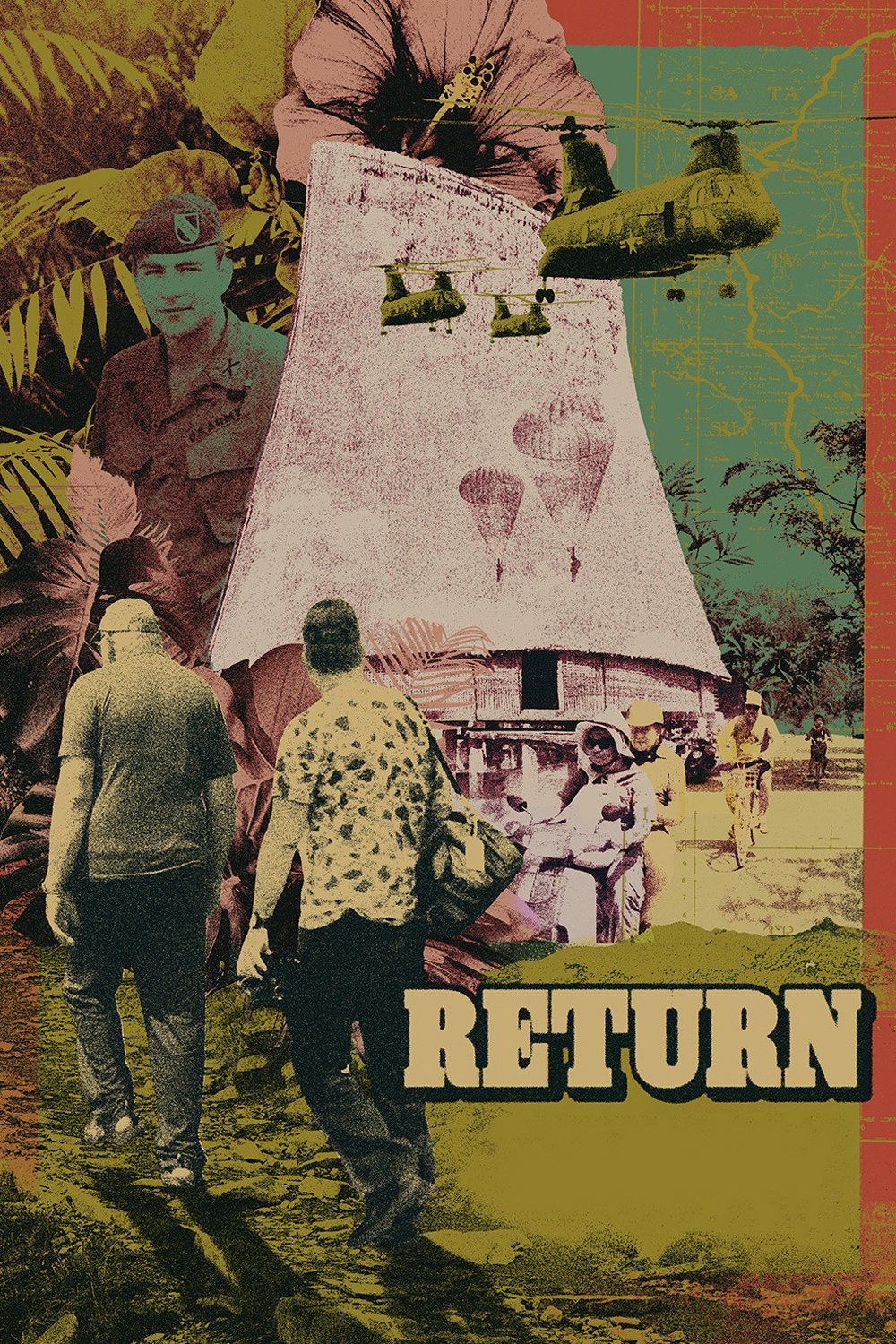
RETURN tells the story of a retired Green Beret who embarks on a healing journey from Montana to Vietnam. There he retraces his steps, shares his wartime experiences with his son, treats his Post-Traumatic Stress Disorder, and seeks out the mountain tribespeople he once lived with and fought alongside as a Special Forces officer.
Captured during Billie Eilish's sold-out world tour, a concert experience from one of the most celebrated and successful artists of her generation, presented in immersive 3D.
Giving fans unprecedented access to the real life of the music sensation, Katy Perry: Part of Me exposes the hard work, dedication and phenomenal talent of a girl who remained true to herself and her vision in order to achieve her dreams. Featuring rare behind-the-scenes interviews, personal moments between Katy and her friends, and all-access footage of rehearsals, choreography, Katy’s signature style and more, Katy Perry: Part of Me reveals the singer’s unwavering belief that if you can be yourself, then you can be anything.
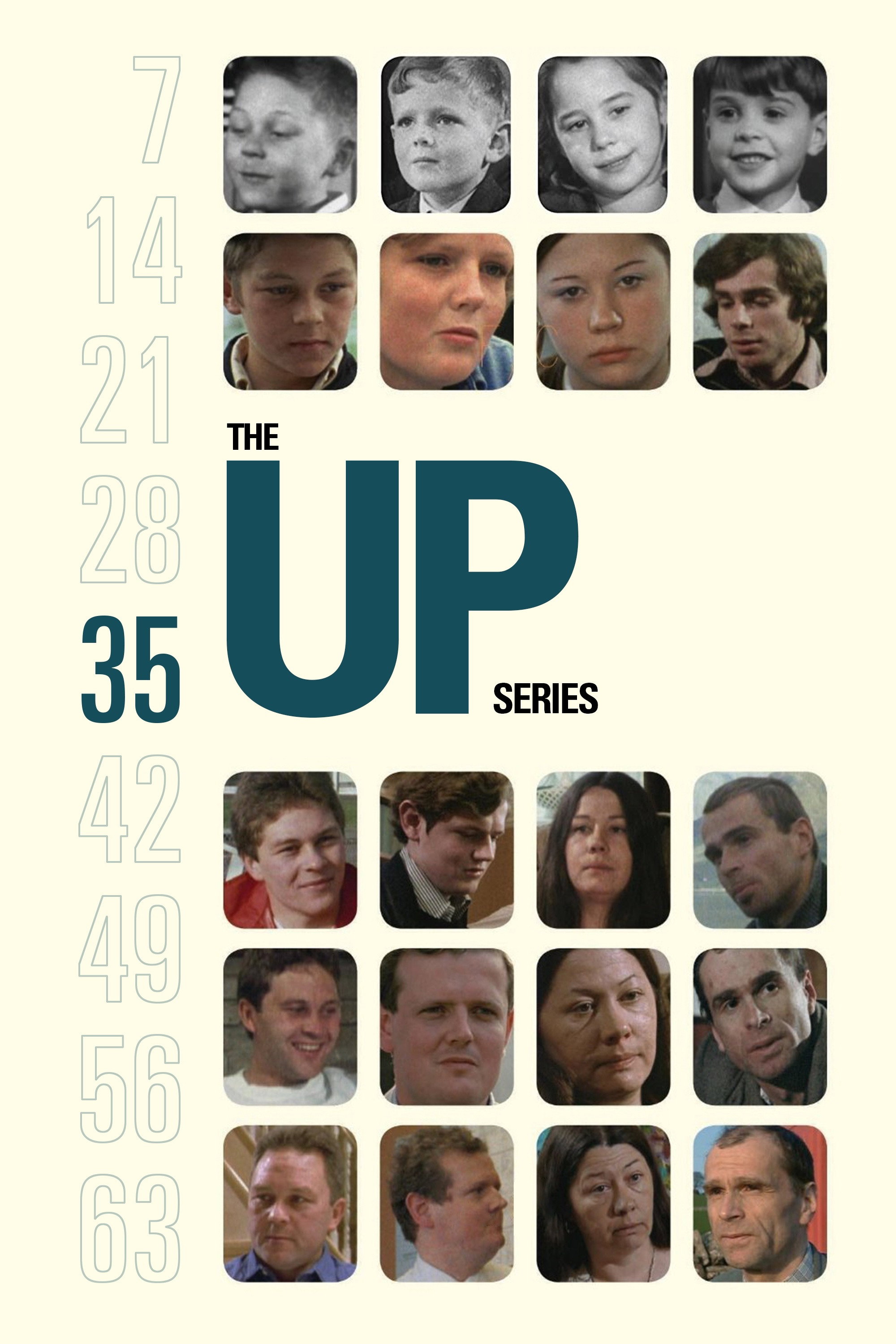
Director Michael Apted revisits the same group of British-born adults after a 7 year wait. The subjects are interviewed as to the changes that have occurred in their lives during the last seven years.
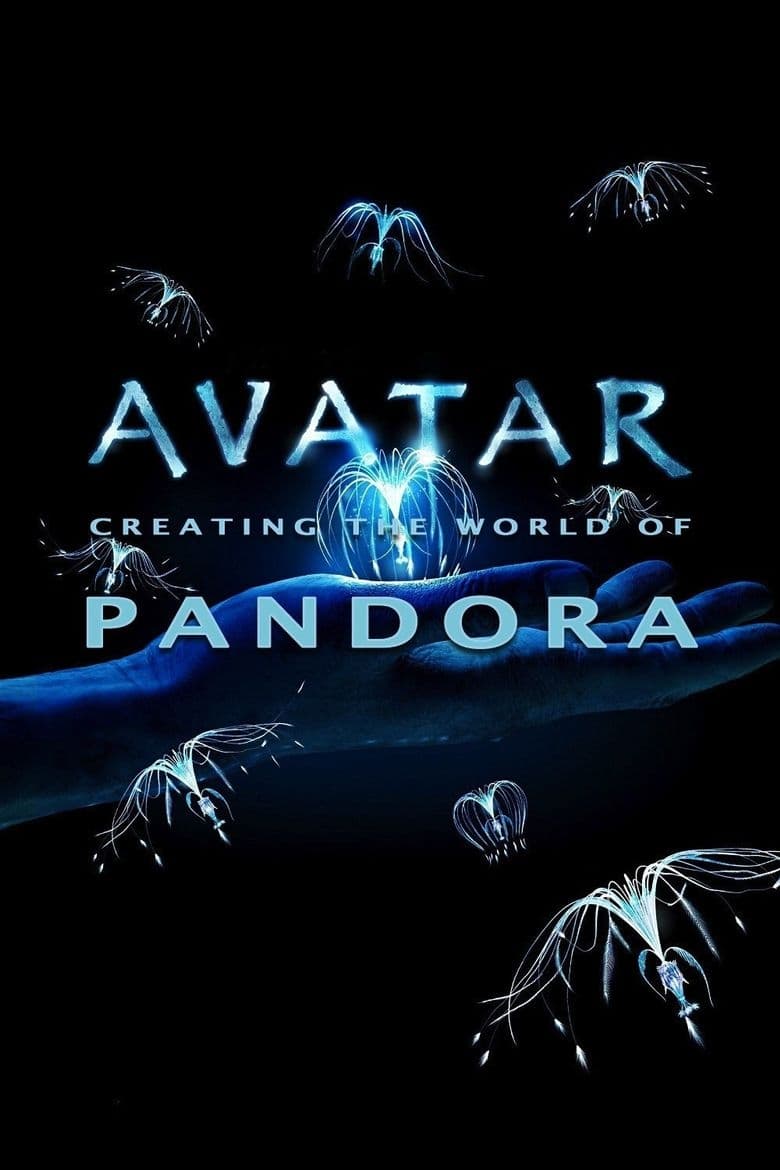
The Making-of James Cameron's Avatar. It shows interesting parts of the work on the set.
Using the book 'Fragments', which collects Marilyn Monroe's poems, notes and letters, and with participation from the Arthur Miller and Truman Capote estates who have contributed more material, each of the actresses will embody the legend at various stages in her life.
SEDUCED AND ABANDONED combines acting legend Alec Baldwin with director James Toback as they lead us on a troublesome and often hilarious journey of raising financing for their next feature film. Moving from director to financier to star actor, the two players provide us with a unique look behind the curtain at the world's biggest and most glamourous film festival, shining a light on the bitter-sweet relationship filmmakers have with Cannes and the film business. Featuring insights from directors Martin Scorsese, 'Bernando Bertolucci' and Roman Polanski; actors Ryan Gosling and Jessica Chastain and a host of film distribution luminaries.
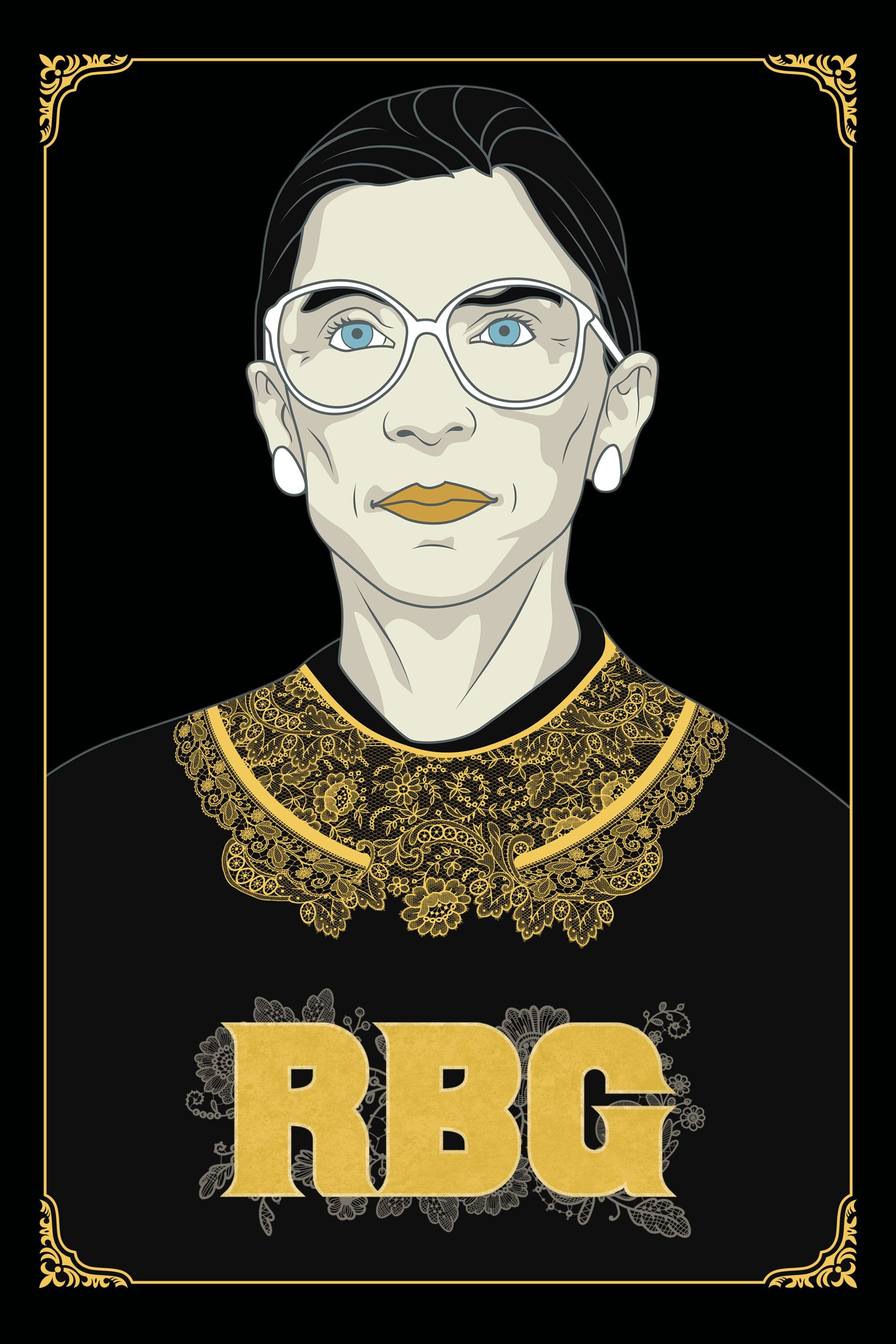
Justice Ruth Bader Ginsburg now 84, and still inspired by the lawyers who defended free speech during the Red Scare, Ginsburg refuses to relinquish her passionate duty, steadily fighting for equal rights for all citizens under the law. Through intimate interviews and unprecedented access to Ginsburg’s life outside the court, RBG tells the electric story of Ginsburg’s consuming love affairs with both the Constitution and her beloved husband Marty—and of a life’s work that led her to become an icon of justice in the highest court in the land.
Diaries, audiotapes, videotapes and testimonials from friends and colleagues offer insight into the life and career of Gilda Radner -- the beloved comic and actress who became an icon on Saturday Night Live.
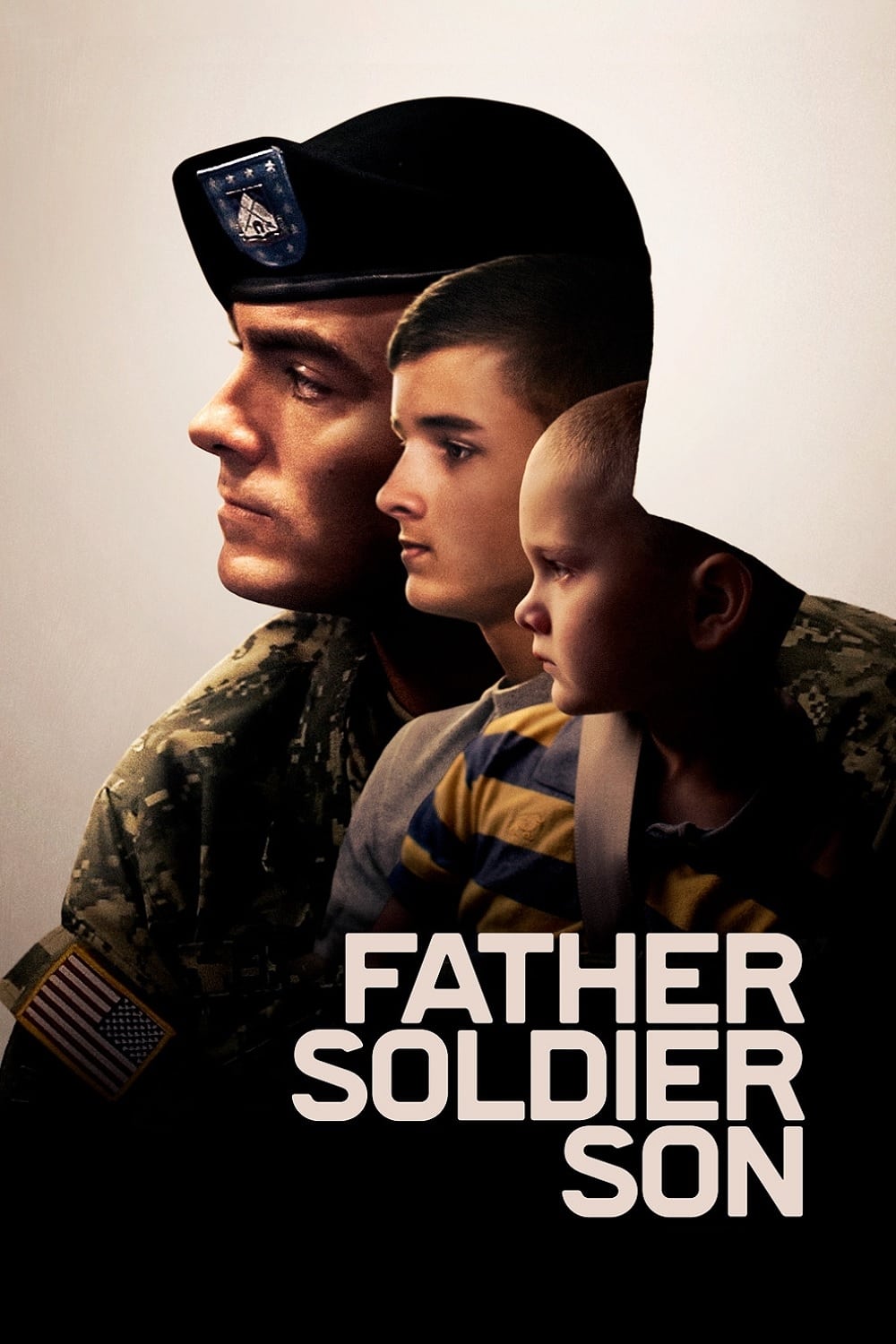
When Sgt. First Class Brian Eisch is critically wounded in Afghanistan, it sets him and his sons on a journey of love, loss, redemption and legacy.
Interviews with leading authors, philosophers and scientists, with an in-depth discussion of the Law of Attraction. The audience is shown how they can learn and use 'The Secret' in their everyday lives.
A documentary about how a dominant cultural and demographic institution both sustains their traditional activities and adapts to the digital revolution.