Social & External
The people behind it
The role of African American soldiers during the World War II Allied invasion of Normandy.
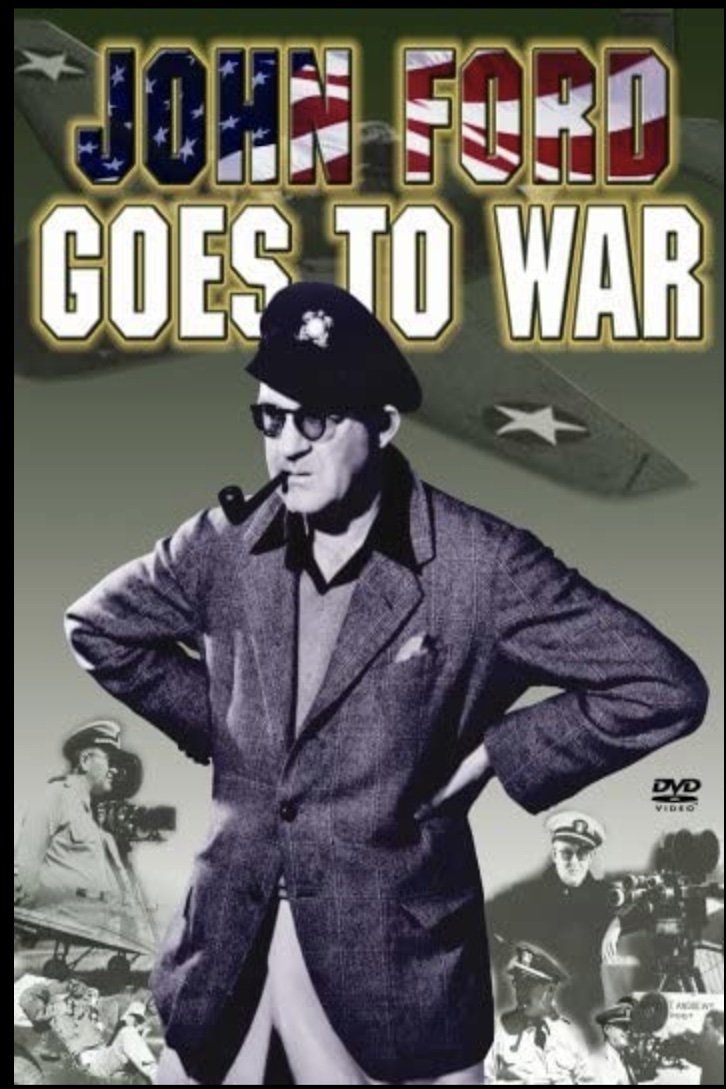
When World War II broke out, John Ford, in his forties, commissioned in the Naval Reserve, was put in charge of the Field Photographic Unit by Bill Donavan, director of the soon-to-be-OSS. During the war, Field Photo made at least 87 documentaries, many with Ford's signature attention to heroism and loss, and many from the point of view of the fighting soldier and sailor. Talking heads discuss Ford's life and personality, the ways that the war gave him fulfillment, and the ways that his war films embodied the same values and conflicts that his Hollywood films did. Among the films profiled are "Battle of Midway," "Torpedo Squadron," "Sexual Hygiene," and "December 7."
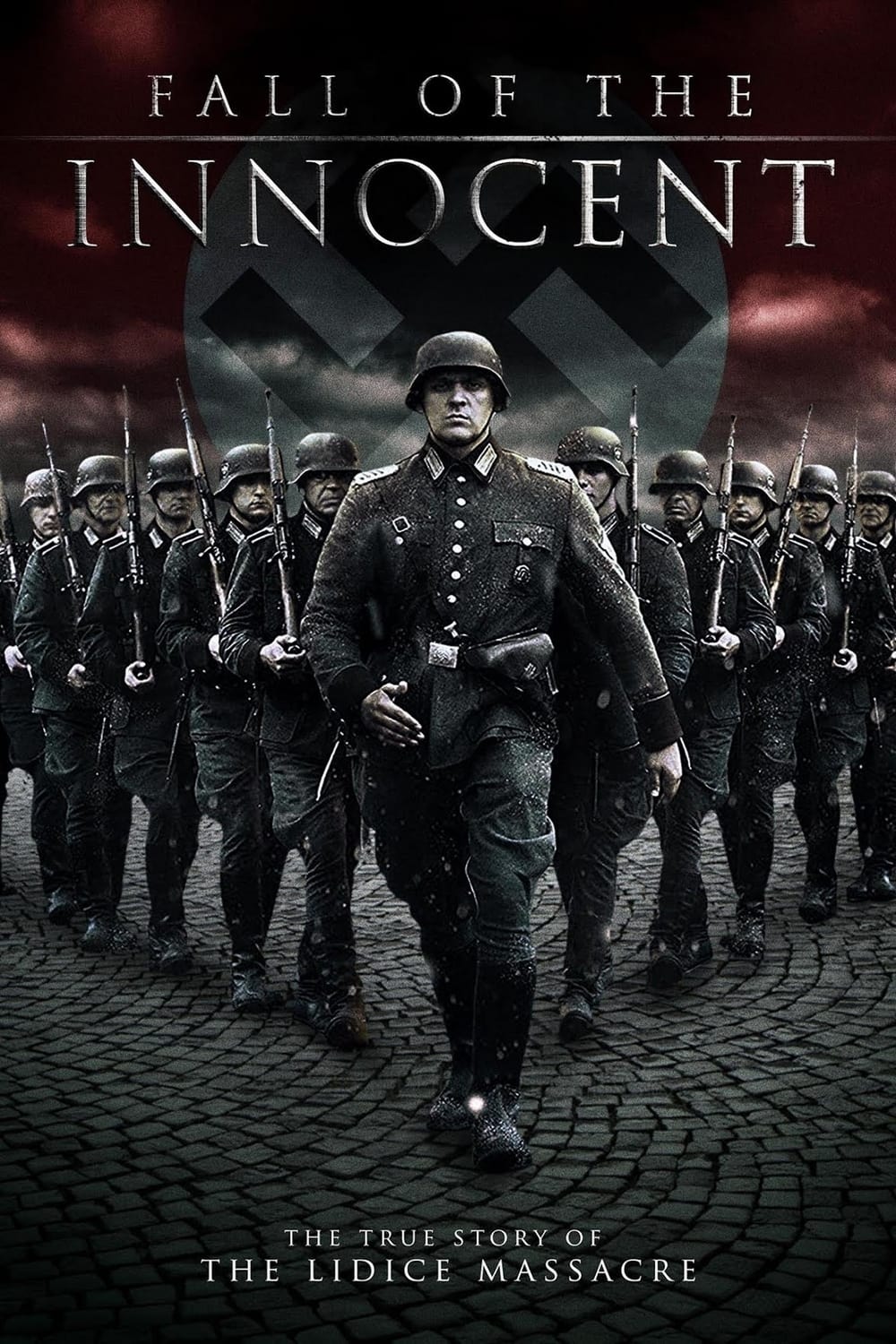
Czechoslovakia, 1941. As the war continues, Reich Protector Reinhard Heydrich arrives in Nazi-occupied Prague and establishes a regime of terror that will force freedom fighters to act. But the price to pay will be too high.
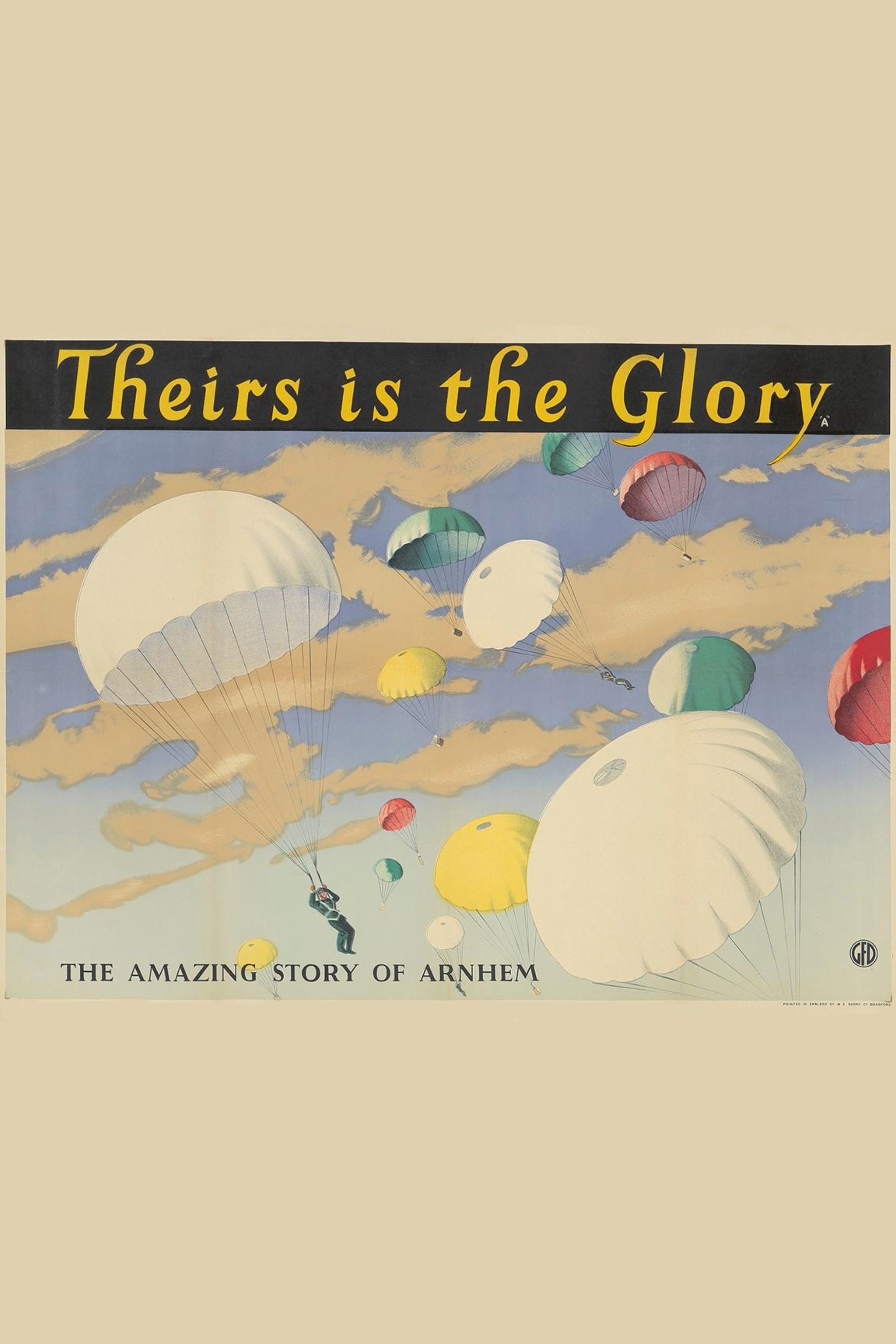
Re-enactment of World War 2 Battle of Arnhem using the survivors from the battle.
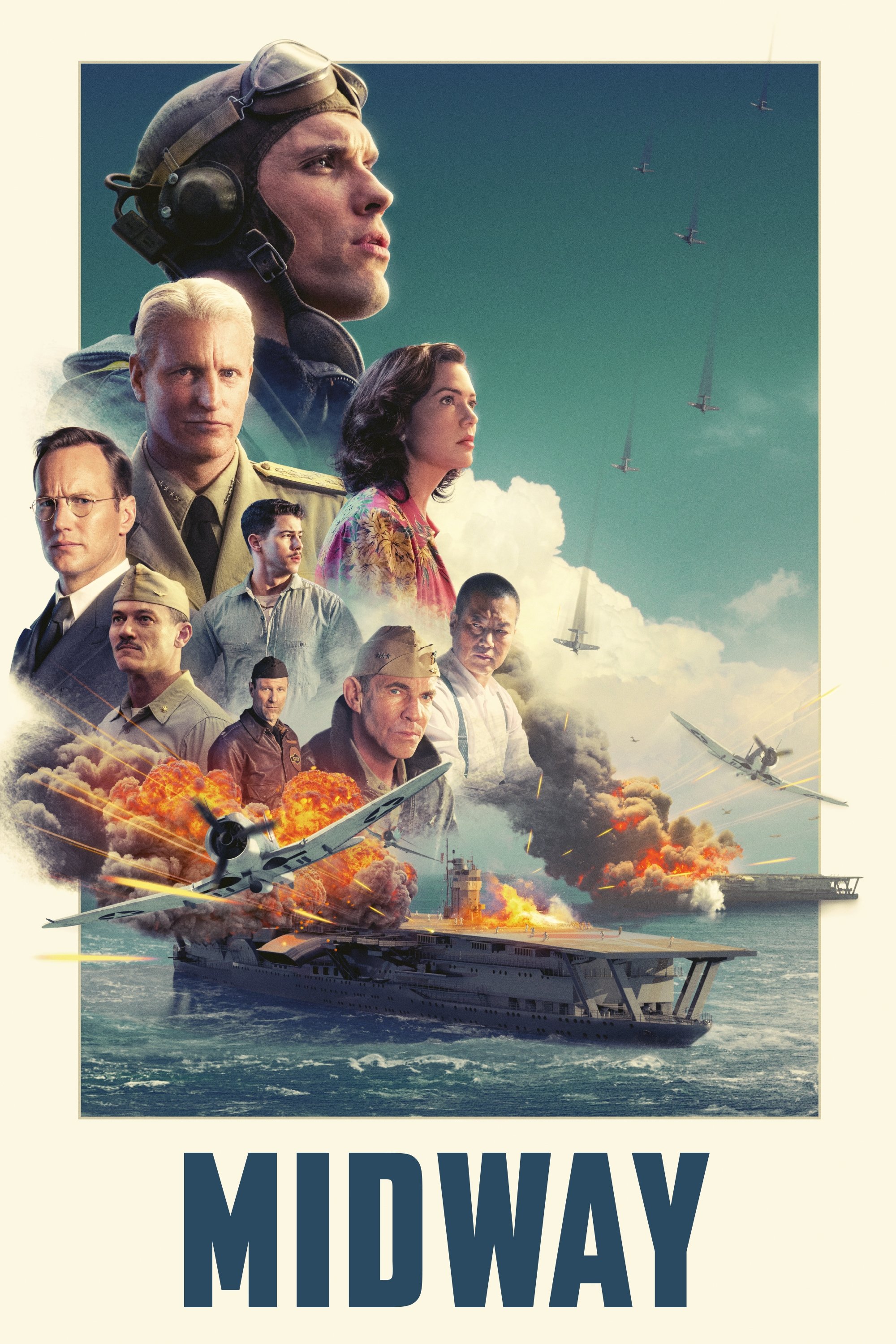
The story of the Battle of Midway, and the leaders and soldiers who used their instincts, fortitude and bravery to overcome massive odds.
The extraordinary true story of St. Maximilian Kolbe, a Polish Catholic priest who volunteered to die in place of another man in Auschwitz during World War II.
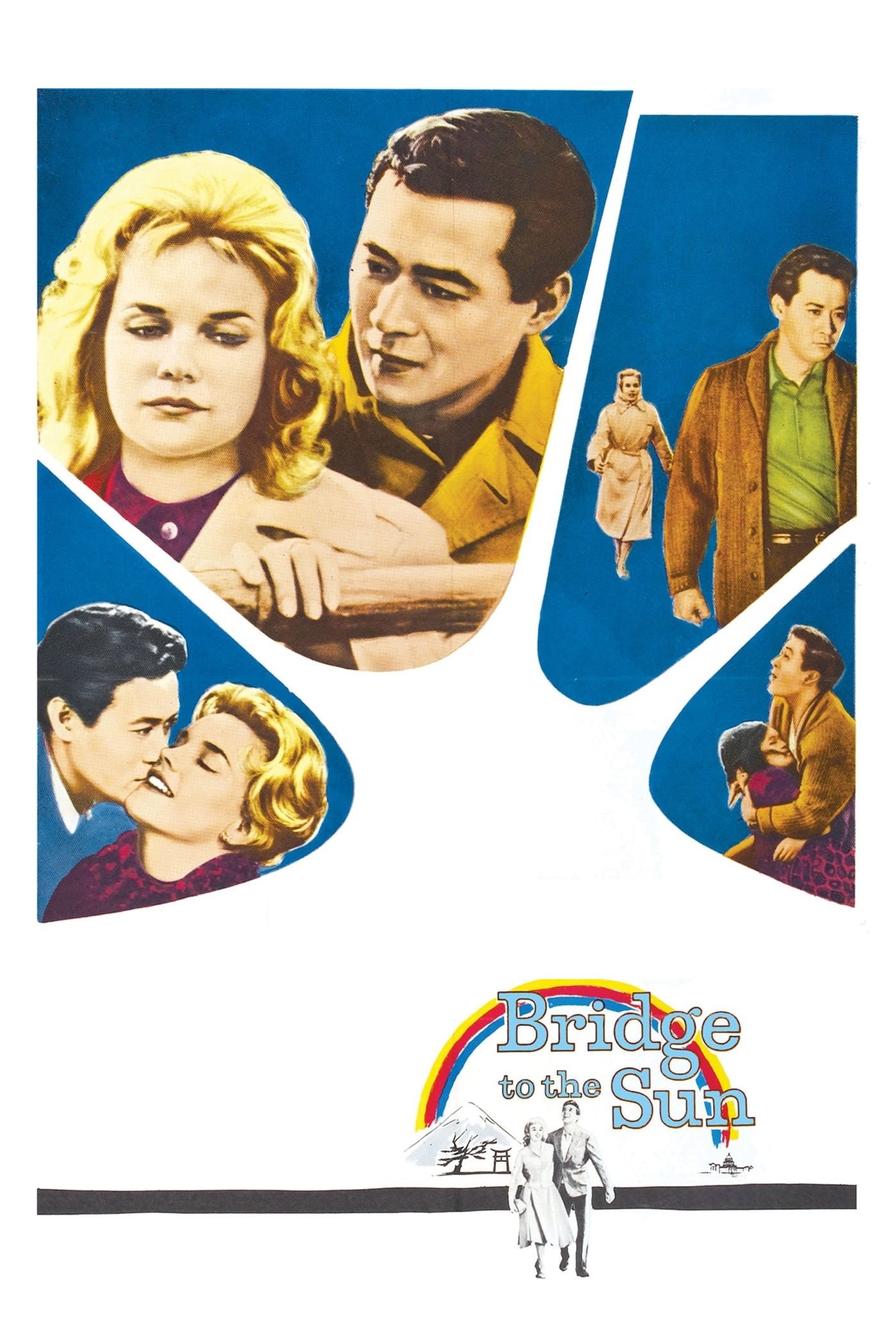
Tells the true story of American Gwen Terasaki, who falls in love with, then marries a Japanese diplomat. When World War II breaks out, they encounter animosity and trouble from both sides.
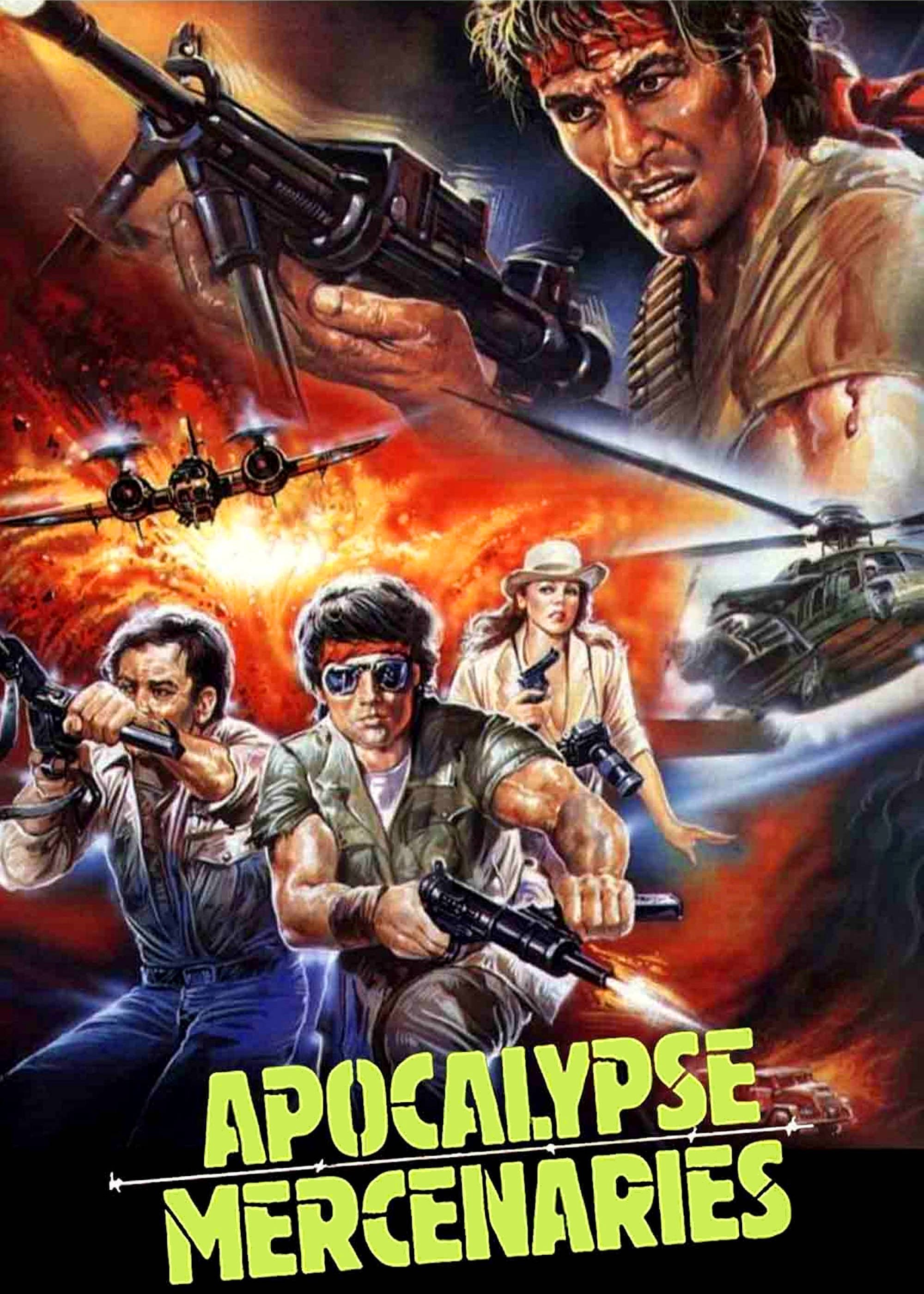
An elite group of five mercenaries, each with highly specialised skills, who are hired to take out a German Command Center situated deep within a lime stone cavern system. Along the way to this objective, our intrepid soldiers of fortune also undertake various sub missions including blowing up an arms supply train and a German airfield.
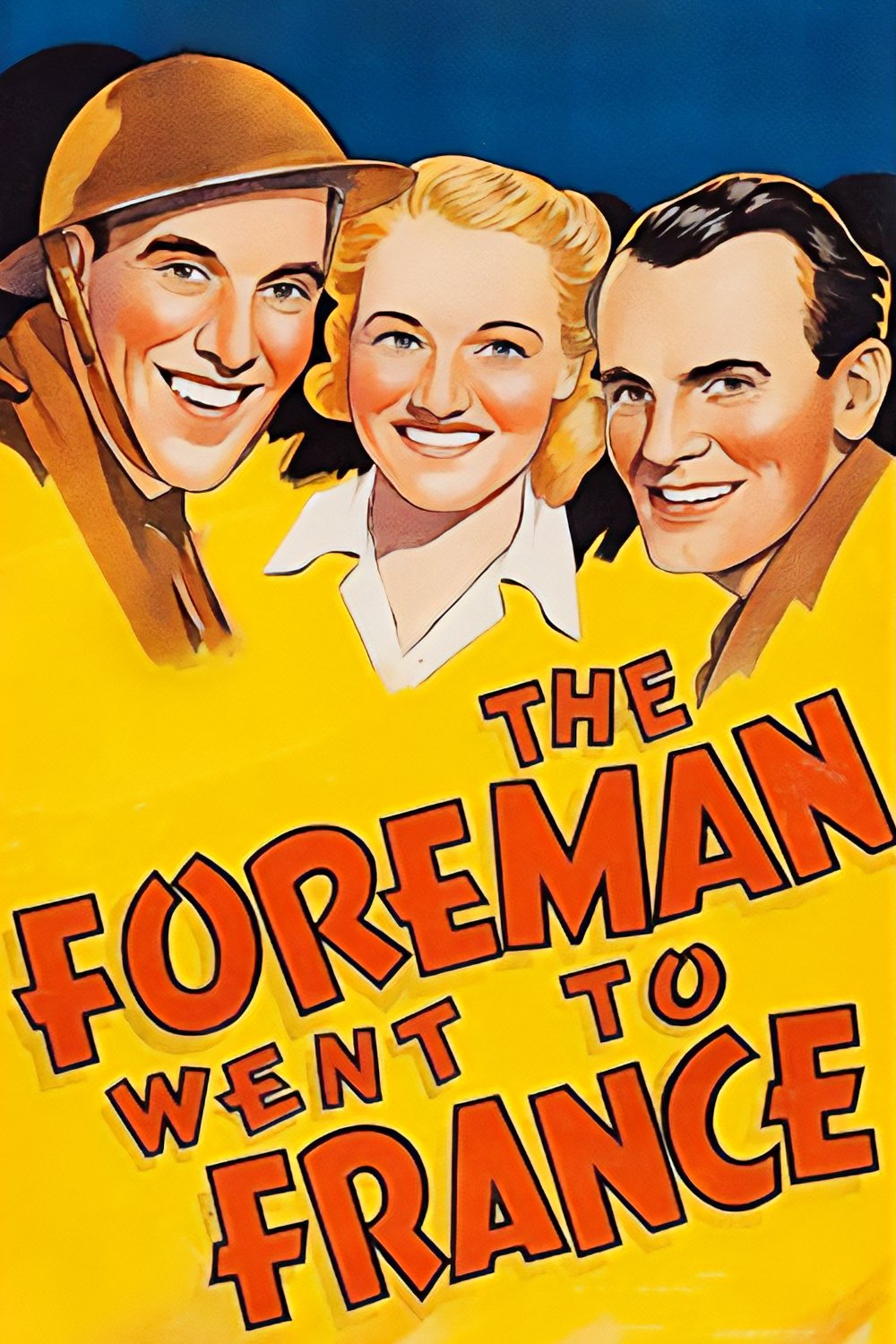
Based on the true story of Melbourne Johns, an aircraft factory foreman sent to France to prevent the Nazis getting hold of some vital equipment.
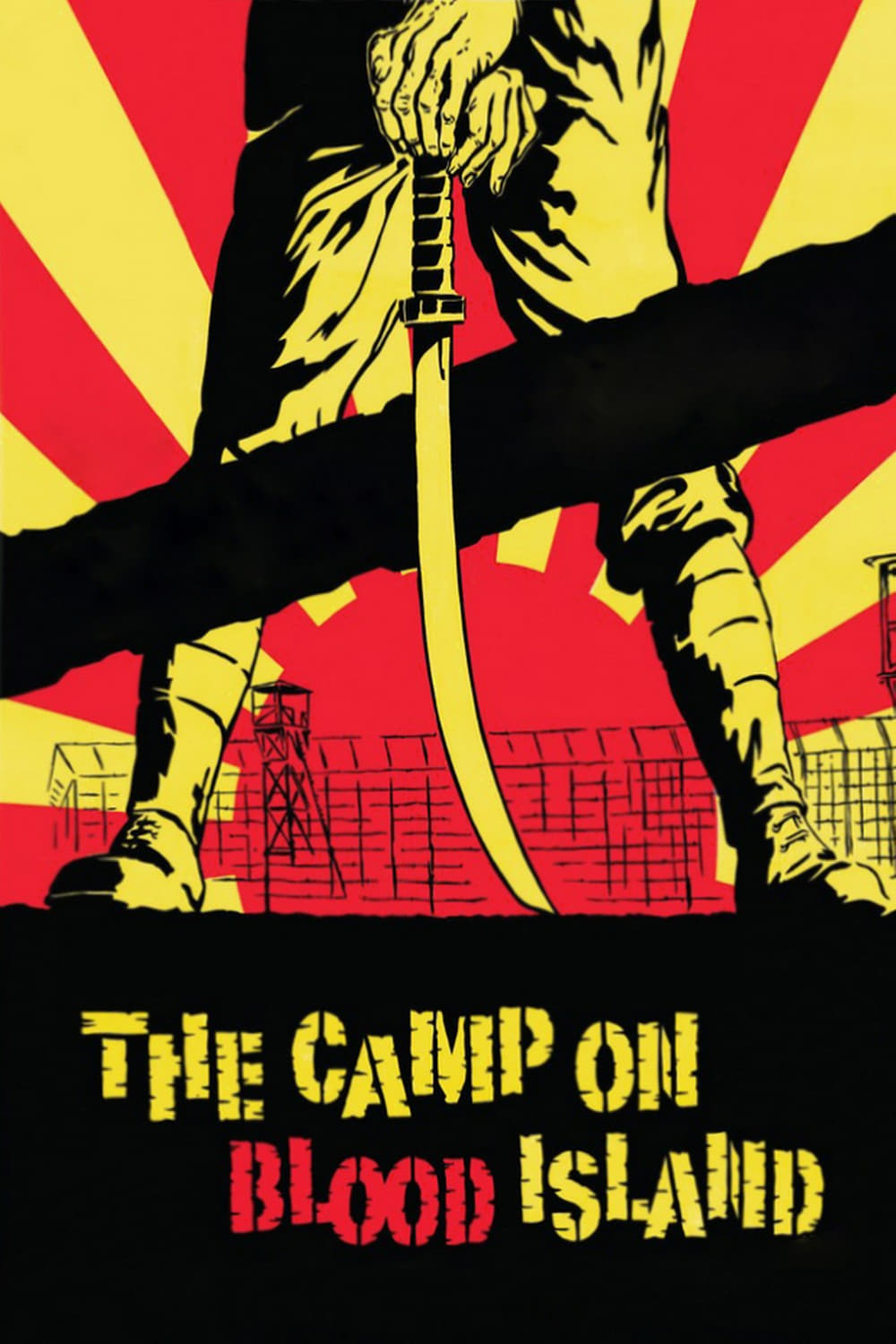
Set in a Japanese prisoner of war camp during World War II, the film focuses on the brutality and horror that the allied prisoners were exposed to as the Japanese metered out subjugation and punishment to a disgraced and defeated enemy. This harrowing drama concentrates on the deviations of legal and moral definitions when two opposing cultures clash. Although fictional, this was one of the earliest films to deal realistically with life and death in a Japanese prisoner-of-war camp during the Second War.
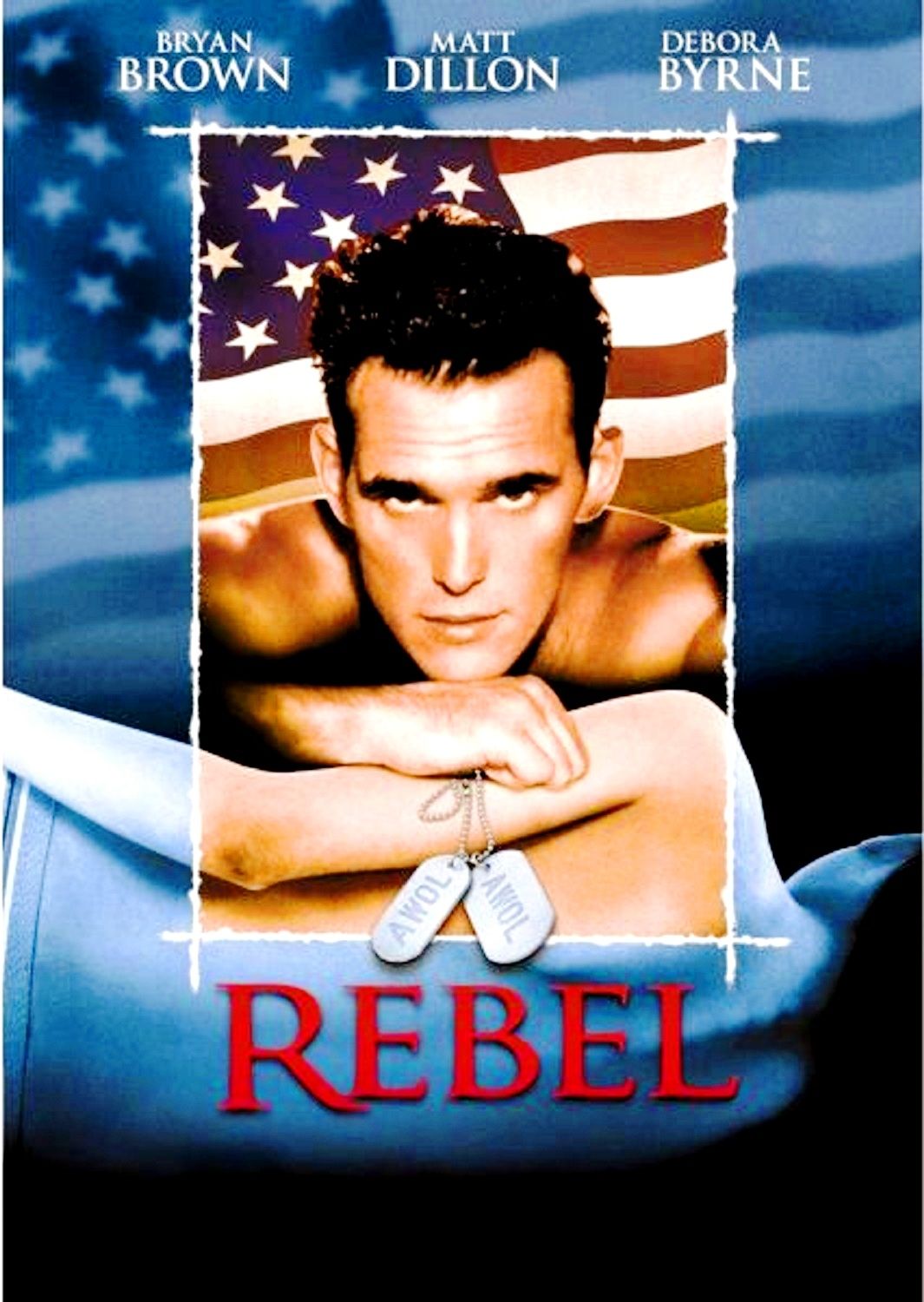
This drama is set in World War II Australia, where an American Marine, Rebel is recuperating from wounds suffered in battle. He is weary of war and is intent on going AWOL and escaping from Australia. He becomes infatuated with a local singer, Kathy and pursues her. Kathy is married and initially is not interested in him, but later begins to love Rebel. Kathy receives a letter advising her that her husband was killed in battle. The local police and the U.S. Military are searching for Rebel as an AWOL soldier. Rebel arranges to escape Austalia by a cargo ship, but eventually allows himself to be arrested in order to keep the local police from arresting Kathy for harboring him
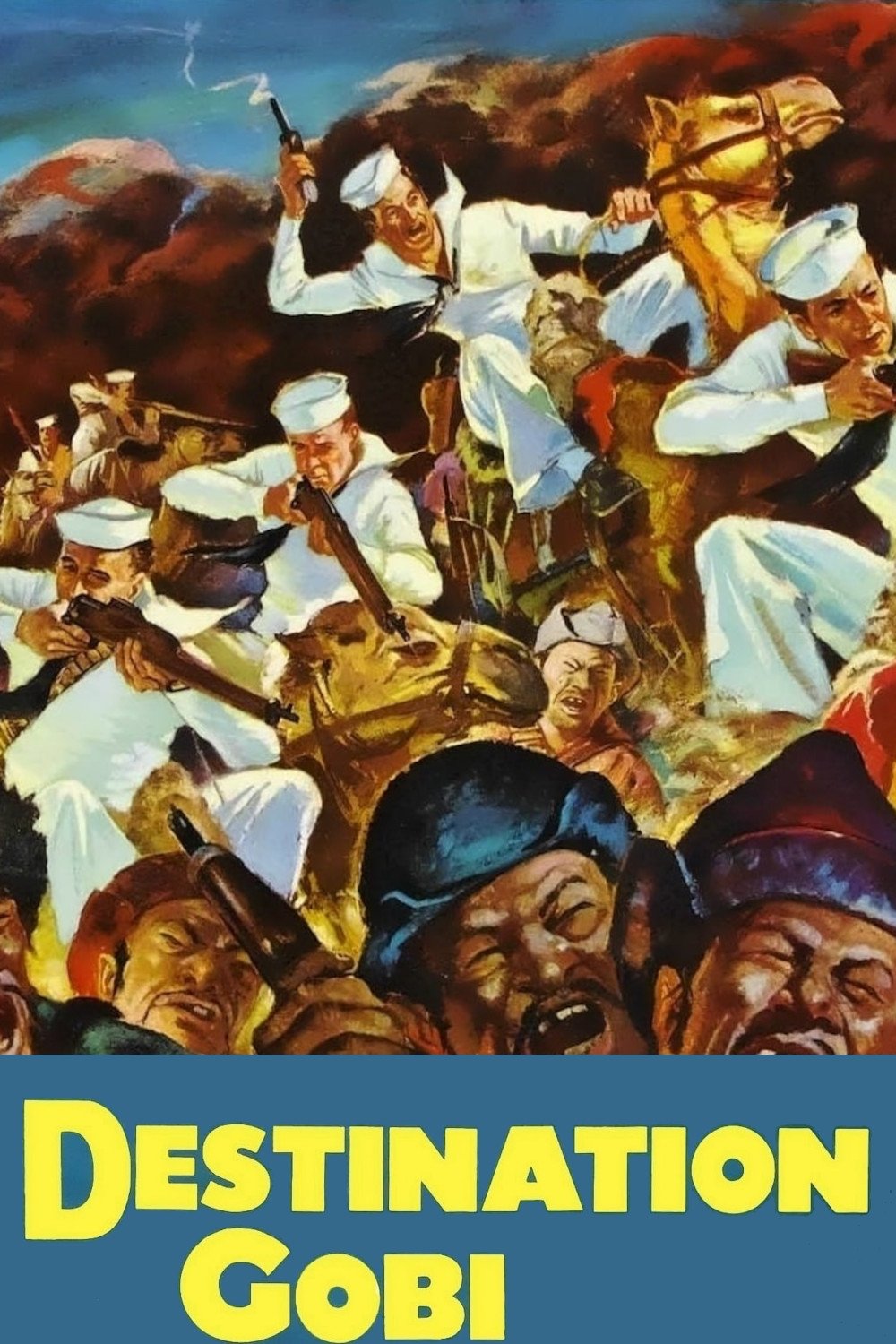
A group of US Navy weathermen taking measurements in the Gobi desert in World War II are forced to seek the help of Mongol nomads to regain their ship while under attack from the Japanese.
Brendan Byers III, one of the richest men in America, has been pronounced 4-F and can't serve his country in its war against Hitler. Byers does not take "No" for an answer and recruits other 4-F's to fight against Hitler.
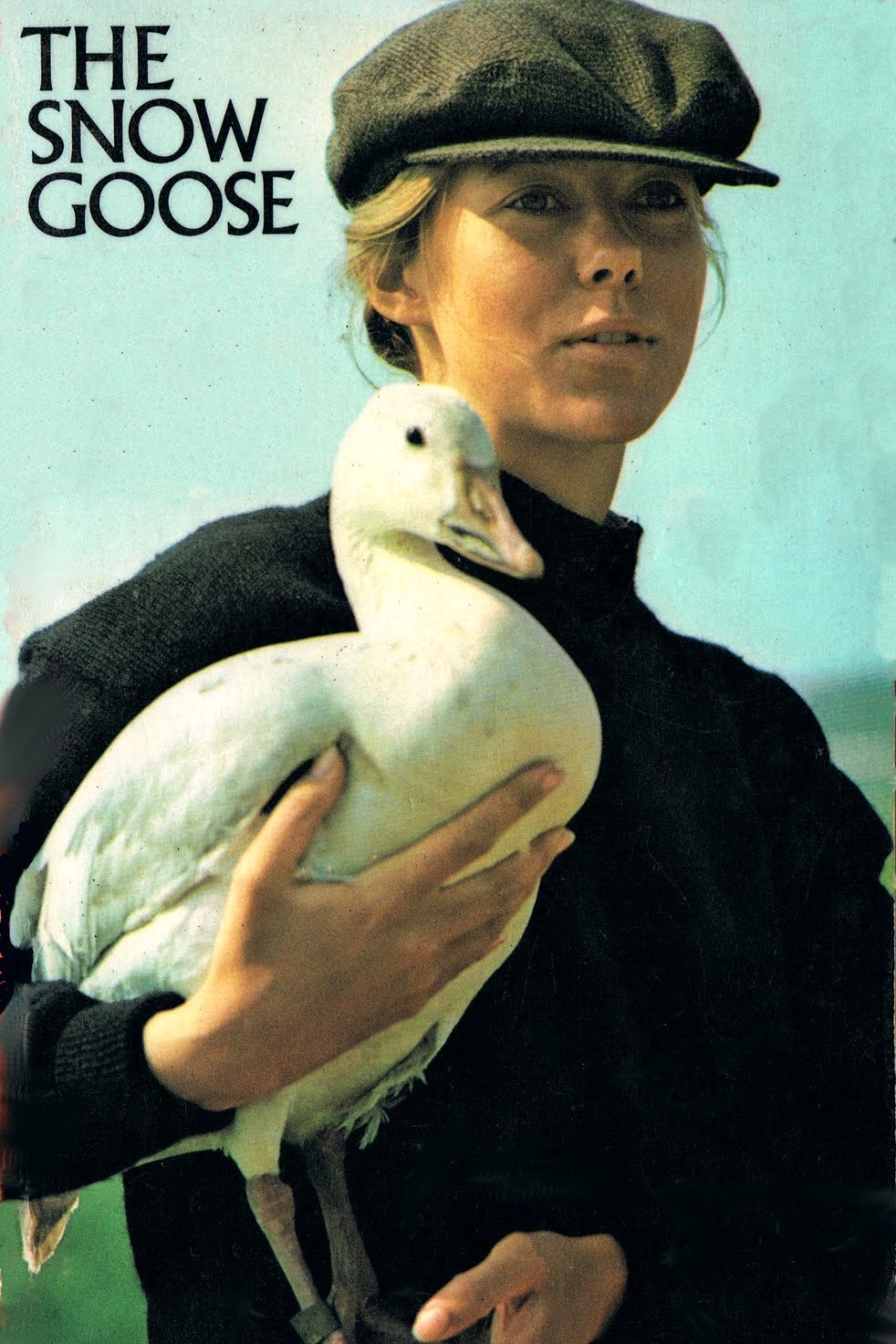
Based upon Paul Gallico's delicate novel, Patrick Garland's Golden Globe winning The Snow Goose is a stark and hauntingly beautiful drama set amongst the striking scenery of the Essex salt marshes during the early years of WWII. A bearded Richard Harris leads the modest cast with his sensitive portrayal of tormented soul Philip Rhayader, a lonely misshapen man shunned by society but with a great love of life; Harris isnt overly bitter of his treatment and expresses his compassion through his paintings and love of the waterfowl that surround him. Harris is ably supported by the waiflike Jenny Agutter as Frith, who radiates the requisite amount of youthful innocence and naivety, and won a best supporting actress Emmy Award for her performance.
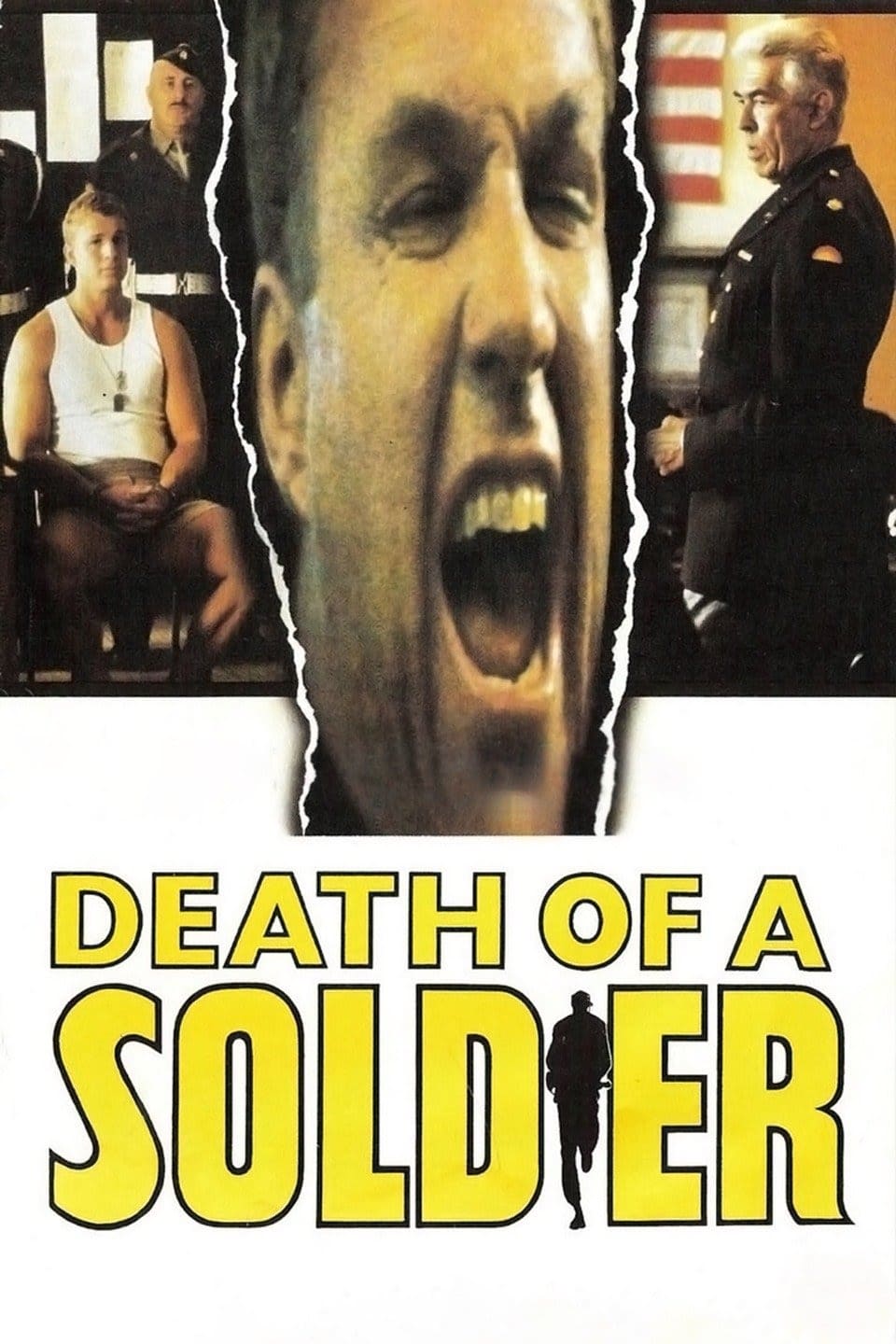
Based on a true story, James Coburn portrays a military lawyer assigned to defend a confessed psychotic killer. Set in the context of WWII and the uneasy US-Australian military alliance. The accused killer claims to have killed 3 women in order to possess their voices. Despite the defense lawyer's concerns that the killer is not fit to stand trial, the US military presses forward with the case and its desire to have the killer executed in order to strengthen the shaky alliance.
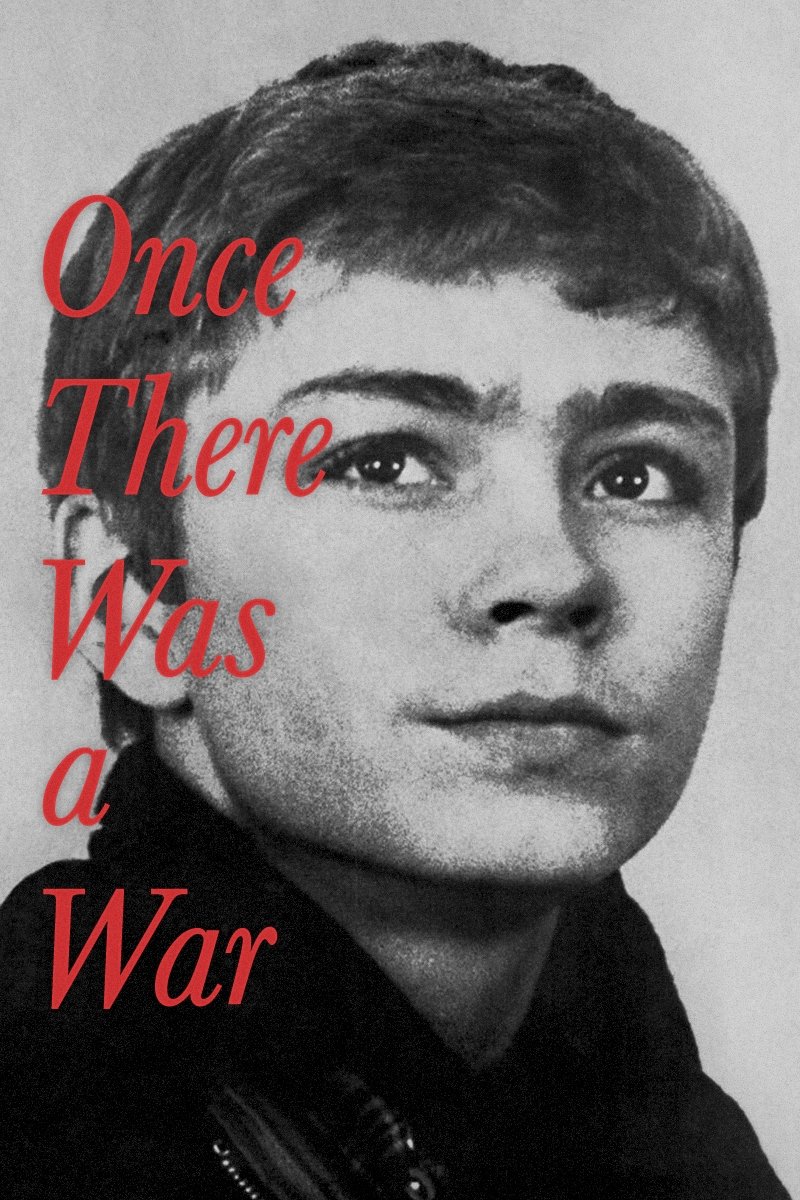
The film is a window into the world of fifteen-year-old Tim, sharing his joys and sorrows and his first encounter with love, during the German occupation of Denmark in World War II.
Would it be correct to suggest that none of it happened?
A war drama about the anti-Nazi resistance in the early spring of the last year of the war. German villains are furiously searching for their opponents, threatening the villagers who helped a downed pilot sent from England. But suspicions are also growing in the Czech environment, as someone has stooped to being an informer.
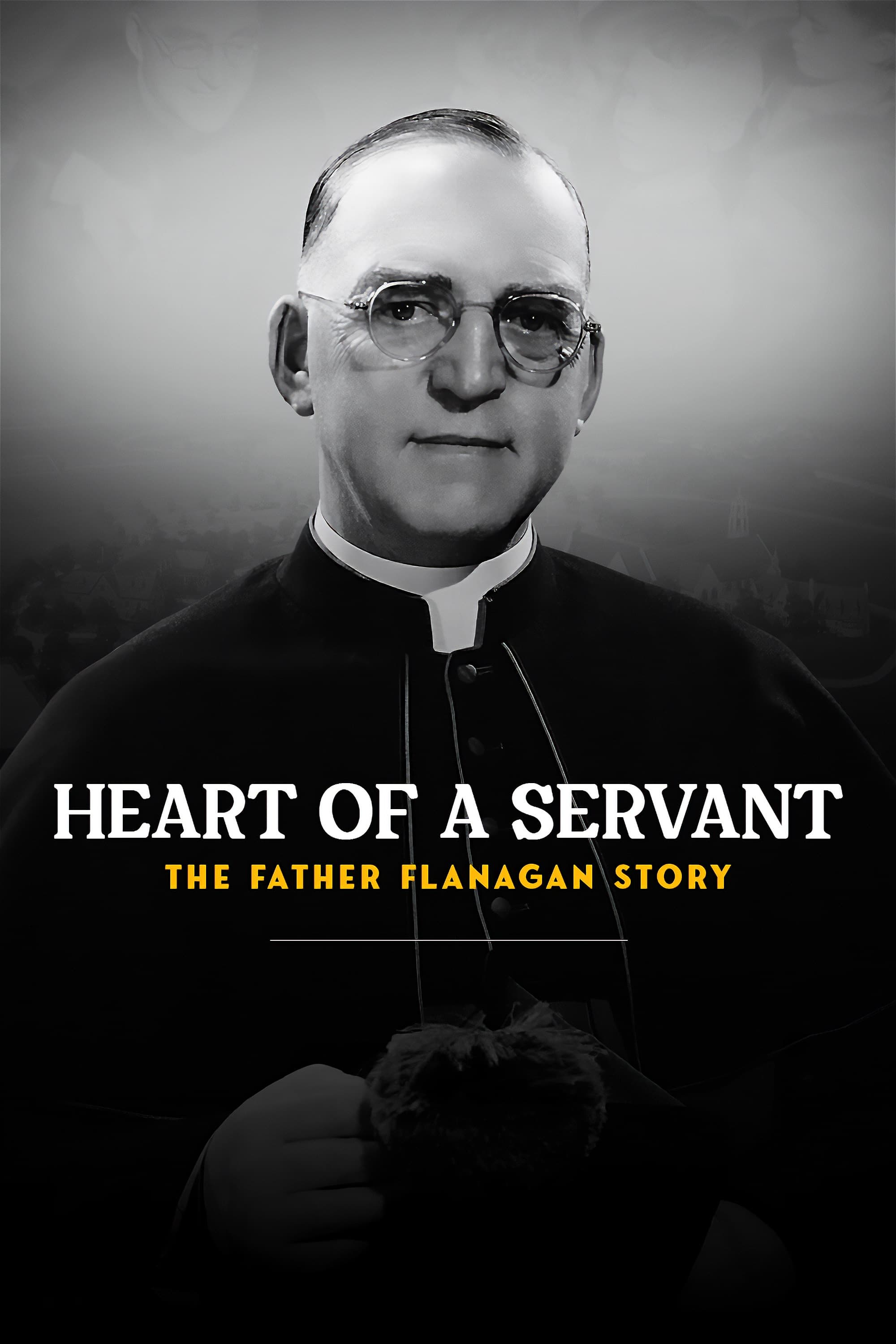
Father Edward J. Flanagan is a familiar name to many Americans, often for the Oscar-winning 1938 film starring Spencer Tracy about Flanagan’s groundbreaking child welfare organization. But the story extends far beyond that, to a man whose name and legacy are still well-known as far as Germany and Japan. Flanagan gained influence and admiration over the course of his life from Presidents, CEOs, celebrities and more, but none mattered more to him than that of the children for whom he tirelessly worked. A sobering reminder of this was during WWII, as Flanagan saw droves of former Boys Town citizens go off to war. In fact, so many former Boys Town boys named Flanagan as their next of kin that the American War Dads Association named him as America’s No. 1 War Dad.
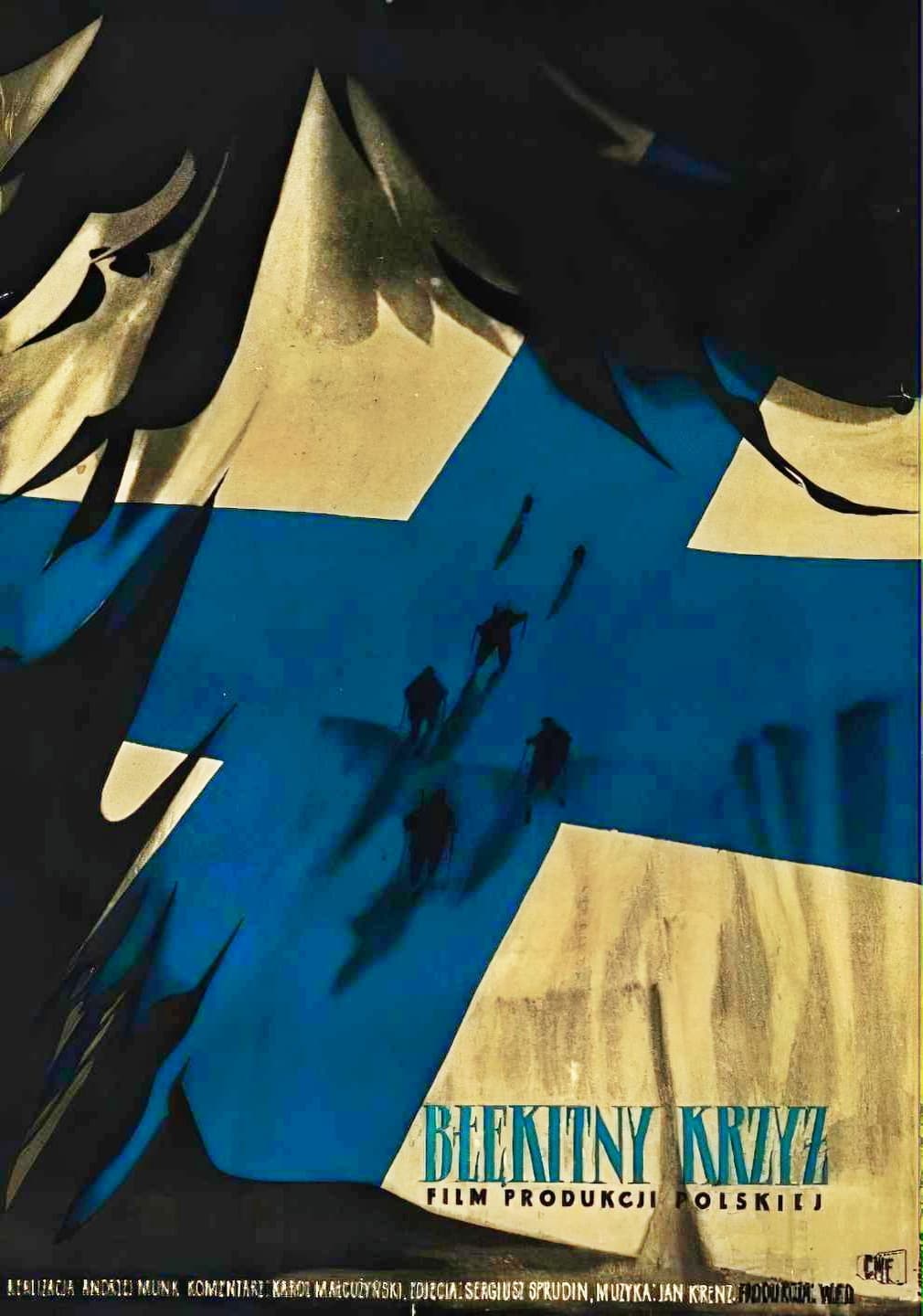
The final film produced by Warsaw’s Documentary Film Studio is an epic re-enactment of a treacherous mission by the Voluntary Tatra Mountain Rescue Service to aid colleagues stranded behind enemy lines at the close of World War II (several real participants feature in the film). Based on a short story about the rescue by Adam Liberak, Munk’s final “documentary” is also arguably his first major exercise in the craft of narrative filmmaking.
“The Soviet Story” is a story of an Allied power, which helped the Nazis to fight Jews and which slaughtered its own people on an industrial scale. Assisted by the West, this power triumphed on May 9th, 1945. Its crimes were made taboo, and the complete story of Europe’s most murderous regime has never been told. Until now...
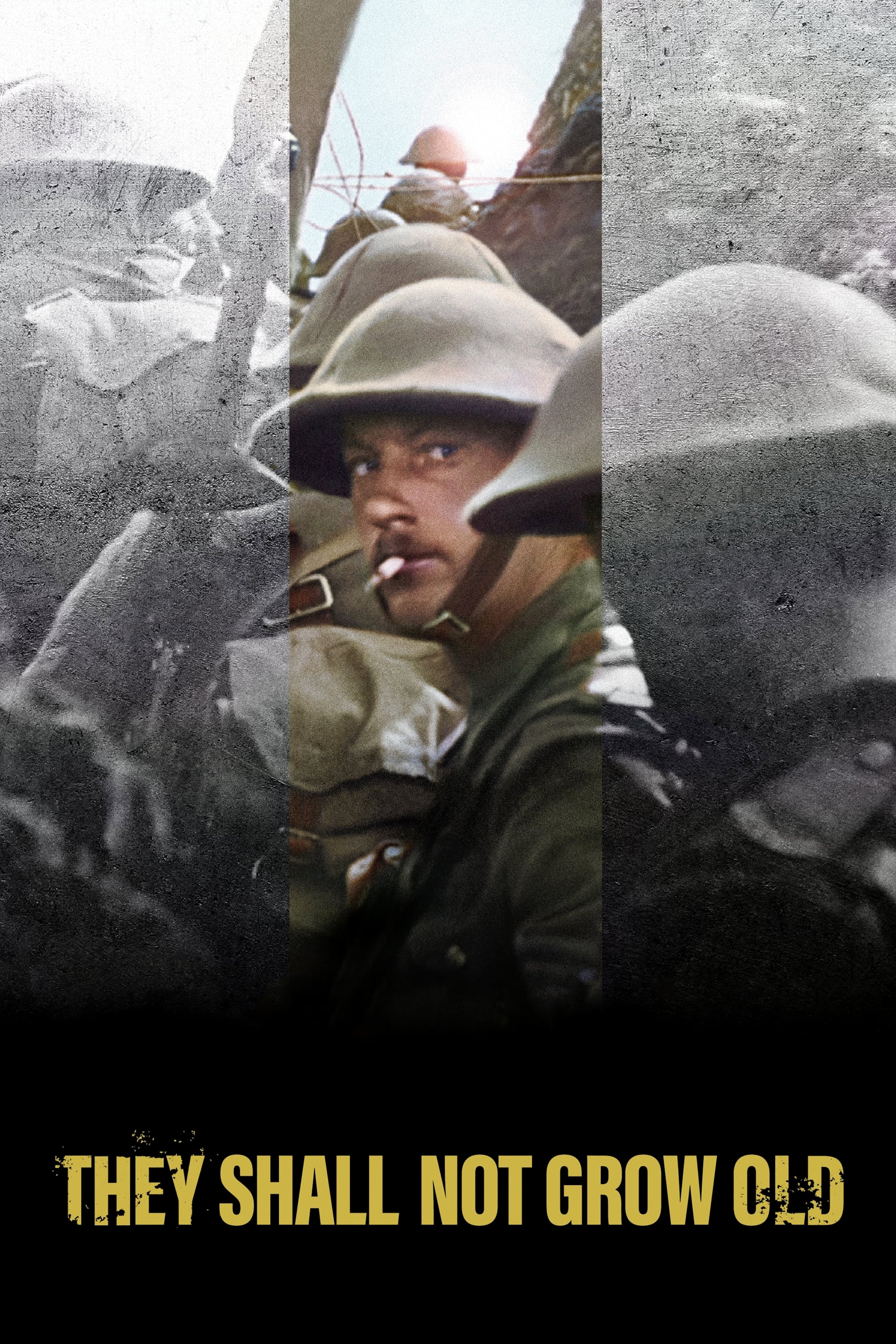
A documentary about World War I with never-before-seen footage to commemorate the centennial of Armistice Day, and the end of the war.
Prelude to War was the first film of Frank Capra's Why We Fight propaganda film series, commissioned by the Pentagon and George C. Marshall. It was made to convince American troops of the necessity of combating the Axis Powers during World War II. This film examines the differences between democratic and fascist states.
Over a period of two years, Mark Cowen and his crew travelled to thirty U.S. states and ten European cities, to interview the veterans of Easy Company. The stories told by the veterans themselves, create a history of the Second World War from the point of view of this heroic company of men, made famous in the mini-series Band of Brothers.
Director Claude Lanzmann spent 11 years on this sprawling documentary about the Holocaust, conducting his own interviews and refusing to use a single frame of archival footage. Dividing Holocaust witnesses into three categories – survivors, bystanders, and perpetrators – Lanzmann presents testimonies from survivors of the Chelmno concentration camp, an Auschwitz escapee, and witnesses of the Warsaw Ghetto Uprising, as well as a chilling report of gas chambers from an SS officer at Treblinka.
This documentary movie is about the battle of San Pietro, a small village in Italy. Over 1,100 US soldiers were killed while trying to take this location, that blocked the way for the Allied forces from the Germans. Preserved by the Academy Film Archive in 2005.
Meet the real-life airmen who inspired Masters of the Air as they share the harrowing and transformative events of the 100th Bomb Group.
"Trinity and Beyond" is an unsettling yet visually fascinating documentary presenting the history of nuclear weapons development and testing between 1945-1963. Narrated by William Shatner and featuring an original score performed by the Moscow Symphony Orchestra, this award-winning documentary reveals previously unreleased and classified government footage from several countries.
Amid the failing counteroffensive, a journalist follows a Ukrainian platoon on their mission to traverse one mile of heavily fortified forest and liberate a strategic village from Russian occupation. But the farther they advance through their destroyed homeland, the more they realize that this war may never end.
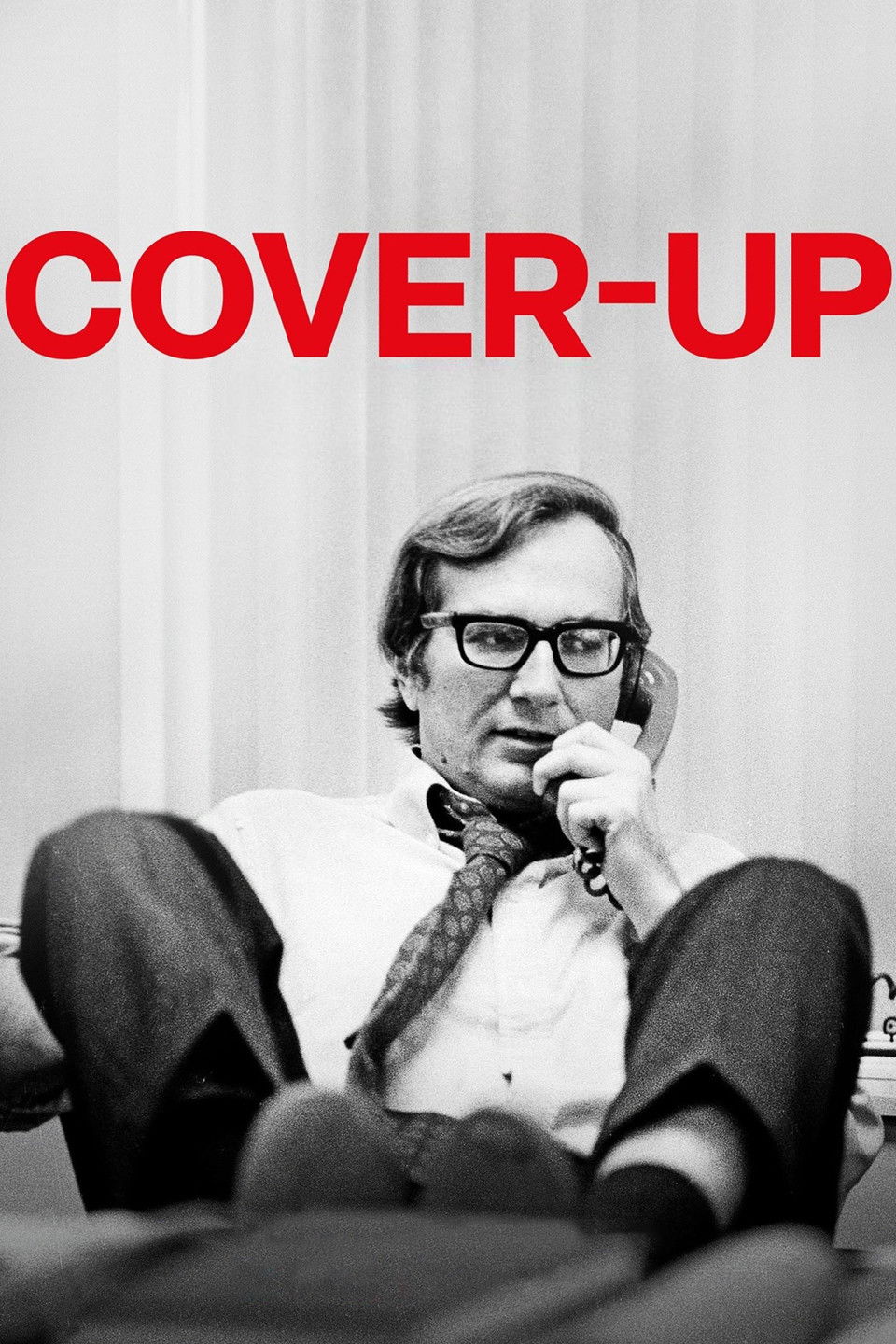
He's devoted his career to uncovering stories the powerful want buried. From My Lai to Abu Ghraib, dig into the life's work of journalist Seymour Hersh.
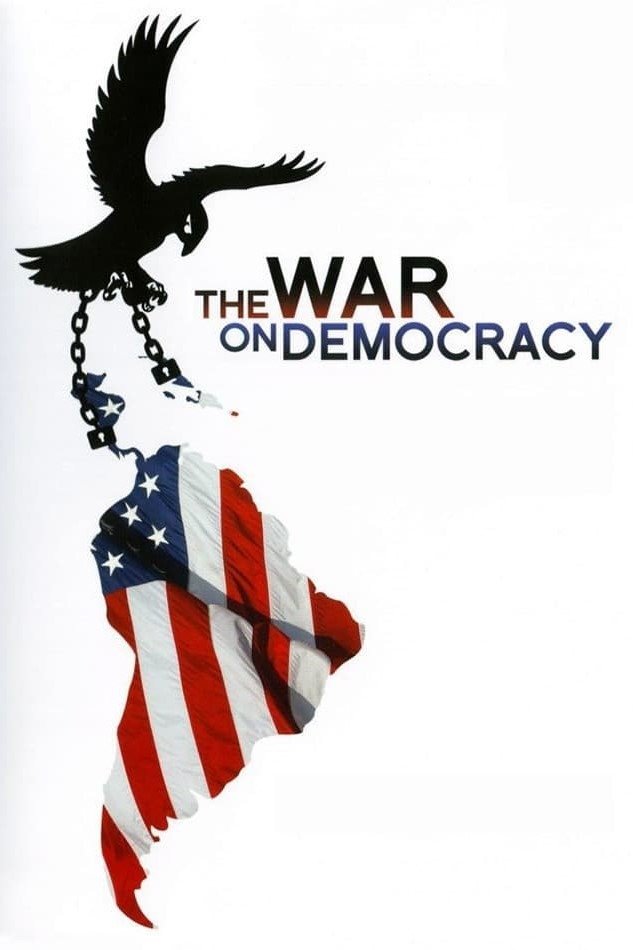
Set both in Latin America and the United States, the film explores the historic and current relationship of Washington with countries such as Venezuela, Bolivia and Chile. Pilger says that the film "...tells a universal story... analysing and revealing, through vivid testimony, the story of great power behind its venerable myths. It allows us to understand the true nature of the so-called "war on terror". According to Pilger, the film’s message is that the greed and power of empire is not invincible and that people power is always the "seed beneath the snow".
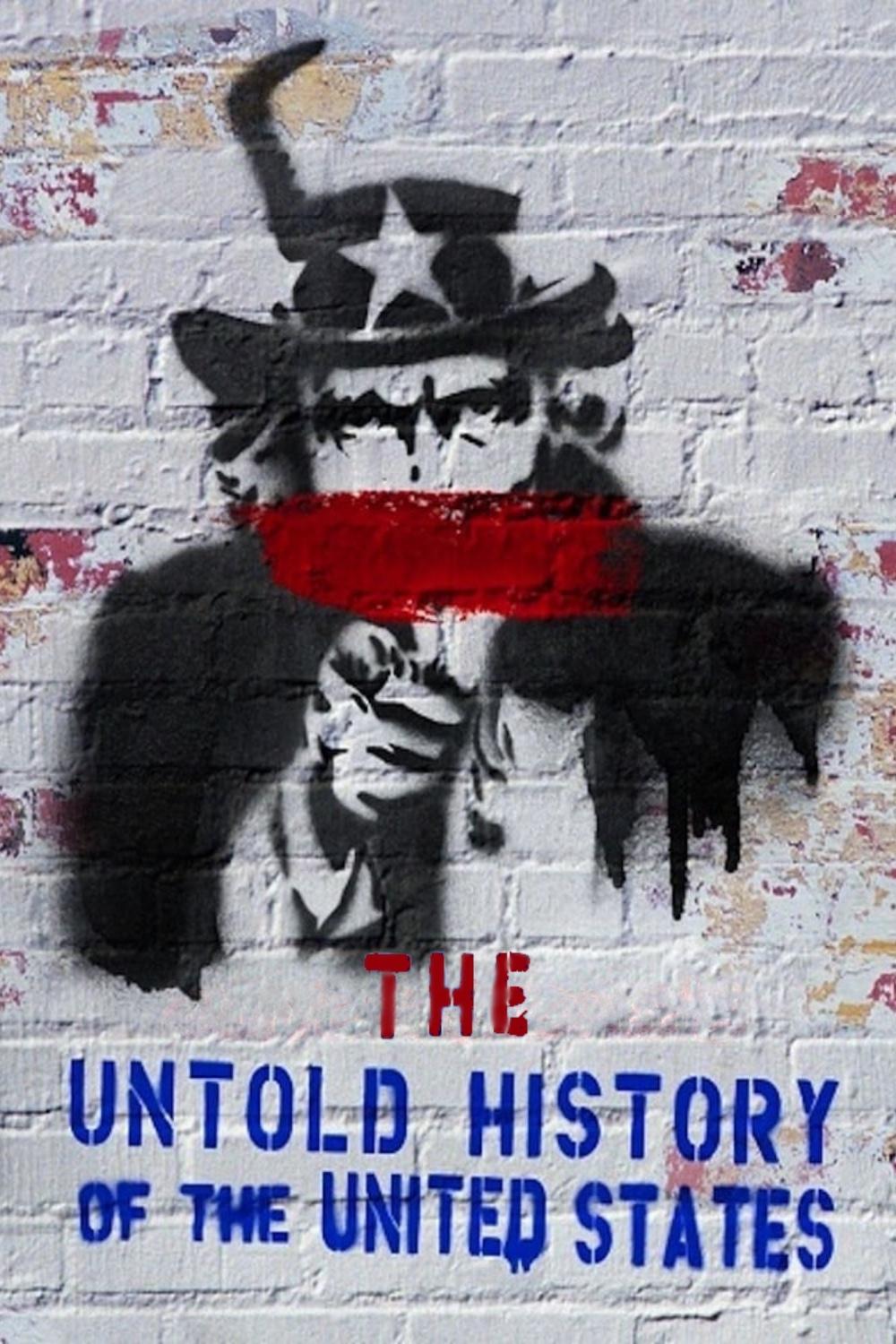
Oliver Stone charts the history of the United States from the Second World War to the present.
Filmmaker Alain Resnais documents the atrocities behind the walls of Hitler's concentration camps.
Pete Postlethwaite stars as a man living alone in the devastated future world of 2055, looking at old footage from 2008 and asking: why didn’t we stop climate change when we had the chance?
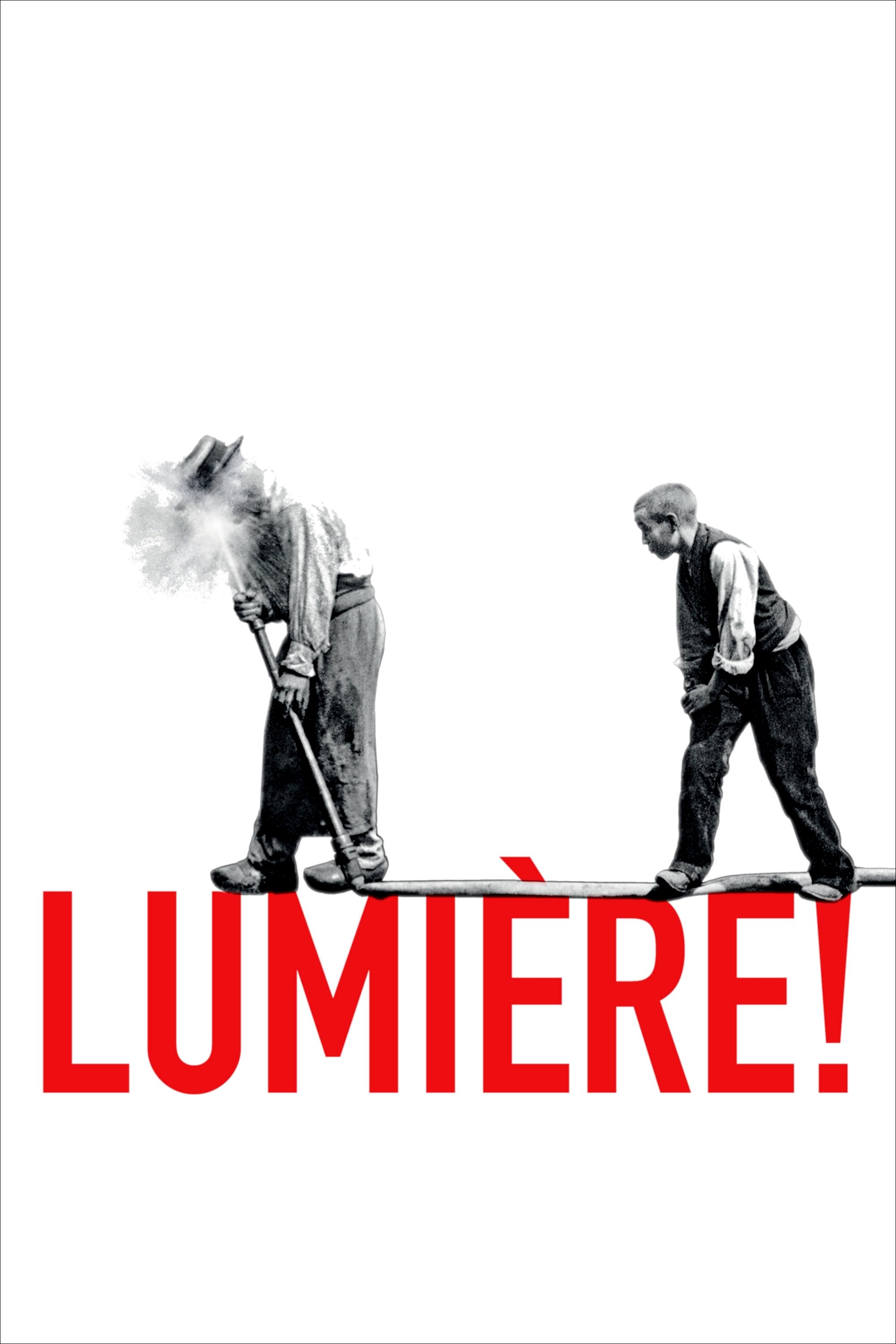
A collection of restored prints from the Lumière Brothers.
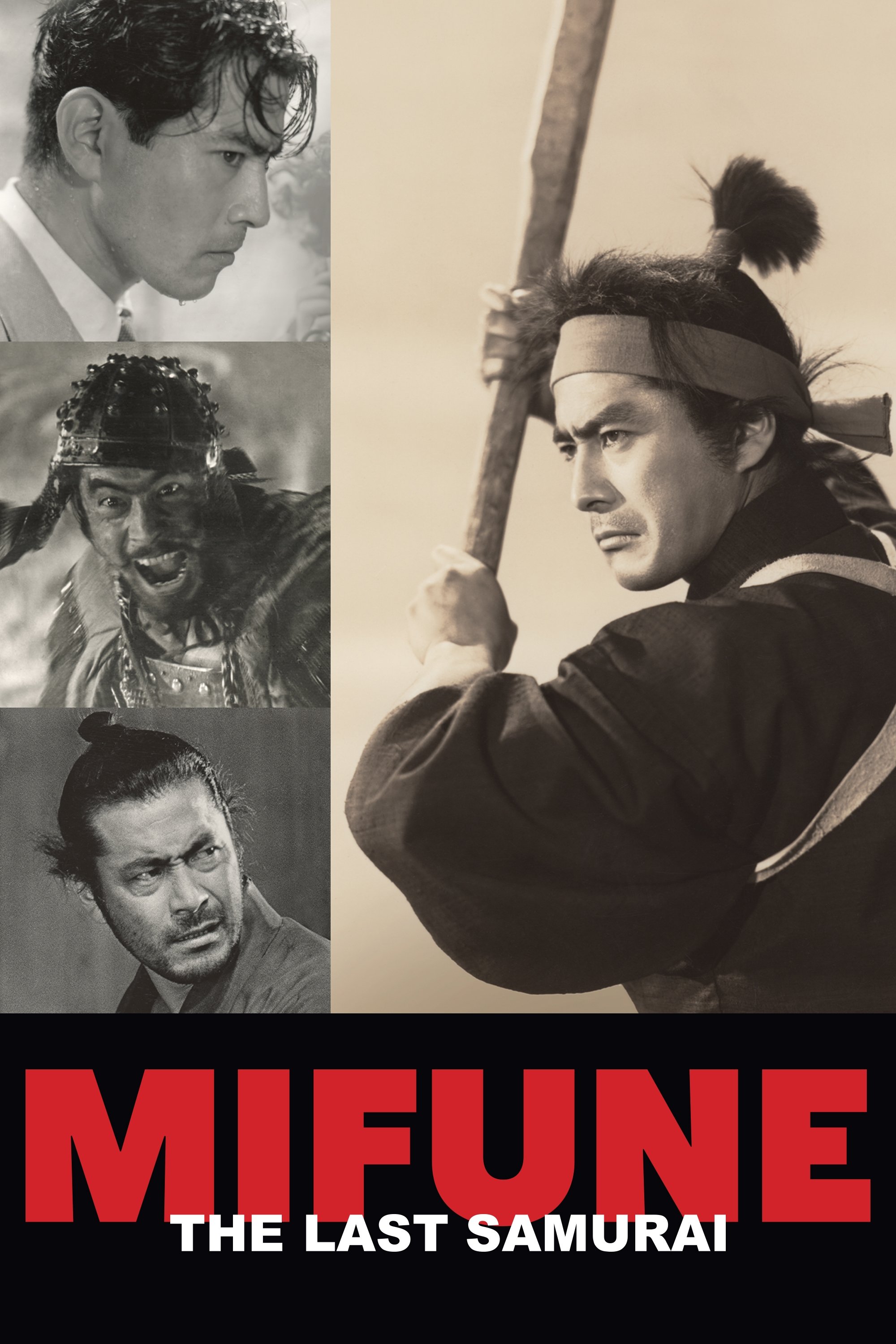
An account of the life and work of legendary Japanese actor Toshirō Mifune (1920-97), the most prominent actor of the Golden Age of Japanese cinema.
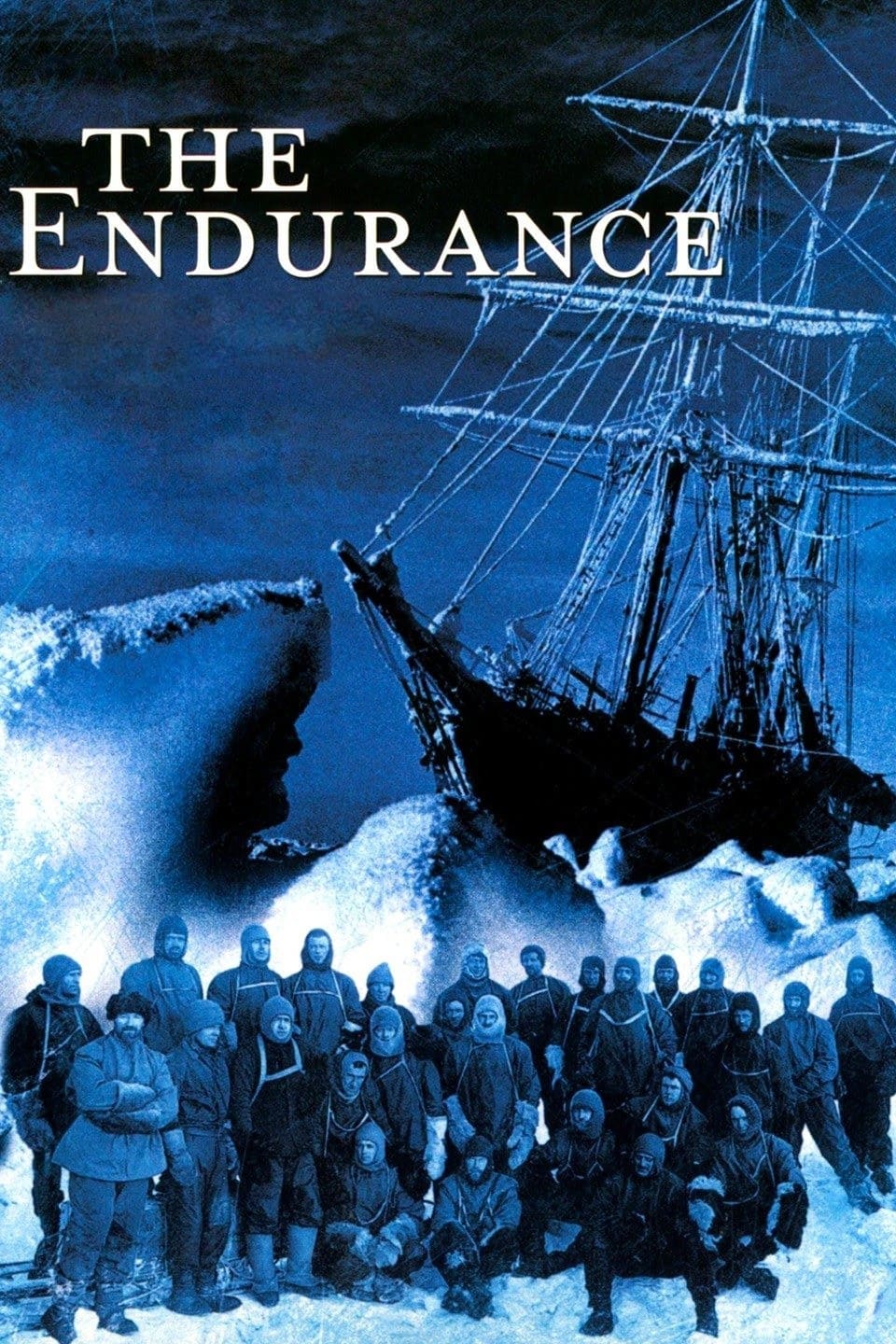
Documentary on the Shackleton Antartic expedition. A retelling of Sir Ernest Shackleton's ill-fated expedition to Antarctica in and the crew of his vessel 'The Endurance', which was trapped in the ice floes and frigid open ocean of the Antarctic in 1914. Shackleton decided, with many of his crew injured and weak from exposure and starvation, to take a team of his fittest men and attempt to find help. Setting out in appalling conditions with hopelessly inadequate equipment, they endured all weather and terrain and finally reached safety. Persuading a local team of his confidence that the abandoned team would still be alive, he set out again to find them. After almost 2 years trapped on the ice, all members of the crew were finally rescued.
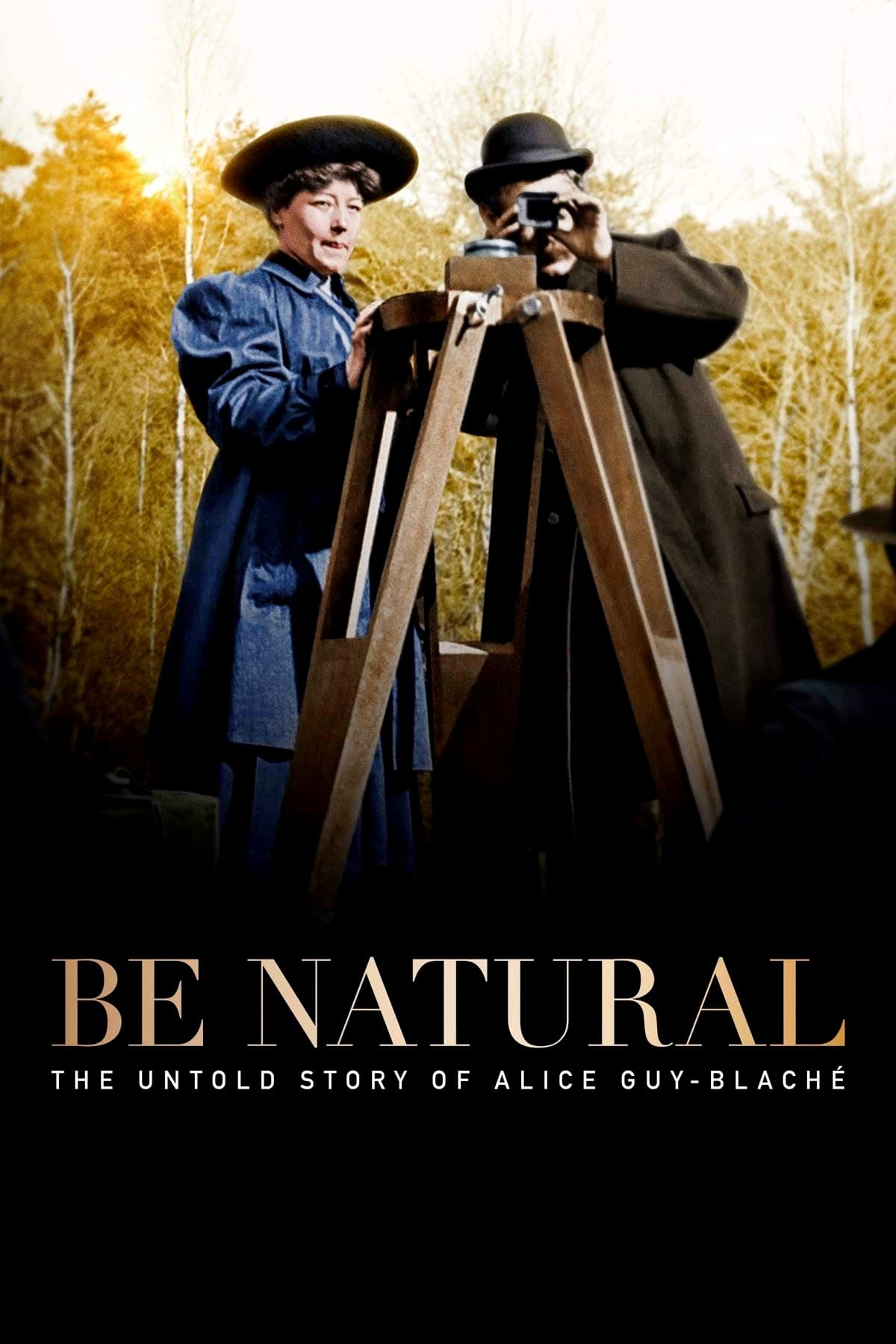
The epic life story of Alice Guy-Blaché (1873–1968), a French screenwriter, director and producer, true pioneer of cinema, the first person who made a narrative fiction film; author of hundreds of movies, but banished from history books. Ignored and forgotten. At last remembered.
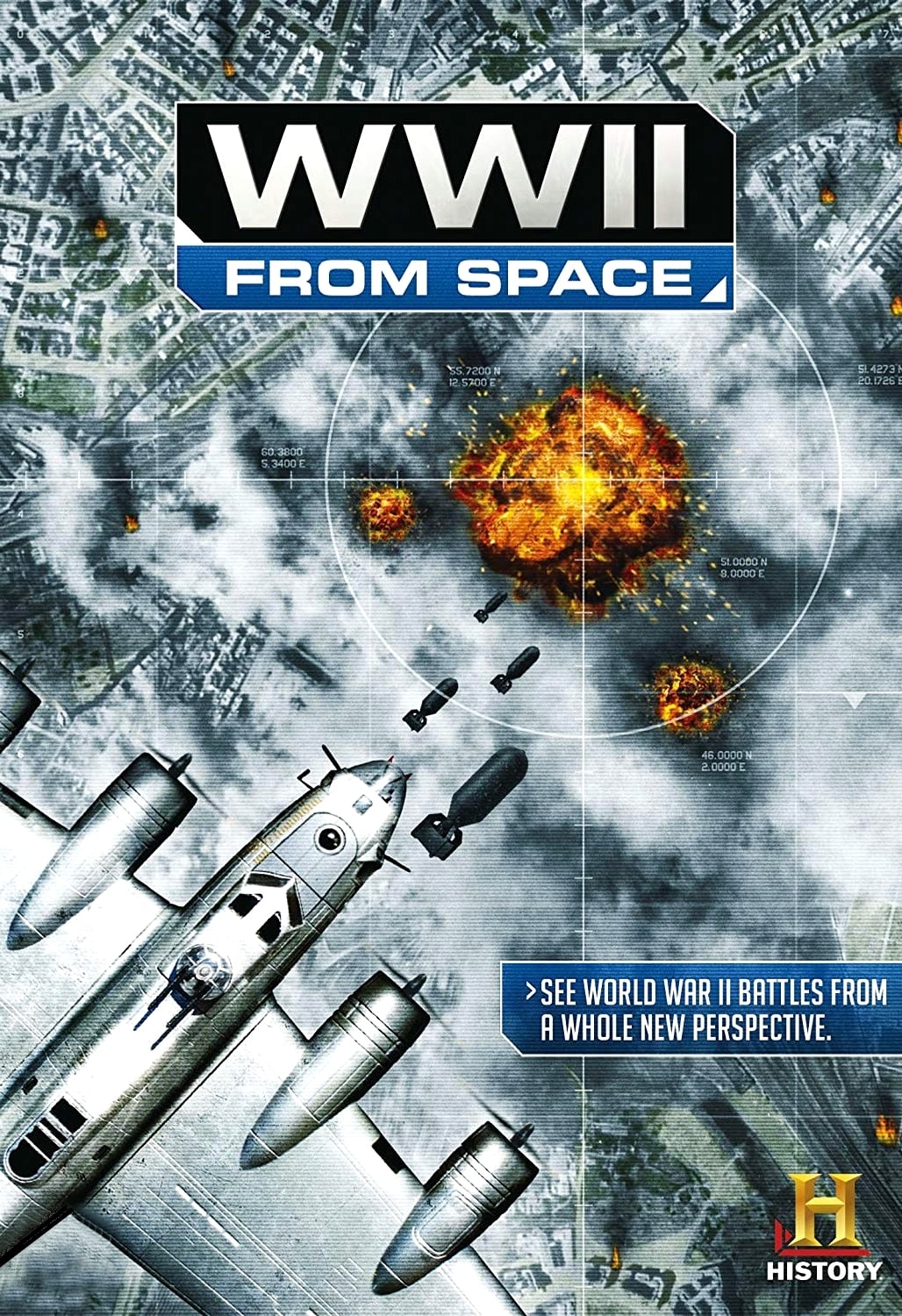
WWII from Space delivers World War II in a way you've never experienced it before. This HISTORY special uses an all-seeing CGI eye that offers a satellite view of the conflict, allowing you to experience it in a way that puts key events and tipping points in a global perspective. By re-creating groundbreaking moments that could never have been captured on camera, and by illustrating the importance of simultaneity and the hidden effects of crucial incidents, HISTORY presents the war's monumental moments in a never-before-seen context. And with new information brought to the forefront, you'll better understand how a nation ranked 19th in the world's militaries in 1939 emerged six years later as the planet's only atomic superpower.
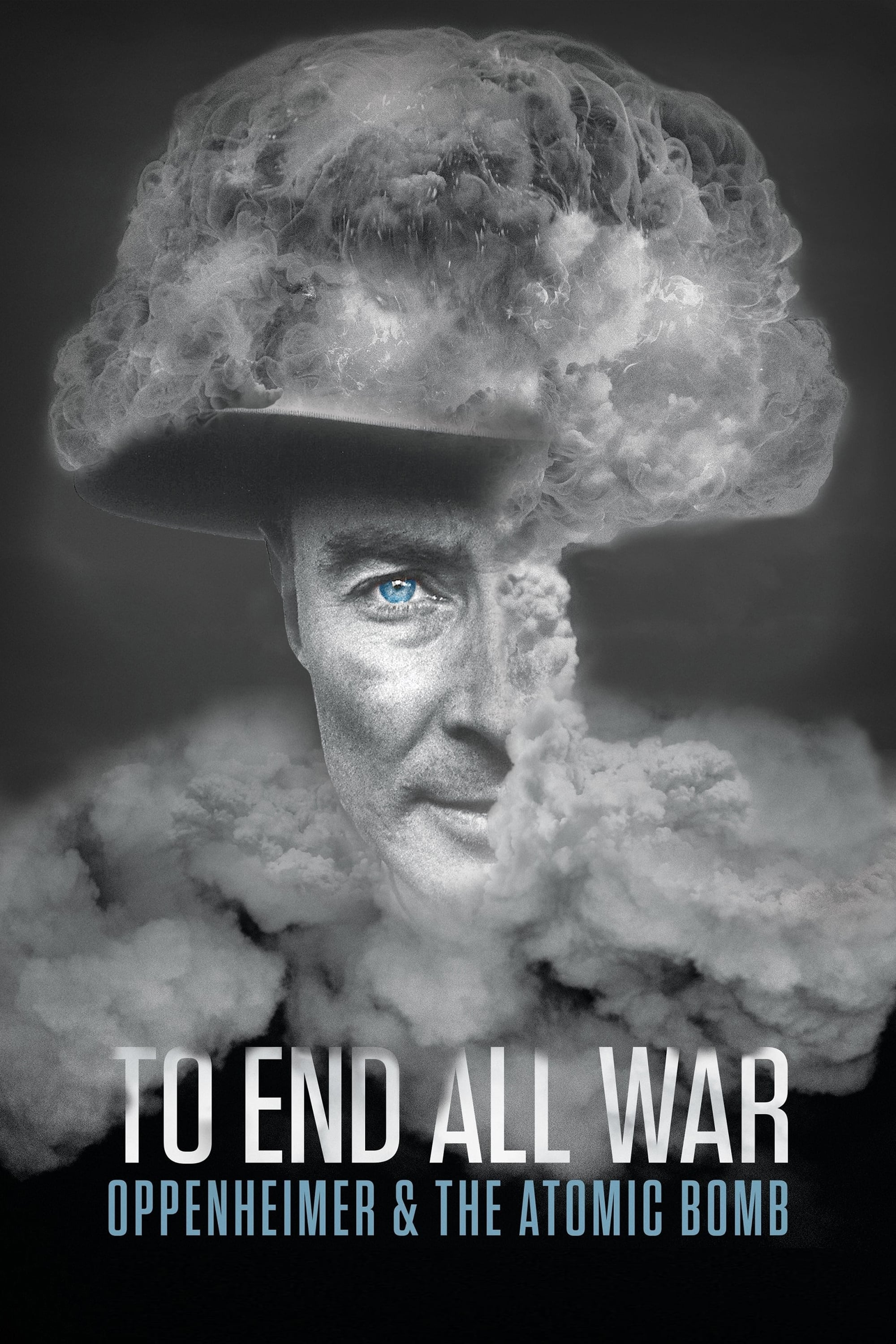
Explore how one man's relentless drive and invention of the atomic bomb changed the nature of war forever, led to the deaths of hundreds of thousands of people and unleashed mass hysteria.