Social & External
The people behind it
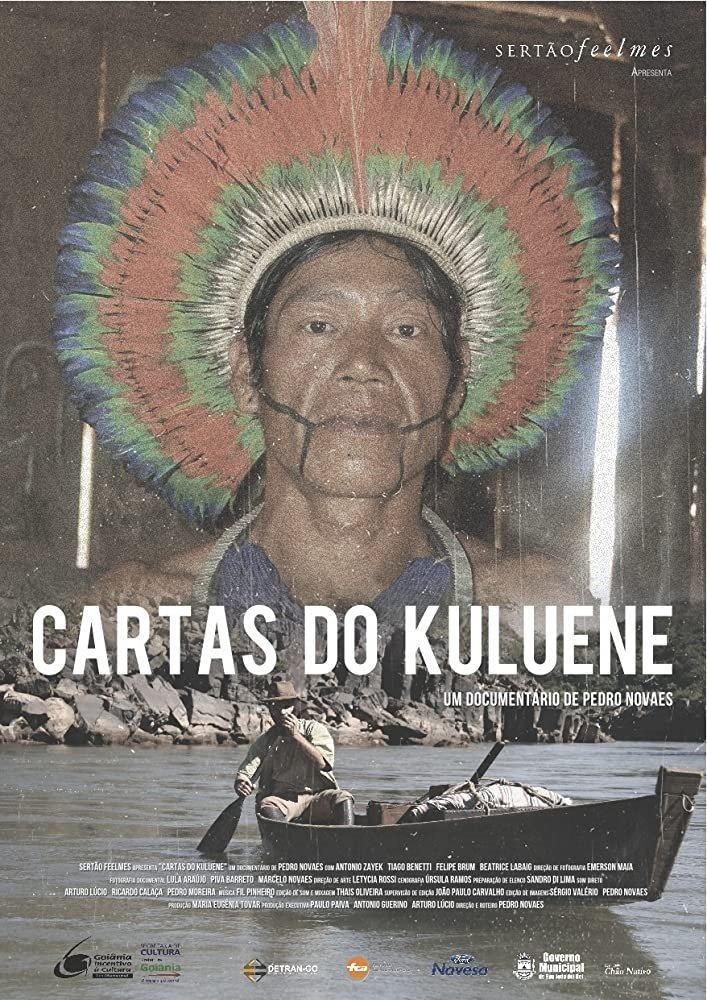
Tiago Benetti
Buell Quain
Antonio Zayek
Paul Berthelot
Felipe Brum
Quain's Friend
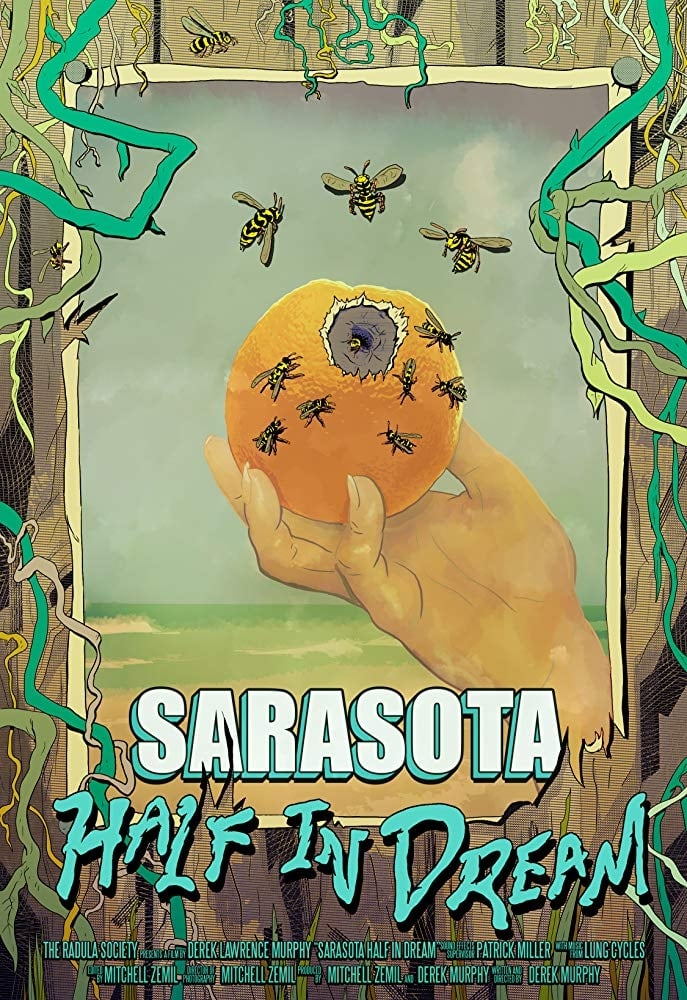
An experimental documentary about dead turtles, crab swarms, decaying tennis courts, and microscopic histories. The filmmakers shot their explorations into the abandoned golf courses, factories, and resorts of Sarasota, Florida and spoke to local youths who are using them for new and strange purposes. What would the Surrealists and Situationists think of a suburban, subtropical tourist town? What goes on in a storage unit in the dead of night? What is the afterlife of a decommissioned train car? What ghosts haunt a ruined hotel? What is the life cycle of a city? When will waters wash it all away?
Building Communism isn’t just about destroying the status quo, it’s about bringing people together in the process.
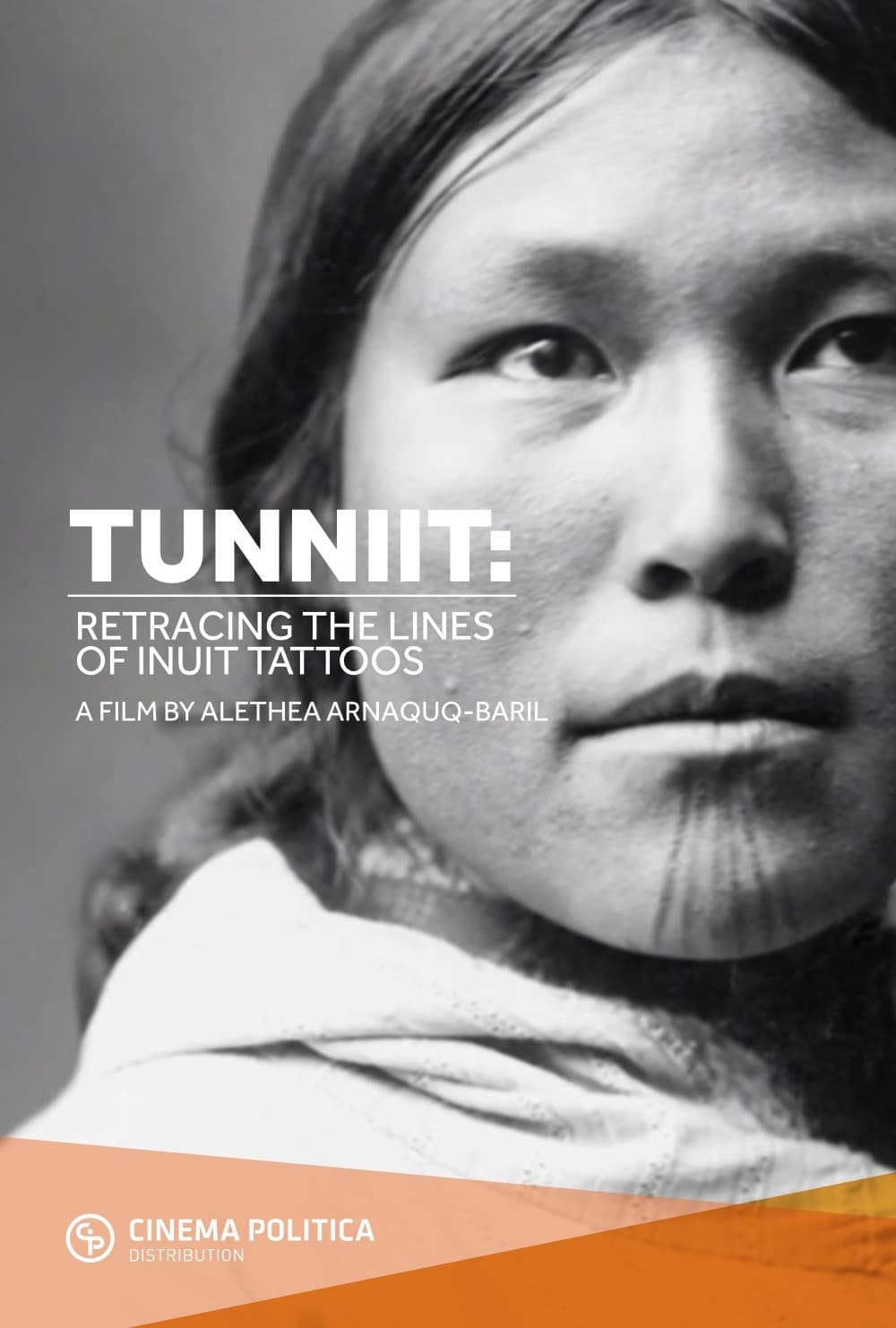
Inuit traditional face tattoos have been forbidden for a century, and almost forgotten. Director Alethea Arnaquq-Baril, together with long-time friend and activist Aaju Peter, is determined to uncover the mystery and meaning behind this beautiful ancient tradition. Together they embark on an adventure through Arctic communities, speaking with elders and recording the stories of a once popularized female artform. Central to the film is Arnaquq-Baril’s personal debate over whether or not to get tattood herself. With candour and humour, she welcomes us into her world, to experience firsthand the complex emotions that accompany her struggle. Past meets present in this intimate account of one woman’s journey towards self-empowerment and cultural understanding.
After a wave of arrests in 1969, Italian anarchist Giuseppe Pinelli allegedly falls out of a police building window while being interrogated. The circumstances leading to his death are re-enacted in three hypothetical versions in this attempt at counter-investigation. Released together with Nelo Risi's 'Giuseppe Pinelli', as 'Documenti su Giuseppe Pinelli'.
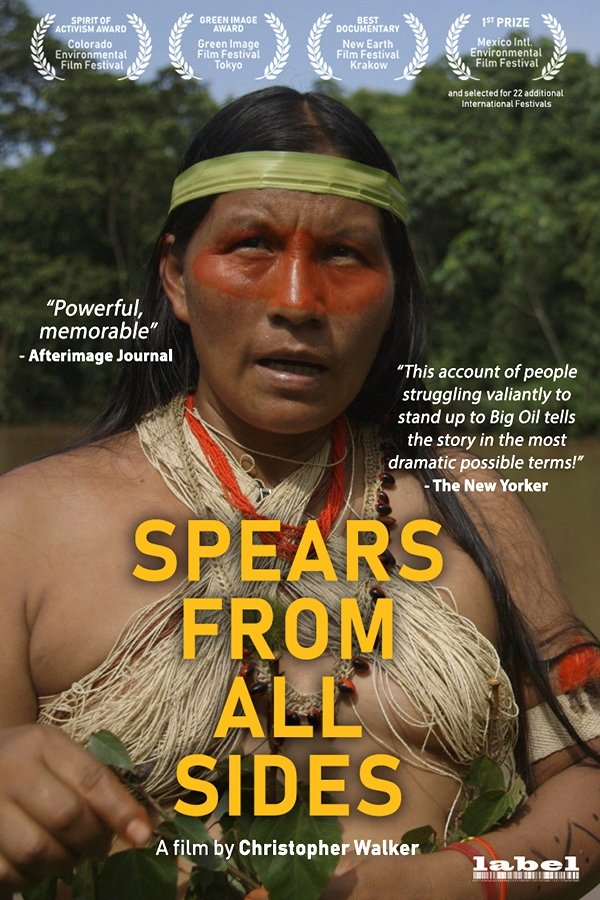
Until the 1950s, the Waorani were able to successfully defended their area of settlement – today’s Yasuni National Park in the Ecuadorian Amazon – with the aid of spears. Then Christian missionaries entered the thick rain forest and paved the way for an oil company. Nowadays many of the tribes are estranged as some want to benefit from the short-term money the company is offering while others fight to preserve their land, culture and independence under all circumstances.
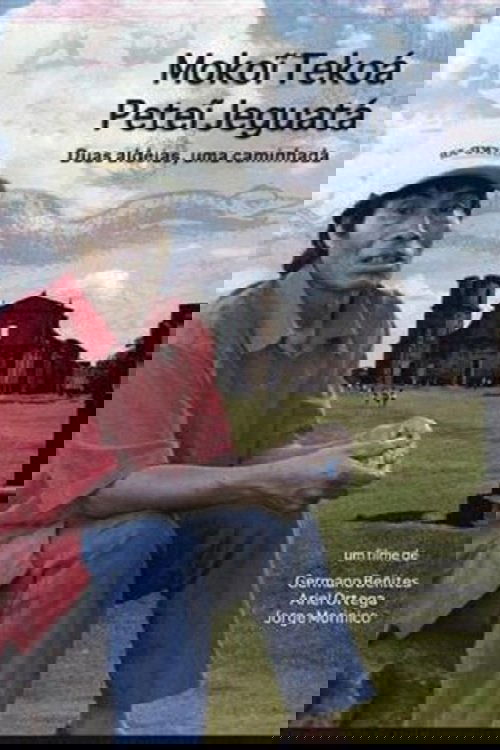
With no Forest left to hunt and no land to cultivate, the Maby-Guarani depend on the sale of their handcraft to survive. Three young Guarani filmmakers accompany the daily life of two comunities united by the same history, since the first contact with the Europeans until the intense coexistence with today’s White people.
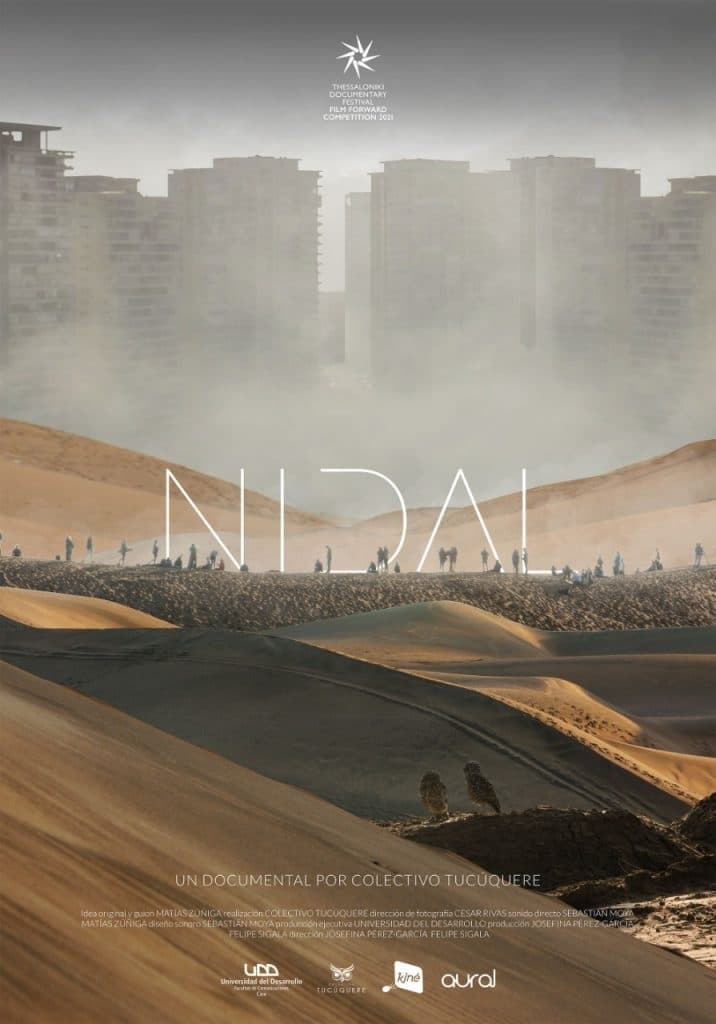
The real estate industry has destabilized the natural surroundings of the city of Concón, on the Chilean coast, forcing the inhabitants and landscapes of the region to find new ways to adapt and survive. “Nidal” depicts the cohabitating of species and the accelerated transformation of the landscapes due to human occupation.
TOKYO Ainu features the Ainu, an indigenous people of Japan, living in Greater Tokyo (Tokyo and its surrounding areas), who are and actively in promoting their traditional culture in a metropolitan environment away from their traditional homeland, Hokkaido. Shedding a common assumption that all Ainu live in Hokkaido, the film captures the feelings, thoughts and aspirations of Ainu people that who try to follow the Ainu way no matter where they live.
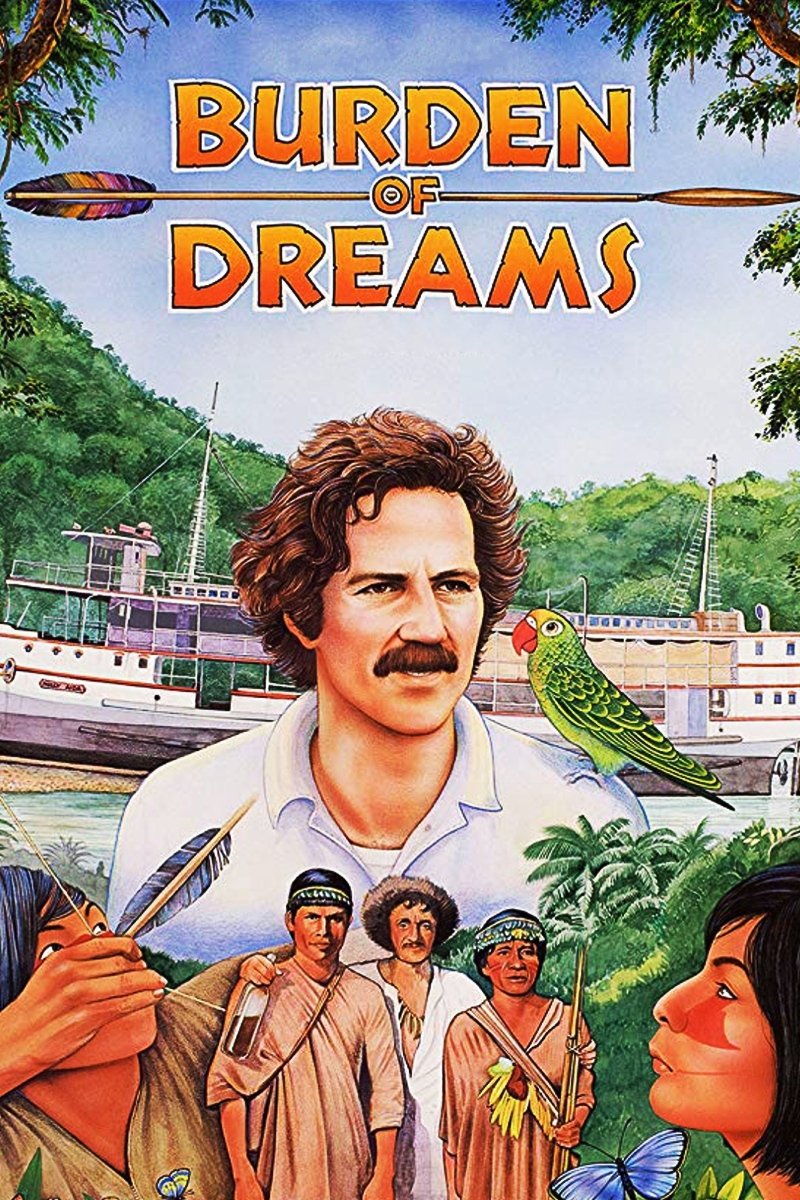
The Amazon rain forest, 1979. The crew of Fitzcarraldo (1982), a film directed by German director Werner Herzog, soon finds itself with problems related to casting, tribal struggles and accidents, among many other setbacks; but nothing compared to dragging a huge steamboat up a mountain, while Herzog embraces the path of a certain madness to make his vision come true.
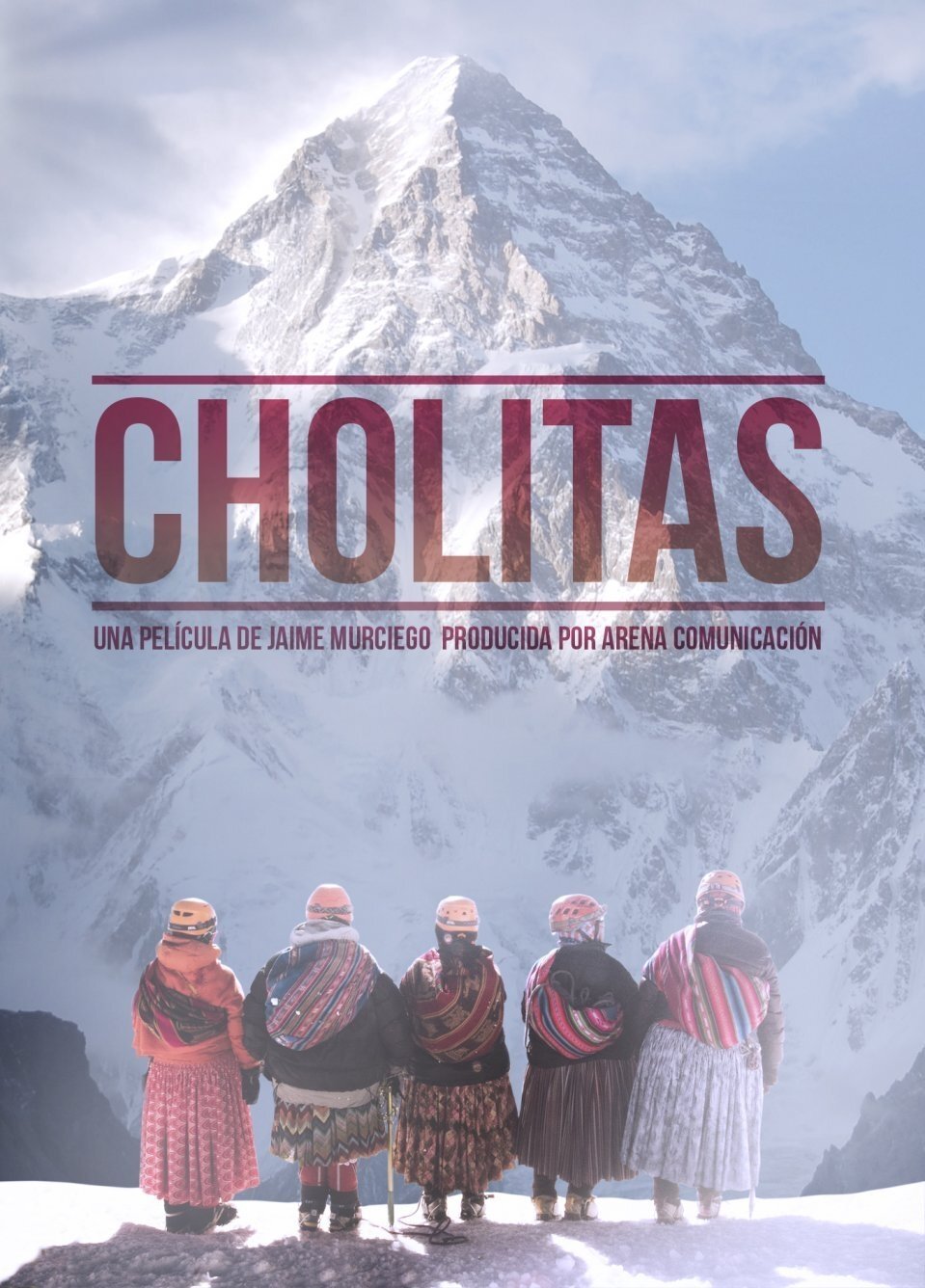
Five Bolivian indigenous women share one goal: climbing the highest mountain in America.
This documentary short is the first film made by an all-Aboriginal film crew, training under the NFB's Challenge for Change Program. It was shot at Akwesasne (St. Regis Reserve). Two spokesmen explain historical and other aspects of Longhouse religion, culture, and government and reflect on the impact of the white man's arrival on the Indian way of life.
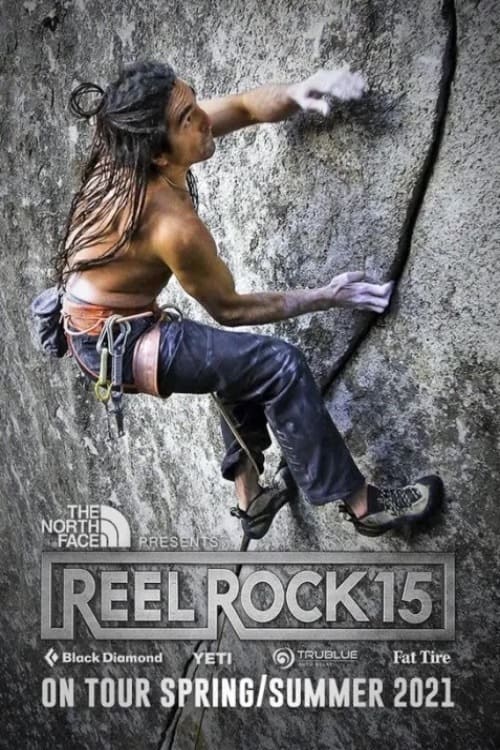
Lonnie Kauk’s personal journey to honor his indigenous Yosemite roots, and to connect with his legendary father by repeating his iconic climbs.
A documentary overview of the life of Salvador Seguí, also known as El noi de Sucre, his anarcho-syndicalist tendencies and his relation to the CNT
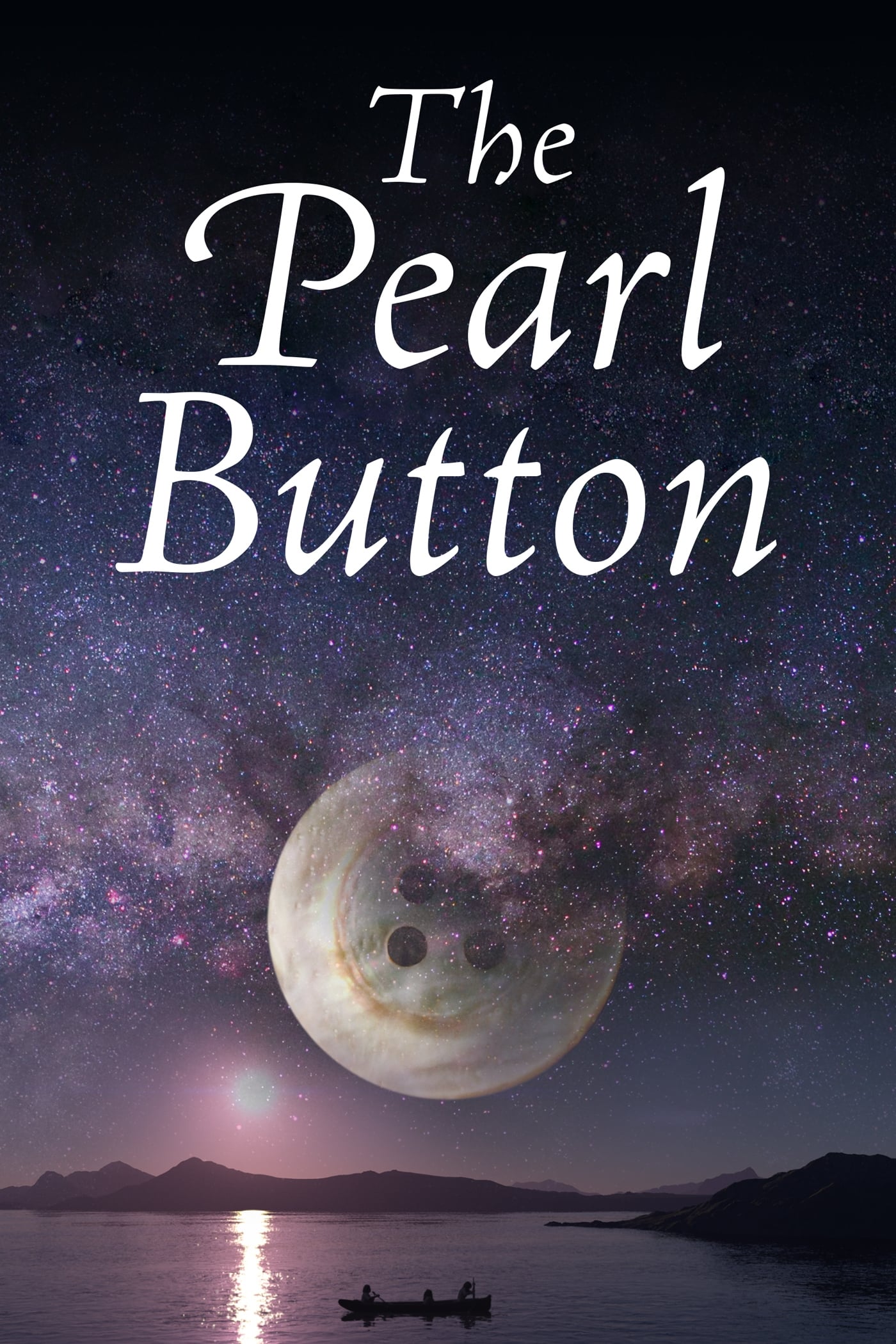
The ocean contains the history of all humanity. The sea holds all the voices of the earth and those that come from outer space. Water receives impetus from the stars and transmits it to living creatures. Water, the longest border in Chile, also holds the secret of two mysterious buttons which were found on its ocean floor. Chile, with its 2,670 miles of coastline and the largest archipelago in the world, presents a supernatural landscape. In it are volcanoes, mountains and glaciers. In it are the voices of the Patagonian Indigenous people, the first English sailors and also those of its political prisoners. Some say that water has memory. This film shows that it also has a voice.
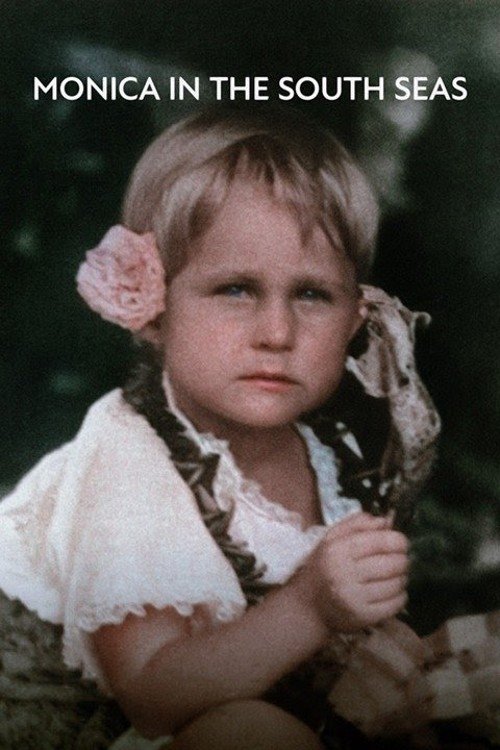
Finnish filmmaker and artist Sami van Ingen is a great-grandson of documentary pioneer Robert Flaherty, and seemingly the sole member of the family with a hands-on interest in continuing the directing legacy. Among the materials he found in the estate of Robert and Frances Flaherty’s daughter Monica were the film reels and video tapes detailing several years of work on realising her lifelong dream project: a sound version of her parents’ 1926 docu-fiction axiom, Moana: A Romance of the Golden Age.
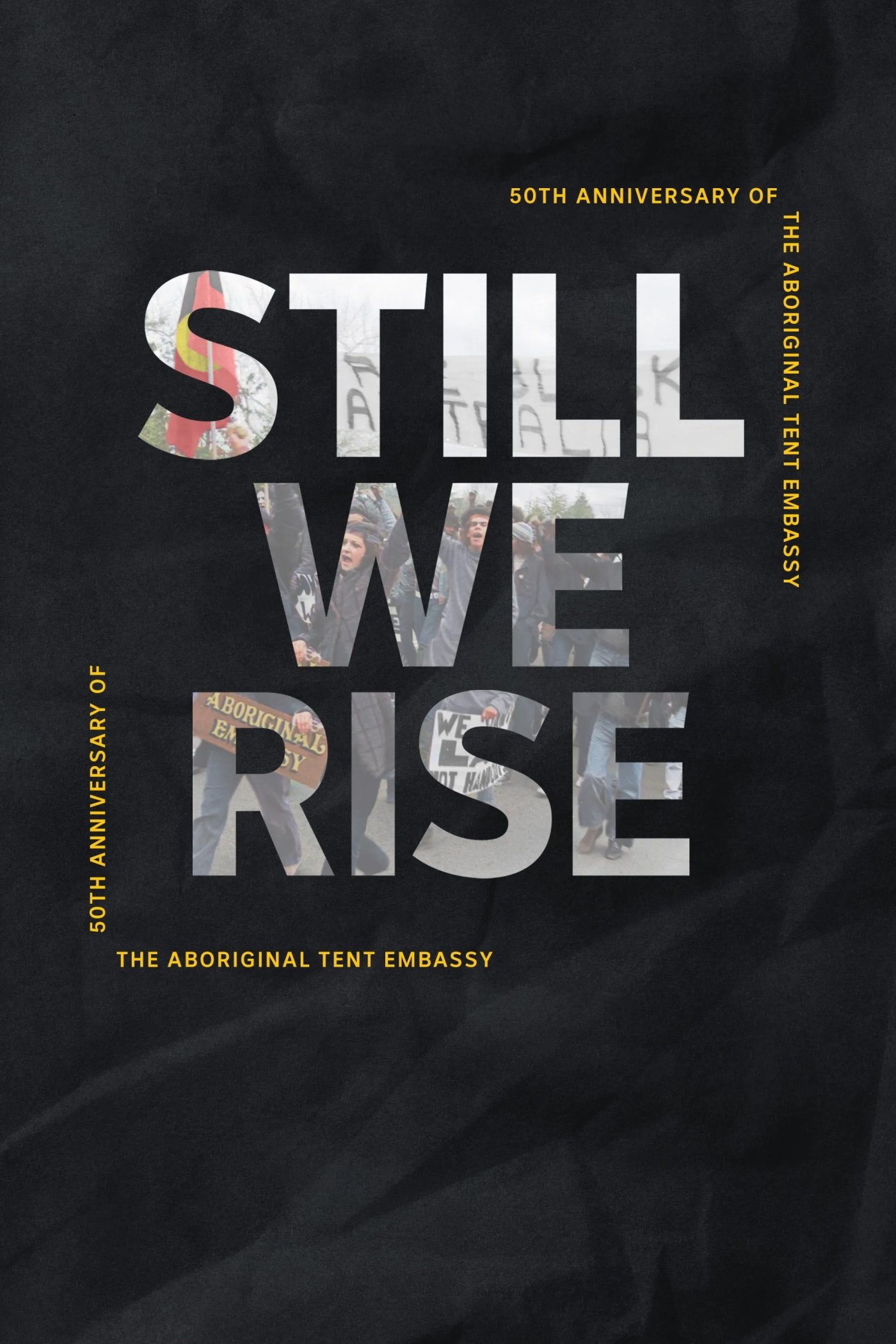
50 years on, the Aboriginal Tent Embassy is the oldest continuing protest occupation site in the world. Taking a fresh lens this is a bold dive into a year of protest and revolutionary change for First Nations people.
An anthropological documentary that gives voice to the Orokavia women in Papua New Guinea and shows their daily lives.
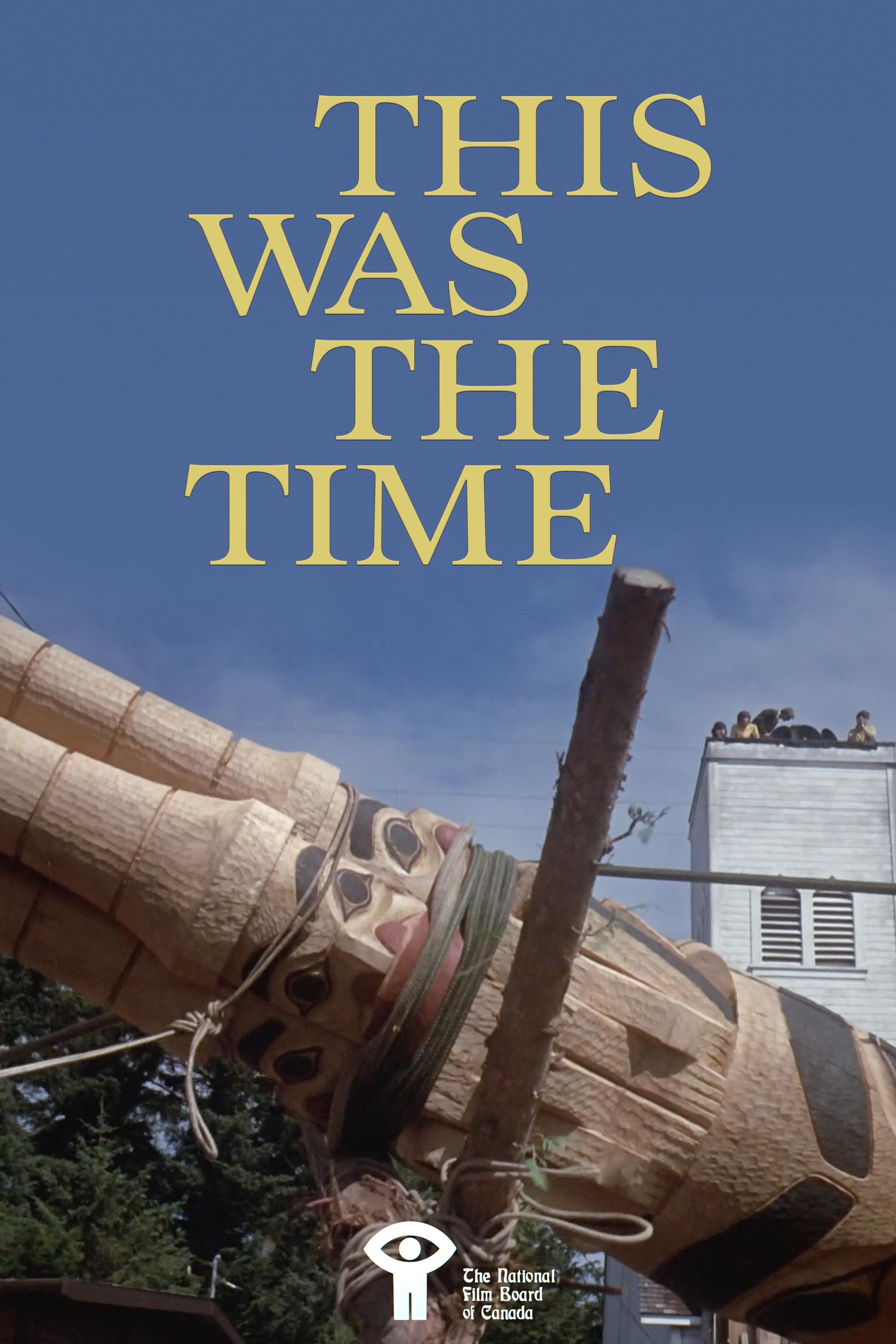
When Masset, a Haida village in Haida Gwaii (formerly known as the Queen Charlotte Islands), held a potlatch, it seemed as if the past grandeur of the people had returned. This is a colourful recreation of Indigenous life that faded more than two generations ago when the great totems were toppled by the missionaries and the costly potlatch was forbidden by law. The film shows how one village lived again the old glory, with singing, dancing, feasting, and the raising of a towering totem as a lasting reminder of what once was.
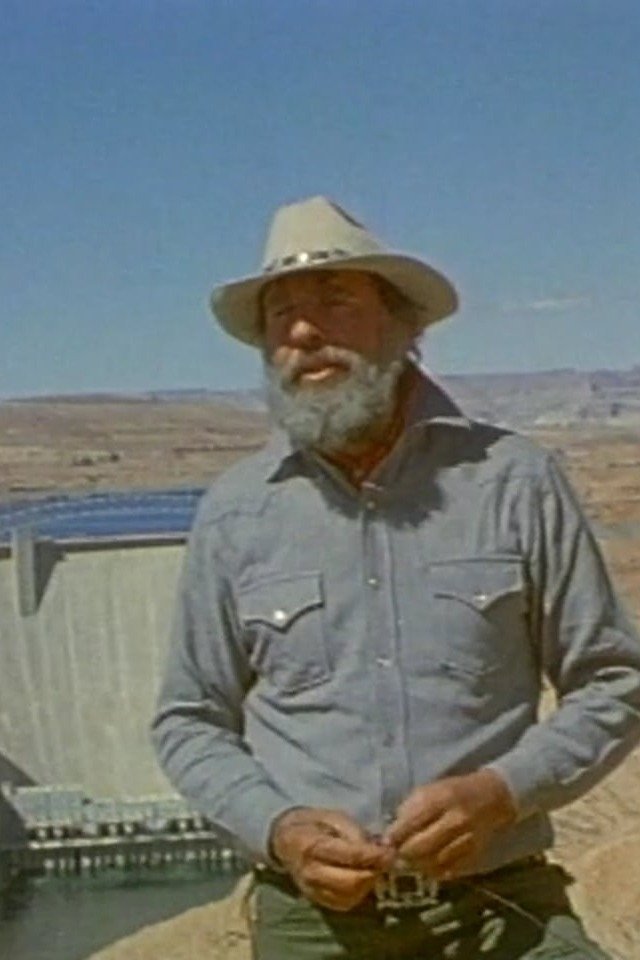
The birth of the radical environmental movement is captured in this short, poetic film on the legendary direct action at Glen Canyon Dam in March of 1981. The film contains one of the only interviews ever given by the late, great author Edward Abbey along with his classic speech from the back of a pick-up truck.
A visual montage portrait of our contemporary world dominated by globalized technology and violence.
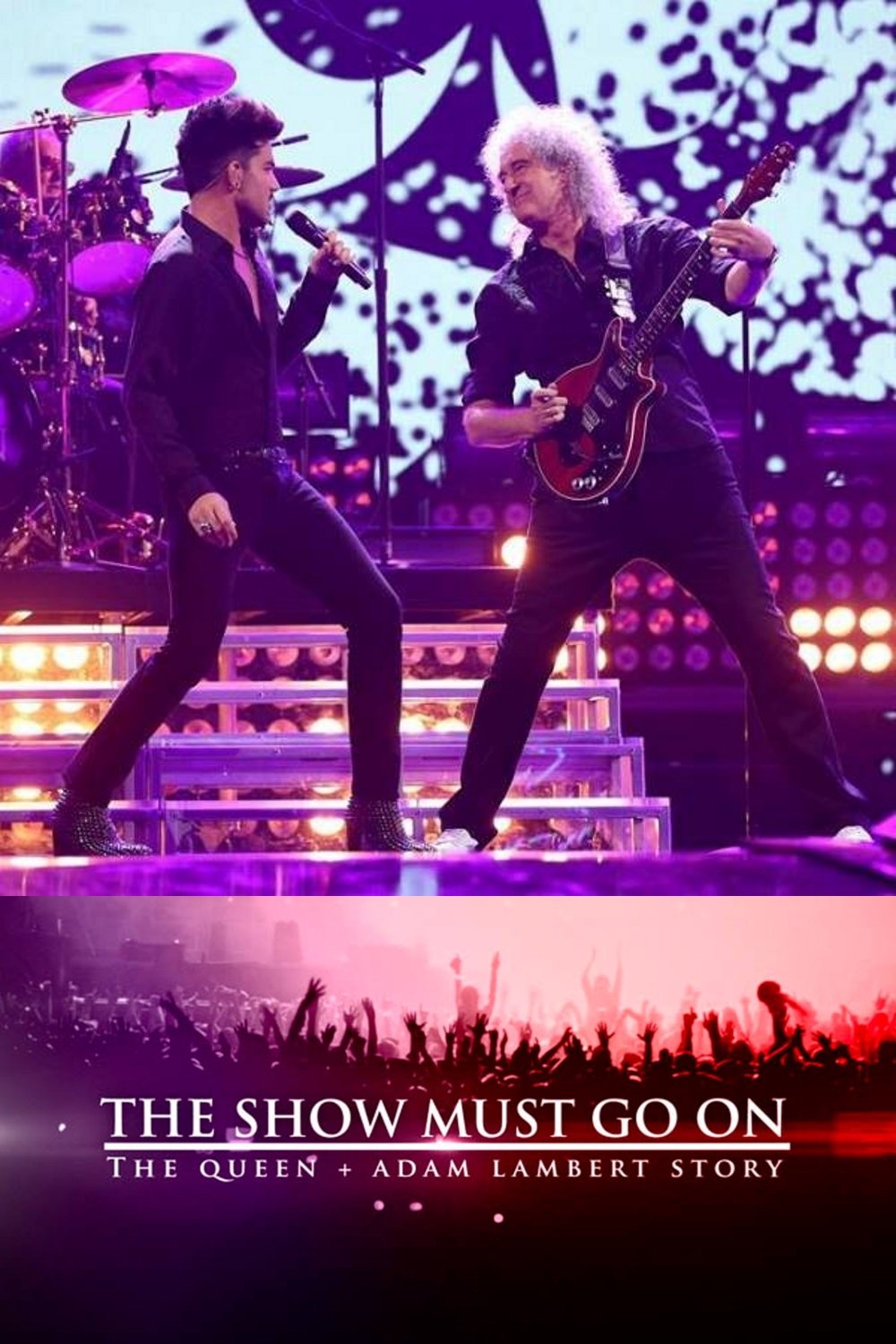
A documentary chronicling Queen and Lambert's incredible journey since they first shared the stage together on "American Idol" in 2009.
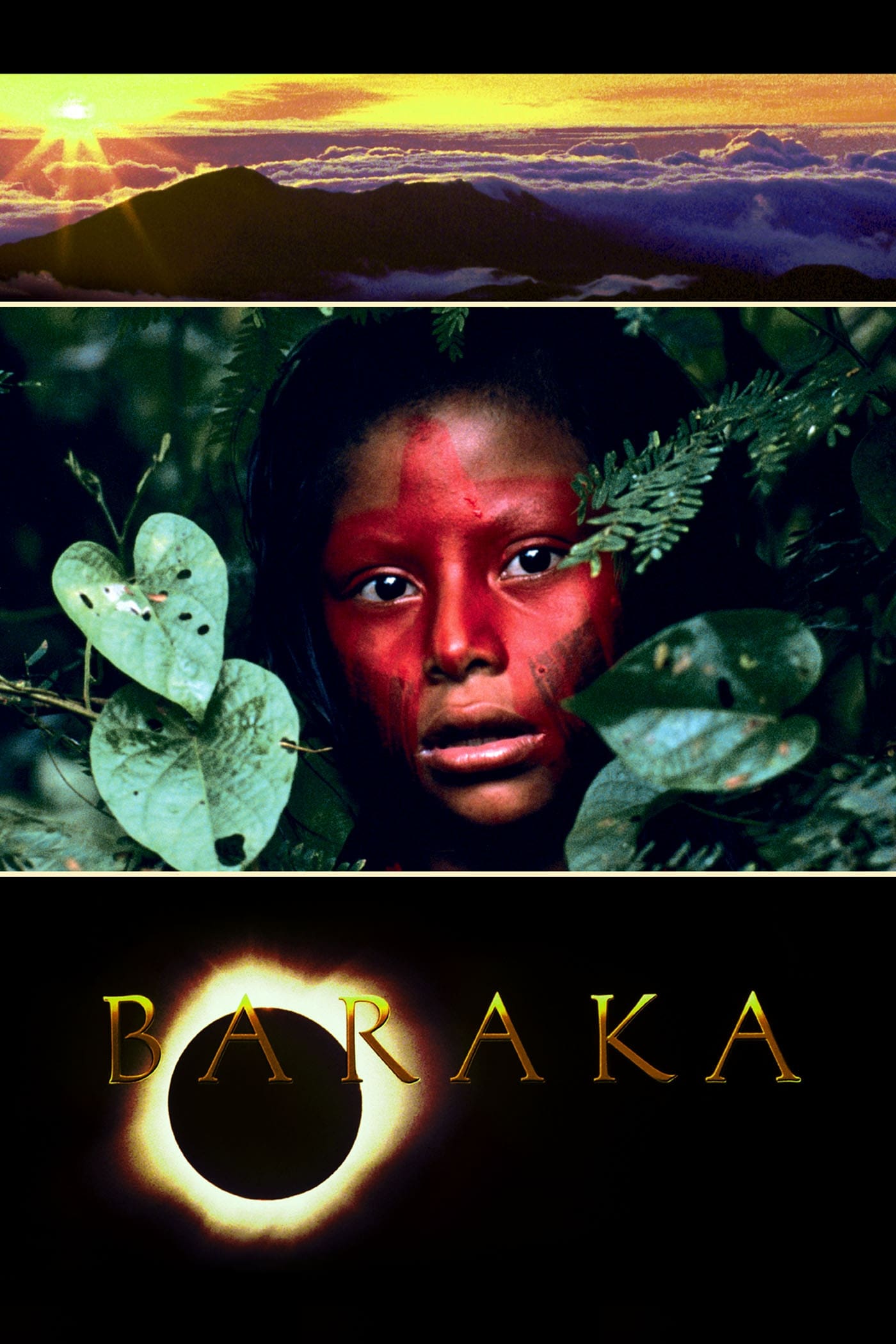
A paralysingly beautiful documentary with a global vision—an odyssey through landscape and time—that attempts to capture the essence of life.
A documentary about how a dominant cultural and demographic institution both sustains their traditional activities and adapts to the digital revolution.
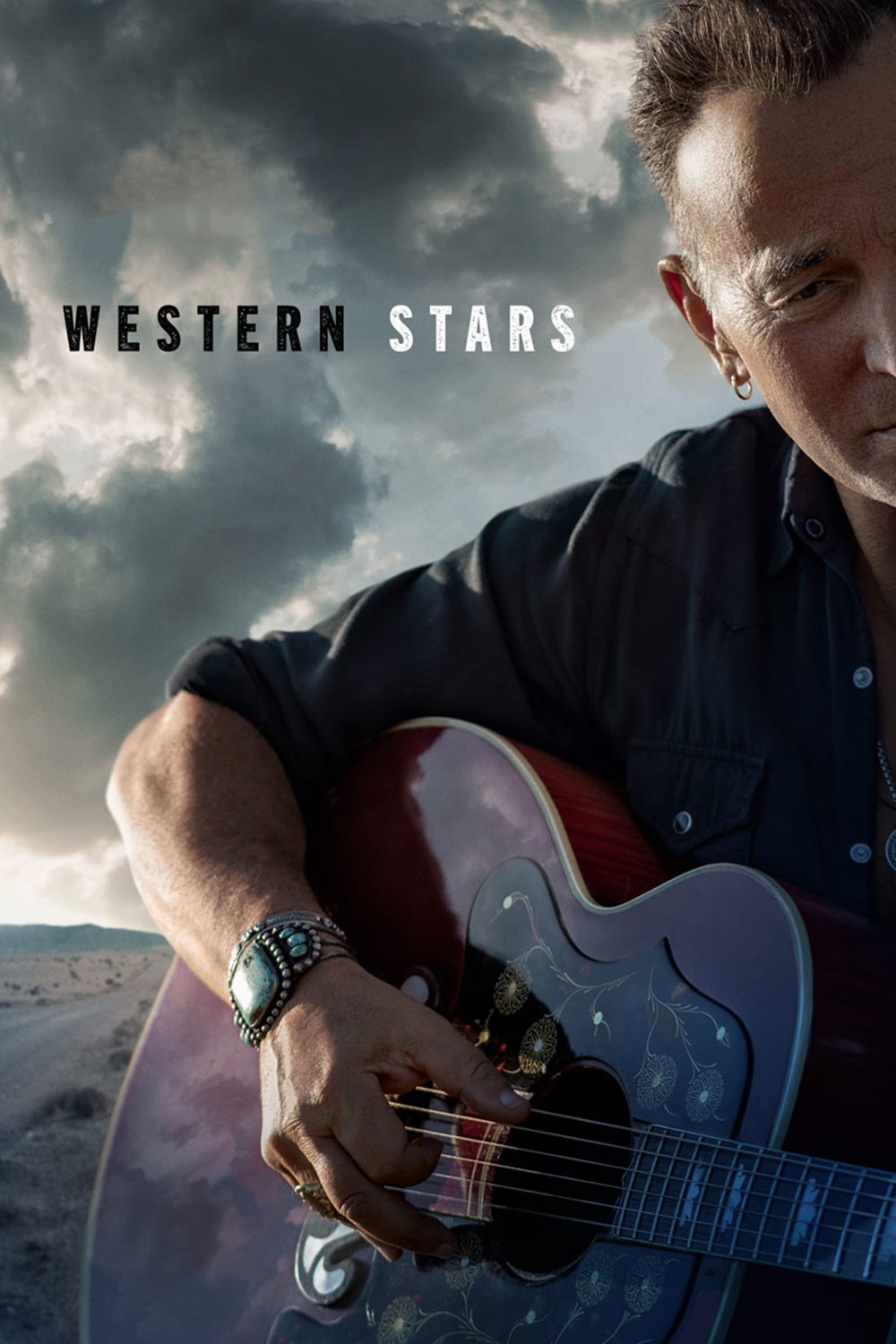
The incomparable Bruce Springsteen performs his critically acclaimed latest album and muses on life, rock, and the American dream, in this intimate and personal concert film co-directed by Thom Zimny and Springsteen himself.
The film follows adventurer Jeff Johnson as he retraces the epic 1968 journey of his heroes Yvon Chouinard and Doug Tompkins to Patagonia.
Daniel Craig candidly reflects on his 15 year adventure as James Bond. Including never-before-seen archival footage from Casino Royale to the upcoming 25th film No Time To Die, Craig shares his personal memories in conversation with 007 producers, Michael G Wilson and Barbara Broccoli.
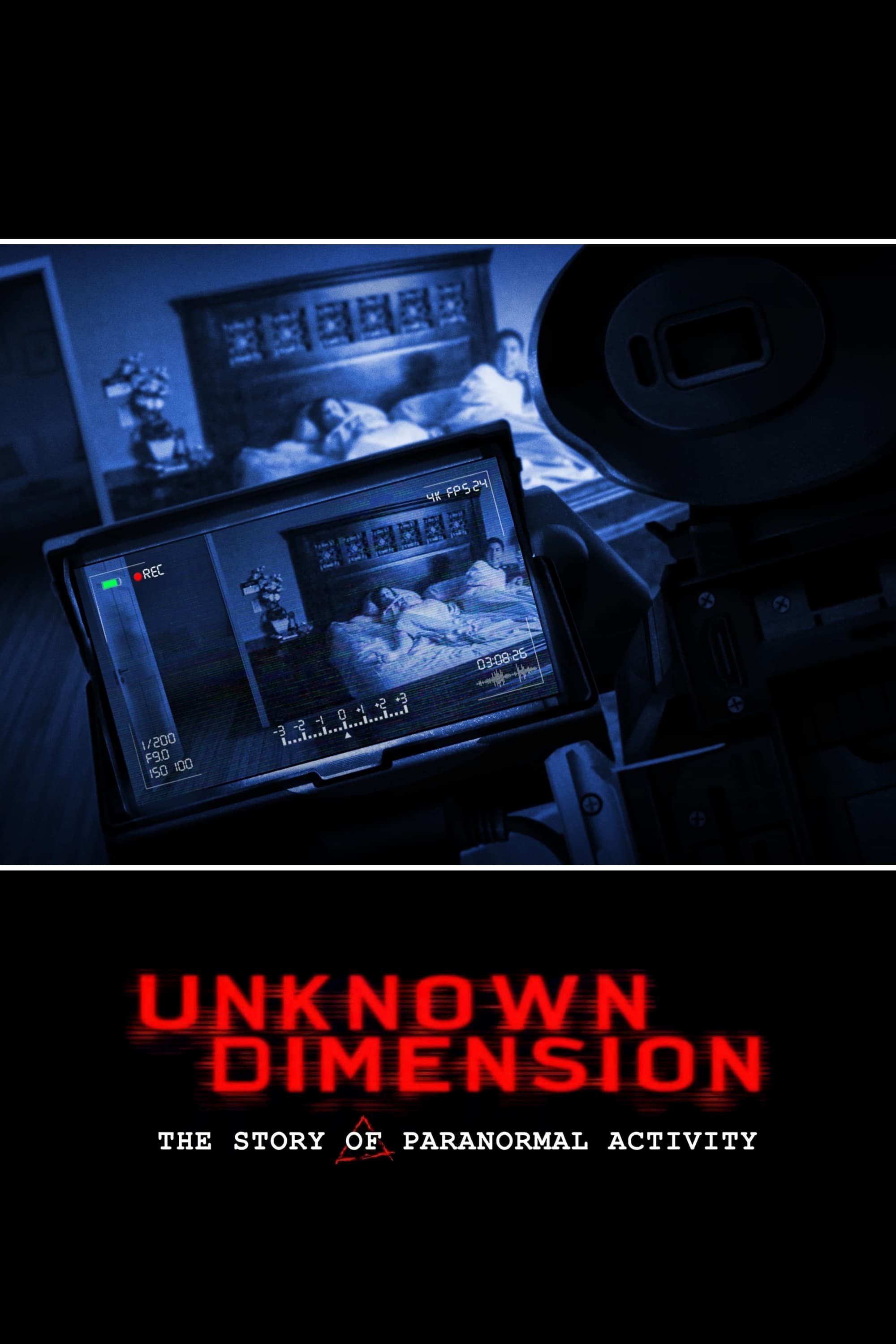
A deep dive into the making of the Paranormal Activity films with first time ever interviews with cast and crew, never-before-seen footage from the movies, and a preview of the seventh installment in the franchise.
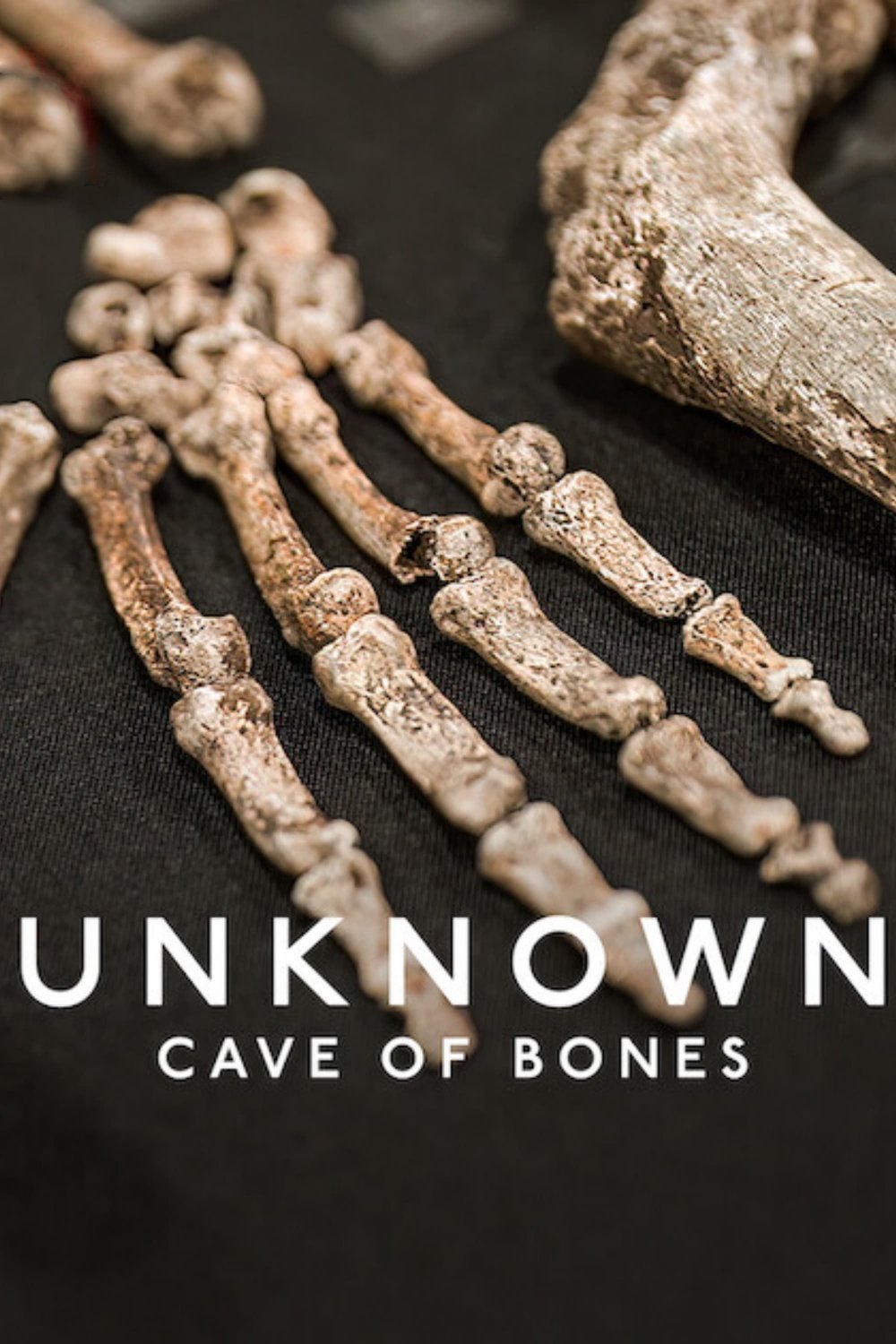
Scientists examine underground clues from over 250,000 years ago that raise questions about our early relatives — and what it truly means to be human.
Live Aid was held on 13 July 1985, simultaneously in Wembley Stadium in London, England, and the John F. Kennedy Stadium in Philadelphia, United States. It was one of the largest scale satellite link-ups and television broadcasts of all time: watched live by an estimated global audience of 1.9 billion, across 150 nations. "It's twelve noon in London, seven AM in Philadelphia, and around the world it's time for Live Aid...!"
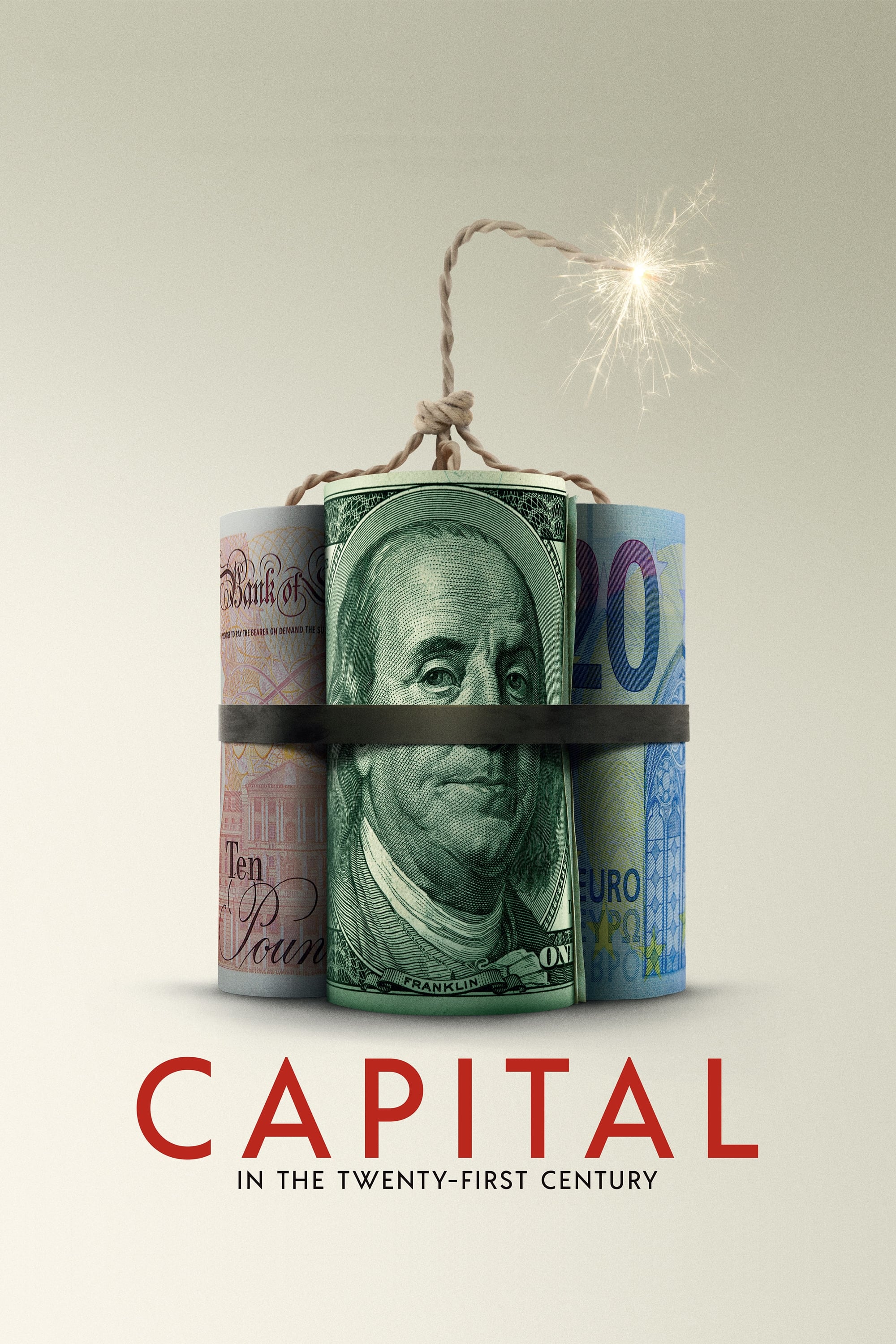
Film adaptation of French economist Thomas Piketty's ground-breaking global bestseller of the same name: an eye-opening journey through wealth and power.
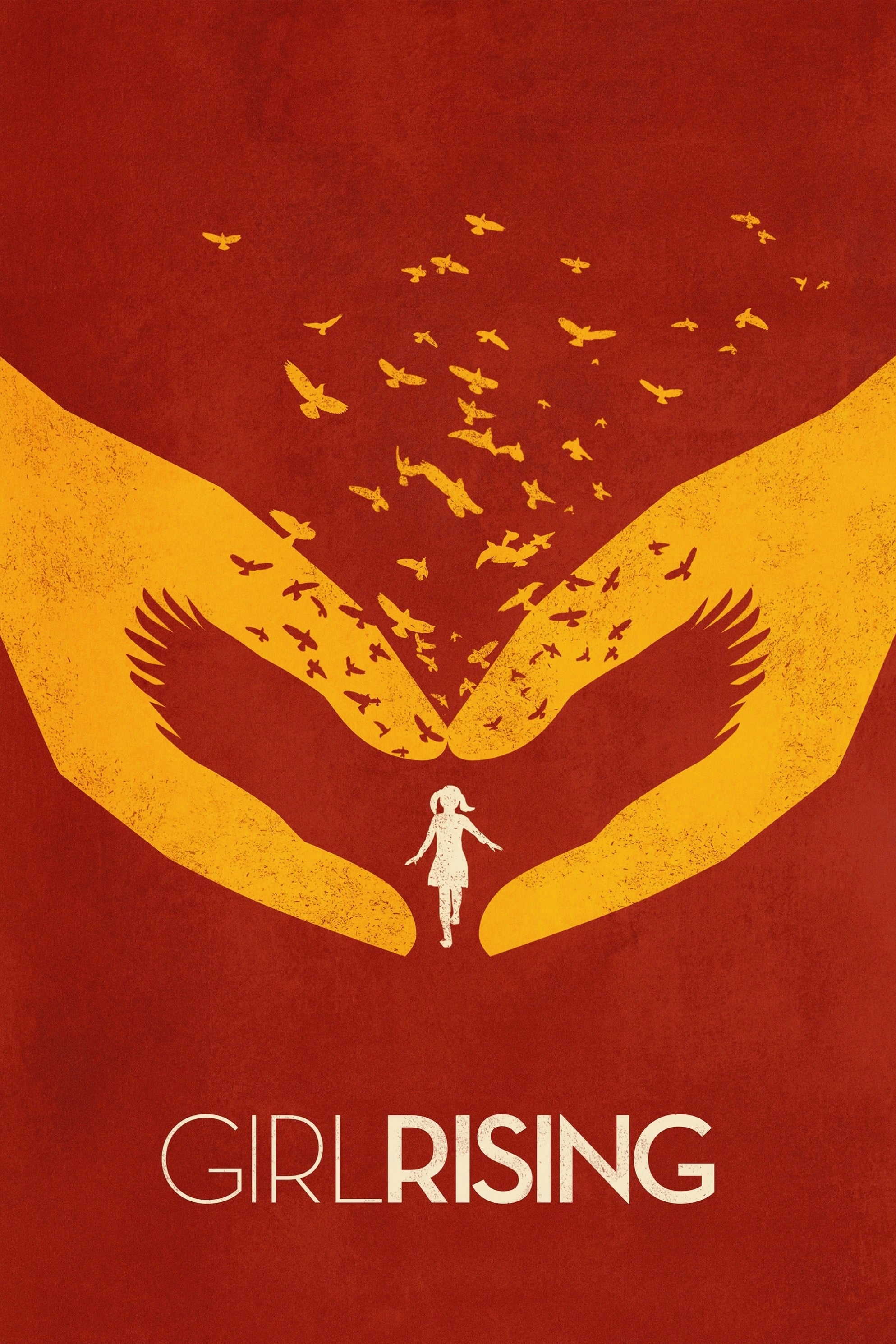
Nine filmmakers each profile a young girl from a different part of the world to weave a global tapestry of youth in the 21st century.
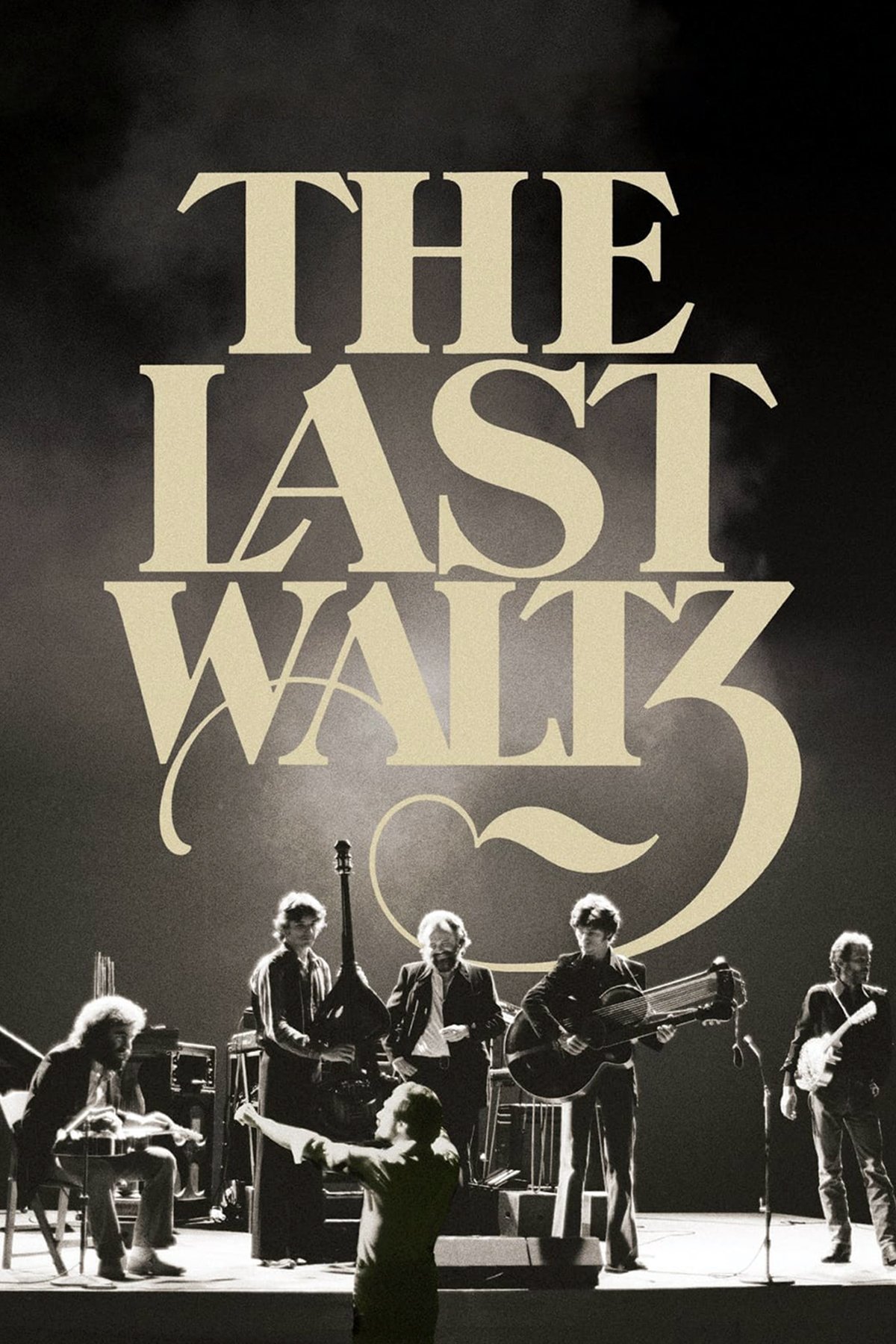
Martin Scorsese's documentary intertwines footage from The Band's incredible farewell tour with probing backstage interviews and featured performances by Eric Clapton, Bob Dylan, Joni Mitchell, Van Morrison, and other rock legends.
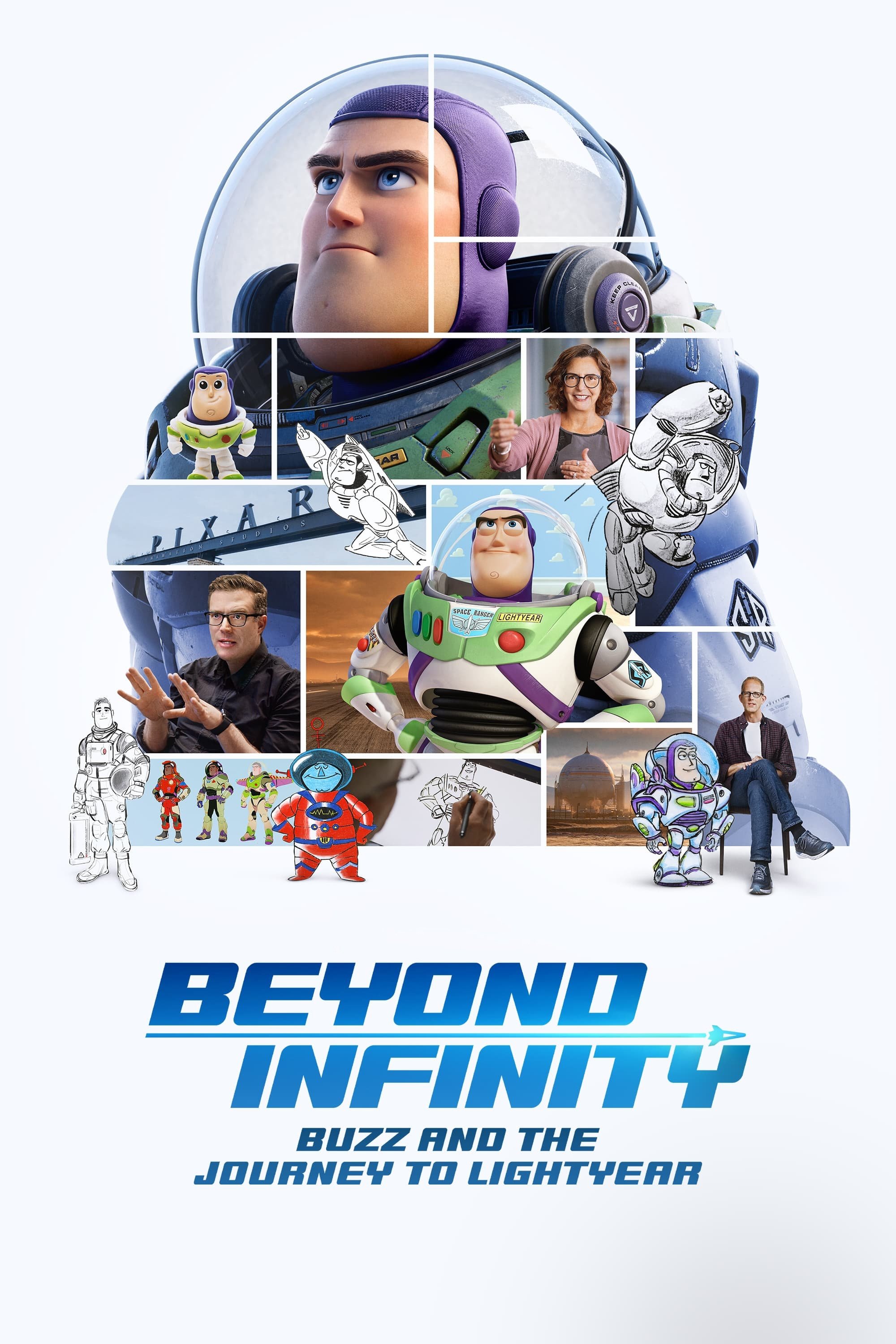
Explore the evolution of Buzz Lightyear from toy to human in the making of Pixar’s Lightyear. Dive into the origin and cultural impact of everyone’s favorite Space Ranger, the art of designing a new “human Buzz,” and the challenges faced by the Lightyear crew along the way.
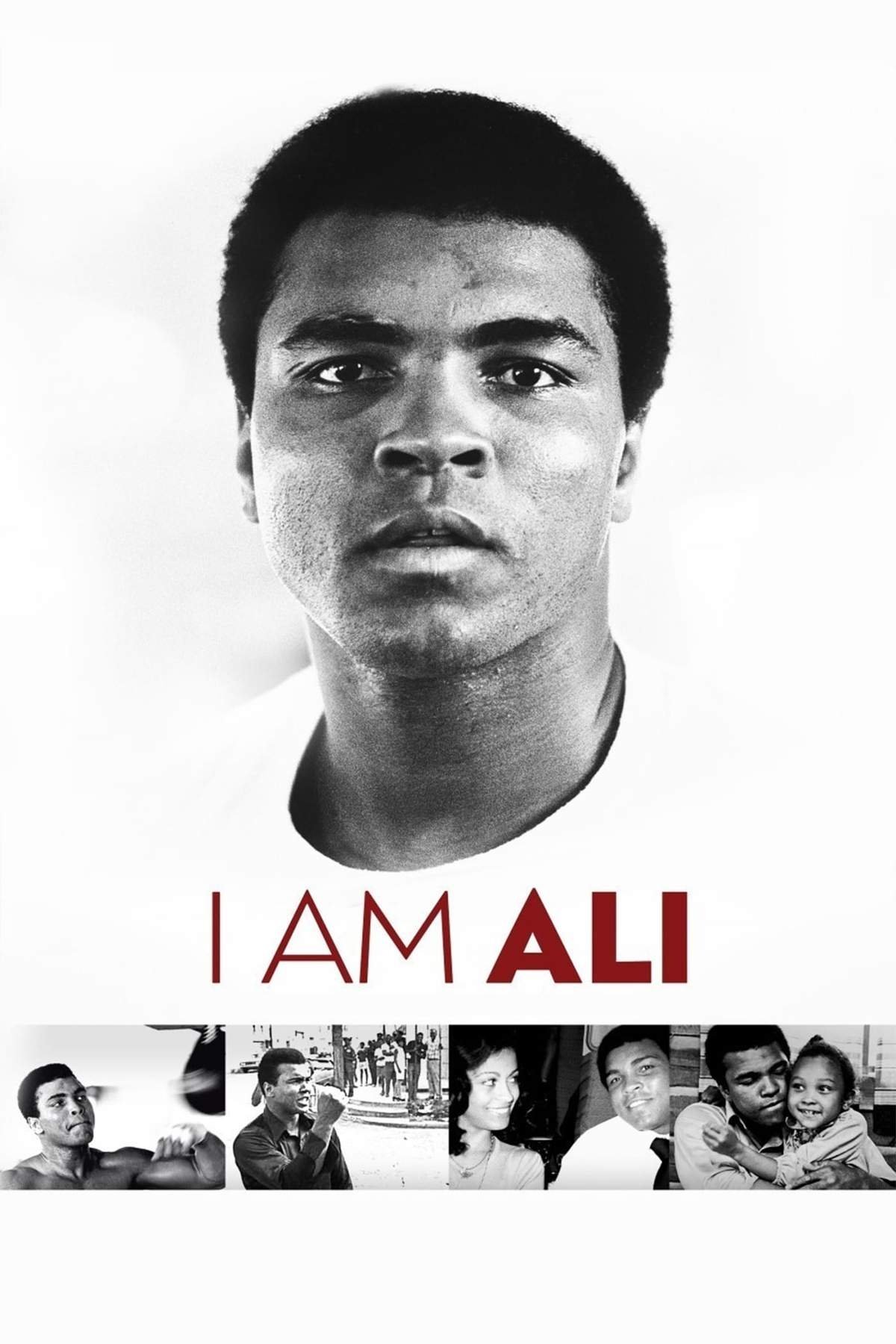
Unprecedented access to Muhammad Ali's personal archive of "audio journals" as well as interviews and testimonials from his inner circle of family and friends are used to tell the legend's life story.
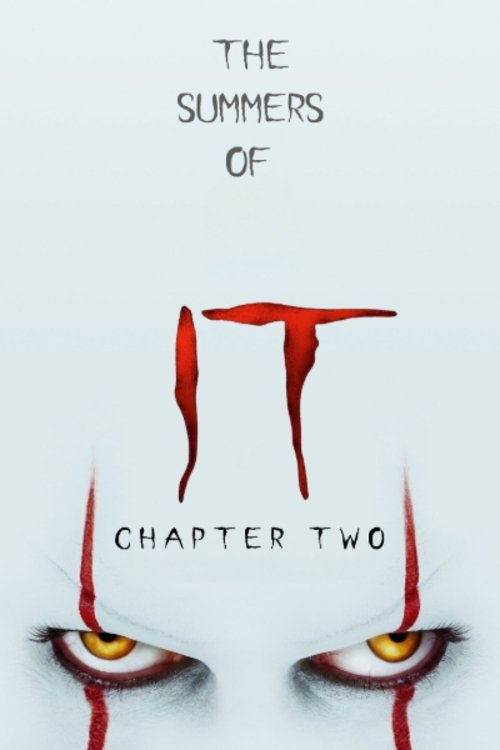
This documentary focuses on the actors and their journey over two summers to create the remake to the original IT, by Stephen King. The documentary originally released as bonus material, bundled with IT: Chapter Two.
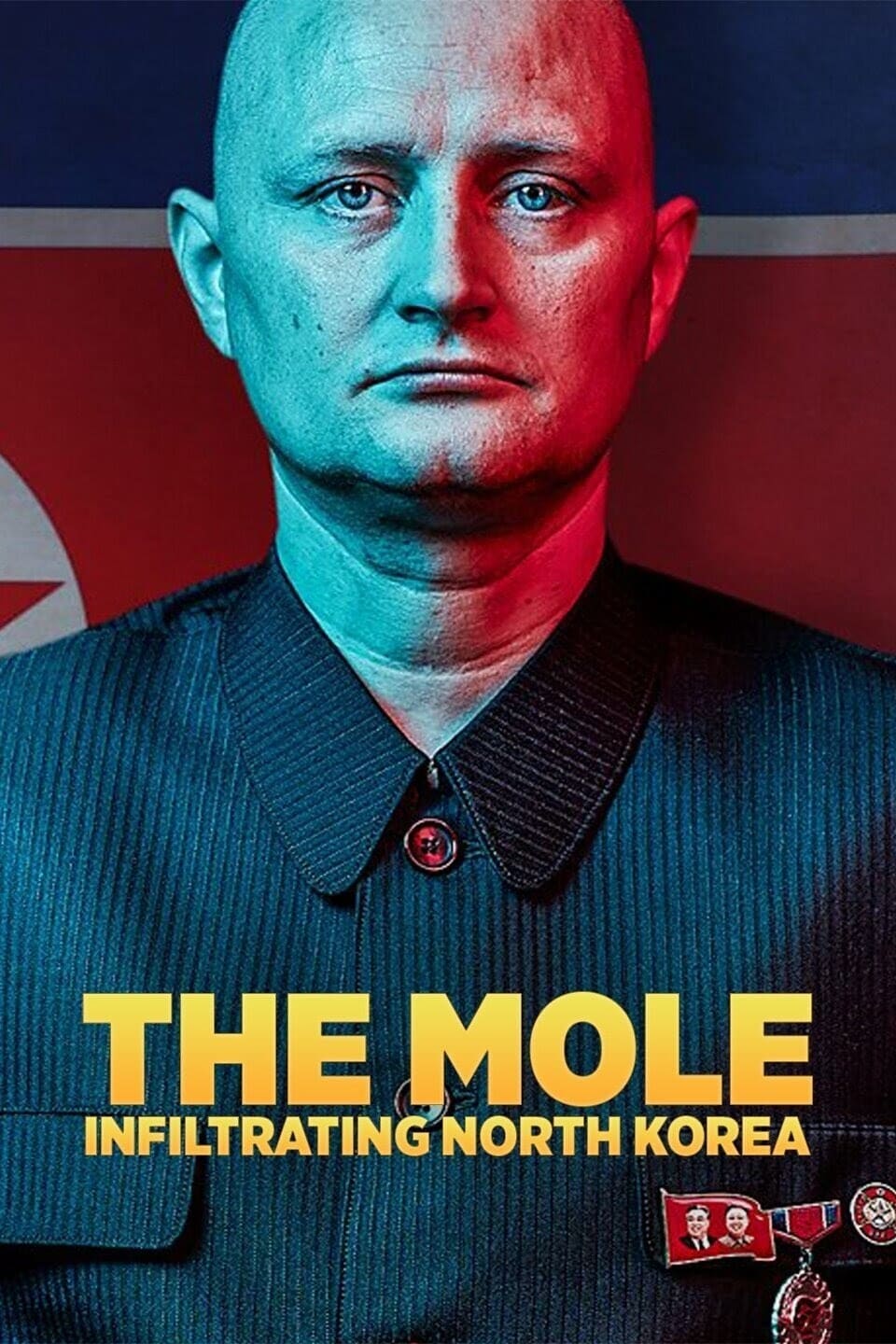
A real-life undercover thriller about two ordinary men who embark on an outrageously dangerous ten-year mission to penetrate the world's most secretive and brutal dictatorship: North Korea.
A look at the origins, history and conspiracies behind the "Majestic 12", a clandestine group of military and corporate figureheads charged with reverse-engineering extraterrestrial technology.
Lupita Nyong'o narrates a documentary about Peanuts and its creator, Charles M. Schulz. Famous fans—including Drew Barrymore, Kevin Smith, and Al Roker—share its influence on them, and a new animated story finds Charlie Brown on a quest.
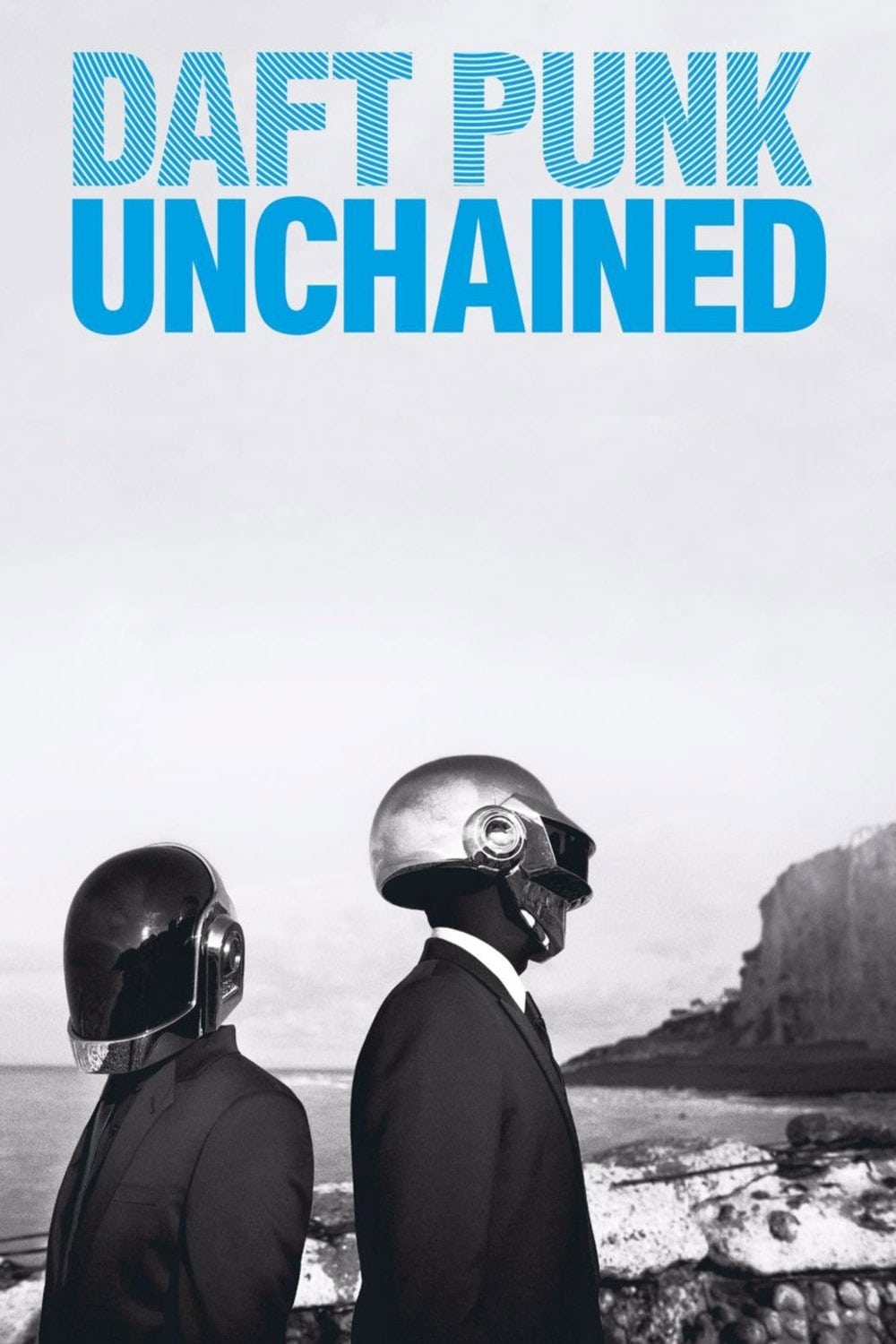
Daft Punk Unchained is the first film about the pop culture phenomenon that is Daft Punk, the duo with 12 million albums sold worldwide and seven Grammy Awards. Throughout their career Thomas Bangalter and Guy-Manuel de Homem-Christo have always resisted compromise and the established codes of show business. They have remained determined to maintain control of every link in the chain of their creative process. In the era of globalisation and social networks, they rarely speak in public and neither do they show their faces on TV. This documentary explores this unprecedented cultural revolution revealing a duo of artists on a permanent quest for creativity, independence and freedom.