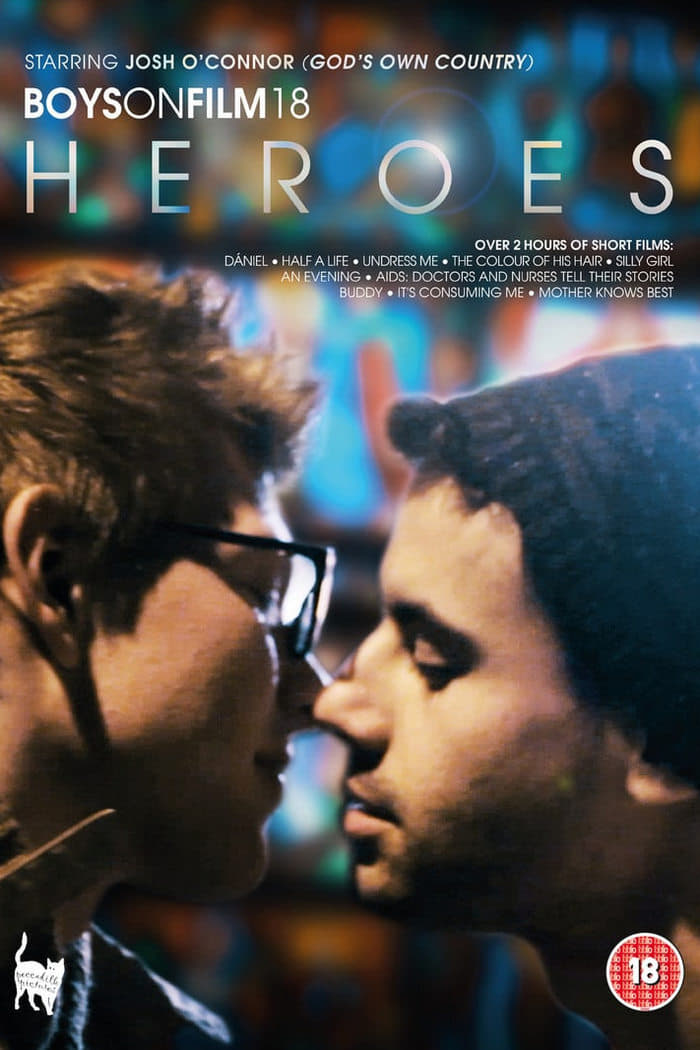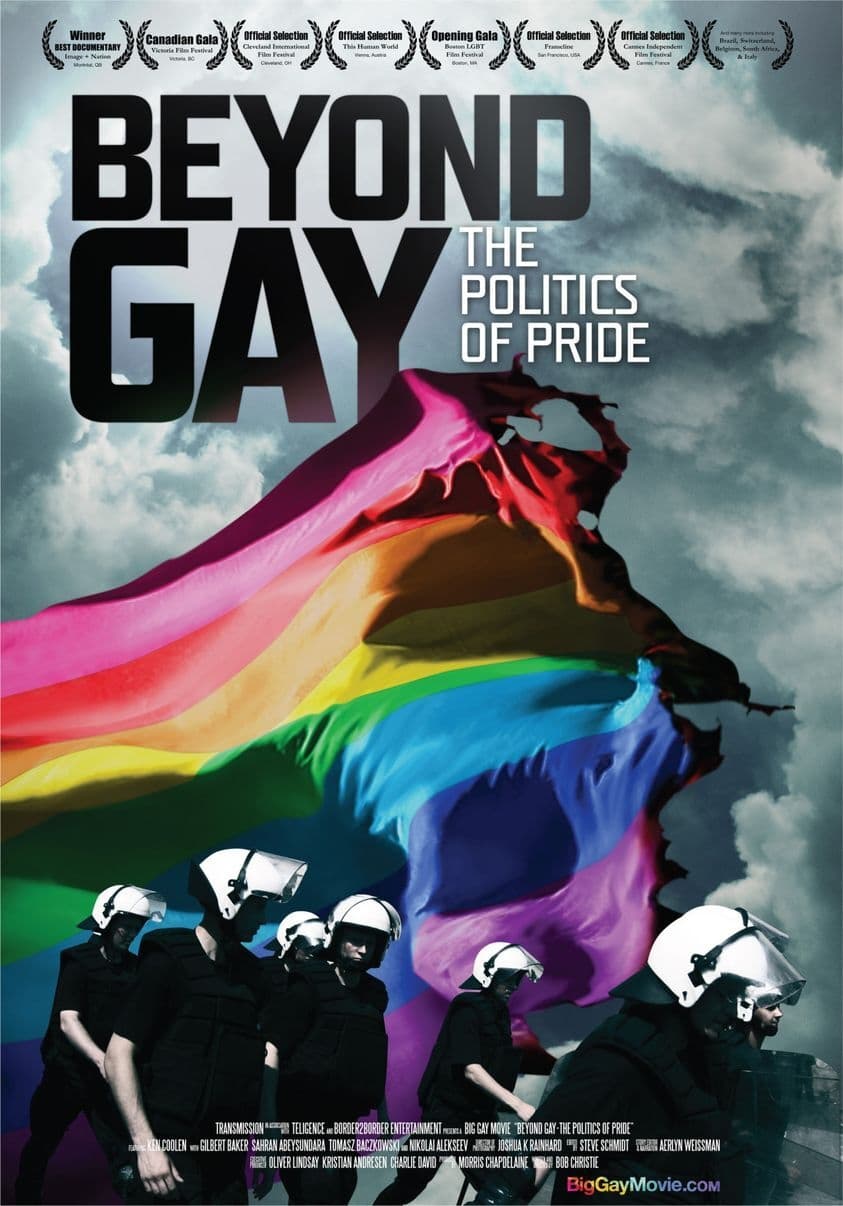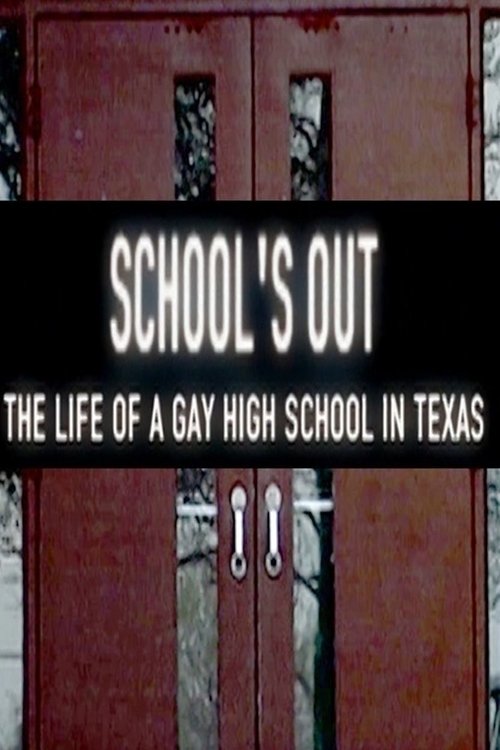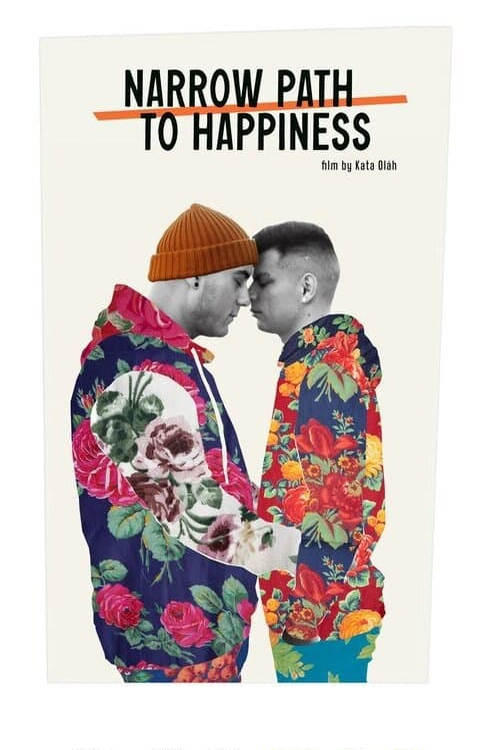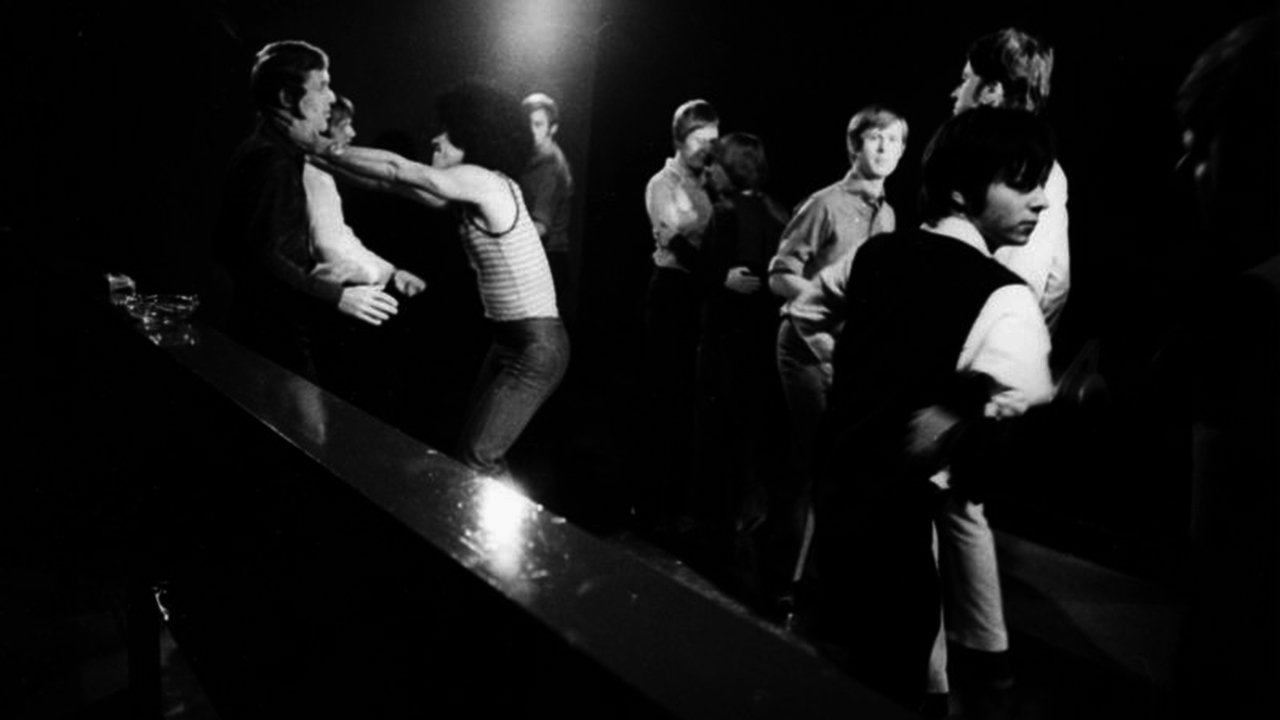
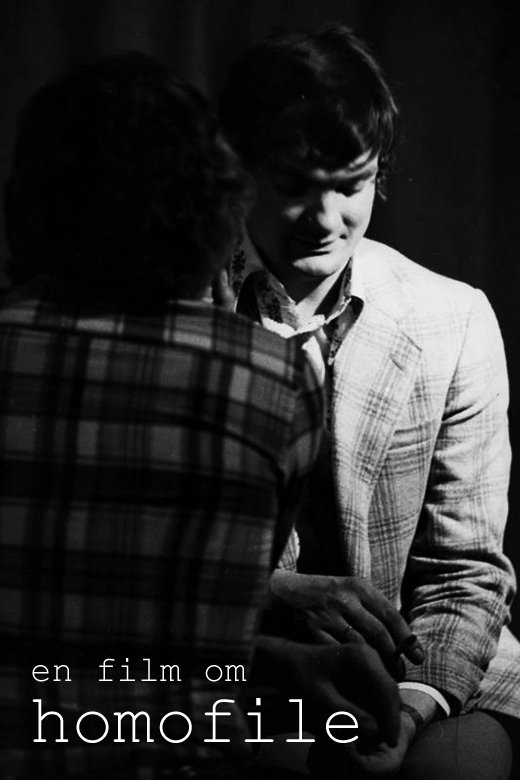
"A film about homosexuals."
With a focus on the everyday life of a gay couple, and featuring interviews with a number of gay people, the film gives an account of the difficulties faced by this minority.

Social & External
Unknown Role
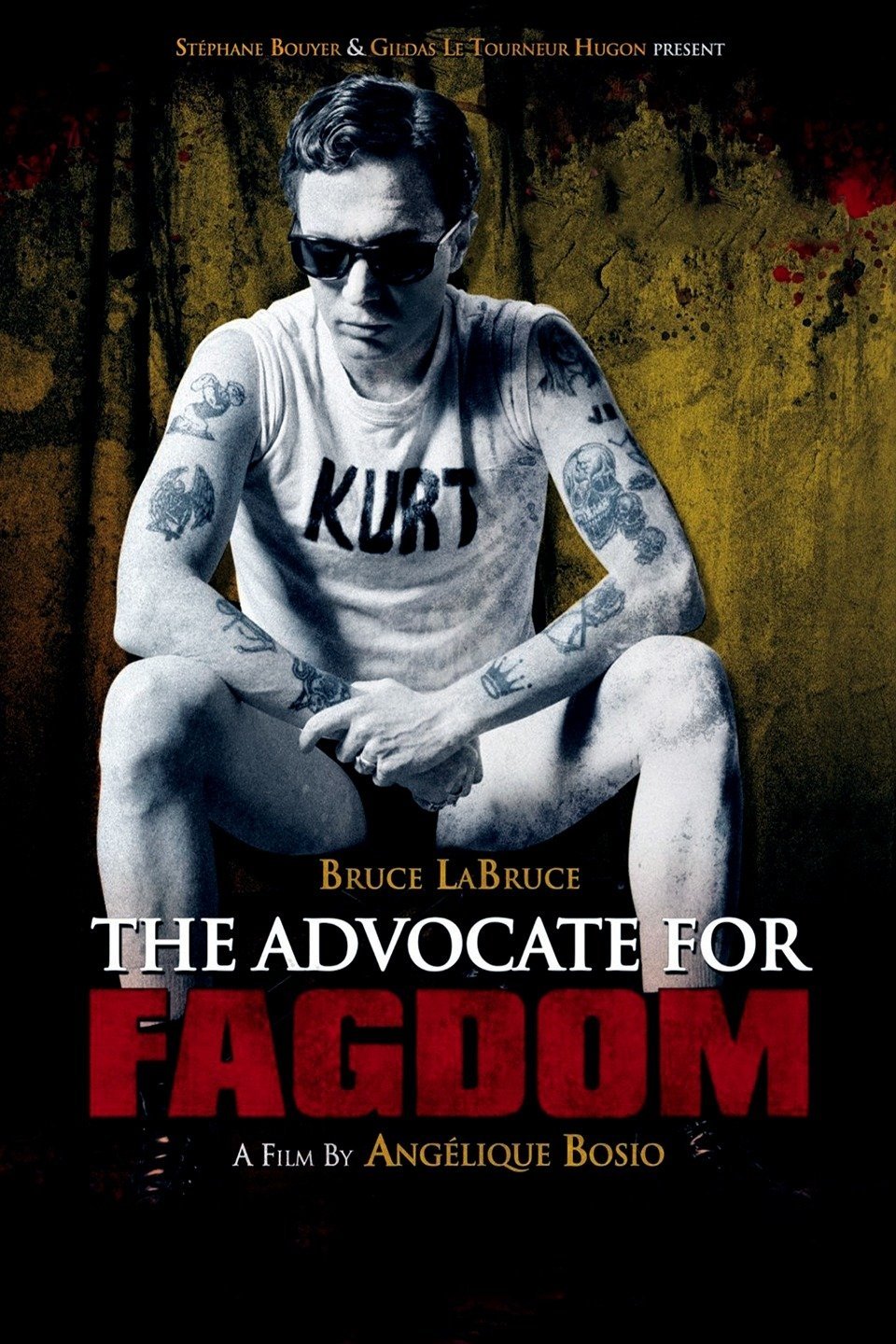
A documentary on Queercore, the cultural and social movement that began as an offshoot of punk and was distinguished by its discontent with society's disapproval of the gay, bisexual, lesbian and transgender communities.
Over the course of four decades, filmmaker Paul Oremland documented his romantic and sexual encounters with roughly one hundred men. He preserved nearly all of these detailed recollections and threaded them together in a portrait of a gay life.
Twiggy takes a comprehensive look at the life story of UK model and cultural icon Twiggy, real name Lesley Lawson, whose career kickstarted in the 1960s. It features interviews with Twiggy and her husband Leigh Lawson, as well as commentary from Erin O’Connor, Paul McCartney, Lulu, Poppy Delavigne, Brooke Shields, Pattie Boyd and Zandra Rhodes.
A documentary on the massacre of Planas in the Colombian east plains in 1970. An Indigenous community formed a cooperative to defend their rights from settlers and colonists, but the government organized a military operation to protect the latter and foreign companies.
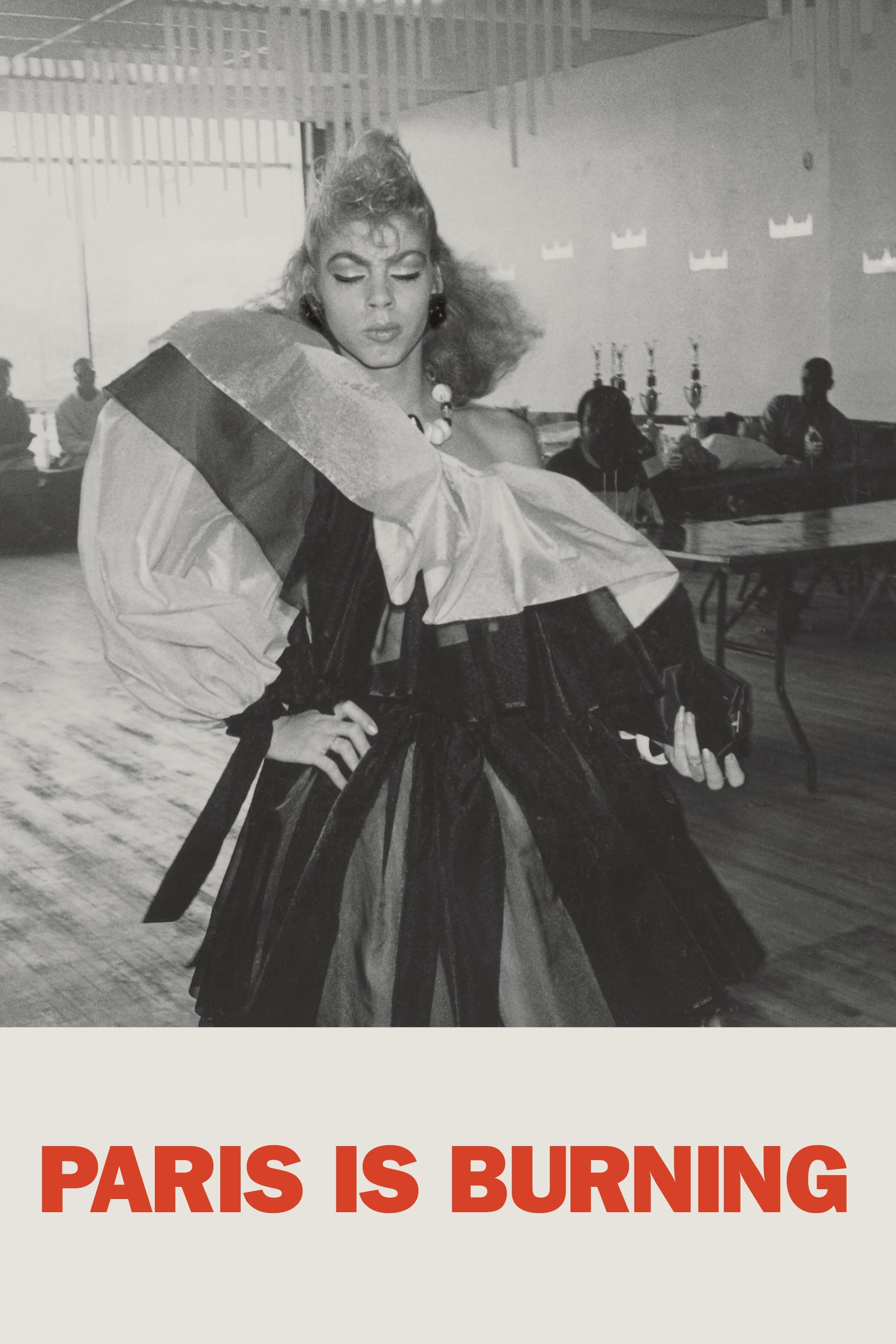
An inside look into the effort to preserve Philadelphia's ballroom scene, a black LGBTQ safe-space that has endured for 30 years.
A captivating portrait of French actor Michel Piccoli, who has worked with the greatest filmmakers of his time and has built a dazzling career of remarkable merit and success, focusing on his work during the 1970s and his professional relationship with Claude Sautet, Romy Schneider, Marco Ferreri and Luis Buñuel.
On August 7th 1974, French tightrope walker Philippe Petit stepped out on a high wire, illegally rigged between New York's World Trade Center twin towers, then the world's tallest buildings. After nearly an hour of performing on the wire, 1,350 feet above the sidewalks of Manhattan, he was arrested. This fun and spellbinding documentary chronicles Philippe Petit's "highest" achievement.
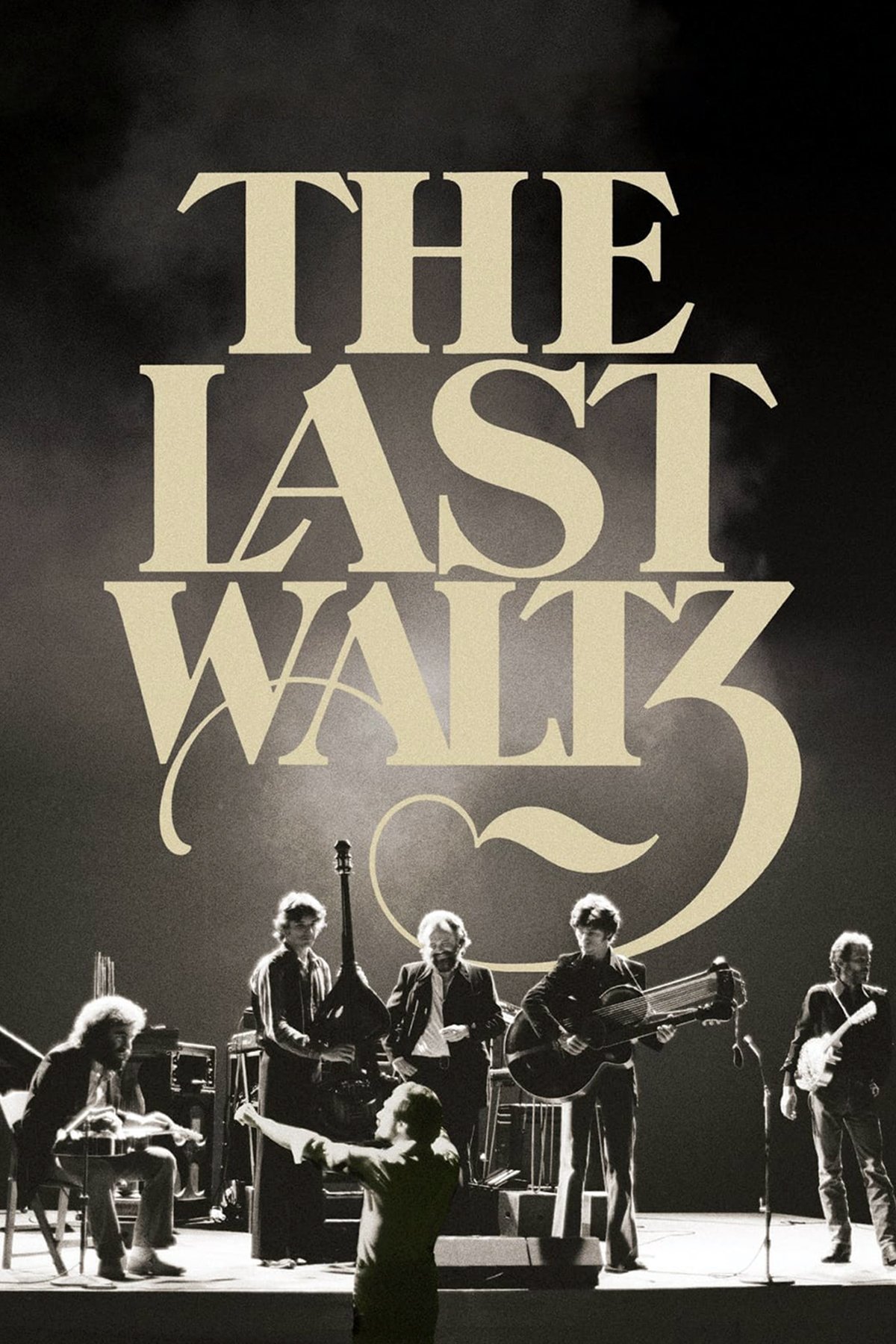
Martin Scorsese's documentary intertwines footage from The Band's incredible farewell tour with probing backstage interviews and featured performances by Eric Clapton, Bob Dylan, Joni Mitchell, Van Morrison, and other rock legends.
One of the most powerful video documentaries of our time boldly reveals the modern medical-industrial complex’s dire descent into utter corruption. HIV/AID$ - A deadly and dangerous DECEPTION! This feature-length expose explains exactly how the 300-Billion-dollar AID$ fraud began, why HIV can NOT be the cause of AIDS, what the real causes could be, and who manipulates the public’s good intentions while poisoning hundreds of thousands with toxic drugs that cause the very disease they are supposed to prevent.
In 1972, a seemingly typical shoestring budget pornographic film was made in a Florida hotel: "Deep Throat," starring Linda Lovelace. This film would surpass the wildest expectation of everyone involved to become one of the most successful independent films of all time. It caught the public imagination which met the spirit of the times, even as the self-appointed guardians of public morality struggled to suppress it, and created, for a brief moment, a possible future where sexuality in film had a bold artistic potential. This film covers the story of the making of this controversial film, its stunning success, its hysterical opposition along with its dark side of mob influence and allegations of the on set mistreatment of the film's star.
A rare 1979 BBC Arena documentary on the Albion Band, Ashley Hutchings and the development of English folk rock up to that time.
A short documentary exploring the ways LGBT couples show affection, and how small interactions like holding hands in public can carry, not only huge personal significance, but also the power to create social change.
Two brothers reflect on their chaotic journey to stardom, as part of the legendary punk rock bands The Rezillos & The Revillos. Navigating friendships, fame, and fallouts.
In this home movie collection of gay men, memory serves as an act of hope, power, and above all, resilience.
DFW Punk, covering the Dallas/Ft. Worth punk/new wave scene. If you thought Texas in the late ’70s was all about urban cowboys, country tunes and bible-thumping, get ready to be proved dead wrong. 2007, MiniDV.
Deng Xiaoping's economic and political opening in China. Margaret Thatcher's extreme economic measures in the United Kingdom. Ayatollah Khomeini's Islamic Revolution in Iran. Pope John Paul II's visit to Poland. Saddam Hussein's rise to power in Iraq. The Soviet invasion of Afghanistan. The nuclear accident at the Harrisburg power plant and the birth of ecological activism. The year 1979, the beginning of the future.
Erik had to leave Jehovah's Witnesses after coming out as homosexual, now he is going to celebrate christmas for the first time.
Klaus Kinski has perhaps the most ferocious reputation of all screen actors: his volatility was documented to electrifying effect in Werner Herzog’s 1999 portrait My Best Fiend. This documentary provides further fascinating insight into the talent and the tantrums of the great man. Beset by hecklers, Kinski tries to deliver an epic monologue about the life of Christ (with whom he perhaps identifies a little too closely). The performance becomes a stand-off, as Kinski fights for control of the crowd and alters the words to bait his tormentors. Indispensable for Kinski fans, and a riveting introduction for newcomers, this is a unique document, which Variety called ‘a time capsule of societal ideals and personal demons.’
Under the neon lights in a gay-friendly neighborhood of New York City, four young African-American lesbians are violently and sexually threatened by a man on the street. They defend themselves against him and are charged and convicted in the courts and in the media as a 'Gang of Killer Lesbians'.
On March 7, 1967, 40 million Americans tuned in to watch CBS Reports: The Homosexuals, network television’s first documentary on homosexuality. Near the top of the program, host and interviewer Mike Wallace calls homosexuals “the most despised minority in the United States.” The hour that follows is filled with salacious location footage, sermonizing therapists, and shadowed interviews with distraught homosexuals.