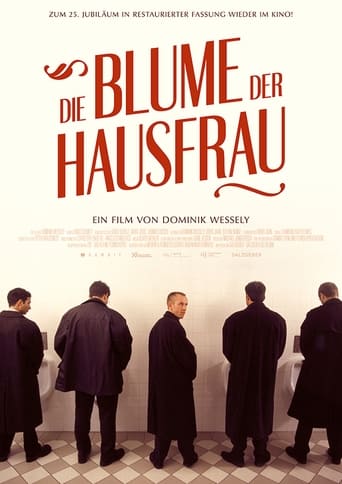
A documentary about the Staatsoper Stuttgart (Stuttgart State Opera) in Germany.
Social & External
Unknown Role
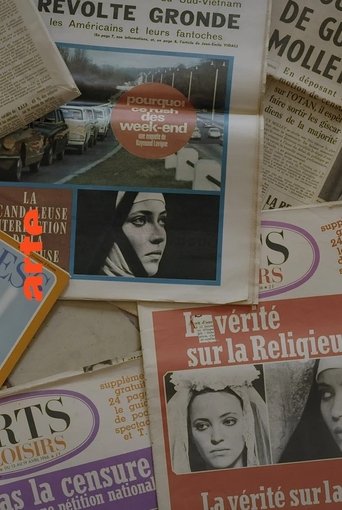
Released in 1796 posthumously, The Nun, a novel that Diderot did not dream of publishing during his lifetime, as he knew it to be revolutionary, caused the same explosion in the 19th century France as in that of the 1960s, when Jacques Rivette decided to adapt it, with Anna Karina in the title role. “This film is banned and it will remain so!” said the General de Gaulle. Exploration of an indictment of incredible modernity which, through the tragedy of the young Suzanne, locked up in the convent against her will, denounces the inequity of a society denying women all moral, political and sexual freedom.
This incredible look at the preparation and production of a Live in HD cinema transmission takes you behind the scenes of the new Cav/Pag with the HD director, host, stars, and crew for an up-close view of the exciting process behind the Met's extraordinary HD presentations.
A documentary about the end of the student movement in 1972 and the lynching of Daizaburo Kawaguchi, a student at Waseda University. The documentary interweaves testimonies from japanese intellectuals and a short play, written and directed by Shôji Kôkami, about the murder.
'Project Censored: The Movie' explores media censorship in our society by exposing important stories that corporate media fails to report/under report. Using the media watchdog group, Project Censored, as their road map, two fathers from California decided to make a documentary film that will help to end the reign of Junk Food News that Corporate Media continues to feed the American people.
Narrated by cinema legend Franco Zeffirelli, this intimate made-for-television documentary traces the life and times of the mercurial Maria Callas, one of the most renowned and respected operatic divas of the mid-20th century. Rare authentic footage, candid interviews and breathtaking performances help paint a portrait of an artist remembered as much for her quick and explosive temper as she is for her immeasurable talent.
The internal journey of eight men, who, through a theater workshop, go through the different prisons they inhabit. Practicing the art of seeing themselves, in Boal's words, this group of men reflects on their masculinity as a representation to hide their true strength: their vulnerability.
A documentary about the making of the controversial Life of Brian and the surrounding accusations of blasphemy.
Fajar Suharno was a theater maestro from the 80's to the 90's. He was imprisoned because his theater activities were considered against the New Order government. At its peak, he made a show entitled "Geger Uwong Ngoyak Macan" about the events of crushing people who were considered thugs/criminals (Petrus). The show was held exactly the day before the massacre took place
Documentary about opera in Hollywood.
What happens when famous directors stage an opera? Eckhart Schmidt shows successful and failed attempts.
Documentary about female opera stars.
Through the conversation with Yugoslav film authors and excerpts from their films, this documentary film tells a story of a film phenomenon and censorship, and its focus is, in fact, a painful epoch of Yugoslav film called “a Black Wave”, which was the most important and artistically strongest period of Yugoslav film industry, created in the sixties and buried in the early seventies by means of ideological and political decisions. The film tells a great “thriller” story of the ideological madness which characterised the totalitarian psychology having left multiple consequences felt up to our very days. It stresses similarities between totalitarian regimes defending their taboos on the example of the persecution of the most important Yugoslav film authors. Those film authors have, however, made world careers and inspired many later authors. The film is the beginning of a debt pay-off to the most significant Yugoslav film authors.
With Sounds of Dortmund, Dortmund Opera picks up where MusiCircus left off in the 2018/19 season. Once again, musical groups and all Dortmund residents were invited to become part of the performative sound collage. For one day, Dortmund was to be filled with music, noises, sounds, and performances. A poetic sound art work that focuses on the diversity of the city with its individual sounds.
Before Prop 8, Milk or Will & Grace, before the AIDS epidemic, gay pride parades or the Stonewall uprising, "The Boys in the Band" changed everything. "Making the Boys" explores the drama, struggle and enduring legacy of the first-ever gay play and subsequent Hollywood movie to successfully reach a mainstream audience. Featuring anecdotes from the surviving cast and filmmakers, as well as perspectives by legendary figures from stage and screen, it traces the behind-the-scenes drama and lasting legacy of this cultural milestone.
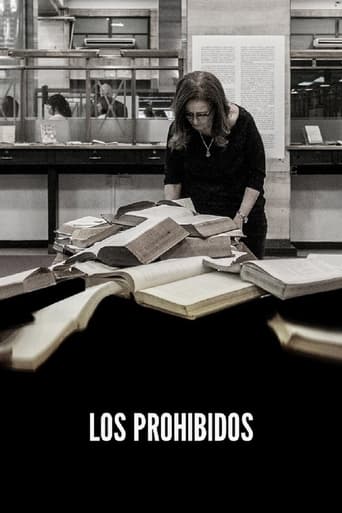
Spain, 1975. Franco's death opens the door to the possibility of uncensored cinema. After two years of relaxed censorship, it is abolished in 1977, and the “S” rating is created to protect viewers from films that may “offend their sensibilities.”
This documentary was created to showcase the engineering that went into each new Porsche in the 1960s, it was specifically made for the American audience as a way to introduce Porsche to many Americans who were unfamiliar with the marque. The film opens with none other than motoring legend Ferdinand “Ferry” Porsche welcoming the viewer, the film then proceeds to follow what is essentially the full production line of each 356 starting with flat steel sheets and following it through cutting, stamping, and welding before heading off to the paint shop
When an American filmmaker is commissioned to make a film for a Middle East Biennial on the theme of 'art as a subversive act,' his film is banned for blasphemy, he is asked to destroy every copy, and threatened with arrest.
The arias of La traviata are instantly recognisable. Yet at its London premiere in 1856, it was denounced for bringing 'the poetry of the brothel' to the stage and unleashing uncomfortable truths on Victorian society.
If you’ve seen Top Gun or Transformers, you may have wondered: Does all of that military machinery on screen come with strings attached? Does the military actually get a crack at the script? With the release of a vast new trove of internal government documents, the answers have come into sharp focus: the US military has exercised editorial control over thousands of films and television programs. As these activities gain new public scrutiny, new questions arise: How have they managed to fly under the radar for so long? And where do we go from here?
When does art become obscenity? Cover Your Ears takes a close look at this question through the lens of the past 100 years of music and the ever-evolving discussion of legal and moral lines in the industry