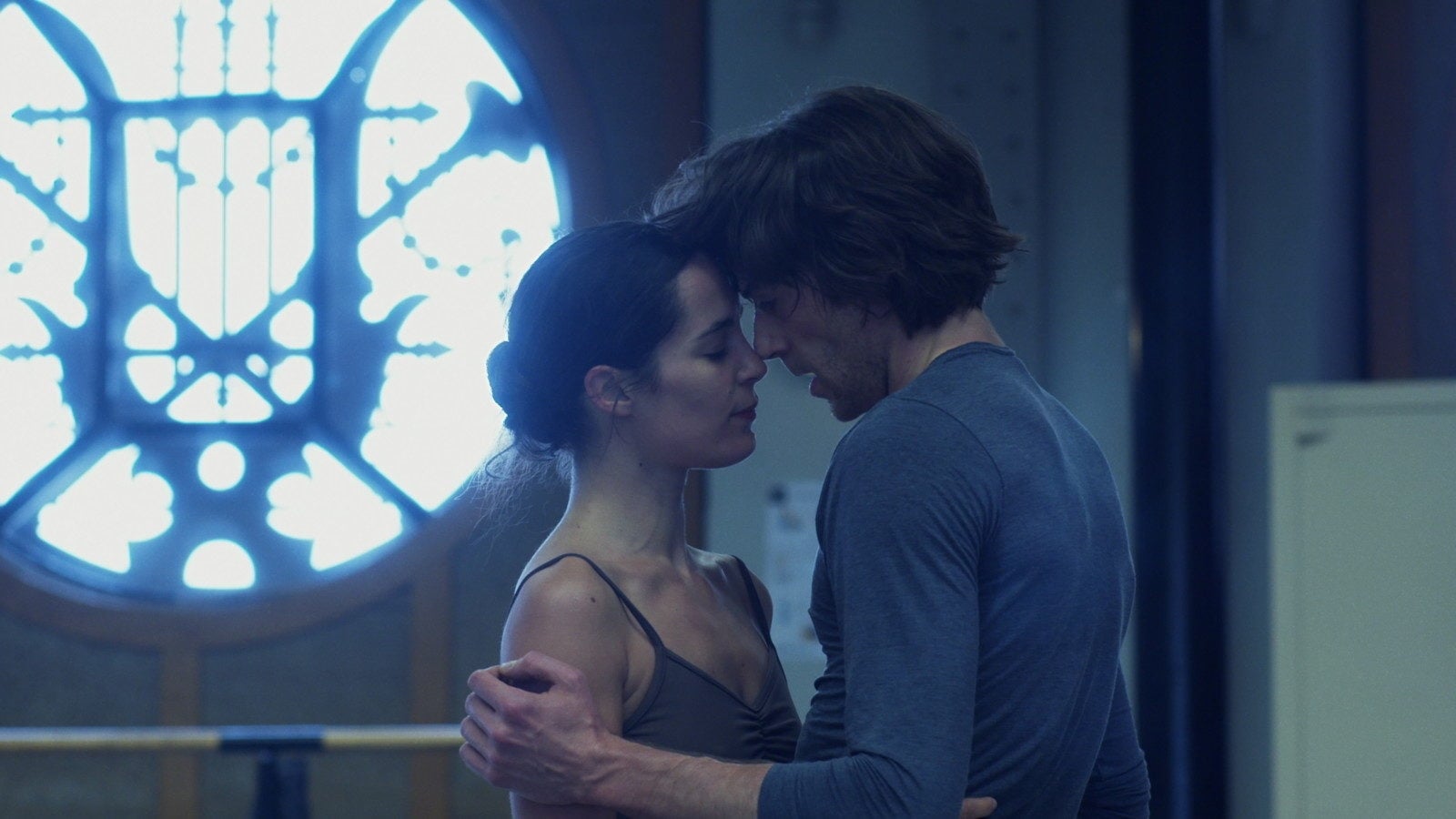
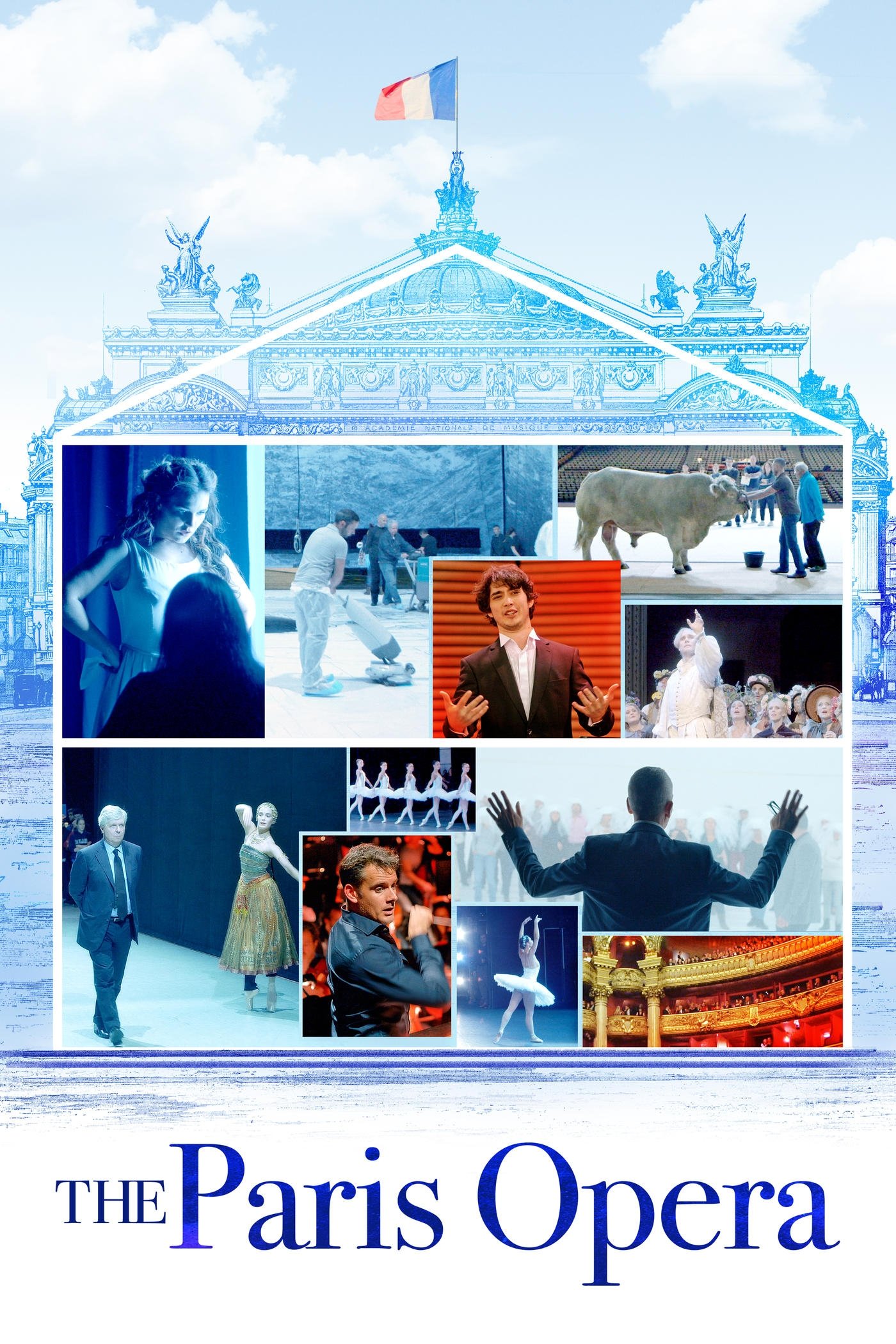
A behind-the-scenes look at the of how the Paris Opera is run under the direction of Stephane Lissner.
Social & External
The people behind it
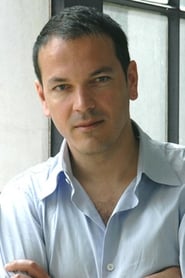
Stéphane Lissner
Himself
This incredible look at the preparation and production of a Live in HD cinema transmission takes you behind the scenes of the new Cav/Pag with the HD director, host, stars, and crew for an up-close view of the exciting process behind the Met's extraordinary HD presentations.
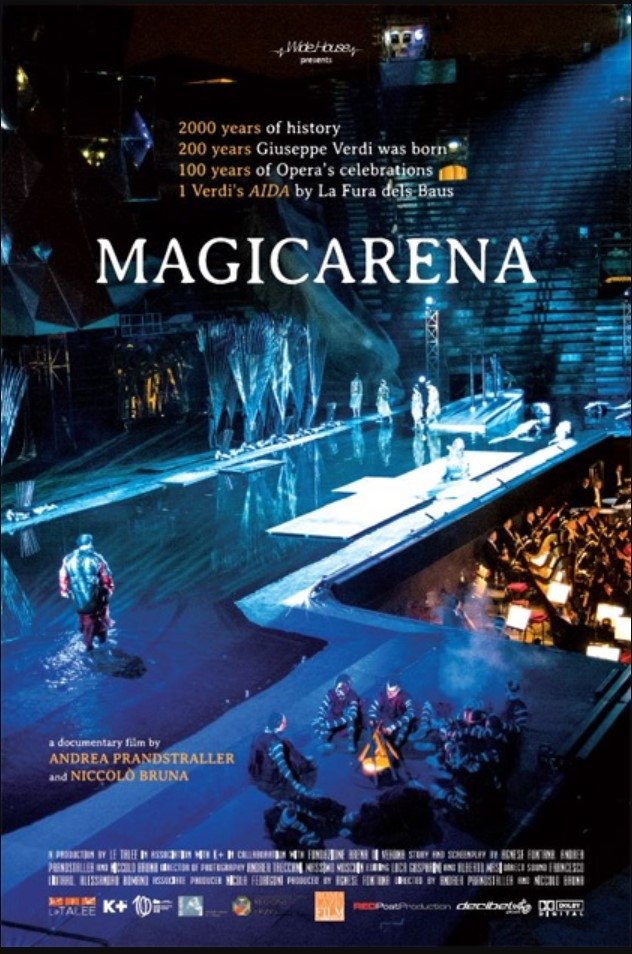
After 2000 years of history, the Arena of Verona is celebrating the Centenary of its Opera Festival with Verdi's AIDA by La Fura dels Baus. From rehearsals to the opening night, we follow the workers and artists who created the most famous operatic festival in the world.
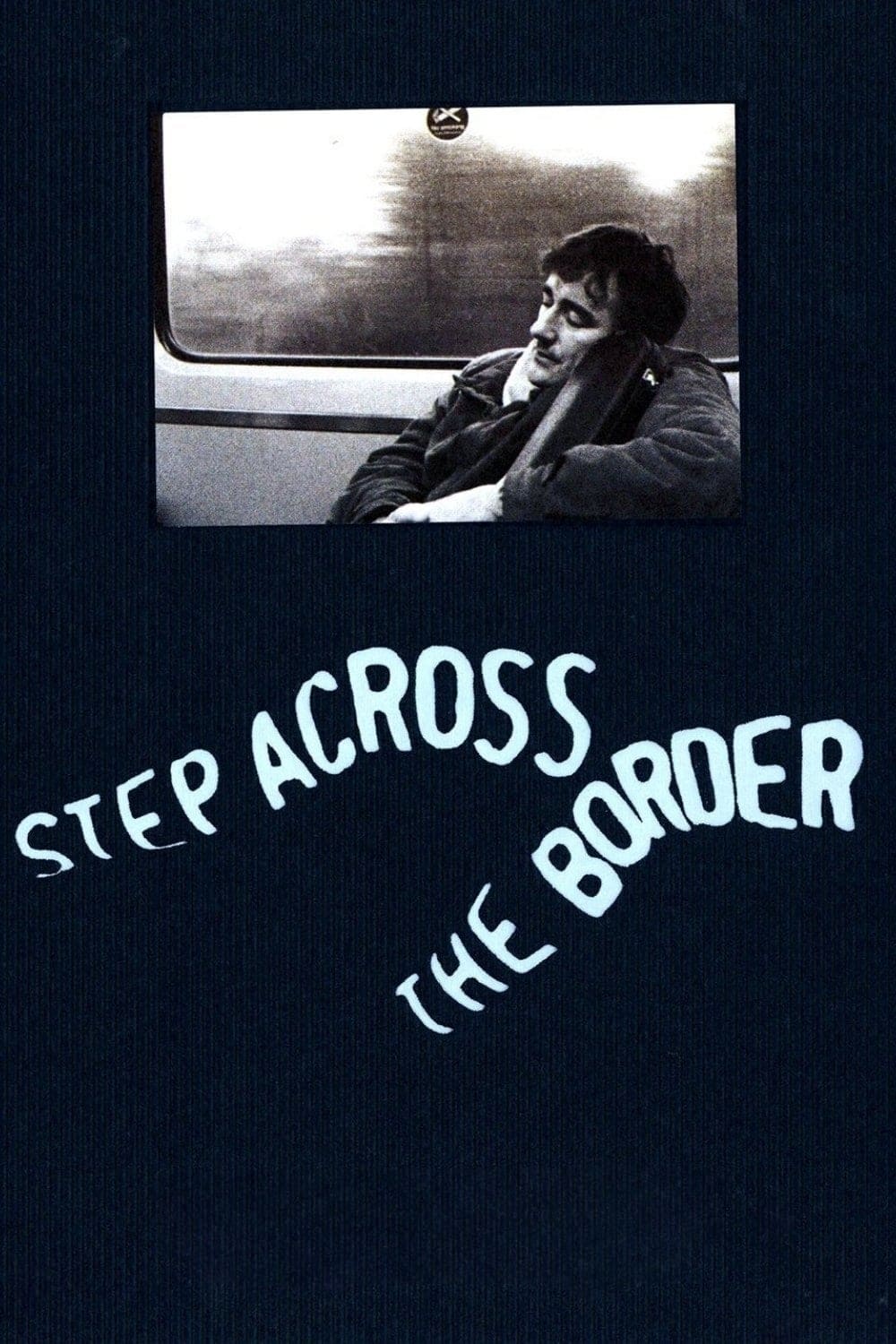
An avant-garde documentary film on English guitarist, composer and improviser Fred Frith.
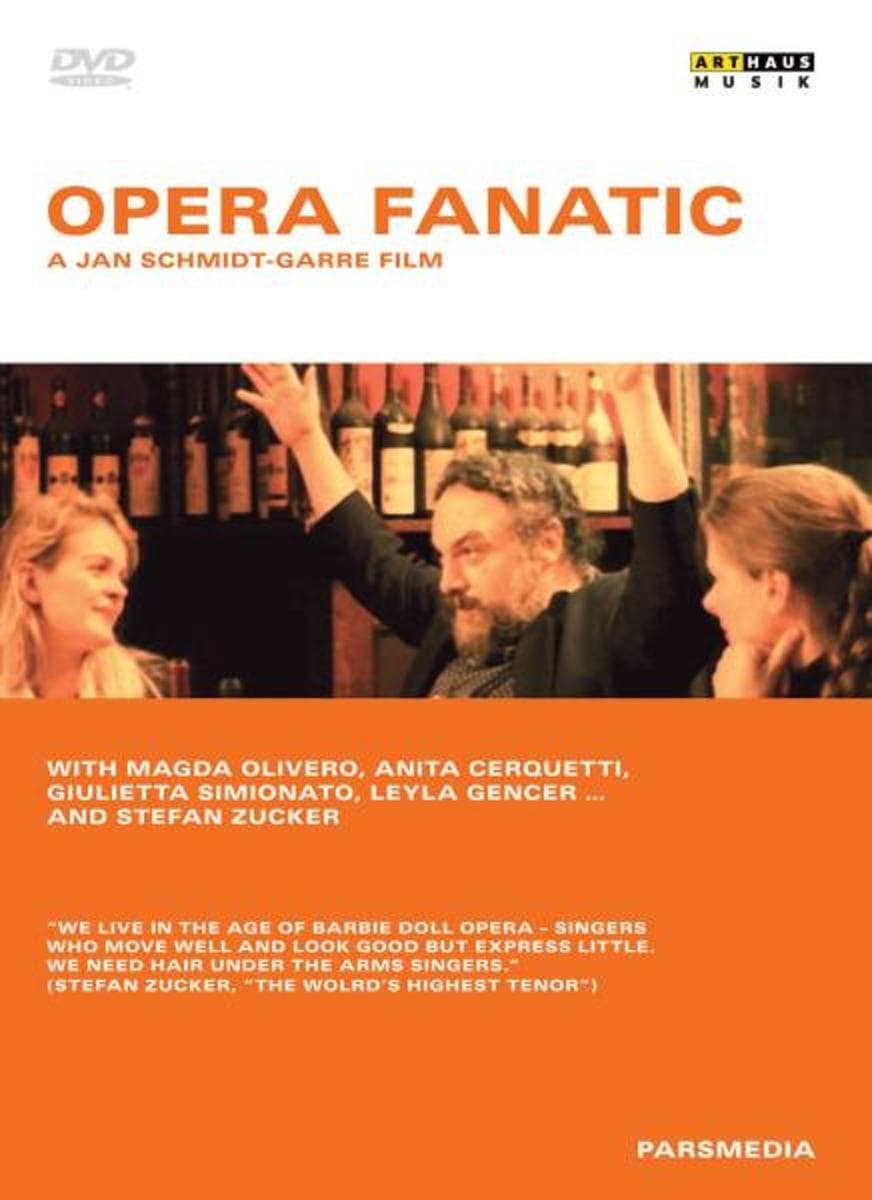
Stefan Zucker, the world's highest tenor, visits the opera divas of his childhood. The journey from apartment to apartment, from diva to diva, from Rome to Milan, turns into an opera road movie.
She is one of the greatest divas of the present day and has left her mark on the world of opera: Anna Netrebko. On her 50th birthday, ARTE is dedicating a special portrait to her. As a disciplined professional in preparations and behind the scenes. And very personally in a private conversation. An encounter with a true superstar of classical music.
First film by Nobel Prize laureate Gao Xingjian.
Documentary about opera production and the life of theatre stars.
Lucienne Schnegg is an energetic little woman. At eighty, she is still at the helm of the "Capitole" cinema. Hired as a secretary in 1949, she became the heiress and soul of the cinema. Cashier, housekeeper and director all in one, she tells us all about her cinema, Lausanne's oldest, largest and most beautiful.
Portrait about the planning and rehearsal of Richard Wagner's Parsifal directed by Calixto Bieito at the opera house in Stuttgart.
A look at the pervasive power of dust from its tiny particles settling in unseen places to its ability to cause illnesses and create the cosmos.
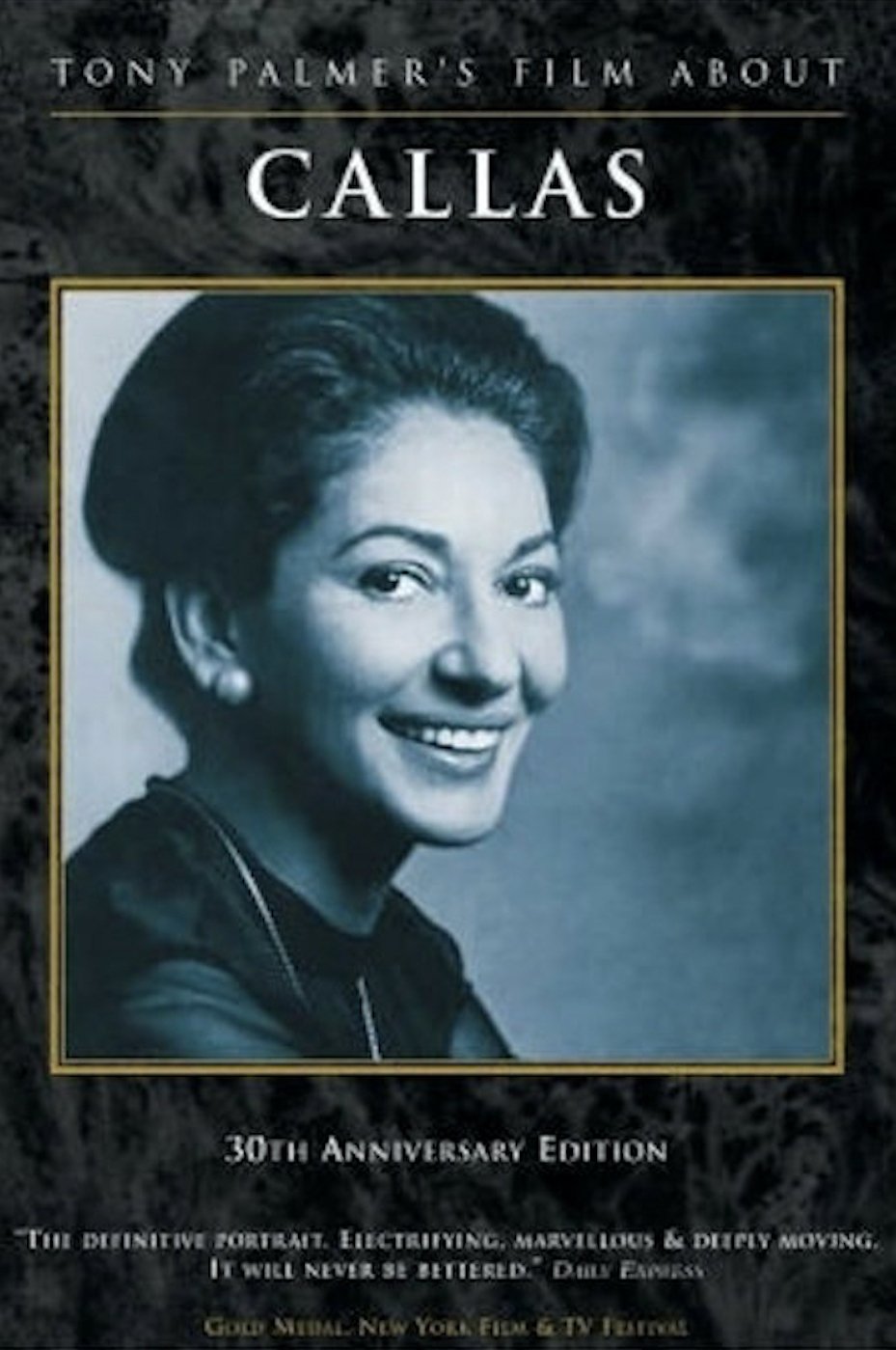
Narrated by cinema legend Franco Zeffirelli, this intimate made-for-television documentary traces the life and times of the mercurial Maria Callas, one of the most renowned and respected operatic divas of the mid-20th century. Rare authentic footage, candid interviews and breathtaking performances help paint a portrait of an artist remembered as much for her quick and explosive temper as she is for her immeasurable talent.
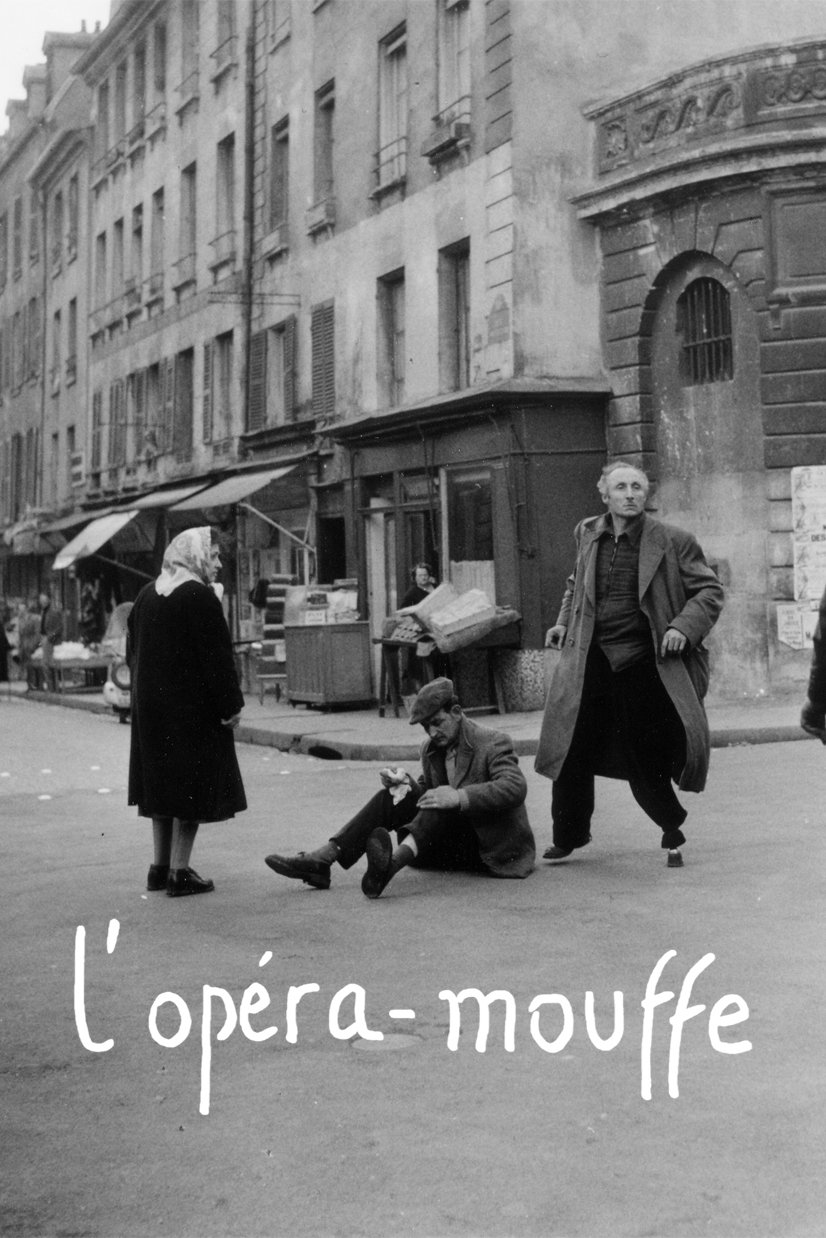
Impressions of the rue Mouffetard, Paris 5, through the eyes of a pregnant woman.
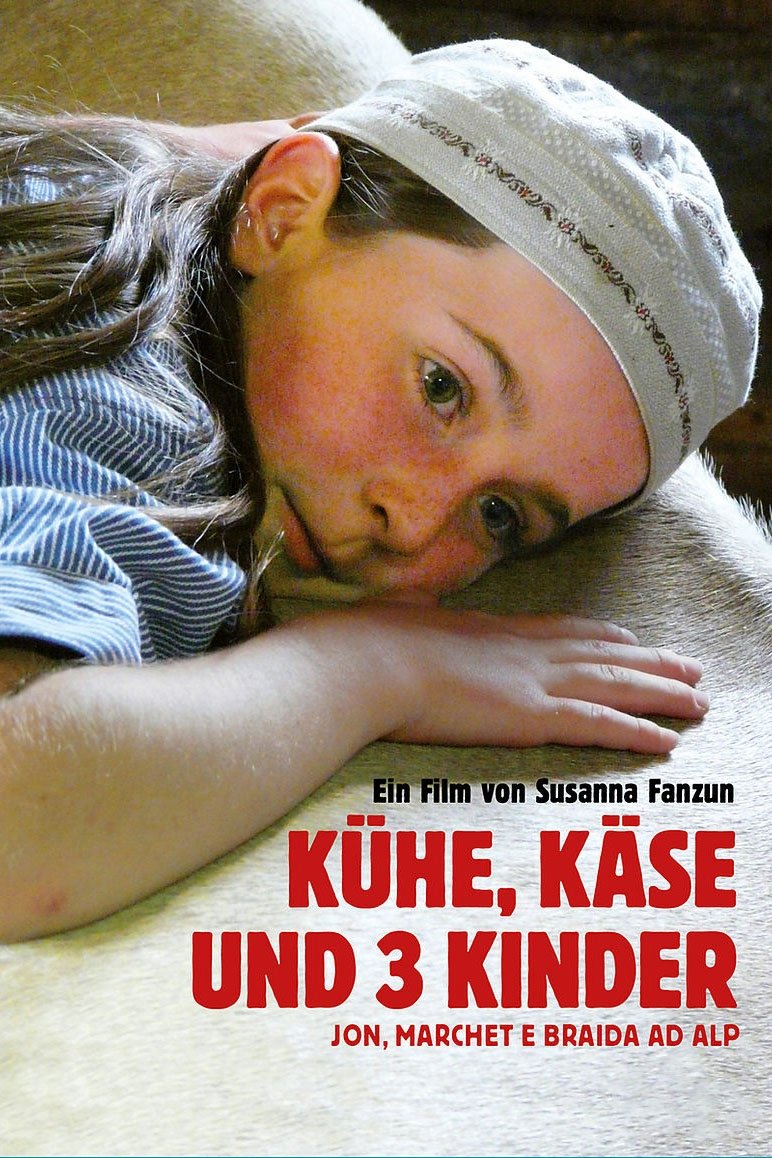
Film about the everyday life of three children on an alp in the Safiental.
A documentary about entertainment and home, filmed in Switzerland and California.
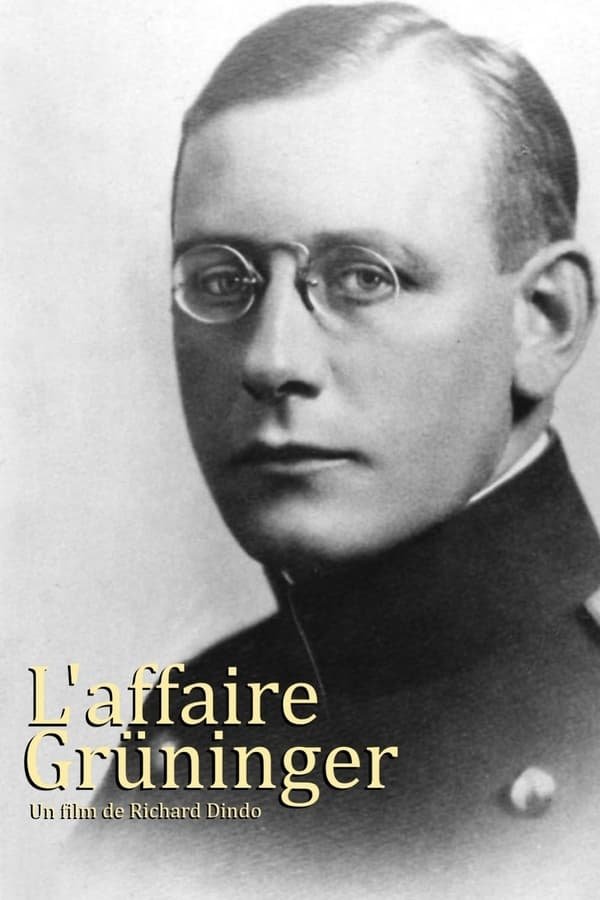
The Grüninger case from Switzerland. This is a documentary about a police officer who showed civil courage back in the forties when he led many refugees fleeing German Nazi terror immigrate to Switzerland, although he was advised not to do so. Grüninger later was sued by the state of Switzerland, lost his job and died in the early seventies. The film constructs a just lawsuit with eye-witnesses and thus fully legitimates what Grüninger did.
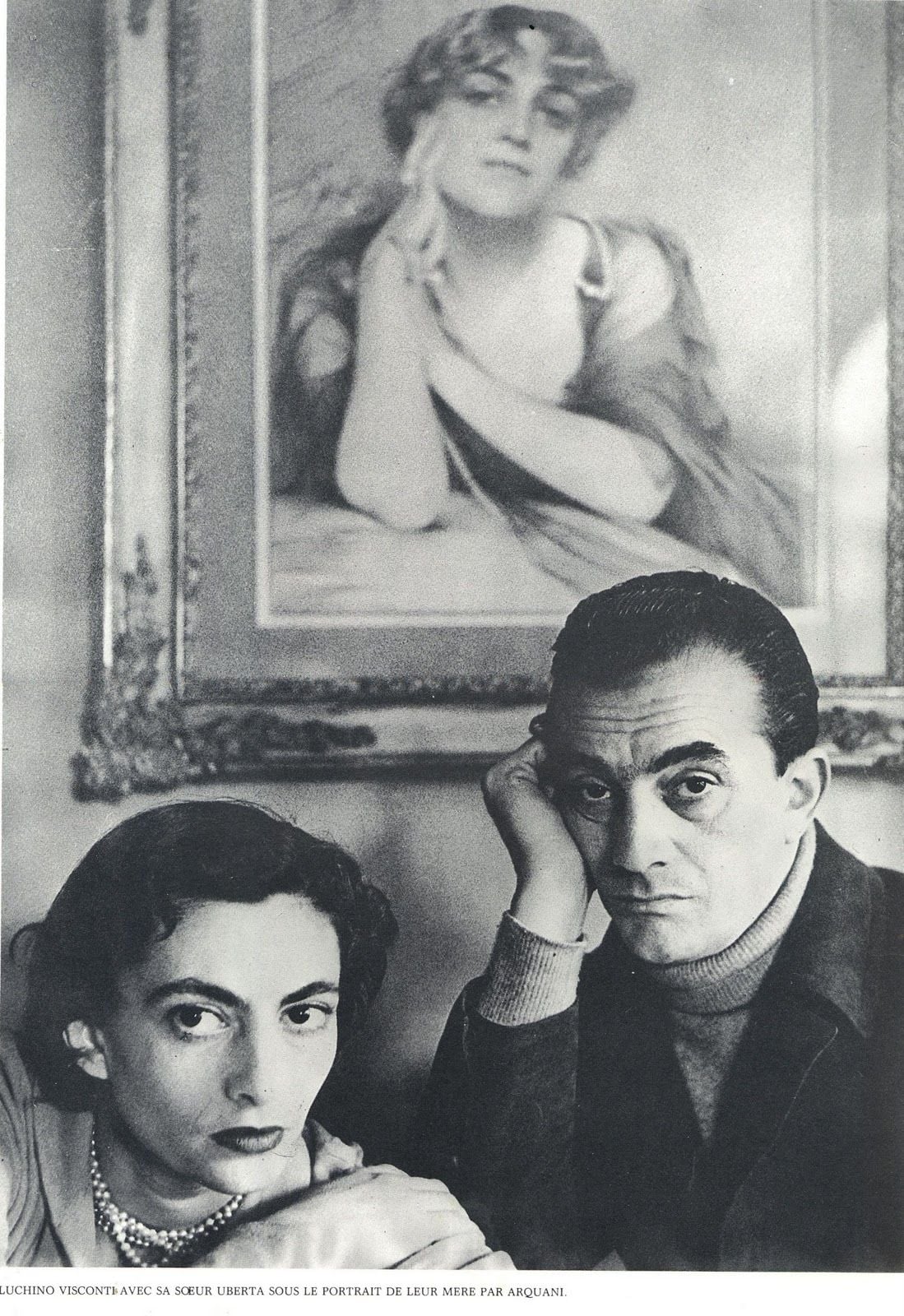
BBC television program exploring Visconti’s mastery of cinema, theater, and opera direction.
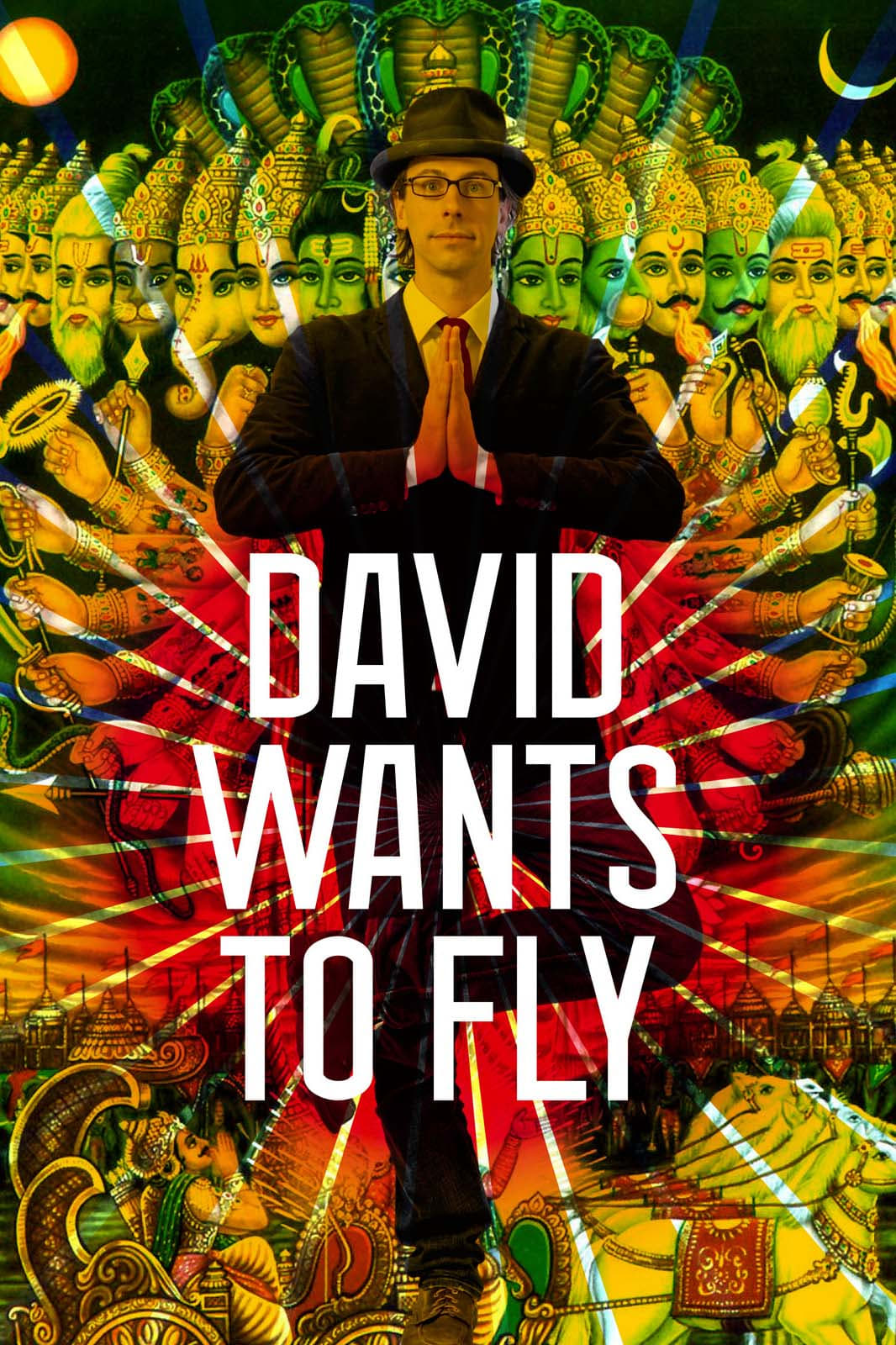
A documentary. David Sieveking takes the advice of his idol, David Lynch and tries out Maharishi Mahesh Yogi's transcendental meditation technique.
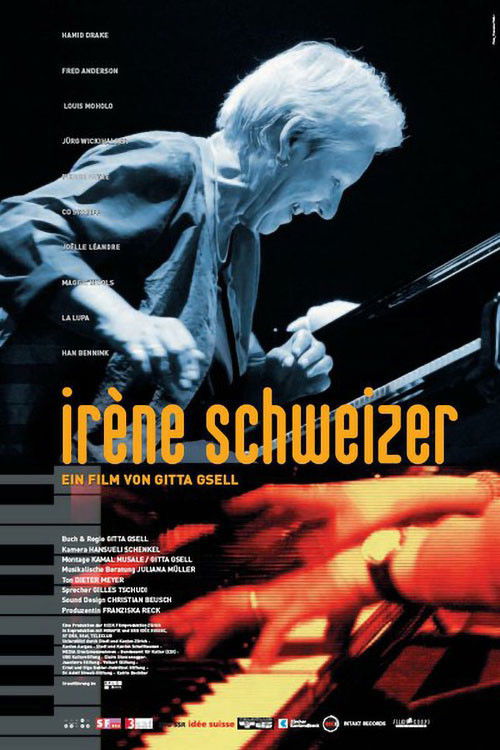
It's there, it's been Irène Schweizer's faithful companion for over 40 years, sharing her joys and sorrows, inspiring her and allowing her to live her dreams: her piano.
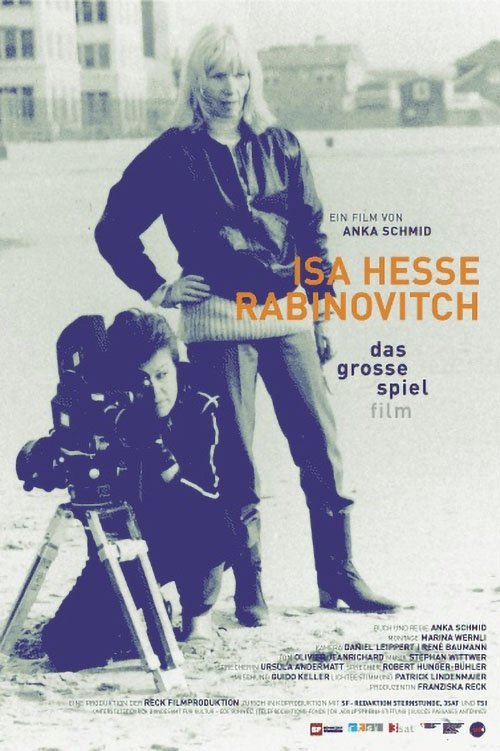
A true pioneer of Swiss cinema, Isa Hesse-Rabinovitch (1917-2003) followed an unusual path throughout her life. The daughter of Judeo-Russian immigrants, she grew up in Zurich. She married a son of Hermann Hesse, with whom she had three children. Influenced by the artistic work of her parents, she worked as an illustrator, then as a reporter and photographer, always mindful of her independence. At the age of fifty, she began making films. Her first experimental shorts immediately earned her invitations to various film festivals and a resounding response abroad.
Al Pacino's deeply-felt rumination on Shakespeare's significance and relevance to the modern world through interviews and an in-depth analysis of "Richard III."
The Captains is a feature-length documentary film written and directed by William Shatner. The film follows Shatner as he interviews the other actors who have portrayed starship captains in the Star Trek franchise.
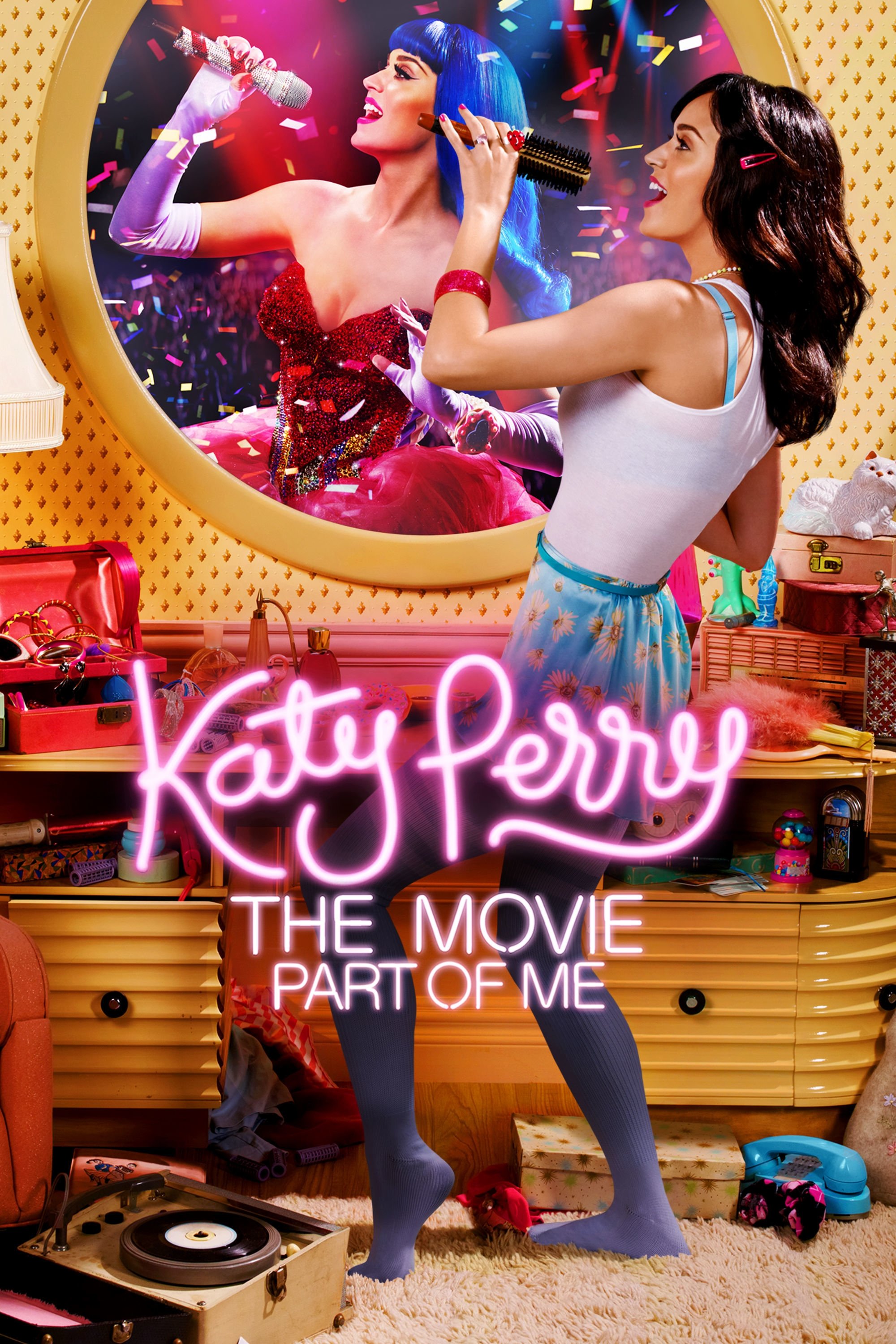
Giving fans unprecedented access to the real life of the music sensation, Katy Perry: Part of Me exposes the hard work, dedication and phenomenal talent of a girl who remained true to herself and her vision in order to achieve her dreams. Featuring rare behind-the-scenes interviews, personal moments between Katy and her friends, and all-access footage of rehearsals, choreography, Katy’s signature style and more, Katy Perry: Part of Me reveals the singer’s unwavering belief that if you can be yourself, then you can be anything.
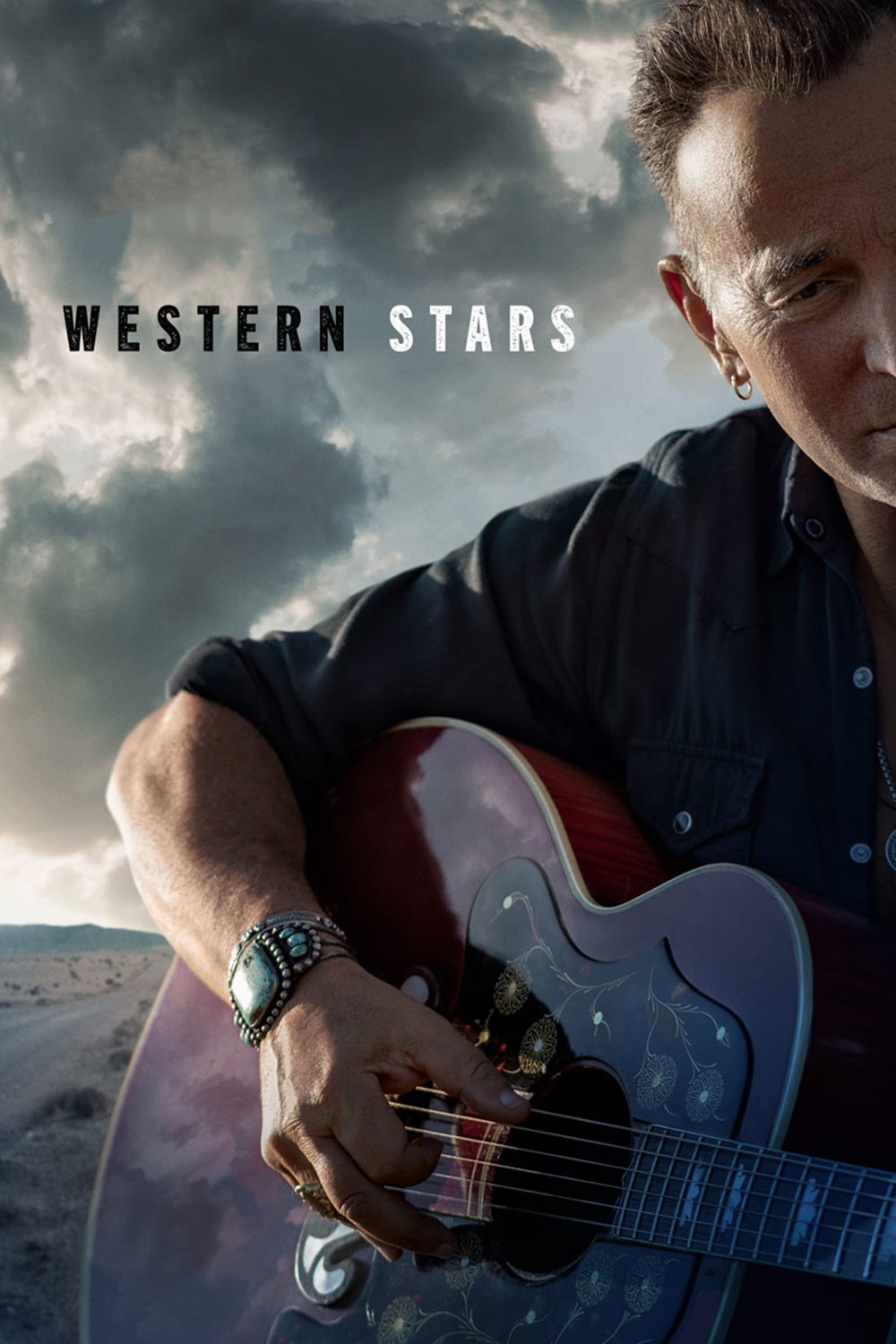
The incomparable Bruce Springsteen performs his critically acclaimed latest album and muses on life, rock, and the American dream, in this intimate and personal concert film co-directed by Thom Zimny and Springsteen himself.
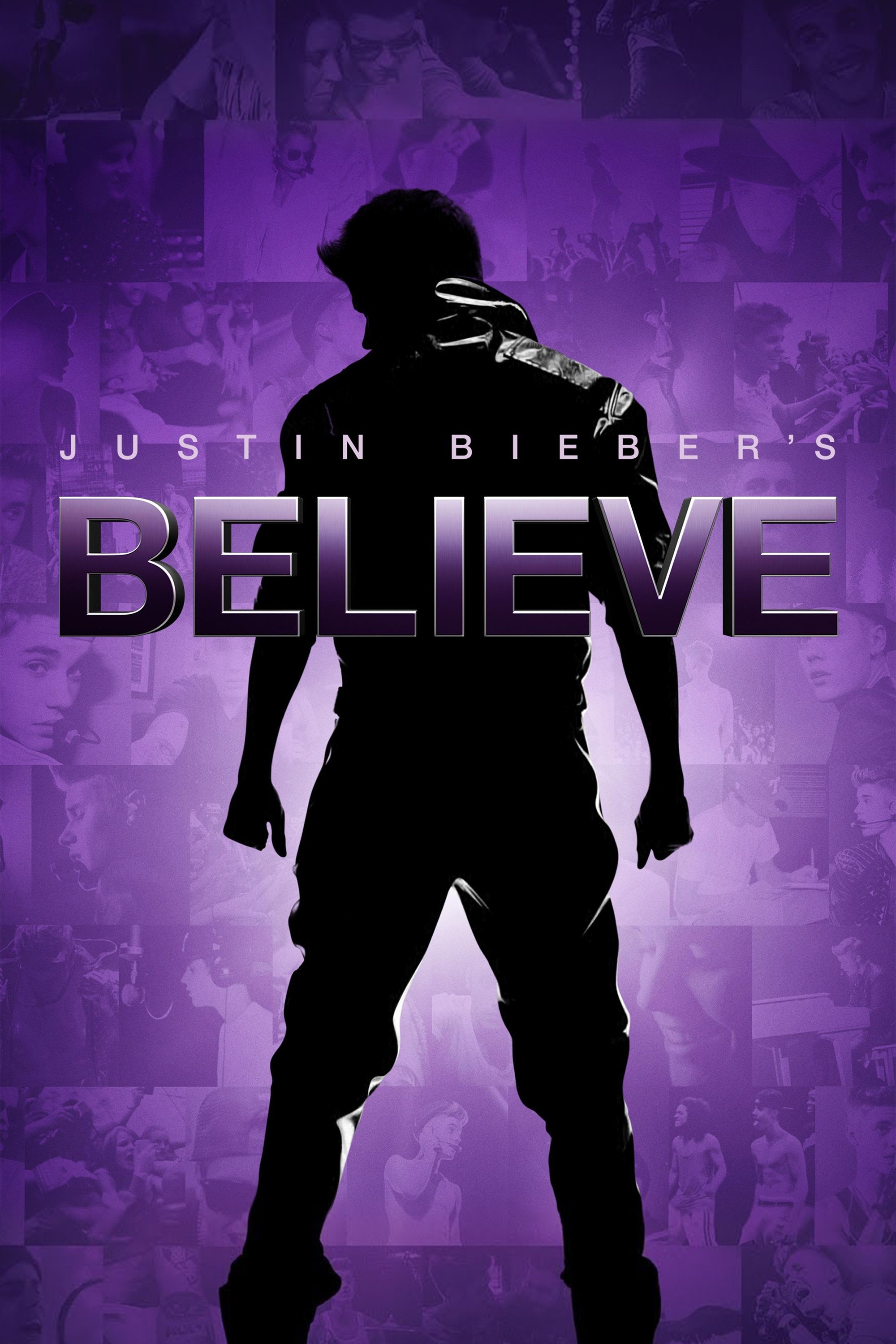
A backstage and on-stage look at Justin Bieber during his rise to super stardom.
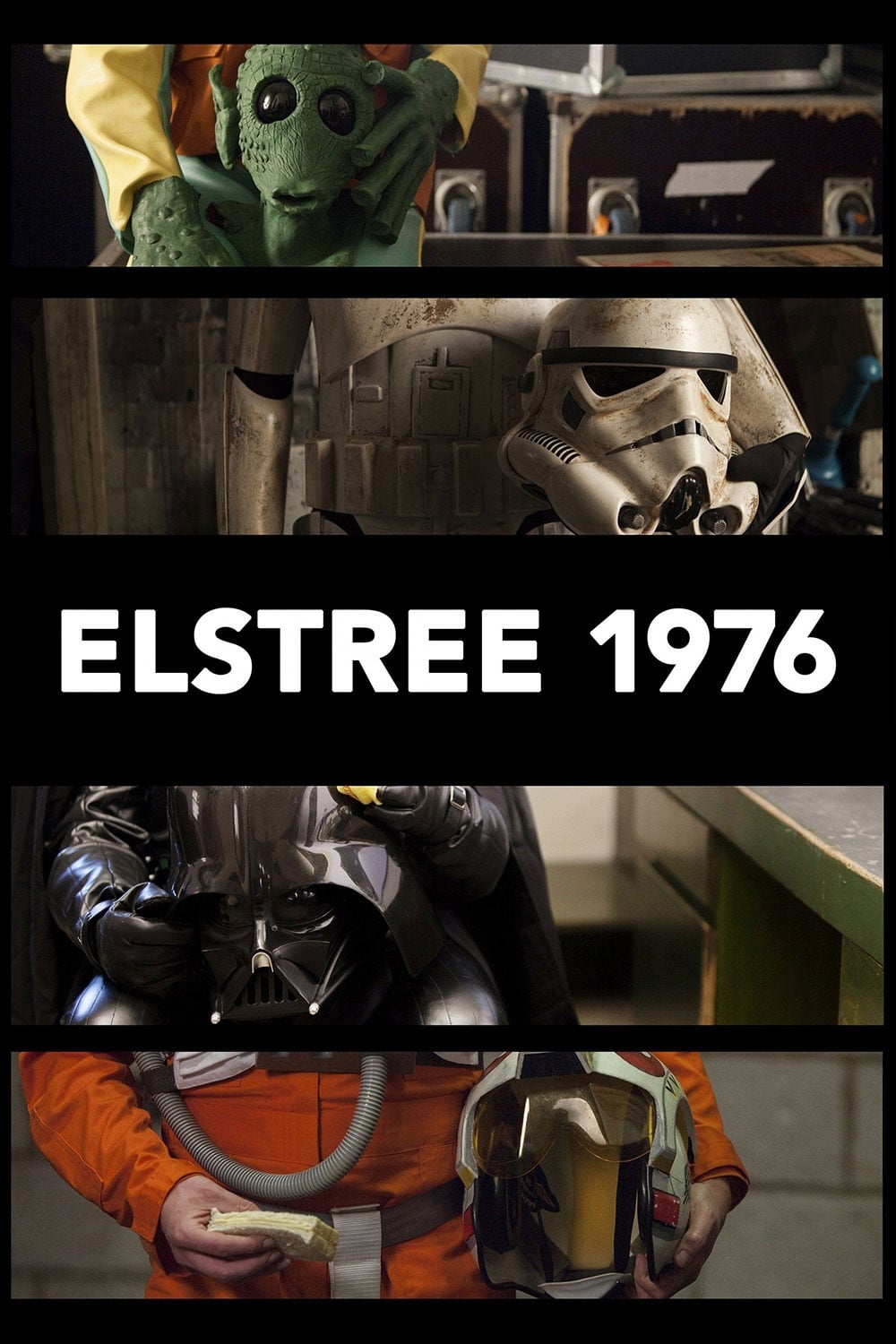
A documentary about ten very different lives connected by having appeared onscreen wearing masks or helmets in Star Wars.
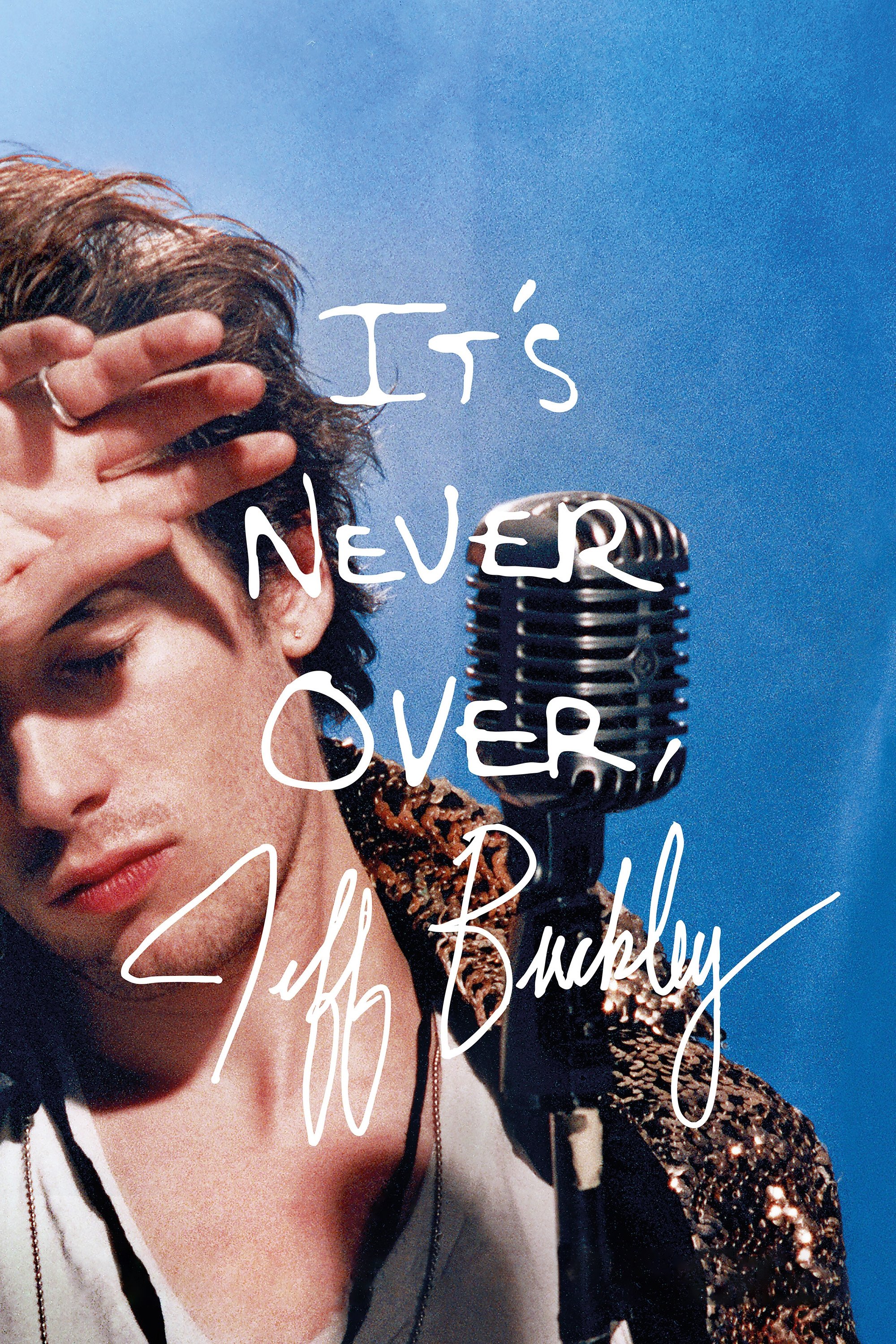
Rising musician Jeff Buckley had only released one album when he died suddenly in 1997. Now, never-before-seen footage, exclusive voice messages, and accounts from those closest to him offer a portrait of the captivating singer.
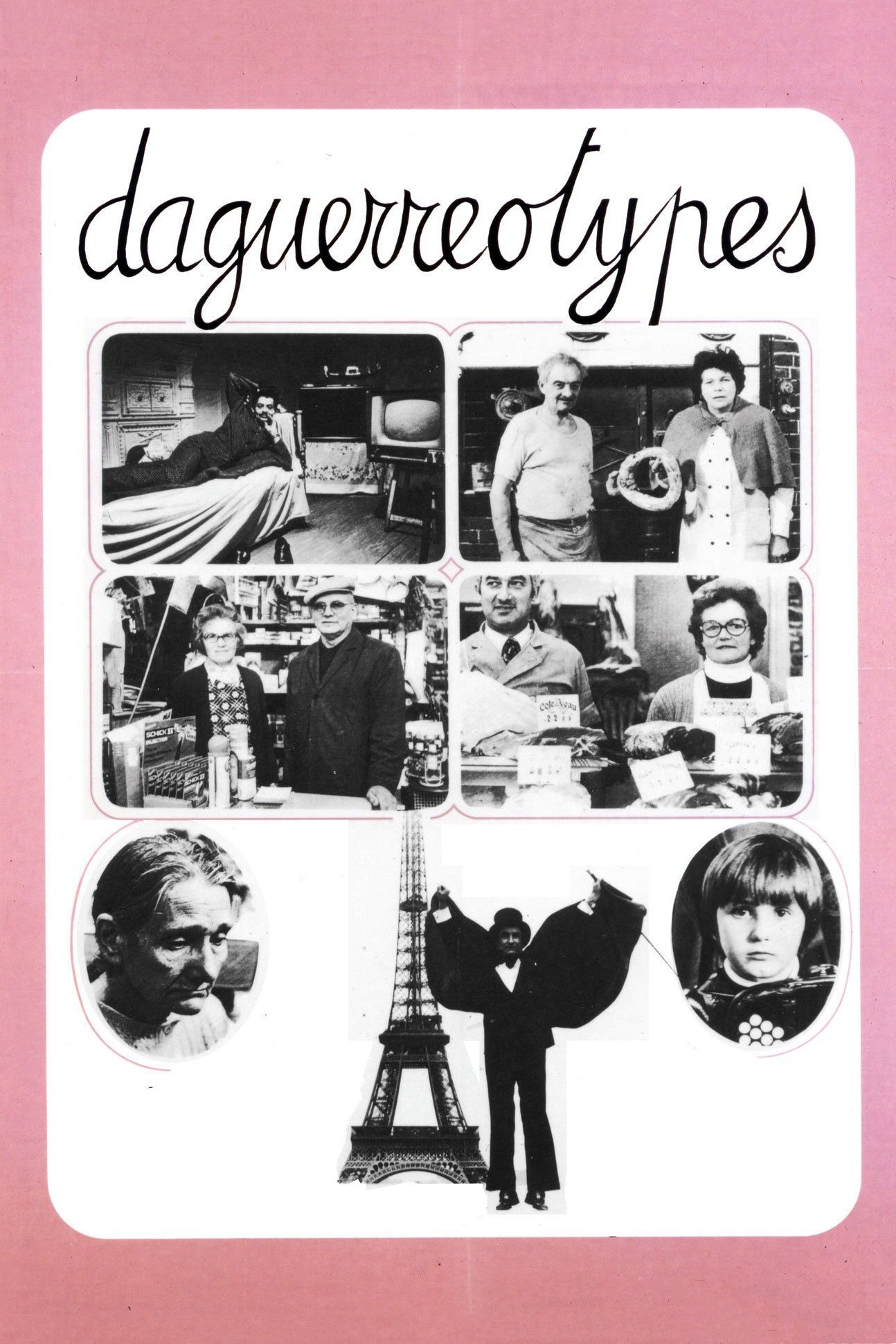
An intimate portrait of the small shops and shopkeepers of the Rue Daguerre in Paris, a picturesque street that has been the filmmaker’s home for more than 50 years.
Daniel Craig candidly reflects on his 15 year adventure as James Bond. Including never-before-seen archival footage from Casino Royale to the upcoming 25th film No Time To Die, Craig shares his personal memories in conversation with 007 producers, Michael G Wilson and Barbara Broccoli.
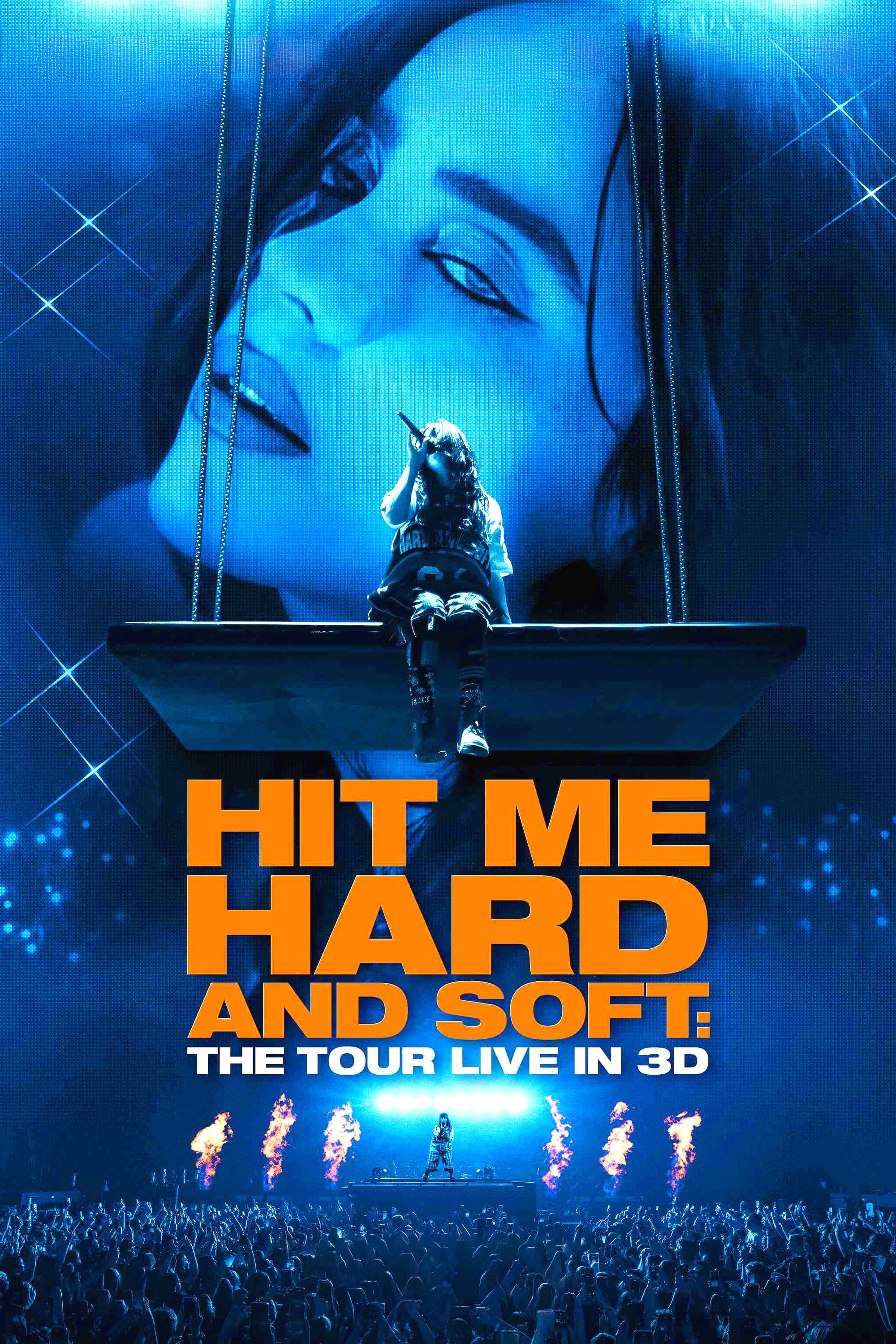
Captured during Billie Eilish's sold-out world tour, a concert experience from one of the most celebrated and successful artists of her generation, presented in immersive 3D.
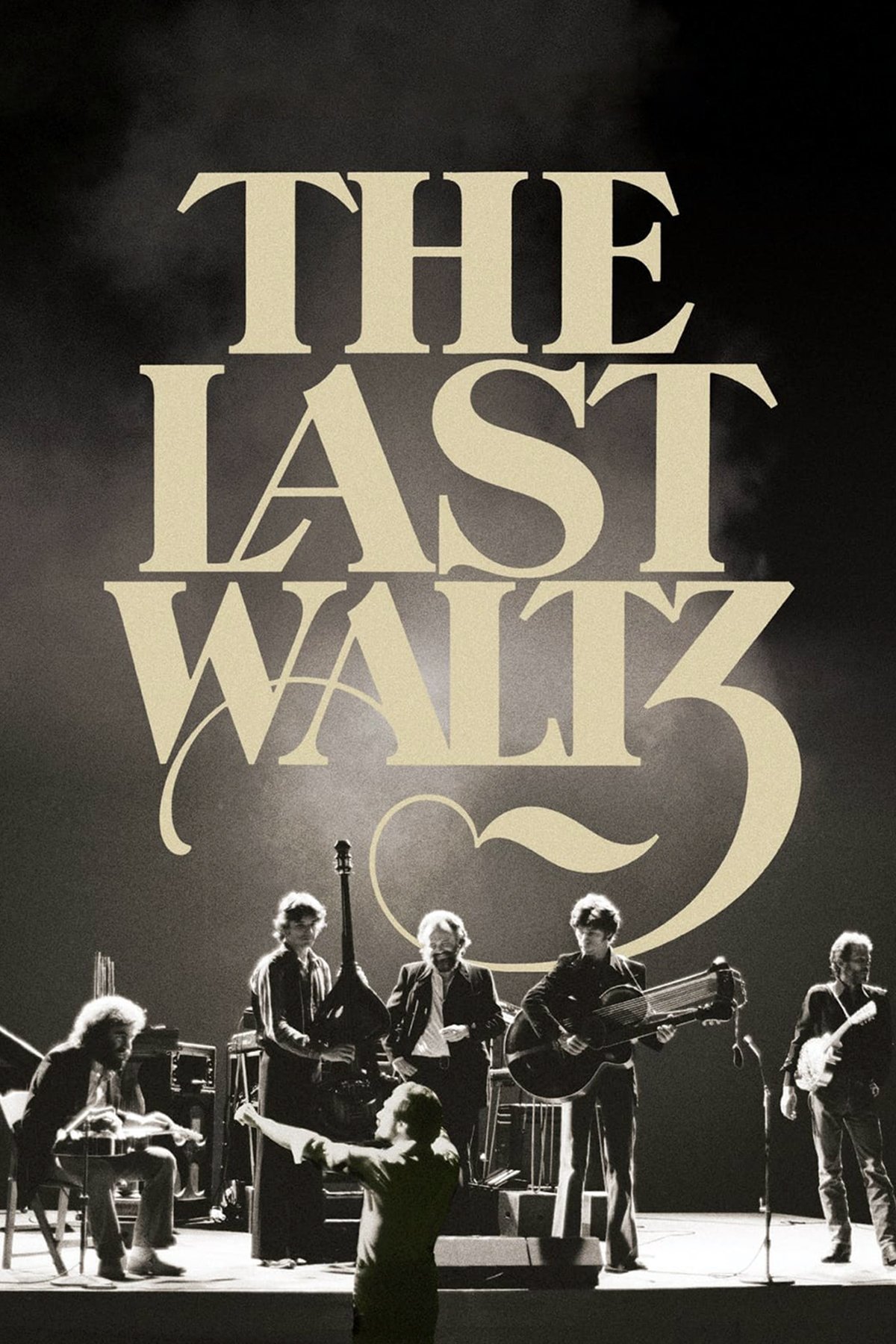
Martin Scorsese's documentary intertwines footage from The Band's incredible farewell tour with probing backstage interviews and featured performances by Eric Clapton, Bob Dylan, Joni Mitchell, Van Morrison, and other rock legends.
A feature length documentary about the all-women team at the helm of Pixar's original feature, Turning Red. With unprecedented behind-the-scenes access to Director Domee Shi and her core leadership crew, this story shines a light on the powerful professional and personal journeys that brought this incredibly comical, utterly relatable, and deeply heartfelt story to the screen.
Using the book 'Fragments', which collects Marilyn Monroe's poems, notes and letters, and with participation from the Arthur Miller and Truman Capote estates who have contributed more material, each of the actresses will embody the legend at various stages in her life.
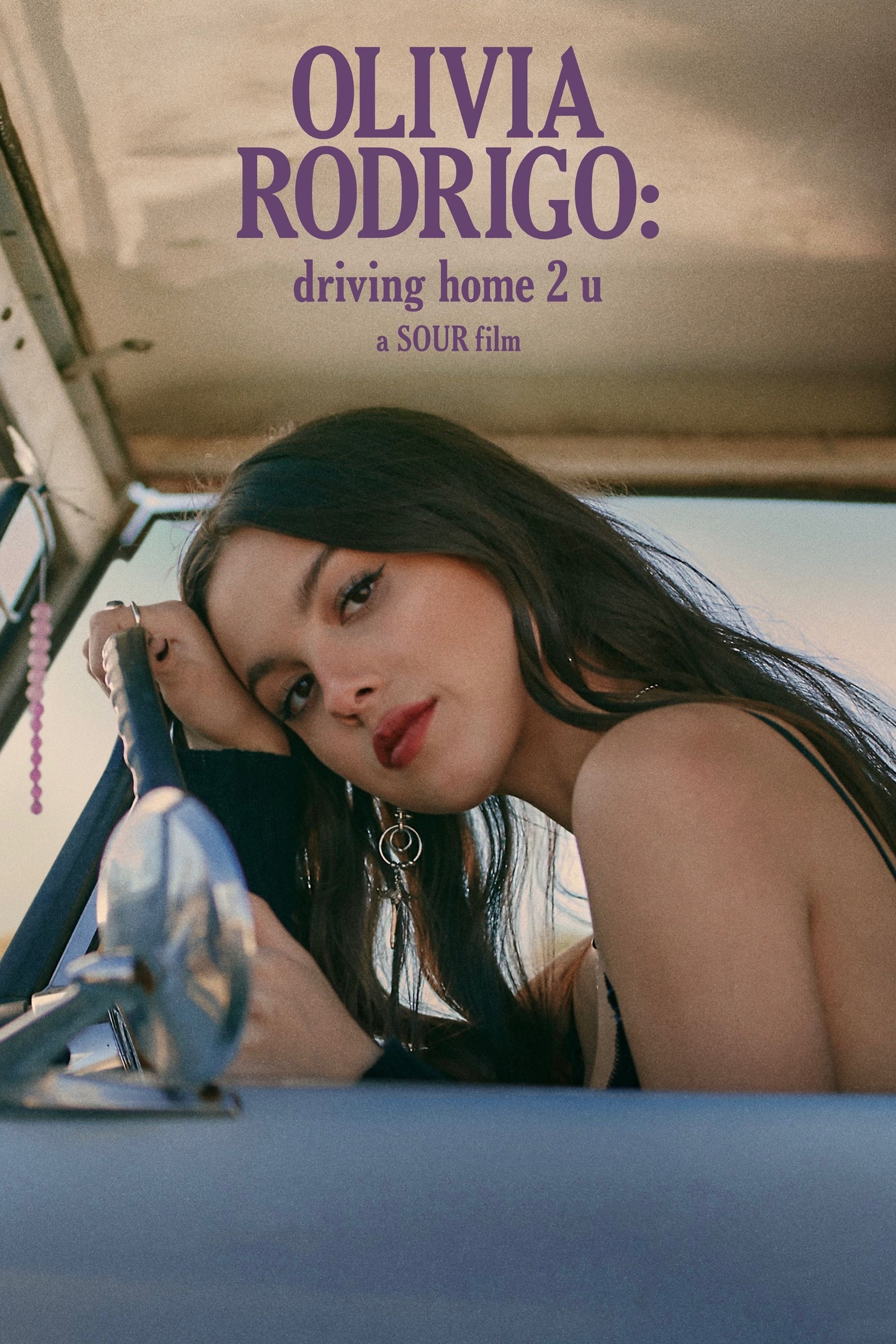
Grammy® winner singer-songwriter Olivia Rodrigo takes a familiar road trip from Salt Lake City, where she began writing her debut album “SOUR,” to Los Angeles. Along the way, Rodrigo recounts the memories of writing and creating her record-breaking debut album and shares her feelings as a young woman navigating a specific time in her life. Through new live arrangements of her songs, intimate interviews and never-before-seen footage from the making of the album, audiences will follow Olivia along on a cinematic journey exploring the story of “SOUR.”
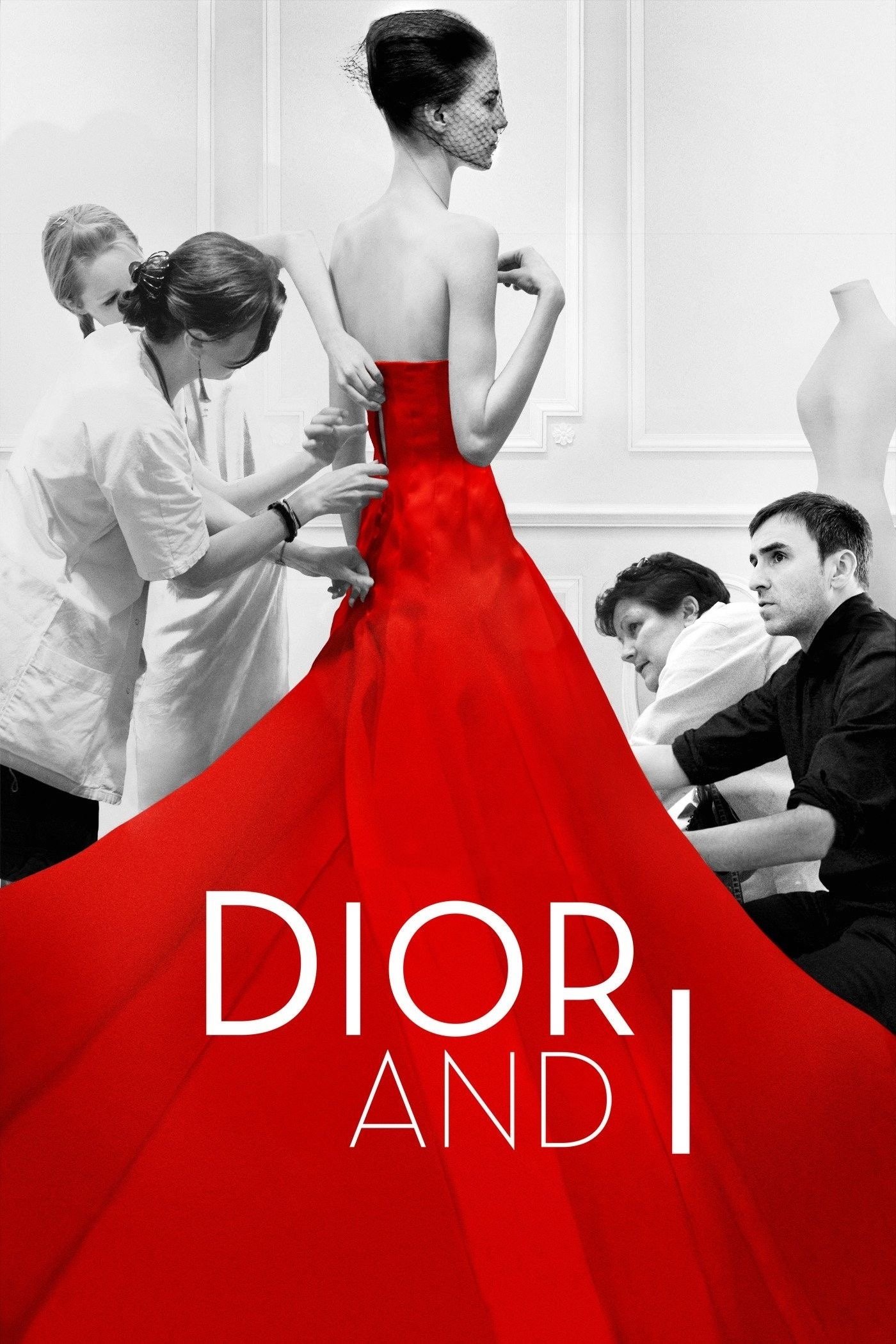
Behind-the-scenes documentary revealing what goes on inside the colourful, privileged, and sometimes stressful Christian Dior fashion house.
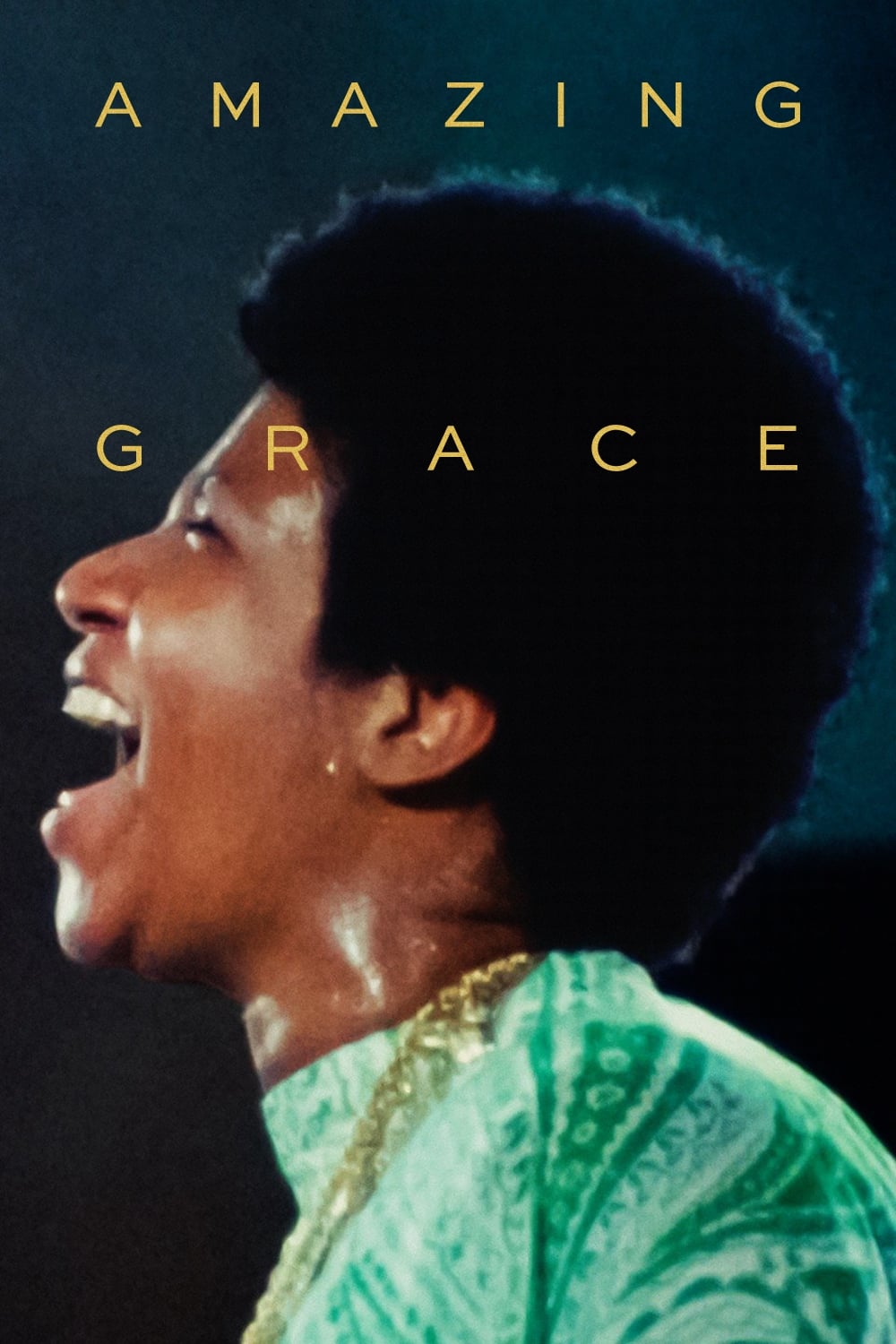
A behind-the-scenes documentary about the recording of Aretha Franklin's best-selling album finally sees the light of day more than four decades after the original footage was shot.
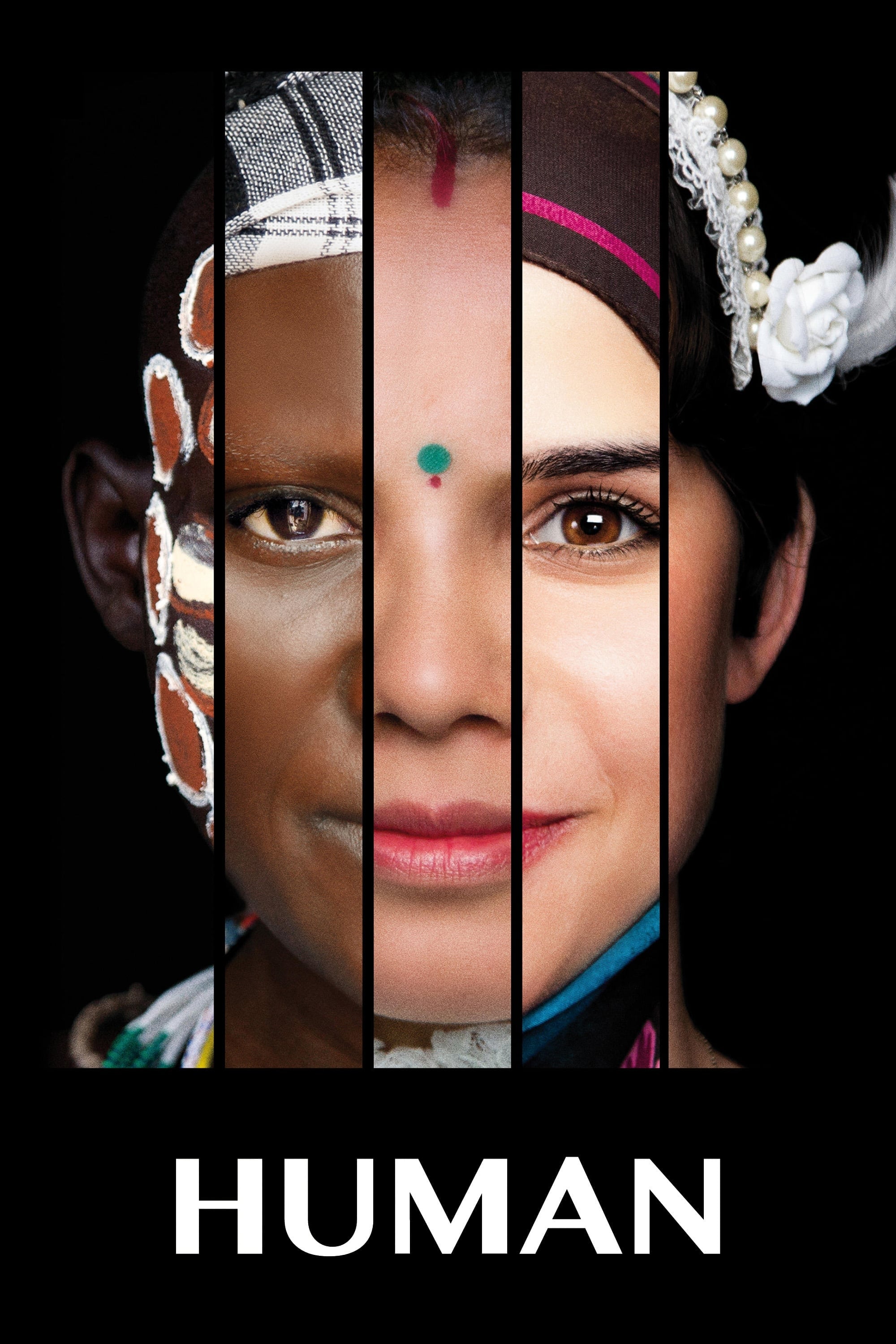
A collection of stories about and images of our world, offering an immersion to the core of what it means to be human. Through these stories full of love and happiness, as well as hatred and violence, it brings us face to face with the Other, making us reflect on our lives. From stories of everyday experiences to accounts of the most unbelievable lives, these poignant encounters share a rare sincerity and underline who we are – our darker side, but also what is most noble in us, and what is universal. Our Earth is shown at its most sublime through never-before-seen aerial images accompanied by soaring music, resulting in an ode to the beauty of the world, providing a moment to draw breath and for introspection. This film is a politically engaged work which allows us to embrace the human condition and to reflect on the meaning of our existence.
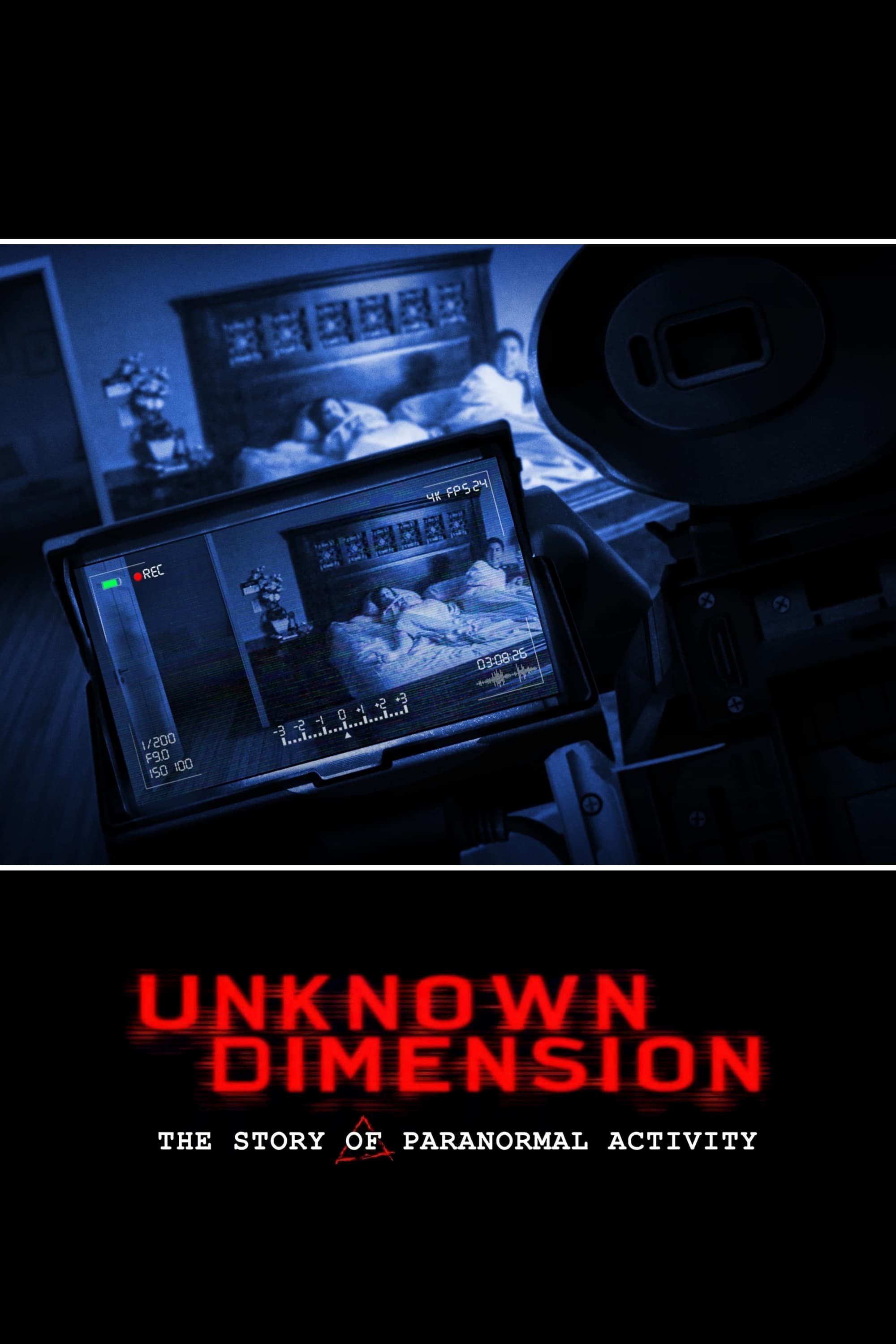
A deep dive into the making of the Paranormal Activity films with first time ever interviews with cast and crew, never-before-seen footage from the movies, and a preview of the seventh installment in the franchise.
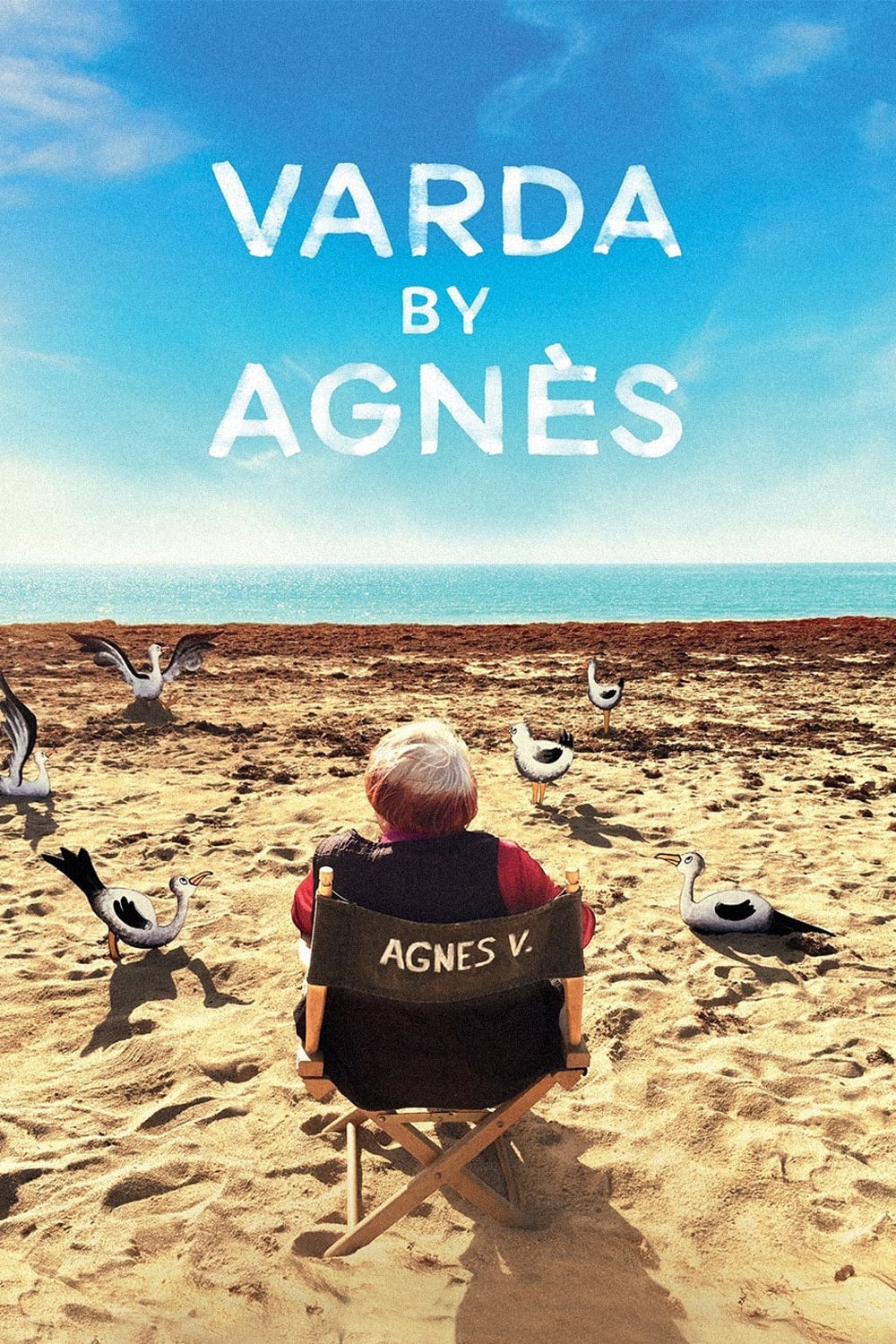
An unpredictable documentary from a fascinating storyteller, Agnès Varda’s last film sheds light on her experience as a director, bringing a personal insight to what she calls "cine-writing," traveling from Rue Daguerre in Paris to Los Angeles and Beijing.
The life and career of an actor, artist, and icon. His own journey through his own camera.