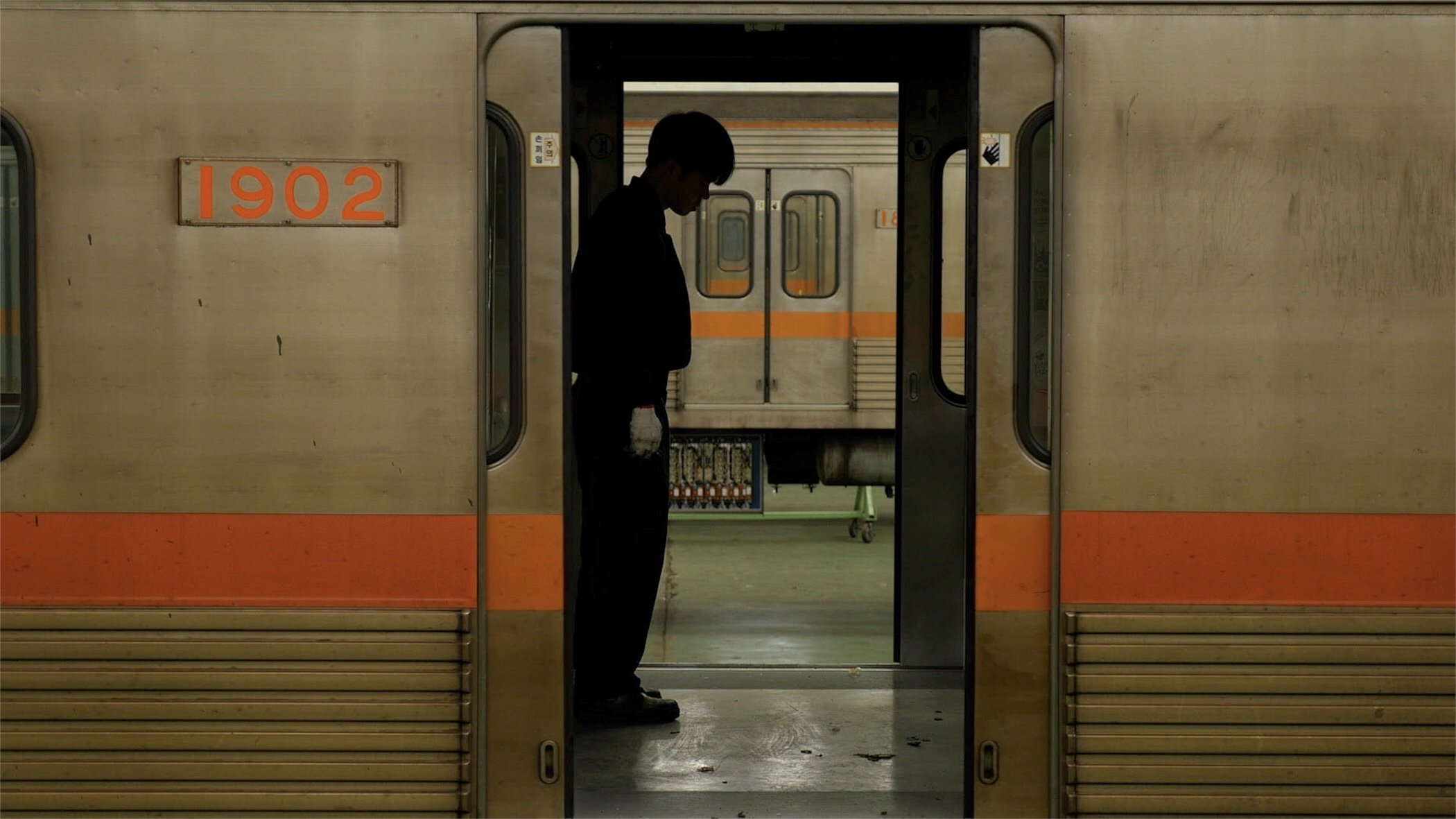
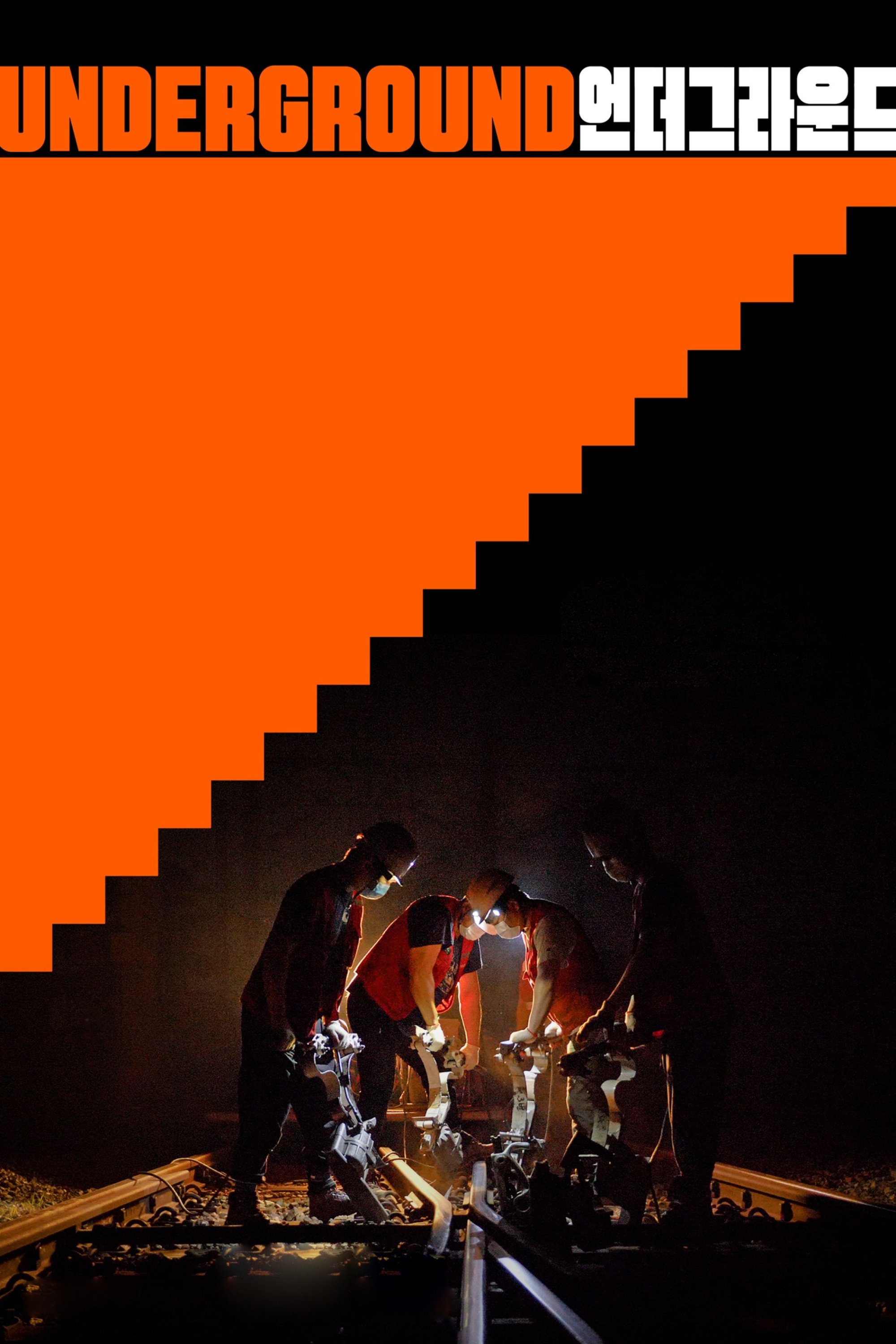
Numerous people are on subway trains running up and down the city center endlessly. There are people who run this decent space “underground”. Under the noisy world today, we approach them to see what life is like underground.

Social & External
Ignaz Wuzel and Gerhard Jeschko are regulars at the espresso in the Südtiroler Platz underground station. Warden Leopold Prinz knows the problems of the children from Karlsplatz. In 1993, Elizabeth T. Spira filmed people on the Vienna subway network. Above all, it is the desperate, the lost and the forgotten who find refuge and a home in and around the subway.
This movie chronicles the life and times of R. Crumb. Robert Crumb is the cartoonist/artist who drew Keep On Truckin', Fritz the Cat, and played a major pioneering role in the genesis of underground comix. Through interviews with his mother, two brothers, wife, ex-wife and ex-girlfriends, as well as selections from his vast quantity of graphic art, we are treated to a darkly comic ride through one man's subconscious mind.
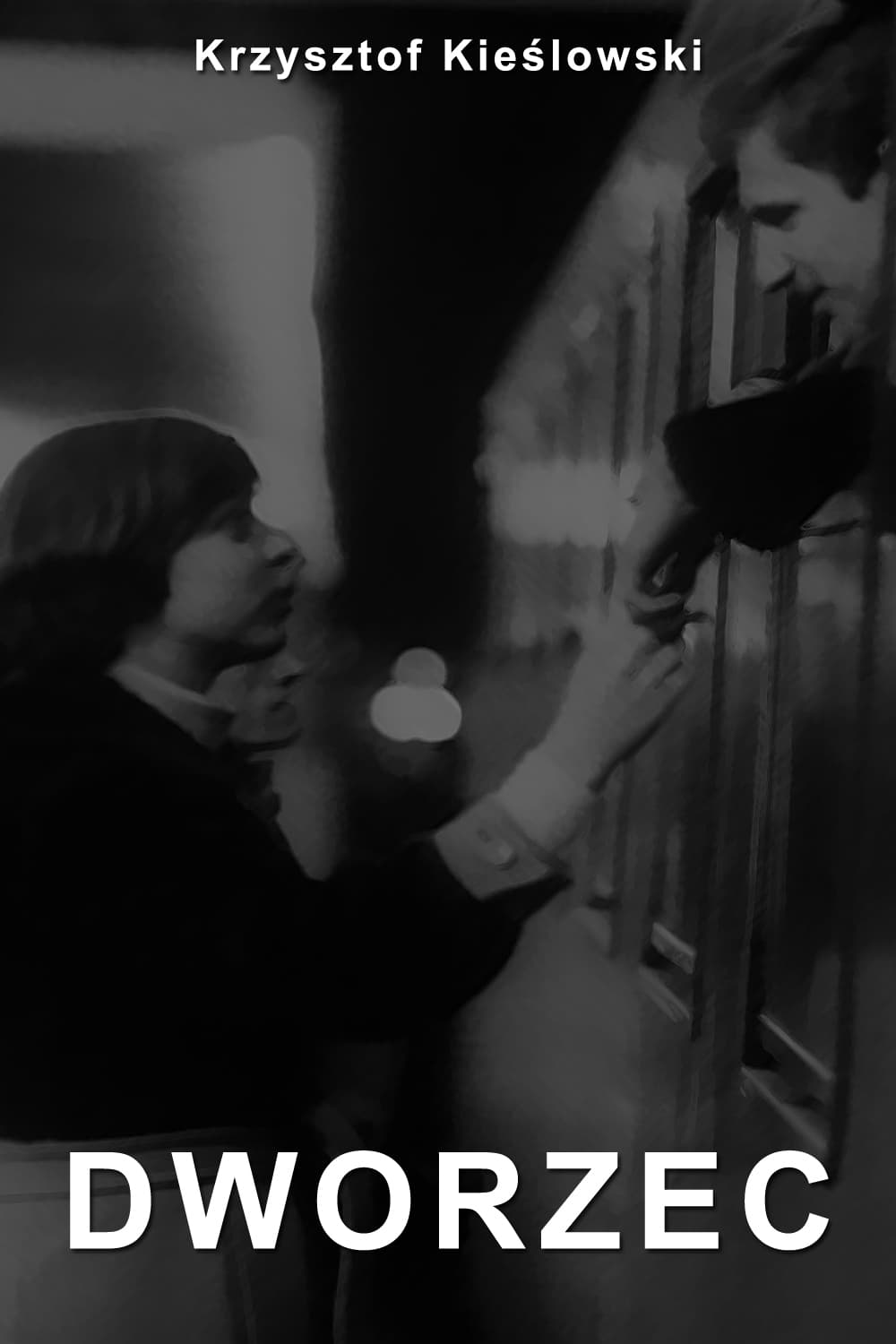
Warsaw's Central Railway Station. 'Someone has fallen asleep, someone's waiting for somebody else. Maybe they'll come, maybe they won't. The film is about people looking for something.
A group of women climbs a summer mountain situated in South Korea. They are refugees who have settled into South Korean society after fleeing from North Korea. For them, climbing the mountains has been an unavoidable journey for survival - a matter of life and death.
A strange story from Somerset, England about a filmmaking farmer and the inspiring legacy of his long-lost home movies.
Raymond Roy is a 64-year-old idealist, an energetic social activist ready to give everything he has to those living on the edge: the alienated, impoverished and exploited members of society. Raymond is also a priest, doing what he has wanted to do ever since he was a teenager. Filmmaker Serge Giguère paints an intimate portrait of a man who has spent 30 years fighting for an alternative vision of life in his community. The film is a blend of cinema vérité and social history that provides a view of the man and his work from without and within, from the poetry of his personal diary laced with doubts and self-criticism, to the many achievements of the community groups he helped. Filming over several years, Giguère gives us a sense of the changes in values and attitudes of those who run our society, along with the role of the community groups who provide solutions, inspiration and a sense of renewal.


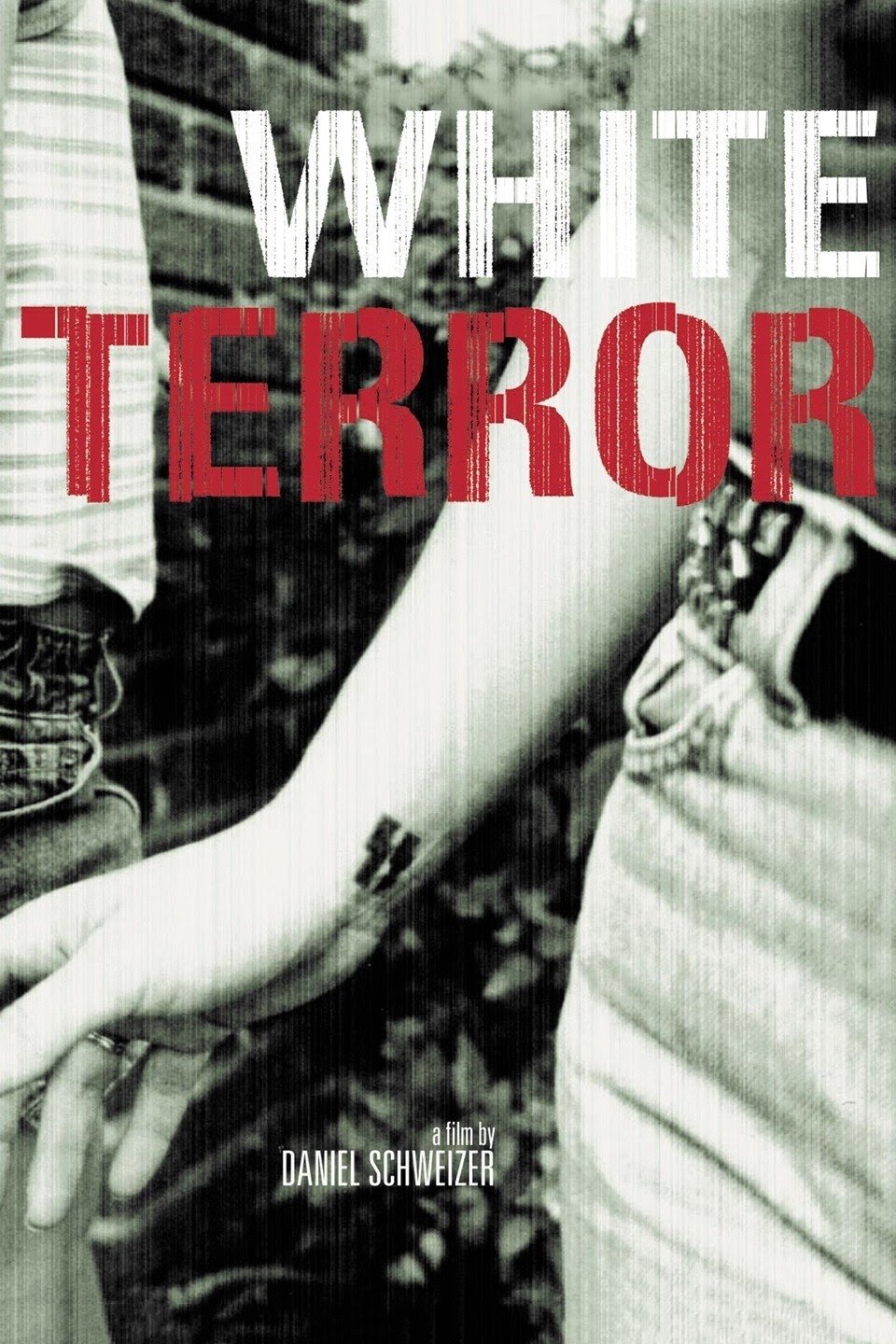
A video about Neo-Nazis originating in Sweden provides the starting point of an investigation of extremists' networks in Europe, Russia, and North America. Their propaganda is a message of hatred, war, and segregation.
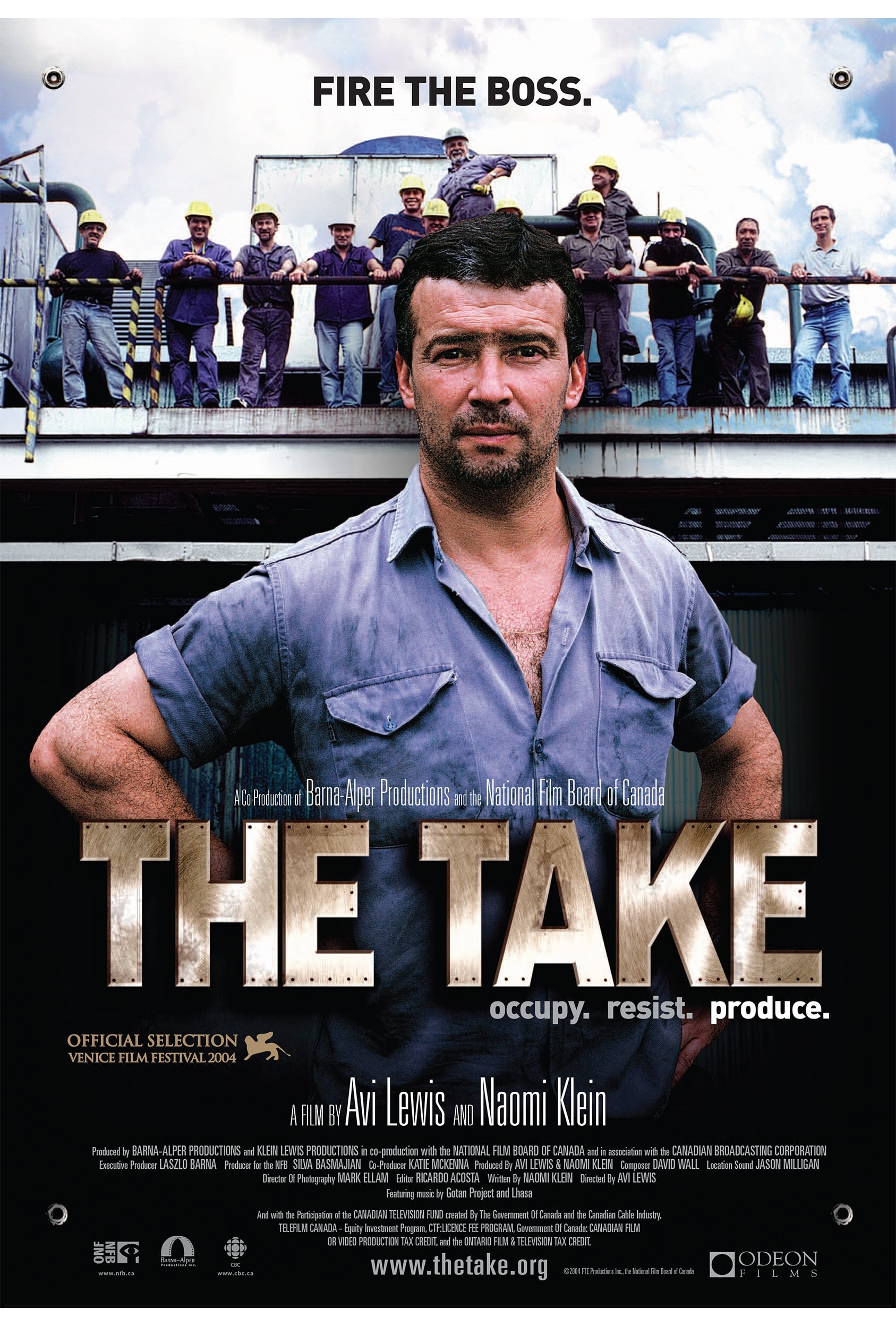
In suburban Buenos Aires, thirty unemployed ceramics workers walk into their idle factory, roll out sleeping mats and refuse to leave. All they want is to re-start the silent machines. But this simple act - the take - has the power to turn the globalization debate on its head. Armed only with slingshots and an abiding faith in shop-floor democracy, the workers face off against the bosses, bankers and a whole system that sees their beloved factories as nothing more than scrap metal for sale.
In the 1930’s, the workers of the underground, headed by brigades of writers, are in charge to write in real time "the history of the Moscow Metro". Based on their narratives, partially unpublished, the film recounts the first lines construction of the most beautifiul underground in the world, in the light of this "big literary Utopia", stoped by the purges of 1937-38.
After consolidating itself as a tourist destination in the mid-1960s, this small coastal village has become the dormitory town for the workers of a Nuclear Power Plant. With the liberal promise of prosperity and socioeconomic wellfare, many workers left their homes to move to the small city and started working at the new Nuclear Power Plant. The collective unrest and the silence, cut off by the great gusts of wind, articulate the landscape of the village that is now under the aid of the Nuclear Power Plant.
Hip-Hop Culture and Graffiti Video Magazine
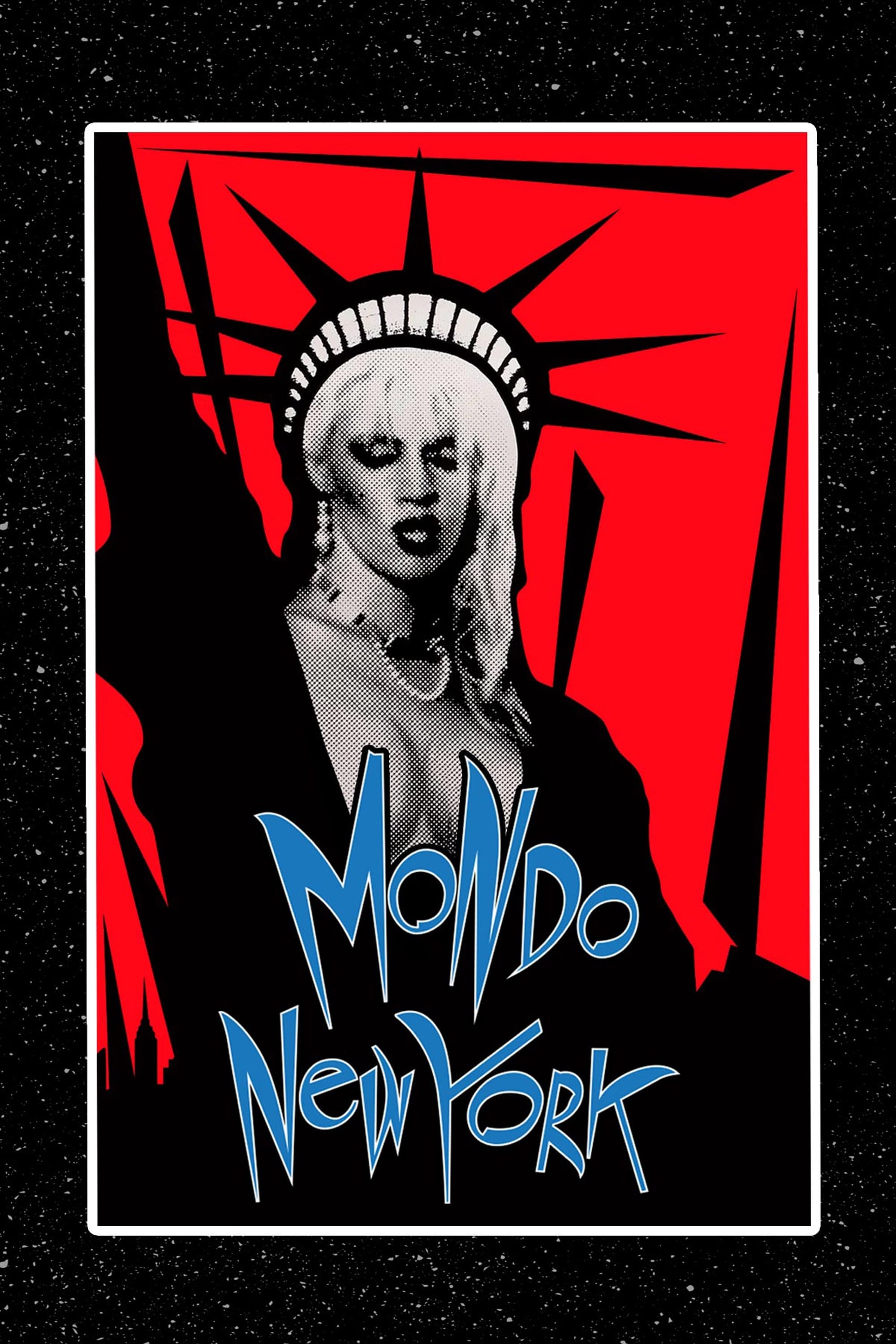
A young woman wanders around New York City and stumbles across a number of strange characters and settings that represent the "underground" areas of the city. She sees stand up comedy in Central Park, a prostitution auction, a voodoo ceremony, an S&M club, and a number of very interesting performance artists. These are just a few of the sights and sounds of New York that she encounters.
Hidayet Usta is a shoemaker in his early 80s who has made a living repairing shoes. Having separated from his wife years ago and with a strained relationship with his children, Hidayet lives alone, but contentedly in his own world.
Rowland S. Howard, the Primitive Calculators, Ollie Olsen, Phillip Brophy and many others proffer their recollections and air their animosities in a tribute to the underground music scene of '77-'81 in Melbourne, Australia. This is a warts and all look at the Melbourne underground music scene of 1977 to 1981 that spawned the likes of Nick Cave, Rowland S. Howard, Ollie Olsen, The Birthday Party, the Primitive Calculators, The Ears as well as venues such as the Crystal Ballroom and others that fostered what became known as the Little Band scene.
Interpreting an event of ROKS Cheonan corvette, torpedoed and sunken by North Korea, this documentary rebuilds the event with a different insight. No one can tell if the investigation of Cheonan has reached compelling conclusion. But the film tells and reveals how unreasonable Korean society is.
The story of the ancient and sacred Gureombi Rock. The story of the people of Gangjeong Village who rise up against the construction of a US/Korea Naval base on their holy and precious land. The winds of peace, like the winds of Jeju Island, are blowing.
The film traces over 10 years of uninhibited activism by this modern tribe, from the first underground parties to the temples of showbiz society. The Heretik have climbed all the way to the legendary Olympia concert hall in Paris. Immerse yourself in the tormented intimacy of a leading counter-culture band.
Documentary about seminal garage-rock band, The Seeds, that uses vintage footage, rare photos, memorabilia and audio, plus fresh interviews with band members and associates as well as notable fans and observers, Pushin’ Too Hard relates the bizarre rage-to-riches-to-rags tale of the rock quartet who took Los Angeles by storm in the mid-60s.
Eunmi, a woman who underwent intense anti-communist education while she grew up in South Korea, lives a normal life in America. However, after going on a trip to North Korea with her husband, her life begins to change. During an open forum event in South Korea, where she was invited to speak, she suffers the unimaginable, and the more she tries to escape from the situation, the worse and worse it gets.