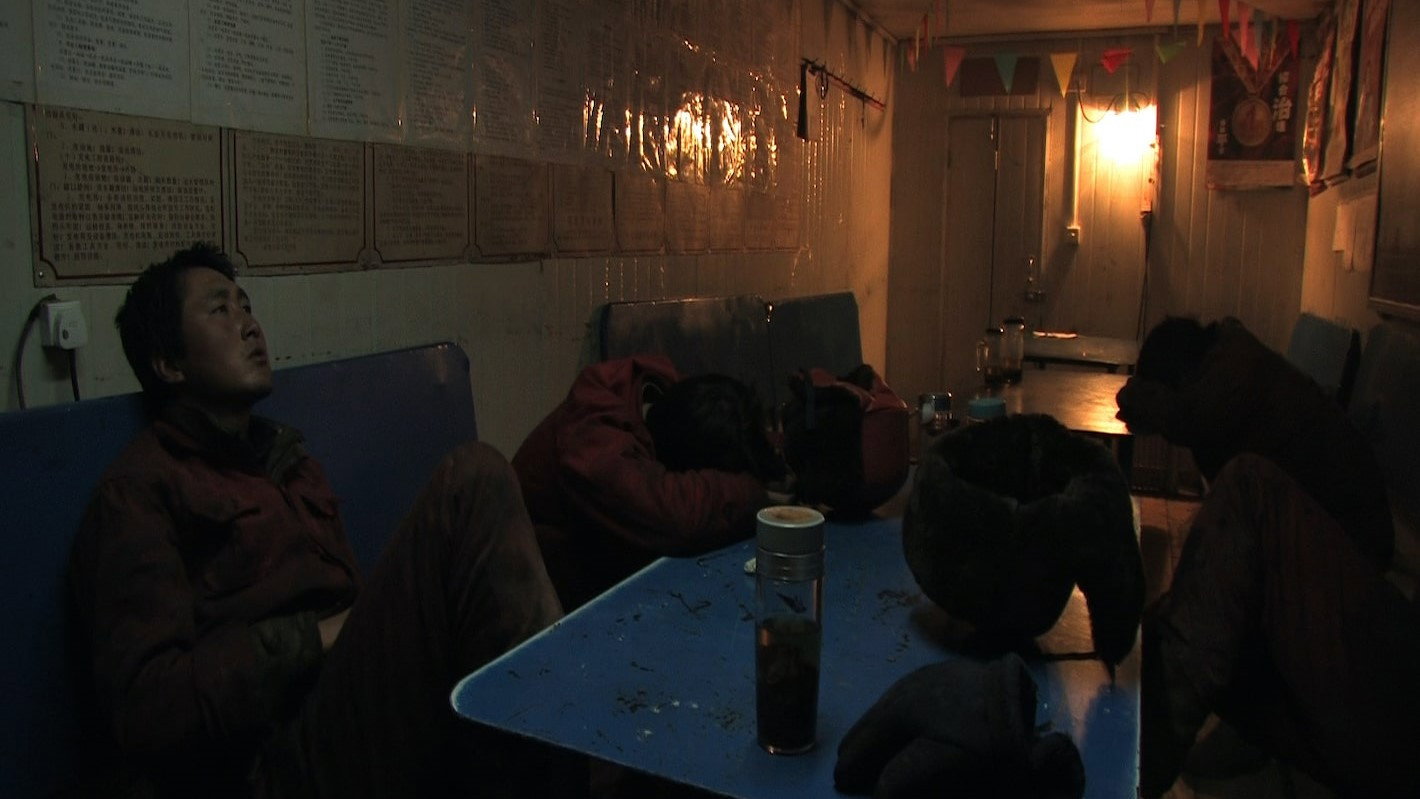
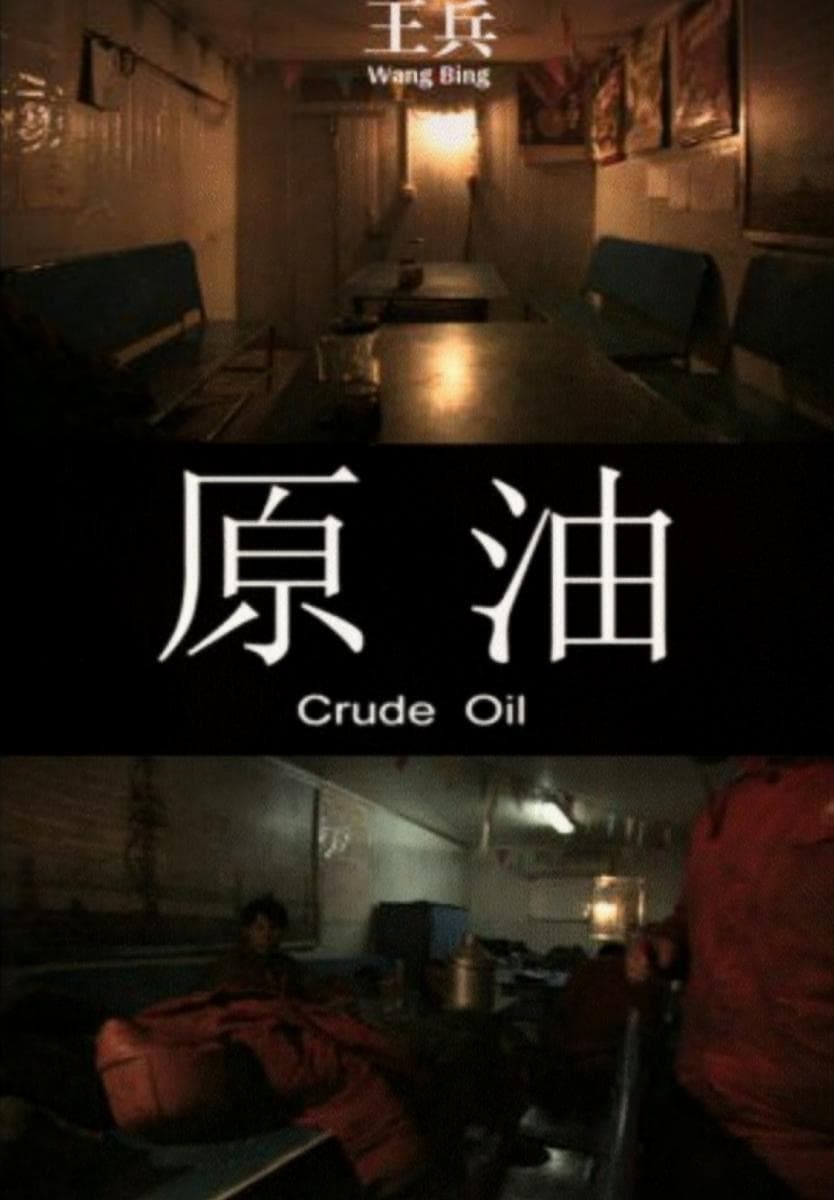
Filmed in the Inner Mongolian portion of the Gobi Desert, this film follows a group of oil field workers as they go about their daily routine.
Social & External
The people behind it
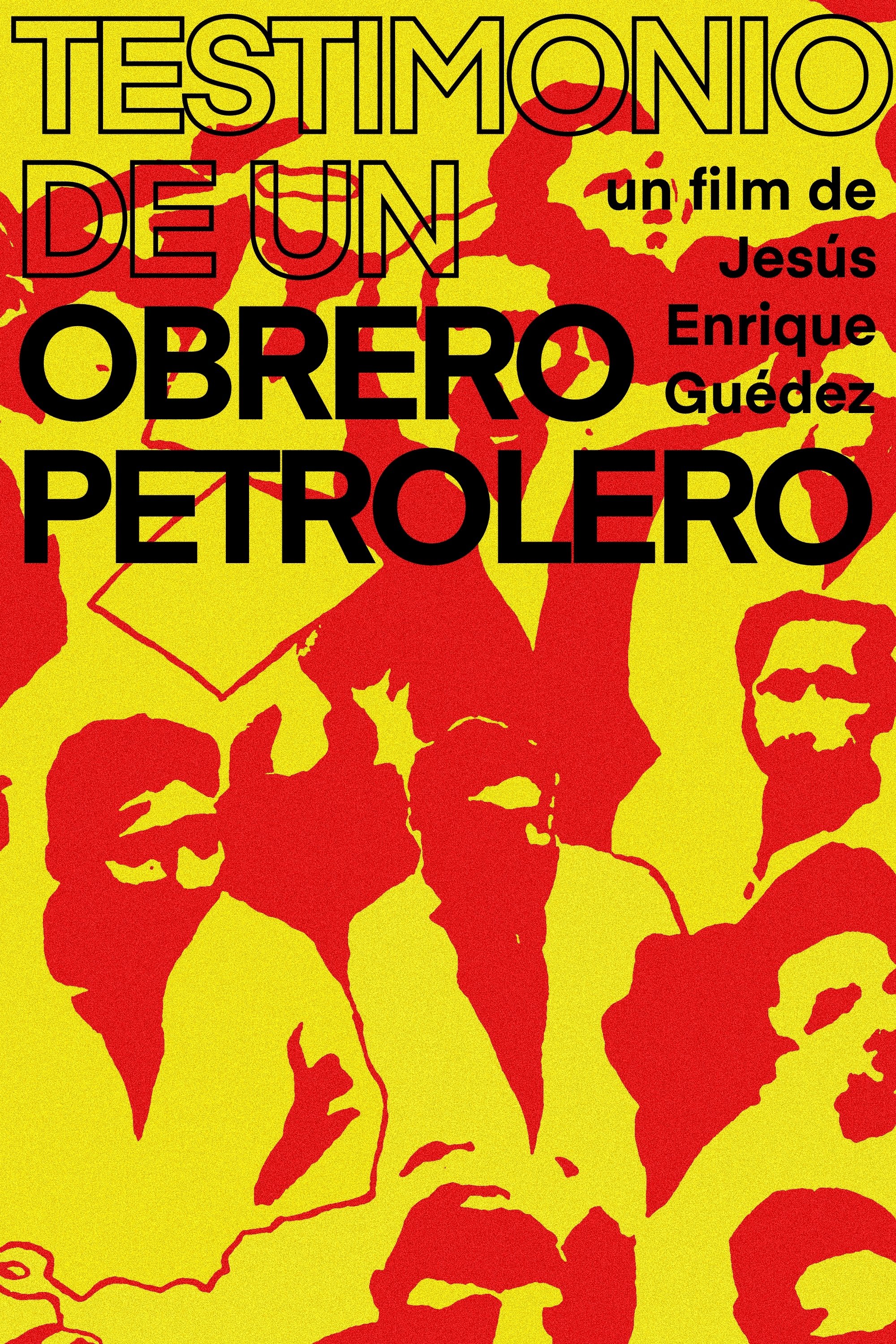
Through the testimony of Manuel Taborda, a pioneer of labor organizing in Venezuela’s oil fields, this documentary revisits the experiences of oil workers between 1920 and 1936. Their memories reveal a world marked by corporal punishment, exploitation, racial segregation, and disease, alongside the emergence of collective resistance against the American and British oil companies that controlled the industry and the government that enabled them.
A heartbreaking record of the thirteen-month struggle between a community fighting to survive and a corporation dedicated to the bottom line.
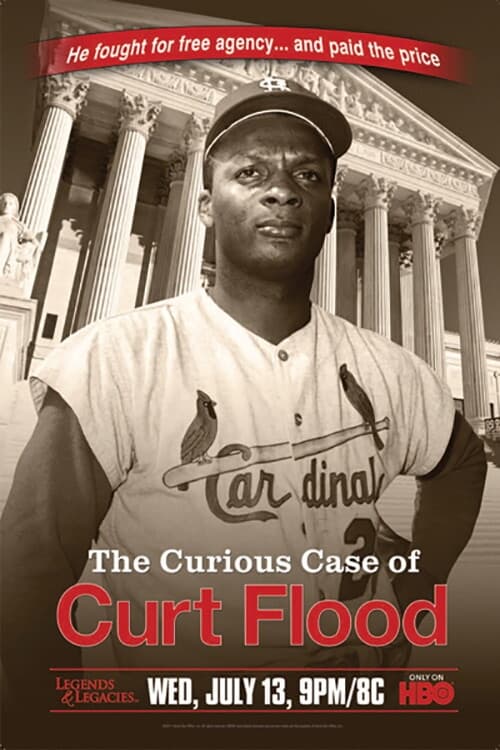
Inside the life of former baseball star Curt Flood whose fight against MLB's 'Reserve Clause' led to reform, but destroyed his career.
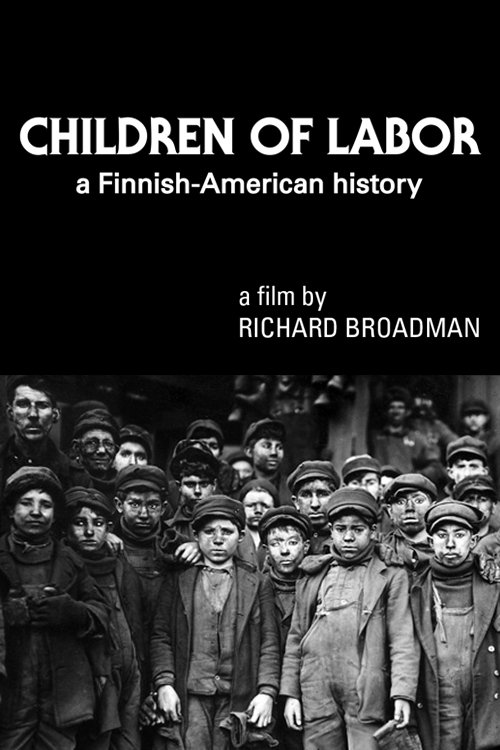
How Finnish immigrants came into contact — and conflict — with industrial America. Three generations of Finnish-Americans recount how they coped with harsh realities by creating their own institutions: churches, temperance halls, socialist halls, and cooperatives.
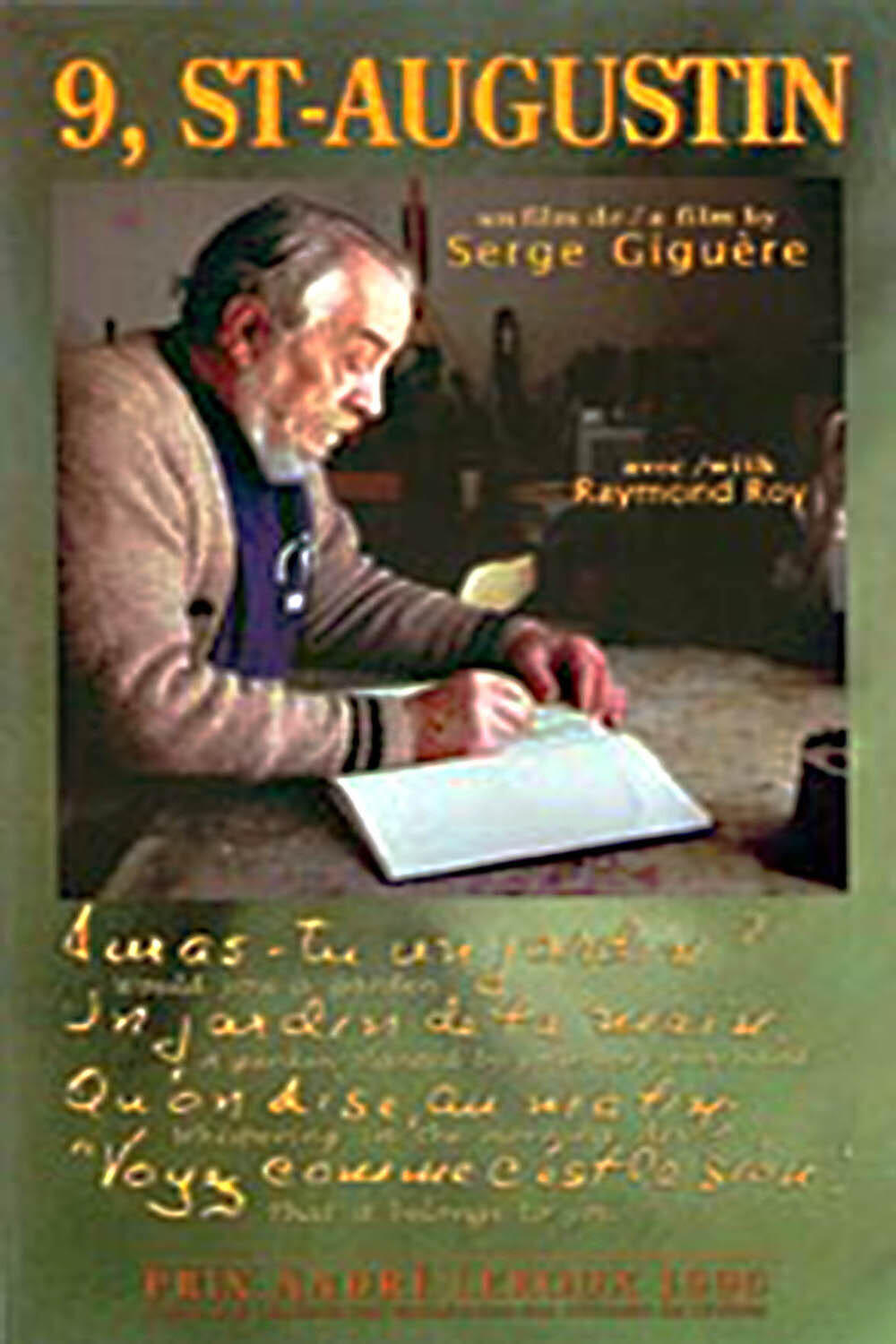
Raymond Roy is a 64-year-old idealist, an energetic social activist ready to give everything he has to those living on the edge: the alienated, impoverished and exploited members of society. Raymond is also a priest, doing what he has wanted to do ever since he was a teenager. Filmmaker Serge Giguère paints an intimate portrait of a man who has spent 30 years fighting for an alternative vision of life in his community. The film is a blend of cinema vérité and social history that provides a view of the man and his work from without and within, from the poetry of his personal diary laced with doubts and self-criticism, to the many achievements of the community groups he helped. Filming over several years, Giguère gives us a sense of the changes in values and attitudes of those who run our society, along with the role of the community groups who provide solutions, inspiration and a sense of renewal.
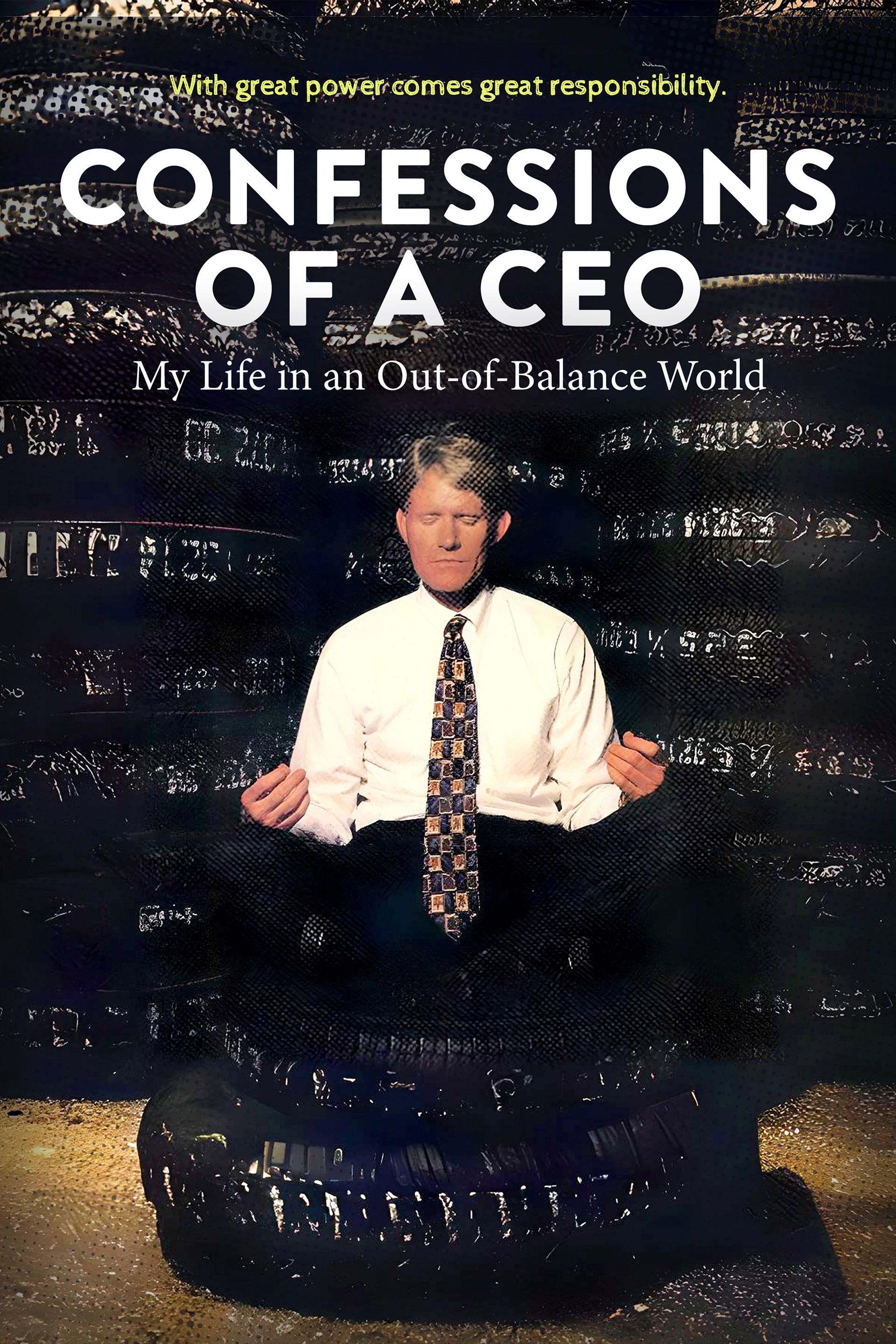
A bare-knuckled critique of corporate America told through the powerful true story of a toxic CEO who evolves from a profits-over-people, philandering executive to an unorthodox leader, populist messenger, and mentor to American influencers. It’s a story of growth, redemption and the impact of self-awareness on leadership and life.
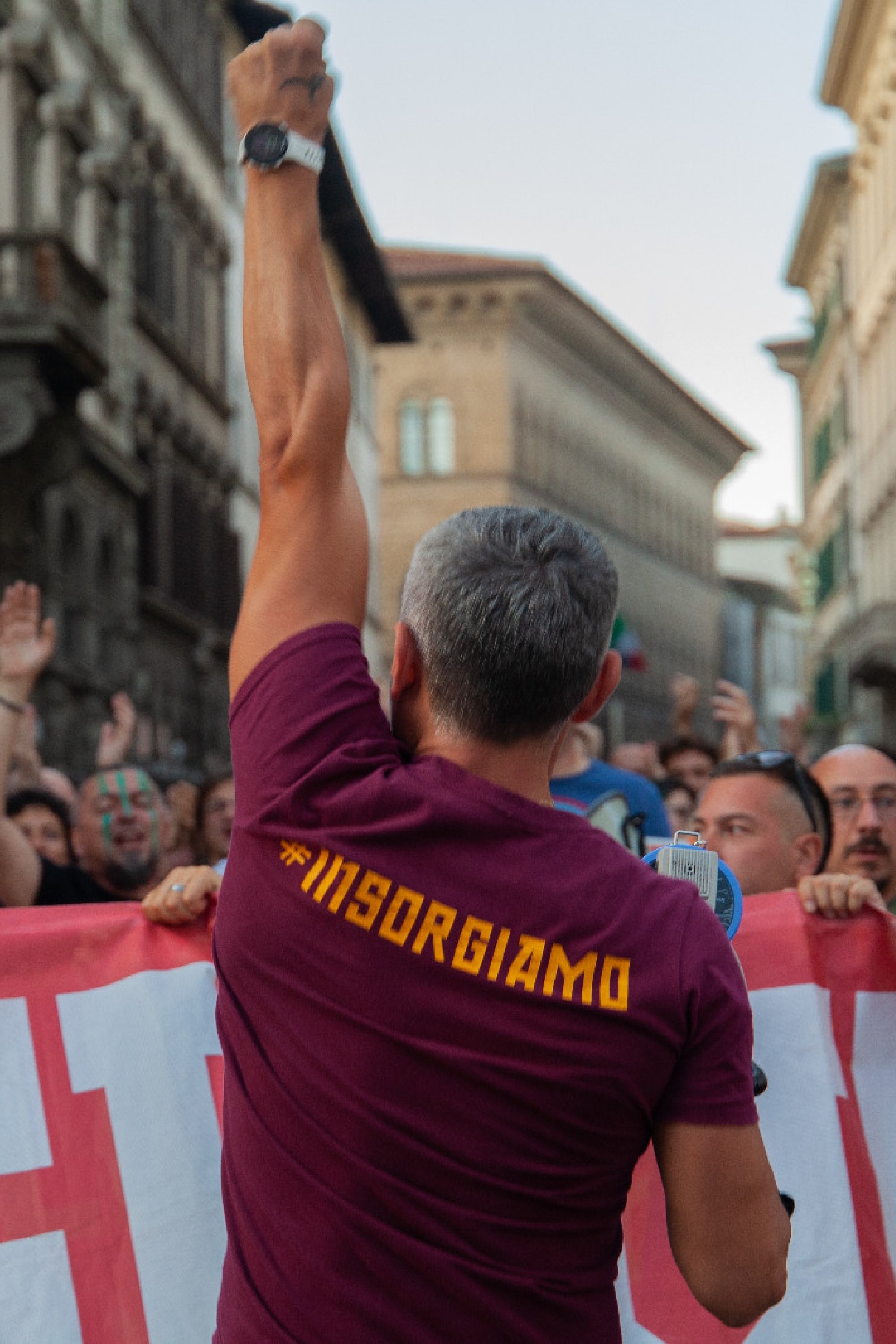
On 9 July 2021, the 422 workers at the GKN factory in Campi Bisenzio near Florence received their dismissal, by email. They immediately met in front of the factory, scared away the management's bodyguards and have been holding an open-ended meeting at the factory ever since. In June of 2022, they talk about how they are rooted in the territory, why 30,000 people demonstrated with them. They explain why they put their struggle under the slogan "Insorgiamo!" ("Let's rise up!"), the slogan of the italian partisans who liberated Florence in 1944. But they also talk about their collaboration with climate activists and what they would like to produce. But as things stand today, it is not the workers who are responsible for the ecological damage caused by production: "Nobody asked me what I would like to produce when they hired me. They hired me and that was it."
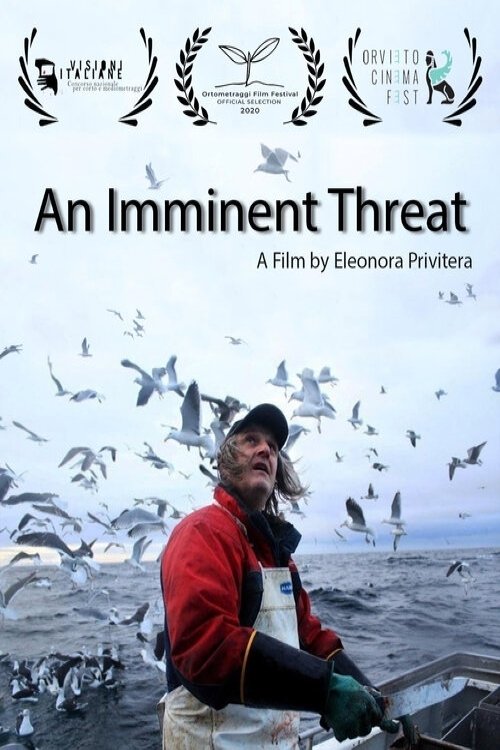
“An Imminent Threat” follows a fisherman activist, Yngve Larsen, who fights against oil and gas drilling activities in north of Norway. Will Yngve succeed in avoiding the extinction of many species of fish and thus irreversible damage to our planet?
The National Iranian Oil Company (NIOC), formed upon nationalization of the British Anglo-Iranian Oil Company, employed film systematically, producing many films on oil and petrochemical subjects. It also made films depicting Iran's progress and modernization, highlighting the role of the Shah and NIOC in that direction. Under its auspices, Ebrahim Golestan directed A FIRE (1961), a highly visual treatment of a seventy-day oil well fire in the Khuzestan region of southwestern Iran. This film was edited by the Iranian poet Forough Farrokhzad and won two awards at the Venice Film Festival in 1961.
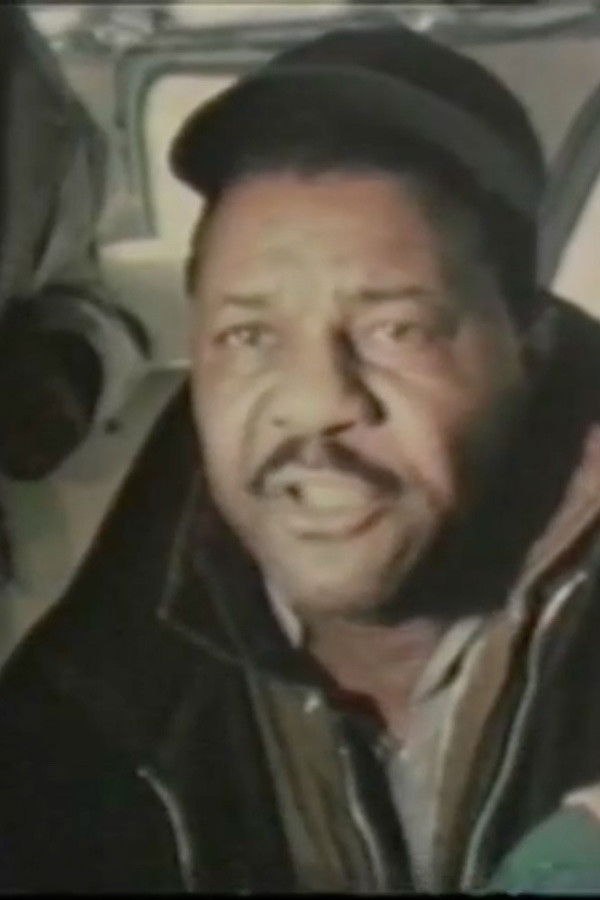
In response to the Detroit riots of 1967, where racial tensions in the city reached a breaking point, the city decided that the way to resolve these tensions would be to put more resources into employing Black people. Namely, chronically unemployed Black men who they refer to as "the hardcore." And predominantly, employing them on the line in auto assembly plants. But in the words of Lloyd Love, a young Detroiter interviewed in the film, this PBS documentary poses the question, "Do you think a job is the answer?" The film explores this question in 1968, by speaking with workers, unemployed people, union activists, students, people who implement city-run employment programs, members of DRUM (Dodge Revolutionary Union Movement), and the Detroit Industrial Mission.
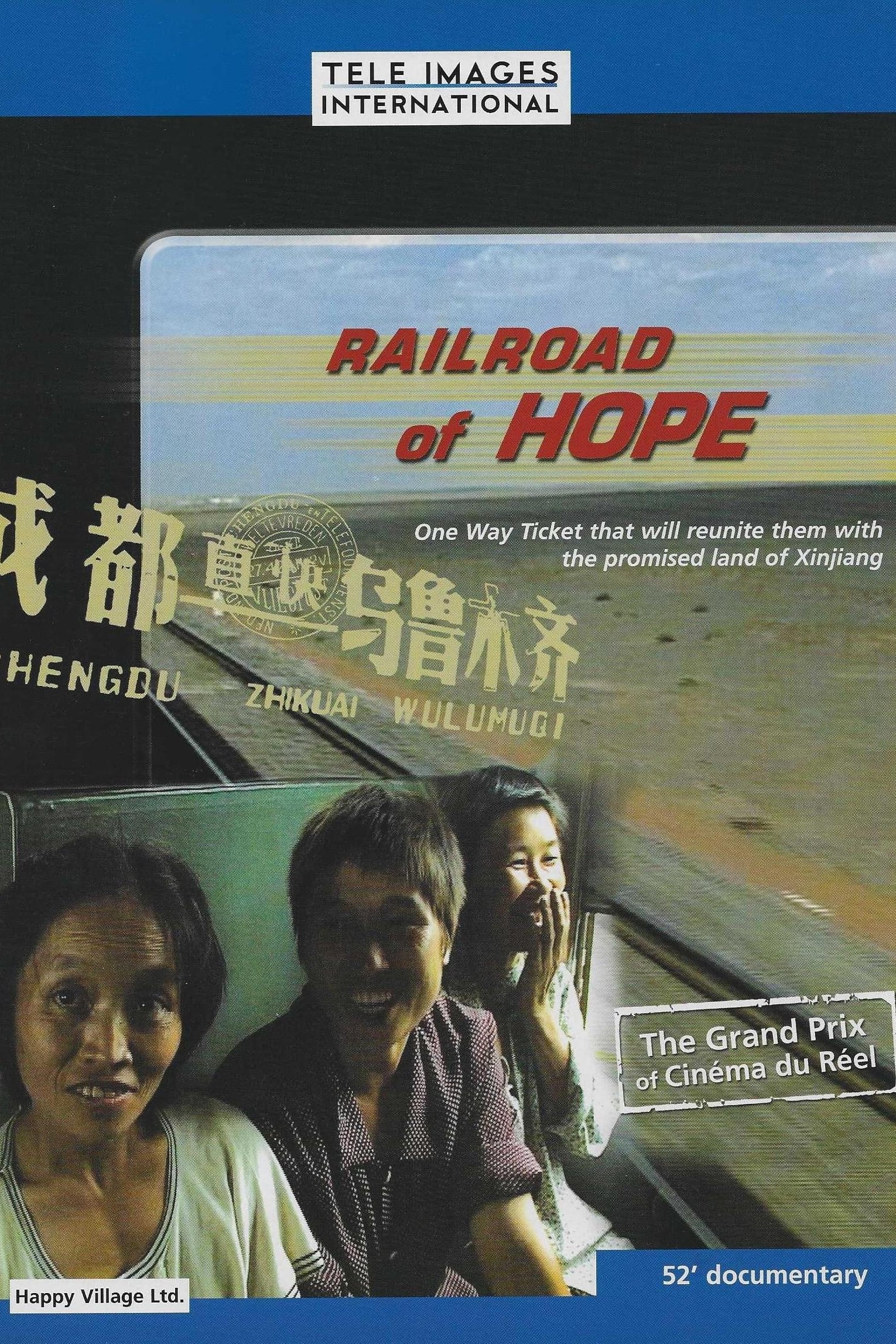
Railroad of Hope consists of interviews and footage collected over three days by Ning Ying of migrant agricultural workers traveling from Sichuan in China's interior, to the Xinjiang Autonomous Region, China's northwest frontier.[1] Through informal interviews aboard the cramped rail cars, Ning Ying explores the hopes and dreams of the workers, many of whom have never left their homes before.
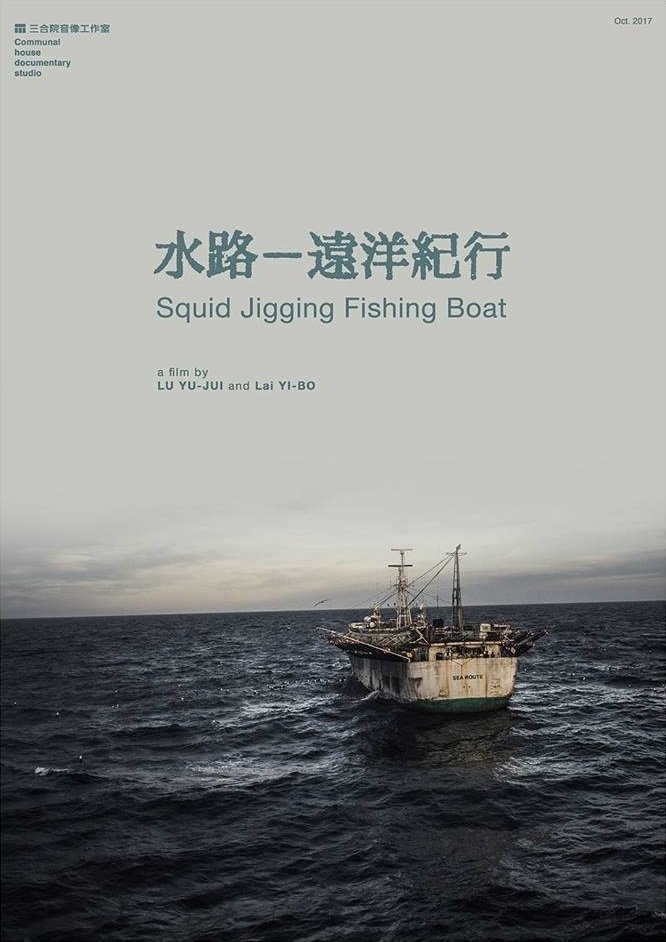
Every December to January, almost a hundred squid fishing boats from Ch'ien-chen Fishing Harbor in Kaohsiung will sail from East 120 to West 60 to work at Falkland Islands in the South West Atlantic. The sailing takes 35-40 days and crew members named it "waterway." January 1st, 2015, a 65 meter long, 11 meter wide fishing boat began its journey to Falkland island. This is a documentary about 60 crew members from south-east Asia to work far away from Taiwan.
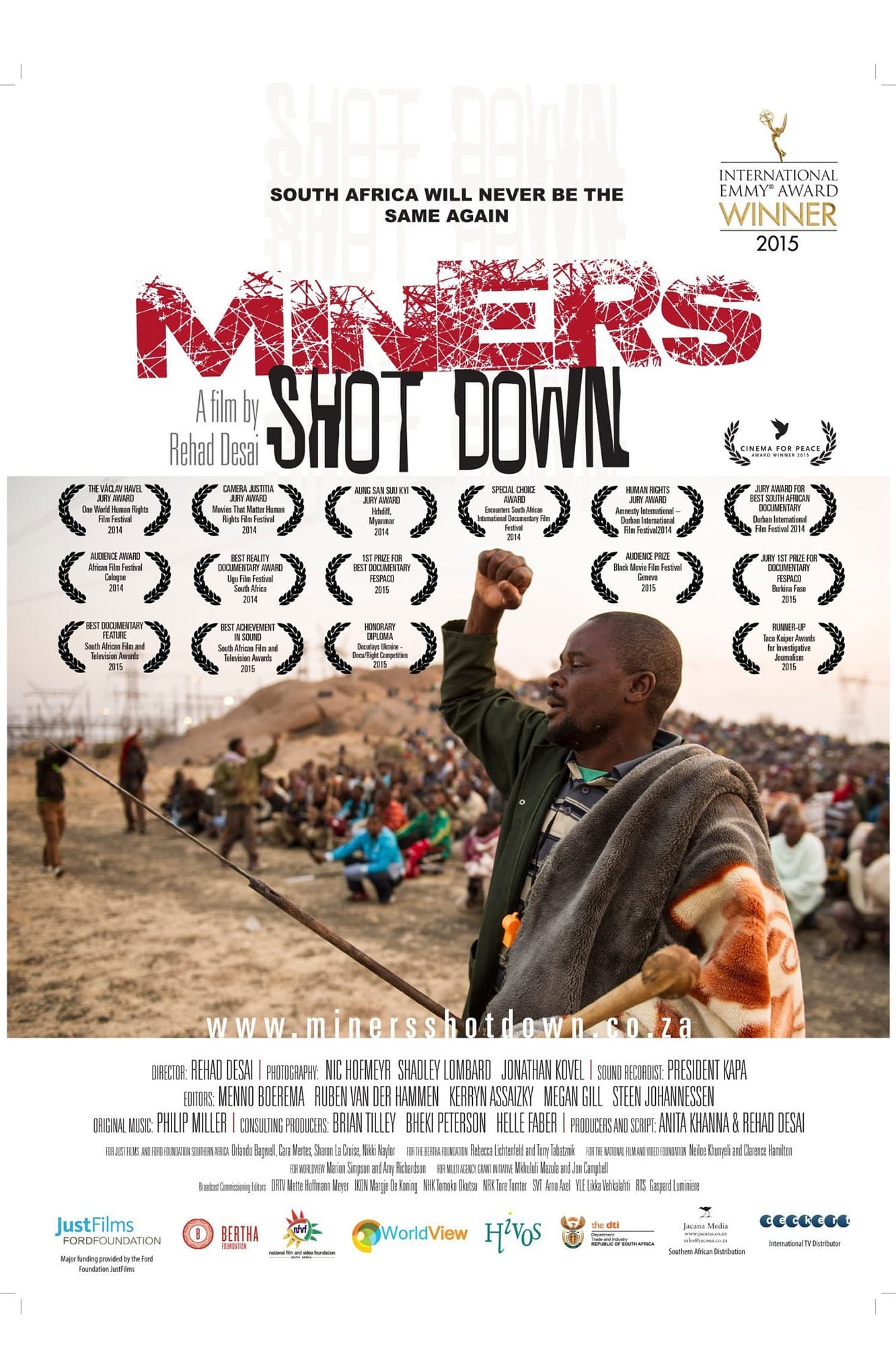
In August 2012, mineworkers in one of South Africa’s biggest platinum mines began a wildcat strike for better wages. Six days later the police used live ammunition to brutally suppress the strike, killing 34 and injuring many more. Using the point of view of the Marikana miners, Miners Shot Down follows the strike from day one, showing the courageous but isolated fight waged by a group of low-paid workers against the combined forces of the mining company Lonmin, the ANC government and their allies in the National Union of Mineworkers.
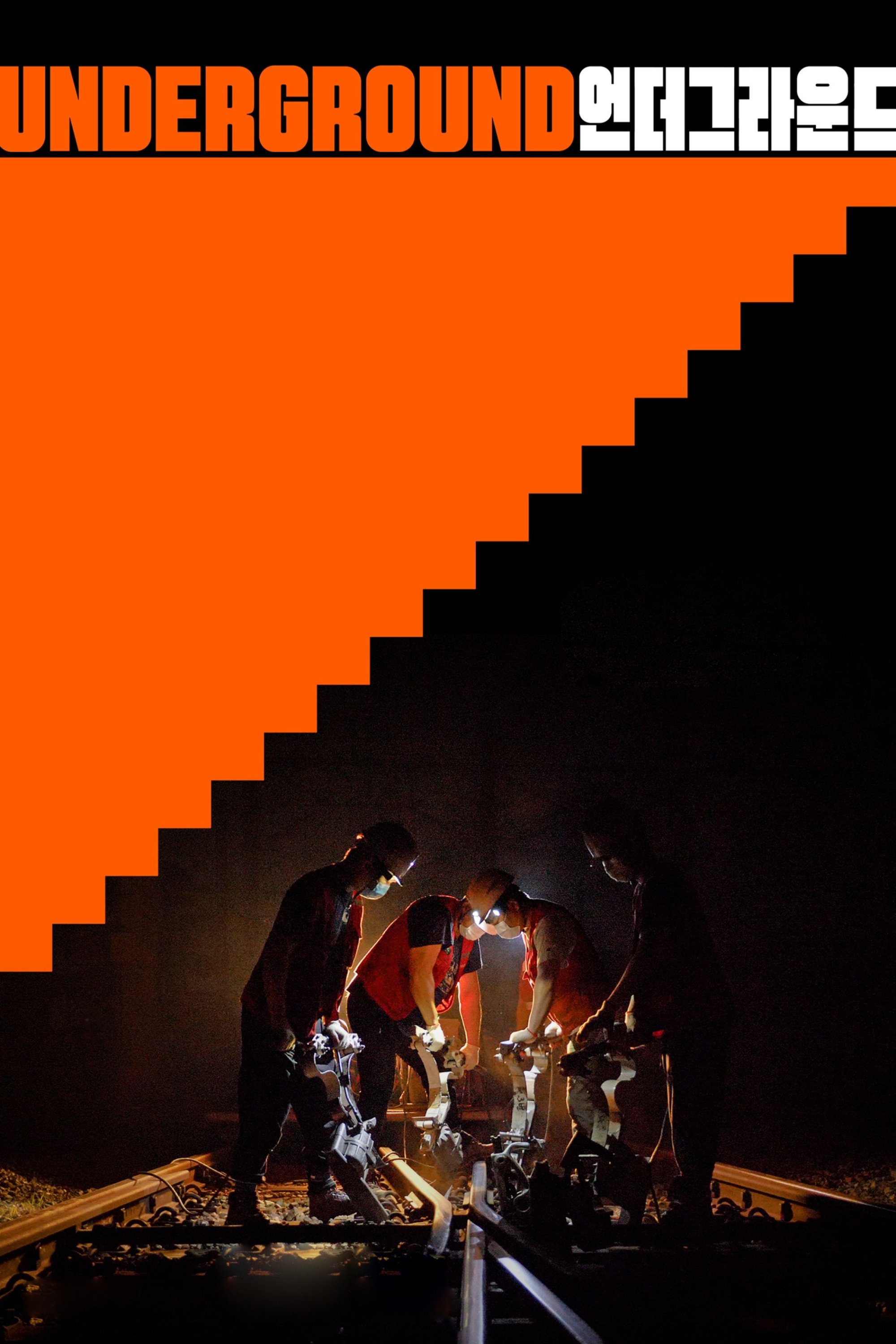
Numerous people are on subway trains running up and down the city center endlessly. There are people who run this decent space “underground”. Under the noisy world today, we approach them to see what life is like underground.
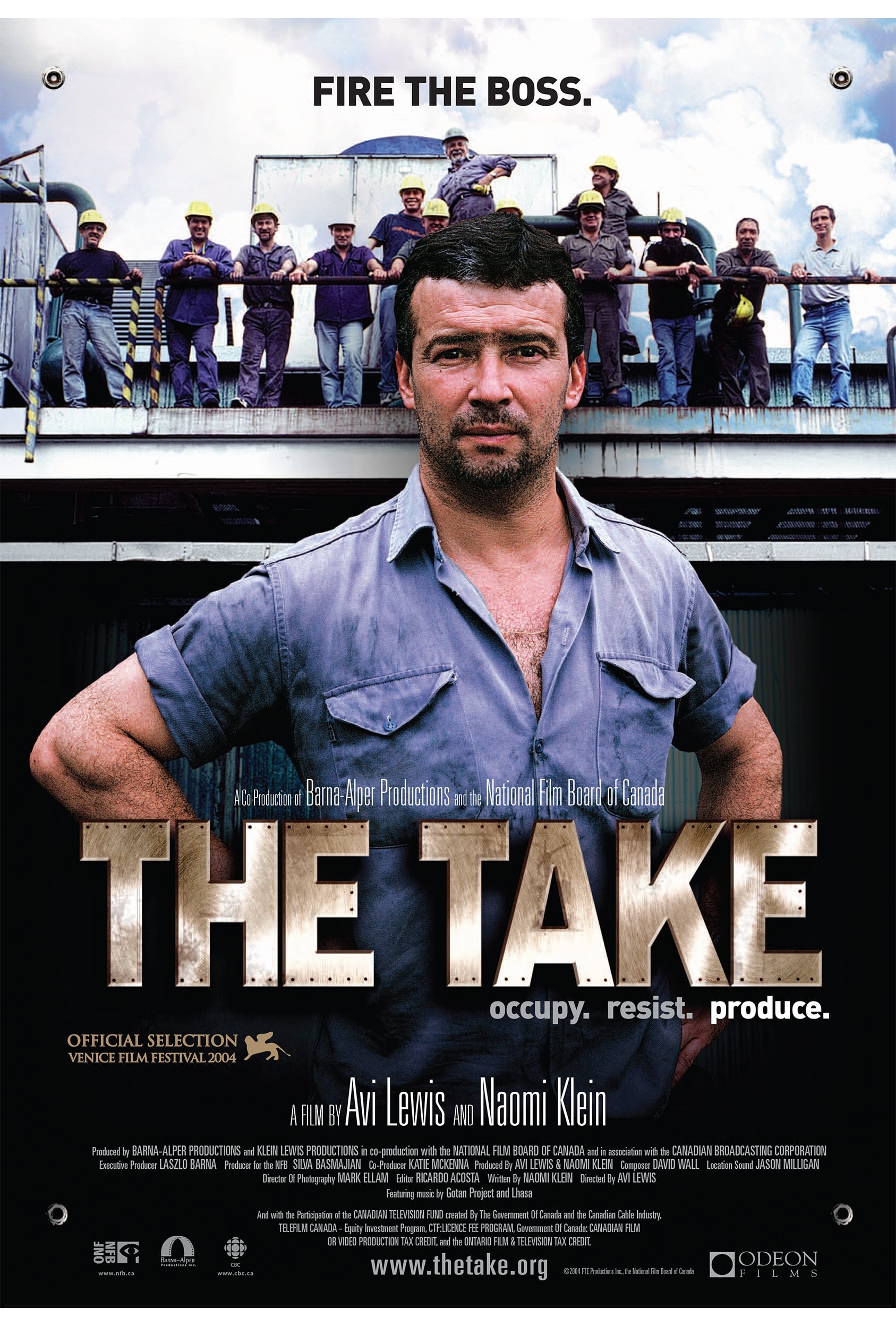
In suburban Buenos Aires, thirty unemployed ceramics workers walk into their idle factory, roll out sleeping mats and refuse to leave. All they want is to re-start the silent machines. But this simple act - the take - has the power to turn the globalization debate on its head. Armed only with slingshots and an abiding faith in shop-floor democracy, the workers face off against the bosses, bankers and a whole system that sees their beloved factories as nothing more than scrap metal for sale.
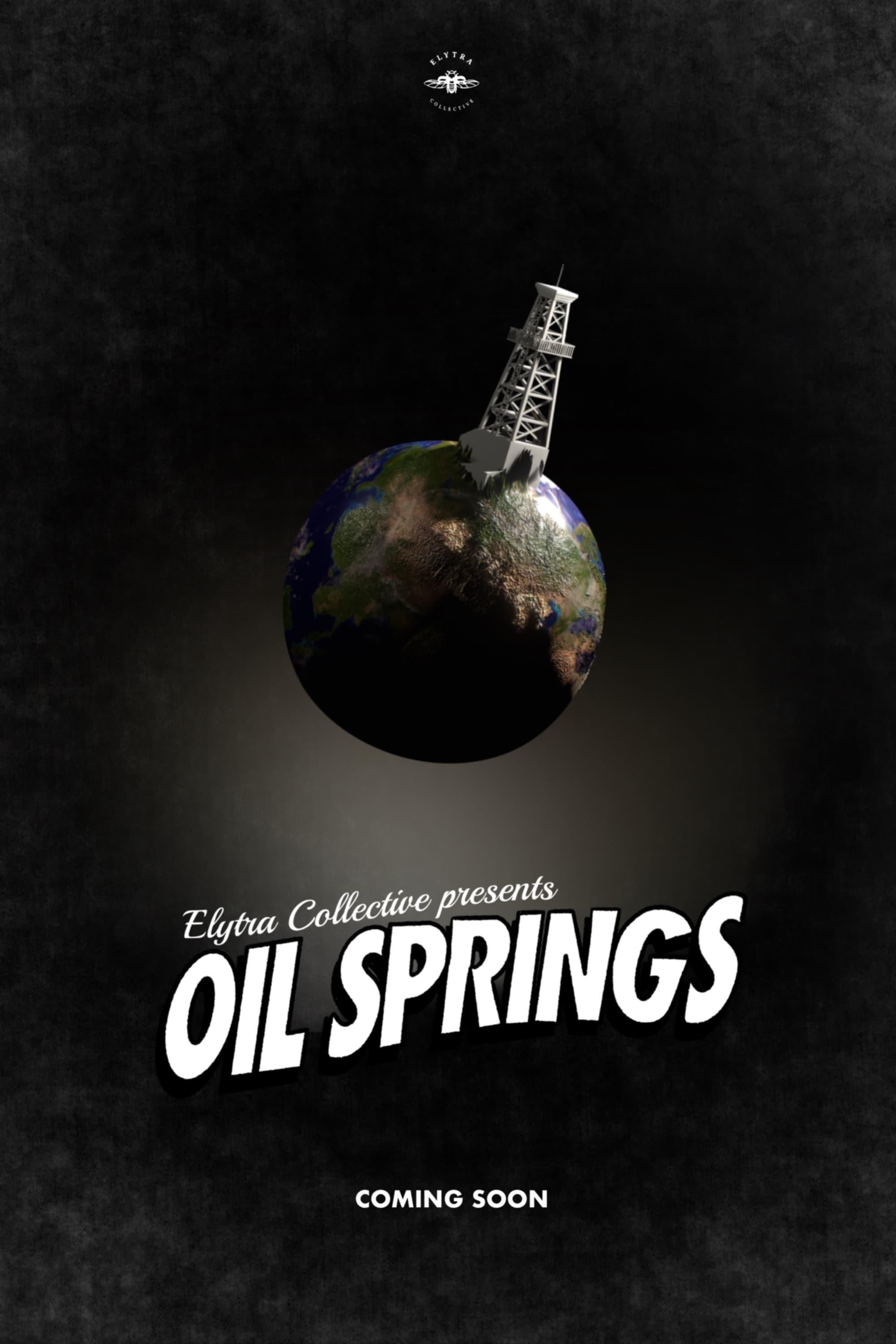
The story will mostly take place in the town Oil Springs, Ontario, where the oil industry in North America was born. By making a case study of this town, we can better understand how the industry operates today. The documentary will explore themes of colonialism, climate change and Canadian identity.
Training and Customer Service information film sponsored by the Marketing Retail Sales Department of the Standard Oil Company. Features product placement for brands like Atlas and Chevron.
In 1971, Bahrain, Qatar and the UAE ceased to be part of Britain’s empire in the Middle East and became fully independent states. BBC News Persia and BBC Arabic collaborate in this gripping film, to uncover the secrets and shady deals that underpinned the decolonization process. From eye-witness accounts of a British-organised coup to Iran being left in control of disputed islands, it's a fascinating insight to a murky history.
A compilation of over 30 years of private home movie footage shot by Lithuanian-American avant-garde director Jonas Mekas, assembled by Mekas "purely by chance", without concern for chronological order.
Taking inspiration from Peter M. Bracke's definitive book of the same name, this seven-hour documentary dives into the making of all twelve Friday the 13th films, with all-new interviews from the cast and the crew.
Live Aid was held on 13 July 1985, simultaneously in Wembley Stadium in London, England, and the John F. Kennedy Stadium in Philadelphia, United States. It was one of the largest scale satellite link-ups and television broadcasts of all time: watched live by an estimated global audience of 1.9 billion, across 150 nations. "It's twelve noon in London, seven AM in Philadelphia, and around the world it's time for Live Aid...!"
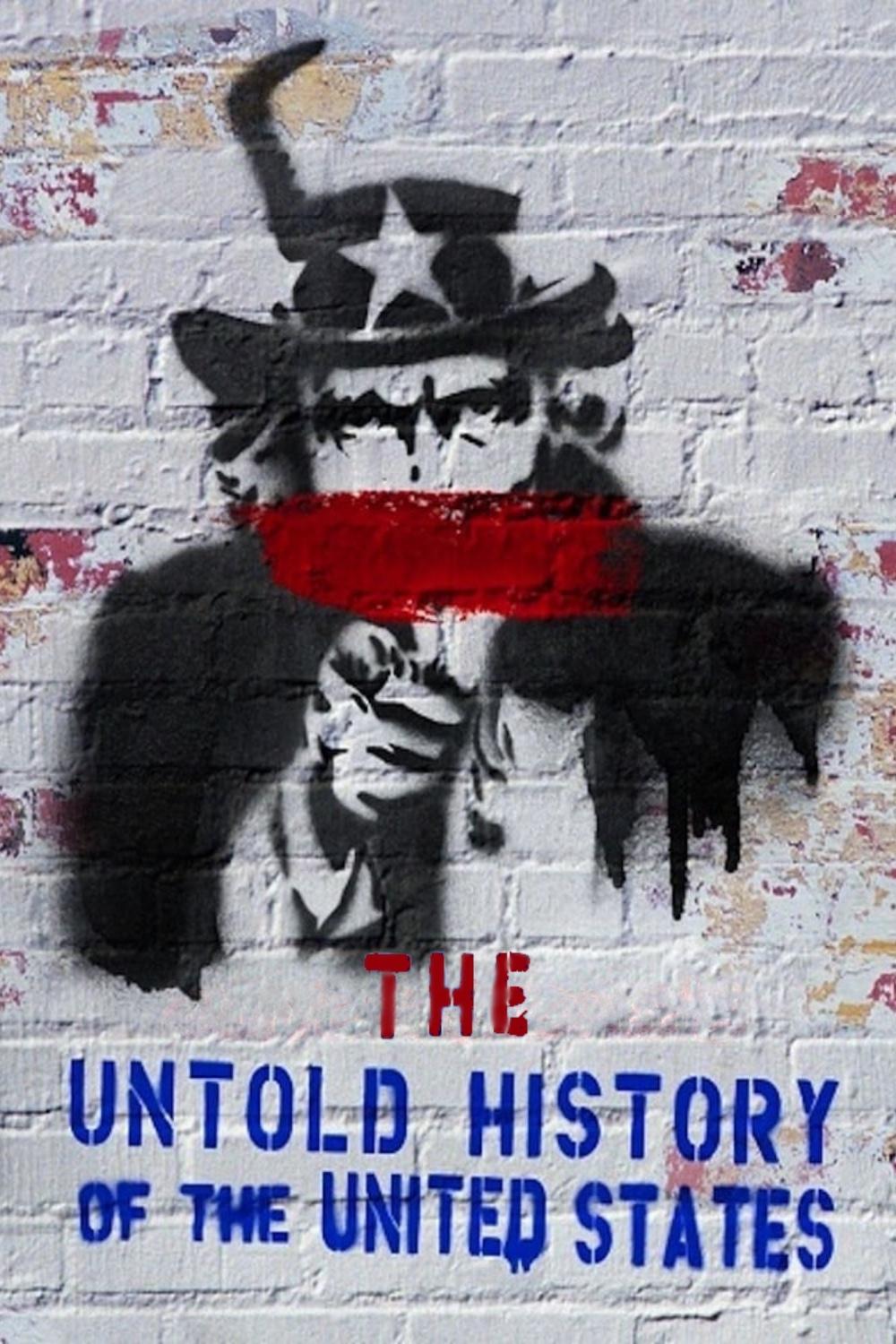
Oliver Stone charts the history of the United States from the Second World War to the present.
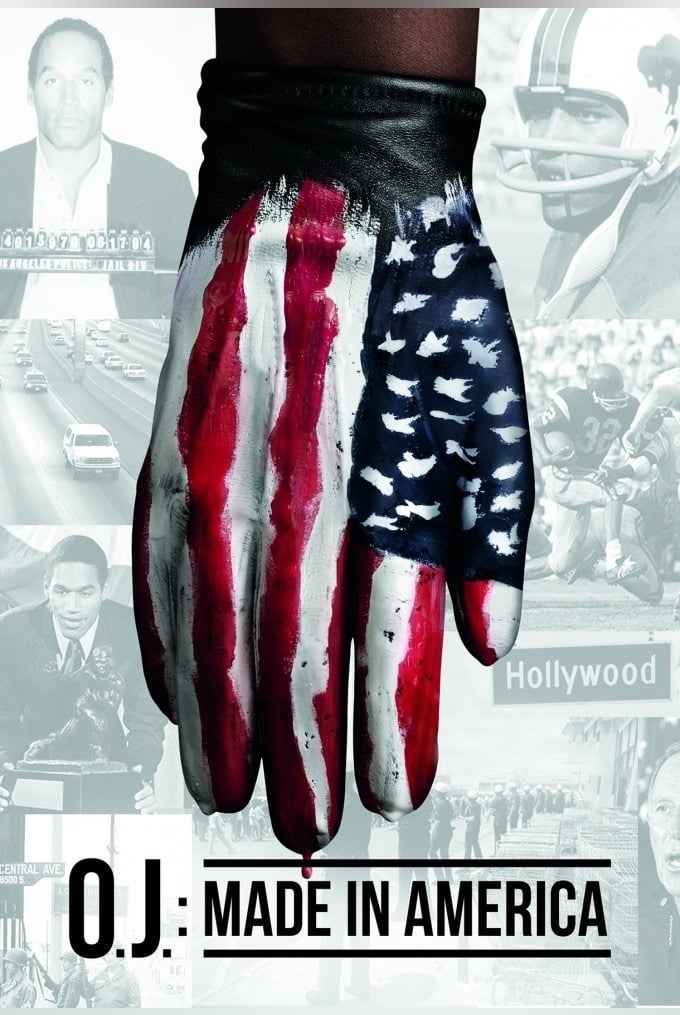
A chronicle of the rise and fall of O.J. Simpson, whose high-profile murder trial exposed the extent of American racial tensions, revealing a fractured and divided nation.
A detailed look at the gradual decline of Shenyang’s industrial Tiexi district, an area that was once a vibrant example of China’s socialist economy. But industry is changing, and the factories of Tiexi are closing. Director Wang Bing introduces us to some of the workers affected by the closures, and to their families.