"Black Magic"
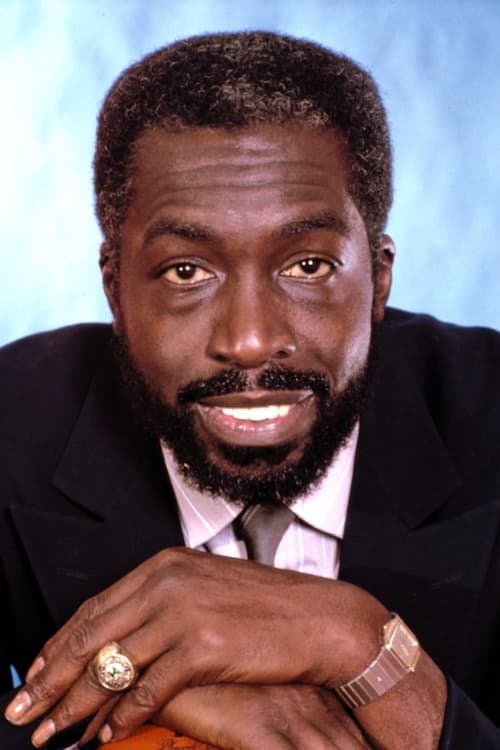
Examines Civil Rights-era America through the prism of basketball at historically black colleges and universities.
Social & External
Himself
Herself
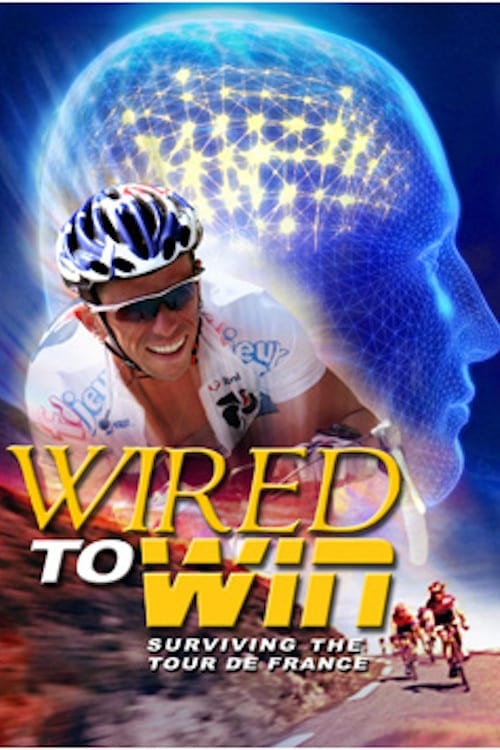
Cyclists in the Tour de France demonstrate the ability of the human brain to overcome physical and mental adversity and achieve goals.
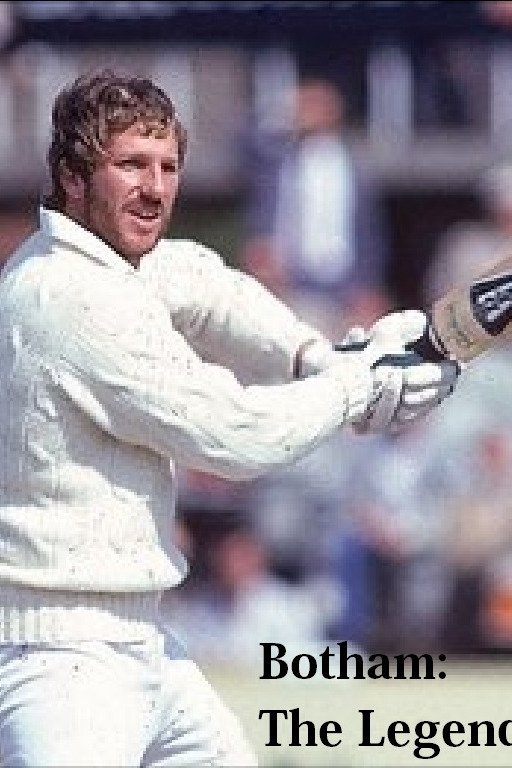
The story of cricketer Ian Botham's stunning comeback performance against Australia in the summer of 1981 during the Ashes Test Series.
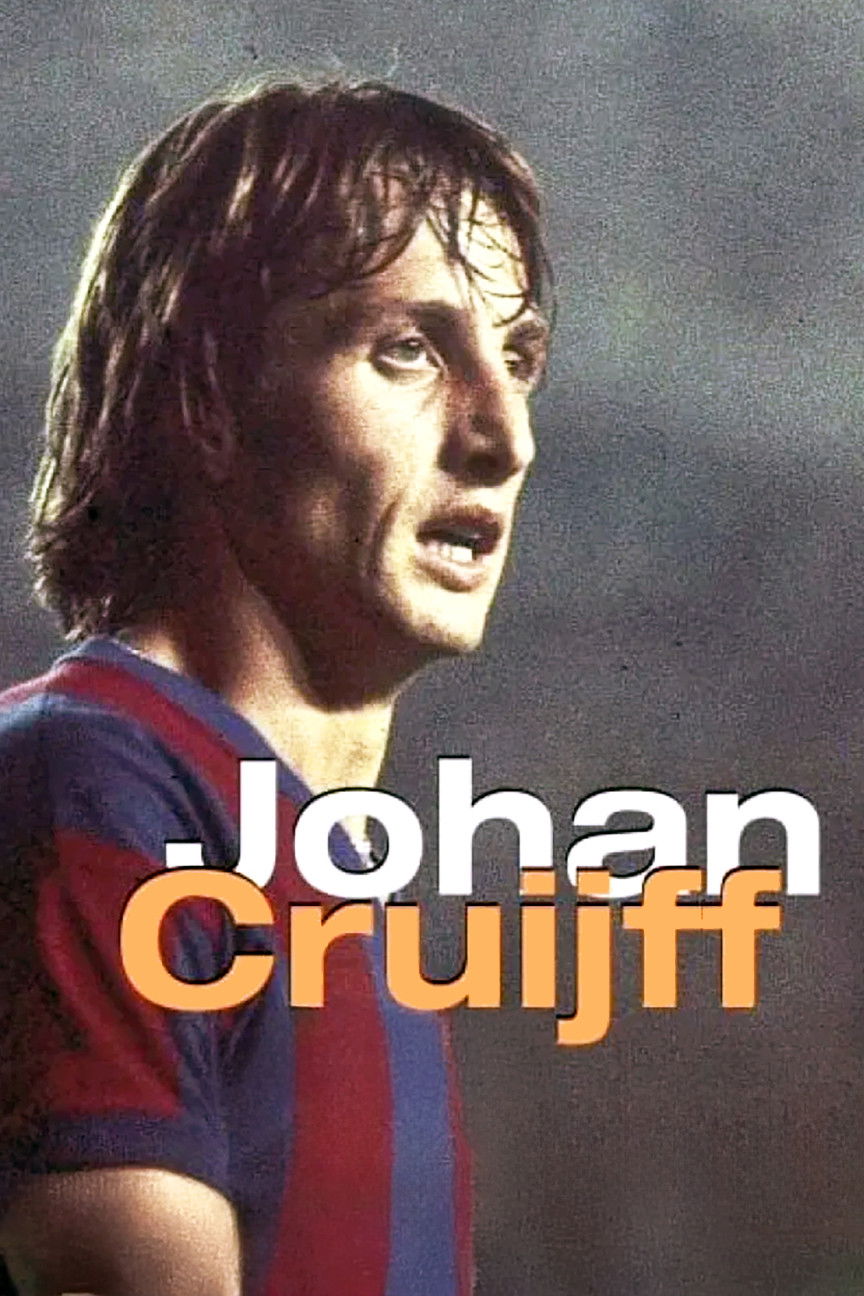
Johan Cruijff - En un momento dado is a 2004 documentary film by Ramon Gieling on the life of Dutch footballer Johan Cruijff.
Documentary film with and about the famous soccer player, produced by his father-in-law Cor Koster.
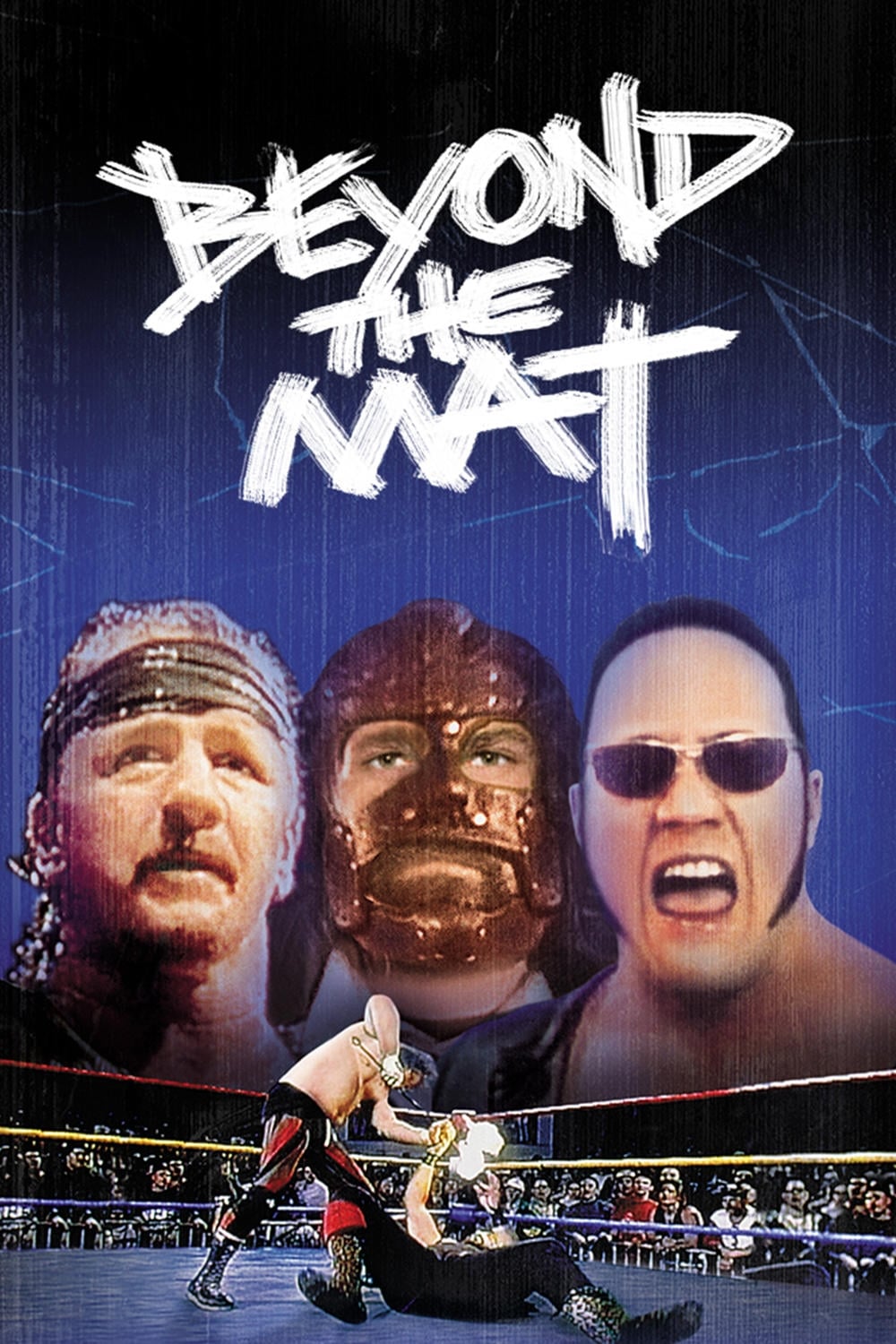
A heartfelt documentary focusing on the day-to-day lives of professional wrestlers, some on the rise, some on the wane, and others fighting for their lives.
The Heart of the Game captures the passion and energy of a Seattle high school girls' basketball team as they strive to win the state championship, the eccentricity of their unorthodox coach, and the incredible true story of one player's fight to play the game she loves.
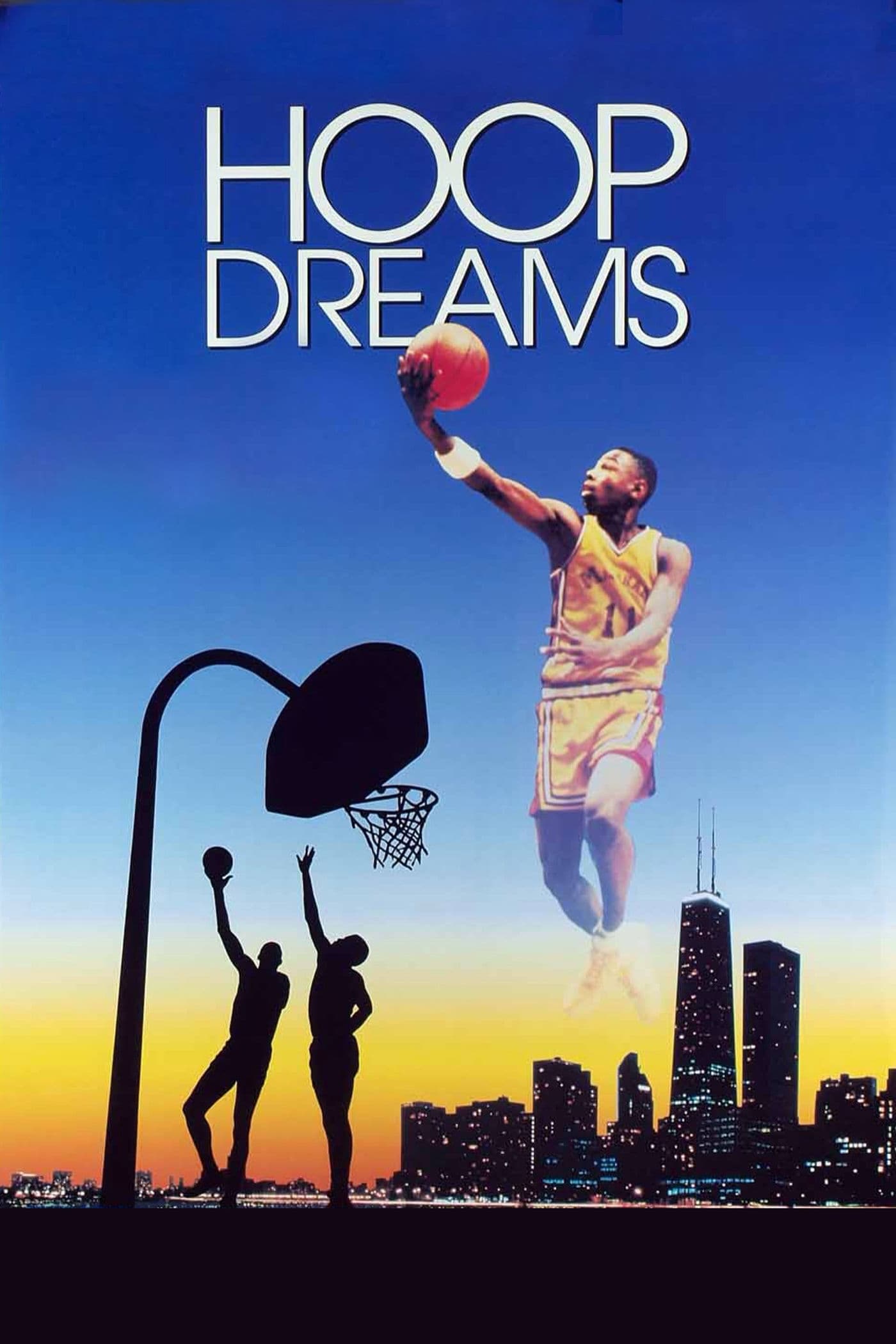
Every school day, African-American teenagers William Gates and Arthur Agee travel 90 minutes each way from inner-city Chicago to St. Joseph High School in Westchester, Illinois, a predominately white suburban school well-known for the excellence of its basketball program. Gates and Agee dream of NBA stardom, and with the support of their close-knit families, they battle the social and physical obstacles that stand in their way. This acclaimed documentary was shot over the course of five years.
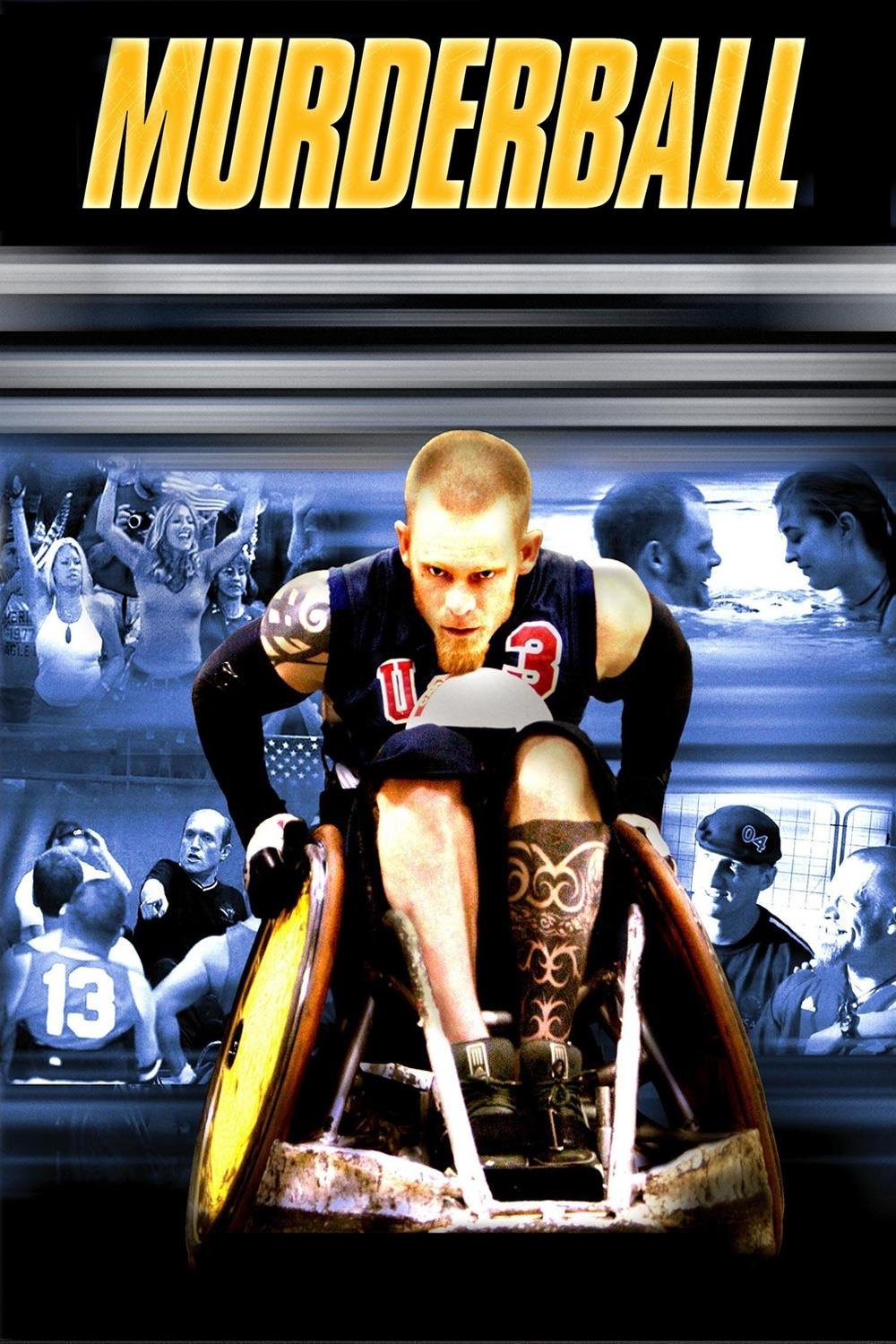
Quadriplegics, who play full-contact rugby in wheelchairs, overcome unimaginable obstacles to compete in the Paralympic Games in Athens, Greece.
The Year of the Yao is a documentary film telling the first year of basketball player Yao Ming in the United States.
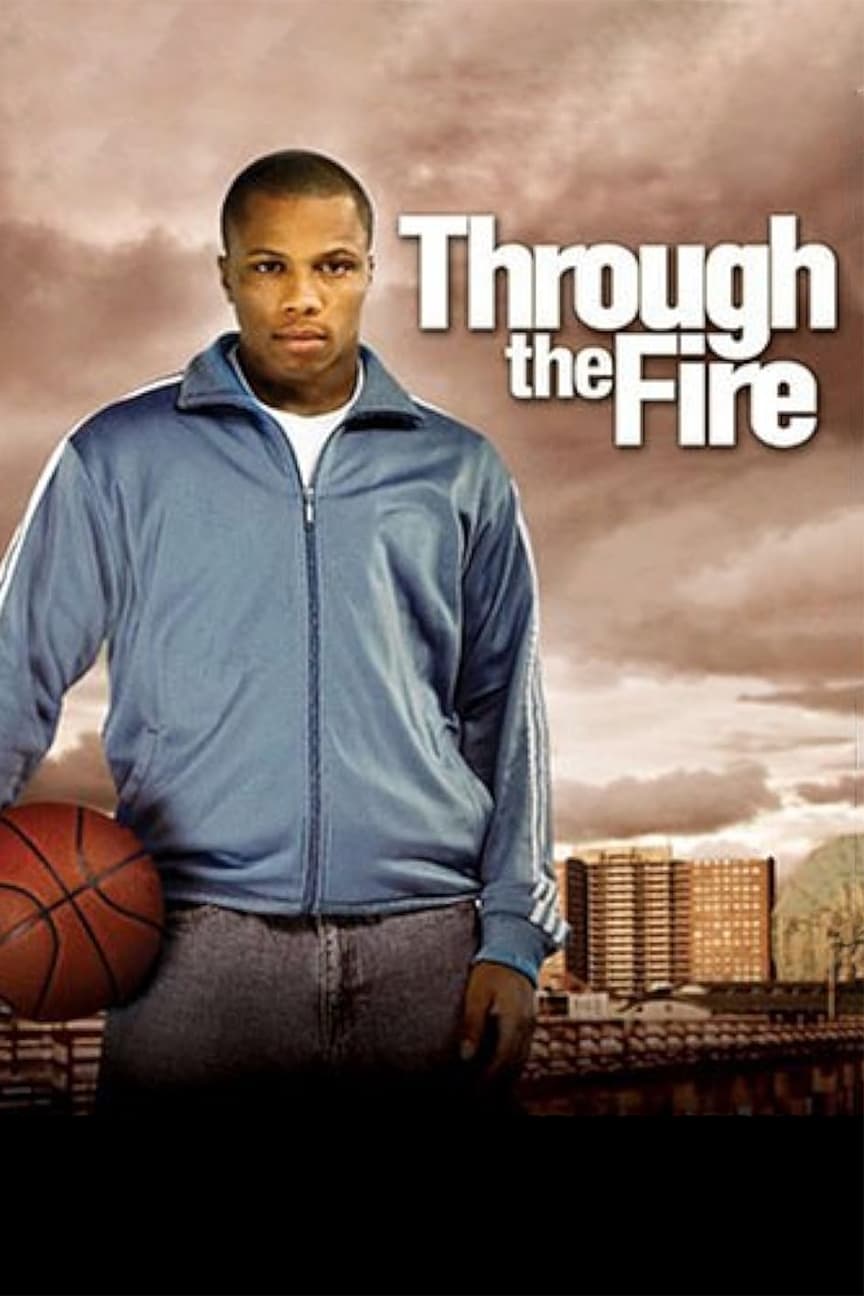
"Through the Fire" chronicles the journey of Coney Island basketball star, Sebastian Telfair, from famed Lincoln High School straight to the NBA.
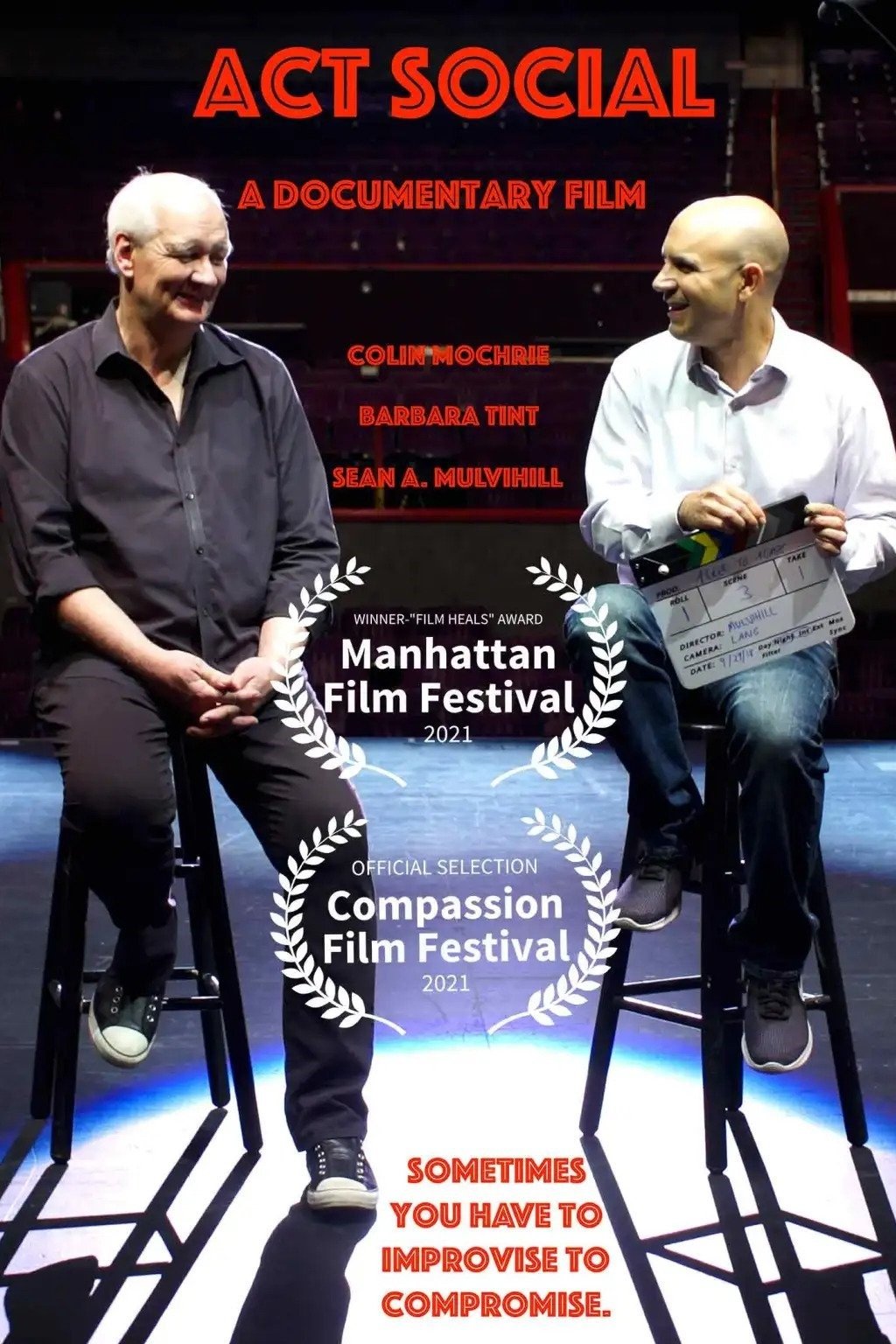
Civil discourse is vanishing from modern society. Improv comedians heal the divide in this documentary feature film starring Colin Mochrie (Whose Line is it, Anyway?) that explores the use of improvisation for conflict resolution. Republican Karl Rove performs improv with Colin Mochrie and endears himself to a room half-full with Democrats. Police officers do improv with local youth in order to learn listening skills. Dr. Daniel J. Wiener brings couples back from the brink of divorce using improv. Dr. Charles Limb places Second City improv comedians in a functional MRI machine to see what happens in the brain when we improvise.
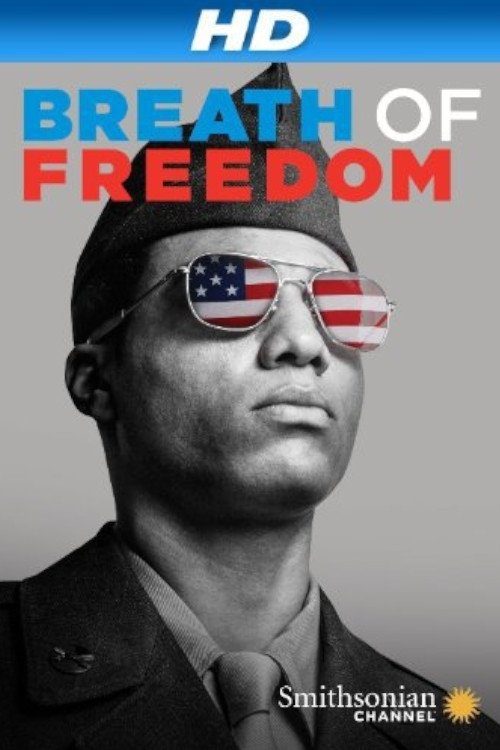
In World War II. African-American GIs liberate Germany from Nazi rule while racism prevailed in their own army and home country. Returning home they continue fighting for their own rights in the civil rights movement.
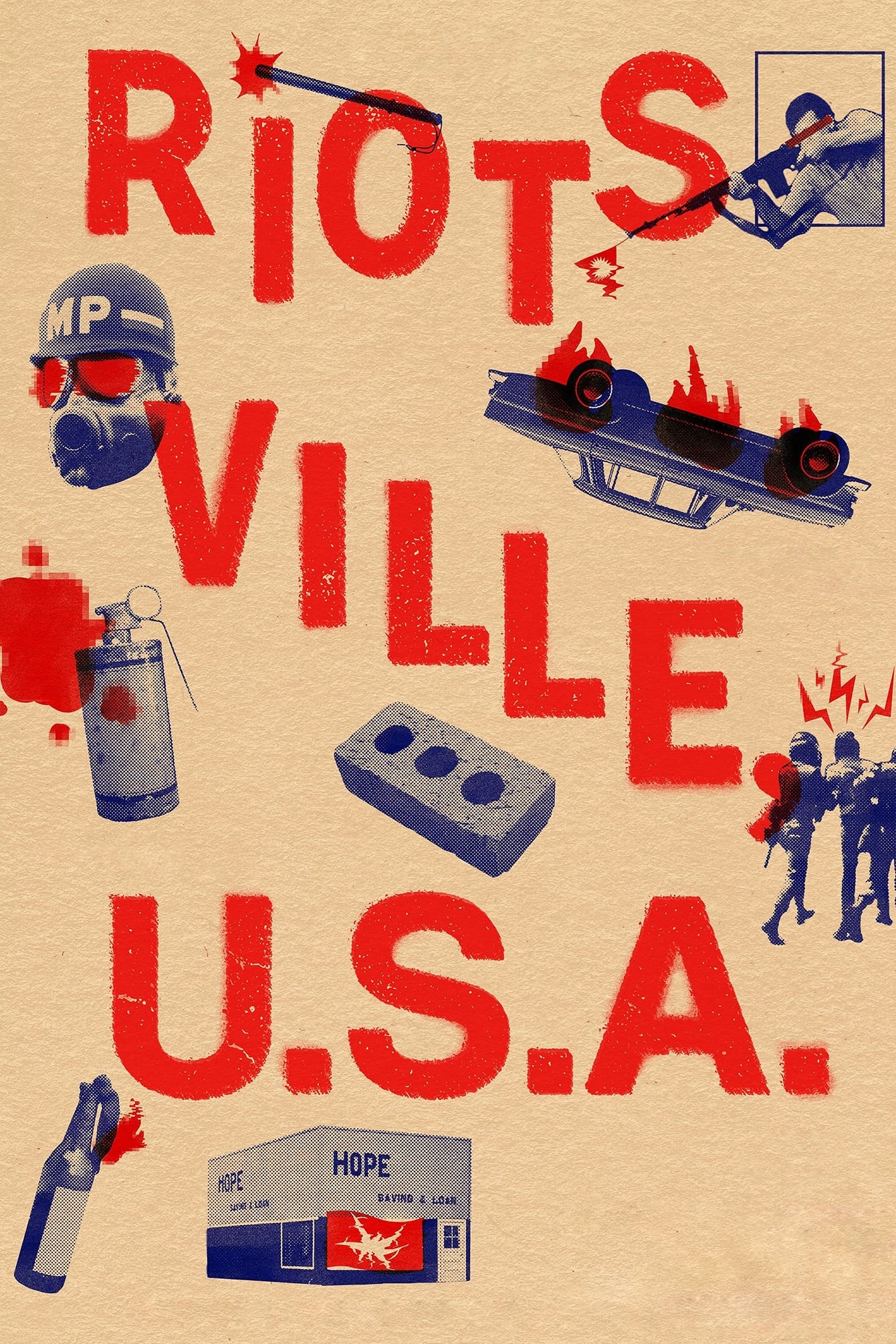
An archival documentary about the U.S. military’s response to the political and racial injustices of the late 1960s: take a military base, build a mock inner-city set, cast soldiers to play rioters, burn the place down, and film it all.
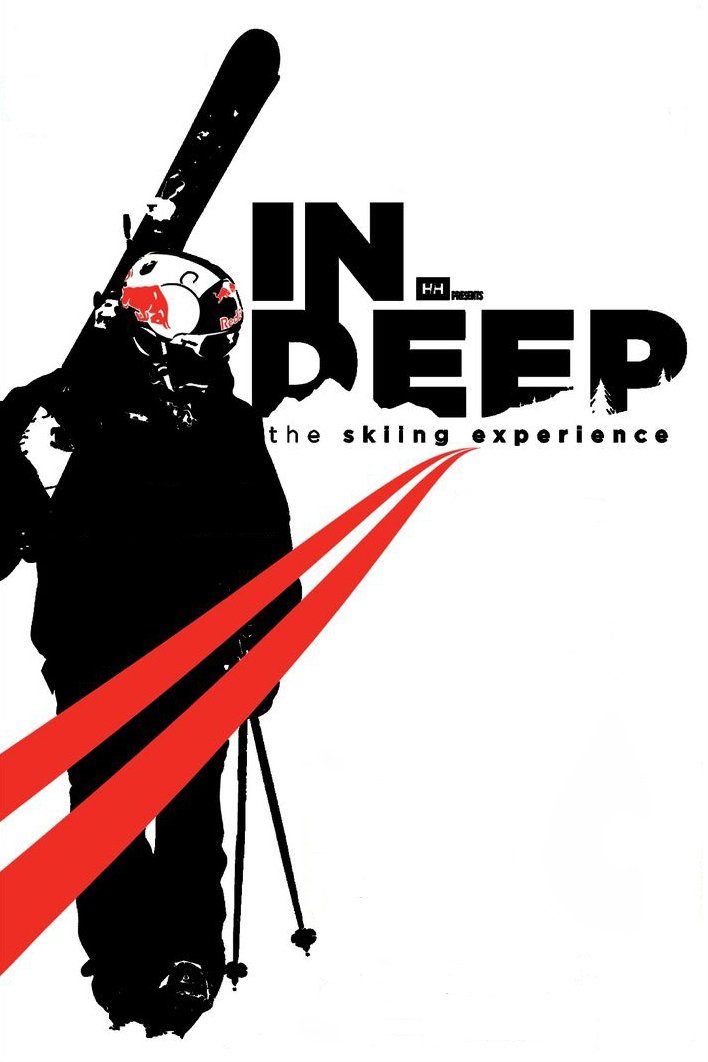
For 2009, MSP Films takes an original look at the sport of skiing. All of the skiers in the film—park rat or big mountain charger—share a common bond: the overwhelming desires to ski. Each person finds stoke in his own unique way, whether it be a double cork 1260, a deep turn on a storm day or ripping a giant AK line. Skiing is an incredibly diverse sport that offers it all. With the progressive skiing and award-winning cinematography that has made MSP famous, MSP Films takes you along for the ride deep into the experience as we share the love for the greatest sport in the world.
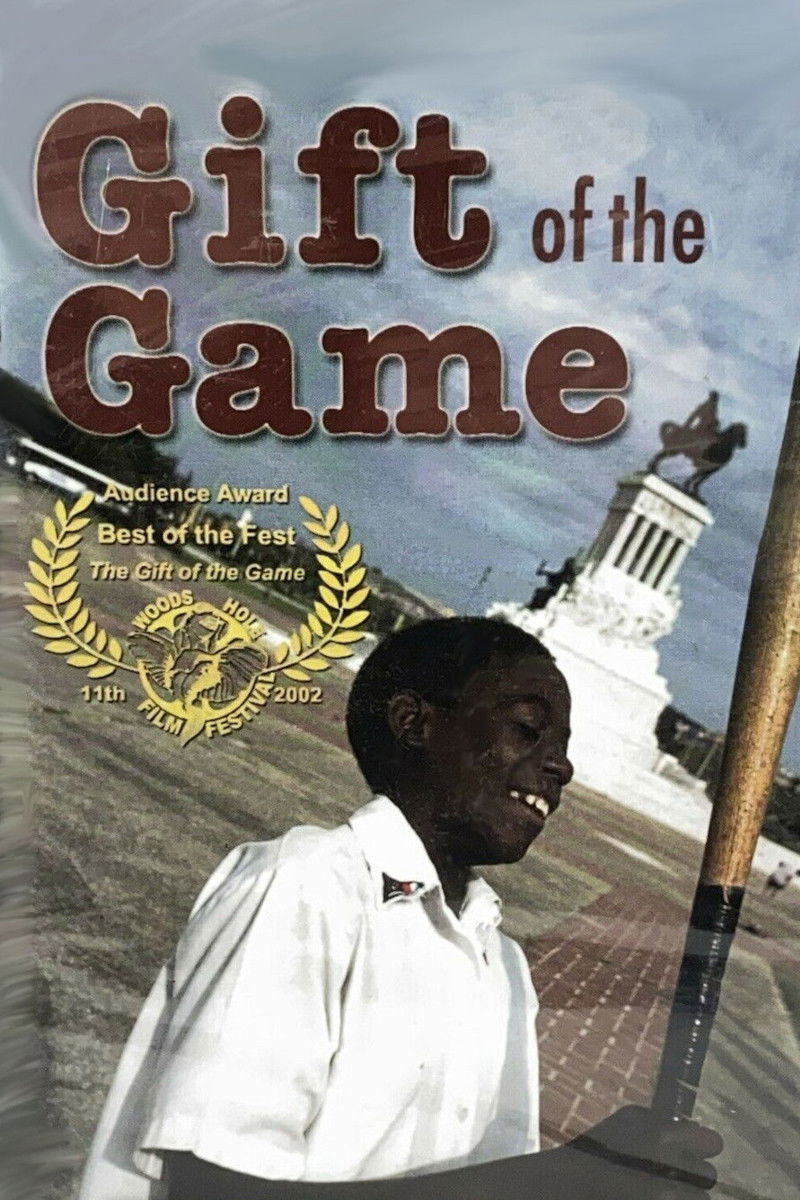
Acclaimed Florida novelist Randy Wayne White travels to Cuba with former pitchers Bill "Spaceman" Lee (Boston Red Sox) and Jon Warden (Detroit Tigers), and a band of baseball enthusiasts to find and revive the children's baseball league founded by American writer Ernest Hemingway in the days before Fidel Castro came to power.
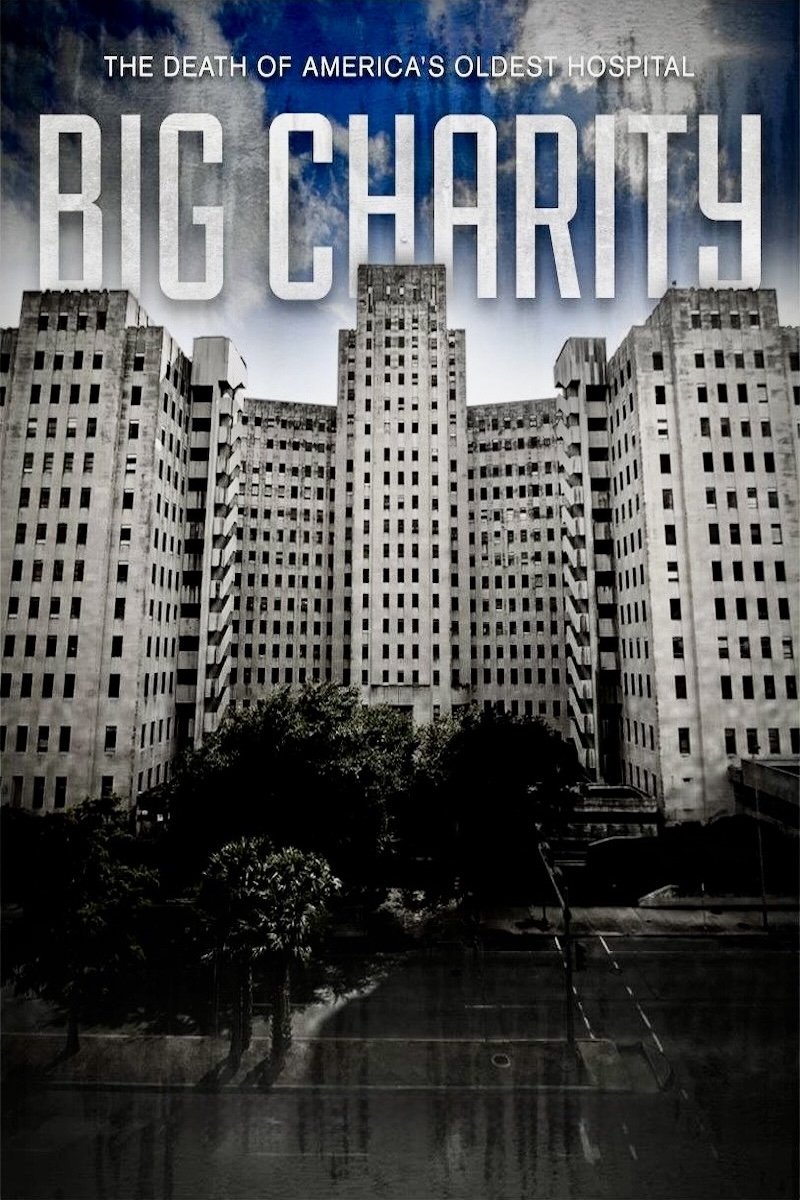
This documentary film includes never-before-seen footage and exclusive interviews to tell the story of Charity Hospital, from its roots to its controversial closing in the wake of Hurricane Katrina. From the firsthand accounts of healthcare providers and hospital employees who withstood the storm inside the hospital, to interviews with key players involved in the closing of Charity and the opening of New Orleans’ newest hospital, “Big Charity” shares the untold, true story around its closure and sheds new light on the sacrifices made for the sake of progress.
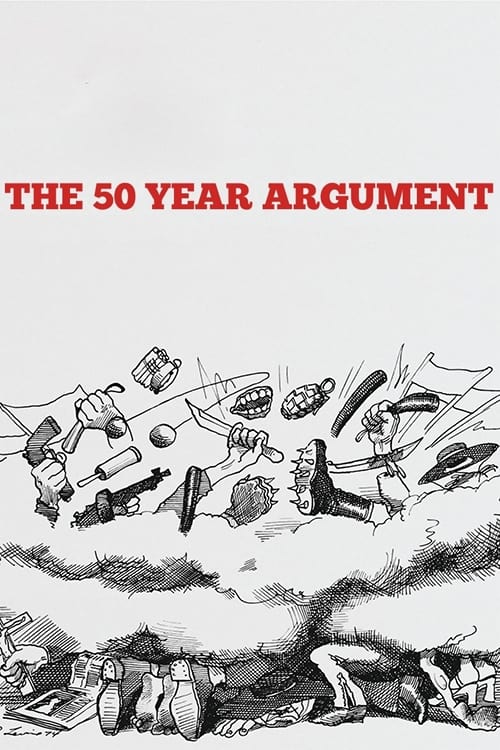
Follows the waves of literary, political, and cultural history as charted by the The New York Review of Books, America’s leading journal of ideas for over 50 years. Provocative, idiosyncratic and incendiary, the film weaves rarely seen archival material, contributor interviews, excerpts from writings by such icons as James Baldwin, Gore Vidal, and Joan Didion along with original verité footage filmed in the Review’s West Village offices.
Neverland is a state of mind, a mountain pushed up from the ground by imagination. Anyone can go but most people have trouble with the simple directions: Follow your dreams. This winter Absinthe dropped down the rabbit hole to explore this elusive place and brought back some mind bending tales and a pocketful of surprises.
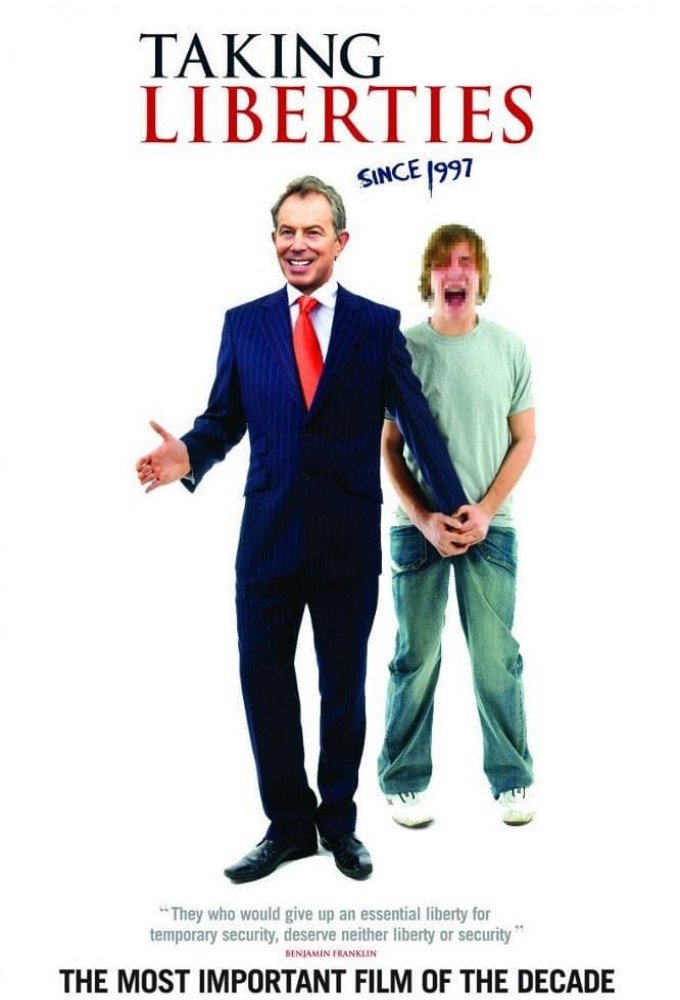
Taking Liberties Since 1997is a documentary film about the erosion of civil liberties in the United Kingdom and increase of surveillance under the government of Tony Blair. It was released in the UK on 8th June 2007. The director, Chris Atkins, said on 1 May that he wanted to expose "the Orwellian state" that now threatened Britain as a result of Mr Blair's policies.
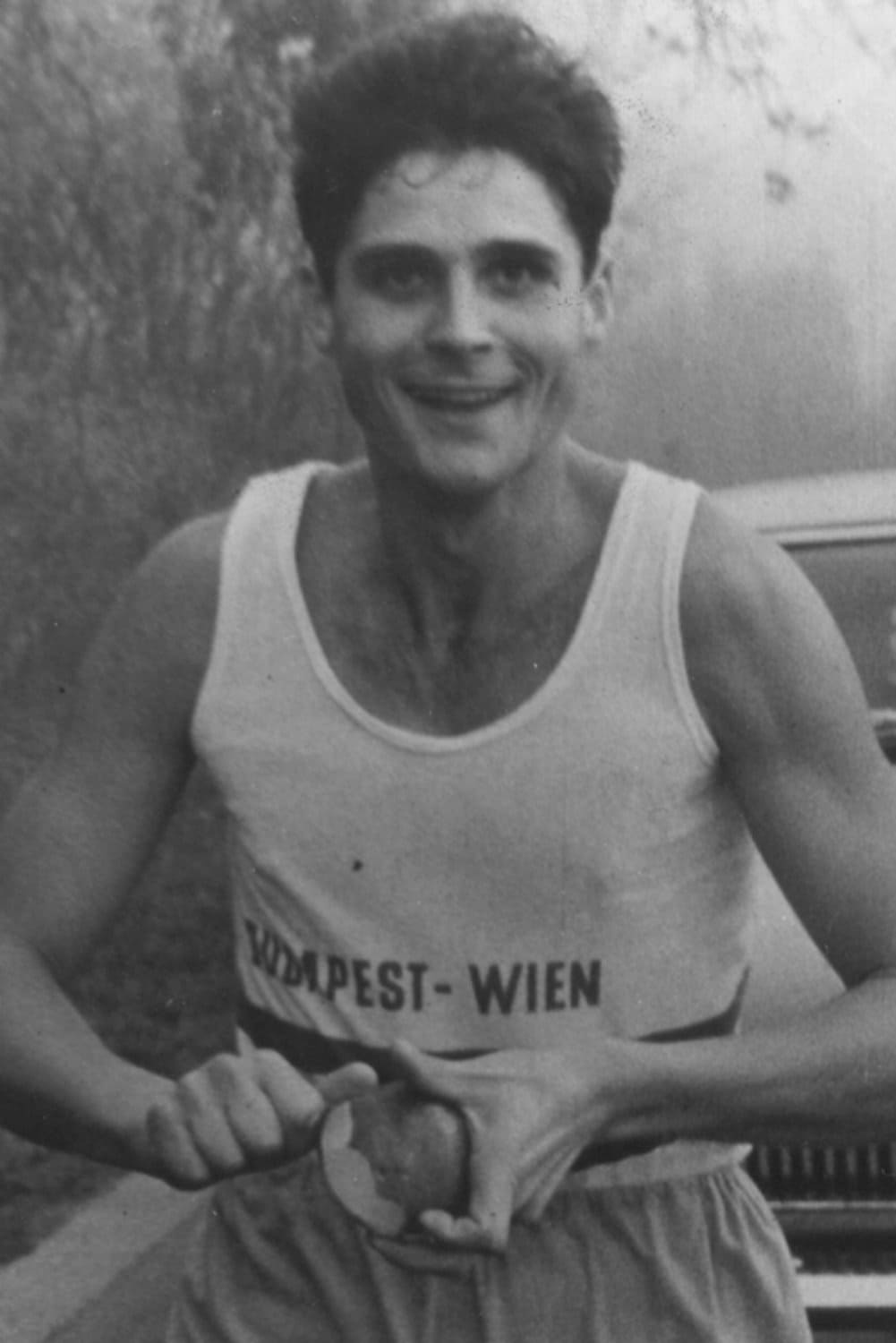
György Schirilla, known for his long-distance running and swimming across the icy Danube, ran to Moscow to commemorate the 50th anniversary of the October Revolution. A year later, a bistro was built in his honour in the small Hungarian village of Kenderes. Gyula Gazdag captured moments of his run to Kenderes and the opening ceremony. The film's original title comes from a "poem" delivered by the village council president, which included the line: "We can always count on your long run."
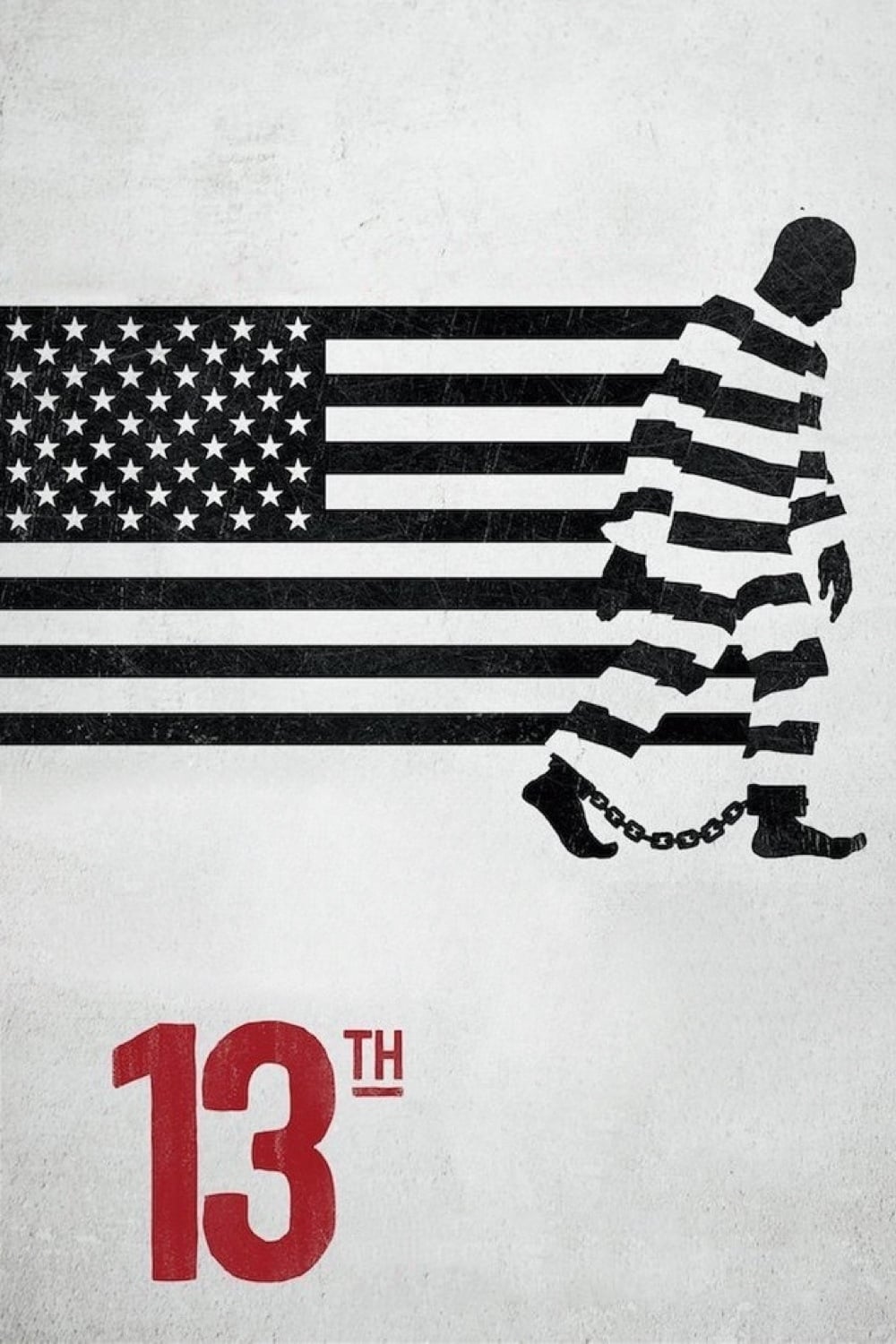
An in-depth look at the prison system in the United States and how it reveals the nation's history of racial inequality.
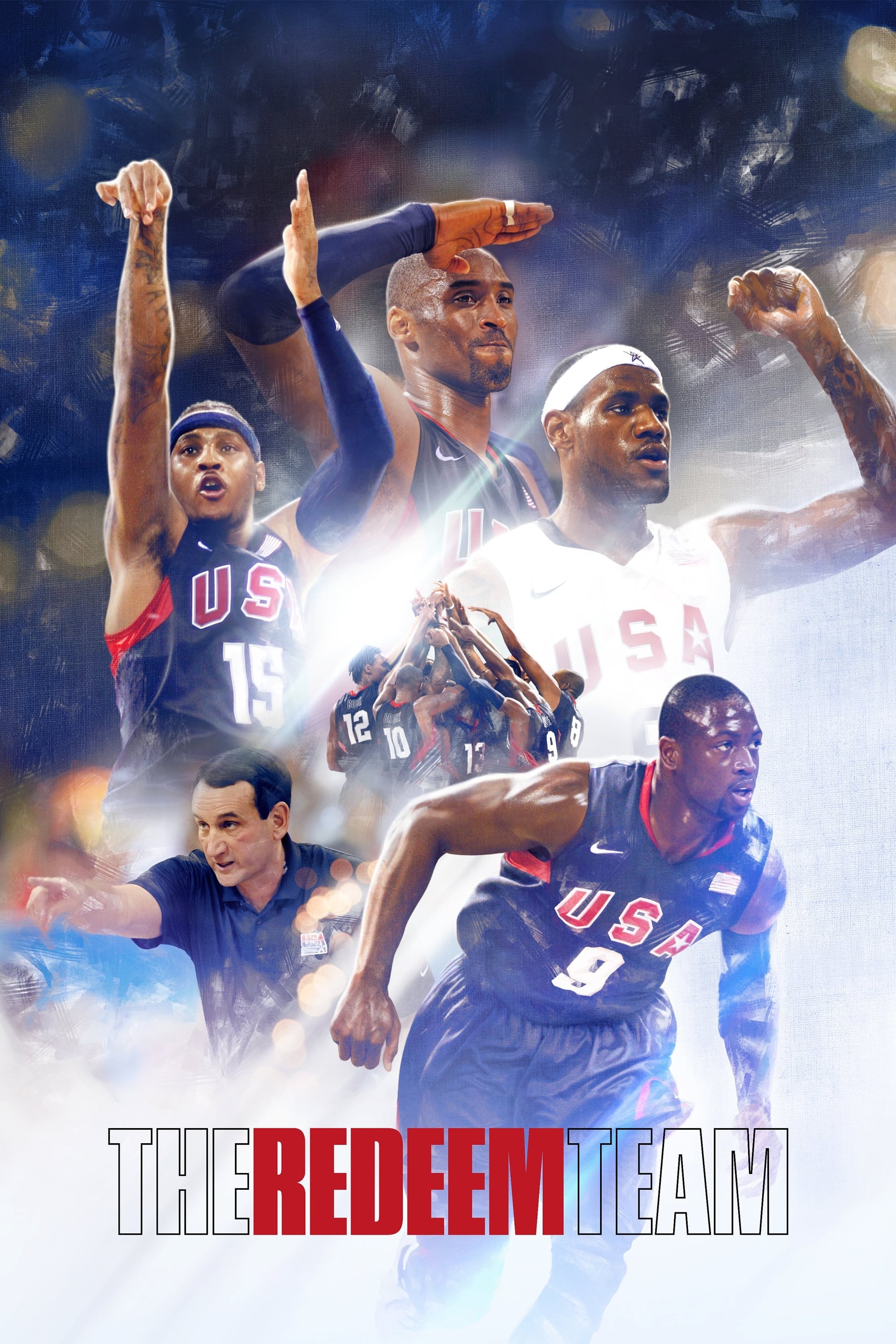
Using unprecedented Olympic footage and behind-the-scenes material, The Redeem Team tells the story of the US Olympic Men's Basketball Team’s quest for gold at the 2008 Olympic Games in Beijing following the previous team’s shocking performance four years earlier in Athens.
Through deeply personal interviews with her siblings and an examination of the photographs, letters, and belongings left behind, Mariska assembles a new portrait of her mother Jayne Mansfield, an extraordinary and complex woman.
The background and career of Tony Parker, whose determination led him to become arguably the greatest French basketball player.
Artists in LA discover the work of forgotten Polish sculptor Stanislav Szukalski, a mad genius whose true story unfolds chapter by astounding chapter.
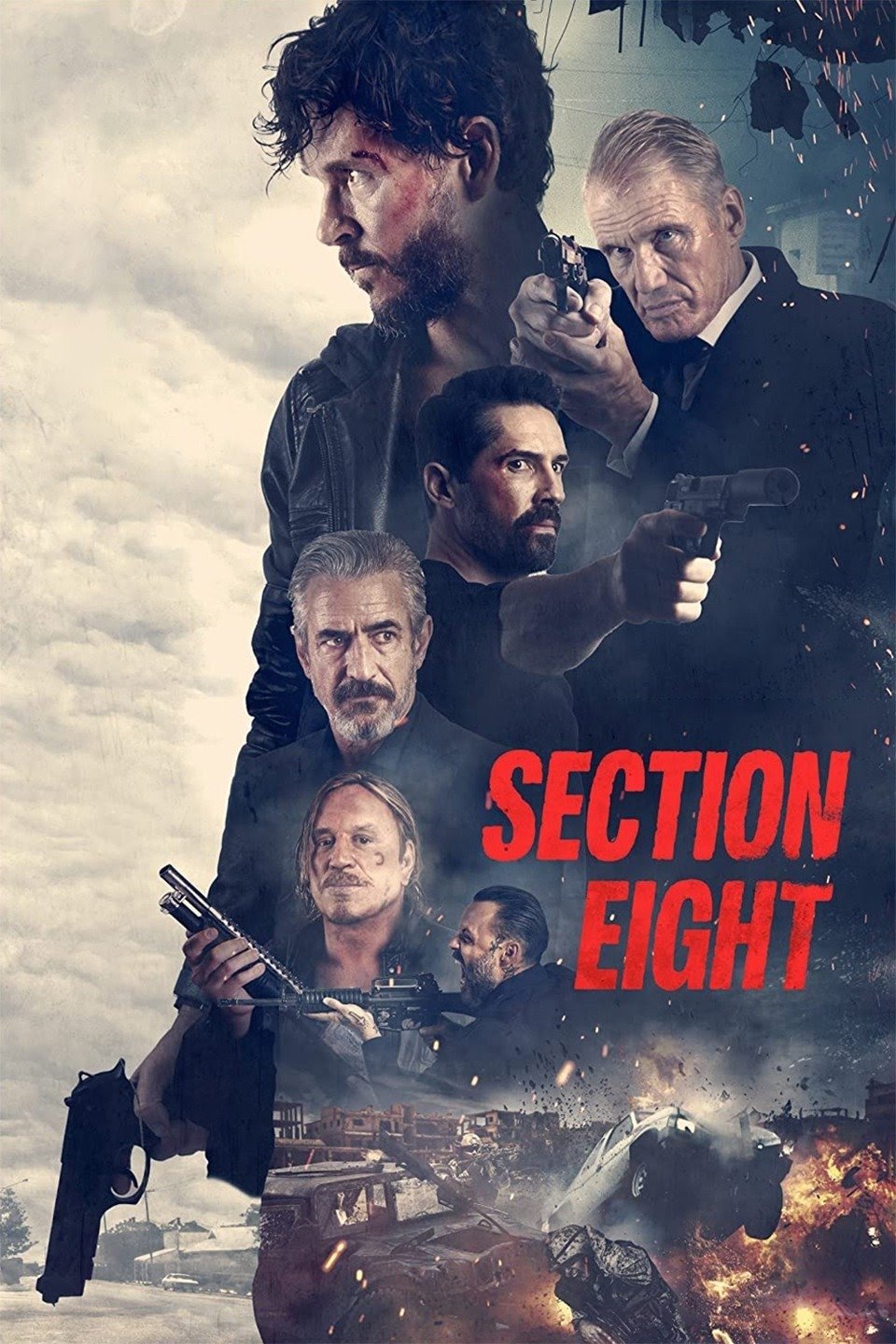
After avenging the murder of his family, a former soldier is sprung from prison and recruited by a shadowy government agency.
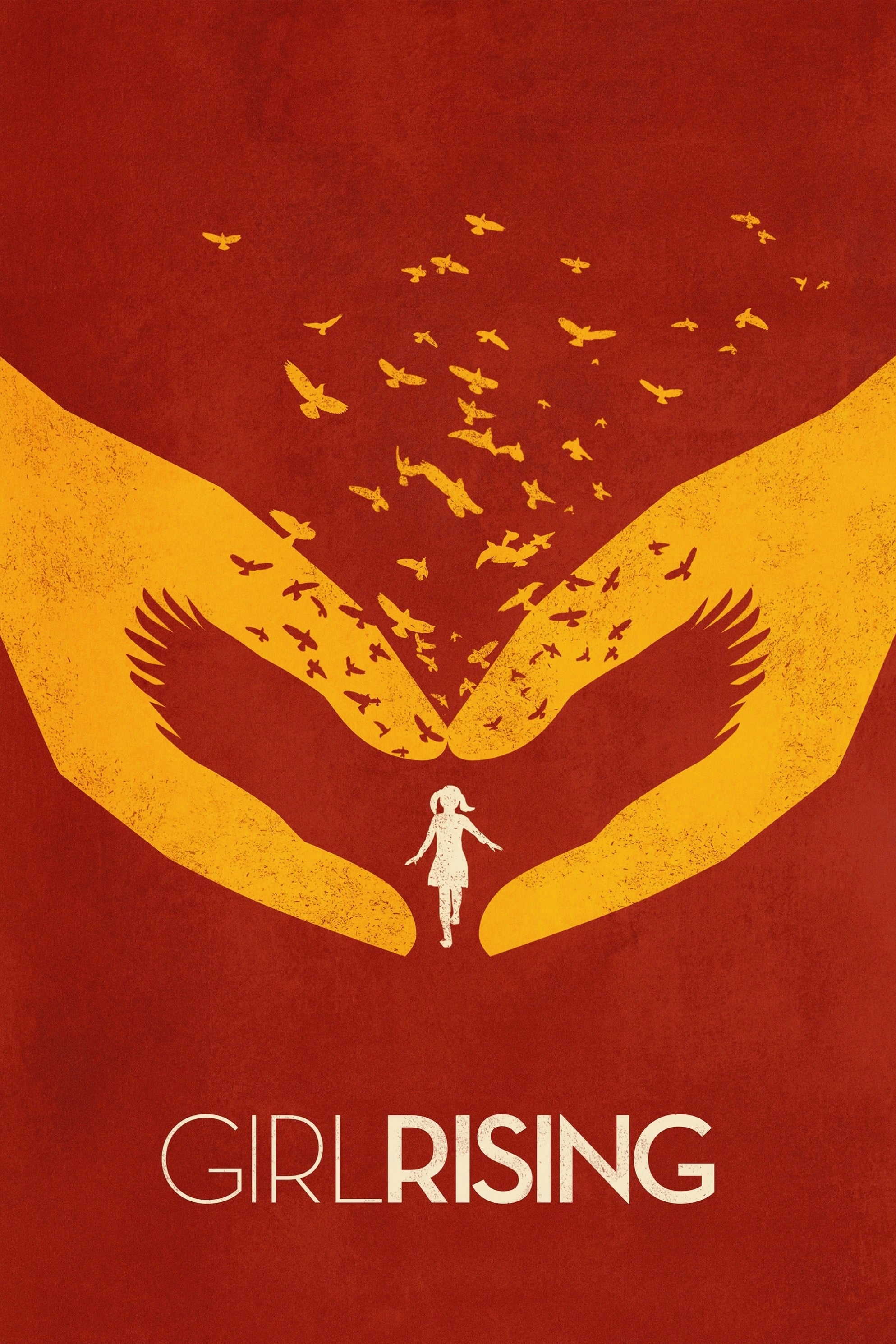
Nine filmmakers each profile a young girl from a different part of the world to weave a global tapestry of youth in the 21st century.
The life and career of one of comedy's most inimitable modern voices, Mr. Gilbert Gottfried.
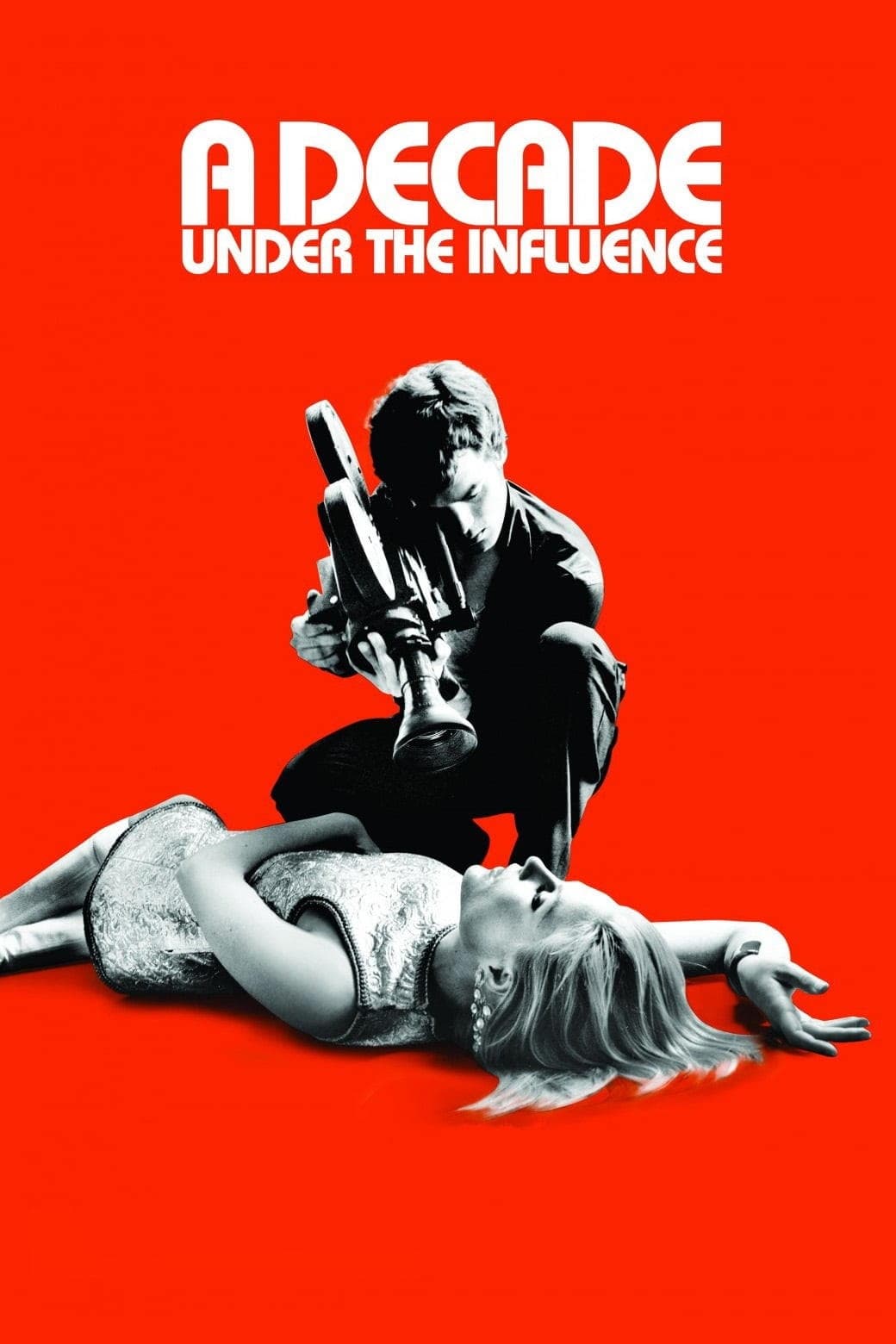
A documentary examining the decade of the 1970s as a turning point in American cinema. Some of today's best filmmakers interview the influential directors of that time.
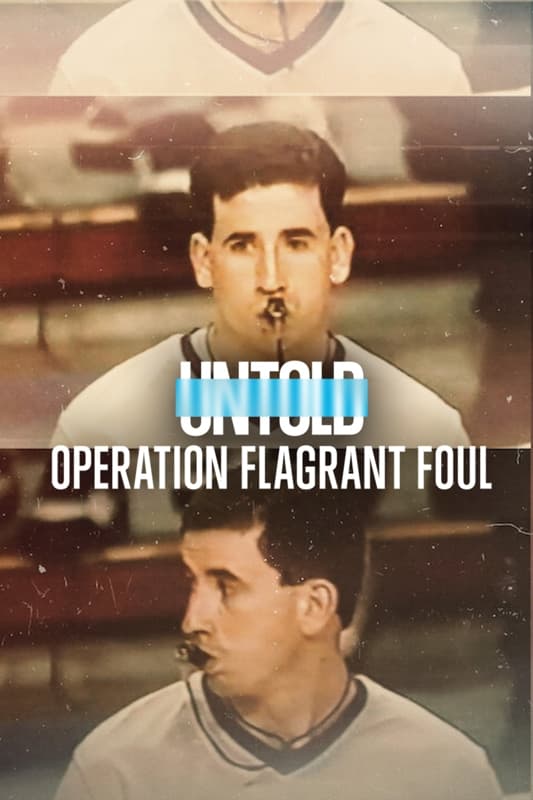
Years after serving time for betting on games he officiated, former NBA referee Tim Donaghy revisits the scandal that shook up the league.
A secret admirer's crush on a high school athlete takes a fatal turn.
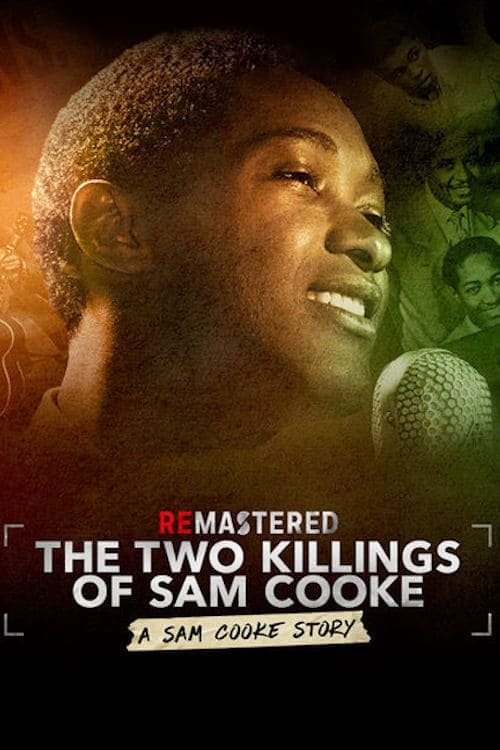
This investigation examines the mysterious shooting of soul icon Sam Cooke, whose death silenced one of the most vital voices in the civil rights movement.
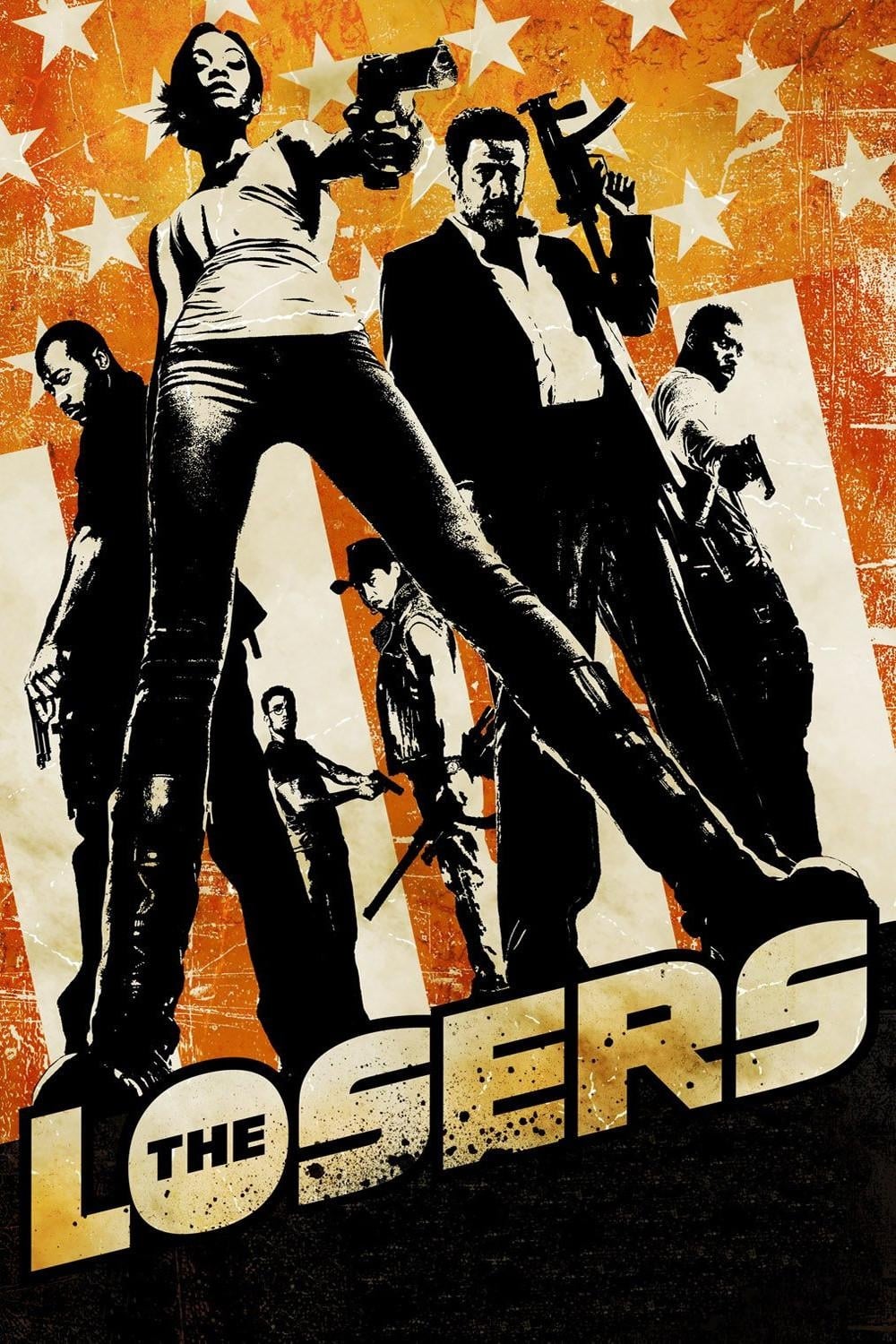
On a mission deep in the Bolivian jungle, a team of elite commandos finds itself on the receiving end of a lethal betrayal. Now presumed dead, the men join forces with a mysterious operative named Aisha to hunt down their enemy and even the score.
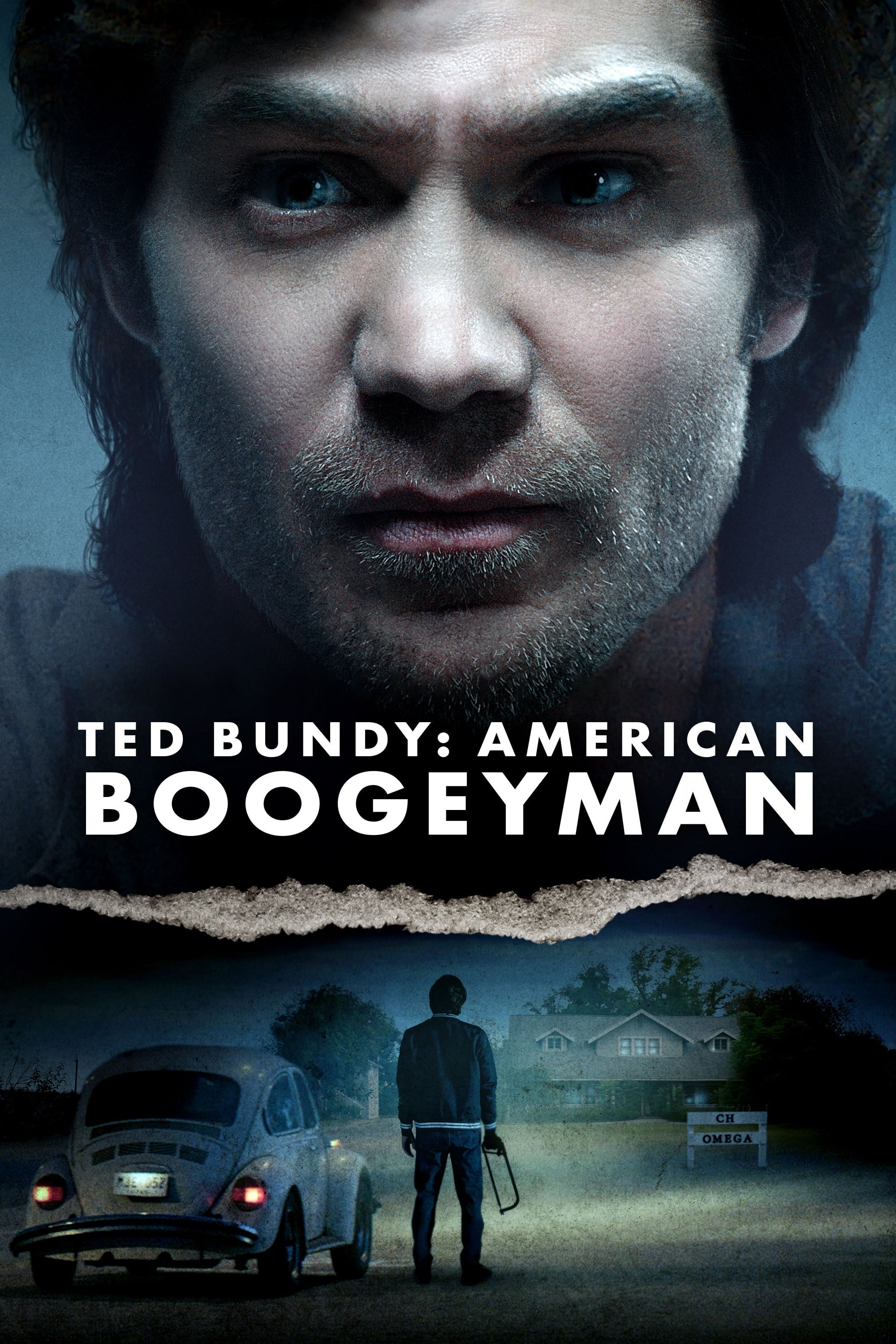
Set in a gritty and decadent 1970s America, American Boogeyman follows the elusive and charming killer and the manhunt that brought him to justice involving the detective and the FBI rookie who coined the phrase ‘serial killer’.
On September 15, 1963, a bomb destroyed a black church in Birmingham, Alabama, killing four young girls who were there for Sunday school. It was a crime that shocked the nation--and a defining moment in the history of the civil-rights movement. Spike Lee re-examines the full story of the bombing, including a revealing interview with former Alabama Governor George Wallace.
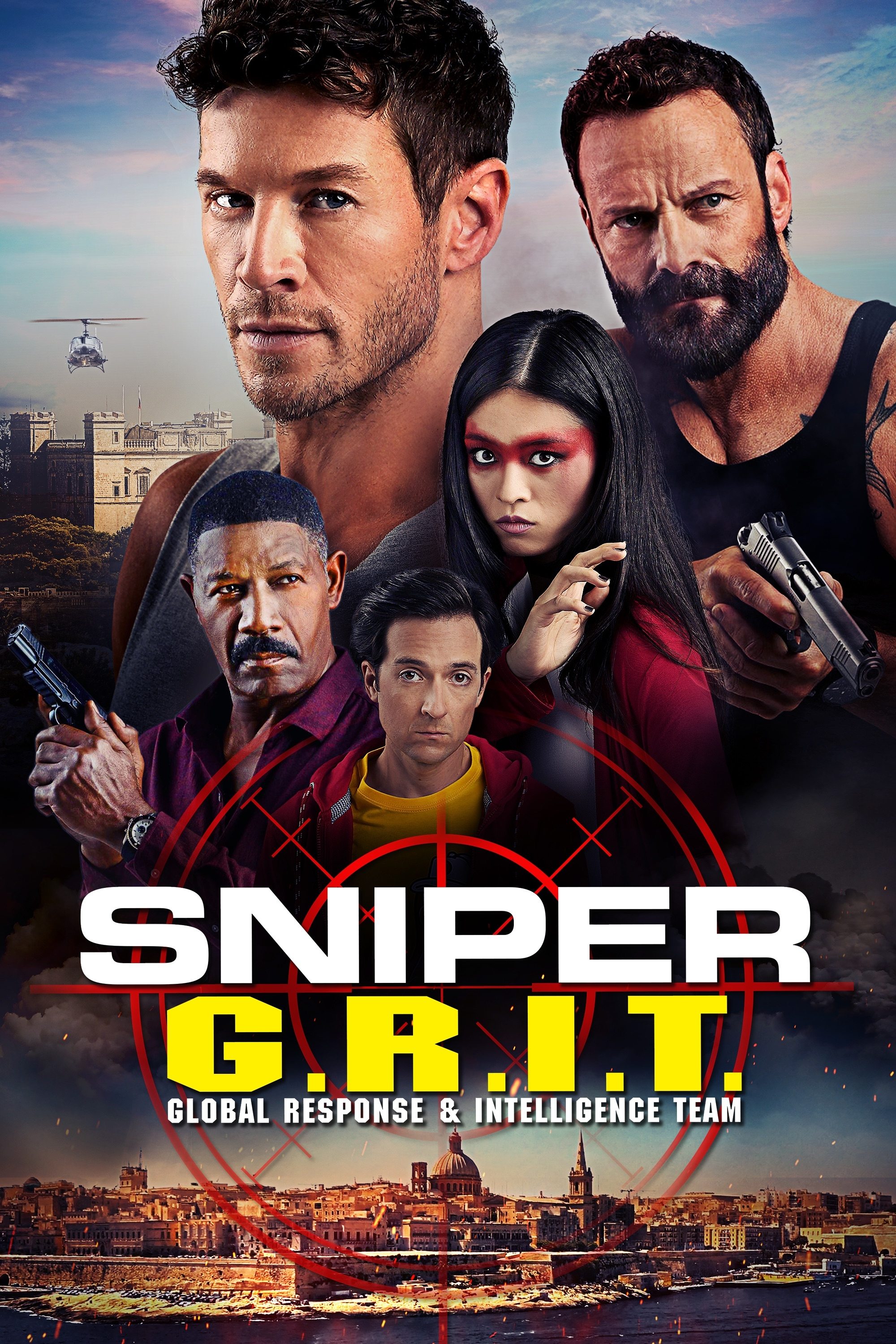
When an international terrorist cult threatens global political stability and kidnaps a fellow agent, Ace Sniper Brandon Beckett and the newly-formed Global Response & Intelligence Team – or G.R.I.T. – led by Colonel Stone must travel across the world to Malta, infiltrate the cult, and take out its leader to free Lady Death and stop the global threat.
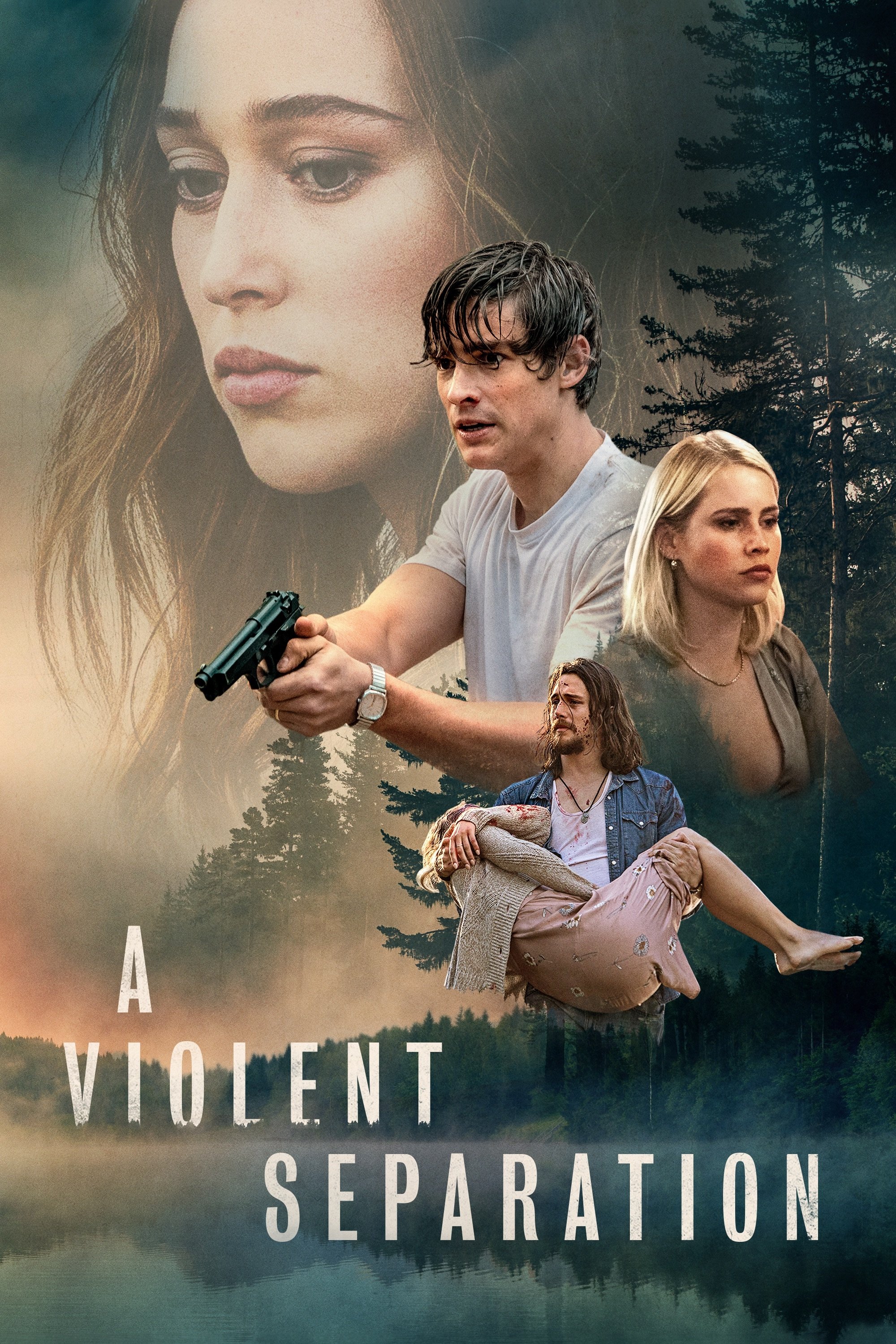
1983. In a quiet Midwestern town, a young deputy covers up a murder at the hands of his brother triggering a series of events that sends them and the victim's family towards a shattering climax.
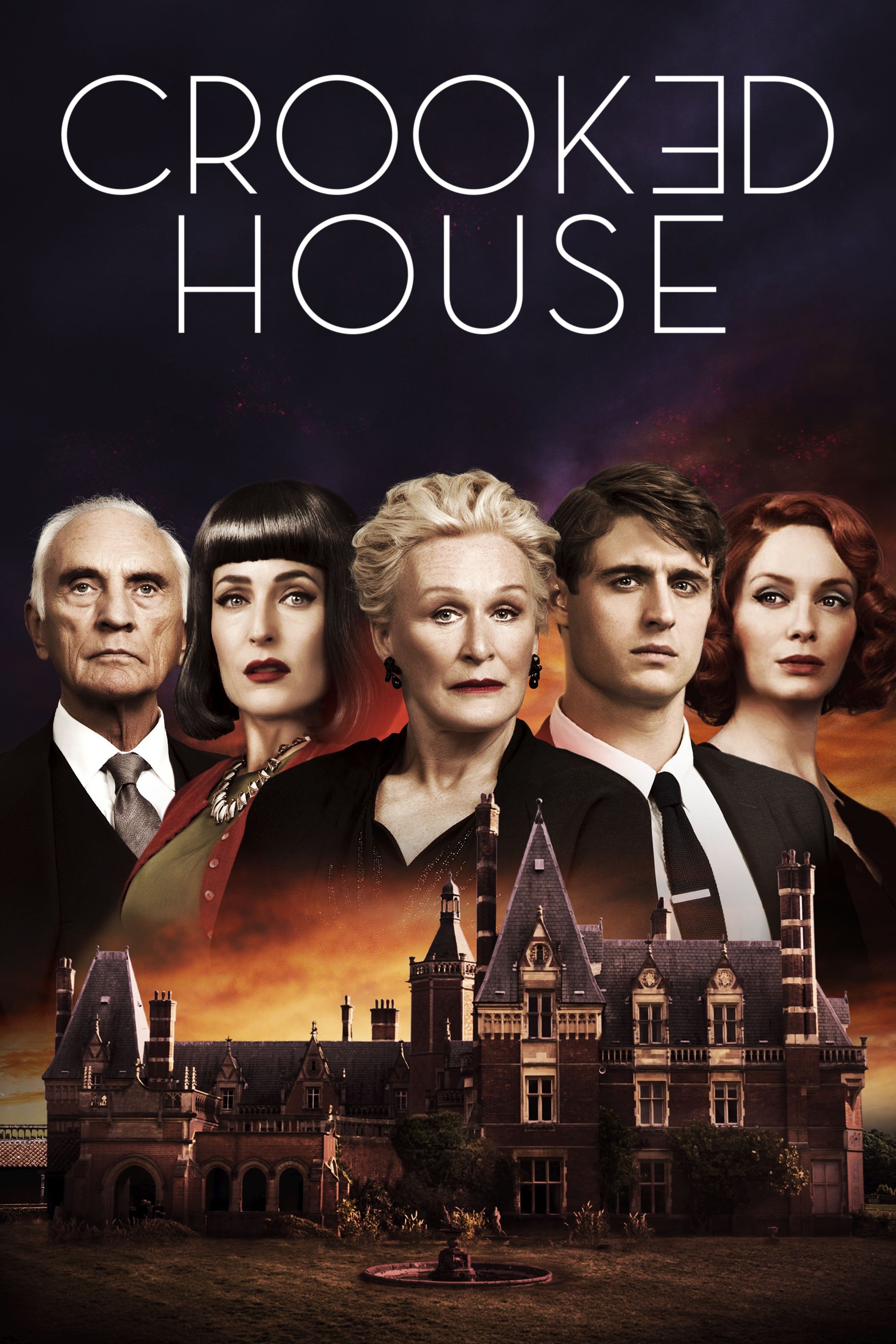
A private investigator helps a former flame solve the murder of her wealthy grandfather, who lived in a sprawling estate surrounded by his idiosyncratic family.
With exclusive access to his extraordinary unseen and unheard personal archive including hundreds of hours of audio recorded over the course of his life, this is the definitive Marlon Brando cinema documentary. Charting his exceptional career as an actor and his extraordinary life away from the stage and screen with Brando himself as your guide, the film will fully explore the complexities of the man by telling the story uniquely from Marlon's perspective, entirely in his own voice. No talking heads, no interviewees, just Brando on Brando and life.
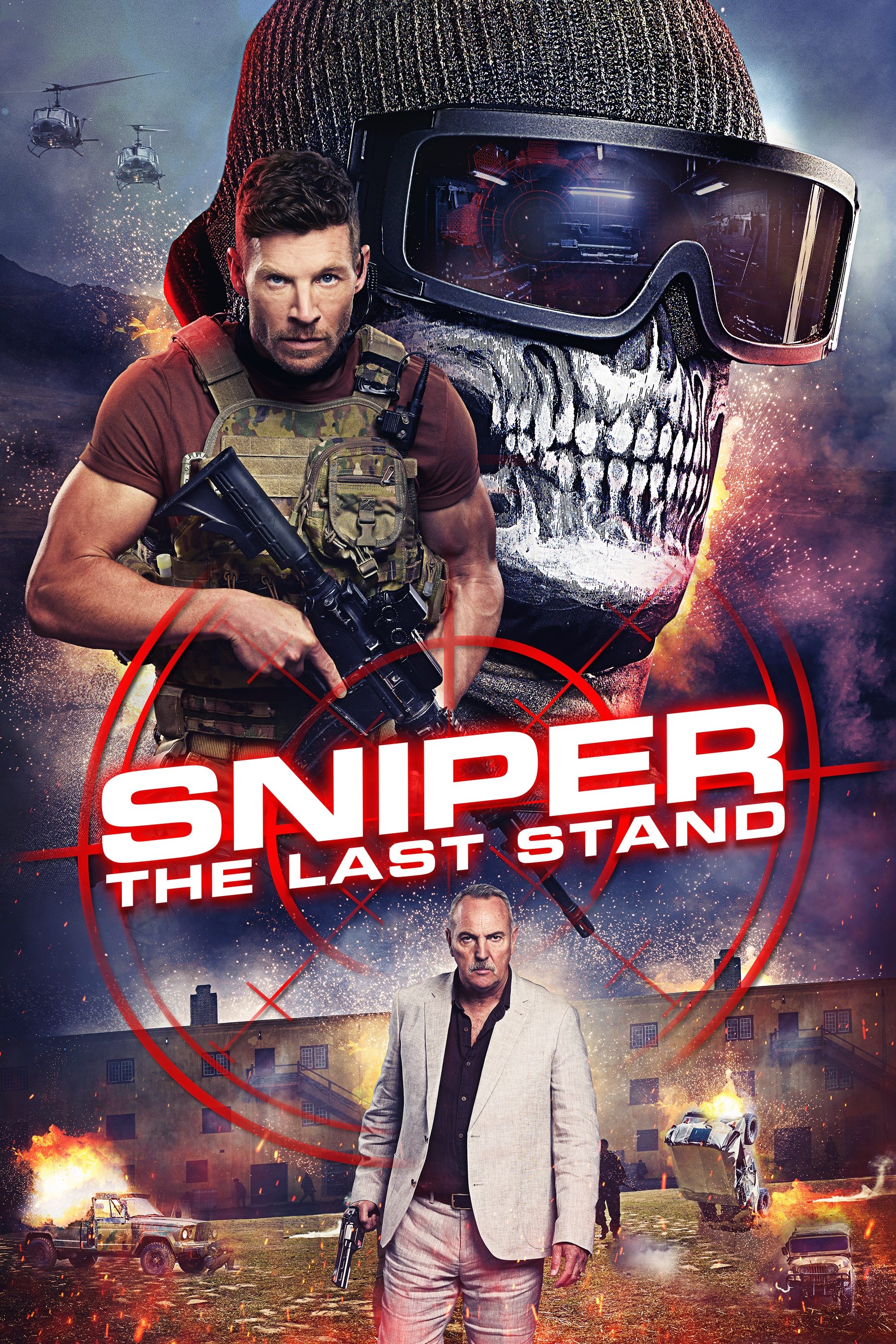
To stop an arms dealer from unleashing a deadly superweapon, Ace sniper Brandon Beckett and Agent Zero are deployed to Costa Verde to lead a group of elite soldiers against an unrelenting militia. Taking an untested sniper under his wing, Beckett faces his newest challenge: giving orders instead of receiving them. With both time and ammo running low in a race to save humanity, the team must overcome all odds just to survive.