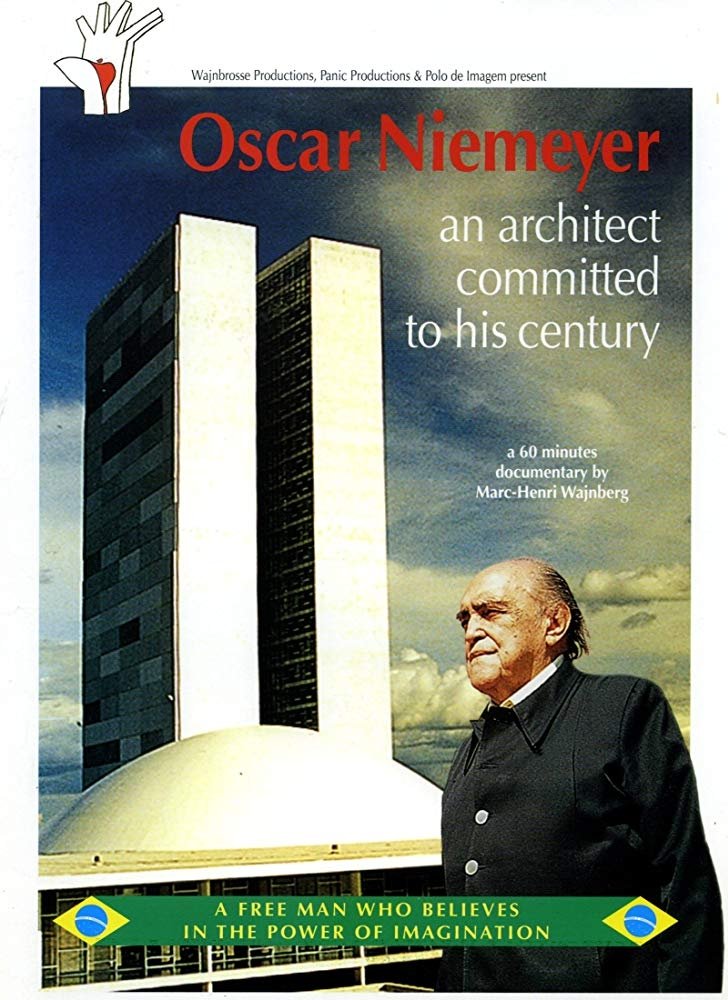
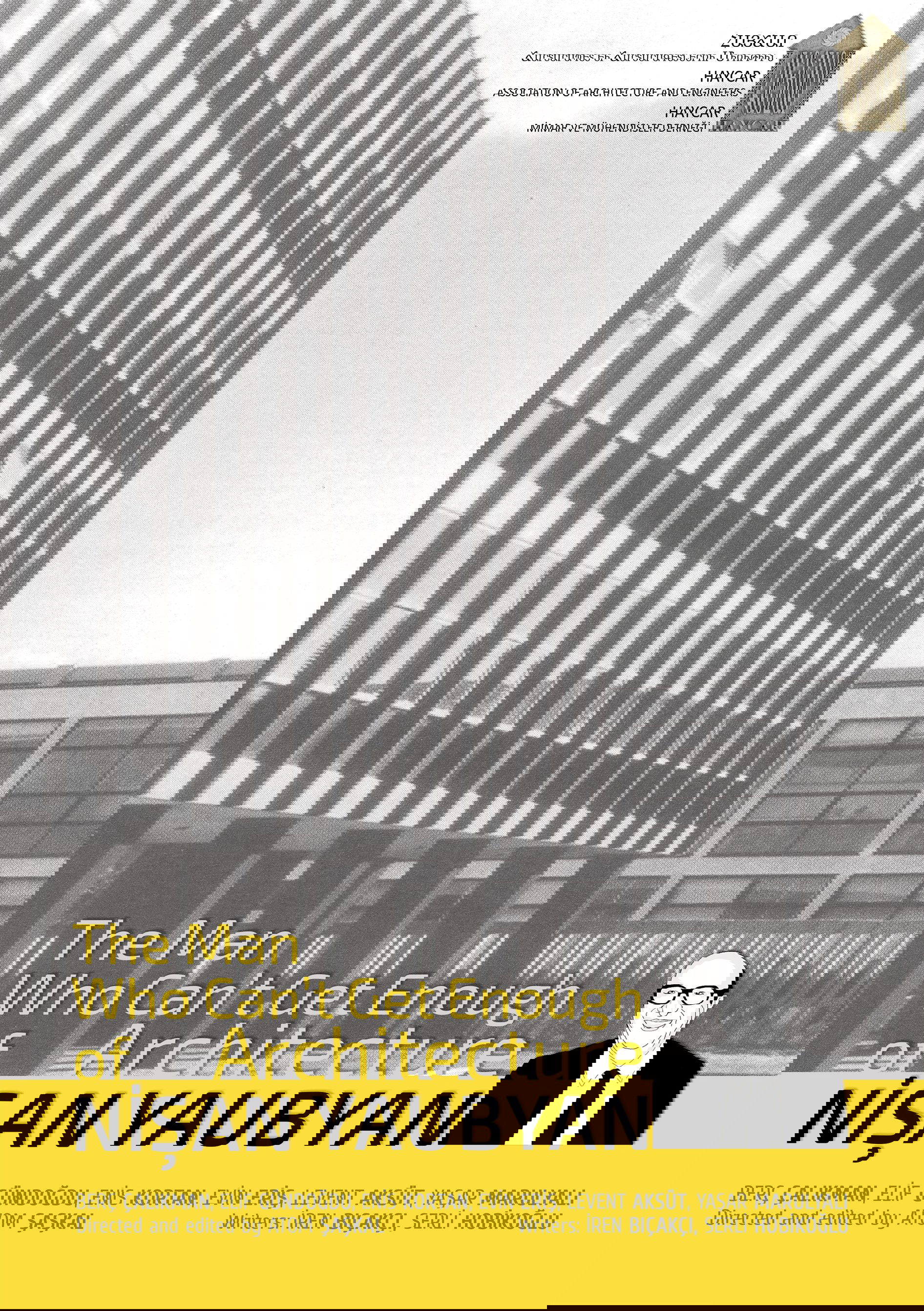
The testimony of an artist who continues to believe in the socialist ideal. The story of a man who loves women.
Social & External
The people behind it
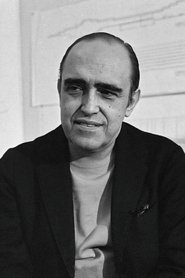
Oscar Niemeyer
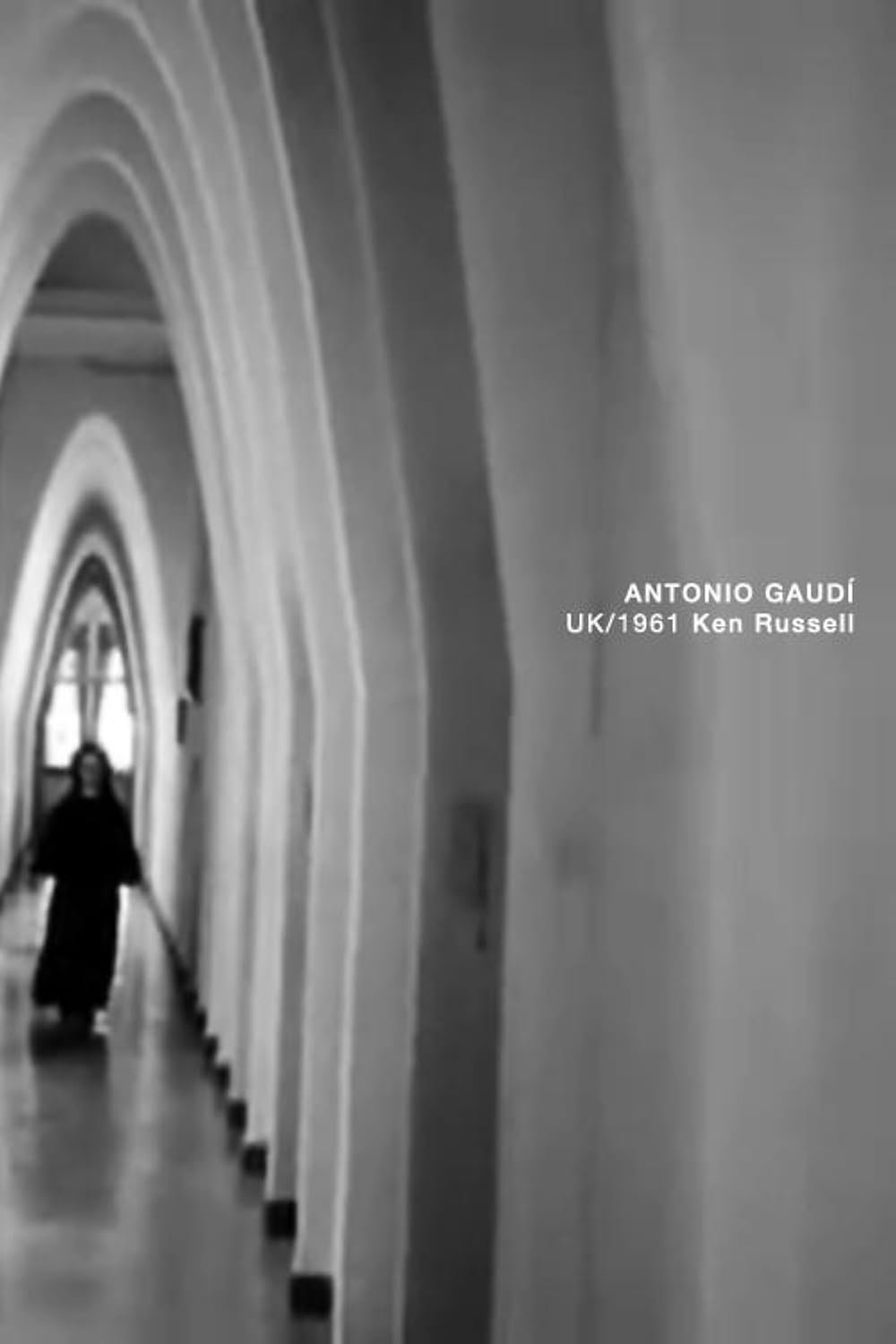
A study of Antoni Gaudí's architecture (especially the Church of the Holy Trinity in Barcelona), his sources of inspiration and his influence on Picasso. (BFI)
For most of America's history, sacred buildings represented our greatest feats of innovative engineering and artistic design. Unlock the elements of design that make these structures so fascinating and unveil the meaning in religious architecture, ranging from grand cathedrals and simple country churches to synagogues and mosques.
A documentary that explores the influence of German modernist architecture in Argentina.
French architect Jean Nouvel has long been known in Europe for his bold, shimmering glass museums, concert halls, and high-rise towers. Now the much-acclaimed new Guthrie Theater in Minneapolis, Minnesota, which opened in 2006, is displaying Nouvel's remarkable talents to an American public. With a cantilevered lobby that extends 175 feet over the Mississippi River, the dark midnight-blue, aluminum-paneled structure has captivated the culturally conscious city and helped spur the rejuvenation of a once-industrial waterfront. In the tour, Nouvel takes us through three distinctive theaters he designed for the Guthrie, and out onto the cantilevered deck to view the legendary river that inspired the boldly elevated design.
With the help of a team of experts and the latest in 3-D scanning technology, Alexander Armstrong, along with Dr Michael Scott, explores the hidden underground treasures that made Rome the powerhouse of the ancient world.
A biography documentary of the Argentine modernist architect Amancio Williams.
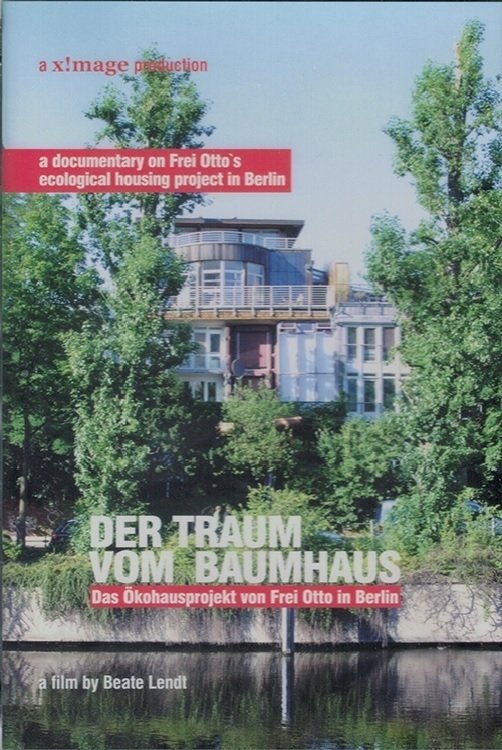
A film about the pioneering community-building project of the world-famous architect Frei Otto in Berlin, called the Okohaus-an experimental, ecological, customized housing project in the city center. Including interviews with Frei Otto, Christine Kanstinger-Otto, Hermann Kendel, Yona Friedman, Anne Lacaton and Jean-Philippe Vassal, and other involved architects, planners, and inhabitants, the film shows the development and the philosophy of the project, which was built for the International Building Exhibition in Berlin 1987 (IBA).
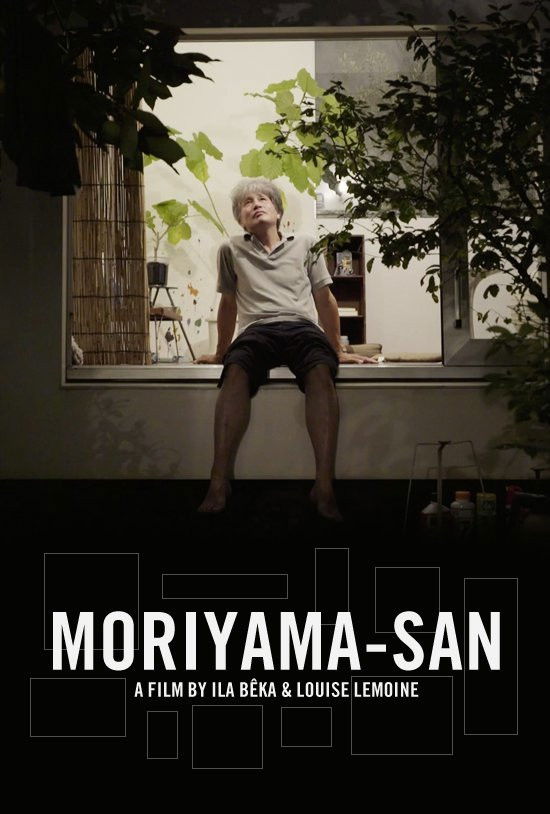
One week in the extraordinary-ordinary life of Mr. Moriyama, a Japanese art, architecture and music enlighted amateur who lives in one of the most famous contemporary Japanese architecture, the Moriyama house, built in Tokyo in 2005 by Pritzker-prize winner Ryue Nishizawa (SANAA). Introduced in the intimacy of this experimental microcosm which redefines completely the common sense of domestic life, Ila Bêka recounts in a very spontaneous and personal way the unique personality of the owner: a urban hermit living in a small archipelago of peace and contemplation in the heart of Tokyo. From noise music to experimental movies, the film let us enter into the ramification of the Mr. Moriyama's free spirit. Moriyama-San, the first film about noise music, acrobatic reading, silent movies, fireworks and Japanese architecture!
Poème Électronique is an 8-minute piece of electronic music by composer Edgard Varèse, written for the Philips Pavilion at the 1958 Brussels World’s Fair. The Philips corporation commissioned Le Corbusier to design the pavilion, which was intended as a showcase of their engineering progress. The pavilion was shaped like a stomach, with a narrow entrance and exit on either side of a large central space. As the audience entered and exited the pavilion, the electronic composition Concret PH by Iannis Xenakis (who also acted as Le Corbusier's architectural assistant for the pavilion's design) was heard. Poème électronique was synchronized to a film of black and white photographs selected by Le Corbusier which touched on vague themes of human existence.
Dresden is famous for its attempt to meticulously reconstruct its once bombed-out historical center and bring the colorful baroque settings of the 18th century back to life. It’s infamous for the right-wing-surge that has since 2015 swept the city and made it a center of far-right activity in Germany and Europe. This film is an exploration of where the two intersect.
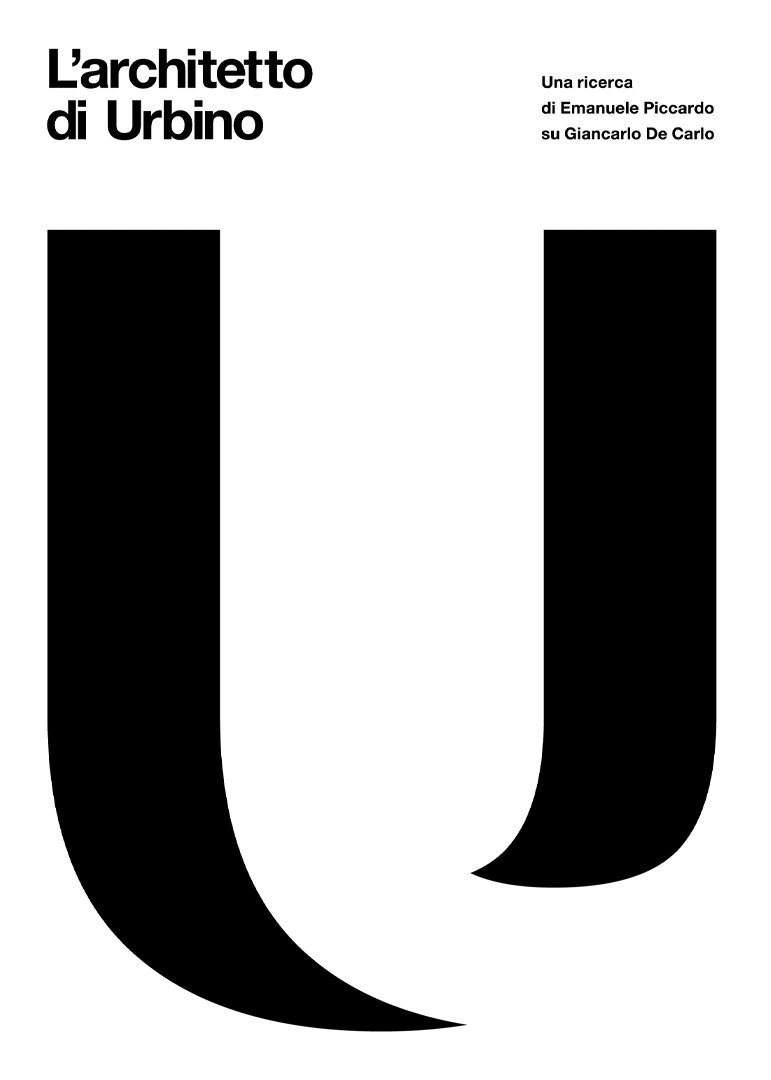
The Italian architect Giancarlo De Carlo (Genoa 1919 - Milan 2005), inspires generations of architects all over the world. His philosophy still remain a school subject. The film, inspired by Franco Buncuga's book “Conversations with Giancarlo de Carlo”, recalls an imaginary trip from Genoa to Urbino, guiding the audience through the historical town center, the Palazzo Ducale and the masterpieces of the Italian Renaissance architect Francesco di Giorgio Martini, which made the Urbino so great.
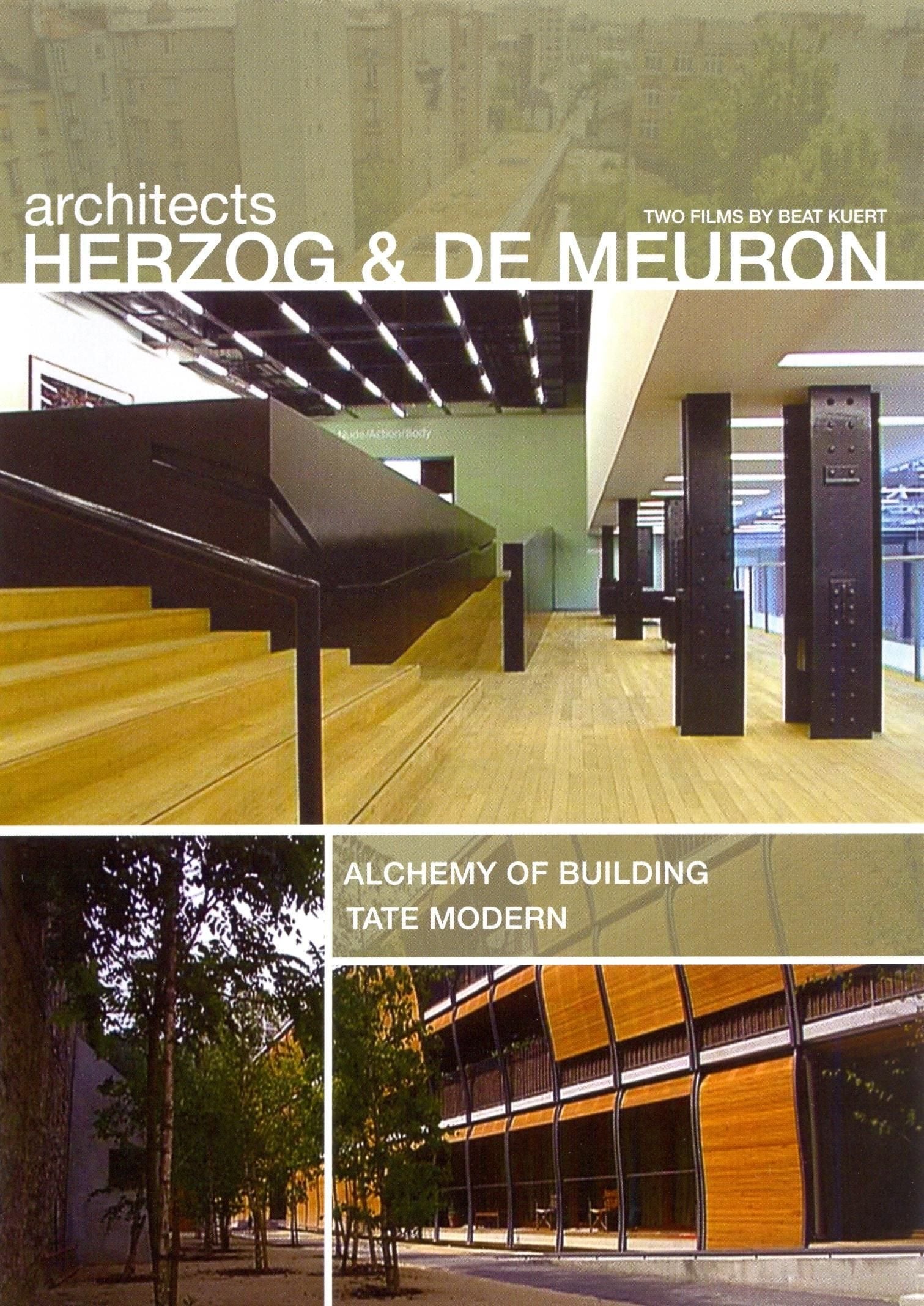
Visiting examples of Herzog and de Meurons ground-breaking style, this film reflects their capacity to astonish and explore the way in which they transform what might otherwise be ordinary through new treatments and techniques.
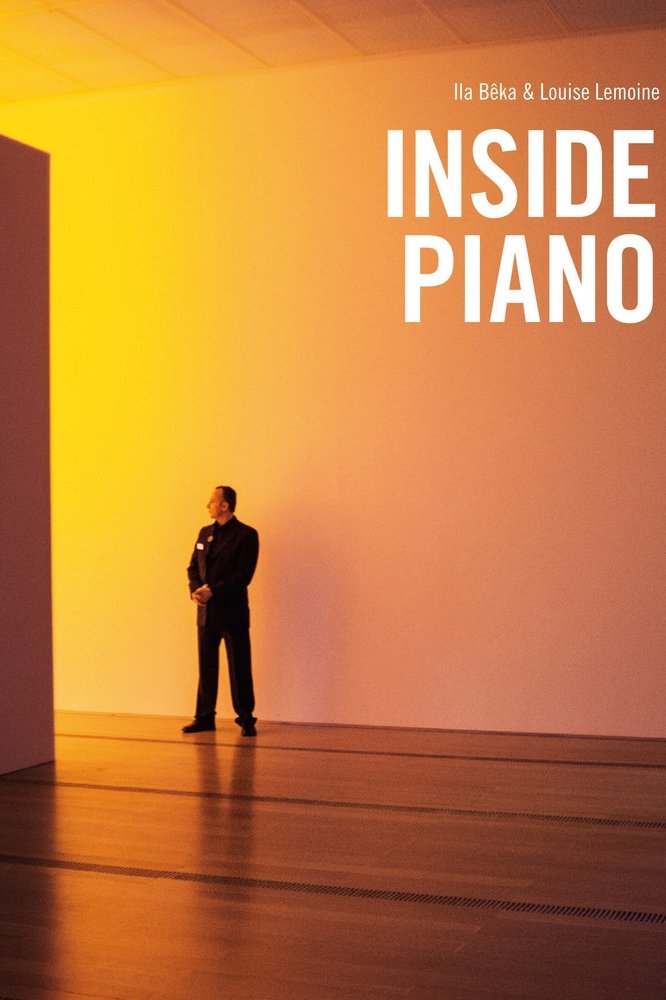
The fifth project of the Living Architectures series, Inside Piano is composed of three films on three symbolic buildings of Renzo Piano's career. A visit throughout the prototype-building of the Centre Pompidou. An immersion in the soundproof world of a submarine floating in the depths of the Parisian underground. A journey aboard a luminous magic carpet of a highly sophisticated architectural machine. A humorous, caustic and quirky point of view.
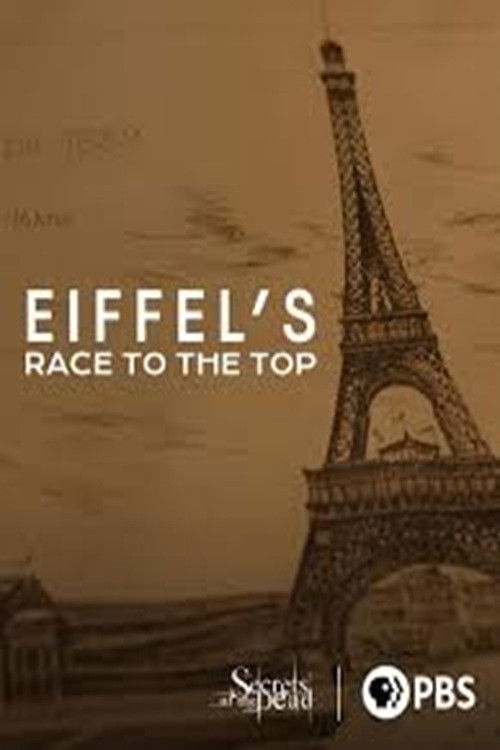
Behind the iconic Eiffel Tower lies the story of an incredible challenge to erect a thousand-foot tower that went far beyond a design competition, and marked a major turning point in engineering history. It was the beginning of radical transformation where iron was pitted against stone, engineering against architecture, and modern design against ancients. Press campaigns, lobbying, public conferences, denigration of opposing projects, bragging about big names - all participants engaged in a fierce battle without concession. Using 3D recreations, official sources (reports, letters, drawings...) and intimate archives obtained from their descendants, this film will bring to life this vertical race through a fresh and visual way to mark the centenary of Eiffel death.
A portrait of the German city of Ulm and it's social activities, fassades, court building. Also about the role of the district court during National Socialism.
In Search of Hy-Brasil contemplates the textures and rhythms of island life. It brings to the fore the symbiotic relationship that exists between islanders and their elemental surroundings, and how their existences are formed and shaped by raw materials.
Documentary about 4 large architectural landmarks that projected Portugal abroad.
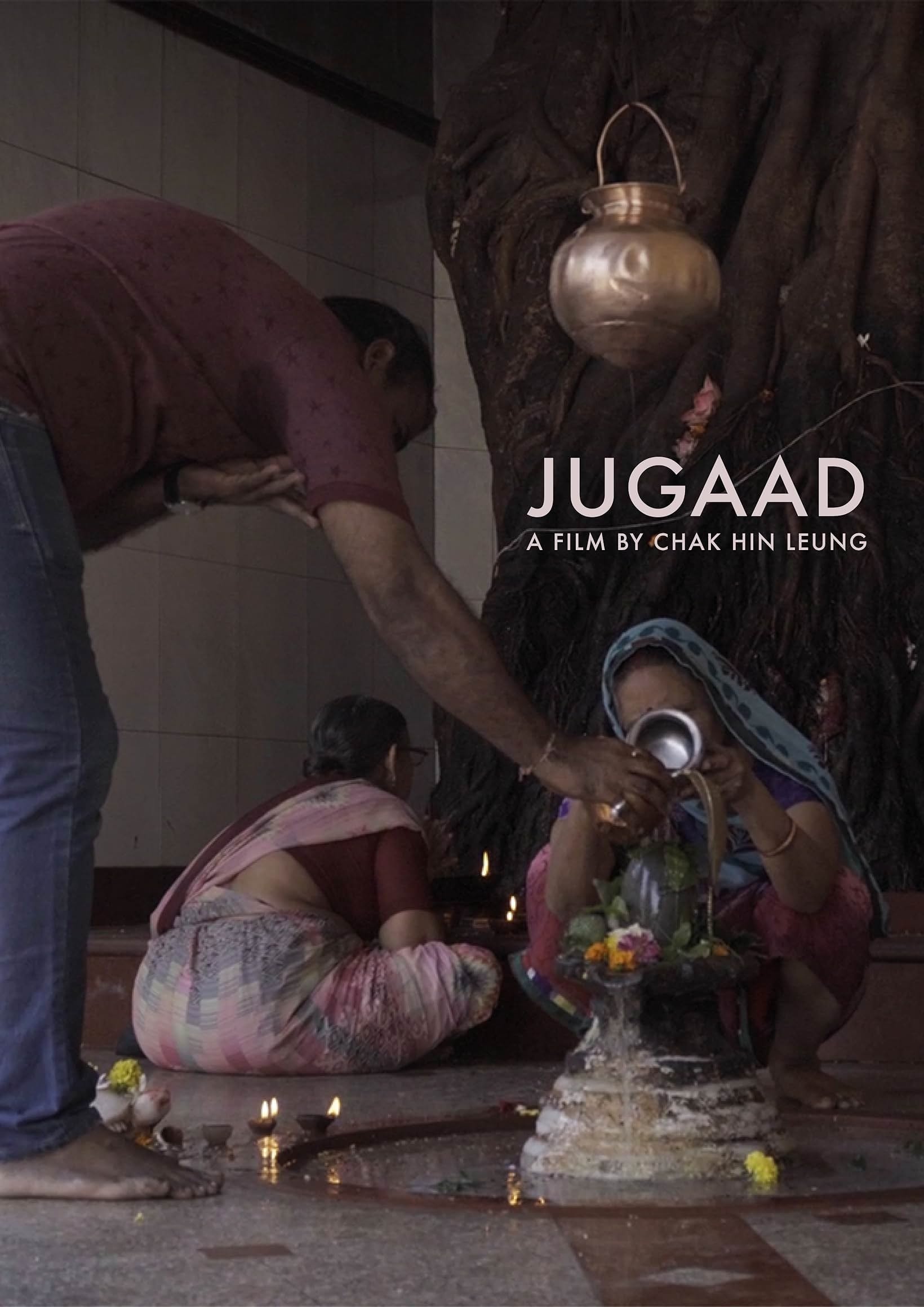
Jugaad is a Hindi word that can be translated as "innovative or effective solution that bends the rules". It refers to the extreme capacity developed by Mumbai's inhabitants to adapt and get around any type of constraint or obstacle posed by the city's urban structure. In a relatively small piece of land where 21 million people live today, the inhabitants of Mumbai demonstrate great creativity when it comes to managing the spaces (for sale, for prayer, for traffic) and the flows that cross them every day. Without using language, Hong Kong artist Chak Hin Leung brings together in this video a dozen unique situations in which people, animals, vehicles and natural elements intermingle and brush up against each other, without ever colliding.
In an intimate and joyful story of love in the face of loss, celebrated poets Andrea Gibson and Megan Falley find strength—and unexpected hilarity—in what might be their final year together.
The life and career of an actor, artist, and icon. His own journey through his own camera.
Artists in LA discover the work of forgotten Polish sculptor Stanislav Szukalski, a mad genius whose true story unfolds chapter by astounding chapter.
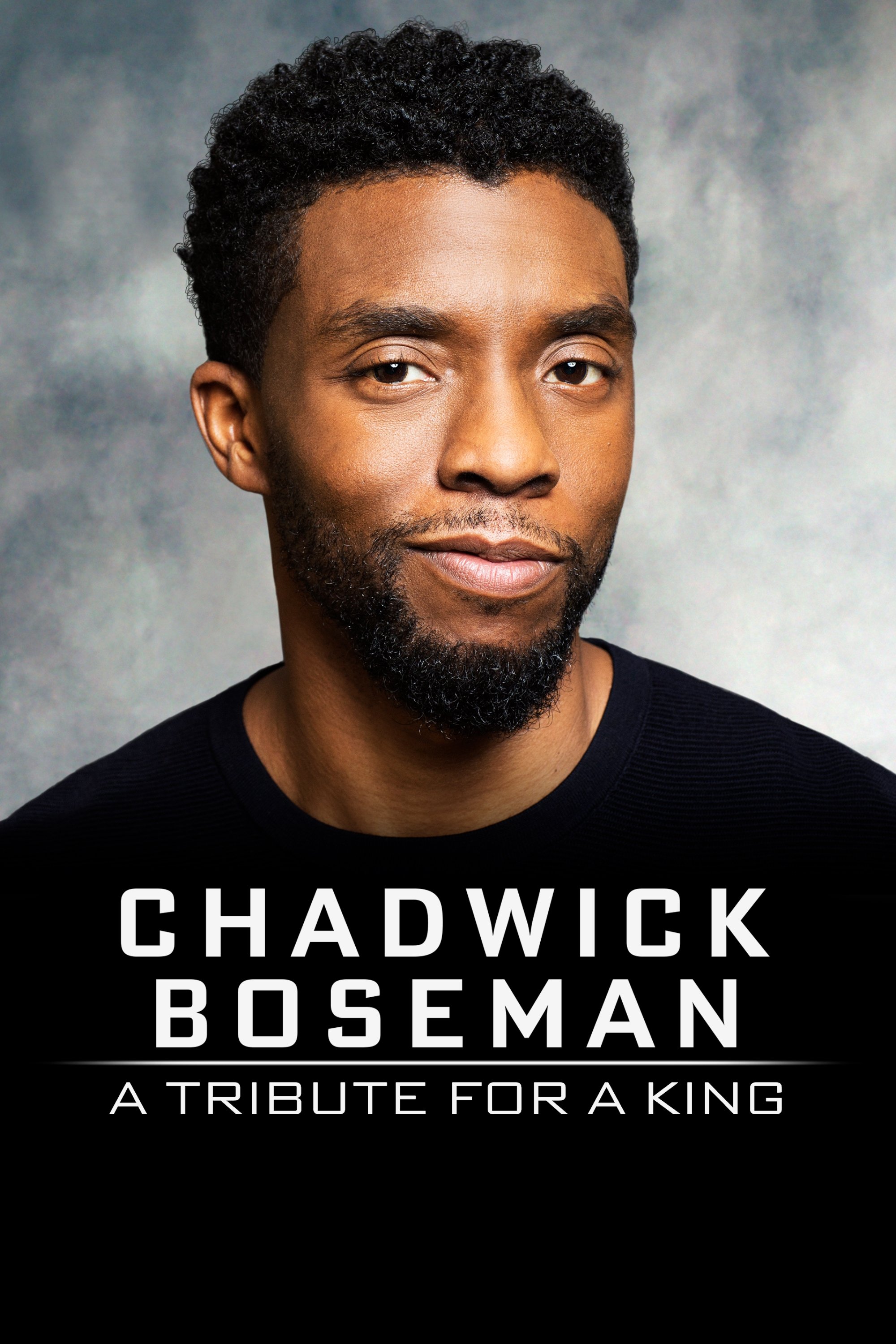
A tribute to Chadwick Boseman, celebrating his life and legacy.
Over 35 years after Bob Lazar's revelations, this documentary exposes secrets of a facility the government still denies. Featuring Lazar's testimony, recreations, and new evidence, it reopens a case that continues to spark global curiosity
Through deeply personal interviews with her siblings and an examination of the photographs, letters, and belongings left behind, Mariska assembles a new portrait of her mother Jayne Mansfield, an extraordinary and complex woman.
This revealing documentary honors the legendary Sidney Poitier—iconic actor, filmmaker, and civil rights activist. Featuring interviews with Denzel Washington, Spike Lee, Halle Berry, and more.
Musician and performance artist Laurie Anderson reflects on the deaths of her husband Lou Reed, her mother and her beloved dog.
The film follows adventurer Jeff Johnson as he retraces the epic 1968 journey of his heroes Yvon Chouinard and Doug Tompkins to Patagonia.
A documentary about the life and films of director John Ford.
Al Pacino's deeply-felt rumination on Shakespeare's significance and relevance to the modern world through interviews and an in-depth analysis of "Richard III."
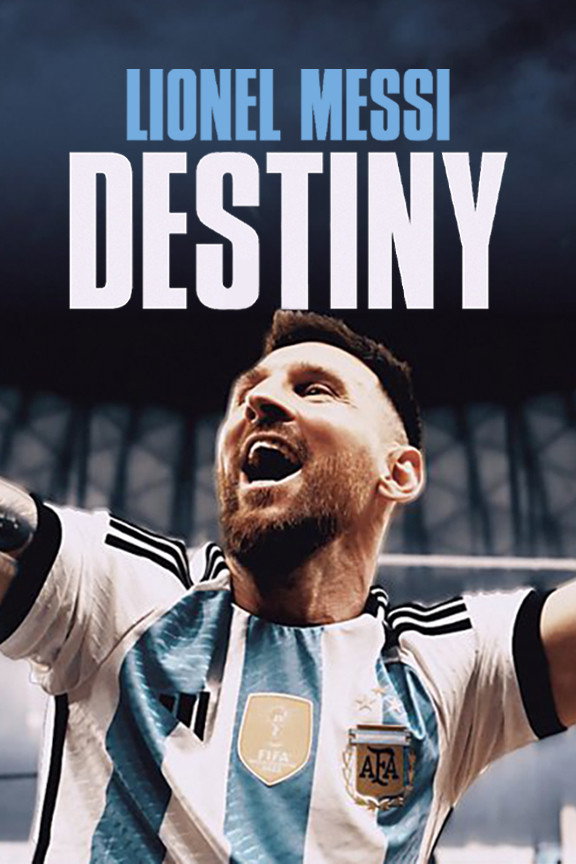
Behind-the-scenes documentary about how Lionel Messi succeeded in lifting the World Cup – the only trophy to have eluded him in an incredible career.
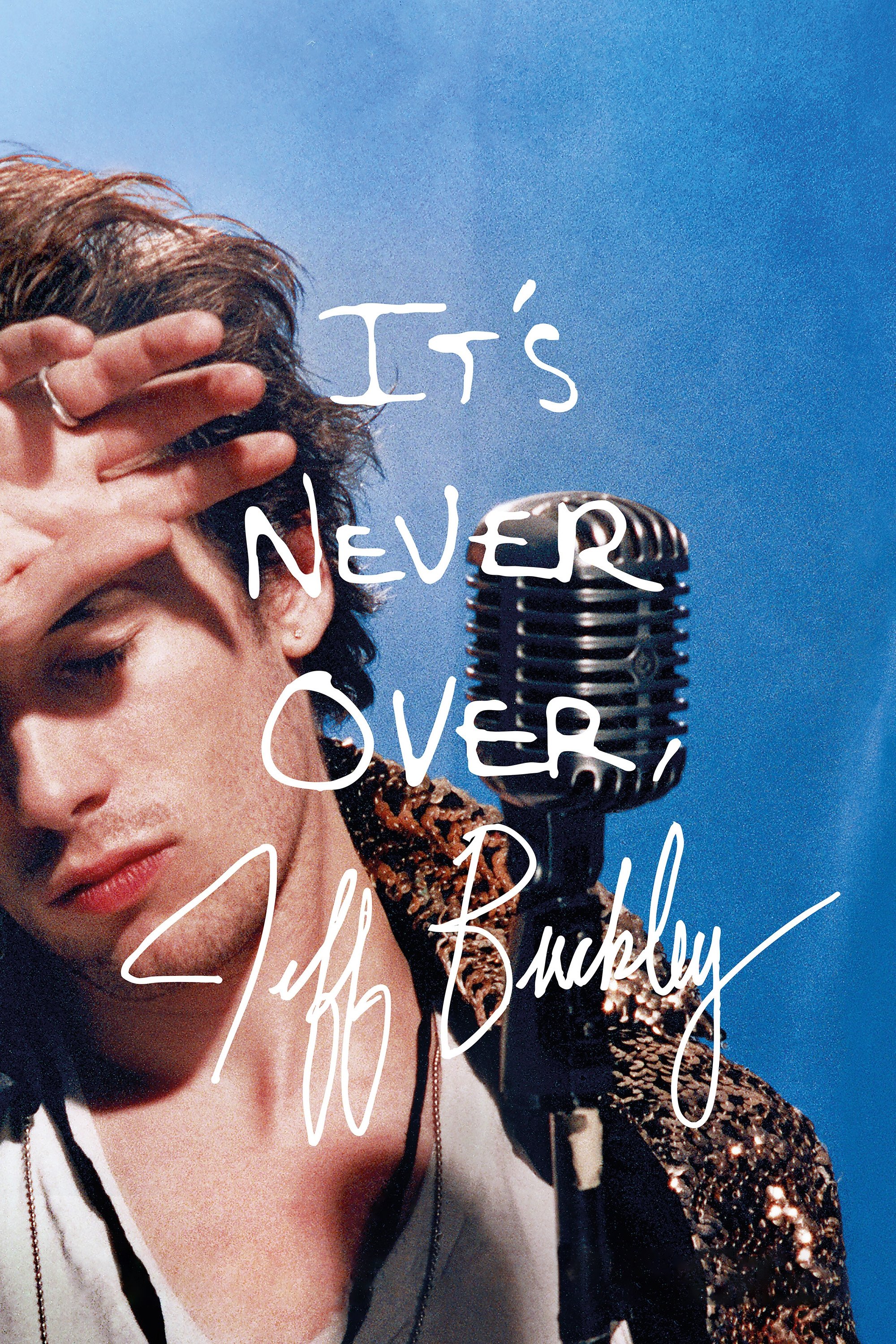
Rising musician Jeff Buckley had only released one album when he died suddenly in 1997. Now, never-before-seen footage, exclusive voice messages, and accounts from those closest to him offer a portrait of the captivating singer.
Brilliant, long in-the-works story of the life and art of the world's greatest comedian and the cinema's first genius, Charlie Chaplin. Produced, written and directed by renowned film critic Richard Schickel.
A documentary about the making of season five of the acclaimed AMC series Breaking Bad.
A string of threatening emails escalates into a revenge plot involving a newly married US marshal and his ex-girlfriend.
An inside look at one of the most anticipated movie sequels ever with James Cameron and cast.
Alexander McQueen's rags-to-riches story is a modern-day fairy tale, laced with the gothic. Mirroring the savage beauty, boldness and vivacity of his design, this documentary is an intimate revelation of McQueen's own world, both tortured and inspired, which celebrates a radical and mesmerizing genius of profound influence.
The life and career of one of comedy's most inimitable modern voices, Mr. Gilbert Gottfried.
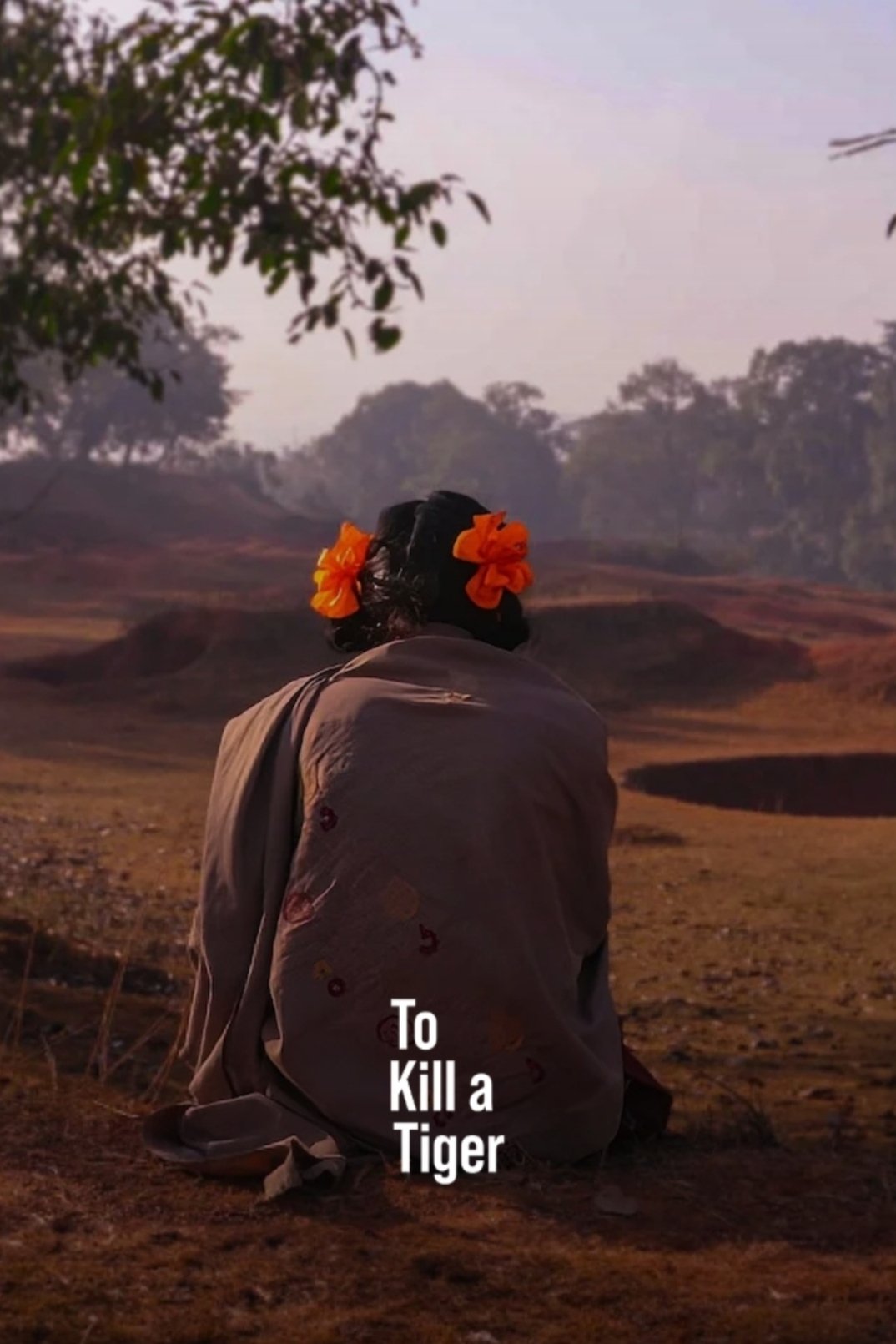
Ranjit, a farmer in India, takes on the fight of his life when he demands justice for his 13-year-old daughter, the victim of a brutal gang rape. His decision to support his daughter is virtually unheard of, and his journey unprecedented.