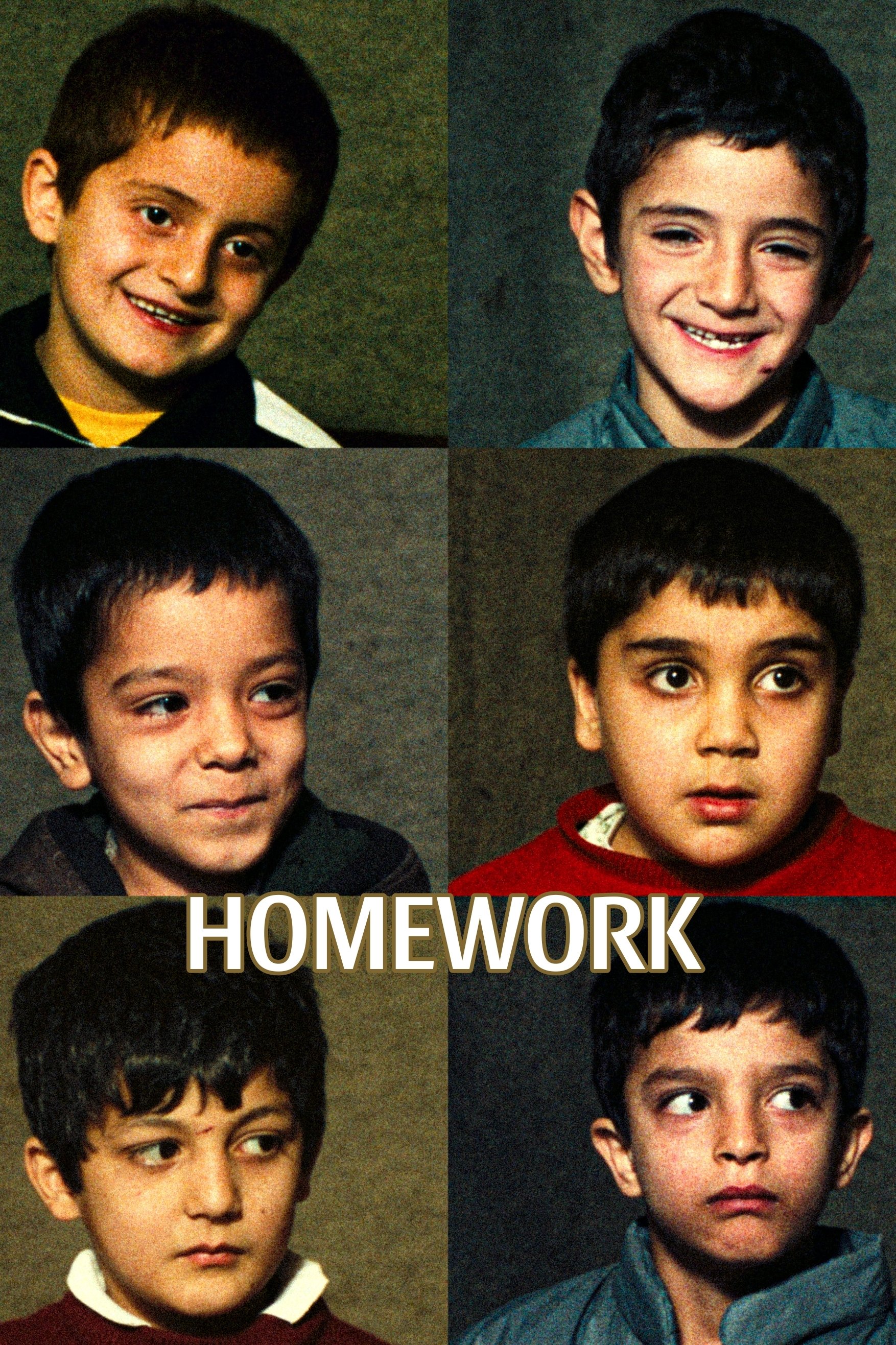
In the vastness of the Iranian desert, young artists strive for freedom, community, and the preservation of their cultural heritage in the ancient caravanserai of Deyr-e Gachin, while facing the harsh conditions of their surroundings.
Social & External
This short documentary examines an innovative educational program developed by John and Gerti Murdoch to teach Cree children their language via Cree folklore, photographs, artifacts, and books that were written and printed in the community. Made as part of the NFB’s groundbreaking Challenge for Change series, Cree Way shows that local control of the education curriculum has a place in Indigenous communities.
Through archival footage and testimonies from professors, students, staff, and graduates, the documentary traces the history of the National University of Arts, focusing on the Audiovisual Department, while critically addressing the impact of the current government's underfunding of education and cultural institutions in Argentina.

Miyamoto-cho is a community of Mom-and-Pop stores and family enterprises located near the center of Tokyo. Competition from supermarkets and shopping centers threatens the livelihoods of long-term residents. High land prices tempt owners to tear down old homes and replace them with apartment buildings; this in turn is changing the composition of the population. Against this backdrop, residents strive to maintain the close social ties, symbols of local identity, and community rituals that keep Miyamoto-cho from becoming just another mailing address. Theodore Bestor began his research here in 1979. His prize winning book of the same name is available through Stanford University Press. This documentary is one of a series depicting the variety of life in today's Japan in the context of human problems common to all industrial nations. A comprehensive study guide is available.
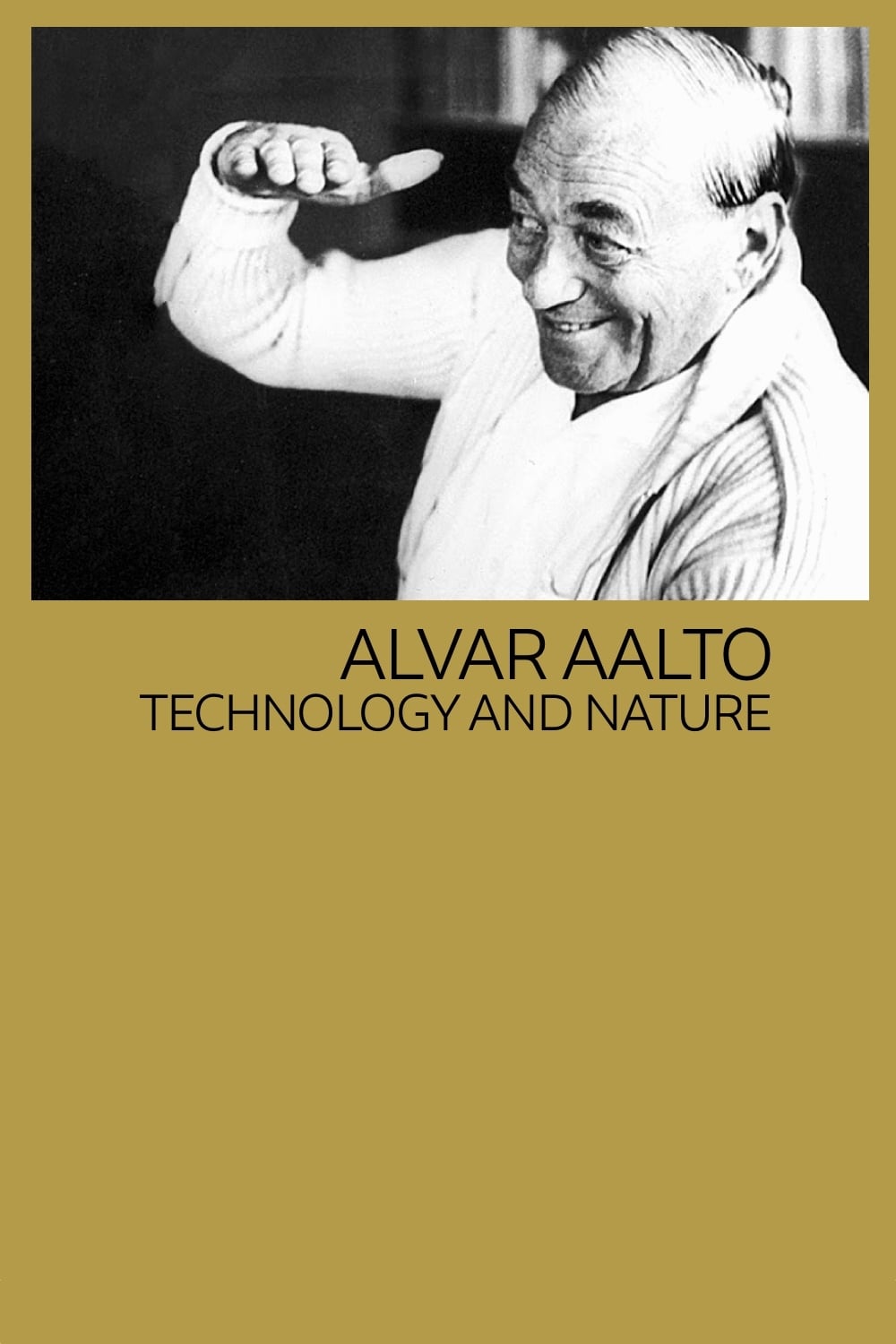
Aalto is one of the greatest names in modern architecture and design, Aino and Alvar Aalto gave their signature to iconic Scandic design. The first cinematic portrait of their life love story is an enchanting journey of their creations and influence around the world.
A thought provoking short film on Indian farmers told through clay sculptures made from barren farms of the farmers who have committed suicide.
A collage-like, incisive look at the life of writer, painter and thinker David Wojnarowicz, whose powerful, unapologetic way of seeing the world gave voice to queer rights at a critical time in US history.
"The End of the Line - Rochester's Subway" tells the little-known story of the rail line that operated in a former section of the Erie Canal from 1927 until its abandonment in 1956. Produced in 1994 by filmmakers Fredrick Armstrong and James P. Harte, the forty-five minute documentary recounts the tale of an American city's bumpy ride through the Twentieth Century, from the perspective of a little engine that could, but didn't. The film has since been rereleased (2005) and now contains the main feature with special portions that were added as part of the rereleased version. These include a look at the only surviving subway car from the lines and a Phantom tun through the tunnels in their abandoned state, among others, for a total of 90 minutes of unique and well preserved historical information.
This documentary takes the viewer on a deeply personal journey into the everyday lives of families struggling to fight Goliath. From a family business owner in the Midwest to a preacher in California, from workers in Florida to a poet in Mexico, dozens of film crews on three continents bring the intensely personal stories of an assault on families and American values.
When a massive Chinese factory complex attempts a high-stakes expansion in rural Ethiopia, three women in search of prosperity have their faith in industrialization tested to the limit. Filmed over four years with singular access, Made in Ethiopia lifts the curtain on China’s historic but misunderstood impact on Africa, and explores contemporary Ethiopia at a moment of profound crisis. The film was awarded the Jury Special Mention at Tribeca Festival.
Documentary telling the story of the rise and fall of a daring experiment into atomic energy as the history of the Dounreay fast reactor is charted by the pioneers involved.
Romantic art was a response to the social upheavals of the 19th century, as shown by works by its emblematic painters Friedrich, Venetsianov and Delacroix.
Newfoundland painter Gerald Squires has referred to his portraits as "confrontations," though not intending the hostility that word can convey. This film shows a meeting between the artist and Edythe Goodridge, art curator and critic. Through a combination of Squires's reflections on his life and work and the good-natured banter of these two friends, an intimate portrait evolves of the artist and his subject.
Biographical trans documentary film in which Iris Mozalar, a young artist, shares her diversity of being a bisexual transgender woman, the process of creating herself and her reflections against society.
Documentary showing that "gun control" has historically been used to disarm citizens and make them helpless before governments commit genocide. Dramatically covers major genocides in the Soviet Union, Germany, Uganda, Rwanda, China, Turkey, and other countries.Shows how "gun control" in the U.S. has been used to victimize blacks, Indians, children, women, and others.Combines gut-level emotional appeal and fast-paced, powerful graphics with a cool statement of historic facts and quotes from the relevant laws. - Written by Claire Wolfe
British surrealist Leonora Carrington was a key part of the surrealist movement during its heyday in Paris and yet, until recently, remained a virtual unknown in the country of her birth. This film explores her dramatic evolution from British debutante to artist in exile, living out her days in Mexico City, and takes us on a journey into her darkly strange and cinematic world.
Making Dust is an essay film, a portrait of the demolition of Ireland's second largest Catholic Church, the Church of the Annunciation in Finglas West, Dublin. Understanding this moment as a 'rupture', the film maps an essay by architectural historian Ellen Rowley on to documentation of the building's dismantling. Featuring oral interviews recorded at the site of the demolition and in a nearby hairdressers, the film invites viewers to pause and reflect on this ending alongside the community of the building. The film is informed by Ultimology, and invites its audience to think about the life cycles of buildings and materials, how we mourn, what is sacred, how we gather, what we value and issues of sustainability in architecture.
In a culture immersed in technology, Instagram is reviving adventure, face to face community and real relationships. Through sharing the stories of friends old and new, "Instagram Is" sets out to discover the answer to the question "How can something so digital get people out from behind their devices and into the analog world?"
In the Briançonnais mountains, in France, men and women on the roads of exile find the courage to cross the passes on foot, risking their lives. Arrived at the end of a long journey, exhausted, they do not know if they could settle down somewhere to start their life over. It is this transitional time that "The Adventure" tells. Ossoul, the Sudanese poet, Mamadou, survivor of an icy night at the Col de l'Échelle, Charlotte, Mother Courage and others are gradually getting back on their feet and settling to embark on a new life. Filmed over three years, "L'Aventure" is a story of resilience, friendships and revealed emotions. The portraits are drawn and deepened until everyone can recognize themselves in the other, put themselves in their place and understand them.
It's a satirical comedy that chronicles 3 young Canadian film makers from Yellowknife as they travel from northern Canada to the middle east just as the Iraq war is erupting. As well as being very funny, it is also quite thought provoking. The trio travels through Canada, Turkey, Israel, Jordan and finally Washington DC interviewing "regular people" for their comments on the impending war. This film won best documentary at the 2003 Whistler Film Festival in Canada.
An ethnographic documentary following four Ju/’hoansi (!Kung) men during a multi-day giraffe hunt in the Kalahari Desert, filmed during the Smithsonian–Harvard Peabody expedition of 1952–53.