"Tracking socks in the European Union"
Tracking missing socks in the European Union.
Social & External
The people behind it
John Webster
Self / Narrator
Jörn Donner
Self
Marjo Matikainen-Kallström
Outi Ojala
Reino Paasilinna
Pertti Paasio
Kirsi Piha
Esko Seppänen
Astrid Thors
Paavo Väyrynen
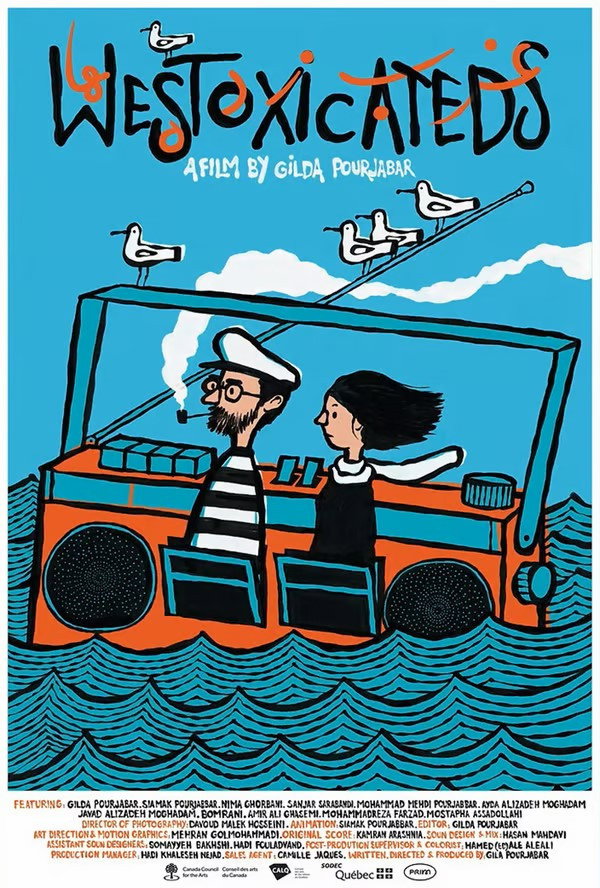
Stuck in a creative rut, filmmaker Gilda Pourjabar returns to Iran, her homeland, to talk with her brother Siamak, an illustrator based in Tehran. This encounter raises questions about their relationship to Western popular art, as they grew up in a culture that the current political regime describes as “westoxicated.” This documentary uses playful animations by Siamak, inspired by Franco-Belgian comics and rock concert posters, superimposed on archival footage of the most recent popular uprisings in Iran to become a logical collaboration for these artists who shared a record collection as children. Together, they examine how art slips through the cracks of repression to light the rebellious sparks in the hearts of young people.
This documentary profiles economist and writer Marilyn Waring. In extensive interviews, Waring details her feminist approach to finances and challenges commonly accepted truths about the global economy. The filmmakers detail Waring's early rise to political prominence and her successful protests against nuclear arms. Waring also speaks candidly about wartime economies, suggesting that government policies tend to marginalize the fiscal contributions of women.
A film about political ethics and legislative incompetence that follows one man's attempts to require politicians to actually read the Bills they are passing -- which, strangely, is not currently required anywhere in the U.S.
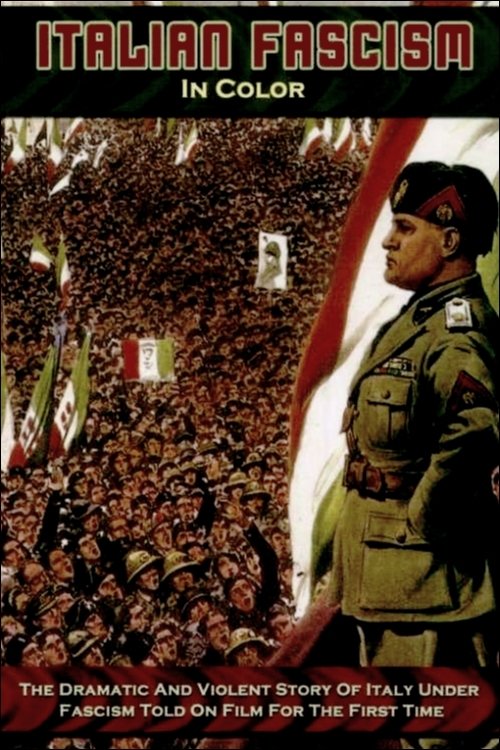
After the World War I, Mussolini's perspective on life is severely altered; once a willful socialist reformer, now obsessed with the idea of power, he founds the National Fascist Party in 1921 and assumes political power in 1922, becoming the Duce, dictator of Italy. His success encourages Hitler to take power in Germany in 1933, opening the dark road to World War II. (Originally released as a two-part miniseries. Includes colorized archival footage.)
Documenting the lead up to the Swiss popular initiatives in 1989 to abolish the military, the first such popular vote in history. Showing events organized by the military, political discussions and a play adapting a novel by Max Frisch, treating the issue.
Let's look back at the 18th presidential vote. The 13,500 ballot boxes were taken to 251 ballot count locations and were sorted by 1,300 automatic ballot openers. The chairman announced the sorted data and soon it was announced to the public. But something strange happened. The 251 ballot count locations found 'a number' that have the same pattern. Scientists, mathematicians, statistician and hackers from all over the country start looking into the secret of 'this number'. The result is tremendously shocking...
The only people charged over the brutal police murder of Elijah McClain are community activists who organized mass peaceful demonstrations calling for justice. They are facing up to 48 years in prison - among the highest charges for peaceful political protest in recent history.
A video compilation that reveals the true nature of U.S. foreign policy.
Experimental Short Film Documentary made during the social outbreak, follows 2 Deaf people walking through the outbreak in Plaza Dignidad.
Since the late 18th century American legal decision that the business corporation organizational model is legally a person, it has become a dominant economic, political and social force around the globe. This film takes an in-depth psychological examination of the organization model through various case studies. What the study illustrates is that in the its behaviour, this type of "person" typically acts like a dangerously destructive psychopath without conscience. Furthermore, we see the profound threat this psychopath has for our world and our future, but also how the people with courage, intelligence and determination can do to stop it.
This video, The Road to Mass Incarceration, by Greenhouse Media summarizes criminal justice policy decisions dating back to the 1960s. Although the effects often took decades to manifest, each of these policy shifts increased the rate of incarceration in the U.S. The video ends with many of the architects of these changes, Democrats and Republicans alike, admitting the failure of these policies and suggesting that it is time for real change.
A very personal and dynamic meditation on the current global refugee crisis through the eyes and voices of campaigners, specially children, where past and present establish a dialogue. A reflection on the importance of human rights.
Bajo el signo libertario is a propaganda documentary, with the script and direction of Les (known for his articles in Solidaridad Obrera and the magazine Espectáculo) whose central theme is the reconstruction of the development of life in a libertarian community in the Aragonese town of Pina de Ebro.
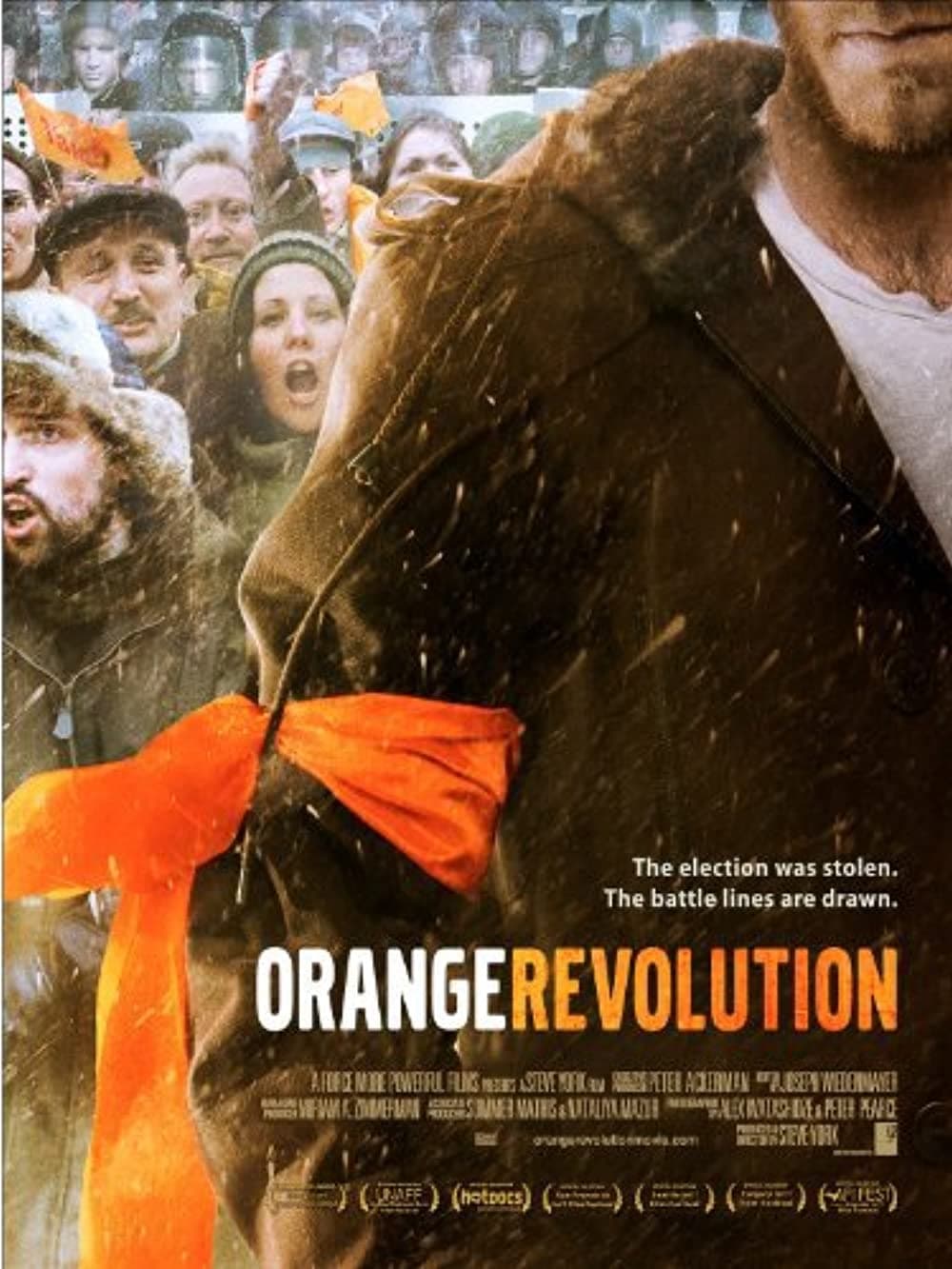
Filmmaker Steve York explores the controversial 2004 Ukrainian presidential election, during which candidate Viktor Yushchenko suffered a near-fatal poisoning and his unpopular opponent, Viktor Yanukovych, was declared the winner. In the aftermath, more than a million people -- including the ailing Yushchenko -- took to the streets of Kiev, protesting the results that contradicted exit polls showing Yushchenko with an impressive lead.
In the minds of people, Brussels is no longer a geographical location; it is now a myth-surrounded centre, where decisions are made regarding future life in Europe. The most brilliant minds from the European countries have convened in Brussels: former state leaders, highly-placed officials, advisors, translators and interpreters, as well as family members of all these people. Together, they comprise a sort of separate planet ruled by special laws and using new methods of communication; it is a place of a high concentration of power and all sorts of creature comforts. The anxiety following the 2016 attacks on Brussels has taken everyone by surprise, and the question whether to stay on Planet Brussels now comes up increasingly often. The Brexit news gave completely different kind of concussion to the commonly established center of Europe.
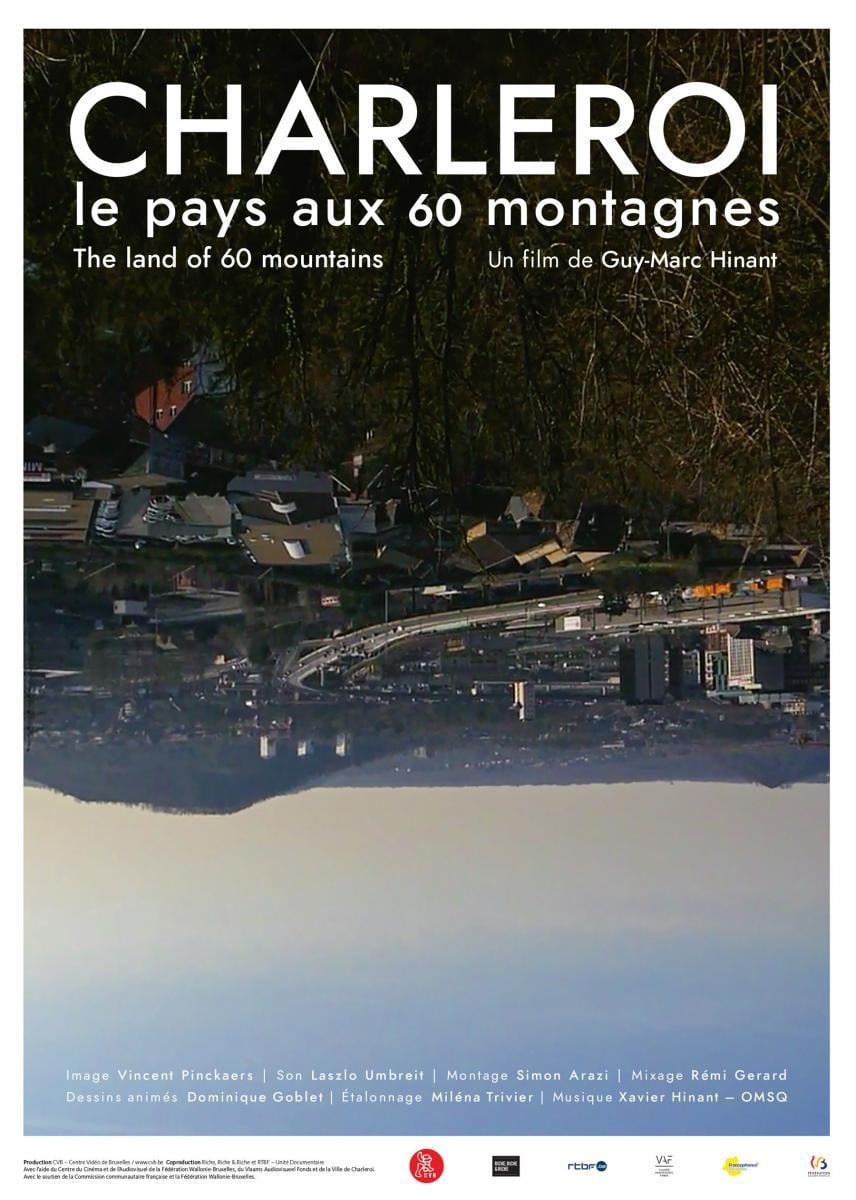
This is the portrait of an industrial city with its collapses, mutations, landscapes and language. A film that features René Magritte, a camp of homeless people, key figures in urban revival, the inventor of the Big Bang, Les Zèbres (Royal Charleroi Sporting Club) , socialism, the mute astonishment of childhood…
In the ‘poor crescent’ around Brussels one child in three lives on the poverty line. But they can find refuge with BX Brussels of Vincent Kompany – a sports and social project. Stranger follows recent immigrant Senegalese football coach Moussa as he struggles to give them hope in their sport … and in their life.
Al Pacino's deeply-felt rumination on Shakespeare's significance and relevance to the modern world through interviews and an in-depth analysis of "Richard III."
Through deeply personal interviews with her siblings and an examination of the photographs, letters, and belongings left behind, Mariska assembles a new portrait of her mother Jayne Mansfield, an extraordinary and complex woman.
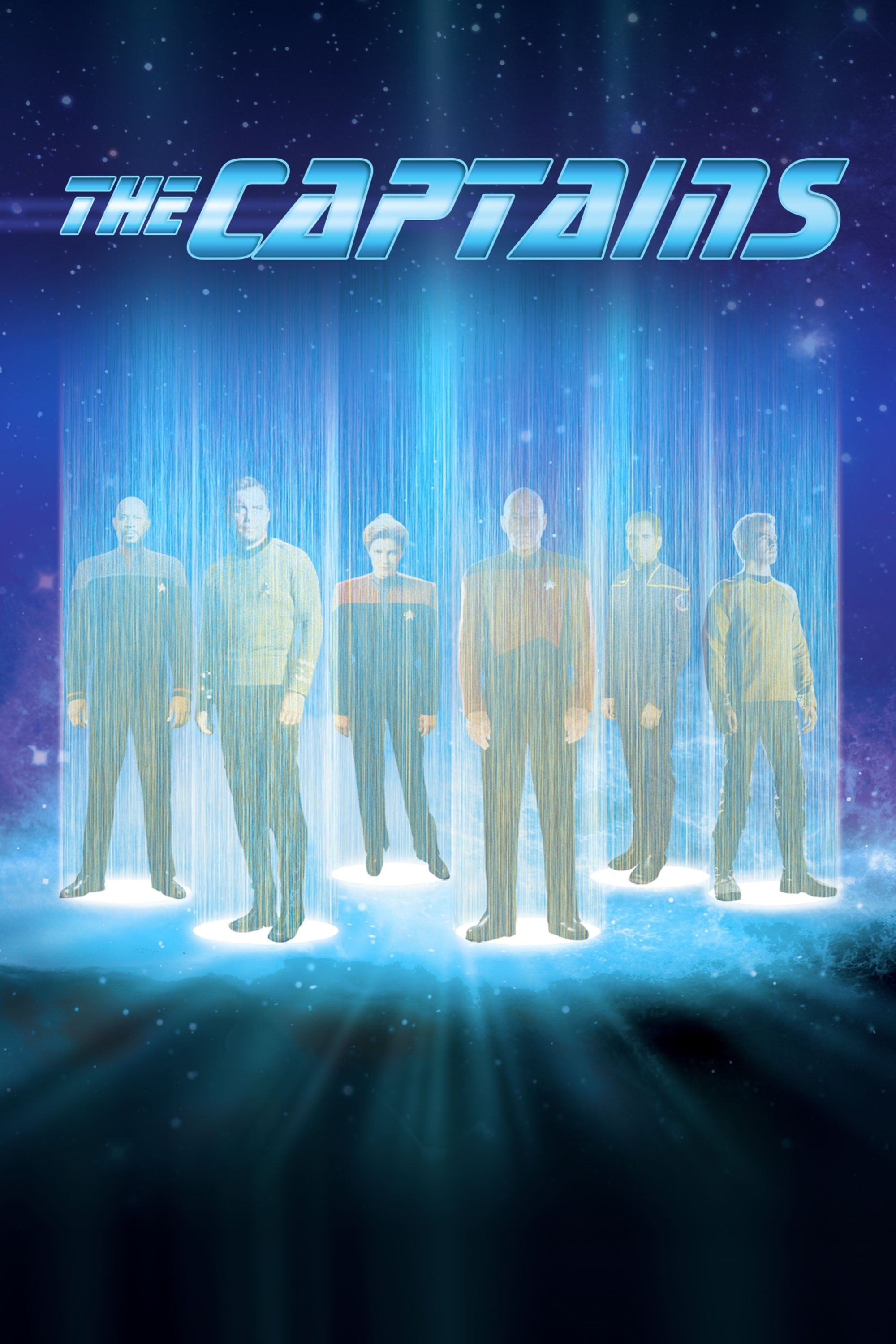
The Captains is a feature-length documentary film written and directed by William Shatner. The film follows Shatner as he interviews the other actors who have portrayed starship captains in the Star Trek franchise.
Daniel Craig candidly reflects on his 15 year adventure as James Bond. Including never-before-seen archival footage from Casino Royale to the upcoming 25th film No Time To Die, Craig shares his personal memories in conversation with 007 producers, Michael G Wilson and Barbara Broccoli.
The life of Mr. Spock, as well as that of Leonard Nimoy, the actor who played him for almost fifty years, written and directed by his son: Adam.
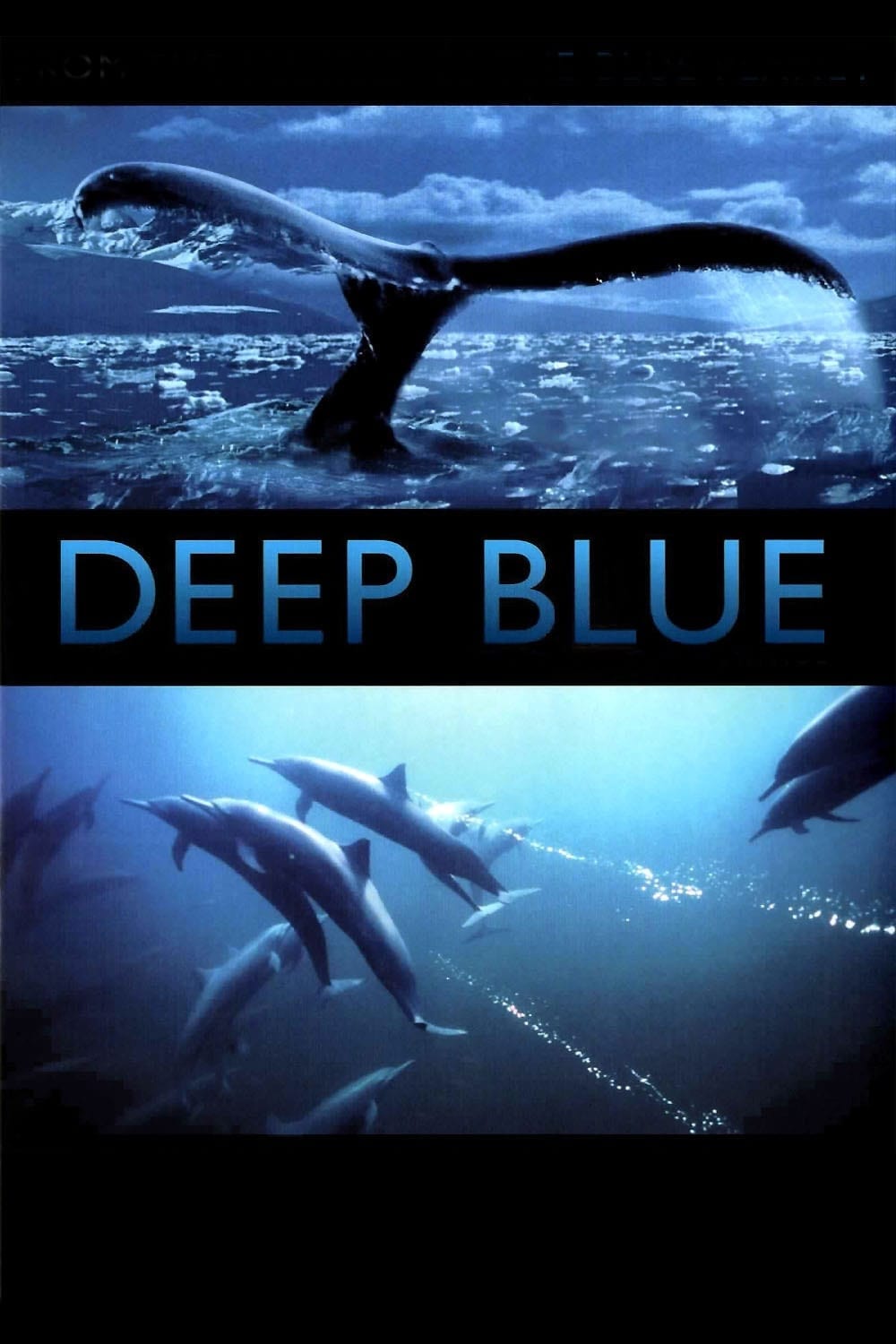
Deep Blue is a major documentary feature film shot by the BBC Natural History Unit. An epic cinematic rollercoaster ride for all ages, Deep Blue uses amazing footage to tell us the story of our oceans and the life they support.
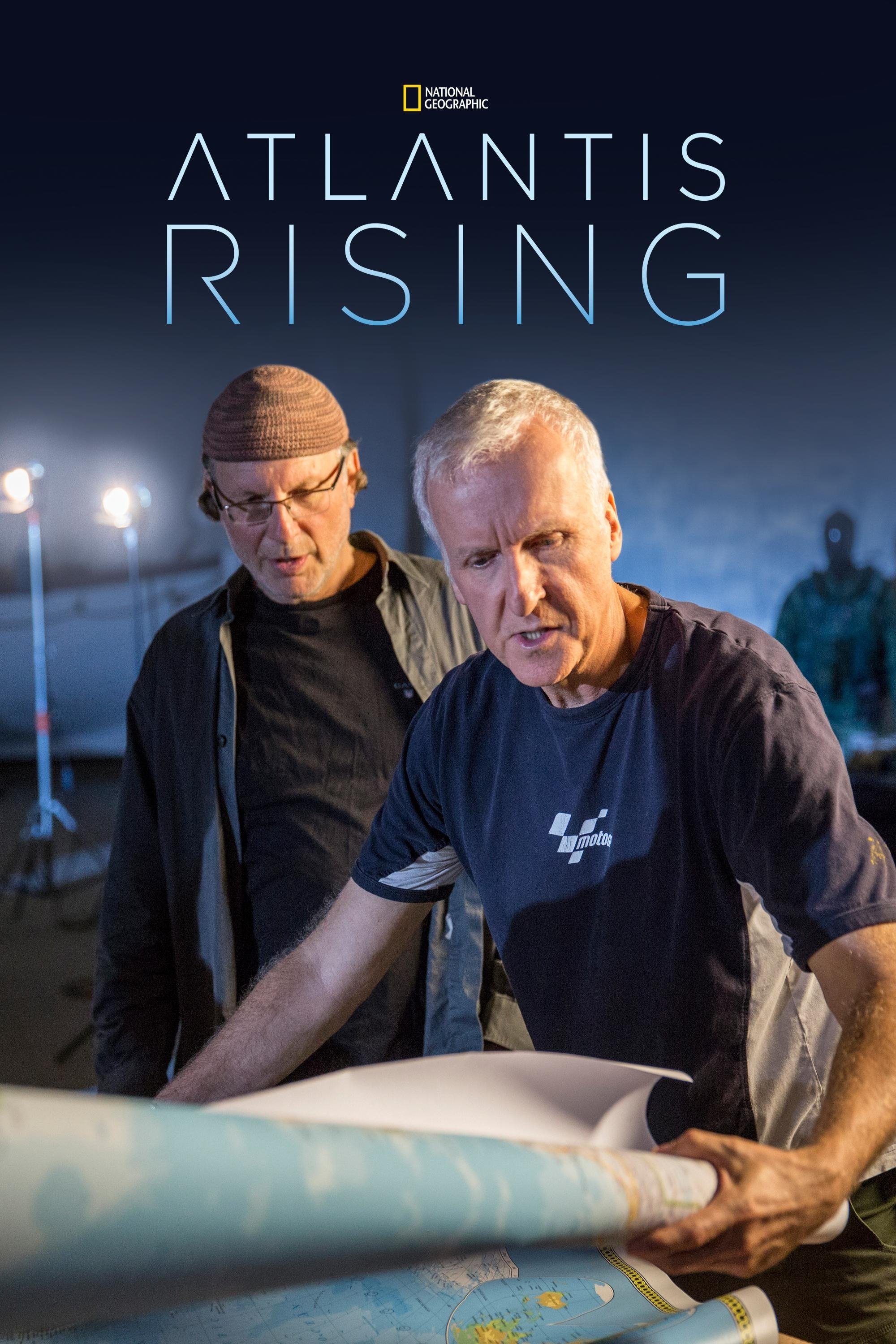
James Cameron and Simcha Jacobovici go on an adventure to find the lost city of Atlantis by using Greek philosopher Plato as a virtual treasure map.
The film follows adventurer Jeff Johnson as he retraces the epic 1968 journey of his heroes Yvon Chouinard and Doug Tompkins to Patagonia.
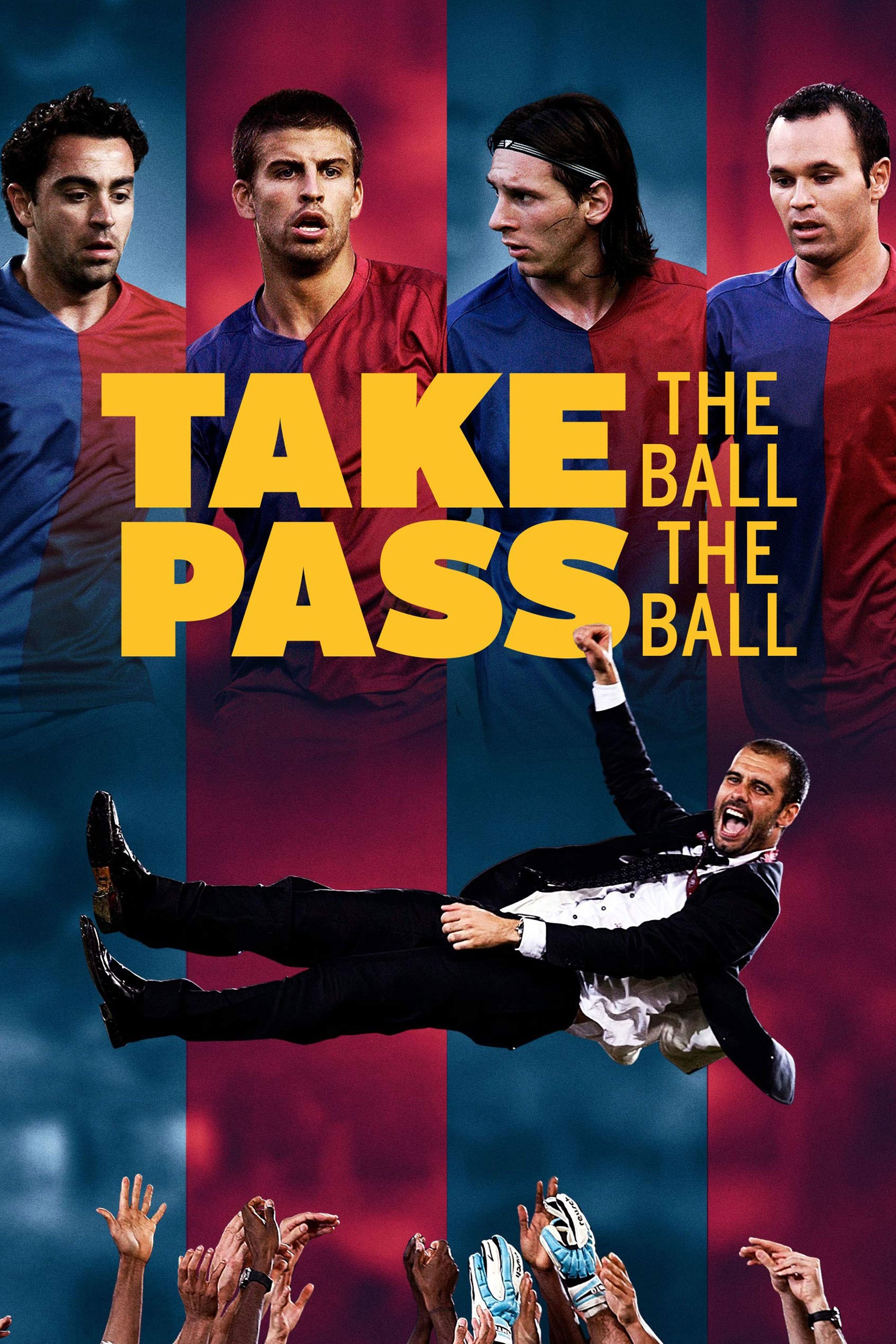
Take the Ball, Pass the Ball is the definitive story of the greatest football team ever assembled. For four explosive years, Pep Guardiola's Barça produced the greatest football in history, seducing fans around the world. In this exclusive, first-hand account of events between 2008 and 2012, the players themselves reveal the tension of the bitter Guardiola-Mourinho rivalry, the emotion of Abidal's fight back from cancer to lift the European Cup and how Messi, the best footballer the world's ever seen, was almost rejected by Barça as a 13-year-old.
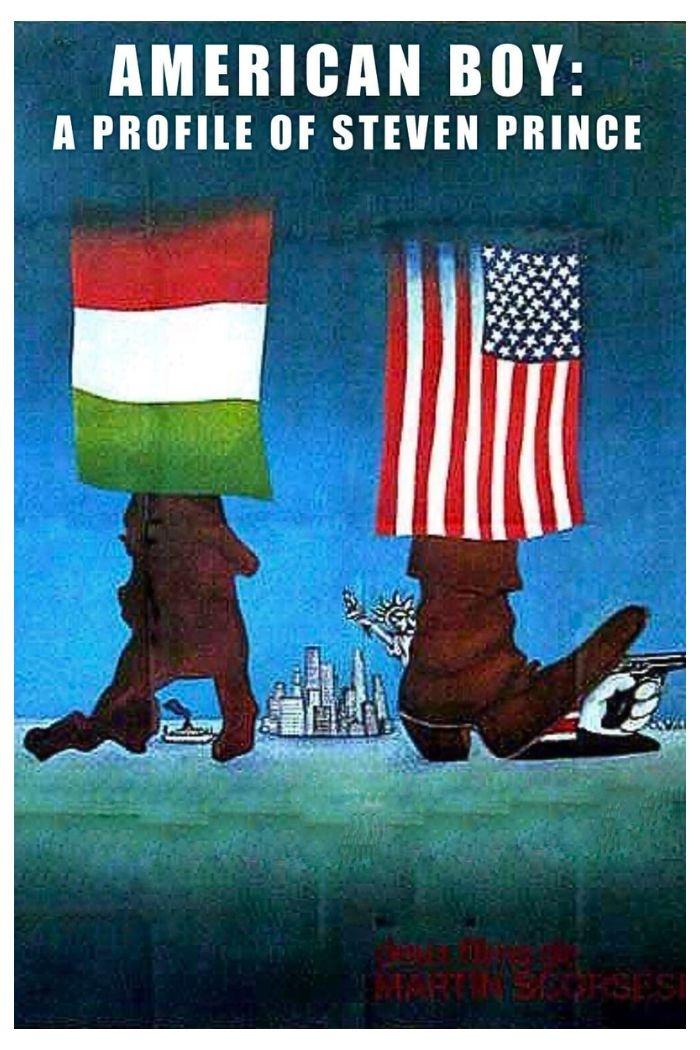
Martin Scorsese spends an evening with larger-than-life raconteur Steven Prince—a former drug addict, road manager for Neil Diamond, and actor—as he recounts stories from his colorful life.
Deep Web gives the inside story of one of the most important and riveting digital crime sagas of the century -- the arrest of Ross William Ulbricht, the 30-year-old entrepreneur convicted of being 'Dread Pirate Roberts,' creator and operator of online black market Silk Road. As the only film with exclusive access to the Ulbricht family, Deep Web explores how the brightest minds and thought leaders behind the Deep Web and Bitcoin are now caught in the crosshairs of the battle for control of a future inextricably linked to technology, with our digital rights hanging in the balance.
The life and career of an actor, artist, and icon. His own journey through his own camera.
A backstage and on-stage look at Justin Bieber during his rise to super stardom.
Lupita Nyong'o narrates a documentary about Peanuts and its creator, Charles M. Schulz. Famous fans—including Drew Barrymore, Kevin Smith, and Al Roker—share its influence on them, and a new animated story finds Charlie Brown on a quest.
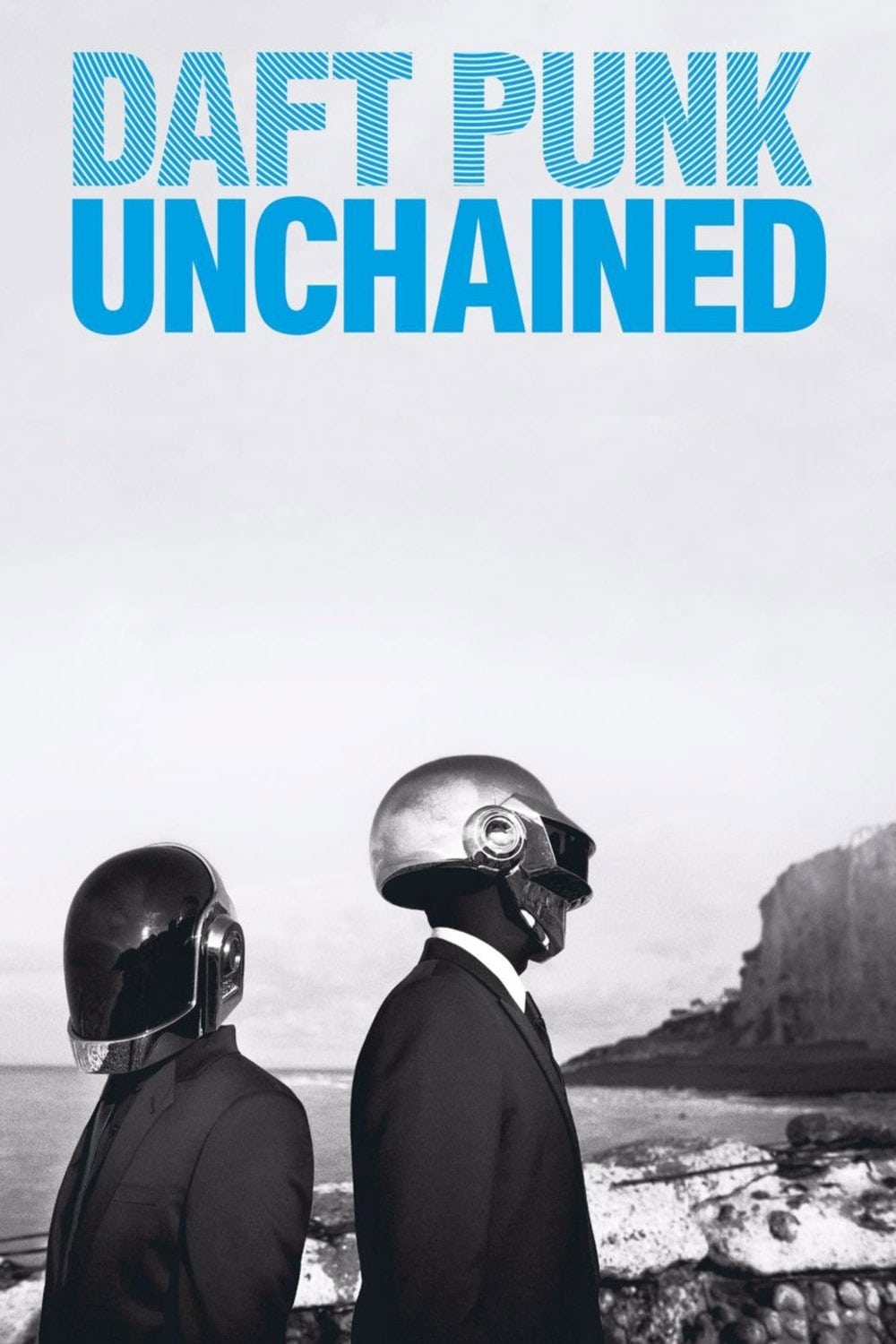
Daft Punk Unchained is the first film about the pop culture phenomenon that is Daft Punk, the duo with 12 million albums sold worldwide and seven Grammy Awards. Throughout their career Thomas Bangalter and Guy-Manuel de Homem-Christo have always resisted compromise and the established codes of show business. They have remained determined to maintain control of every link in the chain of their creative process. In the era of globalisation and social networks, they rarely speak in public and neither do they show their faces on TV. This documentary explores this unprecedented cultural revolution revealing a duo of artists on a permanent quest for creativity, independence and freedom.
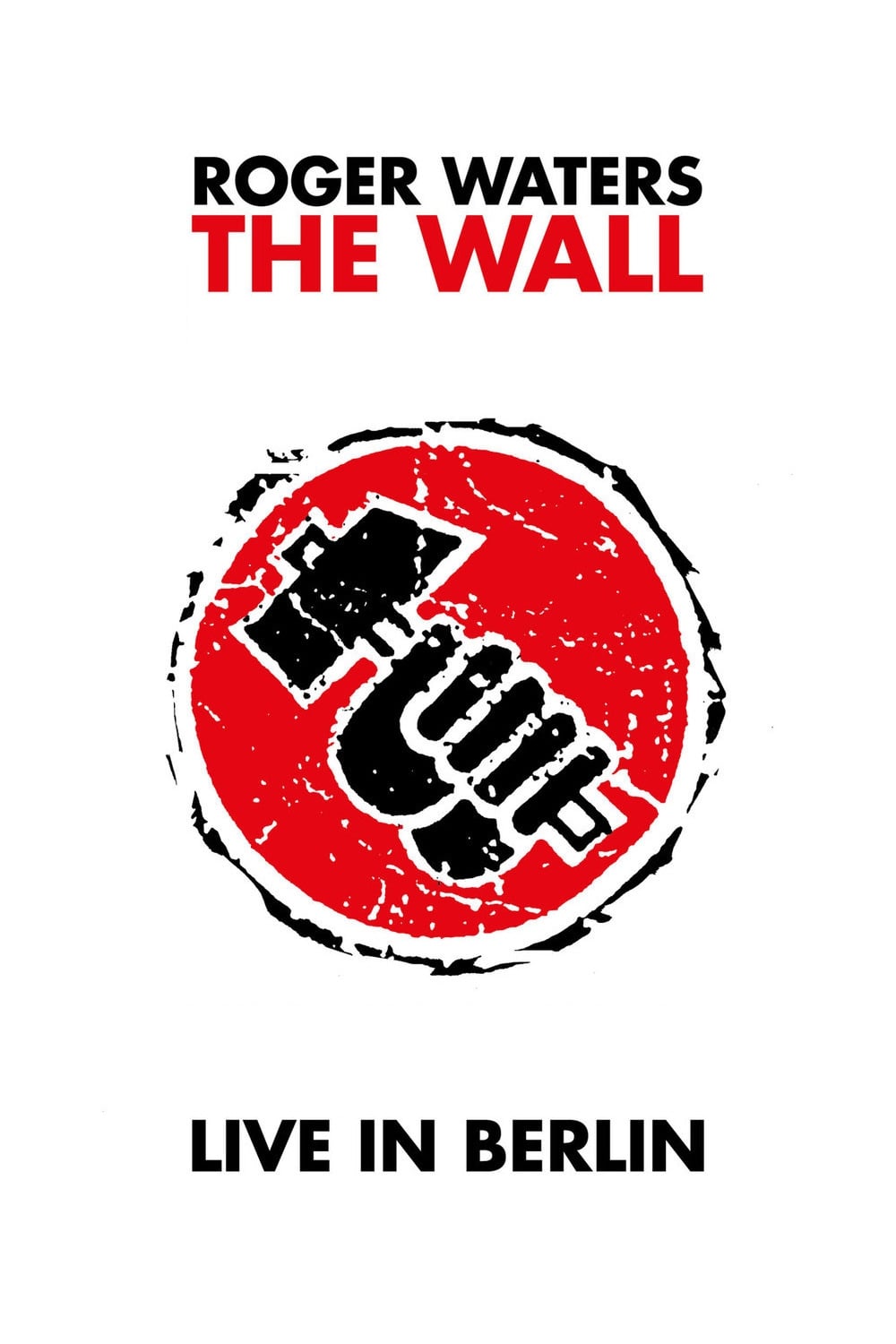
A global television broadcast of the event in which former Pink Floyd leader singer and composer Roger Waters led an all-star cast in a mammoth benefit performance of his acclaimed concept album, The Wall. Set in Berlin, Germany less than a year after the destruction of the hated Berlin Wall, Waters was accompanied by disparate talents such as Cyndi Lauper, James Galway, Joni Mitchell and Albert Finney in the classic dark musical tale of a rock star's descent into madness and back.
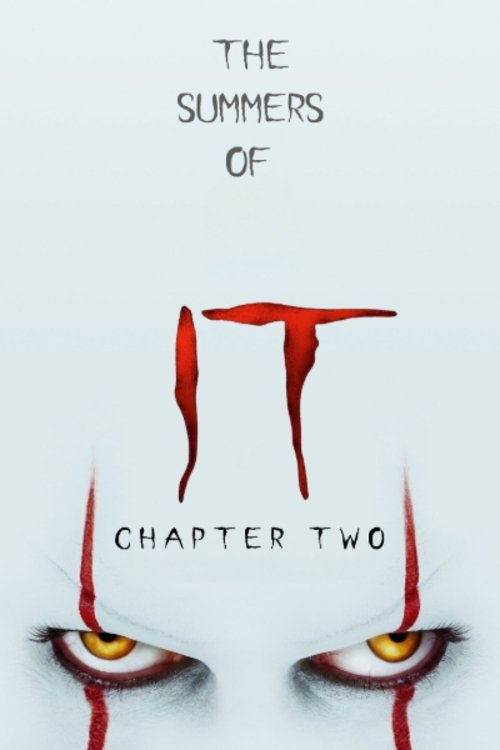
This documentary focuses on the actors and their journey over two summers to create the remake to the original IT, by Stephen King. The documentary originally released as bonus material, bundled with IT: Chapter Two.
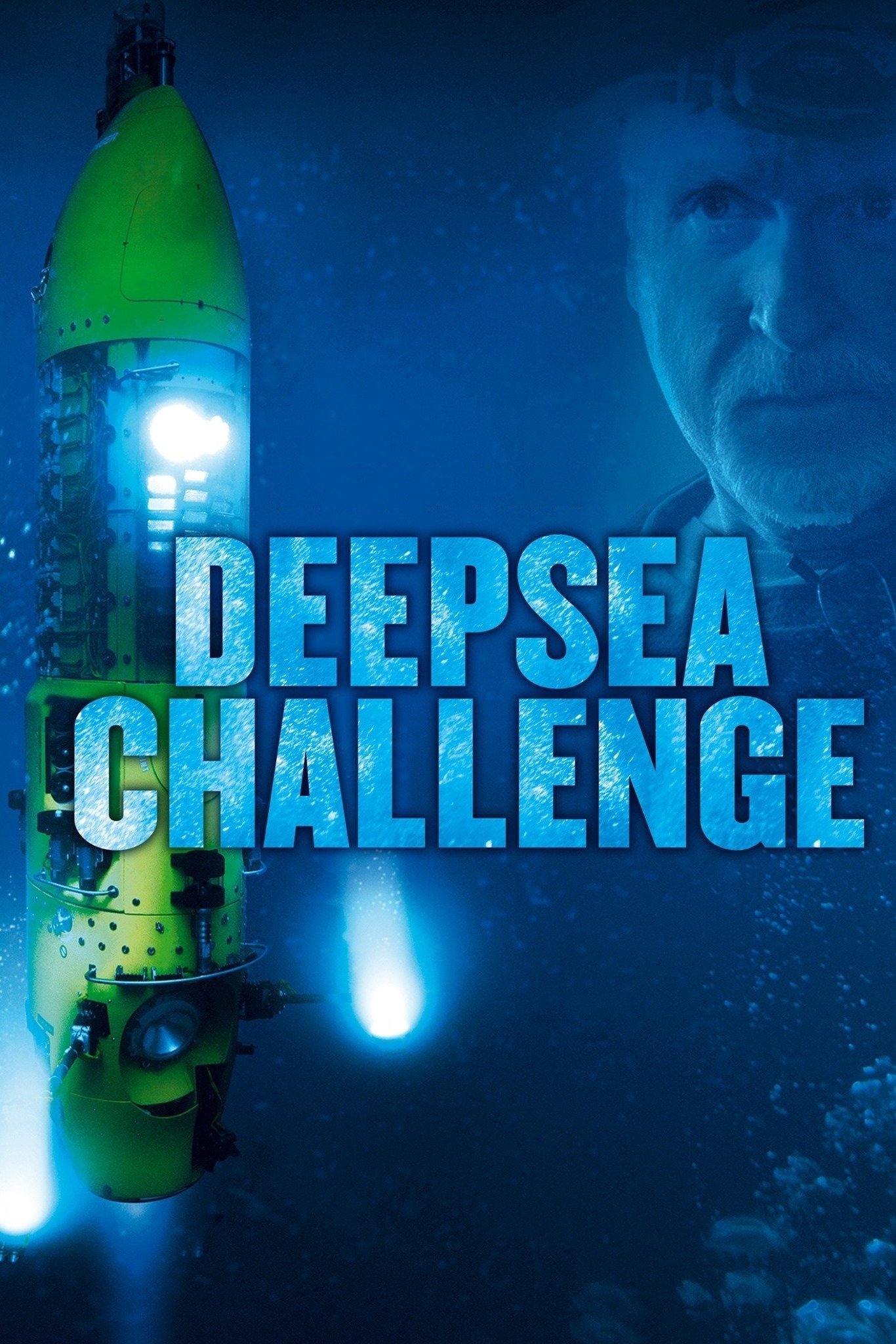
Described as being a film about determination, danger and the ocean’s greatest depths, James Cameron's "Deepsea Challenge 3D" tells the story of Cameron’s journey to fulfill his boyhood dream of becoming an explorer. The movie offers a unique insight into Cameron's world as he makes that dream reality – and makes history – by becoming the first person to travel solo to the deepest point on the planet.
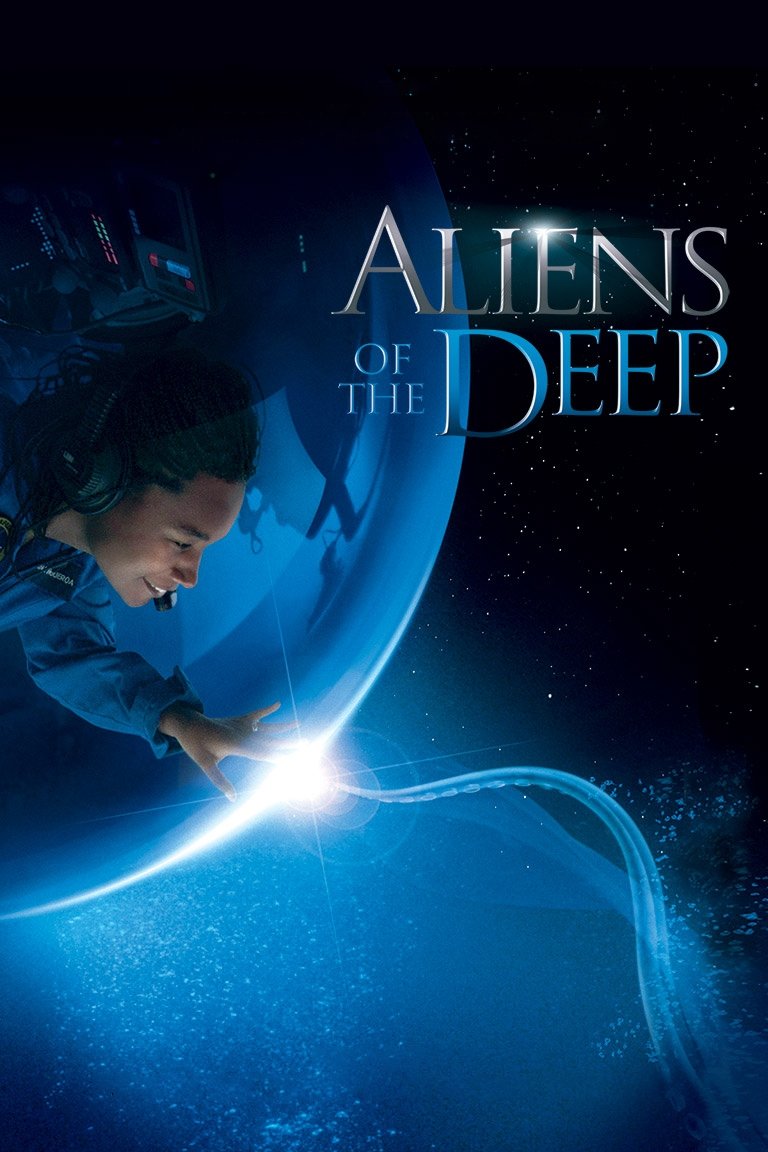
James Cameron teams up with NASA scientists to explore the Mid-Ocean Ridge, a submerged chain of mountains that band the Earth and are home to some of the planet's most unique life forms.
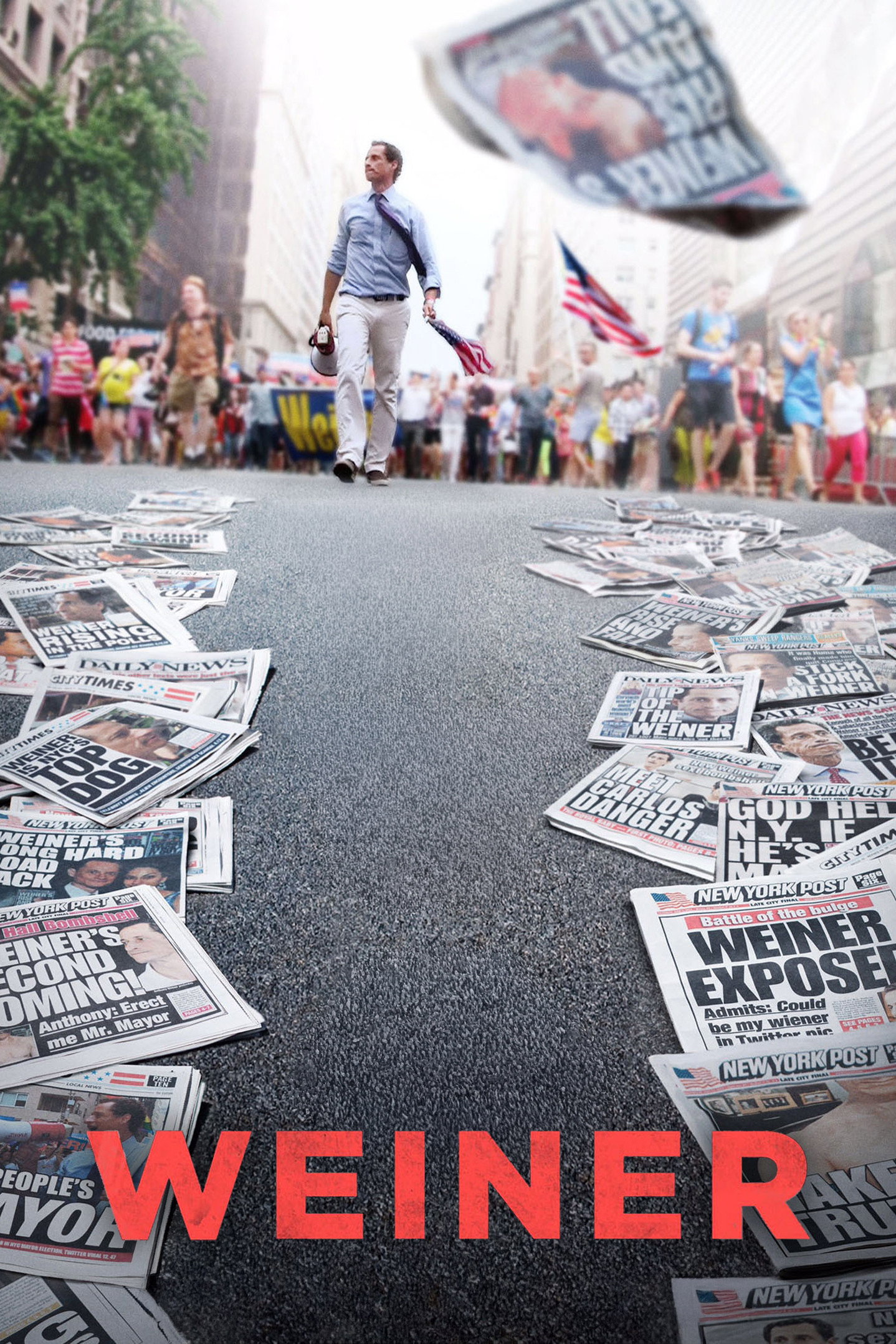
Documentary featuring a jaw-dropping, behind-the-scenes look at the attempted comeback of Anthony Weiner in 2013 as he mounts a campaign for New York City mayor in the wake of his sexting scandal. Featuring unfettered access to the candidate and his campaign.