After the comedy of the same name of Mirza Fatali Akhundov.
Social & External
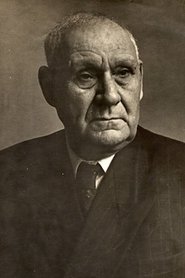
The people behind it
Mirzaagha Aliyev
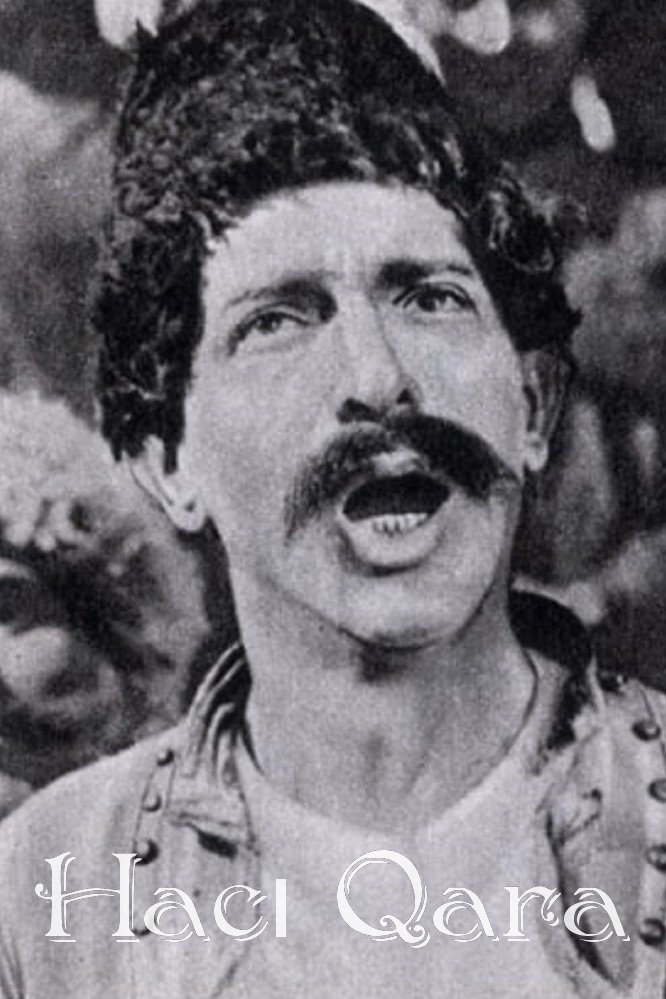
Hadji Gara
Mustafa Mardanov
Karamali
Agasadig Gararbayli
Asgar bey
Sidgi Ruhulla
Aliyar bey
Marziyya Davudova
Tukaz
Hadjiagha Shahbazov
Bayramali
Aziza Mammadova
Gulsum
Rustam Kazimov
Eli Gurbanov
Ashraf Yusifzadeh
A nervous and unsettling young boy takes a mysterious old suitcase across London... to a twisted and surreal conclusion.
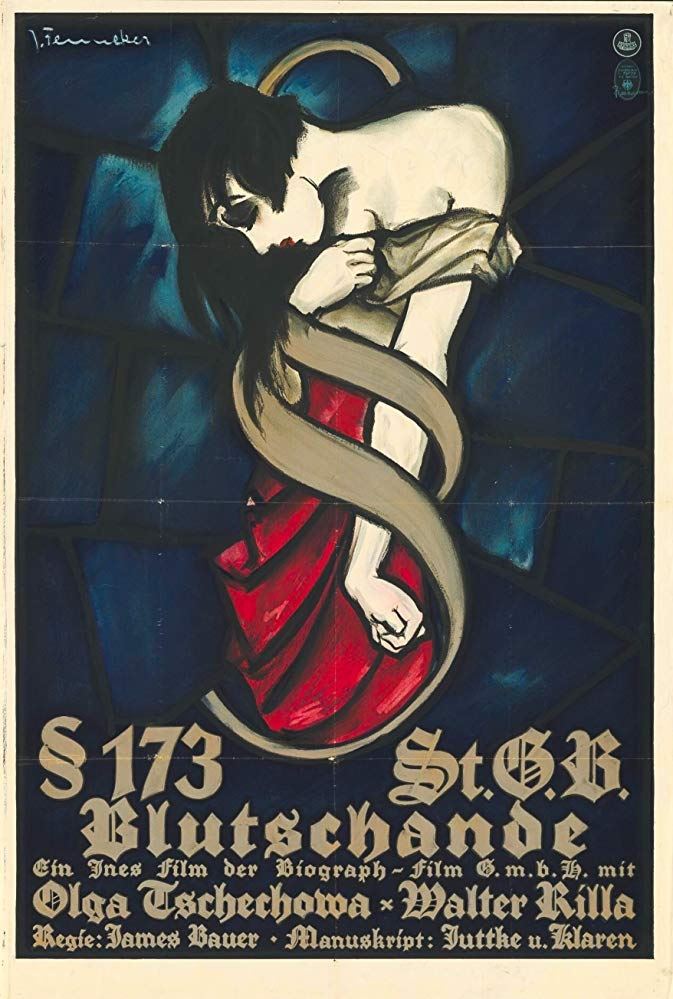
Martin Hollmann, a young gardener meets his significantly older wife's daughter from her first marriage. Liesbeth Kröger is from his generation and they both get along well straight away. Shortly after his wife's death, Martin brings Liesbeth into his house as a housekeeper, and they both fall in love. The couple live together and soon decide to get married when Liesbeth becomes pregnant by Martin. But now the tragedy begins, because when registering at the registry office, Martin and Liesbeth, in the form of a strict bailiff, are officially declared that they have committed incest in accordance with Section 173 of the Criminal Code.
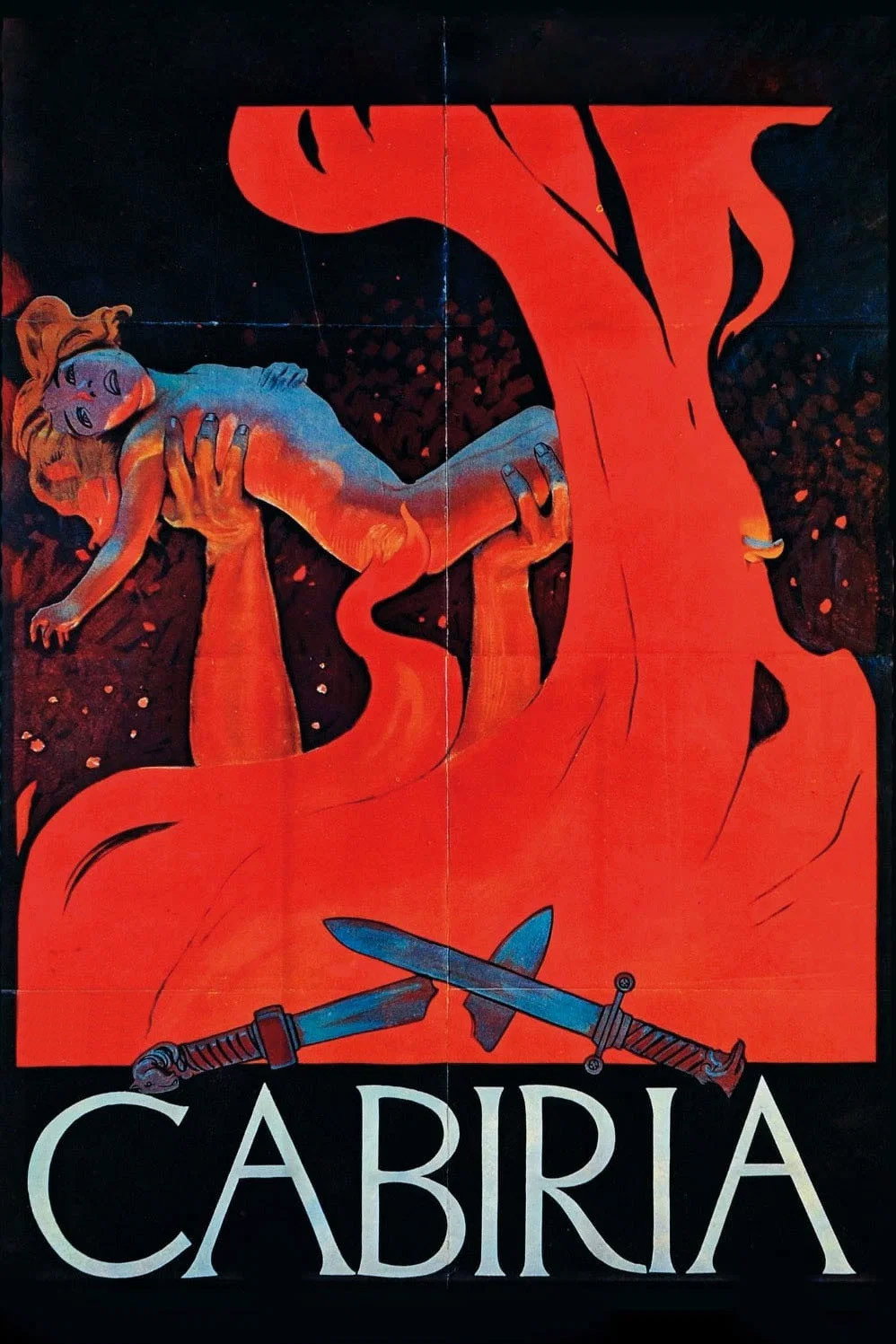
Young Cabiria is kidnapped by pirates and sold as a slave in Carthage. Just as she's to be sacrificed to Moloch, Cabiria is rescued by Fulvius Axilla, a good-hearted Roman spy, and his powerful slave, Maciste. The trio are broken up as Cabiria is entrusted to a woman of noble birth. With Cabiria's fate unknown, Maciste punished for his heroism, and Fulvius sent away to fight for Rome, is there any hope of our heroes reuniting?
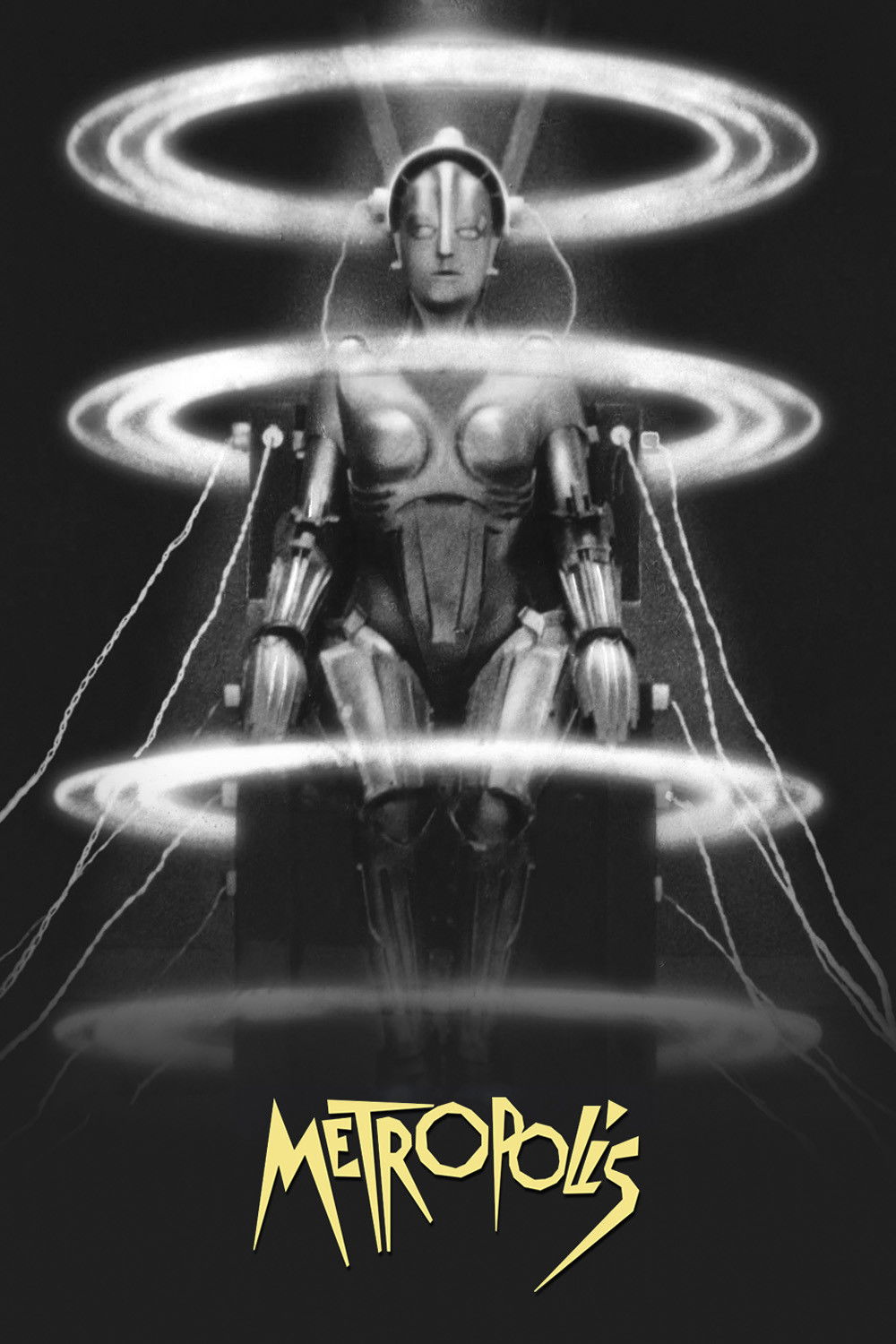
In a futuristic city sharply divided between the rich and the poor, the son of the city's mastermind meets a prophet who predicts the coming of a savior to mediate their differences.
When an aspiring painter grapples with self-doubt in his artistic journey, his father must learn to love and accept him for who he is.
The dashing but arrogant Prince Michael Fedor Lubimoff has to flee Tsarist Russia after falling into disgrace and settles in Monte Carlo, where he resumes his life of debauchery while World War I ravages the fields of Europe… (Partially lost film; reels 3 and 9 of a total of 11 are missing.)
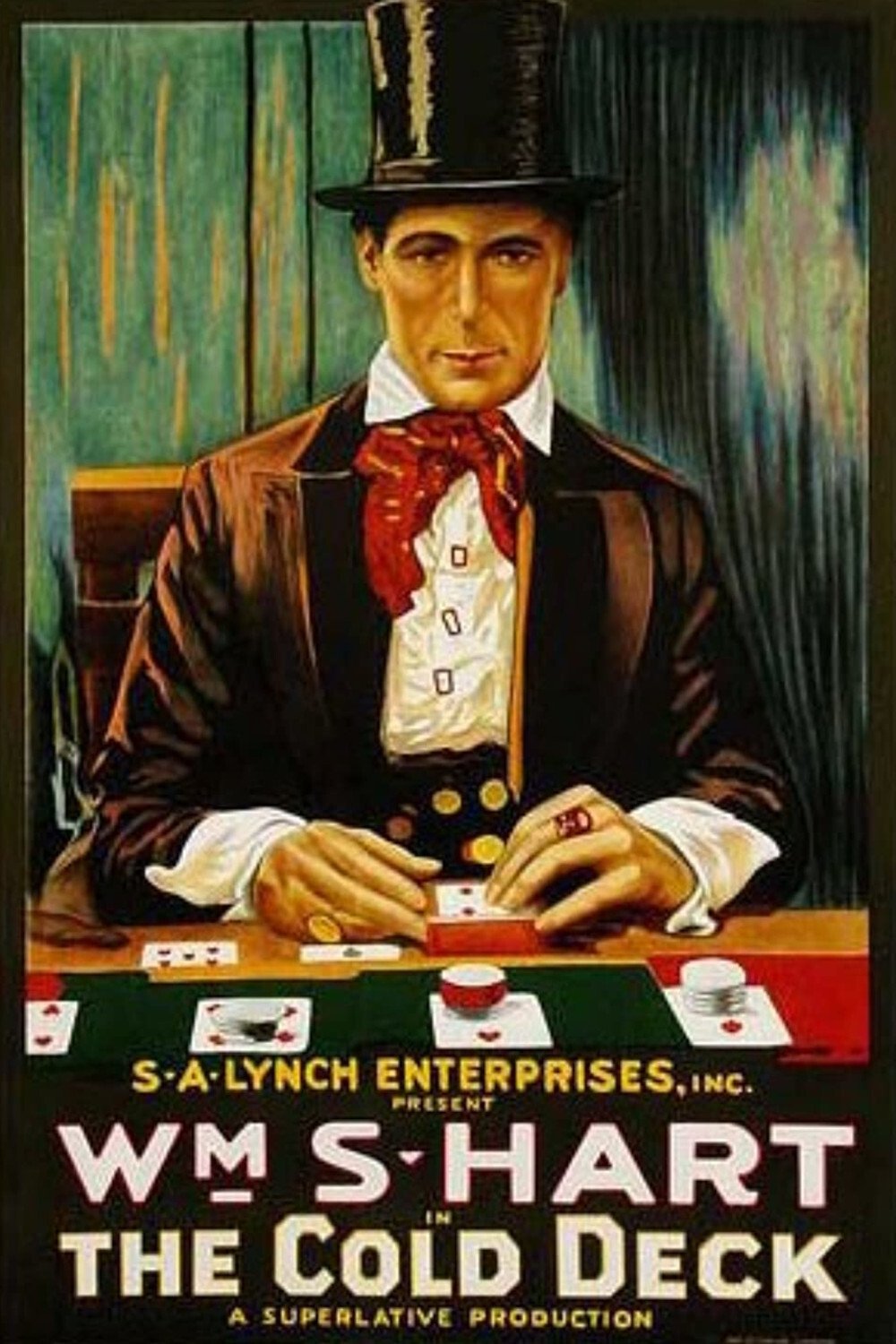
Gambler "On-the Level" Leigh (William S. Hart) is forced to leave his high rolling lifestyle to move his ailing sister Alice (Mildred Harris) to the healing climate the mountains. Financial strain compels him to resume his favored vocation. Unfortunately for Level, the dance hall girl Coralie (Alma Rubens) doesn't take rejection well and convinces the dealer to clean him out with a "cold deck". A desperate robbery ensues, leading to Level wanted for murder!
A young man fakes his identity to impress a girl.
A private investigator is invited to come to an address. He realizes that it is a trap and take some precautions before going there. Once in place, he is overpowered and tied to a chair with a time bomb.
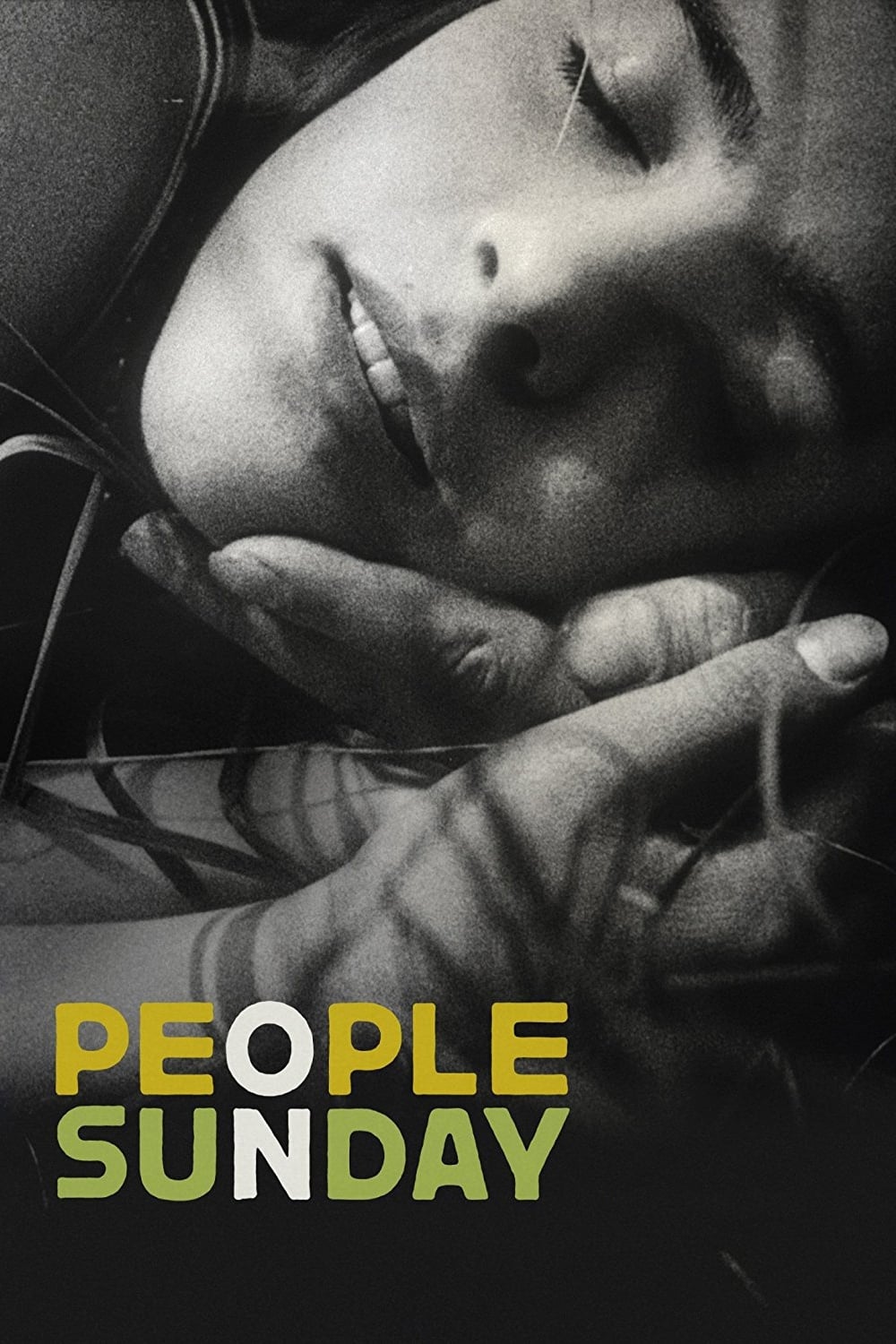
A semi-documentary experimental 1930 German silent film created by amateurs with a small budget. With authentic scenes of the metropolis city of Berlin, it's the first film from the later famous screenwriters/directors Billy Wilder and Fred Zinnemann.
A sheep farmer brings his new wife to his father's ranch and the old man takes an instant dislike to her.
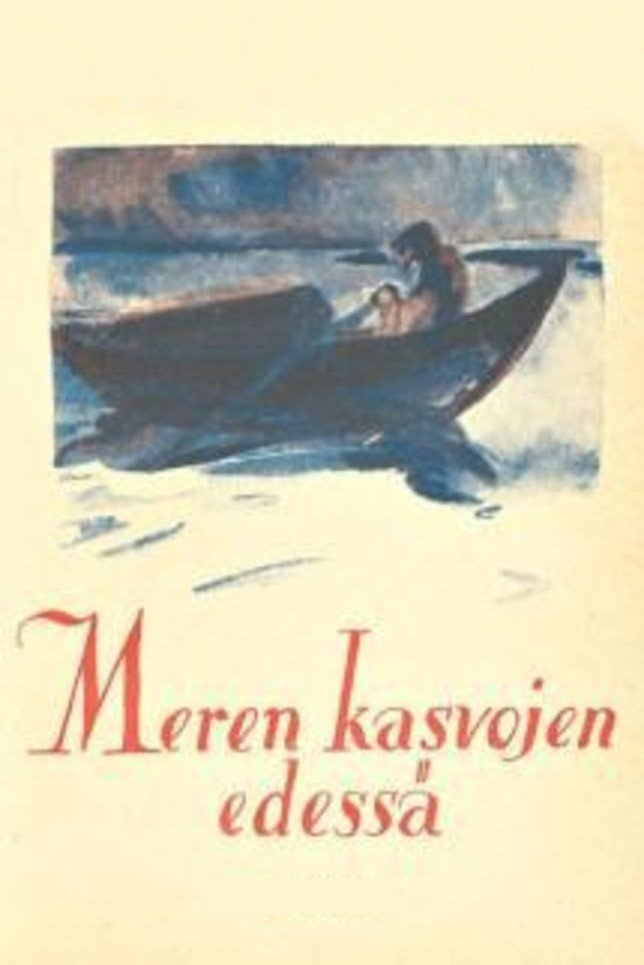
A man stays with a fisherman and his adult daughter in coastal Finland, develops feelings for the daughter and begins to uncover a terrible secret haunting the family.
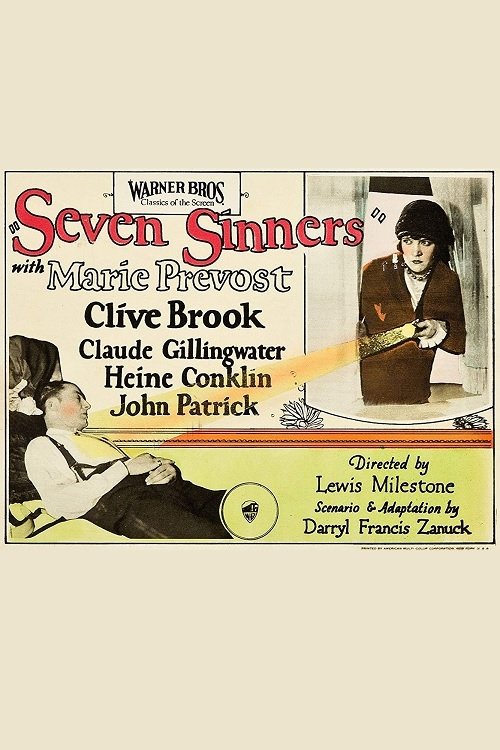
Six burglars separately break into the Vickers mansion on Long Island to loot the safe but catch each other in the act. They all pretend to be members of the household when locked in by a well meaning police officer.
Nunu and Iago are in love with each other. The married guard Girgola wants to get hold of the woman. Girgola gets Iago arrested and makes Nunu marry his retarded brother. On one occasion he finds the woman alone and rapes her. Nunu jumps in the river to commit suicide but gets saved by Iago’s friends. Iago escapes from jail, but Girgola attacks his hideout and haves him killed together with his friends. Girgola also kills Nunu’s old father and accuses Nunu of the murder. Nunu is tied to a pole and dies in the exile.
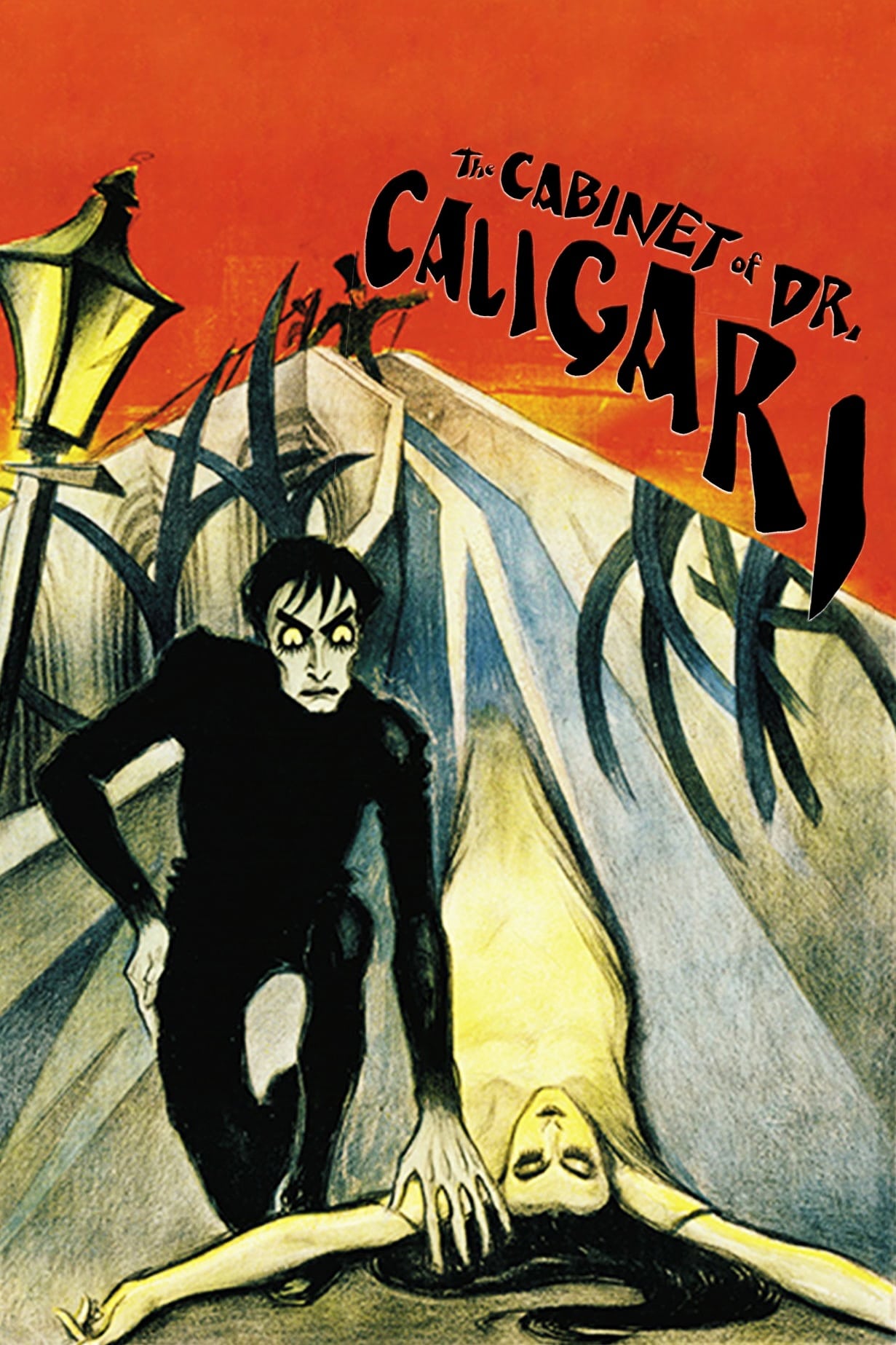
Francis, a young man, recalls in his memory the horrible experiences he and his fiancée Jane recently went through. Francis and his friend Alan visit The Cabinet of Dr. Caligari, an exhibit where the mysterious doctor shows the somnambulist Cesare, and awakens him for some moments from his death-like sleep.
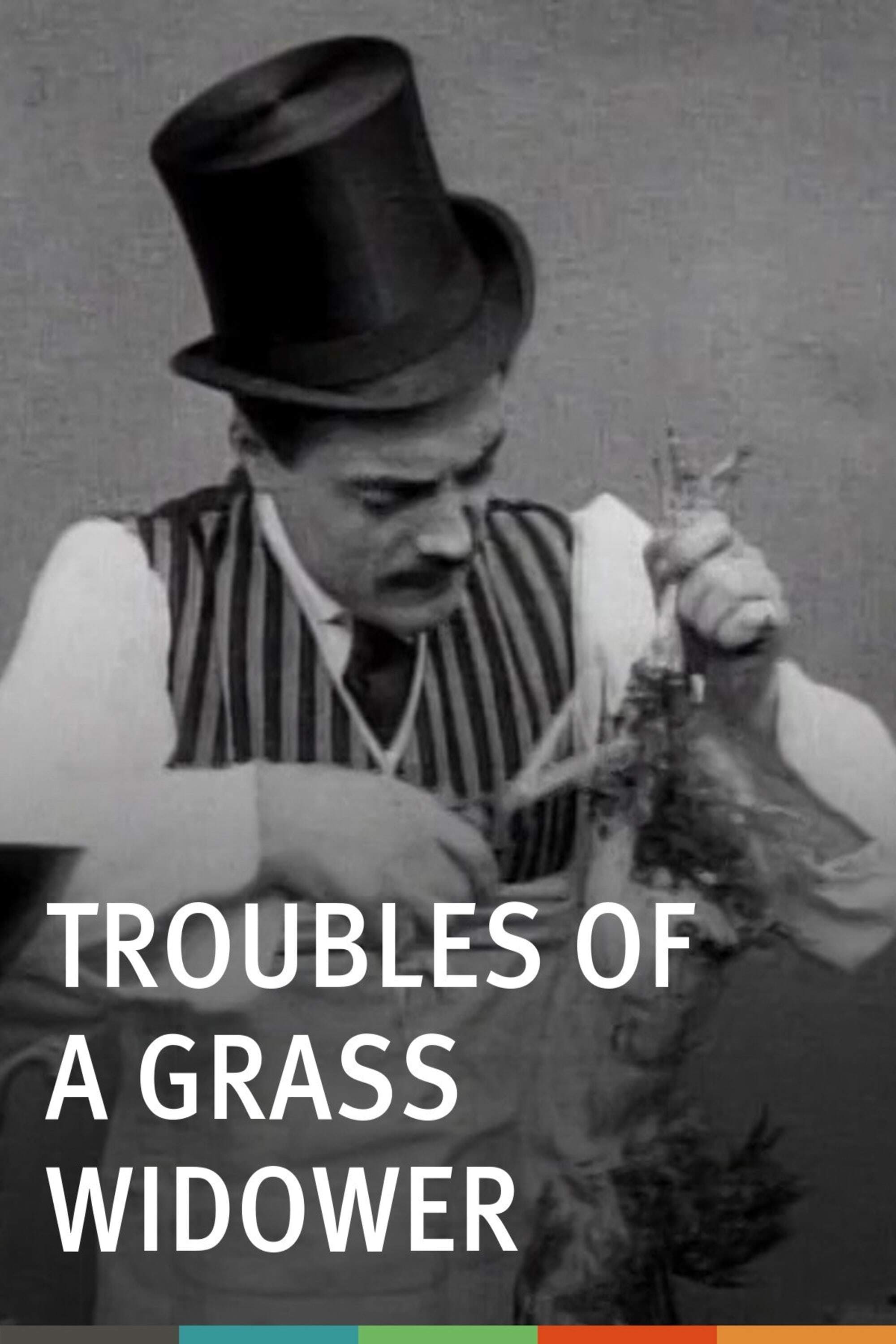
A housewife tires of her husband's annoying behavior and returns to her mother. At first, the husband is quite pleased to have the house all to himself. But he quickly discovers that even the most basic domestic chores can be fraught with difficulty.
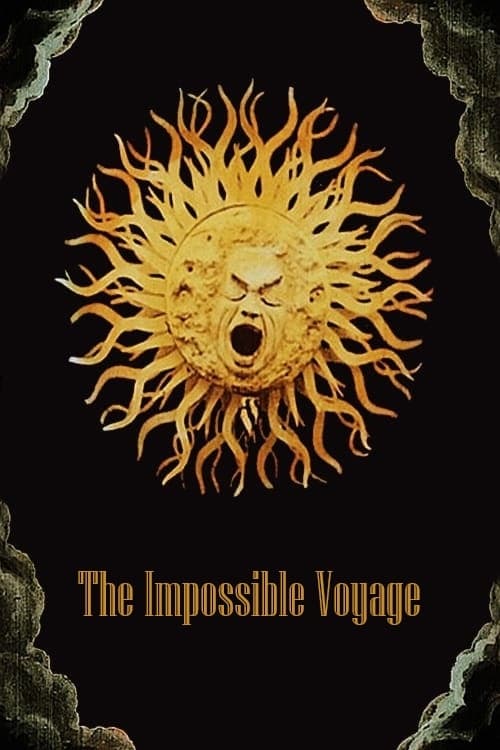
Using every known means of transportation, several savants from the Geographic Society undertake a journey through the Alps to the Sun which finishes under the sea.
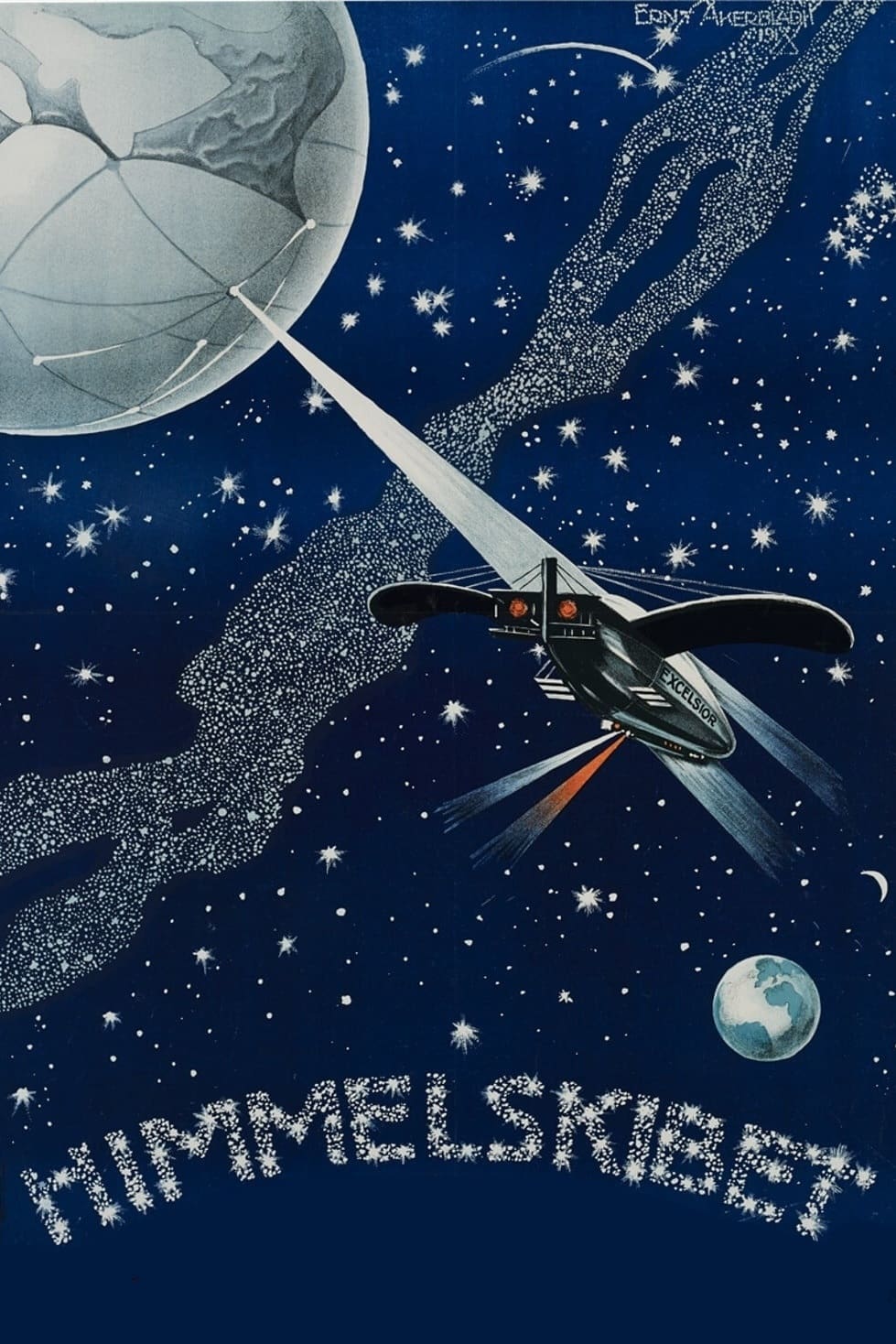
The navy captain Avanti Planetaros is inspired by his astronomer-father to travel through outer space to reach other worlds. He becomes an aviator and, along with the young scientist Dr. Krafft, the driving force behind the construction of a space-ship. Despite oppostion from the mocking Professor Dubius, Planetaros gathers a crew of fearless men and takes off. During the long voyage, the crew becomes restless; a mutiny is narrowly avoided. Finally, they reach Mars and discover that the planet is inhabited by people who have reached a higher stage of development, free of diseases, sorrow, violence, sexual urges, and the fear of death. Avanti falls in love with Marya, daughter of the Prince of Wisdom, the head of the Martians. Marya shares his feelings and decides to return with him in order to bring the wisdom of the Martians to the backward Earthlings. (stumfilm.dk)
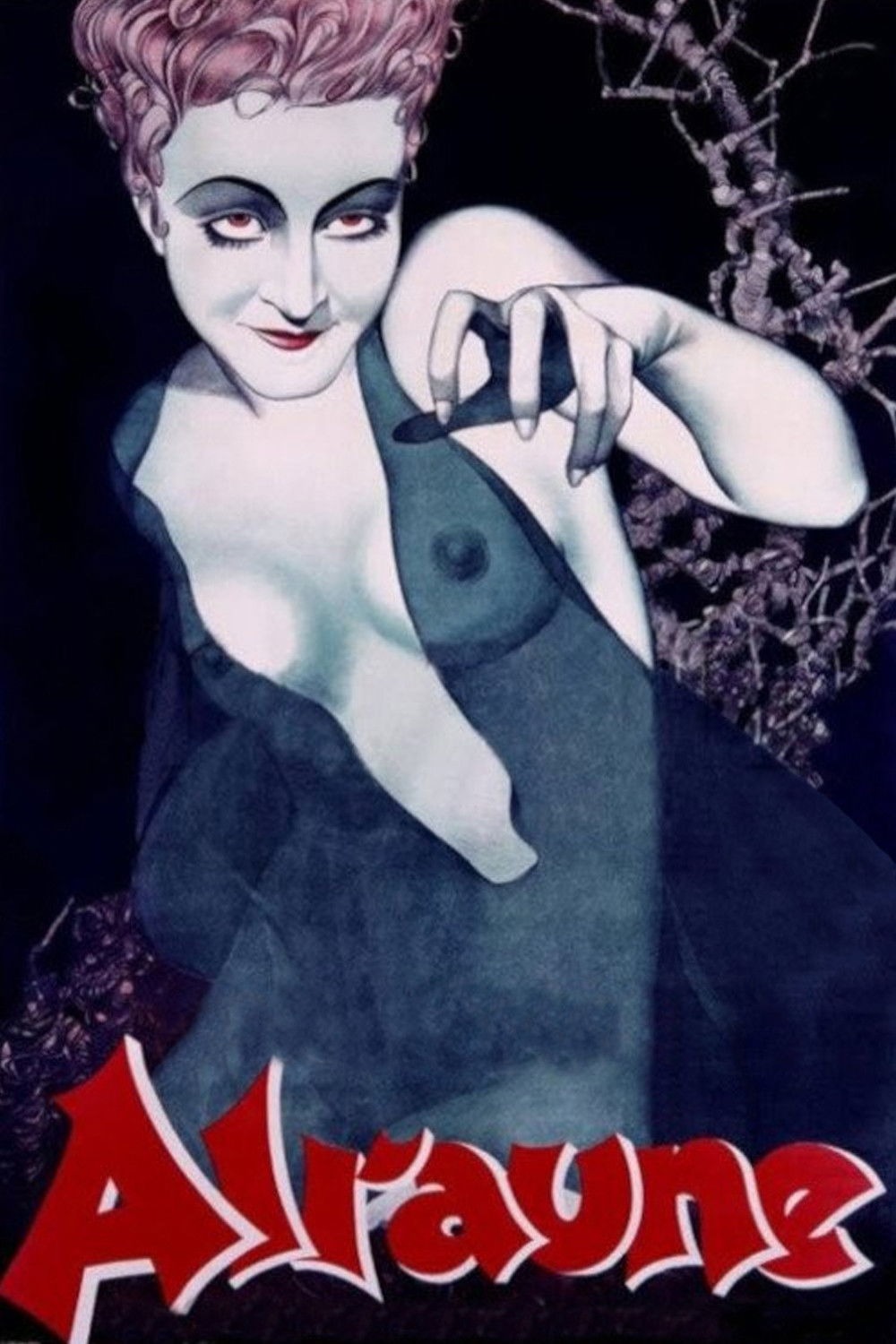
Hanns Heinz Ewers' grim science-fiction novel Alraune has already been filmed twice when this version was assembled in 1928. In another of his "mad doctor" roles, Paul Wegener plays Professor Brinken, sociopathic scientist who combines the genes of an executed murderer with those of a prostitute. The result is a beautiful young woman named Alraune (Brigitte Helm), who is incapable of feeling any real emotions -- least of all guilt or regret. Upon attaining adulthood, Alraune sets about to seduce and destroy every male who crosses her path. Ultimately, Professor Brinken is hoist on his own petard when he falls hopelessly in love with Alraune himself. Alraune was remade in 1930, with Brigitte Helm repeating her role, and again in 1951, with Hildegarde Knef as the "heroine" and Erich von Stroheim as her misguided mentor.
A burned-out paramedic tries to survive his last 24 hours on the job while training a new recruit.
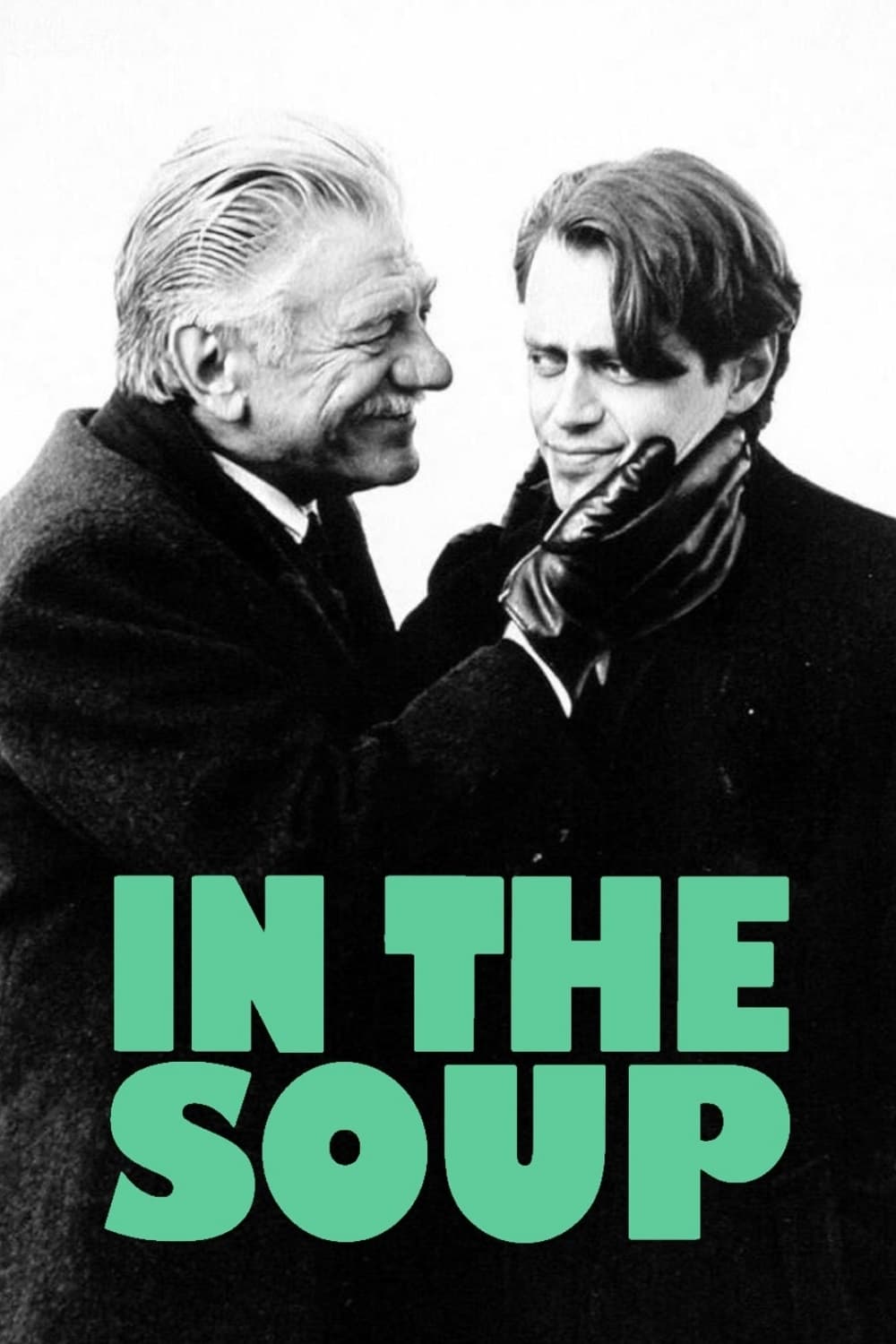
An aspiring young filmmaker gets involved with an eccentric gangster for the financing of his first film.
A young filmmaker in 1960s Paris juggles directing a cheesy sci-fi debacle, directing his own personal art film, coping with his crumbling relationship with his girlfriend, and a new-found infatuation with the sci-fi film's starlet.
Animals band together to save the day when the evil Otto Von Walrus hatches a sinister scheme to accelerate global warming and melt the Arctic Circle.
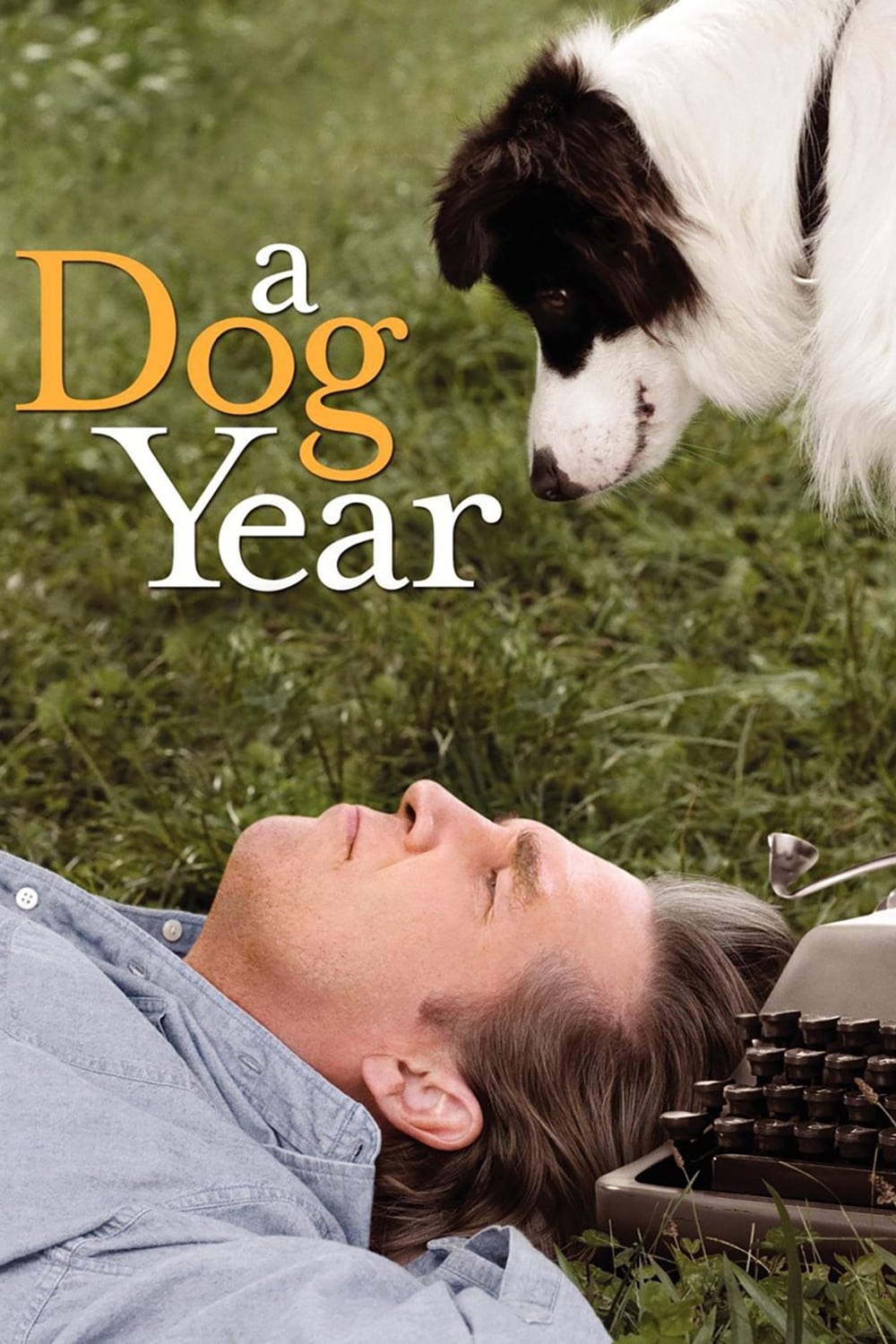
Jon Katz is close to burnout. He's a writer with writer's block; his wife has left for her sister's because he's emotionally distant; he rarely answers his phone. A kennel sends him a border collie that's undisciplined because of abuse. Despite a series of mishaps, Jon decides to keep trying with the dog, and he rents a dilapidated farm house to give the dog room to run. A local handyman refers Jon to a woman who might be able to help him train the dog. Reluctantly, Jon gives her a try. Is the dog the problem, or the owner?
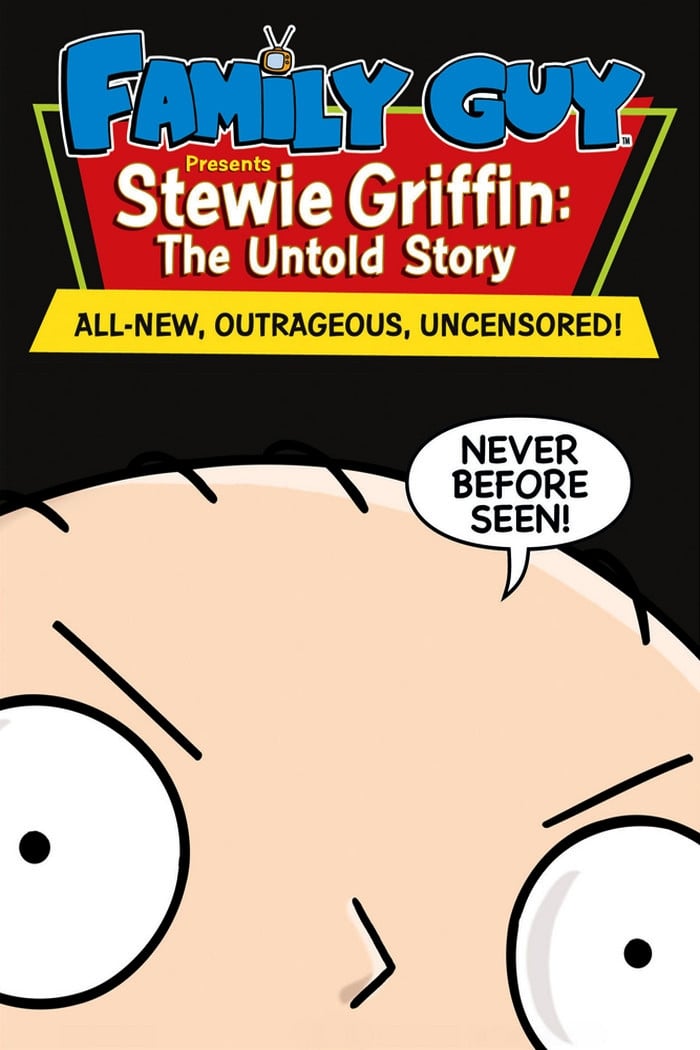
The maniacal baby of the Griffin family, Stewie, meets his future self. In doing this he discovers that his future image is not what he has anticipated because of a near death experience.
Four tales unfold in Wes Anderson's anthology of short films adapted from Roald Dahl's beloved stories, "The Wonderful Story of Henry Sugar", "The Swan", "The Rat Catcher", and "Poison."
This collection of 10 short films produced by Illumination includes: From the "Despicable Me" franchise: Puppy (2013); Minion Scouts (2019); Training Wheels (2013); The Secret Life of Kyle (2017); Santa's Little Helpers (2019). From the "Grinch" franchise: The Dog Days of Winter (2019). From the "Secret Life of Pets" franchise: Norman Television (2016); Weenie (2016). From the "Sing" franchise: Love at First Sight (2017). From the "Lorax" franchise: Forces of Nature (2012).
When a celebrated TV show host returns to his hometown in the South, his family is there to remind him that going home is no vacation!
When a young girl’s sketchbook falls into a strange pond, her drawings come to life—chaotic, real, and on the loose. As the town descends into chaos, her family must reunite and stop the monsters they never meant to unleash.
Mater the tow truck travels from country to country as he retells his infamous but unbelievable stories.
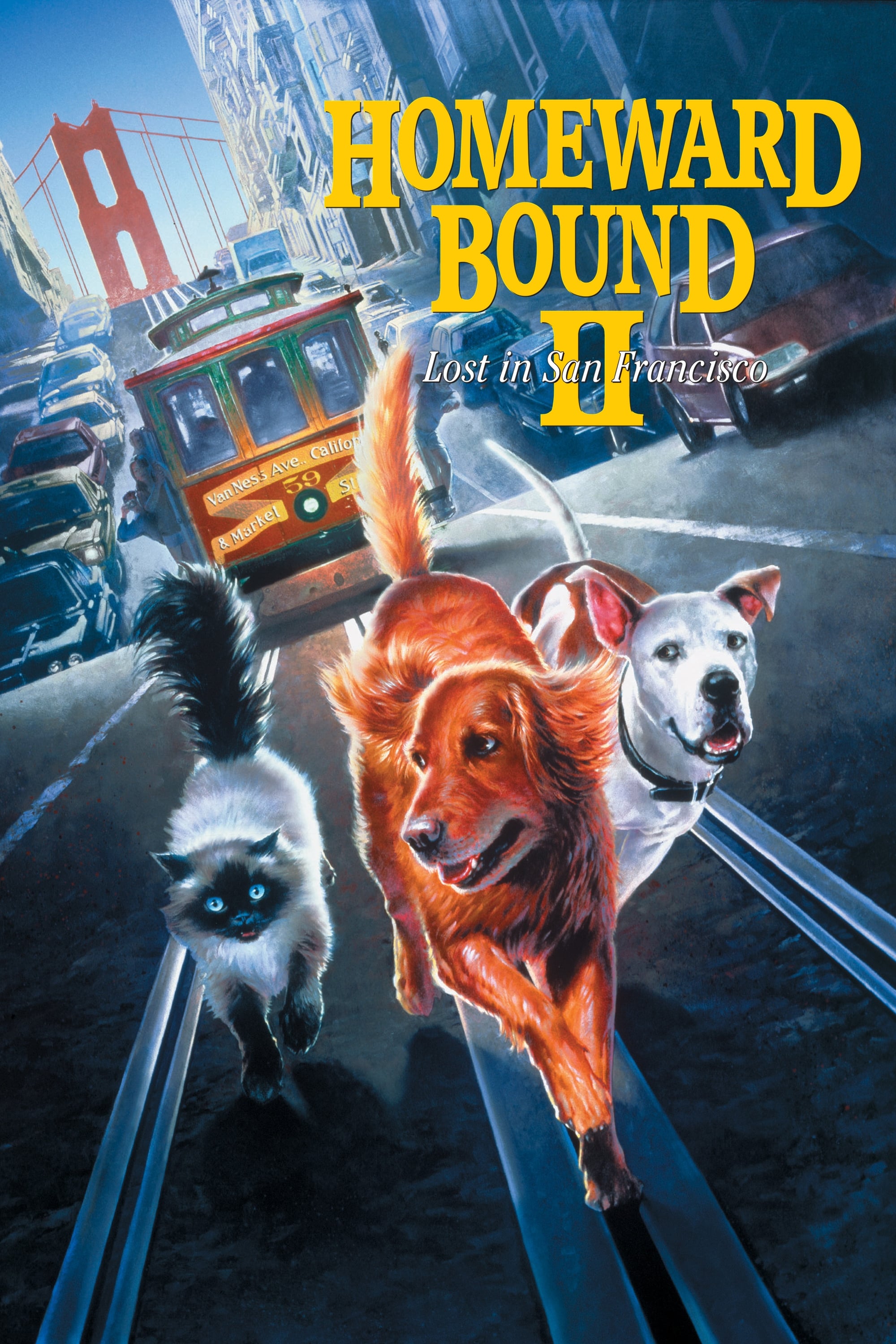
When the pets accidentally get separated from their vacationing owners, Chance, Shadow, and Sassy navigate the mean streets of San Francisco, trying to find their home across the Golden Gate Bridge. But the road is blocked by a series of hazards, both man and beast.
In the summer of 1978, a teenager and his group of friends face new challenges when their neighborhood roller-skating rink closes, forcing them to visit a different rink.
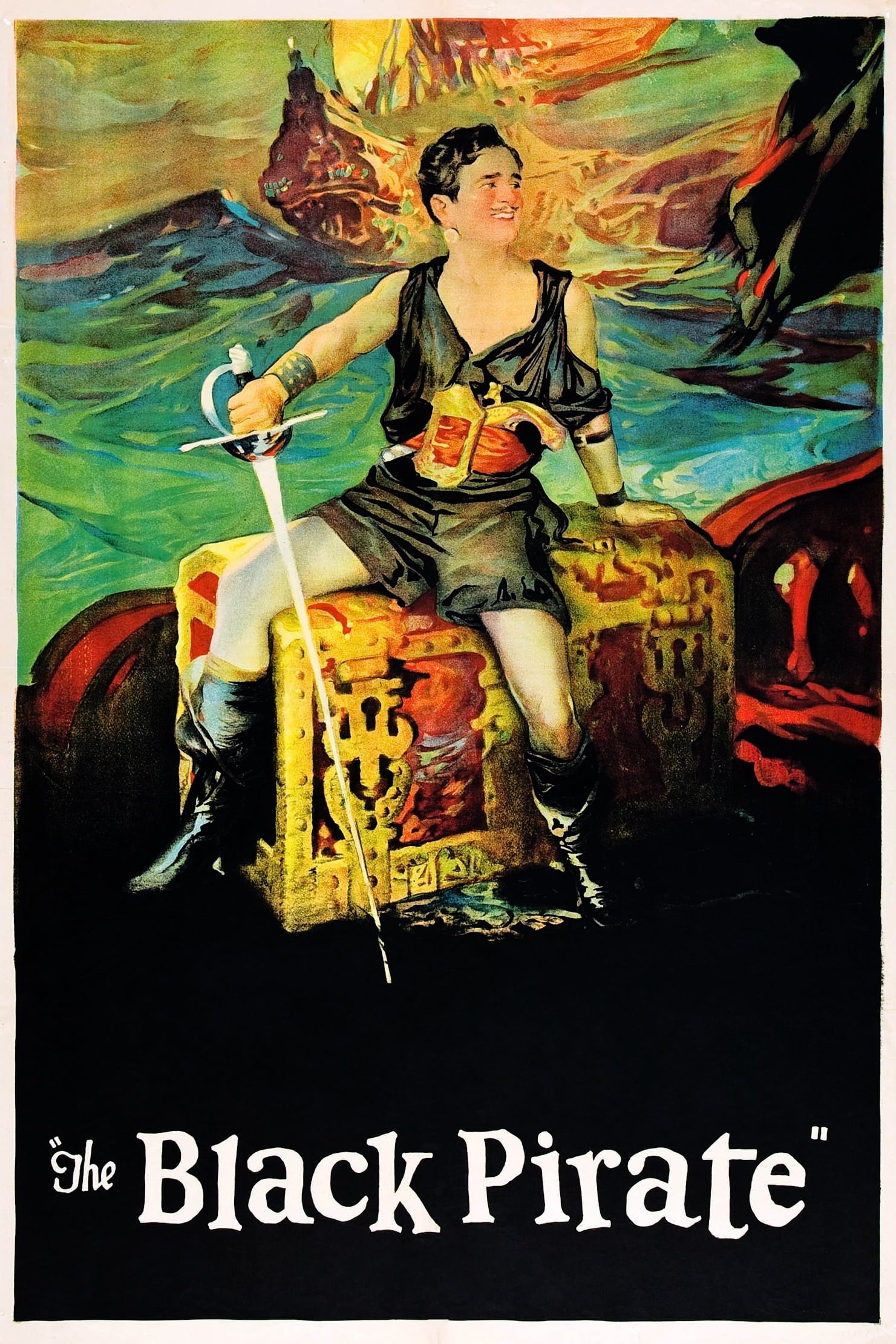
A nobleman vows to avenge the death of his father by the hands of pirates. To this end, he infiltrates the pirate band; Acting in character, he single-handedly captures a merchant vessel, but things are complicated when he finds that there is a beautiful young woman of royal blood aboard.
An improv group deals with several crises, including the loss of their lease and one member hitting the big time.
When a clumsy deadbeat accidentally kills his landlord, he must do everything in his power to hide the body, only to find that the distractions of lust, the death of his beloved brother, and a crew of misfit characters force him on a journey where a fortune awaits him.
A young girl tries to fit in with a clique of popular middle school girls after moving into the guest house of one of their homes.
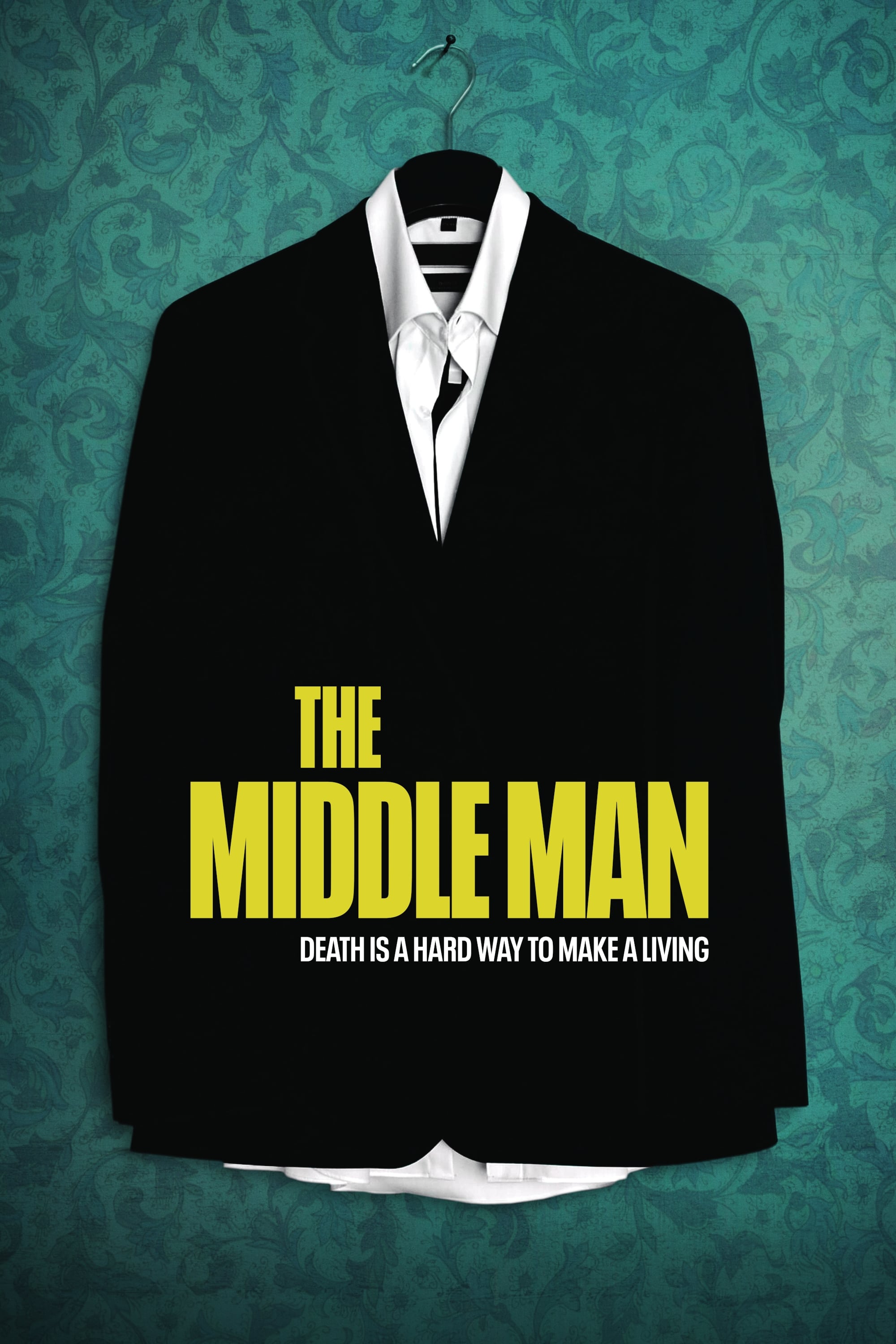
Frank Farrelli takes on the job as a middle man in the God-forsaken town of Karmack, USA, a community in a depression so deep that they need a middle man to professionally communicate more of the bad news.
Best friends Tod, a fox kit, and Copper, a hound puppy, visit a country fair when they see a band of dogs called "The Singin' Strays". The band has five members: Dixie, Cash, Granny Rose, and twin brothers Waylon and Floyd. It is important that they perform well because a talent scout is visiting.
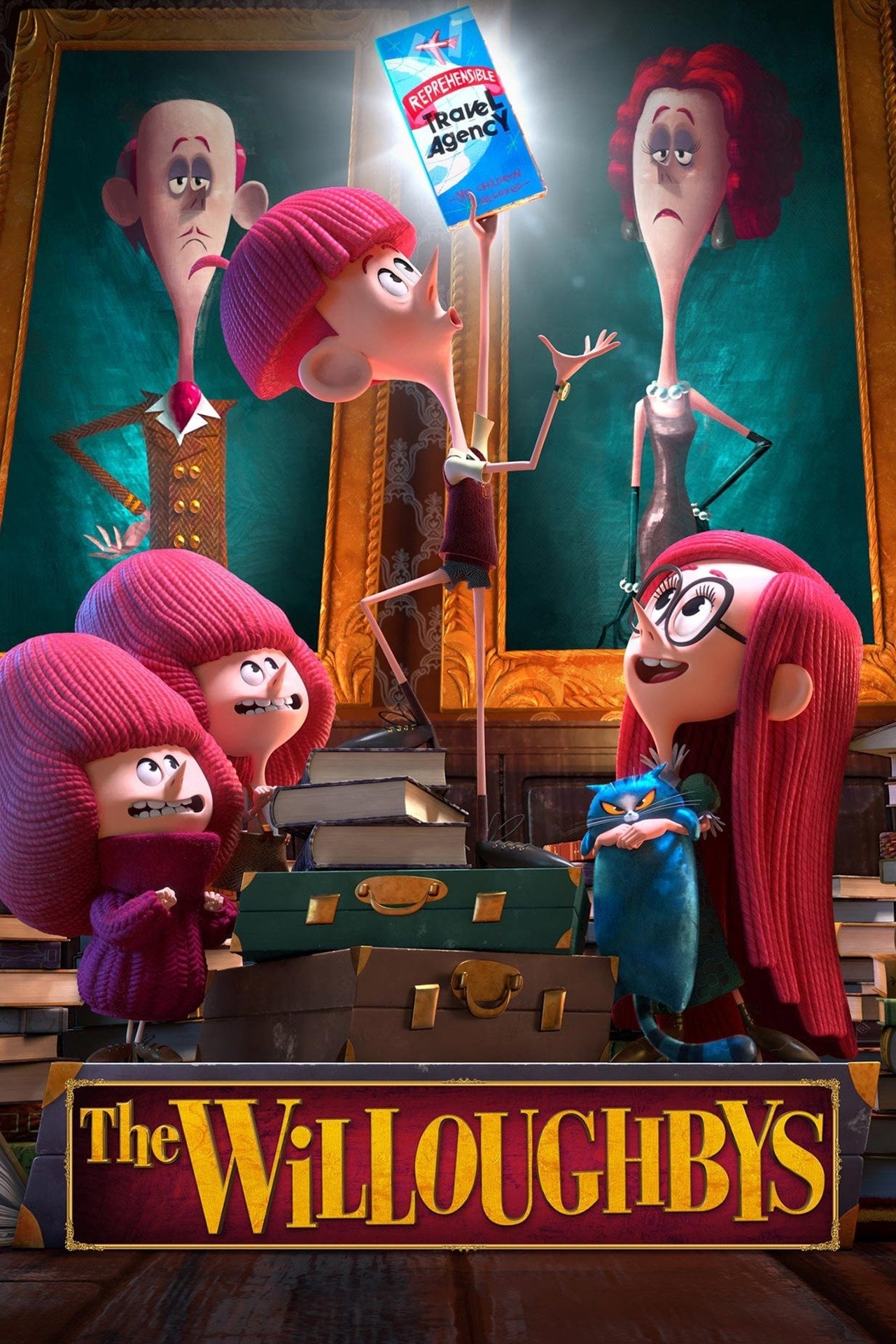
When the four Willoughby children are abandoned by their selfish parents, they must learn how to adapt their Old-Fashioned values to the contemporary world in order to create something new: The Modern Family.