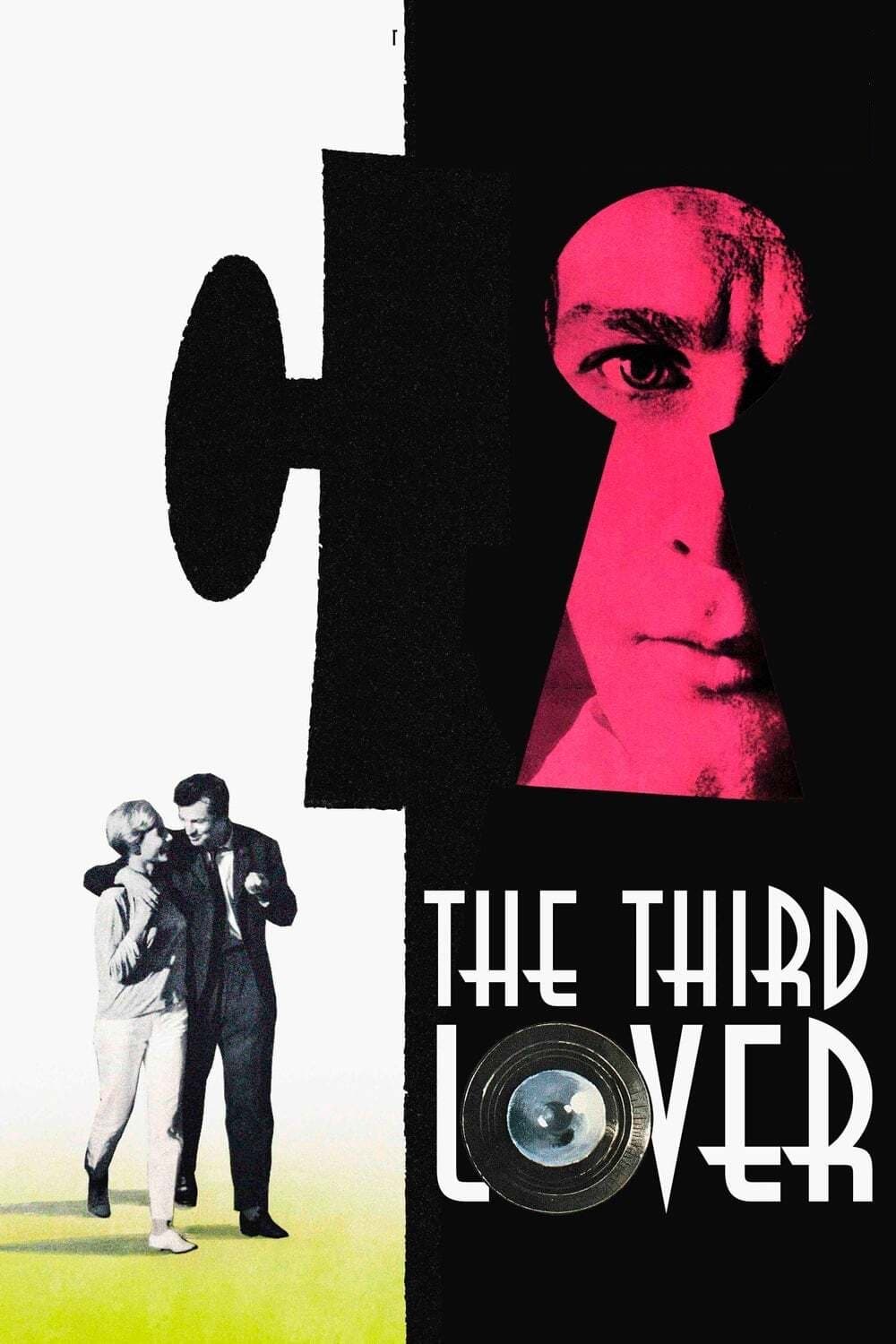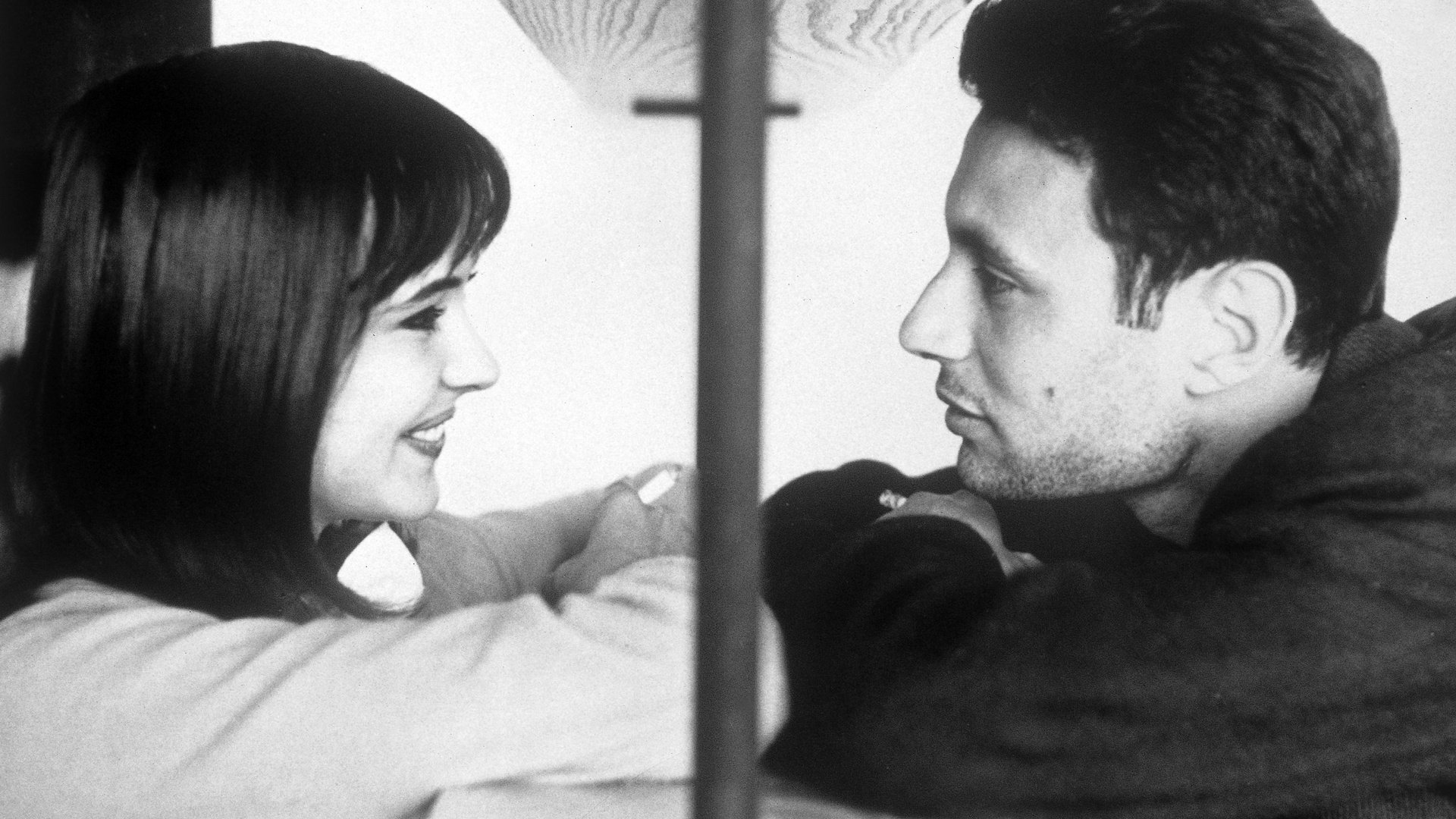
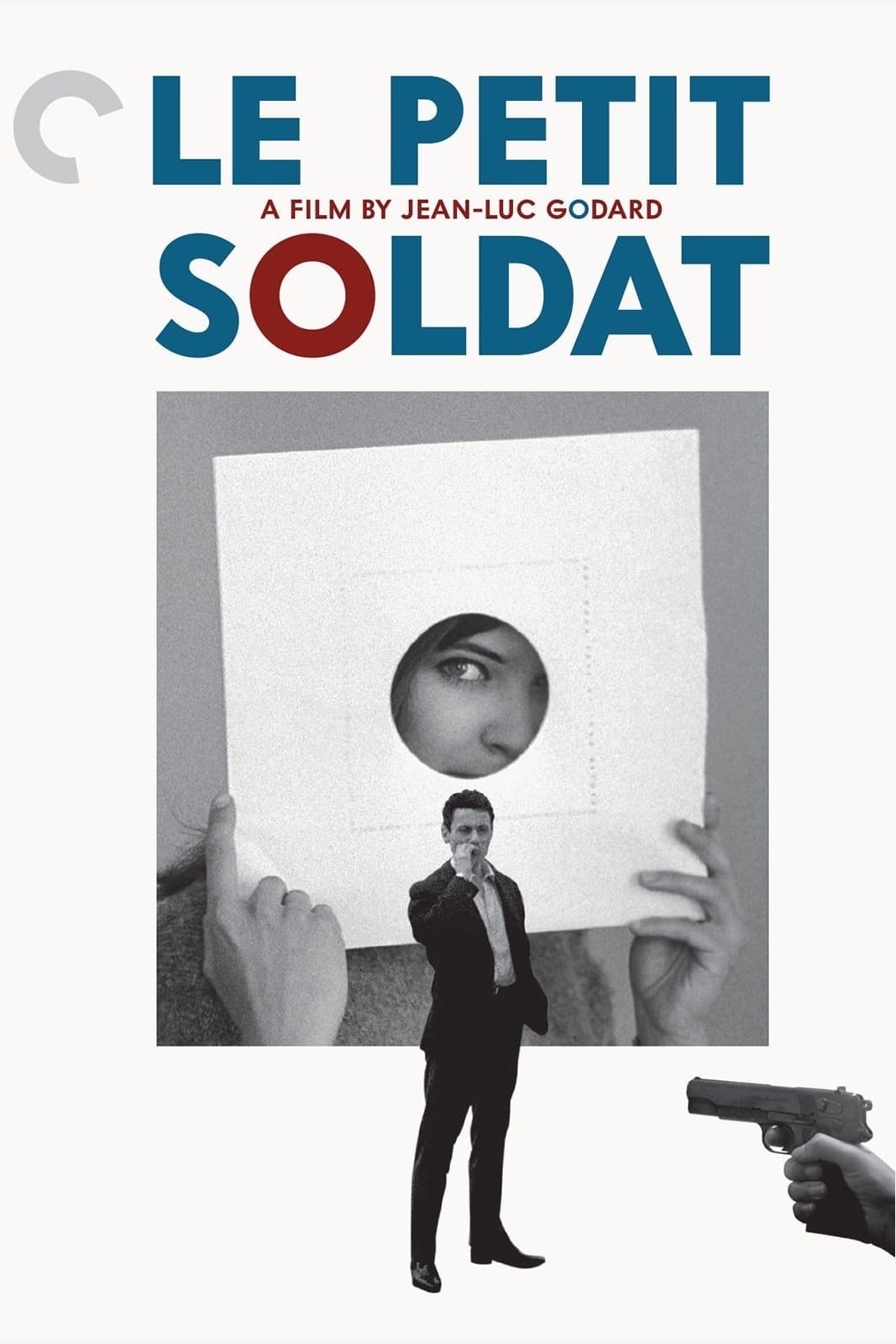

Despite his lack of political convictions, photojournalist Bruno Forestier is roped into a paramilitary group waging a shadow war in Geneva against the Algerian independence movement.
Social & External
The people behind it
Michel Subor
Bruno Forestier
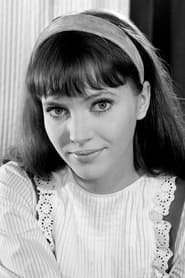
Anna Karina
Veronica Dreyer
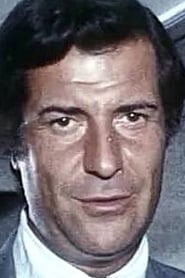
Henri-Jacques Huet
Jacques
Paul Beauvais
Paul
László Szabó
Laszlo
Georges de Beauregard
Activist Leader (uncredited)
Gilbert Edard
(uncredited)
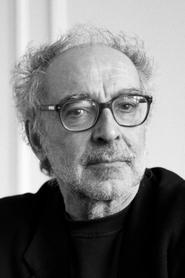
Jean-Luc Godard
Man at Railway Station (uncredited)
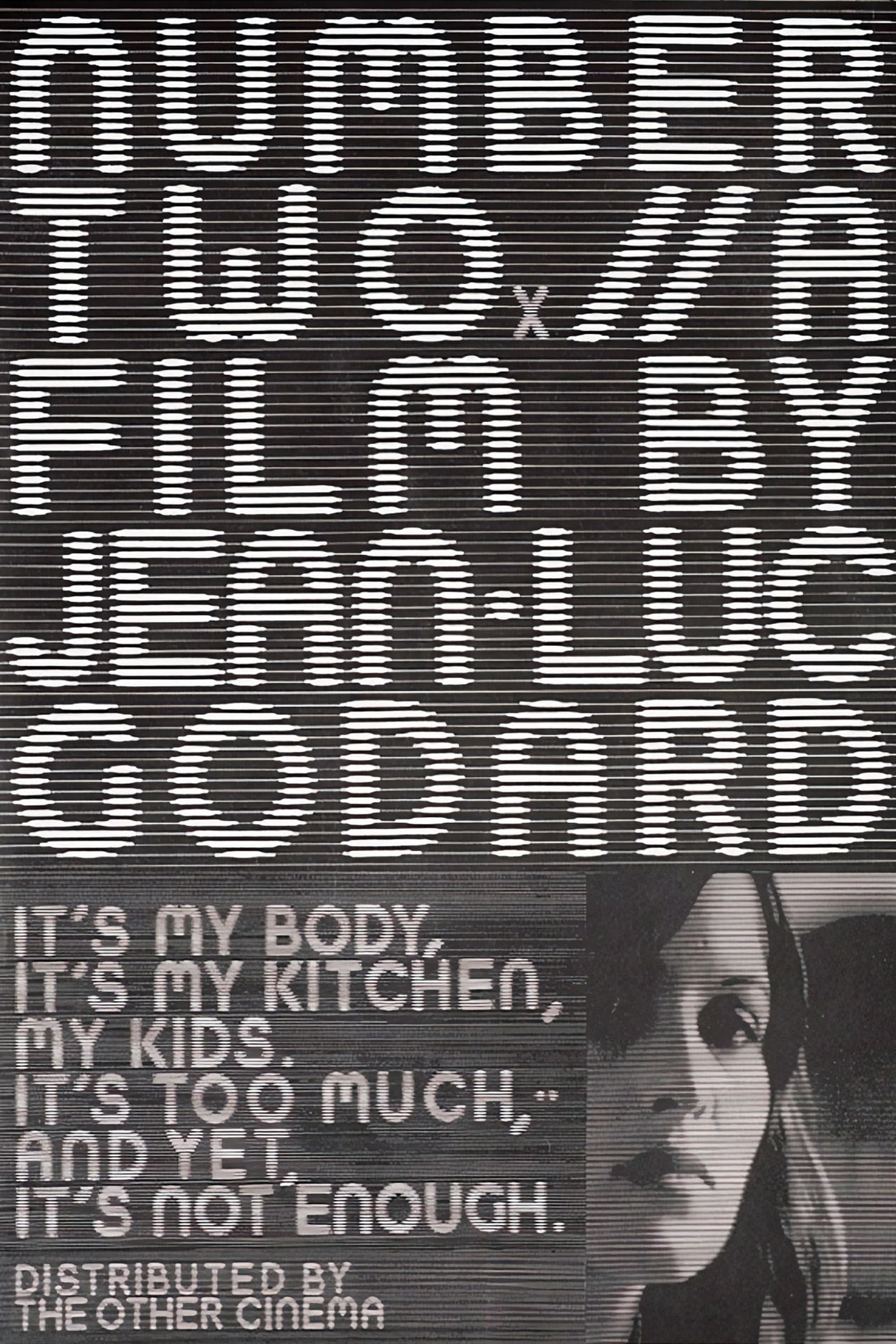
Jean-Luc Godard mixes video and film in his Grenoble studio, discussing how he secured funding for the film. The action unfolds on two monitors, as a young working-class couple lives in a claustrophobic, high-rise apartment complex and marital discord is set off by the wife’s infidelity.
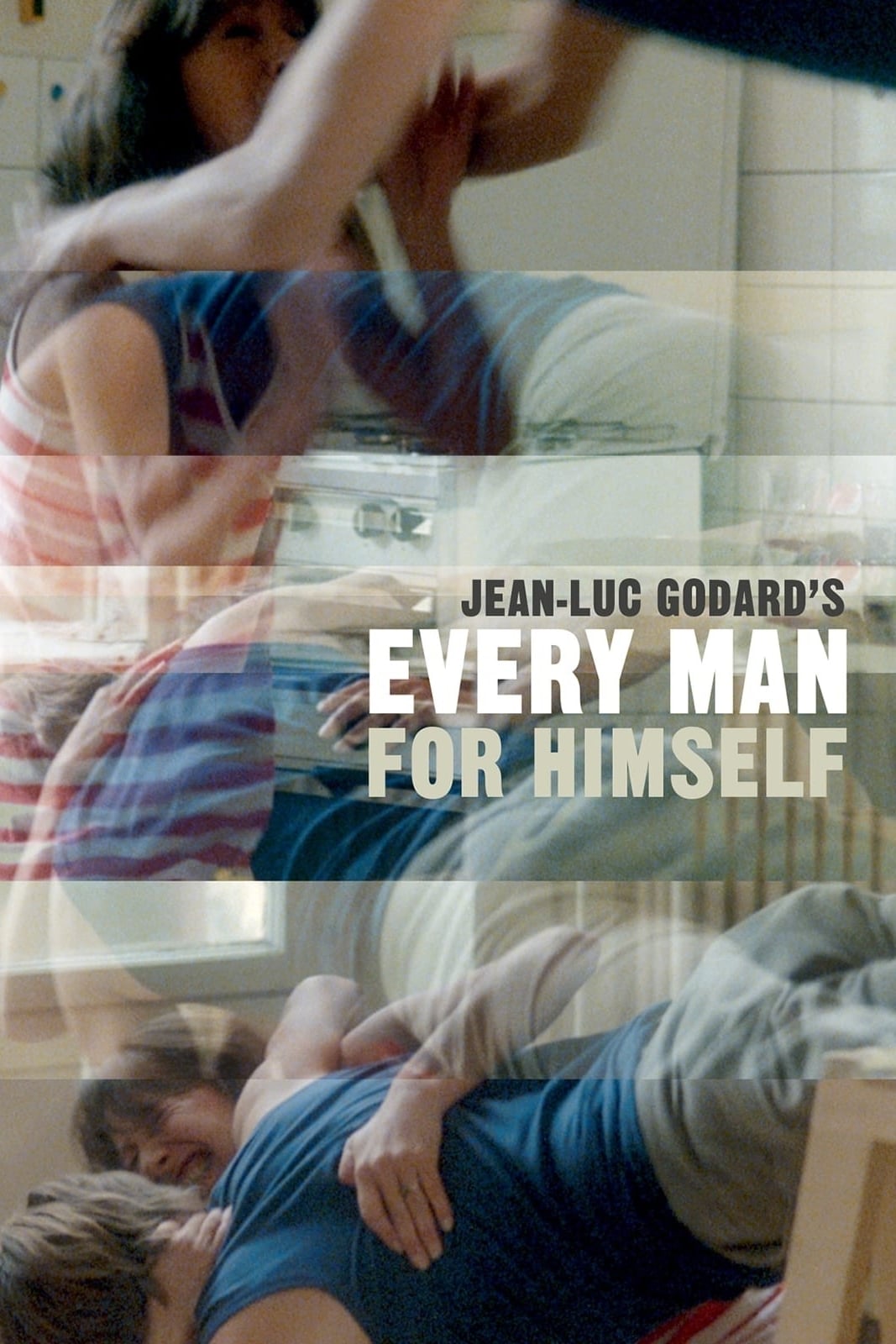
A look at the sexual and professional lives of three people — a television director, his ex-girlfriend, and a sex worker.
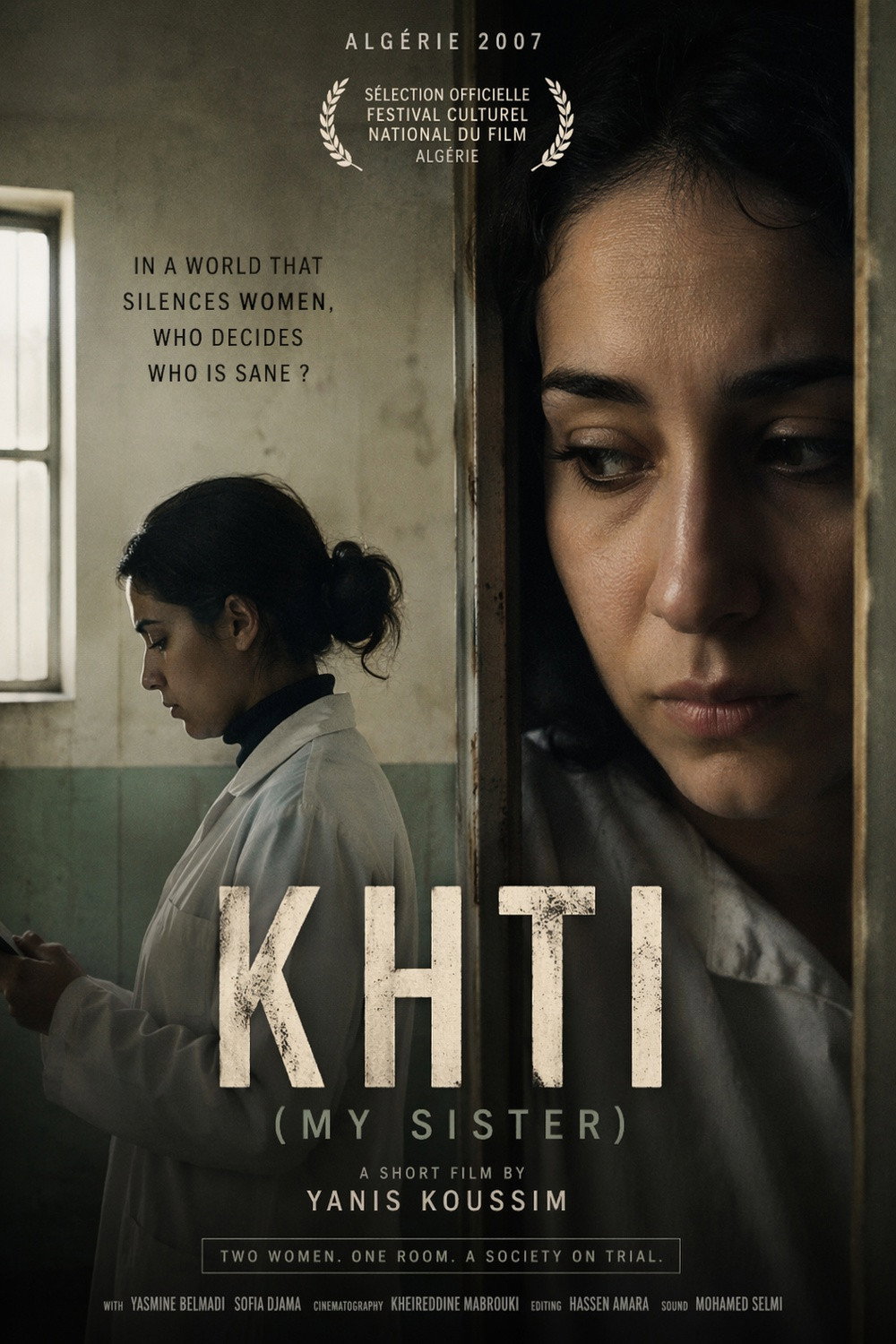
They come from completely different worlds, but over the course of a single day and night, their lives collide. What starts as a clinical relationship slowly turns into something deeper—almost like a shared understanding of the same struggle.
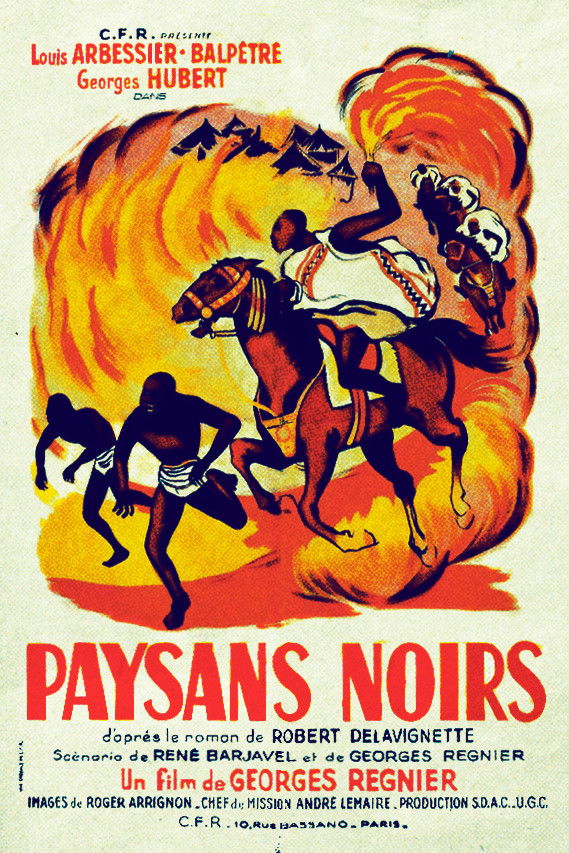
In Ivory Coast, an administrator is appointed to replace a colleague who has just been assassinated. The newly appointed administrator, Guillon, clashes with a powerful elite that extorts money from farmers who refuse to cultivate the land. A peanut processing plant, nearing completion, unfolds against a backdrop of ethnic rivalries and resistance from the rural population to the changes imposed by the colonial regime, which is striving to modernize traditional agriculture to demand increased production. Aided by a doctor and an engineer, Guillon succeeds in restoring the confidence of the Black farmers after thwarting the schemes of those who dared to stand in his way.
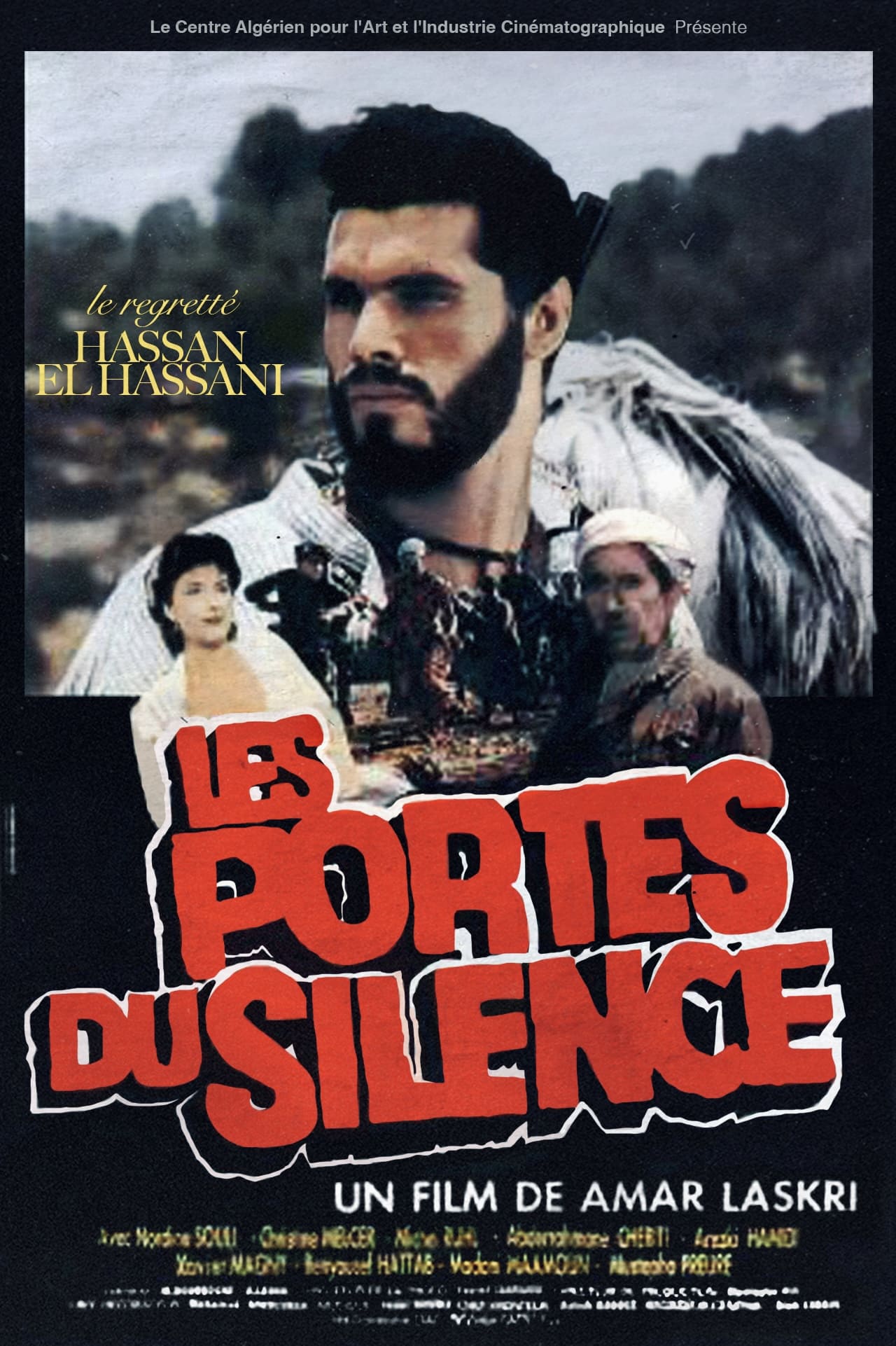
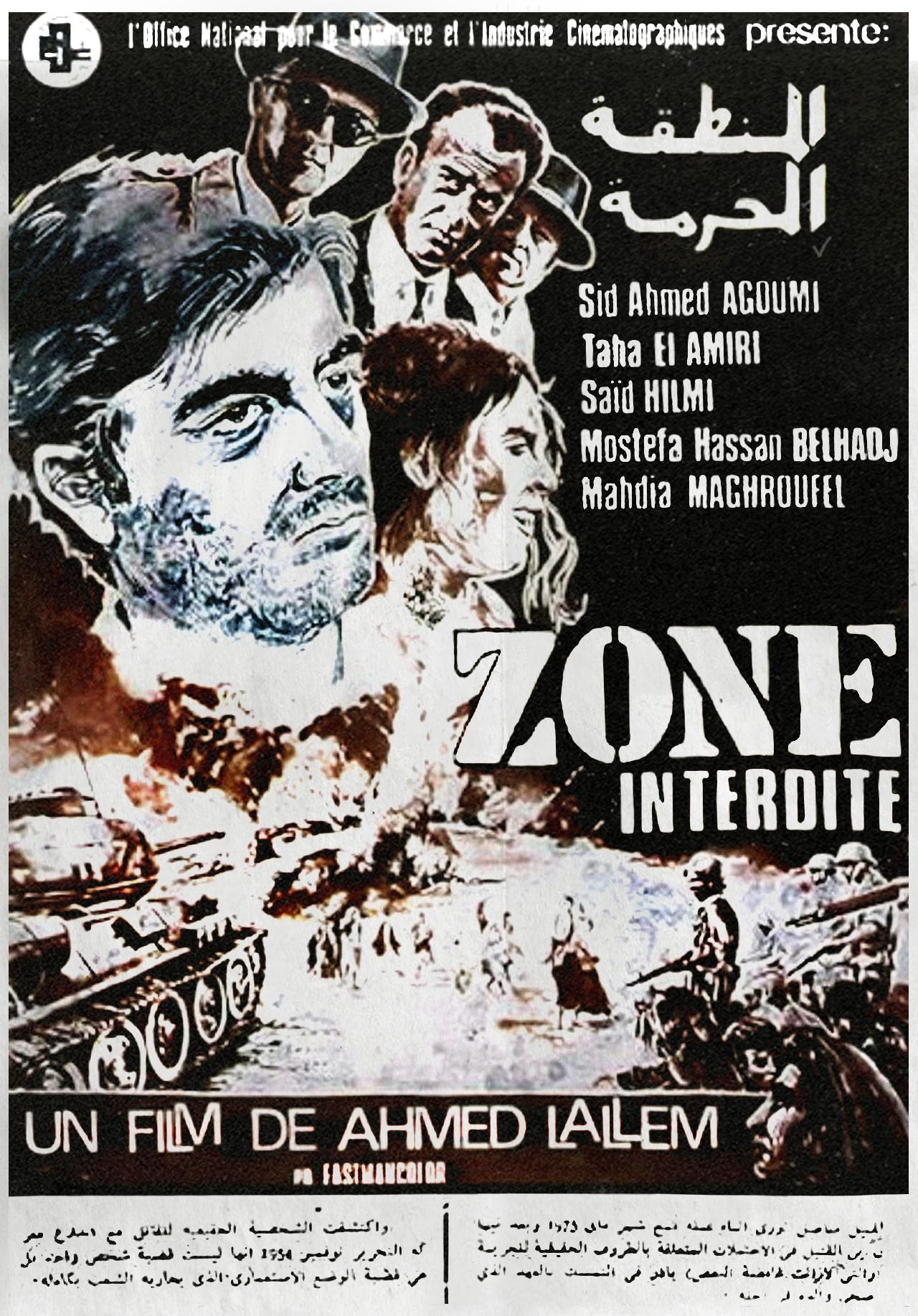
In 1955, what was known as the "Algerian War" gradually escalated into all-out war, and the French army inexorably transformed into a soldiery accustomed to colonial humiliation and massacres. Amar is a young deaf and mute man who wants to join the resistance, but he is rejected because of his disability, despite all the training he received from his father, who was an expert in hunting and horses. The raid on his village, which he watches helplessly, drives him to seek revenge, he who had until then been locked away in "The Gates of Silence."
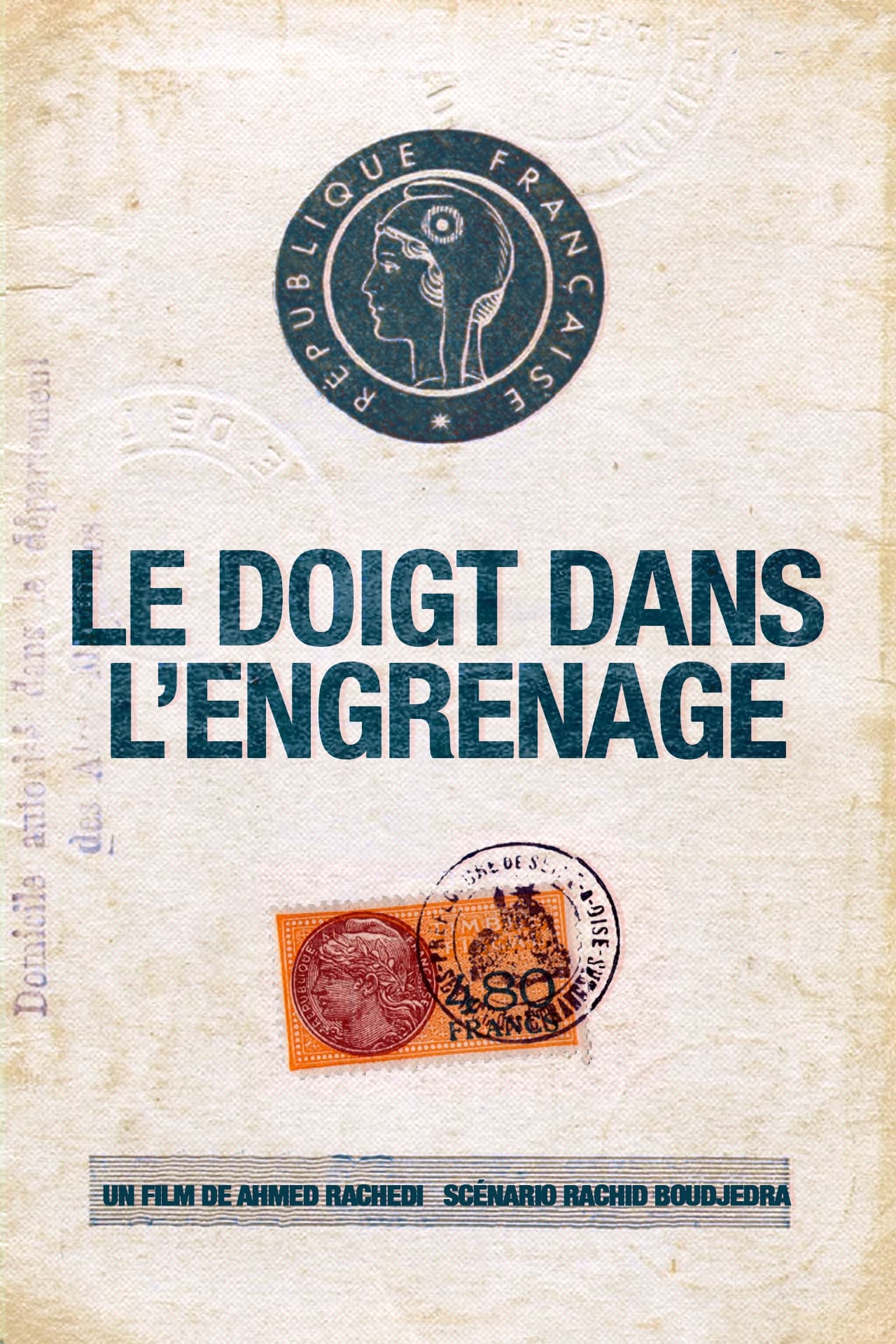
In the 1980s, barely 18 years after Algeria's independence, Algerian immigration to France massively fueled the construction industry, responding to a demand for hard, undervalued labor. Behind the idea of "selective immigration," these men were recruited primarily for their bras and their knock-kneed hands, shaped by construction sites. Invisible yet essential, they built roads, buildings, and infrastructure, often at the cost of precarious conditions. Ali, an Algerian crane operator in France, philosophically accepts the harassment faced by immigrants like himself on construction sites and in daily life. He hopes to escape his situation with the money he wins in the lottery, and from the top of his crane, he allows himself to dream, observing the world through binoculars. One day, the jackpot falls...
While waiting to get started on the production of his feature Liberxina 90 (1970), Carlos Duran shot this short (with very expressive support by several Escuela de Barcelona professors): a grimly colourful satire on modern society as such, and on its fascist Spanish variety in particular. "The intrusion into the private life of a human being, of the distinct tendencies that exist in the society we live in, until they fall into chaos." Carlos Durán
On a work assignment in Germany, failed journalist Albin crosses paths with Andreas, a successful writer, and his wife Hélène, who quickly becomes the apple of Albin’s eye. While Andreas is off on a business trip, Albin tries to seduce Hélèn and, eventually, take over Andreas’ life.
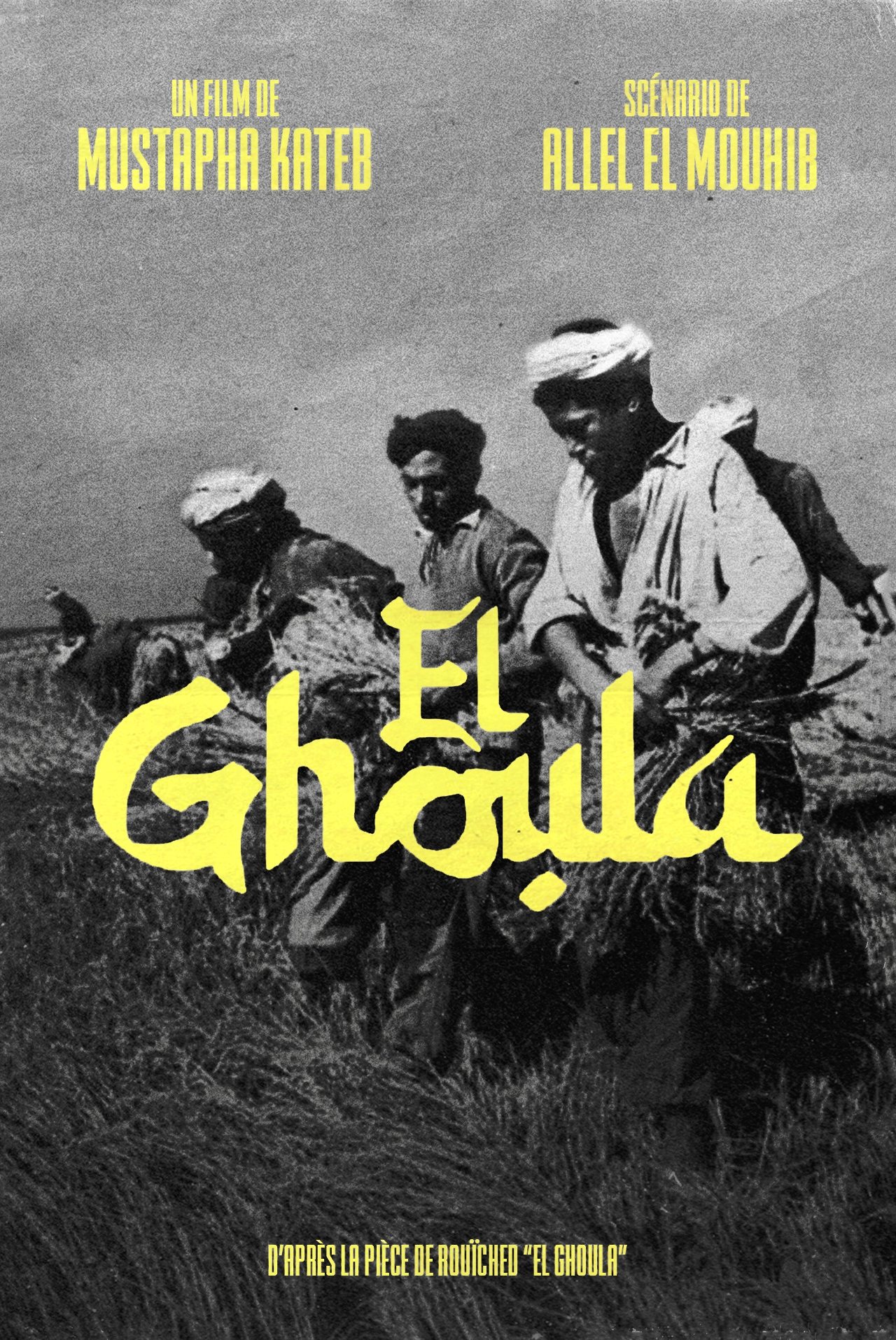
An adaptation of the satirical play of the same name by comedian Rouïched (Ahmed Ayad). "El-Ghoula" (The Vampire) tells the story of a corrupt official who lives off the peasants of an agricultural cooperative. Instead of solving problems, this official manipulates empty rhetoric and "revolutionary" slogans to galvanize them and encourage them to continue working. Opportunistic, he will transform the fellahs' work into chaotic bureaucratic procedures for his own personal gain.
Depicts the life of Sidi Lakhdar Ben Khlouf, an eminent symbolic figure who is part of the memory of Algerian poetry and popular fight. Sidi Lakhdar Ben Khelouf became famous thanks to his poems about the Prophet Muhammad (earning him the nickname "praiser of the Prophet") and the epic he dedicates to the Battle of Mazagran on August 26, 1558, against the Spaniards. Counted among the patron saints of the Mostaganem region, his poems are often interpreted by chaâbi singers.
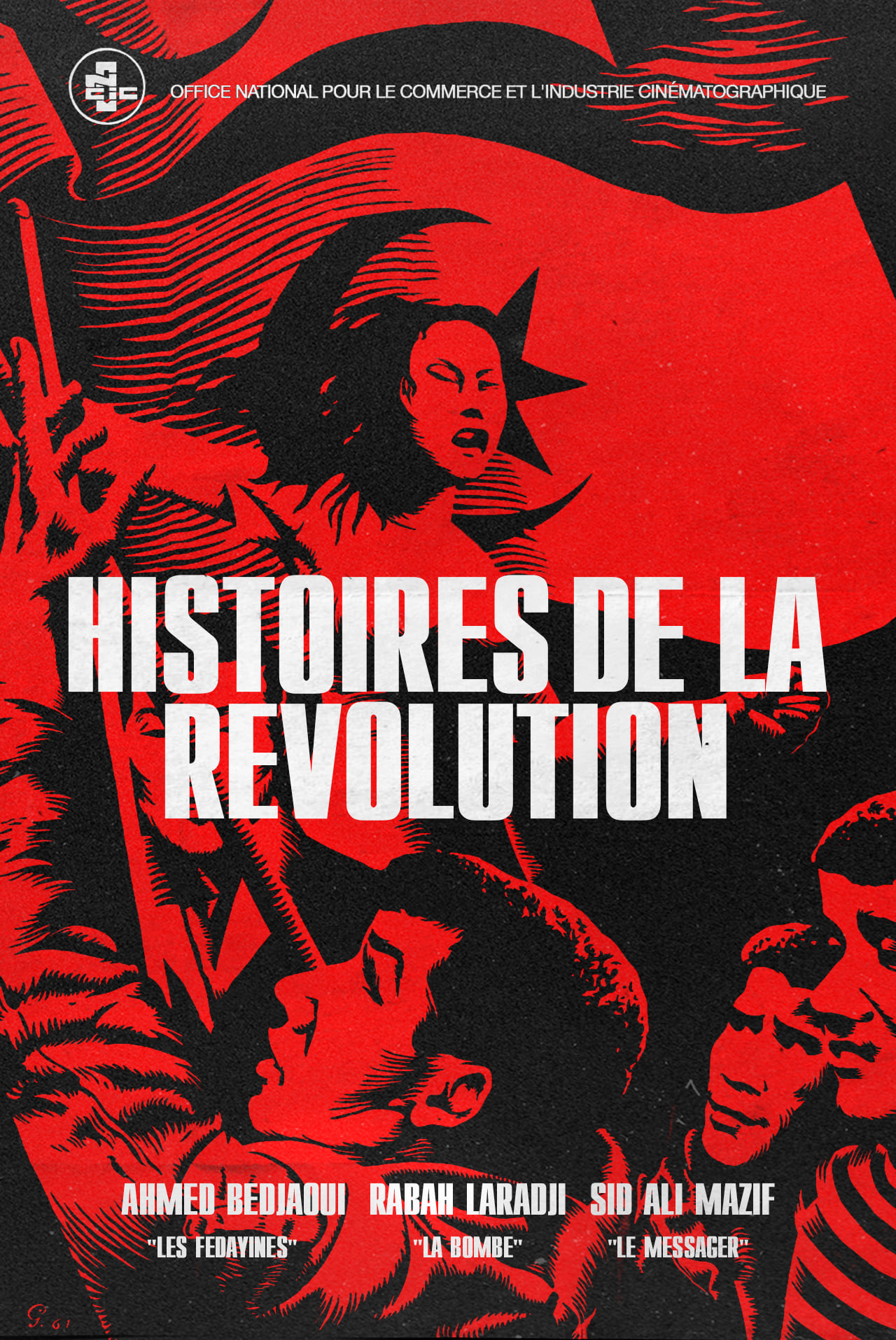
The film recounts in three parts by three different directors the Algerian people's struggle for independence after 130 years of French colonization: Ahmed Bedjaoui "Les Fedayines," Rabah Laradji "La Bombe," Sid Ali Mazif "Le Messager."
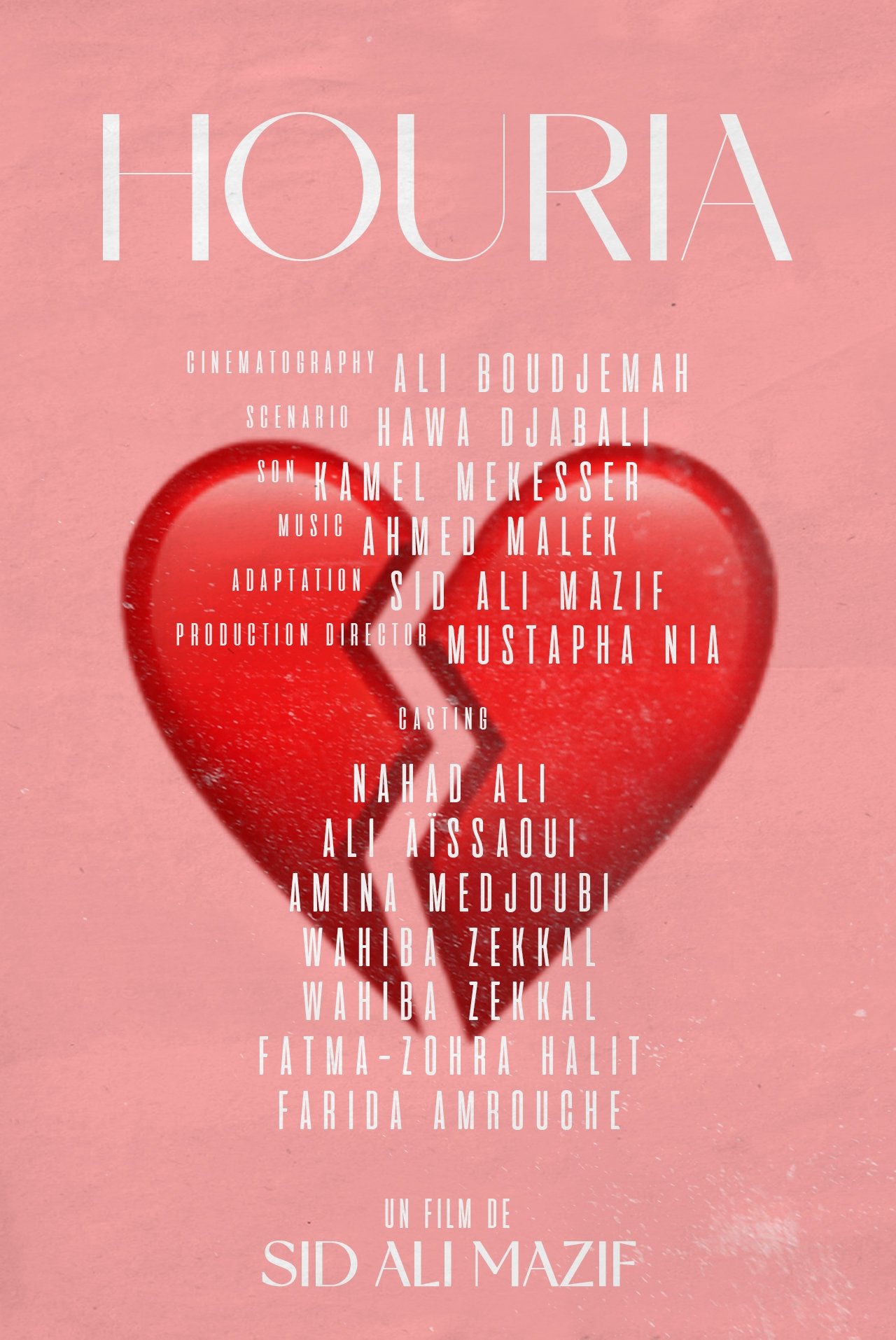
In the city of Constantine, the thwarted love affair of two students: Houria, fatherless, from a poor and traditional background, and Noureddine, son of a wealthy family influenced by Western lifestyle. Houria's brothers keep a close eye on her and want to marry her off to a first cousin. The young woman runs away and, when she returns home, Noureddine courageously asks her to marry him. But while Houria's family agrees, this time it is the girl who refuses...
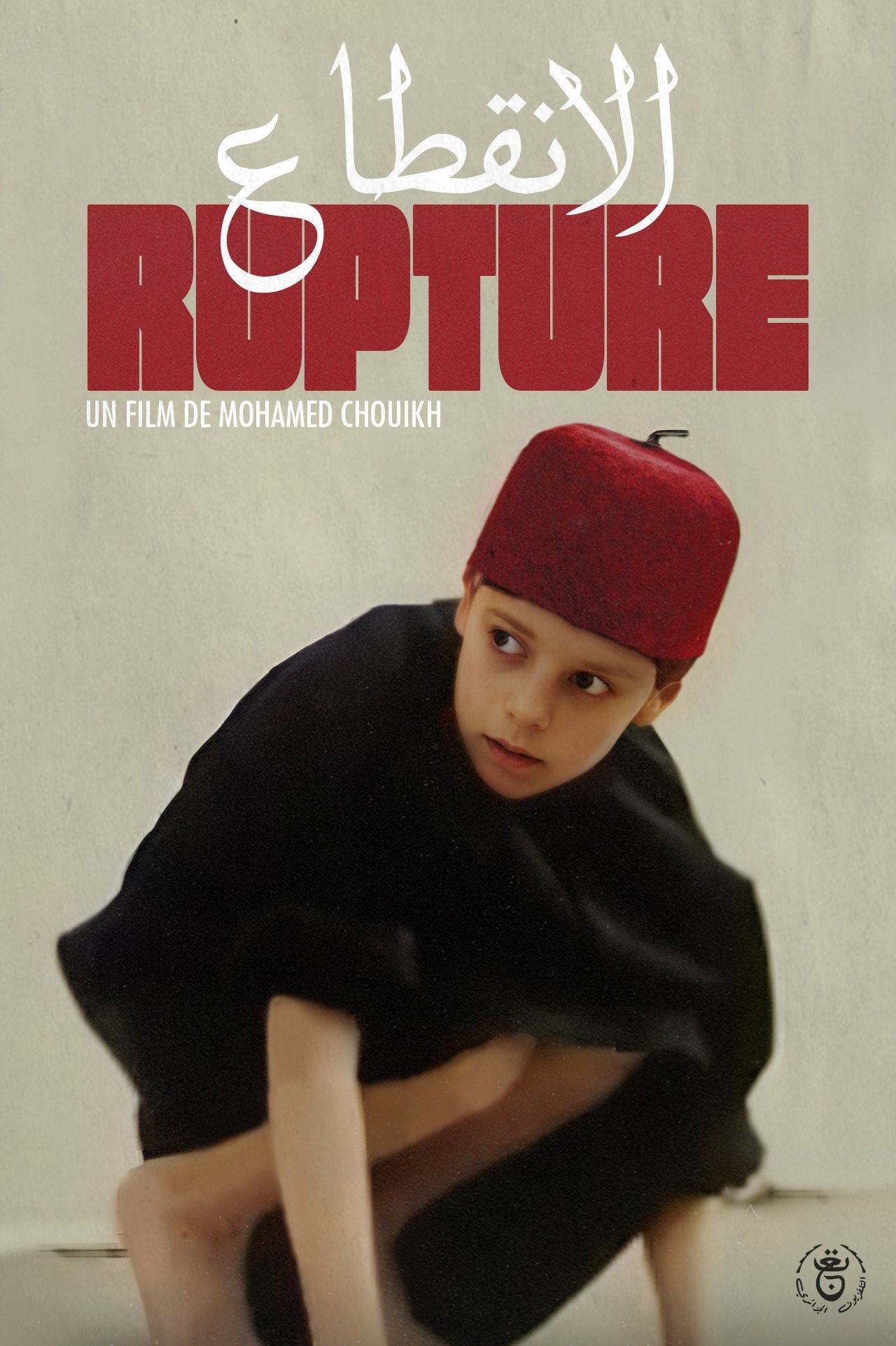
"Rupture is a look at a complex and little-known period in the recent history of Algeria, that of the thirties, a time when a political conscience was beginning to assert itself. I wanted to understand how and by what miracle, despite the small individual and collective revolts that had failed in the past, the unity of the Algerian people had been forged around the reconquest of independence. The main figures who worked, each in their own way, for this idea, are men who have always lived in the shadows and forgotten. And that's how I tried through this film to pay tribute to all those who gave up everything to dedicate themselves to a cause they considered just". Mohamed Chouikh
In an Algerian village, just before the war of independence, the inhabitants are under the thumb of a local strongman and a wealthy merchant. Among them is El Faïza, an old woman searching for her son who has escaped from prison. The gendarmes arrest El Faïza and seize the property of the villagers who haven't paid their taxes. The situation is ripe for a revolt…
The film mixes fiction, filmed documents and interviews which recounts the arrival in Paris of an Algerian immigrant lost in the metro. On December 27, 1968, France and Algeria signed an agreement which admitted each year 35,000 Algerian workers to French territory in the France of the Trente Glorieuses where the annual growth rate reached 5% and where factories lacked workers. Candidates obtain a residence permit valid for 5 years for themselves and their families. Paris is committed to improving professional training and housing conditions for immigrants, too often confined to the most thankless jobs and often housed in slums. A testimony on the living conditions of emigrant workers "economic cannon fodder" of neocolonialism which simultaneously develops its alter ego, institutionalized racism, as a tool of social stagnation and division of the proletarian class.
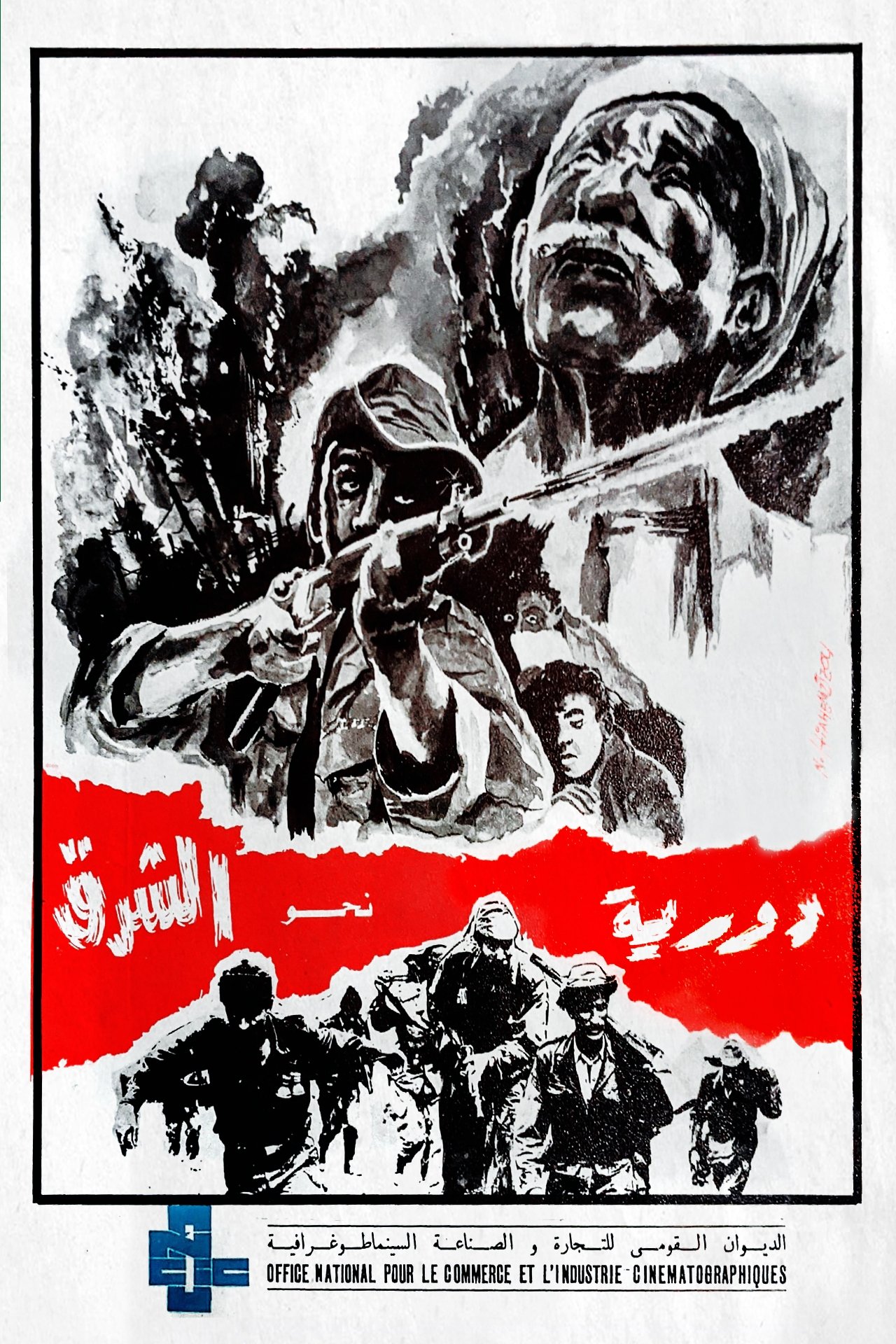
The film traces the story of a patrol of the Algerian National Liberation Army (ALN), whose mission is to transport a prisoner French soldier to the Tunisian border. Through the march of this group of guerrillas we witness the spirit of sacrifice and combativeness of these men from the people. The patrol will be decimated, but a young peasant will take over and complete the mission.
In Algiers, during the Algerian War of Independence, one of the leaders of the FLN was arrested by the French colonial army, which used the most violent methods to make the prisoners speak. The use of torture poses a conscience problem for a French officer. Playing shot-reverse-shot, between the tortured and his torturer, in a suffocating camera, Mohammed Lakhdar-Hamina approaches torture by drawing inspiration from the story of his father, who died of abuse.
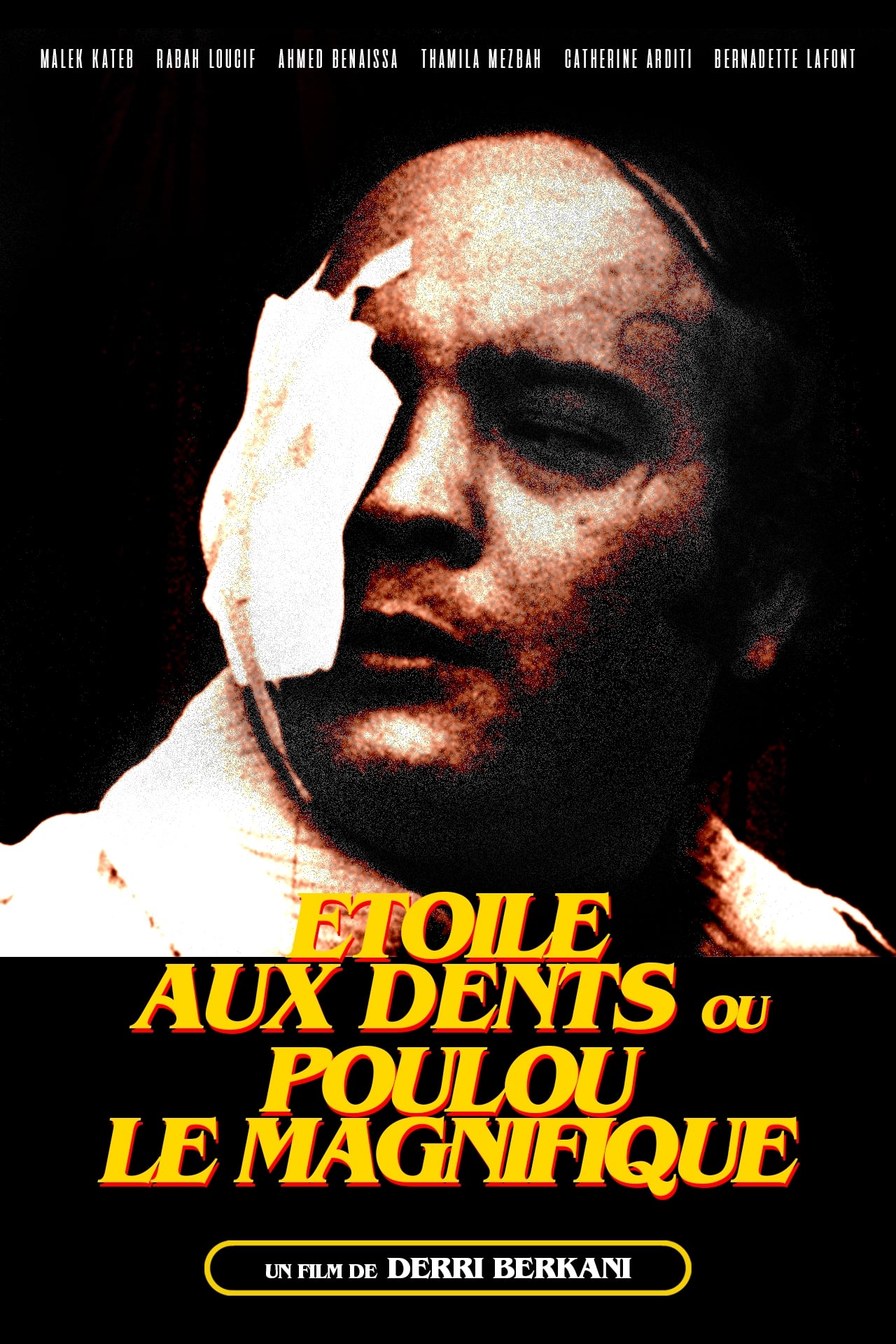
In the 70s, in the Goutte d'or district, three friends of Algerian origin: Poulou, a failed boxer, Amar, the clumsiest of thieves, and Jibé, a public writer for illiterate compatriots whose lives he knows in detail. As he betrays none of their secrets, he enjoys great prestige in the bistros where he works. The three of them lead a casual life, raising money by illicit means. It's only when Poulou and Amar leave that Jibé understands his isolation and marginalization. The images as well as the sounds help to reinforce the feeling that Paris is a city where he is both at home and a terrible stranger.
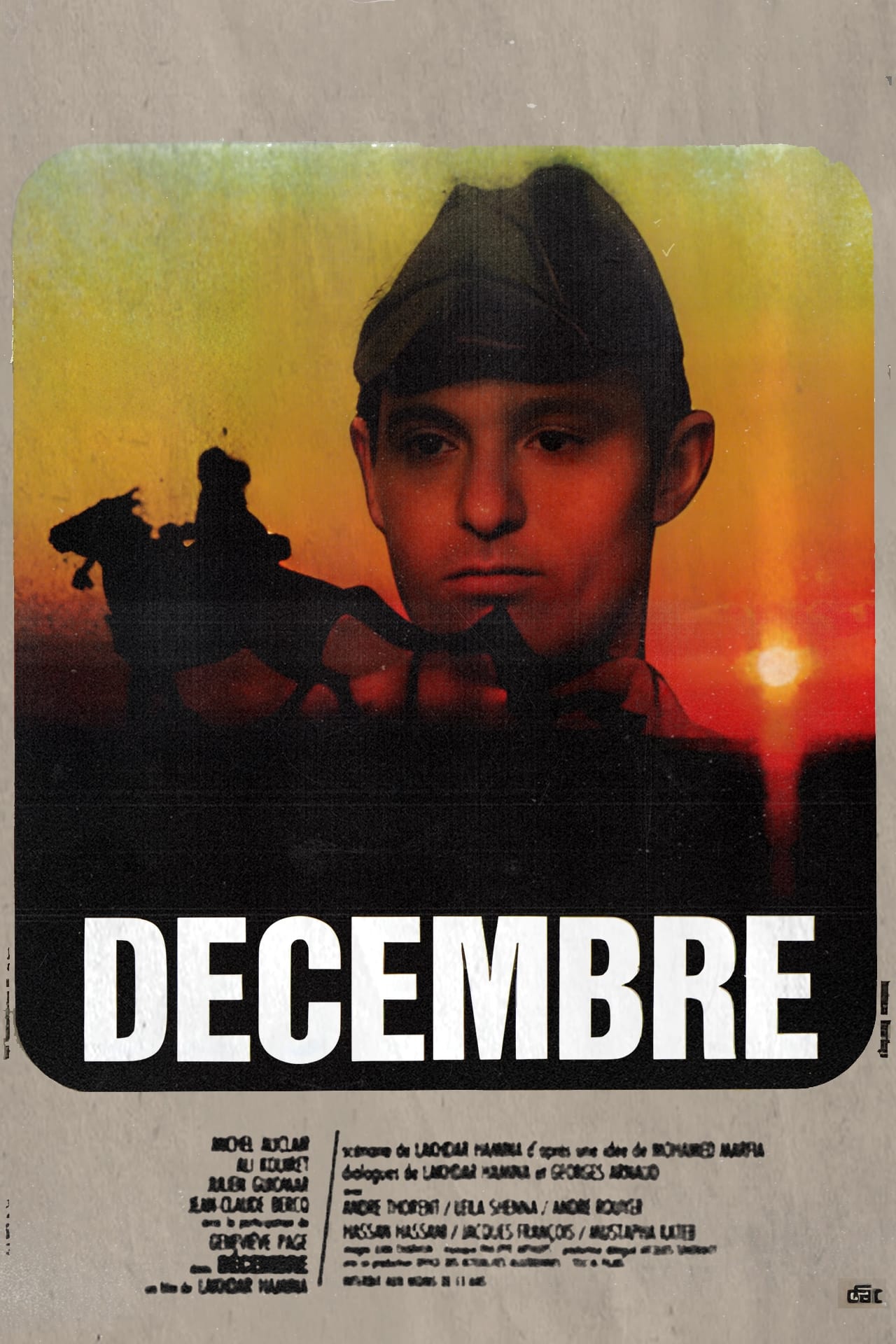
Like every year in Zitouna, a bear handler passes by. With his creature, he comes to challenge the small community. And like every year, it is Slimane El Mabrouk who defends the honor of the tribe. But this time, he dies, leaving two orphans, Omar and Ourida. Robbed of their inheritance, the children will grow up alone. The years pass, the French army settles in, and with it, the war. Mysteriously, one day, after the murder of a French legionnaire, Omar disappears into the bush, while his sister dies in childbirth. Omar will return to the village, much later, once independence has been acquired, as a representative of power and with this enigmatic formula: "You must know that the Revolution has not forgotten you". Personal revenge? Sincere desire to bring progress and modernity? ... The inhabitants of Zitouna, upset in their ancestral way of life, will not be long in having an answer to their questions.
Algiers, 1938. Meursault, a quiet and unassuming employee in his early thirties, attends his mother's funeral without shedding a tear. The next day, he begins a casual affair with Marie, a work colleague. He quickly slips back into his usual routine.
An American reporter and an Afrikaans poet meet and fall in love while covering South Africa's Truth and Reconciliation Commission hearings.
A drama following a French platoon during Algeria's war of independence.
Roxana Aubrey decides to drop her studies and escape her life in Paris for a free diving course in the south of France. She is quickly pulled into a life that reaches new depths brought by the weight of an ocean's descent.
Vivien, an accomplished student with a passion for physics, and Roy, a troubled young man, are involved in an accident that forces them to reclaim their lives one minute at the time.
Based on the 2000 book of the same name by Emmanuel Carrère, it is inspired by the real-life story of Jean-Claude Romand. L'Adversaire's protagonist Jean-Marc Faure (Auteuil) pursues an imaginary career as a doctor of medicine in a plot more closely based on Romand's life and Carrère's book than was Laurent Cantet's 2001 film L'Emploi du Temps. The film was nominated for a Palme d'Or at the 2002 Cannes Film Festival.
A woman has a close bond with her beloved Algerian grandfather, who protected her from a toxic home life as a child; his death triggers a deep identity crisis as tensions between her extended family members escalate, revealing new depths of resentment and bitterness.
A novelist is blinded in a car crash that killed his wife and several years later rediscovers his passion for life and writing when he embarks on an affair with the neglected wife of an indicted businessman.
Waking up in an unfamiliar city, a man with no memory must confront the mysteries of his own identity. However, his desperate search to uncover the past pits him against a powerful enemy, leading to a showdown that ultimately reveals the truth.
A World War II prisoner returns home to his childhood sweetheart. However, back home, he discovers that he has to compete to win her love.

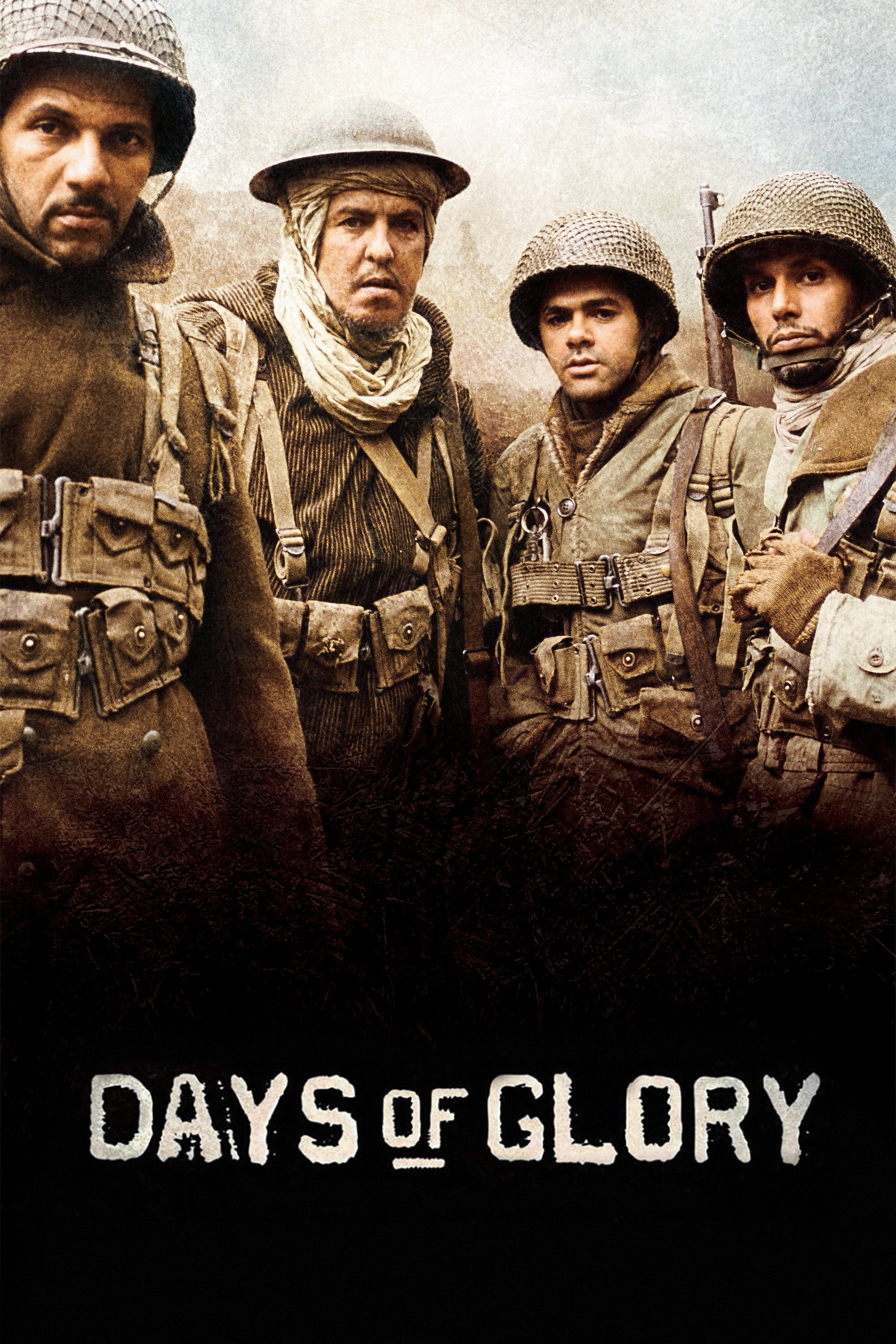
1943. They have never stepped foot on French soil but because France was at war, Said, Abdelkader, Messaoud and Yassir enlist in the French Army, along with 130,000 other “indigenous” soldiers, to liberate the “fatherland” from the Nazi enemy. Heroes that history has forgotten...
When the Welsh poet Dylan Thomas and his flirtatious wife Caitlin sweep into war-torn London, the last thing they expect is to bump into Dylan's childhood sweetheart Vera. Despite her joy at seeing Dylan after so many years, Vera is swept off her feet by a dashing officer, William Killick, and finds herself torn between the open adoration of her new found beau and the wily charms of the exotic Welshman.
Professor Gabriel Emerson finally learns the truth about Julia Mitchell's identity, but his realization comes a moment too late. Julia is done waiting for the well-respected Dante specialist to remember her and wants nothing more to do with him. Can Gabriel win back her heart before she finds love in another's arms?
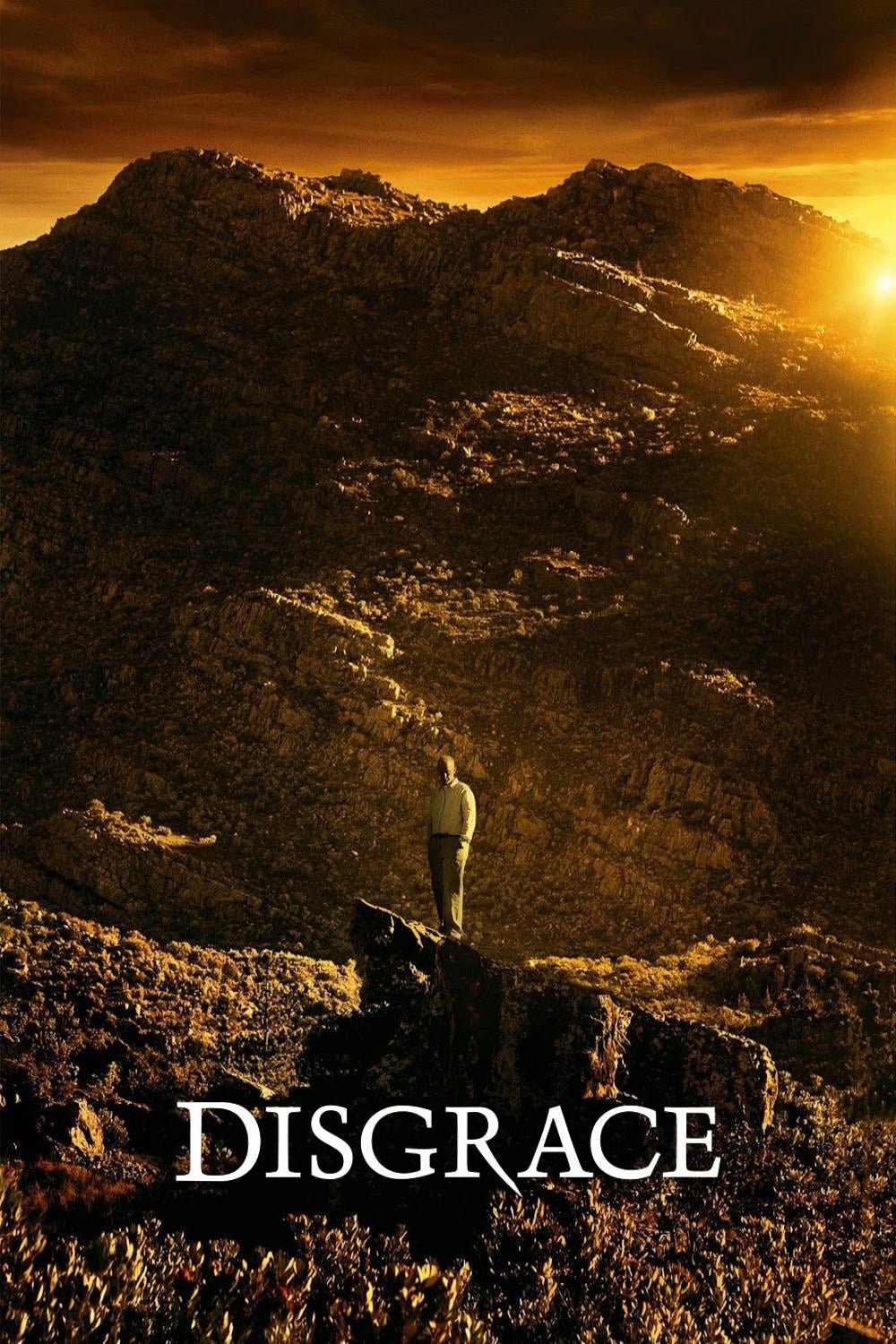
Disgrace is the story of a South African professor of English who loses everything: his reputation, his job, his peace of mind, his good looks, his dreams of artistic success, and finally even his ability to protect his cherished daughter. After having an affair with a student, he moves to the Eastern Cape, where he gets caught up in a mess of post-apartheid politics.
In 1950s France, a free-spirited woman trapped in an arranged marriage falls in love with an injured veteran of the Indochinese War.
Over the course of 12 years, and three stages of life, Sidney Hall falls in love, writes the book of a generation and then disappears without a trace.
Follows Vivien and Roy as their love story continues and leads them to Roy’s childhood home in Sicily to prepare for the sale of the family estate. During the visit, a mysterious woman arrives and befriends Vivien, much to Roy’s displeasure. Tensions build and lines are crossed as secrets from Roy’s past force the couple to face aspects of their relationship they did not know existed.
MMA legend Patton James, now a commercial fisherman, is pulled back into the cage when his brother is in danger. Reuniting with his old coach Sammy, he commits to one final fight in one championship against the brutal champion Xavier Grau.
South Africa, 1978. Tim Jenkin and Stephen Lee, two white political activists from the African National Congress imprisoned by the apartheid regime, put a plan in motion to escape from the infamous Pretoria Prison.
After a bad breakup, a college-aged Parisian moves into her father's flat only to discover that he is living with his new girlfriend - a young woman her age.