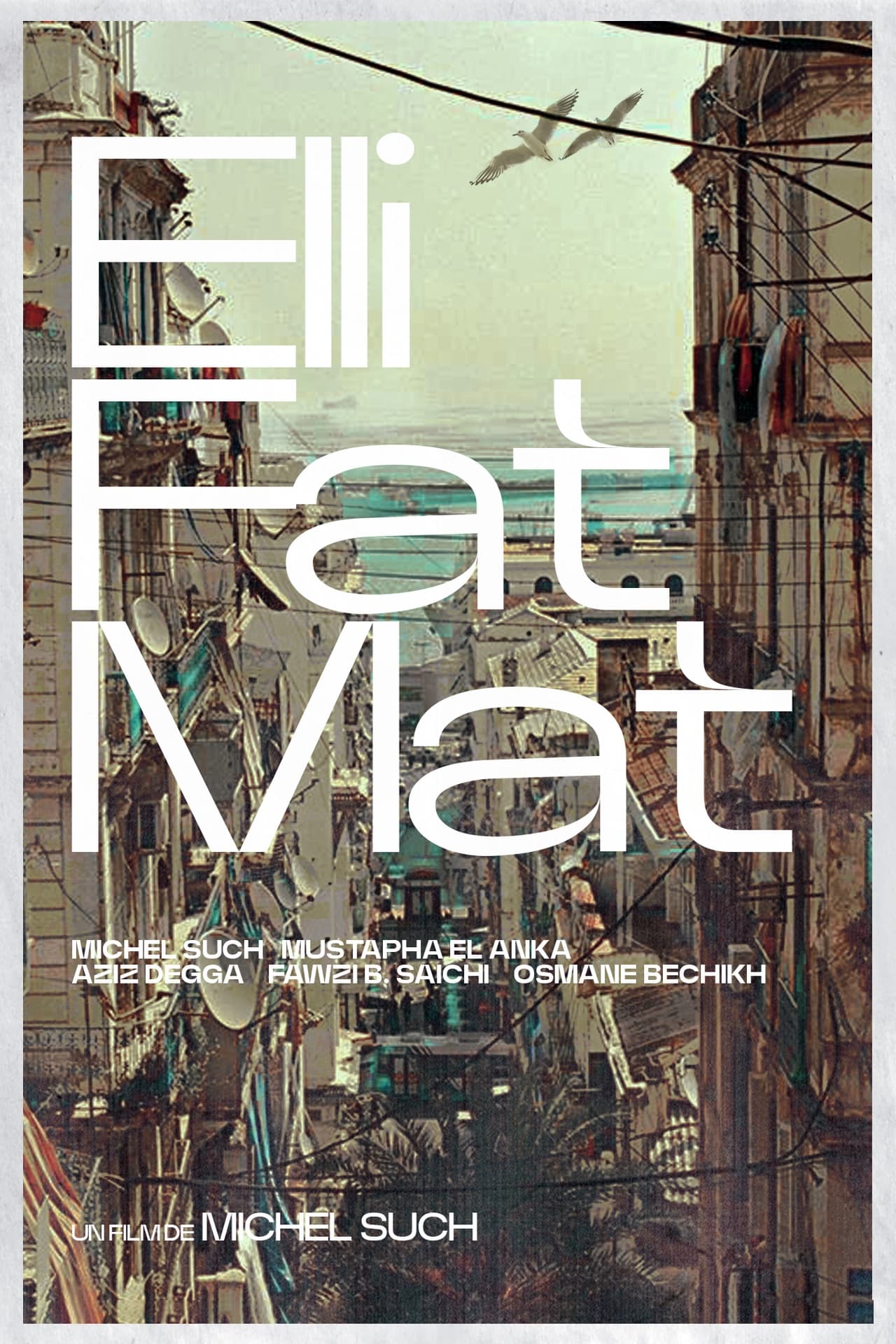
27 years after 1962, Antoine returns to Algiers...
Social & External
The people behind it
Michel Such
Mustapha El Anka
Aziz Degga
Fawzi B. Saichi
Osmane Bechikh
Hassan, tired and worn out by the long years of post-independence, obtains a taxi license as a veteran and will crisscross the streets of Algiers, experiencing the most incredible adventures.
In Kabylie, rude mountain region in the north of Algeria. Arezki finds the young Larbi exhausted, buried under the snow. He takes him in and nurses him until he's recovered. The host seduces Arezki's daughter. She is pregnant. This is an unsupportable shame to the father of the female sinner. Arezki claims vengeance. He leaves his house and takes the oath not to come back before having killed Larbi who betrayed him under his own roof.
Set in the 1800s among the Berbers of North Africa, this 1997 Algerian feature concerns a noble widow who receives a customary purse of gold coins from the enemy tribe that murdered her husband; the gift puts her in conflict with her kinsmen, who want the money to buy back land taken by the enemy in cahoots with French colonials.
Directed by Kamal Dehane
At the outbreak of the Second World War, two friends, Mokrane and Menach, abruptly interrupt their studies and return to their remote native Kabylian village of Tagsa. While waiting to be drafted into the French Army they have time to woo. Mokrane falls for beautiful Aazi and soon marries her only to find out that she can bear no child. Menach, on his part, is stongly attracted to Davda, but the latter is already married to a rich merchant...Happiness does not seem to be in store for the two former students...
Algerian youth of the 1960s, straddling traditional South Mediterranean and Western culture and the desire for emancipation of younger generations to find true love.
Two deaf and dumb children. She is the daughter of an American Oil engineer. He is the son of an Algerian farmer. They meet and manage to communicate, transcending all the cultural barriers that separate them.
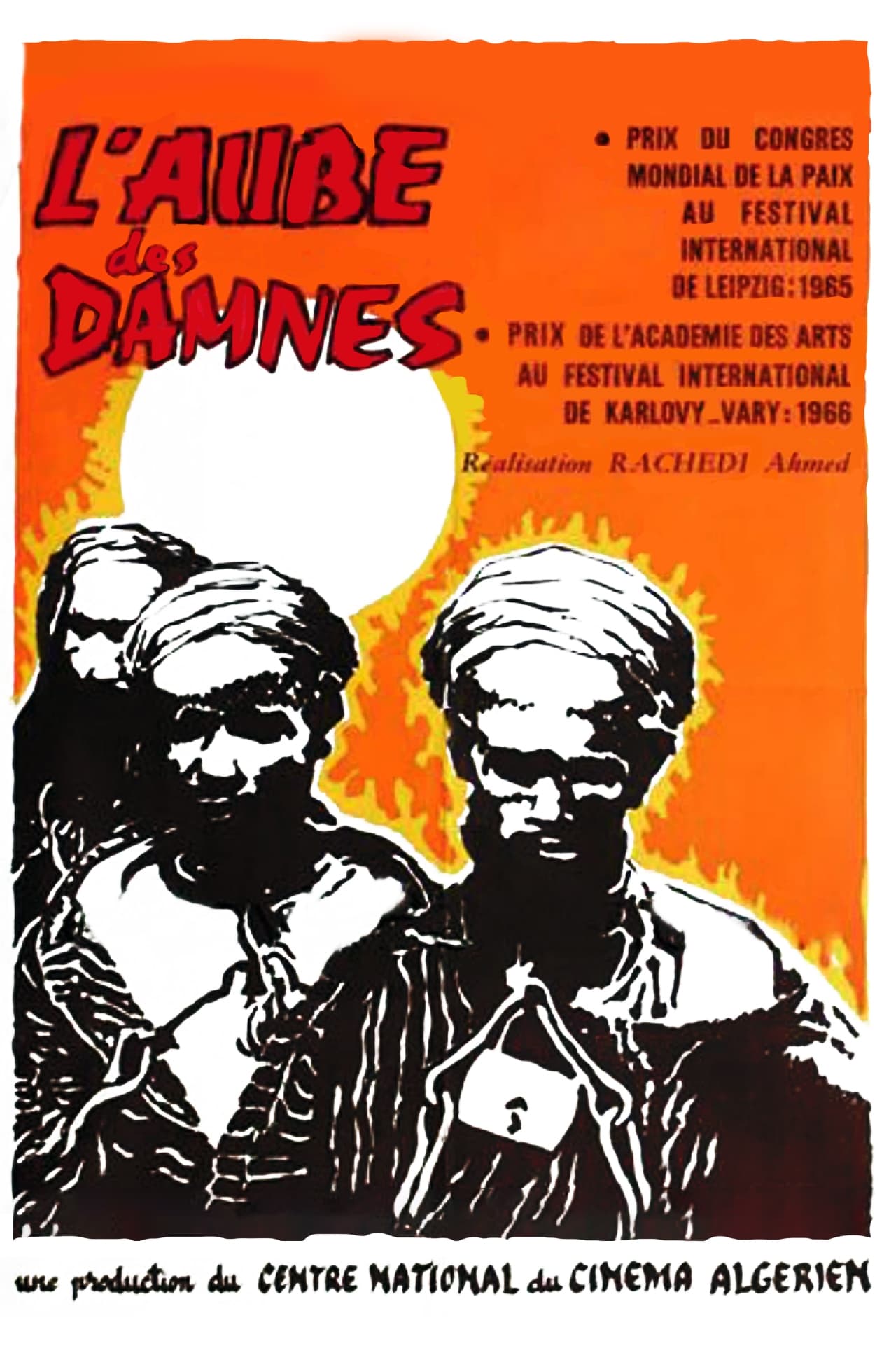
In Algeria in 1954, in a village in the Aurès region, poverty reigns over peasants enslaved by colonial administrators and Algerian landowners. Noua, in love with the son of a peasant dispossessed of his land, must be sold to a wealthy landowner.
“La Zerda and the songs of oblivion” (1982) is one of only two films made by the Algerian novelist Assia Djebar, with “La Nouba des femmes du mont Chenoua” (1977). Powerful poetic essay based on archives, in which Assia Djebar – in collaboration with the poet Malek Alloula and the composer Ahmed Essyad – deconstructs the French colonial propaganda of the Pathé-Gaumont newsreels from 1912 to 1942, to reveal the signs of revolt among the subjugated North African population. Through the reassembly of these propaganda images, Djebar recovers the history of the Zerda ceremonies, suggesting that the power and mysticism of this tradition were obliterated and erased by the predatory voyeurism of the colonial gaze. This very gaze is thus subverted and a hidden tradition of resistance and struggle is revealed, against any exoticizing and orientalist temptation.
In Algiers in 1993, while the civil war is starting, Mrs Osmane's tenants have to endure her bad temper. Her husband left her and the fear to lose her respectability haunt her. The former member of the Resistance during the Independence War persists in controlling the slightest moves of the households rather than struggle against her own frustrations. Learning her daughter is in love, the possibility of finding herself alone will push her to the limit: The symbolical Mrs Osmane "harem" is about to collapse.
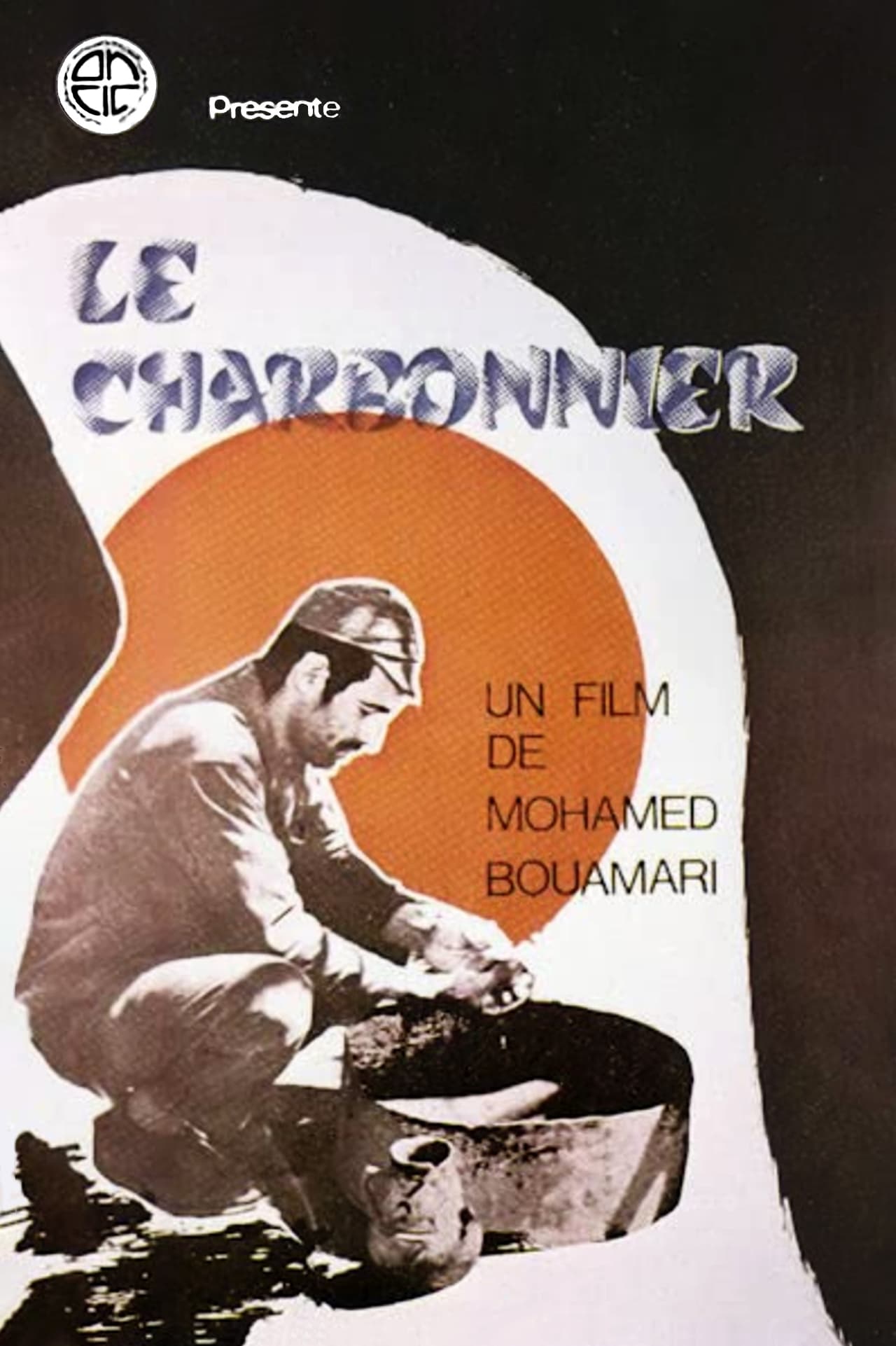
Film describes the miserable existence of a charcoal-burner who is barely able to feed his family. His search for work in town ends in failure and he is forced to return to his village.
This excellent feature-length documentary - the story of the imperialist colonization of Africa - is a film about death. Its most shocking sequences derive from the captured French film archives in Algeria containing - unbelievably - masses of French-shot documentary footage of their tortures, massacres and executions of Algerians. The real death of children, passers-by, resistance fighters, one after the other, becomes unbearable. Rather than be blatant propaganda, the film convinces entirely by its visual evidence, constituting an object lesson for revolutionary cinema.
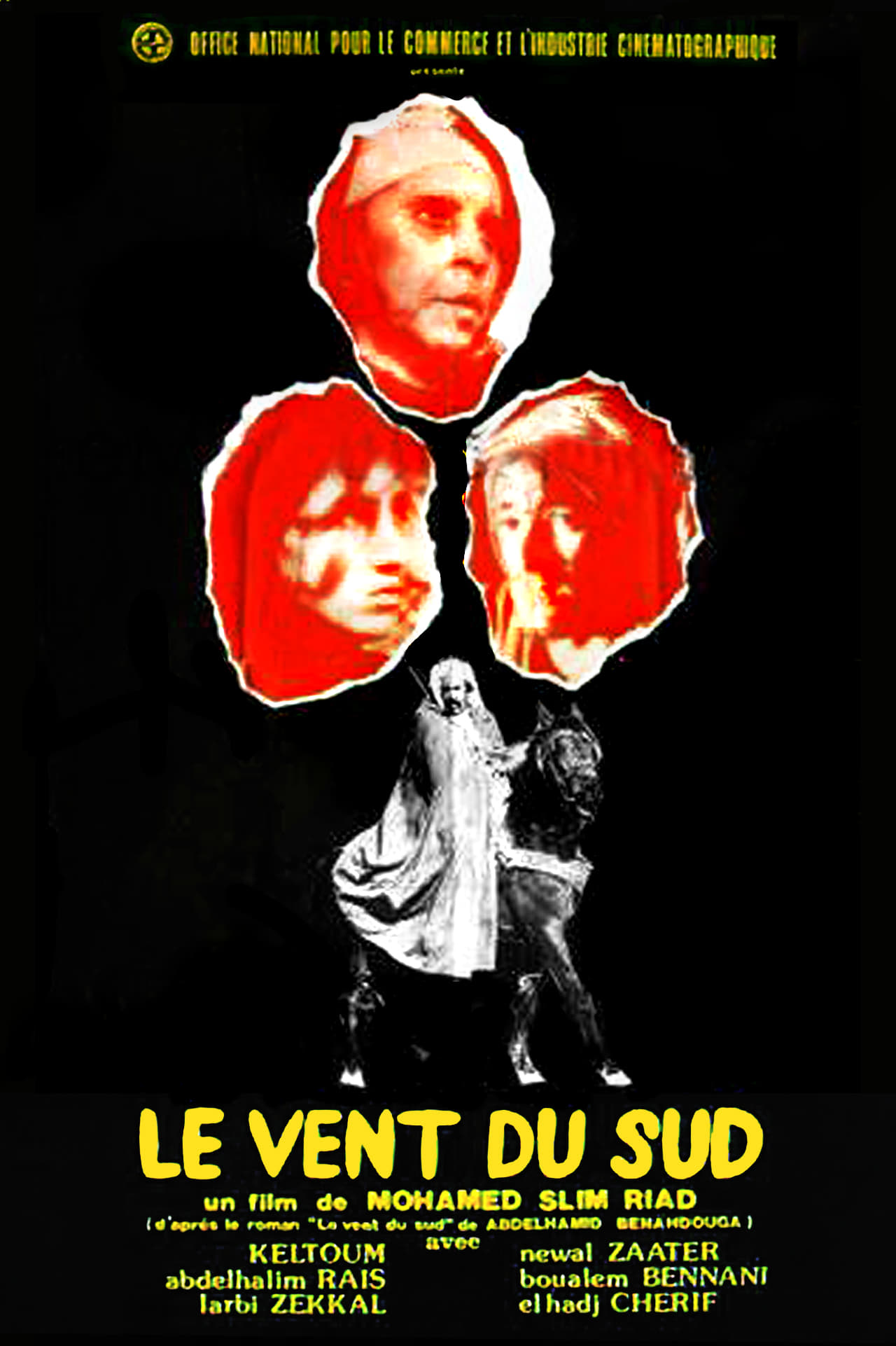
Néfissa, a student in Algiers, returns to her village in the south in the summer. Her father wants her to marry the mayor but she wants to continue her studies. Confronting her father and the opinion of the villagers who do not understand her, she decides to flee to Algiers. The shepherd Rabah discovering her wounded and lost in the mountains, has her treated by her mother. In contact with Nefissa, Rabat becomes aware of his exploited condition and discovers the possibilities offered to him by the cooperatives of the agrarian revolution. The two young people will go through the decisive stage together which will allow them to escape obscurantism and exploitation. Based on the novel "Le vent du sud" by Abdelhamid Benahouga
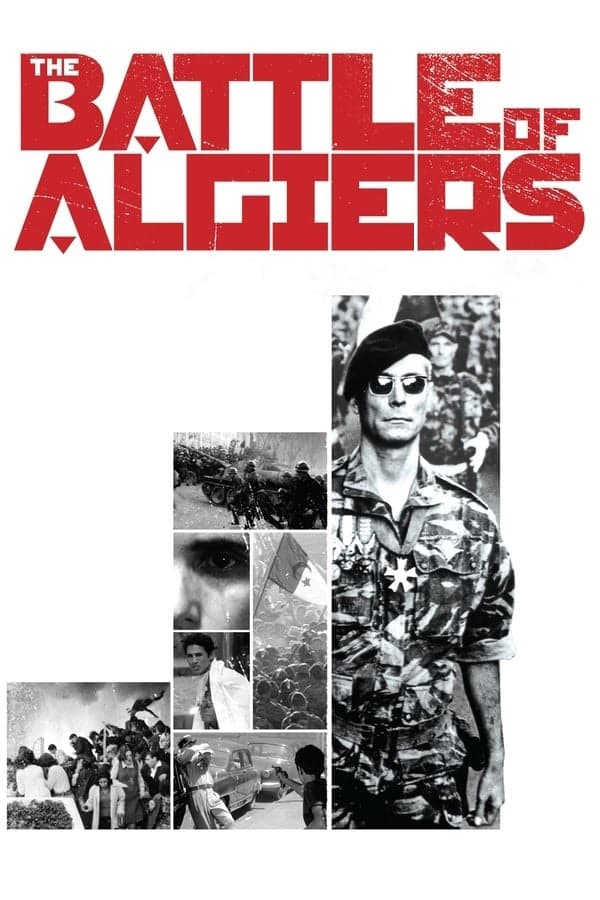
Paratrooper commander Colonel Mathieu, a former French Resistance fighter during World War II, is sent to Algeria to reinforce efforts to squelch the uprisings of the Algerian War. There he faces Ali la Pointe, a former petty criminal who, as the leader of the Algerian Front de Liberation Nationale, directs terror strategies against the colonial French government occupation. As each side resorts to ever-increasing brutality, no violent act is too unthinkable.
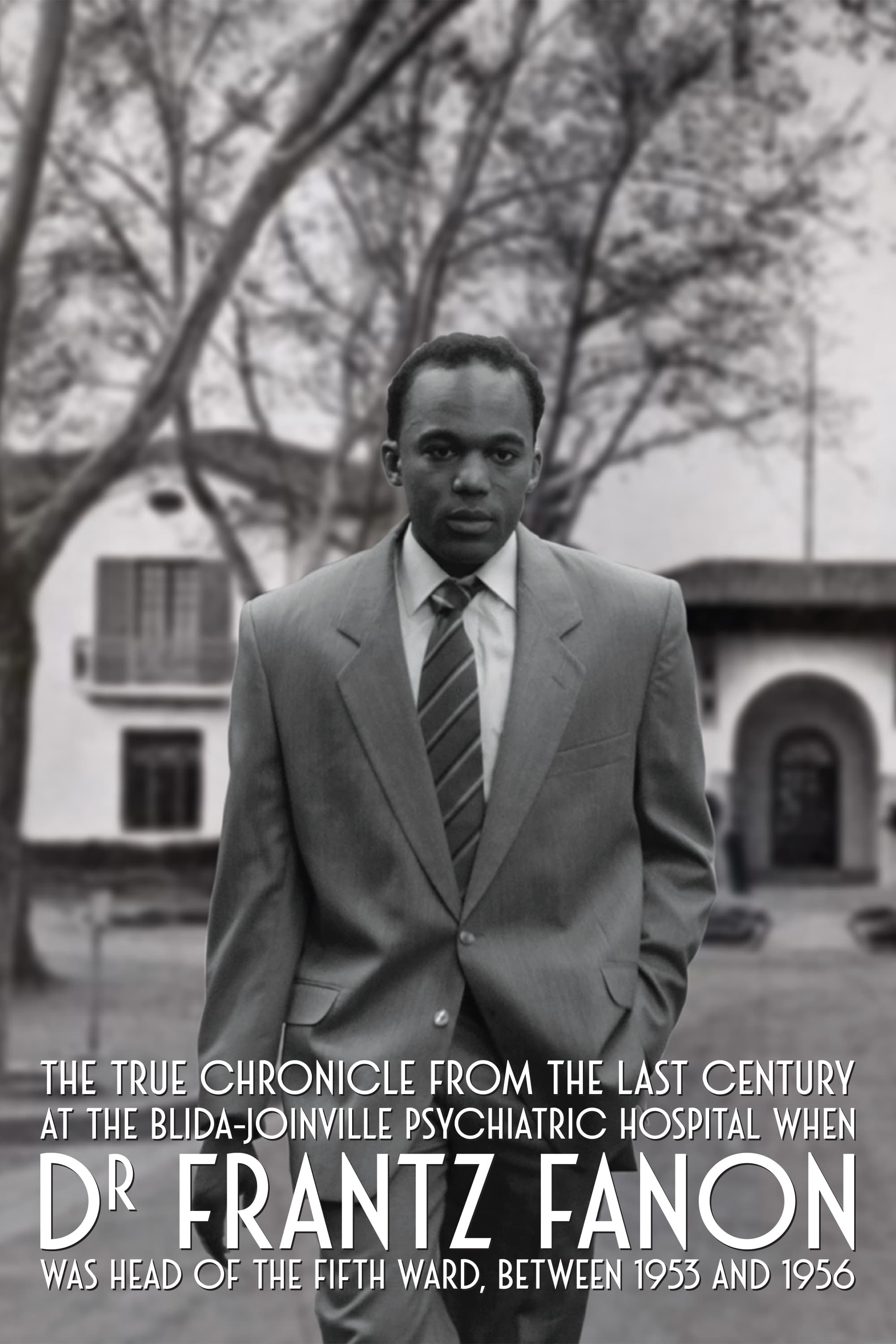
1953, colonized Algeria. Fanon, a young black psychiatrist is appointed head doctor at the Blida-Joinville Hospital. He was putting his theories of ‘Institutional Psychotherapy’ into practice in opposition to the racist theories of the Algies School of Psychiatry, while a war broke out in his own wards.
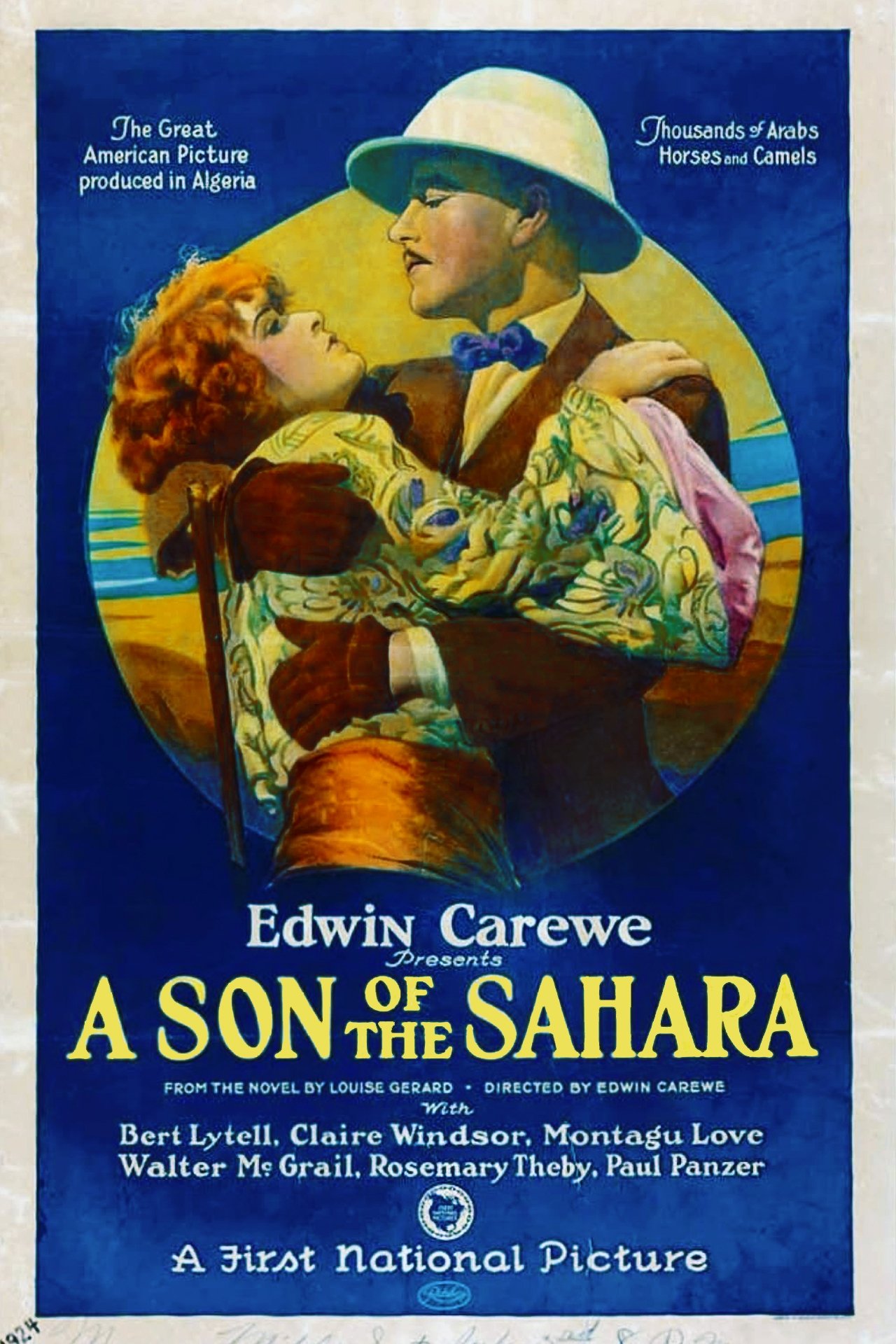
As a boy, Raoul is reared by an Arab tribe in Algerian Sahara. Years later, as a refined Europeanized gentleman, he falls in love with Barbara, an officer's daughter, who rejects him when she discovers his background. Affecting a raid, he captures her and then secretly buys her at a slave auction. When she is rescued by French troops, however, his ancestry is established and they find happiness together.
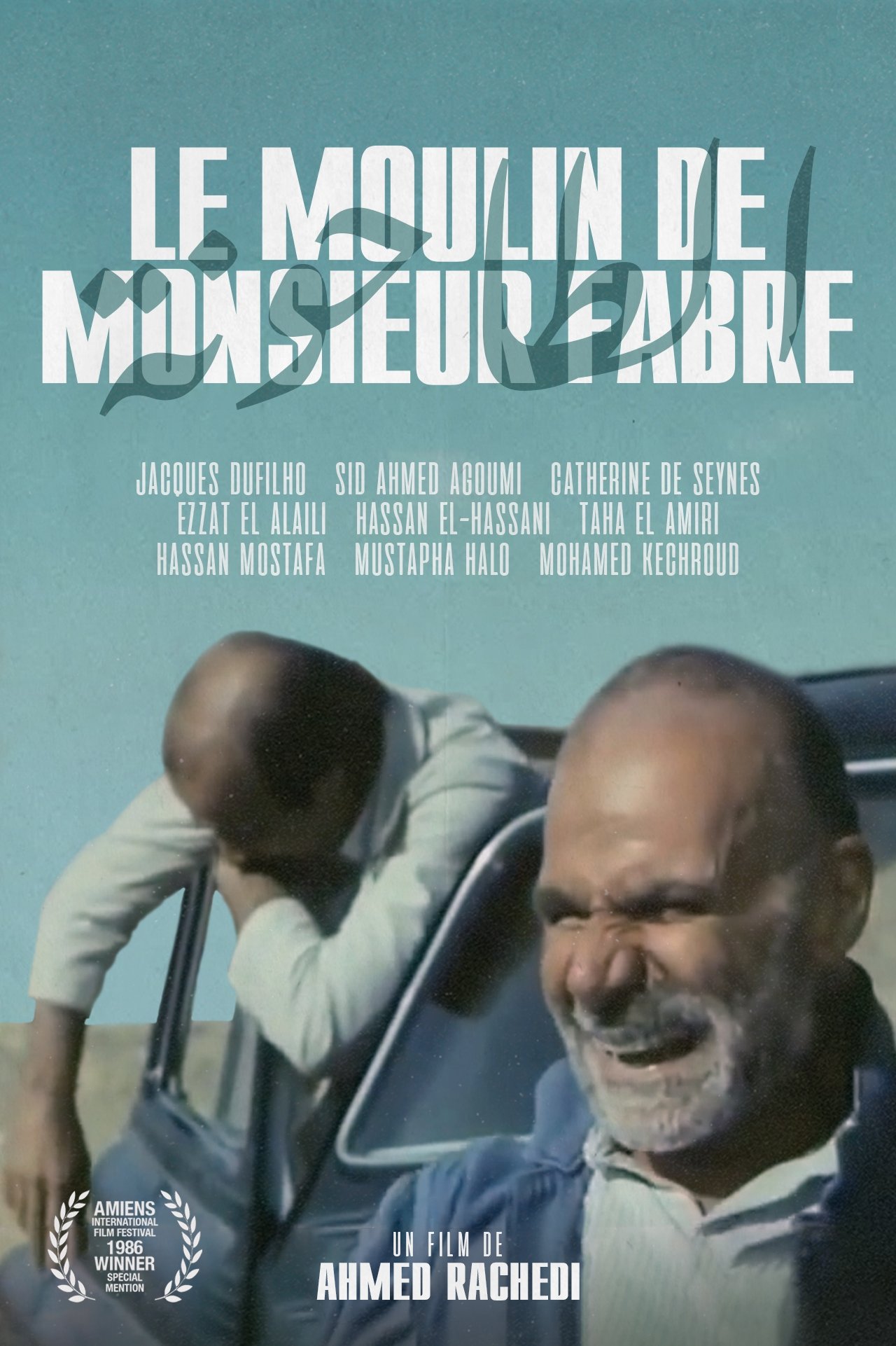
The story of the post-independence nationalization of the mill of Monsieur Fabre, an old man attached to the land of Algeria where he was born. In this small town in eastern Algeria, there was nothing else to nationalize and they were actively preparing for the arrival of high dignitaries who would elevate the mill to the rank of an industrial flour mill even though it was threatened with ruin. The comedy gets worse when the football player from the local team withdraws for love, the officials' visit is canceled and Mr. Fabre returns.
Pépé le Moko, one of France's most wanted criminals, hides out in the Casbah section of Algiers. He knows police will be waiting for him if he tries to leave the city. When Pépé meets Gaby, a gorgeous woman from Paris who is lost in the Casbah, he falls for her.
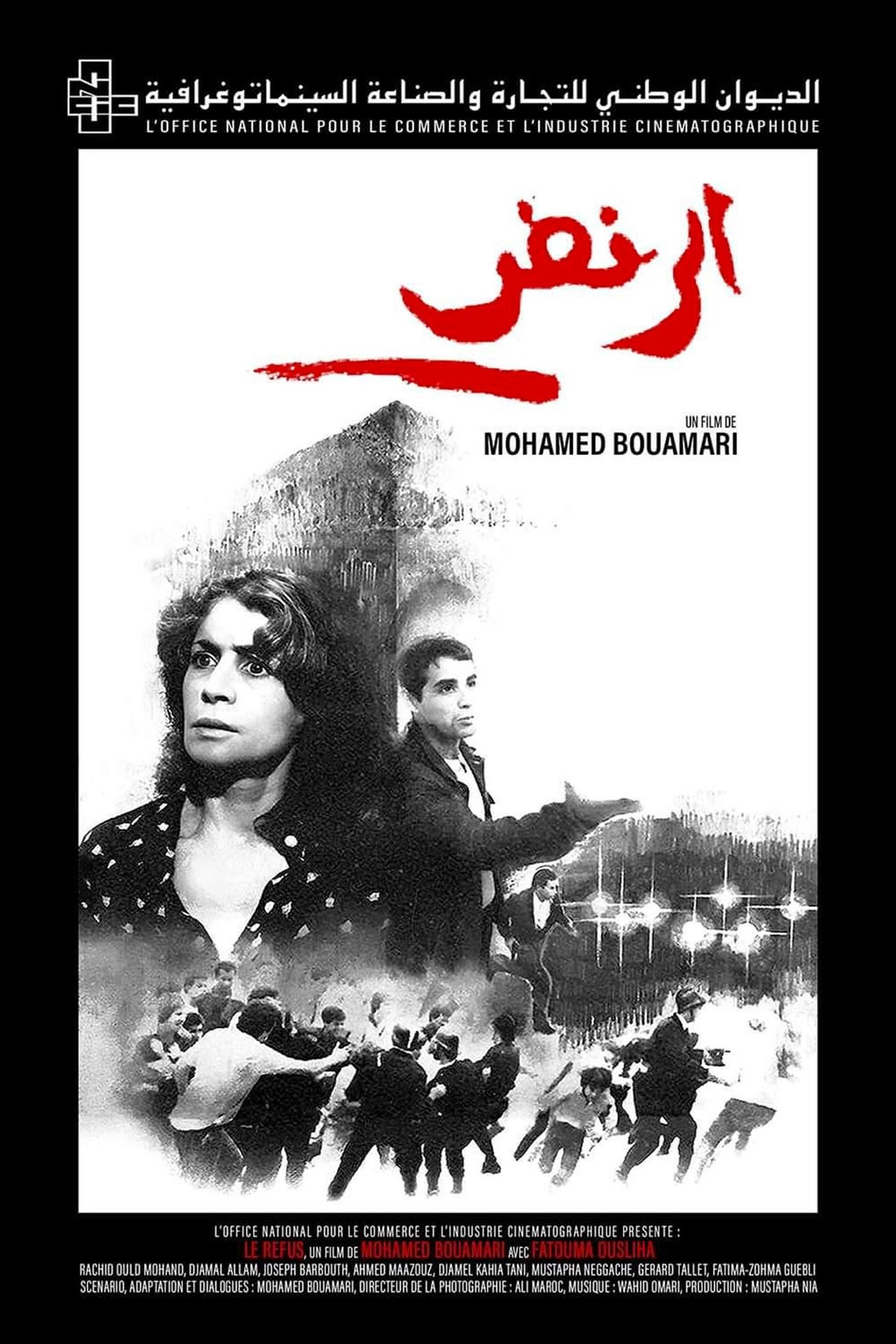
In 1971, the Algerian government nationalized hydrocarbons. The consequences of this decision on the community of Algerians in France are numerous. The Galti family is prey to these economic problems. The father, Khaled, former member of the F.L.N. in France, does not escape the sentence. Sharazade, his wife and comrade in combat, finds herself torn between her role as wife, mother and nostalgia for a country and a bygone past. As for his son Karim, a victim of socio-cultural division, all he has left is refusal.
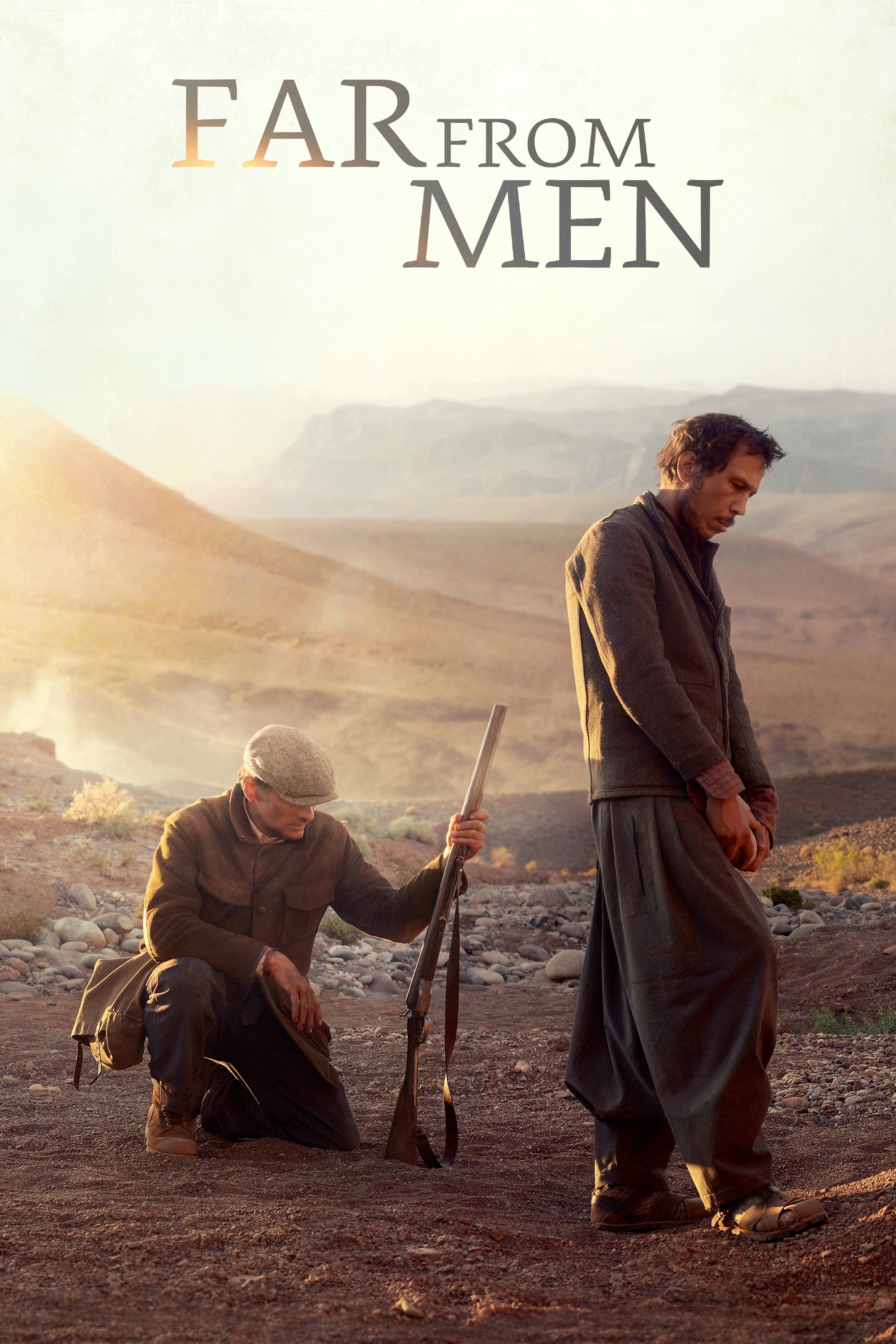
A French teacher in a small Algerian village during the Algerian War forms an unexpected bond with a dissident who is ordered to be turned in to the authorities.
After leaving France in search of a better life in America, a television producer returns with a group of burlesque dancers to take the Paris club scene by storm.
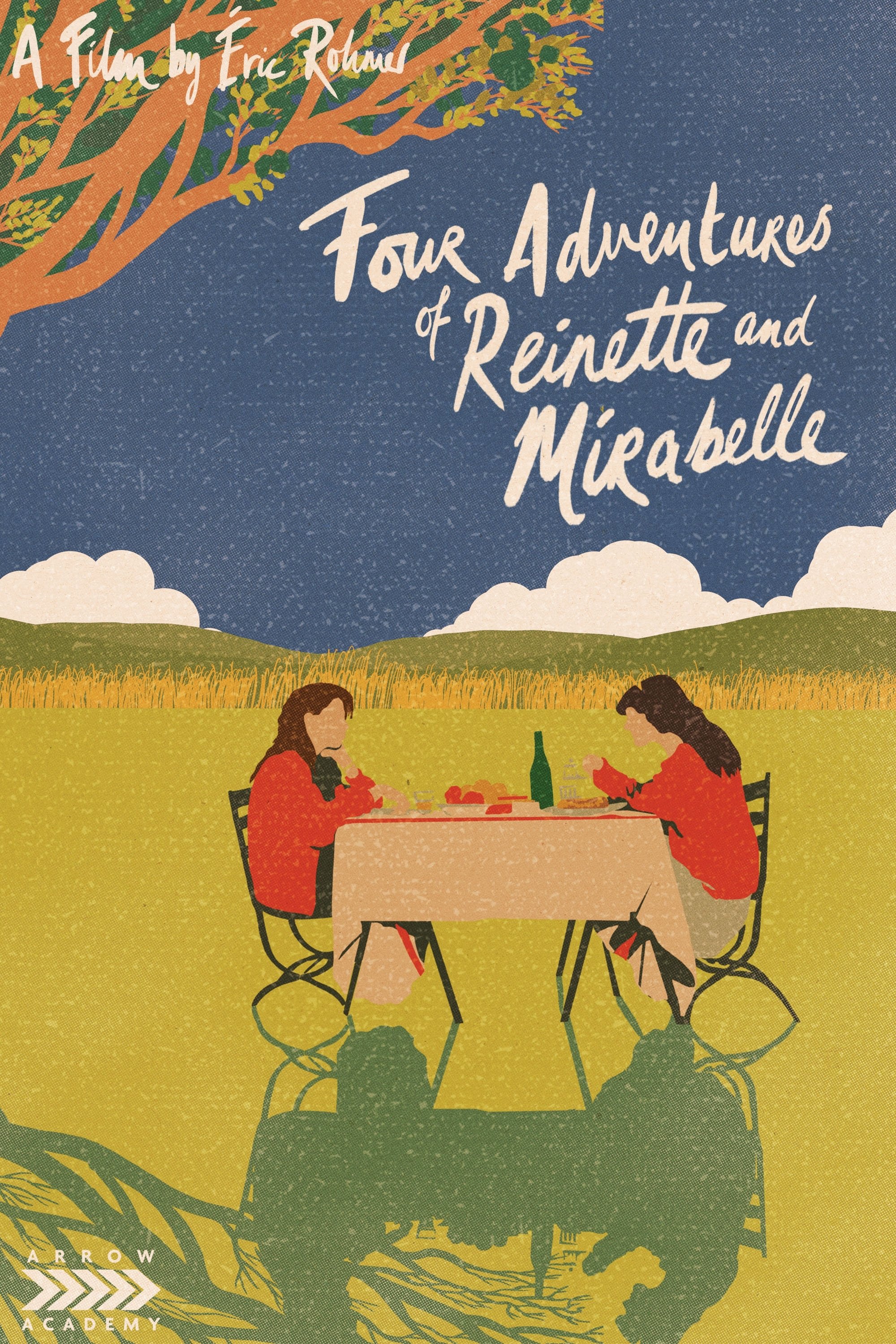
Two young girls meet, Reinette from the countryside and Mirabelle from Paris, and decide to take a flat together in Paris where they attend University. Four successive stories about their daily lives illustrate the very different views, characters and relation to the world of these two friends.
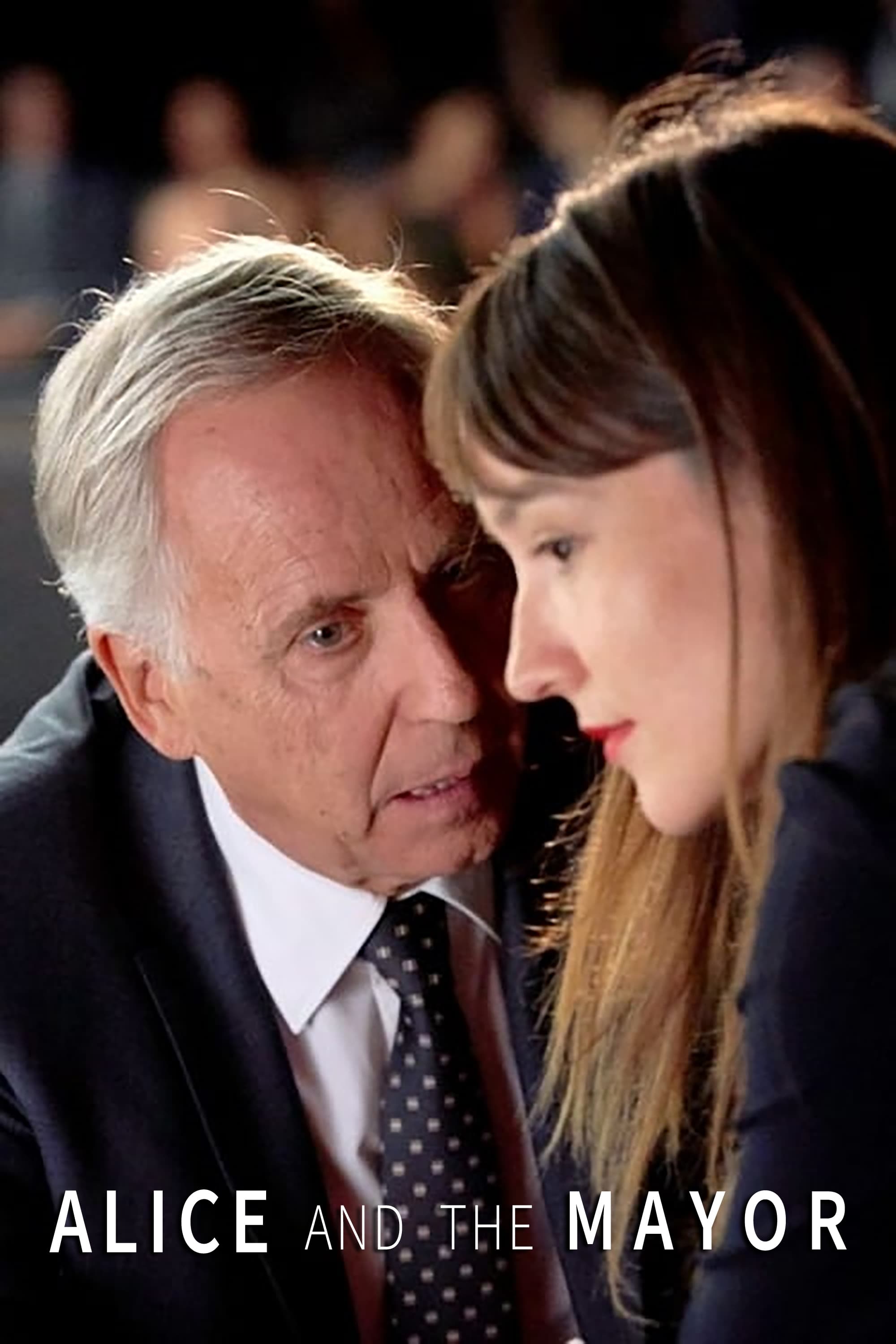
The mayor of Lyon, Paul Théraneau, is in a delicate position. After 30 years in politics, he is running out of ideas and is faced with a feeling of existential emptiness. To overcome this, Paul hires a young and brilliant philosopher, Alice Heimann. Then follows a dialogue between two diametrically opposed personalities who will turn their certainties upside down.
When 43-year-old hairdresser Suze Trappet finds out that she's seriously ill, she decides to go looking for a child she was forced to abandon when she was only 15. On her madcap bureaucratic quest she crosses paths with JB, a 50-year-old man in the middle of a burnout, and Mr. Blin, a blind archivist prone to overenthusiasm. The unlikely trio set off on a hilarious and poignant helterskelter journey across the city in search of Suze's long-lost child.
From the Atlantic to the Black Sea, Mathias and Philippe, two old friends, embark on a bicycle journey that Mathias’s son made before his tragic death. The two men ride through the ordeals with tenderness, humor and emotion.
A man takes his wife and their teenage children on a road trip down memory lane while facing divorce.
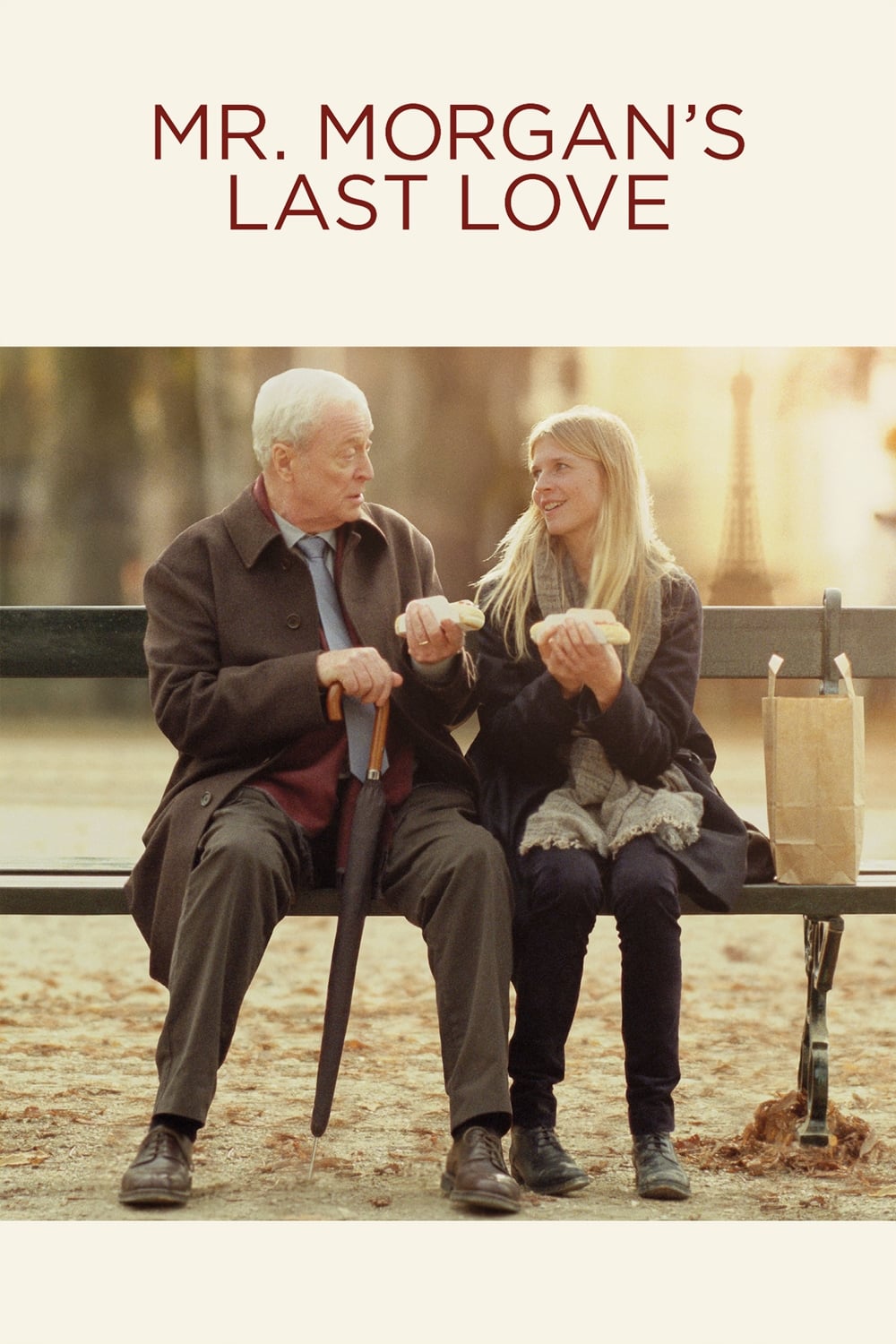
A widowed professor living in Paris develops a special relationship with a younger French woman.
In the fifties, young Alice leaves her natal Swiss mountains for the sunny and vibrant shores of Beirut. She falls madly in love with Joseph, a quirky astrophysicist intent on sending the first Lebanese national into space. Alice quickly fits in among his relatives, but after years of bliss, the civil war threatens their Garden of Eden.
A single father, Étienne, is preparing for his daughter Rosa to leave home, but his life is upended when he sees his long-lost wife, Valérie, on TV, forcing a confrontation with the past.
Selma, a psychoanalyst, deals with a cast of colorful new patients after returning home to Tunisia to open a practice.
A wheelchair-bound singer and her best friend embark on a roadtrip to Memphis.
Pierre, a successful 33-year-old florist, has his life turned upside down by the sudden arrival of his mother Judith, whom he hasn’t seen for two years. Mercurial and extravagant, she suffers from bipolar disorder and has recently escaped from a clinic. Pierre has only one idea in mind: bring her back as quickly as possible so his life can get back on track. But nothing happens as he hoped for. Their unexpected reunion, as funny and explosive as it is heart-wrenching, will transform Pierre and Judith forever.
Winter. Somewhere between Tehran and Winnipeg. Negin and Nazgol find a sum of money frozen deep within the sidewalk ice and try to find a way to get it out. Massoud leads a group of befuddled tourists upon an increasingly-strange walking tour of Winnipeg historic sites. Matthew leaves his job at the Québec government and embarks upon a mysterious journey to visit his estranged mother.
In 35,000 BC, the tribe of the Dirty Hairs is at war against the tribe of the Clean Hairs for eight hundred years, trying to get their shampoo. The chief of the Dirty Hairs sends his daughter Guy disguised to the enemy tribe to get some shampoo for his tribe. When the healer of the Clean Hairs tribe surprisingly kills two cavemen of his tribe, their imbecile chief assigns Pierre with curled hair and Pierre blonde to investigate the murder and find the criminal.
Misanthropic novelist François writes gripping crime stories – “Agatha Christie meets The Scarlet Pimpernel” – but outside of the swashbuckling imaginary world of his Marquis la Rose-novels, life is far from thrilling. His partner Colette, a professor at the Sorbonne and world-renowned expert on Alfred Hitchcock, is tired of watching François sit around their apartment in his pyjamas and yearns for the excitement of the classic films she watches with her students. When Colette begins to suspect their flamboyant actor neighbour of murdering his wife, the couple’s mundane lives are turned upside down – and their stale relationship is jolted back to life.
Five old friends decide to move in together as an alternative to living in a retirement home. Joining them is an ethnology student whose thesis is on the aging population.
When Internal Affairs officer Stéphanie investigates a young man severely injured during a chaotic Paris demonstration and finds no police misconduct, the routine case hits close to home upon her discovering the victim is from her native town.
Rachel loves her life, her students, her friends, her ex, her guitar lessons. When she falls in love with Ali, she grows close to his 4-year-old daughter, Leila. She tucks her in, looks after her, and loves her like a mother... which she isn’t. Not yet. Rachel is 40. The desire for a family of her own is growing stronger, and the clock is ticking. Is it too late?
Michel, a fifty year old man, graphic designer, decides to change the urban lifestyle and go on an adventure. Fascinated by airmail, he dreams at Jean Mermoz when he's on scooter. One day, Michel sees a picture of a kayak.
Three sisters return to their home for the third wedding of their twice-widowed mother. But the mother and daughters are forced to revisit the past and confront the future, with help from a colorful group of unexpected wedding guests.