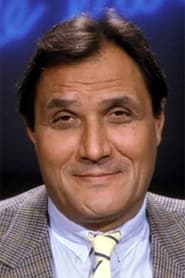
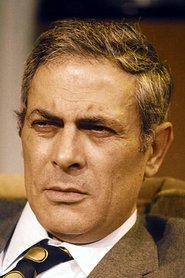
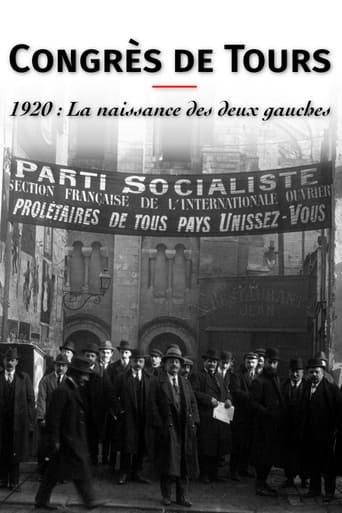
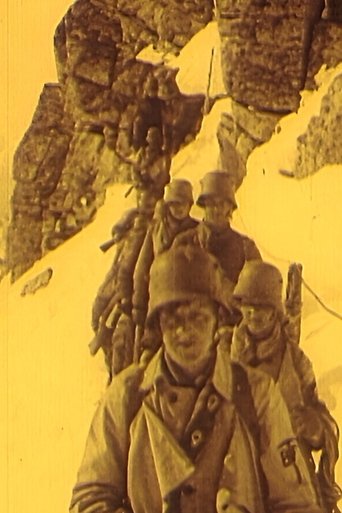
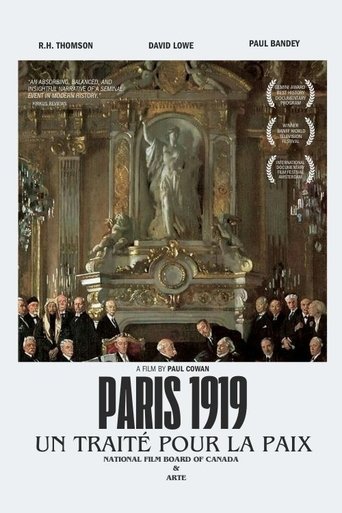
French television panel discussion with German and French veterans of World War I, conducted after the viewing of G. W. Pabst's 1930 film WESTFRONT 1918.
Social & External
Presenter
Professor Niall Ferguson argues that Britain's decision to enter the First World War was a catastrophic error that unleashed an era of totalitarianism and genocide.
Russia, 1917. After the abdication of Czar Nicholas II Romanov, the struggle for power confronts allies, enemies, factions and ideas; a ruthless battle between democracy and authoritarianism that will end with the takeover of the government by Vladimir Lenin and the Bolsheviks.
A documentary about the First Yale Unit, a group of Yale students who trained for World War I.
The movie depicts the events from July until September of 1914 which led to the defeat of the German troops at the Marne. While Sebastian Haffner explains and comments on operations and decisions on the basis of situation maps, key scenes are depicted by actors. A main focus is thereby placed by Haffner onto the controversial mission of lieutenant-colonel Richard Hentsch who is said to have, during a war patrol to the various army high commands, contributed to the abortion of the operations significantly.
A response in music and film to the conflict that launched a century of war, and a celebration of the power of art to keep us sane and offer us comfort. Beyond Zero: 1914-1918 brings together three of the world's most pioneering artists: the Kronos Quartet, known for decades for their trailblazing performances and collaborations; acclaimed Serbian composer Aleksandra Vrebalov; and filmmaker Bill Morrison, respected for his work with rare and even partially destroyed archive images.
Relying on newly discovered archival footage, memoirs from the fallen, and expert commentary from scholars, this documentary tells the story of World War I from the American perspective: Its ace pilots, mine-laying Sailors, heroic doughboys, Harlem Hell Fighters, and courageous nurses.
100 years ago Mata Hari faced the firing squad as a convicted Dutch spy. It was at this moment that the legend of Mata Hari, the seductive spy, was born. Newly-discovered documents cast doubt on her guilt and reveal startling truths about her life. Mata Hari was a self-made woman whose boldness and sexuality threatened the male establishment. Most of what we've known about her until now has largely been myth. Mata Hari's challenges as an abused wife, single mother and a creative independent woman are familiar to women around the world. At the turn of the century, her struggles to attain sexual freedom, artistic expression, and liberation from the constraints of conventional society are the same ones women face today. She graced the cover of Vogue, performed all over Europe and left a coterie of smitten admirers in her wake.
Produced by the Fox Movietone News arm of Fox Film Corporation and based on the book by Lawrence Stallings, this expanded newsreel, using stock-and-archive footage, tells the story of World War I from inception to conclusion. Alternating with scenes of trench warfare and intimate glimpses of European royalty at home, and scenes of conflict at sea combined with sequences of films from the secret archives of many of the involved nations.
Winston Churchill, one of the most revered men of the twentieth century. Adolf Hitler, one of the most hated leaders in contemporary history. Between 1940 and 1945, these two enormously contradictory personalities faced each other in both politics and war. A clash of giants whose story begins in the trenches of the World War I and ends with the debacle of the World War II.
The film features the wonderful poet of the early 20th century, Count Vasily Komarovsky. The poets Nikolai Gumilyov, Anna Akhmatova and Osip Mandelstam, among other celebrities, were not only his acquaintances but he had a considerable influence on their work. The poet’s extraordinary life gave birth to legends, whose plausibility will also be dwelt upon. Komarovsky’s niece will share her recollections with the viewer. The film is based on unique documents previously unknown to Russian and foreign scholars.
How can the masses be controlled? Apparently, the American publicist Edward L. Bernays (1891-1995), a pioneer in the field of propaganda and public relations, knew the answer to such a key question. The amazing story of the master of manipulation and the creation of the engineering of consent; a frightening true story about advertising, lies and charlatans.
A documentary about World War I with never-before-seen footage to commemorate the centennial of Armistice Day, and the end of the war.
How Germany was when its people entered the nightmare of World War II? Despair and fear lead a hungry population to follow the chilling call of just one man to world domination. A real-life horror story, an ominous tale of violence and deception, which takes place from 1919 to 1934. (Entirely made up of restored, colorized archival footage.)
A new look at the public and private life of one of the most important statesmen in the history of Europe: Winston Churchill (1874-1965), soldier, politician, writer, painter, leader of his country in the darkest hours, winner of the Nobel Prize in Literature, a myth, a giant of the 20th century.
The Battle of the Falklands, between a Royal Navy task force and five German cruisers, was one of the most dramatic and bloodiest sea conflicts of World War I. When the smoke cleared, four of the German ships had sunk, including the flagship and pride of the German fleet, the SMS Scharnhorst. For decades, none of the downed vessels were ever found. Now, more than 100 years later, maritime archaeologist Mensun Bound and his team are searching for the ships and the secrets they hold. It's a race against time and the raging South Atlantic Ocean.
Telling the stories of the last soldiers to die in the Great War.
Germans colonized the land of Namibia, in southern Africa, during a brief period of time, from 1840 to the end of the World War I. The story of the so-called German South West Africa (1884-1915) is hideous; a hidden and silenced account of looting and genocide.
An account of the last two centuries of the Anthropocene, the Age of Man. How human beings have progressed so much in such a short time through war and the selfish interests of a few, belligerent politicians and captains of industry, damaging the welfare of the majority of mankind, impoverishing the weakest, greedily devouring the limited resources of the Earth.