An overview of waldorf education from the Sacramento Waldorf School.
Social & External
The people behind it
Betty Stanley
Narrator
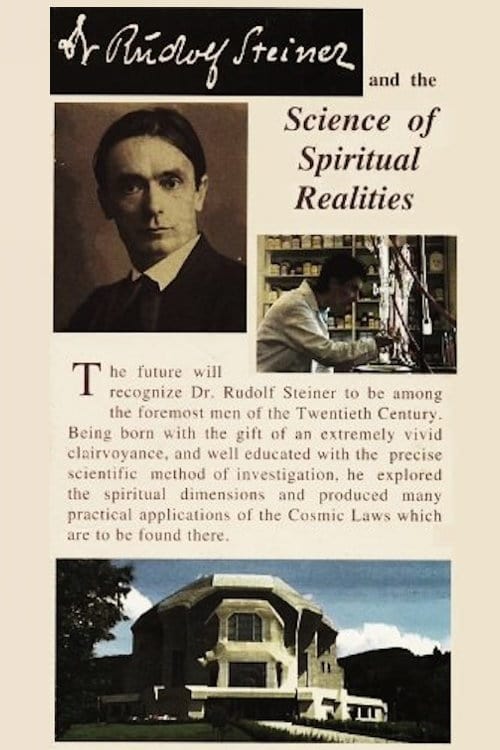
This television documentary takes us on a fascinating journey into the realms just beyond our five senses, where thoughts are things and creation begins. Rudolf Steiner not only found how to experience these areas directly, in a very safe and methodical manner, but he also developed specific techniques which, if utilized in the right way and with the proper intention, enable the individual to have insight into the spiritual realities. In addition to learning of this extraordinary individuality, we meet some of the men and women who are utilizing the impulses brought by Dr. Steiner to expand and enhance their specific vocations in very practical ways, e.g. education, agriculture, medicine, astronomy, mathematics, architecture, the arts, and working with retarded children and adults.
Waldorf education overview from the perspective of the Toronto Waldorf School.
Explains the early childhood practices and philosophy of the RIE system.
This short film introduces some of the fundamentals of Waldorf education. Originally produced for the Steiner Schools Fellowship.
This DVD gives an impression of a typical school day in an American Waldorf/Rudolf Steiner School. Teachers, parents, and pupils describe what is essential for them at their school and explain their reasons for choosing Waldorf (education).
Presents a glimpse of Waldorf principles through scenes filmed at the San Francisco Waldorf Kindergarten.
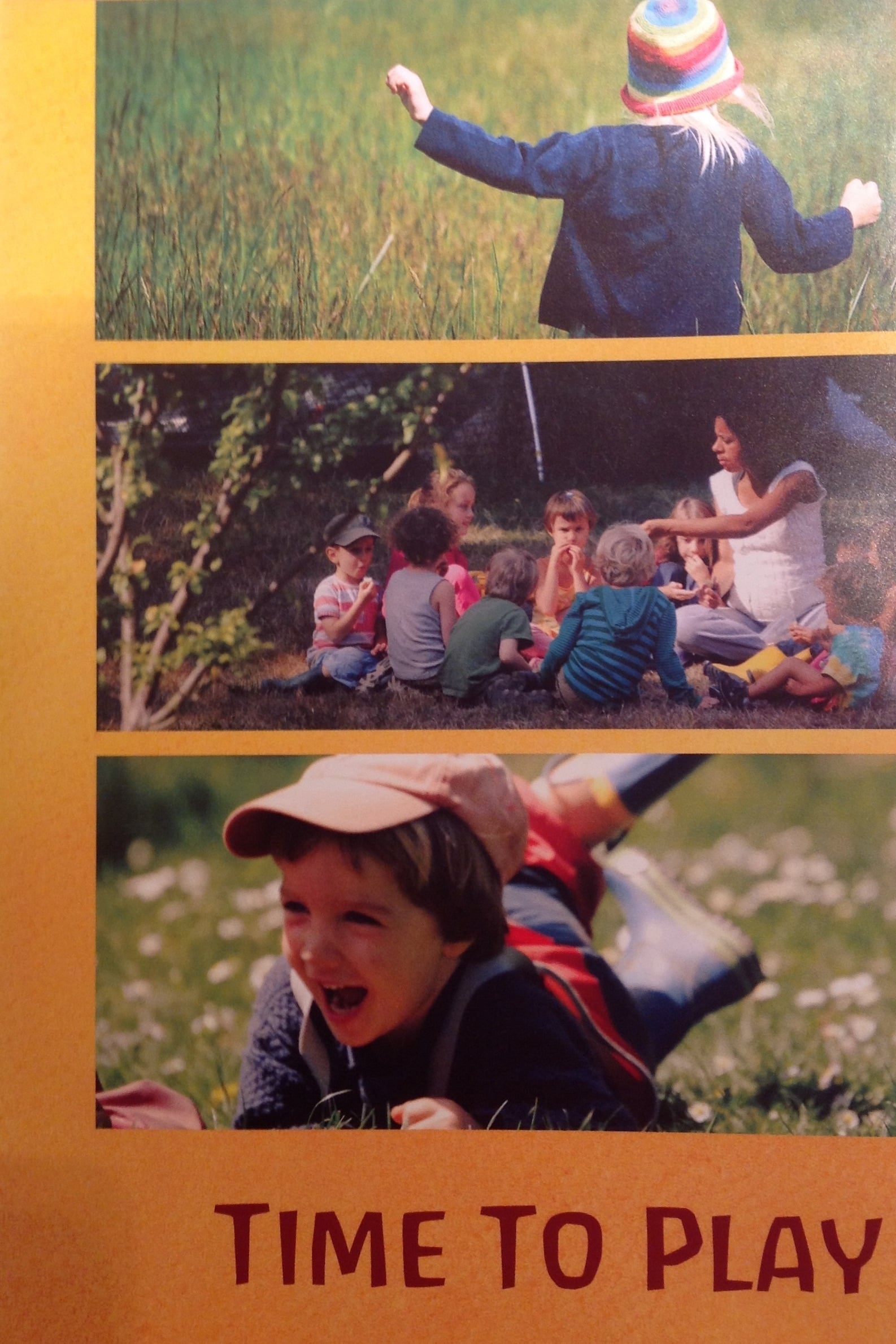
The concern that we are not allowing the proper time and space for early childhood is what has stimulated the move to make this film with the idea of generating conversation among adults about what we can do to support our little ones in this ever busier, more auto- mated, less loving, and often harsh world that they have come into. l hope this glimpse into our class can fulfill its purpose and stimulate the conversations we need to have in order to create a new paradigm in the way we under- stand early childhood: the significance of family and home, of rhythm and routine, invoking wonderful rela- tionships with each other and the earth, the impor- tance of time and space for deep, meaningful play... My concern in a nut shell, is for the future of humanity.
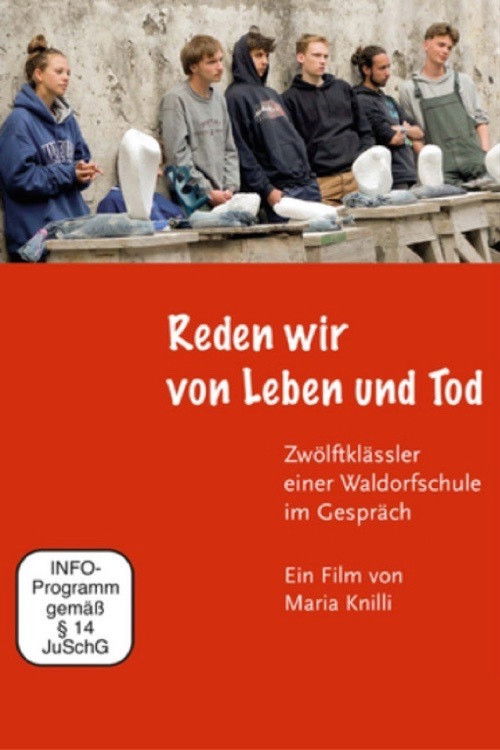
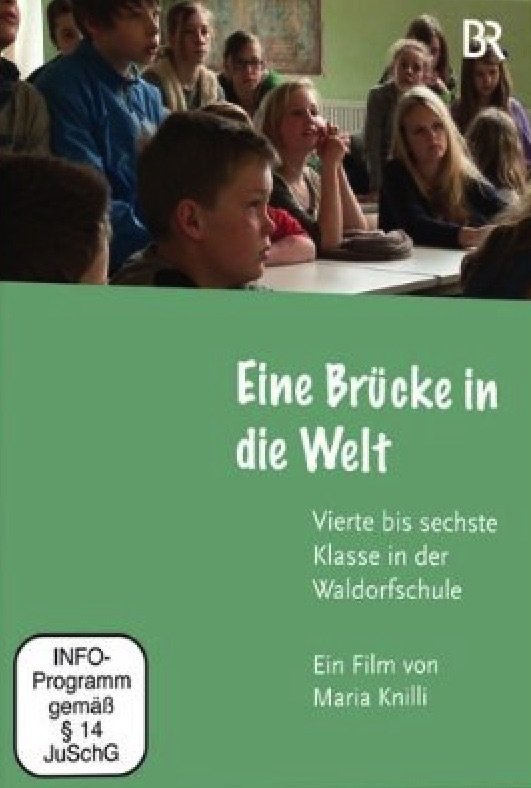
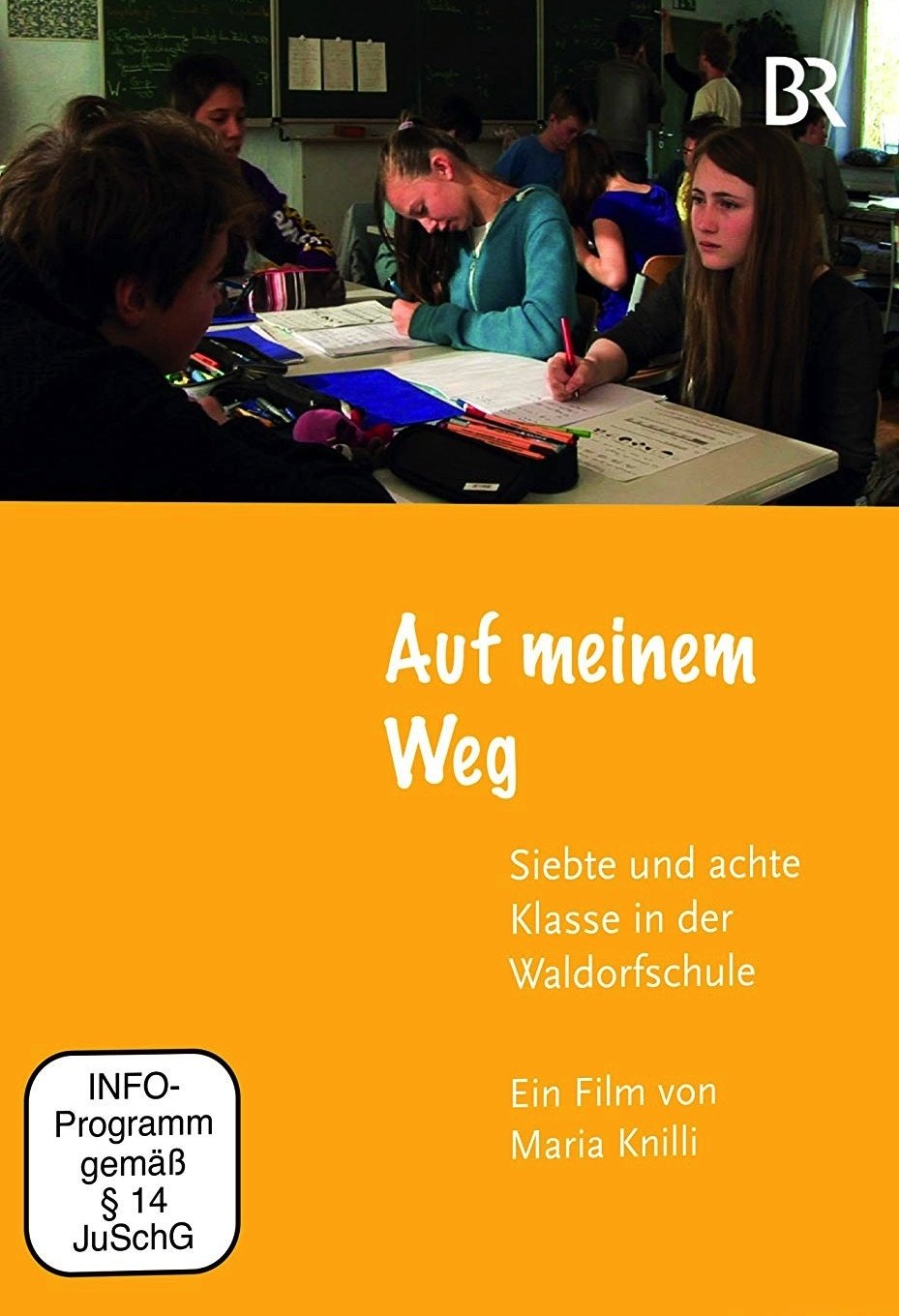
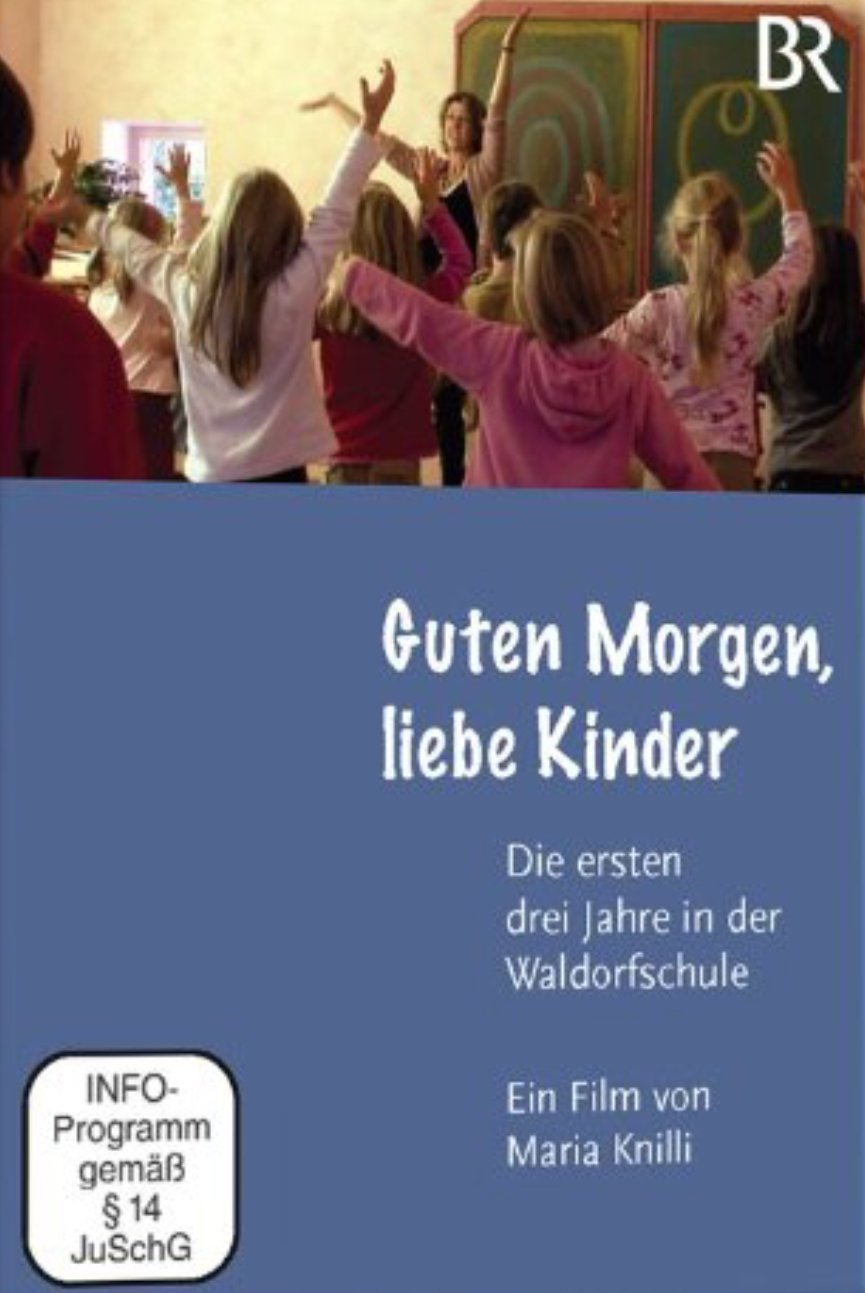
Writing, reading, arithmetic. Building a house, ploughing a field. English, French. Filmmaker Maria Knilli shoots inconspicuously among the children. The small and large learning steps become visible, the relationships between each other and the atmosphere in which learning takes place: the tender seriousness, the intimate curiosity, the communal enthusiasm.
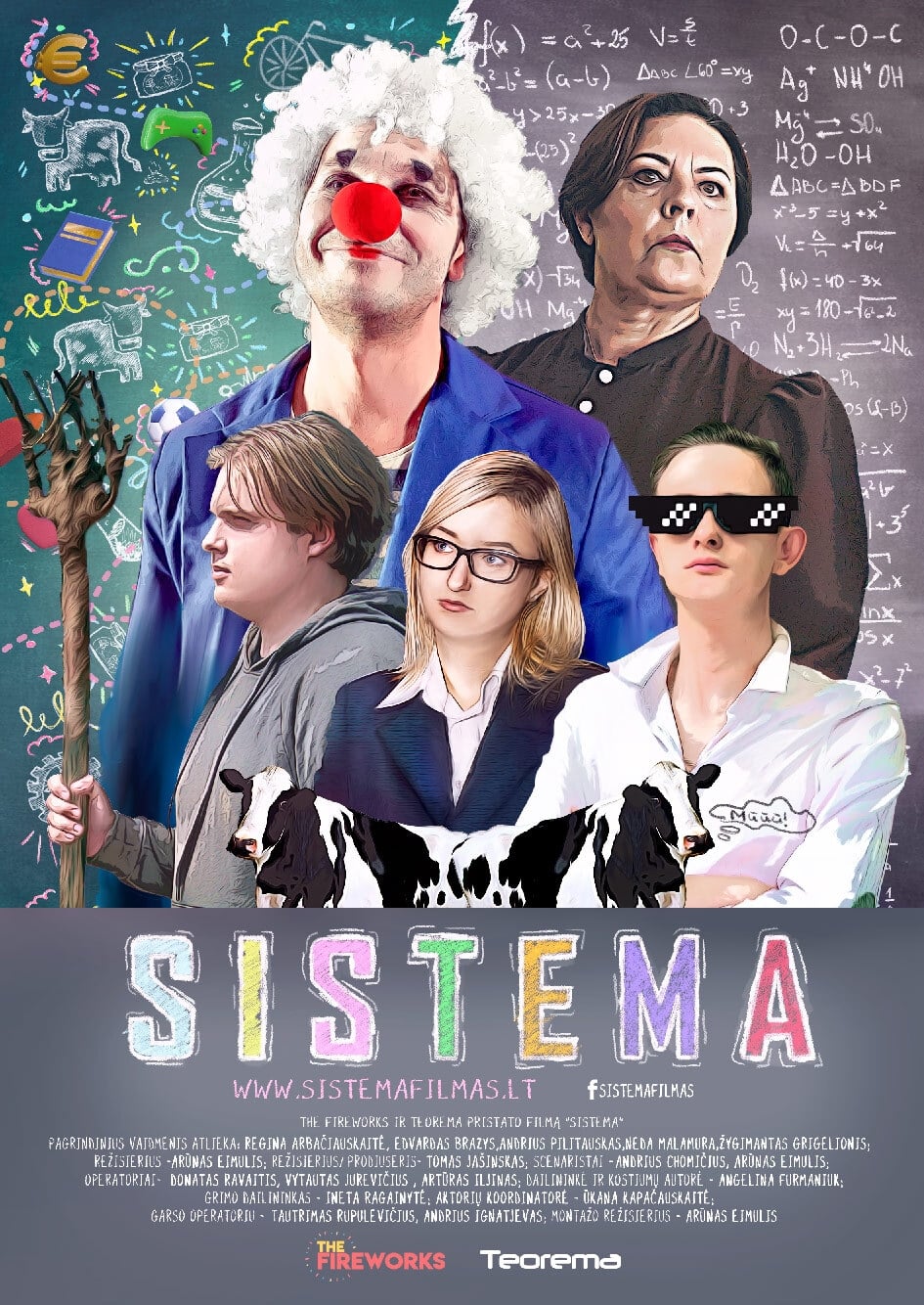
Loser clown Andrius becomes principal of the school and fights the iron fist system of his deputy Stefanija, to help kids overcome their complexes and free their inner powers.
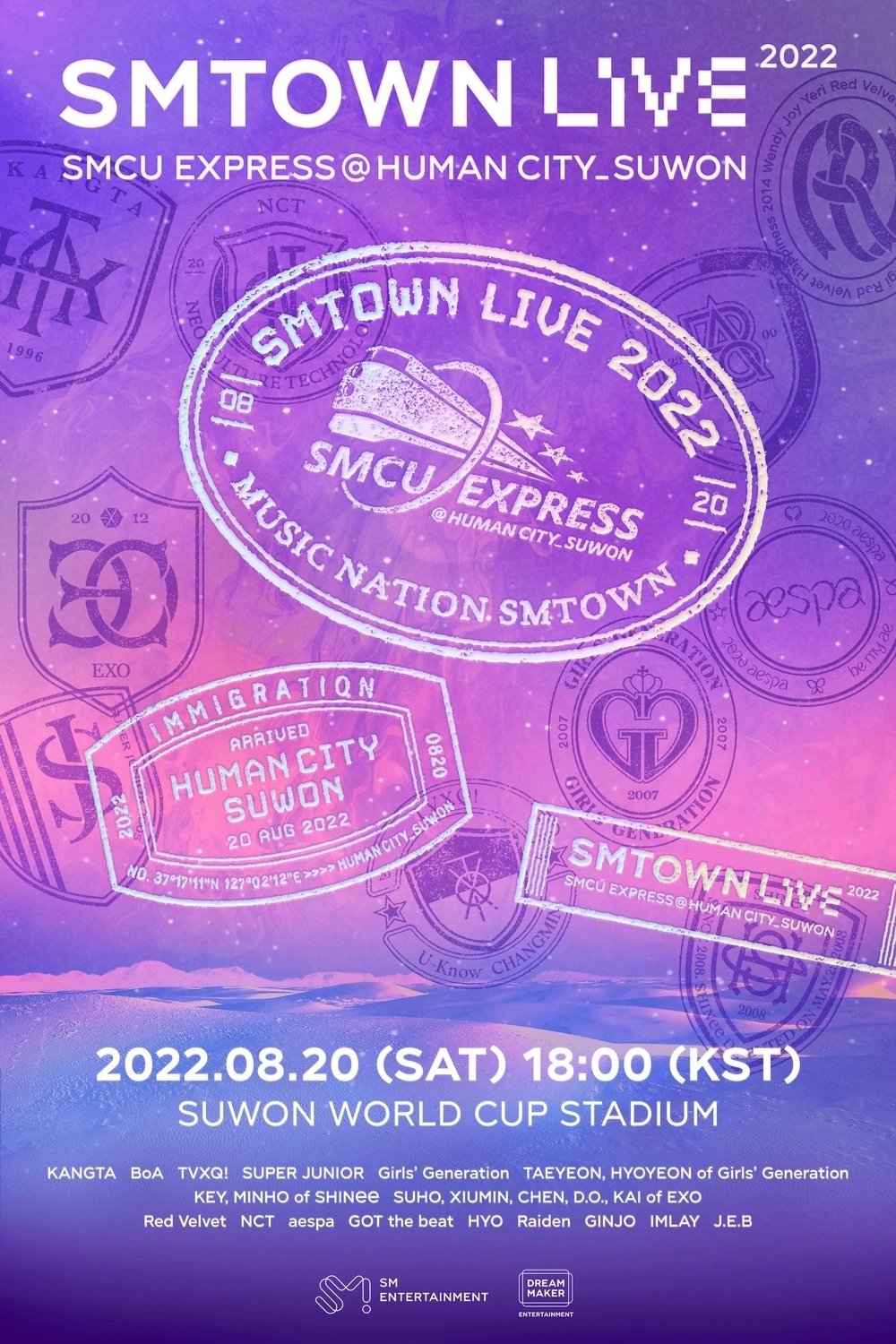
The festival moment that all people who have PINK BLOOD in have been waiting for! SMTOWN Live 2022: SMCU Express@Human City Suwon is a joint Korean concert held by SM Entertainment artists (collectively known as SMTOWN). It was held on August 20, 2022, at Suwon World Cup Stadium in Suwon, South Korea. The concert was live-streamed via Beyond LIVE and KNTV.
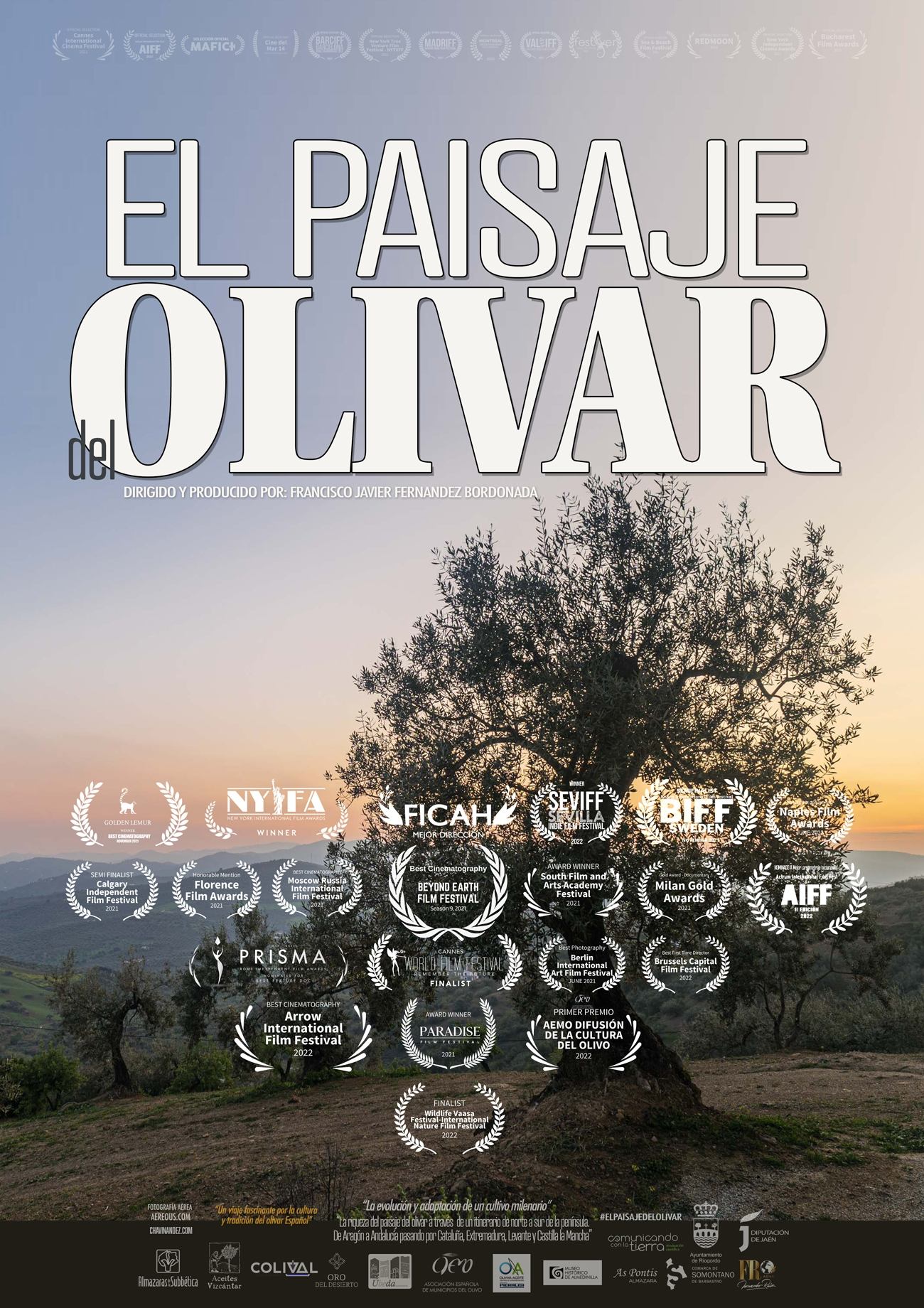
The landscape of the olive grove is the protagonist of the Mediterranean territory and is shown in this documentary at ground level and from a bird's eye view, in different unique locations of the Iberian Peninsula. From the Somontano de Barbastro in Aragón, to the south of Andalusia, with a sea of olive trees, in the mountain ranges or in the fertile plains and riverbanks. A humanized territory that, for centuries, has been sculpting history and this, not only giving a characteristic identity to our landscape, but also outlining the gastronomic tradition and culture of the Mediterranean.
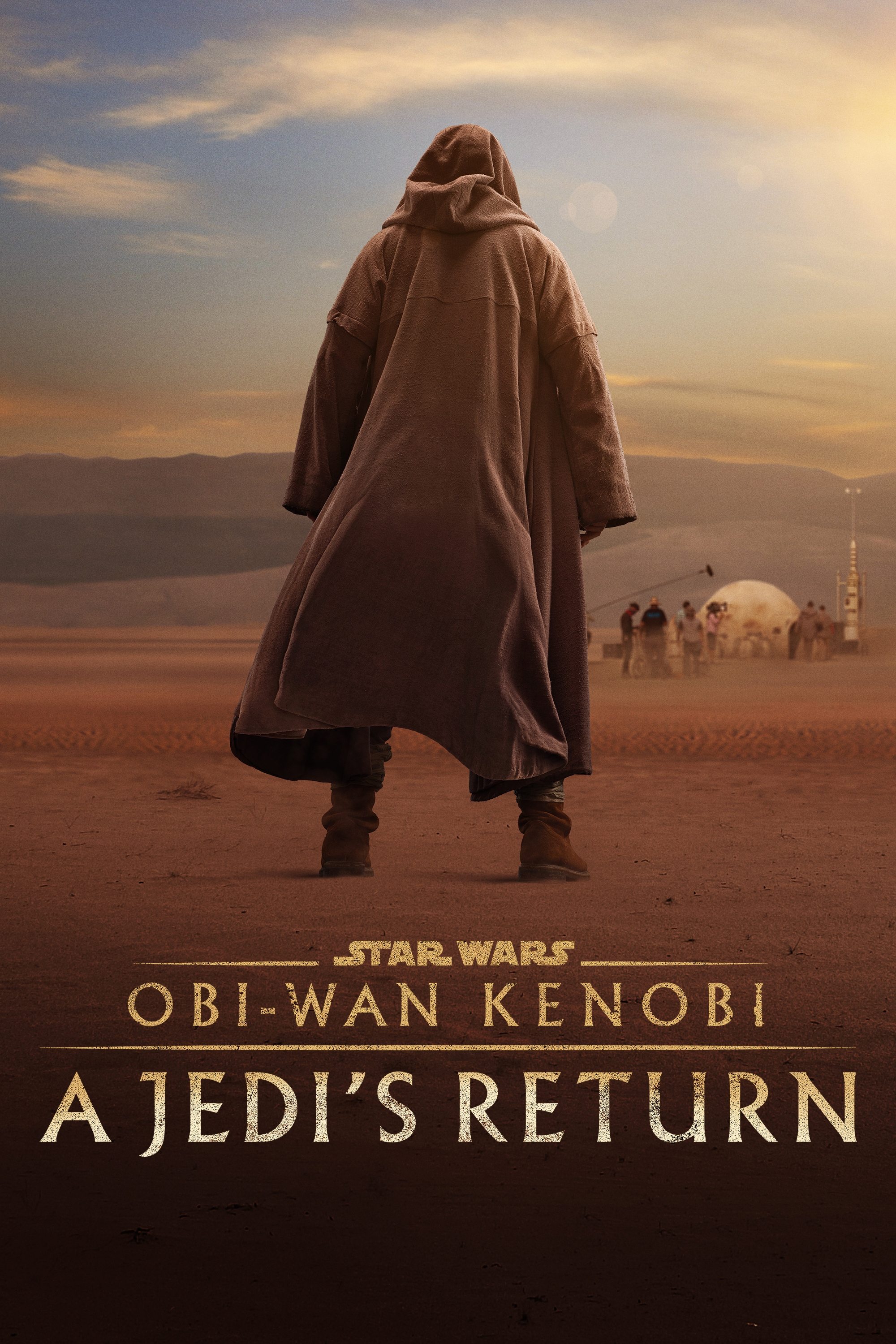
This special explores the return of Obi-Wan Kenobi and Anakin Skywalker to the screen, as well as Ewan McGregor and Hayden Christensen to their classic roles. Director Deborah Chow leads the cast and crew as they create new heroes and villains that live alongside new incarnations of beloved Star Wars characters, and an epic story that dramatically bridges the saga films.
A group of 20-year-olds whose mothers were pregnant with them when their fathers were killed in the 9/11 attacks and their families talk about their lives.
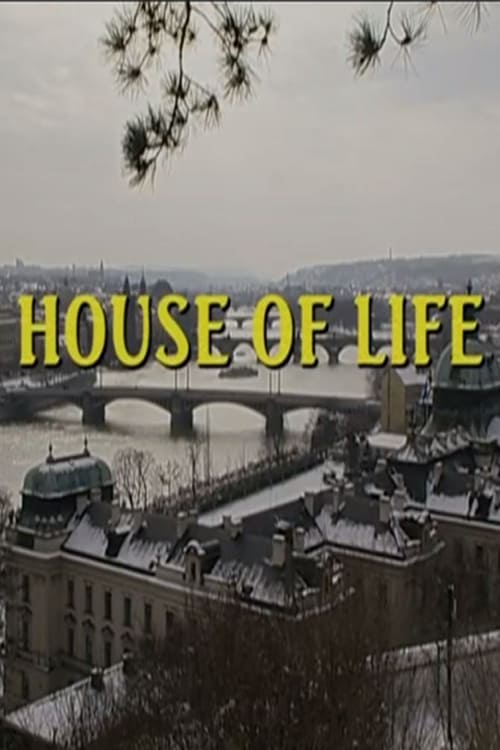
A deep dive documentary into the history of the Old Jewish Cemetery of Prague.
In an intimate and joyful story of love in the face of loss, celebrated poets Andrea Gibson and Megan Falley find strength—and unexpected hilarity—in what might be their final year together.
The life and career of an actor, artist, and icon. His own journey through his own camera.
The life of Mr. Spock, as well as that of Leonard Nimoy, the actor who played him for almost fifty years, written and directed by his son: Adam.
An inside look at one of the most anticipated movie sequels ever with James Cameron and cast.
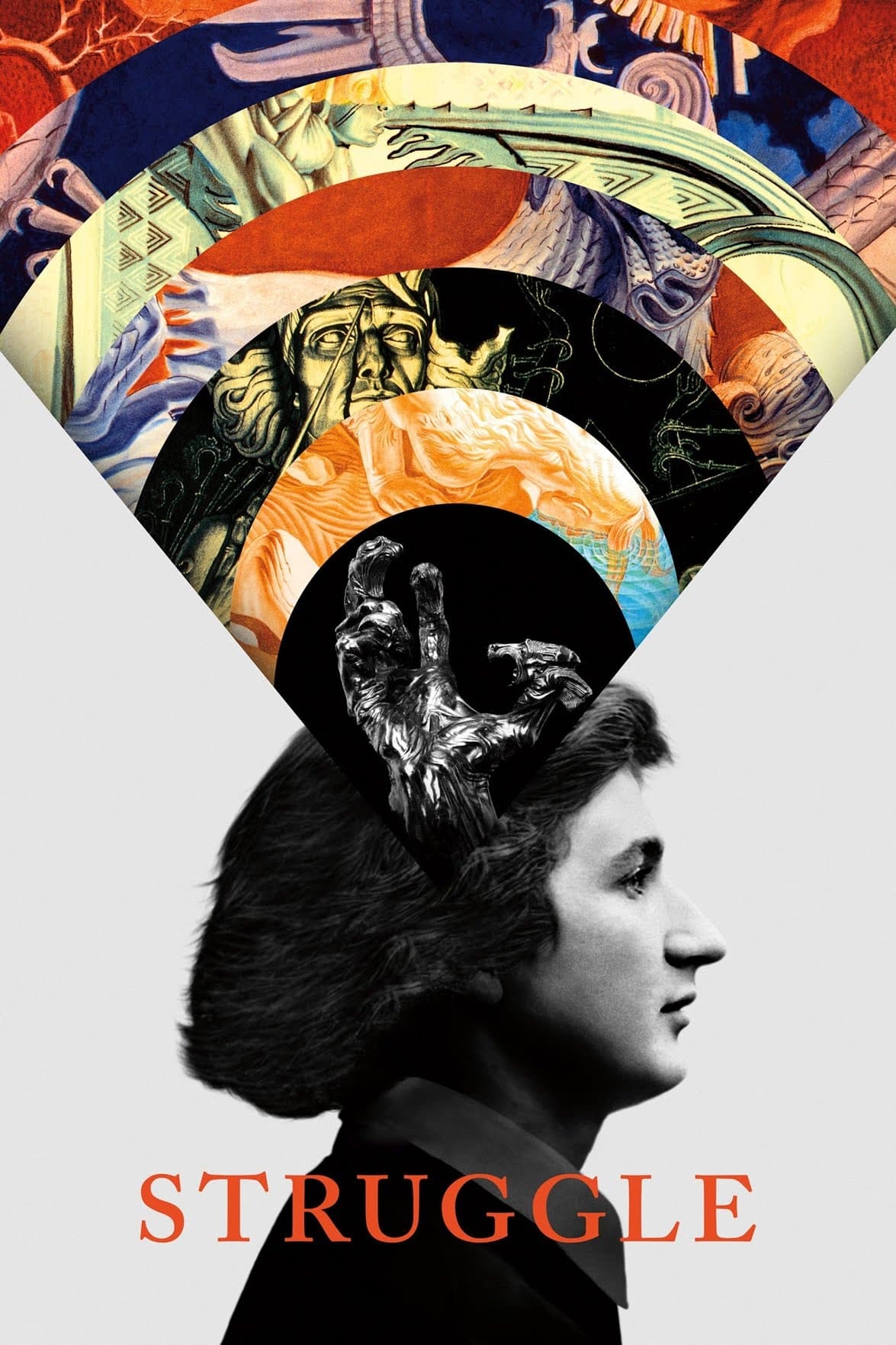
Artists in LA discover the work of forgotten Polish sculptor Stanislav Szukalski, a mad genius whose true story unfolds chapter by astounding chapter.
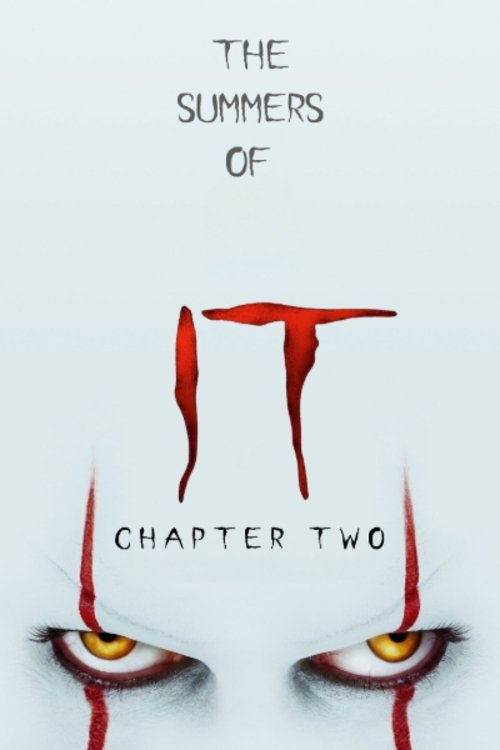
This documentary focuses on the actors and their journey over two summers to create the remake to the original IT, by Stephen King. The documentary originally released as bonus material, bundled with IT: Chapter Two.
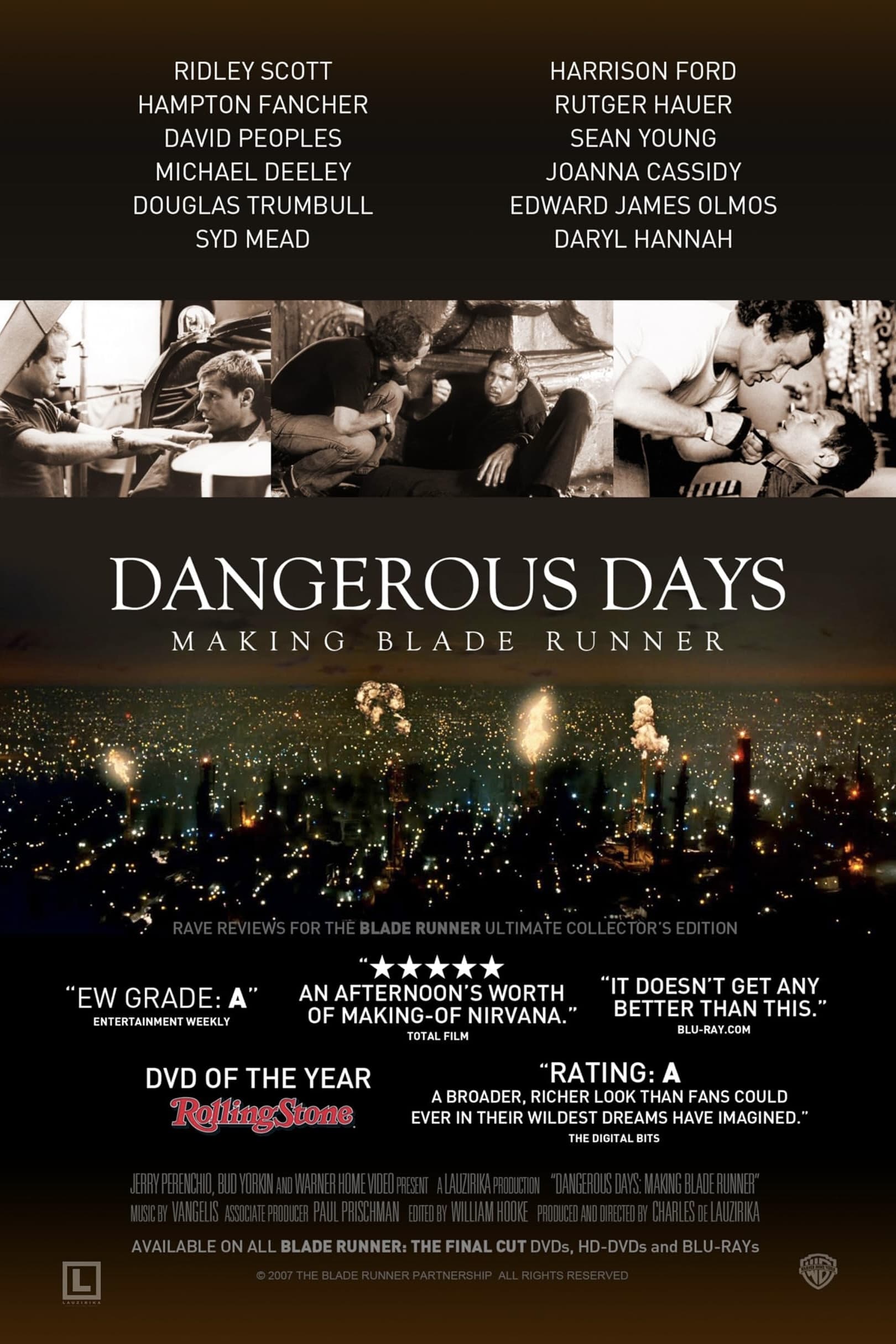
The definitive 3½-hour documentary about the troubled creation and enduring legacy of the science fiction classic 'Blade Runner', culled from 80 interviews and hours of never-before-seen outtakes and lost footage.
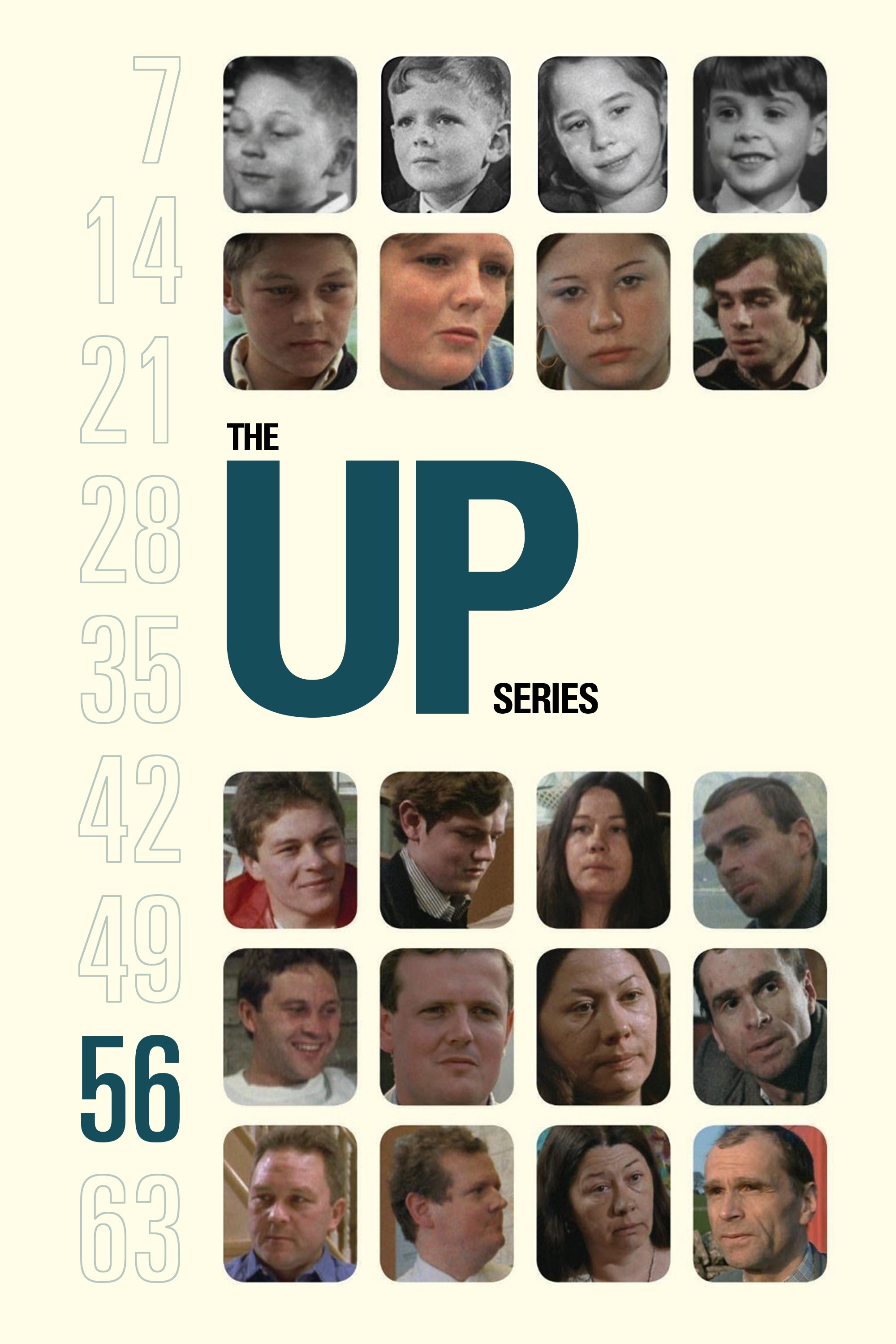
When a cross-section of seven-year-olds were interviewed for 7 Up in 1964 it was immediately evident that their social backgrounds influenced their attitudes towards life. While the upper class children were confident and self-assured, those from middle and working class backgrounds were resigned to a challenging life of hard work. This premise was put to the test every seven years when the same group were interviewed about the progression of their lives. 49 years in the making, the changes that occurred to the original 14 make for fascinating television and are in many ways the stories of all our lives. From success and disappointment, marriage and childbirth, to poverty and illness, nearly every facet of life has been captured on film. Now, at the age of 56, the group are once more brought together and, with the benefit of hindsight, assess whether their lives have been ruled by circumstance or self-determination.
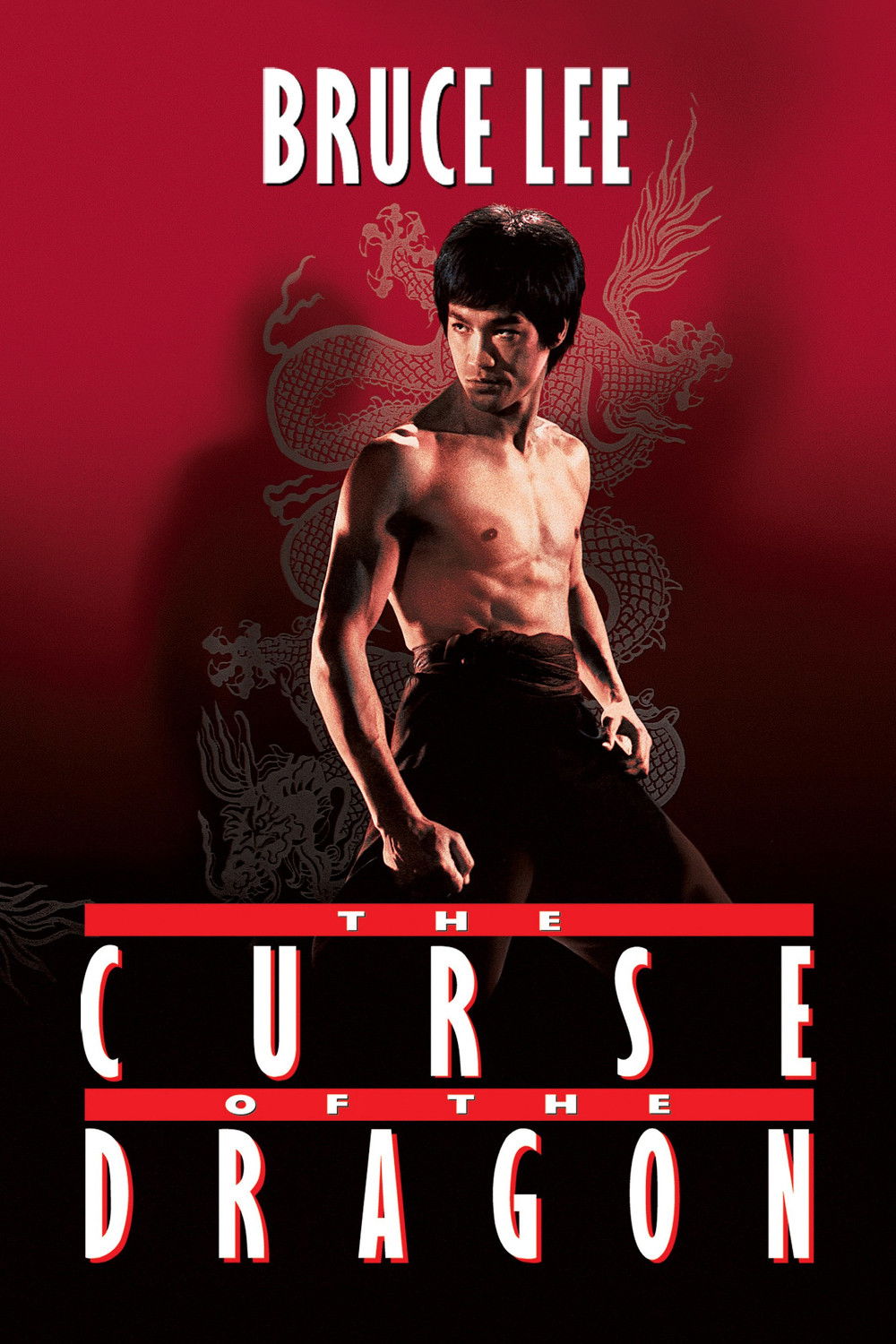
A 1993 documentary film about Bruce Lee. The film includes interviews from some of his fellow students and opponents who worked alongside him in his movies.
Over 35 years after Bob Lazar's revelations, this documentary exposes secrets of a facility the government still denies. Featuring Lazar's testimony, recreations, and new evidence, it reopens a case that continues to spark global curiosity
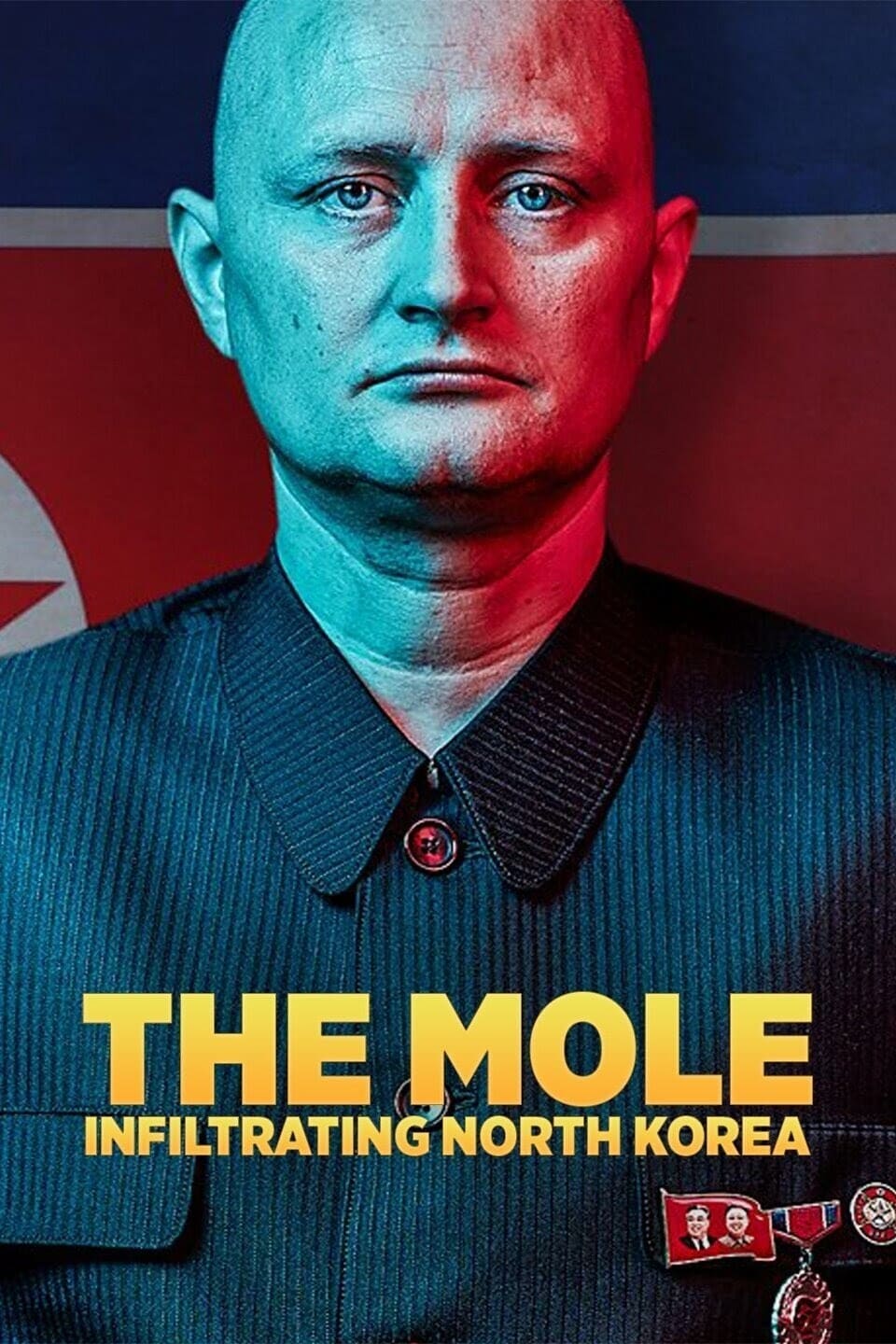
A real-life undercover thriller about two ordinary men who embark on an outrageously dangerous ten-year mission to penetrate the world's most secretive and brutal dictatorship: North Korea.
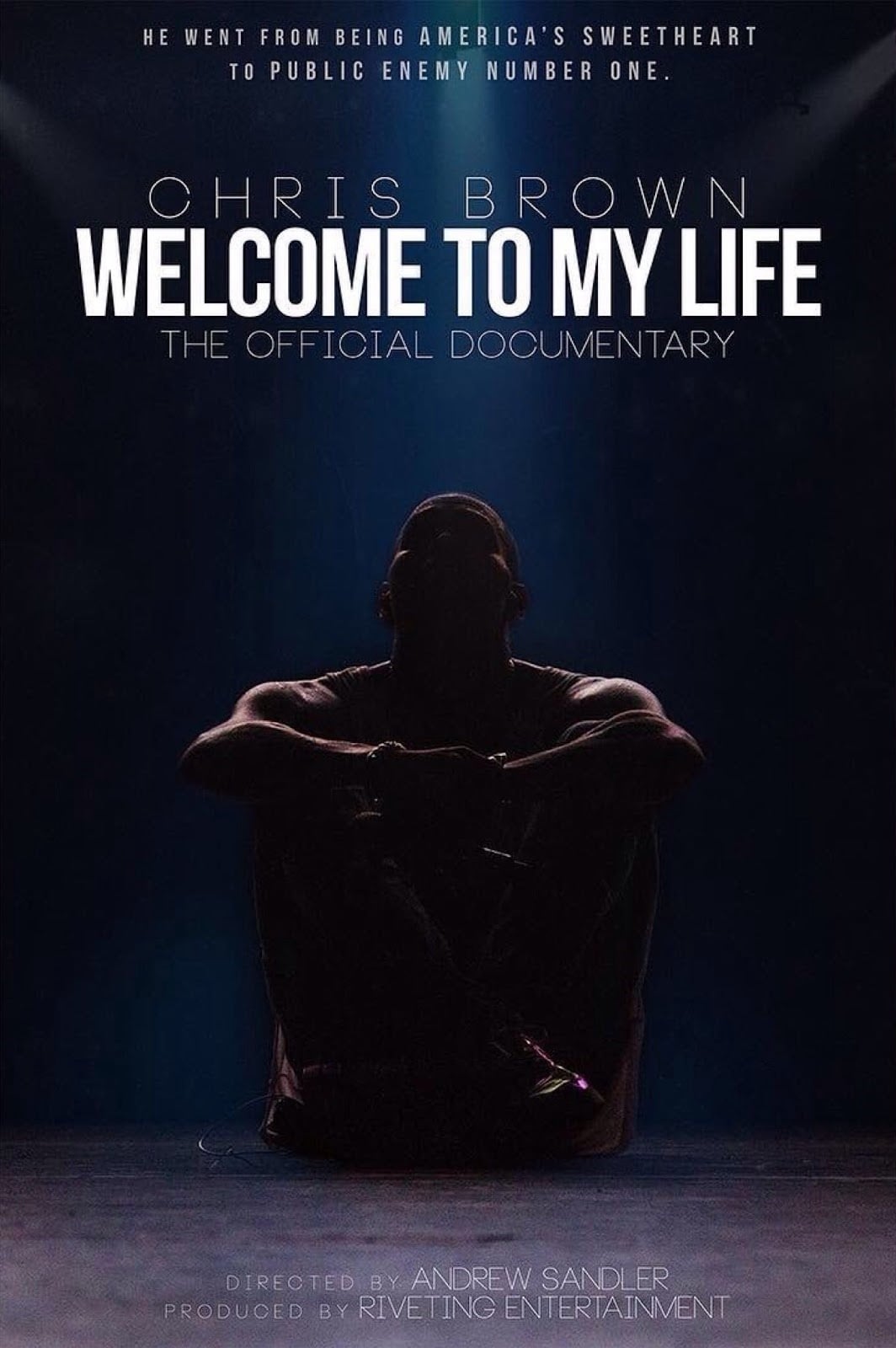
This compelling Documentary moves beyond the spotlight and past the attention-grabbing headlines to give pop superstar Chris Brown a chance to tell his own story. New interviews with the international phenomenon reveal long-awaited answers about his passion for making music, his tumultuous and much publicized relationships, and the pitfalls of coming of age in the public eye. Also included is new concert footage, behind-the-scenes access, and special interviews from Usher, Jennifer Lopez, DJ Khaled, Mike Tyson, Jamie Foxx and others.
“Showrunners” is the first ever feature length documentary film to explore the fascinating world of US television showrunners and the creative forces aligned around them. These are the people responsible for creating, writing and overseeing every element of production on one of the United State’s biggest exports – television drama and comedy series. Often described as the most complex job in the entertainment business, a showrunner is the chief writer / producer on a TV series and, in most instances, the show’s creator. Battling daily between art and commerce, showrunners manage every aspect of a TV show’s development and production: creative, financial and logistical.
Interviews with leading authors, philosophers and scientists, with an in-depth discussion of the Law of Attraction. The audience is shown how they can learn and use 'The Secret' in their everyday lives.
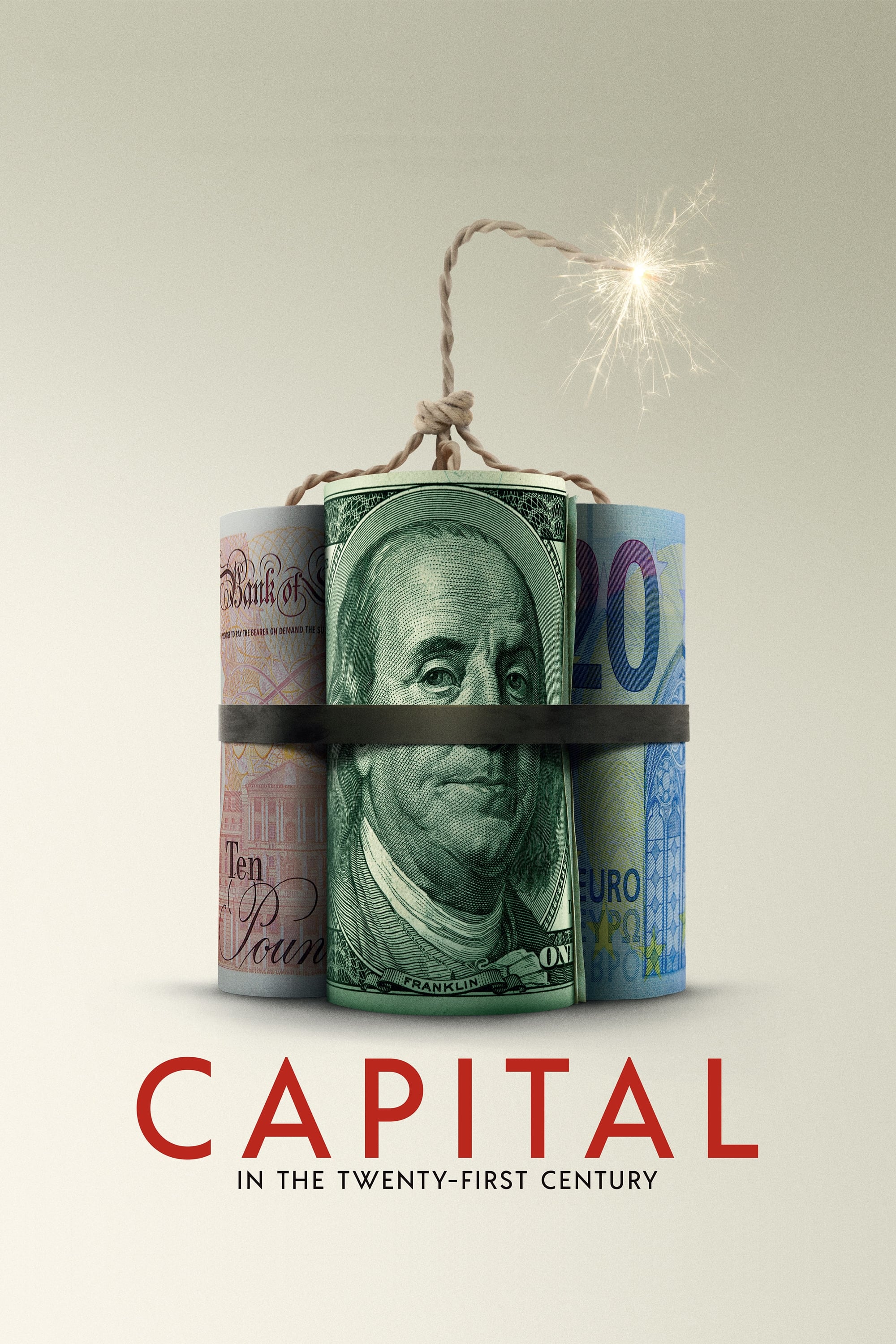
Film adaptation of French economist Thomas Piketty's ground-breaking global bestseller of the same name: an eye-opening journey through wealth and power.
Cast members of the hit Netflix show join the hosts to unpack the drama of Season 1, and Cristela Alonzo offers tips for being the new kid at school.
The life and career of one of comedy's most inimitable modern voices, Mr. Gilbert Gottfried.
Director Michael Apted revisits the same group of British-born adults after a 7 year wait. The subjects are interviewed as to the changes that have occurred in their lives during the last seven years.
A visual montage portrait of our contemporary world dominated by globalized technology and violence.