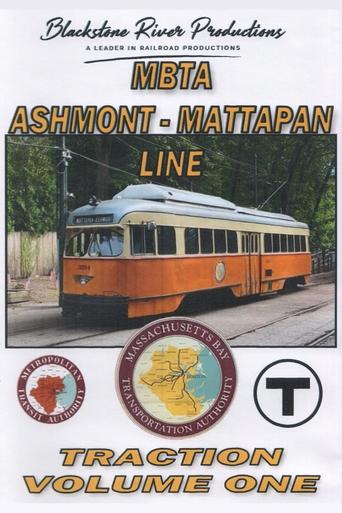
The story of the independent railroad and its survival against the giants.
Social & External
The true story of how businessman Oskar Schindler saved over a thousand Jewish lives from the Nazis while they worked as slaves in his factory during World War II.
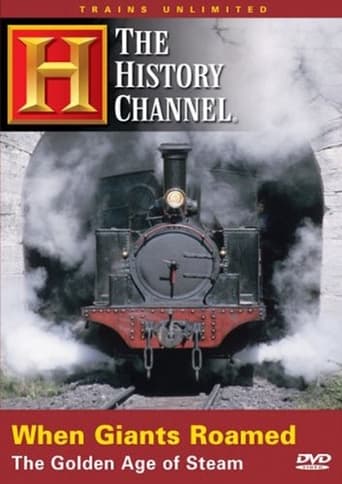
No matter what your age you'll love watching this impressive and comprehensive story of the development of railroading in America. Rail enthusiasts as well as history buffs, teachers and home schoolers, plus kids of all ages will appreciate this magnificent rail adventure covering live action historic operating railroads, rare photos of drawings and valuable memorabilia, and live action re-enactments. Featuring spectacular cinematography and an inspiring musical score, this Award-Winning four part DVD covers over one-hundred years of railroading evolution.
Take a breathtaking train a ride through Nothern Quebec and Labrador on Canada’s first First Nations-owned railway. Come for the celebration of the power of independence, the crucial importance of aboriginal owned businesses and stay for the beauty of the northern landscape.
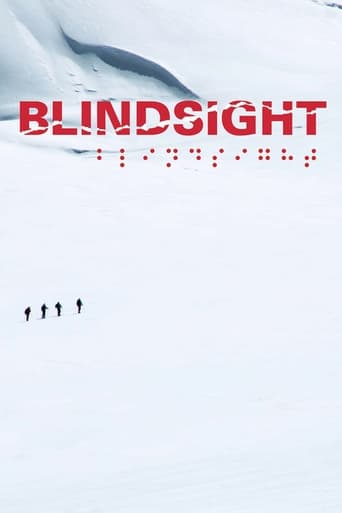
Six blind Tibetan teenagers climb the Lhakpa-Ri peak of Mount Everest, led by seven-summit blind mountain-climber Erik Weihenmayer.
A hand-colored ride along the Bangor-Conwy-Colwyn Bay railroad filmed from an express train from the London and North Western Railway; Stations, vistas and a tunnel under the Conwy Castle (misspelled in the title) in North Wales.
A short documentary about the construction of the parisian subway in the 50s.
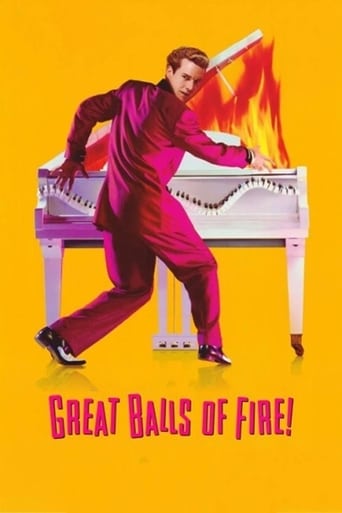
The story of Jerry Lee Lewis, arguably the greatest and certainly one of the wildest musicians of the 1950s. His arrogance, remarkable talent, and unconventional lifestyle often brought him into conflict with others in the industry, and even earned him the scorn and condemnation of the public.
End of line railroad operations. Abandonment and sale of equipment, operations under the LNE Railway, Lehigh Valley, Conrail and Norfolk Southern.
Canadian Pacific I is made up of a series of slowly dissolved shots done from the same framing over several months. The camera frames a window with a railway yard in the foreground, a bay in the space behind it, and misty mountains in the extreme distance. Trains occasionally pass by in the foreground. Huge ships move across the bay. Blue mists hover over the mountain heads.
Impoverished priest Harihar Ray leaves his rural Bengal village in search of work. His wife, Sarbojaya, looks after their rebellious daughter, Durga, and young son, Apu. The children enjoy the small pleasures of their difficult life.
The story of how newspapers were distributed during the Blitz, stressing the importance of an accurate and objective press on the home front.
In the class-obsessed and religiously divided UK of the early 1920s, two determined young runners train for the 1924 Paris Olympics. Eric Liddell, a devout Christian born to Scottish missionaries in China, sees running as part of his worship of God's glory and refuses to train or compete on the Sabbath. Harold Abrahams overcomes anti-Semitism and class bias, but neglects his beloved sweetheart in his single-minded quest.
Max Manus is a Norwegian 2008 biographic war film based on the real events of the life of resistance fighter Max Manus (1914–96), after his contribution in the Winter War against the Soviet Union. The story follows Manus through the outbreak of World War II in Norway until peacetime in 1945.
The story of the railroad man in his role in keeping the trains moving on the rails.
A documentary on the passing of the steam locomotive as the primary means of transportation in the United States
A documentary outlining railroad work and the effects on the lives impacted by the iron horse
A travelogue, this film provides a guided tour of pre-World War II Utah and of course does not pretend to cinematic greatness. Recommended viewing for those in search of introductory Utah history. Also valuable for persons seeking insight into the state as it would have looked during this time period. Especially informative for those desiring a window into the past for a view of how Utah was in the days of their pre-World War II progenitors living in the state. Those whose Utah ancestors were involved in mining, railroading, sugar beets, and other featured industries; featured towns, sights, recreational attractions, and industries may find this otherwise banal travelogue a quite valuable addition to their family history.
A group of people are standing along the platform of a railway station in La Ciotat, waiting for a train. One is seen coming, at some distance, and eventually stops at the platform. Doors of the railway-cars open and attendants help passengers off and on. Popular legend has it that, when this film was shown, the first-night audience fled the café in terror, fearing being run over by the "approaching" train. This legend has since been identified as promotional embellishment, though there is evidence to suggest that people were astounded at the capabilities of the Lumières' cinématographe.