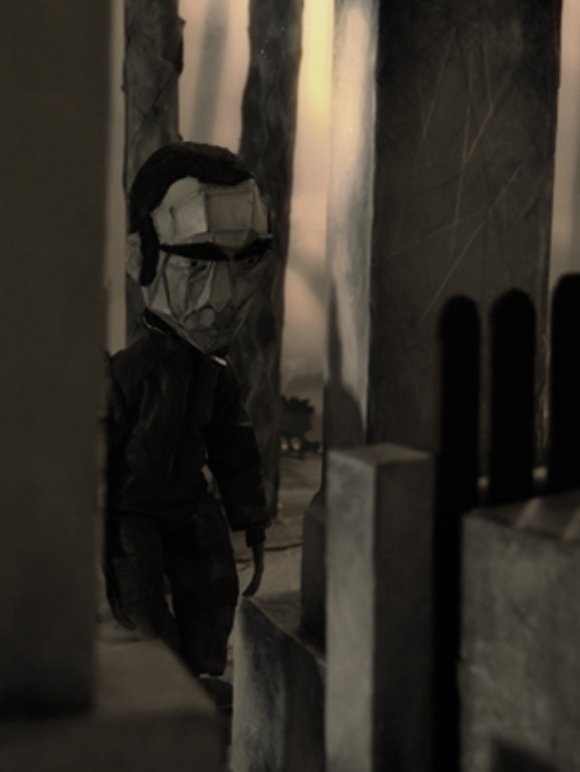
'No-go zone' chronicles the daily life of the last man remained in the red zone after the evacuation of the Fukushima area and the nuclear power plant accident.
Social & External
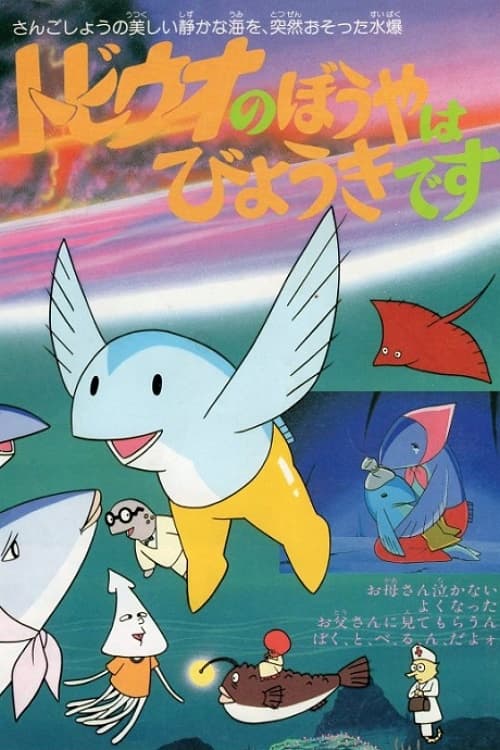
The peaceful passage of daily life in the Pacific Ocean is upended in a flash on March 1, 1954, with the first American nuclear test at Bikini Atoll. The far-reaching fallout forever changes the lives of the ocean’s cheerful inhabitants.
Documentary which follows the construction of a trailblazing 36,000-tonne steel structure to entomb the ruins of the nuclear power plant destroyed in the 1986 Chernobyl disaster.
The referendum whether nuclear power plants should be banned has been held in Japan. People must decide their future.
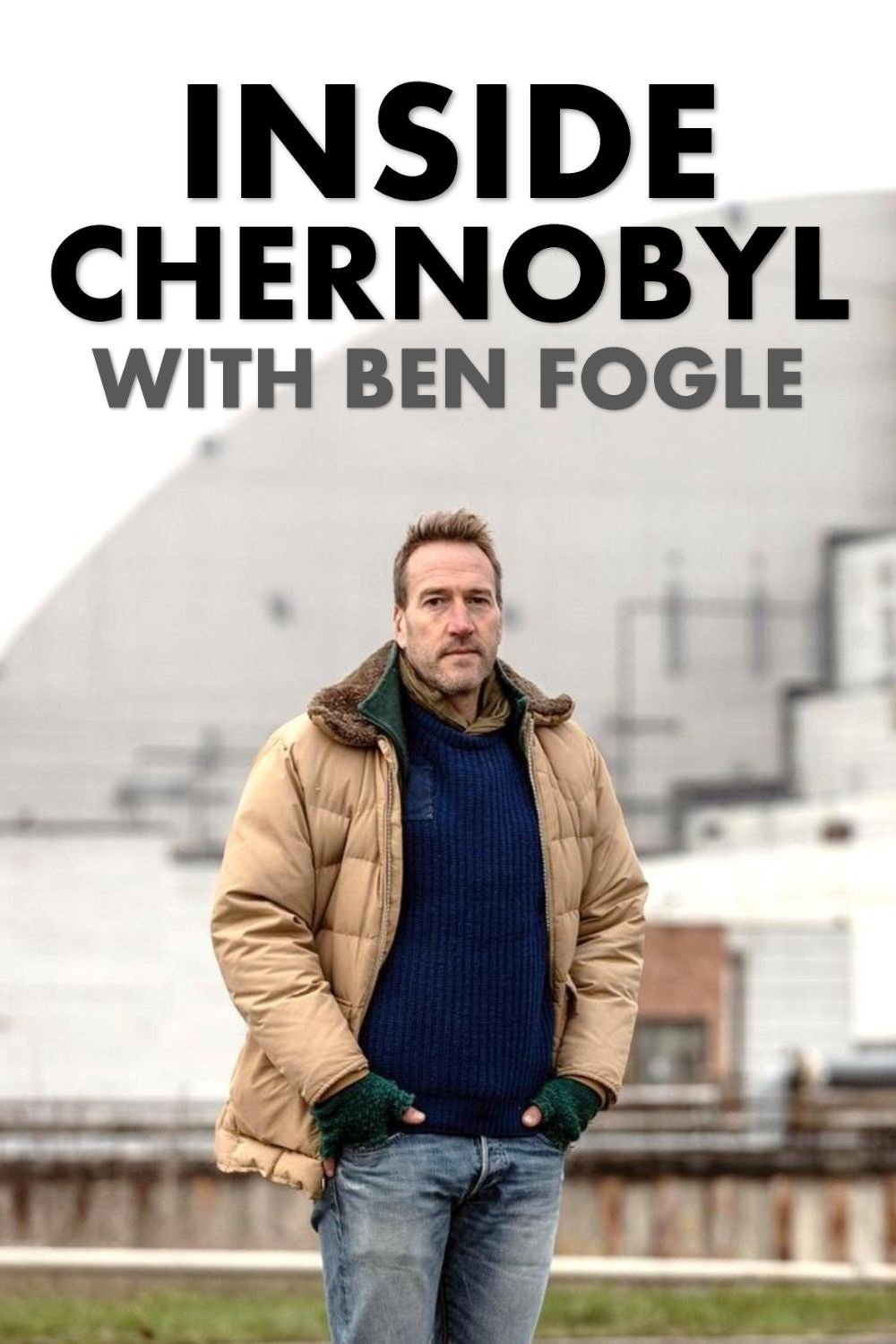
Ben Fogle spends a week living inside the Chernobyl Exclusion Zone, gaining privileged access to the doomed Control Room 4 where the disaster first began to unfold.
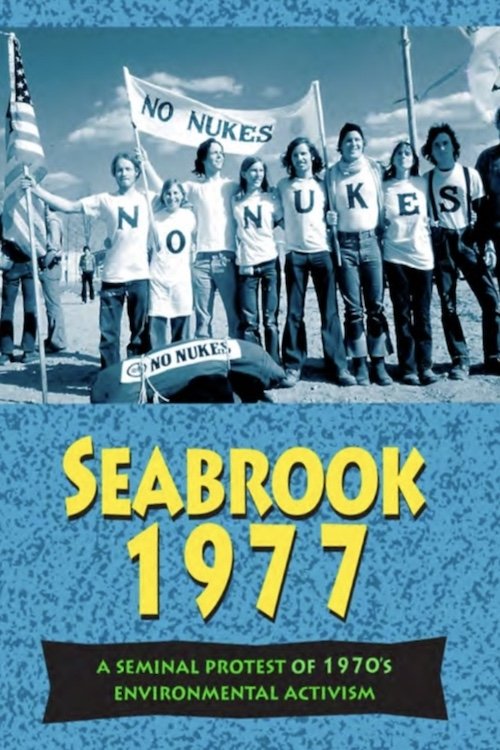
In April 1977, the small coastal town of Seabrook, New Hampshire became an international symbol in the battle over atomic energy. Concerned about the dangers of potential radioactive accidents, over 2,000 members of the Clamshell Alliance, a coalition of environmental groups, attempted to block construction of a nuclear power plant. 1,414 people were arrested in that civil disobedience protest and jailed en masse in National Guard armories for two weeks.
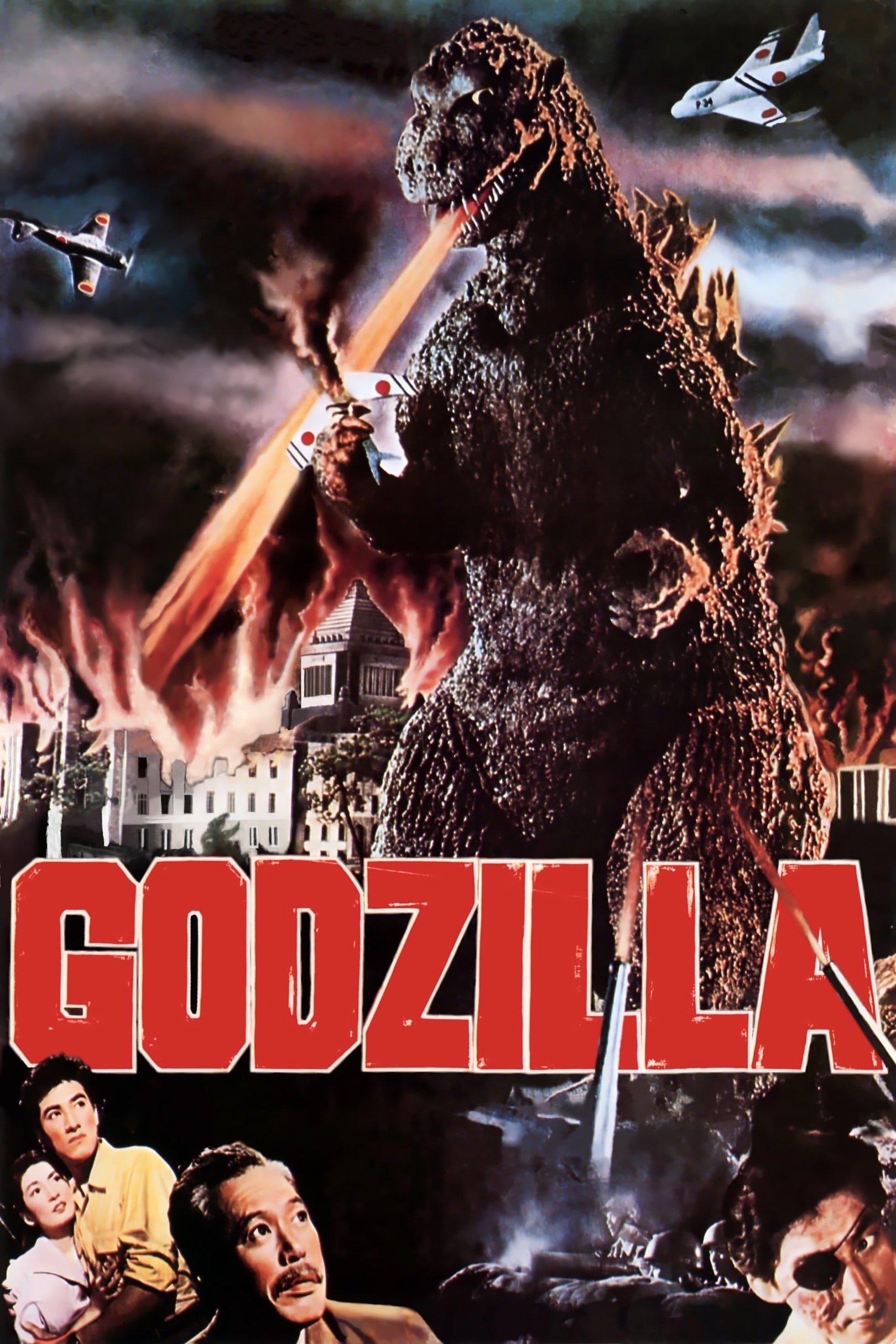
Japan is thrown into a panic after several ships are sunk near Odo Island. An expedition to the island led by Dr. Kyohei Yamane soon discover something far more devastating than imagined in the form of a 50 meter tall monster whom the natives call Gojira. Now the monster begins a rampage that threatens to destroy not only Japan, but the rest of the world as well.
In the mid-1980s, the U.S. is poised on the brink of nuclear war. This shadow looms over the residents of a small town in Kansas as they continue their daily lives. Dr. Russell Oakes maintains his busy schedule at the hospital, Denise Dahlberg prepares for her upcoming wedding, and Stephen Klein is deep in his graduate studies. When the unthinkable happens and the bombs come down, the town's residents are thrust into the horrors of nuclear winter.
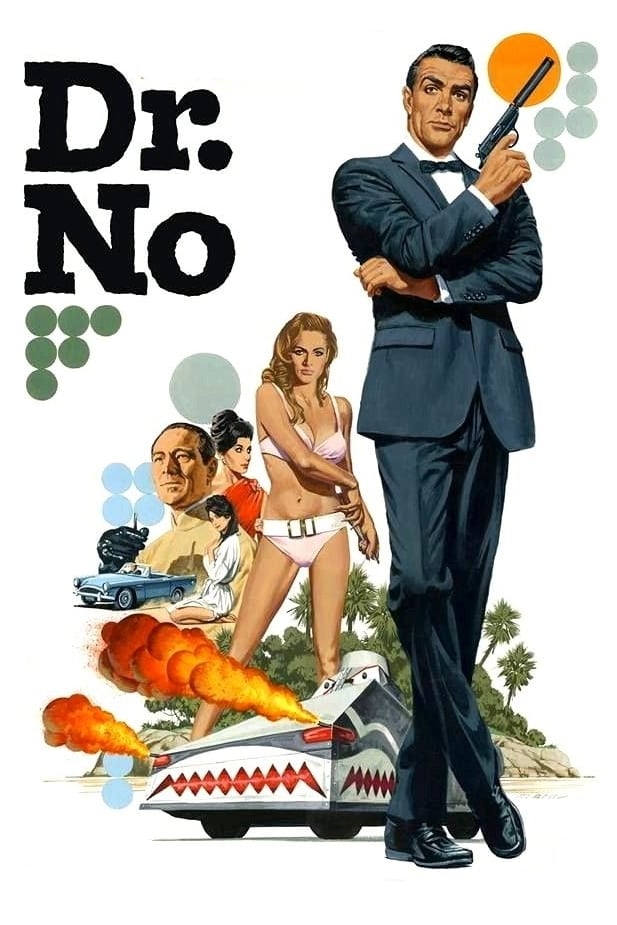
Agent 007 battles mysterious Dr. No, a scientific genius bent on destroying the U.S. space program. As the countdown to disaster begins, Bond must go to Jamaica, where he encounters beautiful Honey Ryder, to confront a megalomaniacal villain in his massive island headquarters.
A lone scientist in the Arctic races to contact a crew of astronauts returning home to a mysterious global catastrophe.
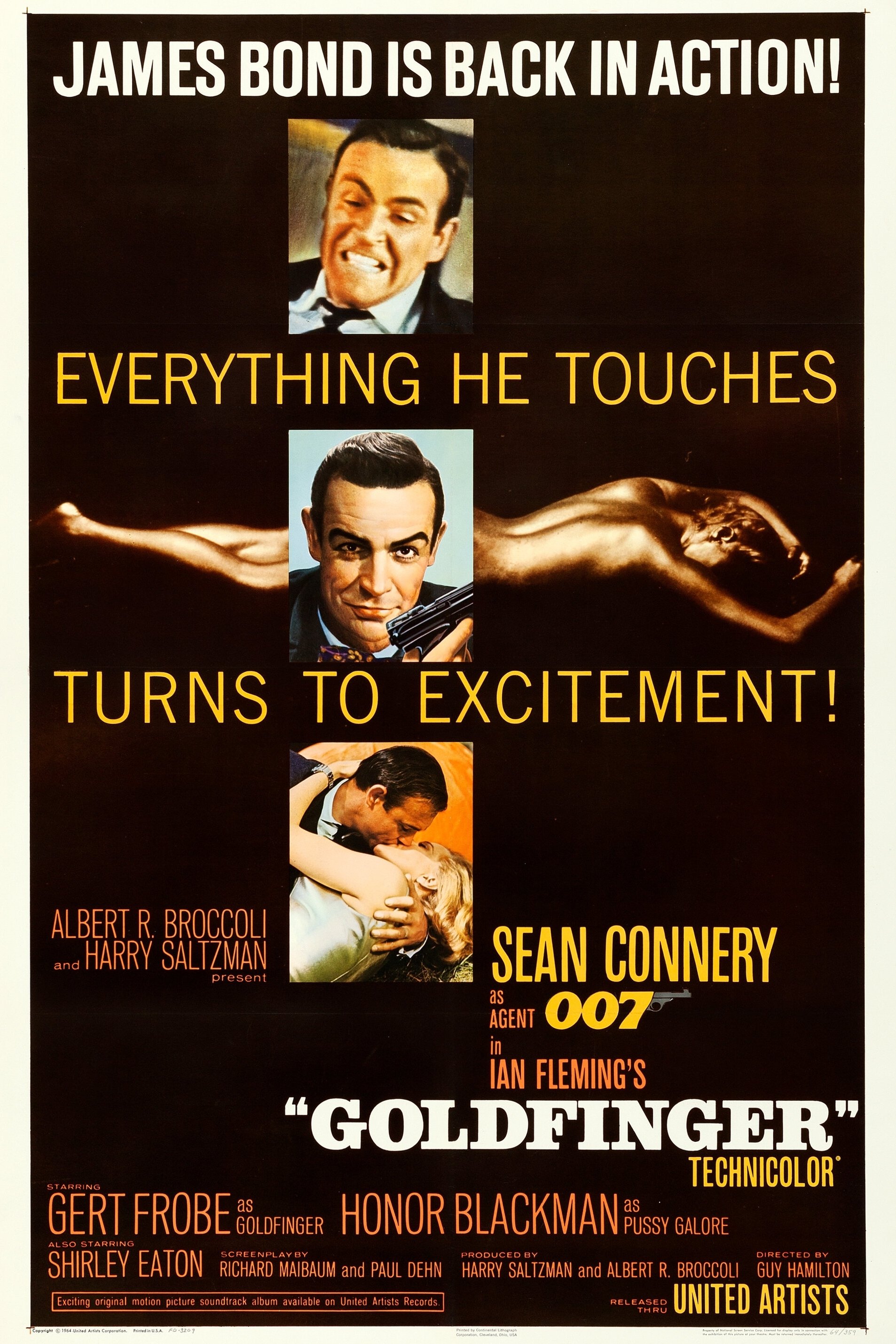
Special agent 007 comes face to face with one of the most notorious villains of all time, and now he must outwit and outgun the powerful tycoon to prevent him from cashing in on a devious scheme to raid Fort Knox -- and obliterate the world's economy.
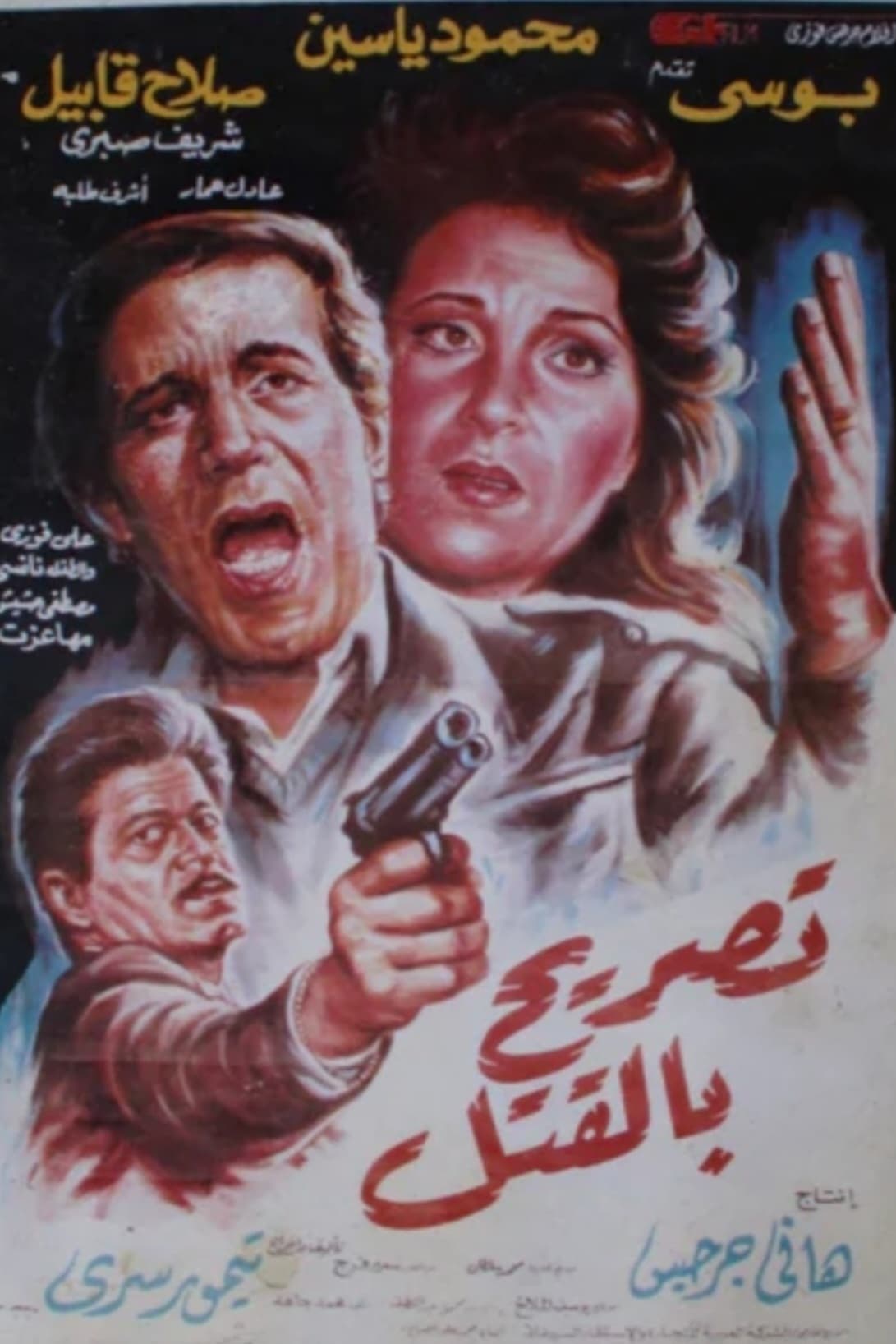
Magdi examines the body of a woman and tells her that her death is the result of a nuclear radiation. The search leads him to the company of businessman Said, where the dead man was working
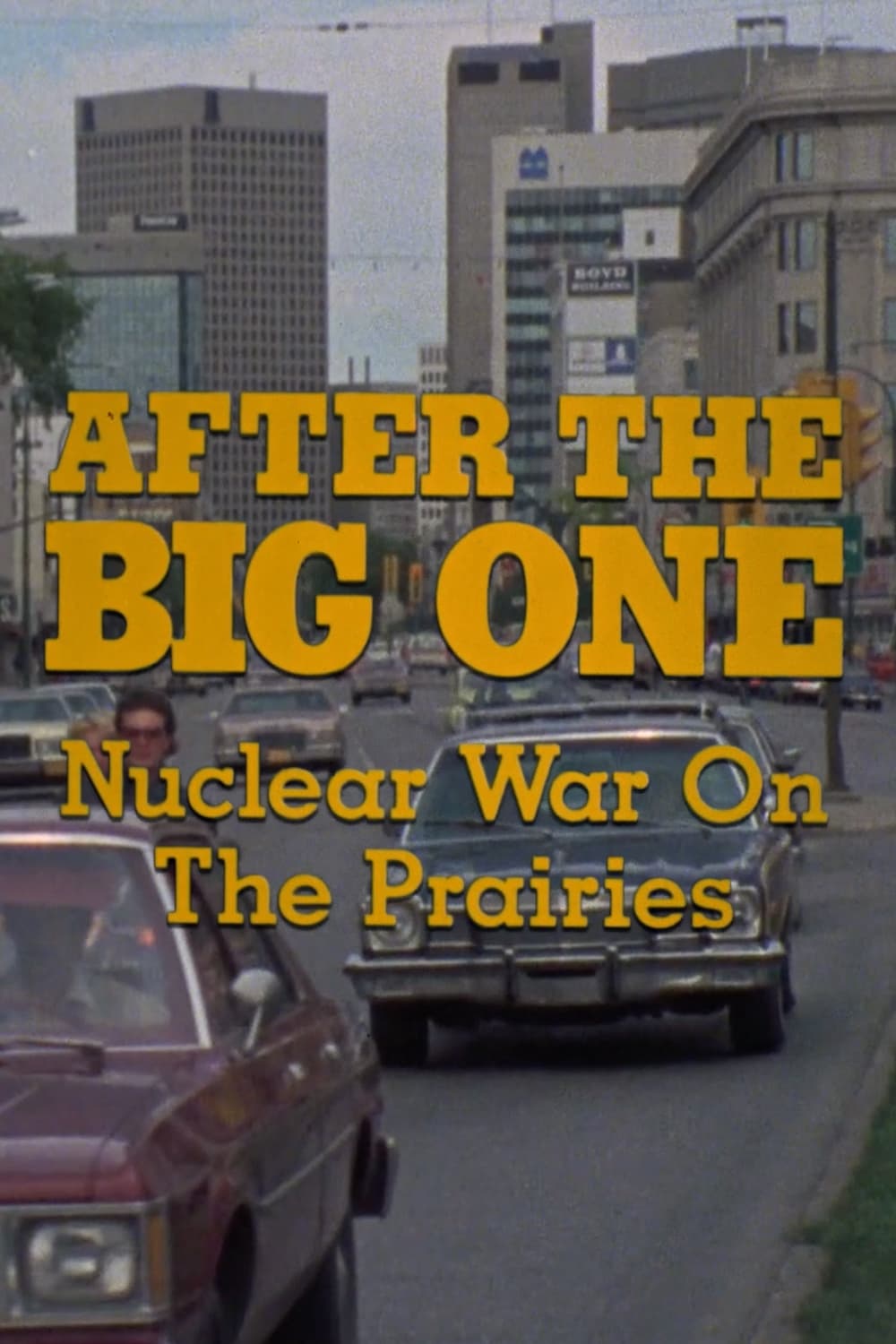
This film deals straightforwardly with the consequences of a nuclear attack for the Canadian Prairies. The Prairies are singled out because of their proximity to huge stockpiles of intercontinental ballistic missiles located in North Dakota. Scenes include a visit to a missile base and to an emergency government bunker in Manitoba. A doctor, a farmer and a civil defence coordinator provide different perspectives on nuclear war. Although the film focuses on one region, it provides a model for people everywhere who would like to know more about their own situation but don't know what questions to ask.
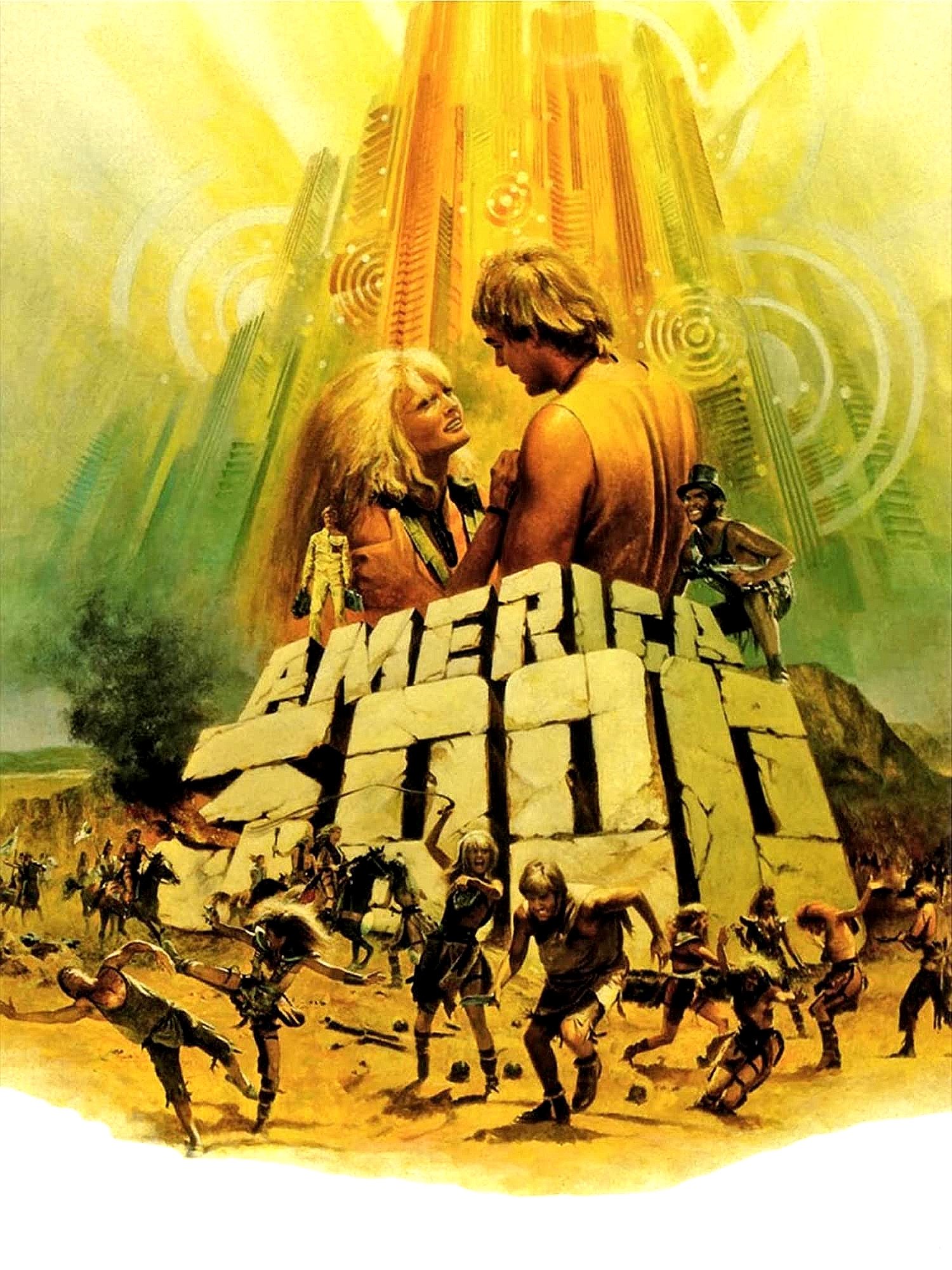
900 years after a nuclear war in the USA, mankind is back to the stone ages. Amazon women rule the tribes, while the men are weak and dumb - either kept as slaves or living wild as animals. Only Korvis and a friend are intelligent enough to flee and found a tribe of their own. Will they manage to teach the women to love men again?
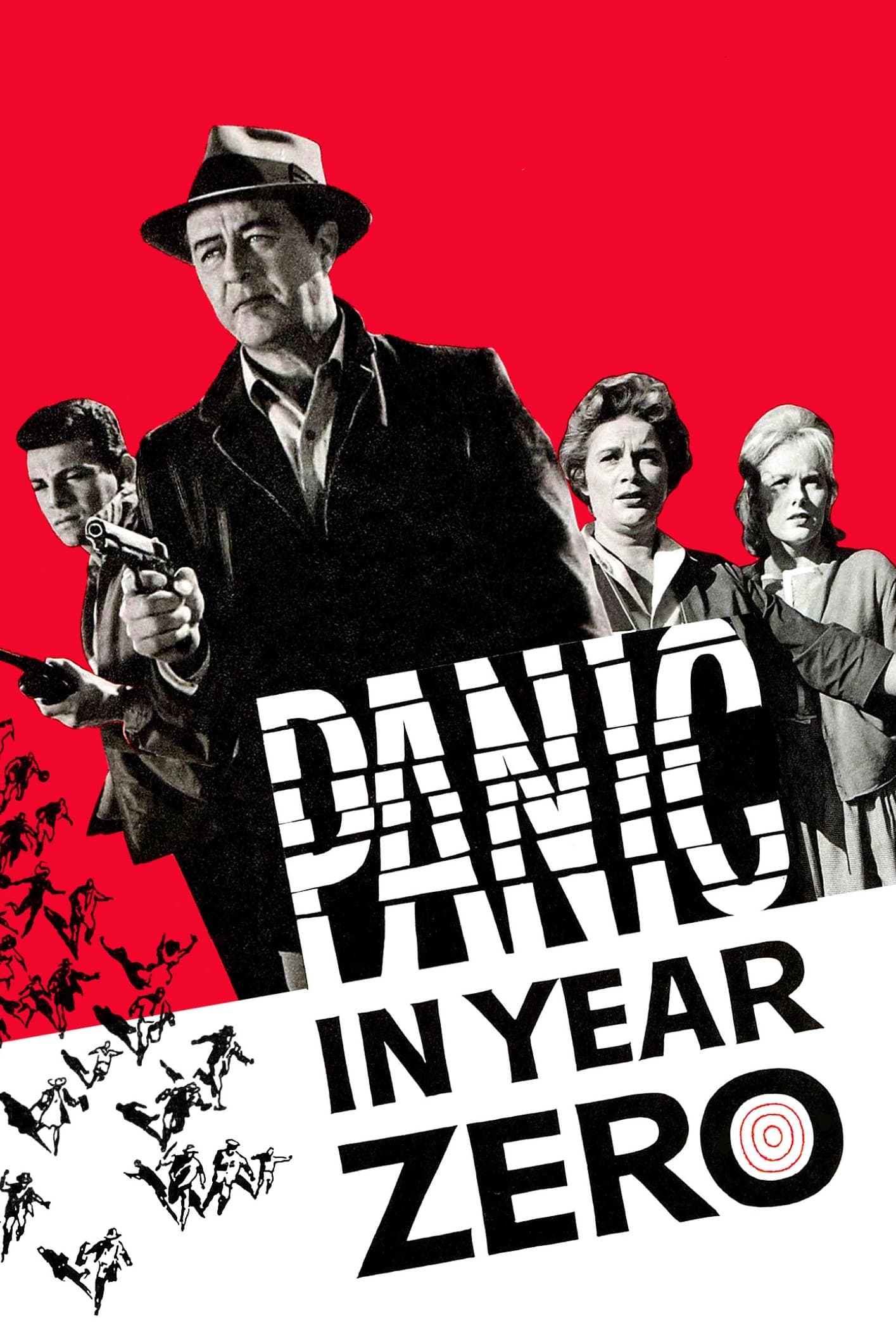
While on a fishing trip, Harry Baldwin and his family hear an explosion and realize that Los Angeles has been leveled by a nuclear attack. Looters and killers are everywhere. Escaping to the hills with his family, he sets about the business of surviving in a world where, he knows, the old ideals of humanity will be the first casualties.
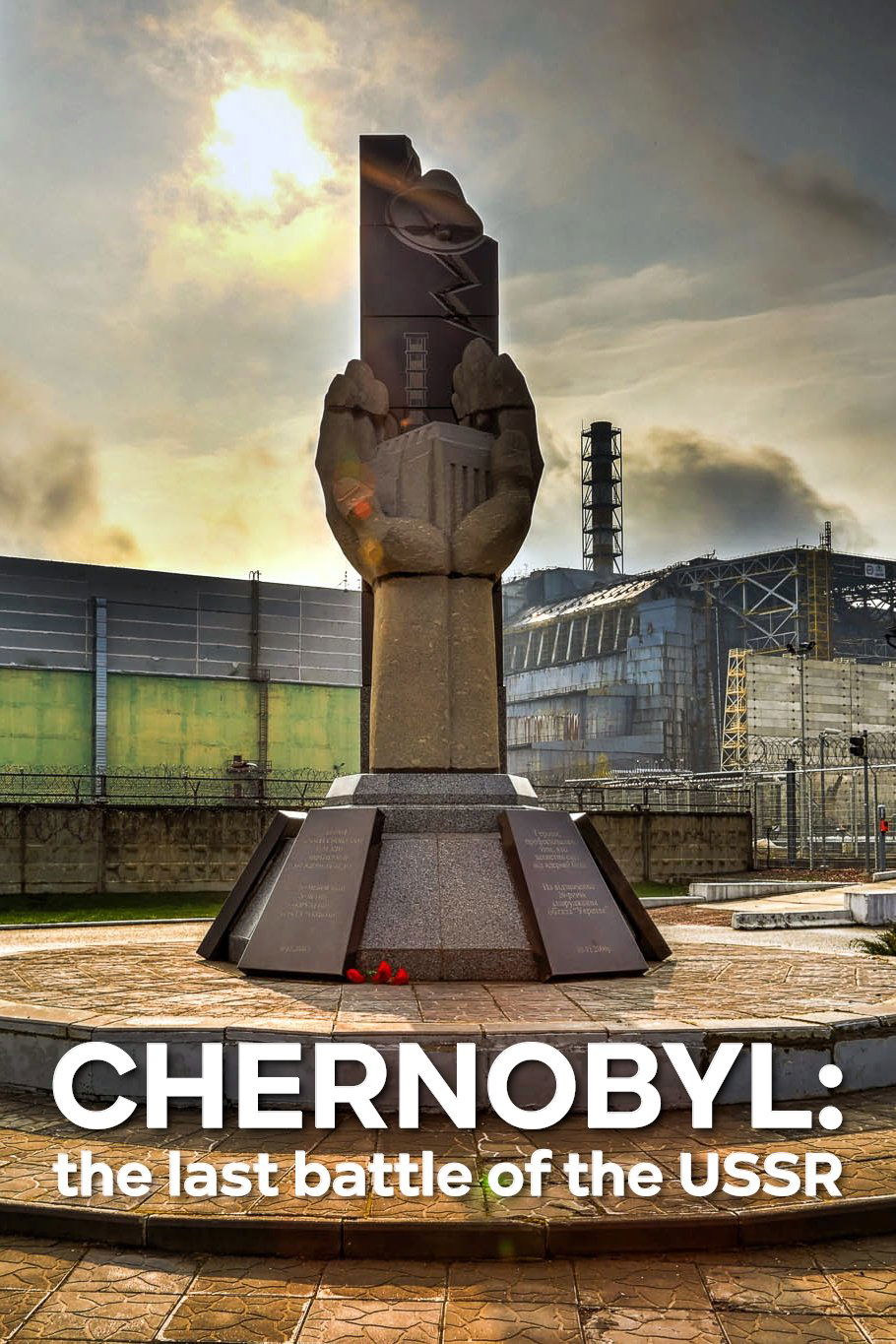
Three decades after the nuclear explosion, almost everything has been said about this ecological and sanitary disaster that made Pripiat a part of History. How did the greatest industrial disaster change the course of History, disrupt global geopolitics and, directly or indirectly, redistribute the balances and power relations of the twentieth century? The world will never be the same again. By retracing the incredible battle waged by the Soviet Union against radiation, this film proposes to retrace and enlighten an extraordinary story, while exploring the historical stakes in the medium and long-term…
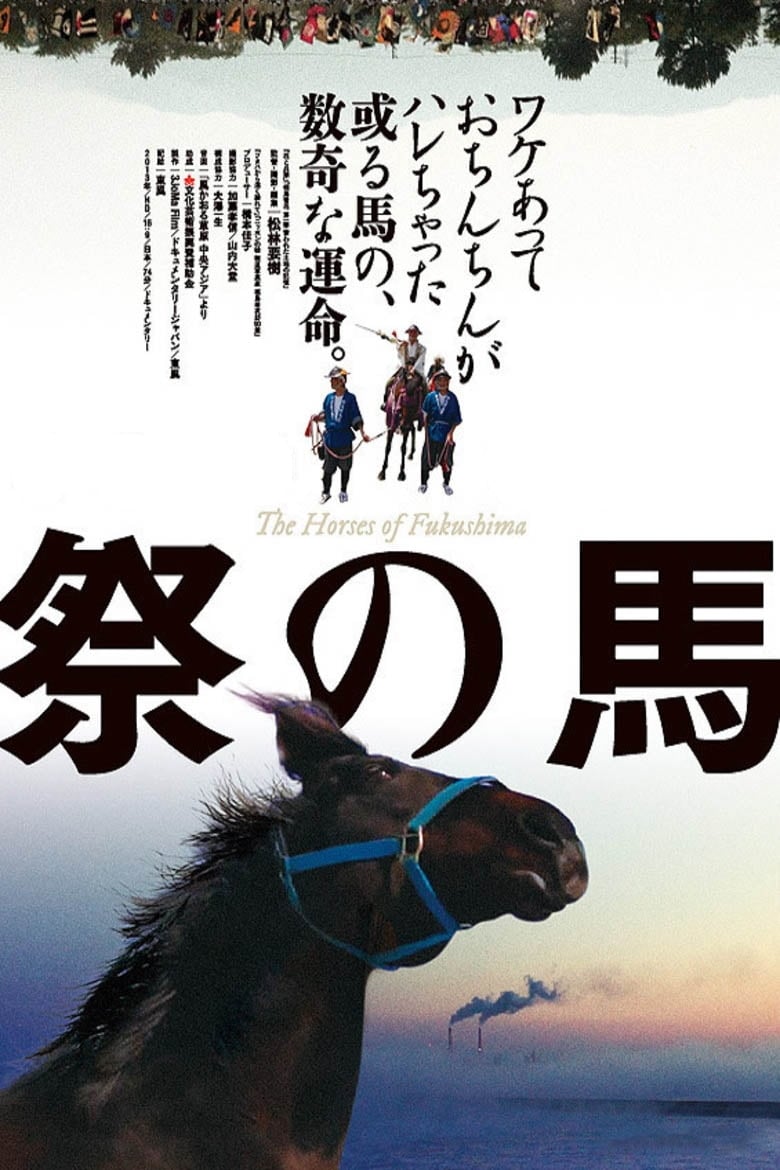
Fukushima's Minami-soma has a ten-centuries-long tradition of holding the Soma Nomaoi ("chasing wild horses") festival to celebrate the horse's great contribution to human society. Following the meltdown of the Fukushima Daiichi Nuclear Power Plant in the wake of the March 11, 2011 earthquake and tsunami, local people were forced to flee the area. Rancher Shinichiro Tanaka returned to find his horses dead or starving, and refused to obey the government's orders to kill them. While many racehorses are slaughtered for horsemeat, his horses had been subjected to radiation and were inedible. Yoju Matsubayashi, whose "Fukushima: Memories of the Lost Landscape" is one of the most impressive documentaries made immediately after the disaster, spent the summer of 2011 helping Tanaka take care of his horses. In documenting their rehabilitation, he has produced a profound meditation on these animals who live as testaments to the tragic bargain human society made with nuclear power.
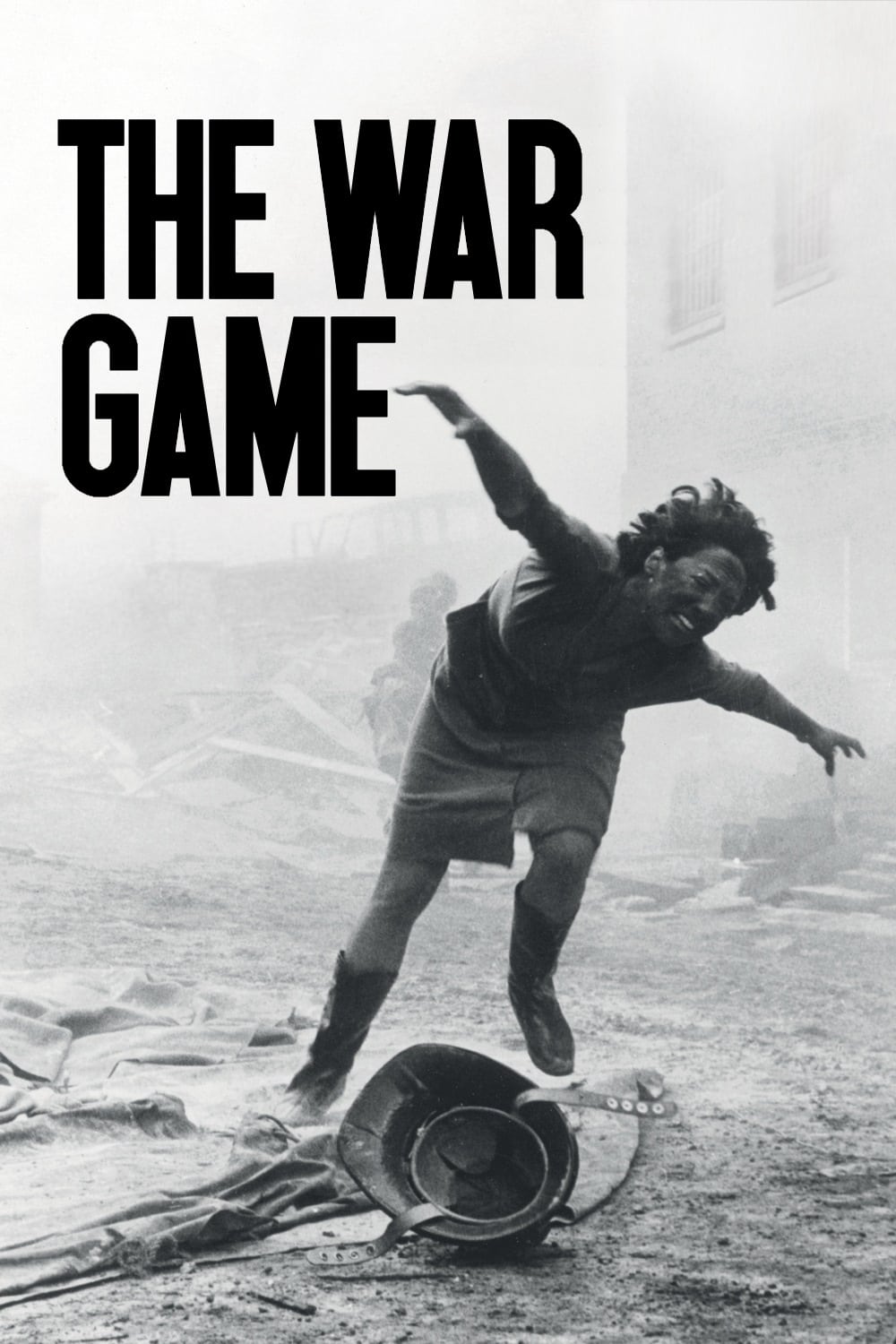
A docudrama depicting a hypothetical nuclear attack on Britain. After backing the film's development, the BBC refused to air it, publicly stating "the effect of the film has been judged by the BBC to be too horrifying for the medium of broadcasting." It debuted in theaters in 1966 and went on to great acclaim, but remained unseen on British television until 1985.
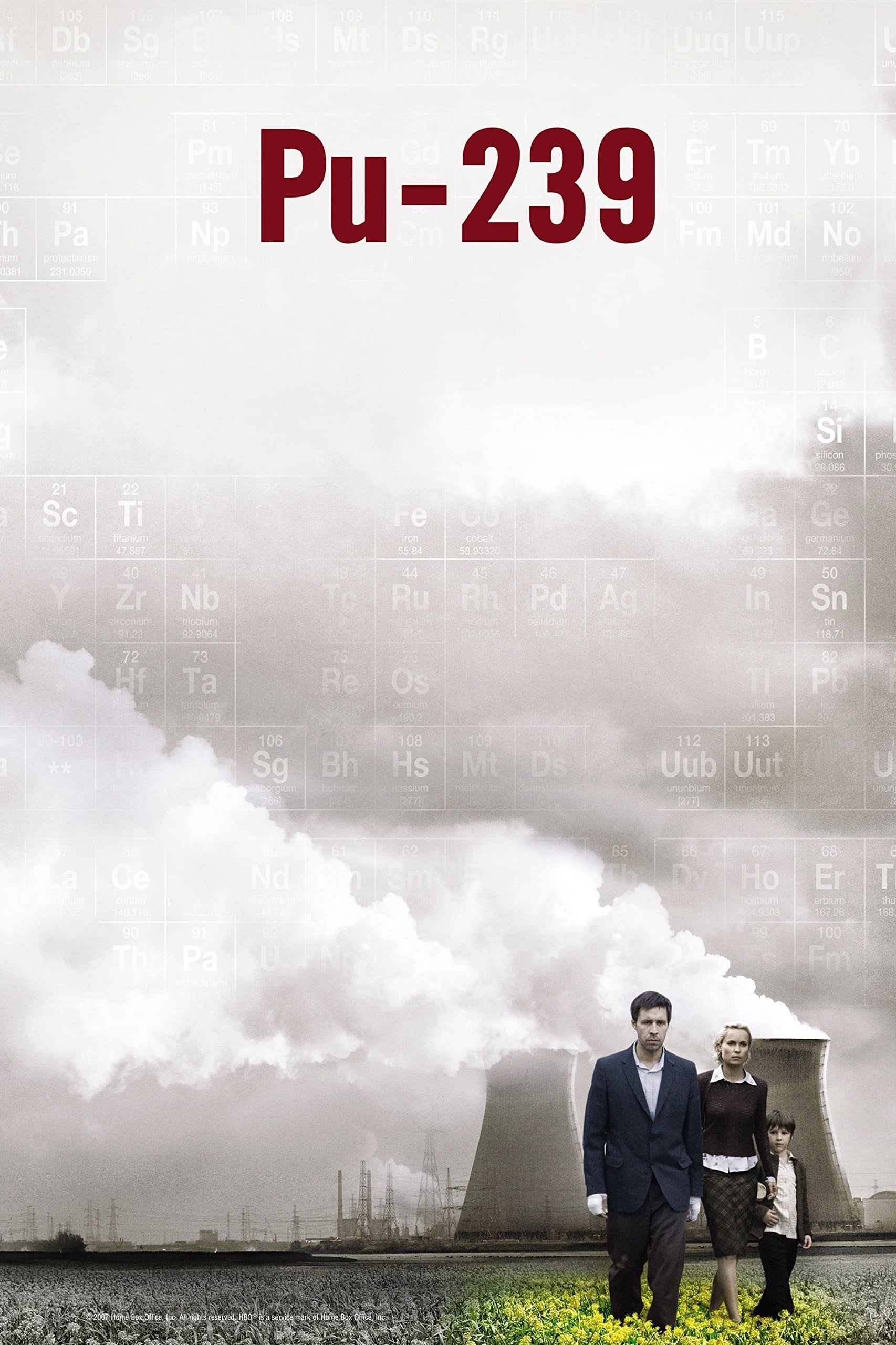
A worker at a Russian nuclear facility gets exposed to a lethal dose of radiation. In order to provide for his family, he steals some plutonium and sets out to sell it on Moscow's black market with the help of an incompetent criminal.
With unprecedented access to the nuclear industry in France, Russia, and the United States, Nuclear Now explores the possibility for the global community to overcome the challenges of climate change and energy poverty to reach a brighter future through the power of nuclear energy. Beneath our feet, Uranium atoms in the Earth’s crust hold incredibly concentrated energy. Science unlocked this energy in the mid-20th century, first for bombs and then to power submarines. The United States led the effort to generate electricity from this new source. Yet in the mid-20th century as societies began the transition to nuclear power and away from fossil fuels, a long-term PR campaign to scare the public began, funded in part by coal and oil interests.
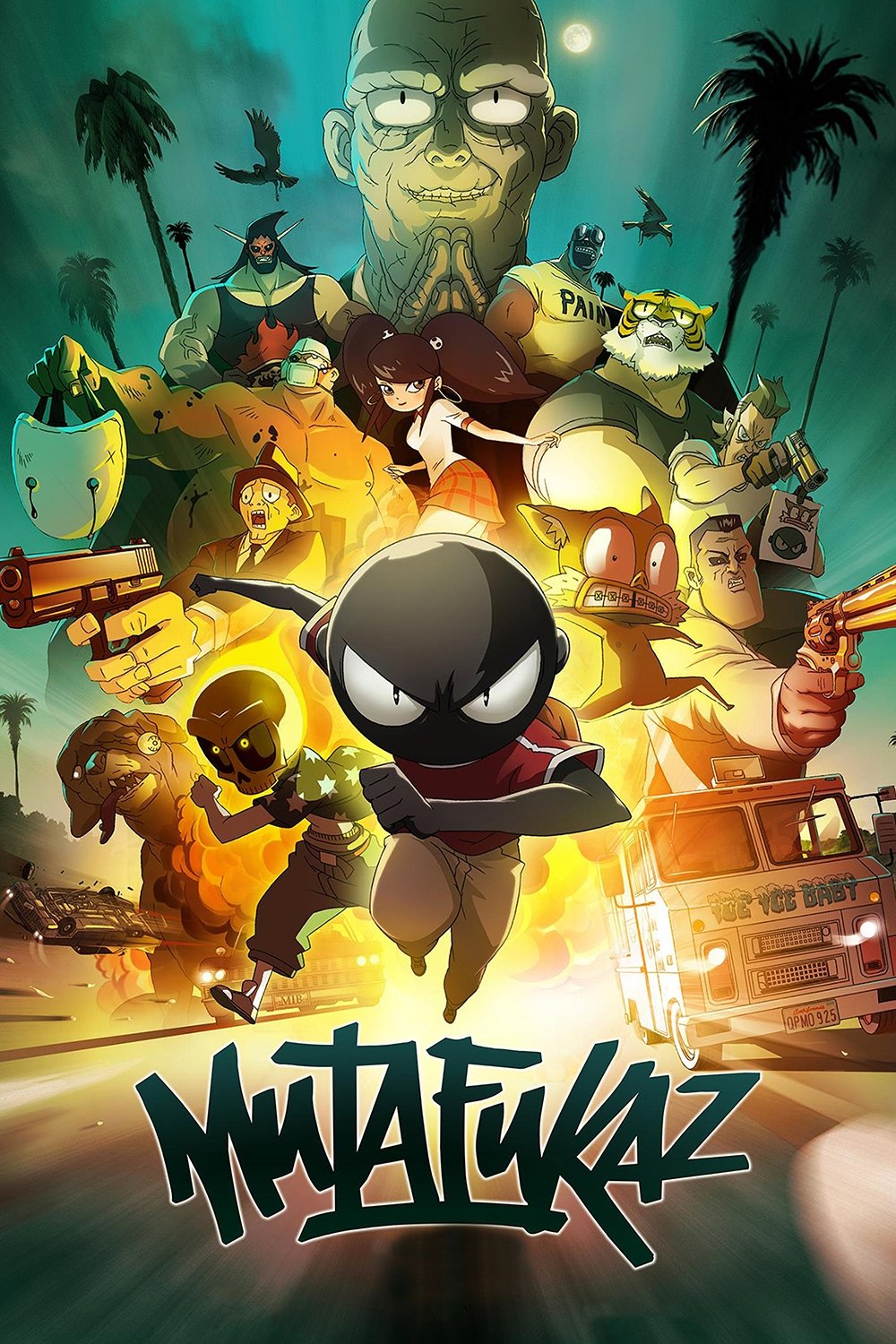
Angelino is just one of thousands of deadbeats living in Dark Meat City. But an otherwise unremarkable scooter accident caused by a beautiful, mysterious stranger is about to transform his life... into a waking nightmare! He starts seeing monstrous forms prowling around all over the city... Is Angelino losing his mind, or could an alien invasion really be happening this quietly...?
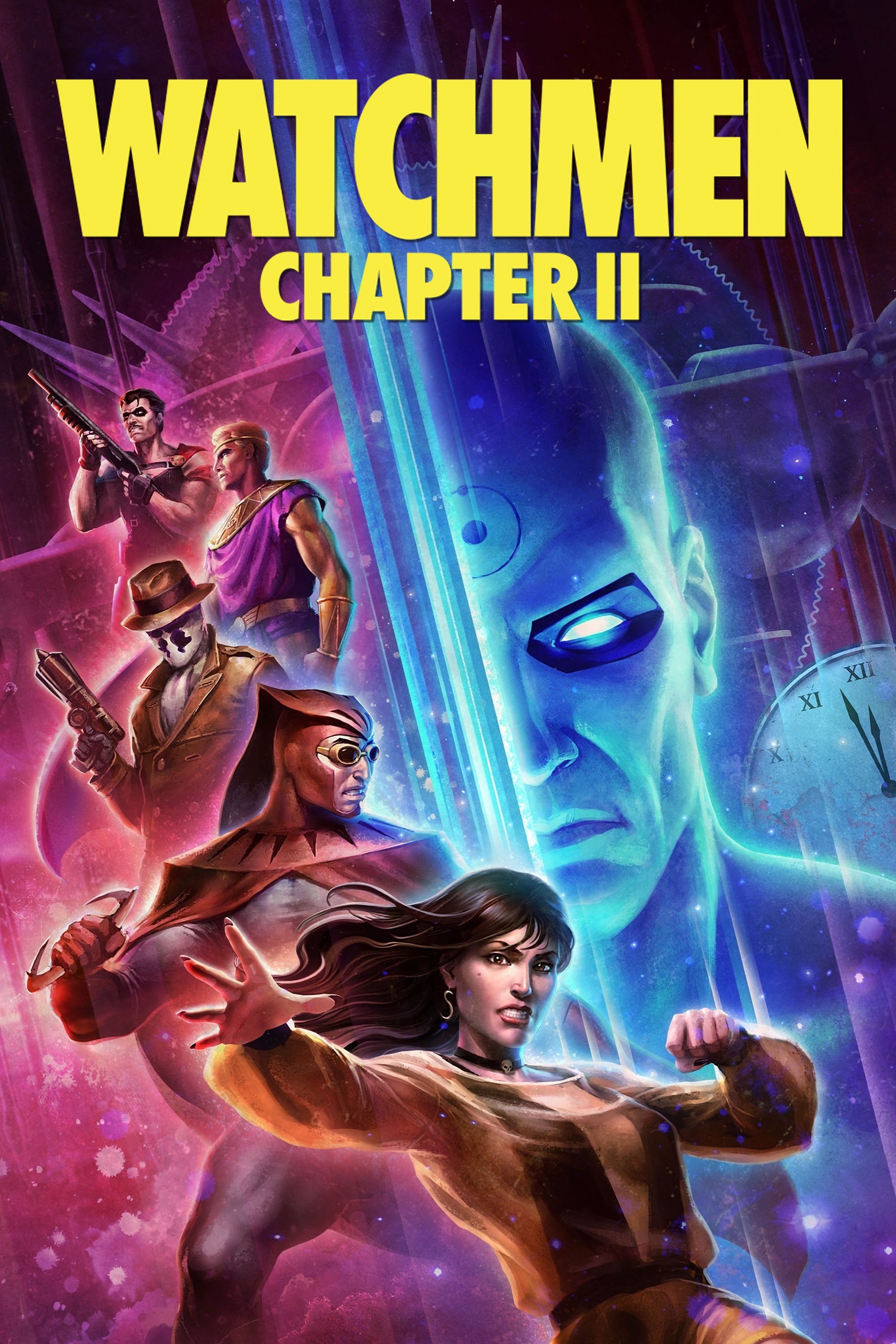
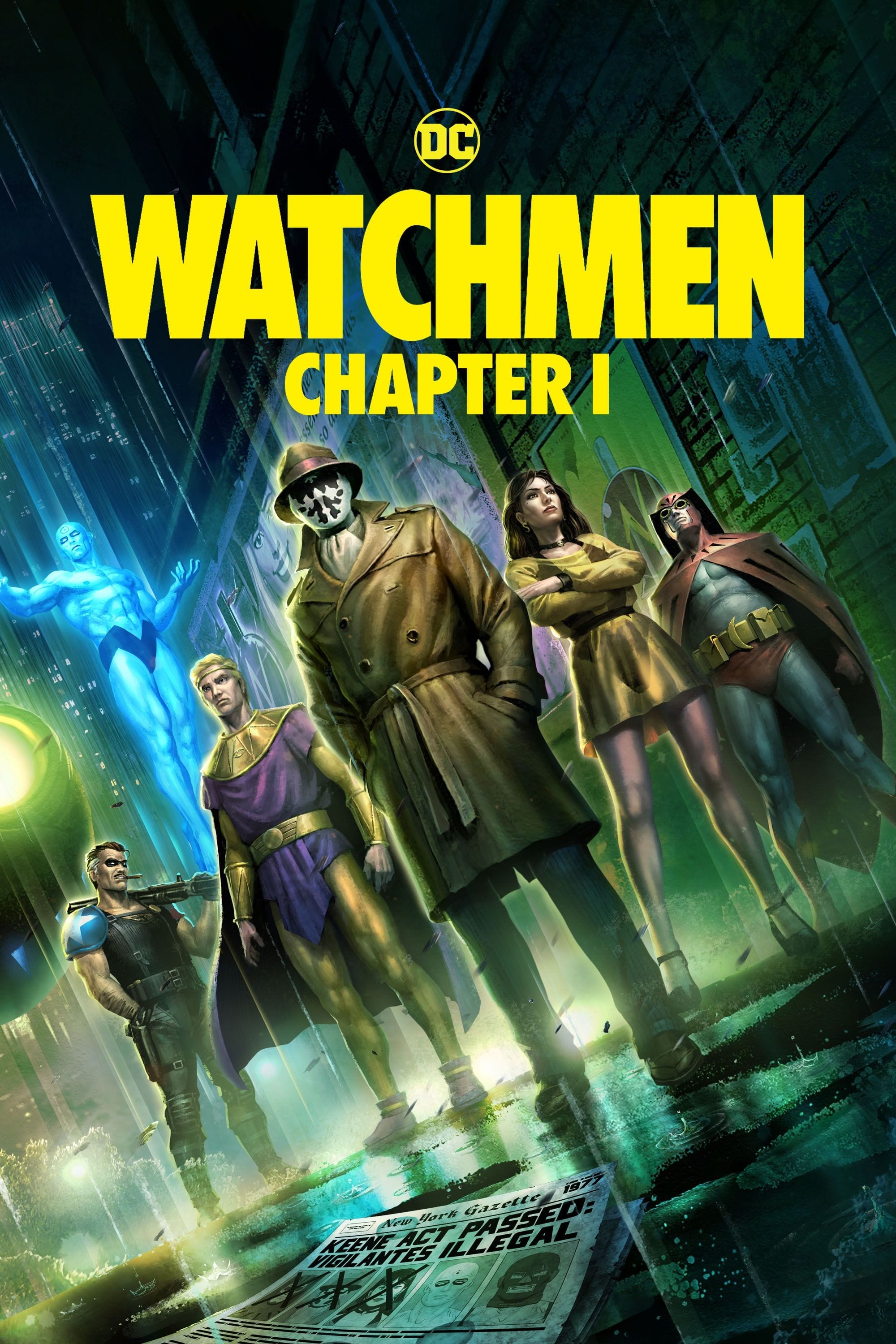
Suspicious of the events ensnaring their former colleagues, Nite Owl and Silk Spectre are spurred out of retirement to investigate. As they grapple with personal ethics, inner demons and a society turned against them, they race the clock to uncover a deepening plot that might trigger global nuclear war.
Winnie the Pooh and his friends experience high winds, heavy rains, and a flood in Hundred Acre Wood.
When the first snow falls in the valley, it is urgent to prepare its reserves for the winter. Alas, during the operation, a small ladybug is trapped in a box - to the Caribbean. One solution: reform the shock team.
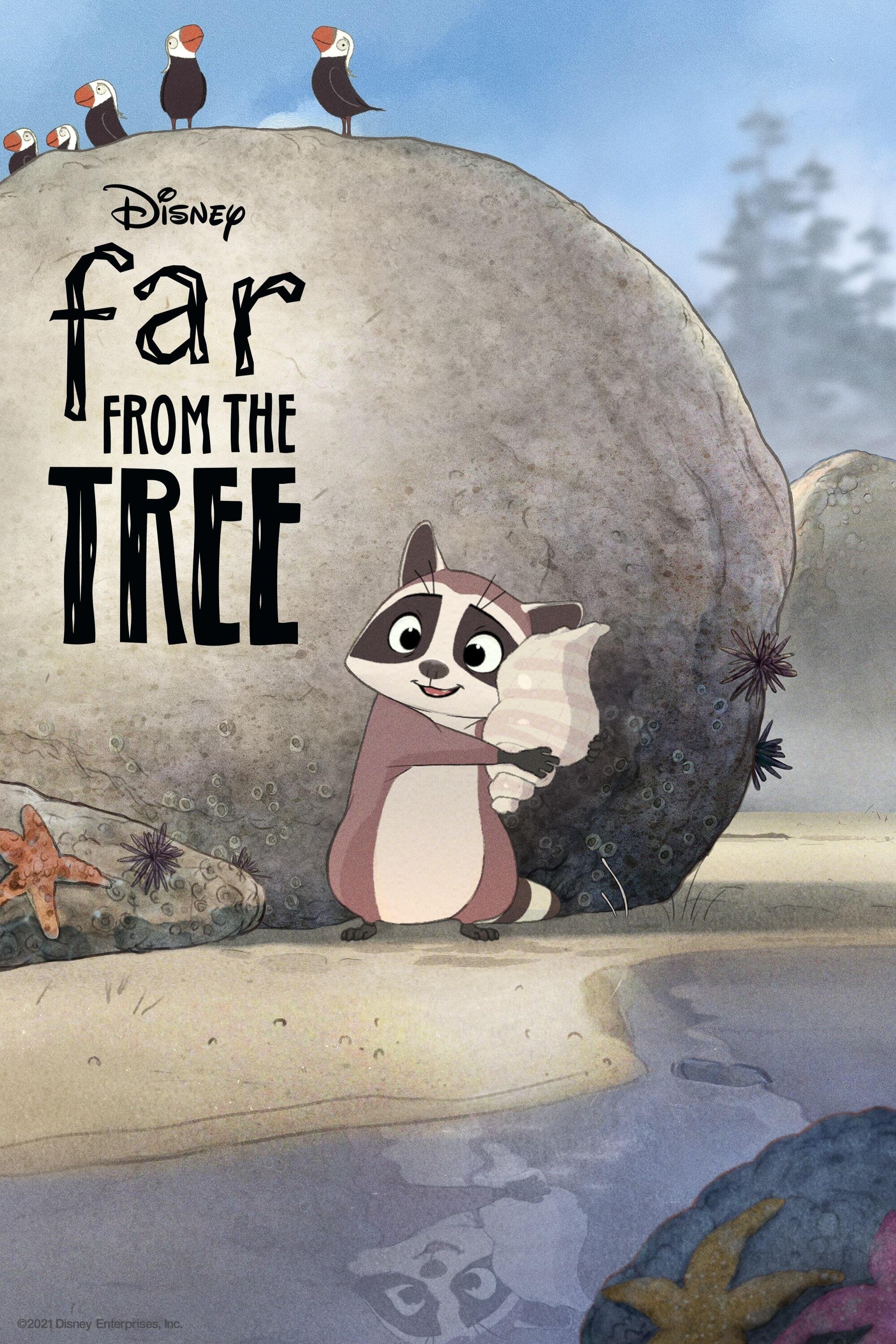
On an idyllic beach in the Pacific Northwest, curiosity gets the better of a young raccoon whose frustrated parent attempts to keep them both safe.
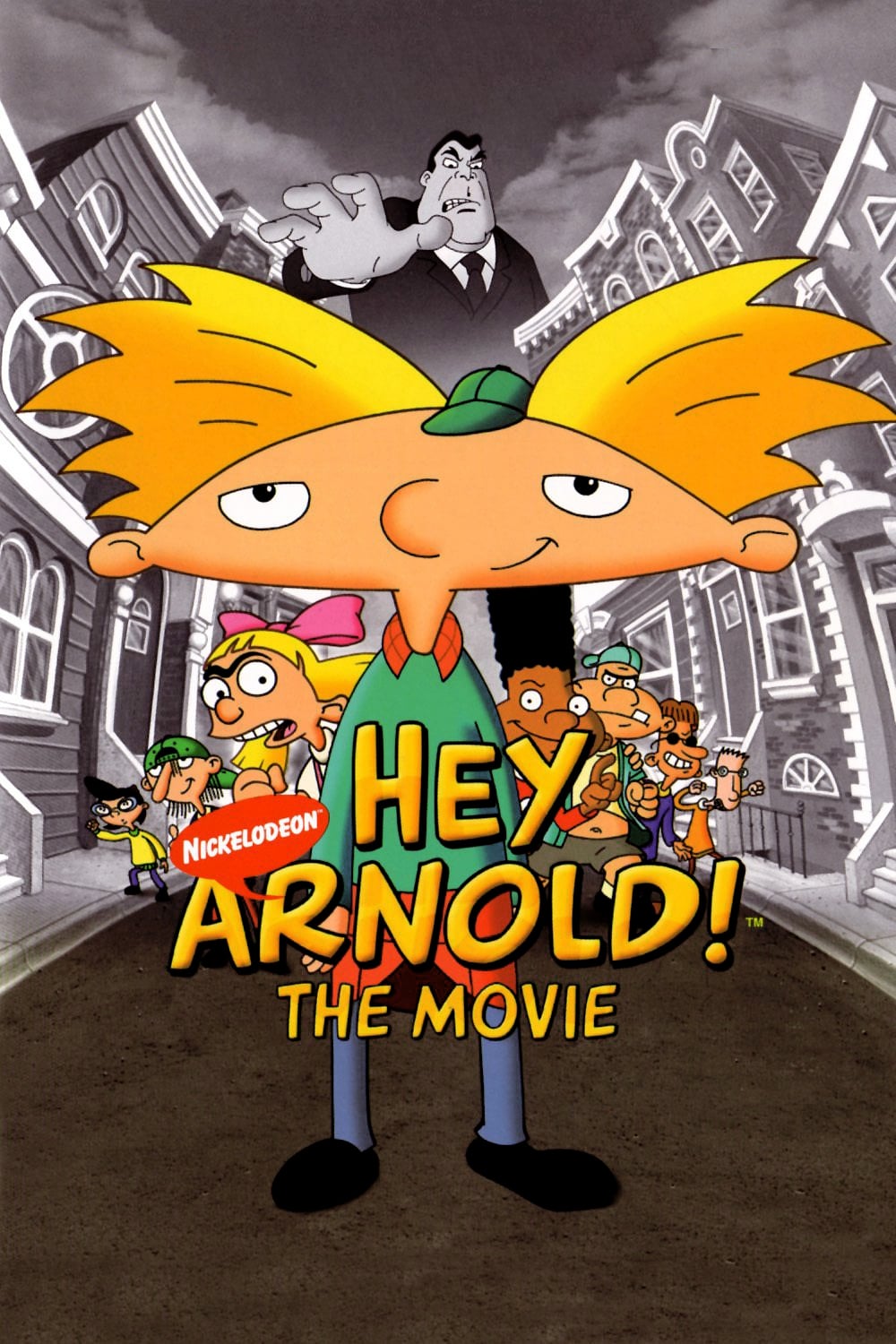
Arnold and his friends must recover a stolen document in order to prevent the neighborhood from being bulldozed.
In the tradition of Fantasia, Make Mine Music is a glorious collection of musically charged animated shorts featuring such fun-filled favorites as "Peter and the Wolf", narrated by the beloved voice behind Winnie the Pooh. In addition you'll enjoy such classic cartoon hits as "Casey at the Bat," "The Whale Who Wanted to Sing at the Met" and "Johnnie Fedora and Alice Bluebonnet."
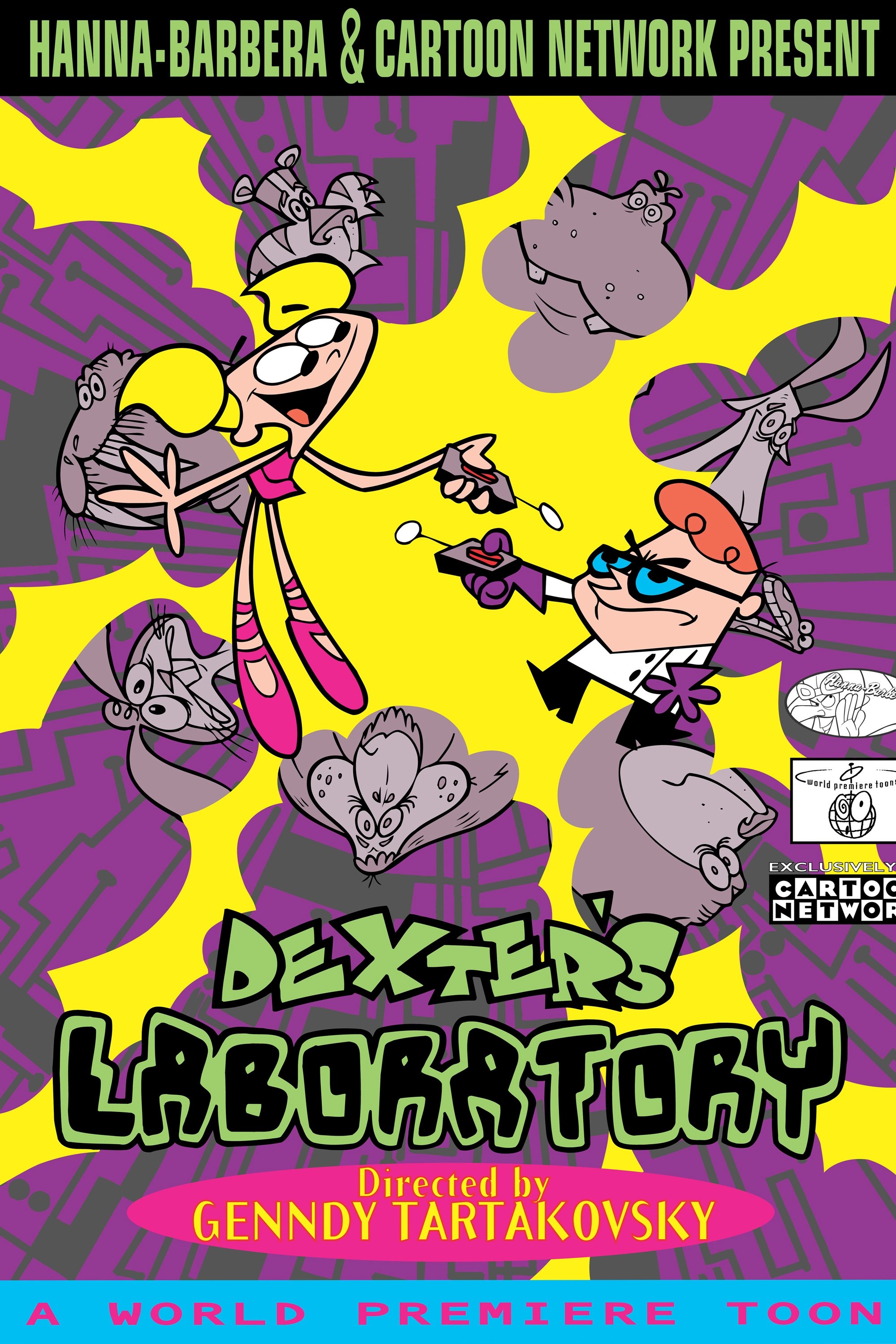
Dexter and Dee Dee wreck havok using Dexter's latest invention: a hand-held device that turns people into various animals. The short film that inspired the TV-series.
After starting up their own teen magazine, Bratz girls Yasmin, Cloe, Jade, and Sasha fly to London to cover a rock concert.
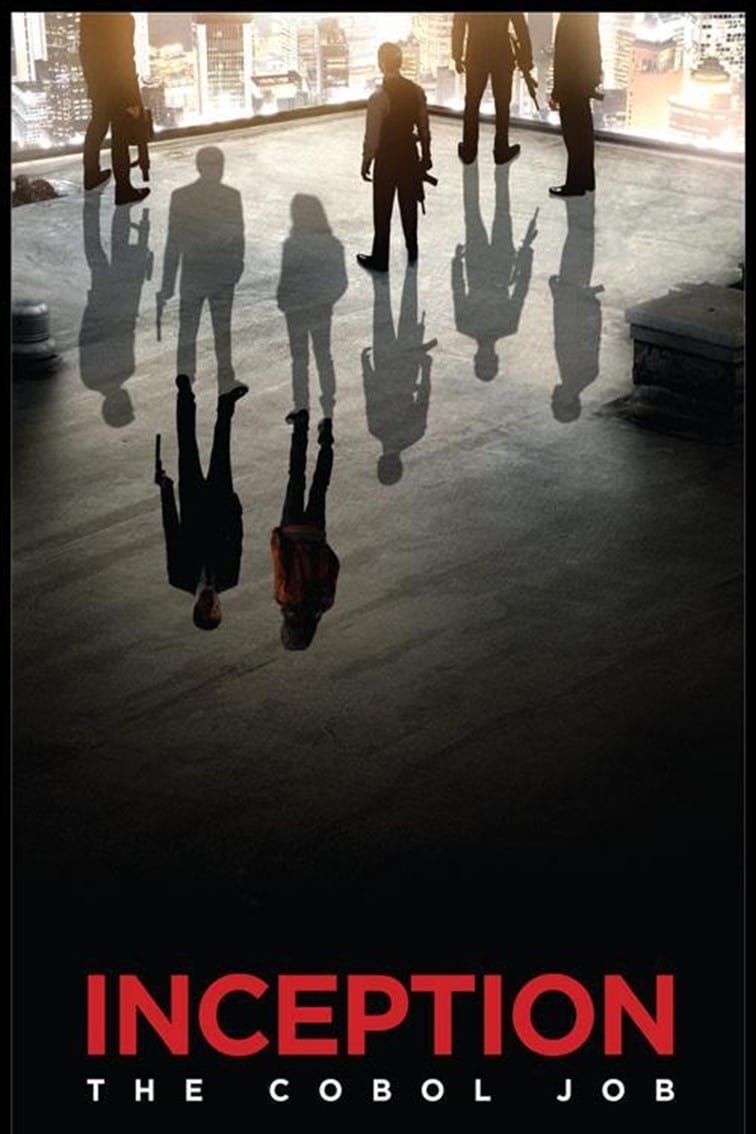
Cobb, Arthur and Nash are enlisted by Cobol Engineering.
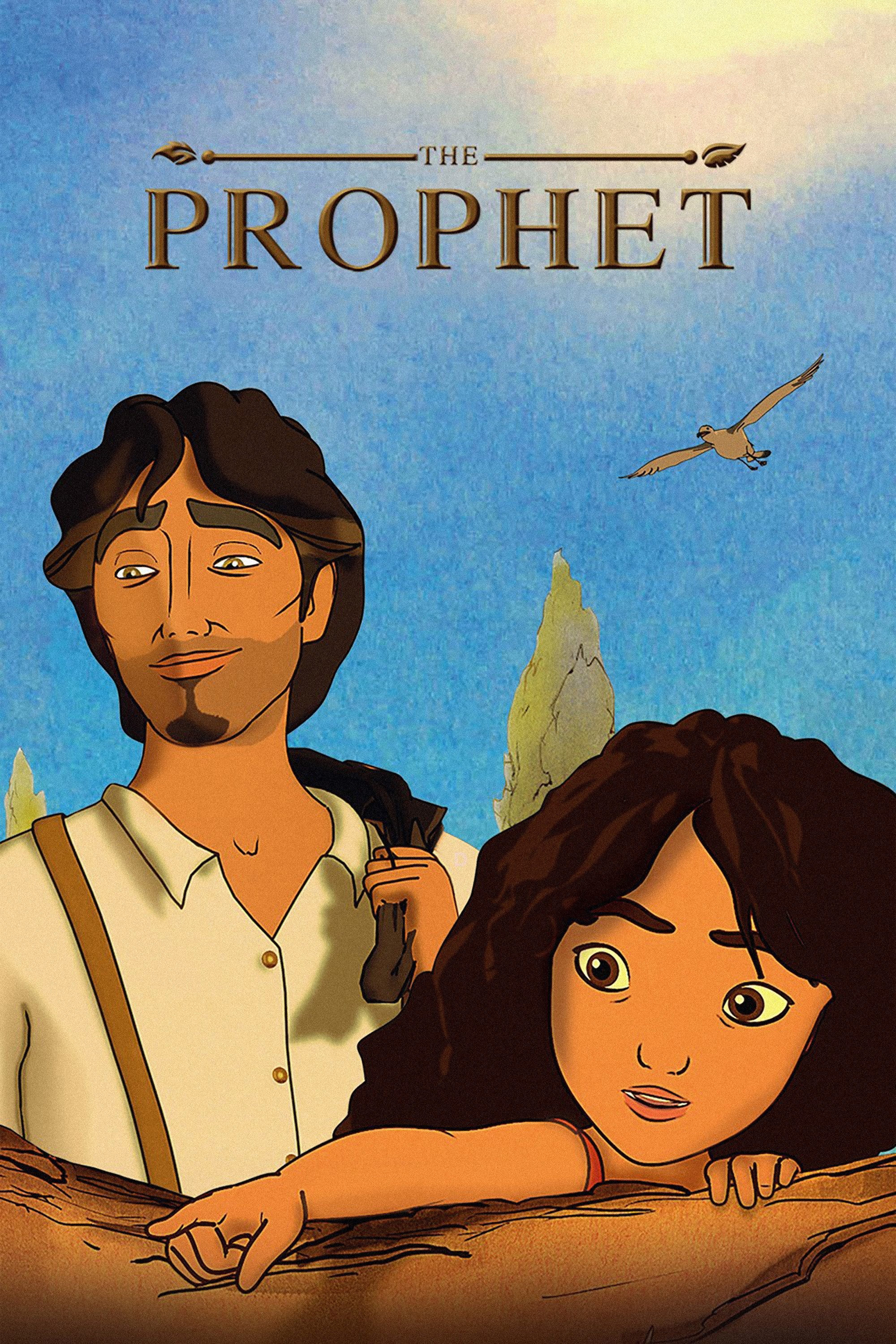
Exiled artist and poet Mustafa embarks on a journey home with his housekeeper and her daughter; together the trio must evade the authorities who fear that the truth in Mustafa's words will incite rebellion.
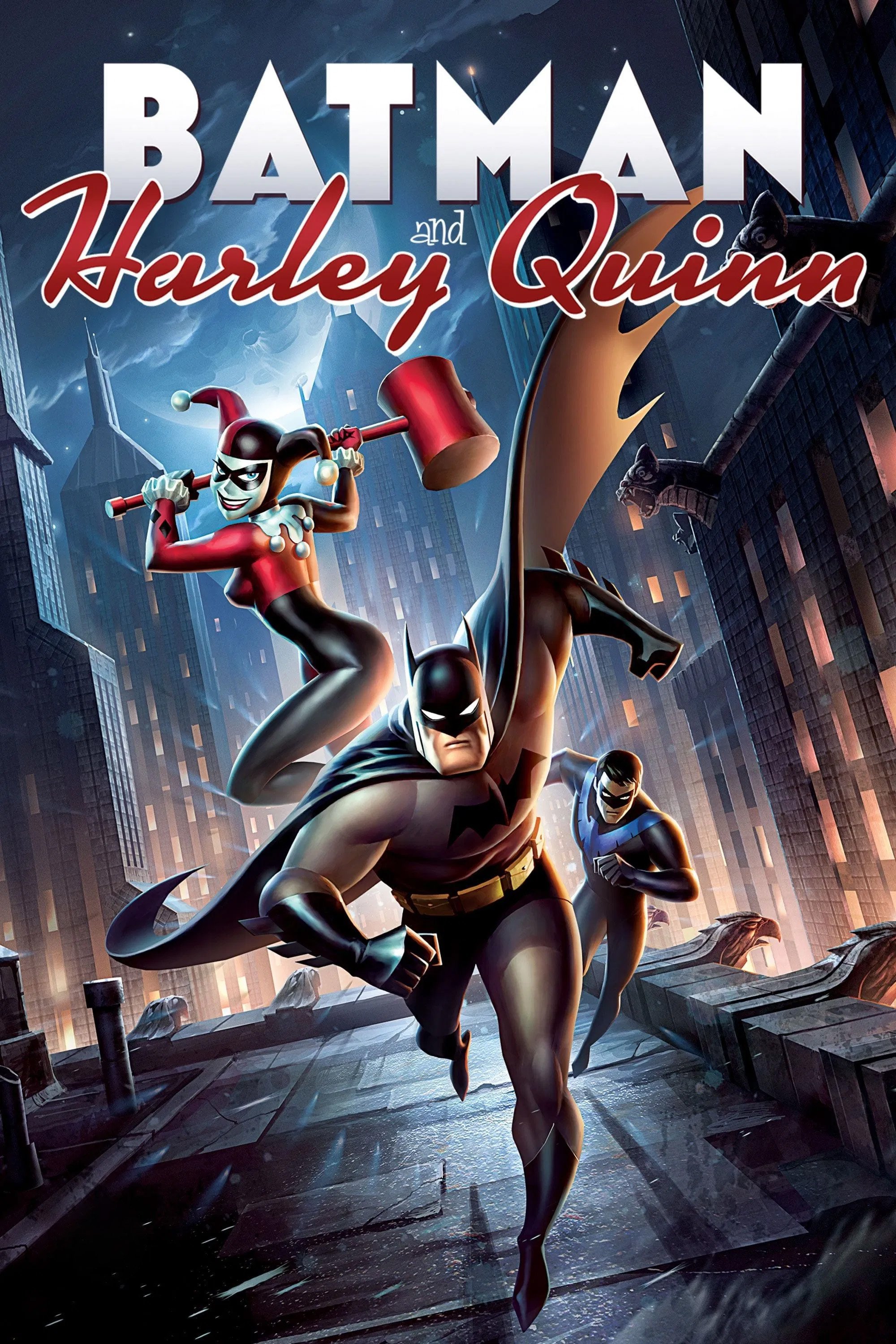
Batman and Nightwing are forced to team with the Joker's sometimes-girlfriend Harley Quinn to stop a global threat brought about by Poison Ivy and Jason Woodrue, the Floronic Man.
Charlie Brown is determined to win the big baseball game. But things turn into a fiasco right before the matchup, when Sally bonds with a little flower on the pitcher's mound and vows to protect it at all costs.
A music-loving kinkajou named Vivo embarks on the journey of a lifetime to fulfill his destiny and deliver a love song for an old friend.
In 1985, the murder of a government-sponsored superhero draws his outlawed colleagues out of retirement and into a mystery that threatens to upend their personal lives and the world itself.
Six interlocking stories reveal Bruce Wayne's earliest adventures as Batman and the steps he took to become the grim avenger of Gotham City.
An aging, out-of-work actress accepts one last job, though the consequences of her decision affect her in ways she didn't consider.
Back at home, Chuck relates the island shenanigans of his larva pals Red and Yellow to a skeptical reporter in this movie sequel to the hit cartoon.
When Margo, Agnes and Edith return from Badger Scout camp, three of the Minions are entranced by the girls' merit badges. Their own attempt at scout camp results in attracting a bear, eating poison berries and eventually blowing up a dam, creating a massive flood. But, when they arrive back home, the girls share their badges, encouraging the rest of the Minions to try their hand at scouting.
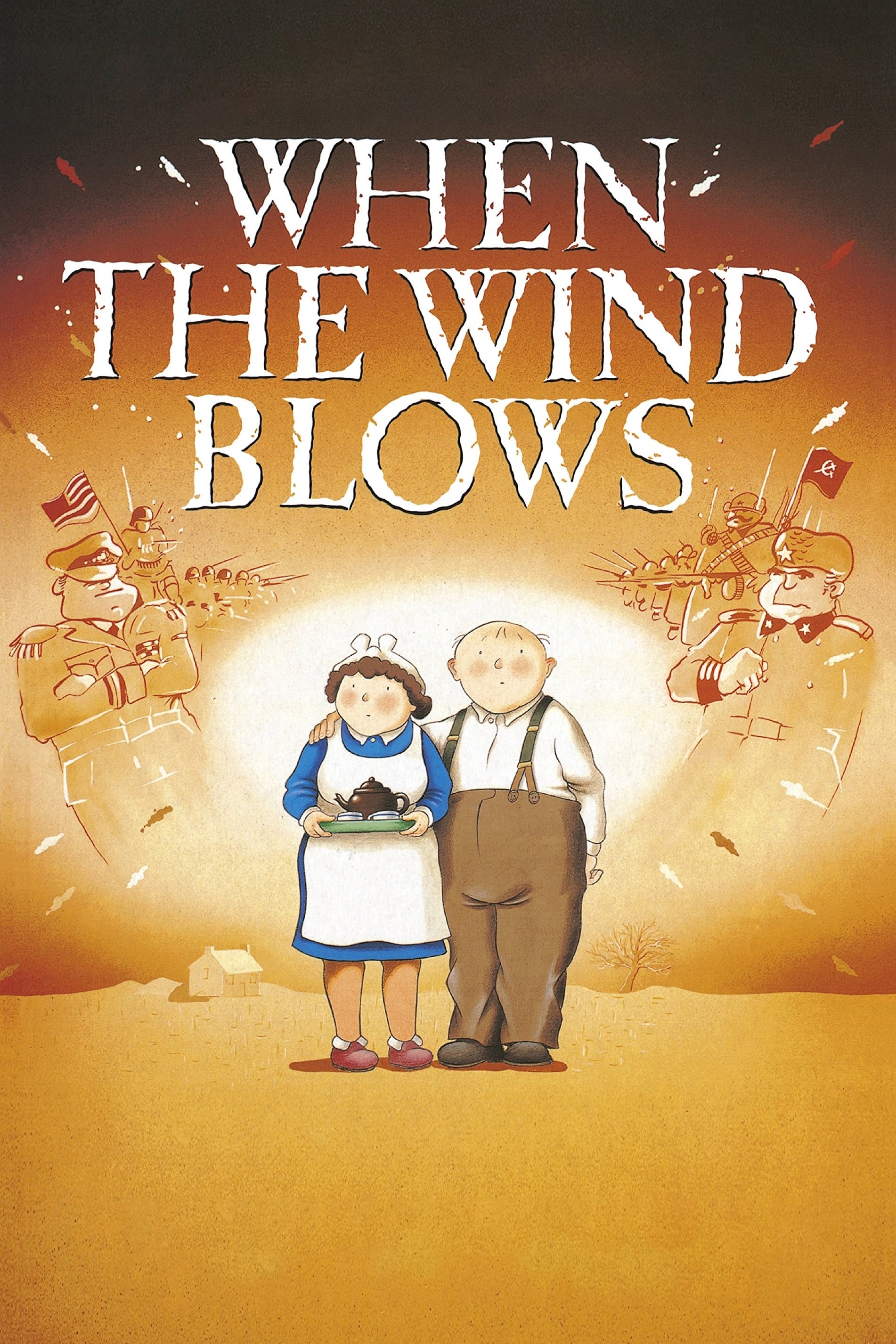
With the help of government-issued pamphlets, an elderly British couple build a shelter and prepare for an impending nuclear attack, unaware that times and the nature of war have changed from their romantic memories of World War II.