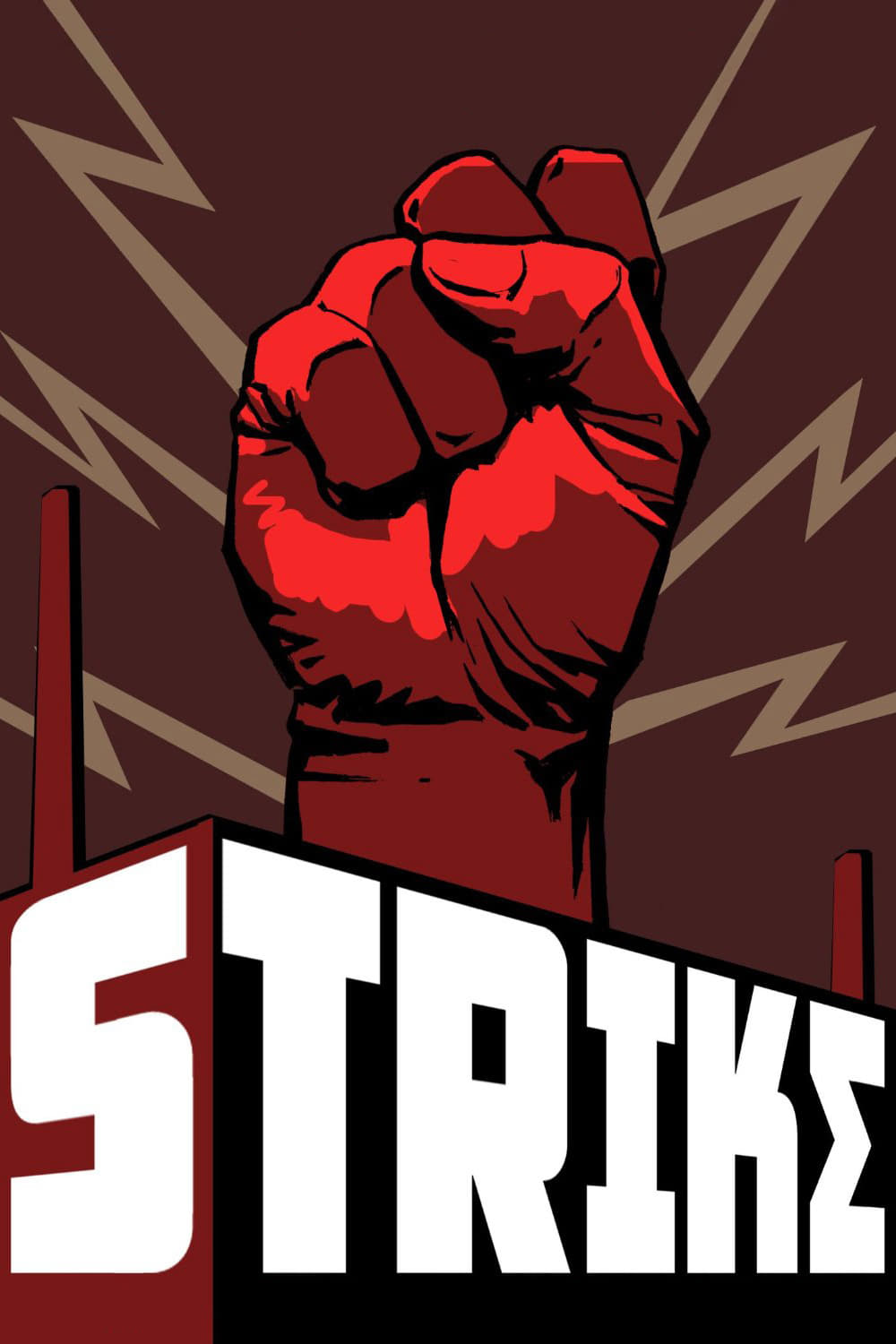
"Down with autocracy! Long live the democratic republic!"
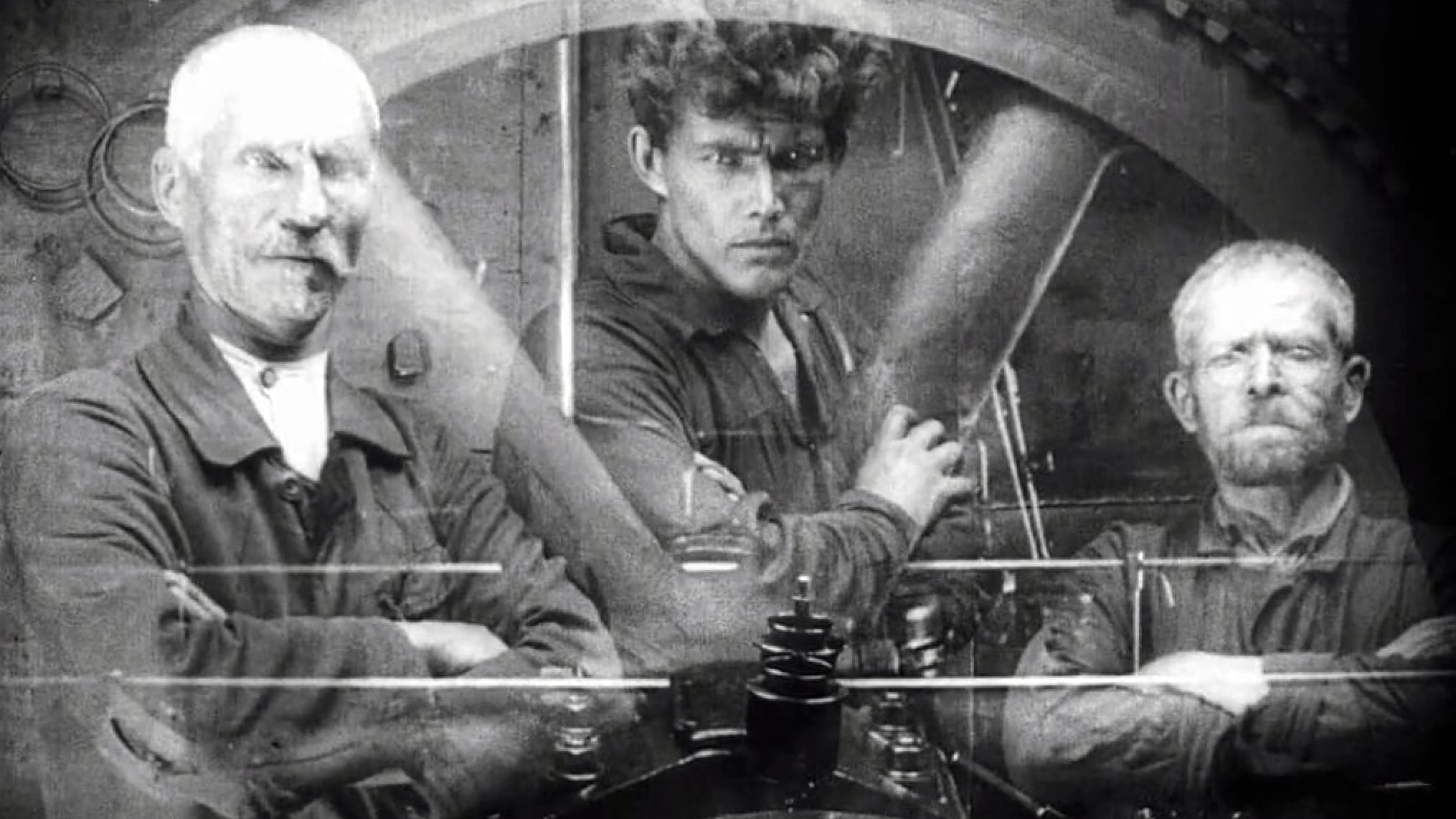
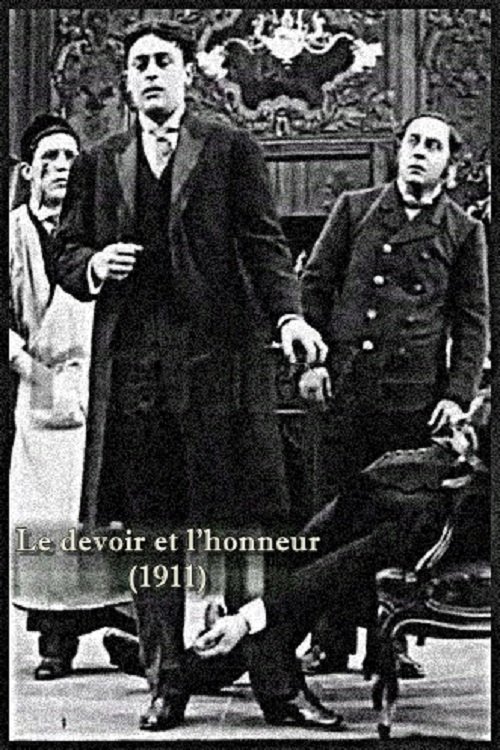
Workers in a factory in pre-revolutionary Russia go on strike and are met by violent suppression.
Social & External
The people behind it
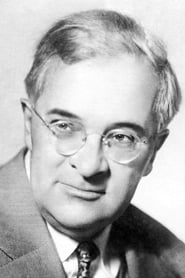
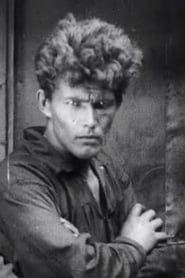
Maksim Shtraukh
Police Spy
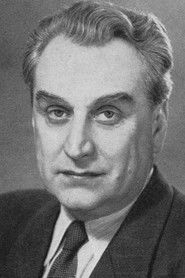
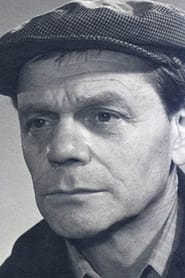
Grigori Aleksandrov
Factory Foreman
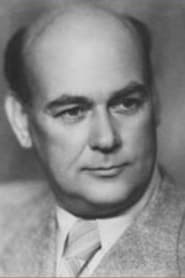
Mikhail Gomorov
Worker
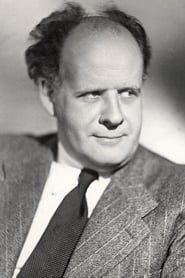
Ivan Klyukvin
Revolutionary
Aleksandr Antonov
Member of Strike Committee
Vladimir Uralskiy
Anatoliy Kuznetsov
I. Ivanov
Chief of Police
Yudif Glizer
Queen of Thieves
Vera Yanukova
Worker's wife
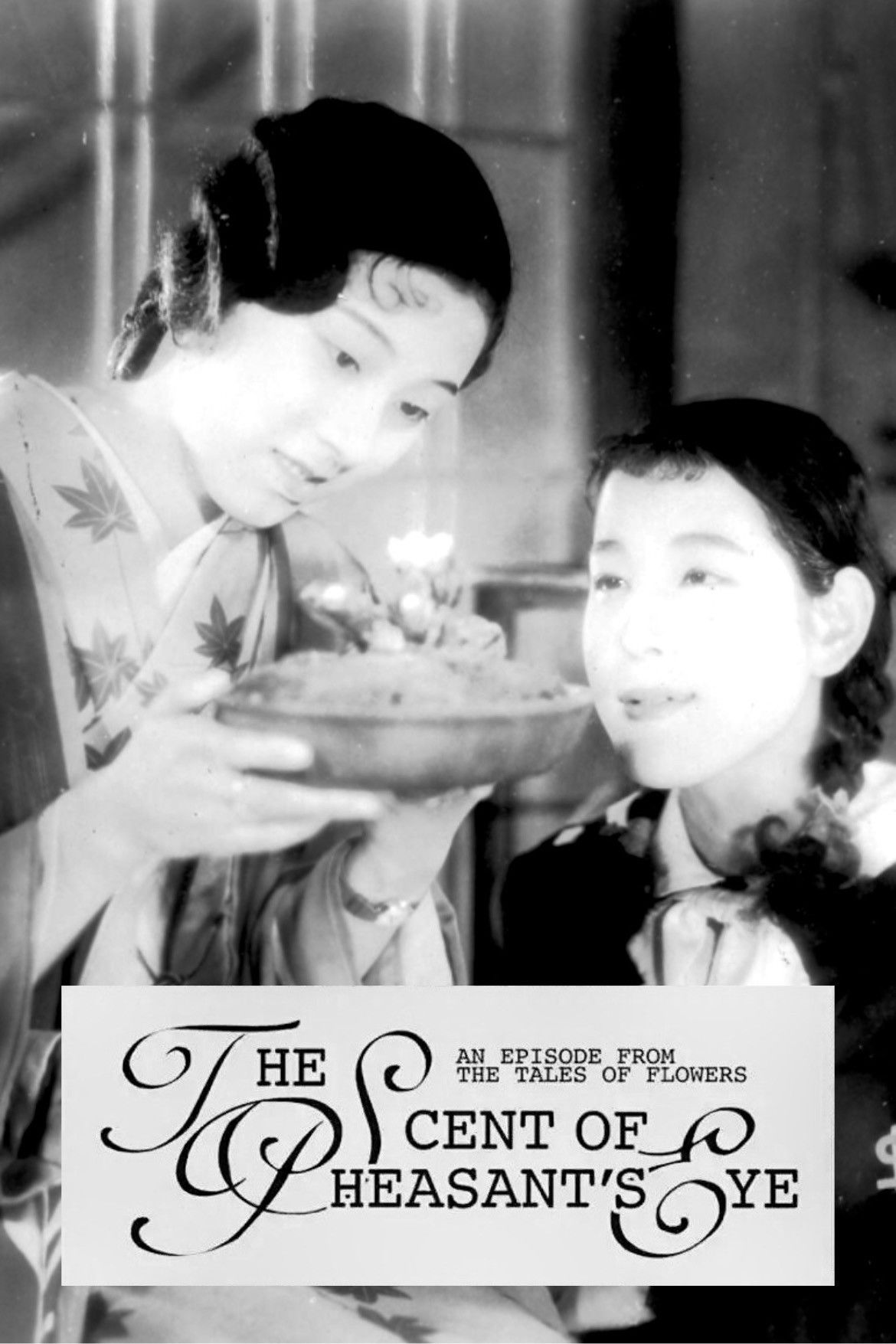
Mitsuo the Counselor's son marries writer Miyoko, however a tender romance blossoms between Miyoko and Mitsuo's sister Kaoru. When the family falls to bankruptcy, heartache ensues; Miyoko's illness worsens and she is sent to a sanatorium, separating the lovers. Based on a story from Tales of Flowers by Nobuko Yoshiya
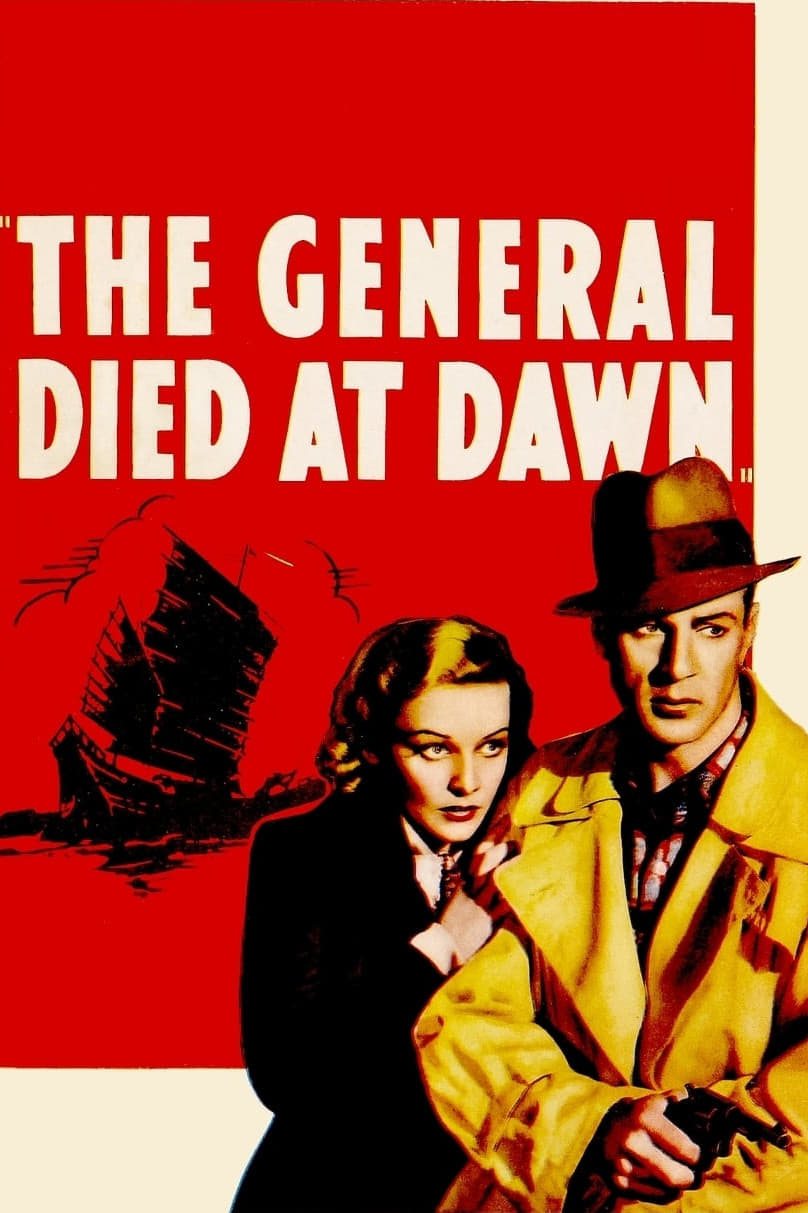
China, 1930s, during the ravaging civil war. General Pen entrusts O'Hara, an intrepid American adventurer, with the mission of providing a large sum of money to Mr. Wu with the task of buying weapons in Shanghai to help end General Yang's tyranny that keeps an entire province under his ruthless iron boot.
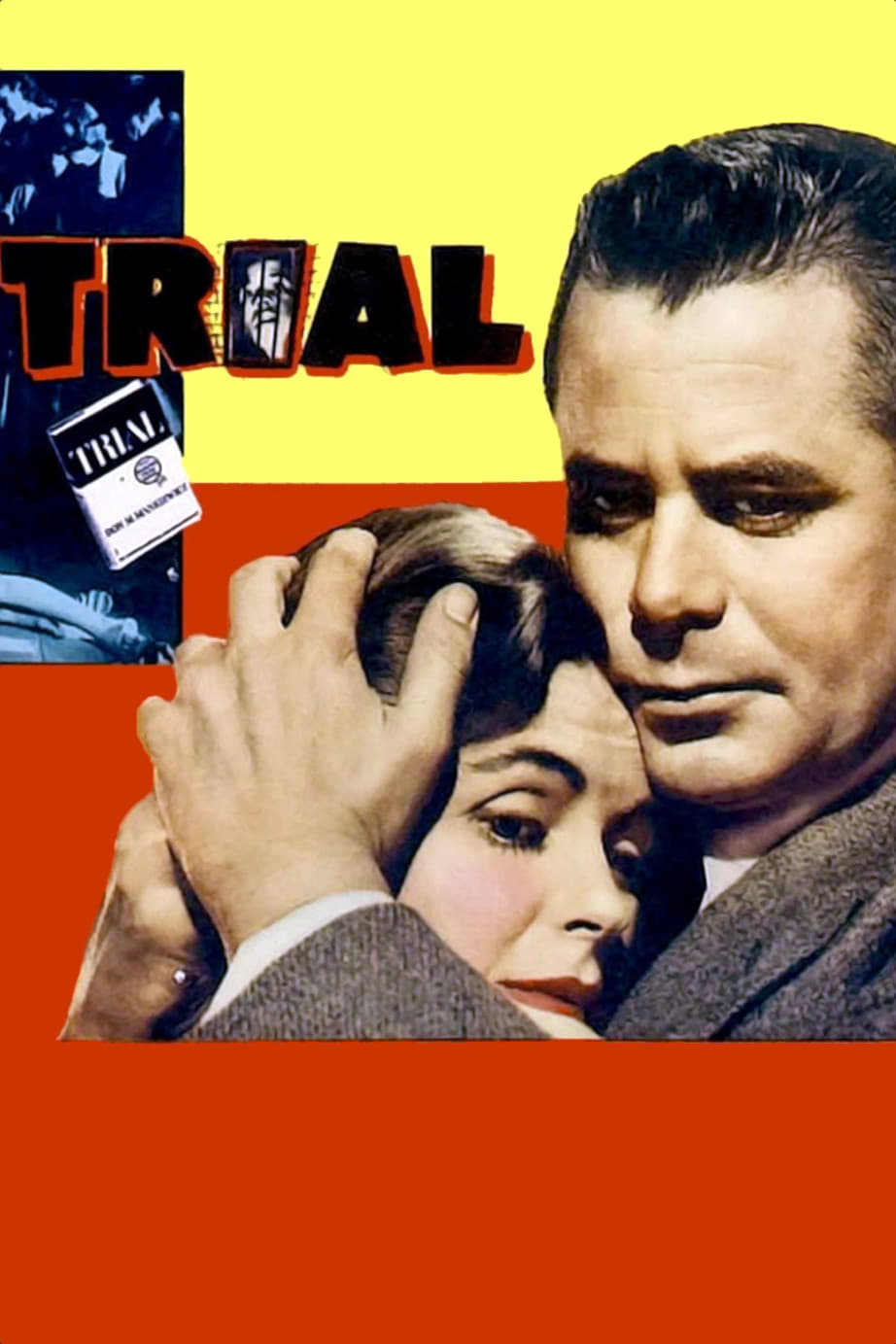
A Mexican boy accused of rape and murder becomes a pawn for Communists and red-baiters. A courtroom drama set in 1947 and underlying post-WW2 acute problems facing the USA such as stormy race relations and the growing threat of local communism.
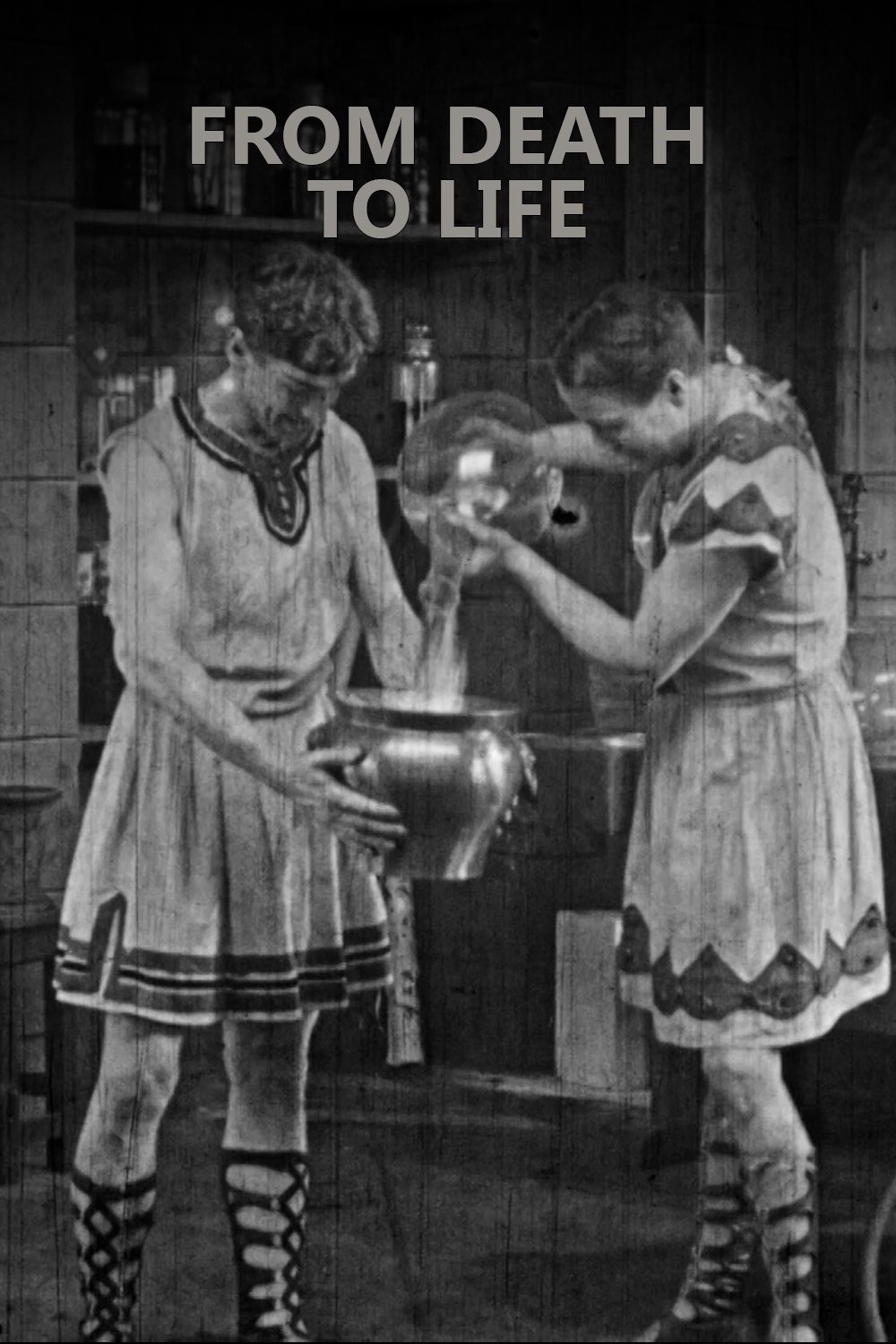
A chemist named Aratus invents a concoction that will turn creatures to stone, but only realizes the dangers of his creation when his wife falls victim to it.
An abused young woman finds safety and love in the arms of a famous novelist.
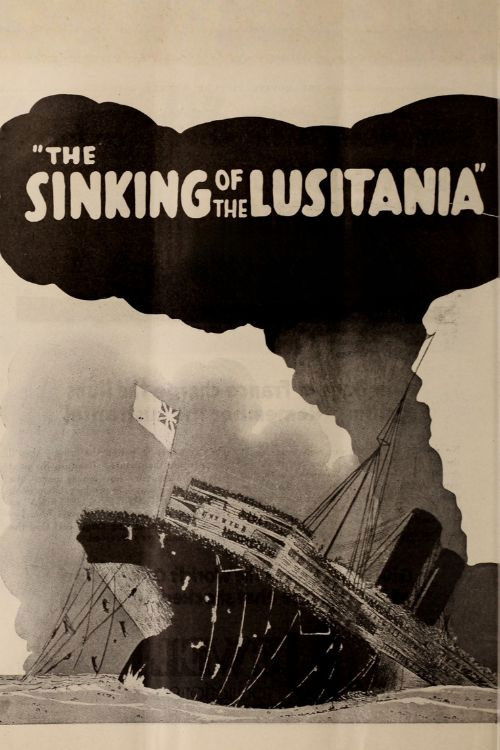
Winsor McCay recreates the sinking of the ocean liner Lusitania by a German U-boat in this propaganda piece designed to stir up anti-German sentiment during World War I.
While building an irrigation system for a Southwestern desert community, an engineer vies with a local cowboy for the affections of a rancher's daughter.
Two wanderers, a young man and a young woman, meet in the desert and decide to travel on together. The two travellers walk and hitch-hike their way down the road to their destination, the beach, becoming friends and lovers.
A walk in a wheat farmland in the a village. While moving between the tall sheaves, the walker’s restless eye surveys the fields, the cattle, and settles on the faces of the residents of the small town. Brief animation exercises repeat, and the sketch the figure of a contemplative walker.
A Jewish parvenu climbs the social ladder by seducing wealthy women.
A count falls in love with a dead ringer of a deceased loved one.
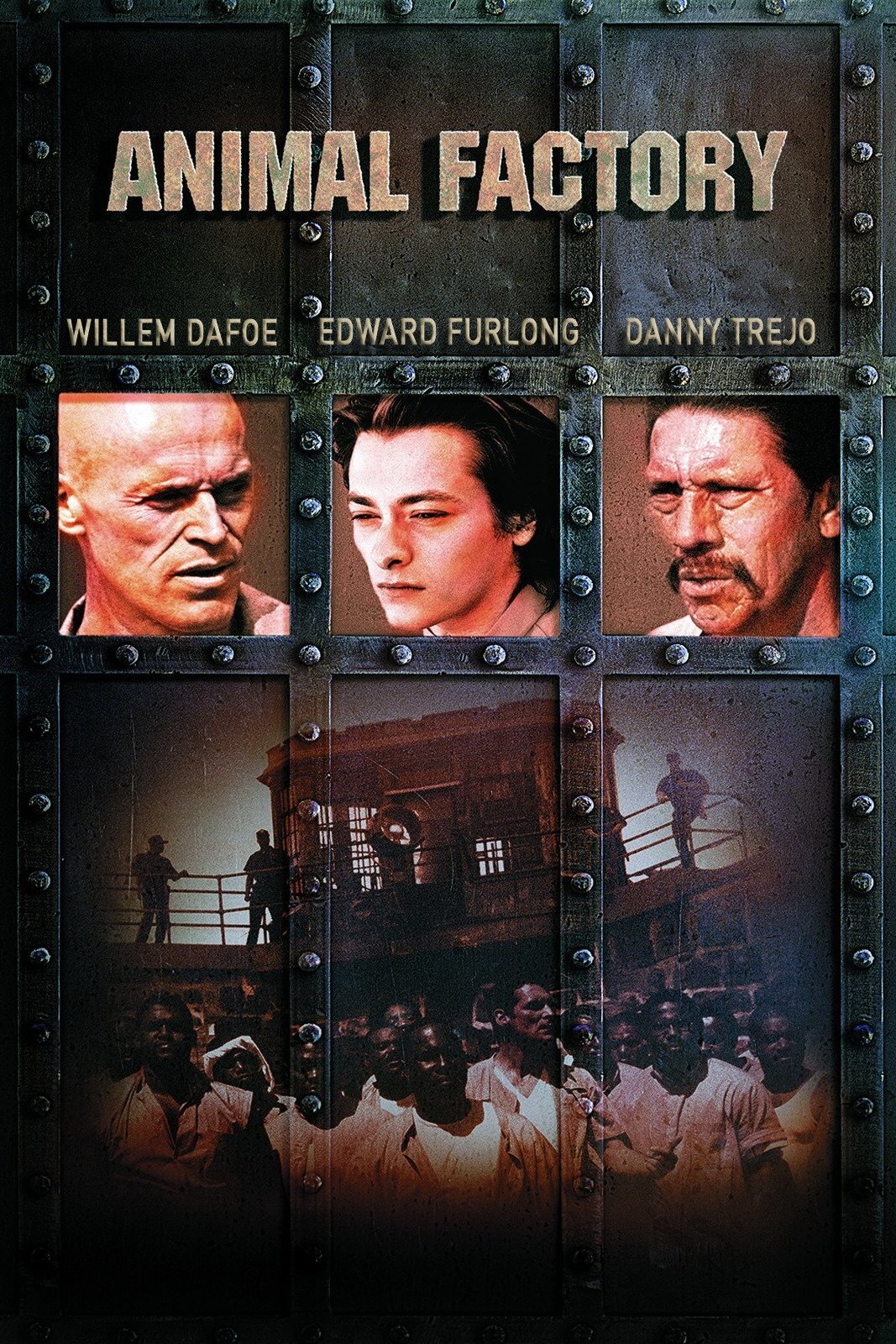
Suburbanite Ron is spoiled, young and not overly worried about the marijuana charges leveled against him. But, after being made out to be a drug dealer, he faces a five-year jail sentence in San Quentin State Prison. Physically frail and unaccustomed to his rough surroundings, Ron is primed to fall victim to sexual predators and bullying guards – that is, until he's befriended by Earl, a veteran inmate who finds meaning in protecting the vulnerable new kid.
Rokas and Inga, a couple of young Lithuanians, volunteer to drive a cargo van of humanitarian aid to Ukraine. They cross the vast snowy lands of the Donbass region, drifting into the lives of those affected by the war.
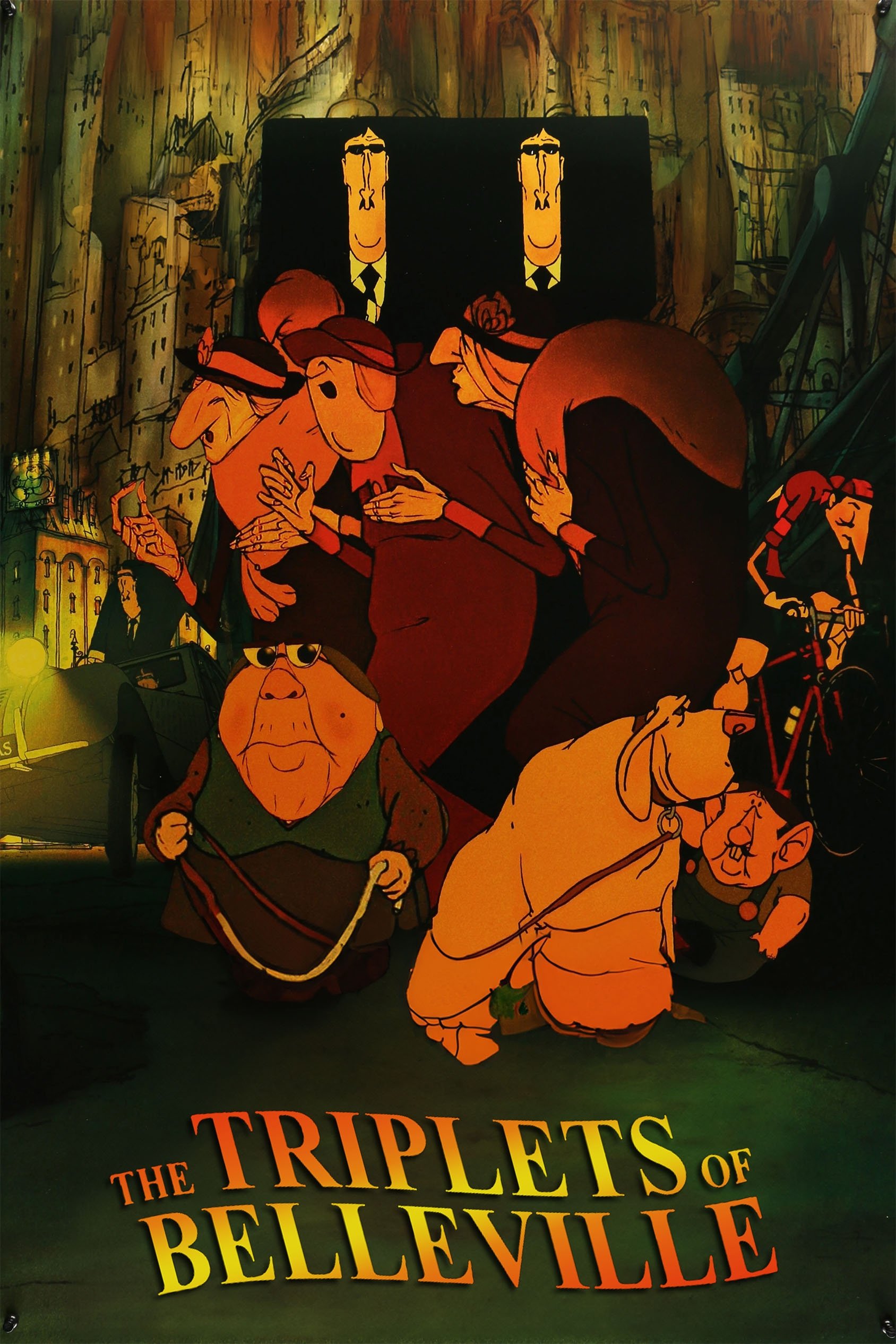
When her grandson is kidnapped during the Tour de France, Madame Souza and her beloved pooch Bruno team up with the Belleville Sisters—an aged song-and-dance team from the days of Fred Astaire—to rescue him.
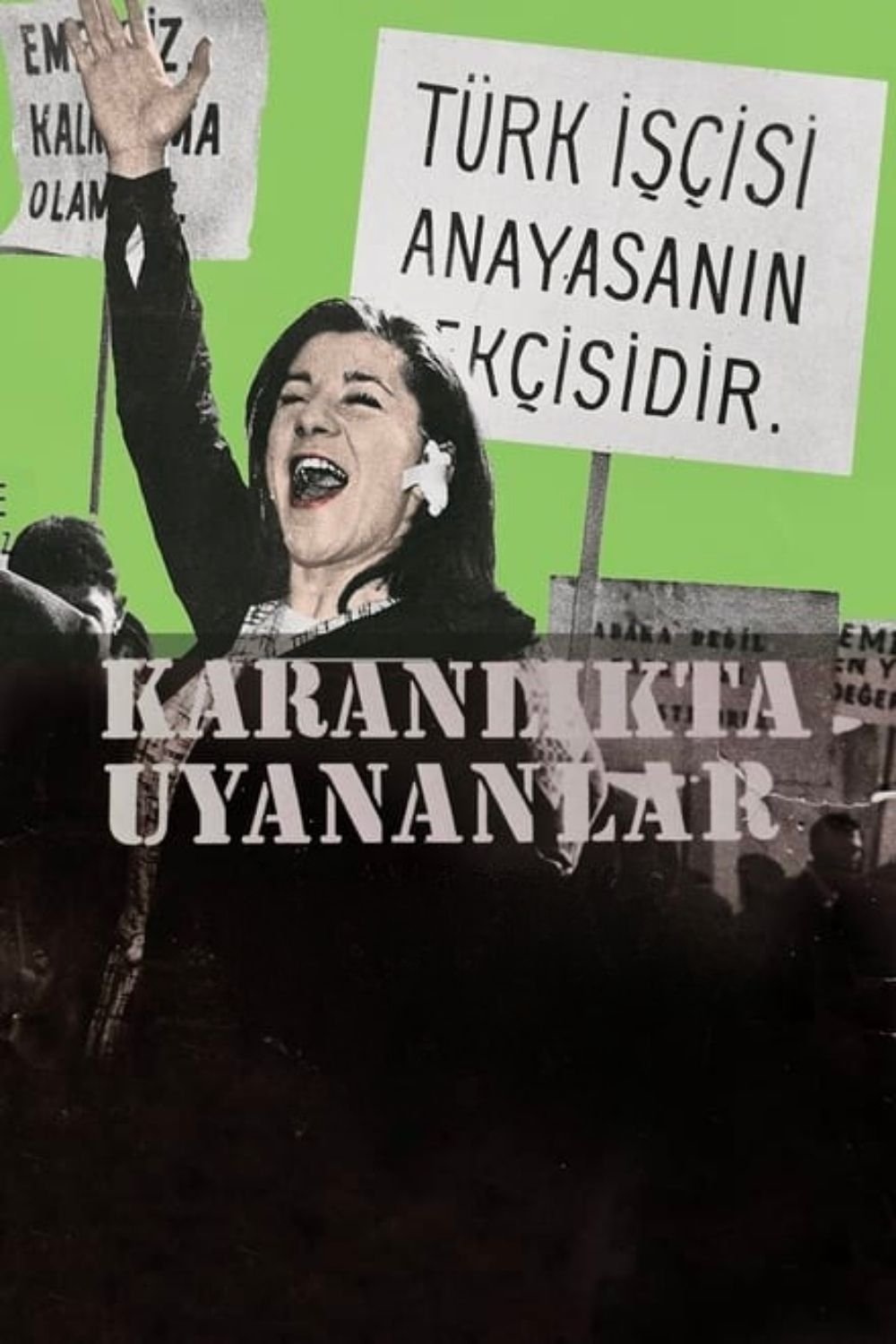
A group of paint worker can’t take their salary from the fabricator and they go on strike.
The lives of several individuals intertwine as they go about their lives in their own unique ways, engaging in acts which society as a whole might find disturbing in a desperate search for human connection.
"Dirty" Harry Callahan is a San Francisco Police Inspector on the trail of a group of rogue cops who have taken justice into their own hands. When shady characters are murdered one after another in grisly fashion, only Dirty Harry can stop them.
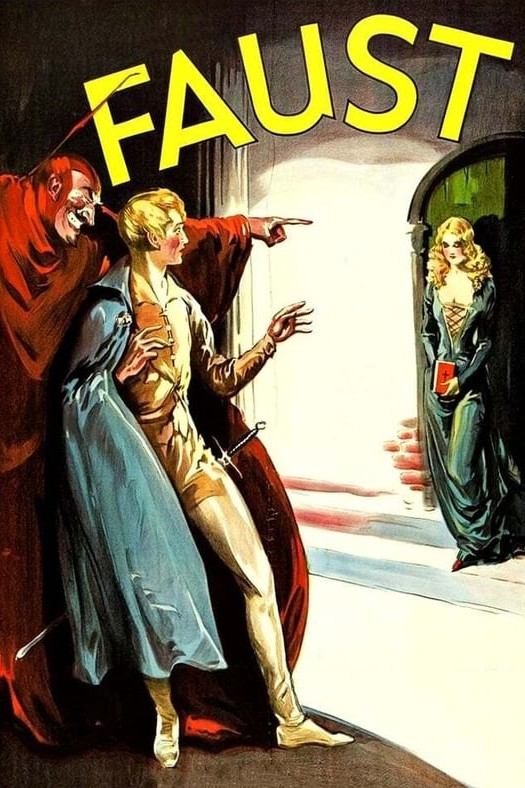
God and Satan wager on the soul of a learned and prayerful alchemist as part of their eternal war over Earth.
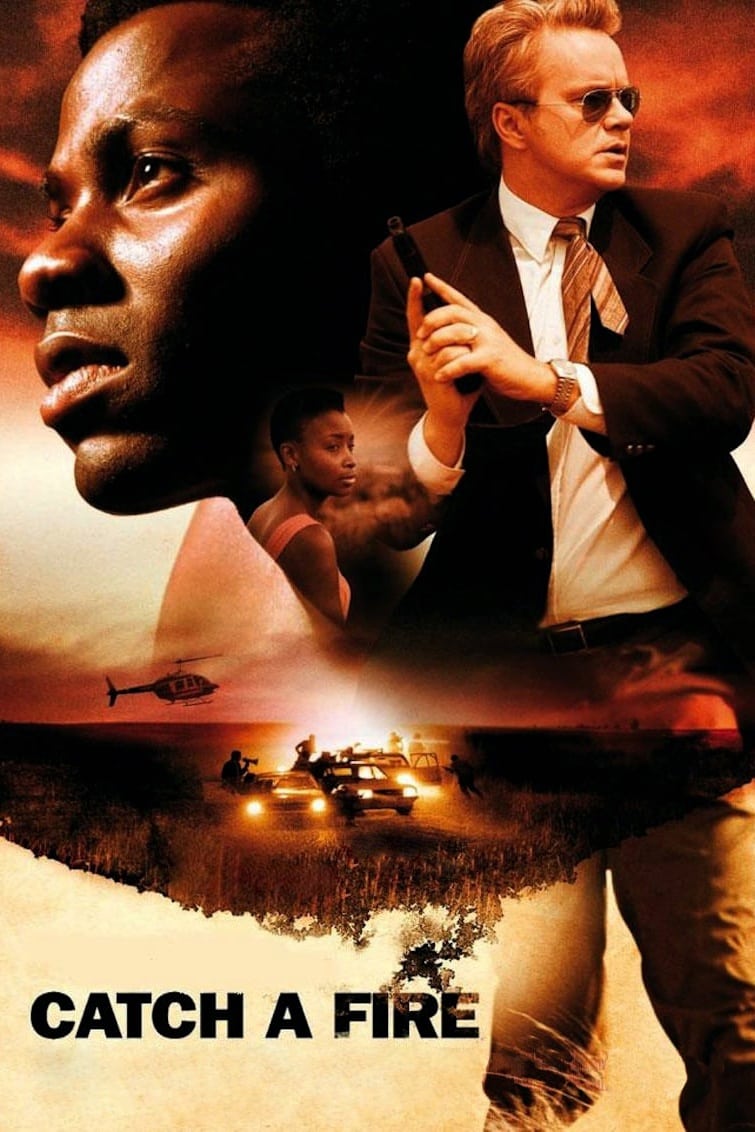
The true story of anti-apartheid activists in South Africa, and particularly the life of Patrick Chamusso, a timid foreman at Secunda CTL, the largest synthetic fuel plant in the world. Patrick is wrongly accused, imprisoned and tortured for an attempt to bomb the plant, with the injustice transforming the apolitical worker into a radicalised insurgent, who then carries out his own successful sabotage mission.
Summer 1936: young unemployed communist David Carr leaves Liverpool to join the fight against fascism in Spain. He joins an international group of Militia-men and women, the POUM (Partido Obrero de Unificación Marxista). After being wounded, he goes to Barcelona, where he joins another group of fighters.
A struggling writer in 1930s Soviet Moscow finds his life transformed when a mysterious professor arrives with his bizarre entourage, including a wisecracking trickster, a deadly assassin, a vampire maid, and a giant talking black cat, turning the city upside down while exposing the hypocrisy of those in power.
Diplomats, soldiers and other representatives of a dozen nations fend off the siege of the International Compound in Peking during the 1900 Boxer Rebellion. The disparate interests unite for survival despite competing factions, overwhelming odds, delayed relief and tacit support of the Boxers by the Empress of China and her generals.
A prisoner leads his counterparts in a protest for better living conditions which turns violent and ugly.
In 1937, amidst Stalin's Great Terror, a newly appointed prosecutor for the USSR is made aware of alleged corruption in the Secret Police, and takes it upon himself to investigate.
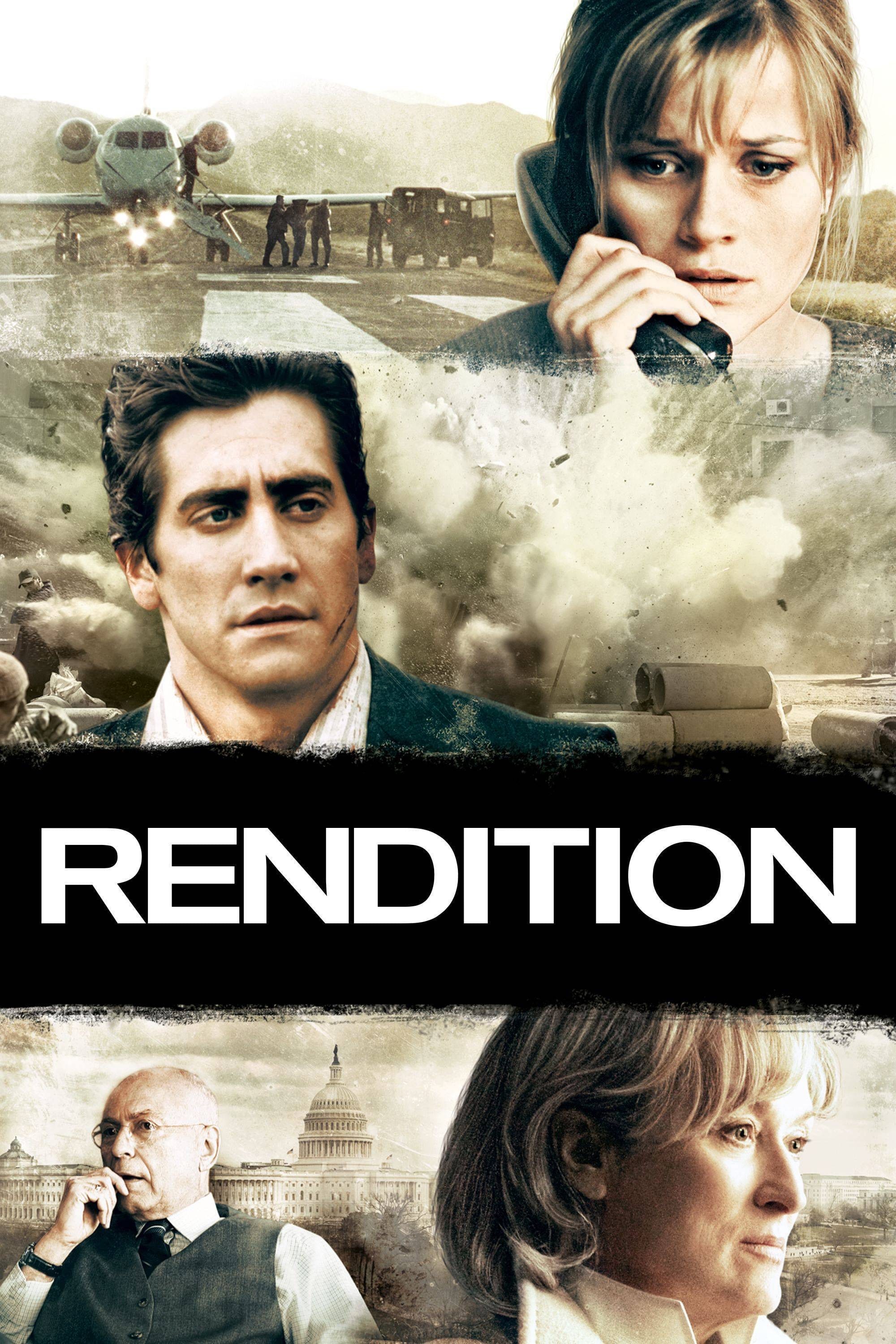
When an Egyptian terrorism suspect "disappears" on a flight from Africa to Washington DC, his American wife and a CIA analyst find themselves caught up in a struggle to secure his release from a secret detention facility somewhere outside the US.
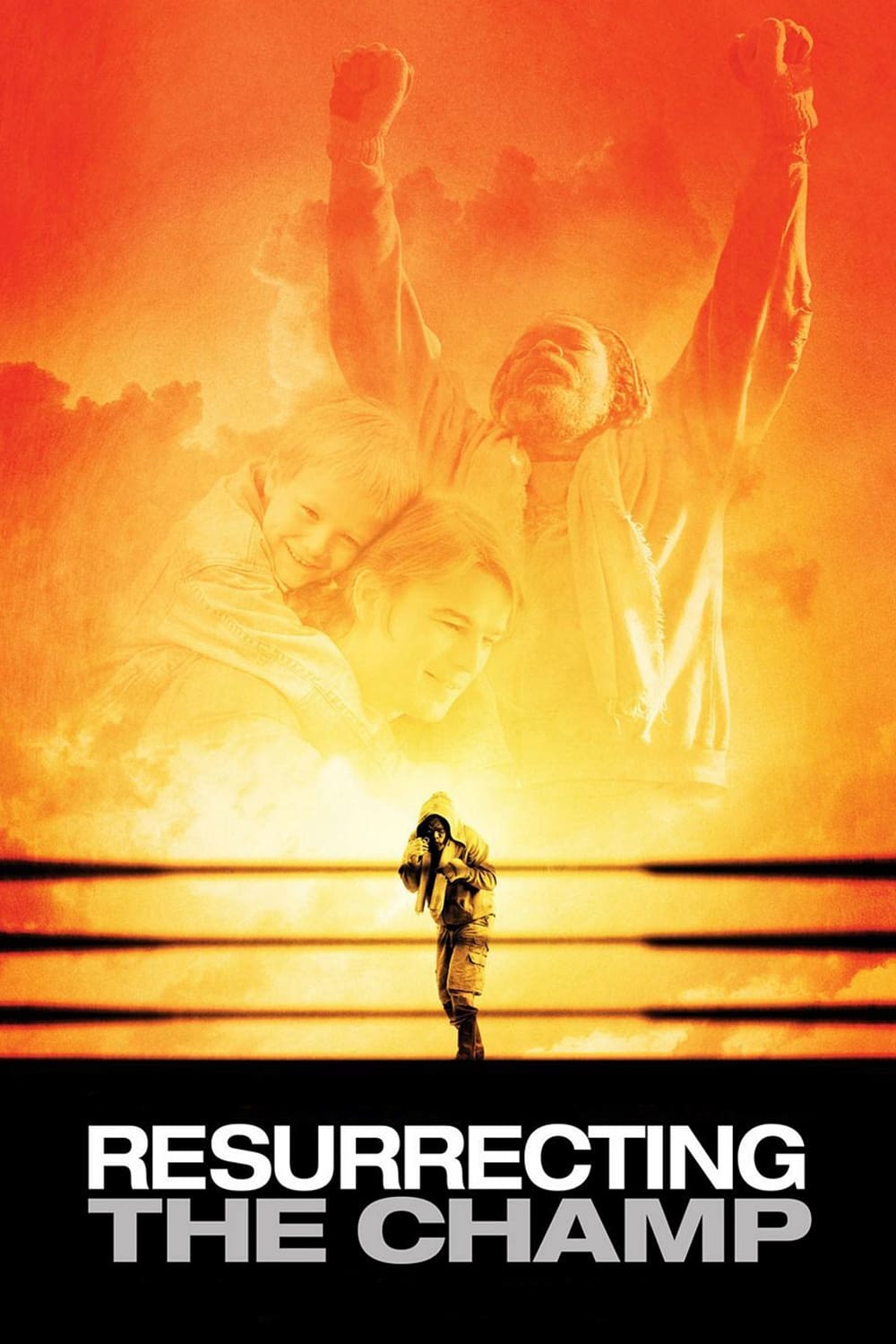
Up-and-coming sports reporter rescues a homeless man ("Champ") only to discover that he is, in fact, a boxing legend believed to have passed away. What begins as an opportunity to resurrect Champ's story and escape the shadow of his father's success becomes a personal journey as the ambitious reporter reexamines his own life and his relationship with his family.
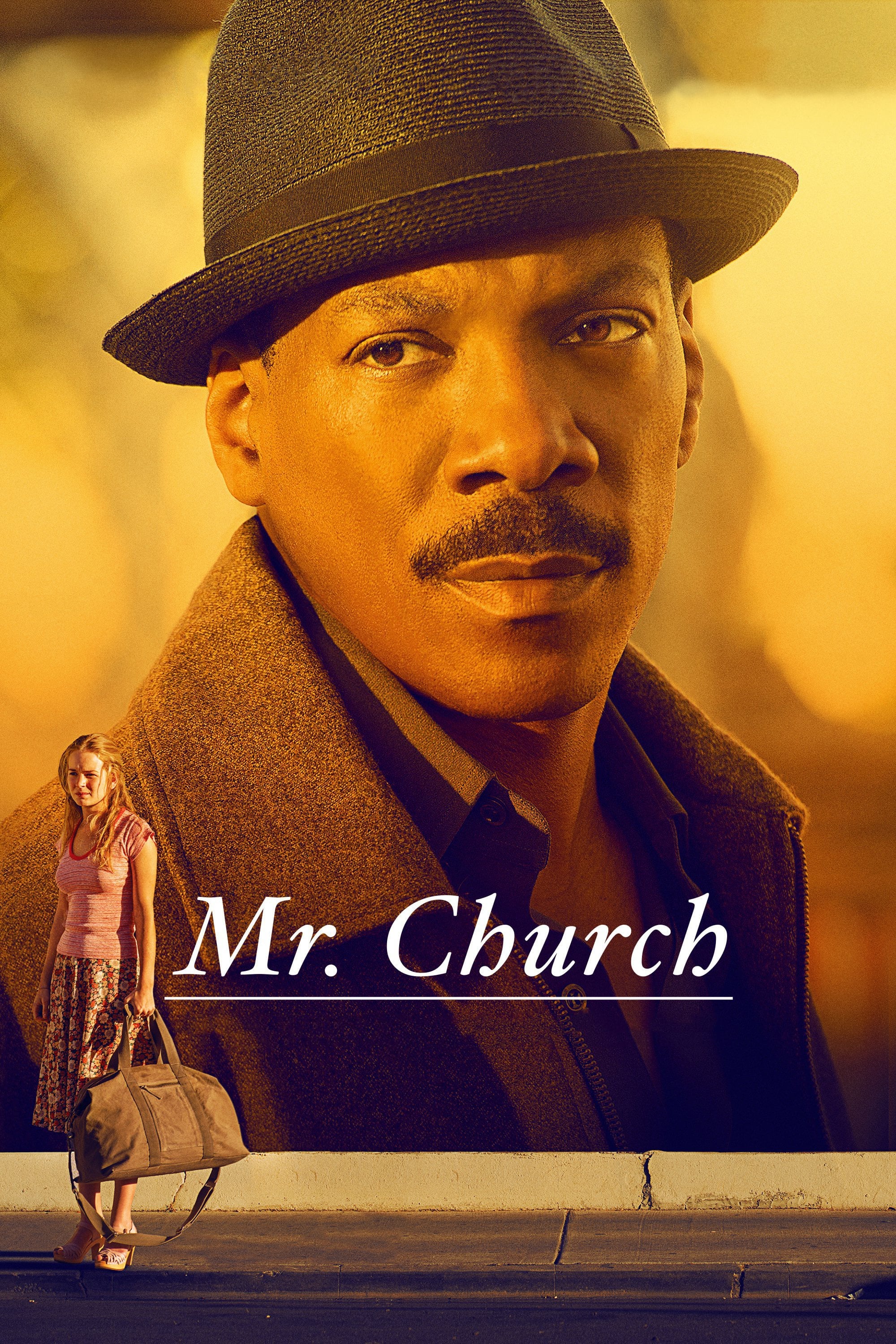
A unique friendship develops when a little girl and her dying mother inherit a cook - Mr. Church. What begins as an arrangement that should only last six months, instead spans fifteen years.
Norma Rae is a southern textile worker employed in a factory with intolerable working conditions. This concern about the situation gives her the gumption to be the key associate to a visiting labor union organizer. Together, they undertake the difficult, and possibly dangerous, struggle to unionize her factory.
Davey Gordon, a New York City boxer at the end of his career, falls for dancer Gloria Price. However, their budding relationship is interrupted by Gloria's violent boss, Vincent Rapallo, who has eyes for Gloria. The two decide to skip town, but before they can, Vincent and his thugs abduct Gloria, and Davey is forced to search for her among the most squalid corners of the city, with his enemy hiding in the shadows.
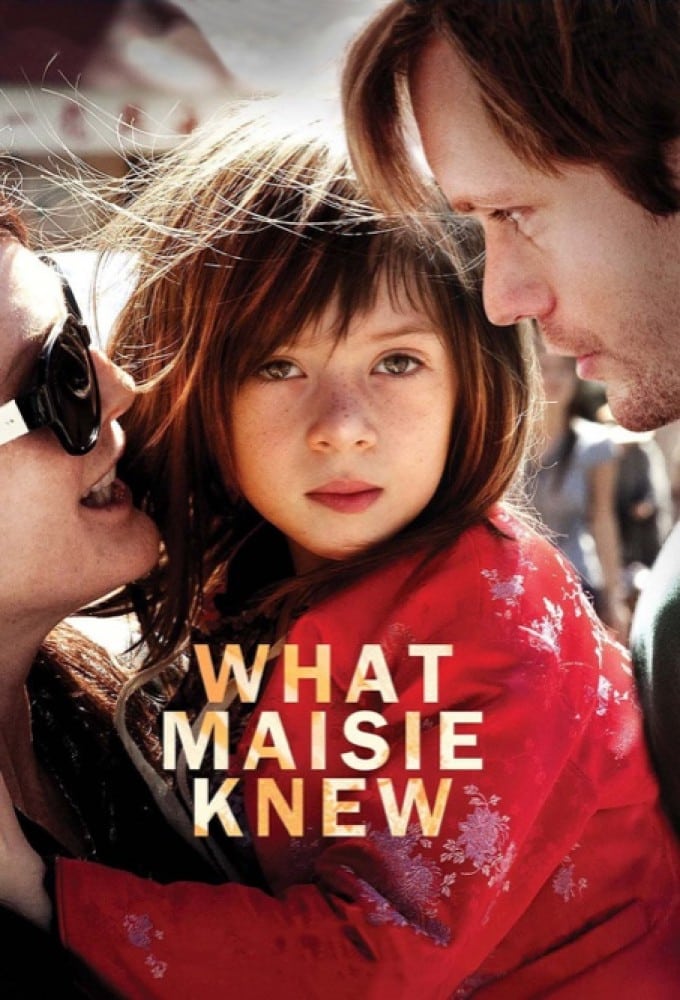
In New York City, a young girl is caught in the middle of her parents' bitter custody battle.
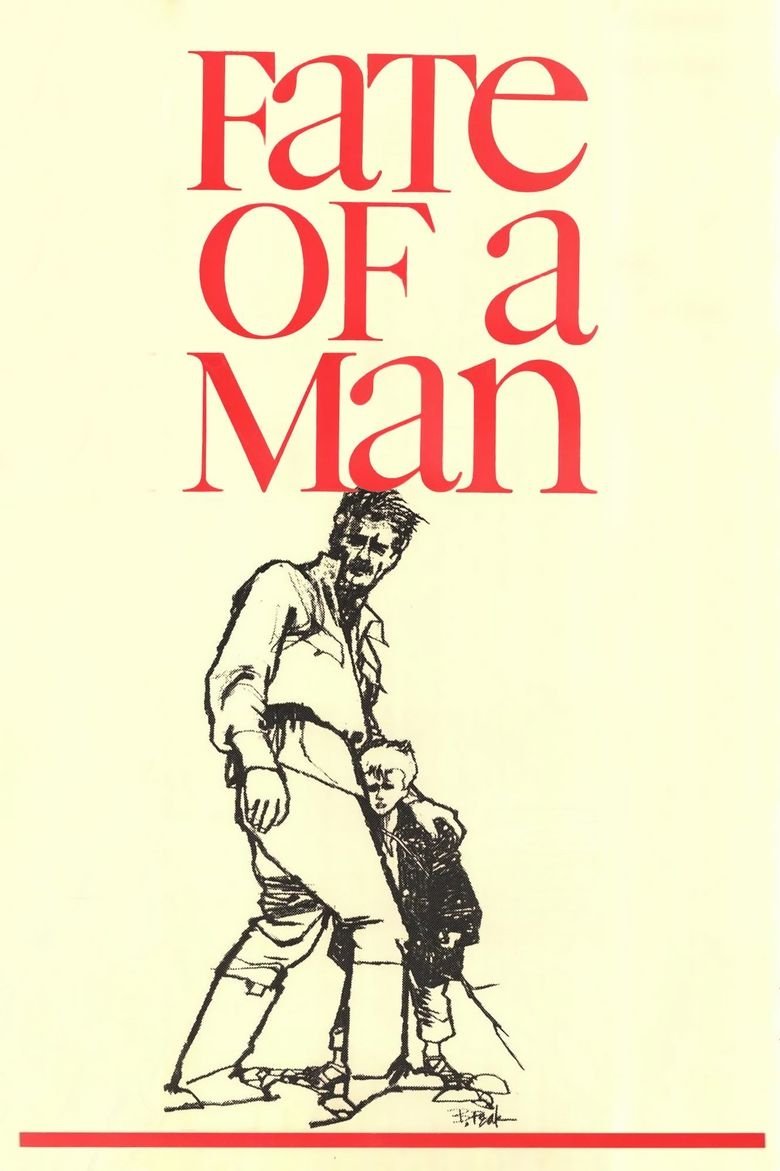
The story of a man whose life was ruthlessly crippled by World War II. His wife and daughters were killed during the bombing of his village, he spent some time as a prisoner, and his only son was killed in action only a few days before the victory...
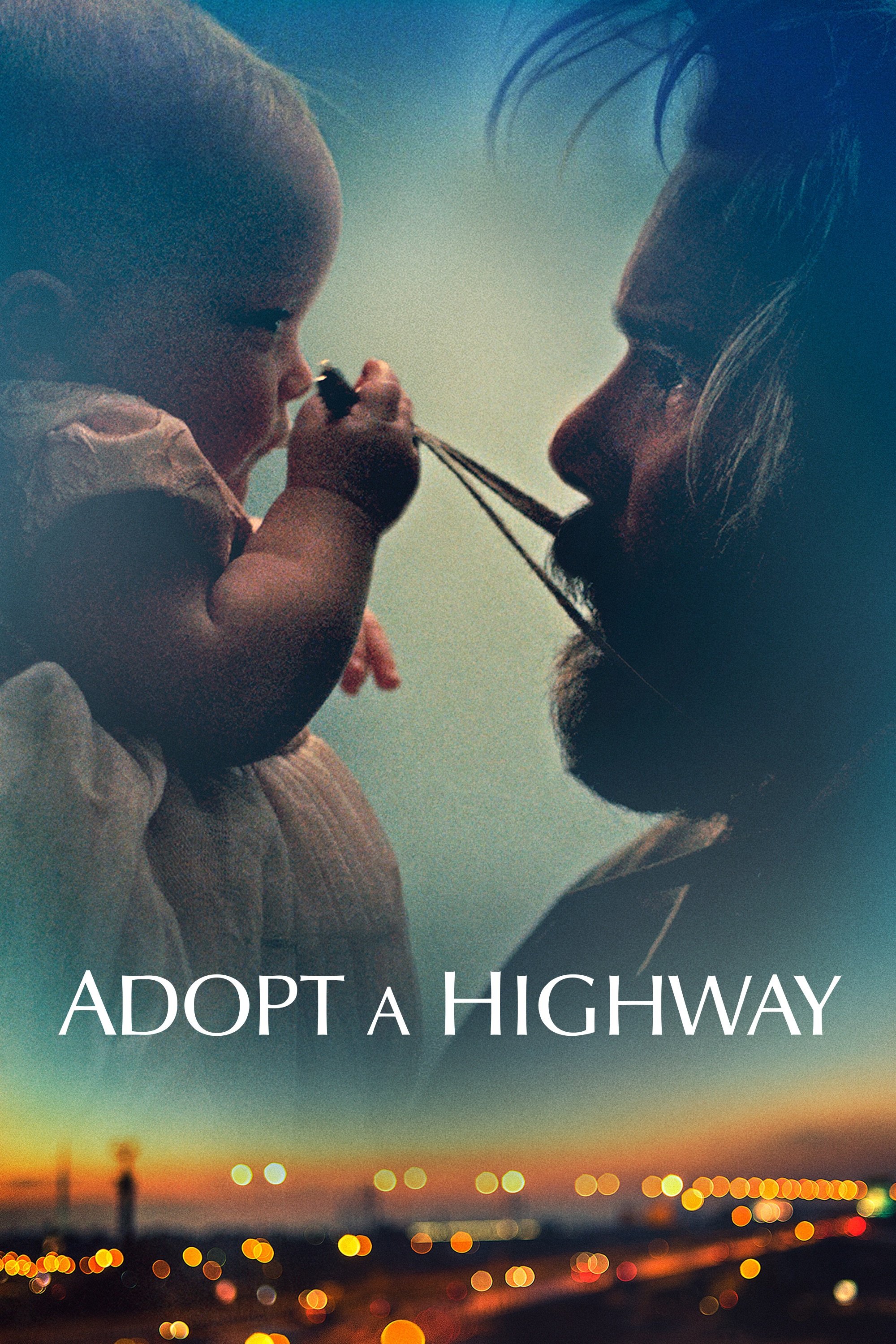
Russ Millings has just been released from prison after serving 21 years for a 3rd strike conviction for possessing an ounce of marijuana. As he tries to adapt to a world he doesn’t recognize – including trying to learn how to use the internet – he finds an abandoned baby in a dumpster behind the fast food restaurant where he works as a dishwasher. Unsure of what to do, and caught between impulses of kindness and panic, Russ soon realizes this could be his chance at redemption.
A reporter, fired after refusing to give names to a 1951 House Un-American Activities Committee, takes a part-time job as companion to an old lady. While working she overhears a noisy argument in the neighboring house, being conducted largely in German and involving her HUAC prosecutor. She begins to investigate, enlisting the help of the FBI Agent initially detailed to surveil her.
CIA employee Edward Snowden leaks thousands of classified documents to the press.
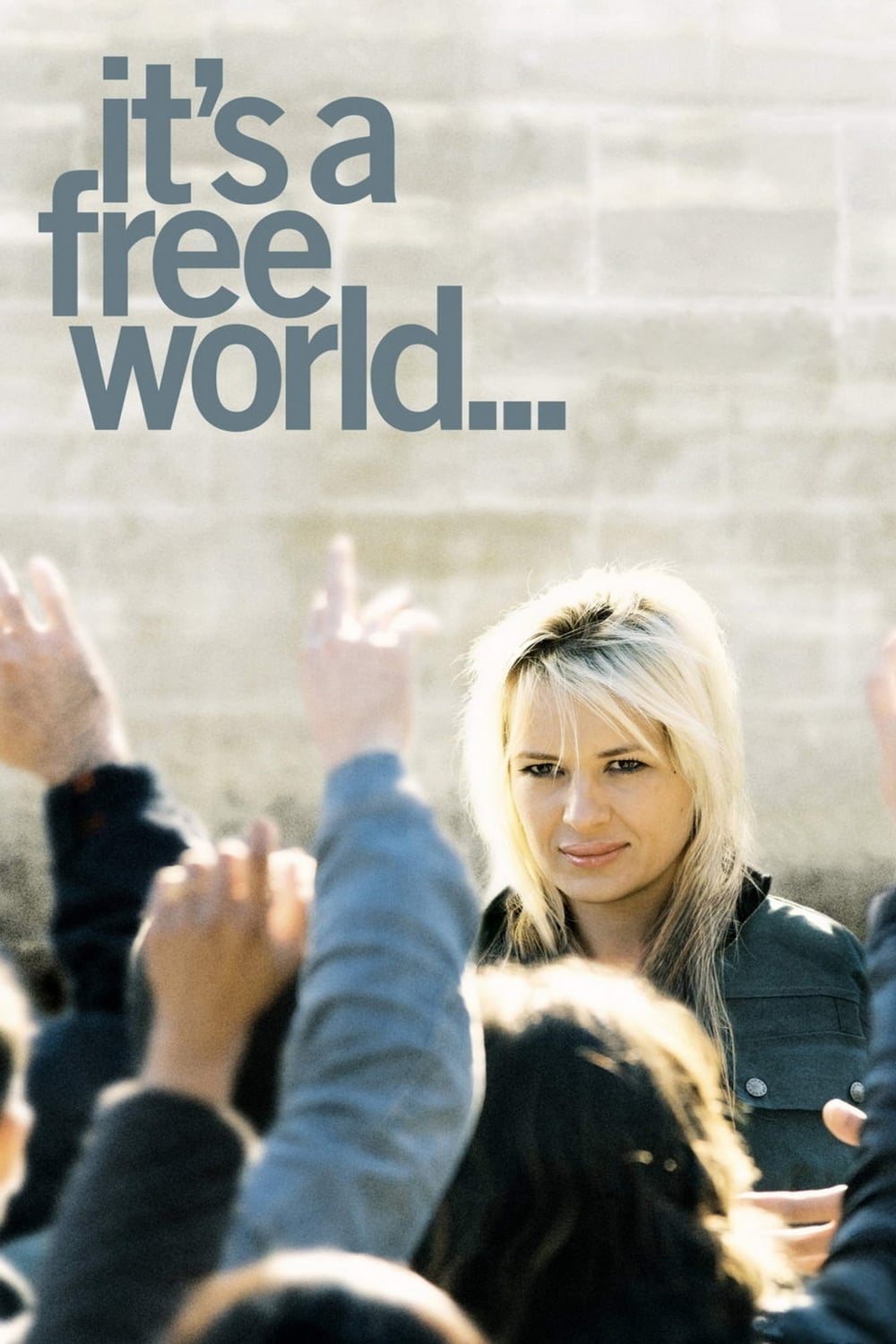
Working-class Angie, sacked from a recruitment agency for bad public behaviour, teams up with her flatmate to run a similar business from their kitchen. With immigrants desperate for work, the opportunities are considerable, particularly for two girls so in tune with these times.
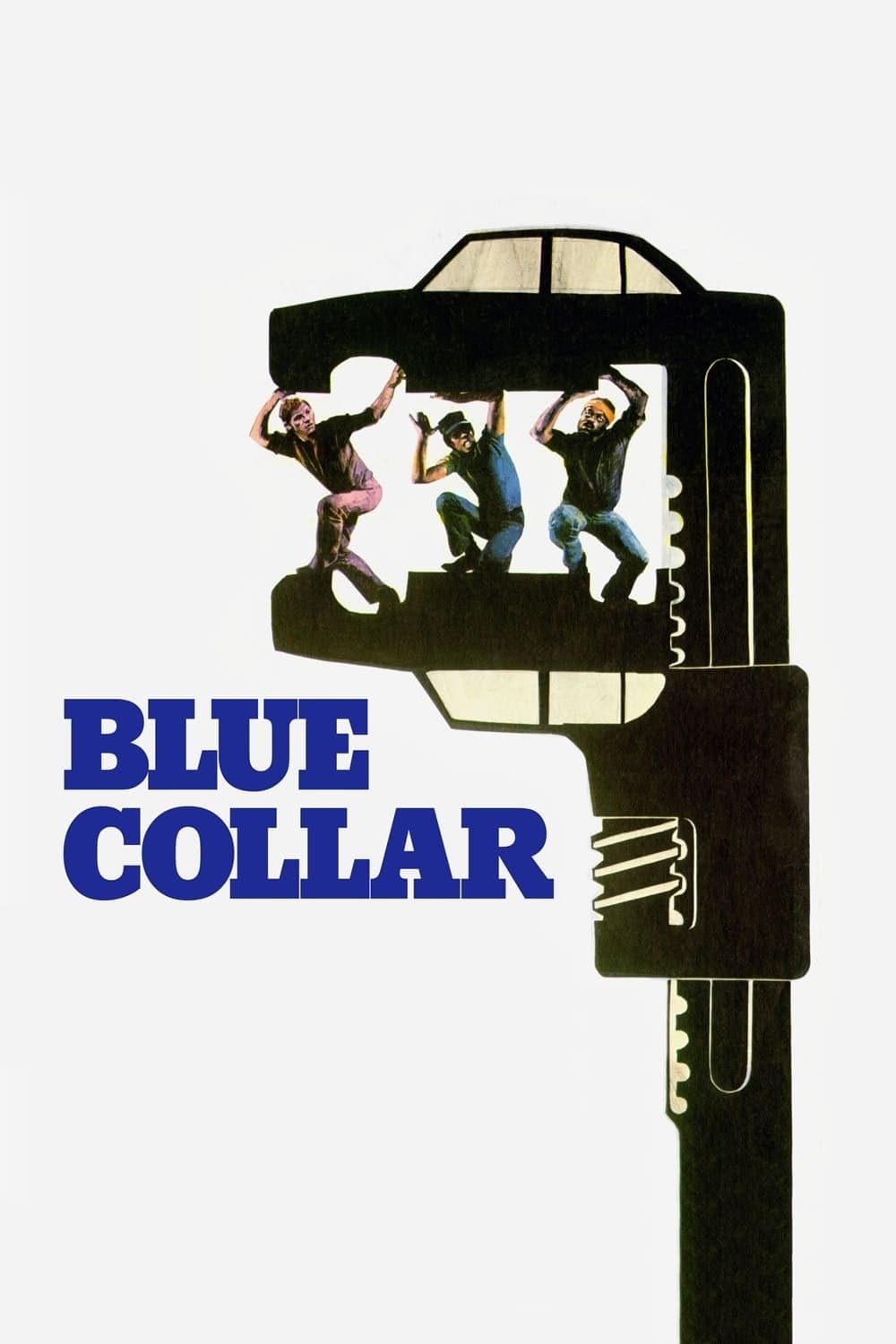
Fed up with mistreatment at the hands of both management and union brass, and coupled with financial hardships on each man's end, three auto assembly line workers hatch a plan to rob a safe at union headquarters.
A 59-year-old carpenter recovering from a heart attack befriends a single mother and her two kids as they navigate the impersonal, Kafkaesque benefits system. With equal amounts of humour, warmth and despair, the journey is heartfelt and emotional until the end.
Shirley Chisholm makes a trailblazing run for the 1972 Democratic presidential nomination after becoming the first Black woman elected to Congress.