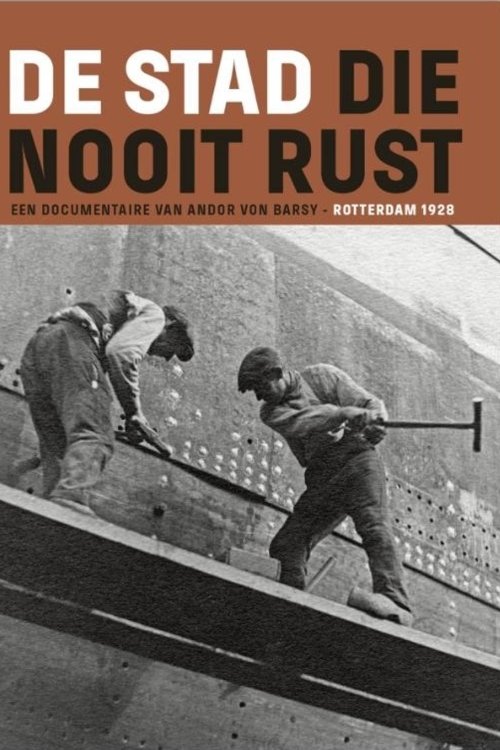
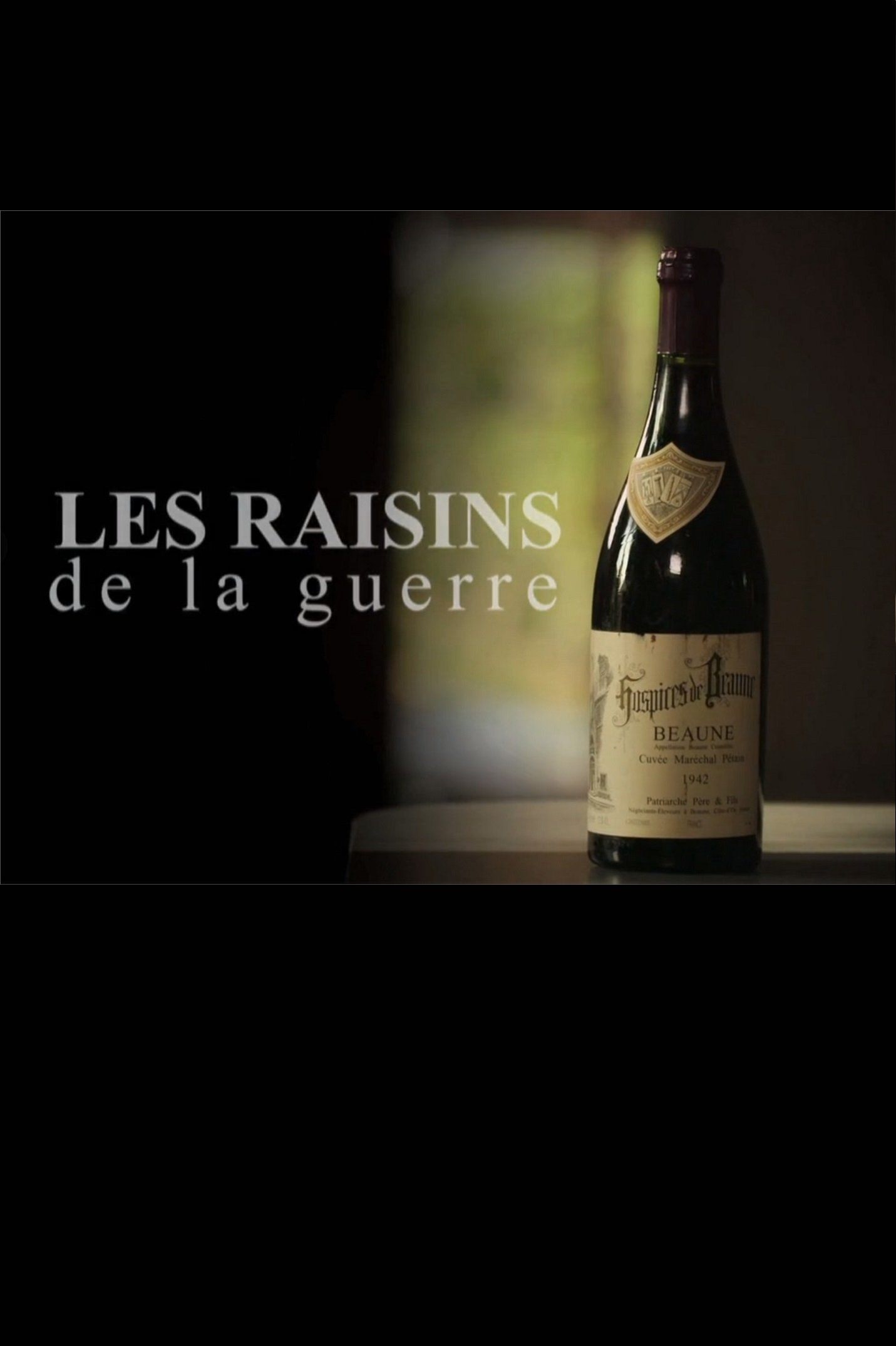
Shots of pre-war Rotterdam, both the city and the port.
Social & External
The people behind it
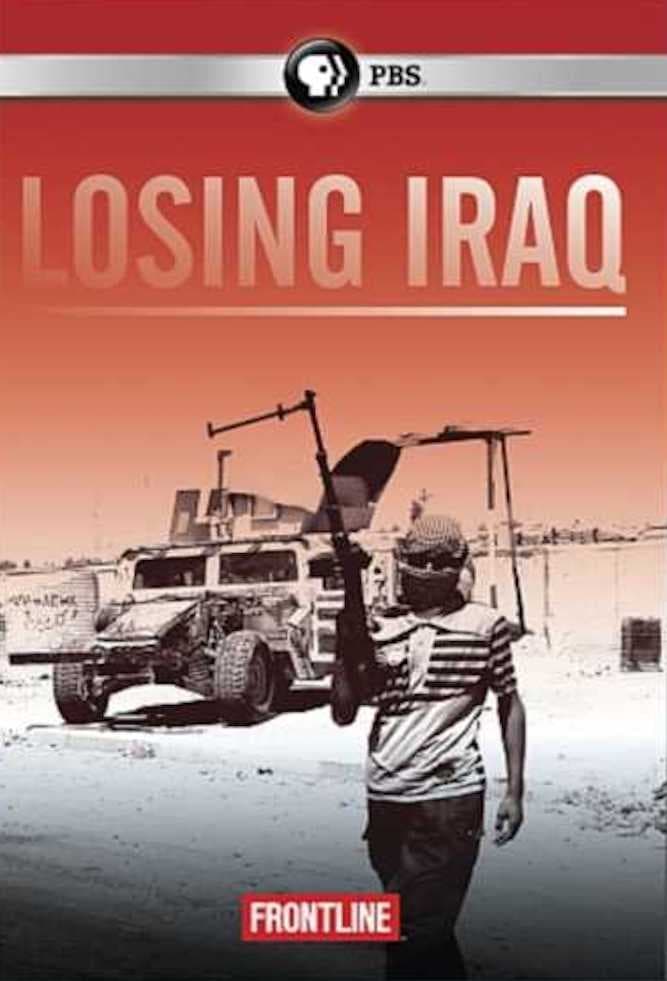
Examines the unfolding chaos in Iraq and how the U.S. is being pulled back into the conflict. Drawing on interviews with policymakers and military leaders, the film traces the U.S. role from the 2003 invasion to the current violence, showing how Iraq itself is coming undone, how we got here, what went wrong, and what happens next.
What threads of history bind Manhattan's Ground Zero to those of Nagasaki and Hiroshima? Or connect sight to truth, games to war, or the silkworm to the drone? What does the United States hold to be the role of science in warfare? How has war historically been waged in Buddhist traditions? These are some of the topics addressed in Eyewar: 80 minutes of found footage which traces the development of the digital image from the maps of the second century to the screens of the twenty-first, and the uses of the field of cybernetics from Japan in the 1940s to Chile in the 1970s and Iraq in the 1990s.
Veterans of the Vietnam War tell about their experiences. The disasters but also the glorious moments of war. The central figure in the documentary is the scenario writer of Full Metal Jacket, Michael Herr. The veterans describe how it felt to kill for the first time and how those feelings still haunt them.
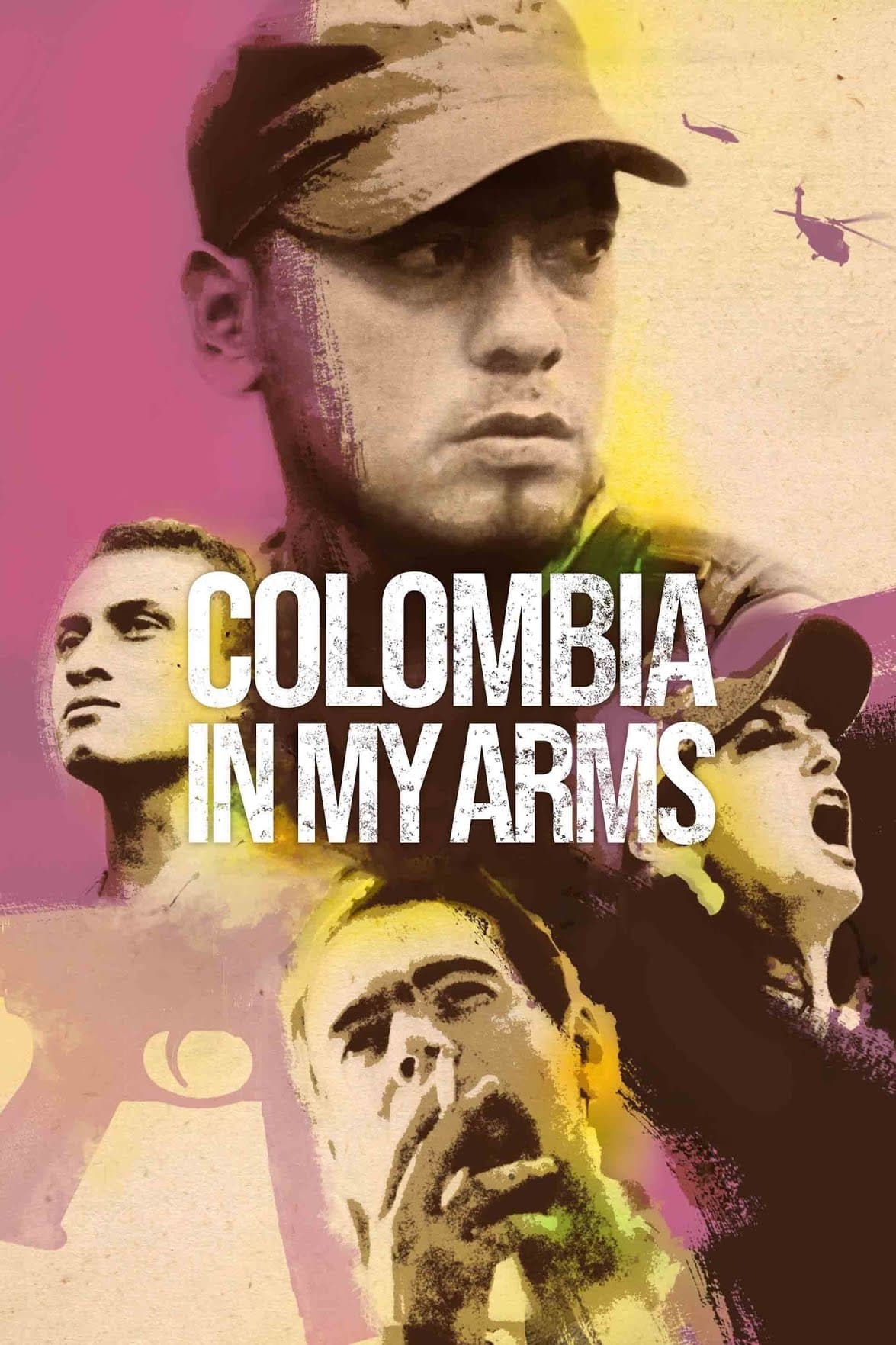
After 52 years of armed conflict the FARC guerrillas are about to hand over their arms in exchange for political participation and social inclusion of the poor. Ernesto is one of them. The much celebrated Colombian peace agreement throws Ernesto and the polarised society around him into chaos in which everyone is afraid of the future and their own survival.
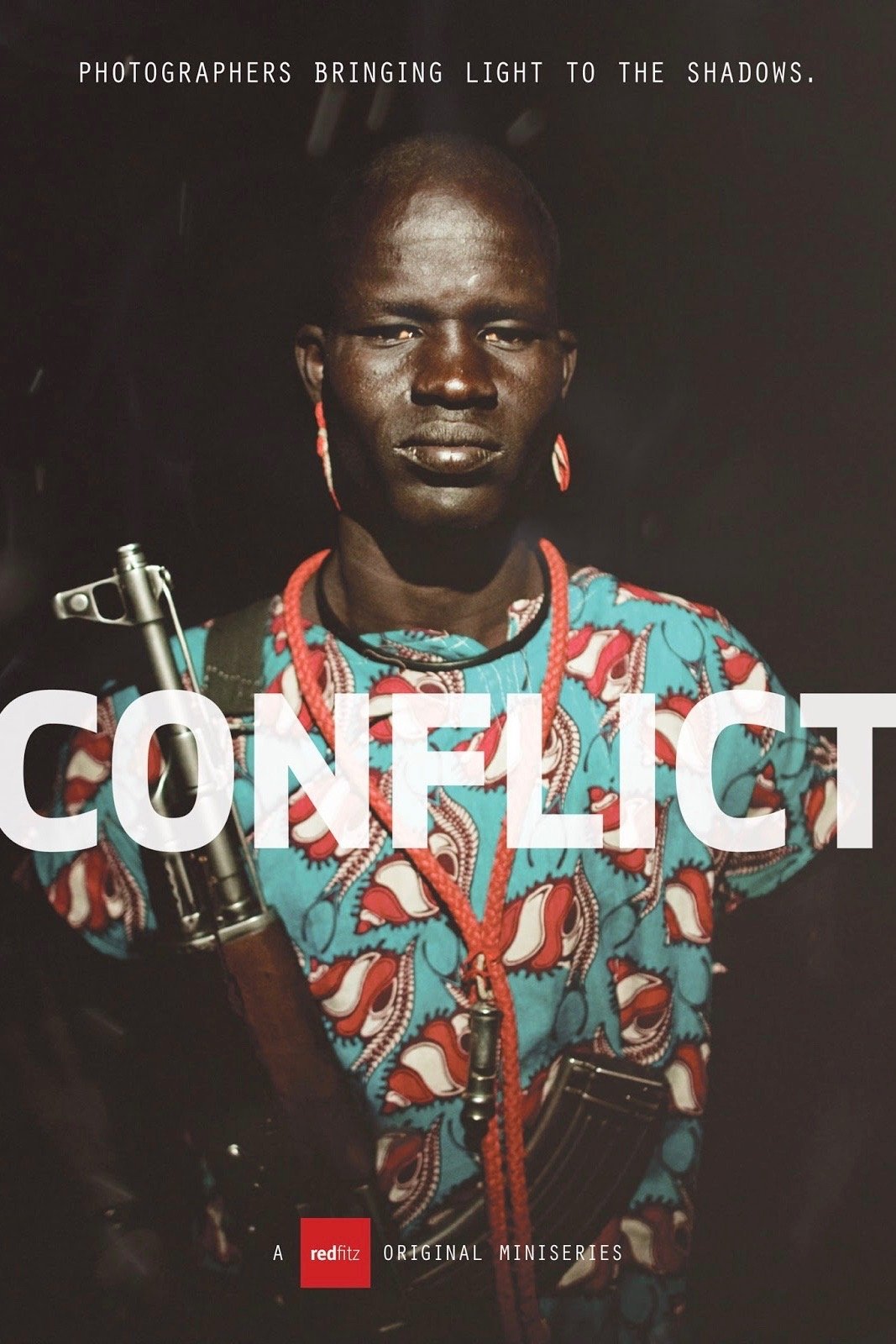
Six conflict photographers reflect on their experiences capturing the atrocities of war and other manifestations of violence on film.
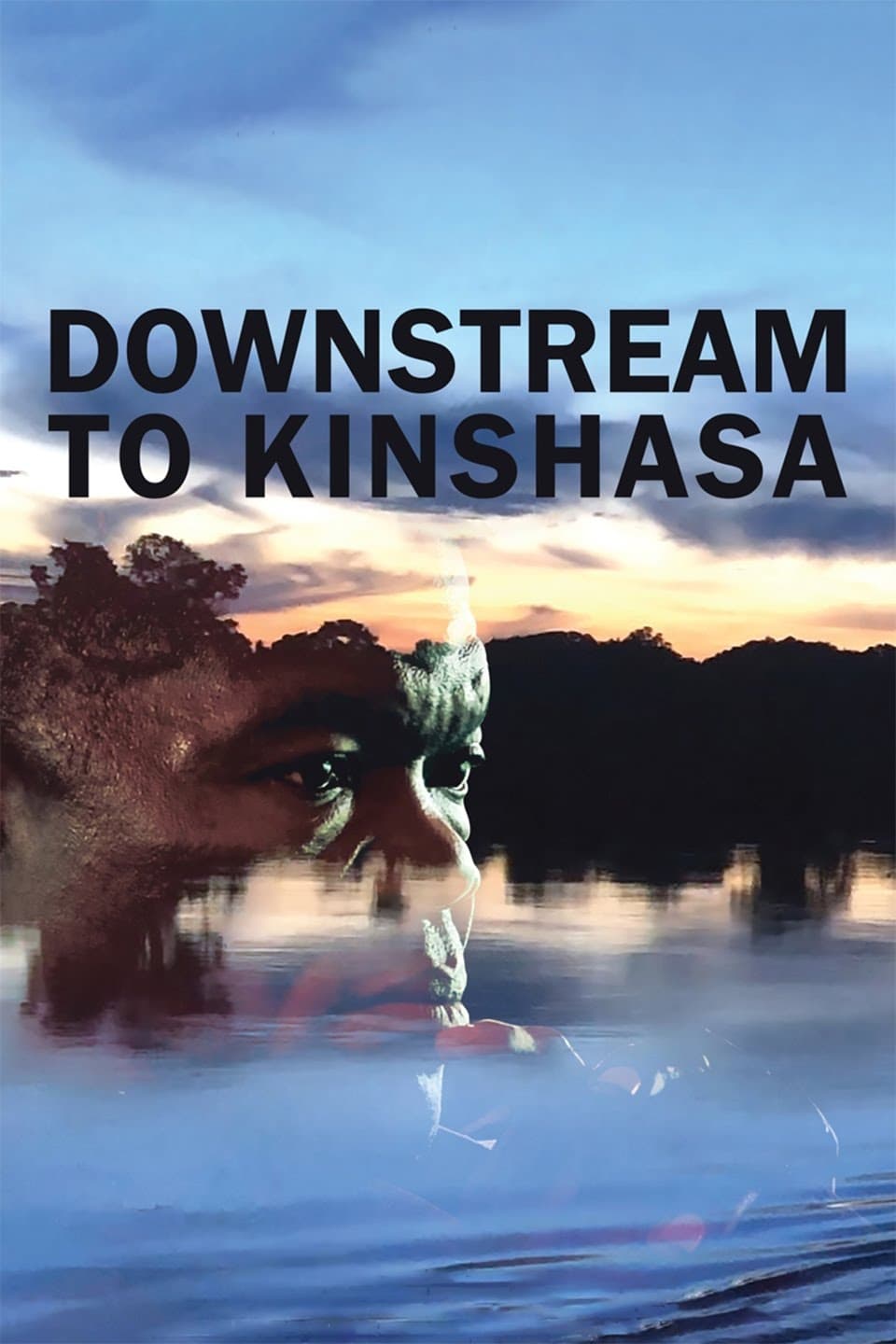
For two decades, the victims of the Six-Day War have been fighting in Kisangani for the recognition of this bloody conflict and demanding compensation. Tired of unsuccessful pleas, they have finally decided to voice their claims in Kinshasa, after a long journey on the Congo River.
An experimental documentary that explores Saudi Arabia's relationship with the U.S. and the role this has played in the war in Afghanistan.
We all learned in schools that the WWI began with the assasination of Franz Ferdinand done by a young Bosnian Gavrilo Princip. In fact, the war was brewing much longer.
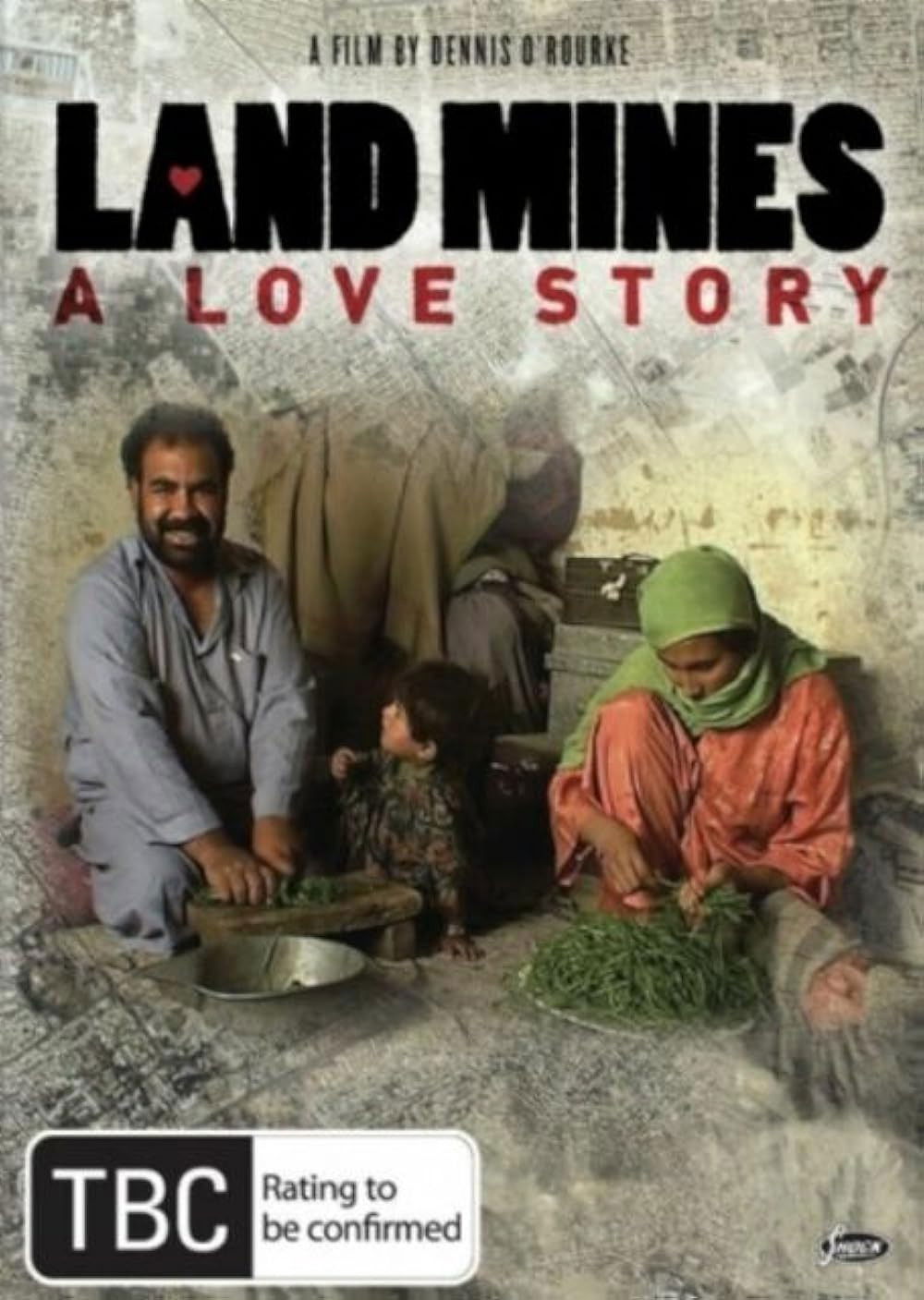
Habiba and Shah who, because of the wars fought in Afghanistan over the past 25 years, have experienced immense suffering, but who have survived to show how it is possible to be brave and moral in this world of sanctioned violence and lies. Shah, a former Mujaheddin soldier and land mine victim, works as a cobbler on the pavements of the ruined city of Kabul. One day, he noticed a pretty Tajik girl who had only one leg, and he began to court her. Amidst the chaos and violence, and despite all the obstacles of tradition and religion, Shah and Habiba were able to marry.
A behind-the-scenes look at director Paul Verhoeven's imaginative re-telling of Robert Heinlein's classic science fiction novel. Produced for the “Starship Troopers” DVD.
THE LIGHT AT WALDEN is a visual poem shot at Walden Pond, Massachusetts, interweaving pieces of Thoreau's texts and a war resister's personal journey on a wilderness island in Canada. The filmmaker, as a young man during the U.S. / Vietnam War, attempts to follow Thoreau's principles: building a cabin and living sustainably in the woods, "to front only the essential facts of life." This is one story among the nearly 125,000 war resisters in Canada.
Old resistance fighters Truus and Freddie look back on their life during wartime.
Harold Russell, an American soldier who lost his hands in a training accident, tells the story of his medical rehabilitation at Walter Reed Army Medical Center in Washington DC, how he and his fellow amputees at the hospital at first despaired and then found new hope in the prostheses and training available to amputees through the Army's medical corps. Russell learns to wear and to operate the hooks which replace his hands and becomes competent to perform many tasks he had once thought no longer possible. Discharged from the Army, he is welcomed into Boston College by college president William J. Murphy, S.J.
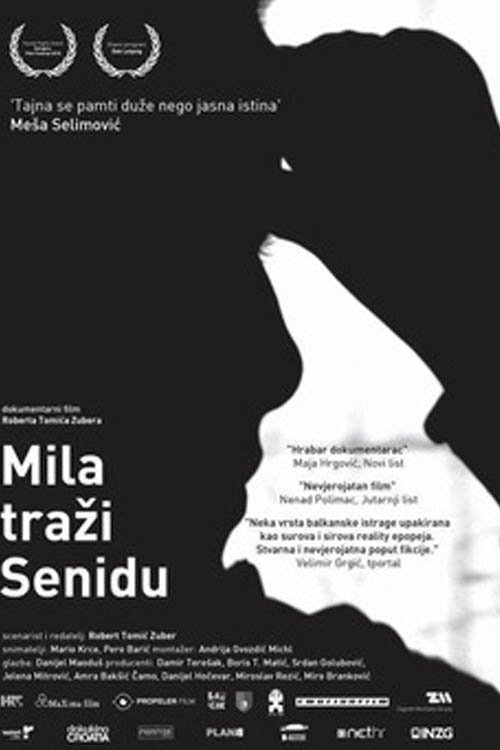
Teenage girl Mila found out a name of Serbian soldier who saved her from burnt house during the war in Bosnia. She starts looking for her mother Senada, sister Sanda and her father. All of their names are written on a monument dedicated to dissapeared people from the town. In turn of the events, she finds her father alive.
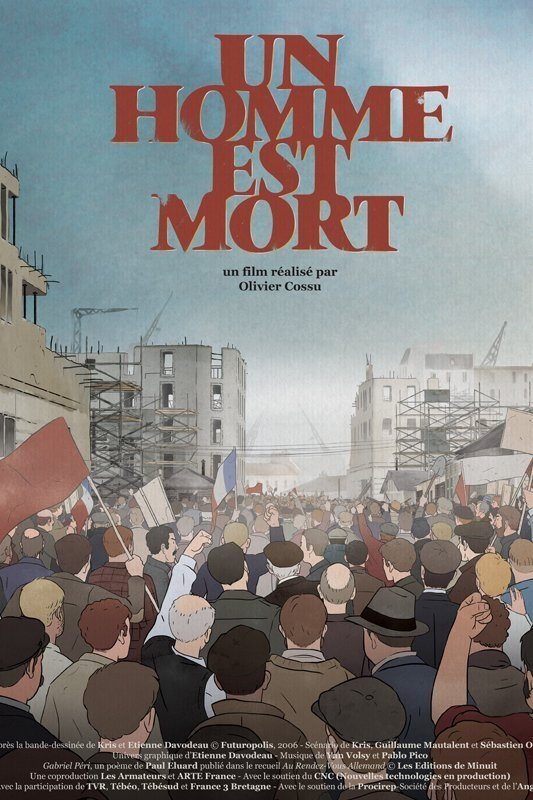
Brest, 1950. The war ended five years ago and nothing remains of the city. Massive bombings and intense fighting lasting more than a month turned the city, its docks, its arsenal, into ashes. Thousands of workers will build it up again, brick by brick. But with awful work conditions protests quickly arise and a strike begins. Violent confrontations happen during manifestations. Until one man falls. The next day René Vautier lands at Brest clandestinely to make a movie about the movement.
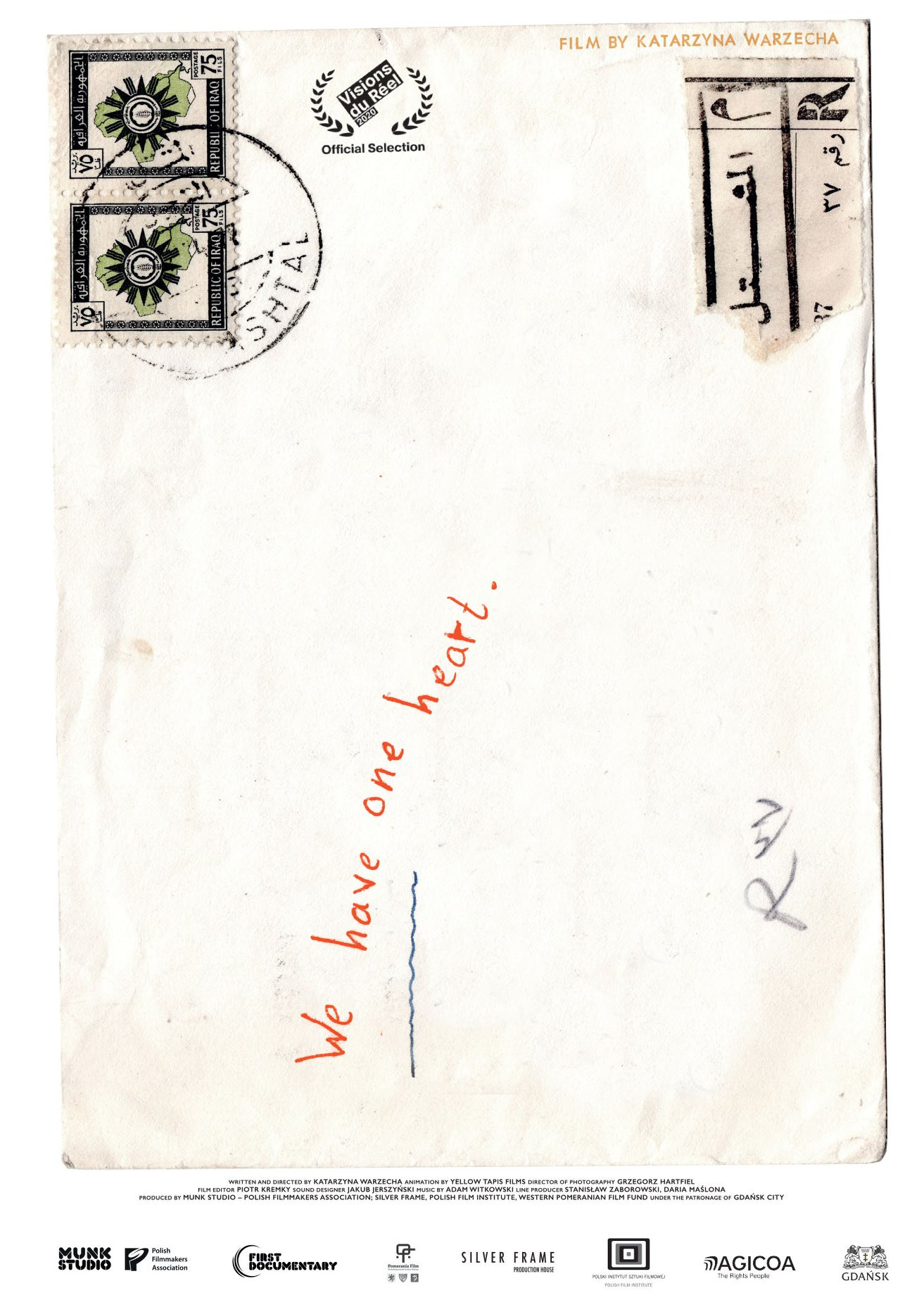
After his mother’s death, Adam finds his parents’ correspondence. We discover a love adventure entangled in the 20th century, when the world was cut in two and the war between Iran and Iraq marked the start of tragic conflicts in the Middle East. Mixing animation and found footage, we dive in a odyssey full of bombshells and secrets.
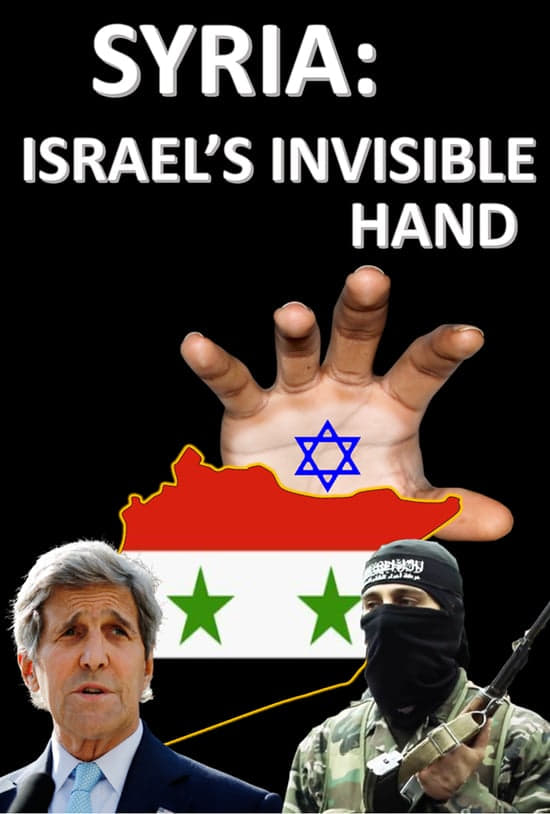
A horrible six year conflict befell Syria with a multitude of factions fighting for territories backed by a score of foreign players. The script for war as with Iraq in 2003 originated with Zionist partisans with Israeli interests in mind. From Oded Yinon to the Israeli "Clean Break" papers, the Zionist regime made it very clear what their intentions were in Iraq and Syria. American mass media had a uniform message that "Assad must go" for years until the Trump administration took power. In Iraq, after the US made it clear that they did not back Kurdish secession and would not give them air support, the Iraqi forces chased out the Peshmerga in a mere 36hrs. The world must know that the US was dragged into these conflicts via Israeli pressure and deceptions.
Over 35 years after Bob Lazar's revelations, this documentary exposes secrets of a facility the government still denies. Featuring Lazar's testimony, recreations, and new evidence, it reopens a case that continues to spark global curiosity
Brilliant, long in-the-works story of the life and art of the world's greatest comedian and the cinema's first genius, Charlie Chaplin. Produced, written and directed by renowned film critic Richard Schickel.
The Making-of James Cameron's Avatar. It shows interesting parts of the work on the set.
A string of threatening emails escalates into a revenge plot involving a newly married US marshal and his ex-girlfriend.
The life and career of one of comedy's most inimitable modern voices, Mr. Gilbert Gottfried.
A primetime special with performances from the superstar including Adele’s first new material in six years plus her chart-topping hits. The special will also feature an exclusive interview with Adele by Oprah Winfrey from her rose garden, in Adele’s first televised wide-ranging conversation.
Here's a little story they're about to tell... Mike Diamond and Adam Horovitz share the story of their band and 40 years of friendship in a live documentary experience directed by friend, collaborator, and their former grandfather, Spike Jonze.
Al Pacino's deeply-felt rumination on Shakespeare's significance and relevance to the modern world through interviews and an in-depth analysis of "Richard III."
Daniel Craig candidly reflects on his 15 year adventure as James Bond. Including never-before-seen archival footage from Casino Royale to the upcoming 25th film No Time To Die, Craig shares his personal memories in conversation with 007 producers, Michael G Wilson and Barbara Broccoli.
Director Michael Apted revisits the same group of British-born adults after a 7 year wait. The subjects are interviewed as to the changes that have occurred in their lives during the last seven years.
A documentary on the modeling industry's 'supply chain' between Siberia, Japan, and the U.S., told through the experiences of the scouts, agencies, and a 13-year-old model.
Filmed at the end of the tour in Vancouver, B.C., with the entire Tortured Poets Department set.
Through deeply personal interviews with her siblings and an examination of the photographs, letters, and belongings left behind, Mariska assembles a new portrait of her mother Jayne Mansfield, an extraordinary and complex woman.
Meet the real-life airmen who inspired Masters of the Air as they share the harrowing and transformative events of the 100th Bomb Group.
Martin Scorsese's documentary intertwines footage from The Band's incredible farewell tour with probing backstage interviews and featured performances by Eric Clapton, Bob Dylan, Joni Mitchell, Van Morrison, and other rock legends.
An inside look at one of the most anticipated movie sequels ever with James Cameron and cast.
A documentary about the life and films of director John Ford.
A look at the origins, history and conspiracies behind the "Majestic 12", a clandestine group of military and corporate figureheads charged with reverse-engineering extraterrestrial technology.
To mark the release two weeks ago of the eighth and final movie in the series, Robbie Coltrane narrates a countdown of the movie franchise's best moments. From Harry's first meeting with Ron and Hermione aboard the Hogwarts Express through to magical mysteries.
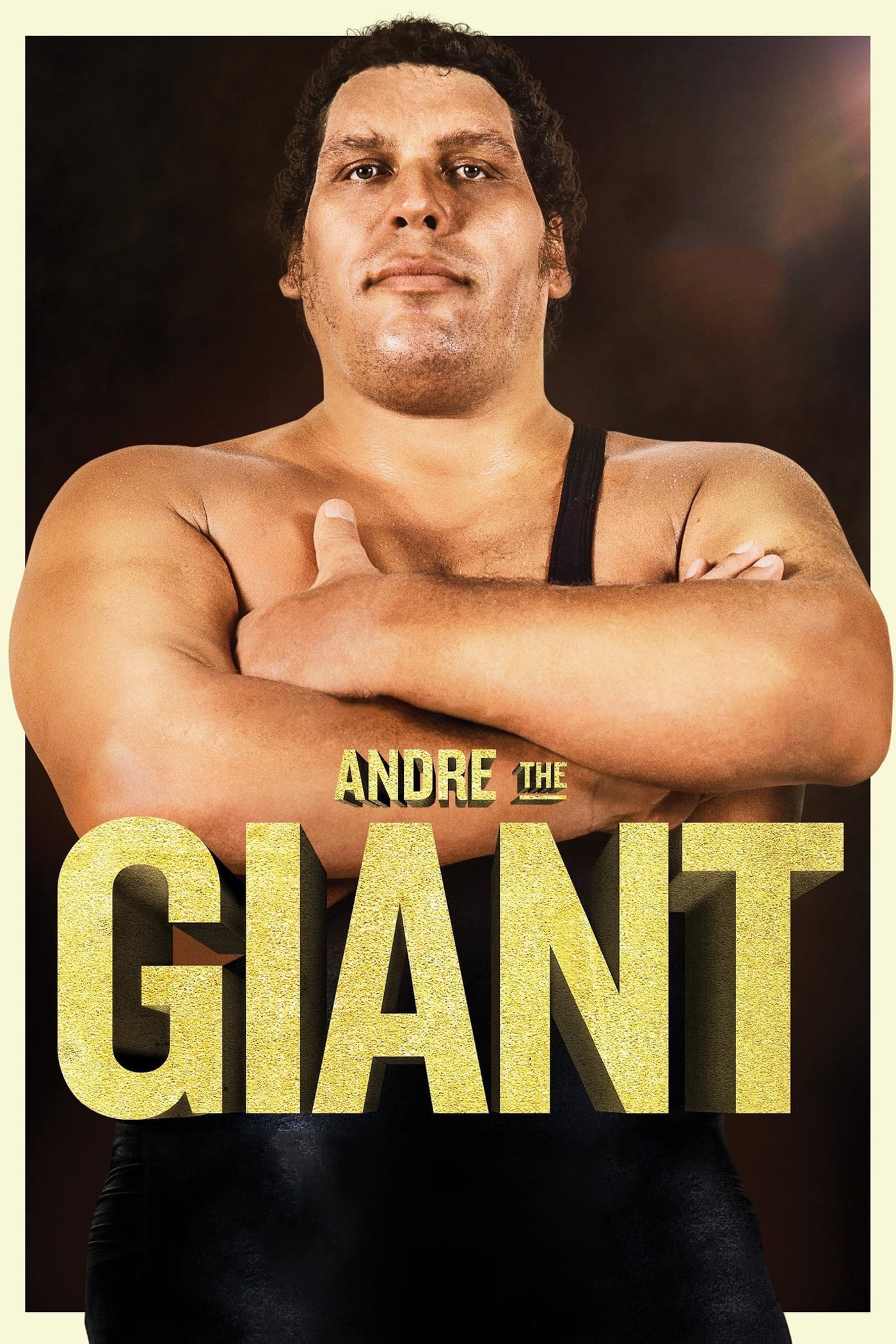
An ambitious and wide-ranging documentary exploring Andre’s upbringing in France, his celebrated career in WWE, and his forays in the entertainment world.