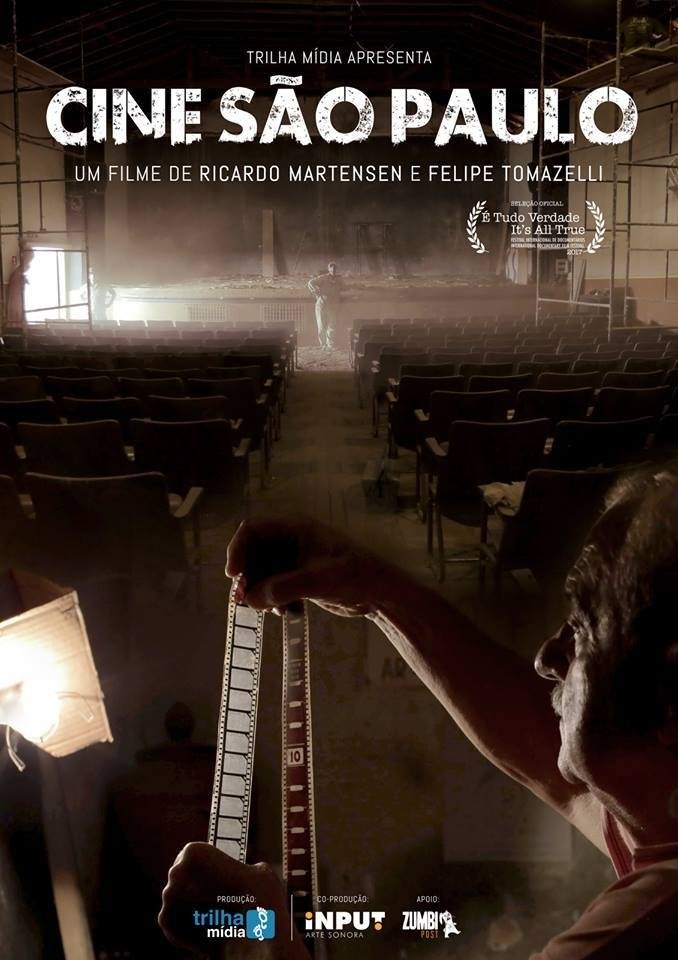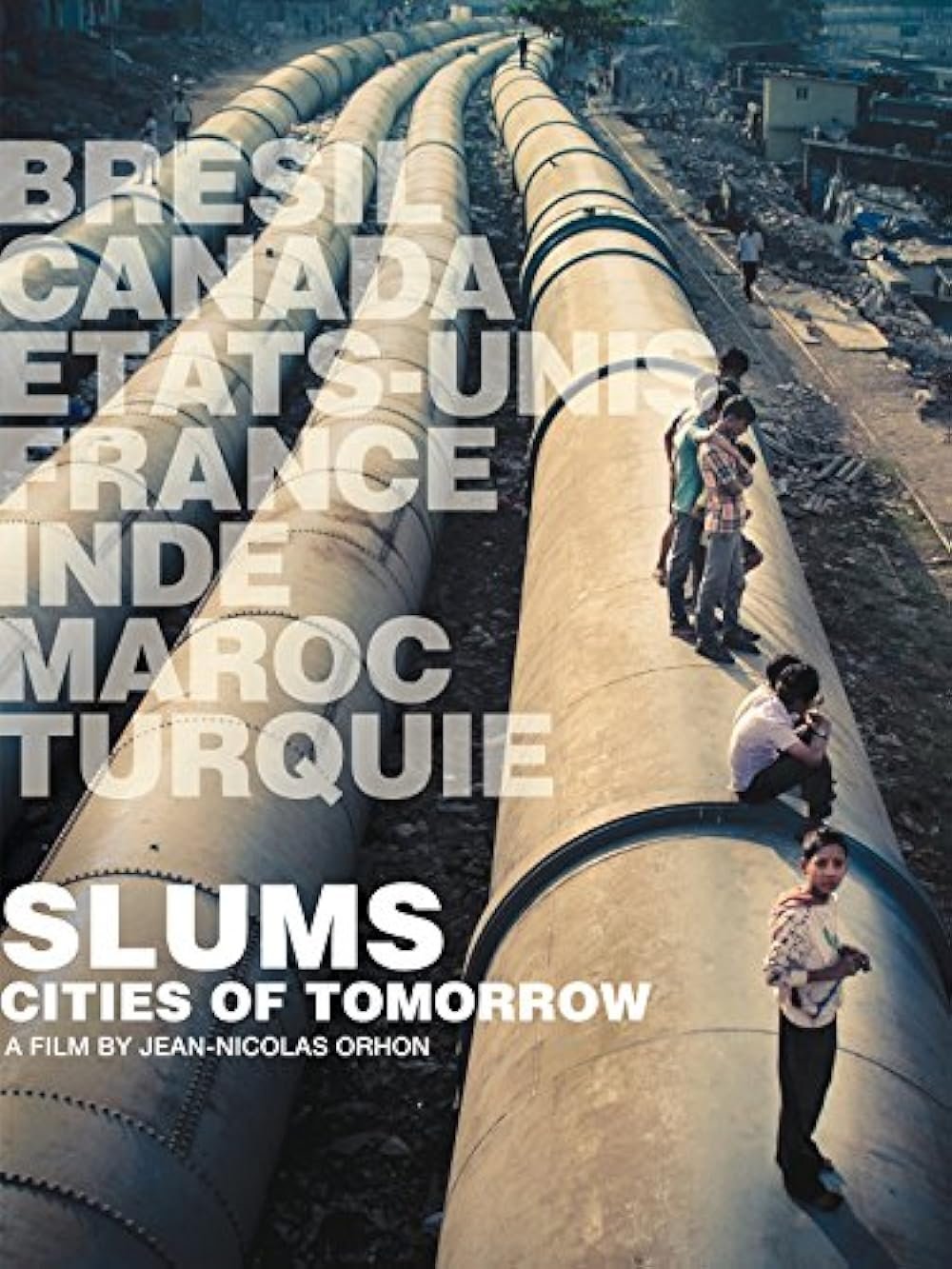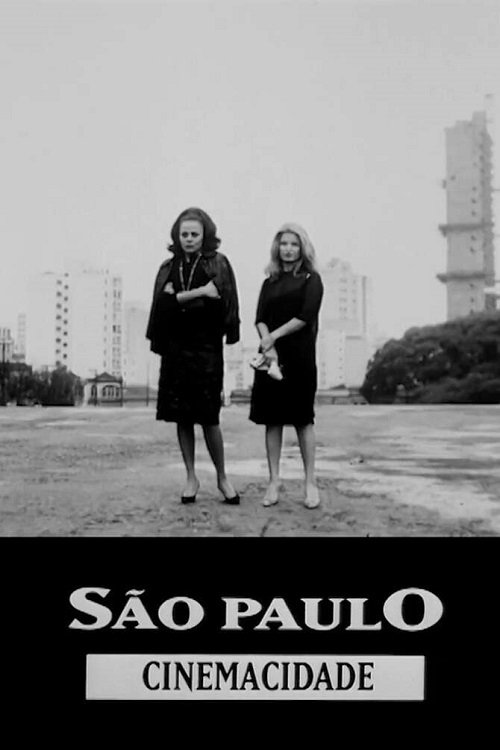
Mixing new images to existing São Paulo movies takes, the documentary presents the city from the perspective of five main attributes: transformation, anonymity, crowd, precariousness and dimension.
Social & External
A group of people are standing along the platform of a railway station in La Ciotat, waiting for a train. One is seen coming, at some distance, and eventually stops at the platform. Doors of the railway-cars open and attendants help passengers off and on. Popular legend has it that, when this film was shown, the first-night audience fled the café in terror, fearing being run over by the "approaching" train. This legend has since been identified as promotional embellishment, though there is evidence to suggest that people were astounded at the capabilities of the Lumières' cinématographe.
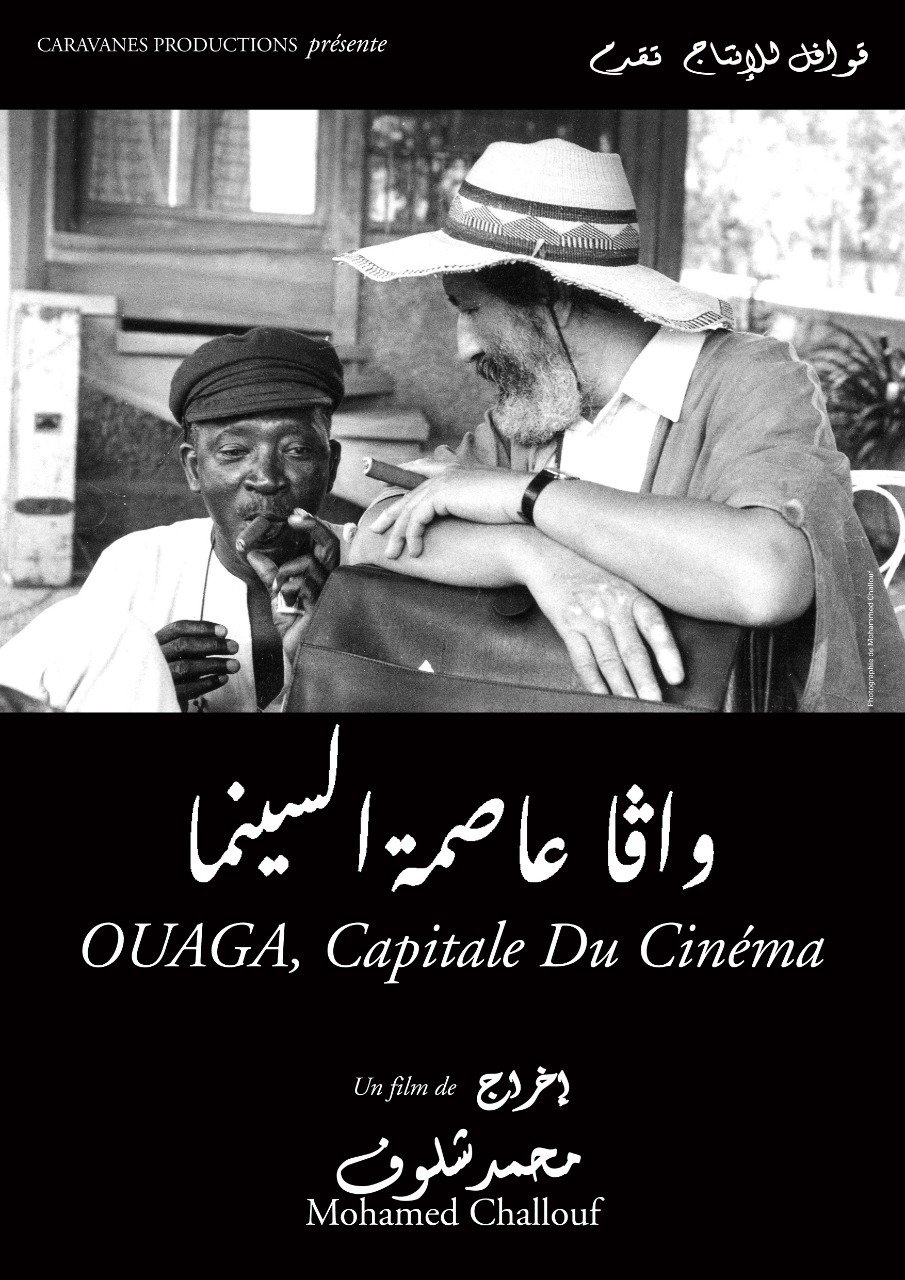
Between 1983 and 1987, Ouagadougou, the capital of Burkina Faso and the home city of FESPACO, one of the most important Pan-African film festivals in the world, was the scene of an exciting cinema utopia. With the support of the young president Thomas Sankara, the festival became a symbol of the cultural renaissance of a whole continent. The assassination of Sankara stifled the hopes of millions of young Africans, but the dynamism of FESPACO and African cinema did not stop.
Four lives that could not be more different and a single passion that unites them: the unconditional love for their cinemas, somewhere at the end of the world. Comrades in Dreams brings together six cinema makers from North Korea, America, India and Africa and follows their efforts to make their audiences dream every night.
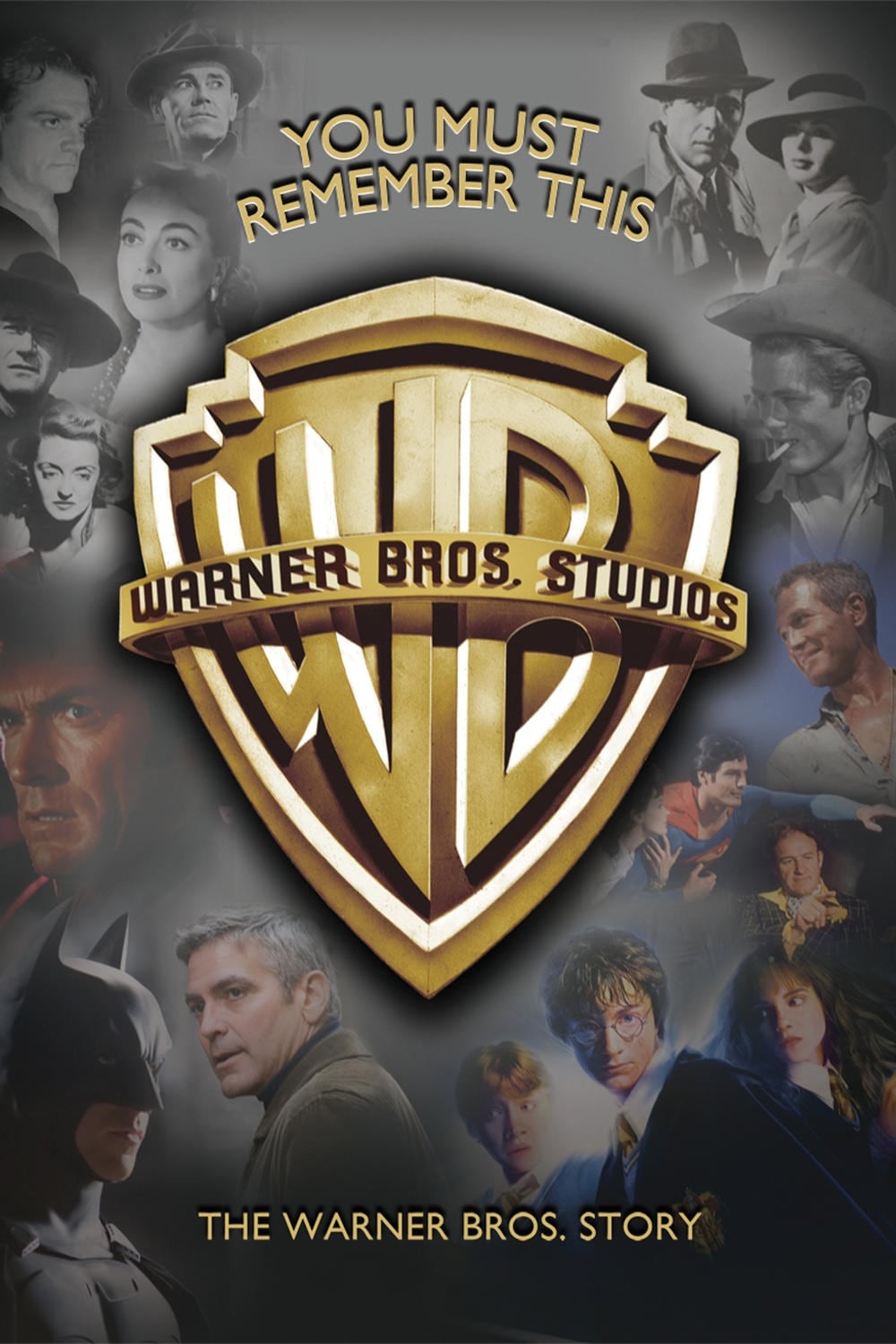
Jack L. Warner, Harry Warner, Albert Warner and Sam Warner were siblings who were born in Poland and emigrated to Canada near the turn of the century. In 1903, the brothers entered the budding motion picture business. In time, the Warner Brothers moved into film production and would open their own studio in 1923.
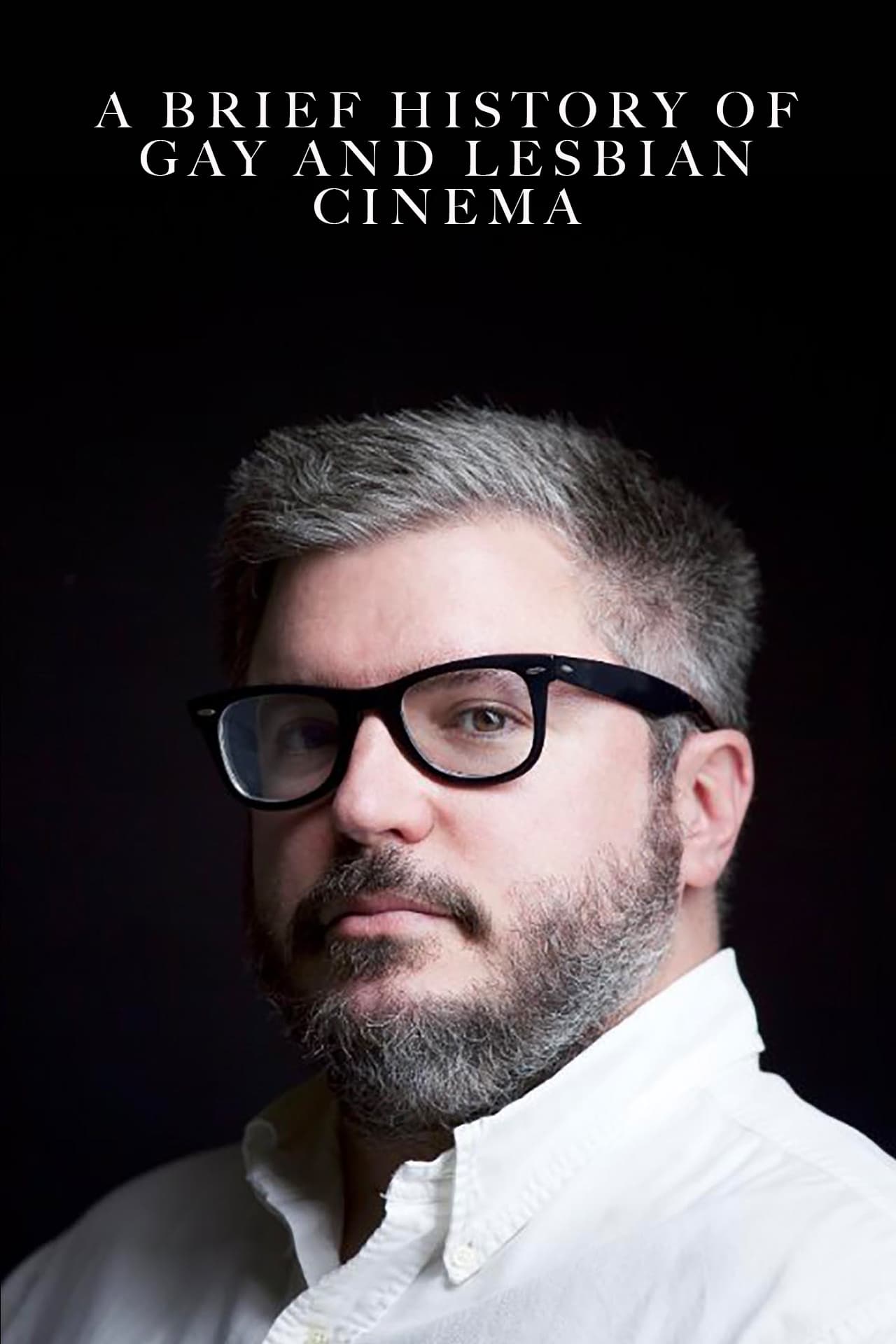
In this FilmStruck Original, film critic and What the Flick?! host Alonso Duralde discusses the evolution and progression of gay and lesbian cinema.
Narrated by Queen Latifah, this documentary follows Elsie, a black Labrador mix, and her struggled to raise her puppies on the streets of Los Angeles.
Martin Scorsese, Robert De Niro, Joe Pesci, and Al Pacino in conversation about The Irishman.
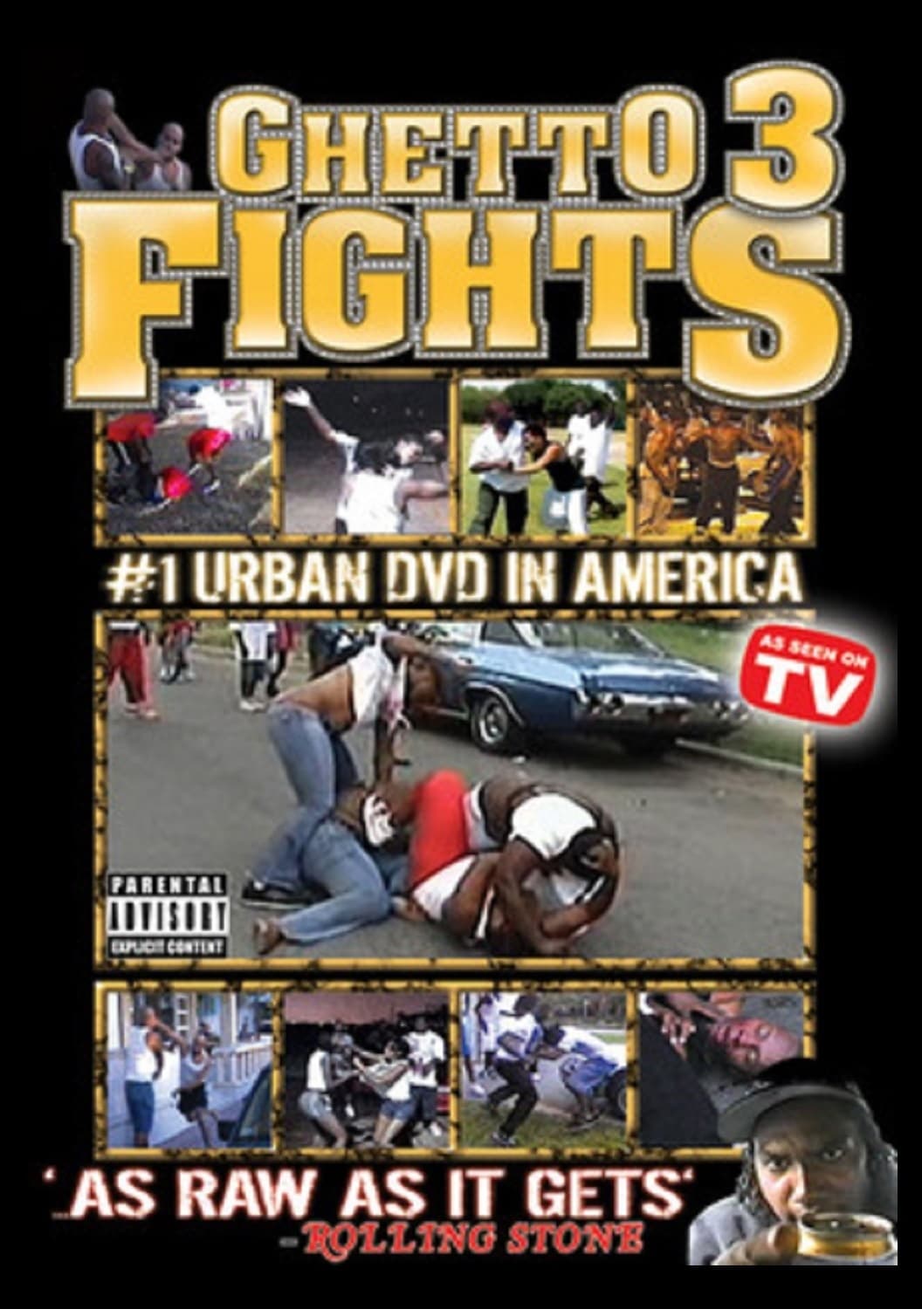
Ghetto Fights 3 was released Oct 10, 2006 by the Navarre Corporation and presents a brutal glimpse of America's urban underbelly with a third collection of real-life street-fight footage taken straight from the nation's toughest inner-city 'hoods. Set to a blazing hip-hop soundtrack, this hard-hitting and totally authentic documentary captures all the nonstop action as thugged-out gangstas engage in violent and often shocking bare-knuckle beatings. This DVD takes viewers to ground zero in urban America. Witness the day-to-day struggles of average individuals and the solutions they fire off.
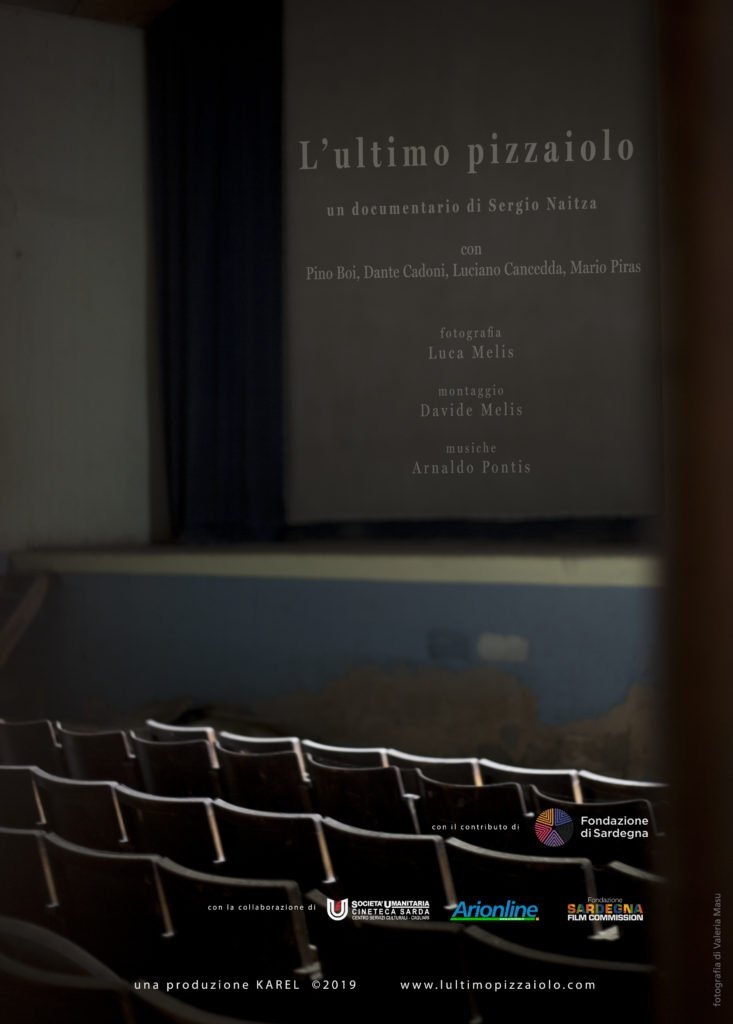
A short documentary about the rapidly disappearing era of heritage movie palaces and the film going experience once offered within those hallowed walls.
As the dissociated convenience of the Internet and globalized corporate culture continue to shut down brick-and-mortar video stores, what will happen to the longstanding, local hangouts with their rugged individuals known as clerks and the communities who love them? Videosyncracy follows three very different video rental stores as they negotiate their survival in three distinct Los Angeles neighborhoods: Old Bank DVD in the Downtown arts district, Vidiots in sunny seaside Santa Monica, and Eddie Brandt’s Saturday Matinee in bustling North Hollywood. Their stories chronicle not only the birth and twilight of a particular kind of corner store, but also decades of personal lives intertwined with those of their communities, the new challenges and facilities of a rapidly changing world, and an enduring love of the movies, a slice of Americana on the brink of disappearance yet defiant to the end.
Exuberant, eye-opening movie that serves up a dazzling hundred-year history of the role of gay men and lesbians have had on the silver screen. Film contains fabulous footage from 120 films showing the changing face of cinema sexuality, from cruel stereotypes to covert love to the activist triumphs of the 1990s.
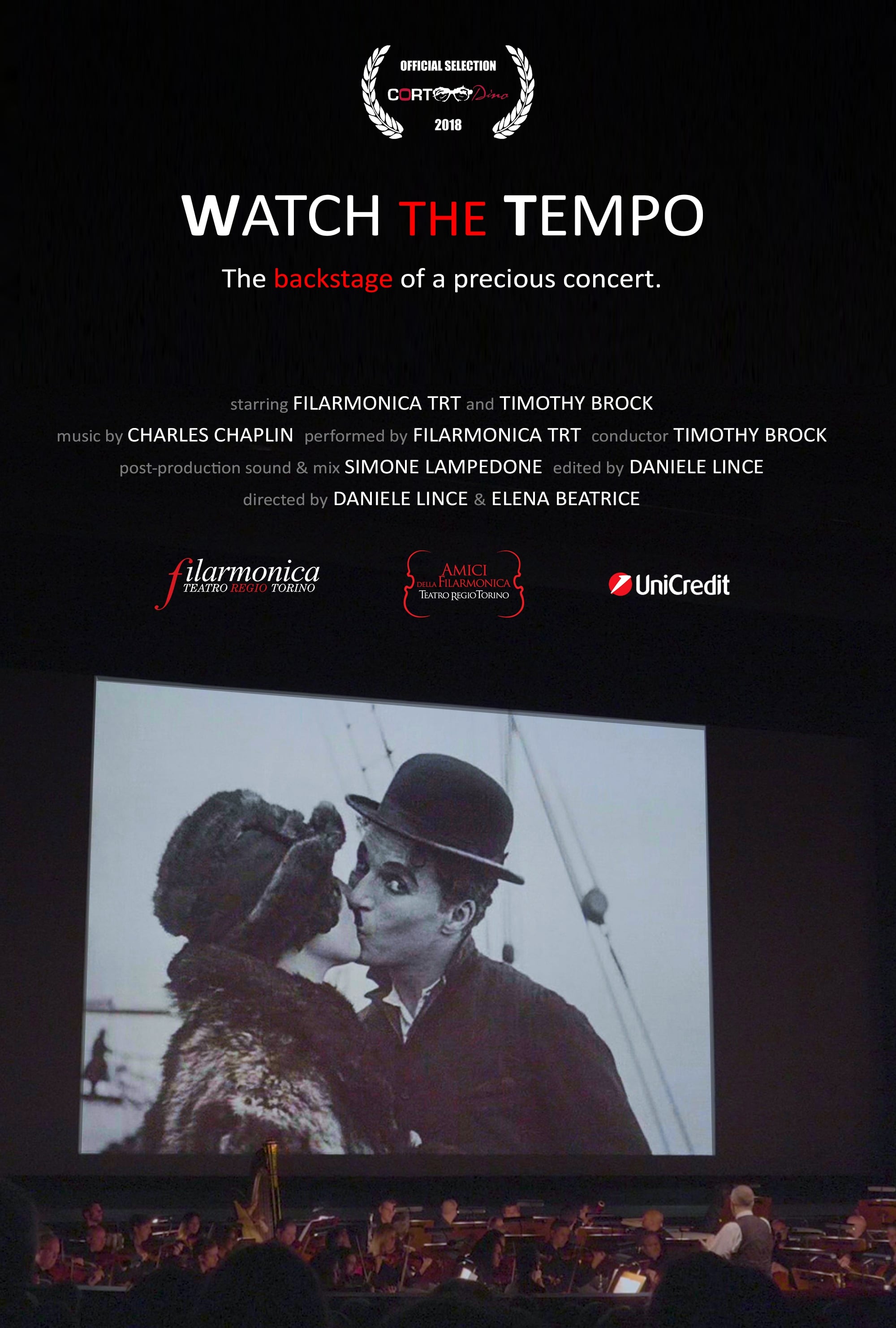
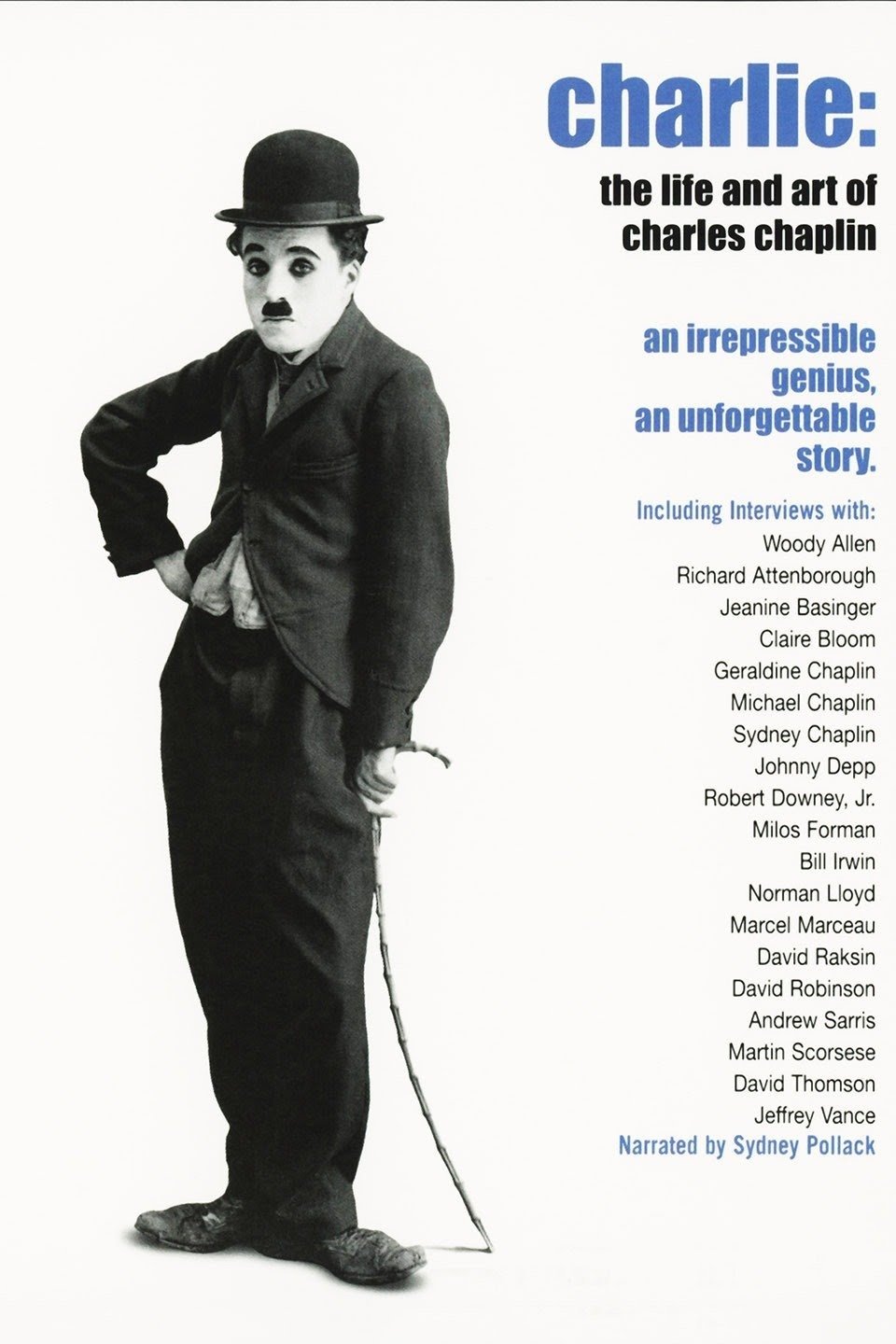
A biographical documentary about the great British actor and director Charlie Chaplin (1889-1977), from rags to riches, from the slums of London to glory.
A tribute to the Alamo Drafthouse located in Kalamazoo, Michigan, that was forced to close after three years when its lease was abruptly and unexpectedly terminated by its landlord. Employees and customers reflect on the impact the theater had made on its community in such a short amount of time.
An exploration of the movie "The strange case of Angelica" and an understanding Manoel de Oliveira's cinema.
Hollywood is a town of tinsel and glamour; but there is another Hollywood, a place where maverick independent exploitation filmmakers went toe to toe with the big guys and came out on top.
In late eighties, in Ceausescu's Romania, a black market VHS bootlegger and a courageous female translator brought the magic of Western films to the Romanian people and sowed the seeds of a revolution.

This short documentary shows how a city's water supply is purified at a filtration plant. The complex system of the underground mains that supply all parts of the city with water is also illustrated, as is the safeguarding of water supplies on trains, ships and aircrafts.

World-renowned director Martin Scorsese narrates this journey through his favorites in Italian cinema.
130 years after he was created, Sherlock Holmes is a literary character who exceeded his author's expectations and is known throughout the world. Find out the true story behind the author, Conan Doyle, and his struggle to come to terms with the phenomenon that is Sherlock Holmes.
Friends, family, co-stars and admirers of actor Steve McQueen talk about his life and his movie career.