Social & External
The people behind it
Vera Acacio
Herself
Javier Arnal
Himself
Robert Jacques Bardinet
Lawrence Burton
Isabel
José Novo
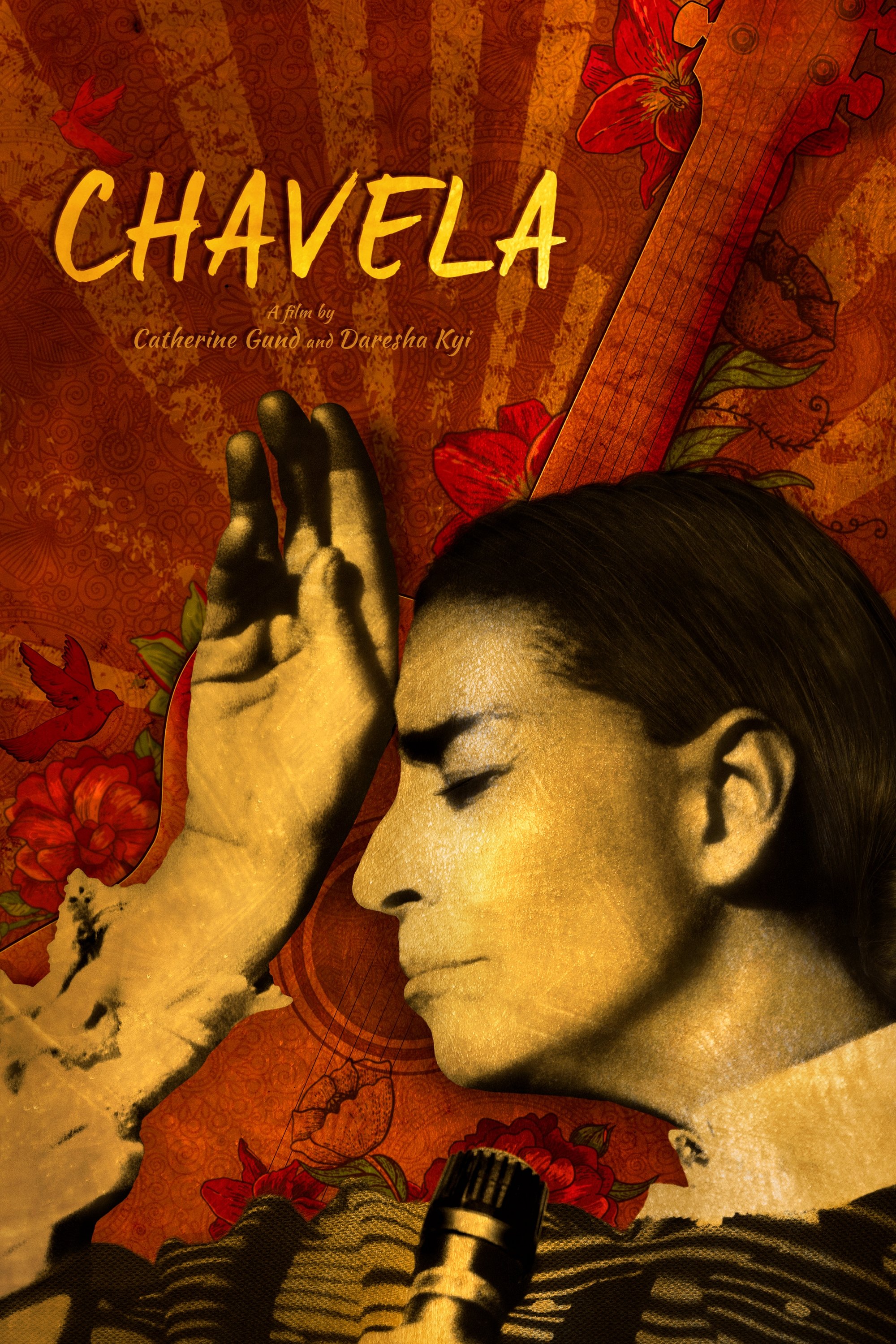
Inspired by an exclusive interview and performance footage of Chavela Vargas shot in 1991 and guided by her unique voice, the film weaves an arresting portrait of a woman who dared to dress, speak, sing, and dream her unique life into being.
An exploration —manipulated and staged— of life in Las Hurdes, in the province of Cáceres, in Extremadura, Spain, as it was in 1932. Insalubrity, misery and lack of opportunities provoke the emigration of young people and the solitude of those who remain in the desolation of one of the poorest and least developed Spanish regions at that time.
A first feature based on sexual events. An actress undertakes her desire of directing her first movie, without a budget or any production company funding her project. She gathers a group of professional actors and actresses, and proposes a project based on a very particular experience: stepping on their fears through a metaphorical 'leap of faith'. As the project advances, individual conflicts will arise affecting the shoot, making the movie crew wonder whether or not they should go on. Will they take the leap of faith with all its consequences?
A humorous observation in Barcelona’s immigrant neighbourhood El Raval. Four barber shops, four places of remembrance, strange time and space capsules inhabited by people who left their home to find a better one, while the Spaniards are about to leave their own country themselves.
Famous Spanish film critic Alfonso Sánchez talks about his personal life, his work and Anouk Aimée. A sentimental tribute to one of the most relevant figures on the Spanish film scene.
In Garcia Lorca's mother tongue, death is a woman: "la muerte". Daniel slips into the role of "death as a female" and speaks before a video camera on the life and death of the famous Spanish poet. Then the story begins.
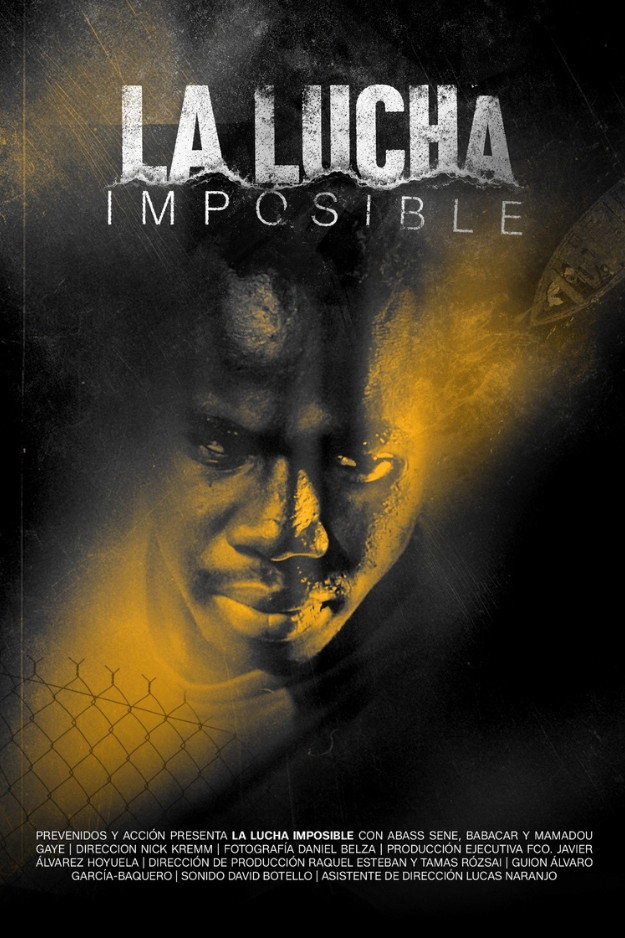
Four African immigrants face the harsh reality of living undocumented in Spain, amid rejection, precariousness, and the search for dignity.
Tito del Amo, a passionate 72-year-old researcher, takes the final step to unravel the enigma about the alleged Spanish origin of the American cartoonist Walt Disney, making the same journey that his supposed mother made to give him up for adoption in Chicago. A journey that begins in Mojácar, Almería, Spain, and ends in New York. An exciting adventure, like Alicia's through the looking glass, to discover what is truth and what is not, with an unexpected result.
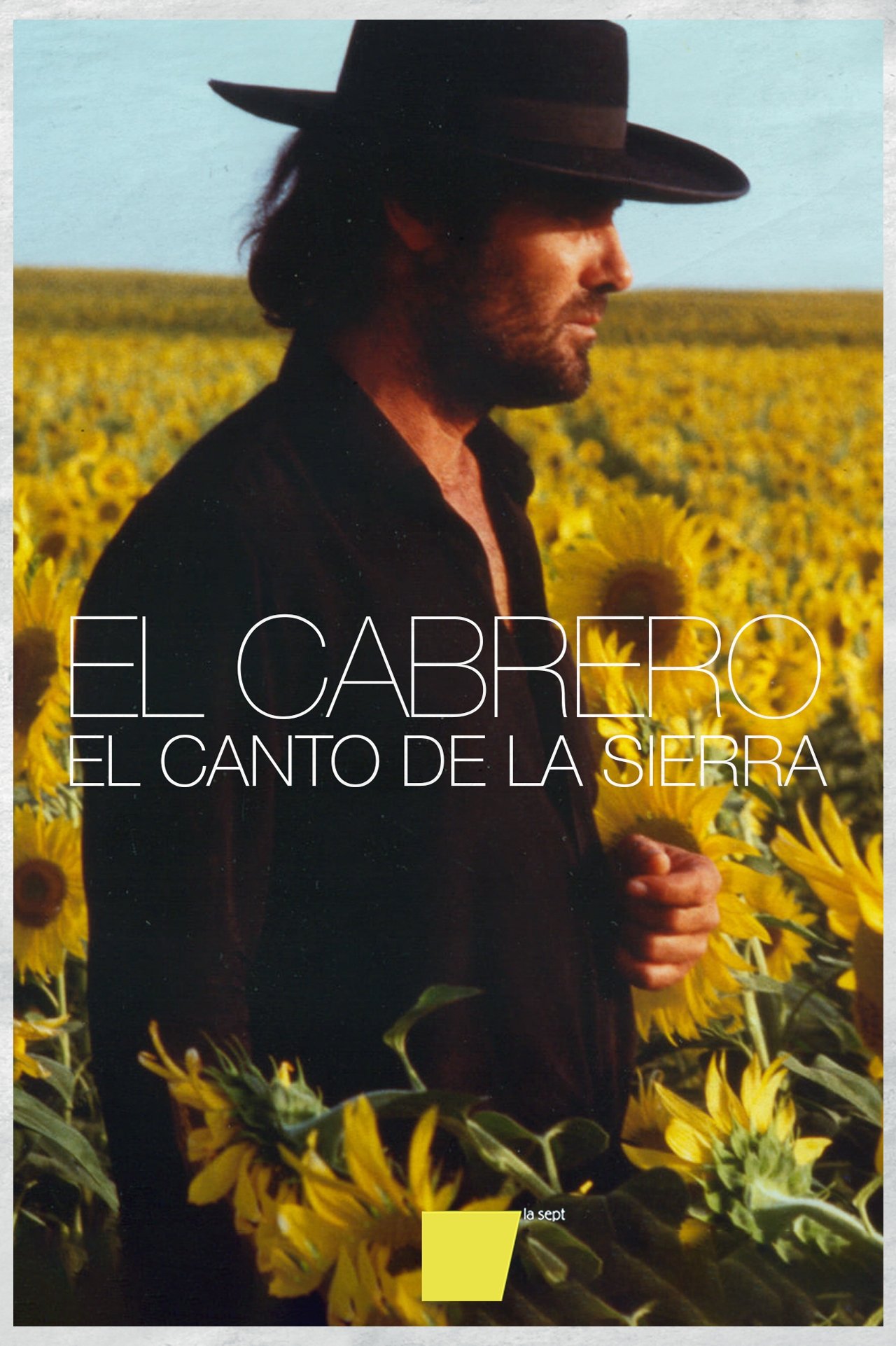
Documentary portrait of José Domínguez Muñoz, better known as "El Cabrero" (French for "the goatherd"), Spanish libertarian flamenco singer born in Aznalcóllar, province of Seville, in 1944 and filmed over two weeks in 1988 in Seville, Aznalcóllar, La Carbonería de Sevilla and Marinaleda, and in concert at a recital in Bayonne. Politically committed, El Cabrero defines himself as a libertarian. Since the 1970s, he has been close to the anarchist movement. For many years, he was a member of the anarcho-syndicalist Confédération Nationale du Travail.
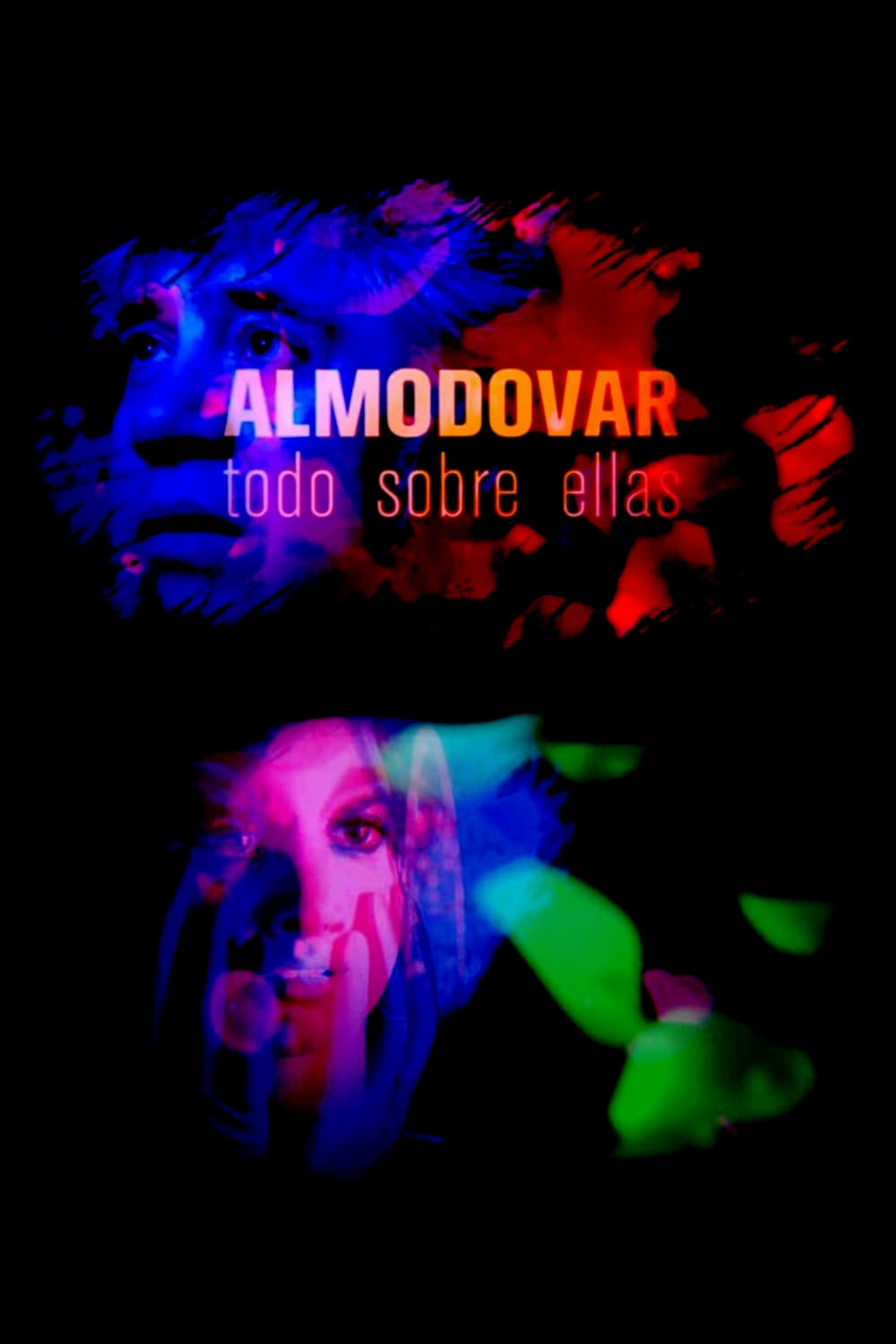
When looking at Pedro Almodóvar’s filmography, it becomes evident that women are everywhere; in fact, his work revolves around them. His divas are the best to create a real portrait of Almodóvar and evoke the emotional power of his films. These women are the ideal observers of a cinematic career that, from La Mancha to Hollywood, has changed the image of Spain in the world.
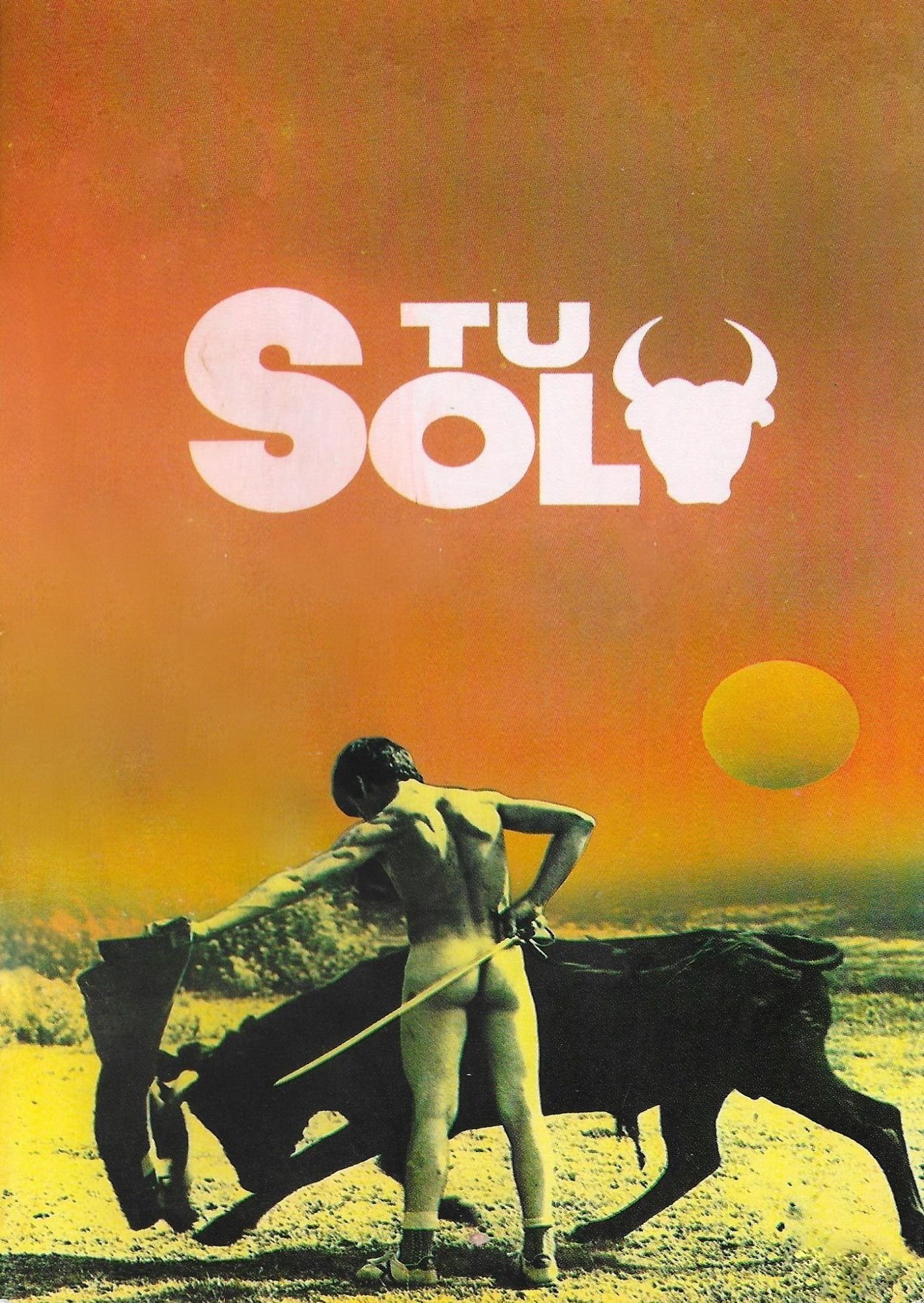
In their spare time, after their studies or their work, children and adolescents between the ages of eight and sixteen meet at the School of Bullfighting in Madrid to learn the Art of Cúchares: Torear. In their stomachs there is no hunger as in the past, their dreams do not lie in having a farmhouse and being famous. Their only dreams are to be in front of a bull, animal with which death goes, fact of which they are fully aware, as their teachers continually remind them. These, retired bullfighters, some by age, others by force and all with their bodies full of scars produced by the horns of a bull. The nude bullfighting scene is fascinating without being exploitive, and it serves as an analogy for the vulnerability these young bullfighters have when in the ring with the bulls.
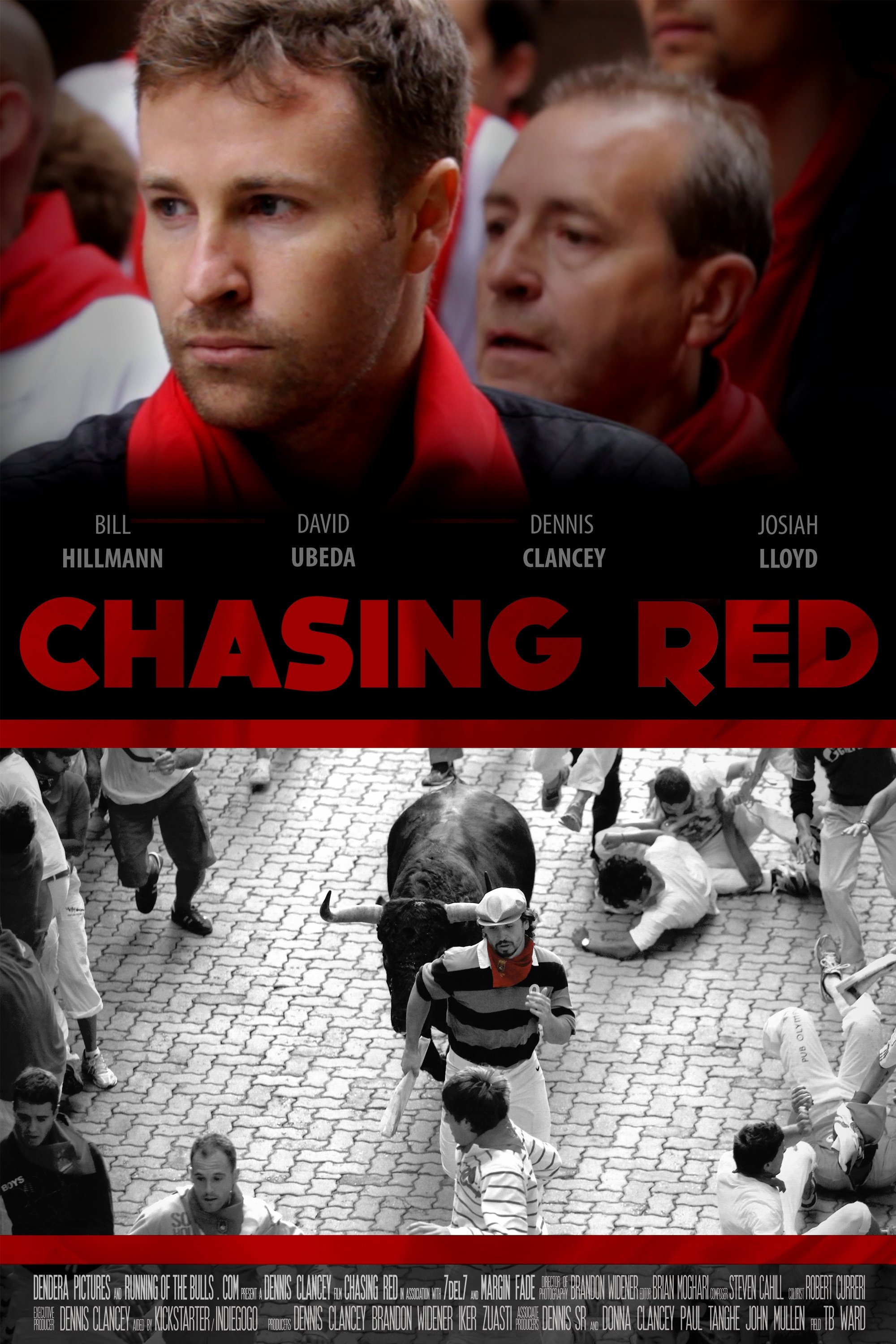
Everyone has heard of Pamplona's Running of the Bulls, yet so few know much about it. Even fewer know that there is an elite group of runners who brave dozens of bull runs each year, risking their life to run inches away from the sharp horns of the 1000+ pound ferocious animals they revere. Chasing Red is a character-driven documentary following 4 runners across the eight bull runs of a single fiesta in Pamplona. Braving through injury and looming risk of death, they embark on an endeavor that will shape their lives forever.
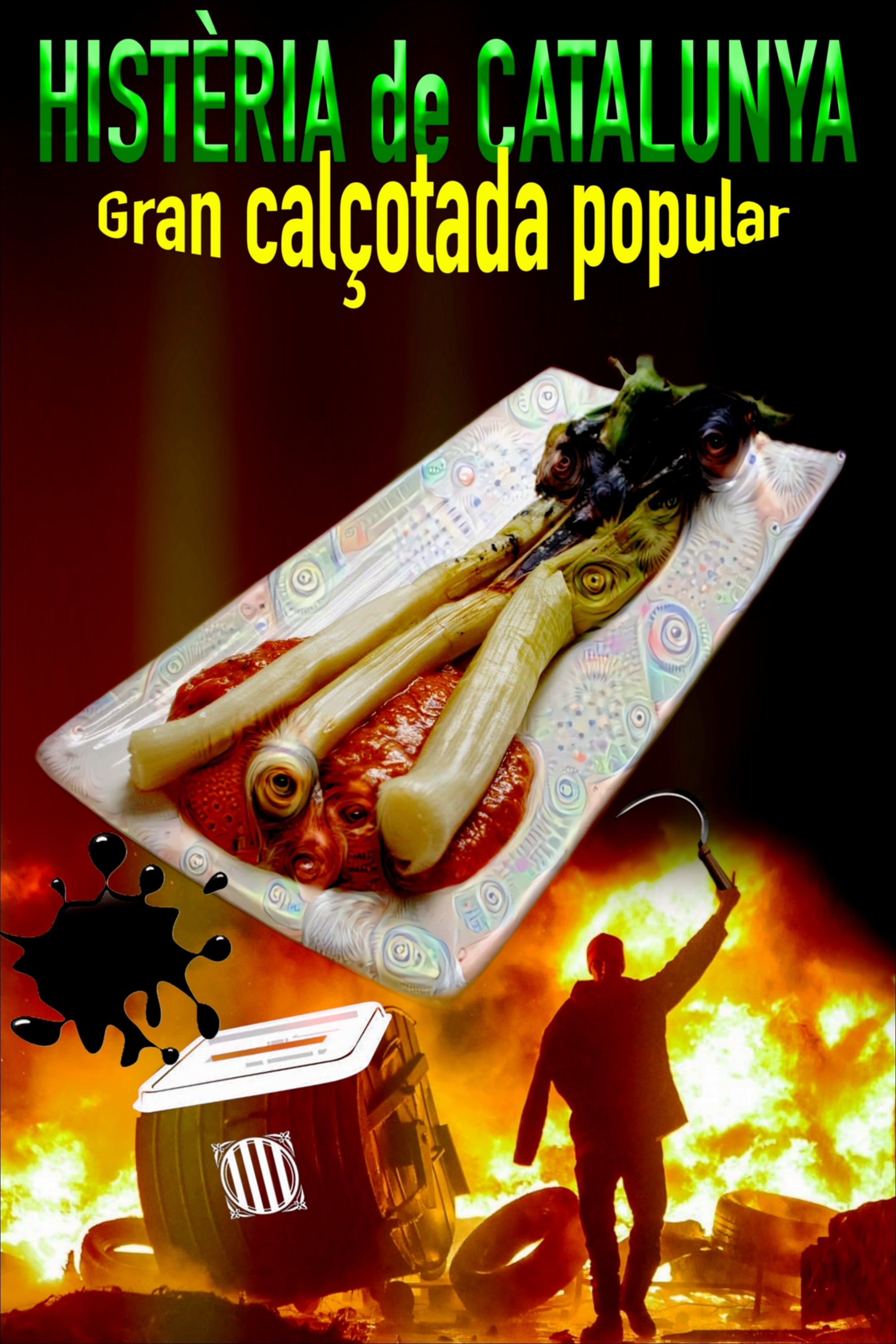
A punk documentary which is, at the same time, a history of Catalonia, an analysis of its political situation in 2017, a comic lamentation on the milestones of the Procés —the broken, unsuccessful path started October 1st which eventually should've ended with a true declaration of independence from Spain—, and a chaotic festival of references to pop culture, from Dumbo to Salvador Dalí.
An entertaining look at Clint Eastwood's storied career as a Western icon and filmmaker, featuring interviews with Clint Eastwood, Morgan Freeman, Kevin Costner, Frank Darabont, John Lee Hancock and many more.
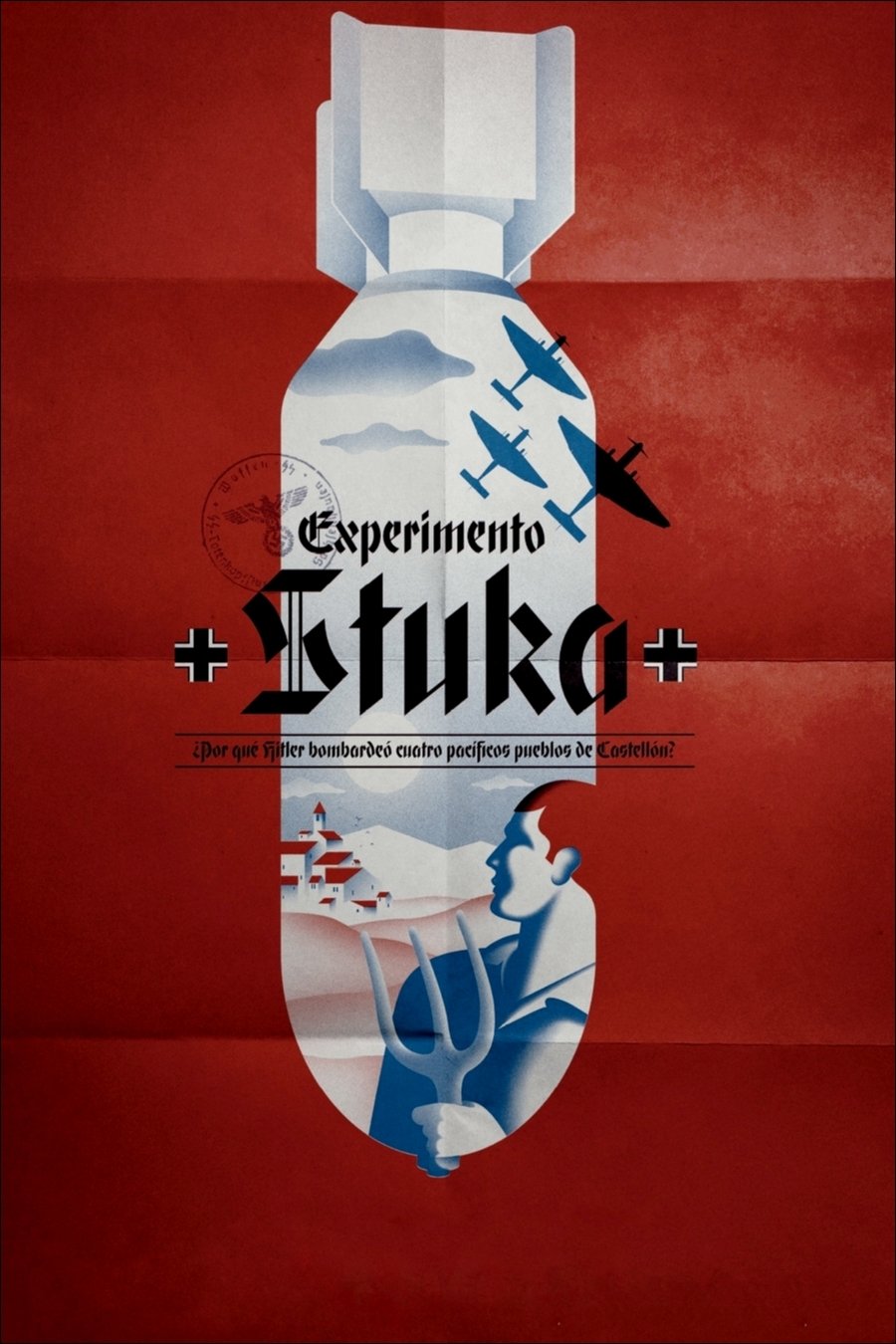
Spanish Civil War, May, 1938. Four villages in Castellón, Benassal, Albocàsser, Ares del Maestrat and Vilar de Canes, were bombed from the sky and ravaged. 38 people died. Inhabitants never knew for sure who piloted the planes responsible for such atrocity, although the rebel propaganda attributed the act to the republican side. Now, 80 years later, the truth is finally exposed.
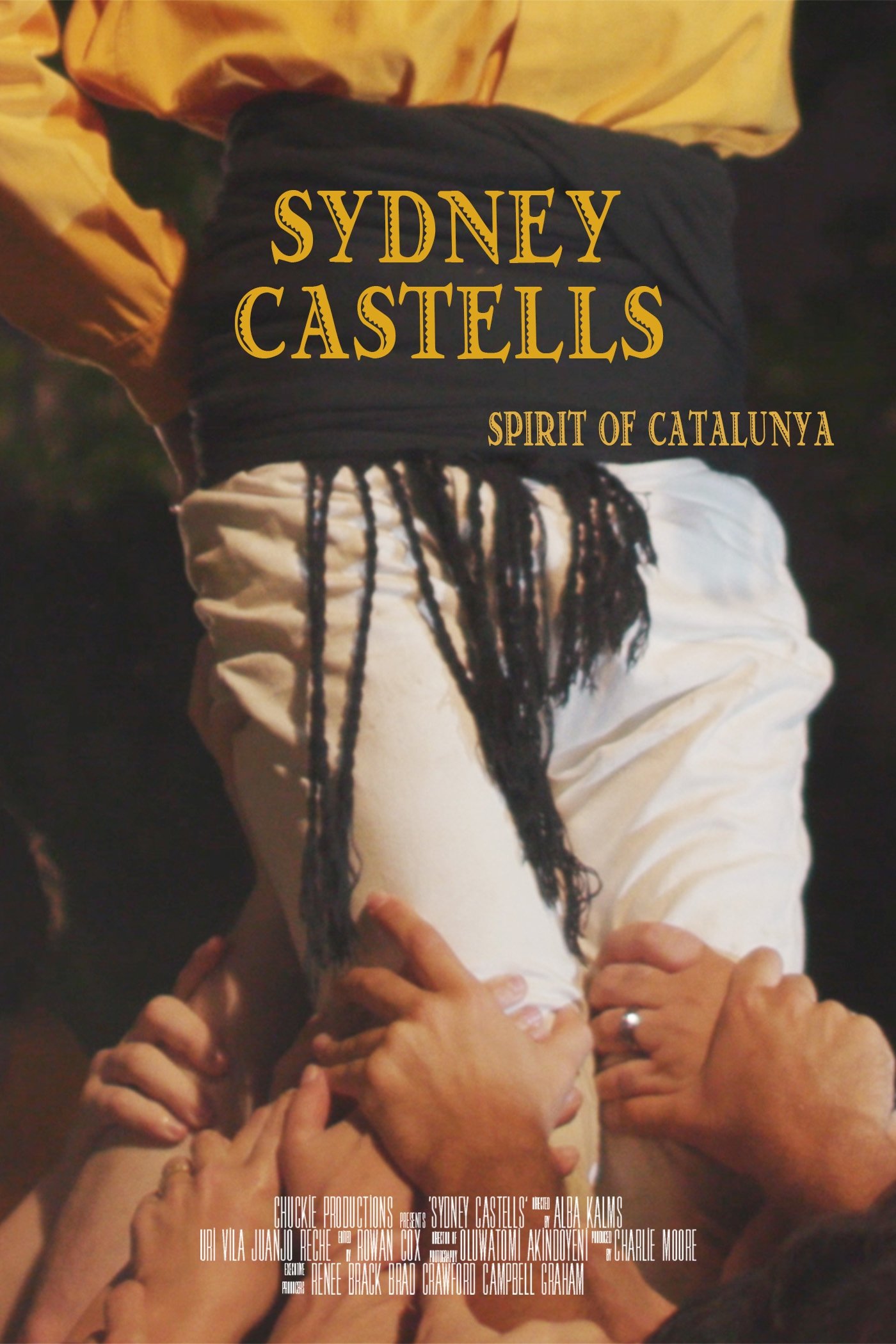
'Sydney Castells: Spirit of Catalunya' is a documentary exploring Catalan climbing and culture. Bringing light to a relatively unknown community based in Sydney, NSW. Viewing insights into the personal lives of individuals who partake in this thrilling sport.
The film starts with the confluence of the 15M protesters in Puerta del Sol, follow the construction of the Camping Sol, a kind of parallel city assemblies, whose structure extends to neighborhoods and nearby cities and all over Spain. After what happened attest, without mediation or intention, the film lets the images speak and describe the end of the experience.
An inside look at one of the most anticipated movie sequels ever with James Cameron and cast.
A string of threatening emails escalates into a revenge plot involving a newly married US marshal and his ex-girlfriend.
The Making-of James Cameron's Avatar. It shows interesting parts of the work on the set.
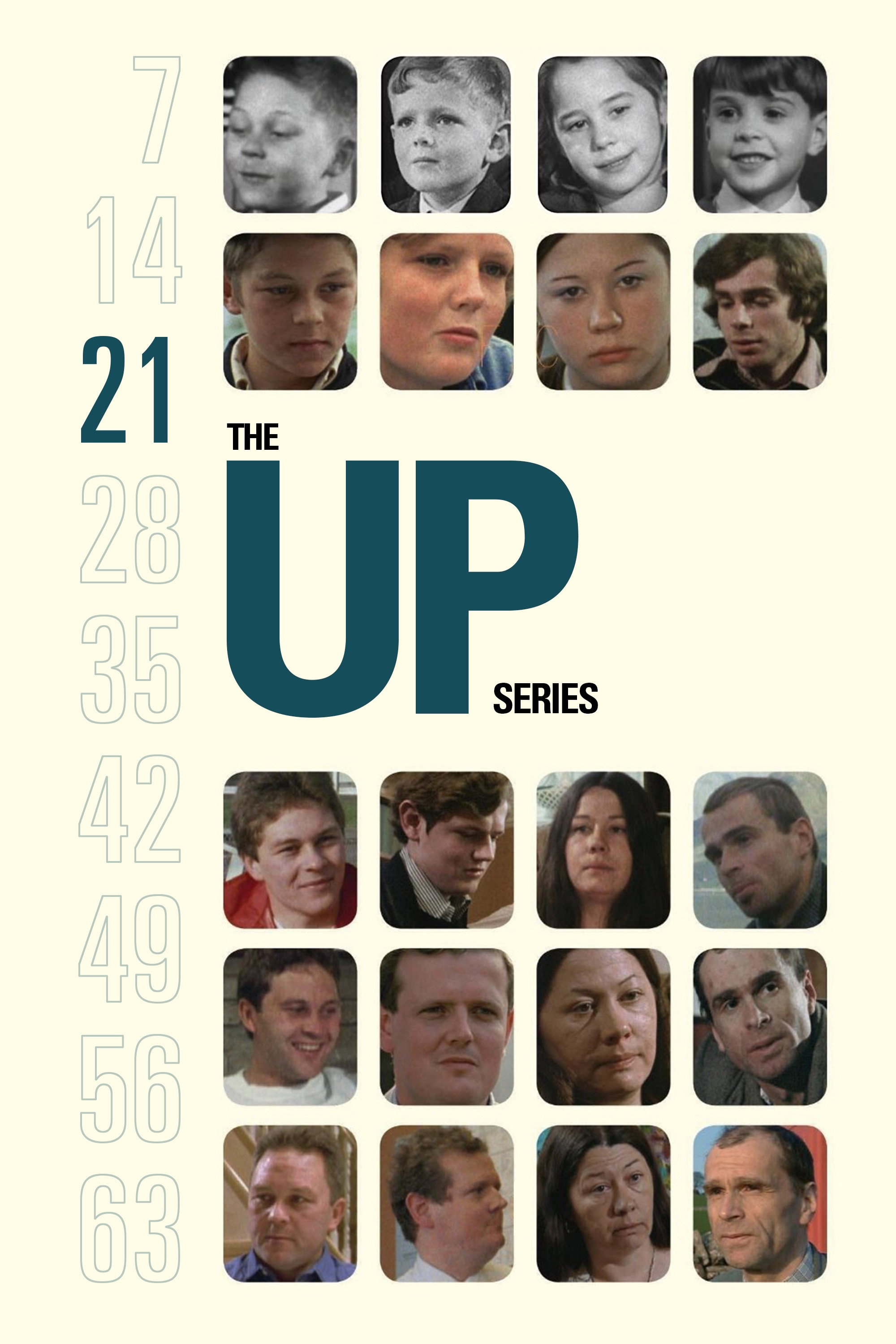
Director Michael Apted revisits the same group of British-born adults after a 7 year wait. The subjects are interviewed as to the changes that have occurred in their lives during the last seven years.
Al Pacino's deeply-felt rumination on Shakespeare's significance and relevance to the modern world through interviews and an in-depth analysis of "Richard III."
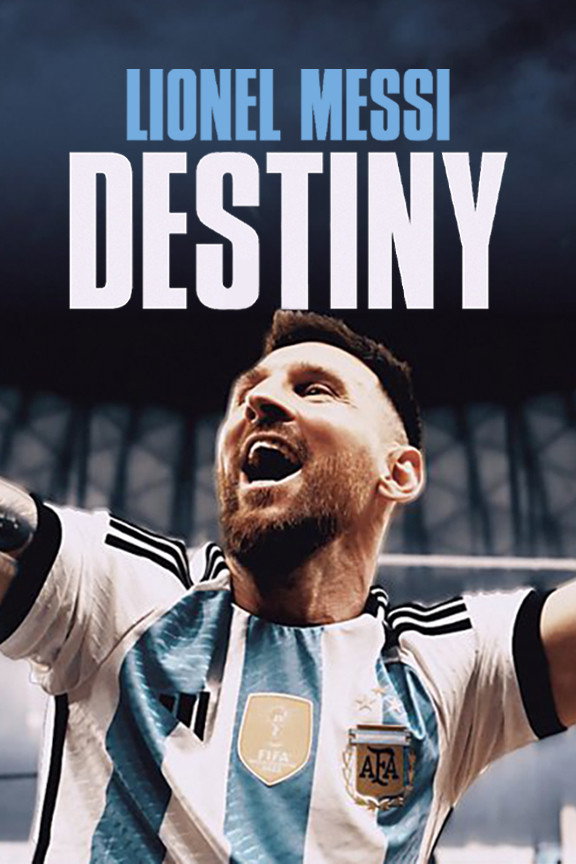
Behind-the-scenes documentary about how Lionel Messi succeeded in lifting the World Cup – the only trophy to have eluded him in an incredible career.
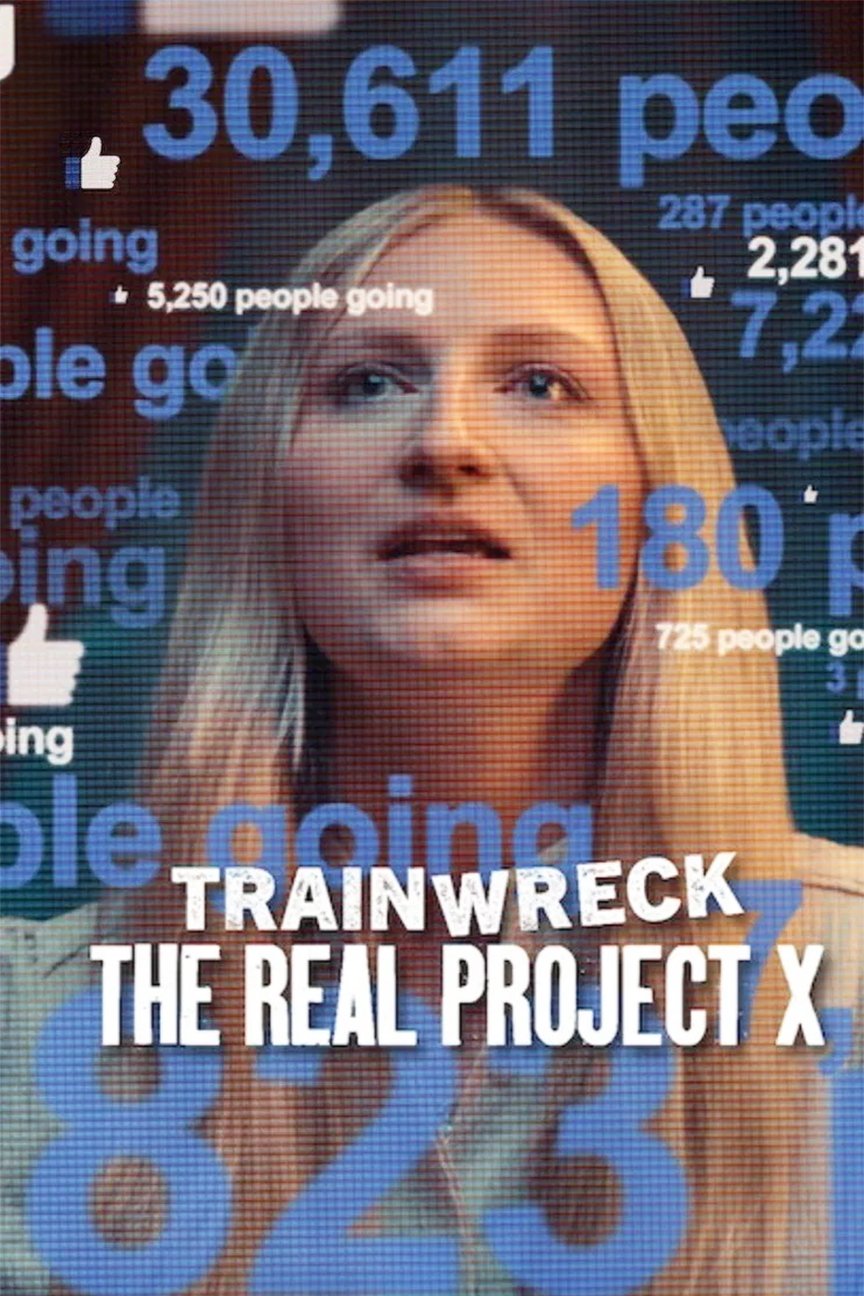
A night of drunken chaos rocks a quiet Dutch town in this shocking documentary about a teen's birthday invite that accidentally went viral on Facebook.
After another 7 year wait, director Michael Apted revisits the same group of British-born children from Seven Up! and 7 Plus Seven. The subjects are interviewed as to the changes that have occurred in their lives during the last seven years.
Those who knew iconic funnyman John Candy best share his story, in their own words, through never-before-seen archival footage, imagery, and interviews.
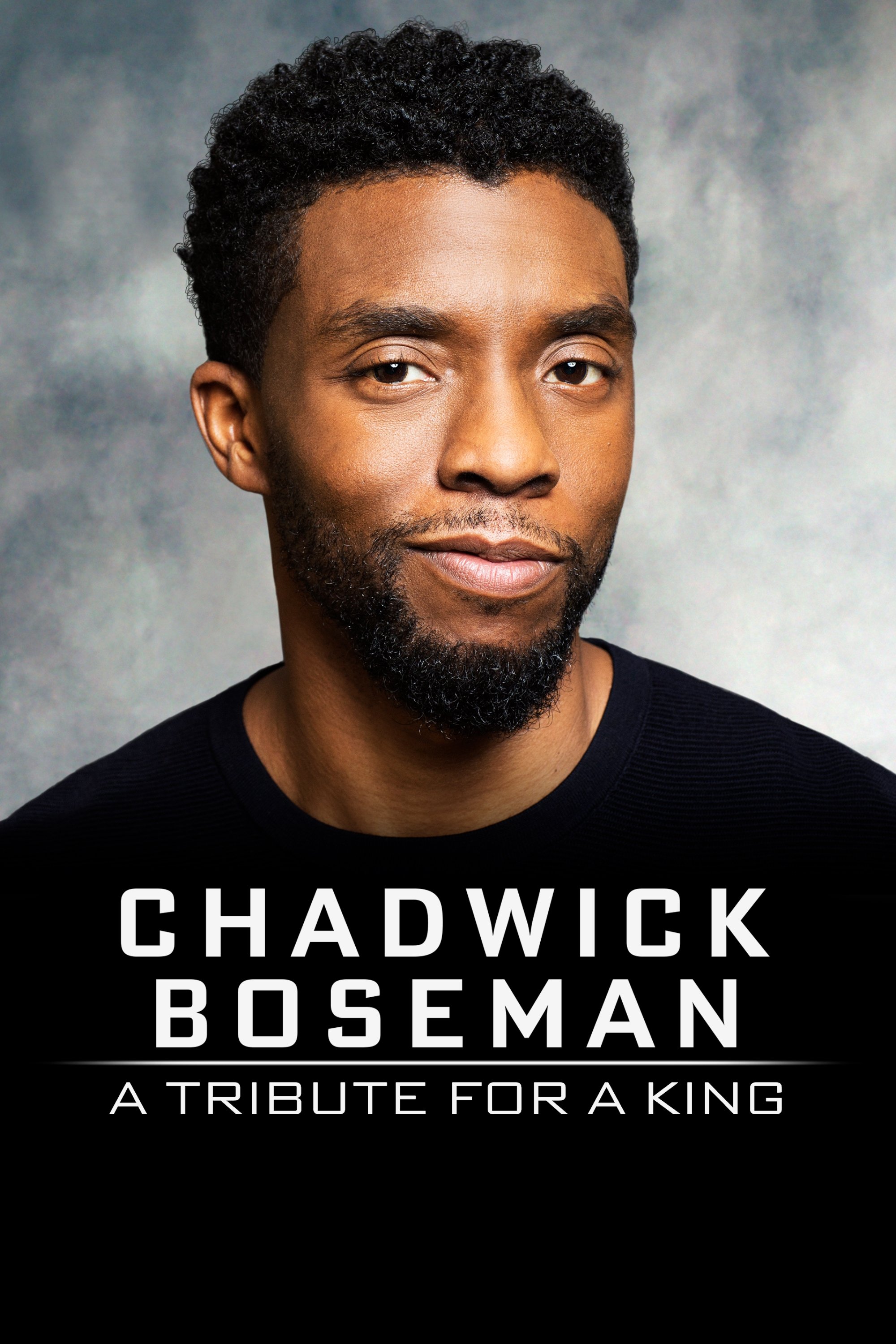
A tribute to Chadwick Boseman, celebrating his life and legacy.
A documentary chronicling Vogue editor-in-chief Anna Wintour's preparations for the 2007 fall-fashion issue.
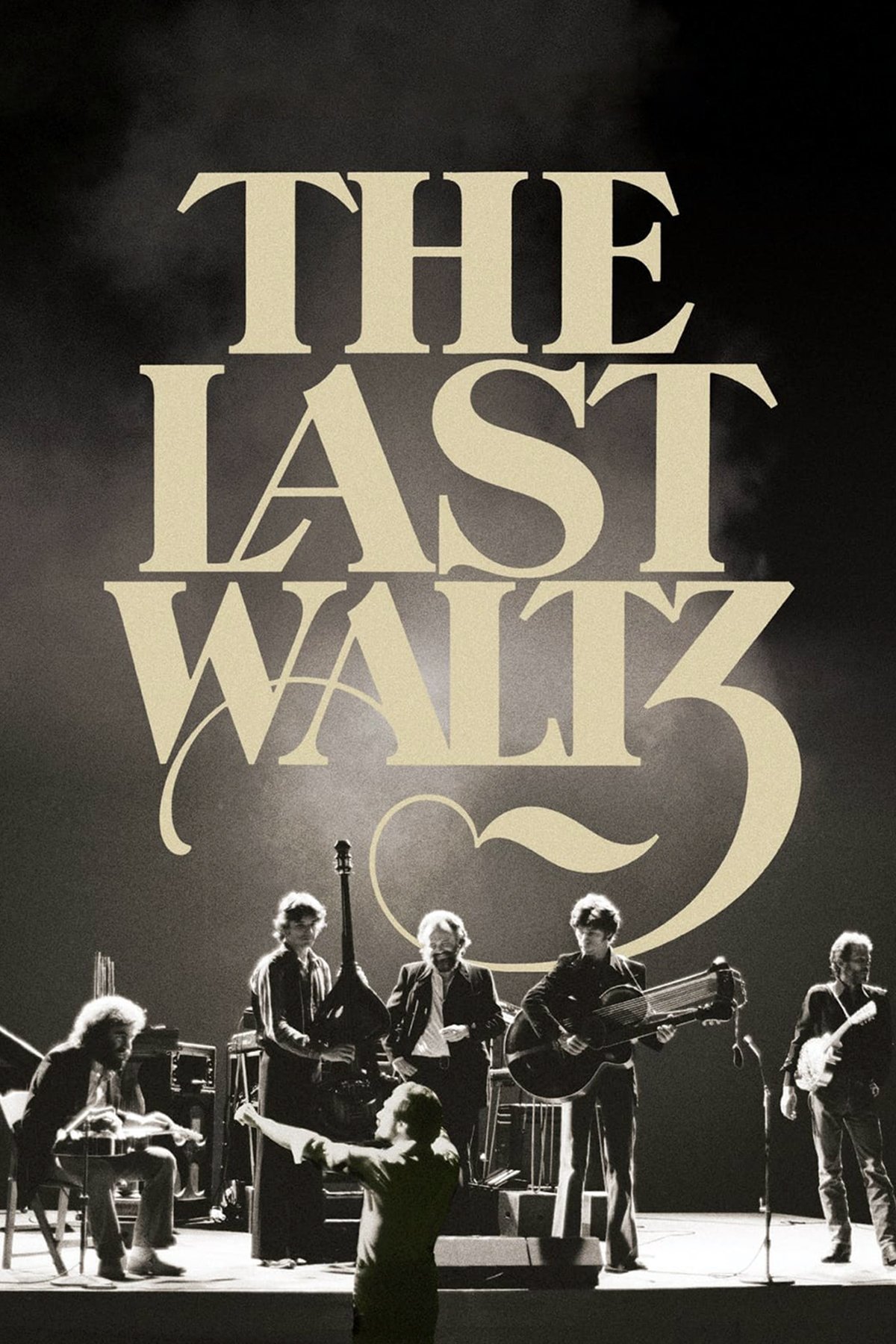
Martin Scorsese's documentary intertwines footage from The Band's incredible farewell tour with probing backstage interviews and featured performances by Eric Clapton, Bob Dylan, Joni Mitchell, Van Morrison, and other rock legends.
SEDUCED AND ABANDONED combines acting legend Alec Baldwin with director James Toback as they lead us on a troublesome and often hilarious journey of raising financing for their next feature film. Moving from director to financier to star actor, the two players provide us with a unique look behind the curtain at the world's biggest and most glamourous film festival, shining a light on the bitter-sweet relationship filmmakers have with Cannes and the film business. Featuring insights from directors Martin Scorsese, 'Bernando Bertolucci' and Roman Polanski; actors Ryan Gosling and Jessica Chastain and a host of film distribution luminaries.
Ranjit, a farmer in India, takes on the fight of his life when he demands justice for his 13-year-old daughter, the victim of a brutal gang rape. His decision to support his daughter is virtually unheard of, and his journey unprecedented.
The film follows adventurer Jeff Johnson as he retraces the epic 1968 journey of his heroes Yvon Chouinard and Doug Tompkins to Patagonia.
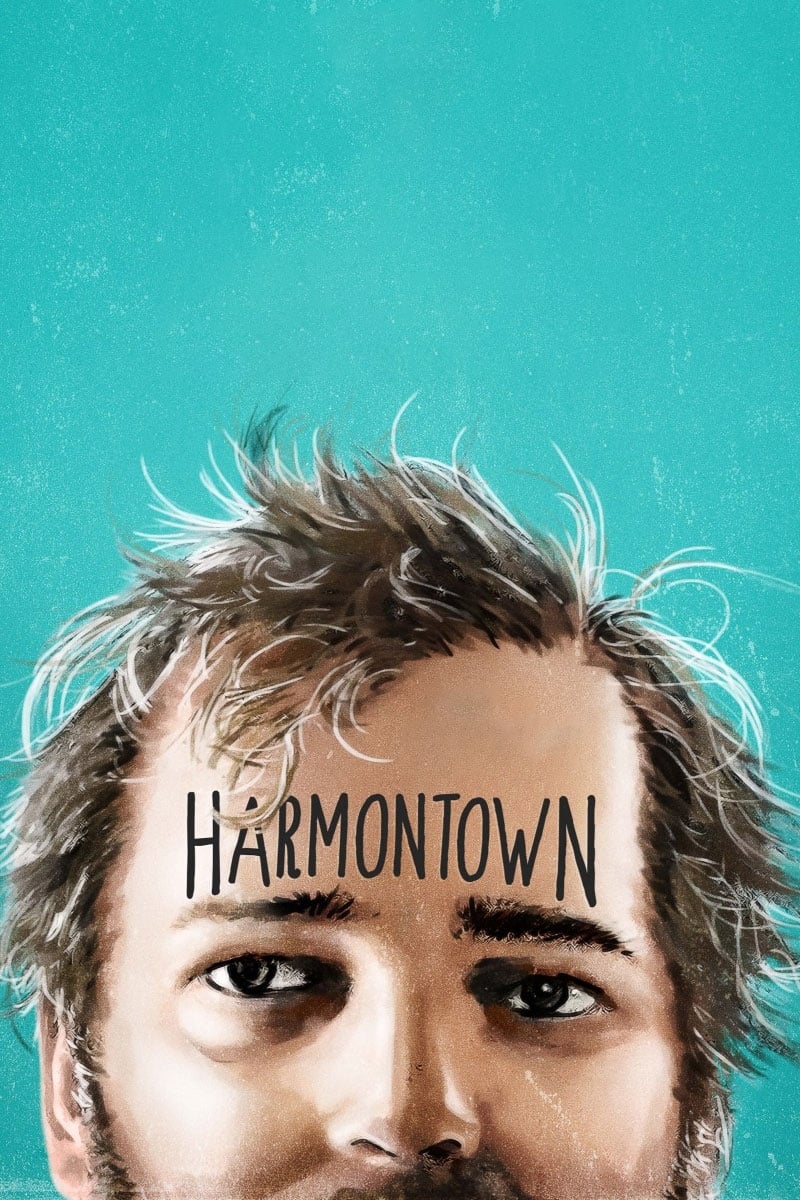
A comedic, brutally honest documentary following self-destructive TV writer Dan Harmon as he takes his live podcast on a national tour.
A detailing of the rise to prominence and global sporting superstardom of six supremely talented young Manchester United football players (David Beckham, Nicky Butt, Ryan Giggs, Paul Scholes, Phil and Gary Neville). The film covers the period 1992-1999, culminating in Manchester United's European Cup triumph.
The life of Mr. Spock, as well as that of Leonard Nimoy, the actor who played him for almost fifty years, written and directed by his son: Adam.
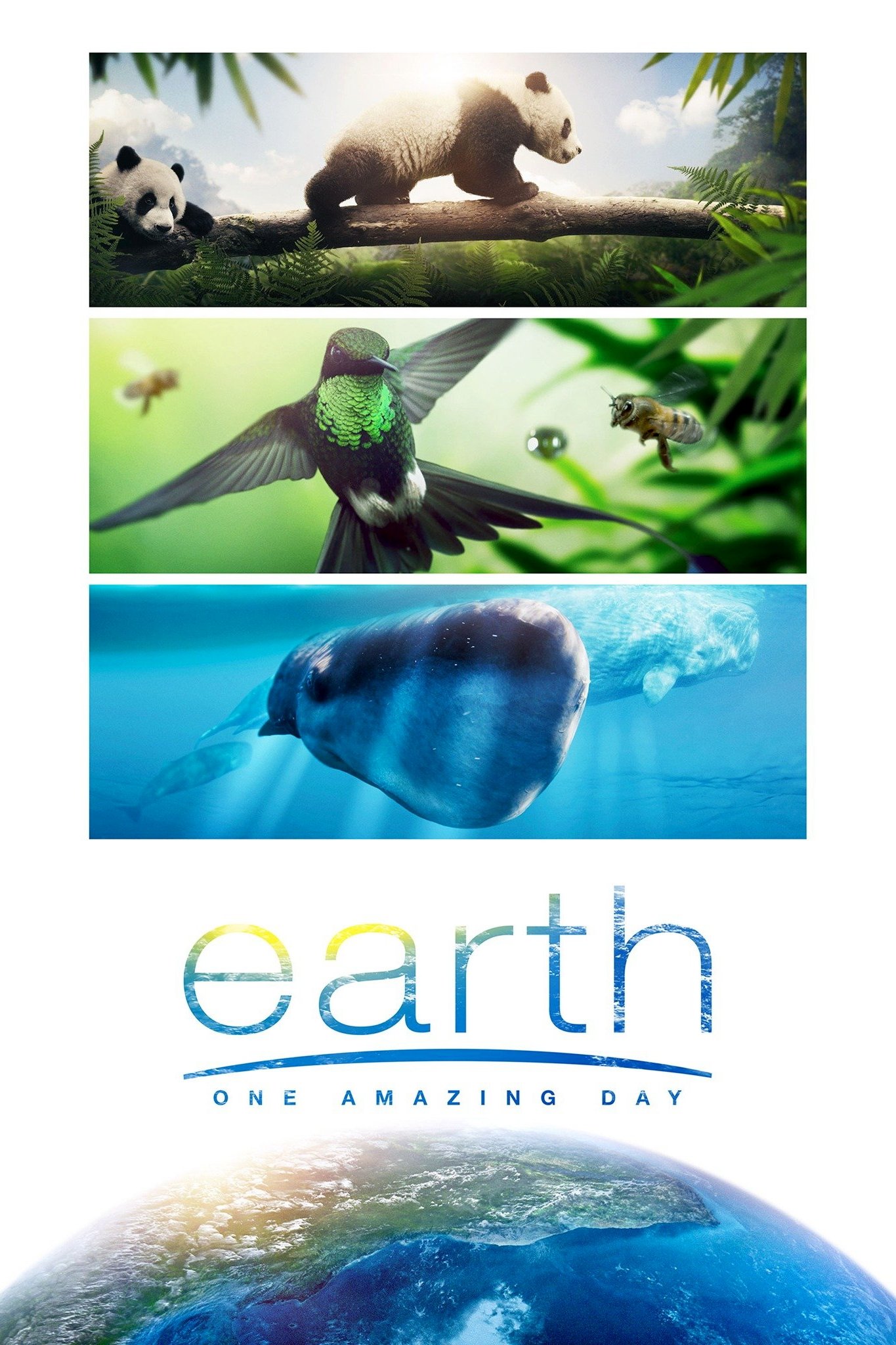
An astonishing journey revealing the awesome power of the natural world. Over the course of one single day, we track the sun from the highest mountains to the remotest islands to exotic jungles.