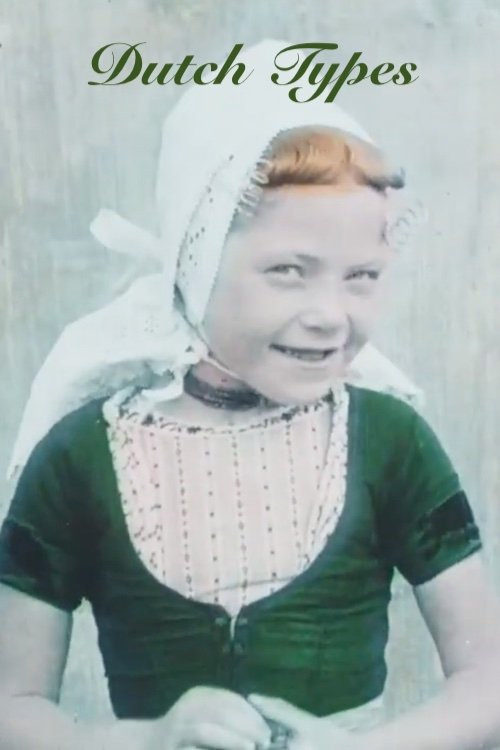
An overview of women in Holland and the surrounding countryside.
Social & External
‘Sharp Objects’ follows the forgotten story of the Klungkung keris back to its origins and to its post-colonial relevance to Bali today, tracing the looting of the keris to modern day tourism in Bali. The film juxtaposes the 'knowledge' of colonial archives against community-based knowledge and mythology, convoluting the understanding of what is preserved, what is dead and what is lost. The artists apply a tangible intervention on the photochemical material they use for the film. This time consuming approach embodies the narrative of the labor intensive iron forging craftmanship of a keris blacksmith.
In this short documentary, we take a look at the history and future of roller derby in the Netherlands, while also touching on subjects such as image and the rise of men’s teams in this traditionally female sport. We tried to capture the Roller Derby culture with grungy 16mm film overlays and an eclectic mix of colors, switching from black and white, back to color. This, combined with the use of stock footage, the Whip It trailer and choice of music really help to sell the vibe and sensibilities of roller derby.
Idak-Idak-Idak is a hybrid-documentary relating the stolen Lombok Treasures with the Sasak diaspora through three generations of women: a daughter, her mother, and her grandmother. Blending full-spectrum cinematography with personal footage, this film moves between Indonesia and the Netherlands to examine colonial legacies, displacement and healing the heart of home. In Sasak, "Idak" can be interpreted as both “heart” and “absence”, becoming a container for memory, loss, and the unseen layers of the self between generations.
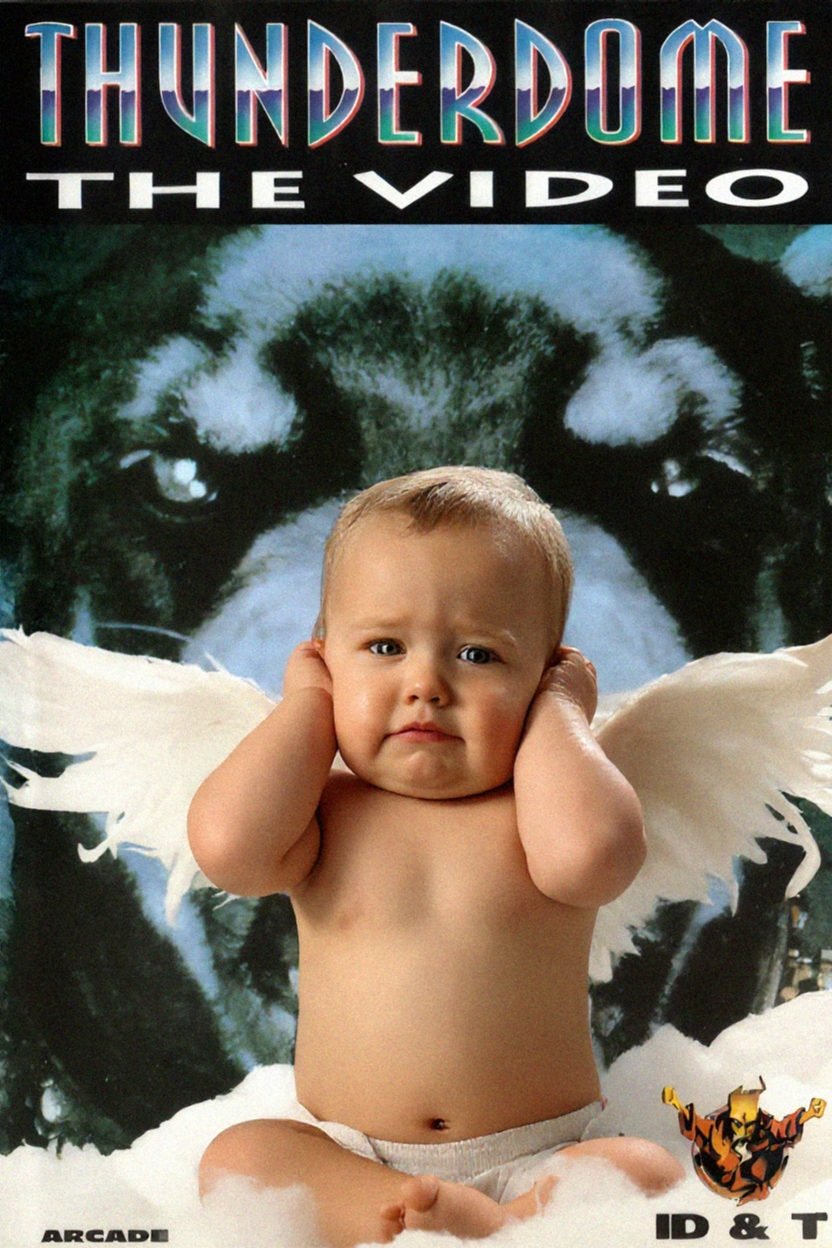
As noted on back-cover: "The 27th of November 1993 the Jaarbeurs Utrecht was the location of the biggest and most spectacular house event in European history. 20.000 Ravers, 160 K Sound, 500.000 Watts of Lights, 12 DJ's, 5 Live Acts and the famous Thunderdome Octopus. Witness the unbelievable "Wall Of Sound", hypnotizing lights, lasers, video effects and of course the Thundertruck."
Documentary about Haarlem.
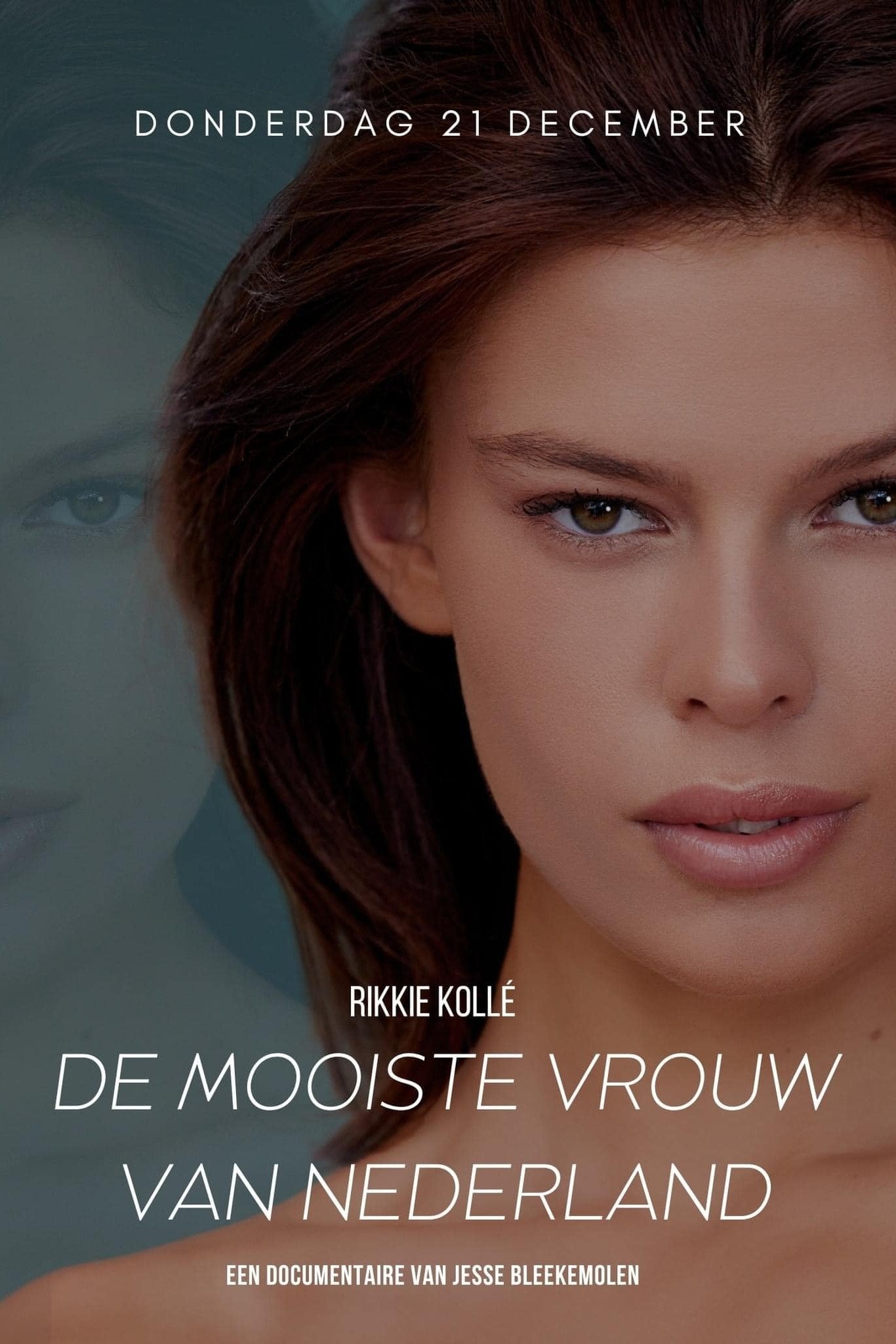
Rikkie Kollé will be the first trans woman to be crowned Miss Netherlands in July 2023. In addition to praise, 22-year-old Rikkie receives a remarkable amount of misunderstanding and hate reactions about herself. Fortunately, they have only strengthened her mission even more: being an example for young trans people and normalizing gender diversity. In a unique documentary, Miss Netherlands is followed on her way to the world stage in El Salvador where she is making a bid for the title of Miss Universe, with all the work, obligations and preparations that entails.
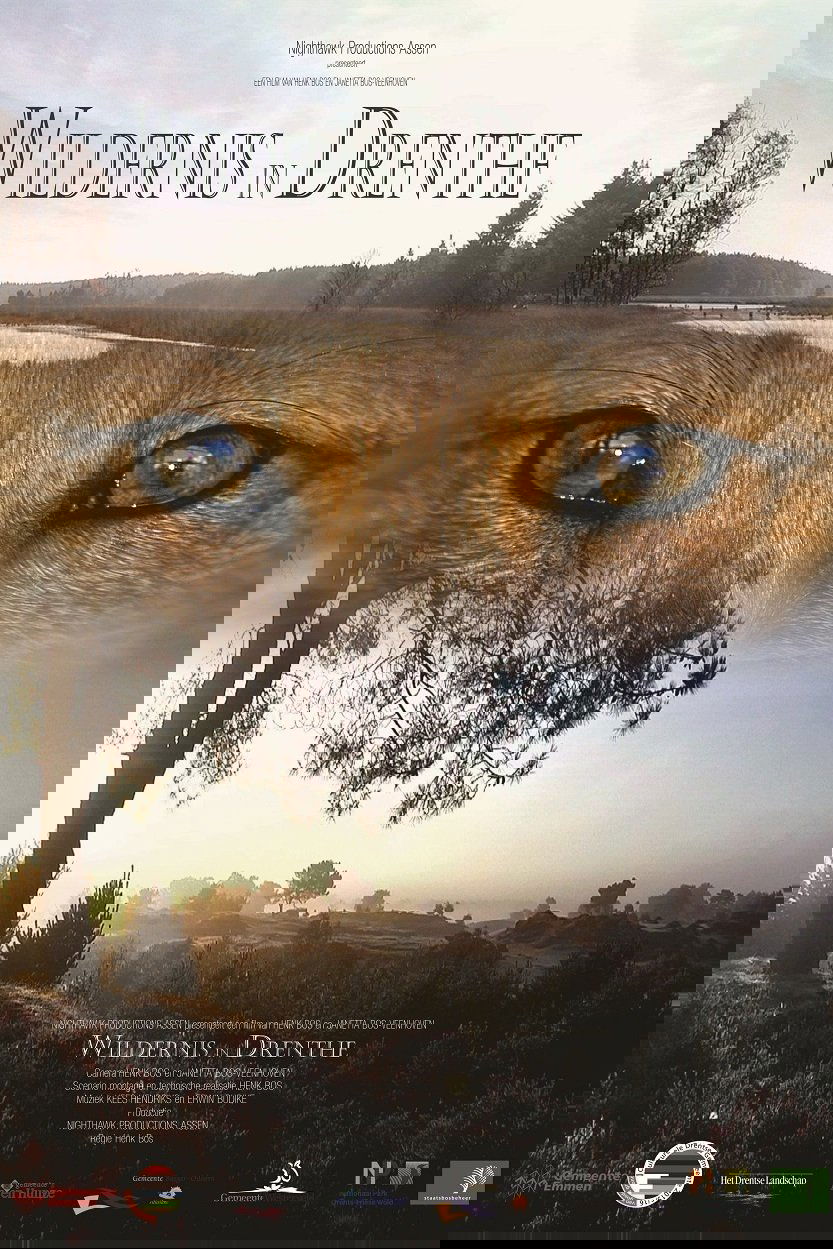
Nature documentary shot in the national park Drentsche Aa.
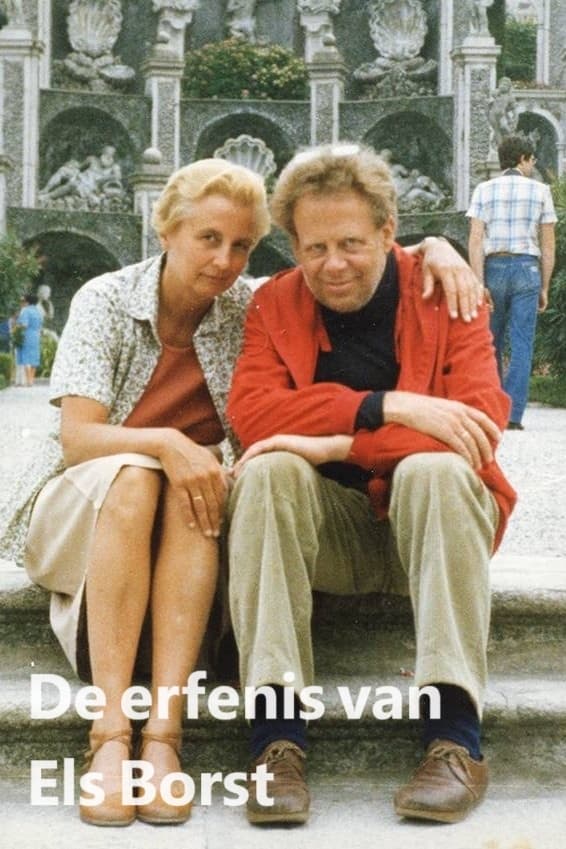
February 8, 2024 will mark ten years since Els Borst was murdered. This documentary highlights the remarkable career and life of the former Minister of Health, based on conversations with people who knew her well. It shows Borst's personal side and her impressive contribution to Dutch society. In addition to the successful cases, what were they encountering? How did Borst deal with political opposition? What did this do to her personally? The documentary provides a tangible image of Els Borst as a politician and a person, with attention to her legacy and the tragic end of her life.
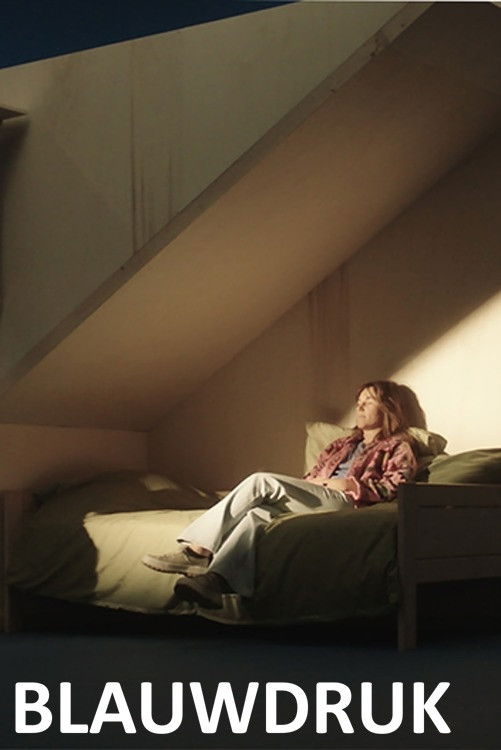
What if your father murdered your mother? Maeve, Roser, and sisters Perla and Aurora each lost their mother, their father, and their safe home in a single day. Director Sara Kolster, in collaboration with expert Perla Joy, tells their stories about that single day, about how it could happen, but especially about what came afterward. Using tape, they reconstruct the contours of their childhood home, as it was before it became a crime scene, even though it served as a blueprint of their childhood.
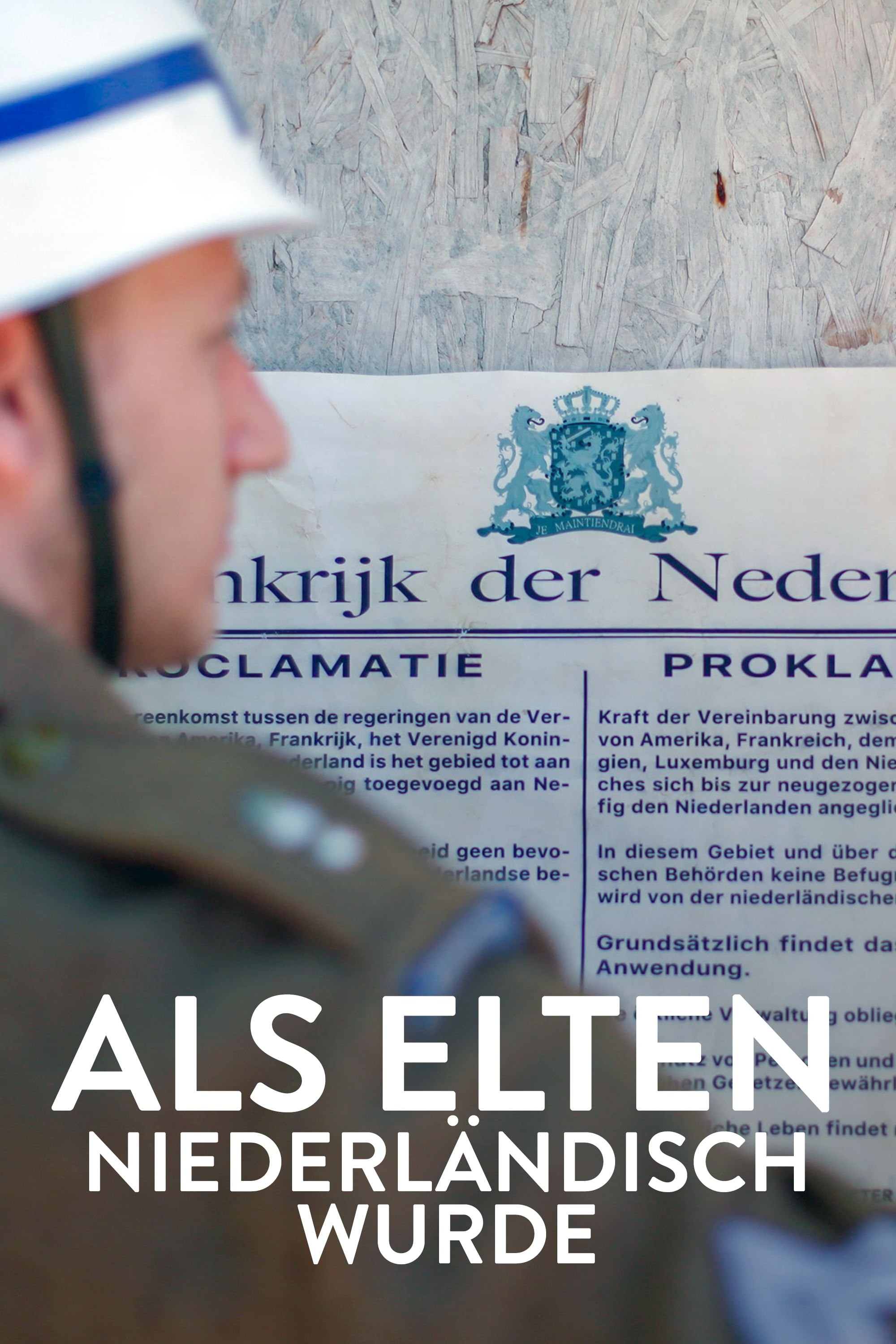
It is an unknown chapter of the German post-war history: On April 23rd, 1949, the kingdom of the Netherlands occupied German soil as a pledge for demanded war reparations. Part of the annexed territories was also the small municipality of Elten. While the people of Elten were initially afraid of the occupation, the time “with Holland” actually became a miracle of prosperity and economy about which many people from Elten still rave today. The occupation period ended with the largest organized smuggling in the history of the federal republic of Germany. The Documentary shows this in never before released 8 mm footage!
The documentary that answers the question: is having month-long double paid vacations, no fear of homelessness, and universal health care the nightmare we've been warned about? The answer may surprise you.
A documentary about the beautiful nature of Drenthe
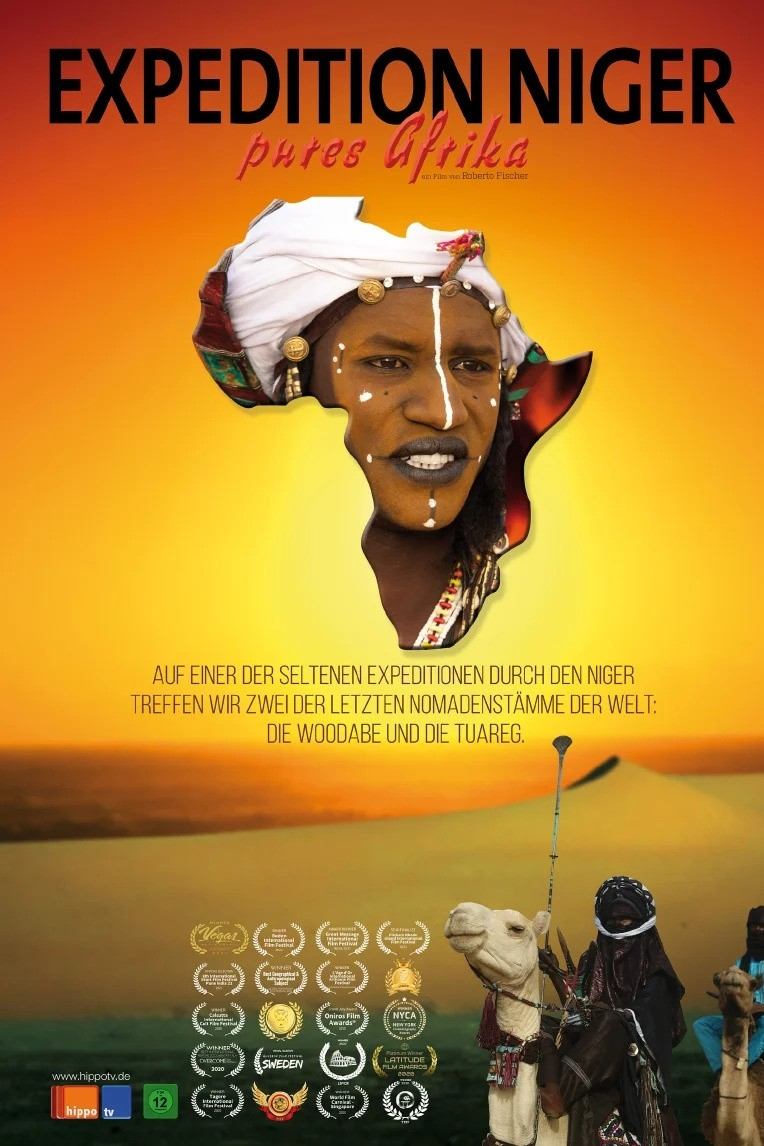
Niger is one of the poorest countries in the world and is also plagued by numerous terrorist organizations that repeatedly kidnap people. Accompanied by a military convoy, the travel group explores the country and the cultural traditions of two of the last nomadic tribes, the Woodabe and the Tuareg. From the capital Niamey in the southwest, the journey continues through the interior of the country to Iférouane, where the Nigerien tour guide provides information about the country and its people.
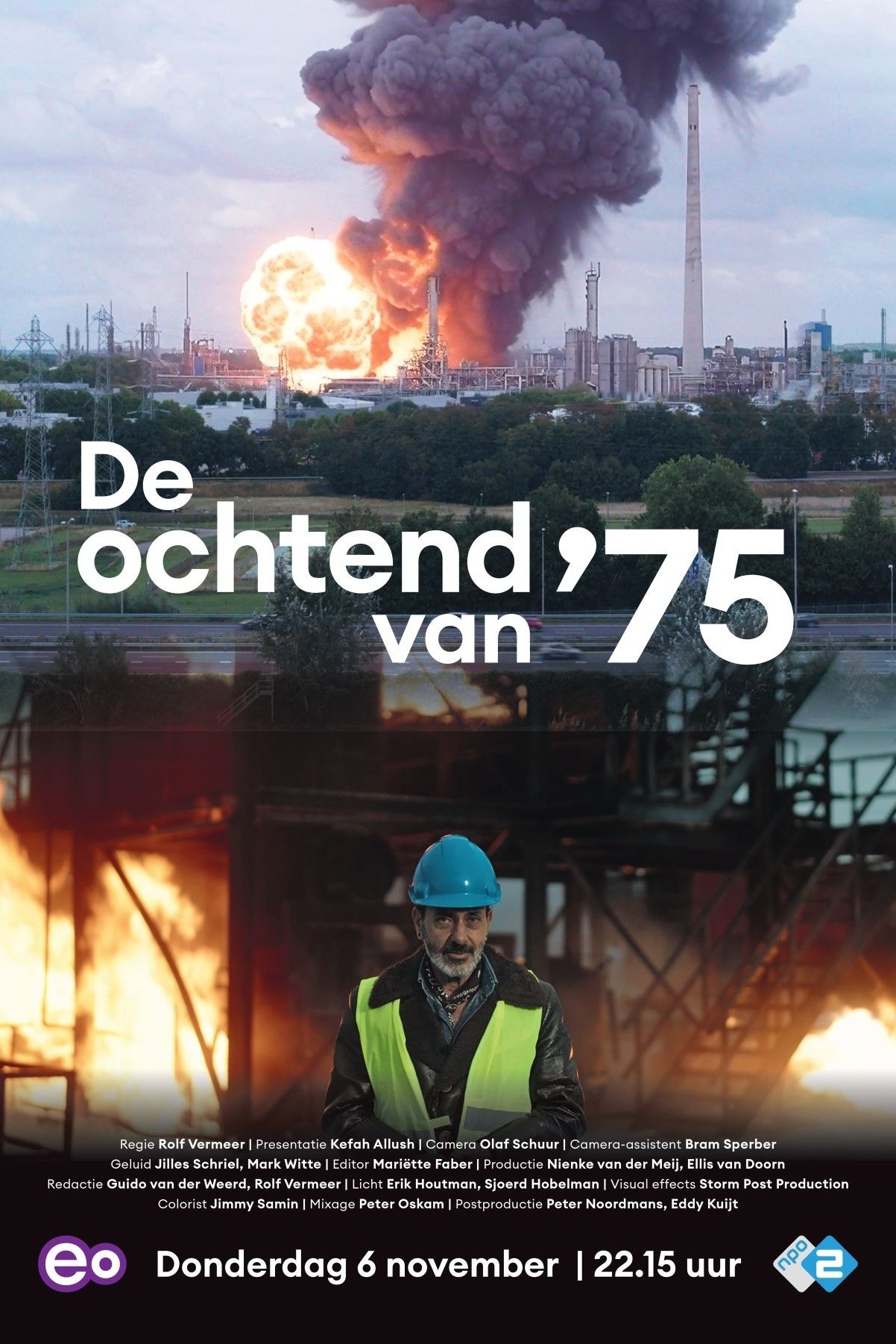
Friday, November 7, 2025, marks the fiftieth anniversary of the devastating explosion at the chemical company DSM in the Limburg town of Beek. Kefah Allush takes viewers back to this momentous day. The disaster is depicted through eyewitness accounts, personal memories, and impressive visualizations.
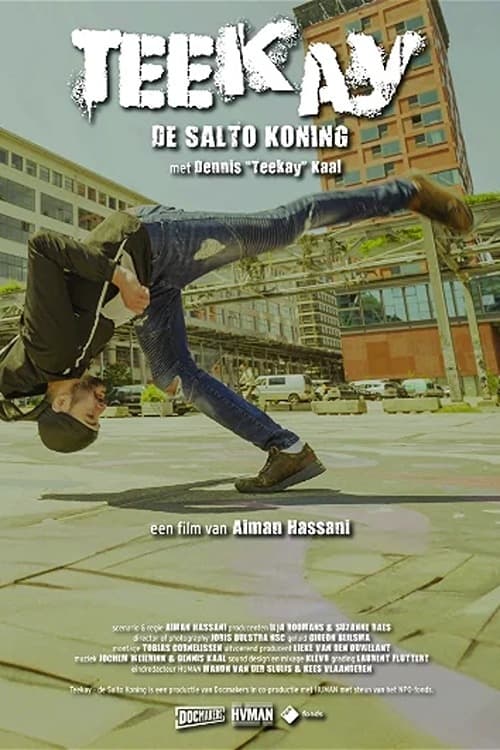
Rapper and breakdancer Teekay from Eindhoven is known for his somersaults and vlogs that are causing a stir. During the corona riots in 2021, he not only gained national fame as a vlog reporter, but also ended up briefly in jail. After his junior year, Teekay wants to change course and, above all, be an example for other young people. In the film he takes us into his life and talks about his childhood in foster homes, the mistakes he made and about his dreams. What is Teekay looking for?
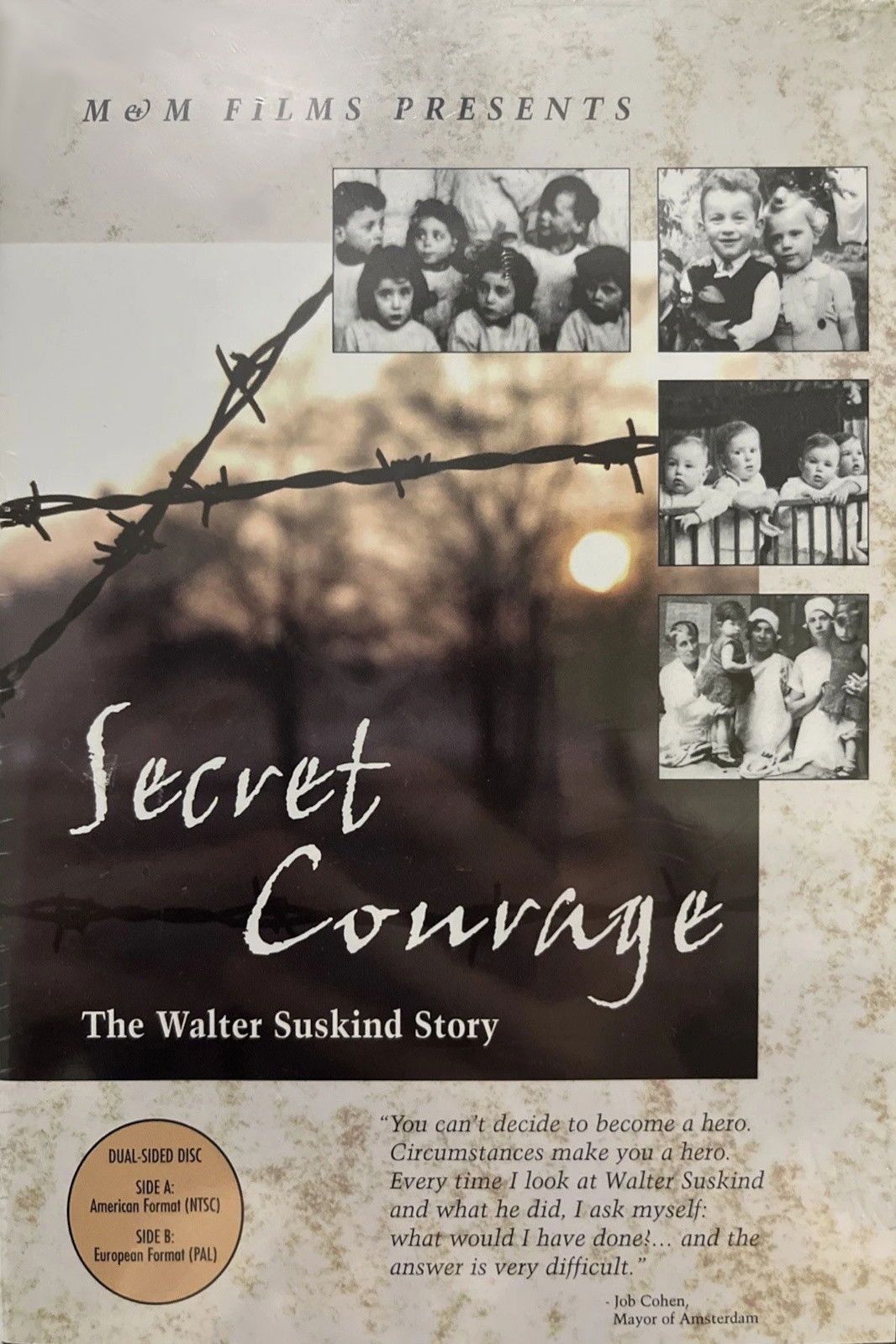
The Survivors of the WW2 Battle of Arnhem tell their stories of the brutal and exhausting conflict.
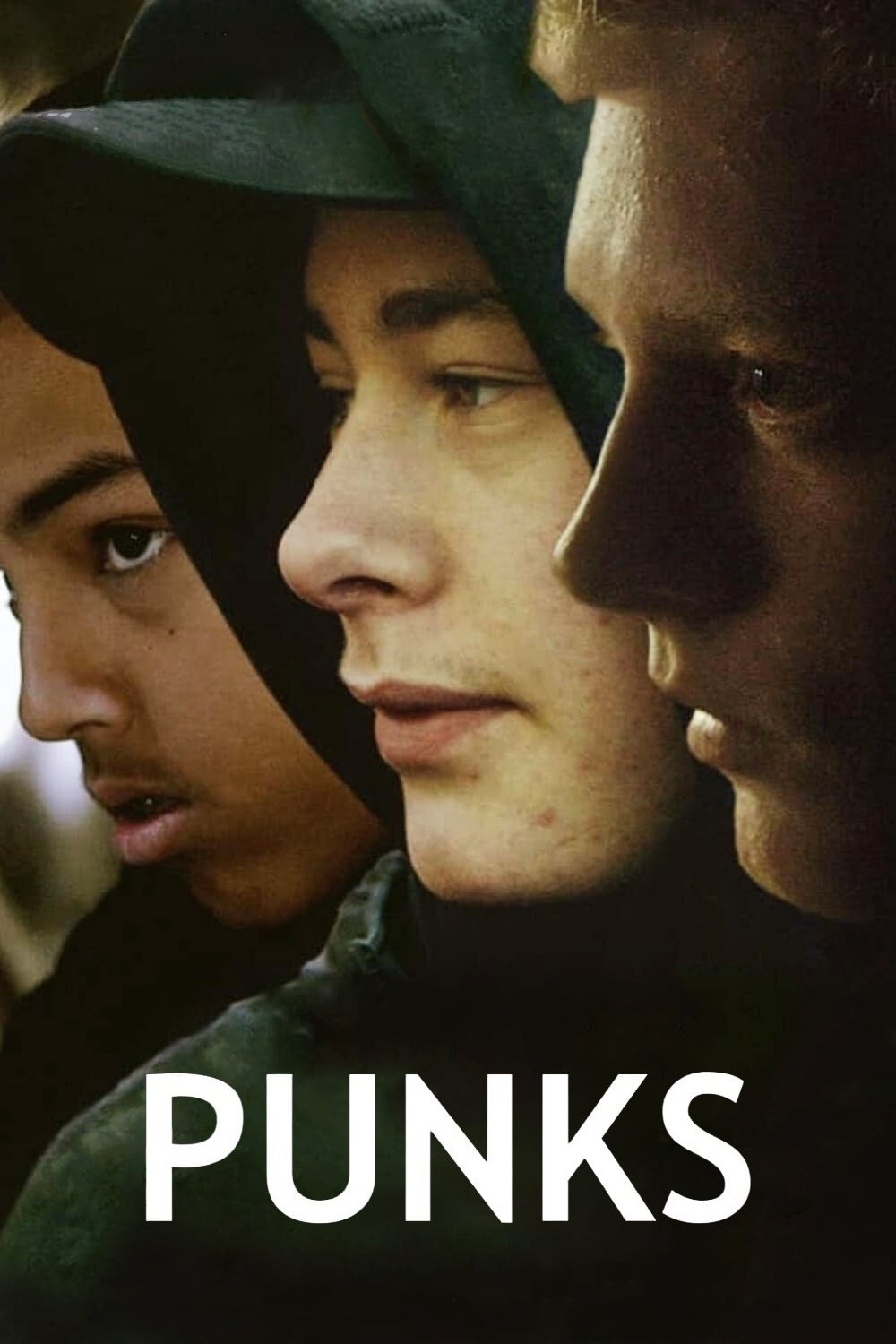
The parents are at their wits’ end, so a temporary supervision order is the last hope for a group of teenagers in Punks. Now, on a remote farm in France, they’re going to have to get their lives back on track, with the help of a counselor. If they want any chance of a happy life, they need to engage in some frank and painful conversations. Mitchel has to find a way to get along with his father, but maybe too much has already happened since his mother died. Jahlano is already at the next stage: he’s no longer allowed to live with his mother, and needs to get over the disappointment. Mike, meanwhile, is struggling with his image as a boy who’s “got a screw loose.” Filmed in constant close-up by director Maasja Ooms, the teenagers try to tame their demons with music and therapy, but problems from the past keep resurfacing. In this intimate and sincere portrait, these troubled kids show us their most vulnerable sides.
For months, the FBI have been investigating Russian interference in the American presidential elections. ZEMBLA is investigating another explosive dossier concerning Trump’s involvement with the Russians: Trump’s business and personal ties to oligarchs from the former Soviet Union. Powerful billionaires suspected of money laundering and fraud, and of having contacts in Moscow and with the mafia. What do these relationships say about Trump and why does he deny them? How compromising are these dubious business relationships for the 45th president of the United States? And are there connections with the Netherlands? ZEMBLA meets with one of Trump’s controversial cronies and speaks with a former CIA agent, fraud investigators, attorneys, and an American senator among others.
An inside look at one of the most anticipated movie sequels ever with James Cameron and cast.
A documentary about how a dominant cultural and demographic institution both sustains their traditional activities and adapts to the digital revolution.
A string of threatening emails escalates into a revenge plot involving a newly married US marshal and his ex-girlfriend.
Through deeply personal interviews with her siblings and an examination of the photographs, letters, and belongings left behind, Mariska assembles a new portrait of her mother Jayne Mansfield, an extraordinary and complex woman.
A night of drunken chaos rocks a quiet Dutch town in this shocking documentary about a teen's birthday invite that accidentally went viral on Facebook.
The Making-of James Cameron's Avatar. It shows interesting parts of the work on the set.
The life and career of an actor, artist, and icon. His own journey through his own camera.
This documentary focuses on the actors and their journey over two summers to create the remake to the original IT, by Stephen King. The documentary originally released as bonus material, bundled with IT: Chapter Two.
A documentary about the life and films of director John Ford.
A documentary about the making of season five of the acclaimed AMC series Breaking Bad.
The life of Mr. Spock, as well as that of Leonard Nimoy, the actor who played him for almost fifty years, written and directed by his son: Adam.
Using the book 'Fragments', which collects Marilyn Monroe's poems, notes and letters, and with participation from the Arthur Miller and Truman Capote estates who have contributed more material, each of the actresses will embody the legend at various stages in her life.
SEDUCED AND ABANDONED combines acting legend Alec Baldwin with director James Toback as they lead us on a troublesome and often hilarious journey of raising financing for their next feature film. Moving from director to financier to star actor, the two players provide us with a unique look behind the curtain at the world's biggest and most glamourous film festival, shining a light on the bitter-sweet relationship filmmakers have with Cannes and the film business. Featuring insights from directors Martin Scorsese, 'Bernando Bertolucci' and Roman Polanski; actors Ryan Gosling and Jessica Chastain and a host of film distribution luminaries.
Those who knew iconic funnyman John Candy best share his story, in their own words, through never-before-seen archival footage, imagery, and interviews.
From the heights of her modeling fame to her tragic death, this documentary reveals Anna Nicole Smith through the eyes of the people closest to her.
Journey into the extraordinary world of "The Witcher" — from casting the roles to Jaskier's catchy song — in this behind-the-scenes look at the series.
“Showrunners” is the first ever feature length documentary film to explore the fascinating world of US television showrunners and the creative forces aligned around them. These are the people responsible for creating, writing and overseeing every element of production on one of the United State’s biggest exports – television drama and comedy series. Often described as the most complex job in the entertainment business, a showrunner is the chief writer / producer on a TV series and, in most instances, the show’s creator. Battling daily between art and commerce, showrunners manage every aspect of a TV show’s development and production: creative, financial and logistical.
A visual montage portrait of our contemporary world dominated by globalized technology and violence.
Ranjit, a farmer in India, takes on the fight of his life when he demands justice for his 13-year-old daughter, the victim of a brutal gang rape. His decision to support his daughter is virtually unheard of, and his journey unprecedented.
BBC Arena's documentary on the Dames of British Theatre and film featuring Maggie Smith, Eileen Atkins, Judi Dench and Joan Plowright on screen together for the first time as they reminisce over a long summer weekend in a house Joan once shared with Sir Laurence Olivier.