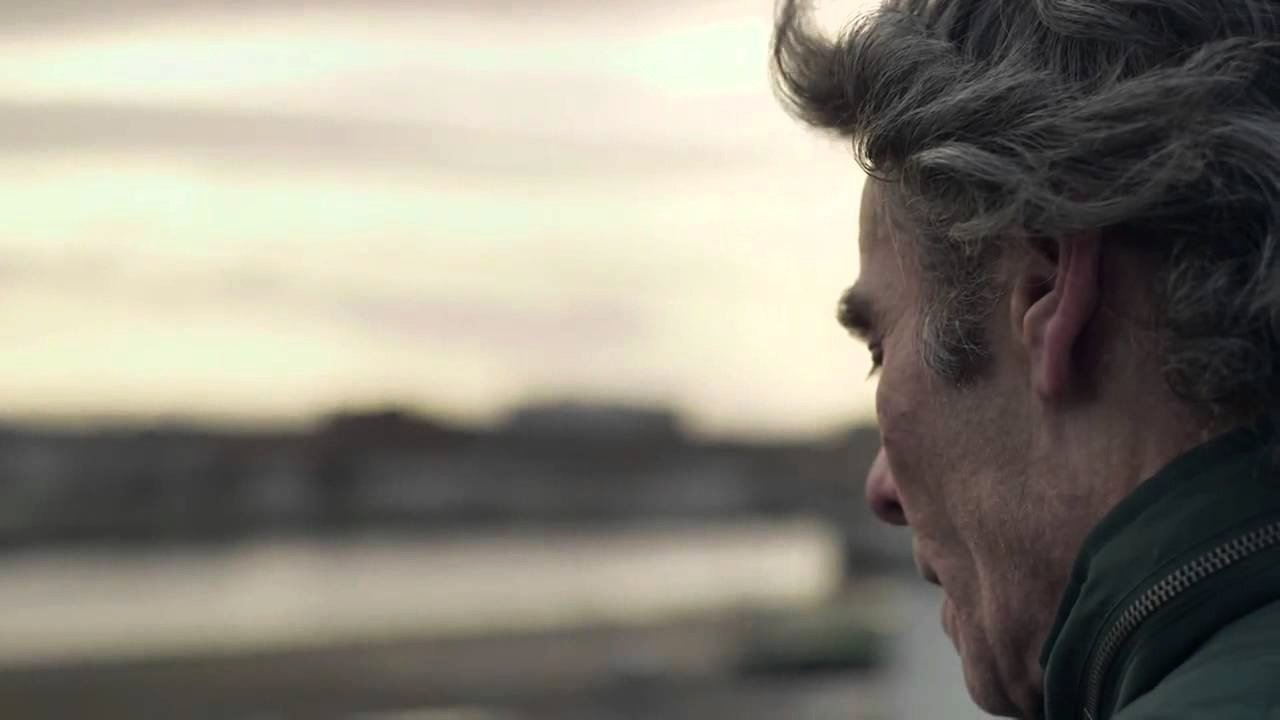
Robert, an ex-shipyard welder from Govan in Glasgow, reflects on how his experiences have influenced his compulsion to write.
Social & External
Himself
Found memories decayed by the shock patterns of childhood trauma. This films is made mostly with footage found in the bin of an ophanage. The white progressivelly disolve within a darknest more and more dense. Faces progressivelly disolves within one another.
Filmed at the time Hockney was painting Mr and Mrs Clark and Percy, Portrait of David Hockney is made up of a limited number of shots, observing the periphery details of his flat and studio. Each view is held so as to focus on its particular qualities and composition and, with the accompanying soundtrack of off-screen phone calls, conversations and musings, builds up a picture of Hockney’s daily life.
No Ward is a short documentary about the forced migration of New Orleans residents to cities in Texas. The film juxtaposes the migrations that occurred as a result of Hurricane Katrina in 2005, and Hurricane Gustav in 2008.
This short documentary examines the complex range of issues affecting urban transport in developing countries. After examining cost and available technology, as well as the different needs of the industrialized middle class and the urban poor, the film proposes some surprising solutions.
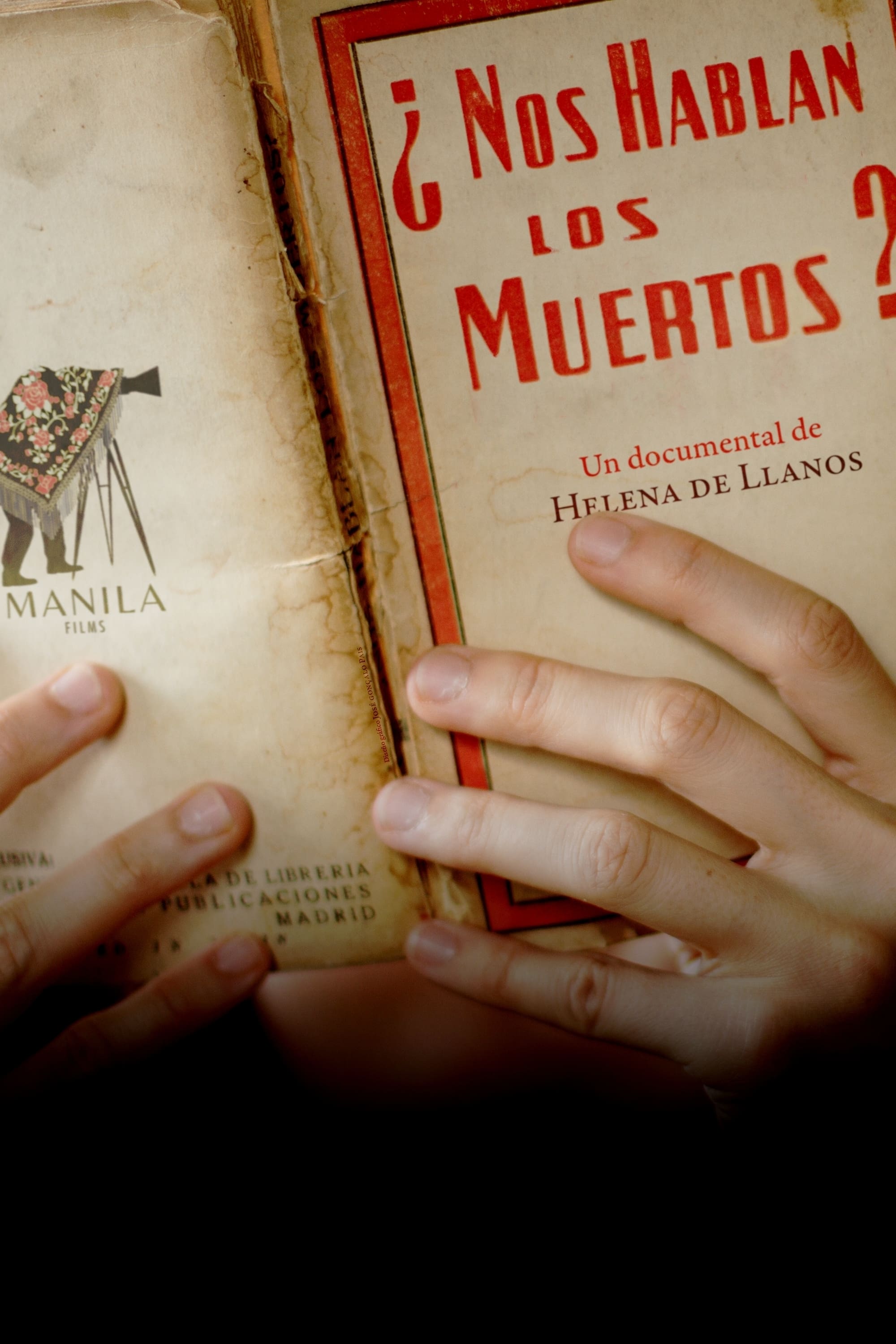
Filmmaker Helena de Llanos, who lives in the chaotic house, full of memories and treasures, where her grandfather, Fernando Fernán Gómez (1921-2007), legendary writer, actor and director; and his wife, the actress and writer Emma Cohen (1946-2016), shared their lives, analyzes the relationship that the living have with the dead through the places and objects they have left behind.
A series of ten shots, three minutes in length, of various locales in Munich.
"Labyrinth" is a groundbreaking multi-screen 45-minute presentation produced for Chamber III of the Labyrinth at Expo 67 in Montreal, using 35 mm and 70 mm film projected simultaneously on multiple screens. A film without commentary in which multiple images, sometimes complementary, sometimes contrasting, draw the viewer through the different stages of a labyrinth. The tone of the film moves from great joy to wrenching sorrow; from stark simplicity to ceremonial pomp. It is life as it is lived by the people of the world, each one, as the film suggests, in a personal labyrinth. Re-released in 1979 as "In the Labyrinth" by the National Film Board of Canada in a 21-minute single projection format.
A film about the consequences of leaving an all-consuming way of life. Three people born and raised in the Unification Church (a cult formed in Korea in the 1950s), all having left the Church in their adulthood, examine their experiences within and without the cult that defined their entire universe.
A young girl is trying to relate to her grandmother's death which quickly becomes more than a personal loss.
An elderly stunt performer travels to The Arctic Circle to meet the real Santa Claus. Filmed in 1997.
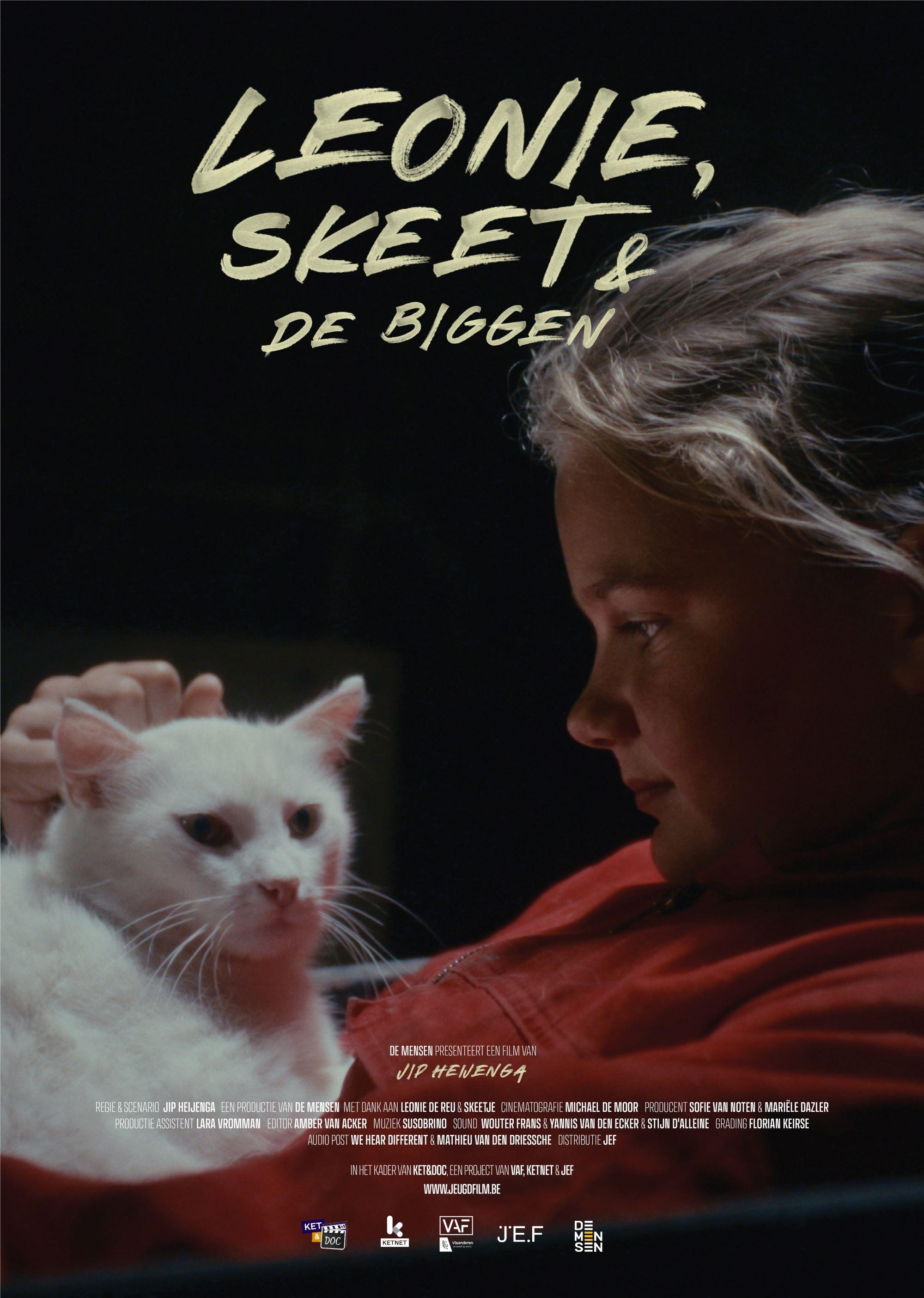
Leonie’s dream is to become a pig farmer, just like her parents. She wanders happily around the farm, helping out in any way possible. She tends to the pigs, and is present from the fertilisation of the sows to the moment the truck leaves for the slaughterhouse. The family farm teaches her about the circle of life. However, new laws on nitrogen emissions have undermined the economic viability of the farm, and bankruptcy looms. Together with her cat Skeet, Leonie watches the last pigs disappear from the farm, and she realises that her dream of becoming a pig farmer might not come true.
Listen to the sound of the waves, the turtles, all these lamps; many personal emotions and sensations.
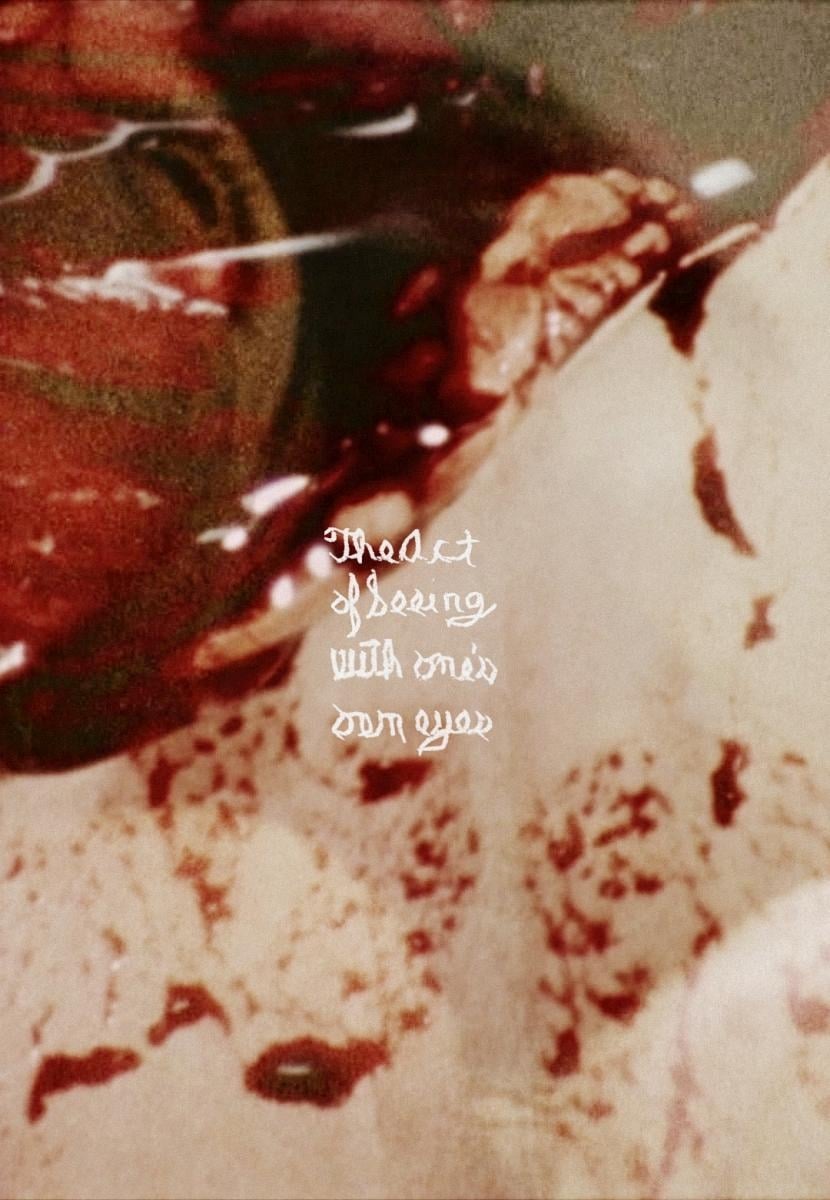
At a morgue, forensic pathologists conduct autopsies of the corpses assigned. "S. Brakhage, entering, WITH HIS CAMERA, one of the forbidden, terrific locations of our culture, the autopsy room. It is a place wherein, inversely, life is cherished, for it exists to affirm that no one of us may die without our knowing exactly why. All of us, in the person of the coroner, must see that, for ourselves, with our own eyes. It is a room full of appalling particular intimacies, the last ditch of individuation. Here our vague nightmare of mortality acquires the names and faces of OTHERS. This last is a process that requires a WITNESS; and what 'idea' may finally have inserted itself into the sensible world we can still scarcely guess, for the CAMERA would seem the perfect Eidetic Witness, staring with perfect compassion where we can scarcely bear to glance." – Hollis Frampton
Replacing a century-old rail tunnel at Woodhead, co-ordinated road haulage services in Argyllshire, Whitemoor freight marshalling yeard, Bristol bus services and the Calais to Dover cross-channel ferry: these are the subjects of this early BTF production covering a world of transport co-ordination now largely vanished.
The City of Sheffield is renewing itself, but until recently Sheffield's railway network exemplified the confusion and inefficiency created by competitive railway expansion in Victorian times. Now British Railways has swept away the small depots and the conflicting lines, and has centralised its goods operations in a new Freight Terminal, a Diesel Maintenance Depot, and one of the most modern Marshalling Yards in Europe, thus providing freight services fit for Sheffield's needs.
Aspects of the precision and drama of locomotive manufacture, composed to form a lively pattern in picture and sound.
In the cities of Britain we can travel in time as well as space. This film chooses the England of Hogarth, Gainsborough, Robert Adam and Captain Cook. As the camera moves across outstanding monuments of their work and relics of their achievements from Syon House to Greenwich, members of the Old Vic Company speak appropriate passages from the literature of the mid-eighteenth century. The musical score was specially composed by the late Sir Arnold Bax.
Describes the activities of the Appleby-Frodingham Steel Company in Scunthorpe, the largest unit in the United Steel group.
In a rolling area of Syria, the villagers live their everyday life, in toil and poverty. Trapped between the hardships of farming, religious and political ideologies, they barely survive. Their children are the only ones that are still full of hope. They imagine their future lives and picture themselves as doctors or engineers. But these are pipe dreams. All they can actually look forward to is farming the land with primitive tools like their parents, getting a menial job in the city or becoming brainwashed soldiers..