Social & External
The people behind it
Mart Port
Himself
Dmitri Bruns
Voldemar Herkel
Ike Volkov
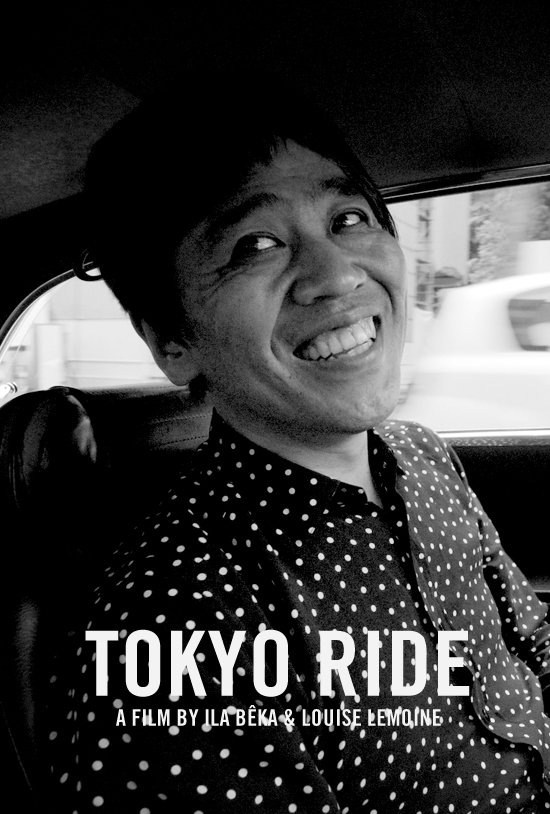
Revisiting the genre of the road movie in a very diaristic and personal way, the film takes us on board architect Ryue Nishizawa’s vintage Alfa Romeo (Giulia) for a day long wandering in the streets of Tokyo.
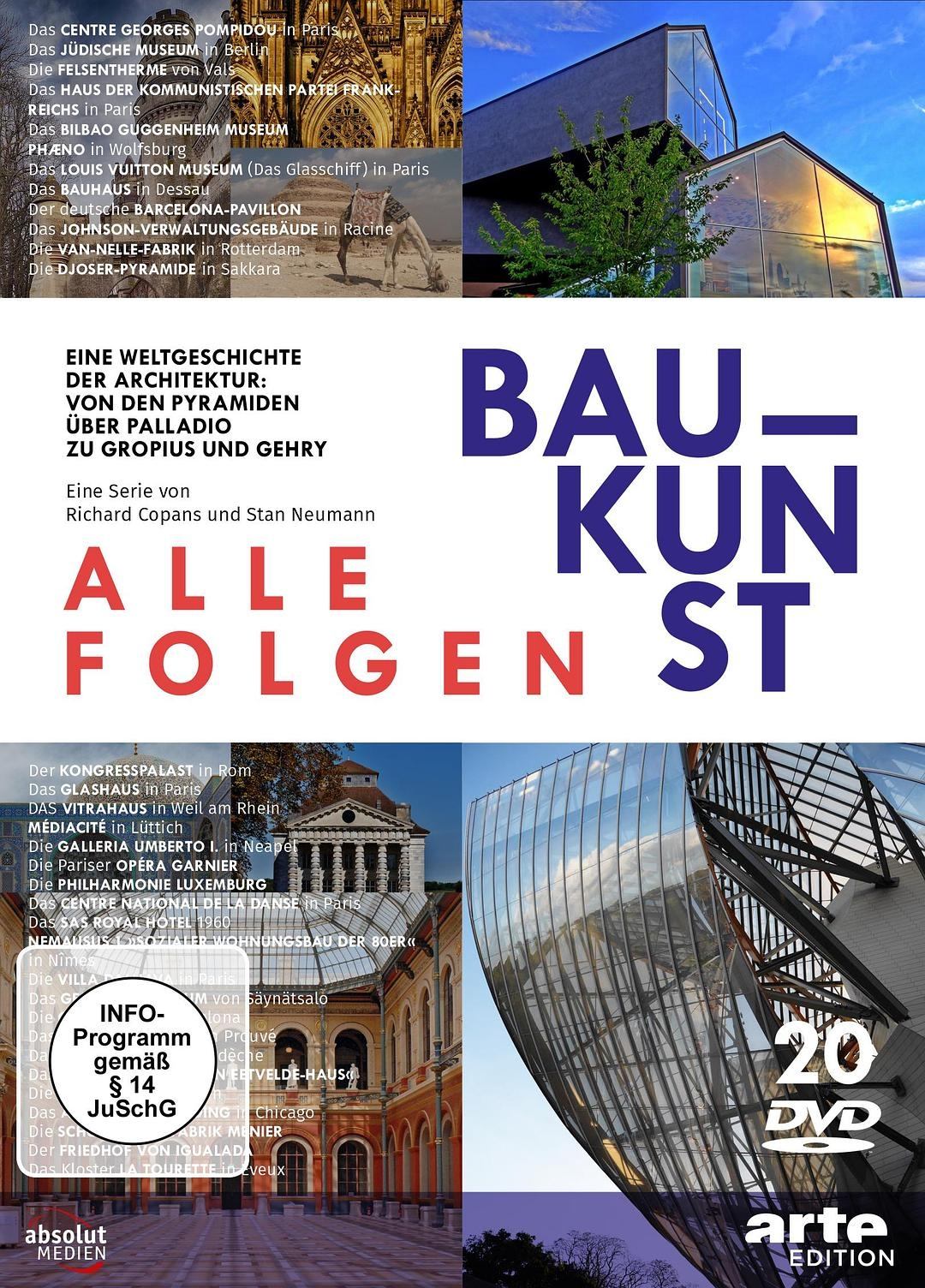
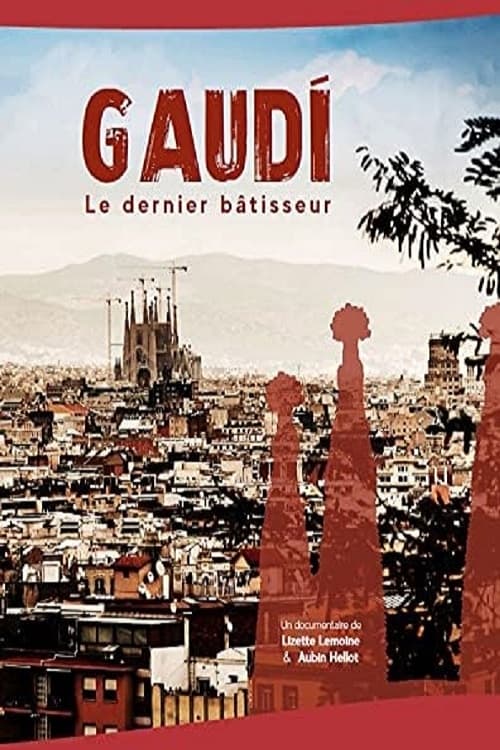
One building, one great Architect: astonishing insights into the architecture of the 19th century and the most ambitious architectional projects of Modern Art and pomo are combined with rare material from archives, models, several blueprints, 3D-Animations and dialogs with the greates architects of our time.
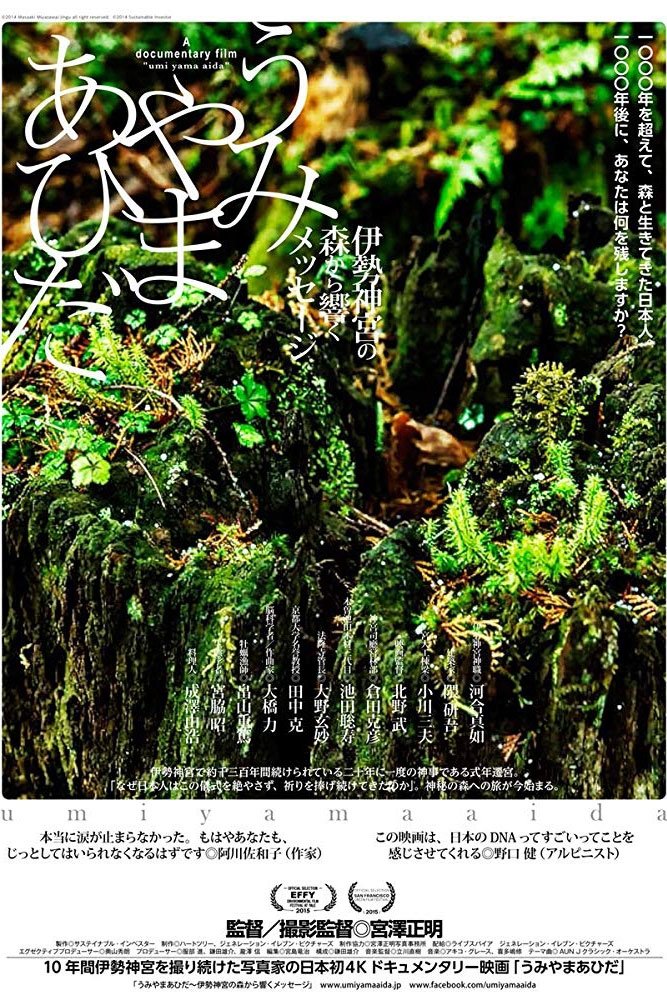
Finding their place between the forest and the sea, the Japanese have always felt awe and gratitude toward Nature. Since ancient times, they have negotiated their own unique relationship with their natural surroundings. Acclaimed photographer Masa-aki Miyazawa discovered the essence of that ancient way of living in Ise Jingu, Japan’s holiest Shinto shrine. Inspired by the idea of sending a message to the future in the same way this ancient shrine keeps alive the traditions of the past, Miyazawa used an ultra-high resolution 4K camera to create a breathtaking visual journey linking the Ise forest with other forests throughout Japan.
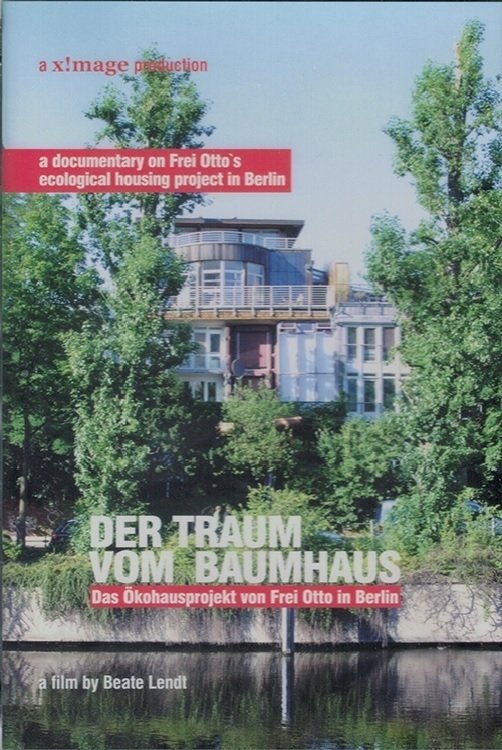
A film about the pioneering community-building project of the world-famous architect Frei Otto in Berlin, called the Okohaus-an experimental, ecological, customized housing project in the city center. Including interviews with Frei Otto, Christine Kanstinger-Otto, Hermann Kendel, Yona Friedman, Anne Lacaton and Jean-Philippe Vassal, and other involved architects, planners, and inhabitants, the film shows the development and the philosophy of the project, which was built for the International Building Exhibition in Berlin 1987 (IBA).
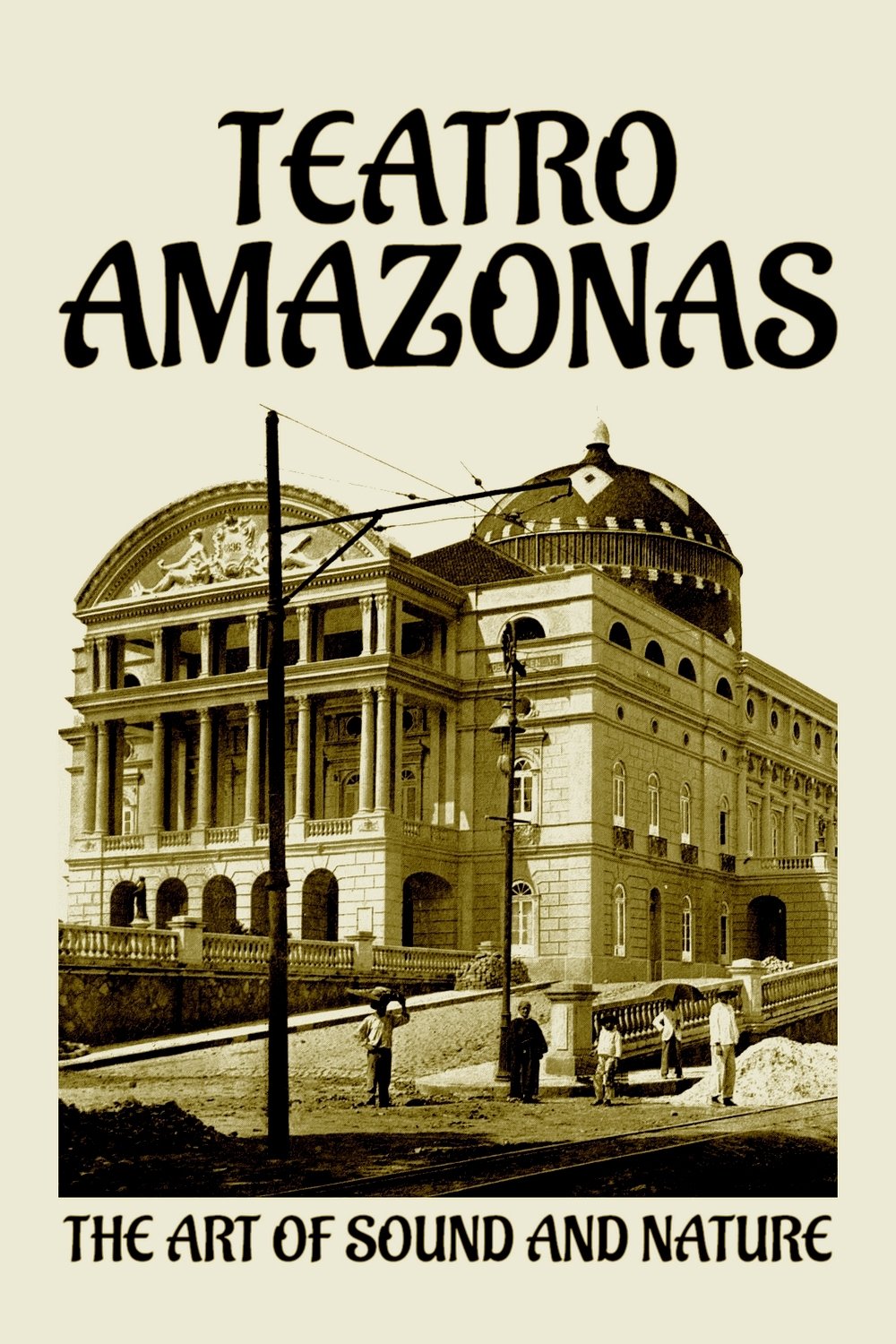
The history of the Teatro Amazonas in Manaus, an opera house located in the middle of the Amazon rainforest, whose construction, between 1884 and 1896, depended on the labor exploitation of the local indigenous populations, provides an insight into the cultural, social and political situation in Brazil.
Kingdom of Granada, al-Andalus, 14th century. After recognizing that his land, always under siege, is hopelessly doomed to be conquered, Sultan Yusuf I undertakes the construction of a magnificent fortress with the purpose of turning it into the landmark of his civilization and his history, a glorious monument that will survive the oblivion of the coming centuries: the Alhambra.
Dresden is famous for its attempt to meticulously reconstruct its once bombed-out historical center and bring the colorful baroque settings of the 18th century back to life. It’s infamous for the right-wing-surge that has since 2015 swept the city and made it a center of far-right activity in Germany and Europe. This film is an exploration of where the two intersect.
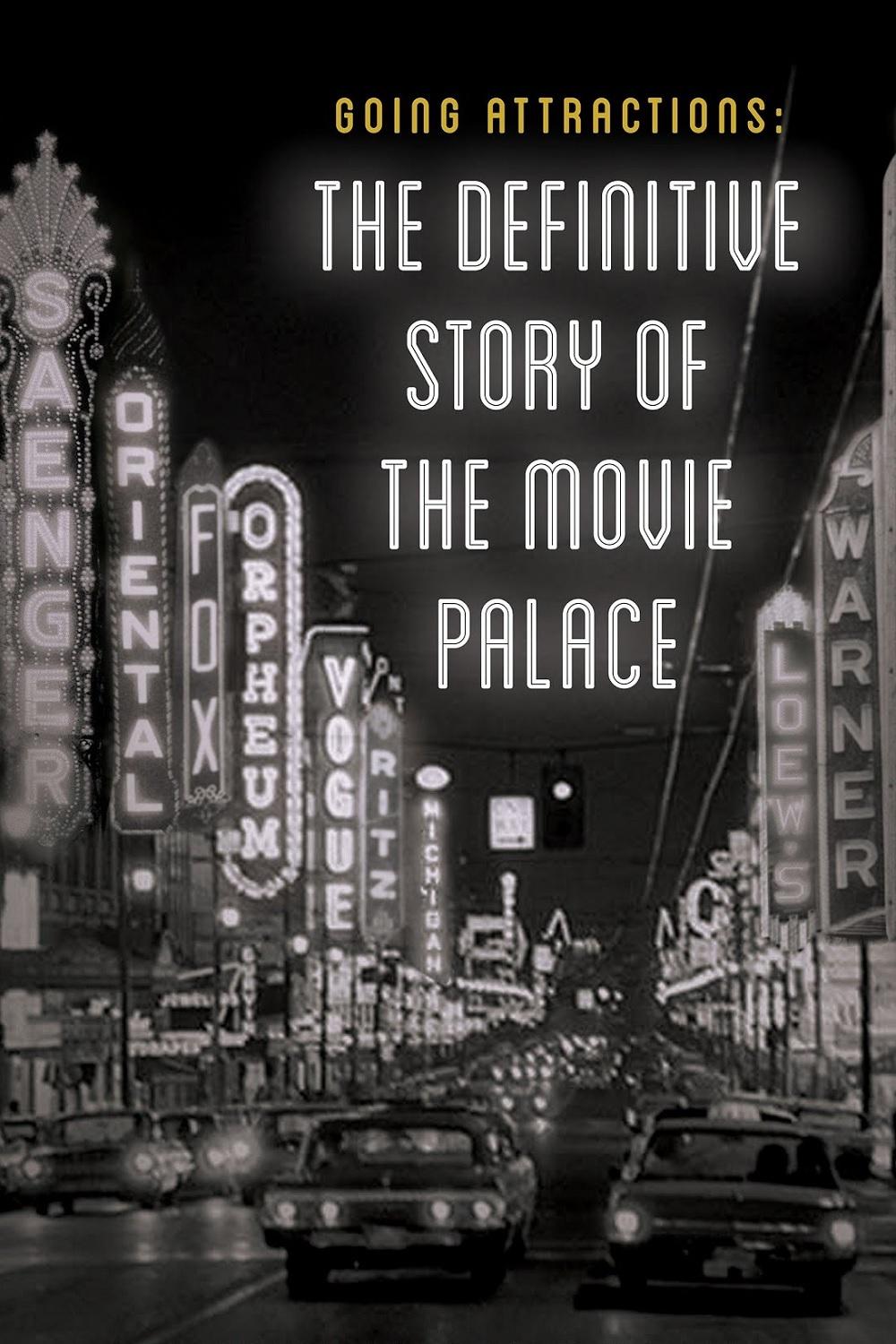
Celebrating the splendor and grandeur of the great cinemas of the United States, built when movies were the acme of entertainment and the stories were larger than life, as were the venues designed to show them. The film also tracks the eventual decline of the palaces, through to today’s current preservation efforts. A tribute to America’s great art form and the great monuments created for audiences to enjoy them in.
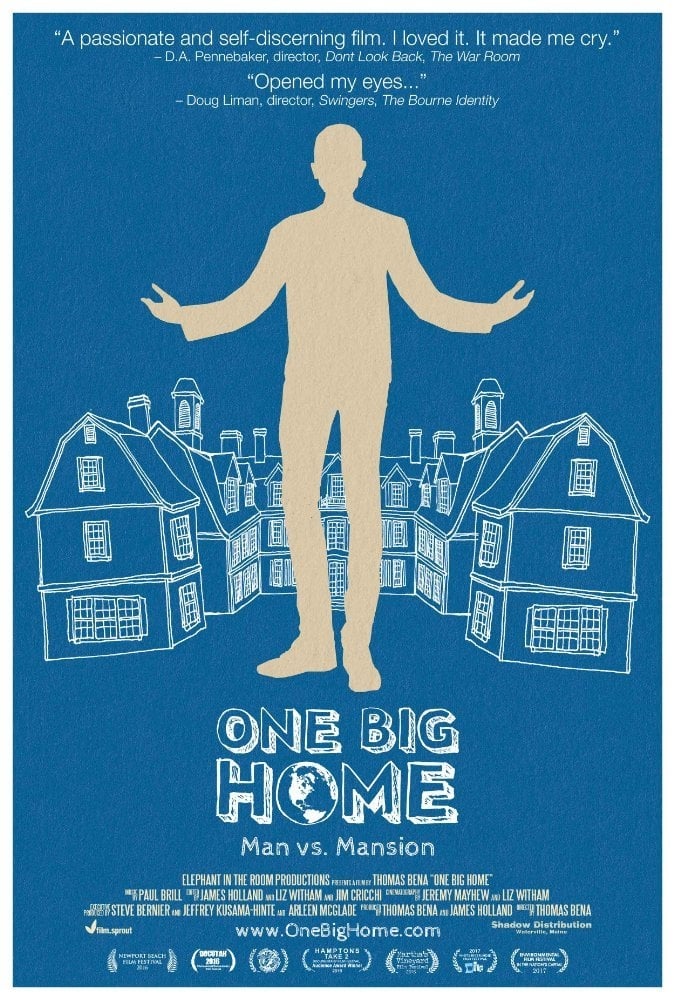
On the tiny island of Martha's Vineyard, where presidents and celebrities vacation, trophy homes threaten to destroy the islands unique character. Twelve years in the making, One Big Home follows one carpenters journey to understand the trend toward giant houses. When he feels complicit in wrecking the place he calls home, he takes off his tool belt and picks up a camera.
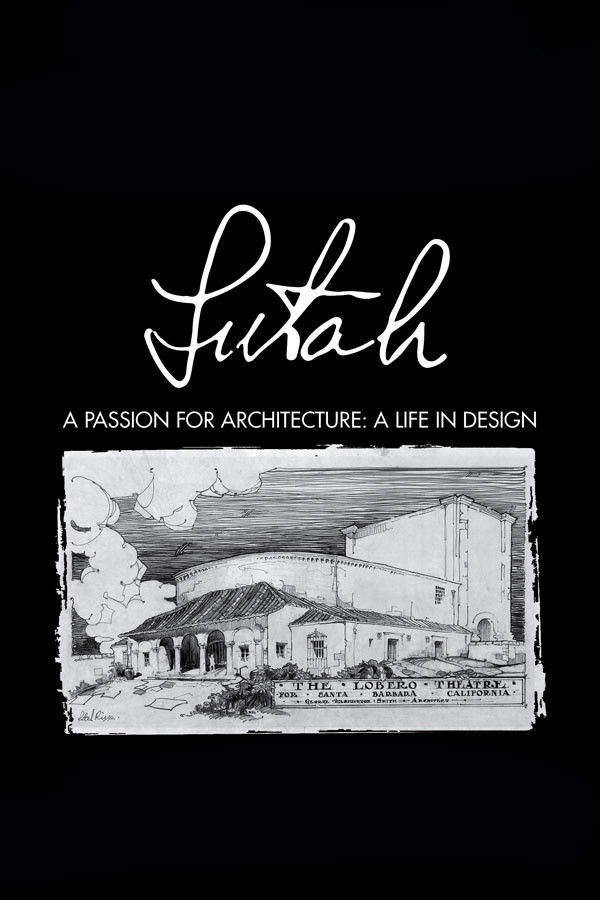
Lutah explores the life of Lutah Maria Riggs, an forgotten architect who had a major impact on the development of Southern California.
A short film about traditional crafts and culture that can still be found in the Wallachian mountains today.
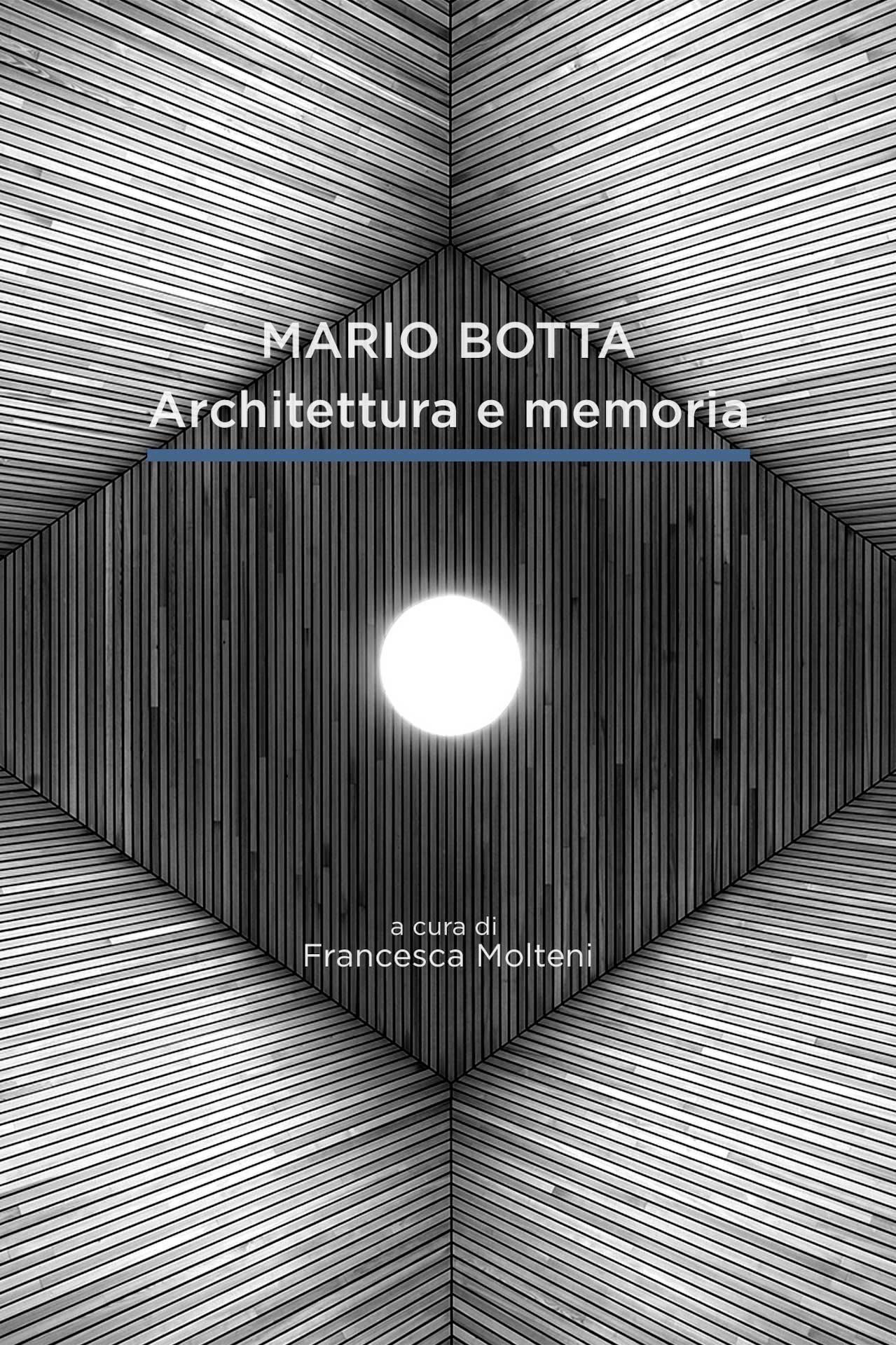
The film arose from an encounter with Mario Botta during the 2013 Architecture and Memory exhibit held at the Charlotte, North Carolina Bechtler Museum of Modern Art which was designed by the architect. The exhibit gathered and then proposed to the public the Swiss architect’s most significant projects spanning the gamut from his first single-family homes, original expressions of the School of Ticino, to his large public buildings, libraries, theatres, museums, churches and synagogues which have been built across the globe and features more than 90 works. The film is a dialogue on the themes which characterize Mario Botta’s vision and practice: his relationship with history and the territory, the designing of collective spaces, encounters with the leading protagonists of the 20th century. The interview, conducted in Mario Botta’s studio in Mendrisio, is replete with photographic materials, designs and sketches which document his “spaces of memory”.
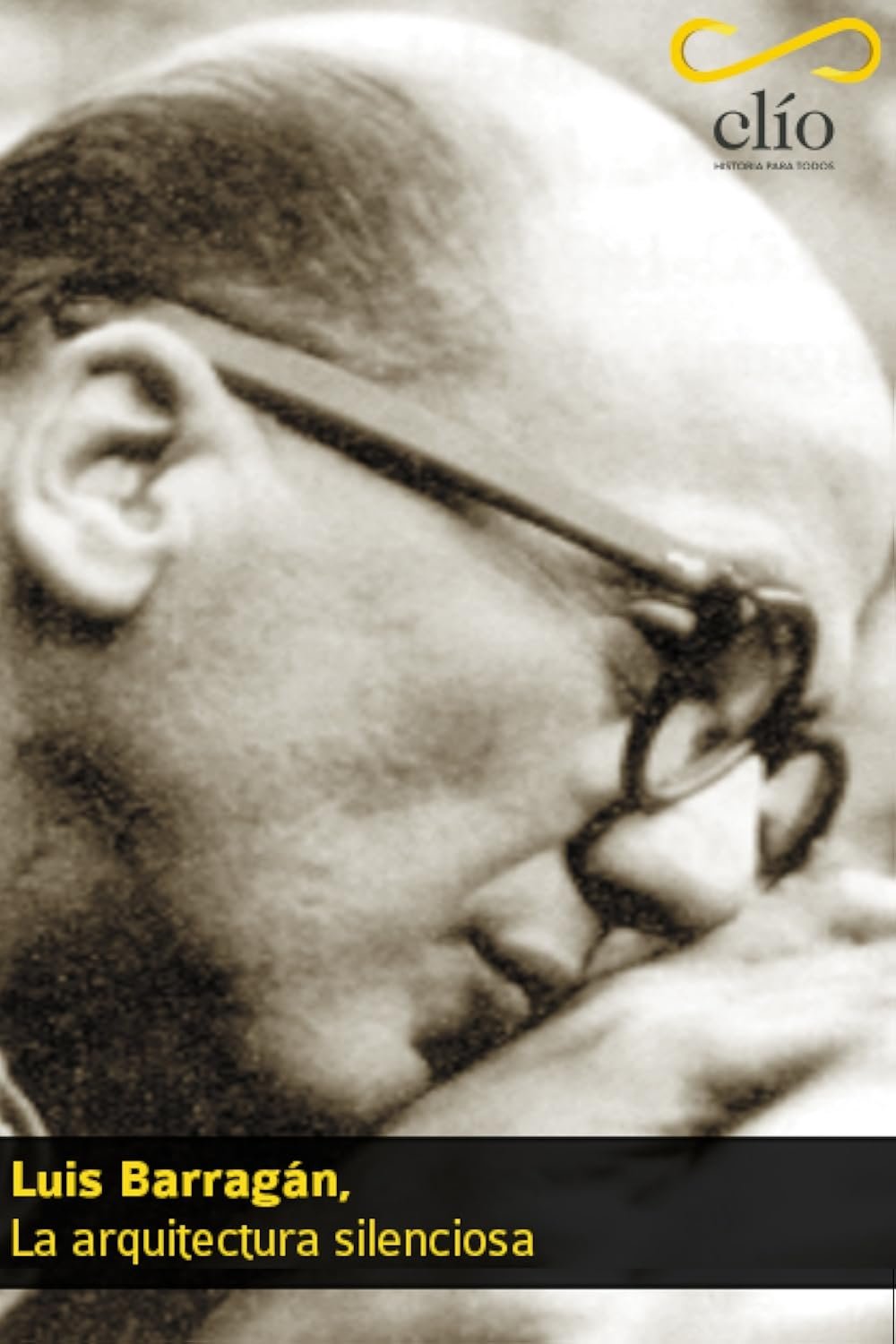
Luis Barragán (1902- 1988) is considered to be one of the greatest contemporary architects and one of the principal figures of twentieth-century international architecture. Since 1980, when he was granted the Pritzker Prize - the "Nobel Prize" of architecture - the poetry of his architectural language garnered vast international attention. This genius of architecture and design has forged an original style that is unmistakably Mexican and yet universal at the same time.
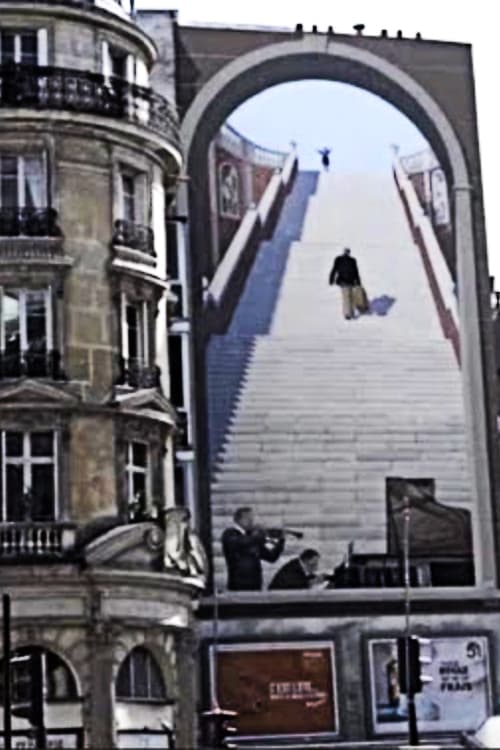
A look at contemporary Paris through the lens of theories and ideologies of the past two centuries, with a particular focus on the utopian socialist ideas of Charles Fourier.
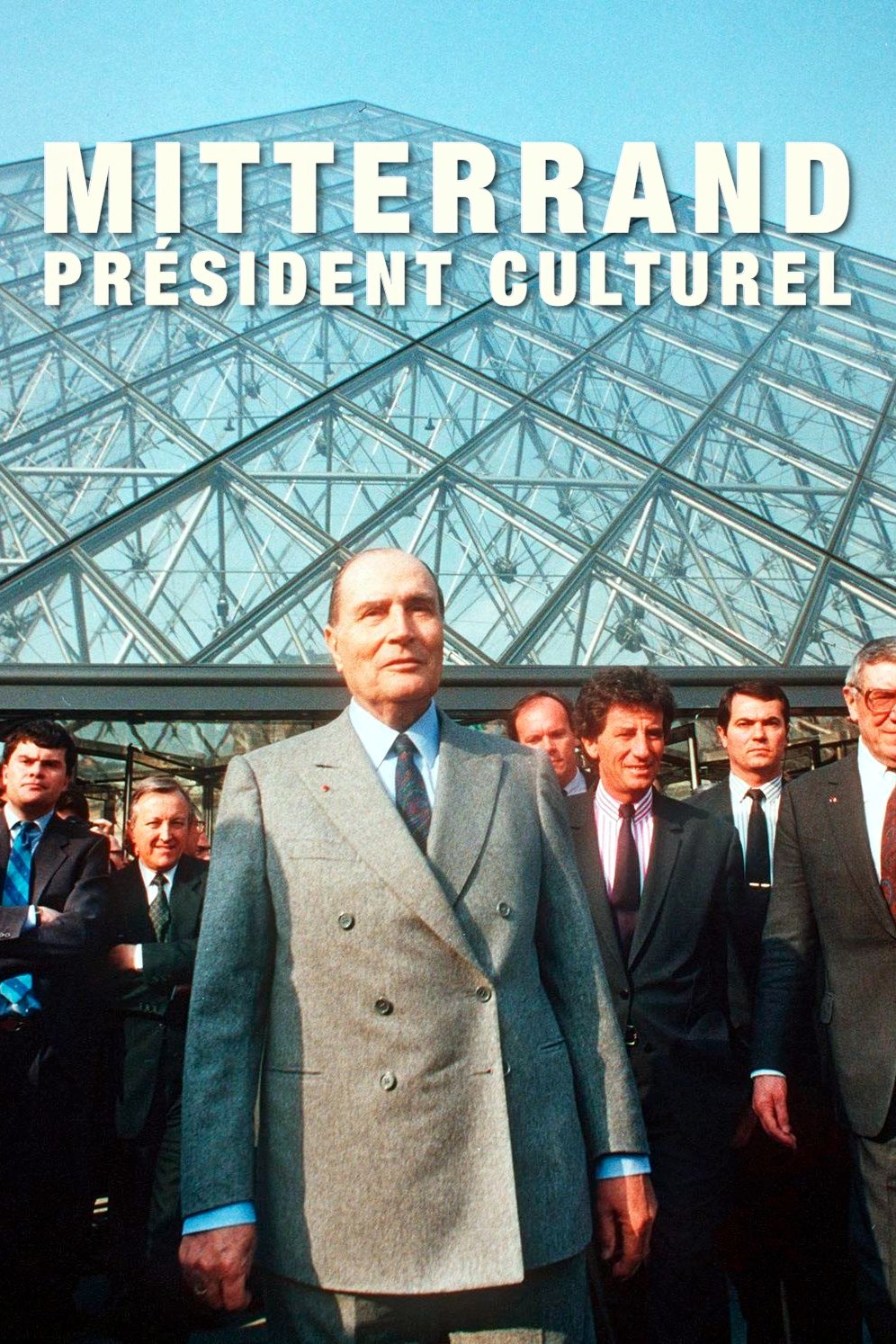
On the occasion of the fourty years anniversary of François Mitterand's election, a look back to the relationship between the President and artists, from admiration to manipulation.
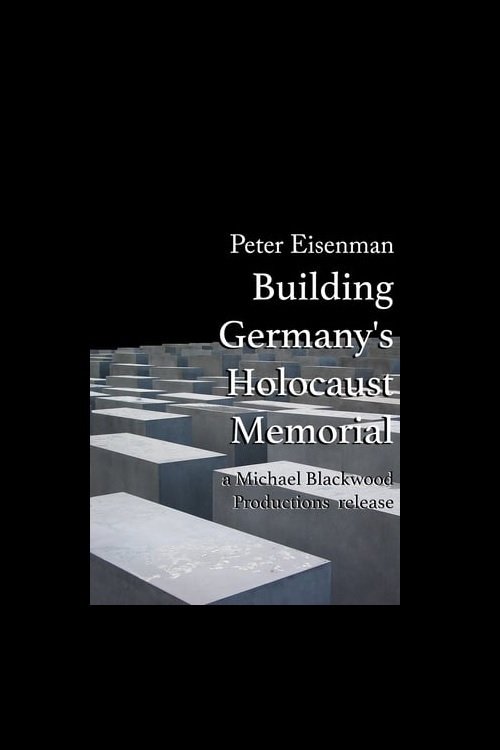
This documentary explores the creation of the Holocaust Memorial in Berlin as designed by architect Peter Eisenman. Reaction of the German public to the completed memorial is also shown.
A documentary about the life and films of director John Ford.
A string of threatening emails escalates into a revenge plot involving a newly married US marshal and his ex-girlfriend.
In an intimate and joyful story of love in the face of loss, celebrated poets Andrea Gibson and Megan Falley find strength—and unexpected hilarity—in what might be their final year together.
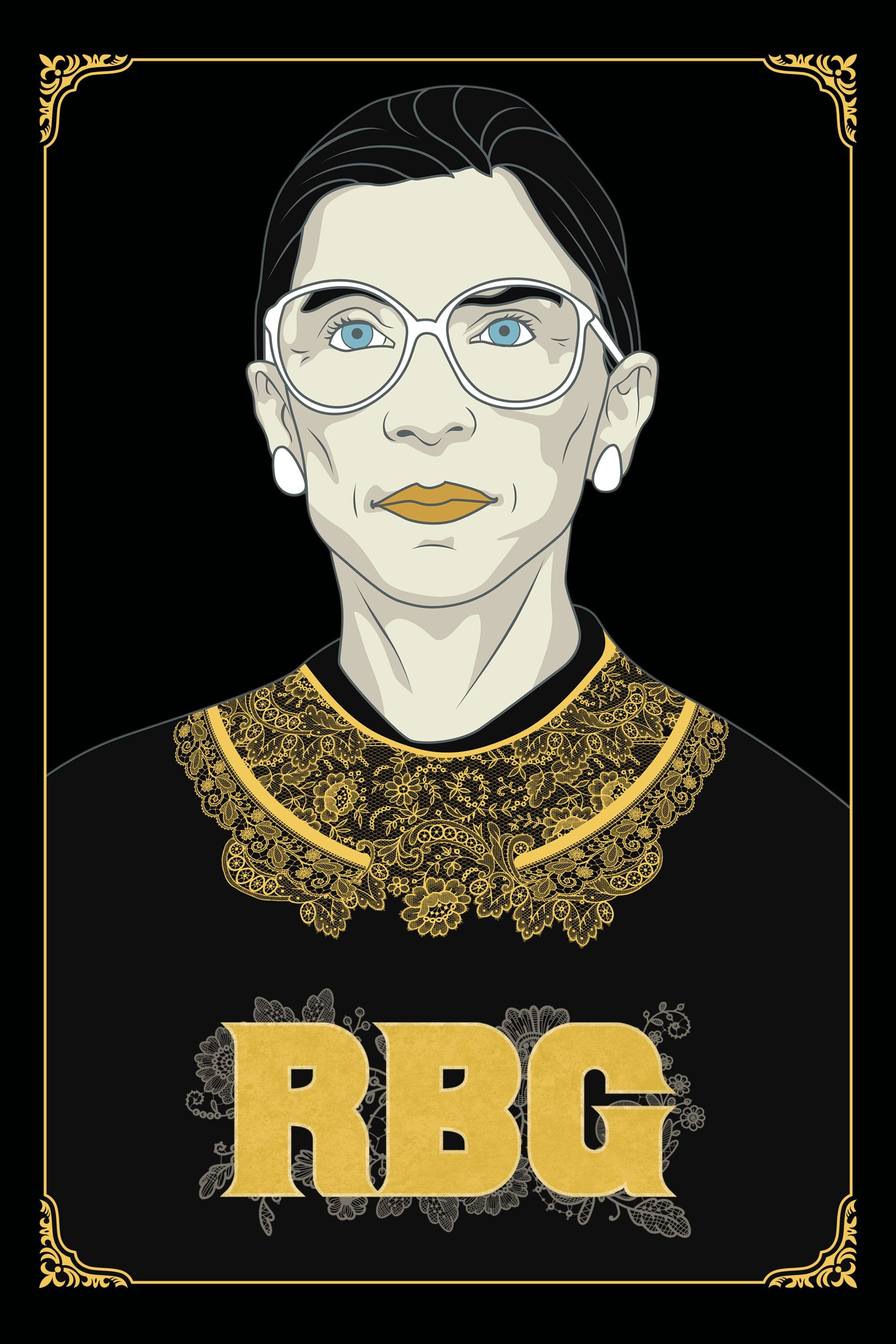
Justice Ruth Bader Ginsburg now 84, and still inspired by the lawyers who defended free speech during the Red Scare, Ginsburg refuses to relinquish her passionate duty, steadily fighting for equal rights for all citizens under the law. Through intimate interviews and unprecedented access to Ginsburg’s life outside the court, RBG tells the electric story of Ginsburg’s consuming love affairs with both the Constitution and her beloved husband Marty—and of a life’s work that led her to become an icon of justice in the highest court in the land.
This revealing documentary honors the legendary Sidney Poitier—iconic actor, filmmaker, and civil rights activist. Featuring interviews with Denzel Washington, Spike Lee, Halle Berry, and more.
Amber Heard and Nicole Kidman discuss their characters Mera and Atlanna.
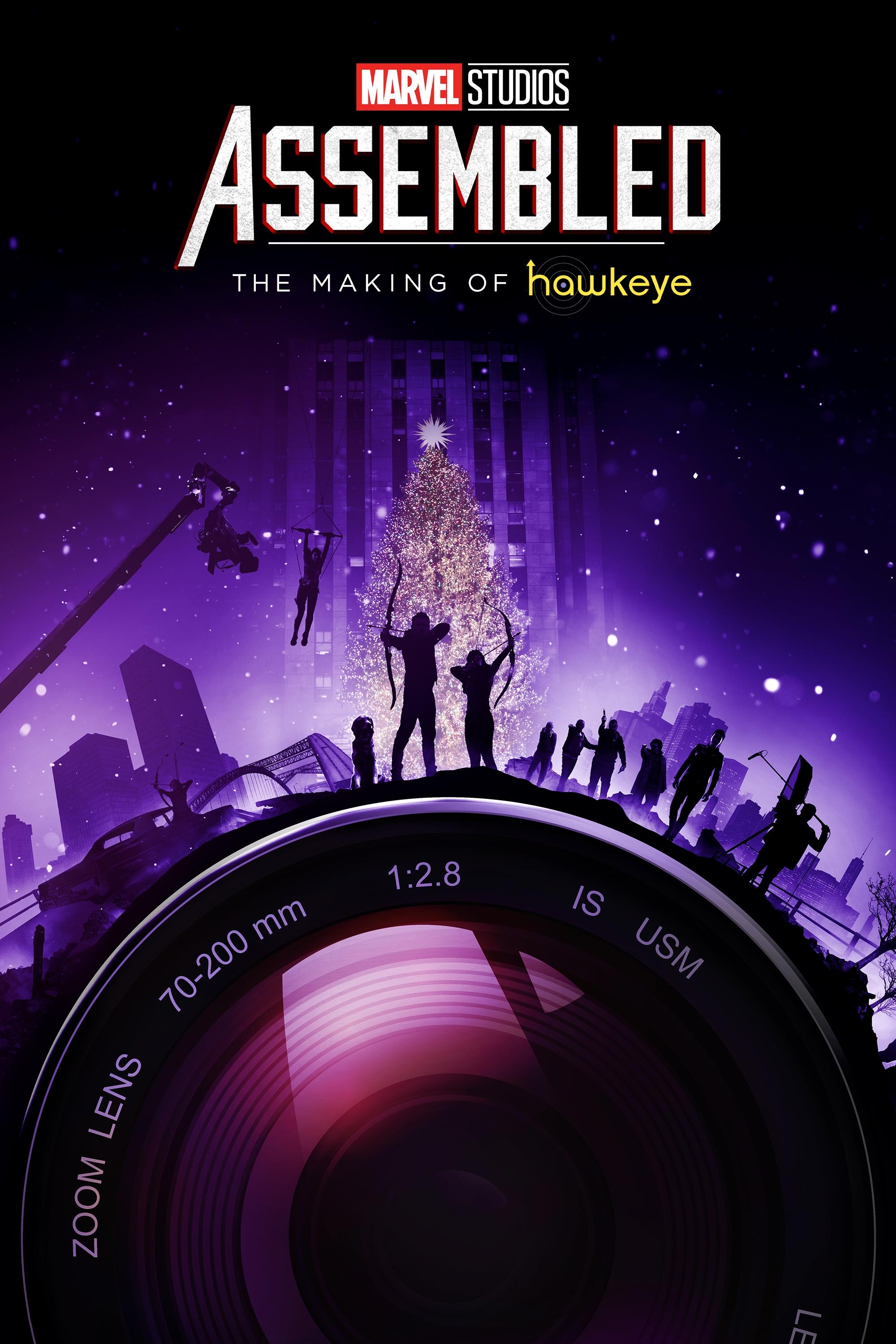
Join the likes of Jeremy Renner, Hailee Steinfeld, Florence Pugh, and Vincent D’Onofrio as they reveal how Marvel Studios’ “Hawkeye” was conceived and created. Witness firsthand what it took to pull off the show’s pulse-pounding action set pieces, and discover how iconic characters from the pages of Marvel Comics such as Kate Bishop were adapted and brought to life for the six-episode series.
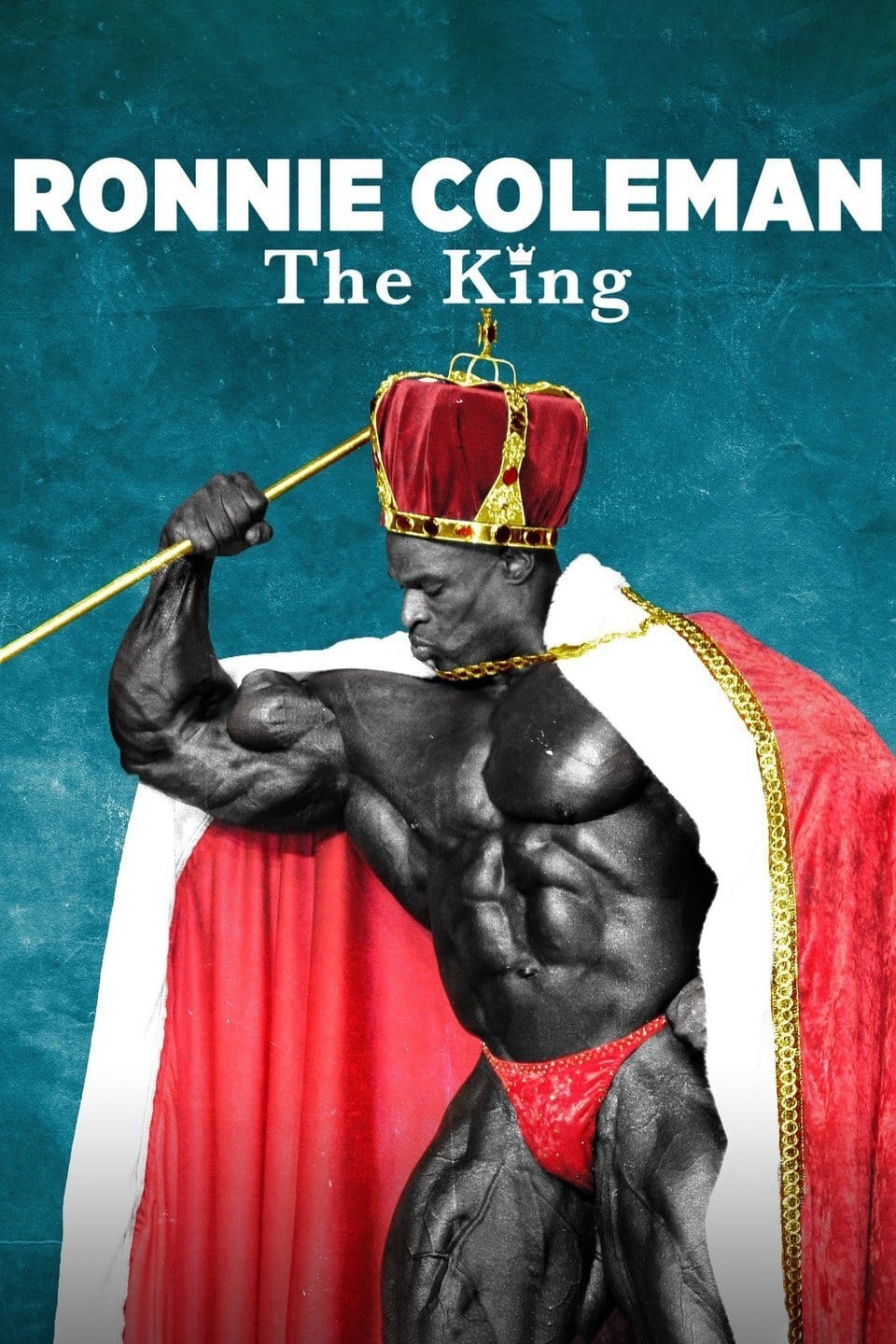
Ronnie Coleman is known as "The King" and for good reason. He is the 8x Mr. Olympia champion in the world of bodybuilding - sharing the world record for most Olympia wins. Now retired, he has undergone over 6 surgeries leaving him unable to walk without crutches but his desire to train like a pro bodybuilder has not dissipated. Exploring the history of his career as a bodybuilding legend and following his journey to recovery; for the first time ever discover the true man behind The King.
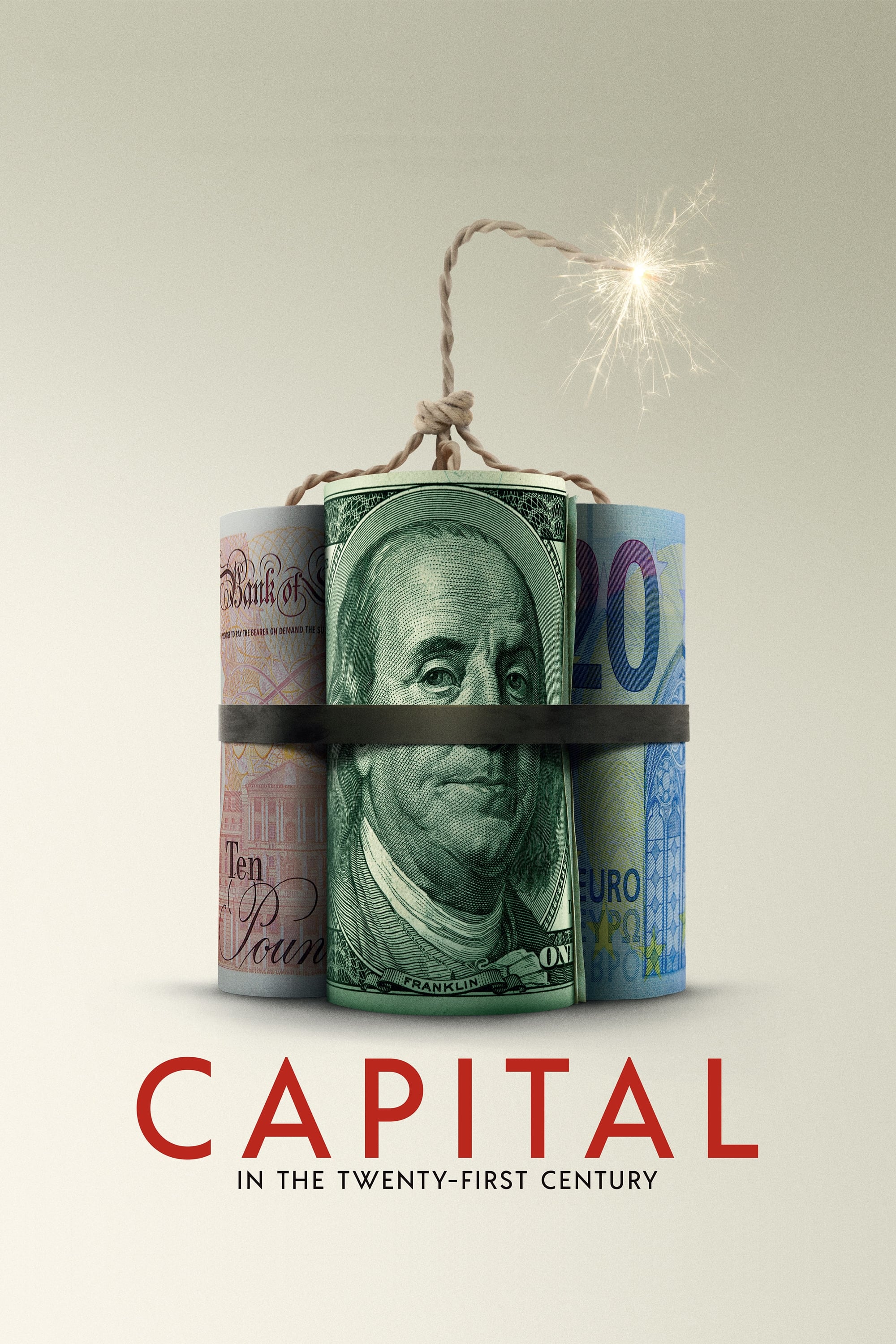
Film adaptation of French economist Thomas Piketty's ground-breaking global bestseller of the same name: an eye-opening journey through wealth and power.
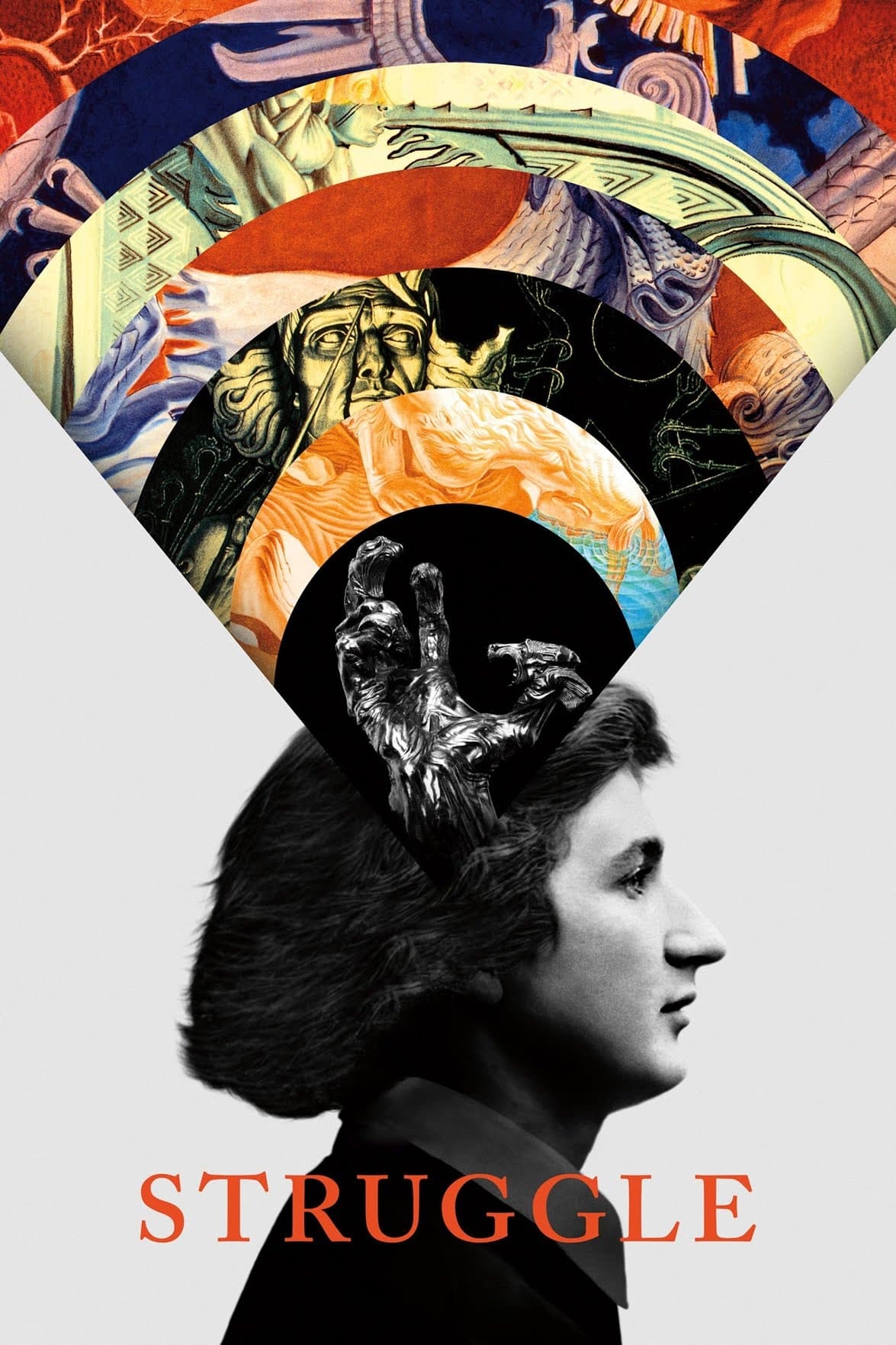
Artists in LA discover the work of forgotten Polish sculptor Stanislav Szukalski, a mad genius whose true story unfolds chapter by astounding chapter.
An inside look at one of the most anticipated movie sequels ever with James Cameron and cast.
A look at the origins, history and conspiracies behind the "Majestic 12", a clandestine group of military and corporate figureheads charged with reverse-engineering extraterrestrial technology.
Daniel Craig candidly reflects on his 15 year adventure as James Bond. Including never-before-seen archival footage from Casino Royale to the upcoming 25th film No Time To Die, Craig shares his personal memories in conversation with 007 producers, Michael G Wilson and Barbara Broccoli.
The film follows adventurer Jeff Johnson as he retraces the epic 1968 journey of his heroes Yvon Chouinard and Doug Tompkins to Patagonia.
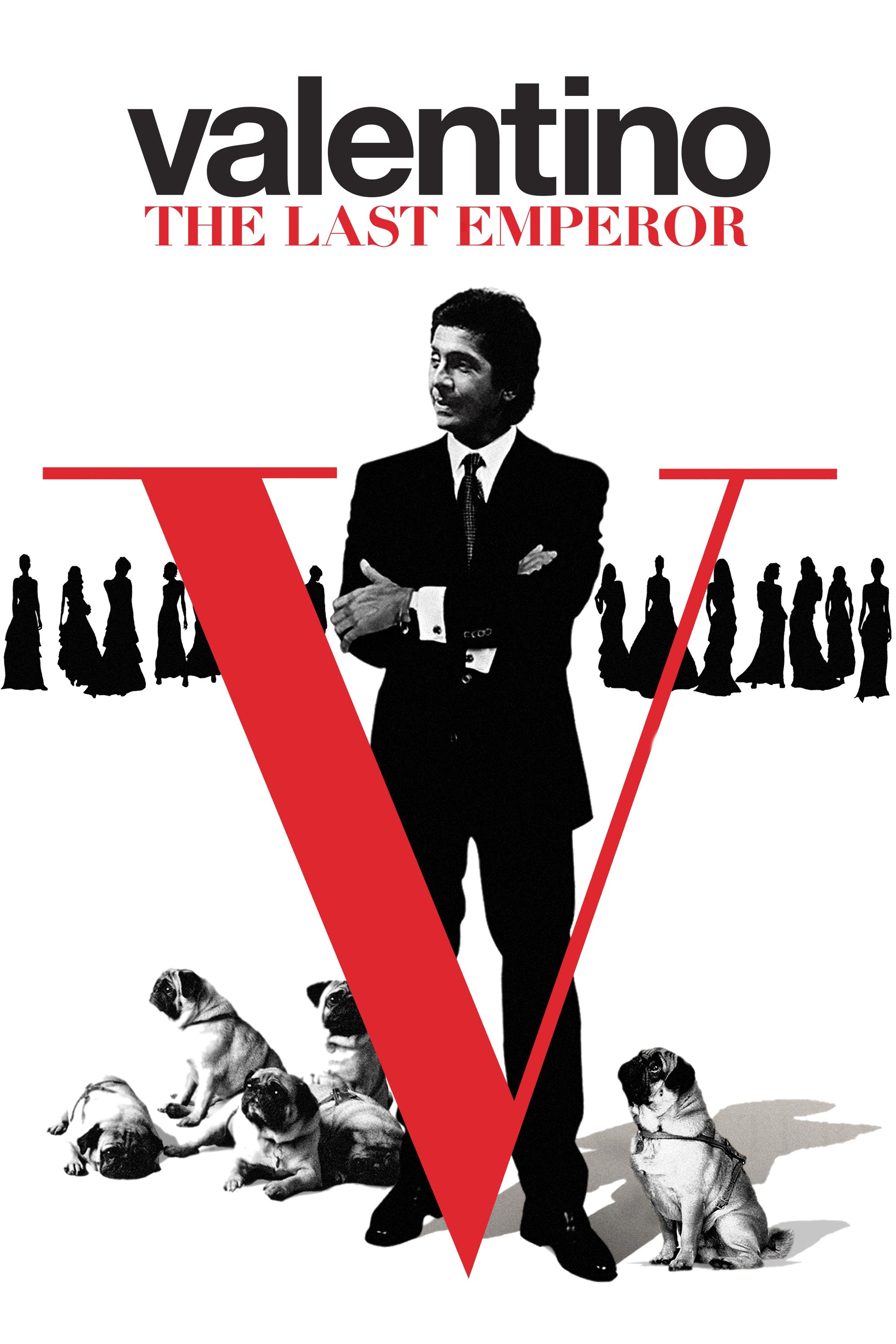
Film which travels inside the singular world of one of Italy's most famous fashion designers, Valentino Garavani, documenting the colourful and dramatic closing act of his celebrated career and capturing the end of an era in global fashion. However, at the heart of the film is a love story - the unique relationship between Valentino and his business partner and companion of 50 years, Giancarlo Giammetti. Capturing intimate moments in the lives of two of Italy's richest and most famous men, the film lifts the curtain on the final act of a nearly 50-year reign at the top of the glamorous and fiercely competitive world of fashion. (Storyville)
The story lives forever in this feature-length documentary that charts the making of Star Wars: The Rise of Skywalker.
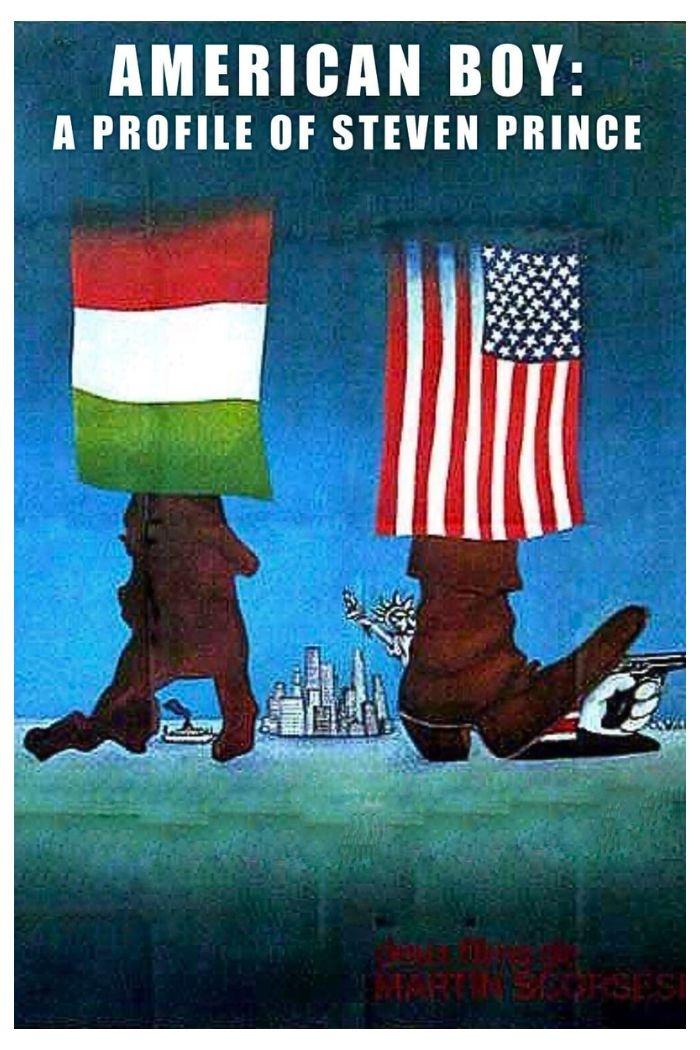
Martin Scorsese spends an evening with larger-than-life raconteur Steven Prince—a former drug addict, road manager for Neil Diamond, and actor—as he recounts stories from his colorful life.
A documentary about the making of season five of the acclaimed AMC series Breaking Bad.
The life and career of an actor, artist, and icon. His own journey through his own camera.
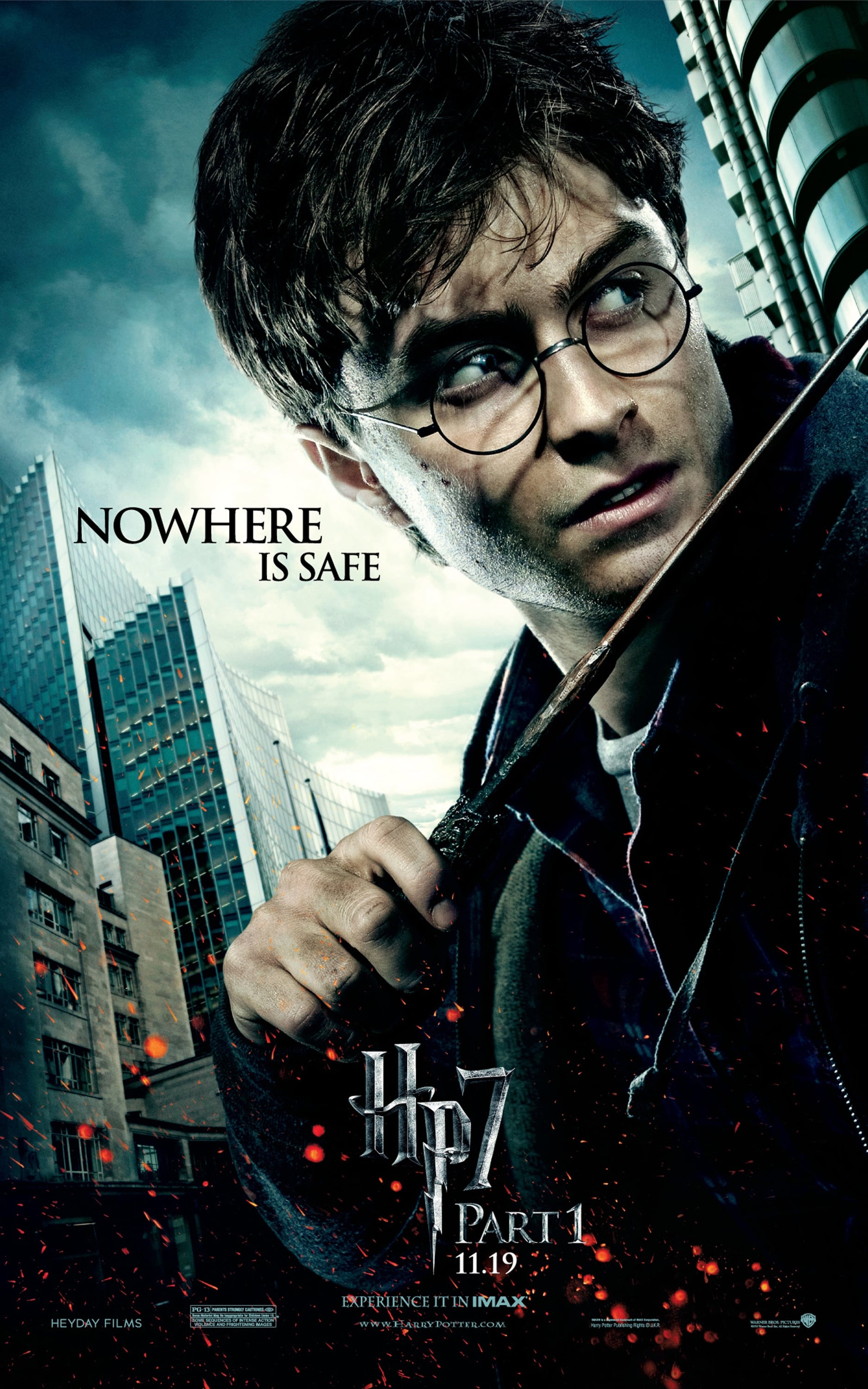
To mark the release two weeks ago of the eighth and final movie in the series, Robbie Coltrane narrates a countdown of the movie franchise's best moments. From Harry's first meeting with Ron and Hermione aboard the Hogwarts Express through to magical mysteries.