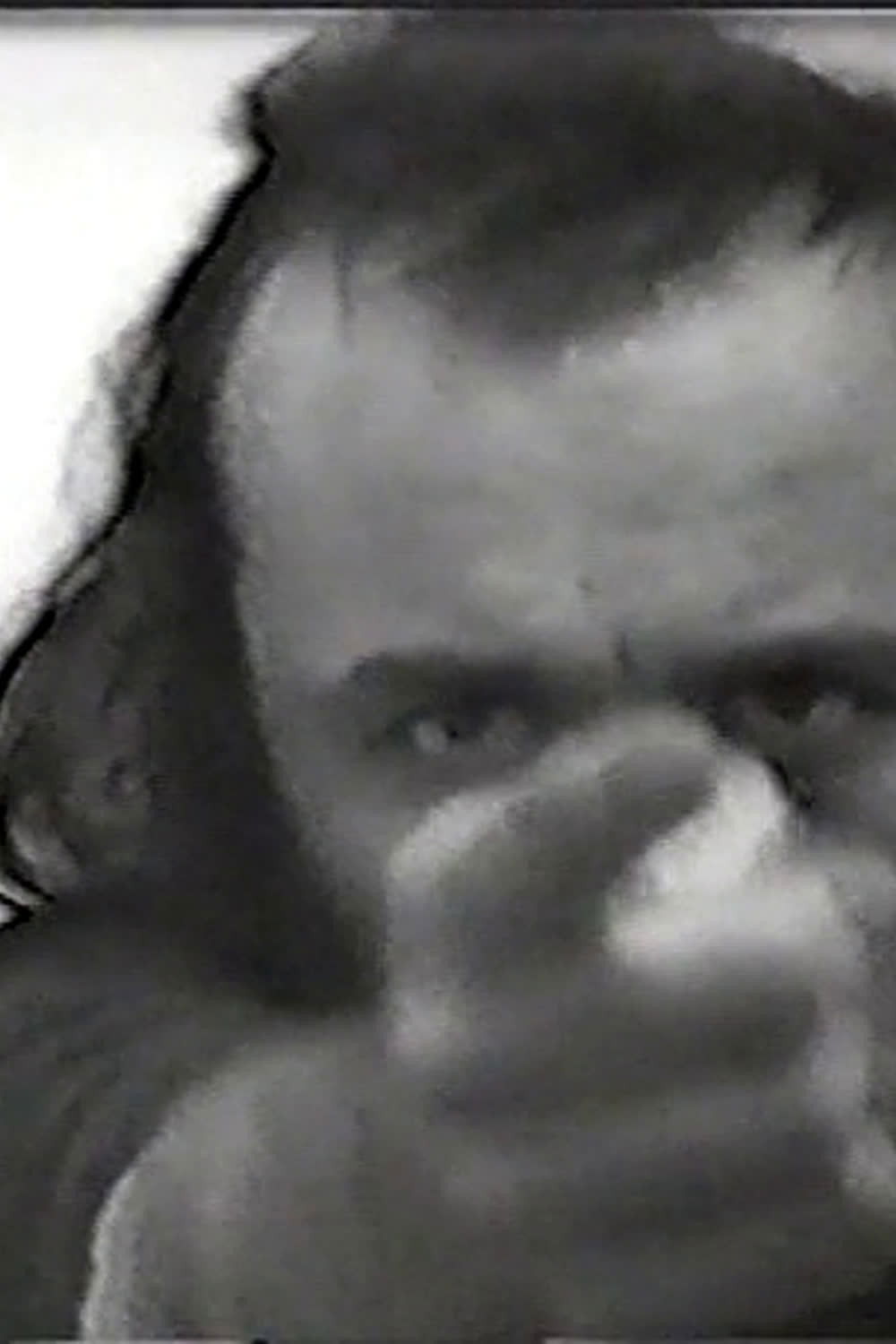
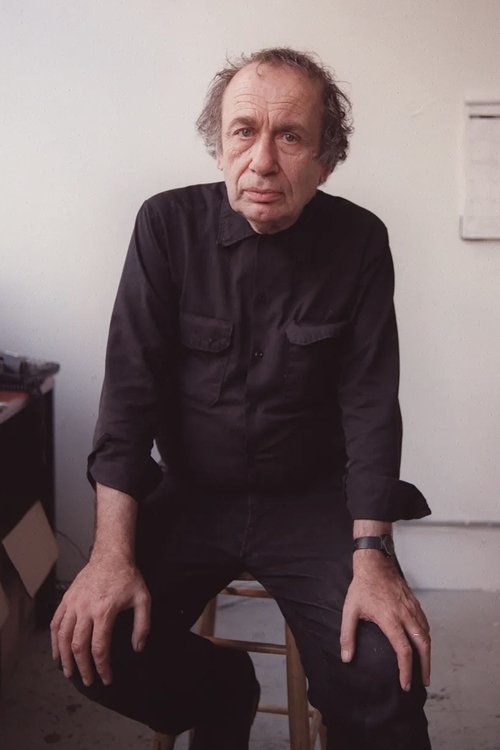
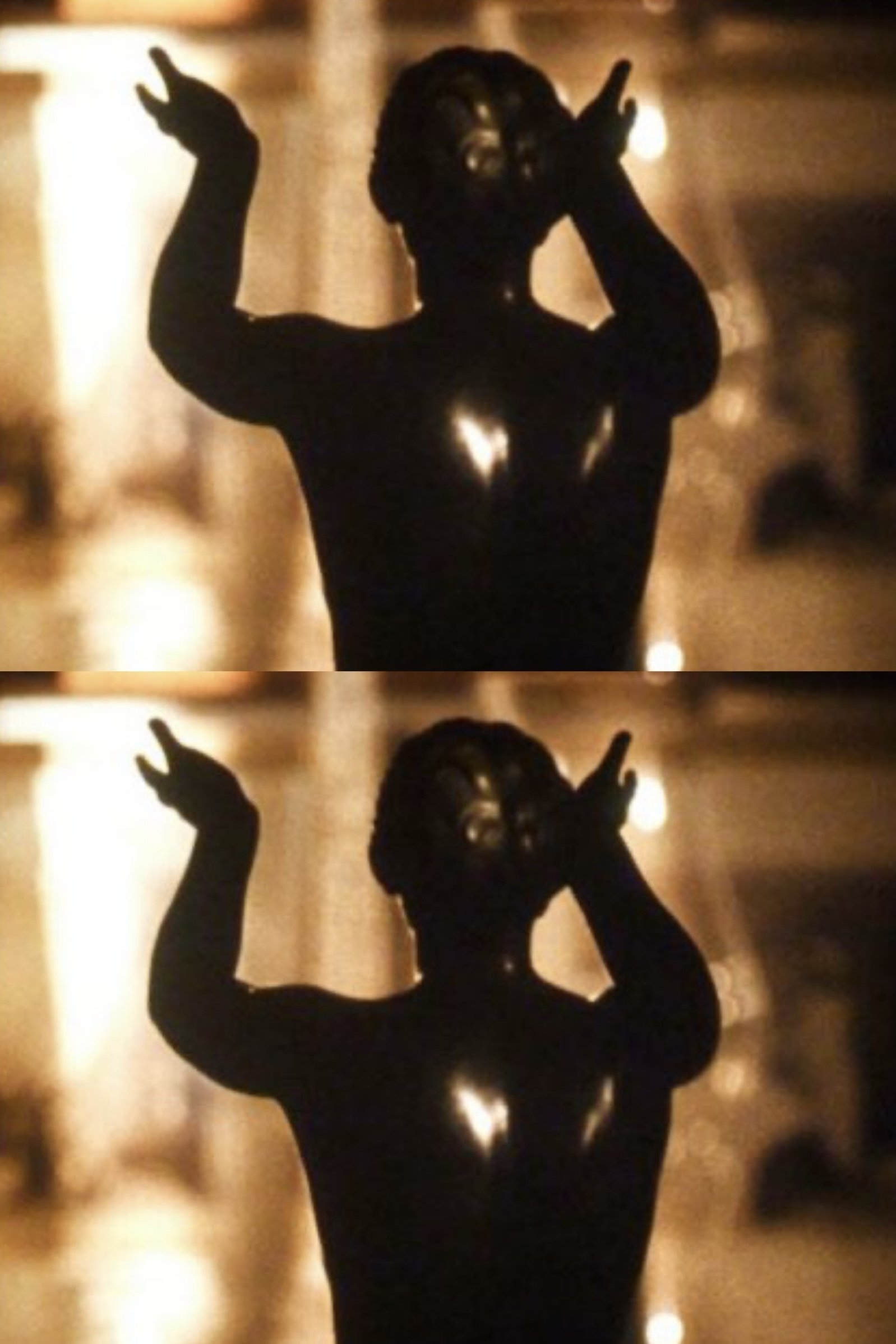
Poet and artist Vito Acconci points his finger towards the camera and his own reflection in an offscreen video monitor.
Social & External
Self
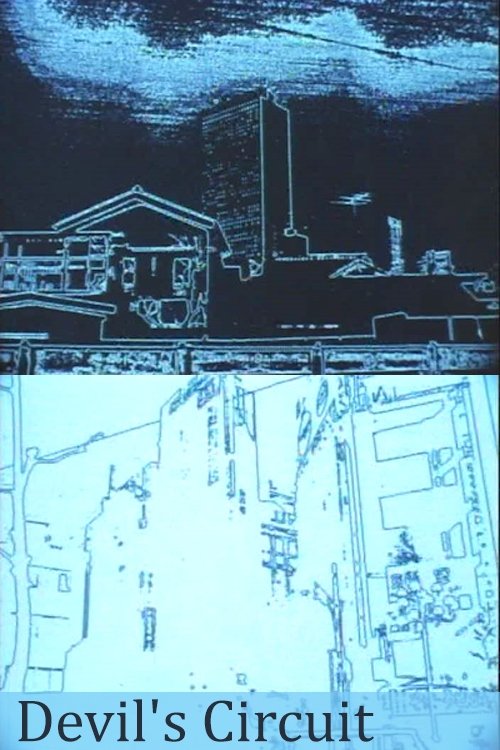
A film in which the one 60-story skyscraper that soars in the spaces between roofs spins with incredible speed. I centered the circumference with its 400 or 500 meter radius on the skyscraper and divided it into 48 sections, then took photographs from those spots and shot the photographs frame by frame.
"Ryuta is 5 years old. Even though he is my son, I sometimes wonder what this small person is to me. Even though I see his joys and sadnesses and know the feel of his warmth on my skin when I hold him, there are moments when my feelings for him become vague and blank." - Takashi Ito
Video by Croatian artist Sanja Iveković, a performative stripping of personal identity by the interpolation of excerpts from public service TV shows.
One film projected two times with a difference of a couple of seconds.
Filmed in 2003 while staying in a Brooklyn Heights apartment, the work centers on a small Greek statue revealed in shifting morning and afternoon light. Beavers weaves these images with views of the East River and Manhattan Bridge, later completing the film in 2010 as a meditative elegy for his friend Jacques Dehornois.
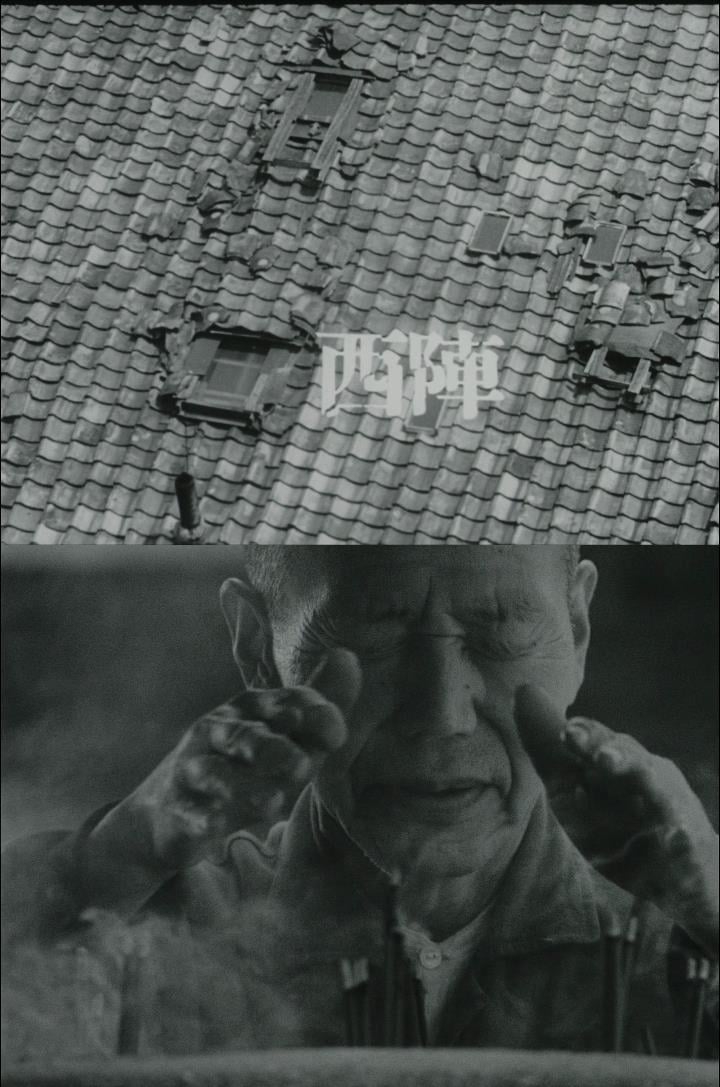
The Weavers of Nishijin captures the process of traditional textile manufacture in Nishijin.
A woman's body communicates with its surroundings; it is a receptor of the macrocosm that bears traces of all other laws, including even the physiology with all its energetic zones. This is the energy that corresponds to spiritual experiences, which also depend on the body technique. The communicability can be understood, among other things, as one of the variations of the functioning of the body within the sequential regime of signs.
This film is shot to point out the flood of commercial messages in television program, on billboards and megaboards, messages that take over our subconscious mind. We Love Belgrade is a log-line that justifies huge investments. This shining out of advertisement messages is just a curtain that hides carelessness towards the environment and human lives. The whole Belgrade became a commercial to sell itself, by constantly sending ads to its citizens. Could a commercial have any influence on a young mother of two whose only source of money comes from trash cans?
Filmed in Rome in the 1980s, the work draws on Borromini’s Baroque architecture and Il Sassetta’s St. Martin and the Beggar. Beavers contrasts winter’s subdued light with the verdant growth of spring, constructing a precise montage in which image and sound form a poetic dialogue.
Interweaving stonework and filmmaking, Beavers evokes memory through hammer strokes and chisel sounds that shape both image and rhythm. In this dialogue of repetition and variation, the film carves out a space where emptiness itself gains form, allowing vision beyond sight.
"In Re-entry he successfully synthesizes the Yogic and the cosmological elements in his art for the first time by forcefully abstracting and playing down both of them..." P. Adams Sitney
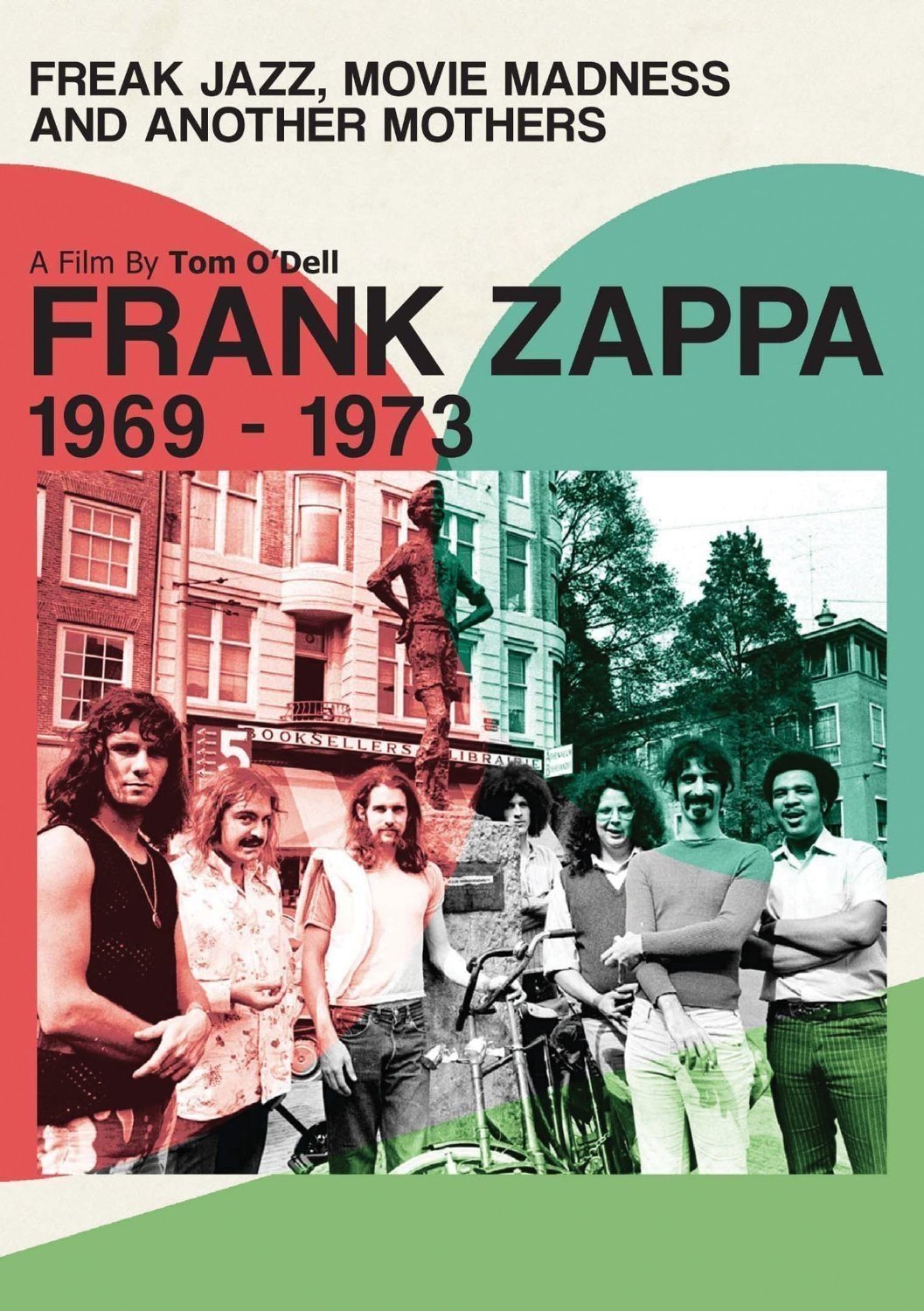
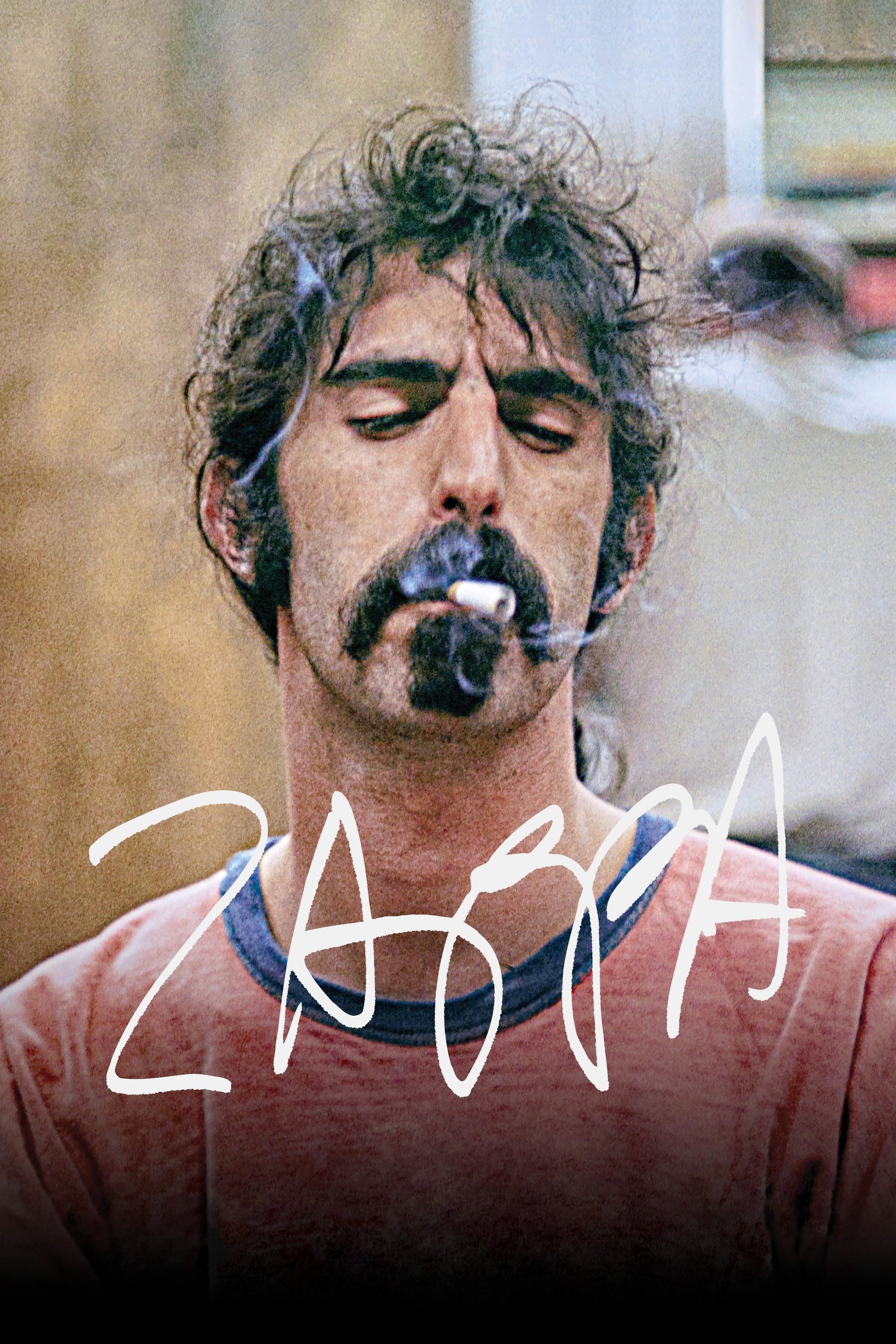
After disbanding the original Mothers of Invention in '69, Frank Zappa unleashed a second incarnation of the band by '70. This film focuses on the sophomore Mothers and this often-overlooked period in Zappa's career. Featuring rare footage, exclusive interviews, and contributions from many who worked with him, which all at once provide for the first film to tackle this phase in the Zappa legend
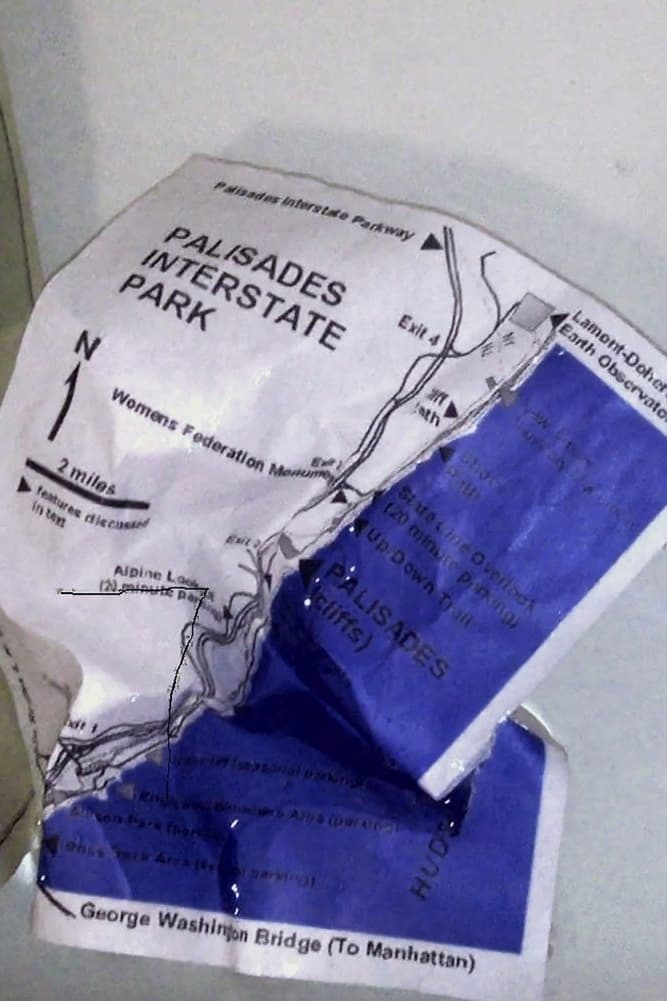
For this video, Palisades in Palisades, 2014, Rose wanted to expand both her conceptual concerns and her cinematographic repertoire. “I was learning how to make a shot in relation to the content,” she explains, “and how the shots were metaphors for pure sensual material.” The artist accomplished this by using a remote-control camera that could zoom from 200 feet away all the way up to the pores in an individual’s skin. She chose to shoot in New Jersey’s Palisades Interstate Park, a onetime Revolutionary War battleground turned landscaped circuit park that sits atop an ancient cliff.
Migrating by sea from Holland as an eight-year-old, Dirk de Bruyn went on to be a doyen of Australian experimental cinema. But as this intimate film reveals, his work is suffused with the trauma of migration, and the struggle to recognise himself as a ‘new Australian'. In conversation with documentarian Steven McIntyre, Dirk guides us through more than 40 years of his filmmaking: the early years exploring technique and technology, a subsequent phase of unflinching self-examination brought on by upheaval and overseas travel, and more recent projects where he attempts a fusion of personal, cultural, and historical identity. What emerges is an inspiring, rugged, and at times poignant portrait of an artist committed to self-expression and self-discovery through the medium of film.
The constant movement of the wheels, threads, sprockets, feet and hands suggests restlessness, and this is paralleled by the soundtrack. The unknown woman could be Gretchen from Faust, hopelessly in love or Ariadne who gave Theseus the thread to find his way out of labyrinth or perhaps she is one of the fates, weaving destiny… Enlarged from Super-8 to 35mm, the film is very grainy, in itself an homage to the medium of film which is also emphasized by the depiction of all kinds of turning machines, both in image and sound.
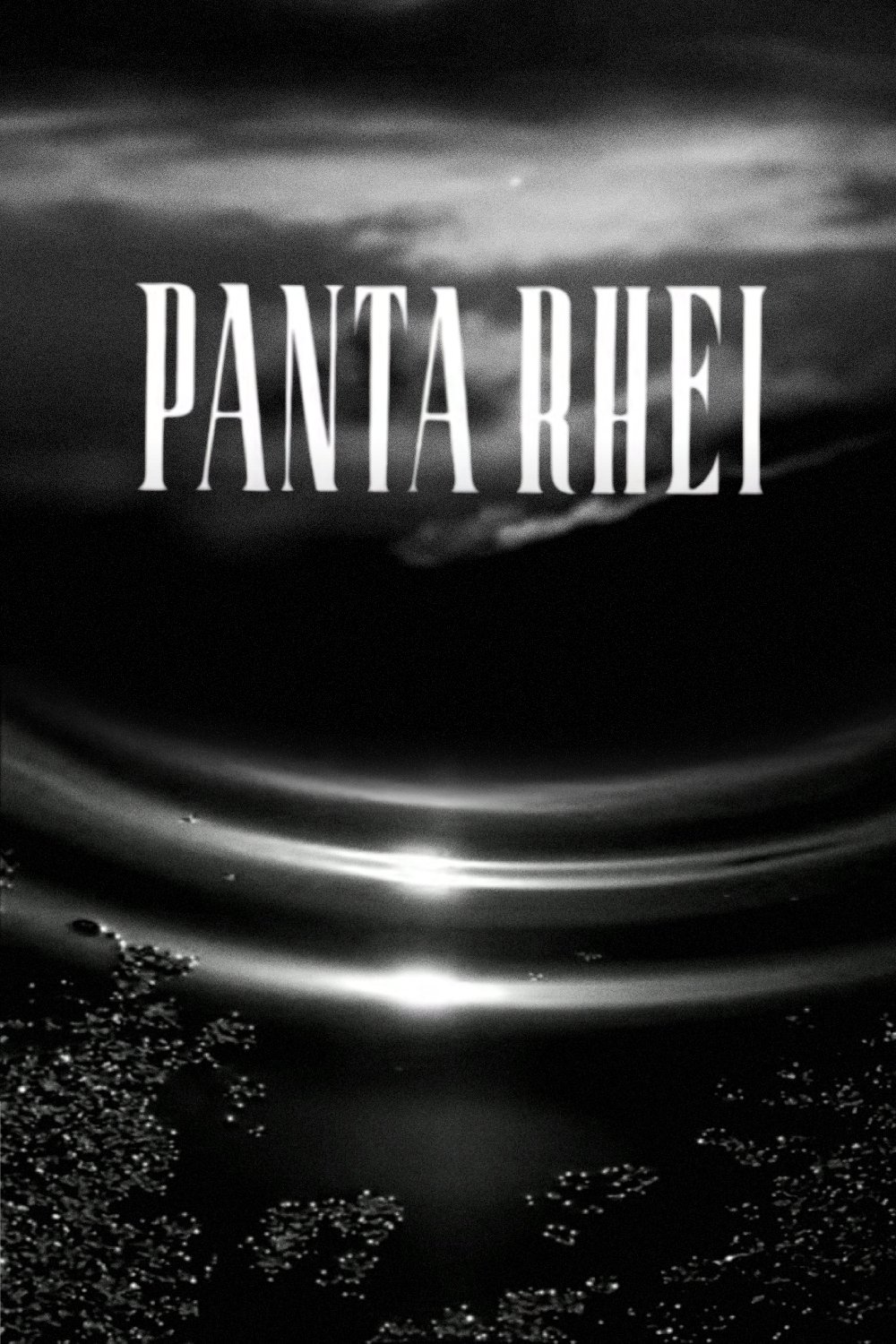
In 1952, Haanstra made Panta Rhei , another view of Holland through the eyes of a painter and filmmaker. Its poetic images of water, skies and clouds reflect Haanstra's own moods.
With the help of more than 10,000 dedicated Zappa fans, this is the long-awaited definitive documentary project of Alex Winter documenting the life and career of enigmatic groundbreaking rock star Frank Zappa. Alex also utilizes in this picture thousands of hours of painstakingly digitized videos, photos, audio, writing, and everything in between from Zappa's private archives. These chronicles have never been brought to a public audience before, until now.
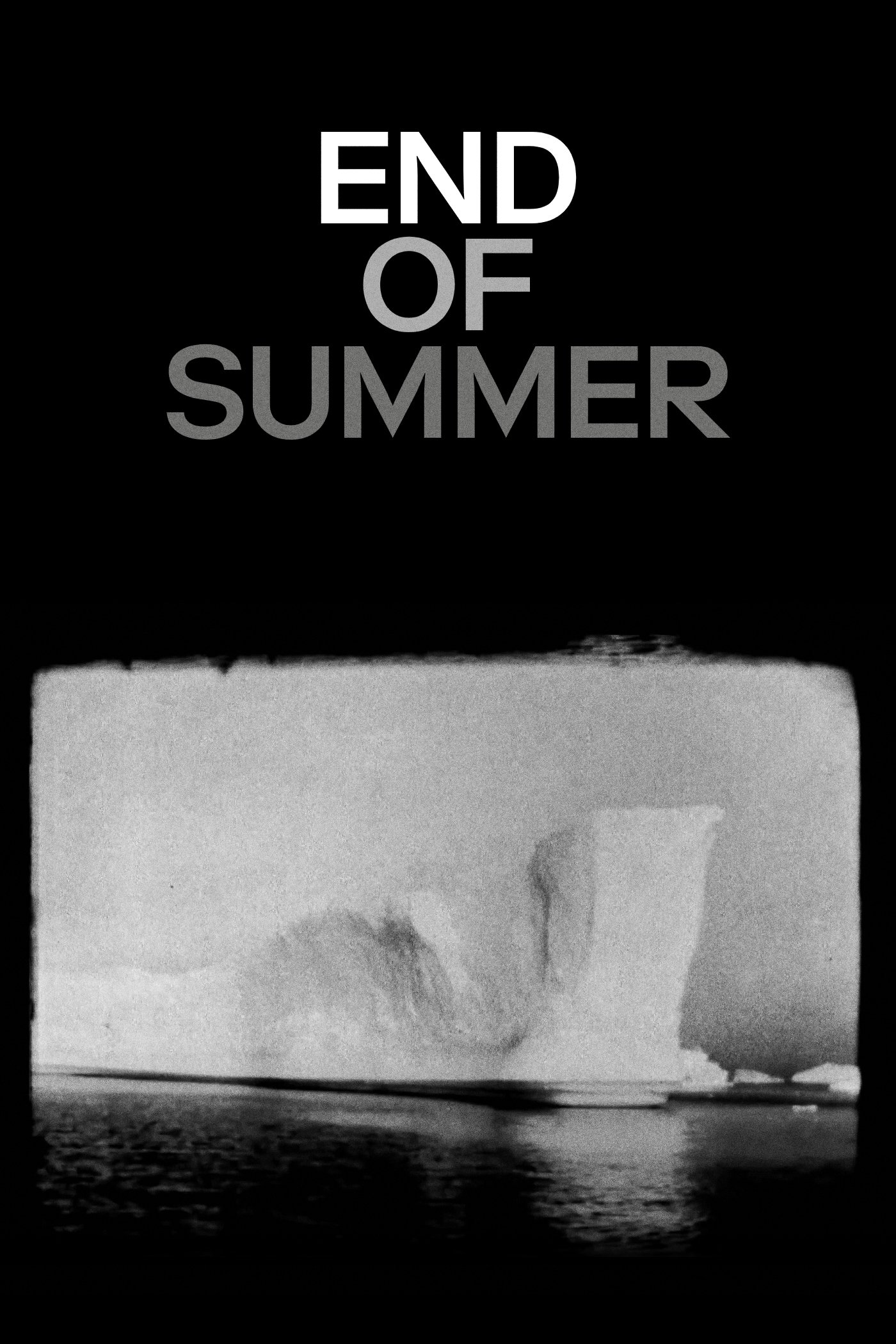
A hypnotic and slow-burning journey through the austere landscapes of the island of South Georgia and the Antarctic Peninsula. Shot on black and white super 8 film as a series of mostly static tableaux over a period of 20 days during the waning days of the Antarctic Summer, the film is a startling look at life at the edge of the world.
A visual montage portrait of our contemporary world dominated by globalized technology and violence.
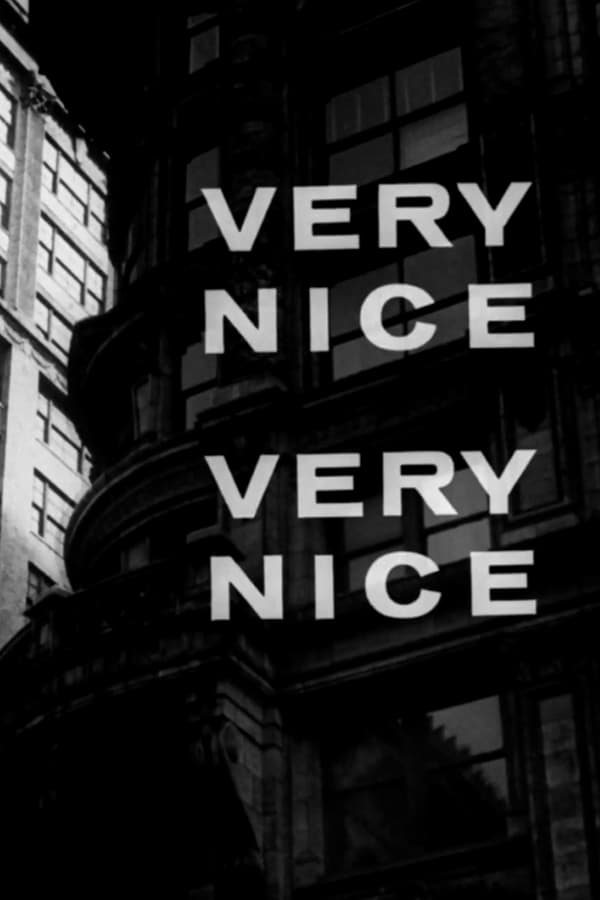
Arthur Lipsett's first film is an avant-garde blend of photography and sound. It looks behind the business-as-usual face we put on life and shows anxieties we want to forget. It is made of dozens of pictures that seem familiar, with fragments of speech heard in passing and, between times, a voice saying, "Very nice, very nice." The film was nominated for an Oscar for Best Live Action Short Film.
A documentary that explores the downloading revolution; the kids that created it, the bands and the businesses that were affected by it, and its impact on the world at large.
A woman walks into a New York gallery with a cache of unknown masterworks. Thus begins a story of art world greed, willfulness and a high-stakes con.
Through deeply personal interviews with her siblings and an examination of the photographs, letters, and belongings left behind, Mariska assembles a new portrait of her mother Jayne Mansfield, an extraordinary and complex woman.
Lyrical and powerfully personal essay film that reflects on the deaths of her husband Lou Reed, her mother, her beloved dog, and such diverse subjects as family memories, surveillance, and Buddhist teachings.
The life and career of an actor, artist, and icon. His own journey through his own camera.
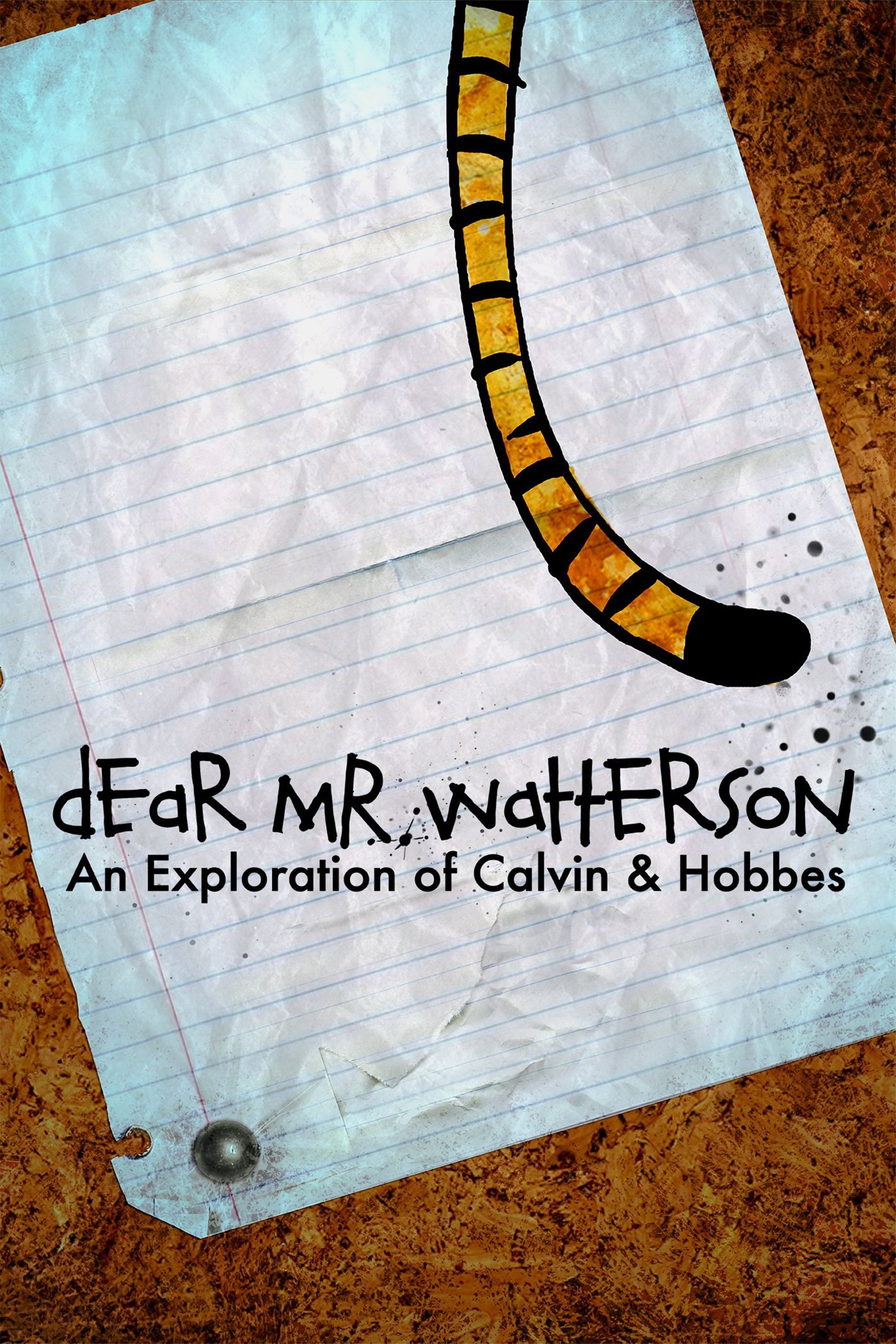
20 years after Calvin and Hobbes stopped appearing in daily newspapers, filmmaker Joel Allen Schroeder has set out to explore the reasons behind the comic strip's loyal and devoted following.
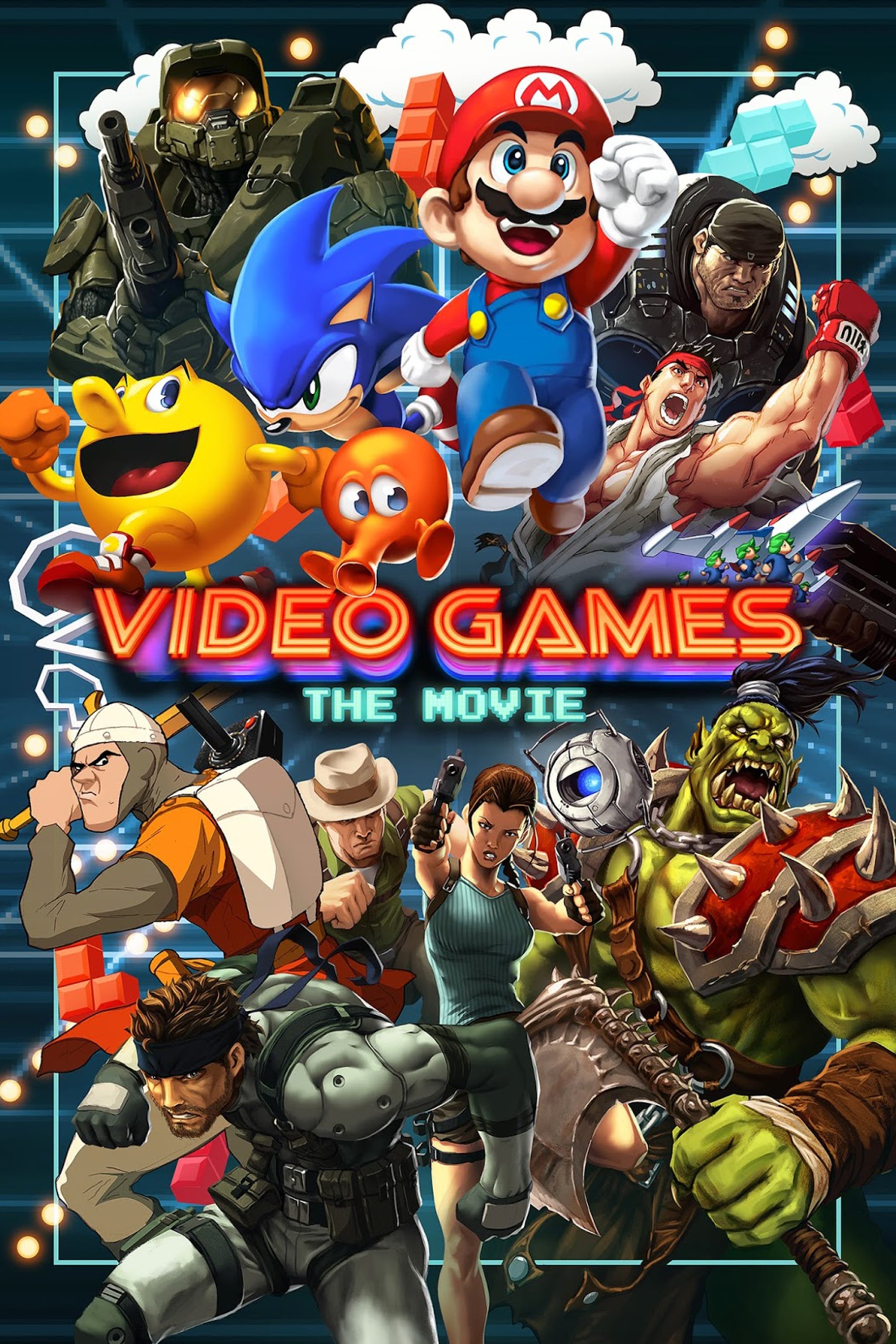
From executive producer Zach Braff and director Jeremy Snead, "Video Games: The Movie" is an epic feature length documentary chronicling the meteoric rise of video games from nerd niche to multi-billion dollar industry. Narrated by Sean Astin and featuring in-depth interviews with the godfathers who started it all, the icons of game design, and the geek gurus who are leading us into the future, "Video Games: The Movie" is a celebration of gaming from Atari to Xbox and an eye-opening look at what lies ahead.
A portrait of the day-to-day operations of the National Gallery of London, that reveals the role of the employees and the experiences of the Gallery's visitors. The film portrays the role of the curators and conservators; the education, scientific, and conservation departments; and the audience of all kinds of people who come to experience it.
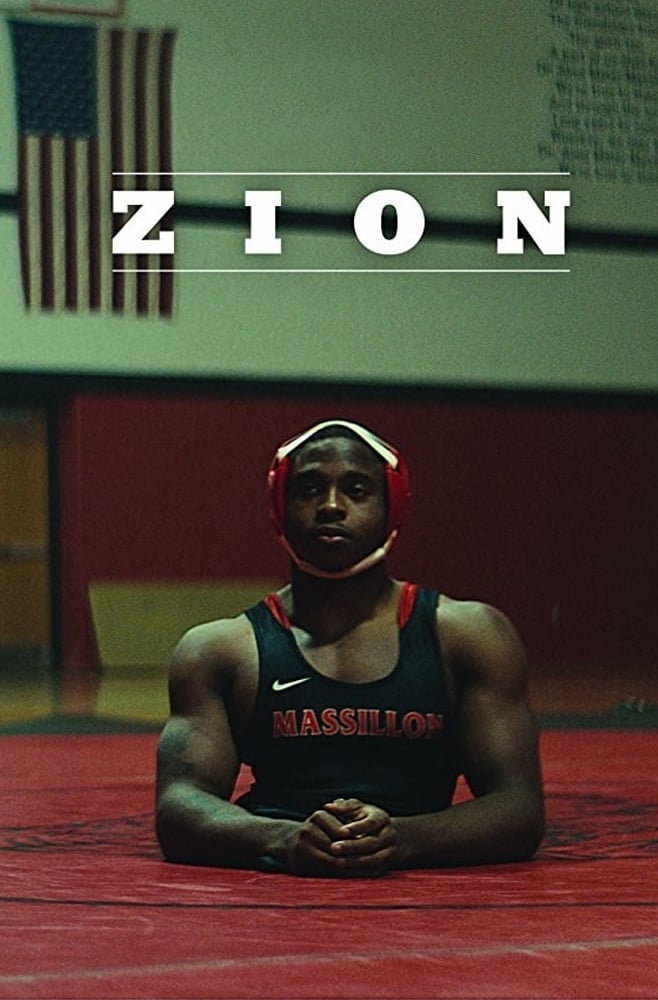
A portrait of Zion Clark, a young wrestler who was born without legs and grew up in foster care.
Al Pacino's deeply-felt rumination on Shakespeare's significance and relevance to the modern world through interviews and an in-depth analysis of "Richard III."
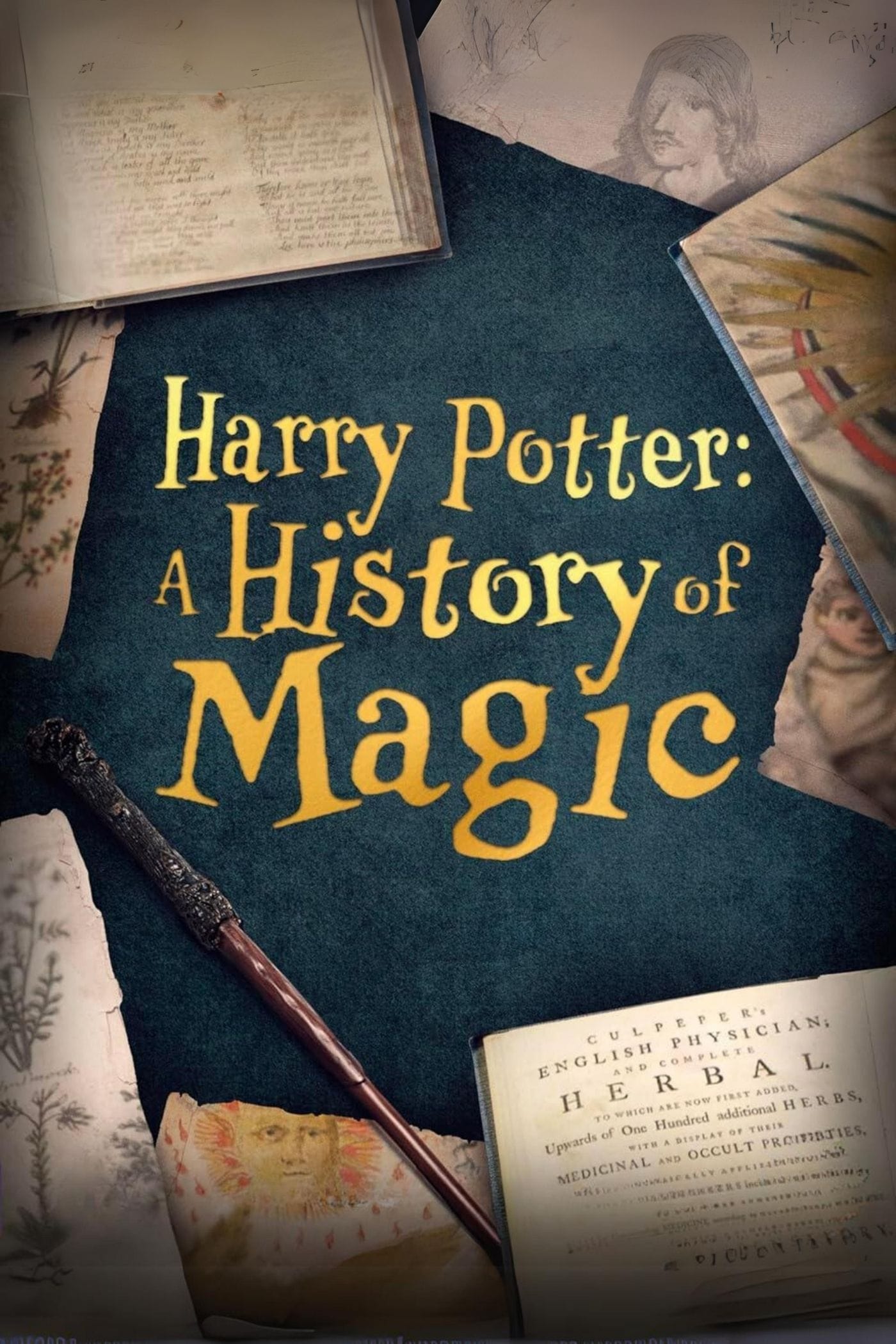
A thrilling journey through legends, belief and folklore, this film goes behind the scenes with the British Library as they search to tell that story through objects in their collection, in an ambitious new exhibition: Harry Potter: A History Of Magic. J.K. Rowling, who is lending unseen manuscripts, drawings and drafts from her private archives (which will sit alongside treasures from the British Library, as well as original drafts and drawings from Jim Kay) talks about some of the personal items she has lent to the exhibition and gives new insight into her writing, looking at some of the objects from the exhibition that have fired her imagination.
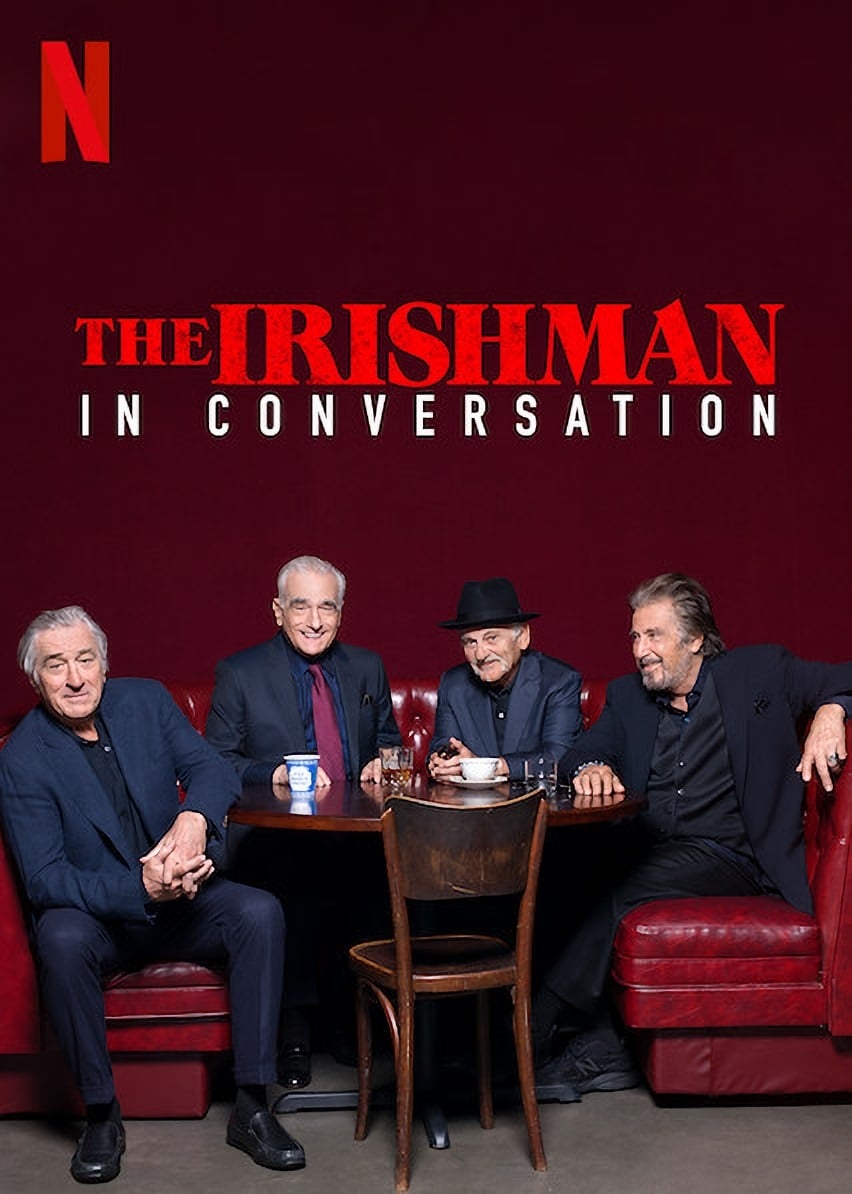
Martin Scorsese, Robert De Niro, Joe Pesci, and Al Pacino in conversation about The Irishman.
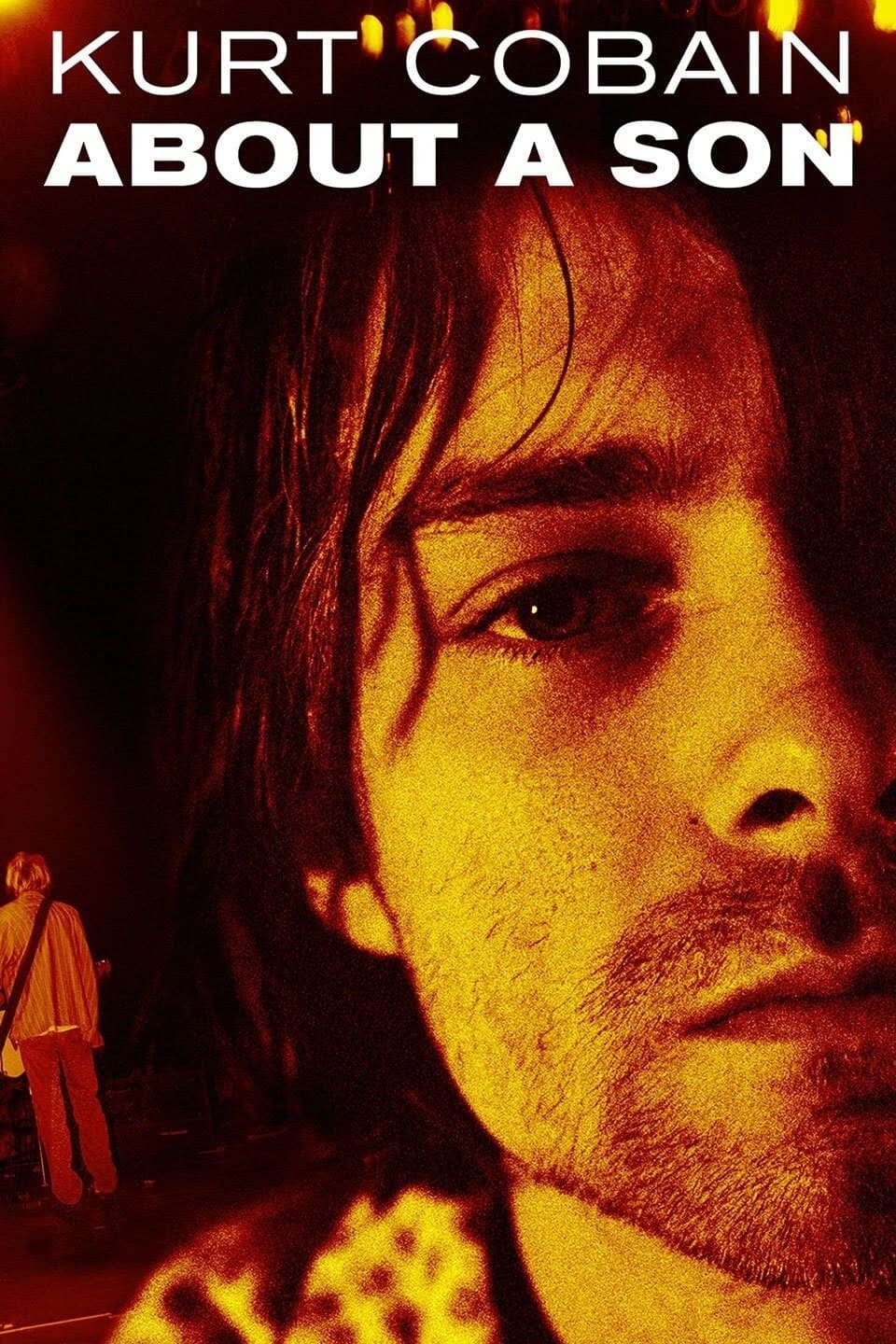
An intimate and moving meditation on the late musician and artist Kurt Cobain, based on more than 25 hours of previously unheard audiotaped interviews conducted with Cobain by noted music journalist Michael Azerrad for his book "Come As You Are: The Story of Nirvana." In the film, Kurt Cobain recounts his own life - from his childhood and adolescence to his days of musical discovery and later dealings with explosive fame - and offers often piercing insights into his life, music, and times. The conversations heard in the film have never before been made public, and they reveal a highly personal portrait of an artist much discussed but not particularly well understood.
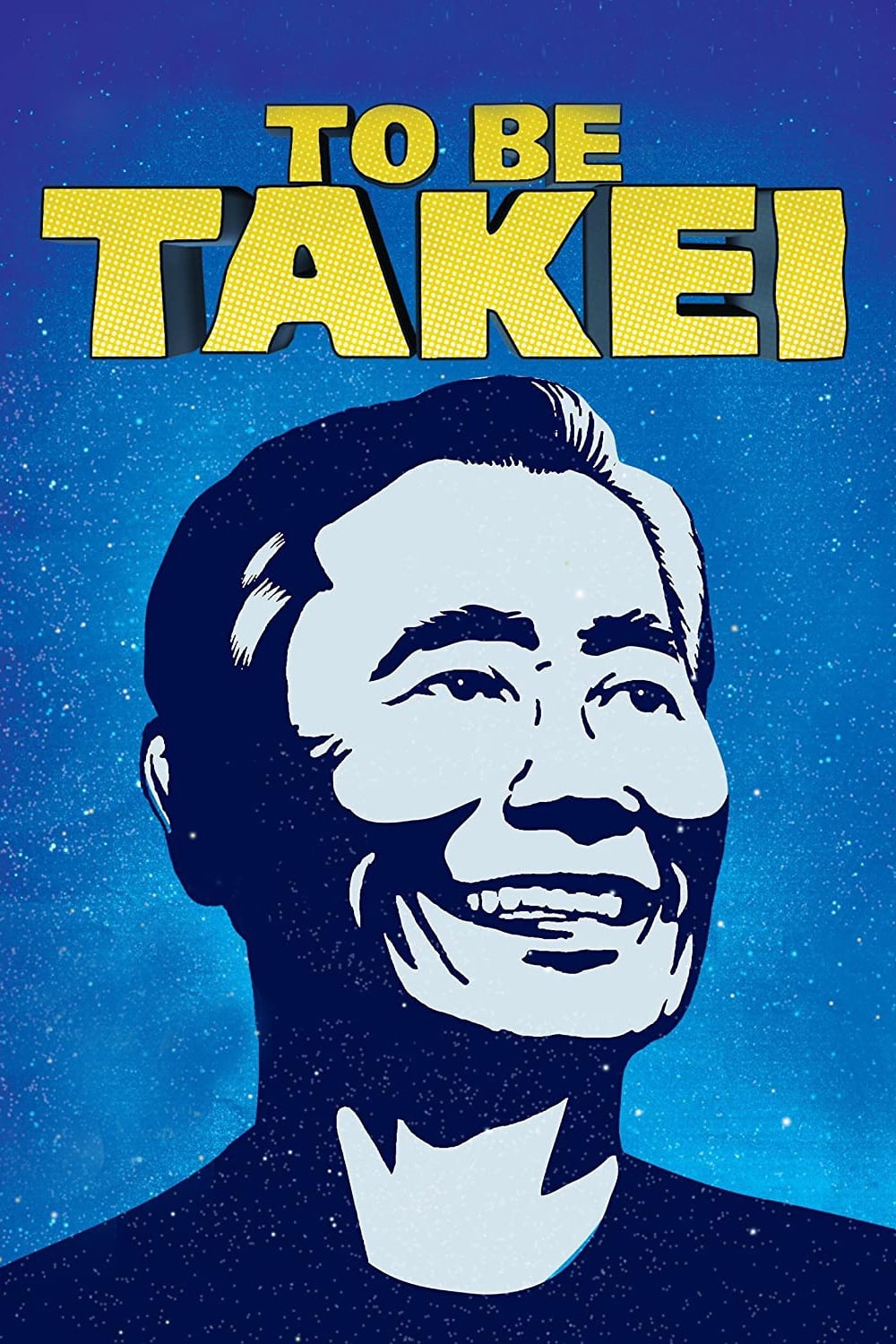
Over seven decades, actor and activist George Takei journeyed from a World War II internment camp to the helm of the Starship Enterprise, and then to the daily news feeds of five million Facebook fans. Join George and his husband, Brad, on a wacky and profound trek for life, liberty, and love.
An atmospheric essay, which is an alternative version of Count Dracula, a film directed by Jess Franco in 1970; a ghostly narration between fiction and reality.
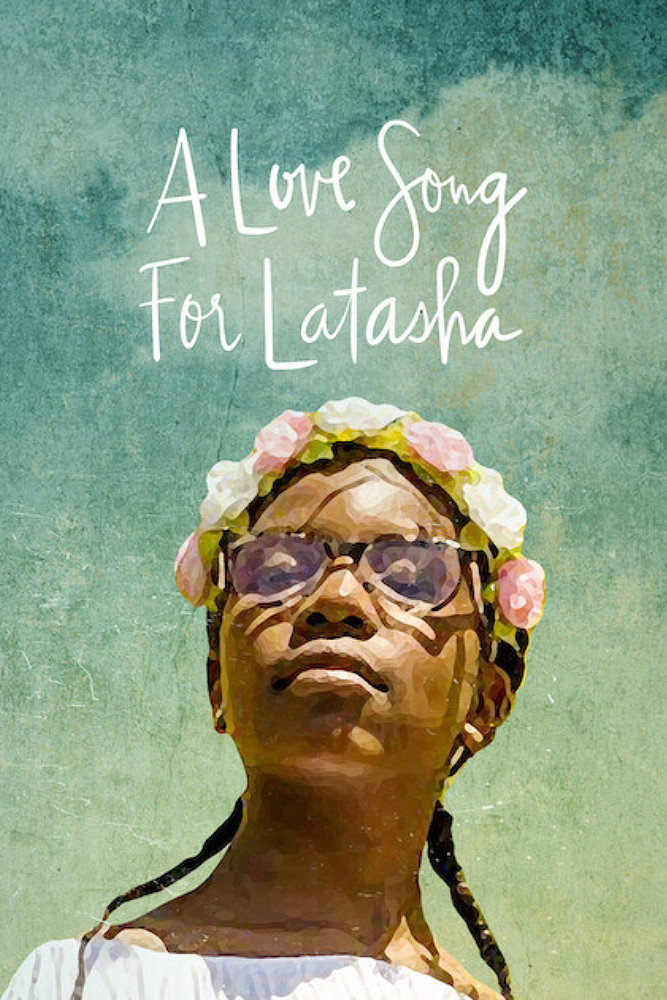
A dreamlike conversation with the past and the present, reimagining Latasha Harlins' story by excavating intimate memories shared by those who loved her.
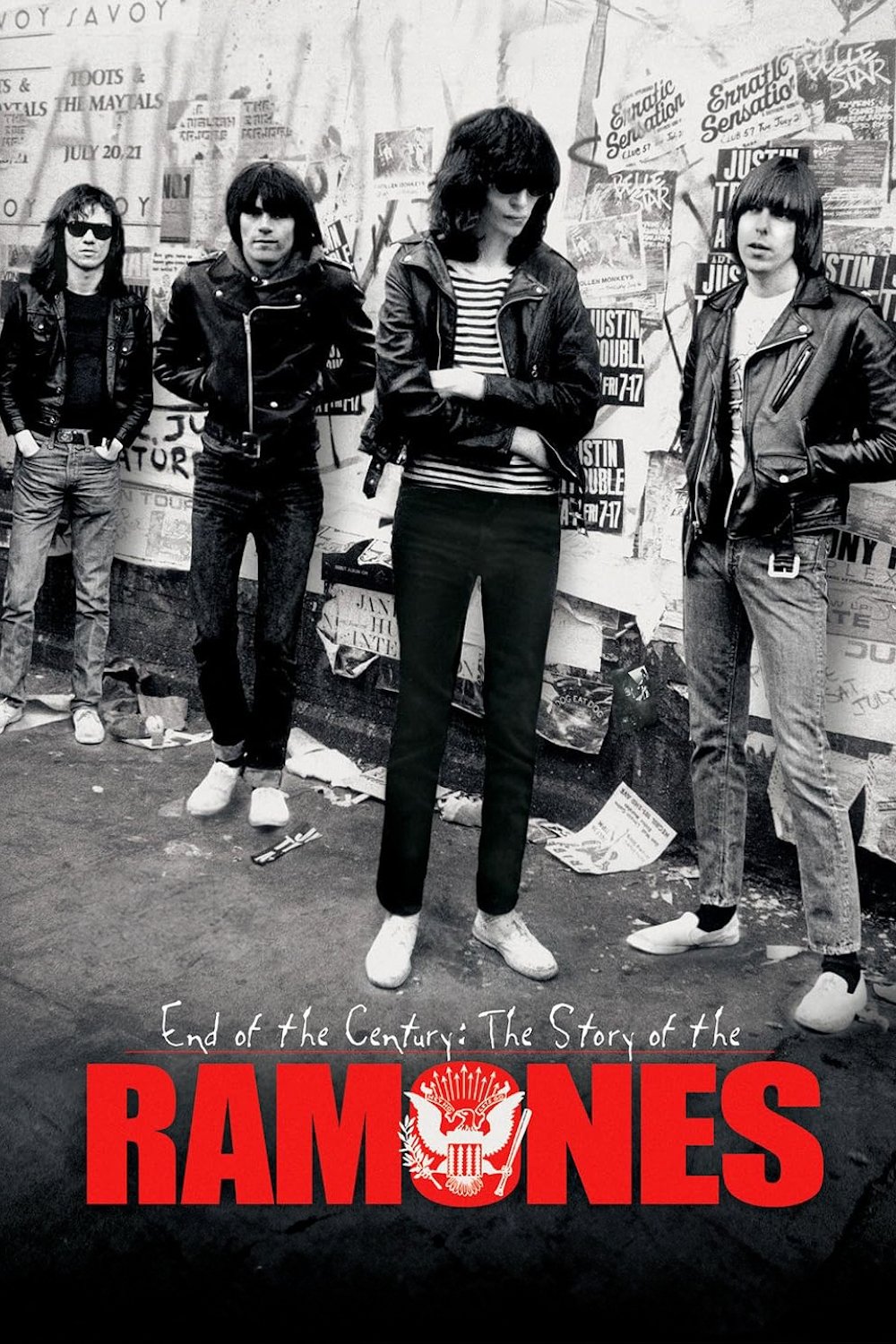
A years-in-the-making documentary on the legendary punk band the Ramones. Through a mixture of archival footage, archival and new interviews with all members of the band's various lineups, and new interviews with a number of their contemporaries, the film traces the peaks and valleys the band experienced over the course of its 20-plus year career before disbanding in 1995.
A documentary detailing the epic Rogues' Gallery of DC Comics from The Joker and Lex Luthor, Sinestro, Darkseid and more, this documentary will explore the Super Villains of DC Comics.